DNA vs RNA Probes for ISH: A 2025 Guide to Selection, Optimization, and Application
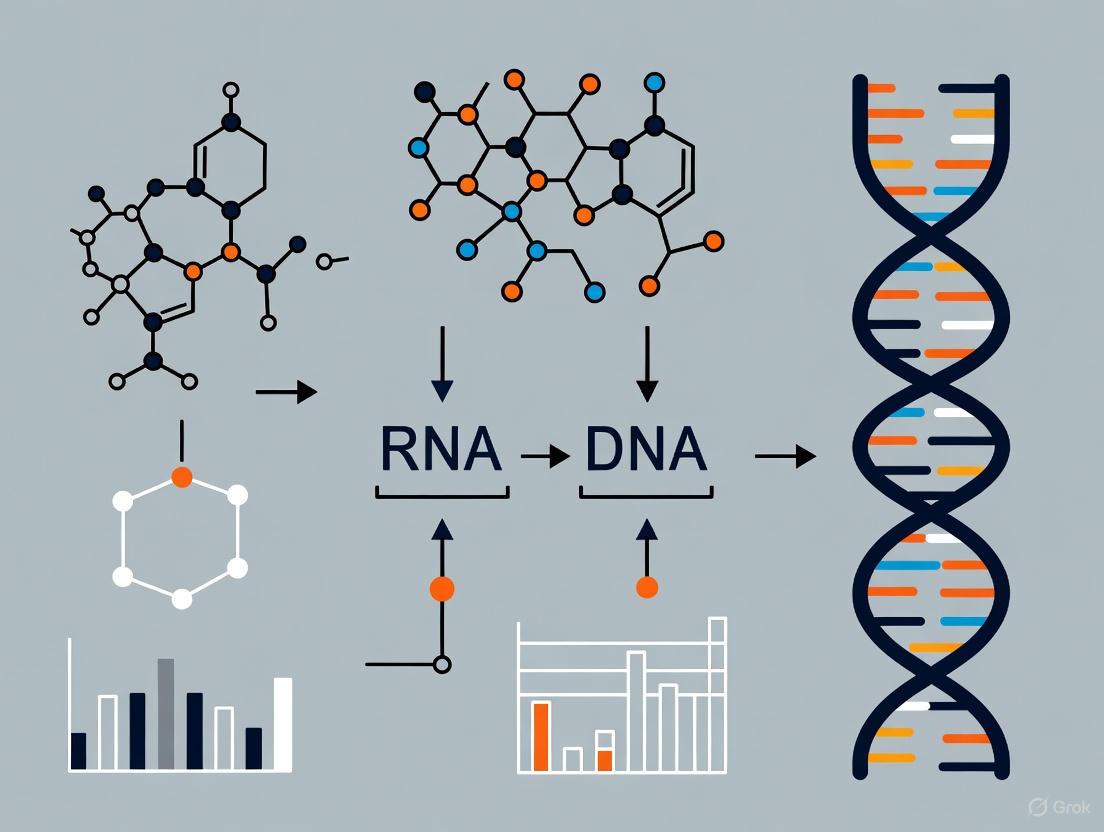
This article provides a comprehensive and up-to-date analysis of DNA and RNA probes for In Situ Hybridization (ISH), tailored for researchers, scientists, and drug development professionals.
DNA vs RNA Probes for ISH: A 2025 Guide to Selection, Optimization, and Application
Abstract
This article provides a comprehensive and up-to-date analysis of DNA and RNA probes for In Situ Hybridization (ISH), tailored for researchers, scientists, and drug development professionals. It covers foundational principles, including probe chemistry and design, and explores advanced methodological applications across techniques like FISH, MERFISH, and RNAscope. A significant focus is placed on practical troubleshooting and protocol optimization based on the latest 2025 research, alongside a rigorous comparative validation of probe performance in key metrics such as sensitivity, specificity, and artifact reduction. The goal is to equip practitioners with the evidence needed to make informed, strategic choices for precise nucleic acid detection in both research and clinical diagnostics.
DNA and RNA Probes Demystified: Core Principles and Design
Core Definitions and Fundamental Principles
Molecular probes are short, labeled sequences of nucleic acids—either DNA or RNA—engineered to bind to complementary DNA or RNA targets within cells or tissues, a process known as in situ hybridization (ISH) [1]. When these probes are labeled with fluorophores, the technique is called fluorescence in situ hybridization (FISH) [2] [3]. The fundamental principle relies on the predictable base-pairing rules of nucleic acids: adenine (A) pairs with thymine (T) or uracil (U), and guanine (G) pairs with cytosine (C) [1]. This complementary binding allows researchers to visually detect and localize specific genetic sequences with high spatial resolution, preserving the architectural context of the sample [2] [4].
- DNA Probes are typically single- or double-stranded DNA oligonucleotides. A key application is in chromatin tracing, where they hybridize to specific DNA sequences to visualize the spatial organization of genomic loci [5].
- RNA Probes (Riboprobes), often single-stranded, are synthesized via in vitro transcription from a DNA template [6]. They are primarily used to detect mRNA transcripts, providing insights into gene expression patterns and cellular heterogeneity [2].
Comparative Analysis: DNA vs. RNA Probes
The choice between DNA and RNA probes significantly impacts the sensitivity, specificity, and application of an ISH experiment. The table below summarizes their core characteristics and optimal use cases.
Table 1: Key Characteristics of DNA and RNA Probes
| Feature | DNA Probes | RNA Probes (Riboprobes) |
|---|---|---|
| Core Structure | Single- or double-stranded DNA oligonucleotides [1] | Single-stranded RNA, synthesized by in vitro transcription [6] |
| Typical Length | ~30 nucleotides for highly multiplexed FISH [5]; 0.5–3 kb for other ISH [6] | 50–150 bp for high penetration; up to 1500 bases, with ~800 bases considered optimal for sensitivity [6] [7] |
| Hybridization Strength | Weaker hybridization to target mRNA; formaldehyde should be avoided in post-hybridization washes [6] | Strong, stable hybridization to target RNA due to RNA-RNA duplex formation [6] |
| Primary Application | Detecting DNA sequences (e.g., chromosomal loci, viral DNA) and some RNA targets [2] [5] | Detecting RNA sequences (mRNA, ncRNA), prized for high sensitivity and specificity in gene expression studies [6] [2] |
| Key Advantage | High sensitivity for DNA detection; useful for multiplexed techniques like chromatin tracing [3] [5] | Superior sensitivity and specificity for RNA targets, leading to lower background noise [6] |
Technical Protocols and Methodologies
Successful ISH requires a meticulous, multi-stage protocol to preserve nucleic acid integrity, ensure specific probe binding, and minimize background noise.
Sample Preparation and Fixation
Proper tissue handling is paramount, especially for RNA detection, due to the ubiquity of RNases. Tissues should be transferred to ice-cold RNase-free PBS immediately after collection and fixed promptly [7].
- Fixation: The most common fixatives are 4% paraformaldehyde (PFA) or 10% neutral buffered formalin (NBF) [7] [8]. For formalin-fixed paraffin-embedded (FFPE) samples, fixation in fresh 10% NBF for 16–32 hours at room temperature is recommended [8]. Inadequate fixation leads to RNA degradation and poor signal [7].
- Permeabilization: Treatment with proteinase K (e.g., 1-20 µg/mL for 5-30 minutes) is required after fixation to digest proteins and allow probe access to the target nucleic acids. The concentration and time must be optimized, as over-digestion damages tissue morphology [6] [7].
Probe Design and Labeling
Probe design is a critical determinant of experimental success, influencing both specificity and signal strength.
- Design Strategy: For mRNA detection, probes should target the coding region (CDS) or the 3' untranslated region (3' UTR) for better sequence specificity [7]. Repetitive elements like poly-A tails must be avoided [7]. Advanced computational tools like TrueProbes and ProbeDealer are now used to design probes by assessing genome-wide binding affinities, minimizing off-target interactions, and optimizing thermodynamic properties [9] [10] [5].
- Labeling: Isotopic labels (e.g., ³²P, ³âµS) offer high sensitivity but are hazardous and less common [1]. Non-isotopic labels are preferred for safety and convenience:
- Biotin and Digoxigenin (DIG) are common haptens detected via enzyme-conjugated antibodies (e.g., streptavidin-HRP or anti-DIG-alkaline phosphatase) in chromogenic assays [1] [7].
- Fluorescent dyes (e.g., Cy3, Alexa Fluor) allow for direct detection in FISH and are widely used in multiplexed assays [2] [3]. Quantum dots are gaining traction for their superior brightness and photostability [3].
Hybridization and Post-Hybridization Washes
This core step involves the annealing of the probe to its target sequence.
- Hybridization Conditions: The probe is diluted in a specialized hybridization buffer containing formamide, salts, and blocking agents, denatured, and applied to the sample [6] [4]. Hybridization occurs overnight in a humidified chamber at a carefully controlled temperature.
- Stringency Washes: After hybridization, a series of washes with solutions of defined salt concentration (SSC) and temperature are performed to remove unbound and weakly bound probes, thereby reducing background signal [6] [4]. Higher temperature and lower salt concentration increase stringency.
Signal Detection and Visualization
The method of detection depends on the probe label.
- Chromogenic Detection: For DIG-labeled probes, an enzyme-conjugated antibody (e.g., anti-DIG-alkaline phosphatase) is applied. The enzyme then catalyzes a reaction with a substrate like NBT/BCIP, producing a colored precipitate visible under a bright-field microscope [7].
- Fluorescent Detection: For directly labeled probes, the sample is mounted with an anti-fade medium and imaged using a fluorescence or confocal microscope. In techniques like smFISH or RNAscope, each punctate dot represents a single mRNA molecule [2] [8].
ISH Workflow: A generalized ISH procedure showing key steps from sample preparation to analysis.
The Scientist's Toolkit: Essential Reagents and Materials
Table 2: Essential Reagents and Materials for ISH Experiments
| Item | Function / Description | Example / Note |
|---|---|---|
| Fixatives | Preserves cellular structure and nucleic acid integrity. | 4% Paraformaldehyde (PFA), 10% Neutral Buffered Formalin (NBF) [7] [4] |
| Permeabilization Agents | Creates holes in the cell membrane/tissue for probe entry. | Proteinase K, Triton X-100 [6] [4] |
| Hybridization Buffer | Creates optimal chemical conditions for specific probe-target binding. | Contains formamide, salts (SSC), blocking agents (Denhardt's solution) [6] [4] |
| Blocking Reagents | Reduces non-specific binding of probes or antibodies to minimize background. | Bovine Serum Albumin (BSA), casein, heparin, salmon sperm DNA [6] [4] |
| Stringency Wash Buffers | Removes unbound and weakly bound probes after hybridization. | Saline-sodium citrate (SSC) buffer; stringency is controlled by temperature and salt concentration [6] [7] |
| Detection System | Visualizes the bound probe. | Fluorescent dyes (Cy3, Alexa Fluor), enzymatic substrates (NBT/BCIP, DAB), haptens (DIG, Biotin) [3] [1] [7] |
| Specialized Equipment | Maintains precise conditions for hybridization and imaging. | Humidified hybridization oven (e.g., HybEZ), fluorescence microscope [4] [8] |
| Acoltremon | WS-12 TRPM8 Agonist|High-Purity Research Chemical | |
| Wwl70 | Wwl70, CAS:947669-91-2, MF:C27H23N3O3, MW:437.5 g/mol | Chemical Reagent |
Advanced Probe Design and Market Landscape
Modern probe design has evolved from simple sequence tiling to sophisticated computational pipelines that integrate genomic and thermodynamic data [9] [10] [5]. Tools like TrueProbes address limitations of earlier software by using genome-wide BLAST analysis and thermodynamic modeling to rank probes based on predicted binding affinity, target specificity, and structural constraints, thereby minimizing off-target binding [9] [10]. Similarly, ProbeDealer offers an all-in-one platform for designing probes for complex, multiplexed FISH techniques like chromatin tracing and MERFISH [5].
The global FISH probe market reflects this technological advancement. Valued at approximately USD 1.14 billion in 2025, it is projected to grow to about USD 2.27 billion by 2034, driven by the rising prevalence of genetic disorders and cancer, and the adoption of precision diagnostics [3]. While DNA probes currently hold the largest market share, the RNA probes segment is growing at the fastest rate, fueled by increasing interest in gene expression analysis and spatial biology [3].
In Situ Hybridization (ISH) stands as a fundamental technique in molecular biology and diagnostic pathology, enabling the precise localization of specific nucleic acid sequences within histologic sections, cells, or entire tissues [11]. The core principle of ISH relies on the hybridization of a complementary, labeled nucleic acid probe to a target DNA or RNA sequence within a biologically preserved sample, allowing researchers to visualize the spatial distribution of genetic elements [11]. The efficacy, sensitivity, and specificity of any ISH experiment are profoundly influenced by the choice of probe and the method used for its synthesis and labeling. Within the broader context of RNA versus DNA probes for ISH research, understanding these techniques is paramount for designing optimal experiments. RNA probes (riboprobes) and DNA probes each possess distinct characteristics that make them suitable for different applications, with the former generally offering higher sensitivity for mRNA detection and the latter providing greater stability [11] [6]. This technical guide provides an in-depth examination of the primary methods for probe synthesis—nick translation and in vitro transcription—along with advanced labeling strategies, protocol details, and a comparative analysis to inform researchers, scientists, and drug development professionals in their experimental design.
Core Probe Synthesis Methodologies
Nick Translation for DNA Probe Synthesis
Nick translation is a robust, enzymatic method primarily used for labeling double-stranded DNA (dsDNA) probes. The technique employs two key enzymes: DNase I and DNA Polymerase I [12]. DNase I introduces single-strand breaks ("nicks") into the phosphate backbone of the DNA template. DNA Polymerase I then recognizes these nicks and, utilizing its 5'→3' exonuclease activity, sequentially removes nucleotides ahead of the nick while simultaneously replacing them with new nucleotides from the 5'→3' direction. When the reaction mixture includes labeled nucleotides (e.g., biotin-dUTP, digoxigenin-dUTP, or fluorescently tagged dNTPs), they are incorporated into the newly synthesized DNA strand, resulting in a uniformly labeled probe [12].
This method is ideal for both radioactive and non-radioactive labeling and is particularly valued for producing highly labeled probes suitable for techniques like Fluorescence In Situ Hybridization (FISH) [12] [13]. Commercial systems, such as the Invitrogen Nick Translation System, are optimized to yield high incorporation rates, for example, >10⸠cpm/μg of control DNA when using [α-³²P]-dCTP, and can label 1 μg of DNA in a single reaction [12]. A key advantage of nick translation is its ability to label DNA without requiring prior knowledge of the sequence or a specialized cloning vector, making it a versatile and widely accessible technique.
In Vitro Transcription for RNA Probe (Riboprobe) Synthesis
In vitro transcription is the dominant method for generating single-stranded RNA probes (riboprobes), which are renowned for their high sensitivity and specificity in detecting mRNA targets [6]. This technique requires a DNA template that contains the target sequence of interest downstream of a bacteriophage RNA polymerase promoter, such as T7, T3, or SP6 [14] [6]. The traditional approach involves cloning the target sequence into a plasmid vector containing these opposed promoters, which allows for the generation of both sense (control) and antisense (probe) RNA strands [6].
The linearized plasmid is then incubated with the appropriate RNA polymerase in the presence of nucleotide triphosphates (NTPs), which include a labeled NTP (commonly DIG-UTP, biotin-UTP, or fluorescent UTP). The polymerase synthesizes a complementary RNA strand, efficiently incorporating the labeled nucleotide. The resulting RNA probes are typically between 250 and 1,500 bases in length, with probes of approximately 800 bases considered to exhibit the highest sensitivity and specificity [6].
A significant innovation in this field is the development of a PCR-based method for generating RNA probes, which bypasses the need for time-consuming plasmid cloning [14]. This method uses a two-step PCR amplification. The first PCR amplifies the specific cDNA sequence of interest from a sample. The second PCR incorporates the T7 RNA polymerase promoter sequence into the amplified product. This PCR product then serves as the direct template for in vitro transcription, dramatically speeding up the probe generation process and making it suitable for the rapid assessment of gene expression [14].
Alternative Labeling Techniques and Signal Amplification
Beyond the core synthesis methods, several other techniques and amplification strategies are critical for successful ISH.
- Oligonucleotide Probes: Synthetic, single-stranded DNA oligonucleotides (typically 20-50 bases) can be chemically synthesized with labeled nucleotides directly incorporated during synthesis. While easier to produce, they may exhibit lower hybridization strength compared to longer RNA or DNA probes [6].
- Tyramide Signal Amplification (TSA): This powerful method can enhance signal intensity by 10 to 200 times compared to standard detection methods [13]. TSA utilizes horseradish peroxidase (HRP)-conjugated antibodies that catalyze the deposition of multiple fluorescent or chromogenic tyramide molecules at the site of the probe-target hybridization. Kits like the Invitrogen SuperBoost kits leverage this technology to achieve superior signal definition and clarity for imaging low-abundance targets [13].
- Enzymatic Detection: For chromogenic ISH (CISH), probes labeled with haptens like digoxigenin (DIG) are typically detected using an enzyme-conjugated antibody (e.g., alkaline phosphatase-anti-DIG). Following antibody binding, an insoluble, colored precipitate is formed upon the addition of a substrate such as nitroblue tetrazolium chloride/5-bromo-4-chloro-3-indolyl phosphate (NBT/BCIP) or Fast Red [15] [6].
Comparative Analysis: RNA vs. DNA Probes
The choice between RNA and DNA probes is a fundamental decision in ISH experimental design, with each type offering distinct advantages and limitations. The table below provides a structured comparison to guide researchers.
Table 1: Technical Comparison of DNA and RNA Probes for ISH
| Characteristic | DNA Probes | RNA Probes (Riboprobes) |
|---|---|---|
| Primary Synthesis Method | Nick Translation, PCR | In Vitro Transcription (from plasmid or PCR template) |
| Molecular Structure | Double-stranded or single-stranded | Single-stranded |
| Typical Probe Length | Variable, can be very long | 250 - 1,500 bases (optimal ~800 bases) |
| Hybridization Strength | High, but generally lower than RNA:RNA hybrids [6] | Very high (RNA:RNA hybrids are stable) |
| Sensitivity | High | Very High [15] |
| Stability & RNase Concerns | Stable; minimal RNase concerns | Sensitive to RNase degradation; requires careful handling [6] |
| Key Applications | Detection of DNA sequences (e.g., gene amplification, translocation), FISH [16] [13] | Detection of mRNA (gene expression), high-resolution mapping, viral RNA [15] |
| Relative Cost & Ease of Use | Generally cost-effective and straightforward protocols | Can be more costly and require more stringent conditions |
Market analysis reinforces the practical application of these technical differences. In the in-situ hybridization market, DNA probes currently hold the largest market share (58.7% as of 2025), attributed to their wide utility, stability, and cost-efficiency for detecting gene sequences and chromosomal rearrangements [16]. However, the RNA probe segment is the fastest-growing, driven by the development of novel nucleic acid-based diagnostic assays and an increasing focus on gene expression analysis and transcriptomics in personalized medicine [16] [17].
Detailed Experimental Protocols
Protocol: PCR-Based RNA Probe Synthesis and ISH
This optimized protocol, adapted from Hua et al. (2018), details a method for generating DIG-labeled RNA probes from a PCR template for use on free-floating mouse brain sections, a common application in neuroscience [14].
1. Probe Template Preparation via Two-Step PCR:
- Primer Design: Design primers using NCBI's Primer-BLAST. The final primer pair must include the T7 RNA polymerase promoter sequence (5'-TAATACGACTCACTATAGGG-3') attached to the gene-specific sequence.
- First PCR (Amplify cDNA):
- Reaction Mix: 1-5 ng cDNA, 25 μL of 2x ES-Taq MasterMix, 2 μL each of 10 μM upstream and downstream gene-specific primers, nuclease-free water to 50 μL.
- Cycling Conditions: Initial denaturation at 95°C for 3 min; 35 cycles of 95°C for 30 sec, 55-60°C for 30 sec, 72°C for 1 min/kb; final extension at 72°C for 5 min.
- Second PCR (Incorporate T7 Promoter): Use the first PCR product as a template with a primer pair that includes the T7 promoter sequence.
2. In Vitro Transcription and Labeling:
- Use the purified second PCR product as a template for in vitro transcription with T7 RNA polymerase in the presence of a DIG-labeled NTP mix (e.g., DIG-11-UTP).
- Incubate at 37°C for 2 hours.
- Treat with DNase I to remove the DNA template.
- Purify the labeled RNA probe using ethanol precipitation or a purification column.
3. In Situ Hybridization on Tissue Sections:
- Deparaffinization & Rehydration: If using FFPE sections, treat with xylene and a graded ethanol series (100%, 95%, 70%, 50%) [6].
- Permeabilization: Digest with 20 μg/mL proteinase K in pre-warmed 50 mM Tris buffer for 10-20 min at 37°C. The concentration and time require optimization for each tissue type [6].
- Acetylation & Dehydration: Immerse slides in ice-cold 20% acetic acid for 20 seconds, then dehydrate through ethanol series (70%, 95%, 100%) and air dry.
- Pre-hybridization & Hybridization: Apply pre-heated hybridization solution to the section and incubate for 1 hour at the desired temperature (55-62°C). Dilute the denatured RNA probe in hybridization solution, apply to the tissue (50-100 μL per section), cover with a coverslip, and hybridize overnight at 65°C in a humidified chamber [6].
- Stringency Washes:
- Wash 3x5 min with 50% formamide in 2x SSC at 37-45°C.
- Wash 3x5 min with 0.1-2x SSC at 25-75°C (temperature and stringency depend on probe type) [6].
- Immunological Detection:
- Block sections with 2% blocking reagent (BSA, milk, or serum) in MABT (Maleic Acid Buffer with Tween 20) for 1-2 hours.
- Incubate with anti-DIG antibody conjugated to Alkaline Phosphatase (AP) for 1-2 hours at room temperature.
- Wash slides 5x10 min with MABT.
- Develop color by incubating with NBT/BCIP or Fast Red substrate solution in the dark. Monitor development under a microscope.
- Counterstain (if desired), dehydrate, clear, and mount with an aqueous or permanent mounting medium.
Workflow Diagram: RNA Probe Synthesis and ISH
The following diagram visualizes the multi-stage workflow for PCR-based RNA probe synthesis and in situ hybridization, showing how the core techniques integrate into a complete experimental process.
Advanced Applications and Integrated Techniques
The utility of ISH has been greatly expanded by its integration with other powerful biological techniques, creating sophisticated tools for multi-omics investigation.
- Combination with Immunohistochemistry (IHC): ISH and IHC can be performed on the same tissue section to simultaneously detect mRNA and protein. This co-localization is invaluable for linking gene expression with protein production and cellular phenotype, such as identifying neurons that express both somatostatin (SST) mRNA and corticotropin-releasing hormone (CRH) protein [14].
- ISH-Proximity Ligation Assay (ISH-PLA): This advanced technique allows for the visualization of physical interactions between nucleic acids and proteins directly within cells. For example, ISH-PLA has been used to characterize the interaction between HIV-1 genomic RNA and host cell proteins involved in nuclear export and translation, providing spatial and functional insights into viral replication cycles [18].
- Multiplex Fluorescence ISH (FISH): Using spectrally distinct fluorophore labels, multiple DNA or RNA targets can be visualized simultaneously in a single specimen. Probes are labeled via nick translation or in vitro transcription with different haptens or fluorophores (e.g., biotin, DIG, DNP) and detected with corresponding antibodies or streptavidin conjugated to different Alexa Fluor dyes. This approach is powerful for analyzing complex gene expression patterns, chromosomal rearrangements, and the spatial organization of the transcriptome [13].
The Scientist's Toolkit: Essential Reagents and Kits
Successful probe synthesis and detection rely on a suite of specialized reagents and commercial systems. The following table lists key solutions and their applications.
Table 2: Key Research Reagent Solutions for Probe Synthesis and Detection
| Product / Reagent | Function / Application | Example Use Case |
|---|---|---|
| Nick Translation System (e.g., Invitrogen) [12] | Enzymatic labeling of dsDNA probes for FISH/CISH. | Labeling control or genomic DNA for karyotyping and phylogenetic analysis. |
| FISH Tag DNA/RNA Kits (e.g., Invitrogen) [13] | Efficient incorporation of amine-modified nucleotides for subsequent dye labeling. | Generating bright, multiplex FISH probes for simultaneous detection of multiple gene targets. |
| Digoxigenin (DIG) Labeling Mix | Provides DIG-labeled nucleotides for incorporation during in vitro transcription or nick translation. | Preparing sensitive, non-radioactive RNA or DNA probes for chromogenic detection. |
| Anti-DIG Antibody Conjugates (e.g., AP- or HRP-linked) | Immunological detection of DIG-labeled probes in tissue. | Visualizing hybridization sites after ISH with NBT/BCIP (AP) or tyramide (HRP). |
| Tyramide Signal Amplification (TSA) Kits (e.g., SuperBoost) [13] | Signal amplification for low-abundance targets; can boost sensitivity 10-200x. | Detecting rare viral RNA transcripts or weakly expressed mRNAs in FFPE tissues. |
| Proteinase K | Tissue permeabilization by digesting proteins, thereby enabling probe access to nucleic acids. | Standard step in ISH protocols for FFPE tissues; concentration and time are critical. |
| Gnf-2 | Gnf-2, CAS:778270-11-4, MF:C18H13F3N4O2, MW:374.3 g/mol | Chemical Reagent |
| Xl-999 | Xl-999, CAS:705946-27-6, MF:C26H28FN5O, MW:445.5 g/mol | Chemical Reagent |
The selection of an appropriate probe synthesis and labeling technique is a critical determinant of success in ISH research. Nick translation remains a workhorse for generating robust DNA probes, ideal for applications like FISH in genetic diagnostics. In vitro transcription, particularly with modern PCR-based template preparation, is the gold standard for producing highly sensitive RNA probes, which are indispensable for gene expression mapping and transcriptomic studies. The ongoing development of more efficient probe synthesis methods, coupled with powerful signal amplification technologies and the ability to integrate ISH with other anatomical and protein detection techniques, continues to expand the frontiers of molecular pathology, neuroscience, and drug development. As the market trends indicate a growing demand for both DNA and RNA probes, a deep understanding of these core techniques will empower researchers to leverage the full potential of in situ hybridization.
The strategic choice between DNA and RNA probes for in situ hybridization (ISH) is fundamentally rooted in the distinct chemical and physical properties of the nucleic acid duplexes they form. The hybridization event—the specific annealing of a probe to its complementary cellular target—is the cornerstone of ISH technology. Its success hinges on the thermodynamic stability and kinetic behavior of the resulting duplex. Therefore, a deep understanding of the relative stabilities of DNA-DNA, RNA-RNA, and RNA-DNA hybrid duplexes is not merely academic; it is critical for designing sensitive, specific, and robust assays for research and diagnostic applications. This guide provides an in-depth technical analysis of these duplexes, framing their properties within the context of optimizing ISH experiments.
Fundamental Thermodynamic Stability
The stability of a nucleic acid duplex is quantitatively governed by its free energy of formation (ΔG°). A more negative ΔG° indicates a more stable duplex. This stability is influenced by base composition, sequence, and the type of duplex formed.
Relative Stability of Duplex Types
A foundational study systematically compared the thermodynamic stabilities of DNA-DNA, RNA-RNA, and DNA-RNA hybrid duplexes for a set of oligonucleotide sequences. The research demonstrated that stability is not absolute but depends critically on the base composition and the proportion of pyrimidines in the DNA strand (dPy content) for hybrids [19].
Table 1: Relative Thermodynamic Stability of Nucleic Acid Duplexes
| Duplex Type | Relative Stability | Key Influencing Factors |
|---|---|---|
| RNA-RNA | Highest | A-form helix structure; strong base stacking. |
| RNA-DNA | Intermediate | Conformation varies between A- and B-forms; stability is highly dependent on sequence. |
| DNA-DNA | Lowest | B-form helix structure. |
A key finding was that hybrids with 70–80% deoxypyrimidine (dC, dT) in the DNA strand and a high or moderate A.T/U fraction displayed the highest relative stability compared to their RNA counterparts [19]. This indicates that for a given application, an optimal probe sequence can be designed to maximize hybrid stability.
Structural Basis for Stability Differences
The differences in thermodynamic stability are a direct consequence of the structural properties of the duplexes.
- RNA-RNA Duplexes: These adopt an A-form helix. The A-form geometry results in stronger base-stacking interactions compared to the B-form, which is a primary reason for their enhanced thermal stability [19].
- DNA-DNA Duplexes: These typically form the B-form helix, characterized by a wider, more open structure with less efficient base stacking.
- RNA-DNA Hybrid Duplexes: These adopt an intermediate conformation between A- and B-forms, though they more closely resemble the A-form [20]. This hybrid conformation is not fixed; it varies continuously based on sequence, and this conformational flexibility is a decisive factor in its relative stability [19].
Mechanical and Kinetic Properties
Beyond thermodynamic stability, the physical and kinetic behaviors of duplexes are crucial for their function in complex biological contexts like ISH.
Flexibility and Bendability
Recent single-molecule studies have revealed that RNA-DNA hybrid (RDH) duplexes exhibit higher bendability than DNA duplexes on short length scales [20]. This intrinsic flexibility is critical for processes like R-loop formation, where the hybrid duplex is bent. The bendability was also found to be sequence-dependent; for instance, a duplex composed of a C-rich DNA strand and a G-rich RNA strand showed significantly higher bendability than the reverse configuration [20].
Hybridization Kinetics
The rate at which a probe finds and binds to its target is governed by hybridization kinetics. The kinetics are sequence-dependent and influenced by:
- Nucleation States: Hybridization proceeds via a slow, rate-limiting bimolecular nucleation step (formation of a short stretch of complementary base pairs), followed by fast "zippering" into the full duplex [21].
- Sequence Repetition: Repetitive sequences, which offer a greater number of possible nucleation sites (including off-register interactions), hybridize more rapidly than non-repetitive sequences [21].
- Probe Charge: Studies on peptide nucleic acids (PNA) show that positive charges (cationic groups) on the probe can moderately enhance the stability of PNA-DNA duplexes at physiological salt concentrations, an effect derived predominantly from faster association kinetics [22].
Implications for In Situ Hybridization (ISH) Probe Design
The biochemical properties of nucleic acid duplexes directly inform the selection and optimization of probes for ISH.
Table 2: Probe Selection Guide for In Situ Hybridization
| Probe Type | Advantages | Disadvantages | Best Use Cases |
|---|---|---|---|
| DNA Probes | Easy to prepare, label, and handle; cost-effective [23]. | Form less stable duplexes (DNA-DNA); can be less specific; washing steps require optimization to prevent dissociation [23]. | Standard detection of DNA targets. |
| RNA Probes (Riboprobes) | Form highly stable RNA-RNA hybrids; high specificity due to strong mismatch discrimination; uniform size and high labeling efficiency [23]. | RNA is labile and requires careful handling to avoid RNase degradation [23]. | High-sensitivity detection of RNA targets; when maximal specificity is required. |
| Modified Probes (LNA, PNA) | Enhanced hybridization efficiency and stability; improved resistance to nucleases; can be designed for superior specificity [23]. | Higher cost; may require specialized protocols. | Challenging targets; multiplexing; short probe sequences (e.g., miRNAs). |
Maximizing Specificity: The Impact of Point Defects
The ability to discriminate a perfectly matched target from one with a single-base mutation is paramount in genotyping and specific target detection. The position and type of a single base mismatch (MM) or bulge significantly impact duplex binding affinity on surfaces.
- Defect Position: The dominant parameter is the position of the defect within the duplex. The influence is greatest when the mismatch is in the middle of the sequence and least at the ends [24].
- Defect Type: The type of mismatch also matters. In DNA-DNA duplexes, mismatches that disrupt a C•G base pair typically cause a greater reduction in binding affinity than those disrupting an A•T pair [24].
- RNA-DNA Superiority: RNA-DNA purine-purine mismatches are more discriminating than corresponding DNA-DNA mismatches, contributing to the higher specificity of RNA probes [24].
The following diagram illustrates the experimental workflow used to determine the factors affecting mismatch discrimination, a key principle for ensuring probe specificity in ISH.
Experimental Protocols & Methodologies
Determining Thermodynamic Stability
The gold standard for measuring duplex stability is through ultraviolet (UV) melting curve analysis [25] [26].
- Sample Preparation: The oligonucleotide probe and its complement are mixed in an equimolar ratio in a suitable buffer (e.g., 100 mM Na+, 10 mM phosphate, 0.1 mM EDTA, pH 7.1) [19].
- Melting Experiment: The solution is slowly heated while the absorbance at 260 nm is continuously monitored. As the temperature increases, the duplex melts (denatures) into single strands, resulting in a hyperchromic shift (increase in UV absorbance).
- Data Analysis: The melting curve (Absorbance vs. Temperature) is plotted. The melting temperature (Tm), at which 50% of the duplexes are denatured, is determined. Thermodynamic parameters (ΔH°, ΔS°, and ΔG°37) are calculated from the shape of the melt curve, often assuming a two-state model [25] [26].
- High-Throughput Methods: Recent advances, such as the "Array Melt" technique, repurpose Illumina sequencing flow cells to measure the equilibrium stability of hundreds of thousands of DNA hairpins simultaneously, enabling the derivation of improved thermodynamic models [26].
Measuring Flexibility via Single-Molecule Cyclization
The bendability of short duplexes can be quantified using single-molecule Förster Resonance Energy Transfer (smFRET) cyclization experiments [20].
- Construct Design: Short DNA or RNA-DNA hybrid duplexes are prepared with single-stranded overhangs that are complementary to each other. The ends are labeled with a fluorophore (Cy3, donor) and a quencher (BHQ, acceptor).
- Immobilization and Imaging: The molecules are immobilized on a passivated surface at low density. An imaging buffer with high cation concentration (e.g., 1 M NaCl) is introduced to promote bending and cyclization by reducing electrostatic repulsion [20].
- FRET Detection: When the duplex is linear, the FRET efficiency is low. When it bends to form a circle, bringing the fluorophore and quencher close, FRET efficiency increases. The proportion of molecules in the looped state over time provides a measure of the intrinsic bendability of the duplex [20].
The Scientist's Toolkit: Research Reagent Solutions
Table 3: Essential Reagents for Hybridization Analysis
| Reagent / Tool | Function | Example Application |
|---|---|---|
| Biotin-dUTP / Digoxigenin-dUTP | Non-radioactive labels for probe synthesis; detected via affinity systems (avidin, anti-digoxigenin antibodies) [23]. | Labeling probes for ISH. |
| Fluorescent-dUTP (e.g., Cy-dyes) | Direct fluorescent labels for probes; enable direct detection by fluorescence microscopy [23]. | Fluorescence in situ Hybridization (FISH). |
| Proteinase K | Protease that digests proteins surrounding nucleic acids; critical for sample permeabilization to allow probe access [23]. | Pre-hybridization treatment of tissue samples for ISH. |
| Formamide | Denaturing agent; reduces the melting temperature of duplexes, allowing hybridization to be performed at lower, biologically gentler temperatures [23]. | Component of hybridization buffer in ISH. |
| RNase Inhibitors | Protect labile RNA probes from degradation by ribonucleases. | Essential for working with RNA riboprobes. |
| Surface-Passivated Coverslips | Coated with a mixture of PEG and biotin-PEG to minimize non-specific binding of molecules in single-molecule studies [20]. | smFRET and cyclization experiments. |
| JW74 | JW74, CAS:863405-60-1, MF:C24H20N6O2S, MW:456.5 g/mol | Chemical Reagent |
| IU1 | IU1, CAS:314245-33-5, MF:C18H21FN2O, MW:300.4 g/mol | Chemical Reagent |
The choice between DNA and RNA probes for in situ hybridization is guided by a clear hierarchy of duplex stability—RNA-RNA > RNA-DNA > DNA-DNA—but must be fine-tuned by considering sequence-specific factors and the required assay specificity. RNA probes (riboprobes), forming the most stable and specific duplexes, are ideal for high-sensitivity applications but demand careful handling. DNA probes offer practicality and are sufficient for many applications, especially when optimized for pyrimidine content in hybrid formation. Emerging high-throughput thermodynamic methods and a deeper understanding of mechanical properties like bendability are paving the way for the more rational design of probes and assays. Ultimately, the most effective ISH strategy is one that leverages the fundamental chemistry of hybridization to achieve the perfect balance between sensitivity, specificity, and practicality for the biological question at hand.
In situ hybridization (ISH) is a foundational technique in molecular biology, enabling the visualization of specific nucleic acid sequences within cells and tissues. The efficacy of this method hinges entirely on the careful design of the molecular probes used. Within the broader context of selecting between RNA and DNA probes for ISH research, understanding the core parameters of probe design is paramount for experimental success. These parameters—probe length, GC content, and specificity—directly influence hybridization efficiency, signal strength, and the accuracy of gene expression localization [27].
The choice between RNA and DNA probes introduces distinct thermodynamic and biochemical considerations. RNA probes (riboprobes) form RNA:RNA hybrids with target mRNAs, which are more stable than the DNA:RNA hybrids formed by DNA probes [28] [2]. This inherent stability often translates to higher sensitivity for RNA probes, a critical factor in detecting low-abundance transcripts [6]. However, RNA probes are also more susceptible to degradation by ubiquitous RNases, necessitating meticulous handling [28] [6]. DNA probes, conversely, are more chemically stable and are available in diverse formats, from synthetic oligonucleotides to complex bacterial artificial chromosome (BAC) clones, which can span hundreds of kilobases and are ideal for detecting large genomic rearrangements [28] [29]. This guide delves into the key design parameters that researchers must optimize to leverage the unique advantages of each probe type.
Foundational Probe Parameters and Their Optimization
Probe Length
Probe length is a primary determinant of hybridization kinetics, specificity, and accessibility. The optimal length varies significantly depending on the probe type and application.
RNA Probes: For in vitro transcribed RNA probes, a length of 250–1,500 bases is recommended, with probes of approximately 800 bases often providing the highest sensitivity and specificity [6]. These long probes allow for the incorporation of multiple labeled nucleotides, amplifying the signal. However, their large size can hinder tissue penetration.
DNA Probes:
- Oligonucleotide DNA Probes: Used in techniques like single-molecule FISH (smFISH), these are typically short, between 18-22 nucleotides [30]. A set of at least 25-48 such probes, each targeting different regions of the same mRNA, is required to build a detectable signal from a single transcript [30].
- BAC DNA Probes: These are much larger, often averaging several hundred kilobases, and provide unparalleled coverage for detecting large-scale genetic alterations [29].
Table 1: Optimal Probe Length Ranges by Type and Application
| Probe Type | Typical Length Range | Primary Application | Key Consideration |
|---|---|---|---|
| In vitro transcribed RNA | 250 - 1,500 bases [6] | mRNA localization in tissue sections | High sensitivity; poor penetration if too long |
| Synthetic DNA Oligo | 18 - 22 nucleotides [30] | smFISH for single transcript counting | Requires a set of ~25-48 probes per target |
| BAC DNA | Up to hundreds of kilobases [29] | Detecting gene duplications/deletions | Covers large genomic regions |
GC Content
The guanine-cytosine (GC) content of a probe directly affects its melting temperature ((T_m)), the temperature at which half of the probe-target duplexes dissociate. Probes with skewed GC content can lead to unreliable hybridization.
- Optimal GC Content: Probes should be designed to avoid extremes of GC content. Both high and low GC regions can be problematic for probe design, as they fall outside the optimal melting temperature range for uniform hybridization within a probe set [30].
- Troubleshooting Skewed GC Content: For sequences with non-uniform GC content, several strategies can be employed:
- Vary Probe Length: AT-rich sequences are better targeted by longer probes (21-22 nucleotides), while GC-rich sequences are better targeted by shorter probes (18-19 nucleotides) [30].
- Create Mixed-Mer Probe Sets: Combining non-overlapping probes of different lengths (18-22 nt) from multiple design runs can effectively target sequences with distinct GC-rich and AT-rich regions [30].
- Reduce Probe Spacing: Changing the minimum nucleotide spacing between probe binding sites from the default of 2 down to 1 can increase the number of potential probe binding sites in challenging sequences [30].
Specificity
Specificity ensures that a probe hybridizes exclusively to its intended target sequence, minimizing background noise and false-positive signals. This is controlled by sequence uniqueness and hybridization stringency.
- Sequence Uniqueness: The probe sequence must be unique to the target to avoid cross-hybridization with similar sequences, such as pseudogenes or other members of a gene family. Bioinformatics tools are used to mask repetitive elements during the design process [30].
- Masking Levels: Probe design software often includes adjustable masking levels (e.g., 1-5) to exclude repetitive or non-unique sequences. While lowering the masking level (e.g., from 5 to 3) can make more sequence available for designing probes, it requires post-design validation via BLAST analysis against the relevant transcriptome to ensure specificity [30].
- Hybridization Stringency: Specificity is experimentally controlled during the post-hybridization wash steps by manipulating temperature and salt concentration. Higher wash temperatures and lower salt concentrations (e.g., 0.1-2x SSC) increase stringency, removing imperfectly matched or loosely bound probes [6].
Performance Comparison: RNA vs. DNA Probes
Understanding the theoretical design parameters is crucial, but selecting between RNA and DNA probes requires a practical understanding of their performance characteristics. A systematic comparison reveals trade-offs that must be balanced against experimental needs.
Table 2: Performance and Application Comparison of DNA and RNA Probes in ISH
| Characteristic | DNA Probes | RNA Probes |
|---|---|---|
| Chemical Stability | More stable; resistant to hydrolysis [28] | Less stable due to reactive 2' hydroxyl group [28] |
| Hybrid Stability | DNA:RNA hybrids less stable [6] | RNA:RNA hybrids more stable; higher sensitivity [6] |
| Enrichment Efficiency | Lower mapping rates in NGS capture [31] | Superior enrichment efficiency; higher mapping rates [31] |
| Specificity & Background | More effective at reducing artifacts (e.g., NUMTs) [31] | High specificity, but prone to endogenous RNase background |
| Primary ISH Applications | Locus-specific FISH, chromosome counting, BAC-FISH for large rearrangements [28] [29] | RNA-FISH, high-sensitivity mRNA localization in tissues [28] [2] |
Experimental Protocols for Probe Design and Validation
Protocol: Designing and Validating a Custom smFISH Oligo Probe Set
This protocol is adapted from best practices for Stellaris RNA FISH probe design, which involves creating a pool of short, singly-labeled DNA oligonucleotides to target a single mRNA species [30].
- Sequence Input: Obtain the full-length cDNA or mRNA sequence of your target, including untranslated regions (UTRs). Expanding the target sequence can provide more design options.
- Initial Design Run: Submit the sequence to a dedicated probe designer (e.g., Stellaris Probe Designer). Use default settings: probe length of 20 nt, masking level 5, and a minimum probe spacing of 2 nt.
- Troubleshoot Low Probe Count: If the output is below the recommended minimum of 25 probes:
- Reduce Probe Spacing: Change the spacing from 2 to 1.
- Adjust Probe Length: Iteratively run the designer with probe lengths set to 18, 19, 21, and 22 nt to find the optimal setting for your sequence's GC content.
- Combine Designs: Create a mixed-mer set by combining non-overlapping probes from the different design runs of varying lengths.
- Lower Masking Level: If the count is still low, reduce the masking level to 4 or 3. This increases the risk of including less specific probes, making the next step critical.
- Specificity Validation (BLAST): For any design, but especially those with lowered masking levels, perform a BLAST search of each individual probe sequence against the transcriptome of your organism. Remove any probe with 16 or more nucleotides of complementarity to an off-target RNA.
- Ordering: Order the final set of validated oligonucleotides.
Protocol: Optimizing Hybridization and Washes for RNA Probes
This protocol outlines key steps for using in vitro transcribed, digoxigenin (DIG)-labeled RNA probes on paraffin-embedded tissue sections [6].
- Sample Preparation and Permeabilization:
- Deparaffinize and rehydrate tissue sections.
- Perform antigen retrieval by digesting with 20 µg/mL proteinase K in pre-warmed 50 mM Tris for 10–20 min at 37°C. Optimization Note: Conduct a proteinase K titration experiment, as over-digestion damages morphology and under-digestion reduces signal.
- Immerse slides in ice-cold 20% acetic acid for 20 seconds to further permeabilize cells.
- Pre-hybridization and Hybridization:
- Apply hybridization solution (containing 50% formamide, salts, and blocking agents) and pre-hybridize for 1 hour at the hybridization temperature (typically 55-62°C).
- Denature the RNA probe at 95°C for 2 minutes and chill on ice.
- Apply the diluted probe to the section, cover with a coverslip, and incubate in a humidified chamber at 65°C overnight.
- Stringency Washes:
- Wash 1: Wash with 50% formamide in 2x SSC, 3 times for 5 minutes each at 37-45°C. This removes excess probe.
- Wash 2: Wash with 0.1-2x SSC, 3 times for 5 minutes each at 25-75°C. Stringency Adjustment: Use higher temperature (up to 65°C) and lower salt concentration (e.g., 0.1x SSC) for highly specific applications, and lower temperature (up to 45°C) and higher salt (1-2x SSC) for short or complex probes.
The Scientist's Toolkit: Essential Reagents for ISH
Table 3: Key Reagents for In Situ Hybridization
| Reagent / Solution | Function | Key Considerations |
|---|---|---|
| Formamide | Denaturant in hybridization buffer; lowers the hybridization temperature to preserve morphology [6] | Used at 50% concentration; enables lower Temp. |
| Saline Sodium Citrate (SSC) | Provides ionic strength for hybridization and washing; critical for controlling stringency [6] | Lower concentration (e.g., 0.1x SSC) increases stringency. |
| Dextran Sulfate | A crowding agent in hybridization buffer that increases the effective probe concentration, enhancing hybridization efficiency [6] | Improves signal intensity. |
| Proteinase K | Proteolytic enzyme for antigen retrieval; digests proteins surrounding nucleic acids, enabling probe access [6] [27] | Concentration and time must be optimized for each tissue type. |
| Formalin / Paraformaldehyde | Cross-linking fixative; preserves tissue morphology and immobilizes nucleic acids [27] | Over-fixation can mask targets, reducing signal. |
| Digoxigenin (DIG) | Non-radioactive hapten label for probes; detected by anti-DIG antibodies conjugated to enzymes or fluorophores [6] | Safe and stable alternative to radioactive labels. |
| C 87 | C 87, CAS:1609281-56-2, MF:C24H15ClN6O3S, MW:502.93 | Chemical Reagent |
| FPTQ | FPTQ||Research Compound | FPTQ is a high-purity research compound for scientific investigation. For Research Use Only. Not for human or veterinary diagnostic or therapeutic use. |
Workflow and Decision Pathways
The following diagram illustrates the logical workflow for designing and troubleshooting an ISH probe, integrating the key parameters discussed in this guide.
The strategic design of probes based on length, GC content, and specificity is not merely a technical prelude but the very foundation of a robust and interpretable ISH experiment. The choice between RNA and DNA probes presents a trade-off between the superior sensitivity and hybrid stability of RNA probes and the greater chemical stability and versatility of DNA probes. There is no universal solution; the optimal design must be tailored to the specific biological question, target characteristics, and experimental system. By applying the systematic design and validation protocols outlined in this guide, researchers can make informed decisions, troubleshoot effectively, and harness the full power of in situ hybridization to illuminate the spatial tapestry of gene expression.
Strategic Implementation: Selecting Probes for FISH, smFISH, and Spatial Transcriptomics
The selection of an appropriate probe type is a foundational decision in the design of any in situ hybridization (ISH) experiment, directly determining the success and interpretability of the results. This choice dictates the technique's specificity, sensitivity, and ultimate application, effectively dividing the ISH landscape into two major domains: the analysis of genomic DNA for chromosomal architecture and the detection of RNA for gene expression profiling. Within the context of a broader thesis on RNA versus DNA probes for ISH research, this guide provides a detailed technical framework for matching the probe chemistry and design to the intended biological question. For researchers, scientists, and drug development professionals, this decision is not merely technical but strategic, influencing everything from experimental workflow to the validity of conclusions in basic research, diagnostic development, and therapeutic assessment.
The market data underscores the significance of both probe types. The global FISH probe market, valued at over $1.12 billion in 2024, is propelled by the critical applications discussed herein, with DNA probes currently holding a dominant share and RNA probes representing the largest segment by type, driven by their essential role in single-cell gene expression analysis [32] [33]. This guide will dissect the core principles, applications, and methodologies for both DNA and RNA probes, providing a comprehensive toolkit for their effective deployment.
DNA Probes: The Tool for Chromosomal Analysis
DNA probes are designed to hybridize to specific genomic DNA sequences within the nucleus, allowing for the visualization of chromosomal structures and the detection of genetic abnormalities at the molecular level.
Core Applications and Design Principles
DNA FISH is indispensable in clinical diagnostics and basic cytogenetics for detecting chromosomal abnormalities that are beyond the resolution of traditional karyotyping. Its primary applications include the diagnosis of genetic diseases, cancer prognostics, and prenatal testing by identifying characteristic aneuploidies, microdeletions, and translocations [32] [33]. For instance, locus-specific probes (LSPs) are pivotal for detecting specific genetic loci associated with syndromes like DiGeorge syndrome (22q11.2 deletion) and for identifying oncogenic rearrangements such as BCR-ABL1 in chronic myeloid leukemia and ALK in non-small cell lung cancer [34] [35].
The design of DNA probes often leverages large genomic clones, with Bacterial Artificial Chromosomes (BACs) being the gold standard. BAC clones contain large inserts of human DNA, averaging several hundred kilobases, which provides two key advantages: unparalleled genomic coverage and the generation of intense, bright fluorescent signals due to the high density of fluorophore labels that can be incorporated [35]. This makes them ideal for detecting large-scale genomic rearrangements and copy number variations. Before designing custom probes, it is highly recommended to check for commercially available, validated options from suppliers like OGT or Abbott/Vysis, which can save significant time and validation effort [35].
Key Technical Considerations
- Fluorophore Selection: The choice of fluorophore is critical and depends on the microscope's filter sets and the need for multiplexing. Key factors include the fluorophore's absorption-emission spectra, Stokes shift (where a larger shift is favorable for distinguishing signals), and sensitivity to pH. Common haptens and fluorochromes used include SpectrumOrange, SpectrumGreen, Texas Red, and cyanine 5 (Cy5) [34] [35].
- Probe Longevity and Storage: A recent comprehensive study has demonstrated that properly stored FISH probes have an exceptionally long functional lifespan. Both self-labeled and commercial DNA probes stored at -20°C in the dark have been shown to perform perfectly for over 30 years, far exceeding official shelf-life guidelines of 2-3 years. This has significant implications for cost management and the use of legacy probes in diagnostics [34].
RNA Probes: The Tool for RNA Localization and Expression Analysis
RNA probes, particularly in single-molecule RNA FISH (smRNA-FISH), are engineered to bind to specific RNA transcripts within cells, enabling the precise quantification and subcellular localization of gene expression.
Core Applications and Design Principles
The primary application of RNA probes is to study spatial gene expression patterns at a single-cell resolution. This provides invaluable insights into cellular heterogeneity, developmental biology, disease mechanisms, and the response to pharmacological treatments [9] [36]. A key emerging application is in drug development, where RNAscope ISH technology is used to visualize and quantify the spatial biodistribution and efficacy of oligonucleotide therapeutics, such as ASOs and siRNAs, within intact tissues [37].
Unlike DNA probes, the effectiveness of RNA probes is intensely dependent on sophisticated computational design to ensure sensitivity and specificity. The fundamental challenge is to minimize off-target binding, which creates background noise and false-positive signals [9]. Advanced software platforms like TrueProbes address this by moving beyond simple heuristic filters. TrueProbes employs a genome-wide BLAST-based analysis combined with thermodynamic modeling to rank all potential probe candidates by their predicted specificity. It selects probes that exhibit strong on-target binding affinity, minimal off-target interactions (optionally weighted by gene expression data), low self-hybridization, and minimal cross-dimerization within the probe set [9] [38]. For detecting short RNAs (e.g., miRNAs) or for live-cell imaging, alternative chemistries are required. Fluorescent small molecules like the near-infrared (NIR) probe O-698 can selectively bind to RNA in live cells, enabling real-time, wash-free imaging of RNA dynamics in nucleoli and cytoplasm, though this approach lacks transcript-specificity [36].
Table: Comparison of DNA and RNA FISH Probes
| Feature | DNA Probes | RNA Probes |
|---|---|---|
| Target Molecule | Genomic DNA | RNA (mRNA, lncRNA, miRNA) |
| Primary Application | Chromosomal structure, copy number variation, translocations | Gene expression analysis, RNA spatial localization, trafficking |
| Typical Probe Type | BAC clones, oligonucleotides | Antisense RNA probes, synthetic oligonucleotides |
| Key Design Consideration | Genomic coverage, signal brightness (probe size) | Specificity, minimization of off-target binding, secondary structure |
| Common Use Context | Fixed cells, clinical diagnostics (cancer, genetic disorders) | Fixed cells & tissues (smFISH), live cells (with specific dyes) |
| Example Commercial Tools | CytoCell probes (OGT), Vysis probes (Abbott) | RNAscope assays (ACD), TrueProbes design software, SYTO RNAselect |
Key Technical Considerations
- Probe Length and Labeling: For in vitro transcribed RNA probes (e.g., DIG-labeled), an optimal length of 250–1500 bases is recommended, with probes of approximately 800 bases offering the highest sensitivity and specificity. These are typically generated from linearized plasmid or PCR product templates [6].
- Hybridization and Stringency Washes: The hybridization temperature must be optimized for each probe and tissue type, typically ranging from 55°C to 65°C. Post-hybridization, stringent washes are critical to remove loosely bound, off-target probes. The temperature and salt concentration (SSC) of these washes are adjusted based on probe complexity, with higher temperatures and lower salt concentrations increasing stringency [6].
Experimental Protocols and Workflows
DNA FISH for Chromosomal Analysis
This protocol is adapted from established methods for using locus-specific DNA FISH probes on metaphase chromosomes or interphase nuclei [34] [35].
- Sample Preparation: Cells are treated with a mitotic inhibitor and harvested. Metaphase chromosome spreads are prepared on glass slides using standard cytogenetic techniques, including hypotonic treatment and fixation with methanol:acetic acid.
- Probe Denaturation: The DNA probe mixture, containing the labeled probe, blocking DNA (e.g., Cot-1 DNA to suppress repetitive sequences), and hybridization buffer, is denatured at 75–80°C for 5–10 minutes and then briefly incubated on ice.
- Target Denaturation and Hybridization: The slide with chromosomal DNA is denatured in a solution of 70% formamide/2x SSC at 72–75°C for 5–10 minutes, then dehydrated in an ethanol series. The denatured probe is applied to the denatured slide, covered with a coverslip, and sealed. Hybridization proceeds in a humidified chamber at 37°C for 12–48 hours.
- Post-Hybridization Washes: After hybridization, the coverslip is removed, and slides undergo a series of washes to remove unbound probe. A typical high-stringency wash involves a solution of 0.1–0.3x SSC at 60–72°C for 5–10 minutes.
- Detection and Counterstaining: If a hapten-labeled probe (e.g., biotin or digoxigenin) was used, fluorescently conjugated detection molecules (e.g., avidin or anti-digoxigenin antibodies) are applied. The chromosomes are counterstained with DAPI, and the slide is mounted for imaging.
The following workflow diagram illustrates the key steps in a DNA FISH experiment:
RNA FISH for Transcript Localization
This protocol details the use of digoxigenin (DIG)-labeled RNA probes on formalin-fixed paraffin-embedded (FFPE) tissue sections, a common and powerful approach [6].
- Sample Fixation and Storage: Tissue is fixed in formalin or paraformaldehyde and embedded in paraffin (FFPE). For long-term storage of sectioned slides, store in 100% ethanol at -20°C or in a sealed box at -80°C to prevent RNA degradation. RNase contamination must be scrupulously avoided throughout the procedure.
- Deparaffinization and Rehydration: FFPE sections are deparaffinized in xylene and rehydrated through a graded ethanol series (100%, 95%, 70%, 50%) to water.
- Permeabilization and Protein Digestion: Slides are treated with proteinase K (e.g., 20 µg/mL) at 37°C for 10–20 minutes. The concentration and time must be optimized; insufficient digestion masks the target, while over-digestion damages tissue morphology. Slides are then rinsed and treated with ice-cold 20% acetic acid for 20 seconds to further permeabilize cells.
- Pre-hybridization and Hybridization: A pre-hybridization step with hybridization buffer alone for 1 hour at the hybridization temperature (55–62°C) reduces non-specific binding. The DIG-labeled RNA probe is denatured at 95°C for 2 minutes, chilled on ice, applied to the tissue section, and hybridized overnight at 65°C under a coverslip.
- Stringency Washes: Non-specifically bound probe is removed with sequential washes. A typical regimen includes: a) 50% formamide in 2x SSC at 37–45°C, and b) 0.1–2x SSC at 25–75°C. The temperature and SSC concentration are adjusted based on the probe's characteristics.
- Immunological Detection: Slides are blocked with a solution containing BSA, milk, or serum. An anti-DIG antibody conjugated to a fluorophore (e.g., FITC) is applied and incubated for 1–2 hours at room temperature. After thorough washing, the sample is counterstained with DAPI and mounted for imaging.
The following workflow diagram illustrates the key steps in an RNA FISH experiment on FFPE tissue:
Table: Essential Reagents and Resources for FISH Experiments
| Item | Function/Description | Key Considerations |
|---|---|---|
| BAC Clones | Source of large-insert DNA probes for chromosomal FISH. Provide high signal intensity. | Can be sourced from repositories like BACPAC Resources; identity must be confirmed by sequencing [35]. |
| Oligonucleotide Libraries | Pools of short, synthetic DNA probes for smRNA-FISH. | Require advanced computational design (e.g., with TrueProbes) to ensure specificity and minimize off-target binding [9]. |
| Fluorophores (SpectrumOrange, Cy5, etc.) | Fluorescent molecules conjugated to probes or antibodies for detection. | Selection depends on microscope filters, Stokes shift, and pH sensitivity. SpectrumOrange is noted for bright, stable signals over years [34] [35]. |
| Haptens (Biotin, Digoxigenin) | Non-fluorescent labels incorporated into probes, detected post-hybridization with conjugated antibodies. | Allow for signal amplification. Probes labeled with these haptens remain stable for decades when stored properly [34] [6]. |
| Formamide | Component of hybridization buffer and wash solutions. | Reduces the melting temperature of nucleic acid duplexes, allowing for specific hybridization at manageable temperatures [6]. |
| Saline Sodium Citrate (SSC) | A buffer used in hybridization and stringency washes. | The concentration (e.g., 2x SSC vs. 0.1x SSC) and temperature are the primary determinants of wash stringency [6]. |
| Proteinase K | Proteolytic enzyme used to digest proteins in fixed tissues. | Unmasks target nucleic acids; concentration and time are critical and must be optimized for each tissue type [6]. |
| RNAscope Assays | A commercially available, multiplexed RNA ISH platform. | Provides pre-validated probe sets and optimized kits for highly specific RNA detection, often used in therapeutic development [37]. |
Market Trends and Future Directions
The FISH probe market is dynamic, shaped by technological innovation and clinical demand. A key trend is the integration of artificial intelligence (AI) and digital pathology. AI-enabled platforms are now being deployed to automate FISH signal quantification, particularly for HER2 scoring in breast cancer, which reduces inter-observer variability and accelerates turnaround times [33]. Technologically, the field is expanding beyond single-color detection. Multiplex FISH and spectral karyotyping allow for the simultaneous visualization of dozens of genetic loci, while emerging methods like CRISPR-based FISH (CRISPR-Hyb) promise higher signal-to-noise ratios and greater design flexibility [33].
From a clinical perspective, the market is being driven by the expansion of targeted therapies and companion diagnostics. The approval of new antibody-drug conjugates (ADCs) for "HER2-low" and "HER2-ultralow" cancers is creating a new, nuanced demand for highly quantitative FISH and ISH tests to identify eligible patient populations [33]. In this evolving landscape, DNA FISH remains a gold standard for confirming specific genetic rearrangements in cancer, while RNA FISH is indispensable for spatial biology and therapeutic monitoring, ensuring both probe types will remain critical tools in the researcher's and diagnostician's arsenal.
In situ hybridization (ISH) has undergone a revolutionary transformation from a qualitative morphological tool to a precise, quantitative technology capable of single-molecule detection. This evolution is largely driven by innovations in probe design and signal amplification strategies. The fundamental challenge in ISH has always been balancing sensitivity (detecting low-abundance targets) with specificity (minimizing false positives), all while preserving tissue morphology and cellular integrity. While traditional ISH methods relied on simple DNA or RNA probes with direct labeling, advanced platforms now employ sophisticated probe systems that decouple target recognition from signal detection, enabling unprecedented analytical capabilities.
The distinction between RNA probes and DNA probes represents a critical foundation for understanding modern ISH platforms. RNA probes, typically produced via in vitro transcription*, offer higher binding affinity and improved signal strength due to the stability of RNA-RNA hybrids compared to DNA-DNA hybrids [39]. However, they are more susceptible to RNase degradation and require careful handling. DNA probes, while more stable chemically, traditionally offered lower sensitivity [28] [39]. Modern platforms like RNAscope and MERFISH have transcended these limitations through innovative probe architectures that maximize both sensitivity and specificity, enabling researchers to move from single-gene detection to highly multiplexed spatial transcriptomics.
RNAscope: Signal Amplification Through Double-Z Probe Design
Core Technology and Working Principle
RNAscope, developed by Advanced Cell Diagnostics (ACD), represents a paradigm shift in chromogenic and fluorescent ISH through its proprietary double-Z probe design. This technology addresses the fundamental limitations of traditional ISH by implementing a novel probe architecture that simultaneously amplifies target-specific signals while suppressing background noise from non-specific hybridization [40] [41].
The core innovation lies in the "Z probe" pairs that function as molecular verification systems. Each Z probe consists of three elements: a lower region that hybridizes to the target RNA, a spacer/linker sequence, and a tail that binds to pre-amplifier sequences [42]. The critical design feature requires two adjacent Z probes to bind correctly to the target RNA before any signal amplification can occur—functioning like a dual-key security system where both "keys" must be present simultaneously to activate detection [40].
The signal amplification cascade begins only when both Z probes form a dimer on the target RNA sequence, creating a complete binding site for the pre-amplifier molecule. Each pre-amplifier then recruits multiple amplifier molecules, which in turn bind numerous enzyme-labeled probes. This hierarchical assembly generates up to 8,000-fold signal amplification per RNA molecule, transforming single transcript detection into readily visible signals without compromising specificity [42].
Experimental Protocol and Workflow
The RNAscope workflow integrates this probe technology with optimized laboratory procedures:
Sample Preparation: RNAscope is compatible with various sample types including formalin-fixed paraffin-embedded (FFPE) tissues, fresh frozen tissues, and tissue microarrays [42]. Proper fixation is critical—24 hours in 10% neutral buffered formalin is recommended for optimal RNA preservation [43]. For FFPE blocks stored long-term, sectioning within 3 months or storage at -20°C to -80°C is advised to maintain RNA integrity [43].
Pretreatment and Hybridization: Samples undergo permeabilization to allow probe access. The proprietary double-Z probes (approximately 20 different probe pairs per target RNA) are hybridized to the target sequence [40] [42]. The manufacturer provides optimized positive control probes (PPIB for moderate expression, Polr2A for low expression, UBC for high expression) and negative controls (bacterial dapB gene) to validate assay performance [42].
Signal Amplification and Detection: The sequential building process occurs through pre-amplifier binding, amplifier attachment, and finally label probe hybridization. Detection utilizes either chromogenic (enzyme-mediated color precipitation) or fluorescent readouts, with the latter enabling multiplexing through different fluorophores [42].
Visualization and Analysis: Results are visualized via brightfield or fluorescence microscopy. Each discrete dot represents an individual RNA molecule, enabling direct quantification manually or using specialized software like Halo, QuPath, or Aperio [42].
MERFISH: Multiplexing Through Combinatorial Barcoding
Core Technology and Working Principle
Multiplexed Error-Robust Fluorescence In Situ Hybridization (MERFISH) employs a fundamentally different approach centered on combinatorial barcoding and sequential imaging to achieve massive multiplexing capabilities. Whereas RNAscope amplifies signals from individual transcripts, MERFISH assigns unique identity codes to each RNA species and reads these codes through multiple rounds of hybridization and imaging [44].
The MERFISH system utilizes a two-probe strategy consisting of encoding probes and readout probes. Encoding probes are unlabeled DNA oligonucleotides containing two key regions: a target-binding region complementary to the RNA of interest, and a barcode region with multiple readout sequences that collectively define the RNA's identity [45] [44]. Each RNA species is assigned a unique binary barcode where each bit corresponds to a specific hybridization round.
The readout process involves sequential rounds of hybridization with fluorescent readout probes, imaging, and probe stripping. In each round, readout probes complementary to specific readout sequences are introduced, revealing which RNAs contain that particular sequence. After imaging, fluorophores are photobleached or probes are stripped, and the next round commences with a different set of readout probes. Through multiple cycles (typically 14-16 rounds), each RNA molecule is identified by its unique on-off fluorescence pattern across imaging rounds [44].
A critical innovation in MERFISH is the incorporation of error-robust encoding schemes with Hamming distances of 2 or 4, meaning multiple errors must occur before a barcode is misidentified [44]. This encoding strategy significantly reduces false identification rates while maintaining high multiplexing capabilities—theoretically allowing detection of up to 65,000 different RNA species with 16 rounds of imaging [44].
Experimental Protocol and Workflow
Probe Design and Hybridization: MERFISH requires careful design of encoding probes targeting each RNA of interest. Recent optimization studies show that probe performance depends weakly on target region length (20-50 nucleotides tested) within optimal formamide concentrations [45]. Encoding probe hybridization is relatively slow (hours to days), while readout probe hybridization is rapid (minutes) [45] [44].
Sample Preparation: Cells or tissues are fixed and permeabilized similarly to other FISH methods. MERFISH has been successfully applied to various tissues including brain, liver, gut, and heart, with protocol adjustments needed for different tissue types [44]. Sample autofluorescence can be particularly challenging in human tissues due to lipofuscin granules, collagen, and mitochondria [46].
Multiplexed Imaging and Decoding: The sequential imaging process utilizes 4-6 color channels across multiple rounds. Between rounds, fluorophores are photobleached or chemically inactivated. Commercial implementations like the Merscope platform have automated this process, completing measurements in 1-2 days [47]. Buffer composition and reagent stability throughout this extended process significantly impact signal quality, with optimized buffers improving fluorophore performance and reducing background [45].
Data Analysis and Transcript Mapping: Computational algorithms decode the fluorescence patterns into binary barcodes, identifying each RNA species. Cell segmentation assigns transcripts to individual cells, often using nuclear stains (DAPI) and cytoplasmic markers. Advanced analysis pipelines then generate spatial gene expression maps at single-cell resolution.
Comparative Performance Analysis
Technical Specifications and Performance Metrics
The table below summarizes key performance characteristics of RNAscope and MERFISH based on recent comparative studies:
Table 1: Performance Comparison of RNAscope and MERFISH Technologies
| Parameter | RNAscope | MERFISH (Merscope Platform) |
|---|---|---|
| Detection Sensitivity | Can detect single RNA molecules [42] | High detection efficiency; 62±14 transcripts per cell in MBEN tumor samples [47] |
| Multiplexing Capacity | Moderate (typically 1-12 targets with fluorescence) [42] | High (hundreds to thousands of targets); 138 genes in MBEN study [47] |
| False Discovery Rate (FDR) | Not reported in studies | 5.23%±0.9% in MBEN tumor samples [47] |
| Target Requirements | RNA sequences >300 nucleotides; BaseScope for shorter targets (50-300 nt) [40] | Works better with longer transcripts (>1.5kb); shorter transcripts like neuropeptides challenging [46] |
| Hands-on Time | Varies by application | 5-7 days slide preparation [47] |
| Total Experiment Time | 1-2 days typically | 1-2 days on instrument after preparation [47] |
| Cell Segmentation | Standard nuclear and cytoplasmic stains | Can be challenging; RiboSoma stain in DART-FISH improves segmentation [46] |
| Tissue Compatibility | FFPE, fresh frozen, fixed cells [42] | Fresh frozen, FFPE; human tissues challenging due to autofluorescence [46] |
Experimental Design Considerations
Choosing between RNAscope and MERFISH involves balancing multiple factors depending on research goals:
For Targeted Studies: RNAscope excels when investigating a limited number of pre-defined targets, particularly in clinical samples or when analyzing formalin-fixed paraffin-embedded (FFPE) tissues [42]. Its robust protocol and compatibility with standard microscopy make it accessible for most laboratories.
For Discovery Research: MERFISH is ideal for hypothesis-free exploration of cellular heterogeneity and tissue organization, capable of profiling hundreds to thousands of genes simultaneously [47] [44]. The technology requires specialized instrumentation and computational resources but provides comprehensive spatial transcriptomic data.
Sensitivity vs. Multiplexing Trade-offs: RNAscope typically achieves higher detection efficiency per gene due to its signal amplification approach, while MERFISH provides greater multiplexing capacity through combinatorial barcoding [47]. Recent advancements in both technologies continue to push these boundaries.
Sample Compatibility: Both platforms work with various sample types, but protocol optimization is essential, particularly for challenging tissues like human brain and kidney which exhibit high autofluorescence [46]. Sample preparation and fixation protocols significantly impact performance in both technologies [43].
The Scientist's Toolkit: Essential Research Reagents
Table 2: Essential Research Reagents for Advanced ISH Platforms
| Reagent/Category | Function | Examples/Specifics |
|---|---|---|
| Probe Types | Target recognition and signal generation | RNAscope: Z-probe pairs [42]; MERFISH: Encoding probes with barcode regions [44] |
| Signal Amplification Systems | Enhancing detection sensitivity | RNAscope: Pre-amplifier/amplifier hierarchy [42]; Padlock probes: Rolling circle amplification [46] |
| Tissue Preservation Reagents | Maintaining RNA integrity and morphology | 10% Neutral Buffered Formalin (24±12 hours fixation) [43]; Paraformaldehyde (PFA) for fresh frozen samples [46] |
| Permeabilization Agents | Enabling probe access to targets | Detergents: Tween-20, Triton X-100, CHAPS; Proteases: Proteinase K [43] |
| Hybridization Buffers | Controlling stringency of probe binding | Formamide-containing buffers; Optimization of concentration critical for signal-to-noise [45] |
| Fluorophores and Detection Chemistry | Signal generation and visualization | Enzyme-mediated chromogenic precipitation; Fluorescent dyes for multiplexing [39] |
| Cell Segmentation Markers | Defining cellular boundaries for transcript assignment | DAPI (nuclear stain); RiboSoma (cytoplasmic stain in DART-FISH) [46] |
| Controls | Validating assay performance | Positive: Housekeeping genes (PPIB, Polr2A, UBC) [42]; Negative: Bacterial dapB gene [42] |
| YADA | YADA, CAS:1471982-33-8, MF:C15H13N3O10S2, MW:459.4 | Chemical Reagent |
| BNTA | BNTA (N-[2-bromo-4-(phenylsulfonyl)-3-thienyl]-2-chlorobenzamide) | BNTA is a synthetic organic molecule for research on osteoarthritis and oxidative stress. This product is For Research Use Only. Not for human or veterinary diagnostic or therapeutic use. |
RNAscope and MERFISH represent complementary technological philosophies in advanced ISH—one maximizing signal amplification for precision detection of limited targets, the other employing combinatorial strategies for massive multiplexing. Both platforms have dramatically expanded our ability to study gene expression in its native spatial context, revealing new insights into tissue organization, cellular heterogeneity, and disease mechanisms.
The ongoing evolution of these technologies addresses current limitations including tissue autofluorescence, cell segmentation accuracy, and detection of short transcripts. Emerging approaches like DART-FISH incorporate padlock probes and rolling circle amplification to boost signals while maintaining multiplexing capacity [46]. Protocol optimizations continue to improve performance, with studies systematically exploring factors like probe design, buffer composition, and hybridization conditions to enhance sensitivity and reduce background [45].
As these technologies mature, integration with other analytical modalities—particularly protein detection through immunohistochemistry and live-cell imaging—will provide increasingly comprehensive views of cellular function. The choice between RNAscope and MERFISH ultimately depends on specific research questions, but both platforms have firmly established that sophisticated probe design remains the cornerstone of spatial transcriptomics, enabling researchers to visualize and quantify the molecular geography of cells and tissues with unprecedented resolution.
In situ hybridization (ISH) represents a cornerstone technique in molecular biology, enabling the precise detection and localization of specific nucleic acid sequences within cells and tissues. The core principle of ISH hinges on the complementary binding of a labeled probe to a target DNA or RNA sequence, allowing researchers to visualize the spatial and temporal distribution of genetic material in situ [48]. The choice between DNA and RNA probes is a fundamental decision that critically impacts the sensitivity, specificity, and ultimate success of an ISH experiment. This technical guide provides an in-depth analysis of probe selection strategies through the lens of three distinct fields—cancer diagnostics, microbiology, and developmental biology. Framed within the broader thesis of RNA versus DNA probes for ISH research, this article synthesizes current data and protocols to equip researchers and drug development professionals with the evidence needed to make informed, application-driven probe choices.
The ISH procedure follows a standardized workflow, regardless of the specific probe type used. The process begins with sample preparation and fixation, crucial for preserving nucleic acid integrity and tissue morphology. This is followed by a permeabilization step to allow probe access. The probe is then applied and allowed to hybridize with its complementary target sequence. Post-hybridization, stringent washes remove any non-specifically bound probe, and finally, the bound probe is detected through its label, whether fluorescent or chromogenic [48] [6]. The design and composition of the probe itself, however, introduce key variables that can be optimized for different experimental needs.
Core Principles: DNA vs. RNA Probes
Technical Definitions and Characteristics
DNA probes are single-stranded segments of DNA engineered to be complementary to a target nucleic acid sequence. They are known for their high stability and cost-effectiveness, making them suitable for a wide range of applications, particularly in detecting specific gene sequences, structural variations, and copy number changes [16] [48]. Their stability makes them robust for use in various hybridization formats and they are often the probe of choice for DNA target detection.
RNA probes, or riboprobes, are single-stranded RNAs synthesized via in vitro transcription from a DNA template. A significant advantage of RNA probes is the ability to easily generate both the sense (negative control) and antisense (probe) strands [6]. RNA-RNA hybrids formed between an RNA probe and a target mRNA are more stable than DNA-DNA hybrids, contributing to the generally higher sensitivity of RNA probes [6]. This increased stability allows for the use of more stringent washing conditions, which can reduce background signal and improve the signal-to-noise ratio.
Comparative Performance Analysis
A critical comparative study conducted by the College of American Pathologists (CAP) on proficiency testing for high-risk human papillomavirus (HR-HPV) revealed stark differences in the analytical performance of RNA and DNA in situ hybridization methods. The data, drawn from 2016-2018 surveys with 1,268 participant responses, demonstrated a significant advantage for RNA ISH in terms of overall accuracy, particularly in samples with low to intermediate viral copy numbers [49].
Table 1: Comparative Performance of RNA vs. DNA ISH from CAP Proficiency Testing
| Performance Factor | RNA ISH (% Correct) | DNA ISH (% Correct) | P Value |
|---|---|---|---|
| Overall Accuracy | 97.4% (450/462) | 80.6% (650/806) | < .001 |
| Negative for HR-HPV | 99.1% (116/117) | 98.0% (199/203) | .99 |
| 1–2 copies/cell | 95.2% (120/126) | 53.8% (129/240) | < .001 |
| 50–100 copies/cell | 100.0% (89/89) | 76.3% (119/156) | < .001 |
| 300–500 copies/cell | 96.2% (125/130) | 98.1% (203/207) | .99 |
As illustrated in Table 1, the primary performance disparity lies in sensitivity. RNA ISH showed dramatically higher detection rates for low (1-2 copies/cell) and intermediate (50-100 copies/cell) abundance targets, while both methods performed equally well on high-copy targets and negative controls [49]. This data provides a strong evidence-based argument for selecting RNA probes in scenarios where target abundance is expected to be low.
Case Study 1: Cancer Diagnostics - HER2 Testing in Breast Cancer
Clinical Background and Objective
In breast cancer diagnostics, determining the amplification status of the HER2 gene is crucial for prognosis and treatment selection. HER2 amplification, found in 20-25% of breast cancers, predicts response to targeted therapies like trastuzumab [50] [51]. The clinical objective is to accurately and reliably detect HER2 gene amplification and protein expression in formalin-fixed, paraffin-embedded (FFPE) tumor tissue sections to guide therapeutic decisions.
Probe Selection Rationale and Experimental Protocol
Fluorescent in situ hybridization (FISH) is considered the gold standard for HER2 testing and often employs DNA probes, specifically locus-specific DNA probes for the HER2 gene and chromosome 17 centromere (CEP17) [50]. DNA probes are favored in this context for their stability and efficacy in detecting DNA copy number variations. The protocol involves hybridizing fluorescently labeled DNA probes to the HER2 locus and CEP17 on metaphase chromosomes or in interphase nuclei from patient samples. The ratio of HER2 signals to CEP17 signals determines the amplification status [50] [51].
An alternative to FISH is chromogenic ISH (CISH) or silver-enhanced ISH (SISH), which uses DNA probes detected with chromogenic substrates, allowing visualization with a standard bright-field microscope. These methods offer the advantage of preserving tissue morphology and are more cost-effective for many laboratories [51].
Key Findings and Takeaway
FISH with DNA probes provides a robust and standardized method for quantifying gene amplification, which is essential for a definitive HER2 diagnosis. The choice between fluorescent and chromogenic DNA probes often depends on the laboratory's infrastructure and workflow preferences. While FISH offers high sensitivity and quantification, CISH/SISH provides permanence of samples and easier integration with histological analysis [51]. This case demonstrates that DNA probes remain the workhorse for DNA target detection in oncology diagnostics, where the goal is the assessment of genomic alterations.
Case Study 2: Microbiology - Viral Pathogen Detection
Clinical Background and Objective
In microbiology, ISH is a powerful tool for linking the presence of a virus to specific tissue lesions, thereby fulfilling modified Koch's postulates [15]. The objective is to detect viral nucleic acids (DNA or RNA) within infected tissues to establish a causal relationship between the pathogen and the observed disease pathology. This is particularly valuable for newly discovered viruses that may be difficult to culture.
Probe Selection Rationale and Experimental Protocol
Probe selection in virology is fundamentally guided by the nature of the viral genome. For DNA viruses, such as porcine circovirus 2 (PCV-2) and canine bocavirus 2 (CBoV-2), DNA probes are a logical choice. However, a comparative study investigating the detection of seven different viruses highlighted the superior performance of RNA-based probes for both RNA and DNA viruses [15].
The study compared three approaches: CISH with self-designed digoxigenin (DIG)-labeled RNA probes, CISH with commercially produced DIG-labeled DNA probes, and a fluorescent ISH method using a commercial FISH-RNA probe mix. The protocol for the highly sensitive FISH-RNA method involves tissue sectioning, hybridization with the specific probe mix, and signal amplification before detection with Fast Red, which is viewable by both light and fluorescence microscopy [15].
Key Findings and Takeaway
The comparative study concluded that the FISH-RNA probe mix consistently detected all tested viruses (including RNA viruses like Schmallenberg virus and DNA viruses like PCV-2 and CBoV-2) with the highest detection rate and largest cell-associated positive area [15]. While DNA probes successfully detected some DNA viruses, they failed for others (e.g., porcine bocavirus). This demonstrates a significant advantage for RNA probes in microbial detection, offering a broader applicability and higher sensitivity for identifying a wide range of pathogens, which is critical for comprehensive diagnostic and research applications.
Table 2: Probe Performance in Viral Pathogen Detection
| Virus (Type) | Self-Designed DIG-\nRNA Probes | Commercial DIG-\nDNA Probes | FISH-RNA\nProbe Mix |
|---|---|---|---|
| Atypical Porcine Pestivirus - APPv (RNA) | Not Detected | Not Applicable | Detected |
| Schmallenberg Virus - SBV (RNA) | Detected | Not Applicable | Detected |
| Canine Bocavirus 2 - CBoV-2 (DNA) | Detected | Detected | Detected |
| Porcine Circovirus 2 - PCV-2 (DNA) | Detected | Detected | Detected |
| Porcine Bocavirus - PBoV (DNA) | Not Detected | Not Detected | Detected |
Case Study 3: Developmental Biology - Spatial Gene Expression Mapping
Research Background and Objective
In developmental biology, understanding the precise spatial and temporal expression patterns of mRNA is key to unraveling the mechanisms that control embryonic development, cell differentiation, and tissue organization. The research objective is to localize specific mRNA transcripts within the complex architecture of intact tissues, embryos, or whole organisms to infer gene function.
Probe Selection Rationale and Experimental Protocol
RNA probes are the unequivocal choice for detecting mRNA in developmental studies [6]. The high sensitivity and specificity of antisense RNA probes for their target mRNA make them ideal for mapping gene expression. These probes are typically synthesized by in vitro transcription from a linearized DNA template, incorporating a label like digoxigenin (DIG) for subsequent immunodetection [6].
A advanced protocol for this application involves whole-mount in situ hybridization in fresh-frozen rodent brains, combined with tissue clearing techniques like iDISCO+ to enable deep-tissue imaging. The process involves immersion-fixing the tissue, permeabilizing it, and hybridizing with the DIG-labeled RNA probe. After stringent washes to remove unbound probe, the tissue is incubated with an alkaline phosphatase-conjugated anti-DIG antibody. The signal is then developed with a chromogenic substrate like NBT/BCIP, which produces a purple precipitate at the site of gene expression [6] [52].
Key Findings and Takeaway
The use of RNA probes in developmental biology provides unparalleled resolution of gene expression patterns at the cellular level. When combined with tissue clearing, this approach allows for three-dimensional mapping of transcripts throughout entire organs, revealing heterogeneity and spatial relationships that are invisible with other methods [52]. This case firmly establishes RNA probes as the superior tool for any research application where the primary target is messenger RNA and precise cellular localization is required.
The Scientist's Toolkit: Essential Reagents and Solutions
Successful ISH experiments rely on a suite of carefully selected and optimized reagents. The following table details key components and their functions.
Table 3: Essential Research Reagent Solutions for In Situ Hybridization
| Reagent/Solution | Function | Key Considerations |
|---|---|---|
| Formalin/Paraformaldehyde | Tissue fixation; preserves morphology and nucleic acids. | Fixation time must be optimized to avoid over-fixing, which can mask targets. |
| Proteinase K | Enzymatic digestion; permeabilizes tissue for probe access. | Concentration and incubation time are critical; too little reduces signal, too much damages tissue [6]. |
| Formamide | Hybridization buffer component; lowers melting temperature (Tm). | Allows for lower, more specific hybridization temperatures [6]. |
| Dextran Sulfate | Hybridization buffer component; volume exclusion agent. | Increases the effective probe concentration, enhancing hybridization efficiency [6]. |
| Saline-Sodium Citrate (SSC) Buffer | Stringency wash component; removes non-specifically bound probe. | Higher temperature and lower salt concentration increase stringency, improving specificity [6]. |
| Digoxigenin (DIG)-labeled Probe | The core detection reagent; hybridizes to target sequence. | RNA probes ~800 bases offer high sensitivity and specificity [6]. |
| Anti-DIG Antibody | Signal generation; conjugated to alkaline phosphatase (AP) or HRP. | Binds to the DIG label on the hybridized probe for enzymatic detection. |
| NBT/BCIP | Chromogenic substrate for AP; produces insoluble purple precipitate. | Used for colorimetric detection in chromogenic ISH [6]. |
| Fast Red | Chromogenic substrate for AP; produces red fluorescent precipitate. | Compatible with fluorescence microscopy and some tissue clearing methods [15]. |
The selection between DNA and RNA probes for in situ hybridization is not a matter of one being universally better than the other, but rather of choosing the right tool for the specific biological question and target. The case studies presented herein provide a clear, application-driven framework for this decision.
- For DNA Target Detection (e.g., Gene Amplification in Cancer): DNA probes are a standard, reliable, and effective choice. Their stability and suitability for quantifying genomic alterations make them ideal for clinical diagnostics like HER2 testing [16] [51].
- For RNA Target Detection (e.g., Gene Expression): RNA probes are demonstrably superior. Their higher sensitivity and the stability of RNA-RNA hybrids make them essential for mapping mRNA expression in developmental biology and for detecting low-abundance transcripts [6] [52].
- For Maximum Sensitivity (Especially in Microbiology): RNA-based ISH methods show the broadest utility and highest detection rates for both RNA and DNA viruses, suggesting their advantage in sensitive pathogen detection and for fulfilling modern pathological criteria for disease association [49] [15].
Future developments in the ISH probe landscape are focused on enhancing multiplexing capabilities, improving quantitative analysis, and integrating with emerging technologies. The adoption of novel probe chemistries like Locked Nucleic Acids (LNAs) and Peptide Nucleic Acids (PNAs) is increasing, as they offer enhanced binding affinity and specificity [53]. Furthermore, the integration of ISH with automated platforms, artificial intelligence for image analysis, and highly multiplexed techniques like hybridization chain reaction (HCR) FISH is pushing the boundaries of spatial biology, allowing for the simultaneous visualization of dozens of genes within intact tissues [51] [52]. As these technologies mature, they will further refine the paradigms of probe selection, enabling ever more precise and comprehensive analysis of gene expression and genomic architecture in health and disease.
In the molecular pathology arsenal, in situ hybridization (ISH) stands as a crucial technique for localizing specific nucleic acid sequences within cells and tissues, providing spatial context that bulk extraction methods cannot offer [43]. This technical guide examines the integrated workflow from sample preparation through signal detection, framed within the critical research decision of selecting RNA versus DNA probes. For researchers and drug development professionals, this choice fundamentally influences experimental design, protocol optimization, and data interpretation in both basic research and clinical applications [43] [54].
The core principle of ISH relies on the complementary binding of a labeled nucleotide probe to a specific target nucleic acid sequence within its morphological context [43]. Since its inception in 1969, ISH has evolved from radiolabeled DNA detection to sophisticated multiplexed assays capable of single-molecule sensitivity [43] [54]. This evolution has positioned ISH as an indispensable tool for investigating DNA, mRNA transcripts, regulatory noncoding RNA, and therapeutic oligonucleotides [43] [37].
Sample Preparation: The Foundation of Success
Proper sample preparation is the most critical determinant of ISH success, as pre-analytical factors profoundly impact nucleic acid integrity and accessibility [43].
Fixation and Tissue Processing
10% Neutral Buffered Formalin (NBF) has emerged as the optimal fixative for ISH when fresh-frozen tissues are unavailable [43]. Standardized fixation parameters are essential:
- Fixation Ratio: 10:1 fixative-to-tissue ratio
- Fixation Time: 24 hours (±12 hours) at room temperature
- Tissue Thickness: Maximum of 5 mm to ensure complete penetration [43]
Under-fixation risks insufficient tissue preservation and RNA degradation during subsequent steps, while over-fixation (beyond 36 hours) creates excessive cross-linking that impedes probe accessibility, potentially requiring stronger permeabilization treatments that compromise morphology [43]. For specialized tissues (e.g., eyes, testes), alternative fixatives like Davidson's may be preferable [43].
Sectioning and Storage
Tissue sectioning presents two primary pathways: cryostat sectioning of frozen tissue or microtomy of paraffin-embedded tissue. While frozen sections offer superior nucleic acid preservation, they suffer from morphological artifacts and reactivation of RNases upon thawing [43]. For FFPE tissues, section thickness typically ranges from 3-7μm [54].
Storage conditions significantly impact RNA integrity. Paraffin blocks stored at room temperature for over five years show substantially reduced ISH performance [43]. For optimal results:
- Block Storage: Lower temperatures (4°C or below)
- Cut Slides: Use within 3 months at room temperature or within 1 year when stored at -20°C to -80°C [43]
Permeabilization and Pretreatment
Permeabilization opens cellular structures to allow probe penetration while preserving target sequences. Common approaches include:
- Detergents: Tween-20, Triton X-100, CHAPS (typically 0.1%)
- Enzymatic Treatments: Proteinase K (approximately 25 minutes)
- Heat-Mediated Antigen Retrieval [43]
The intensity and duration of pretreatments must be carefully optimized for each tissue type and fixation history. Inadequate treatment limits probe access, while excessive treatment damages morphology and nucleic acid targets [43].
Probe Design and Selection: DNA versus RNA
The choice between DNA and RNA probes represents a fundamental strategic decision in ISH experimental design, with each offering distinct advantages and limitations.
Table 1: Comparative Analysis of DNA versus RNA Probes for ISH
| Characteristic | DNA Probes | RNA Probes (Riboprobes) |
|---|---|---|
| Primary Applications | Chromosomal abnormalities, genetic mutations, gene rearrangements [55] [56] | mRNA localization, gene expression analysis, viral RNA detection [55] [54] |
| Market Dominance | 59% share (2024); 72.1% of FISH probe market (2025) [55] [56] | Faster-growing segment (23% CAGR 2025-2034) [55] |
| Stability | High resistance to RNases | susceptible to RNase degradation |
| Specificity | High for DNA targets | Very high for RNA targets; can distinguish closely related sequences |
| Sensitivity | Good for abundant targets | Excellent; can detect single transcripts with amplified methods |
| Common Labels | Fluorophores, haptens (biotin, digoxigenin) | Same as DNA probes |
| Key Considerations | Versatile for DNA and RNA targets | Require RNase-free conditions; more prone to degradation |
Advanced Probe Technologies
Innovative probe designs have significantly enhanced ISH capabilities:
Double Z-Probes (RNAscope): This technology employs paired "Z" probes that must bind adjacent to each other on the target RNA before signal amplification can occur, enabling single-molecule detection with high specificity [42]. Each target RNA molecule can be hybridized to 20 "Z" dimers, ultimately generating up to 8,000-fold signal amplification through a branched DNA (bDNA) cascade [42].
Branched DNA Assays (ViewRNA): Similar to RNAscope, these assays use patented probe design and bDNA signal amplification, particularly effective for detecting small RNAs like miRNA [54]. A typical target-specific probe contains 40 oligonucleotides forming 20 oligo pairs that bind side-by-side on the target [54].
Locus-Specific Probes: The dominant format in FISH applications (32.5% market share in 2025), these are engineered to hybridize to specific chromosomal loci, enabling precise detection of microdeletions, duplications, and rearrangements relevant to genetic diseases and cancer [56].
Hybridization and Signal Detection
Hybridization Conditions
The hybridization step represents the core molecular event where probes specifically bind to their complementary targets. Critical parameters include:
- Temperature: Typically 55°C to 75°C, a few degrees below the calculated melting temperature
- Time: Varies by protocol; can range from hours to overnight
- Stringency: Controlled by temperature, salt concentration, and detergent content [43]
Hybridization stringency must be optimized to maximize specific binding while minimizing nonspecific background. Formulas for calculating melting temperature consider probe length, GC content, and solution molarity [43]. Evaporation during hybridization must be prevented as it alters reagent concentrations and compromises results [43].
Signal Amplification and Detection
Direct detection methods employ probes labeled with fluorophores or haptens, while advanced signal amplification systems enable detection of low-abundance targets:
Diagram 1: Core ISH Workflow. This flowchart outlines the fundamental steps in the in situ hybridization process, from sample preparation through final detection and analysis.
Branched DNA (bDNA) Amplification: Used in RNAscope and ViewRNA assays, this approach involves a series of sequential hybridizations: pre-amplifier molecules bind to Z-probes, multiple amplifier molecules hybridize to each pre-amplifier, and label probes conjugate to amplifiers [54] [42]. The fully assembled structure provides 400 binding sites for label probes, creating substantial signal enhancement [54].
Tyramide Signal Amplification (TSA): Also known as catalyzed reporter deposition, this enzyme-mediated method deposits numerous fluorophore or chromogen molecules at the target site [43].
Hybridization Chain Reaction (HCR): An enzyme-free method using metastable DNA hairpins that undergo nucleation and cascade hybridization to form amplified fluorescent polymers [43].
Detection Modalities
Table 2: ISH Detection Method Comparison
| Method | Principle | Applications | Advantages | Limitations |
|---|---|---|---|---|
| Fluorescent ISH (FISH) | Fluorophore-labeled probes detected via fluorescence microscopy [54] | Chromosomal analysis, gene rearrangement studies, multiplex assays [55] [56] | High sensitivity, multiplexing capability, quantitative potential | Requires fluorescence microscopy, photobleaching possible |
| Chromogenic ISH (CISH) | Enzyme-based colorimetric detection visible by bright-field microscopy [55] | Clinical diagnostics, single-plex assays, facilities without fluorescence equipment [55] | Permanent slides, standard microscopy, familiar to pathologists | Limited multiplexing, less quantitative |
| Radioactive ISH | Radiolabeled probes detected by autoradiography [54] | Historical method, largely replaced by non-radioactive techniques | High sensitivity | Safety concerns, long exposure times, special handling |
Research Reagent Solutions
Successful ISH implementation requires specific reagents and controls at each workflow stage:
Table 3: Essential Research Reagents for ISH Workflows
| Reagent Category | Specific Examples | Function & Importance |
|---|---|---|
| Fixatives | 10% Neutral Buffered Formalin, Paraformaldehyde, Davidson's Fixative | Preserve tissue architecture and nucleic acid integrity [43] |
| Permeabilization Agents | Proteinase K, Tween-20, Triton X-100 | Enable probe access to intracellular targets [43] |
| Probe Systems | DNA probes, RNA riboprobes, Double Z-Probes (RNAscope), Locus-specific probes | Target-specific nucleic acid detection with varying specificity [43] [42] |
| Positive Controls | PPIB, Polr2A, UBC (housekeeping genes) | Verify assay performance and RNA integrity [42] |
| Negative Controls | Bacterial dapB gene probes | Assess background noise and nonspecific binding [42] |
| Detection Kits | Tyramide Signal Amplification, Branched DNA detection | Signal enhancement for low-abundance targets [43] [42] |
| Enzymes | Alkaline Phosphatase, Horseradish Peroxidase | Enzyme-based colorimetric or fluorescent detection [54] |
Advanced Applications and Integrated Workflows
Multiplexing and Co-Detection
Modern ISH platforms enable sophisticated multiplexing approaches:
Multiplex FISH: Using multiple probes with different fluorophores allows simultaneous detection of several targets [54]. Compatible signal amplification systems (e.g., ViewRNA with four-plex capacity) facilitate complex gene expression profiling [54].
RNA-Protein Co-Detection: Combining ISH with immunohistochemistry (IHC) on the same section enables simultaneous transcriptomic and proteomic analysis [43] [42]. This approach is particularly valuable for correlating mRNA presence with translated protein product.
Multiomics Platforms: Recent advancements like the RNAscope Multiomic LS platform automate spatial multiomics, integrating RNA and protein detection in streamlined workflows [55].
Therapeutic Applications
ISH plays an increasingly important role in drug development, particularly for oligonucleotide-based therapeutics:
Therapeutic Oligonucleotide Tracking: RNAscope enables specific detection of synthetic oligonucleotides (ASOs, siRNAs, miRNAs) in tissue sections, providing spatial biodistribution data critical for pharmacokinetic studies [37].
Efficacy Assessment: Simultaneous detection of therapeutic oligonucleotides and their target mRNAs allows researchers to visualize target engagement and functional efficacy within tissue contexts [37].
Troubleshooting and Quality Control
Robust ISH implementation requires systematic quality control:
Control Probes: Include positive control probes (PPIB, Polr2A, UBC) to verify assay performance and negative control probes (dapB) to monitor background [42].
RNA Integrity Assessment: Failure of positive control probes indicates RNA degradation, potentially from improper fixation, storage, or section handling [42].
Signal Quantification: Both manual scoring and digital image analysis (Halo, QuPath, Aperio software) can quantify RNAscope results, with each dot representing an individual RNA molecule [42].
The integrated ISH workflow—from careful sample preparation through optimized signal detection—represents a powerful platform for spatial molecular analysis. The critical choice between DNA and RNA probes depends on research objectives: DNA probes offer robustness for genetic abnormality detection, while RNA probes provide superior sensitivity for gene expression studies. As ISH technologies continue evolving toward higher multiplexing, automation, and integration with other omics approaches, they will undoubtedly remain essential tools for researchers and drug development professionals exploring gene expression within morphological context.
Optimizing ISH Performance: A Practical Guide to Protocol and Probe Refinement
In the molecular technique of in situ hybridization (ISH), the choice between DNA and RNA probes is a fundamental one, influencing every subsequent step of the protocol. While DNA probes are valued for their stability and simpler handling, RNA probes (or riboprobes) are widely recognized for their superior hybridization efficiency and signal strength [57] [58]. This performance advantage is largely attributed to the greater thermodynamic stability of RNA-RNA and RNA-DNA hybrids compared to DNA-DNA hybrids [59] [58]. However, achieving optimal results with either probe type is critically dependent on the precise control of key protocol variables. This guide provides an in-depth technical examination of these critical parameters—hybridization temperature, buffer composition, and wash stringency—framed within the context of selecting DNA or RNA probes for ISH research.
Core Variable 1: Hybridization Temperature
Hybridization temperature is paramount for ensuring specific annealing between the probe and its target. It must be stringently optimized to maximize signal-to-noise ratio, as it directly influences the stringency of the hybridization.
Optimization and Performance Differences
Systematic studies reveal that DNA and RNA probes achieve peak performance under different optimal hybridization temperatures, which can also vary by sample type.
Table 1: Experimentally Determined Optimal Hybridization Conditions for mtDNA NGS (Capture-Based) [60]
| Probe Type | Sample Type | Optimal Hybridization Temperature | Optimal Probe Quantity | Resulting mtDNA Mapping Rate |
|---|---|---|---|---|
| DNA Probe | Fresh Frozen Tissue | 60 °C | 16 ng | 61.79% |
| DNA Probe | Plasma | 55 °C | 10 ng | 16.18% |
| RNA Probe | Fresh Frozen Tissue | 55 °C | 5 ng | 92.55% |
| RNA Probe | Plasma | 60 °C | 6 ng | 42.95% |
The data demonstrates that RNA probes consistently achieve higher mapping rates across sample types, highlighting their superior enrichment efficiency [60]. Furthermore, RNA probes require lower probe quantities to achieve their optimal performance.
General Guidelines and Rationale
Beyond specific experimental data, general principles guide temperature selection. The optimal temperature is a function of the melting temperature ((T_m)) of the probe-target duplex. A common starting point is to hybridize at 55–62°C for many standard protocols [6]. RNA probes, due to the higher stability of RNA-RNA hybrids, can often tolerate and may even require slightly higher hybridization stringency to minimize non-specific background [59]. For DNA probes targeting DNA, formaldehyde should be avoided in post-hybridization washes as the DNA-DNA hybrids are less stable [6].
Core Variable 2: Buffer Composition
The hybridization buffer creates the chemical environment for efficient and specific probe binding. Its components influence duplex stability, block non-specific binding, and facilitate probe penetration.
Key Components and Their Functions
A standard hybridization buffer includes several key components, each with a specific role as detailed in established protocols [6].
Table 2: Key Components of a Standard Hybridization Buffer and Their Functions [6]
| Component | Final Concentration | Function & Rationale |
|---|---|---|
| Formamide | 50% | Denaturant that lowers the effective melting temperature ((T_m)) of nucleic acid duplexes, allowing hybridization to proceed at lower, more manageable temperatures and preserving tissue morphology. |
| Salts (SSC) | 5x | Provides monovalent cations (e.g., Naâº) that shield the negative charges on the phosphate backbones of nucleic acids, facilitating the annealing of complementary strands. |
| Blocking Agents (Denhardt's, Dextran Sulfate) | 5-10% | Polymers (Ficoll, PVP, BSA) and Dextran Sulfate occupy space and reduce non-specific binding of the probe to the tissue matrix and glass slide. Dextran sulfate also volume-excludes probe, effectively increasing its local concentration. |
| Denaturant (SDS) | 0.1% | Ionic detergent that helps reduce non-specific hydrophobic interactions and disrupts RNase activity, which is particularly critical when using RNA probes. |
| Carrier (Heparin) | 20 U/mL | Anionic polymer used to block non-specific binding to highly charged cellular components, such as chromatin and cytoskeletal elements. |
Special Considerations for DNA vs. RNA Probes
- RNA Probes: Require RNase-free conditions and reagents. The inclusion of RNase inhibitors in the buffer or the use of DEPC-treated water is essential to prevent degradation of the single-stranded RNA probe [6] [59].
- DNA Probes: While still requiring clean conditions, are generally less susceptible to chemical degradation compared to RNA, making them more robust for some laboratory settings [28].
Core Variable 3: Wash Stringency
The post-hybridization washes are critical for removing excess, unbound probe and, more importantly, for dissociating imperfectly matched (non-specific) hybrids while leaving the perfectly matched probe-target duplex intact.
Standardized Wash Protocol
A typical wash procedure involves a series of steps with decreasing salt concentrations and/or increasing temperatures to gradually increase stringency [6].
- Initial Wash: To remove the bulk of the hybridization solution and excess probe. A common first wash is 50% formamide in 2x SSC at 37–45°C for 3x 5 minutes [6].
- High-Stringency Wash: To remove non-specifically bound probe. This involves a lower salt concentration buffer (e.g., 0.1-2x SSC) and can be performed at temperatures ranging from 25°C up to 75°C, depending on the required stringency [6].
Tailoring Washes to Probe and Target Type
The specific conditions of the high-stringency wash must be tailored to the experiment, guided by the principles in the table below.
Table 3: Guidelines for Tailoring Post-Hybridization Wash Stringency [6]
| Probe & Target Characteristics | Recommended Wash Stringency | Recommended Temperature | Rationale |
|---|---|---|---|
| Short or Complex Probes (0.5–3 kb) | Low (1–2x SSC) | Up to 45°C | Prevents the dissociation of the shorter, less stable probe-target duplex. |
| Single-Locus or Large Probes | High (below 0.5x SSC) | ~65°C | Effectively removes partially hybridized probes and disrupts non-specific binding without dissociating the large, stable duplex. |
| Repetitive Sequence Probes (e.g., alpha-satellite) | Highest (Very low SSC) | ~65°C | Necessary to dislodge probes that have bound to non-target, repetitive sequences across the genome. |
A critical step unique to protocols using RNA probes is a post-wash RNase digestion (e.g., with RNase A and RNase T1). This treatment degrades any single-stranded RNA probe that has not formed a hybrid, drastically reducing background signal. The RNA-RNA or RNA-DNA hybrids themselves are resistant to this digestion [59].
The Scientist's Toolkit: Essential Research Reagents
Table 4: Key Reagents for DNA and RNA ISH Protocols
| Reagent | Function | Application Note |
|---|---|---|
| Proteinase K | Enzyme that digests proteins, permeabilizing the fixed tissue to allow probe entry. | Concentration and incubation time must be optimized; over-digestion damages tissue morphology [6]. |
| Formamide | Chemical denaturant used in hybridization buffers. | Reduces the effective (T_m), allowing hybridization at lower temperatures [6]. |
| Dextran Sulfate | Polymer used in hybridization buffers. | "Volume-excludes" the probe, effectively increasing its local concentration and hybridization rate [6]. |
| Saline-Sodium Citrate (SSC) | Buffer providing ionic strength for hybridization and washes. | The concentration (e.g., 2x vs. 0.1x) is a primary factor controlling wash stringency [6]. |
| Anti-Digoxigenin Antibody | Conjugate for detecting digoxigenin-labeled probes. | Used in a standard immunohistochemical detection step after hybridization and washing [6]. |
| RNase Inhibitor | Enzyme that inhibits RNase activity. | Critical for RNA probe workflows to maintain probe integrity from synthesis through hybridization [59]. |
The decision to use DNA or RNA probes for an ISH experiment dictates a specific set of optimal conditions. RNA probes, with their higher thermodynamic stability, offer superior sensitivity and signal strength but demand meticulous attention to RNase-free conditions and often higher stringency washes. DNA probes, while potentially less efficient in hybridization, provide greater robustness and are less chemically labile. Mastery of this technique lies not in rigidly following a single protocol, but in understanding how to adjust the critical trinity of temperature, buffer, and washes in response to the chosen probe and the specific experimental goals. This informed, flexible approach ensures the highest specificity and clearest resolution in visualizing gene expression and genomic architecture.
In Situ Hybridization (ISH) is an indispensable technique for visualizing the spatial distribution of nucleic acids within preserved tissues and cells, providing critical insights into gene expression, chromosomal abnormalities, and cellular organization in both research and clinical diagnostics [15] [61]. The performance of any ISH experiment hinges on the effective management of three persistent technical challenges: background noise, weak signal, and probe degradation. These challenges are intrinsically linked to a fundamental experimental choice: the selection between RNA and DNA probes.
RNA and DNA probes exhibit distinct biochemical properties that dictate their hybridization kinetics, thermodynamic stability, and susceptibility to degradation, thereby influencing which technical challenges may prevail in a given experiment [15] [61]. The broader thesis framing this guide posits that while DNA probes often offer superior stability and are more user-friendly, RNA probes can provide enhanced sensitivity and lower background for certain applications. Navigating this trade-off requires a deep understanding of the problems and the corresponding solutions. This technical guide provides researchers, scientists, and drug development professionals with a detailed, evidence-based framework for diagnosing, troubleshooting, and overcoming these common obstacles, enabling robust and reliable ISH outcomes.
Core Problem Analysis: RNA vs. DNA Probes
The choice between RNA and DNA probes is not merely one of convenience but has profound implications for the experimental workflow and its associated challenges. The following table summarizes their key characteristics and prevalent issues.
Table 1: Characteristics and Common Problems of RNA and DNA Probes in ISH
| Feature | RNA Probes (Riboprobes) | DNA Probes |
|---|---|---|
| General Stability | Labile; susceptible to RNase degradation [61] | Inherently more stable; resistant to RNases [61] |
| Typical Length | Can be several hundred nucleotides [61] | Often shorter (e.g., 15-50 nt oligonucleotides) [15] [61] |
| Hybridization Kinetics | Potentially faster due to longer length | Governed by oligonucleotide design [9] |
| Common Signal Problem | Potentially high sensitivity [15] | Weak signal, especially for low-abundance targets [15] |
| Primary Noise Source | Off-target binding due to longer sequence [9] | Off-target binding due to sequence similarity [9] |
| Major Probe-Specific Issue | RNase degradation [61] | Nuclease degradation (though less acute than RNases) [61] |
The Underlying Mechanisms
Background Noise primarily stems from off-target hybridization, where probes bind to sequences with partial complementarity. This is a significant issue for both probe types. For RNA probes, their longer length increases the statistical probability of sharing short, complementary stretches with non-target transcripts [9]. For DNA probes, especially short oligonucleotides, even a single mismatch can be detrimental if hybridization stringency is not optimized [61]. Autofluorescence from tissues or cells can also contribute to a high background, particularly in fluorescent ISH (FISH), obscuring specific signal [9].
Weak Signal arises from an insufficient number of probe molecules successfully hybridized and detected at the target site. Causes include:
- Poor Probe Penetration: Dense tissue or over-fixation can create a physical barrier, preventing probes from reaching their target [15].
- Inefficient Hybridization: This can be due to low probe concentration, suboptimal hybridization buffer conditions (e.g., salt concentration, pH), or an inappropriate hybridization temperature [9] [61].
- Inadequate Signal Amplification: For low-abundance targets, the direct signal from a few labeled probes may be below the detection threshold, necessitating amplification strategies [62].
- Probe Degradation: The integrity of the probe itself is paramount. RNA probes are notoriously susceptible to degradation by ubiquitous RNases [61]. DNA probes are more stable but can still be degraded by nucleases if handled improperly.
Solving Background Noise
Background noise compromises signal clarity and can lead to false-positive interpretations. The solution lies in enhancing the specificity of probe binding.
Computational Probe Design
Advanced probe design tools are now crucial for minimizing off-target binding. These tools move beyond simple filters for GC content and melting temperature (Tm) to perform genome-wide assessments of specificity.
- TrueProbes Platform: This software integrates genome-wide BLAST-based analysis with thermodynamic modeling. It ranks all potential probe candidates by their predicted specificity, selecting probes with minimal expressed off-target binding, strong on-target affinity, and low self-hybridization potential. This approach has been shown to outperform older, more heuristic design tools, leading to superior signal-to-noise ratios in single-molecule RNA-FISH (smRNA-FISH) [9].
- Expression-Data Integration: Some modern design pipelines, including TrueProbes, can incorporate single-cell RNA-sequencing data. This allows the algorithm to weight off-target binding events more heavily if the off-target transcript is highly expressed in the sample of interest, providing a biologically-informed specificity score [9].
Optimizing Hybridization and Wash Stringency
The biochemical conditions during and after hybridization are a critical lever for controlling noise.
- Stringency Washes: Applying post-hybridization washes with carefully controlled stringency is essential for removing partially hybridized probes. Stringency is modulated primarily by temperature and ionic strength (e.g., salt concentration in the wash buffer). A higher temperature or lower salt concentration increases stringency, destabilizing imperfectly matched duplexes while leaving perfectly matched ones intact. The optimal wash condition is typically a few degrees below the calculated Tm of the probe [61].
- The Role of Formamide: Including formamide in the hybridization buffer helps lower the effective Tm of the hybrids, allowing for highly specific hybridization to occur at a manageable temperature (e.g., 37-55°C) that preserves tissue morphology [15].
Table 2: Troubleshooting Guide for Background Noise
| Problem Cause | Solution Strategy | Specific Protocol Adjustment |
|---|---|---|
| Off-target hybridization | Computational probe design | Use tools like TrueProbes [9] or MERFISH [9] for genome-wide specificity check. |
| Low stringency washes | Optimize post-hybridization washes | Increase wash temperature in steps of 2-5°C or decrease SSC concentration (e.g., from 2x to 0.5x SSC) [61]. |
| Tissue autofluorescence | Signal amplification & detection | Use tyramide signal amplification (TSA) to allow use of lower probe concentrations; employ chromogenic substrates for colorimetric ISH [62]. |
| Non-specific probe sticking | Use blocking agents | Include blocking agents (e.g., tRNA, salmon sperm DNA, BSA) in hybridization and antibody incubation buffers [15]. |
Solving Weak Signal
A weak or absent signal is a common frustration that can be addressed through enhanced probe design and powerful signal amplification technologies.
Signal Amplification Strategies
For low-abundance targets, direct labeling is often insufficient. Signal amplification is required to boost the detectable signal above the background noise.
- Tyramide Signal Amplification (TSA): This enzyme-mediated method is one of the most powerful amplification techniques. A horseradish peroxidase (HRP)-labeled antibody bound to the probe (e.g., anti-DIG/HRP) catalyzes the deposition of multiple labeled tyramide molecules at the site of hybridization. This results in a massive increase in signal intensity, making it possible to detect targets that are otherwise invisible. It is compatible with both fluorescent and chromogenic detection [62].
- Hybridization Chain Reaction (HCR): HCR is an enzyme-free, isothermal amplification method. It uses metastable DNA hairpin probes that, upon initiation by a probe bound to the target, self-assemble into a long polymerization product, incorporating many fluorophores. HCR offers low background and is excellent for multiplexing, as multiple orthogonal HCR systems can be run simultaneously [62].
- Primer Exchange Reaction (PER) & SABER: The OneSABER platform utilizes a single set of DNA probes that are enzymatically extended in vitro via PER to become long concatemers. These concatemers serve as a universal "landing pad" for many short, labeled secondary probes, significantly amplifying the signal. A key advantage of this "one probe fits all" system is its modularity, allowing the same probe set to be used with different detection methods (TSA, HCR, or canonical antibody-based detection) without redesigning the target-complementary sequences [62] [63].
Probe Design and Labeling for Sensitivity
- Multiplexing Probes: Using a pool of multiple, short oligonucleotides that tile across the target RNA (as in Stellaris RNA FISH or TrueProbes designs) dramatically increases the number of fluorophores per molecule, directly enhancing brightness without enzymatic amplification [9].
- High-Quality Labeling: Ensuring a high and consistent incorporation of haptens (like DIG) or fluorophores during probe synthesis is fundamental. RNA probes synthesized via in vitro transcription often allow for efficient incorporation of labeled nucleotides [15].
Solving Probe Degradation
Probe integrity is the foundation of a successful ISH experiment. Degraded probes lead to weak signals and high background.
Ensuring Probe Stability
- RNA Probe Protection: The paramount concern for RNA probes is protection from RNases. This requires rigorous use of RNase-free reagents, consumables, and dedicated workspace. Adding RNase inhibitors to probe storage solutions and hybridization mixes is a standard practice. Working quickly and keeping samples on ice when possible further minimizes risk [61].
- Proper Storage Conditions: Both RNA and DNA probes should be stored in stable, buffered solutions at recommended temperatures (typically -20°C or -80°C for long-term storage). Aliquoting probes avoids repeated freeze-thaw cycles, which can degrade them over time [61].
- Nuclease-Free Environment: While DNA is more robust, it is still susceptible to nuclease degradation. Using molecular biology-grade water and reagents, and wearing gloves to prevent introduction of nucleases from skin, is essential for both probe types.
Integrated Experimental Workflow
The following diagram synthesizes the key steps for managing noise, signal, and degradation into a cohesive ISH workflow, highlighting critical decision points and quality control checks.
The Scientist's Toolkit: Essential Reagents and Solutions
Table 3: Key Research Reagent Solutions for ISH
| Reagent / Material | Function / Purpose | Technical Consideration |
|---|---|---|
| Digoxigenin (DIG)-labeled nucleotides | Hapten for non-radioactive probe labeling; detected by anti-DIG antibodies conjugated to enzymes (AP/HRP) or fluorophores [15]. | Versatile and highly sensitive; allows for signal amplification; standard for both RNA and DNA probes. |
| Formamide | Denaturant used in hybridization buffer to lower effective melting temperature (Tm), enabling specific hybridization at lower, morphology-preserving temperatures [15]. | High-purity grade is essential; concentration typically 50% in standard hybridization buffers. |
| RNase Inhibitors | Protects vulnerable RNA probes from degradation by ubiquitous RNases during synthesis, storage, and hybridization [61]. | Critical for all steps involving RNA probes; should be added to storage buffers and working solutions. |
| Tyramide Signal Amplification (TSA) Reagents | Provides powerful enzymatic signal amplification; HRP enzyme catalyzes deposition of numerous tyramide-labeled fluorophores or haptens at the target site [62]. | Can increase sensitivity by >100-fold; requires optimization to prevent high background. |
| Hybridization Chain Reaction (HCR) Hairpins | Enzyme-free, isothermal signal amplification via metastable DNA hairpins that self-assemble upon initiation by a probe [62]. | Offers low background and is highly multiplexable; hairpins must be designed for specific initiator on probe. |
| Locked Nucleic Acids (LNA) | Synthetic nucleic acid analogs with a bridged ribose ring that significantly enhance duplex stability and specificity [53]. | Incorporating LNA bases into DNA probes increases Tm and improves discrimination of single-base mismatches. |
| Blocking Agents (tRNA, BSA) | Reduce non-specific binding of probes and detection antibodies to the sample, thereby lowering background noise [15]. | Standard components of hybridization and antibody incubation buffers; concentration must be optimized. |
Success in ISH requires a strategic and informed approach to managing the inherent technical challenges of background noise, weak signal, and probe degradation. The choice between RNA and DNA probes represents a fundamental trade-off, often balancing the potential for high sensitivity against practical stability and specificity. By leveraging modern computational design tools like TrueProbes to ensure specificity, employing powerful amplification strategies such as TSA, HCR, and the modular OneSABER platform to overcome sensitivity limitations, and adhering to rigorous protocols for probe handling and stringency control, researchers can reliably obtain clear and meaningful results. As the field advances, these solutions will continue to refine the precision and expand the applications of ISH in both basic research and clinical diagnostics.
In situ hybridization (ISH) has been transformed from a qualitative histological technique into a cornerstone of quantitative, spatial biology. This evolution is largely driven by the competition and synergy between two fundamental probe types: DNA and RNA. DNA probes, which hybridize directly to chromosomal DNA or RNA transcripts, have historically dominated the market due to their stability and established role in detecting genetic abnormalities [3]. In contrast, RNA probes, while sometimes perceived as more fragile, have become indispensable for visualizing gene expression patterns with high specificity, particularly in complex tissues [55]. The choice between these probe types is not merely technical; it fundamentally shapes the experimental design, performance, and biological insights achievable in studies of gene regulation. The global ISH market reflects this dynamic, with DNA probes holding the largest market share (59% in 2024), while RNA probes represent the fastest-growing segment, signaling a rapid shift towards transcriptomic applications [55].
The emergence of highly multiplexed imaging methods, such as multiplexed error-robust fluorescence in situ hybridization (MERFISH) and various single-molecule FISH (smFISH) protocols, has pushed probe technology to its limits. These methods demand unprecedented levels of specificity, signal-to-noise ratio, and experimental robustness. A seminal 2025 study, "Protocol optimization improves the performance of multiplexed RNA imaging," marks a significant turning point by systematically evaluating the empirical factors that determine the success of these sophisticated assays [45] [64]. This technical guide distills the key findings from that study and other contemporary research, providing a data-driven framework for optimizing FISH protocols within the broader context of selecting and implementing DNA versus RNA probe strategies.
Core Principles: MERFISH, smFISH, and Probe Selection
The Mechanism of Multiplexed RNA Imaging
MERFISH is an image-based method for single-cell transcriptomics that enables the quantification and spatial mapping of hundreds to thousands of RNA species simultaneously in single cells [65]. It belongs to a class of methods that use single-molecule FISH (smFISH) to generate optical barcodes for individual RNA molecules. Unlike sequencing-based approaches, MERFISH and similar techniques preserve the native spatial context of RNA molecules within cells and tissues.
These methods generally rely on a two-step labeling process to achieve high specificity and signal amplification:
- Encoding Probe Hybridization: Unlabeled DNA "encoding" probes are hybridized to the cellular RNA. These probes contain a region complementary to the target RNA (the "targeting region") and a "barcode region" comprised of a series of custom binding sites called "readout sequences" [45] [64].
- Readout Probe Hybridization: Fluorescently labeled "readout probes" complementary to the readout sequences are hybridized in sequential rounds. The specific sequence of fluorescence signals across these rounds constitutes an optical barcode that uniquely identifies the RNA species [45].
This two-step strategy is critical for multiplexing. While the initial encoding probe hybridization can be slow (taking several hours to days), the subsequent readout steps are fast (minutes), allowing for efficient barcode readout across many rounds of imaging [45].
DNA vs. RNA Probes: A Technical Comparison
The choice between DNA and RNA probes is fundamental. The table below compares their key characteristics based on current market trends and application needs.
Table 1: Comparison of DNA and RNA Probes for ISH Applications
| Feature | DNA Probes | RNA Probes |
|---|---|---|
| Primary Applications | Detection of chromosomal abnormalities, genetic mutations, gene copy number variations [3]. | Gene expression analysis, visualization of transcript variants, viral RNA detection [55]. |
| Market Share (2024) | Dominant (59% of the ISH market) [55]. | Smaller, but fastest-growing segment [55]. |
| Key Strengths | High stability, well-established protocols, fundamental for cancer and genetic disorder diagnostics [55] [3]. | High specificity for RNA targets, lower background in some applications, rising use in spatial transcriptomics [55]. |
| Experimental Context | The workhorse for clinical cytogenetics. | Essential for functional genomics and transcriptional regulation studies. |
2025 Protocol Optimization: A Data-Driven Analysis
The 2025 MERFISH study [45] [64] systematically investigated four critical areas of protocol design: probe design, hybridization conditions, buffer storage, and buffer composition. The findings provide a roadmap for significantly enhancing data quality.
The following table synthesizes the quantitative and qualitative results from the investigation, offering clear guidance for protocol refinement.
Table 2: Data-Driven Protocol Optimizations from 2025 MERFISH Study
| Optimization Parameter | Previous Common Practice | 2025 Optimization Findings | Impact on Performance |
|---|---|---|---|
| Probe Design & Target Region Length | Target regions typically between 20-50 nt [45]. | Signal brightness depends weakly on target region length for regions of sufficient length (e.g., 20-50 nt). No single "ideal" length was found [45]. | Negligible Improvement: Modifications to encoding probe design (length) produced negligible improvements in probe assembly [45]. |
| Hybridization Conditions | Standard hybridization duration of ~1 day [45]. | Changes in the way encoding probes are hybridized can substantially enhance the rate of probe assembly [45]. | Major Improvement: Protocol modifications led to brighter signals and an avenue for faster experiments [45]. |
| Buffer Storage & Stability | Reagents used throughout multi-day experiments without special consideration for stability [45]. | MERFISH reagents can decrease in performance throughout an experiment ("aging" of reagents). Methods to ameliorate this were introduced [45]. | Major Improvement: Improved signal consistency and reduced false-positive rates over long-duration measurements [45]. |
| Buffer Composition | Standard imaging buffers [45]. | New buffers were introduced that improve photostability and effective brightness for common fluorophores [45]. | Major Improvement: Enhanced signal-to-noise ratio and longevity of fluorescent signals across imaging rounds [45]. |
| Readout Probe Specificity | Use of a standard set of readout probes across different tissues [45]. | Readout probes can bind non-specifically in a tissue- and readout-specific fashion, introducing false positives [45]. | Critical Mitigation: This issue can be mitigated by pre-screening readout probes against the sample of interest [45]. |
Advanced Probe Design Considerations
While the 2025 MERFISH study found that simple adjustments like target region length had minimal impact, other research highlights that probe design remains a critical factor for success. The development of advanced computational tools is essential for managing specificity.
The "TrueProbes" software platform addresses this by integrating genome-wide BLAST-based binding analysis with thermodynamic modeling to generate high-specificity probe sets [9]. It ranks candidates by predicted specificity—considering expressed off-target binding, on-target affinity, and self-hybridization—before assembling the final probe set, a method that outperforms older, more heuristic-driven tools [9].
Furthermore, the "OneSABER" framework demonstrates a move towards unified, open platforms. It uses a single type of DNA probe based on the Signal Amplification By Exchange Reaction (SABER) method, which can be adapted for both colorimetric and fluorescent ISH across a wide range of samples, from whole-mount planarians to formalin-fixed paraffin-embedded (FFPE) mouse tissues [63]. This modular approach reduces costs and simplifies the process of applying multiple ISH methods.
Experimental Protocols and Workflows
Optimized MERFISH Workflow
The diagram below outlines the core workflow for a MERFISH experiment, integrating the key optimization points identified in the 2025 study.
Diagram 1: Optimized MERFISH workflow. Key optimization steps from the 2025 study are highlighted in red.
Whole-Mount smFISH for Challenging Tissues
For tissues with high autofluorescence, such as plants, a whole-mount smFISH (WM-smFISH) protocol has been developed. This 2023 protocol [66] is highly relevant for researchers working with difficult-to-clear samples and is a testament to the adaptability of smFISH. The workflow can be visualized as follows:
Diagram 2: Whole-mount smFISH workflow for plant tissues. This protocol enables mRNA and protein quantification in intact 3D tissues.
The Scientist's Toolkit: Essential Research Reagents
Successful implementation of optimized FISH protocols relies on a suite of specific reagents and tools. The following table details the key components for a modern FISH workflow.
Table 3: Essential Research Reagents for Optimized FISH
| Reagent / Tool | Function | Technical Notes |
|---|---|---|
| Encoding Probes | DNA oligonucleotides that bind target RNA and carry readout sequences for barcoding. | Design using advanced tools (e.g., TrueProbes [9]); target region length (20-50 nt) is less critical than robust hybridization conditions [45]. |
| Readout Probes | Fluorescently labeled oligonucleotides that bind to readout sequences on encoding probes. | Must be pre-screened for tissue-specific non-specific binding to reduce false positives [45]. |
| Optimized Hybridization Buffer | Chemical environment for probe-RNA hybridization. | Modified formulations can substantially enhance the rate of probe assembly and signal brightness [45]. |
| Stabilized Imaging Buffer | Aqueous medium for fluorescence imaging across multiple rounds. | New buffers improve fluorophore photostability and effective brightness; stability over days is critical [45]. |
| Tissue Clearing Reagents | Reduce light scattering and autofluorescence in thick tissues. | e.g., ClearSee treatment [66]. Essential for WM-smFISH in plant and animal tissues. |
| Cell Segmentation Stain | Labels cell boundaries for assigning transcripts to individual cells. | e.g., Renaissance 2200 for cell walls [66]; mandatory for single-cell resolution and quantitative analysis. |
The 2025 MERFISH optimization study provides a clear, data-driven conclusion: significant performance gains are now achievable not through incremental probe tweaks, but through holistic protocol refinements in hybridization, buffer composition, and reagent stability management. The collective modifications have been shown to improve MERFISH quality in both cell culture and complex tissue samples like colon Swiss rolls [45]. This underscores a maturation in the field, moving from a focus on barcode design to a deeper understanding of the biochemical environment that governs assay performance.
Looking forward, the synergy between probe technology and automated platforms will define the next wave of advancement. The market is seeing a strong trend towards automation, with platforms like Roche's automated ISH system and the RNAscope Multiomic LS platform streamlining workflows and enhancing reproducibility [55]. Furthermore, the rise of unified, open-source probe design platforms like OneSABER [63] promises to make highly multiplexed imaging more accessible and customizable. As the demand for spatial multi-omics grows, the lessons from these 2025 studies—emphasizing empirical optimization, rigorous reagent screening, and adaptable protocols—will be crucial for researchers and drug development professionals aiming to extract the maximum quantitative insight from their samples.
Best Practices for Tissue Handling, Fixation, and Section Adhesion
In Situ Hybridization (ISH) is a powerful tissue-based molecular technique for the detection and localization of specific nucleic acid sequences within cells or tissues, operating on the principle of complementary binding between a nucleotide probe and a specific target sequence of DNA or RNA [43]. The fundamental difference between RNA and DNA probes extends beyond their chemical structure to dictate significantly different tissue handling requirements, particularly regarding RNase avoidance and fixation parameters [67] [28]. While DNA probes are more stable and tolerate broader handling conditions, RNA probes offer higher sensitivity but require stringent RNase-free conditions to prevent degradation of both the probe and target RNA [2] [67].
The pre-analytical phase of tissue processing forms the critical foundation for all subsequent ISH procedures, with ischemia time, postmortem interval, fixative-to-tissue ratio, and fixation duration being particularly crucial for preserving nucleic acid integrity [43]. Proper tissue handling, fixation, and section adhesion directly determine the success or failure of ISH experiments by influencing target accessibility, probe hybridization efficiency, and morphological preservation. This guide outlines evidence-based best practices to optimize these fundamental steps for both DNA and RNA ISH applications.
Tissue Handling and Fixation Protocols
Tissue Collection and Initial Handling
Rapid tissue stabilization is essential immediately following collection. For RNA ISH, careless handling and delayed fixation will encourage RNA degradation by endogenous RNases [68]. To limit RNA loss:
- Minimize Ischemia Time: Process tissues immediately after collection or sacrifice, ideally within 20-30 minutes [43].
- Use RNase-Free Conditions: Employ RNase-free solutions, containers, and instruments when working with RNA targets [2]. While formalin fixation deactivates RNases, maintaining RNase-free conditions during initial handling remains crucial [43].
- Appropriate Specimen Dimensions: Tissue thickness should not exceed 5 mm to ensure complete and uniform fixation [43].
- Consistent Handling: Establish standardized protocols across all experiments to ensure reproducible results [68].
Fixation Methods and Optimization
Fixation preserves tissue architecture and immobilizes nucleic acids for detection. The standard fixative for ISH is 10% Neutral Buffered Formalin (NBF), which provides excellent morphological preservation while maintaining nucleic acid accessibility [43].
Optimal Fixation Parameters:
- Fixative-to-Tissue Ratio: 10:1 ratio of fixative to tissue [43]
- Fixation Time: 24 hours (±12 hours) at room temperature [43]
- Temperature: Room temperature (20-25°C) [68]
Table 1: Fixation Troubleshooting Guide
| Issue | Causes | Consequences | Solutions |
|---|---|---|---|
| Under-fixation | Insufficient fixation time, large tissue thickness | Poor tissue morphology, RNA degradation, tissue over-digestion during permeabilization | Follow standard fixation parameters, ensure proper tissue trimming [43] |
| Over-fixation | Prolonged fixation (>48 hours) | Reduced probe accessibility, masking of target sequences, weaker signals | Standardize fixation time; may require stronger proteases/retrieval treatments [43] |
| Variable Fixation | Inconsistent fixation conditions between samples | Troubleshooting difficulty, inconsistent results between experiments | Establish and adhere to standardized fixation protocols [68] |
Alternative Fixatives:
- Davidson's Fixative: Recommended for specific organs like eyes and testes that may not preserve well with standard NBF [43].
- Paraformaldehyde (PFA): Commonly used for whole-mount ISH and frozen sections, typically at 4% concentration in buffer [2].
For specialized applications, perfusion fixation may be employed for large organs or entire animals to ensure optimal preservation before trimming [43].
Tissue Processing and Sectioning
Embedding Media Selection
The choice of embedding medium depends on experimental requirements, downstream applications, and target molecules.
Table 2: Comparison of Embedding Media for ISH
| Embedding Medium | Primary Uses | Section Thickness | Advantages | Disadvantages |
|---|---|---|---|---|
| Paraffin Wax | RNA, DNA, Protein, Routine histology [69] | 3-30 μm [69] | Excellent tissue morphology preservation [69] | Tedious staining due to heavy processing; requires dewaxing [69] |
| OCT Compound (Frozen) | RNA, DNA, Protein, IHC [69] | 3-60 μm [69] | Less protein cross-linking; preserves antigenicity and nucleic acids [69] | Inferior morphology compared to paraffin [69] |
| Plastic Resin | Electron microscopy, specific IHC [69] | <100 nm [69] | Superior ultrastructural preservation [69] | Limited staining techniques possible [69] |
| Gelatin | Delicate tissues (e.g., embryos) [69] | 3-60 μm [69] | Lower viscosity than OCT; good for delicate samples [69] | Challenging to remove after sectioning; may interfere with downstream applications [69] |
Microtomy and Sectioning Techniques
Proper sectioning is crucial for obtaining high-quality samples for ISH:
- Microtome Selection: Rotary microtomes are most common for paraffin-embedded tissues, typically producing sections of 3-5 μm thickness [70]. Cryostat microtomes are used for frozen sections embedded in OCT compound [70].
- Section Quality: Aim for thin, flat, uniform sections without wrinkles, folds, or compression artifacts [68] [70].
- Temperature Control: For cryosectioning, temperature optimization is crucial. Tissue is typically sectioned at 5-6 μm, with adjustments based on tissue type (4 μm for delicate tissues, 6-10 μm for fatty tissues) [70].
Section Adhesion Strategies
Proper section adhesion prevents tissue detachment during rigorous ISH processing:
- Microscope Slide Selection: Use positively charged or adhesive slides specifically designed for ISH applications [68] [71].
- Adhesion Mechanisms: Positively charged slides work through electrostatic attraction between the treated slide surface and negatively charged components in biological specimens (phosphate groups in nucleic acids, carboxyl groups in proteins) [71].
- Slide Coatings:
- Avoid Protein-Based Adhesives: Do not use protein-based section adhesives (glue, starch, gelatin) in flotation baths, particularly on charged slides, as they can block the slide surface and cause inconsistent adhesion [68].
Workflow Integration for RNA vs DNA ISH
The experimental workflow differs significantly between RNA and DNA ISH, particularly in tissue preparation and handling requirements. The diagram below illustrates the key decision points and parallel processes.
Essential Research Reagent Solutions
Table 3: Key Reagents for Tissue Processing in ISH
| Reagent/Category | Function | Application Notes |
|---|---|---|
| 10% NBF | Primary fixative; preserves morphology and immobilizes nucleic acids | Standard fixative for ISH; 10:1 ratio to tissue; 24h fixation [43] |
| Positively Charged Slides | Microscope slides with coated surface for specimen adhesion | Electrostatic bonding with negatively charged cellular components; essential for ISH [68] [71] |
| OCT Compound | Embedding medium for frozen sections | Preserves nucleic acids; less protein cross-linking than paraffin [69] |
| Paraffin Wax | Embedding medium for routine histology | Excellent morphology; requires dewaxing before ISH [69] |
| Proteinase K | Protease for tissue permeabilization | Increases probe accessibility; concentration critical for RNA preservation [43] |
| Formamide | Component of hybridization buffer | Lowers melting temperature of probe-target hybrids [43] |
| Detergents (Tween-20, Triton X-100) | Permeabilization agents | Improve penetration of hybridization reagents; typically used at 0.1% concentration [43] |
Proper tissue handling, fixation, and section adhesion form the foundational framework upon which successful ISH experiments are built. While the basic histological principles apply to both DNA and RNA ISH, the critical differences in nucleic acid stability necessitate modified approaches, particularly regarding RNase control for RNA targets. By implementing these standardized protocols with careful attention to fixation parameters, embedding media selection, and section adhesion strategies, researchers can ensure optimal morphological preservation while maintaining target nucleic acid integrity. These practices enable highly sensitive and reproducible detection of gene expression patterns and chromosomal organization, supporting advanced research in development, disease mechanisms, and drug development. As ISH technologies continue to evolve toward higher sensitivity and multiplexing capabilities, adherence to these fundamental tissue processing principles becomes increasingly important for generating reliable, publication-quality data.
DNA vs. RNA Probes: A Data-Driven Comparison of Sensitivity, Specificity, and Clinical Utility
The selection between DNA and RNA probes for in situ hybridization (ISH) and related capture-based sequencing technologies represents a critical methodological decision that directly impacts experimental outcomes. This systematic evaluation demonstrates that RNA probes exhibit superior enrichment efficiency, characterized by significantly higher mapping rates and depth of coverage in next-generation sequencing (NGS) applications. Conversely, DNA probes provide advantages in reducing artifacts from nuclear mitochondrial DNA segments (NUMTs) and offer greater cost-effectiveness for routine diagnostics. Performance characteristics vary substantially based on target nucleic acid type, hybridization conditions, and application requirements, necessitating informed selection tailored to specific research objectives. This technical guide provides a comprehensive framework for researchers and drug development professionals to navigate these performance trade-offs through standardized experimental protocols and quantitative performance metrics.
In situ hybridization technologies have evolved significantly since their initial development, with DNA and RNA probes emerging as fundamental tools for spatial transcriptomics, pathogen detection, and genomic analysis [15]. The broader thesis governing probe selection revolves around a fundamental trade-off: RNA probes generally demonstrate higher binding affinity and sensitivity due to the inherent stability of RNA-DNA hybrids, while DNA probes offer superior chemical stability and cost-effectiveness for many clinical applications [60] [53].
The market for these technologies reflects these complementary strengths. The global DNA and RNA probes market is projected to grow at a compound annual growth rate (CAGR) of 7% from 2025 to 2033, reaching an estimated $2.5 billion, driven by increasing adoption in molecular diagnostics and genomics research [53]. Within this market, DNA probes currently hold the largest share (45%) by probe type, while RNA probes represent the fastest-growing segment, particularly in applications requiring high sensitivity for gene expression analysis [3].
Technological innovations continue to reshape performance characteristics. Advanced probe chemistries including locked nucleic acids (LNAs) and peptide nucleic acids (PNAs) are enhancing both specificity and resistance to degradation, while integration with automated imaging systems and microfluidic devices is expanding throughput capabilities [17] [53]. These developments make systematic performance evaluation increasingly critical for research and diagnostic applications.
Performance Comparison: Quantitative Data Analysis
Enrichment Efficiency and Mapping Rates
A systematic comparison of custom-designed DNA and RNA probes targeting mitochondrial DNA (mtDNA) under optimized hybridization conditions revealed significant performance differences in fresh frozen tissue samples [60]. The table below summarizes the key enrichment metrics:
Table 1: Probe Performance Comparison in Fresh Frozen Tissue
| Performance Metric | DNA Probes | RNA Probes | Performance Advantage |
|---|---|---|---|
| Optimal Probe Quantity | 16 ng per 500 ng WGS library | 5 ng per 500 ng WGS library | RNA probes: 68.8% less reagent |
| Optimal Hybridization Temperature | 60°C | 55°C | DNA probes: Higher temperature tolerance |
| Average mtDNA Mapping Rate | 61.79% | 92.55% | RNA probes: +49.8% improvement |
| Average mtDNA Depth per GB | 3.24 × 10⁴ X | 3.85 × 10⁴ X | RNA probes: +18.8% greater depth |
The data demonstrates that RNA probes achieve significantly higher enrichment efficiency across key metrics, requiring less probe material (5ng vs. 16ng) while producing substantially higher mapping rates (92.55% vs. 61.79%) [60]. This enhanced performance is attributed to the stronger affinity of RNA probes for target DNA sequences, with RNA-DNA hybrids exhibiting greater stability than DNA-DNA hybrids under equivalent conditions.
Application-Specific Performance Characteristics
Performance characteristics diverge further when examined across specific applications and experimental conditions:
Table 2: Application-Based Performance Variations
| Application Context | DNA Probe Performance | RNA Probe Performance | Recommended Use Case |
|---|---|---|---|
| mtDNA NGS (Fresh Tissue) | Moderate mapping efficiency (61.79%) | Superior mapping efficiency (92.55%) | Research requiring maximum sensitivity |
| mtDNA NGS (Plasma Samples) | Lower mapping rate (16.18%) | Higher mapping rate (42.95%) | Liquid biopsy applications |
| NUMT Suppression | More effective reduction of artifacts | Increased false positives from NUMTs | Clinical diagnostics requiring accuracy |
| Viral Detection in FFPE | Variable detection rate | Highest detection rate across viruses | Pathogen discovery and validation |
| Cost Considerations | Lower cost, simpler synthesis | Higher cost, more complex manufacturing | High-volume or resource-limited settings |
For plasma samples containing circulating cell-free mtDNA, RNA probes maintained their performance advantage with a 42.95% mapping rate compared to 16.18% for DNA probes, though both exhibited reduced efficiency compared to fresh tissue applications [60]. In viral detection studies, RNA probes demonstrated the highest detection rate across multiple virus types in formalin-fixed paraffin-embedded (FFPE) tissues, successfully identifying all tested viruses where DNA-based approaches showed variable sensitivity [15].
Experimental Protocols: Methodological Considerations
Probe Hybridization Capture for NGS
The following protocol outlines the optimized workflow for capture-based mtDNA NGS, systematically evaluating both DNA and RNA probes [60]:
Sample Preparation Phase:
- Extract genomic DNA from fresh frozen tissue or plasma samples using standard phenol-chloroform protocols.
- Fragment DNA physically using a focused ultrasonicator to obtain fragments between 300-500bp for tissue or native fragment distribution for plasma.
- Prepare WGS libraries using commercial library preparation kits with end repair, adapter ligation, and pre-capture amplification (8 cycles).
- Quantity library concentration using Qubit dsDNA HS Assay and assess quality via fragment analyzer.
Hybridization Capture Phase:
- Pool pre-capture libraries with input mass of 500ng per hybridization reaction.
- Add custom-designed probes at optimized quantities:
- DNA probes: 16ng for tissue, 10ng for plasma
- RNA probes: 5ng for tissue, 6ng for plasma
- Hybridize at optimal temperatures:
- DNA probes: 60°C for tissue, 55°C for plasma
- RNA probes: 55°C for tissue, 60°C for plasma
- Incubate for minimum 16 hours to ensure complete hybridization.
Post-Capture Processing:
- Recapture hybridized complexes using streptavidin-coated magnetic beads.
- Wash stringently to remove non-specifically bound probes.
- Amplify captured libraries (12 cycles) using high-fidelity polymerase.
- Sequence on appropriate NGS platform (DNBSEQ-T7 or equivalent) with PE150 configuration.
This protocol emphasizes condition optimization specific to each probe type, as performance varies significantly with hybridization temperature and probe quantity [60].
In Situ Hybridization for Viral Detection
For pathogen detection in FFPE tissues, the following comparative protocol has been validated across multiple virus types [15]:
Tissue Preparation:
- Cut consecutive 2-3μm sections from FFPE tissue blocks.
- Mount on charged slides and dry overnight at 37°C.
- Deparaffinize sections using xylene substitute (3 changes, 5 minutes each).
- Rehydrate through graded ethanol (100%, 95%, 70%) to distilled water.
Pre-hybridization Processing:
- Perform proteolytic digestion with proteinase K (15μg/mL for 15 minutes at 37°C).
- Rinse in distilled water and dehydrate through graded ethanols.
- Apply probe solutions specific to target pathogen:
- DNA probes: DIG-labeled, 50 nucleotides
- RNA probes: DIG-labeled, 65-155 nucleotides
- Commercial FISH-RNA probe mixes
Hybridization and Detection:
- Denature DNA probes at 95°C for 10 minutes (DNA probes only).
- Hybridize overnight at 37°C in humidified chamber.
- Stringency wash with 2× SSC/0.1% SDS at room temperature.
- Detect with enzyme-conjugated antibodies (anti-DIG-alkaline phosphatase).
- Visualize with appropriate substrates:
- NBT/BCIP for chromogenic detection
- Fast Red for fluorescent detection
The FISH-RNA probe mix protocol demonstrated the highest detection rate across all tested viruses in comparative studies, though with variations in cost and processing time [15].
Visualization of Experimental Workflows
Probe Hybridization Capture Workflow
Diagram 1: Probe hybridization capture workflow.
Performance Relationship Mapping
Diagram 2: Performance to application mapping.
Research Reagent Solutions
Table 3: Essential Research Reagents for DNA/RNA Probe Applications
| Reagent/Category | Specific Examples | Function & Application |
|---|---|---|
| Probe Types | Locus-specific probes, Whole chromosome probes, Alphoid/Centromeric repeat probes | Target specific genomic regions with varying specificity [32] |
| Labeling Systems | Digoxigenin (DIG), Biotin, Fluorescent dyes (FITC, Cy3), Quantum dots | Enable detection through colorimetric or fluorescent signals [3] [15] |
| Detection Kits | ViewRNA ISH Tissue Assay Kit, RNAscope Chromogenic Signal Amplification Kit | Provide optimized reagents for specific ISH applications [15] |
| Hybridization Buffers | Commercial hybridization mixes (e.g., from Dynegene Technologies) | Maintain optimal pH and ionic strength for specific hybridization [60] |
| Signal Amplification | Tyramide signal amplification (TSA), Enzyme-conjugated antibodies | Enhance detection sensitivity for low-abundance targets [72] |
| NGS Library Prep | MGIEasy UDB Universal Library Prep Set, MGIEasy Fast Hybridization and Wash Kit | Facilitate probe hybridization capture for sequencing applications [73] |
This systematic evaluation demonstrates that the choice between DNA and RNA probes represents a strategic decision with significant implications for research outcomes. RNA probes provide superior performance in mapping rates and enrichment efficiency, making them ideal for discovery-phase research, transcriptomic studies, and applications requiring maximum sensitivity. Conversely, DNA probes offer practical advantages in clinical diagnostics through better suppression of artifacts, lower cost, and simpler handling requirements.
Future developments in probe chemistry, including locked nucleic acids (LNAs) and peptide nucleic acids (PNAs), promise to further enhance these performance characteristics while potentially mitigating current limitations [53]. The ongoing integration of probe-based assays with automated imaging systems and computational analysis frameworks will continue to expand the applications of both DNA and RNA probes in research and diagnostic contexts.
Researchers should select probe strategies based on a careful consideration of their specific application requirements, weighing the enhanced sensitivity of RNA probes against the practical benefits and artifact suppression capabilities of DNA probes. As performance characteristics continue to evolve with technological advancements, ongoing systematic evaluation will remain essential for optimizing experimental design across diverse research contexts.
The selection between DNA and RNA probes for in situ hybridization (ISH) is a critical determinant of experimental accuracy, particularly in the context of mitigating artifacts from nuclear mitochondrial DNA segments (NUMTs) and other forms of off-target binding. This technical guide provides a quantitative comparison of DNA and RNA probe performance, drawing on recent empirical studies to delineate their specific advantages and trade-offs. We present structured data and optimized experimental protocols to equip researchers with the methodologies necessary to maximize specificity and sensitivity in spatial transcriptomics and mitochondrial DNA characterization, framing these insights within the broader thesis of probe selection for ISH research.
In situ hybridization technologies rely on the precise binding of oligonucleotide probes to complementary DNA or RNA sequences within cells and tissues. The accuracy of these measurements is fundamentally compromised by two key artifacts: off-target binding, where a probe hybridizes to a partially complementary but incorrect sequence, and interference from NUMTs, which are nuclear genomic sequences homologous to mitochondrial DNA that can lead to false-positive signals in mtDNA analyses [60] [74]. The choice between DNA and RNA probes introduces a significant trade-off: while RNA probes generally form more stable hybrids with target RNA, leading to higher signal intensity, this same property can sometimes exacerbate off-target binding if not carefully controlled [60] [75]. DNA probes, though typically exhibiting lower binding affinity, can offer superior specificity in complex genomes [60]. The development of advanced computational design tools, such as TrueProbes, which integrates genome-wide BLAST analysis with thermodynamic modeling, has highlighted the profound impact of rigorous probe design on minimizing these artifacts [9]. This guide quantifies these differences and provides a framework for informed probe selection and protocol optimization.
Quantitative Performance Comparison
Systematic evaluations of DNA and RNA probes reveal distinct performance profiles, particularly in applications requiring high specificity, such as mitochondrial DNA sequencing.
Table 1: Comparative Performance of DNA vs. RNA Probes in Capture-Based mtDNA NGS
| Performance Metric | DNA Probes | RNA Probes |
|---|---|---|
| mtDNA Enrichment Efficiency | Lower (e.g., 61.79% mapping in tissue) [60] | Higher (e.g., 92.55% mapping in tissue) [60] |
| Average mtDNA Depth/GB | Lower (e.g., 3.24 x 10â´ in tissue) [60] | Higher (e.g., 3.85 x 10â´ in tissue) [60] |
| Effectiveness against NUMTs | More effective at reducing NUMT artifacts [60] | Less effective; higher NUMT-derived artifacts [60] |
| Fragment Size Distribution | More uniform capture | Broader distribution, better for long fragments [60] |
| Typical Optimal Hybridization Temperature | Higher (e.g., 60°C for tissue) [60] | Lower (e.g., 55°C for tissue) [60] |
Table 2: Probe Characteristics Influencing Specificity and Signal
| Characteristic | Impact on Specificity & Signal | Design Consideration |
|---|---|---|
| Probe Length | Weak dependence on brightness for lengths 20-50 nt; longer probes can increase risk of off-target hits [45] | Balance between sufficient brightness and minimized off-target potential. |
| Binding Energy (ΔG°) | Higher binding energy correlates with stronger specific signal, but also increases cross-hybridization [76] | Select probes with a large difference between on-target and off-target binding energy [9]. |
| Sequence k-mer Content | Frequent k-mers in the genome increase the likelihood of off-target binding [76] | Use tools to compute "uniqueness scores" and filter common k-mers [74] [76]. |
| GC Content & GGG Blocks | High GC and consecutive G's (GGG blocks) promote non-Watson-Crick interactions and increase background [76] | Apply filters for narrow GC windows and avoid repetitive G-blocks [9] [76]. |
Experimental Protocols for Maximizing Specificity
Protocol for DNA Probe-Based mtDNA NGS with NUMT Suppression
This protocol is optimized to leverage DNA probes' inherent advantages in reducing NUMT artifacts [60].
- Library Preparation: Extract genomic DNA from fresh frozen tissue or plasma samples. For tissue, fragment DNA to 300-500 bp using a focused ultrasonicator. Construct whole-genome sequencing (WGS) libraries.
- Hybridization Setup: For every 500 ng of the WGS library, use 16 ng of custom double-stranded DNA probes for tissue samples, or 10 ng for plasma cell-free DNA samples. Use a hybridization buffer containing formamide, salts, and blocking agents (e.g., Denhardt's solution, dextran sulfate, heparin) to manage stringency [60] [6].
- Hybridization: Incubate the library-probe mixture at 60°C for tissue samples or 55°C for plasma samples for 16-24 hours to achieve specific hybridization.
- Post-Hybridization Washes: Perform stringent washes to remove non-specifically bound probes. A recommended regimen is:
- Wash with 50% formamide in 2x SSC, 3 times for 5 minutes at 37-45°C.
- Wash with 0.1-2x SSC, 3 times for 5 minutes at 25-75°C (adjust temperature based on desired stringency) [6].
- Capture & Sequencing: Capture the probe-bound mtDNA using streptavidin-coated magnetic beads, wash thoroughly, and proceed with next-generation sequencing.
Optimized smFISH/MERFISH with RNA Probes
This protocol incorporates modifications to enhance the signal-to-noise ratio for RNA probes in complex tissues [45].
- Sample Fixation and Permeabilization: Fix cells or tissues with 4% paraformaldehyde. Permeabilize with ice-cold 20% acetic acid for 20 seconds or with optimized concentrations of proteinase K (e.g., 20 µg/mL for 10-20 minutes at 37°C) to ensure probe access while preserving morphology [6].
- Encoding Probe Hybridization: Hybridize unlabeled encoding probes to the sample in a buffer containing formamide. The optimal formamide concentration and hybridization time should be empirically determined for each probe set. Recent findings suggest that signal brightness depends weakly on target region length (20-50 nt) within the optimal formamide range, allowing design flexibility [45].
- Stringency Washes: Remove excess encoding probe with washes. A common practice is to use a wash buffer of 2x SSC with 30% formamide [45].
- Readout and Signal Amplification: Hybridize fluorescently labeled readout probes complementary to the barcode regions of the encoding probes. This step is faster (minutes) and is performed in a specially formulated imaging buffer that enhances fluorophore photostability and longevity [45].
- Mitigating Readout-Specific Background: Pre-screen individual fluorescent readout probes against the sample of interest to identify and replace those that bind non-specifically to particular tissues, a step that can significantly reduce false-positive counts [45].
Diagram 1: Experimental workflows for DNA and RNA probes highlight key specificity steps like stringent washes.
Successful implementation of specific ISH assays relies on a suite of specialized reagents and computational tools.
Table 3: Research Reagent Solutions for Probe-Based Assays
| Reagent / Tool | Function | Application Note |
|---|---|---|
| Formamide | Chemical denaturant that modulates hybridization stringency. Higher concentrations increase stringency [6]. | Concentration must be optimized for each probe set and target region length [45]. |
| Proteinase K | Enzyme that digests proteins to permeabilize tissue, allowing probe access to nucleic acids [6]. | Concentration and incubation time require titration; over-digestion damages morphology [6]. |
| Dextran Sulfate | An anionic polymer that increases the effective probe concentration by excluding volume, enhancing hybridization kinetics [6]. | A common component of hybridization buffers for smFISH and ISH. |
| Saline-Sodium Citrate (SSC) | A buffer providing ionic strength for hybridization; critical for stringency washes [6]. | Lower SSC concentration (e.g., 0.1x) in washes increases stringency. |
| TrueProbes Software | A computational pipeline that uses genome-wide BLAST and thermodynamics to design high-specificity probe sets [9]. | Selects probes by ranking candidates based on minimal expressed off-target binding. |
| Off-target Probe Tracker (OPT) | A software tool that aligns probe sequences to a transcriptome to predict off-target binding events [74]. | Used to audit existing probe panels, like the 10x Xenium panel, for specificity. |
Discussion and Future Perspectives
The empirical data clearly delineate the scenarios for optimal probe selection: DNA probes are the preferred choice for applications where absolute specificity is paramount, such as mitochondrial DNA sequencing in the presence of NUMTs or genotyping in complex genomes. RNA probes, conversely, excel in applications demanding high sensitivity and signal strength, such as detecting low-abundance RNA transcripts in spatial transcriptomics [60] [75]. The emergence of powerful computational design platforms is set to blur this dichotomy. Tools like TrueProbes, which rank all candidate probes by predicted specificity—integrating off-target enumeration, binding energy calculations, and self-hybridization potential—demonstrate that intelligent design can concurrently maximize both sensitivity and specificity [9]. Furthermore, the discovery that even commercial platforms suffer from predictable off-target binding [74] underscores the necessity for rigorous in silico validation as a standard practice. The future of probe-based diagnostics and research will be shaped by these integrated design-validation workflows, enabling unprecedented accuracy in the spatial mapping of gene expression.
The Fluorescent In Situ Hybridization (FISH) probe market is experiencing a significant transformation, driven by technological advancements and its growing indispensability in clinical diagnostics and research. This whitepaper analyzes the market dynamics within the broader context of selecting between RNA and DNA probes for in situ hybridization (ISH). The global FISH probe market, valued at approximately USD 1.06 billion in 2024, is projected to expand at a compound annual growth rate (CAGR) of 7.93% from 2025 to 2034, reaching around USD 2.27 billion [3]. This growth is fueled by the rising prevalence of genetic disorders and cancer, coupled with an increasing adoption of precision diagnostics [3]. A key trend is the rapid evolution of RNA probes, which, while currently holding a smaller market share than DNA probes, are growing at a faster rate, highlighting a shifting paradigm in research and clinical applications [3] [55]. This report provides an in-depth analysis of quantitative market data, clinical applications, emerging technologies, and experimental protocols to guide researchers, scientists, and drug development professionals in navigating this evolving landscape.
The FISH probe market demonstrates robust growth across all segments, with distinct trends in technology, probe type, and application influencing its trajectory.
Table 1: Global FISH Probe Market Size and Growth Projections
| Metric | 2024/2025 Value | 2034/2035 Projected Value | CAGR | Source |
|---|---|---|---|---|
| Global Market Size | USD 1.06 Bn (2024) [3] | USD 2.27 Bn (2034) [3] | 7.93% (2025-2034) [3] | Precedence Research |
| USD 926.2 Mn (2024) [32] | USD 1,579.6 Mn (2033) [32] | 5.81% (2025-2033) [32] | IMARC Group | |
| Related ISH Market | USD 1,870 Mn (2025) [55] | USD 3,600 Mn (2034) [55] | 7.53% (2025-2034) [55] | Precedence Research |
Market Segment Dominance and Growth Rates
The market's composition reveals the current and future centers of gravity, from probe types to regional adoption.
Table 2: FISH Probe Market Share and Growth by Segment
| Segment | Dominating Sub-Segment (Market Share) | Fastest-Growing Sub-Segment (CAGR) | Source |
|---|---|---|---|
| Probe Type | DNA Probes (45%) [3] | RNA Probes [3] | Precedence Research |
| Technology | Fluorescent In Situ Hybridization (FISH) (54%) [55] | Chromogenic In Situ Hybridization (CISH) [55] | Precedence Research |
| Application | Oncology (55%) [3] | Prenatal & Genetic Disorder Diagnosis [3] | Precedence Research |
| End User | Hospitals & Diagnostic Centers (50%) [3] | Research & Academic Institutes [3] | Precedence Research |
| Region | North America (47%) [3] | Asia Pacific [3] | Precedence Research |
RNA vs. DNA Probes: A Comparative Analysis for ISH Research
The choice between RNA and DNA probes is fundamental, with each offering distinct advantages and applications that cater to different research and diagnostic questions.
DNA Probes: The Established Workhorse
DNA probes dominate the market share, holding 58.7% of the probe type segment in the broader ISH market [16]. Their dominance is attributed to:
- High Stability and Specificity: DNA probes are highly stable and cost-efficient, making them ideal for detecting specific gene sequences, chromosomal abnormalities, and structural rearrangements [3] [16].
- Clinical Diagnostics Foundation: They are the cornerstone of clinical diagnostics, especially in oncology for identifying gene amplifications (e.g., HER2), deletions, and translocations, as well as in prenatal screening for aneuploidies [3] [33].
- Locus-Specific Analysis: Locus-specific probes, a key category of DNA probes, are crucial for targeting specific genetic loci linked to diseases, offering high diagnostic accuracy [32].
RNA Probes: The Rapidly Evolving Tool for Functional Genomics
While RNA probes currently hold a smaller market share, this segment is growing at the fastest rate [3] [55]. Their growth is driven by:
- Gene Expression Analysis: RNA probes enable direct visualization and localization of RNA molecules within cells and tissues, providing invaluable insights into transcriptional activity, cellular heterogeneity, and disease mechanisms at the single-cell level [3].
- Sensitivity to Low-Abundance Targets: Advances in RNA FISH technologies allow for the detection of even low-abundance transcripts, which is critical for early disease detection and understanding complex biological processes [3] [55].
- Expanding Applications in Research: There is increasing interest in using RNA probes in spatial biology, neuroscience, and infectious disease studies, fueled by the need to analyze gene expression patterns and validate findings from single-cell sequencing [3] [77].
Clinical Adoption and Key Application Areas
Clinical adoption of FISH is deeply entrenched in several key therapeutic areas, with oncology leading the way.
Oncology: The Primary Driver
Oncology accounts for the largest application share (55%) of the FISH probe market [3]. FISH is critical for:
- Biomarker Detection for Targeted Therapies: It is indispensable for detecting oncogenic mutations like ALK rearrangements in lung cancer and HER2 amplifications in breast cancer, which are essential for determining patient eligibility for targeted therapies [33]. For instance, the FDA's approval of the Vysis ALK Break Apart FISH Probe Kit as a companion diagnostic for brigatinib underscores its clinical relevance [33].
- Cancer Classification and Prognosis: FISH probes aid in the diagnosis, classification, and prognosis of various hematologic and solid tumors by identifying characteristic chromosomal rearrangements and copy number variations [32].
- Liquid Biopsies: FISH probes are increasingly used in liquid biopsies, offering a non-invasive approach for cancer detection, monitoring, and assessing treatment response [32].
Genetic Disease and Prenatal Diagnostics
This segment is expected to grow at the fastest rate among applications [3]. FISH is routinely used for:
- Prenatal Screening: Rapid detection of common chromosomal aneuploidies, such as Down syndrome (Trisomy 21), Edward's syndrome (Trisomy 18), and Patau syndrome (Trisomy 13) [78].
- Microdeletion Syndromes: Diagnosis of syndromes like DiGeorge syndrome (22q11.2 deletion) and Angelman/Prader-Willi syndromes, which are difficult to detect with a standard microscope [3].
- Carrier Status and Genetic Counseling: Providing information on carrier status for informed reproductive decisions [32].
Emerging Technologies and Innovations
The FISH probe market is being reshaped by several cutting-edge technological innovations that enhance its power and applicability.
Diagram 1: Emerging Technology Workflow in FISH
- Multiplex FISH and Spectral Karyotyping: These technologies allow for the simultaneous visualization of multiple genetic targets or entire chromosome sets within a single sample. This is particularly valuable for analyzing complex genetic aberrations in hematologic malignancies and solid tumors, providing a comprehensive view of the genomic landscape [33].
- AI-Enabled Digital FISH: Artificial intelligence and digital pathology platforms are being integrated into FISH workflows. AI algorithms assist in image analysis, reducing inter-observer variability, accelerating turnaround times, and improving the sensitivity of detecting subtle genetic changes like HER2-low expressions in breast cancer [33].
- CRISPR-Based FISH Methods: New methods like CRISPR-FISH and CRISPR-Hyb, reported in scientific literature, leverage the precision of CRISPR technology to improve the signal-to-noise ratio and flexibility of target design. This positions CRISPR-based FISH as a future premium segment for research [33].
- Unified and Amplified Platforms: Recent research, such as the 2025 publication on the "OneSABER" platform, demonstrates a move towards unified, open systems. OneSABER uses a single type of DNA probe to perform a variety of ISH applications (both colorimetric and fluorescent), reducing costs and complexity for researchers [63]. This platform, based on Signal Amplification By Exchange Reaction (SABER), offers highly customizable and efficient imaging of nucleic acid targets.
Detailed Experimental Protocol: OneSABER RNA ISH
The following protocol is adapted from the recent publication on the OneSABER platform, which provides a highly customizable and unified approach for RNA in situ hybridization [63].
Principle
The OneSABER protocol utilizes a single type of DNA probe, derived from the SABER method, which undergoes primer exchange reaction (PER) to generate long, single-stranded DNA concatamers. These concatamers are then hybridized with multiple fluorescently labeled imager strands, resulting in significant signal amplification without the need for multiple proprietary probe types or complex detection chemistries.
Materials and Reagents
Table 3: Research Reagent Solutions for OneSABER
| Reagent/Material | Function | Key Considerations |
|---|---|---|
| OneSABER DNA Probes | Core probe designed for SABER signal amplification. | The unified probe type simplifies inventory and reduces costs. [63] |
| Fluorescently Labeled Imager Strands | Binds to the concatameric SABER probe for signal detection. | Allows for multiplexing by using different fluorophores. [63] |
| Hybridization Buffer | Creates optimal conditions for probe-target binding. | Formulation is critical for specificity and signal-to-noise ratio. [3] |
| Formalin-Fixed Paraffin-Embedded (FFPE) Tissue Sections or Whole-Mount Samples | The biological sample for analysis. | Protocol validated on FFPE mouse intestines and whole-mount planarians. [63] |
| Enzymes for Primer Exchange Reaction (PER) | Amplifies the SABER probe to generate long concatamers. | Key to the signal amplification step. [63] |
Step-by-Step Methodology
- Sample Preparation and Fixation: Fix tissues according to standard protocols (e.g., formalin fixation and paraffin embedding for mouse tissues, or whole-mount fixation for planarian specimens). Permeabilize samples to allow probe access [63].
- Probe Preparation and Amplification: Synthesize the OneSABER DNA probes. Perform the Primer Exchange Reaction (PER) to enzymatically amplify the probes, generating long single-stranded DNA concatamers that contain multiple binding sites for the imager strands [63].
- Hybridization: Apply the amplified OneSABER probes to the prepared sample in a suitable hybridization buffer. Incubate overnight under conditions that allow the probes to bind to their complementary RNA targets [63].
- Stringency Washes: Perform post-hybridization washes to remove any non-specifically bound probes, thereby reducing background noise.
- Signal Development: Apply the fluorescently labeled imager strands, which hybridize to the concatameric SABER probes bound to the target RNA. The multiple binding sites per probe lead to significant signal amplification [63].
- Imaging and Analysis: Visualize the samples under a fluorescence microscope. For multiplexing, repeat the imager strand hybridization and washing steps with different fluorophores. The open nature of the platform allows for integration with various signal development techniques, including Tyramide Signal Amplification (TSA) and Hybridization Chain Reaction (HCR) [63].
Regional Analysis and Key Players
The market landscape is characterized by strong regional dominance and a competitive environment led by established life science giants.
Regional Market Dynamics
- North America: Holds the largest market share (47%), driven by advanced healthcare infrastructure, strong R&D investments, high adoption of precision medicine, and supportive regulatory frameworks from the FDA [3] [78].
- Asia-Pacific: Identified as the fastest-growing region, fueled by expanding healthcare infrastructure, rising awareness of genetic disorders, increasing healthcare expenditures, and growing government support for advanced diagnostics in countries like China, India, and Japan [3] [55].
- Europe: Maintains a significant market share with strong growth in countries like Germany, the UK, and Italy, supported by robust healthcare systems and research initiatives [79].
Competitive Landscape
The market is consolidated with major players investing heavily in R&D and strategic partnerships. Key companies include:
- Thermo Fisher Scientific
- Agilent Technologies
- Roche Diagnostics
- Abbott Laboratories
- Bio-Techne [3] [55] [16]
These companies drive innovation through the development of automated platforms, expanded reagent portfolios, and the integration of AI and digital pathology solutions into FISH workflows [3] [33].
Future Outlook and Research Directions
The future of the FISH probe market is poised for continued innovation and integration. Key trends to watch include:
- Increased Automation: The adoption of automated platforms for FISH processing and analysis will continue to rise, improving throughput, reproducibility, and accessibility in clinical and research laboratories [55] [78].
- Multiplexing and Spatial Biology: The demand for highly multiplexed assays that can visualize dozens or hundreds of targets simultaneously will grow, aligning with the goals of spatial biology to understand cellular organization and interactions within tissues [63] [33].
- Convergence with Other Omics Technologies: FISH will increasingly be used in conjunction with next-generation sequencing (NGS) and other molecular techniques, serving as a confirmatory or spatial validation tool within multi-modal diagnostic and research algorithms [33].
The FISH probe market in 2025 is dynamic and robust, firmly anchored in clinical diagnostics while being propelled forward by remarkable technological advancements. The strategic choice between DNA and RNA probes will continue to be guided by the specific biological question, with DNA probes remaining the clinical mainstay for detecting genomic alterations, and RNA probes becoming increasingly vital for functional gene expression analysis in research. For scientists and drug developers, staying abreast of emerging platforms like OneSABER and the integration of AI and automation will be crucial for leveraging the full potential of FISH technology in advancing personalized medicine and fundamental biological discovery.
In situ hybridization (ISH) stands as a cornerstone technique in molecular biology, enabling the precise localization of specific nucleic acid sequences within cells and tissues. The strategic choice between DNA and RNA probes is pivotal, directly influencing the sensitivity, specificity, and ultimate success of an experiment. This decision must be framed within a comprehensive understanding of the fundamental differences between these probes, their performance characteristics, and their alignment with specific experimental and diagnostic goals. Within the context of a broader thesis on RNA versus DNA probes for ISH research, this guide provides a structured framework, empowering researchers and drug development professionals to make informed, strategic selections tailored to their unique needs. The core distinction lies in the target and the required performance; while DNA probes are excellent for labeling and analyzing specific genomic DNA locations, RNA probes, with their higher thermal stability and binding specificity, play a critical role in studying gene expression and localizing specific mRNA molecules [28] [57].
Fundamental Differences Between DNA and RNA Probes
Chemical and Structural Characteristics
The divergent properties of DNA and RNA probes originate from their fundamental biochemical structures. DNA probes are composed of deoxyribonucleic acid, built from four deoxynucleotide bases: adenine, thymine, cytosine, and guanine. They are typically single-stranded and can range from 20 to 1000 base pairs (bp) in length, with some specialized FISH probes reaching 1-10 kilobases [28]. In contrast, RNA probes are made of ribonucleic acid, which contains adenine, uracil, cytosine, and guanine. A critical differentiator is the presence of a 2' hydroxyl group in the ribose sugar of RNA, which makes it more chemically unstable and susceptible to hydrolysis compared to the more robust DNA [28]. This inherent instability demands more careful handling of RNA probes but can be mitigated through proper enzymatic modifications during synthesis.
Synthesis and Labeling Methods
The processes for creating and labeling these probes differ significantly, impacting their availability, cost, and applicability.
DNA Probe Synthesis:
- Chemical Synthesis: Allows for stepwise synthesis of nucleotide sequences to produce highly pure oligonucleotide DNA probes [28].
- Polymerase Chain Reaction (PCR): Amplifies specific DNA sequences using primers to generate desired probes in larger quantities [28].
- Common Labeling Methods: Include fluorescent dyes, radioactive isotopes, chemiluminescence, enzyme labels, and biotin [28].
RNA Probe Synthesis:
- In Vitro Transcription (IVT): This is the primary method, utilizing DNA templates and RNA polymerase to synthesize complementary RNA (cRNA) probes [28].
- Enzymatic Modifications: Used to achieve high specificity and fidelity [28].
- Labeling: Typically involves incorporating labeled nucleotides (e.g., fluorescent dyes, radioactive isotopes) directly during the transcription process [28].
Table 1: Core Characteristics of DNA and RNA Probes
| Feature | DNA Probes | RNA Probes |
|---|---|---|
| Chemical Structure | Deoxyribose sugar, Thymine base | Ribose sugar, Uracil base |
| Inherent Stability | High (lacks 2' hydroxyl group) | Lower (presence of 2' hydroxyl group) |
| Primary Synthesis Method | Chemical synthesis, PCR | In Vitro Transcription (IVT) |
| Thermal Stability | Standard | Higher [57] |
| Hybridization Specificity | Standard | High (strict base-pairing requirements) [57] |
| Tissue Penetrance | Standard | Effective due to single-stranded nature [57] |
A Decision Matrix for Selecting the Right Probe
Choosing between DNA and RNA probes requires a systematic evaluation of experimental goals and parameters. The following decision matrix and detailed criteria provide a framework for this strategic choice.
Decision Matrix
Table 2: Decision Matrix for Probe Selection Based on Experimental Needs
| Experimental Goal | Recommended Probe Type | Key Rationale | Example Techniques |
|---|---|---|---|
| DNA Target Detection (e.g., gene loci, chromosomal aberrations) | DNA Probes | Complementary to native DNA targets; stable for genomic mapping. | Locus-specific FISH, Whole Chromosome Painting [28] [80] |
| mRNA/miRNA Target Detection (e.g., gene expression, localization) | RNA Probes | High specificity for RNA targets; superior for mRNA localization studies [28] [57]. | RNA-ISH, RISH, Northern blotting [28] [81] |
| High-Throughput Screening | DNA Probes | Stability and compatibility with microarray platforms [28]. | Microarrays [28] |
| Single-Cell/High-Resolution Imaging | Both (Context-Dependent) | RNA probes for mRNA; DNA probes for genomic DNA. | RNA-FISH [63], DNA-FISH [80] |
| Detection of Low-Abundance Targets | RNA Probes | Potential for higher signal amplification and lower background. | Signal-amplified ISH (e.g., RNAscope, HCR) [63] [82] |
| Live-Cell RNA Imaging | Specialized Systems | Requires engineered probes (e.g., MS2 system, molecular beacons) [83]. | RBP-FP system, Molecular Beacons [83] |
| Multiplexing | Both | Newer platforms (e.g., OneSABER) enable multiplexing with DNA probes [63]. | Multiplex FISH (mFISH), Spectral Karyotyping [80] [63] |
Detailed Selection Criteria
Target Type (DNA vs. RNA): This is the most fundamental criterion. For direct visualization of genomic DNA, such as identifying chromosomal translocations, gene copy number variations, or specific loci, DNA probes are the unequivocal choice [80]. Conversely, when the objective is to study gene expression by localizing messenger RNA (mRNA) or microRNA (miRNA) within a tissue, RNA probes are typically superior due to their high binding specificity to complementary RNA sequences [28] [81].
Required Sensitivity and Specificity: For challenging targets, such as low-abundance mRNAs or single-copy genes, the enhanced thermal stability and strict base-pairing of RNA probes can provide higher specificity and stronger signals [57]. Furthermore, novel platforms like RNAscope and OneSABER utilize proprietary probe designs and signal amplification systems that can be implemented with both DNA and RNA probes to achieve exceptional sensitivity and specificity, even for targets that were previously difficult to detect [63] [82].
Experimental Workflow and Probe Handling: Researchers must consider the practical aspects of probe stability and handling. DNA probes are more robust, easier to store, and less prone to degradation, making them suitable for high-throughput workflows or environments with less controlled RNase-free conditions [28]. The handling of RNA probes requires stringent RNase-free conditions to prevent degradation, which can add complexity and cost to the experimental workflow [28].
Multiplexing and Customization Needs: The ability to detect multiple targets simultaneously is crucial for complex analyses. While multicolor FISH has traditionally used DNA probes, newer unified open platforms like OneSABER demonstrate that a single type of DNA probe can be adapted for both single- and multiplex, colorimetric, and fluorescent ISH across various sample types, simplifying experimental design and reducing costs [63].
Advanced Protocols and Reagent Solutions
Protocol: RNA-ISH Using High-Specificity RNA Probes
This protocol is adapted for detecting mRNA in formalin-fixed, paraffin-embedded (FFPE) tissue sections using antisense RNA probes, a common requirement in both research and diagnostic settings [82].
Step 1: Sample Preparation and Permeabilization
- Cut 4-5 μm sections from FFPE tissue blocks and mount on positively charged slides.
- Deparaffinize slides in xylene and rehydrate through a graded ethanol series.
- Perform antigen retrieval using a target retrieval solution (e.g., citrate buffer, pH 6.0) at 95-100°C for 15-20 minutes.
- Digest with proteinase K (5-20 μg/mL) for 10-30 minutes at 37°C to expose target nucleic acids. The concentration and time must be optimized to balance access with tissue morphology.
Step 2: Hybridization
- Prepare the hybridization buffer containing labeled antisense cRNA probe [28].
- Apply the probe solution to the tissue section and cover with a hydrophobic coverslip.
- Denature the probe and target simultaneously at 80-85°C for 5-10 minutes (if applicable).
- Hybridize in a humidified chamber at 40-55°C for 2-6 hours. The optimal temperature and time depend on the probe and target.
Step 3: Stringency Washes
- Remove the coverslip and wash slides in 2x Saline-Sodium Citrate (SSC) buffer at room temperature to remove excess probe.
- Perform a high-stringency wash with 0.1x SSC or a buffer containing formamide at the hybridization temperature (or 5-10°C below Tm) to remove nonspecifically bound probe.
Step 4: Signal Detection and Amplification
- For immunoenzymatic detection: Block endogenous peroxidases (if using HRM-based detection) and incubate with an anti-digoxigenin or anti-fluorescein antibody conjugated to alkaline phosphatase (AP) or horseradish peroxidase (HRP) [80].
- For fluorescent detection: Detect directly labeled fluorophores or use tyramide signal amplification (TSA) for enhanced sensitivity [63].
- Develop the colorimetric signal with substrates like NBT/BCIP (for AP) or DAB (for HRP). For fluorescence, proceed to counterstaining.
Step 5: Counterstaining and Mounting
- Counterstain nuclei with Hematoxylin (for colorimetric) or DAPI (for fluorescence).
- Mount with an aqueous mounting medium (fluorescence) or a permanent mountant (colorimetric).
Step 6: Microscopy and Analysis
- Visualize and image using a brightfield microscope (colorimetric) or a fluorescence microscope with appropriate filter sets.
- Include positive and negative control samples in every run to ensure probe performance and staining specificity [82].
The Scientist's Toolkit: Essential Reagents and Solutions
Table 3: Key Research Reagent Solutions for ISH
| Reagent / Solution | Function / Purpose | Example / Notes |
|---|---|---|
| Protease (e.g., Proteinase K) | Digests proteins to unmask target nucleic acids for probe access. | Concentration and time are critical; must be optimized per tissue type. |
| Hybridization Buffer | Provides optimal ionic strength, pH, and environment for specific probe binding. | Often contains formamide to lower melting temperature (Tm), dextran sulfate, and Denhardt's solution. |
| Stringency Wash Buffer | Removes nonspecifically bound probe to enhance signal-to-noise ratio. | Typically low-salt SSC (e.g., 0.1x SSC) often with formamide; temperature is key. |
| Blocking Solution | Prevents nonspecific binding of detection antibodies. | Can be protein-based (e.g., BSA, normal serum) or nucleic acid-based (e.g., salmon sperm DNA). |
| Antibody Conjugates | For indirect detection of hapten-labeled probes (e.g., digoxigenin, biotin). | Anti-digoxigenin-AP/HRP/fluorophore; Streptavidin-AP/HRP/fluorophore [80]. |
| Signal Amplification Reagents | Enhances detectable signal, crucial for low-abundance targets. | Tyramide Signal Amplification (TSA) kits [63]; HCR amplifiers [63]. |
| Chromogenic Substrates | Produce a colored precipitate at the probe binding site. | NBT/BCIP (for AP, blue-purple); DAB (for HRP, brown) [80]. |
| Mounting Media | Preserves the sample and provides the correct refractive index for microscopy. | Aqueous, anti-fade media for fluorescence; permanent, non-aqueous media for colorimetric stains. |
Visualization of Probe Selection and Experimental Workflow
To aid in the strategic decision-making process, the following diagram illustrates the key criteria and pathways for selecting between DNA and RNA probes.
The experimental workflow for a typical ISH procedure, from sample preparation to analysis, can be visualized as follows.
The strategic choice between DNA and RNA probes for ISH is not a matter of one being universally superior to the other. Instead, it is a deliberate decision based on a clear understanding of the experimental objectives, target characteristics, and performance requirements. DNA probes offer robustness and are the standard for interrogating genomic architecture. RNA probes provide high specificity and sensitivity, making them powerful tools for gene expression analysis. By applying the decision matrix, criteria, and protocols outlined in this guide, researchers and drug development professionals can systematically navigate this critical choice, thereby optimizing their experimental designs, enhancing the reliability of their data, and accelerating scientific discovery and diagnostic accuracy. The ongoing development of unified platforms like OneSABER promises to further streamline this process, offering greater flexibility and power from a single probe system [63].
Conclusion
The choice between DNA and RNA probes is not a matter of superiority but of strategic alignment with experimental goals. DNA probes offer advantages in cost, stability, and specificity for certain DNA targets, making them a mainstay in clinical FISH assays. In contrast, RNA probes generally provide superior sensitivity and signal strength for RNA detection, fueling their adoption in advanced spatial transcriptomics. The latest 2025 research underscores that protocol optimization is as critical as probe selection itself. Future directions will likely see increased automation, the refinement of multiplexed assays, and the integration of probe-based ISH with other omics technologies, further solidifying its indispensable role in precision medicine and fundamental biological discovery.
References
- 1. In Situ Hybridization Protocol [https://www.creative-diagnostics.com/in-situ-hybridization-protocol.htm]
- 2. A technical review and guide to RNA fluorescence in situ ... [https://pmc.ncbi.nlm.nih.gov/articles/PMC7085896/]
- 3. Fluorescent In Situ Hybridization (FISH) Probe Market Size, ... [https://www.precedenceresearch.com/fluorescent-in-situ-hybridization-probe-market]
- 4. ISH Protocol [https://www.bostonbioproducts.com/resources/ish-protocol/]
- 5. ProbeDealer is a convenient tool for designing probes ... [https://www.nature.com/articles/s41598-020-76439-x]
- 6. ISH: in situ hybridization protocol [https://www.abcam.com/en-us/technical-resources/protocols/in-situ-hybridization]
- 7. 9 ISH Tips You Can't Ignore [https://www.creative-bioarray.com/9-ish-tips-you-cant-ignore.htm]
- 8. RNAscope in situ hybridization (ISH) FAQs [https://www.bio-techne.com/reagents/rnascope-ish-technology/getting-started/faqs]
- 9. TrueProbes: Quantitative Single-Molecule RNA-FISH ... [https://elifesciences.org/reviewed-preprints/108599]
- 10. Quantitative Single-Molecule RNA-FISH Probe Design ... [https://pmc.ncbi.nlm.nih.gov/articles/PMC12393252/]
- 11. In Situ Hybridization (ISH) - NCBI - NIH [https://www.ncbi.nlm.nih.gov/probe/docs/techish/]
- 12. Nick Translation System 50 Reactions | Buy Online [https://www.thermofisher.com/order/catalog/product/18160010]
- 13. Fluorescence In Situ Hybridization (FISH) [https://www.thermofisher.com/us/en/home/life-science/cell-analysis/cellular-imaging/in-situ-hybridization-ish/fluorescence-in-situ-hybridization-fish.html]
- 14. A PCR-Based Method for RNA Probes and Applications in ... [https://www.frontiersin.org/journals/neuroscience/articles/10.3389/fnins.2018.00266/full]
- 15. Comparison of Different In Situ Hybridization Techniques for ... [https://pmc.ncbi.nlm.nih.gov/articles/PMC6071121/]
- 16. In Situ Hybridization Market | Global Market Analysis Report [https://www.futuremarketinsights.com/reports/in-situ-hybridization-market]
- 17. In Situ Hybridization Market Size, Growth Statistics 2035 [https://www.marketresearchfuture.com/reports/in-situ-hybridization-market-42764]
- 18. In Situ Hybridization-Proximity Ligation Assay (ISH-PLA) to ... [https://pubmed.ncbi.nlm.nih.gov/33201477/]
- 19. Relative thermodynamic stability of DNA , RNA , and DNA : RNA hybrid... [https://pubmed.ncbi.nlm.nih.gov/7662660/]
- 20. High Bendability of Short RNA-DNA Hybrid Duplex Revealed ... [https://pmc.ncbi.nlm.nih.gov/articles/PMC12109412/]
- 21. The stability and number of nucleating interactions ... [https://pmc.ncbi.nlm.nih.gov/articles/PMC9371923/]
- 22. Impact of charges on the hybridization kinetics and thermal stability ... [https://pubs.rsc.org/en/content/articlelanding/2024/ob/d4ob00887a]
- 23. 10 Tips for Optimizing In Situ Hybridization (ISH) [https://www.enzo.com/note/10-tips-for-optimizing-in-situ-hybridization-ish/]
- 24. Impact of point-mutations on the hybridization affinity of... [https://bmcbiotechnol.biomedcentral.com/articles/10.1186/1472-6750-8-48]
- 25. The thermodynamic stability of RNA duplexes and hairpins ... [https://pmc.ncbi.nlm.nih.gov/articles/PMC169893/]
- 26. High-throughput DNA melt measurements enable improved ... [https://pmc.ncbi.nlm.nih.gov/articles/PMC12216960/]
- 27. In Situ Hybridization: Tips, Techniques, and Expert Insights [https://www.the-scientist.com/tips-and-tricks-for-in-situ-hybridization-71928]
- 28. Differences Between DNA and RNA ... | Creative Bioarray Probes [https://www.creative-bioarray.com/support/differences-between-dna-and-rna-probes.htm]
- 29. FISH: the importance of in situ probe design [https://www.ogt.com/resources/fish-resources-and-support/fish-resources/fish-the-importance-of-in-situ-probe-design/]
- 30. Designing Stellaris RNA FISH Probes Part I [https://blog.biosearchtech.com/considerations-for-optimizing-stellaris-rna-fish-probe-design]
- 31. evaluation of Comparative and DNA for capture-based... RNA probes [https://pubmed.ncbi.nlm.nih.gov/40781620/]
- 32. Fluorescent in Situ Hybridization (FISH) Probe Market Report [https://www.imarcgroup.com/fluorescent-situ-hybridization-probe-market]
- 33. Fluorescent In Situ Hybridization (FISH) Probe Market Size, ... [https://www.strategicmarketresearch.com/market-report/fluorescent-in-situ-hybridization-probe-market]
- 34. Hapten-labeled DNA probes can be stored and used in ... [https://www.frontiersin.org/journals/genetics/articles/10.3389/fgene.2025.1569308/full]
- 35. Five tips for in situ probe design [https://www.ogt.com/us/resources/fish-resources-and-support/fish-resources/fish-the-importance-of-in-situ-probe-design/]
- 36. A novel NIR absorption and emission probe for imaging of ... [https://www.sciencedirect.com/science/article/abs/pii/S0925400525005076]
- 37. 2025 Mar 25 - Visualize and Quantify Oligonucleotide ... [https://acdbio.com/2025-mar-25-visualize-and-quantify-oligonucleotide-therapy-delivery-spatial-biodistribution-and]
- 38. Quantitative Single-Molecule RNA-FISH Probe Design ... [https://pubmed.ncbi.nlm.nih.gov/40894740/]
- 39. In situ hybridization - Advancements and more - Blog [https://www.lubio.ch/blog/in-situ-hybridization]
- 40. New-ISH on the Block: Introduction to RNAscope® [https://bitesizebio.com/40621/new-ish-on-the-block-introduction-to-rnascope/]
- 41. Chromogenic in situ Hybridization, CISH, ISH Technology [https://acdbio.com/science/technology-overview]
- 42. Evaluation of the Suitability of RNAscope as a Technique ... [https://pmc.ncbi.nlm.nih.gov/articles/PMC8710359/]
- 43. Review of In Situ Hybridization Techniques for Drug Research ... [https://pmc.ncbi.nlm.nih.gov/articles/PMC10467011/]
- 44. Multiplexed RNA imaging and in situ profiling in living cells [https://pubs.rsc.org/en/content/articlehtml/2025/sc/d5sc06220a?page=search]
- 45. Protocol optimization improves the performance of ... [https://www.nature.com/articles/s41598-025-17477-1]
- 46. Mapping human tissues with highly multiplexed RNA in situ ... [https://www.nature.com/articles/s41467-024-46437-y]
- 47. Comparison of spatial transcriptomics technologies using ... [https://pmc.ncbi.nlm.nih.gov/articles/PMC12180266/]
- 48. Selected In Situ Hybridization Methods: Principles and ... [https://pmc.ncbi.nlm.nih.gov/articles/PMC8270300/]
- 49. Comparative Performance of High-Risk Human ... [https://pmc.ncbi.nlm.nih.gov/articles/PMC7422928/]
- 50. How fluorescence in situ hybridization (FISH) fits into ... [https://www.mdanderson.org/cancerwise/how-fluorescence-in-situ-hybridization--fish--fits-into-cancer-care.h00-159463212.html]
- 51. Review of In Situ Hybridization (ISH) Stain Images Using ... [https://pmc.ncbi.nlm.nih.gov/articles/PMC11430898/]
- 52. Optimization and evaluation of fluorescence in situ ... [https://pmc.ncbi.nlm.nih.gov/articles/PMC7962668/]
- 53. DNA and RNA Probes 2025 Trends and Forecasts 2033 [https://www.archivemarketresearch.com/reports/dna-and-rna-probes-294095]
- 54. In situ hybridization - Wikipedia [https://en.wikipedia.org/wiki/In_situ_hybridization]
- 55. In-Situ Hybridization Market Size to Hit USD ... [https://www.precedenceresearch.com/in-situ-hybridization-market]
- 56. Fluorescent in Situ Hybridization Probe Market Size, 2025- ... [https://www.coherentmarketinsights.com/industry-reports/fluorescent-in-situ-hybridization-probe-market]
- 57. What are the advantages of using RNA probes ... [https://www.aatbio.com/resources/faq-frequently-asked-questions/what-are-the-advantages-of-using-rna-probes-for-performing-in-situ-hybridization]
- 58. What is in situ hybridization and what are the recent ... [https://www.enzo.com/note/what-is-in-situ-hybridization-and-what-are-the-recent-advancements-with-this-indispensable-technique/]
- 59. RNA Probe - an overview [https://www.sciencedirect.com/topics/agricultural-and-biological-sciences/rna-probe]
- 60. Comparative evaluation of DNA and RNA probes for ... [https://pmc.ncbi.nlm.nih.gov/articles/PMC12333292/]
- 61. Hybridization probe [https://grokipedia.com/page/Hybridization_probe]
- 62. One probe fits all: a highly customizable modular RNA in situ ... [https://pmc.ncbi.nlm.nih.gov/articles/PMC12148028/]
- 63. One probe fits all: a highly customizable modular RNA in ... [https://pubmed.ncbi.nlm.nih.gov/40446186/]
- 64. Protocol optimization improves the performance of multiplexed ... [https://pubmed.ncbi.nlm.nih.gov/40887478/]
- 65. MERFISH Data and Protocols [https://zhuang.harvard.edu/merfish.html]
- 66. Whole-mount smFISH allows combining RNA and protein ... [https://www.nature.com/articles/s41477-023-01442-9]
- 67. What are the Differences Between DNA and RNA Probes? [https://www.enzo.com/note/what-are-the-differences-between-dna-and-rna-probes/]
- 68. Steps to Better ISH Staining [https://www.leicabiosystems.com/us/knowledge-pathway/steps-to-better-ish/]
- 69. Media and Methods for histological sections – insitutech [https://insitutech.wordpress.com/2023/08/08/media-and-methods-for-histological-sections/]
- 70. Mastering the art of sectioning: a comprehensive guide to ... [https://pmc.ncbi.nlm.nih.gov/articles/PMC12414758/]
- 71. How Do Adhesion Slides Work? [https://www.solmedialtd.com/how-do-adhesion-slides-work/]
- 72. NGS Validation with RNAscope ISH [https://acdbio.com/science/applications/research-solutions/ngsht-transcriptomic-validation-rna-seq]
- 73. Performance comparison of four exome capture platforms ... [https://pmc.ncbi.nlm.nih.gov/articles/PMC12551171/]
- 74. Evidence of off-target probe binding in the 10x Genomics ... [https://elifesciences.org/reviewed-preprints/107070]
- 75. Technical innovations of signal amplification in ... [https://www.sciencedirect.com/science/article/abs/pii/S0378111925004366]
- 76. Sequence characteristics define trade-offs between on-target ... [https://journals.plos.org/plosone/article?id=10.1371/journal.pone.0199162]
- 77. RNA Probe Future-proof Strategies: Trends, Competitor ... [https://www.archivemarketresearch.com/reports/rna-probe-322933]
- 78. In situ Hybridization Market Size, Share, Trends [https://market.us/report/in-situ-hybridization-market/]
- 79. Fluorescence In-Situ Hybridization (Fish) Probe Market ... [https://www.linkedin.com/pulse/fluorescence-in-situ-hybridization-fish-probe-l7nqf]
- 80. Fluorescence In Situ Hybridization (FISH) and Its Applications [https://pmc.ncbi.nlm.nih.gov/articles/PMC7122835/]
- 81. Why RNA-ISH? | RNA Detection, RNAscope Technology [https://acdbio.com/science/why-rna]
- 82. In situ hybridization [https://www.vet.cornell.edu/animal-health-diagnostic-center/testing/testing-protocols-interpretations/situ-hybridization]
- 83. Recent Advances in High-Performance fluorescent and ... [https://pmc.ncbi.nlm.nih.gov/articles/PMC5472208/]