Evo-Devo in Biomedicine: How Evolutionary Developmental Biology is Revolutionizing Drug Discovery
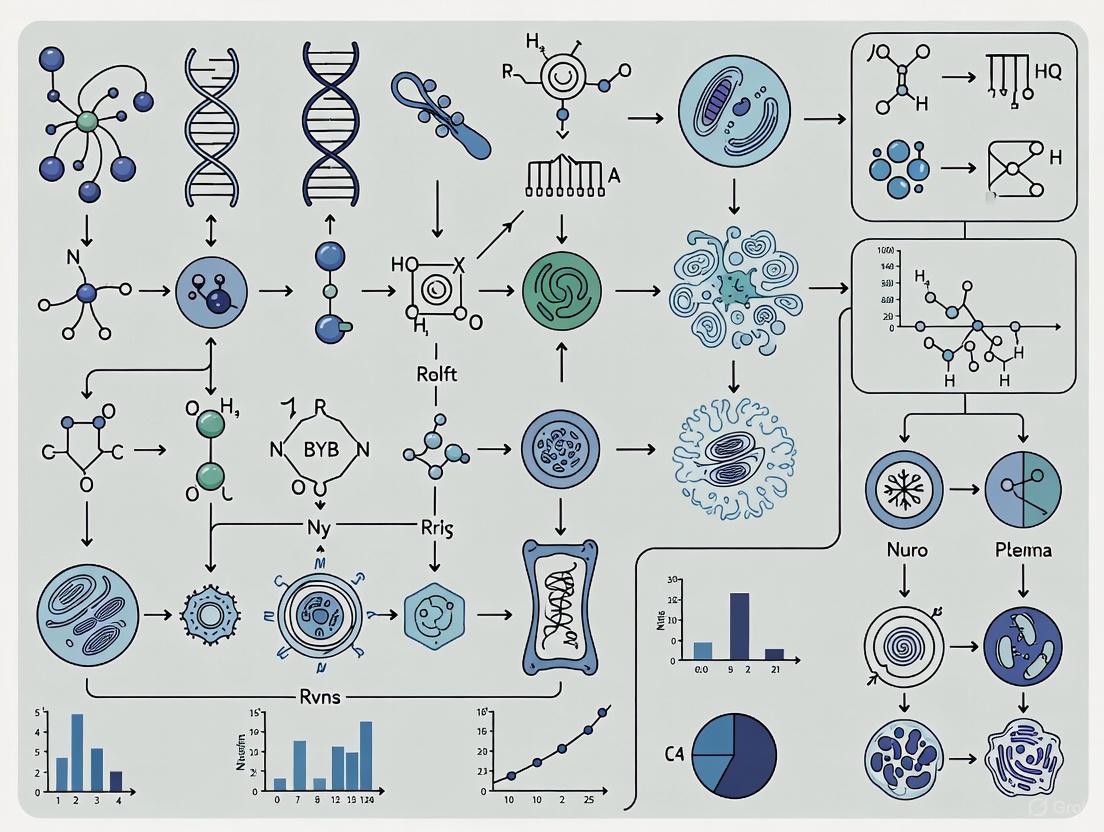
This article explores the transformative impact of evolutionary developmental biology (evo-devo) concepts on biomedical research and therapeutic development.
Evo-Devo in Biomedicine: How Evolutionary Developmental Biology is Revolutionizing Drug Discovery
Abstract
This article explores the transformative impact of evolutionary developmental biology (evo-devo) concepts on biomedical research and therapeutic development. Targeting researchers and drug development professionals, we examine foundational principles like developmental bias and deep homology, methodological approaches including comparative genomics and ancestral protein reconstruction, common conceptual challenges in applying evolutionary frameworks, and validation through case studies like kinase inhibitor development. The synthesis provides a comprehensive framework for leveraging developmental evolution to address complex disease mechanisms and overcome therapeutic design limitations.
Core Evo-Devo Concepts: From Developmental Bias to Deep Homology
The Modern Synthesis (MS) of the early 20th century successfully integrated Darwin's theory of natural selection with Mendelian genetics, establishing a dominant paradigm that viewed evolution primarily as a process of change in gene frequencies within populations through mechanisms such as random mutation and natural selection [1]. This framework, often termed Neo-Darwinism, provided a robust foundation for biological research for decades. However, the latter part of the 20th century witnessed an accumulation of research findings that severely challenged the MS's core assumptions [1]. Discoveries in molecular biology, genomics, and developmental biology revealed a biological reality far more complex than the MS had envisaged—including super-abundant genetic variation not solely shaped by selection, cells that incorporate genes and organelles of diverse historical origins, and the realization that DNA sequences often evolve in ways that reduce organismal fitness [1].
These challenges have catalyzed a broader, more integrative conceptual framework often referred to as the Extended Evolutionary Synthesis (EES). A cornerstone of this extension is Evolutionary Developmental Biology (Evo-Devo), which posits that evolution cannot be fully understood without considering the processes of organismal development [2] [3]. This paper argues that development is not merely a passive outcome of genetic programs shaped by selection but an active and central player in evolutionary change. By focusing on the role of development in generating phenotypic variation, structuring genetic variation, and facilitating the origin of evolutionary novelties, Evo-Devo provides critical mechanistic explanations for evolutionary patterns that the Modern Synthesis struggled to explain.
The Limitations of the Modern Synthesis
The Modern Synthesis was shaped, in part, by ignorance of important biological features, particularly the complex molecular biology of the cell [1]. Its foundational assumptions, while useful for a time, have been systematically dismantled by subsequent research. A partial list of these now-discarded assumptions includes [1]:
- The genome is a well-organized library of genes: It was imagined as a stable repository of hereditary information.
- Genes have single, honed functions: Each gene was thought to have a specific function finely tuned by powerful natural selection.
- Species are finely adjusted to their environments: Efficient adaptive adjustment of all biochemical functions was assumed.
- Species are the durable units of evolution: The genes, cells, and organs characteristic of a species were thought to evolve in parallel with the species itself.
A key limitation was the MS's "gene-centric" and "externalist" view, where the environment poses challenges, random mutations provide raw material, and natural selection alone acts as a creative force to shape the species. This view rendered development a mere executor of genetic instructions, a black box between genotype and phenotype. The MS assumed a one-way flow of information from DNA to phenotype, with no meaningful feedback. Furthermore, it largely ignored the question of how novel, complex traits originate, focusing instead on the gradual modification of existing structures.
Evolutionary Developmental Biology: Core Conceptual Principles
Evo-Devo shifts the focus from mere gene frequency change to the evolution of the developmental systems that generate the organism. Its principles provide a more dynamic and interactive view of evolutionary change.
Developmental Bias and Facilitated Variation
Organisms are not infinitely malleable; their developmental systems make some phenotypic variants more likely to arise than others. This non-random generation of phenotypic variation is known as developmental bias or facilitated variation [4]. The developmental pathways and mechanisms inherited from an organism's ancestors channel or constrain the phenotypic outcomes of genetic variation. For instance, the repeated, independent evolution of limb loss in reptiles consistently follows a reduction sequence from the digits toward more proximal elements, a pattern dictated by the underlying developmental program for limb patterning [4].
Plasticity-Led Evolution and Genetic Assimilation
Phenotypic plasticity—the ability of a single genotype to produce different phenotypes in response to environmental conditions—is not just a source of temporary adaptation but can be a catalyst for permanent evolutionary change. The "plasticity-first" hypothesis proposes that a new environmental stimulus can first induce a novel phenotype via plasticity. If this phenotype is adaptive, genetic changes that stabilize or refine it—a process known as genetic assimilation—can subsequently follow [4]. The blind Mexican cavefish (Astyanax mexicanus), which evolved eyelessness and enhanced non-visual senses in cave environments, is a key model for studying how developmental plasticity in response to darkness can lead to permanent, genetically encoded traits [4].
The Re-Conceptualized Role of Natural Selection
Within the Evo-Devo framework, natural selection remains a crucial evolutionary force but its role is refined. It is no longer the sole creative agent but acts more as a stochastic sieve [5], filtering the variation that is generated by developmental and mutational processes. The raw materials for selection are not random mutations in an abstract sense, but rather developmental variations with specific biases and structured properties. As one analysis notes, "when variation supplies form (not just substance), it is no longer properly a raw material, and selection is no longer the creator that shapes raw materials into products" [5]. This perspective helps explain the rapid emergence of complex traits and the non-uniform distribution of phenotypic diversity in nature.
Key Evo-Devo Molecular Mechanisms and Experimental Methodologies
The conceptual shift of Evo-Devo is grounded in specific molecular mechanisms that were unknown or underappreciated during the formulation of the Modern Synthesis.
The Read-Write Genome and Natural Genetic Engineering
Contrary to the MS view of the genome as a stable, read-only memory (ROM), it is now understood to be a dynamic, read-write (RW) system [3]. Cells possess a toolkit of enzymes capable of actively restructuring DNA, a process termed natural genetic engineering [3]. This includes mobile genetic elements, genome rearrangements, and gene duplication. A classic example is the Duplication-Degeneration-Complementation (DDC) model, a neutral process where gene duplication allows copies to stochastically accumulate mutations that sub-divide ancestral gene functions, leading to irreversible complexity and dependency [5].
Table 1: Key Molecular Mechanisms Beyond the Modern Synthesis
| Mechanism | Description | Evo-Devo Implication |
|---|---|---|
| Gene Regulatory Networks (GRNs) | Networks of genes (e.g., transcription factors) that control the timing and spatial expression of other genes during development. | Explains how small genetic changes can lead to large, coordinated phenotypic shifts through alterations in developmental pathways. |
| Epigenetic Inheritance | Stable, somatically heritable changes in gene expression potential that do not involve changes in DNA sequence (e.g., DNA methylation, histone modifications). | Provides a mechanism for the inheritance of acquired characteristics and for developmental plasticity to influence evolution. |
| Non-Coding RNAs | RNA molecules (e.g., lncRNAs) that regulate gene expression at transcriptional and post-transcriptional levels. | A vast source of regulatory complexity, often involving repetitive sequences, that controls multicellular development [2]. |
| Cell-Cell Signaling | Communication between cells via signaling pathways (e.g., BMP, Wnt, Hedgehog) to pattern tissues and organs. | Understanding how intercellular communication coordinates development is key to understanding the evolution of form [2]. |
A Key Experimental Workflow: From Phenotype to Genotype
Traditional evolutionary biology often started with genetic variation and sought its phenotypic effect. Evo-Devo frequently inverts this approach, starting with a phenotypic difference and working backward to uncover its developmental and genetic bases.
Diagram 1: Evo-Devo Experimental Workflow
The Scientist's Toolkit: Essential Research Reagents
Table 2: Key Research Reagent Solutions in Evo-Devo
| Reagent / Tool | Function in Evo-Devo Research |
|---|---|
| CRISPR/Cas9 Gene Editing | Enables targeted knockout or modification of candidate genes in non-model organisms to test their functional role in developmental evolution. |
| RNA-seq Reagents | Kits for transcriptome sequencing allow comprehensive profiling of gene expression differences between species or morphs at various developmental stages. |
| Phospho-Specific Antibodies | Detect activated signaling pathway components (e.g., pSMAD for BMP pathway) to map where and when key patterning pathways are active. |
| Lineage Tracing Dyes (e.g., DiI) | Fluorescent dyes used to track the fate and movement of specific cell populations during embryogenesis in evolving lineages. |
| Chromatin Immunoprecipitation (ChIP) Kits | Used to map epigenetic marks (e.g., H3K27ac) or transcription factor binding sites to understand the evolution of gene regulation. |
| 2E-3-F16 | F16|Mitochondria-Targeting Agent|RUO |
| LOC14 | LOC14, MF:C16H19N3O2S, MW:317.4 g/mol |
Implications for Biomedical Research and Drug Development
The Evo-Devo perspective has profound implications for human health and disease, moving beyond a purely genetic view of pathology to a developmental and evolutionary one.
Disease as a Result of Developmental and Evolutionary Mismatch
Many modern human diseases, such as obesity, autoimmune disorders, and myopia, can be understood as evolutionary mismatches—conditions where our Paleolithic-developmental adaptations are maladaptive in modern environments. Evo-Devo provides the framework to understand how our developmental programs were shaped by evolution and why they are now prone to failure. Furthermore, some diseases may be viewed as evolutionary legacies, where constraints or compromises from our evolutionary history make us vulnerable (e.g., the narrow human birth canal).
The Role of Epigenetics and the Developmental Origins of Health and Disease (DOHaD)
The Evo-Devo recognition of non-genetic inheritance is transforming disease models. The Developmental Origins of Health and Disease (DOHaD) hypothesis posits that environmental factors during critical developmental windows (e.g., in utero nutrition, stress) can induce epigenetic changes that predispose an individual to disease in adulthood. This provides a mechanistic link between early life experience and late-life pathology, offering new avenues for preventative medicine and early intervention strategies.
Diagram 2: Developmental Origins of Disease
Cancer as a Reversion to an Evolutionary Primitive State
Cancer can be interpreted through an Evo-Devo lens as a breakdown of the multicellular state and a reversion to a more primitive, unicellular-like phenotype characterized by uncontrolled proliferation and motility. The processes of invasion and metastasis reactivate ancient cellular programs related to wound healing and epithelial-to-mesenchymal transition (EMT) that are deeply embedded in our evolutionary history. Understanding cancer as a disease of deregulated development opens the door to novel therapies that aim to re-impose multicellular control rather than simply kill rapidly dividing cells.
The integration of developmental biology into the evolutionary synthesis is not a minor adjustment but a fundamental paradigm shift. The evidence is clear: development is a causative force in evolution, not just its outcome. Principles like developmental bias, plasticity-led evolution, and the dynamics of gene regulatory networks provide a more complete and mechanistic explanation for life's diversity than the gene-centric Modern Synthesis alone could offer.
For researchers and drug development professionals, this expanded perspective is more than academic. It provides a deeper, more nuanced framework for understanding human biology, the origins of disease, and the complex interplay between our evolutionary past, our individual development, and our health. By embracing the Evo-Devo perspective, we can move beyond a view of the body as a static collection of parts optimized by selection, and instead see it as a dynamic system shaped by its deep evolutionary and developmental history, opening up new frontiers for biomedical innovation.
The foundational principle of evolutionary developmental biology (evo-devo) is that the structure of developmental systems non-randomly directs phenotypic variation, thereby influencing evolutionary outcomes. This in-depth technical guide examines the mechanisms of developmental bias and constraint, exploring how gene regulatory networks and physiological processes make some evolutionary trajectories more accessible than others. We synthesize current research demonstrating that developmental bias is not merely a constraint on adaptation but can actively facilitate evolution by aligning the generation of variation with the selective landscape. This analysis is framed within the integrative framework of eco-evo-devo, which connects developmental mechanisms with ecological and evolutionary processes. For researchers and drug development professionals, understanding these principles provides critical insights into the deep regulatory logic governing morphological evolution and phenotypic diversity.
The neo-Darwinian evolutionary synthesis traditionally posited that random genetic mutations produce isotropic phenotypic variation—equally likely in all directions—upon which natural selection acts deterministically [6]. However, decades of empirical research have revealed this assumption as fundamentally flawed. Phenotypic variation arises through developmental processes, and these processes are inherently structured, producing certain variants more readily than others—a phenomenon termed developmental bias [7] [8].
This technical guide examines developmental bias and constraint as central, evolving properties of biological systems that actively direct evolutionary trajectories. We define these concepts as follows:
- Developmental Bias: The tendency for developmental systems to produce some phenotypic variants more readily than others in response to genetic or environmental perturbation [7] [8]. This encompasses both constraints (limitations) and drives (preferred directions).
- Developmental Constraint: Limitations on phenotypic variability caused by the inherent structure, dynamics, and historical origins of developmental systems [8]. These constraints render certain theoretically possible phenotypes inaccessible or highly improbable.
- Developmental Drive: The inherent tendency of developmental systems to change in particular directions, potentially facilitating adaptation by aligning variation with selective pressures [8].
The emerging eco-evo-devo framework integrates these developmental perspectives with ecological and evolutionary theory, recognizing multidirectional causality across biological scales [9] [10]. This synthesis provides a more complete mechanistic understanding of how biodiversity is generated and maintained.
Theoretical Foundations and Key Concepts
The Morphospace Concept and Anisotropic Variation
The morphospace provides a quantitative framework for conceptualizing phenotypic variation—a multidimensional mathematical space where each dimension represents a trait axis, and each organism occupies a point corresponding to its phenotype [8]. Under the isotropic assumption of the modern synthesis, we would expect phenotypes to be evenly distributed throughout this space, limited only by selection. Empirical evidence, however, reveals a starkly different pattern: phenotypes cluster in discrete regions, with large areas of the morphospace remaining empty [7] [8].
This anisotropic distribution demonstrates that developmental architecture makes certain phenotypes more accessible. For example, only a small subset of theoretically possible snail shell shapes exists in nature, with actual species confined to discrete morphospace regions rather than being continuously distributed [8]. Similarly, soil-dwelling centipedes exhibit tremendous variation in leg pair numbers (27-191), yet no species possesses an even number, suggesting either a developmental constraint against even numbers or a drive toward odd numbers [8].
The Genotype-Phenotype Map and Evolvability
The genotype-phenotype map represents the complex relationship between genetic information and expressed phenotypes, mediated by developmental processes [8]. This mapping is highly non-uniform—some genetic changes yield substantial phenotypic effects, while others produce minimal change. This structure determines a population's evolvability: its capacity to generate heritable, adaptive phenotypic variation [6].
Gene regulatory networks (GRNs) are crucial architects of this mapping. Their structure—characterized by hierarchy, modularity, and specific connectivity patterns—determines how perturbations propagate through the system, creating biases in phenotypic output [7]. Theoretical models demonstrate that GRN architectures can evolve to increase the probability of generating adaptive variation, effectively aligning developmental bias with the selective landscape [7] [6].
Table 1: Quantitative Evidence of Developmental Bias Across Biological Systems
| Organism/System | Type of Bias | Experimental Approach | Key Findings | Reference |
|---|---|---|---|---|
| Caenorhabditis nematodes | Vulval development bias | Mutation accumulation lines | Spontaneous mutations produced nonrandom phenotypic variants; features most affected by mutations showed greater variation in stock populations | [7] |
| Drosophila wing | Shape covariation | Mutation accumulation lines + geometric morphometrics | Mutations disproportionately caused covariation among wing parts, producing some shapes more readily than others | [7] |
| Mammalian teeth | Tooth morphology bias | Computational modeling of development | Integration of gene network details with biomechanical properties accurately predicted morphological variation within and across species | [7] |
| Hemingway cat mutants | Digit number bias | Phenotypic analysis of polydactyl cats (n=375) | 20 toes occurred most frequently; 22, 24, or 26 toes with decreasing frequency; odd numbers less common than even | [8] |
| Threespine stickleback | Adaptive divergence along genetic lines of least resistance | Quantitative genetics + comparative analysis | Phenotypic evolution aligned with gmax (direction of greatest genetic variance) more than expected by chance | [6] |
Mechanisms Generating Developmental Bias
Gene Regulatory Networks as Bias Generators
Gene regulatory networks (GRNs) represent the fundamental architecture directing development. Their structure inherently produces bias through several mechanisms:
Network Hierarchy and Modularity: Highly connected core components in GRNs often exhibit evolutionary conservation, while peripheral elements demonstrate greater flexibility. This hierarchical organization creates differential sensitivity to perturbation [7]. For example, mutations affecting early developmental processes typically produce more dramatic and often deleterious effects, while later-acting modifications generate more limited, potentially adaptive variation.
Pleiotropic Relationships: Genes functioning within GRNs frequently influence multiple phenotypic traits (pleiotropy). When selective pressures on these traits conflict, the resulting evolutionary trade-offs can constrain certain evolutionary trajectories while facilitating others [8].
Canalization and Decanalization: Developmental systems exhibit canalization—robustness to genetic and environmental perturbation. However, under specific conditions, this buffering can break down (decanalization), releasing previously hidden variation in biased patterns [7].
Physiological and Biomechanical Factors
Beyond genetic regulation, physical and physiological processes actively constrain and bias development:
Tissue Mechanics and Physical Constraints: Mechanical interactions between tissues during morphogenesis create biases. For instance, the development of the tetrapod limb produces biased patterns in digit number and distribution, with certain skeletal proportions occurring more readily than others [7] [8].
Allometric Growth Relationships: Differential growth rates of body parts (allometry) generate coordinated changes across structures. These allometric relationships often follow predictable trajectories, constraining the range of possible morphologies and creating evolutionary channels [8].
The following diagram illustrates the conceptual relationship between developmental processes and evolutionary outcomes:
The G-Matrix and P-Matrix as Quantitative Descriptors of Bias
In quantitative genetics, the G-matrix (additive genetic variance-covariance matrix) and P-matrix (phenotypic variance-covariance matrix) statistically represent developmental bias. These matrices describe how traits co-vary, defining the "lines of least resistance" along which populations most readily evolve [8].
When the major axis of genetic variation (gmax) aligns with the direction of selection, evolution proceeds rapidly. When misaligned, response to selection is constrained and may follow a curved trajectory through morphospace [8] [6]. The stability of G-matrices over evolutionary time remains an active research area, with evidence suggesting that the G-matrix itself can evolve in response to selection, potentially reinforcing adaptive biases [6].
Table 2: Experimental Approaches for Detecting and Quantifying Developmental Bias
| Methodology | Key Techniques | Applications | Strengths | Limitations |
|---|---|---|---|---|
| Mutation Accumulation Lines | Propagate lineages with minimal selection; quantify phenotypic effects of spontaneous mutations | Documented bias in vulval development in Caenorhabditis and wing shape in Drosophila [7] | Direct measurement of mutational effects without selection bias | Time-consuming; limited to laboratory model systems |
| Comparative Morphometrics | Geometric morphometrics; morphospace analysis | Snail shell shapes; mammalian dentition; centipede leg patterning [7] [8] | Natural evolutionary patterns; broad phylogenetic scope | Correlative; cannot distinguish bias from selection without developmental data |
| Gene Network Modeling | Computational modeling of developmental processes; in silico evolution | Tooth development models predicting variation across species [7] | Mechanistic understanding; predictive power | Model simplification may miss biological complexity |
| Quantitative Genetics | Estimation of G-matrices and P-matrices; selection experiments | Stickleback adaptive radiation along lines of least resistance [6] | Statistical rigor; predictive framework for short-term evolution | May not capture non-additive genetic effects or epigenetics |
| Environmental Perturbation | Exposure to novel environments or stressors; quantification of plastic responses | Stress-induced variation in house finches; diet-induced jaw morphology changes [7] | Reveals cryptic genetic variation; ecological relevance | Difficult to distinguish genetic from environmental effects |
Experimental Evidence and Case Studies
Mammalian Dentition: A Model of Predictable Evolution
Mammalian tooth morphology provides a compelling case study of developmental bias directing evolutionary trajectories. Salazar-Ciudad and Jernvall developed a computational model integrating molecular details of the gene network underlying molar development with cellular biomechanical properties [7]. This model successfully:
- Reproduced morphological variation observed within species
- Predicted morphological patterns across diverse mammalian species
- Accurately simulated teeth cultivated in vitro
- Retrieved ancestral character states [7]
The predictive power of this model demonstrates that the developmental system for tooth patterning contains inherent biases that explain both microevolutionary variation and macroevolutionary diversification. Similar mechanistic models are being developed for other systems, offering promising approaches for quantifying developmental bias.
Adaptive Radiations: Natural Laboratories for Developmental Bias
Adaptive radiations—rapid diversification of lineages into various ecological niches—provide natural laboratories for studying developmental bias. Several iconic radiations exhibit characteristics suggesting bias as both cause and consequence of diversification [6]:
Cichlid Fishes: African rift lake cichlids demonstrate spectacular diversification in jaw morphology, body shape, and coloration. Their rapid diversification (500+ species in Lake Victoria in ~10,000 years) suggests evolution along "lines of least resistance" provided by shared developmental systems [6].
Caribbean Anoles: These lizards independently evolved similar ecomorphs on different islands. The repeated evolution of these forms suggests underlying developmental biases that channel adaptation toward particular morphological solutions [6].
Threespine Stickleback: Marine stickleback populations repeatedly adapted to freshwater environments, consistently evolving reduced armor plating and specific skeletal changes. Quantitative genetics approaches demonstrate this evolution followed the major axis of genetic variation (gmax) in ancestral populations [6].
The following experimental workflow illustrates approaches for studying developmental bias in adaptive radiations:
Experimental Evolution Approaches
Experimental evolution studies directly demonstrate how developmental bias influences adaptation. For example:
Drosophila melanogaster: Selection for cold tolerance reduced plasticity of life-history traits under thermal stress, demonstrating how developmental associations between environment and phenotype can evolve under sustained selection [9] [10].
Arabidopsis thaliana: Chemical mutagenesis produced phenotypic variants with biased covariance structures between growth, flowering, and seed set, revealing inherent developmental integration [7].
These controlled experiments provide critical evidence that development actively channels rather than passively follows evolutionary change.
The Scientist's Toolkit: Research Reagent Solutions
Table 3: Essential Research Tools and Reagents for Developmental Bias Research
| Tool/Reagent Category | Specific Examples | Research Applications | Key Functions |
|---|---|---|---|
| Gene Editing Tools | CRISPR-Cas9; TALENs; Zinc Finger Nucleases | Targeted mutagenesis to test developmental hypotheses [7] | Precise modification of regulatory elements; creation of specific mutations to assess phenotypic effects |
| Mutation Accumulation Lines | C. elegans MA lines; Drosophila MA lines | Quantifying distribution of mutational effects [7] | Generation of spontaneous mutations with minimal selection to reveal inherent developmental biases |
| Computational Modeling Platforms | Custom GRN models; finite element analysis; morphospace modeling | In silico simulation of developmental processes and evolution [7] | Prediction of phenotypic variation; testing evolutionary scenarios; identifying developmental constraints |
| Quantitative Morphometrics Software | Geometric morphometrics packages; image analysis algorithms | Quantifying morphological variation and integration [8] | Statistical analysis of shape covariation; morphospace construction and analysis |
| Environmental Manipulation Systems | Controlled environmental chambers; diet manipulation; stress induction | Studying plasticity-induced bias [7] [9] | Revealing cryptic genetic variation; assessing genotype-environment interactions |
| High-Throughput Sequencing | RNA-seq; ATAC-seq; single-cell sequencing | Characterizing gene expression networks and regulatory landscapes [7] | Identifying regulatory elements; mapping gene expression patterns; connecting genotype to phenotype |
| LT175 | LT175, MF:C21H18O3, MW:318.4 g/mol | Chemical Reagent | Bench Chemicals |
| LY 165163 | PAPP (4'-Aminopropiophenone) | High-purity 4'-Aminopropiophenone (PAPP) for research use only. Study its role in methemoglobin formation and its application in wildlife management. RUO. | Bench Chemicals |
Implications for Biomedical Research and Therapeutic Development
Understanding developmental bias has profound implications for biomedical research and drug development:
Disease Vulnerability and Evolutionary History: Many human diseases represent evolutionary trade-offs or constraints. For example, the human spine's limited safety factors (approximately 1.35 for weightlifters) reflect evolutionary compromises between bipedal locomotion and load-bearing capacity [11]. Understanding these deep constraints informs preventative approaches and therapeutic targets.
Developmental Pathways as Therapeutic Targets: Conserved developmental pathways often represent "obvious" solutions repeatedly employed in evolution. Targeting these pathways (e.g., Hedgehog, Wnt, BMP signaling) in regenerative medicine or cancer therapy aligns with their inherent importance across biological contexts.
Anticipating Evolutionary Responses: In antimicrobial and anticancer drug development, understanding the biased mutational landscape of pathogens and tumors can help predict resistance mechanisms and design combination therapies that block evolutionary escape routes.
Stem Cell Differentiation and Tissue Engineering: Guiding stem cells toward desired fates benefits from understanding inherent developmental biases—the default pathways cells follow with minimal instruction. This knowledge enables more efficient tissue engineering protocols.
Future Directions and Research Agenda
The study of developmental bias requires increasingly integrative approaches:
Integrating Eco-Evo-Devo Perspectives: Future research must connect developmental mechanisms with ecological contexts and evolutionary dynamics across timescales [9] [10]. This includes studying how environmental cues actively shape developmental outcomes and how these interactions evolve.
Multi-Level Modeling Approaches: Developing models that connect genetic variation through cellular and tissue-level processes to organismal phenotypes remains a grand challenge. Such models would dramatically improve predictions of evolutionary trajectories.
Expanding Taxonomic Diversity: Most developmental bias research focuses on traditional model organisms. Expanding to non-model systems, particularly those with exceptional phenotypic diversity or different body plans, will reveal general principles versus lineage-specific phenomena.
Clinical and Translational Applications: Applying developmental bias concepts to medicine may yield insights into congenital disorders, cancer progression, and regenerative processes, where developmental programs are often re-activated or disrupted.
Developmental bias and constraint represent fundamental properties of biological systems that actively direct evolutionary trajectories rather than passively constraining them. Through gene regulatory network architecture, physical constraints, and historical contingencies, developmental systems non-randomly generate phenotypic variation, creating evolutionary channels that influence both the rate and direction of evolutionary change.
The emerging eco-evo-devo synthesis provides a robust framework for understanding how development, ecology, and evolution interact reciprocally across timescales. For researchers and drug development professionals, recognizing these deep developmental patterns offers powerful insights for predicting evolutionary trajectories, understanding disease pathogenesis, and designing novel therapeutic approaches. As research progresses, the principles of developmental bias will increasingly inform our fundamental understanding of life's diversity and our practical approaches to manipulating biological systems.
Deep homology represents a foundational concept in evolutionary developmental biology (evo-devo), revealing how distantly related organisms share conserved genetic circuitry for building anatomical structures that do not appear homologous by traditional morphological standards. This paradigm shift demonstrates that seemingly novel structures often arise from modification of deeply conserved developmental genetic toolkits inherited from a common bilaterian ancestor. Research in this field has been revolutionized by next-generation sequencing technologies, enabling transcriptome-wide comparisons across diverse species and elevating traditional gene-by-gene analysis to systems-level investigations. This whitepaper examines the core principles of deep homology, presents key experimental methodologies, and explores implications for biomedical research and therapeutic development, providing researchers with both theoretical framework and practical experimental approaches.
Historical and Conceptual Foundations
The principle of homology is central to evolutionary biology, traditionally referring to structures sharing common ancestry despite potential differences in form and function. Sir Richard Owen originally defined homology as "the same organ in different animals under every variety of form and function" [12]. With Darwin's theory of evolution, this concept became linked to historical continuity through descent with modification. However, the emergence of evolutionary developmental biology (evo-devo) revealed limitations in strict historical definitions of homology when applied to molecular mechanisms governing development [12] [13].
Deep homology extends this concept, describing how distantly related species utilize remarkably conserved genetic circuitry during embryogenesis for structures that would not be considered homologous by traditional standards [12]. This represents a paradigm shift in understanding evolutionary innovation, demonstrating that novel features typically result from modifications of pre-existing developmental modules rather than arising de novo. The term was coined to recognize exceptionally conserved gene expression during development of anatomical features lacking clear phylogenetic continuity [12].
Theoretical Framework
At its core, deep homology operates through conserved gene regulatory networks (GRNs) that underlie development across bilaterian animals. These networks exhibit hierarchical organization with different evolutionary dynamics:
- Kernels: These sub-units of GRNs represent the top regulatory hierarchy, central to body plan patterning, exhibiting deep evolutionary conservation, and resisting regulatory rewiring. Their stability underlies the remarkable conservation of animal body plans since the Cambrian explosion [12].
- Character Identity Networks (ChINs): These flexible components define specific morphological characters and can evolve at varying rates from phylum to species level. Unlike kernels, ChINs do not need to be evolutionarily ancient but provide historical continuity through repetitive re-deployment during embryogenesis [12].
- Differentiation Batteries: These assemblies of effector genes direct terminal cell or organ differentiation but lack regulatory information themselves [12].
This framework explains how conservation at the molecular level can produce diversity at the morphological level through regulatory rewiring at intermediate network levels.
Core Mechanisms and Genetic Toolkit
The Evolutionary Developmental Toolkit
All complex animals share a common genetic toolkit of regulatory genes that govern body formation and patterning. This toolkit includes Hox genes, bodybuilder genes, and various regulatory pathways that are conserved across diverse phyla [14]. The discovery of this toolkit overturned previous assumptions that homologous genes could only be found in close relatives, instead revealing deep conservation across evolutionarily distant organisms [14].
Table 1: Key Genetic Toolkit Components in Deep Homology
| Gene/Pathway | Function | Organisms Where Conserved | Phenotypic Effects When Disrupted |
|---|---|---|---|
| Pax-6 | Master regulator of eye development | Fruit flies, mice, humans, virtually all bilaterians | Failure of eye development across phyla [14] [15] |
| Distal-Less (DLL) | Appendage development | Chickens, fish, sea squirts, sea urchins | Disrupted limb/fin/appendage formation [14] |
| Tinman (NK2) | Heart/circulatory system development | Insects, vertebrates | Defects in heart development [14] |
| Brachyury | Axial development, notochord formation | Chordates, hemichordates, echinoderms | Disrupted notochord and axial development [16] |
| Hox genes | Anterior-posterior body patterning | All bilaterian animals | Homeotic transformations (e.g., legs where antennae should be) [14] |
| M1001 | M1001, MF:C17H17N3O2S, MW:327.4 g/mol | Chemical Reagent | Bench Chemicals |
| CCCP | CCCP, CAS:555-60-2, MF:C9H5ClN4, MW:204.61 g/mol | Chemical Reagent | Bench Chemicals |
Hierarchical Organization of Developmental Gene Regulatory Networks
The genetic toolkit operates within sophisticated gene regulatory networks (GRNs) that exhibit hierarchical organization. At the top are kernel components that establish the basic body plan, while intermediate plug-ins and I/O switches translate this positional information into specific morphological outcomes [12]. This hierarchical organization explains how small genetic changes can produce substantial morphological evolution while maintaining core body plans.
GRN Hierarchy in Evolutionary Development
Experimental Evidence and Methodologies
Key Model Systems and Comparative Approaches
Research in deep homology employs comparative approaches across diverse model systems. Key examples include:
- Eye Development: Despite the morphological diversity of eyes across animal phyla, Pax-6 functions as a master control gene in animals ranging from insects to vertebrates [14] [15]. When mouse Pax-6 is expressed in Drosophila, it activates formation of a normal compound fly eye rather than a mouse eye, demonstrating its conserved regulatory function [15].
- Appendage Formation: The Distal-Less (DLL) gene governs appendage development across diverse phyla, forming legs in chickens, fins in fish, siphons in sea squirts, and tube feet in sea urchins [14].
- Heart Development: The Tinman (NK2) gene contributes to circulatory system development across phyla, with conserved function in heart specification in organisms as distant as arthropods and chordates [12].
Experimental Protocols for Deep Homology Research
Protocol 1: Cross-Species Gene Rescue Experiments
Objective: Determine if a gene from one species can functionally replace its ortholog in a distantly related species.
Methodology:
- Identify candidate genes through comparative genomics or transcriptomics
- Clone the orthologous gene (e.g., mouse Pax-6) into appropriate expression vector
- Introduce transgene into mutant host organism (e.g., eyeless Drosophila)
- Assess phenotypic rescue through morphological and molecular analysis
Key Applications:
- Demonstration that mouse Pax-6 can rescue eye development in eyeless flies [14] [15]
- Testing functional equivalence of brachyury genes across chordates and non-chordates [16]
Protocol 2: Gene Expression Network Mapping
Objective: Map conserved gene regulatory networks across species boundaries using high-throughput sequencing.
Methodology:
- Perform RNA-sequencing across multiple developmental timepoints
- Identify co-expression modules using weighted gene co-expression network analysis
- Compare network topology and conserved regulatory relationships across species
- Validate key interactions through functional experiments (e.g., CRISPR/Cas9 mutagenesis)
Key Applications:
- Identification of Character Identity Networks (ChINs) for digit identity in avian wings [12]
- Comparative analysis of heart development networks across bilaterians [12]
Table 2: Quantitative Analysis of Evolutionary Conservation in Genetic Toolkit
| Gene Category | Sequence Identity Range | Structural Conservation | Functional Conservation |
|---|---|---|---|
| Hox genes | 60-90% across bilaterians | High structural conservation | Conserved anterior-posterior patterning [14] |
| Pax genes | 50-80% in DNA-binding domains | Conservation of DNA-binding domains | Master control of organogenesis [15] |
| Signaling pathways | 40-70% in core components | Conservation of protein interaction domains | Conserved tissue patterning roles [12] |
| Proteasome chaperones | <20% sequence identity | High structural conservation despite divergence | Conserved assembly function [17] |
Structural Biology Approaches to Deep Homology
Recent advances in protein structure prediction have enabled new approaches to identifying deep homology through structural conservation even when sequence similarity is minimal. As demonstrated in studies of proteasome assembly chaperones, proteins can maintain conserved structure and function despite extensive sequence divergence, representing cases of rapid neutral evolution [17].
Experimental Approach:
- Use Foldseek or similar structure-based homology search algorithms
- Compare against traditional sequence-based methods (BLASTP)
- Identify proteins with significant structural homology but minimal sequence similarity
- Validate functional conservation through biochemical and cellular assays
Key Finding: Approximately 204 genes in Candida auris showed significant structural homology with known proteins despite insignificant sequence similarity, enabling functional prediction where sequence-based methods failed [17].
Research Reagent Solutions
Table 3: Essential Research Reagents for Deep Homology Investigations
| Reagent/Category | Specific Examples | Research Application | Key Function |
|---|---|---|---|
| Cross-Species Expression Vectors | Pfbra:gfp BAC, Spbra:gfp BAC | Cis-regulatory element analysis [16] | Testing enhancer activity across species |
| Lineage Tracing Systems | Cre-lox, FLP-FRT | Fate mapping of homologous cell populations | Tracking developmental origins of homologous structures |
| Genome Editing Tools | CRISPR/Cas9, TALENs | Functional validation of conserved elements | Testing necessity/sufficiency of genetic elements |
| Transcriptomic Profiling | RNA-sequencing, single-cell RNA-seq | Comparative gene expression analysis | Identifying conserved expression modules |
| Structural Prediction Software | AlphaFold2, FoldSeek | Detecting structural homology | Identifying homology when sequence similarity is low |
| In Situ Hybridization Probes | Antisense RNA probes for conserved genes | Spatial localization of gene expression | Comparing expression patterns across species |
Research Workflow and Experimental Design
A robust experimental workflow for investigating deep homology integrates comparative genomics, functional validation, and structural analysis as shown in the research pipeline below:
Deep Homology Research Pipeline
Implications for Biomedical Research and Therapeutic Development
Disease Modeling and Comparative Genomics
Deep homology provides powerful insights for human disease modeling by revealing conserved genetic pathways across model organisms. For example:
- Studies of Pax-6 in Drosophila have illuminated fundamental mechanisms of eye development relevant to human congenital blindness [15].
- Research on proteasome assembly chaperones in Candida auris demonstrates how structural conservation enables functional prediction even with rapid sequence evolution, with implications for antifungal drug development [17].
- Analysis of brachyury regulation provides insights into notochord development with relevance to chordoma and other axial skeleton disorders [16].
Evolutionary Principles in Drug Discovery
Understanding deep homology enables more informed selection of model systems for drug discovery. Conservation of genetic pathways validates the relevance of particular organisms for studying specific disease mechanisms. Furthermore, identification of structurally conserved proteins with minimal sequence similarity (as demonstrated in fungal proteasome chaperones) may reveal new drug targets that were previously overlooked due to the limitations of sequence-based homology searches [17].
Future Directions and Technological Advances
The field of deep homology continues to evolve with emerging technologies. Single-cell multi-omics enables unprecedented resolution for comparing developmental trajectories across species. Computational protein design leverages insights from deep homology to create artificial proteins that fulfill biological functions, as demonstrated by the design of de novo proteasome chaperones that rescue mutant phenotypes despite being disconnected from evolutionary history [17].
Advanced gene editing technologies now permit experimental testing of deep homology hypotheses in non-model organisms, expanding beyond traditional genetic systems. Meanwhile, integration of paleontology with developmental genetics continues to resolve long-standing mysteries of morphological evolution, such as the debate over digit identity in avian wings [12].
The ongoing synthesis of evolutionary developmental biology with molecular genetics promises to further illuminate how conserved genetic toolkits generate both the astonishing diversity and profound similarities observed throughout the animal kingdom.
Ecological Evolutionary Developmental Biology (Eco-Evo-Devo) has emerged as a definitive integrative discipline dedicated to understanding the causal relationships among environmental cues, developmental mechanisms, and evolutionary processes. Rather than constituting a loose aggregation of research topics, it provides a coherent conceptual framework for exploring how these levels interact to shape phenotypes, morphogenetic patterns, life histories, and biodiversity across multiple scales [18]. This framework aspires to be more than the sum of its parts, contributing to the development of a simpler, more elegant, and heuristically powerful biological theory [18]. The core insight of Eco-Evo-Devo is that the environment is not merely a selective arena but plays an instructive role in development, influencing the generation of phenotypic variation upon which selection acts [18] [19].
This integrative approach challenges the classic view that privileges genetics as the unique central factor in phenotypic evolution [18]. Instead, it recognizes that developmental processes themselves are shaped by ecological interactions, including symbiosis and inter-kingdom communication [18]. Furthermore, it acknowledges that developmental biases and constraints actively direct evolutionary diversification, meaning phenotypic variation is not always random but is influenced by the specific architecture of developmental programs [18]. The expansion of this field signifies a broader transformation in biological thought, one that is increasingly vital for understanding how organisms respond and evolve in relation to rapid ecological change [18] [20].
Core Principles and Theoretical Foundations
The theoretical foundation of Eco-Evo-Devo rests on several key principles that distinguish it from its parent disciplines. These principles emphasize multi-level causation, the active role of organisms in their development and evolution, and the importance of mechanistic understanding.
Multi-Level Causation and Bidirectional Flows: Eco-Evo-Devo explores a multilevel continuum, from genetic and cellular networks to phenotypic and ecological interactions. This exploration reveals bidirectional causal flows across levels, where, for example, ecological factors can induce developmental changes that subsequently alter evolutionary trajectories [18]. This is metaphorically represented in Figure 1, which shows nested networks generating emergent phenomena.
Developmental Plasticity as a Progenitor of Variation: A central theme is that development itself is a source of phenotypic variation, as it responds to environmental cues. This moves beyond classic reaction-norm approaches that merely describe correlations, toward a causal, mechanistic understanding of how these norms arise and evolve [18] [19]. Plasticity-driven adaptation operates through phenotypic accommodation, genetic accommodation, and genetic assimilation [20].
Niche Construction and Eco-Eco-Devo Feedback: Organisms are not passive recipients of environmental pressure. Through niche construction, they modify their own and other species' environments, thereby altering selective pressures [19] [20]. This creates feedback loops (
eco-evoandeco-devofeedbacks) where ecological changes influence development and evolution, and these changes in turn affect the ecology [19].The Holobiont and Symbiotic Development: The concept of the organism is expanded to the holobiont—a unit of host plus its microbiota. Development is reframed as a symbiotic process, where organismal identity and morphogenesis are produced through interactions with microbial and environmental partners [18] [20].
Extended Inheritance: Inheritance is not solely genetic. Eco-Evo-Devo recognizes other mechanisms, including epigenetic inheritance, cultural inheritance, and ecological inheritance (the legacy of niche-constructing activities), which can transmit developmental resources across generations [19] [20].
The table below defines key terms essential for understanding the Eco-Evo-Devo literature.
Table 1: Glossary of Key Eco-Evo-Devo Terminology
| Term | Definition |
|---|---|
| Eco-Evo-Devo | An integrative discipline aiming to understand how ecological, evolutionary, and developmental processes interact to shape phenotypes and biodiversity [18] [20]. |
| Developmental Plasticity | The ability of an individual to produce different phenotypes under different environmental conditions during development [19]. |
| Niche Construction | The process whereby organisms modify their own and each other's environments, thereby altering selection pressures [19] [20]. |
| Holobiont | The entity composed of a host organism and all of its symbiotic microorganisms, which together function as a unit of selection [18] [20]. |
| Epigenetic Inheritance | The transgenerational transmission of phenotypic variations through non-genetic mechanisms, such as DNA methylation or histone modifications, that are induced by environmental factors [19] [20]. |
| Genetic Accommodation | A genetic change, or changes, in the regulation of a trait's expression that occurs after the trait's appearance in response of a novel, often environmental, stimulus [20]. |
| Reaction Norm | The set of phenotypes that a single genotype can express across a range of environments [19]. |
| Eco-Evo Dynamics | The study of how ecological factors (e.g., population dynamics) interact with evolutionary change, often on contemporary timescales [19]. |
Experimental Paradigms and Model Systems
Eco-Evo-Devo leverages diverse model systems and experimental approaches to test its theoretical predictions. The following case studies and methodologies illustrate how this integration is achieved in practice.
Case Study 1: Thermal Adaptation inDrosophila melanogaster
An experimental evolution study in fruit flies demonstrated that selection for cold tolerance directly reduces the plasticity of life-history traits under thermal stress [18]. This highlights that development generates complex associations between environmental cues and phenotypic traits, and that these associations themselves can evolve under sustained environmental selective pressure [18].
Experimental Protocol:
- Selection Regime: Establish multiple replicated fly populations.
- Selective Pressure: Maintain experimental populations under a sustained cold stress environment over multiple generations. Control populations are maintained under optimal temperatures.
- Phenotyping: Periodically assay both selected and control populations for key life-history traits (e.g., developmental rate, fecundity, longevity) across a gradient of temperatures.
- Data Analysis: Compare the reaction norms of the selected and control populations. A reduction in plasticity in the selected populations is evidenced by a flattening of the reaction norm curve for the traits under selection.
Case Study 2: Ontogenetic Plasticity in Neotropical Fish
Research on the fish Astyanax lacustris shows how the environment influences phenotypic responses through the dynamics of development itself. The study demonstrated that water temperature modulates developmental responses to different water flow regimes [18]. This indicates that the influence of the environment on phenotypic outcomes is not static but interacts with ontogenetic stage.
Experimental Protocol:
- Factorial Design: Raise fish from fertilization under different environmental treatments in a fully crossed design (e.g., multiple temperature regimes × multiple flow regimes).
- Ontogenetic Tracking: Measure morphological traits (e.g., body shape, fin size) at regular developmental intervals, rather than only at adulthood.
- Analysis of Modulation: Use statistical models (e.g., ANCOVA) to test for significant interaction effects between temperature and flow regime on the measured morphological traits across time. A significant interaction confirms that temperature modulates the developmental response to flow.
Case Study 3: Hominin Brain Expansion
A mathematical model of evolutionary-developmental (evo-devo) dynamics has been used to study the expansion of hominin brain size. The model shows that this expansion can be recovered not by direct selection for larger brains, but through selection on a genetically correlated trait: the number of preovulatory ovarian follicles, which is linked to fertility [21]. This correlation is generated over development when individuals experience a challenging ecology and seemingly cumulative culture [21].
Computational Modeling Protocol:
- Model Formulation: Develop a mechanistic model based on energy conservation principles, describing the developmental dynamics of brain, body, and reproductive tissue sizes as functions of genotypic traits controlling energy allocation [21].
- Parameterization: Estimate key parameters from empirical data, such as brain metabolic costs, which are a major constraint on brain size evolution [21].
- Simulation: Implement the model within an evo-devo dynamics framework to simulate the evolutionary trajectories of brain and body size over millions of years, under different ecological and social scenarios (e.g., challenging vs. benign ecology; presence or absence of culture) [21].
- Causal Analysis: Use the framework to separate the effects of direct selection from developmental constraints by analyzing the evolving genetic covariations between traits [21].
The following diagram illustrates the core conceptual framework and causal interactions central to Eco-Evo-Devo, as revealed by the theoretical and empirical studies.
Methodological Considerations and Visualization
Conducting rigorous Eco-Evo-Devo research requires careful experimental design and an awareness of potential methodological biases. A key insight from microbial models is that standard laboratory conditions (e.g., using single strains, constant temperatures, and simplified substrates) can neglect ecologically meaningful contexts, thereby limiting the generalizability of findings [22]. For instance, the developmental phenotypes in the bacterium Myxococcus xanthus were shown to depend on the joint variation of temperature and substrate stiffness, a interaction that would be missed in a simpler design [22].
The experimental workflow for a robust Eco-Evo-Devo investigation, designed to overcome these biases, is visualized below.
The Scientist's Toolkit: Research Reagent Solutions
Table 2: Essential Research Materials for Eco-Evo-Devo Investigations
| Item / Reagent | Function in Eco-Evo-Devo Research |
|---|---|
| Common-Garden & Environmental Chambers | To disentangle genetic and environmental effects on development by raising different genotypes or populations under standardized controlled conditions, while allowing for manipulation of specific factors (e.g., temperature, diet) [19]. |
| RNA-seq / Single-Cell Transcriptomics Kits | To profile gene expression changes across different ecological contexts and developmental stages, identifying the molecular mechanisms underlying plasticity and evolutionary change [18]. |
| Epigenetic Analysis Kits (e.g., Bisulfite Sequencing) | To detect DNA methylation and other epigenetic marks that may mediate the response to environmental cues and be transmitted across generations [19] [20]. |
| Gnotobiotic & Axenic Culture Systems | To rear organisms in the absence of microbes or with a defined microbiota, enabling the study of symbiotic interactions and their role in development (holobiont function) [18] [20]. |
| Geometric Morphometrics Software | To quantitatively analyze and visualize complex morphological changes in response to environmental gradients, providing high-dimensional phenotypic data [18] [19]. |
| Mathematical Modeling Software (e.g., R, Julia) | To develop and simulate mechanistic models of evo-devo dynamics, integrating energy allocation, developmental trajectories, and evolutionary parameters to test causal hypotheses [21]. |
| MCPA (Standard) | MCPA Herbicide|Research-Grade Phenoxy Herbicide |
| Maneb | Maneb |
Quantitative Data Synthesis in Eco-Evo-Devo
The field of Eco-Evo-Devo generates quantitative data across scales, from gene expression to phenotypic traits. The following table synthesizes key types of quantitative data and their interpretations as discussed in the research.
Table 3: Synthesis of Key Quantitative Data in Eco-Evo-Devo Research
| Data Type | Example from Research | Biological Interpretation & Significance |
|---|---|---|
| Reaction Norm Parameters | "Selection for cold tolerance reduces the plasticity of life-history traits in D. melanogaster" [18]. | Quantifies the change in a phenotype across an environmental gradient. A change in the slope or shape of the reaction norm indicates evolution of plasticity itself. |
| Genetic Covariation / Correlation | Hominin brain expansion driven by genetic correlation with ovarian follicle count [21]. | Measures how two traits co-vary due to genetic influences. A strong correlation can cause a trait to evolve even without direct selection on it (a constraint or facilitator). |
| Metabolic Cost Parameters | Brain metabolic costs used in models to constrain evolution of brain size [21]. | Represents the energetic trade-offs inherent in building and maintaining traits. High costs can limit evolutionary potential unless offset by fitness benefits. |
| Selection Gradient | Inferred selection on follicle count rather than brain size in hominin model [21]. | Measures the direct force of selection on a trait, independent of its correlations with other traits. Crucial for identifying the primary target of selection. |
| Heritability (Broad & Narrow Sense) | Partitioning phenotypic variance (VP = VG + VE) in quantitative genetics [20]. | Estimates the proportion of phenotypic variance due to genetic variance (VG). Essential for predicting evolutionary response, but complicated by non-genetic inheritance in Eco-Evo-Devo. |
The Eco-Evo-Devo expansion represents a foundational shift in biological thinking, providing a more complete framework for understanding the generation of biodiversity. By rigorously integrating environmental context into the heart of developmental and evolutionary analysis, it challenges gene-centric views and emphasizes multi-level causation [18] [19]. The evidence from diverse systems—from fruit flies and fish to hominins and microbes—converges on the conclusion that the environment is an instructive agent in evolution, not merely a selective filter [18] [21] [22].
Future research directions highlighted in the literature include a deeper focus on the mechanistic basis of developmental-environmental interactions, particularly the role of epigenetics and symbiosis [18] [20]. There is also a push for more integrative modeling across biological scales and taxa, and a broader incorporation of niche construction and ecological inheritance into evolutionary models [18] [19]. Furthermore, overcoming laboratory biases by designing experiments with more ecologically relevant contexts will be crucial for the field's progress [22]. As the planet faces unprecedented ecological change, the comprehensive approach offered by Eco-Evo-Devo will be indispensable for predicting biological responses and understanding the dynamics of life in a rapidly altering world [18] [20].
Phenotypic plasticity, defined as the ability of a single genotype to produce different phenotypes in response to environmental conditions, represents a fundamental interface between evolutionary and developmental biology (evo-devo) [23]. This phenomenon is now recognized as a crucial component in understanding how organisms adapt to changing environments, both in natural evolutionary contexts and in disease processes such as cancer progression and drug resistance [24]. The reaction norm—the set of phenotypes a genotype expresses across different environments—provides the most complete and universal description of environment-dependent phenotypic expression and serves as the proper quantitative platform for studying plasticity [23]. Unlike simplified plasticity metrics, reaction norms capture the full biological complexity of environment-phenotype relationships, whether environments are discrete or continuous, simple or multicomponent [23].
Within the evo-devo framework, phenotypic plasticity is understood not merely as a statistical pattern but as a developmental process with mechanistic underpinnings. Recent advances have enabled the mathematical integration of evolutionary and developmental (evo-devo) dynamics, allowing researchers to model how phenotypes are constructed over life and how this construction affects long-term evolution [21]. This perspective reveals that the evolution of exceptionally adaptive traits, including the massive expansion of hominin brain size, may not be caused primarily by direct selection for those traits but by developmental constraints that divert selection through genetic correlations generated over development [21]. This mechanistic, systems approach to phenotypic plasticity provides a powerful framework for understanding both organismal evolution and pathological processes.
Theoretical Foundation: Reaction Norms as the Central Framework
The Reaction Norm Concept and Its Mathematical Representation
The reaction norm framework conceptualizes all forms of learning, memory, and analogous biological processes as special cases of phenotypic plasticity [25]. Formally, this involves expanding the concept of reaction norms to include additional environmental dimensions that quantify sequences of cumulative experience (learning) and time delays between events (forgetting) [25]. Memory, from this perspective, represents just one of several different internal neurological, physiological, hormonal, and anatomical 'states' that mediate the carry-over effects of cumulative environmental experiences on phenotypes across different time periods [25].
Mathematically, reaction norms can be described as either multivariate traits (ordered lists or vectors) over discrete environments or as function-valued traits (curves or surfaces) over continuous environments [23]. This mathematical formalization enables researchers to address questions about phenotypic plasticity with far more depth and realism than simplified, two-environment approaches. The framework easily accommodates various ecological scenarios and closely links statistical estimates with biological processes, providing a conceptual and mathematical structure for investigating the evolution of plasticity across wider ecological contexts [25].
Key Parameters in Reaction Norm Evolution
Table 1: Critical parameters in reaction norm evolution and their biological significance
| Parameter | Biological Significance | Evolutionary Implication |
|---|---|---|
| Reaction norm elevation | Mean phenotype across environments | Can be modified by cumulative prior experience [25] |
| Reaction norm slope | Responsiveness to environmental change | Can be modified by cumulative prior experience [25] |
| Environmental estimate error | Informational memory accuracy | Reflects precision of environmental assessment [25] |
| Phenotypic precision | Skill acquisition capability | Determines fidelity of expressed phenotype [25] |
| Mechanistic socio-genetic covariation | Developmentally generated correlation between traits | Arises from mechanistic description of development rather than regression-based description [21] |
Learning and non-learning plasticity interact whenever cumulative prior experience causes modifications in one or more of these reaction norm parameters [25]. The mathematical and graphical conceptualization of learning as plasticity within a reaction norm framework enables productive cross-fertilization between traditional studies of learning and phenotypic plasticity, encouraging interdisciplinary connections regarding learning mechanisms [25].
Evo-Devo Dynamics: Integrating Development and Evolution
Mathematical Integration of Evolutionary and Developmental Dynamics
A recent mathematical breakthrough—the evo-devo dynamics framework—has enabled the integration of evolutionary and developmental dynamics, allowing researchers to model the evo-devo dynamics for a broad class of models while assuming clonal reproduction and rare, weak, and unbiased mutation [21]. This framework provides equations that separate the effects of selection and constraint for long-term evolution under non-negligible genetic evolution and evolving genetic covariation [21]. Crucially, it offers equations to analyze evolutionary aspects in developmentally explicit models, including what is under selection, how metabolic costs translate into fitness costs, and how phenotypic development translates into genetic covariation [21].
The application of this framework to hominin brain evolution has yielded profound insights. When implemented in a brain model that mechanistically replicates the evolution of adult brain and body sizes of hominin species, the framework shows that brain expansion can occur not through direct selection for brain size but through its genetic correlation with developmentally late preovulatory ovarian follicles [21]. This correlation is generated over development if individuals experience a challenging ecology and seemingly cumulative culture, among other conditions [21]. This demonstrates that the evolution of exceptionally adaptive traits may not be primarily caused by selection for them but by developmental constraints that divert selection.
Visualizing Evo-Devo Dynamics in Phenotypic Plasticity
Evo-Devo Dynamics Framework: This diagram illustrates the integrated relationships between ecological factors, developmental processes, genetic architecture, reaction norm expression, and selective pressures in shaping phenotypic plasticity.
Experimental Approaches: From Framework to Mechanism
Quantitative Methods for Reaction Norm Characterization
Moving beyond simplified two-environment studies is crucial for meaningful insights into phenotypic plasticity. Research confined to two environments or linear reaction norms represents special cases that may not extend to more realistic biological scenarios [23]. Comprehensive experimental designs should incorporate multiple environmental gradients that reflect the actual distribution of conditions organisms encounter in nature.
Essential methodological considerations include:
- Environmental Granularity: Implementing fine and coarse-grained scales of environmental variation across both temporal and spatial dimensions to reflect natural environmental distributions [23]
- Reaction Norm Estimation: Using function-valued methods that require no information about genetics or relatedness to estimate reaction norms across continuous environmental gradients [23]
- Environmental Encounter Documentation: Measuring the actual frequencies of environmental encounters using data loggers, remote sensors, and traditional ecological field work to establish biologically relevant experimental distributions [23]
The distribution of environmental encounters is as crucial to the evolutionary and ecological consequences of plasticity as the reaction norm itself [23]. Yet, studies rarely consider or attempt to measure environmental distributions that species encounter in nature, potentially leading to distorted conclusions when balanced experimental designs overweigh environments that are rare in natural settings.
Research Reagent Solutions for Plasticity Studies
Table 2: Essential research reagents and materials for experimental studies of phenotypic plasticity
| Reagent/Material | Function | Application Context |
|---|---|---|
| Data loggers/iButtons | Remote measurement of environmental variables (temperature, COâ‚‚, humidity) | Quantification of environmental encounter distributions in natural settings [23] |
| Two cell-type cancer system model | In vitro model with drug-sensitive and resistant cells | Study of plasticity in cancer cell state transitions and drug resistance [26] |
| Growth rate parameters (râ‚›, ráµ£) | Quantify cell type-specific proliferation rates | Measurement of fitness consequences in different environments [26] |
| Interaction strength parameters (αᵣₛ, αₛᵣ) | Measure competitive inhibition between cell types | Quantification of ecological competition in population dynamics [26] |
| Cell-state transition rates (tâ‚›, táµ£) | Quantify phenotypic switching between states | Measurement of plasticity rates in response to environmental cues [26] |
These research reagents enable the quantification of both environmental parameters and biological responses necessary for comprehensive reaction norm characterization. The two cell-type cancer system provides a particularly valuable model for studying how competition and phenotypic transitions interact in population dynamics, with direct relevance to therapeutic applications [26].
Case Study: Plasticity in Cancer Adaptation and Therapy Resistance
Modeling Competition and Plasticity in Cancer Systems
Cancer adaptation provides a compelling case study for applying reaction norm concepts to understand phenotypic plasticity in pathological contexts. A modified logistic framework modeling a two cell-type cancer system—with drug-sensitive (s) and resistant (r) cells—illustrates the complex interplay between competition and phenotypic transitions [26]. The system dynamics can be described by:
This framework incorporates both density-dependent competition (with interaction strengths αᵣₛ and αₛᵣ) and phenotypic plasticity in the form of cell-state transitions between drug-sensitive and resistant cells (with transition rates tₛ and tᵣ) [26]. The model can be categorized into four types based on parameter values: symmetric competition (SC), symmetric competition with transitions (SC+Tr), asymmetric competition (AC), and asymmetric competition with transitions (AC+Tr) [26].
Experimental Workflow for Therapy Response Modeling
Cancer Therapy Plasticity Workflow: This experimental protocol outlines the key steps in modeling cancer phenotypic plasticity and its implications for therapeutic strategies, particularly adaptive therapy approaches.
This workflow enables researchers to identify distinct balances of competition and phenotypic transitions that determine therapeutic outcomes. The approach reveals that under adaptive therapy, models with cell-state transitions show a higher frequency of fluctuations than those without, suggesting that the balance between ecological competition and phenotypic transitions could determine population-level dynamical properties [26]. The workflow also highlights limitations of phenomenological models in clinical practice, particularly when cell-state transitions are involved, emphasizing the importance of mechanistic modeling even as a population dynamics perspective gains importance in cancer therapy [26].
The reaction norm framework provides an essential conceptual and mathematical structure for advancing the causal understanding of phenotypic plasticity within evo-devo biology. By expanding reaction norms to include dimensions of cumulative experience and temporal dynamics, researchers can bridge traditional divides between studies of learning, development, and evolution [25]. The recent integration of evolutionary and developmental dynamics through mathematical modeling enables deeper insight into how developmental constraints and genetic correlations shape evolutionary trajectories, sometimes diverting selection from what appears to be the primary target [21].
This mechanistic approach has profound implications for both basic evolutionary biology and applied fields such as cancer therapeutics. In cancer, understanding the interplay between ecological competition and phenotypic transitions is essential for designing effective adaptive therapies that manage drug resistance [26]. The recognition that phenotypic plasticity operates alongside genetic mechanisms in cancer progression and drug resistance underscores the importance of this framework for developing novel treatment strategies [24].
Future research should prioritize moving beyond simplified environmental scenarios toward more biologically realistic representations of environmental distributions that organisms actually encounter [23]. This path, while methodologically challenging, promises a more comprehensive understanding of how phenotypic plasticity contributes to adaptation, evolution, and disease processes across biological scales.
Evo-Devo Methodologies: From Comparative Genomics to Therapeutic Discovery
Comparative developmental genetics represents a cornerstone of evolutionary developmental biology (evo-devo), leveraging cross-species analyses to identify conserved genetic regulatory networks that underlie fundamental biological processes. This technical guide examines the integrated experimental and computational methodologies required to decipher these networks, focusing on the interplay between conserved developmental genes and divergent cis-regulatory elements that drive species-specific traits. By synthesizing recent advances in single-cell multiomics, cross-species transcriptomics, and computational modeling, this whitepaper provides researchers with a comprehensive framework for investigating how evolutionary changes in gene regulation contribute to both phenotypic conservation and diversification across mammalian species, with significant implications for understanding the genetic basis of neurological disease and traits.
The central paradox of developmental biology lies in how fundamentally different organisms can arise from a remarkably similar set of developmental genes, a phenomenon now understood to be primarily driven by regulatory changes to similar gene-sets rather than through the evolution of entirely new genes [27]. This paradigm forms the foundational principle of comparative developmental genetics, which seeks to identify conserved regulatory networks by systematically comparing developmental transcriptomes and epigenomes across species. The field operates within the broader conceptual framework of ecological evolutionary developmental biology (eco-evo-devo), which explores the causal relationships among environmental cues, developmental mechanisms, and evolutionary processes across multiple biological scales [9].
Conserved regulatory elements exhibit rapid evolutionary turnover, with transposable elements contributing to nearly 80% of human-specific candidate cis-regulatory elements in cortical cells, demonstrating how new regulatory sequences can emerge through genomic innovation [28]. Simultaneously, the preservation of core developmental programs across vast evolutionary timescales presents a second paradox: how very similar morphologies can arise despite substantial differences in their underlying transcriptomes [27]. This observation suggests that developmental systems exhibit significant buffering capacity, with compensatory mechanisms maintaining phenotypic stability despite genomic and transcriptomic divergence. Understanding these dynamics requires moving beyond simple sequence comparisons to integrated analyses of chromatin landscape, three-dimensional genome architecture, and gene expression in a cell-type-specific manner across multiple species [28].
Core Concepts and Definitions
Conserved Regulatory Network: A set of interconnected genes and their regulatory elements that maintain similar expression patterns, functional relationships, and phenotypic outcomes across divergent species, despite sequence divergence in non-coding regions.
cis-Regulatory Elements (CREs): Non-coding DNA sequences that regulate the transcription of nearby genes, including promoters, enhancers, silencers, and insulators. Their evolution drives species-specific traits while maintaining conserved regulatory syntax [28].
Developmental Transcriptome: The complete set of RNA transcripts expressed during embryonic development, characterized by precise temporal and spatial patterns that direct cell fate specification and differentiation [27].
Evolutionary Developmental Biology (Evo-Devo): An interdisciplinary field that investigates how developmental processes evolve and how evolutionary changes in development give rise to diverse organismal forms [9].
Cell Type Specificity: The restriction of gene expression or regulatory element activity to particular cell types within an organism, a property that varies in its evolutionary conservation across different biological systems [28].
Experimental Methodologies for Network Identification
Cross-Species Transcriptomic Profiling
Transcriptomic comparisons form the foundational approach for identifying conserved regulatory networks. The standard methodology involves RNA sequencing (RNA-Seq) of matched developmental stages and tissues across multiple species, followed by differential expression analysis and ortholog expression correlation. For the mammalian neocortex, researchers have successfully applied this approach across human, macaque, marmoset, and mouse models, analyzing over 200,000 cells to identify conserved expression patterns [28]. The critical requirement for meaningful comparison is the selection of orthologous developmental stages, which may not correspond precisely to chronological timepoints due to heterochrony.
The analytical pipeline begins with RNA extraction from matched tissue samples, followed by library preparation and sequencing. Bioinformatic processing includes quality control, adapter trimming, read alignment to respective reference genomes, and transcript quantification. For cross-species comparison, orthologous genes must be identified using tools such as OrthoFinder or Ensembl Compara. Normalized expression values are then compared using statistical frameworks like generalized least squares (GLS) regression to account for evolutionary relationships and differential variance between species [28]. Conservation of gene expression is quantified as the ability to predict expression levels in one species based on data from another, with significance determined through permutation testing.
Single-Cell Multiomics Integration
Advanced single-cell technologies now enable simultaneous profiling of multiple molecular modalities from the same cells, providing unprecedented resolution for regulatory network analysis. The leading approach combines single-nucleus RNA-seq with chromatin accessibility profiling (snATAC-seq) or DNA methylome and chromosomal conformation profiling (snm3C-seq) [28]. This methodology has been successfully applied to primary motor cortex samples from human, macaque, marmoset, and mouse, profiling over 200,000 cells total across species.
The experimental workflow begins with nuclei isolation from fresh or frozen tissue, followed by simultaneous barcoding of RNA and DNA in the same cell using technologies such as 10x Multiome. After sequencing, data processing involves cell calling, doublet removal, and modality integration. Cell types are identified through unsupervised clustering and reference mapping to established taxonomies. The integrated data enables direct correlation of chromatin state with gene expression patterns within the same cell population, allowing researchers to connect candidate cis-regulatory elements (cCREs) with their potential target genes and to distinguish conserved versus species-specific regulatory relationships [28].
Comparative Epigenomic Mapping
Epigenomic comparisons focus on identifying conserved regulatory elements through their chromatin features rather than sequence conservation alone. The standard approach involves ATAC-seq or DNase-seq to map accessible chromatin regions, H3K27ac ChIP-seq for active enhancers, and CTCF ChIP-seq for chromatin boundary elements across multiple species. For valid comparison, epigenomic datasets must be generated from homologous cell types or tissues at equivalent developmental stages.
The analytical framework begins with alignment of sequencing reads to respective genomes and peak calling to identify regulatory elements. Cross-species alignment is achieved through liftover of coordinates or de novo alignment using tools like MULTIZ. Conservation of regulatory activity is assessed by measuring the similarity of epigenomic signals in syntenic regions, while divergence is quantified through differential accessibility analysis. Machine learning approaches can then predict candidate cis-regulatory elements in different species, demonstrating that genomic regulatory syntax is highly preserved from rodents to primates despite sequence divergence [28]. This integrated analysis reveals how sequence divergence leads to altered gene expression patterns across different species.
Table 1: Key Quantitative Findings from Recent Comparative Developmental Studies
| Study System | Species Compared | Orthologs with Divergent Expression | Key Conserved Regulatory Features | Technical Approach |
|---|---|---|---|---|
| Mammalian Neocortex [28] | Human, Macaque, Marmoset, Mouse | 3,511 (~25%) species-biased genes | 2,689 (~20%) mammal-conserved genes; conserved regulatory syntax | Single-cell multiomics (200,000+ cells) |
| Nematodes [27] | C. elegans, C. briggsae | >33% of expressed orthologs | Stable expression of essential embryonic functions | Developmental transcriptomics |
| Social Amoebae [27] | D. discoideum, D. purpureum | 43% of orthologs (r < 0.5) | 26-30% overlap in pre-spore transcriptomes | RNA-Seq time series |
| Chordates [27] | Ciona intestinalis, Danio rerio | Significant divergence despite morphological similarity | Muscle and neural tissues more conserved | Expression pattern database |
Data Interpretation and Analytical Frameworks
Defining Conservation and Divergence Metrics
Quantifying regulatory conservation requires operational definitions that account for both sequence and functional preservation. Conservation of gene expression is formally defined as the ability to predict the expression level of a gene in a specific cell type of one species, given the expression level of the same cell type in a different species [28]. This predictive relationship is typically modeled using generalized least squares regression to account for evolutionary relationships between species. For regulatory elements, conservation is assessed through both sequence similarity (PhastCons scores) and functional conservation measured by epigenomic feature similarity.
Analytical frameworks must distinguish between different categories of conserved genes based on their expression patterns. Ubiquitous conserved genes exhibit broad expression across cell types and are typically enriched for core cellular functions, while non-ubiquitous conserved genes show cell-type-specific expression patterns and are often involved in transcriptional regulation and tissue-specific functions [28]. The enrichment of specific Gene Ontology terms within these categories provides biological insight into the functional priorities under evolutionary constraint. For example, in mammalian cortex development, non-ubiquitous mammal-conserved genes show strong enrichment for nervous system development and cation channel regulation, reflecting the core functional requirements of neural circuitry [28].
Network Inference and Validation
Reconstructing regulatory networks from comparative data requires specialized computational approaches that integrate multiple evidence types. The fundamental principle involves connecting transcription factors with their target genes through correlated expression patterns combined with evidence of physical interaction from chromatin accessibility or binding data. Cross-species comparison then identifies network modules that maintain similar connectivity patterns despite sequence divergence.
Validation of predicted regulatory relationships employs both computational and experimental approaches. Phylogenetic shadowing examines sequence conservation of transcription factor binding sites within putative regulatory elements. Machine learning models trained on epigenetic features can predict functional regulatory elements across species, demonstrating that the genomic regulatory syntax remains highly preserved from rodents to primates [28]. Experimental validation typically involves CRISPR-based perturbation of candidate regulatory elements followed by assessment of gene expression changes, or reporter assays testing the enhancer activity of conserved elements in transgenic models. Epigenetic conservation combined with sequence similarity significantly enhances the ability to interpret genetic variants contributing to neurological disease and traits [28].
Table 2: Research Reagent Solutions for Comparative Developmental Genetics
| Research Reagent | Function/Application | Key Features |
|---|---|---|
| 10x Multiome | Simultaneous profiling of gene expression and chromatin accessibility in single cells | Enables direct correlation of transcriptome and epigenome in the same cell |
| snm3C-seq | Concurrent profiling of DNA methylome and 3D chromatin architecture | Captures chromosomal conformation and methylation status simultaneously |
| RNA FISH | Spatial visualization of transcript localization with single-molecule resolution | Provides spatial context for gene expression patterns |
| C. elegans/C. briggsae System | Comparative analysis with invariant cell lineage and fully mapped development | Enables tracking of gene regulation at single-cell resolution throughout development |
| Phylogenetic Shadowing Algorithms | Identification of evolutionarily conserved non-coding sequences | Detects functional constraint in regulatory elements across multiple species |
| Gephi | Network visualization and analysis platform | Open-source tool for visualizing complex regulatory networks [29] |
| Cytoscape.js | Graph theory library for network visualization and analysis | Enables interactive network exploration in web applications [30] |
Visualization and Data Representation
Effective visualization of comparative regulatory networks requires specialized tools that can represent complex relationships across species. The following diagrams illustrate key concepts and workflows in comparative developmental genetics using Graphviz's DOT language, adhering to the specified color palette and contrast requirements.
Comparative Regulatory Network Analysis Workflow
Conserved Regulatory Network Architecture
Discussion: Integration with Broader Evo-Devo Concepts
The identification of conserved regulatory networks fundamentally advances core evo-devo concepts by providing mechanistic explanations for deep developmental principles. The finding that similar morphologies can arise despite substantial transcriptomic divergence [27] challenges gene-centric views of development and supports the principle of developmental systems drift, wherein different genetic pathways converge on similar phenotypic outcomes through compensatory evolution. This phenomenon is observed across taxonomic scales, from nematodes with near-identical morphology despite approximately 30% of genes having different genomic neighbors [27] to mammalian cortex development where conserved gene expression patterns persist amid widespread regulatory innovation.
The integration of comparative regulatory network analysis with ecological developmental biology (eco-evo-devo) creates opportunities to understand how environmental factors influence the evolution of developmental programs. Environmental cues can shape the development of reaction norms themselves, as demonstrated by experimental evolution studies in Drosophila where selection for cold tolerance reduces plasticity of life-history traits under thermal stress [9]. This suggests that conserved networks may encode not only static developmental outcomes but also normative responses to environmental variation, with profound implications for understanding how species adapt to changing environments. The emerging recognition that developmental processes are shaped by inter-organismal interactions including symbiosis further expands the conceptual framework, suggesting that conserved regulatory networks may coordinate development of holobionts rather than autonomous individuals [9].
Comparative developmental genetics has established that conserved regulatory networks represent the fundamental architecture underlying phenotypic stability across evolution, while divergent regulation of these same networks drives species-specific innovation. The field is rapidly advancing through single-cell multiomics technologies that provide cellular resolution of gene regulatory programs across species, enabling researchers to move beyond correlation to causal understanding of how sequence divergence produces phenotypic diversity. Future research directions include expanding comparative analyses to non-traditional model organisms, integrating regulatory network mapping with quantitative genetics to understand population-level variation, and developing more sophisticated computational models that predict phenotypic outcomes from regulatory sequence.
The clinical implications of this research are substantial, as epigenetic conservation combined with sequence similarity enhances our ability to interpret human genetic variants contributing to neurological disease and traits [28]. Furthermore, understanding how regulatory networks buffer developmental systems against genetic variation provides insights into the mechanisms underlying disease resistance and susceptibility. As the field progresses toward more comprehensive maps of regulatory networks across the tree of life, comparative developmental genetics will continue to reveal the unifying principles governing the evolution of biological form and the developmental basis of biodiversity.
Evolutionary Developmental Biology (Evo-Devo) investigates the intricate interactions between developmental processes and evolutionary change, seeking to understand how developmental mechanisms have been modified over deep time to generate organismal diversity [31]. Within this conceptual framework, ancestral protein reconstruction (ASR) has emerged as a powerful experimental tool that enables researchers to infer, synthesize, and characterize the sequences of ancient proteins, effectively creating a form of "molecular time travel" [32]. This approach provides a unique window into evolutionary history, allowing scientists to trace the functional trajectories of proteins across millions of years. For drug discovery professionals, ASR offers transformative potential by identifying evolutionarily refined binding sites, revealing hidden functional capabilities in protein families, and enabling the engineering of highly stable enzyme scaffolds for industrial and therapeutic applications [33] [32]. By integrating phylogenetic analysis with experimental biochemistry, ASR illuminates the fundamental principles of protein evolution while generating valuable molecular tools for addressing contemporary biomedical challenges.
Theoretical Foundations: ASR Within the Evo-Devo Framework
The Evo-Devo Perspective on Protein Evolution
Evo-Devo challenges reductionist evolutionary perspectives by emphasizing how developmental processes and regulatory networks shape evolutionary trajectories [31]. This viewpoint recognizes that proteins do not evolve as isolated entities but as components within complex developmental systems. The Evo-Devo framework suggests that proteins exhibit evolutionary depth—their current functions and interactions are constrained by historical developmental roles and ancient regulatory architectures [31] [34]. ASR provides a methodological bridge to access this deep evolutionary history, allowing researchers to test hypotheses about how ancestral proteins contributed to developmental processes and how their functional properties have been modified over evolutionary time. This approach aligns with the Evo-Devo principle that understanding the evolutionary history of biological systems is essential for comprehending their current organization and functional capacities [31].
Molecular Principles of Ancestral Protein Reconstruction
ASR operates on the principle that extant protein sequences retain historical signals that allow for statistical inference of ancestral forms [32]. The technique leverages the evolutionary conservation present in modern sequences to reconstruct plausible ancestral versions, under the assumption that genetic information is inherited through evolution. The fundamental premise is that by comparing multiple contemporary sequences, researchers can identify residues that were likely present at specific phylogenetic nodes, effectively "rewinding" the evolutionary tape [32]. Proteins resurrected through ASR often exhibit remarkable biophysical properties, including enhanced stability and broader substrate specificity, which reflect the ancestral conditions under which they evolved [32]. These properties make them particularly valuable for both understanding evolutionary history and addressing practical challenges in drug discovery.
Table: Key Properties of Ancestral Proteins with Therapeutic Relevance
| Property | Therapeutic Significance | Example Application |
|---|---|---|
| Enhanced stability | Improved shelf-life and pharmacokinetics | Engineering of robust enzyme therapeutics |
| Broader substrate specificity | Potential for multi-target therapies | Targeting related pathogen enzymes |
| Functional promiscuity | Platform for engineering novel functions | Developing customized enzymes |
| Structural robustness | Better crystallography candidates | Improved structure-based drug design |
Methodological Workflow: From Sequence to Resurrected Protein
The standard ASR pipeline integrates bioinformatics, phylogenetics, and experimental biochemistry to infer and characterize ancient proteins [32]. The process begins with sequence acquisition, where researchers collect homologous protein sequences from public databases, ensuring adequate taxonomic representation. These sequences undergo multiple sequence alignment using algorithms such as MAFFT, with manual refinement to address insertion and gap positions [32]. From this alignment, a molecular phylogenetic tree is constructed, establishing evolutionary relationships. Ancestral amino acid sequences are then statistically inferred at specific nodes using evolutionary models such as maximum likelihood or Bayesian methods [32]. The inferred sequences are synthesized as DNA, cloned into expression vectors, and produced in systems like E. coli. Finally, the resurrected proteins undergo comprehensive biophysical and functional characterization to validate their properties and test evolutionary hypotheses [32].
Experimental Protocols: Key Methodologies for ASR
Sequence Inference and Phylogenetic Analysis
Current ASR methodologies employ sophisticated statistical approaches to infer ancestral sequences. Maximum likelihood methods estimate the most probable ancestral sequences given an alignment and evolutionary model, while Bayesian approaches incorporate uncertainty by sampling from posterior distributions [32]. Recent advances include the application of autoregressive generative models that account for epistasis (the context-dependence of mutations) by learning constraints from large ensembles of evolutionarily related proteins [35]. These models overcome limitations of traditional approaches that assume sequence positions evolve independently. For robust inference, researchers should: (1) curate a comprehensive set of homologous sequences with broad taxonomic sampling; (2) employ multiple evolutionary models to assess inference robustness; (3) quantify uncertainty at each sequence position; and (4) validate inferred sequences through alternative phylogenetic methods [32].
Biochemical and Structural Characterization
Comprehensive characterization of resurrected proteins employs multiple biophysical techniques. Thermal stability assays measure melting temperatures (Tm) using differential scanning fluorimetry or calorimetry [32]. Enzymatic activity profiling assesses substrate specificity and catalytic efficiency (kcat/Km) across potential substrates [36]. Structural analysis through X-ray crystallography or cryo-EM provides atomic-level insights into ancestral conformations [33]. A recent study on modular polyketide synthases demonstrated that replacing a flexible modern domain with a reconstructed ancestral domain facilitated high-resolution crystal structure determination, highlighting ASR's utility in structural biology [33]. For drug target applications, particular emphasis should be placed on characterizing binding site architectures, allosteric networks, and interaction interfaces that may reveal evolutionarily conserved therapeutic targets.
Table: Experimental Characterization Methods for Ancestral Proteins
| Method | Information Gained | Application in Drug Discovery |
|---|---|---|
| Differential scanning fluorimetry | Protein stability and unfolding | Identifying stable scaffolds for drug design |
| Isothermal titration calorimetry | Binding affinities and thermodynamics | Characterizing ligand-target interactions |
| X-ray crystallography | High-resolution 3D structure | Structure-based drug design |
| Cryo-electron microscopy | Complex architecture and dynamics | Studying large protein assemblies |
| Enzyme kinetics | Catalytic efficiency and specificity | Profiling target engagement |
Case Studies: ASR in Drug Target Research
Engineering Therapeutic Enzymes with Ancestral Properties
ASR has demonstrated significant utility in engineering enzymes with enhanced properties for therapeutic and industrial applications. In one compelling case, researchers applied ASR to transaminase enzymes, which catalyze reactions between amino acids and alpha-keto acids and are crucial for creating molecules for medical applications [37]. Starting with existing R-selective transaminases as references, the team conducted sequence-based and structure-based enzyme discovery, applying ancestral reconstruction modeling to generate variants with enhanced thermostability, solvency in organic solvents, and improved salt tolerance [37]. This approach yielded a suite of novel enzymes with both R- and S-selectivity, creating a diverse toolkit for pharmaceutical synthesis. The study highlights how ASR can expand the search space for identifying specialized enzymes beyond what exists in nature, providing customized biocatalysts for drug manufacturing pipelines.
Deciphering Specificity Evolution in Metabolic Enzymes
ASR has revolutionized our understanding of how protein specificity evolves, with direct implications for drug target identification. A landmark study investigated the malate and lactate dehydrogenases (MDH and LDH) in apicomplexan parasites, enzymes that perform distinct metabolic functions despite shared ancestry [36]. Contrary to the hypothesis that ancestral proteins were generalists from which specialists evolved, researchers discovered that the common ancestor (AncM/L) was highly specific for oxaloacetate, with virtually no activity on pyruvate [36]. The evolution of pyruvate specificity in LDH occurred through discrete structural changes—primarily a six-amino acid insertion in an active site loop—that dramatically altered substrate preference by more than ten orders of magnitude [36]. This case demonstrates how ASR can identify critical functional residues and evolutionary transitions, information that can guide the development of selective inhibitors targeting pathogen-specific enzymes while sparing host counterparts.
Structural Biology Enabled by Ancestral Reconstruction
ASR has emerged as a powerful tool for facilitating structural studies of challenging protein targets. Research on modular polyketide synthases (PKSs)—large multi-domain enzymes that synthesize polyketide antibiotics—exemplifies this application [33]. Scientists focused on the FD-891 PKS loading module, which contains ketosynthase-like decarboxylase (KSQ), acyltransferase (AT), and acyl carrier protein (ACP) domains [33]. Analysis of the native structure revealed high flexibility in the AT domain, which complicated structural determination. By replacing the native AT domain with a reconstructed ancestral AT (AncAT), the team created a KSQAncAT chimeric didomain that retained enzymatic function while exhibiting reduced conformational heterogeneity [33]. This approach enabled high-resolution crystal structure determination and cryo-EM analysis that had proven impossible with the native protein. For drug discovery, this strategy provides a generalizable method for obtaining structural information on challenging targets, particularly flexible multi-domain proteins implicated in disease processes.
The Scientist's Toolkit: Essential Research Reagents
Table: Key Research Reagents for Ancestral Protein Reconstruction
| Reagent/Tool | Function | Application Notes |
|---|---|---|
| Multiple sequence alignment tools (MAFFT) | Align homologous sequences | Essential first step; manual refinement often required [32] |
| Phylogenetic software (IQ-TREE, MrBayes) | Reconstruct evolutionary relationships | Model selection critical for accurate inference [32] |
| Ancestral sequence inference (CodeML, PAML) | Statistically infer ancestral sequences | Accounts for evolutionary models and uncertainty [32] |
| Gene synthesis services | Produce codon-optimized ancestral genes | Enables expression of inferred sequences [33] |
| Protein expression systems (E. coli, insect cells) | Produce protein for characterization | Choice depends on protein properties and requirements [33] |
| Stability assessment reagents (SYPRO Orange) | Measure thermal stability via fluorescence | High-throughput capability [32] |
| MAP4 | MAP4 Antibody for WB, IHC, IF/ICC|ELISA | |
| ML192 | ML192, MF:C20H22N4O2S, MW:382.5 g/mol | Chemical Reagent |
Computational Advances: Enhancing ASR Accuracy
Recent computational innovations have significantly improved the accuracy and scope of ancestral protein reconstruction. Traditional methods that assume independent evolution of sequence positions are being superseded by approaches that incorporate epistatic interactions—the context-dependence of mutational effects [35]. Autoregressive generative models learn structural and functional constraints from large ensembles of evolutionarily related proteins, enabling more biologically realistic sequence inference [35]. These models outperform state-of-the-art methods by sampling a greater diversity of potential ancestors, allowing for less biased characterization of ancestral sequences [35]. Additionally, structure-based integration approaches like DeepSCFold use sequence-derived structural complementarity to predict protein-protein interaction patterns, enabling more accurate modeling of ancestral complexes [38]. For drug target applications, these advances improve the reliability of inferred ancestral binding sites and interaction interfaces, providing better templates for rational drug design.
Ancestral protein reconstruction represents a powerful synergy of evolutionary biology and drug discovery, enabling researchers to leverage billions of years of evolutionary experimentation. By applying ASR within an Evo-Devo framework, scientists can identify evolutionarily conserved functional sites that represent optimal targets for therapeutic intervention, engineer stable protein scaffolds with enhanced drug-like properties, and uncover hidden functional capabilities in protein families [36] [33] [32]. The experimental protocols and case studies outlined in this review provide a roadmap for integrating ASR into drug discovery pipelines, with particular value for targeting challenging protein classes and identifying selective inhibitors. As computational methods continue to advance, incorporating more sophisticated models of epistasis and structural constraints, ASR will likely play an increasingly central role in uncovering the deep evolutionary history of drug targets while generating novel therapeutic molecules with optimized properties.
Experimental evolution, the study of evolutionary processes in controlled laboratory settings, provides a powerful framework for investigating the principles of evolutionary developmental biology (Evo-Devo) in real-time. This approach enables direct observation of how developmental processes are shaped by selective pressures, offering mechanistic insights into the origins of phenotypic diversity. Rather than inferring process from pattern, researchers can directly test hypotheses about developmental adaptation by tracking genomic, cellular, and phenotypic changes across generations in model organisms. This integration addresses core Evo-Devo questions about how genetic networks respond to environmental cues, how developmental plasticity influences evolutionary trajectories, and how selective pressures shape developmental systems themselves.
The eco-evo-devo framework, which explores causal relationships among developmental, ecological, and evolutionary levels, provides a coherent conceptual foundation for these studies [9]. This integrative approach reveals that development generates complex associations between environmental cues and phenotypic traits, and that these associations themselves can evolve under sustained environmental selective pressure [9]. For example, an experimental evolution study in Drosophila melanogaster demonstrated that selection for cold tolerance reduces the plasticity of life-history traits under thermal stress, highlighting how environmental factors actively shape developmental responses [9].
Theoretical Framework: Developmental Adaptation in Evolutionary Context
Core Principles of Developmental Adaptation
Developmental adaptation refers to how developmental processes adjust to environmental conditions, potentially leading to evolutionary change. Two key concepts form the foundation for experimental evolution approaches in Evo-Devo:
Developmental Plasticity and Reaction Norm Evolution: Plasticity represents the capacity of a single genotype to produce different phenotypes in different environments, quantified through reaction norms. Experimental evolution allows direct observation of how these reaction norms themselves evolve. Research shows that reaction norms for thermally-sensitive traits can evolve rapidly under sustained selection, with genetic assimilation potentially leading to canalization of initially plastic responses [9].
Developmental Bias and Constraint: Developmental systems are not isotropic; their inherent architecture makes some phenotypic variations more likely than others. This developmental bias can channel evolutionary trajectories in predictable directions. Studies of adaptive radiations indicate that variation is not always random but influenced by the specific architecture of developmental programs, constraining possible evolutionary outcomes [9].
The Eco-Evo-Devo Synthesis
Ecological Evolutionary Developmental Biology (Eco-Evo-Devo) provides an integrative framework for designing experimental evolution studies that capture the complexity of developmental adaptation [9]. This approach recognizes that:
- Environmental factors serve as instructive signals during development, not merely as selective filters
- Developmental processes actively shape how organisms experience and respond to selection
- Multi-level interactions across genetic, cellular, phenotypic, and ecological levels generate emergent evolutionary phenomena [9]
This perspective challenges the classic view that privileges genetics as the unique central factor in shaping phenotypic evolution, instead emphasizing complex interactions between environment, ontogeny, and inheritance [9].
Methodological Approaches: Experimental Designs and Protocols
Establishing Evolution Experiments
Well-designed experimental evolution protocols require careful consideration of selection regimes, environmental variables, and generational turnover. The following workflow outlines a generalized approach for establishing such experiments:
Base Population Establishment: Founder populations should be genetically diverse, typically established through outbred crossing schemes or by pooling multiple wild isolates. For Drosophila studies, collect 20-40 isofemale lines from natural populations and maintain them in a common garden for two generations before pooling to create the base population [9].
Selection Protocol Implementation: Apply well-defined selection pressures across replicated populations, with matched control populations maintained under relaxed selection. Key parameters include:
- Population Size: Maintain effective population sizes (Nâ‚‘) >1000 to minimize drift and retain genetic variation
- Replication: Include ≥3 replicate populations per selection regime to account for stochastic effects
- Generational Turnover: Implement discrete non-overlapping generations or controlled overlapping generations depending on organismal life history
Environmental Regimes: Precisely control environmental variables relevant to the research question. For thermal adaptation studies, implement stable temperatures or fluctuating regimes using programmable incubators, with humidity and photoperiod standardized [9].
Phenotypic Assessment Protocols
Comprehensive phenotypic characterization across developmental stages is essential for interpreting evolutionary responses:
Developmental Timing Analysis: Track stage-specific development rates by sampling individuals at regular intervals (e.g., every 6 hours for Drosophila pupal stages) and document transition probabilities between developmental stages.
Morphometric Assessment: Implement geometric morphometrics for complex shapes, using landmark-based approaches with standardized imaging protocols. For insect wing morphology, capture high-resolution images and place 12-15 Type I and II landmarks at vein intersections.
Gene Expression Quantification: Apply RNA-seq or targeted qPCR at critical developmental stages. For transcriptomic analysis, pool tissue from 5-10 individuals per replicate population at standardized developmental timepoints, with three technical replicates.
Data Analysis and Modeling Approaches
Statistical Framework for Developmental Trajectories
Advanced statistical methods are required to detect evolutionary changes in developmental processes:
Reaction Norm Analysis: Fit generalized additive mixed models (GAMMs) to characterize multidimensional reaction norms, treating population replicate as a random effect.
Multivariate Selection Analysis: Estimate selection gradients on developmental traits using multiple regression approaches, accounting for trait correlations and environmental covariates.
Longitudinal Data Modeling: Apply functional data analysis techniques to model continuous developmental trajectories, treating individual measurements as functions over time rather than discrete data points.
Predictive Modeling of Developmental Outcomes
Machine learning approaches can identify complex relationships between genotypes, environments, and developmental outcomes:
Trajectory Classification: Latent Class Growth Mixture Modeling (LCGMM) can identify distinct clusters of developmental trajectories within populations. In studies of adaptive behavior, LCGMM has successfully identified "Improving" versus "Stable" trajectory classes based on longitudinal phenotypic data [39].
Predictive Feature Selection: Machine learning algorithms can determine which baseline characteristics best predict developmental outcomes. Random forest models have achieved 77% accuracy in predicting adaptive behavior trajectories using features including socioeconomic status, developmental history, temperament, and parental age [39].
Table 1: Key Predictors of Developmental Trajectories Identified Through Machine Learning
| Predictor Category | Specific Variables | Predictive Strength | Biological Significance |
|---|---|---|---|
| Environmental Factors | Socioeconomic status, Parental age at birth | High | Modifies resource availability and developmental environment |
| Developmental History | Developmental regression, Baseline symptom severity | High | Indicates neurodevelopmental constraints and plasticity |
| Behavioral Characteristics | Child temperament, ADHD symptoms, Parent concerns | Medium-High | Reflects behavioral phenotypes with developmental implications |
| Therapeutic Interventions | ABA hours, Developmental therapies | Low | Limited predictive value for long-term trajectories [39] |
Key Research Reagent Solutions
Table 2: Essential Research Materials for Experimental Evolution Studies
| Reagent/Category | Specific Examples | Function/Application | Technical Considerations |
|---|---|---|---|
| Model Organisms | Drosophila melanogaster, Danio rerio, Arabidopsis thaliana | Experimental subjects with short generation times | Maintain genetic diversity in base populations; control for laboratory adaptation |
| Environmental Control Systems | Programmable incubators, Aquatic housing systems | Precisely manipulate temperature, humidity, photoperiod | Calibrate regularly; implement redundant monitoring systems |
| Genomic Analysis Tools | Whole-genome sequencing kits, RNA-seq libraries, Genotyping arrays | Track genetic changes across generations | Sequence at sufficient depth (≥30X for WGS); include ancestral reconstruction |
| Phenotypic Assessment Platforms | High-resolution imaging systems, Behavioral tracking software, Morphometric tools | Quantify developmental and morphological changes | Standardize protocols across replicates; blind scoring to reduce bias |
| Cell Culture Systems | Primary cell cultures, Organoid models | Study developmental mechanisms in reduced complexity | Maintain consistent culture conditions; validate developmental competence |
Signaling Pathways in Developmental Adaptation
Experimental evolution studies have identified several conserved signaling pathways that frequently respond to selection pressures:
Insulin/IGF Signaling (IIS) Pathway: Frequently modulated in response to nutritional selection, affecting body size, developmental timing, and metabolic traits. In Drosophila, experimental evolution under restricted nutrition leads to changes in IIS pathway gene expression and insulin sensitivity within 50 generations.
TOR Signaling: Integrates nutrient availability with growth regulation. Selection for accelerated development often involves enhanced TOR signaling, particularly in tissues with high biosynthetic demand.
Heat Shock Response Pathway: Rapidly evolves under thermal selection, with changes in HSP expression thresholds and kinetics. Experimental thermal adaptation studies show modifications to the heat shock transcription factor (HSF) binding affinity and chromatin accessibility at HSP promoters.
Thyroid Hormone Signaling: In vertebrates, mediates developmental plasticity in response to temperature and other environmental cues. Studies in fish demonstrate that thyroid signaling components show rapid evolution under divergent temperature regimes, affecting metamorphic timing [9].
Case Studies: Experimental Evolution in Model Systems
Thermal Adaptation in Drosophila
Long-term experimental evolution of Drosophila populations under contrasting temperature regimes has revealed fundamental principles of developmental adaptation:
Selection Protocol: Maintain replicate populations at 16°C, 25°C (control), and 28°C for >100 generations, with large population sizes (Nₑ > 1000) to maintain genetic variation.
Developmental Phenotypes: Evolved differences in thermal performance curves for developmental rate, with hot-adapted populations developing faster at high temperatures but suffering reduced performance at lower temperatures.
Molecular Mechanisms: Genomic analyses reveal selection on genes involved in thermosensation, HSP regulation, and metabolic pathways. Changes in chromatin remodeling complexes suggest epigenetic mechanisms contribute to thermal adaptation.
Dietary Adaptation and Digestive System Evolution
Experimental evolution on novel diets demonstrates how nutritional challenges drive developmental changes:
Selection Protocol: Propagate populations on defined diets differing in carbohydrate:protein ratios or containing novel nutrient sources for multiple generations.
Developmental Responses: Evolution of altered gut development, including changes in gut length, epithelial turnover, and digestive enzyme production. In Drosophila, high-carbohydrate diets select for increased midgut size and enhanced amylase activity within 50 generations.
Symbiont-Mediated Adaptation: Changes in microbial symbiont communities contribute to dietary adaptation, illustrating the importance of inter-kingdom interactions in developmental evolution [9].
Future Directions and Applications
The integration of experimental evolution with Evo-Devo approaches presents exciting opportunities for future research:
Multi-Level Integration: Combine genomic, transcriptomic, proteomic, and metabolomic analyses to reconstruct complete causal pathways from genotype to phenotype across evolutionary timescales.
Symbiotic Development: Expand beyond the single-species paradigm to investigate how host-microbe interactions evolve and influence developmental trajectories [9].
Translational Applications: Insights from experimental evolution studies can inform therapeutic development, particularly for understanding how adaptive resistance emerges in cancer and infectious diseases. Predictive models of developmental trajectories have potential clinical relevance for anticipating neurodevelopmental outcomes [39] [40].
Human Health Implications: Understanding how developmental systems adapt to environmental pressures has important implications for predicting human responses to changing environments and developing interventions for developmental disorders. Models integrating genetic and developmental information show promise for clinical implementation to help anticipate developmental trajectories and target early interventions [40].
The field of evolutionary developmental biology (Evo-Devo) provides a critical framework for understanding how developmental processes evolve across different organisms and how evolutionary relationships can inform biomedical discovery. Cross-taxa screening represents a powerful approach that leverages the vast evolutionary diversity of life to discover novel bioactive compounds with therapeutic potential. This methodology systematically investigates biological samples across a wide phylogenetic spectrum, from microorganisms to complex multicellular organisms, capitalizing on the unique chemical adaptations that have evolved in different lineages.
The foundational principle of cross-taxa screening rests on the core Evo-Devo concept that evolutionary relationships inform the understanding of developmental processes and biochemical pathways [41]. Organisms across the tree of life have evolved distinct metabolic pathways and defensive compounds in response to specific ecological pressures, making evolutionary diversity a rich resource for drug discovery. By employing comparative approaches across evolutionarily distant taxa, researchers can identify both conserved bioactive compounds (indicating fundamental biological importance) and novel chemistries (representing unique evolutionary adaptations).
Metabarcoding and other high-throughput sequencing technologies have revolutionized cross-taxa assessments by enabling simultaneous characterization of diverse organisms from complex environmental samples [42]. These techniques allow researchers to explore diversity and community composition patterns across evolutionarily and functionally diverse organisms, providing critical insights into the biological processes that shape biodiversity in response to environmental changes. Such cross-taxa assessments are particularly valuable for understanding multi-trophic relationships and identifying organisms with unique biochemical capabilities [42].
Theoretical Framework: Evo-Devo Principles Informing Screening Strategies
Evolutionary History as a Guide for Compound Discovery
The strategic selection of taxa for screening programs should be guided by well-established evolutionary principles. Phylogenetic distance represents a key consideration, as distantly related organisms often exhibit divergent metabolic pathways resulting from independent evolutionary trajectories. Conversely, studying closely related species that inhabit distinct ecological niches can reveal how different environmental pressures have shaped the evolution of specific biochemical compounds.
Research on marine communities demonstrates how cross-taxa patterns provide insights into ecological processes affecting multiple organismal groups [43]. The study of β-diversity patterns—which measure compositional differences between communities—can reveal correlated responses across different taxonomic groups to environmental gradients, highlighting potentially co-evolved relationships or shared environmental filters that may shape biochemical profiles [42]. Understanding these patterns allows for more targeted screening approaches that consider both evolutionary relationships and ecological contexts.
Evo-Devo Mechanisms Generating Chemical Diversity
Several key Evo-Devo mechanisms contribute to the generation and diversification of bioactive compounds:
- Gene co-option and chemical innovation: The recruitment of existing genes for new functions in secondary metabolism has led to novel compound classes in various lineages.
- Modular enzyme systems: Evolutionary tinkering with modular enzyme organizations, particularly in polyketide synthases and non-ribosomal peptide synthetases, generates structural diversity.
- Horizontal gene transfer: The transfer of metabolic gene clusters between distantly related taxa, particularly in microorganisms, creates phylogenetic patterns that defy simple vertical inheritance.
- Developmental system drift: The same conserved signaling pathways may be regulated by different ligands in different taxa, suggesting alternative biochemical solutions to similar developmental constraints.
The following diagram illustrates how evolutionary developmental principles inform target selection in cross-taxa screening:
Evo-Devo Principles Inform Screening Strategies
Methodological Approaches
Experimental Workflow for Cross-Taxa Screening
A comprehensive cross-taxa screening program requires the integration of multiple methodological approaches, from sample collection to compound characterization. The following diagram outlines the complete workflow:
Cross-Taxa Screening Workflow
Sample Collection and Taxonomic Characterization
Proper sample collection and taxonomic identification form the foundation of any cross-taxa screening program. Collection strategies should be designed to capture maximum evolutionary diversity while considering ecological factors that influence chemical profiles.
Metabarcoding protocols for cross-taxa assessment [42]:
- Sample preservation: Immediately preserve field-collected samples in RNAlater or similar stabilizers at -20°C until processing.
- DNA extraction: Use standardized kits (e.g., DNeasy PowerSoil Pro Kit) with modifications for diverse sample types.
- PCR amplification: Employ universal primer sets targeting appropriate marker genes (e.g., 16S rRNA for bacteria, ITS for fungi, COI for animals).
- Library preparation and sequencing: Prepare amplicon libraries following Illumina or comparable protocols, with dual indexing to enable sample multiplexing.
- Bioinformatic processing: Process raw sequences through quality filtering, OTU clustering, and taxonomic assignment using reference databases.
Cross-taxa assessments have revealed that different trophic groups may respond independently to environmental gradients, with factors influencing α-diversity operating through different mechanisms even within the same habitat [42]. This underscores the importance of comprehensive sampling across phylogenetic and ecological gradients.
Bioactivity Screening Platforms
Multiple screening platforms should be employed to capture diverse bioactivities:
Primary screening assays:
- Cell-based reporter assays for major signaling pathways (Hedgehog, Wnt, Notch, etc.)
- Phenotypic screening in zebrafish or other model organisms
- Enzyme inhibition assays for therapeutically relevant targets
- Antimicrobial susceptibility testing against ESKAPE pathogens
Dose-response characterization:
- Establish IC50/EC50 values for active extracts
- Determine selectivity indices using counter-screens
- Assess cytotoxicity against mammalian cell lines
The following table summarizes key research reagents essential for implementing cross-taxa screening protocols:
Table 1: Research Reagent Solutions for Cross-Taxa Screening
| Reagent/Category | Specific Examples | Function in Cross-Taxa Screening |
|---|---|---|
| Sample Preservation | RNAlater, DNA/RNA Shield | Stabilizes nucleic acids and metabolites during field collection and transport |
| DNA Extraction Kits | DNeasy PowerSoil Pro, NucleoSpin Tissue | Standardized isolation of high-quality DNA from diverse sample matrices |
| Universal PCR Primers | 16S rRNA (515F/806R), ITS1F/ITS2, mlCOIintF/jgHC02198 | Amplification of barcode genes for taxonomic identification across diverse taxa |
| Sequencing Library Prep | Illumina Nextera XT, Swift Accel-NGS | Preparation of amplicon libraries for high-throughput sequencing |
| Bioactivity Assay Reagents | CellTiter-Glo, PrestoBlue, β-galactosidase substrates | Detection of therapeutic activities in high-throughput screening formats |
| Metabolomics Standards | Restek Certified Reference Materials, IROA Technologies mass standards | Quality control and compound quantification in untargeted metabolomics |
Case Studies and Experimental Data
Cross-Taxa Assessment in Dam-Impacted River Ecosystems
A recent study demonstrated the power of cross-taxa assessment by examining benthic macroinvertebrates and microorganisms in a dam-impacted river undergoing habitat restoration [42]. The researchers used metabarcoding-based surveys to evaluate diversity patterns across these evolutionarily distant groups.
Key methodological aspects included:
- Simultaneous DNA extraction from the same environmental samples for both macroinvertebrates and microorganisms
- Group-specific marker genes: COI for macroinvertebrates and 16S rRNA for bacteria/archaea
- Standardized bioinformatics pipelines to enable cross-comparison between datasets
- Integration of environmental parameters to explain community patterns
The study revealed no correlation between α-diversity of the benthic macroinvertebrate and microbial communities, suggesting that factors influencing diversity operate independently or through different mechanisms, even within the same habitat [42]. However, positively correlated β-diversity patterns between the two benthic communities were observed, influenced by dam fragmentation and gravel bar restoration, indicating that environmental heterogeneity between sites had a common influence on pairwise dissimilarities.
Marine Community Tropicalization and Bioprospecting Implications
A large-scale analysis of marine communities across European seas documented systematic changes in community composition in response to ocean warming, a process termed "tropicalization" [43]. This research tracked changes in the Community Temperature Index (CTI) for 65 biodiversity time series collected over four decades, containing 1,817 species across multiple communities (zooplankton, coastal benthos, pelagic and demersal invertebrates and fish).
The findings demonstrated that most communities and sites have responded to ocean warming via:
- Abundance increases of warm-water species (tropicalization, 54%)
- Abundance decreases of cold-water species (deborealization, 18%)
These cross-taxa patterns have significant implications for bioprospecting, as shifting species distributions alter access to potentially valuable chemical resources. The study further found that tropicalization dominated in Atlantic sites compared to semi-enclosed basins like the Mediterranean and Baltic Seas, probably due to physical barrier constraints to connectivity and species colonization [43].
Table 2: Cross-Taxa Diversity Patterns from Published Studies
| Study System | Taxa Compared | α-Diversity Relationship | β-Diversity Relationship | Key Findings |
|---|---|---|---|---|
| Dam-Impacted River [42] | Benthic macroinvertebrates vs. microorganisms | No correlation | Positive correlation | Environmental heterogeneity drives coordinated compositional changes despite trophic differences |
| European Seas [43] | Zooplankton, benthos, fish communities | Variable across groups | Coordinated response to warming | Community temperature index increased 0.23°C/decade, indicating tropicalization |
| Marine Cross-Basin [43] | Multiple trophic levels | Group-specific patterns | Barrier-dependent | Semi-enclosed basins show faster warming and biodiversity loss through deborealization |
Technical Protocols
Detailed Metabarcoding Workflow for Cross-Taxa Analysis
Protocol: Cross-taxa DNA extraction and amplification [42]
- Sample homogenization: Process environmental samples using bead-beating with a mixture of zirconia and silica beads for comprehensive cell lysis.
- Parallel DNA extraction: Divide homogenized samples for group-specific extraction optimizations:
- Bacterial/archaeal DNA: Standard PowerSoil protocol
- Eukaryotic DNA: Extended lysis with proteinase K and SDS
- Quality assessment: Evaluate DNA yield and quality using fluorometry and gel electrophoresis
- Two-step PCR amplification:
- First PCR: Group-specific primers with overhangs
- Second PCR: Addition of Illumina sequencing adapters and dual indices
- Library normalization and pooling: Use SequalPrep normalization plates for equimolar pooling
- Sequencing: Run on Illumina MiSeq or HiSeq platforms with minimum 15% PhiX spike-in for low-diversity libraries
Bioinformatic processing pipeline:
- Demultiplexing: Assign reads to samples based on dual indices
- Quality filtering: Trimmomatic or cutadapt to remove low-quality bases and primers
- OTU/ASV clustering: Use DADA2 for amplicon sequence variant (ASV) inference or VSEARCH for OTU clustering
- Taxonomic assignment: Compare to reference databases (SILVA, Greengenes, UNITE) using RDP classifier or BLAST+
- Cross-taxa integration: Use Phyloseq in R for comparative analysis of communities
Bioactivity-Guided Fractionation Protocol
Protocol: Bioactivity-guided fractionation of crude extracts
- Primary extraction:
- Macerate sample in 1:1 methanol:dichloromethane
- Sonicate for 30 minutes at 35°C
- Concentrate under reduced pressure
- Solvent partitioning:
- Suspend crude extract in 90% aqueous methanol
- Partition sequentially with hexane, ethyl acetate, and butanol
- Fractionation:
- Subject active partition to vacuum liquid chromatography over silica gel
- Elute with step gradient from 100% hexane to 100% ethyl acetate to 100% methanol
- High-performance liquid chromatography:
- Further separate active fractions using reversed-phase HPLC (C18 column)
- Employ gradient from 5% to 100% acetonitrile in water with 0.1% formic acid
- Activity tracking:
- Test all fractions at standardized concentration (typically 10 μg/mL)
- Use the original bioassay that identified the crude extract activity
Integration with Evo-Devo Concepts
Signaling Pathway Conservation and Divergence
Cross-taxa screening benefits significantly from understanding the evolutionary conservation of signaling pathways central to developmental processes and disease mechanisms. The following diagram illustrates conserved signaling pathways that serve as key targets in cross-taxa screening:
Conserved Pathways as Screening Targets
Evolutionary Insights for Target Selection
The expanded scope of Evo-Devo research, as highlighted by journals in the field, encompasses "evolution of pattern formation, comparative gene function/expression, life history evolution, homology and character evolution, comparative genomics, [and] phylogenetics" [41]. Each of these areas informs strategic decisions in cross-taxa screening:
- Pattern formation evolution reveals conserved morphogen gradients that can be targeted or modulated by discovered compounds.
- Comparative gene expression identifies deeply conserved genetic programs that may be manipulated for therapeutic benefit.
- Life history evolution suggests connections between metabolic strategies and specific biochemical adaptations.
- Homology assessments distinguish between truly novel compounds and structural variants of known molecules.
Research on phoronid development has revealed unexpected patterns in Hox gene expression, suggesting that "a new body form was intercalated to the phoronid life cycle by precocious development of the anterior structures or by delayed development of the trunk rudiment in the ancestral phoronid larva" [41]. Such evolutionary innovations in developmental timing may correlate with novel biochemical adaptations worth exploring in screening efforts.
The field of cross-taxa screening continues to evolve with technological advancements and conceptual frameworks from evolutionary developmental biology. Emerging opportunities include:
- Integration with high-content imaging to capture complex phenotypic responses across multiple cell types and developmental stages.
- Application of single-cell multi-omics to resolve cellular heterogeneity in response to compound treatment and connect mechanisms across taxonomic scales.
- Development of evolutionary-informed compound libraries that prioritize structural diversity based on phylogenetic relationships of source organisms.
- Implementation of machine learning approaches that incorporate evolutionary relationships to predict bioactivity and mechanism of action.
Cross-taxa screening represents a powerful approach for compound discovery that explicitly leverages the evolutionary diversity of life. By integrating methodologies from evolutionary biology, ecology, and drug discovery, this framework maximizes the probability of identifying novel bioactive compounds with therapeutic potential. The continued expansion of Evo-Devo research—soon to be reflected in the relaunch of EvoDevo journal as Developmental Biology Advances while maintaining "Ecology, Evolution, and Development" as a dedicated section [41]—will provide ever-deeper insights into the evolutionary principles that can guide future screening efforts.
As environmental changes continue to reshape global biodiversity [43], cross-taxa approaches will become increasingly important for documenting these shifts and harnessing the biochemical innovations they represent. The correlated responses of diverse taxonomic groups to environmental drivers [42] [43] suggest that understanding these patterns will be essential for both biodiversity conservation and bioprospecting efforts in a changing world.
Evolutionary developmental biology (evo-devo) has revolutionized our understanding of how genetic programs shape phenotypic diversity. A central challenge in modern biological research is to move beyond phenomenological descriptions and construct predictive, integrative models that explicitly connect the dynamics of gene regulatory networks (GRNs) to the emergent phenotypic outcomes [9]. This process is fundamental to understanding both the evolution of complex traits and the developmental origins of disease. The emerging framework of eco-evo-devo further emphasizes that these interactions are not isolated but occur within a specific ecological context, which provides environmental cues that can influence developmental trajectories and evolutionary potential [9]. This guide provides a technical roadmap for constructing such integrative models, detailing core concepts, quantitative data, methodologies, and visualization techniques tailored for researchers and drug development professionals.
Core Concepts and Quantitative Frameworks
Integrative modeling in evo-devo rests on several foundational pillars. The recognition that development is not solely genetically determined but can be shaped by inter-organismal interactions like symbiosis is a key conceptual shift, reframing organisms as integrated networks [9]. Furthermore, the architecture of developmental programs themselves can impose developmental biases and constraints, meaning that phenotypic variation is not random but is channeled by the structure of the underlying GRNs, significantly influencing adaptive radiations and evolutionary outcomes [9].
The following table summarizes key quantitative relationships and parameters that must be captured in an integrative model connecting gene regulation to phenotype.
Table 1: Key Quantitative Relationships in Gene Regulation to Phenotype Modeling
| Parameter | Description | Typical Data Type | Measurement Example |
|---|---|---|---|
| Transcription Factor Binding Affinity | Strength of interaction between a TF and its target DNA sequence. | Continuous | Dissociation constant (Kd); Protein-DNA binding kinetics [44] |
| Gene Expression Dynamics | Temporal and spatial concentration of mRNA/protein products. | Continuous (Time-Series) | mRNA-seq read counts; Protein abundance via fluorescence or mass spectrometry [44] |
| Reaction Norm Parameters | Parameters describing the phenotypic response of a genotype to an environmental gradient. | Continuous | Slope and intercept of a linear reaction norm; Plasticity index [9] |
| Allometric Growth Coefficients | Parameters describing the relative growth rates of different body parts. | Continuous | Scaling exponents (e.g., y = bx^a) in a log-log plot of trait size vs. body size [45] |
| Phenotypic Covariance Matrix (P-Matrix) | Describes the variances and covariances among a set of phenotypic traits within a population. | Multivariate Continuous | Covariance/correlation matrix of morphological measurements (e.g., limb lengths, skull dimensions) [9] |
When presenting this quantitative data, it is critical to use graphical methods that accurately represent the distribution of continuous data. Histograms, dot plots, and box plots are recommended, as bar and line graphs can obscure the underlying data distribution and lead to misinterpretation [46] [44].
Experimental Protocols for Key Evo-Devo Investigations
Protocol: Assessing Gene Regulatory Network Dynamics under Environmental Stress
This protocol is designed to empirically test the eco-evo-devo principle that environmental cues can shape developmental mechanisms and evolutionary processes [9], using a model organism like Drosophila melanogaster.
Experimental Design:
- Population Selection: Utilize a wild-type population and populations selected for specific environmental tolerances (e.g., cold tolerance, as in Roy et al. [9]).
- Environmental Manipulation: Expose developing individuals to controlled environmental stressors (e.g., thermal stress: 18°C vs 28°C) and a control condition.
- Replication: A minimum of n=3 biological replicates per population per condition is required for statistical power.
Sample Collection and Processing:
- Tissue Dissection: Collect target tissues (e.g., embryonic limb buds, larval imaginal discs) at critical developmental time points (e.g., every 2 hours over a key 24-hour period).
- RNA Extraction: Homogenize tissues and extract total RNA using a commercial kit (e.g., Qiagen RNeasy). Assess RNA integrity (RIN > 8.0) via Bioanalyzer.
- Library Preparation and Sequencing: Prepare stranded mRNA-seq libraries (e.g., Illumina TruSeq) and sequence on a platform such as Illumina NovaSeq to a minimum depth of 30 million paired-end reads per sample.
Data Analysis and Model Integration:
- Bioinformatics Pipeline: Process raw sequencing reads through a standardized pipeline: quality control (FastQC), adapter trimming (Trimmomatic), alignment to a reference genome (STAR), and gene-level quantification (featureCounts).
- Differential Expression & Network Inference: Identify differentially expressed genes (DEGs) between conditions and populations using statistical models in R/Bioconductor (e.g., DESeq2). Reconstruct the active GRN using tools like GENIE3 or SCENIC from the expression matrix.
- Phenotypic Correlation: Measure life-history or morphological traits (e.g., developmental timing, body size, wing venation) from the same experimental groups. Integrate phenotypic data with GRN models using multivariate statistics (e.g., Partial Least Squares Regression) to identify key regulatory drivers of phenotypic outcomes.
Protocol: Quantifying Ontogenetic Plasticity in Response to Ecological Factors
This methodology examines how the environment modulates developmental trajectories themselves, as demonstrated in studies of neotropical fish [9].
Organism Rearing and Environmental Manipulation:
- Experimental Groups: Raise organisms (e.g., fish, amphibians) from fertilization under cross-factored environmental conditions. For example, two temperatures (e.g., 22°C and 28°C) and two water flow regimes (static vs. flowing).
- Monitoring: Track developmental stage daily using a standardized staging table (e.g., Nieuwkoop and Faber for amphibians).
Morphometric Data Collection:
- Imaging: Anesthetize and photograph a random sample of individuals (n=20 per group) at each major developmental stage.
- Landmarking: Digitize a set of homologous anatomical landmarks (e.g., 10-15 landmarks outlining the body and fins) from each image using software like tpsDig2.
- Linear Measurements: Collect additional functional linear measurements (e.g., body depth, fin area, head length) from the images.
Data Analysis:
- Geometric Morphometrics: Perform a Generalized Procrustes Analysis (GPA) on the landmark data to separate shape from size. Analyze shape variation using Principal Component Analysis (PCA).
- Allometric Analysis: Regress Procrustes shape coordinates (or PC scores) against log-transformed centroid size to assess allometric growth patterns within and between treatment groups.
- Plasticity Analysis: Use multivariate analysis of variance (MANOVA) on the major shape axes (PC scores) to test for significant interactions between developmental stage and environmental factors, which would indicate ontogenetic plasticity [9].
Visualization of Evo-Devo Logic and Pathways
The following diagrams, generated with Graphviz DOT language, illustrate the core logical and regulatory pathways in integrative evo-devo modeling. The color palette and contrast ratios have been selected to meet web accessibility standards (WCAG AA) [47] [48].
Evo-Devo Modeling Framework
Gene Regulatory Network Logic
The Scientist's Toolkit: Research Reagent Solutions
Successful integrative modeling relies on a suite of specialized reagents and tools. The following table details essential materials for research in this field.
Table 2: Essential Research Reagents for Integrative Evo-Devo Studies
| Research Reagent / Tool | Function / Application | Key Characteristics |
|---|---|---|
| CRISPR/Cas9 Gene Editing System | Targeted knockout or knock-in of regulatory elements (e.g., enhancers) or coding sequences in model and non-model organisms to test gene function. | High precision; enables analysis of homeotic genes and genetic switches [45]. |
| Morpholino Oligonucleotides | Transient knockdown of specific gene expression during early development by blocking mRNA translation or splicing. | Quick and cost-effective for functional screening; used before stable genetic lines are established. |
| RNAscope In Situ Hybridization | Multiplexed, single-molecule fluorescence in situ hybridization for precise spatial localization of mRNA expression within tissues. | High sensitivity and specificity; reveals body plan and allometric growth patterns [45]. |
| Anti-FLAG/HA/V5 Antibodies | Immunodetection of epitope-tagged proteins (e.g., transcription factors) for Western blot, immunoprecipitation, and immunofluorescence. | Allows tracking of protein dynamics and protein-protein interactions within GRNs. |
| ChIP-seq Kit (Chromatin Immunoprecipitation) | Genome-wide mapping of transcription factor binding sites or histone modification marks to define regulatory DNA elements. | Identifies direct targets within a GRN; crucial for understanding genetic switches [45]. |
| scRNA-seq Kit (Single-Cell RNA Sequencing) | Profiling gene expression at the single-cell level to resolve cellular heterogeneity and reconstruct developmental trajectories. | Reveals cell-type specific GRNs and dynamics of developmental processes. |
| Neo4j or similar Graph Database | Storing and querying complex network data, such as reconstructed GRNs with nodes (genes) and links (regulatory interactions). | Facilitates modeling of network topology and properties beyond simple columns and rows [49]. |
| ML385 | ML385, CAS:846557-71-9, MF:C29H25N3O4S, MW:511.6 g/mol | Chemical Reagent |
Conceptual Challenges: Overcoming Barriers in Evo-Devo Applications
Evolutionary developmental biology (evo-devo) has emerged as a transformative discipline that compares developmental processes across organisms to understand how these processes evolved [50]. This field provides a crucial framework for moving beyond single-gene thinking by integrating perspectives from genomics, developmental biology, and evolutionary theory. The central challenge in understanding complex trait evolution lies in explaining how adaptive change occurs when conserved, pleiotropic genes control these traits. This paradox is particularly apparent for complex behaviors, which demonstrate remarkable lability over evolutionary timescales despite being influenced by deeply conserved genetic networks [51].
Pleiotropy, wherein a single gene influences multiple phenotypic traits, represents a fundamental constraint on protein evolution. Highly connected genes within regulatory networks experience significantly stronger negative selection on replacement mutations compared to weakly connected genes [51]. This constraint creates an evolutionary dilemma: how can organisms rapidly evolve complex adaptive traits when their genetic architecture is dominated by pleiotropic genes? The solution appears to lie in understanding the differential evolution of coding versus regulatory sequences and their positions within broader regulatory networks.
Contemporary eco-evo-devo extends this framework further by emphasizing how environmental cues, developmental mechanisms, and evolutionary processes interact across multiple scales to shape phenotypes [9]. This integrative approach reveals that organisms are not merely products of their genes but represent complex networks of genetic, cellular, phenotypic, and ecological interactions that generate emergent evolutionary phenomena.
Empirical Evidence: Network Architecture and Evolutionary Dynamics
The Honey Bee Brain Transcriptional Regulatory Network
Groundbreaking research on the honey bee (Apis mellifera) brain transcriptional regulatory network (TRN) provides compelling empirical evidence for how pleiotropy influences molecular evolution. Chandrasekaran et al. (2011) constructed a comprehensive TRN influencing worker behavior, including behavioral maturation, foraging, and colony defense [51]. This network architecture enabled researchers to test fundamental predictions about how connectedness and network topology constrain molecular evolution.
Population genomic analyses of 40 honey bee genomes revealed striking patterns of selection based on network position. Replacement mutations in highly connected transcription factors and target genes experienced significantly stronger negative selection (purifying selection) compared to weakly connected network elements [51]. This relationship demonstrates that pleiotropy constrains protein evolution in a quantifiable, predictable manner based on a gene's position within regulatory networks.
Table 1: Selection Strength Based on Network Position in Honey Bee Brain TRN
| Network Position | Strength of Selection on Protein-Coding Mutations | Strength of Selection on Regulatory Mutations | Likelihood of Adaptive Evolution |
|---|---|---|---|
| Core (Highly connected) | Strong negative selection | Minimal influence of network structure | Low |
| Peripheral (Weakly connected) | Weaker negative selection | Minimal influence of network structure | High |
Perhaps more remarkably, adaptively evolving proteins were significantly more likely to reside at the periphery of the regulatory network, while proteins showing signs of negative selection were concentrated near the network core [51]. This fundamental topological principle illustrates how adaptive evolution of complex traits can occur despite pervasive pleiotropic constraints—positive selection acts primarily on protein-coding mutations in peripheral genes and on regulatory sequence mutations throughout the network.
Hominin Brain Expansion: Evo-Devo Dynamics
The tripling of hominin brain size over four million years represents another compelling case study of pleiotropy and regulatory complexity. Recent mathematical modeling integrating evolutionary and developmental (evo-devo) dynamics has revealed surprising insights into this remarkable evolutionary transformation [21].
Contrary to conventional wisdom suggesting direct selection for increased brain size, the model indicates that brain expansion may not be caused primarily by selection for brain size itself but rather by its genetic correlation with developmentally late preovulatory ovarian follicles [21]. This correlation emerges developmentally when individuals experience challenging ecologies and seemingly cumulative culture. These findings demonstrate that exceptionally adaptive traits may evolve not through direct selection but through developmental constraints that divert selection toward genetically correlated characters.
The model successfully recovers the evolution of brain and body sizes across seven hominin species, the evolution of hominin brain-body allometry, and major patterns of human development and evolution [21]. This mechanistic approach illustrates how eco-evo-devo dynamics can explain macroevolutionary transformations through the lens of developmental constraints and genetic correlations rather than simple single-gene adaptations.
Experimental Approaches and Methodologies
Population Genomic Analyses of Selection
The honey bee TRN study employed sophisticated population genomic methods to quantify selection strength on both coding and regulatory sequences [51]. The experimental workflow encompassed several critical stages:
- Sequencing and Alignment: 40 honey bee genomes were sequenced at approximately 40X coverage using Illumina Hi-Seq technology [51]
- SNP Calling and Filtering: Polymorphisms were identified following rigorous quality control metrics
- Regulatory Sequence Annotation: Putative cis-regulatory regions were defined as 1000 bp upstream of start codons (average size 905 bp after excluding sequences overlapping complementary strand genes)
- Selection Tests: A Bayesian implementation of the McDonald-Kreitman (MK) test was applied using SnIPRE to estimate population size-scaled selection coefficients (γ) for 12,303 genes
- Network Integration: Selection parameters were mapped onto the brain TRN architecture to test hypotheses about connectedness and evolutionary constraint
For regulatory sequences, a modified MK test compared the ratio of fixed-to-polymorphic mutations in cis-regulatory sequences to the same ratio for silent sites in the same gene [51]. This approach allowed researchers to distinguish neutral evolution from selective constraints on regulatory elements.
Figure 1: Experimental workflow for population genomic analysis of selection in regulatory networks
Evo-Devo Dynamics Modeling
The mathematical modeling of hominin brain evolution implemented a novel evo-devo dynamics framework that integrates developmental and evolutionary processes [21]. This approach overcame previous limitations in synthesizing development and evolution by providing tractable methods to model evo-devo dynamics under non-negligible genetic evolution and evolving genetic covariation.
The model incorporates several key parameters:
- Energy extraction challenges of different types (ecological, cooperative, competitive)
- Metabolic costs of brain tissue development and maintenance
- Genotypic traits controlling energy allocation to brain, reproductive, and somatic tissues across development
- Social development effects through cooperation and competition for energy extraction
This framework enables separation of selection effects from developmental constraints and has revealed that brain metabolic costs primarily affect mechanistic socio-genetic covariation rather than acting as direct fitness costs [21]. The model provides a quantitative method for simulating how environmental challenges and cultural accumulation generate genetic correlations that drive brain expansion.
Signaling Pathways and Network Architecture
The evolution of complex traits is governed by conserved signaling pathways and gene regulatory networks whose architecture constrains evolutionary potential. Understanding these networks is essential for mastering pleiotropy and regulatory complexity.
Table 2: Key Signaling Pathways in Evolutionary Developmental Biology
| Pathway | Core Components | Developmental Roles | Evolutionary Significance |
|---|---|---|---|
| Notch | Notch receptors, Delta/Serrate ligands, CSL transcription factors | Cell fate specification, boundary formation, pattern formation | Conserved across Metazoa; co-opted for diverse novel traits [52] |
| Hedgehog | Hedgehog ligands, Patched receptors, Smoothened, Gli transcription factors | Tissue patterning, limb development, neural patterning | Role in spider eye development demonstrates deep conservation [52] |
| Wnt | Wnt ligands, Frizzled receptors, β-catenin, TCF/LEF factors | Axis specification, cell proliferation, stem cell maintenance | Ancient pathway with conserved function in echinoderm skeletogenesis [52] |
| Thyroid Hormone | Thyroid receptors, TRα, TRβ, delodinases | Metamorphosis, skeletal development, metabolic regulation | Non-genomic signaling in echinoderm skeletogenesis [52] |
Figure 2: Network architecture constraints on molecular evolution
The Scientist's Toolkit: Multi-Omics Databases
Contemporary research on pleiotropy and regulatory complexity requires access to diverse omics datasets across multiple species. EDomics represents a comprehensive comparative multi-omics database specifically designed for animal evo-devo research [50]. This resource integrates genomic, transcriptomic, and single-cell data across 40 representative species, many of which are emerging model organisms for evolutionary developmental biology.
Table 3: Essential Research Resources for Evo-Devo Studies
| Resource | Type | Key Features | Applications |
|---|---|---|---|
| EDomics | Multi-omics database | 40 species across 21 phyla, genomes, bulk and single-cell transcriptomes, gene families, expression networks | Comparative analysis of developmental evolution across animal kingdom [50] |
| ANISEED | Tunicate database | Gene expression patterns, functional annotations, regulatory networks | Ascidian development and evolution [50] |
| Echinobase | Echinoderm database | Genomic resources, expression data, functional tools | Sea urchin and starfish development [50] |
| MolluscDB | Mollusk database | Genomic and transcriptomic data across mollusks | Shell formation, body plan diversification [50] |
Experimental Organisms in Evo-Devo Research
The expansion beyond traditional model organisms has been crucial for understanding the evolutionary developmental basis of diverse traits [50] [52]. Emerging model systems provide unique insights into specific evolutionary innovations and developmental processes:
- Hofstenia miamia (acoel worm): Whole-body regeneration, possibly basal triploblastic bilaterian [50]
- Patinopecten yessoensis (Yesso scallop): Ancient karyotype evolution, Hox gene subcluster temporal co-linearity [50]
- Octopus bimaculoides (two-spot octopus): Sophisticated nervous system evolution, camera-like eye innovation [50]
- Amphimedon queenslandica (sponge): Basal metazoan with simplest body plan lacking nerve, muscle, and gut [50]
- Cassiopea xamachana (upside-down jellyfish): Unique planula development and life cycle [52]
Implications for Biomedical Research and Therapeutic Development
The principles of pleiotropy and regulatory complexity have profound implications for drug development and human disease research. Understanding how conserved genes acquire novel functions through regulatory evolution provides crucial insights into disease mechanisms and therapeutic targets.
The finding that adaptive evolution occurs primarily through regulatory changes in core network elements and through both regulatory and protein-coding changes in peripheral elements [51] suggests distinct strategies for therapeutic intervention. Drugs targeting core network elements may face greater pleiotropic constraints and potential side effects, while interventions focusing on peripheral network components might offer more specific modulation of pathological processes.
Furthermore, the eco-evo-devo perspective emphasizing how environmental cues interact with developmental programs to shape phenotypes [9] provides a more comprehensive framework for understanding complex diseases. This approach recognizes that disease risk emerges from interactions between genetic predispositions and environmental exposures across development, rather than from static genetic determinants alone.
The integration of multi-omics data through resources like EDomics [50] enables researchers to identify deeply conserved regulatory modules that might be repurposed in disease states, potentially revealing novel therapeutic approaches inspired by evolutionary solutions to biological problems.
Mastering pleiotropy and regulatory complexity requires moving beyond single-gene thinking to embrace network-level perspectives on evolutionary developmental processes. The empirical evidence from diverse systems—from honey bee behavior to hominin brain evolution—converges on several key principles: (1) network position predicts evolutionary constraint, with core elements experiencing strong purifying selection; (2) adaptive evolution occurs primarily through regulatory changes and peripheral gene evolution; and (3) environmental challenges and developmental constraints generate genetic correlations that can drive major evolutionary transformations.
The integration of genomic, developmental, and evolutionary perspectives through eco-evo-devo provides a powerful framework for understanding how complex traits evolve despite pervasive pleiotropic constraints. This synthesis enables researchers to decipher the fundamental principles governing phenotypic evolution and apply these insights to biomedical challenges, ultimately leading to more effective strategies for therapeutic intervention.
Evolutionary Developmental Biology (Evo-Devo) has reframed our understanding of evolutionary change by focusing on the mechanisms that generate phenotypic variation. Within this framework, three interconnected concepts—evolvability, innovation, and novelty—are pivotal. While sometimes used interchangeably, they represent distinct facets of evolutionary biology. Evolvability describes the capacity of a developmental system to evolve and generate heritable phenotypic variation [53]. Innovation refers to the evolutionary process that creates new functions, whereas novelty denotes the resulting phenotypic structure that enables this new function [54] [55]. This guide provides a technical dissection of these terms, underpinned by experimental approaches and current research, to equip scientists with a precise conceptual toolkit.
Section 1: Evolvability - The Generative Capacity for Evolution
Evolvability is a system-level property of developmental processes. It is defined as the capacity of developmental systems to generate and modulate phenotypic variation upon which natural selection can act [53]. This concept shifts explanatory emphasis toward the inherent biases and potentials within developmental systems.
Core Principles and Mechanisms
Evolvability is governed by specific architectural features of developmental genetic networks:
- Modularity: The organization of developmental processes into semi-autonomous units allows changes in one module without disrupting the entire system [53].
- Robustness: The ability of a system to produce a consistent phenotype despite genetic or environmental perturbation stabilizes key phenotypes while allowing for the accumulation of cryptic genetic variation [53].
- Facilitated Variation: Conserved "toolkit" genes and regulatory circuits are reused in new contexts, enabling the generation of substantial phenotypic diversity from a limited genetic repertoire [13].
Table 1: Key Research Reagents for Studying Evolvability
| Research Reagent / Method | Primary Function in Evo-Devo Research |
|---|---|
| Hox Gene Probes | Identify conserved anterior-posterior patterning modules across diverse taxa [13]. |
| CRISPR/Cas9 Gene Editing | Test the functional capacity of regulatory elements and their role in modularity by creating targeted mutations [56]. |
| Geometric Morphometrics | Quantify and analyze the amount and direction of morphological variation in populations [53]. |
| Single-Cell RNA Sequencing (scRNA-seq) | Decipher cellular composition and gene expression patterns to uncover conserved and divergent cell populations [56]. |
Section 2: Innovation and Novelty - From Process to Structure
The terms "innovation" and "novelty" are often conflated but address different stages in the origin of new traits. The "innovation triad" framework separates this complex into three distinct problems: origination (initial formation), innovation (process), and novelty (resulting structure) [54].
Defining Evolutionary Novelty
An evolutionary novelty is a new phenotypic structure that allows for a new function and is characteristic of a specific taxonomic group [55]. Gunther Wagner further classifies novelties into two types:
- Type I Novelty: A new body part with no strict homology to any structure in the ancestor (e.g., the turtle shell) [55].
- Type II Novelty: A novel variant of an existing body part that enables a new function (e.g., the evolution of mammalian forelimbs into bat wings) [55] [56].
Distinguishing Innovation from Novelty
Within the triad, innovation is the evolutionary process that leads to the emergence of a new character, often involving changes in gene regulation and developmental pathways. The novelty is the phenotypic structure itself that results from this process and becomes available for natural selection [54]. This distinction is critical for designing research programs that separately investigate the mechanistic origins of a trait versus its subsequent evolutionary refinement and diversification.
Table 2: Contrasting Innovation and Novelty
| Aspect | Innovation (The Process) | Novelty (The Structure) |
|---|---|---|
| Definition | The evolutionary process that creates new functions. | A phenotypic structure that is new in a lineage and enables a new function. |
| Primary Focus | Mechanistic origins, initiation conditions, and the dynamics of change. | Morphological identity, homology, and functional analysis. |
| Research Question | "How is the new structure developmentally generated?" | "What is the new structure and what does it do?" |
| Example | The developmental repurposing of the proximal limb gene programme in bat wing formation [56]. | The bat wing chiropatagium (wing membrane) itself [56]. |
Section 3: Experimental Dissection of a Novelty - The Bat Wing
Recent groundbreaking research on bat wing development exemplifies a modern Evo-Devo approach to studying novelty. The bat wing, a classic Type II novelty, involves extreme digit elongation and a retained wing membrane (chiropatagium).
Experimental Protocol and Methodology
Objective: To identify the cellular and molecular origins of the chiropatagium in the bat Carollia perspicillata and compare it to mouse limb development [56].
Workflow:
- Sample Collection: FL and HL buds were collected from bat embryos at key developmental stages (CS15, CS17, CS18) and from mouse embryos at equivalent stages (E11.5, E13.5).
- Single-Cell RNA Sequencing (scRNA-seq): Dissected limb tissues were processed to create a single-cell suspension for scRNA-seq, generating transcriptomic profiles of thousands of individual cells.
- Bioinformatic Integration and Analysis: Bat and mouse scRNA-seq datasets were integrated using Seurat v3 to create a comparative limb atlas. Cell clusters were identified based on shared gene expression patterns.
- Micro-dissection and Validation: The chiropatagium from bat wings (CS18) was micro-dissected and subjected to scRNA-seq. Cell populations were annotated via label transfer from the reference bat FL dataset.
- Functional Validation: Transgenic mice were generated with ectopic expression of candidate transcription factors (MEIS2 and TBX3) in the distal limb to test their sufficiency in driving wing-like morphogenesis.
Experimental Workflow for Bat Wing Novelty Study
Key Findings and Conceptual Implications
- Conserved Cell Death: The study found that interdigital apoptosis occurs similarly in both bat wings and mouse limbs, rejecting the long-held hypothesis that the chiropatagium persists simply through inhibition of cell death [56].
- Cellular Origin of Novelty: A specific fibroblast population, distinct from apoptotic cells, was identified as the origin of the chiropatagium. This demonstrates that novelty can arise from the re-specification of existing cell types rather than the invention of new ones [56].
- Repurposing of Gene Programmes: The chiropatagium fibroblasts were found to express a gene regulatory network (including MEIS2 and TBX3) typically active in the proximal (upper) limb of other mammals. This represents a profound spatial repurposing of an ancient developmental programme to a new location, facilitating the evolution of a novel tissue [56].
Table 3: Research Reagent Solutions from the Bat Wing Study
| Reagent / Method | Function in the Investigation |
|---|---|
| scRNA-seq | Uncovered conserved cell populations and identified a novel fibroblast cluster responsible for the chiropatagium. |
| Seurat v3 Integration | Enabled direct, robust comparison of single-cell transcriptomes across bat and mouse species. |
| LysoTracker & Cleaved Caspase-3 Staining | Visualized and confirmed the presence and distribution of apoptotic cell death in developing interdigital tissues. |
| Transgenic Mouse Model (MEIS2/TBX3) | Functionally validated the sufficiency of the identified gene programme to induce wing-like morphological changes. |
Section 4: The Notch Pathway - A Model for Exploring Developmental Evolution
The Notch signaling pathway is a deeply conserved metazoan mechanism for cell-cell communication, regulating differentiation, proliferation, and apoptosis. Its evolutionary dynamics provide a window into the molecular mechanisms underlying evolvability and innovation [57].
Simplified Canonical Notch Signaling Pathway
Comparative analysis across 58 metazoan species reveals how toolkit pathways evolve. While core components like the Notch receptor are broadly conserved, lineage-specific adaptations occur through gene duplication and losses of other pathway components (e.g., MAML, Hes/Hey), illustrating how developmental systems can remain evolvable [57]. For instance, the extreme genomic reduction in parasitic myxozoans shows a Notch pathway stripped to a minimal core, revealing which elements are dispensable under intense selective pressure [57].
Clarifying the terminology of evolvability, innovation, and novelty is not a semantic exercise but a prerequisite for a mechanistic evolutionary biology. Evolvability provides the foundational capacity, the innovation triad (origination, innovation, novelty) dissects the process of change, and concepts like deep homology reveal the shared historical constraints and opportunities. The integration of single-cell 'omics, functional genetics, and comparative embryology empowers researchers to move beyond description to a predictive understanding of how developmental mechanisms generate evolutionary diversity. This refined conceptual framework is essential for directing productive research into the origins of form, with potential implications for understanding disease mechanisms and informing regenerative medicine strategies.
In evolutionary developmental biology (evo-devo), taxonomic bias—the disproportionate research focus on a limited subset of organisms—presents both a practical challenge and a conceptual opportunity. This bias stems from historical research pathways and practical considerations, where a handful of species such as mice, fruit flies, and the nematode C. elegans became established as model systems due to their experimental tractability, short generation times, and the accumulation of research tools [58]. Consequently, our understanding of fundamental developmental and evolutionary processes is built upon a remarkably narrow phylogenetic foundation.
The central challenge this bias creates for evo-devo is its constraint on our understanding of life's diversity. When research is heavily concentrated on a few lineages, it becomes difficult to distinguish universal principles of development from lineage-specific peculiarities. This limits our ability to reconstruct evolutionary histories and mechanisms accurately. As noted by Minelli (2015), the strong zoocentric and metazoan-focused perspective of most evo-devo work, driven by traditional model systems, constrains the formulation of research questions themselves [59]. Moving beyond these established models is therefore not merely an exercise in biodiversity documentation but a necessary step for achieving a truly comprehensive and representative evolutionary developmental biology.
Quantifying the Disparity: Evidence of Taxonomic Bias
Empirical evidence reveals profound imbalances in research effort across the tree of life. A comprehensive analysis of 626 million species occurrence records in the Global Biodiversity Information Facility (GBIF) demonstrated that more than half (53%) were birds (Aves), despite this class representing only about 1% of described species [60]. In stark contrast, arthropod classes like Insecta and Arachnida, which comprise a vastly greater number of species, were severely underrepresented, with median records per species of only 3 to 7 [60]. This bias has persisted for over half a century, with classes that were over- or under-represented in the 1950s generally remaining in the same position today [60].
Table 1: Taxonomic Bias in Biodiversity Data (GBIF) for Select Classes [60]
| Class | Total Occurrences | Median Records/Species | Species Recorded in GBIF |
|---|---|---|---|
| Aves (Birds) | 345 million | 371 | >70% |
| Mammalia (Mammals) | Data not provided | Data not provided | >70% |
| Insecta (Insects) | Data not provided | 3-7 | 35% |
| Arachnida (Arachnids) | 2.17 million | 3 | 36% |
| Agaricomycetes (Fungi) | Data not provided | 3-7 | >70% |
This bias scales down to more specific research domains. In parasitology, studies on mammalian parasites are strongly skewed toward large-bodied, charismatic hosts described long ago, with broad niches and ranges encompassing human-dominated regions [61]. Similarly, research on agricultural impacts on biodiversity disproportionately focuses on arthropods and microorganisms, while annelids, vertebrates, and plants are less represented [62]. These patterns indicate that societal preferences, rather than purely scientific considerations, strongly correlate with taxonomic bias in research investment [60].
Conceptual Framework: Developmental Bias and Evolutionary Potential
From an evo-devo perspective, taxonomic bias matters because different lineages exhibit distinct developmental biases—systematic preferences for generating certain phenotypic variations over others [7]. These biases arise from the structure, character, composition, and dynamics of developmental systems, particularly gene regulatory networks [7]. When research focuses on limited taxa, we sample only a fraction of possible developmental trajectories, potentially missing important mechanisms and principles.
The concept of developmental bias provides a more nuanced understanding than the traditional notion of "developmental constraints." Rather than viewing development solely as a limitation on evolutionary possibilities, contemporary evo-devo recognizes that developmental processes can actively facilitate and direct evolutionary change by making adaptive variations more likely to arise [7] [63]. For instance, the regulation of tetrapod limbs creates bias in the number and distribution of digits, directing evolutionary changes along certain morphological pathways [7]. Properties such as weak linkage, versatility, exploratory mechanisms, and modularity in developmental systems create conditions that bias phenotypic variation in non-random ways [63].
As argued by Uller et al. (2018), "It is not sufficient to accommodate developmental bias into evolutionary theory merely as a constraint on evolutionary adaptation" [7]. Instead, we must recognize that the influence of natural selection shapes developmental bias, while developmental bias conversely shapes subsequent opportunities for adaptation. This reciprocal relationship underscores why expanding beyond traditional models is essential for a complete understanding of evolutionary processes.
Beyond Traditional Models: A Research Toolkit
Research Reagent Solutions for Non-Model Organisms
Table 2: Essential Research Reagents for Non-Model Organism Studies
| Research Reagent | Function/Application | Examples from Literature |
|---|---|---|
| Genome Sequencing | Provides foundational genetic information for developing molecular tools; enables comparative genomics. | Diatoms (Thalassiosira pseudonana, Phaeodactylum tricornutum) [58]; Cavefish (Astyanax mexicanus) [64] |
| CRISPR-Cas9 | Precision genome editing for functional genetic studies in genetically tractable non-model systems. | Diatoms [58]; Sea urchins [64] |
| RNA Interference (RNAi) | Gene knockdown technique for functional analysis without stable genetic lines. | Soft coral (Xenia species) [64] |
| Transcriptomics (RNA-seq, scRNA-seq) | Profiling gene expression patterns across tissues, developmental stages, or environmental conditions. | Used in bat innate immunity studies [64]; Coral-algal symbiosis [64] |
| Transgenic Protein Expression | Introducing fluorescently tagged proteins to visualize cellular structures and protein localization. | Diatoms (e.g., GFP-tagged frustule components) [58] |
| Lentiviral Transduction | Efficient delivery of genetic material into cells, particularly useful for species recalcitrant to other transformation methods. | Sea urchin embryonic cell lines [64] |
Experimental Workflow for Establishing New Model Systems
The following diagram illustrates a generalized experimental workflow for developing and utilizing non-model model organisms in evo-devo research, integrating multiple methodologies from the research toolkit:
Diagram Title: Workflow for Establishing Non-Model Organisms
Promising Non-Model Systems and Their Evo-Devo Applications
Several non-model systems exemplify the unique insights possible when expanding beyond traditional taxonomic boundaries:
Diatoms (e.g., Thalassiosira pseudonana) offer exceptional models for studying the molecular control of biomineralization and complex pattern formation at the nanoscale. Their silica-based cell walls (frustules) exhibit species-specific, genetically encoded patterns that are highly reproducible, yet the developmental mechanisms creating these patterns remain largely unknown [58]. Recent advances in genetic transformation and CRISPR-Cas9 genome editing have made diatoms tractable for mechanistic studies of how single cells construct complex three-dimensional mineralized structures [58].
The cavefish (Astyanax mexicanus) provides powerful insights into the developmental genetics of regressive evolution and trait loss. Existing in two forms—a sighted surface form and blind cave-adapted form—this system enables direct comparison of developmental mechanisms underlying eye regression, pigment loss, and sensory enhancement [64]. Research on Astyanax has revealed how constructive and regressive traits evolve in parallel through modifications to developmental programs.
Bats (Chiroptera) have emerged as important models for studying the evolution of innate immunity and disease tolerance. Bat-specific adaptations in interferon signaling and other immune pathways contribute to their ability to host diverse viruses without apparent pathology [64]. These adaptations provide insights into the evolutionary development of immune systems and have potential applications for understanding human disease responses.
Sea urchins (e.g., Lytechinus variegatus) represent a classic model for embryology that is experiencing a resurgence with new technical capabilities. Recently established embryonic cell lines recapitulate aspects of the developmental program in vitro and are amenable to lentiviral transduction, providing a scalable platform for mechanistic studies [64]. The identical twinning capability of some sea urchin species, where divided embryos self-organize to pattern body axes through unusual mechanisms, offers unique opportunities to study developmental regulation and self-organization [64].
Pathways to Integration: Future Directions
Overcoming taxonomic bias requires concerted effort across multiple domains of biological research. Strategic priorities should include:
Targeted development of organism-specific tools and resources for phylogenetically strategic non-model systems, with an emphasis on genomic infrastructure and gene-editing capabilities [58].
Integration of mechanistic studies from diverse organisms into broader evolutionary frameworks, particularly through comparative analyses of gene regulatory network architecture and function [7].
Exploitation of natural phenotypic variation through studies of species exhibiting extreme adaptations or unique developmental features, which can reveal novel developmental mechanisms [64] [63].
Development of conceptual frameworks that accommodate the diverse developmental strategies found across the tree of life, moving beyond animal-centric perspectives [59].
Cross-taxon conservation studies that address the uneven evidence base for different taxonomic groups, enabling more effective biodiversity conservation policies [62].
As Marshall (2017) argues, the term "model organism" should reflect an attitude of exploiting "unique biological features of a special organism to address questions of general importance" [58]. By this standard, expanding beyond traditional taxonomic boundaries represents not a diversion from mainstream biology, but rather an essential strategy for achieving a truly comprehensive evolutionary developmental biology.
The integration of developmental and evolutionary timescales represents a fundamental challenge and opportunity in evolutionary developmental biology (evo-devo). This technical guide examines the theoretical frameworks, quantitative methodologies, and experimental protocols that enable researchers to bridge processes occurring from seconds to eons. By synthesizing insights from dynamic hierarchies, morphometric analyses, and gene regulatory networks, we provide a comprehensive framework for investigating how developmental mechanisms evolve and how evolutionary changes are implemented through development. This integration is essential for understanding the origins of biological complexity and has significant implications for biomedical research, particularly in identifying evolutionary constraints on developmental systems that could inform therapeutic interventions.
Theoretical Framework: Dynamic Hierarchies in Evo-Devo
Time Scale Conceptualization
Evolutionary developmental biology requires integrating processes that operate across dramatically different temporal scales, from rapid cellular differentiation occurring in seconds to phylogenetic changes unfolding over millions of years [65]. This multi-scale temporal perspective distinguishes evo-devo from related disciplines and necessitates specialized conceptual frameworks.
Dynamic Hierarchies: Unlike traditional compositional hierarchies based solely on parthood relationships, dynamic hierarchies organize biological processes based on their characteristic rates, frequencies, and rhythms [65]. This approach enables researchers to describe interlevel dynamics where processes at different temporal scales influence one another.
Process Ontology: Time scale hierarchies often connect with assumptions defended in process ontology, emphasizing biological becoming over being [65]. This perspective recognizes that developmental and evolutionary changes represent continuous processes rather than discrete states.
Historical Context and Paradigm Shift
The separation between developmental and evolutionary biology throughout much of the 20th century created a significant knowledge gap that evo-devo now bridges. The field has emerged from early embryological studies of the late 19th century to become a fully-fledged discipline with its own societies, journals, and research programs [66].
The resurgence of evo-devo in recent decades represents a paradigm shift from the gene-centric view of evolution that dominated after the modern synthesis. Research has revealed that genes do not directly make structures; rather, developmental processes create structures using genetic roadmaps alongside numerous other signals, including physical forces, environmental temperature, and interspecies interactions [66].
Quantitative Approaches to Bridging Timescales
Morphometric Integration Methods
Quantitative approaches to shape analysis provide crucial methodologies for connecting developmental processes with evolutionary patterns [67]. Geometric morphometrics has emerged as a powerful toolset for quantifying the phenotype in ways that permit statistical analysis of developmental and evolutionary changes.
Table 1: Quantitative Methods for Integrating Developmental and Evolutionary Timescales
| Method Category | Specific Techniques | Timescale Addressed | Data Output |
|---|---|---|---|
| Shape Analysis | Geometric Morphometrics | Developmental & Microevolutionary | Landmark coordinates, shape variables |
| Genetic Architecture | QTL Mapping, GWAS | Microevolutionary | Effect sizes, pleiotropy patterns |
| Comparative Phylogenetics | Ancestral State Reconstruction | Macroevolutionary | Phylogenetic signals, divergence times |
| Developmental Genetics | Gene Expression Profiling | Developmental | Spatiotemporal expression patterns |
Genetic Analysis of Shape Variation
Studies of the genetic basis of shape variation have revealed that inheritance tends to be polygenic, with many loci of mostly small effects [68]. Because developmental processes integrate variation from diverse sources, interactions between genes and with environmental factors appear fundamentally important for understanding evolutionary change.
Research on geometric shape in mouse mandibles has demonstrated the application of multivariate quantitative genetics to evo-devo questions, revealing how genetic correlations between traits facilitate or constrain evolutionary change [68]. Similar approaches have been applied to cricket wings, turtle plastrons, and plant flowers, demonstrating the generality of these principles across diverse taxa.
Experimental Protocols and Methodologies
Gene Expression Mapping Across Development
Protocol 1: Spatiotemporal Gene Expression Profiling
This protocol enables researchers to document gene expression patterns throughout development, providing critical data for understanding how developmental genes evolve.
- Sample Collection: Collect embryos/larvae at regular developmental time points (e.g., every 2 hours for Drosophila, daily for zebrafish)
- Fixation: Preserve tissue structure using 4% paraformaldehyde in PBS for 24 hours at 4°C
- In Situ Hybridization:
- Design antisense RNA probes for target genes (e.g., Hox genes, signaling molecules)
- Hybridize to fixed tissue sections or whole mounts
- Detect using colorimetric or fluorescent methods
- Imaging: Capture high-resolution images using confocal or light microscopy
- Quantitative Analysis:
- Digitize expression boundaries using morphometric software
- Measure expression intensity and spatial extent
- Compare across species and developmental stages
Applications: This approach revealed the modularity and co-option of genetic networks in butterfly wing eyespot development [69], providing insights into how novel traits evolve through redeployment of existing developmental genes.
Comparative Morphometric Analysis
Protocol 2: Quantitative Shape Comparison Across Species
This methodology allows direct comparison of morphological evolution in a developmental context.
- Landmarking:
- Identify homologous anatomical points across specimens
- Capture 2D or 3D coordinates using digitizing equipment
- Data Processing:
- Remove non-shape variation (size, position, orientation) using Procrustes superimposition
- Extract shape variables for statistical analysis
- Developmental Series Construction:
- Analyze shape change throughout ontogeny for multiple species
- Model developmental trajectories using multivariate statistics
- Evolutionary Inference:
- Map shape variables onto phylogenetic trees
- Reconstruct ancestral shapes and developmental patterns
- Identify heterochrony, allometry, and other evolutionary patterns
Applications: This protocol has been used to demonstrate how allometric relationships evolve in Antirrhinum flowers [68] and how skull shape diversified in domestic dogs [68].
Signaling Pathways and Their Evolutionary Dynamics
The following diagram illustrates the hierarchical organization of timescales in evolutionary developmental biology, showing how processes at different levels interact:
Diagram 1: Hierarchical organization of timescales in evo-devo, showing direct (solid) and indirect (dashed) influences between processes at different temporal scales.
Research Reagent Solutions for Evo-Devo Studies
Table 2: Essential Research Reagents and Their Applications in Evo-Devo
| Reagent Category | Specific Examples | Research Application | Technical Considerations |
|---|---|---|---|
| Gene Expression Tools | RNA in situ hybridization kits, GFP reporters | Spatiotemporal localization of gene expression during development | Species-specific probe design, fixation optimization |
| Morphometric Systems | 3D laser scanners, micro-CT, landmark digitizing software | Quantitative shape analysis across developmental stages | Resolution requirements, landmark homology |
| Genomic Resources | Custom microarrays, RNA-seq libraries, genome assemblies | Comparative analysis of gene regulation and genetic architecture | Cross-species comparability, annotation quality |
| Developmental Perturbation | CRISPR-Cas9, RNAi, small molecule inhibitors | Experimental manipulation of developmental processes | Off-target effects, timing of intervention |
Case Studies in Timescale Integration
Butterfly Wing Patterns
The study of butterfly wing eyespots has provided remarkable insights into how developmental mechanisms evolve. Research has revealed that:
- Hedgehog signaling pathway components were co-opted for eyespot development [69]
- Modular genetic networks allow independent evolution of different eyespots
- Gene expression boundaries predict morphological patterns across species
- Regulatory evolution rather than protein coding changes drives diversity
This system demonstrates how understanding developmental genetics (days to weeks) illuminates macroevolutionary patterns (millions of years) in wing pattern diversity.
Vertebrate Limb Evolution
Studies of limb development across vertebrates have revealed deep conservation of developmental mechanisms with evolutionary modifications:
- Hox gene expression patterns correlate with digit identity and number
- Allometric growth modifications drive morphological diversification
- Functional integration constrains or facilitates evolutionary change
- Ancient genetic toolkits are redeployed in novel contexts
Quantitative analyses have shown that development mediates complex interactions between genetic and environmental factors affecting shape, with evolution resulting from changes in those interactions as natural selection favors shapes that perform fitness-related functions more effectively [67].
Future Directions and Technical Challenges
Emerging Technologies
The integration of developmental and evolutionary timescales will be transformed by several emerging technologies:
- Single-cell multi-omics: Enabling unprecedented resolution of developmental processes
- Four-dimensional imaging: Capturing developmental dynamics in real time
- Gene network modeling: Predicting evolutionary trajectories from developmental principles
- Paleotranscriptomics: Reconstructing gene expression in extinct species
Conceptual Frontiers
Future research must address several fundamental challenges:
- Scaling laws connecting developmental and evolutionary rates
- Information integration across hierarchical levels
- Quantitative models of evolutionary innovation through developmental change
- Extended evolutionary synthesis incorporating developmental processes
Integrating developmental and evolutionary timescales remains a central challenge in evolutionary developmental biology. The frameworks, methods, and reagents outlined in this technical guide provide researchers with powerful approaches to bridge this temporal divide. By recognizing that development mediates complex interactions between genetic and environmental factors affecting shape, and that evolution results from changes in those interactions, evo-devo moves beyond simplistic gene-centric views of evolution. The continued development of quantitative approaches, experimental techniques, and theoretical frameworks promises to further unify our understanding of evolutionary processes from populations to large-scale evolutionary radiations, ultimately connecting seconds to eons in a comprehensive biological synthesis.
Ecological Evolutionary Developmental Biology (Eco-Evo-Devo) has emerged as an integrative discipline that provides a coherent conceptual framework for exploring causal relationships among developmental, ecological, and evolutionary levels [9]. This framework is particularly valuable for addressing the central challenge in biological research: designing experiments that balance the controlled conditions necessary for reproducibility with the environmental complexity essential for ecological relevance. Rather than serving as a loose aggregation of diverse research topics, eco-evo-devo offers a principled approach to understanding how environmental cues, developmental mechanisms, and evolutionary processes interact to shape phenotypes across multiple scales [9].
The core tension in experimental design lies in the fact that high levels of standardization and control often come at the expense of ecological validity, while highly ecologically relevant conditions may introduce too much variability for clear mechanistic insights. This balance is especially critical in translational research fields such as drug discovery, where the failure to account for ecological complexity can lead to promising compounds failing when moved from standardized laboratory conditions to real-world applications [70]. The eco-evo-devo perspective recognizes that developmental processes themselves are shaped by environmental interactions, and that understanding these dynamics requires experimental approaches that can capture these multilevel relationships [9].
Model Organisms: Bridging Standardized Research and Ecological Complexity
Selecting appropriate model organisms is fundamental to balancing standardization and ecological relevance. Ideal model systems offer both highly characterized biology suitable for controlled experimentation and ecological features that provide evolutionary context. The table below summarizes key model organisms used in eco-evo-devo research, highlighting their applications and relevance to experimental design challenges.
Table 1: Model Organisms in Eco-Evo-Devo Research Balancing Standardization and Ecological Relevance
| Organism | Standardization Advantages | Ecological/Evolutive Relevance | Primary Research Applications |
|---|---|---|---|
| Zebrafish | External development, optical clarity, rapid generation time, high fecundity [71] | Shares >70% genes with humans; member of teleost fishes (30,000 species); whole-genome duplication provides evolutionary insights [71] | Drug toxicity testing, developmental studies, evolutionary genetics, regenerative medicine [71] |
| Drosophila | Well-characterized genetics, short life cycle, established laboratory protocols | Natural populations show environmental adaptation; experimental evolution studies possible [9] | Thermal adaptation studies, life-history trait evolution, developmental plasticity [9] |
| Astyanax lacustris | Controlled laboratory breeding possible | Shows ontogenetic plasticity in response to environmental factors like water flow [9] | Environmental modulation of developmental responses [9] |
Zebrafish demonstrate the power of this balanced approach. Their transparency and external development enable detailed observation of developmental processes under highly controlled conditions, while their evolutionary position and genetic features make them ecologically and translationally relevant. As a member of the teleost fishes, a lineage comprising approximately half of all living vertebrates, zebrafish provide a rich evolutionary context for comparative studies [71]. Their whole-genome duplication event early in their evolution left them with extra copies of many genes, creating a genetic "backup" that evolution could experiment with, providing insights into how new traits and functions evolve [71].
Quantitative Methodologies: Measuring Complex Interactions
Quantitative assessment is essential for evaluating experimental outcomes across standardized and ecological dimensions. The table below summarizes key quantitative approaches for analyzing data in eco-evo-devo inspired experimental designs, particularly when comparing groups across different environmental conditions or treatments.
Table 2: Quantitative Methods for Comparing Data Between Experimental Conditions
| Method Type | Specific Application | Example Use Case | Data Presentation |
|---|---|---|---|
| Numerical Summaries | Comparing means/medians between groups; computing differences | Gorilla chest-beating rates: Younger gorillas (mean = 2.22 beats/10h) vs. older gorillas (mean = 0.91 beats/10h); Difference = 1.31 beats/10h [72] | Summary tables showing group means, standard deviations, sample sizes, and differences [72] |
| Graphical Comparisons | Visualizing distribution differences between experimental groups | Comparing chest-beating rate distributions between younger and older gorillas [72] | Back-to-back stemplots (2 groups), 2-D dot charts, or boxplots (multiple groups) [72] |
| Complex Comparisons | Analyzing multiple variables across different conditions | Water access study: Comparing woman's age, household size, and children under 5 in households with/without diarrhea incidents [72] | Multiple boxplots with comprehensive summary tables showing all variables [72] |
These quantitative methods enable researchers to rigorously compare experimental results across different environmental conditions or genetic backgrounds, maintaining statistical robustness while capturing biologically relevant variation. The choice of specific methods depends on the number of groups being compared and the nature of the data, with boxplots being particularly useful for visualizing distributions across multiple experimental conditions [72].
Experimental Protocols: Methodologies for Balanced Design
Protocol 1: Assessing Developmental Plasticity in Response to Environmental Variation
This protocol examines how environmental factors influence developmental outcomes using a model organism system.
Materials:
- Laboratory-bred model organisms (e.g., zebrafish, Drosophila)
- Environmental control systems (temperature, light, water chemistry)
- Morphological assessment equipment (microscopes, imaging systems)
- Molecular biology reagents for gene expression analysis
Procedure:
- Establish Environmental Gradients: Create at least three distinct environmental conditions (e.g., temperature ranges, water flow regimes, nutrient levels) that reflect natural variation while maintaining controlled laboratory conditions [9].
- Randomized Assignment: Randomly assign individuals to each environmental condition, ensuring adequate sample sizes for statistical power (typically n≥15 per group).
- Developmental Monitoring: Track developmental progression through regular morphological assessments, documenting timing of key developmental milestones.
- Tissue Sampling: Collect tissues at predetermined developmental stages for molecular analysis.
- Gene Expression Analysis: Quantify expression of target genes involved in developmental processes and stress responses.
- Statistical Comparison: Use appropriate statistical tests (e.g., ANOVA with post-hoc tests) to compare developmental trajectories and gene expression patterns across conditions.
Application Example: Lofeu et al. demonstrated how temperature modulates developmental responses to different water flow regimes in the neotropical fish Astyanax lacustris, showing how environment instructively shapes developmental outcomes [9].
Protocol 2: Drug Discovery and Toxicity Testing in Evolutionarily Informed Models
This protocol leverages evolutionary principles for more predictive drug screening.
Materials:
- Evolutionarily relevant model organisms (e.g., zebrafish)
- Automated screening systems (e.g., embryo sorters, high-content imagers)
- Compound libraries
- Molecular biology reagents for pathway analysis
Procedure:
- Model Selection: Choose model organisms with evolutionary relevance to human biology, considering conserved developmental pathways [71] [70].
- Automated Screening: Implement automated workflows for compound administration and response assessment to maintain standardization while increasing throughput [71].
- Pathway Analysis: Focus on conserved signaling pathways (Wnt, FGF, Notch) known to be important in both development and disease [71].
- Dose-Response Characterization: Establish full dose-response curves across environmentally relevant conditions.
- Comparative Assessment: Compare compound effects across multiple species or environmental conditions to identify conserved versus context-specific effects.
- Validation: Confirm findings in more complex models or human cell systems.
Application Example: Al-Hamaly et al. (2024) used zebrafish embryos to demonstrate how Erlotinib inhibits the Wnt/β-catenin pathway, showing how this model can screen compounds targeting specific signaling pathways relevant to human health [71].
Visualization Frameworks: Mapping Complex Relationships
Eco-Evo-Devo Conceptual Framework
This diagram illustrates the nested, interactive relationships between ecological, evolutionary, and developmental processes that form the conceptual foundation of eco-evo-devo.
Eco-Evo-Devo Conceptual Framework
Experimental Design Workflow
This diagram outlines a systematic approach to experimental design that balances standardization with ecological relevance.
Balanced Experimental Design Workflow
Signaling Pathways in Development and Drug Response
This diagram shows conserved signaling pathways relevant to both development and drug response, highlighting potential testing targets.
Conserved Signaling Pathways
Research Reagent Solutions: Essential Materials for Eco-Evo-Devo Research
The table below details key reagents and materials essential for implementing experimental designs that balance standardization with ecological relevance.
Table 3: Essential Research Reagents and Materials for Balanced Experimental Design
| Reagent/Material | Function | Application Example | Standardization Role | Ecological Relevance |
|---|---|---|---|---|
| Zebrafish Embryos | Developmental model system | Toxicity testing, developmental studies [71] | High reproducibility, external development, optical clarity [71] | Evolutionary position, genetic similarity to humans, environmental sensitivity [71] |
| Automated Embryo Sorting Systems | High-throughput processing | Large-scale screening experiments [71] | Standardized handling, reduced human error, increased throughput [71] | Enables testing across multiple environmental conditions with statistical power [71] |
| Pathway-Specific Compounds | Modulation of signaling pathways | Testing Wnt, FGF, Notch pathway effects [71] | Precise chemical interventions, dose control | Targets evolutionarily conserved pathways relevant to human biology [71] |
| Environmental Control Systems | Regulation of temperature, light, water parameters | Thermal adaptation studies [9] | Precise environmental control, reproducibility | Mimics natural environmental variation [9] |
| Gene Expression Analysis Kits | Molecular profiling | Assessing developmental gene regulatory networks [71] | Standardized protocols, quantitative measurements | Reveals evolutionary conservation of gene regulatory networks [71] |
The eco-evo-devo framework provides a powerful conceptual foundation for designing experiments that successfully balance standardization with ecological relevance. By recognizing the fundamental interconnectedness of ecological, evolutionary, and developmental processes, researchers can create experimental systems that maintain the rigor necessary for mechanistic insights while capturing the complexity essential for real-world relevance. This balanced approach is particularly critical for translational research domains like drug discovery, where failure to account for ecological complexity has contributed to high attrition rates in the development pipeline [70].
Looking forward, the integration of automated technologies with evolutionarily informed model systems promises to enhance both the standardization and ecological relevance of biological research. Automated workflows address variability challenges while enabling the larger sample sizes needed for ecological studies [71]. Similarly, combining multiple model systems across different evolutionary positions can provide insights into both conserved and species-specific biological processes. As we face increasing challenges from environmental change, this balanced approach to experimental design will be essential for generating biologically meaningful insights with real-world applicability.
Validation and Impact: Case Studies in Drug Discovery and Development
The cancer drug Gleevec (imatinib) has long represented both a breakthrough and a puzzle in targeted therapy. While highly effective against chronic myeloid leukemia through its inhibition of the BCR-Abl kinase, its remarkable specificity over closely homologous kinases like Src remained poorly understood for decades. Traditional structural biology approaches failed to explain this selectivity, as the binding pockets of Abl and Src appear nearly identical. This review explores how an evolutionary biology approach—resurrecting ancient protein kinases—finally unraveled the mechanism. By reconstructing the ancestral lineage of modern kinases, researchers discovered that Gleevec's specificity is governed not by static structural elements but by evolutionary divergences in conformational dynamics and induced-fit binding processes. These findings illuminate the power of evolutionary developmental biology (evo-devo) principles in drug discovery and provide a novel framework for developing targeted therapeutics.
Protein kinases represent one of the largest drug target families in the human genome, playing crucial roles in cellular signaling networks that regulate growth, differentiation, and metabolism. The development of sophisticated protein kinase networks provided a significant evolutionary advantage to multicellular organisms, with humans possessing more than 500 kinases compared to 130 in yeast [73]. However, this complexity comes with vulnerability—single mutations in kinases can cause cancers, making them prime therapeutic targets [73].
Gleevec emerged as a transformative therapy for chronic myeloid leukemia (CML) in 2001, demonstrating unprecedented efficacy by specifically targeting the BCR-Abl fusion protein that results from the Philadelphia chromosome translocation [73] [74]. Its clinical success generated tremendous enthusiasm for rational kinase inhibitor design. However, a fundamental paradox emerged: despite 47% sequence identity and nearly identical binding pockets between Abl and Src kinases, Gleevec exhibits ~3000-fold higher affinity for Abl [75] [76]. This selectivity mystery persisted for over two decades, resisting explanation through conventional structural biology approaches alone.
The solution required integrating evolutionary biology with biophysical analysis—examining not just static structures but the dynamic evolutionary trajectories that differentiate modern kinases. This approach exemplifies how evo-devo principles can address fundamental challenges in drug development.
Background: Protein Kinases as Drug Targets
The Kinase Family and Conservation Challenges
Protein kinases catalyze the transfer of the γ-phosphate group from ATP to protein substrates, a reaction that would take approximately 7,000 years uncatalyzed [73]. This catalytic efficiency requires strong conservation of active site residues, particularly in the ATP-binding pocket targeted by most kinase inhibitors. This conservation creates a fundamental challenge for drug development: achieving specificity when targeting structurally similar binding sites [73].
Table: Kinase Inhibitor Development Timeline
| Year | Milestone | Significance |
|---|---|---|
| 2001 | FDA approval of Gleevec (imatinib) | First highly specific kinase inhibitor for CML [74] |
| 2003 | FDA approval of gefitinib (Iressa) | Early EGFR inhibitor with limited efficacy [74] |
| 2015 | Osimertinib (Tagrisso) approval | Third-generation EGFR inhibitor with improved specificity [74] |
| 2025 | 100th small-molecule kinase inhibitor approved | Field maturation with expanding therapeutic applications [74] |
Initial Selectivity Hypotheses
Two primary mechanisms were initially proposed to explain Gleevec's selectivity:
- Binding Affinity Control: Subtle variations in residue sequences within the binding pocket created differential stabilization of Gleevec [75].
- Conformational Selection Control: The DFG motif (a conserved Asp-Phe-Gly sequence) adopted different conformational equilibria between kinases, with Gleevec binding preferentially to the "DFG-out" conformation [73] [75].
The DFG-loop hypothesis gained particular traction after crystal structures revealed Abl in DFG-out conformations while its closest homolog Src predominantly occupied DFG-in states [73]. This model logically suggested that innate differences in DFG-loop equilibrium governed selectivity. However, contradictory evidence emerged when Src was also crystallized in a DFG-out conformation bound to Gleevec, complicating this explanation [75].
Evolutionary Approach: Resurrecting Ancient Kinases
Phylogenetic Reconstruction
To address the selectivity paradox, researchers employed an evolutionary biology approach. Using 76 modern tyrosine kinase structures, they performed Bayesian phylogenetic analysis to reconstruct the evolutionary history of Abl and Src kinases [77]. This analysis identified ANC-AS, the common ancestor of Abl and Src that existed approximately one billion years ago [77]. The team then reconstructed four protein kinases along the evolutionary tree, including this common ancestor, and expressed these proteins for laboratory study [77].
Experimental Workflow
The research methodology integrated evolutionary reconstruction with sophisticated biophysical techniques:
Key Findings: The Role of Induced Fit and Evolutionary Dynamics
Stopped-Flow Kinetics Reveal Induced-Fit Dominance
Contrary to the prevailing DFG-loop hypothesis, stopped-flow kinetics experiments demonstrated that induced fit rather than conformational selection played the dominant role in Gleevec's selectivity [73]. This "old-fashioned" technique from the 1940s provided crucial quantitative insights:
Table: Kinetic Parameters for Gleevec Binding to Abl vs. Src
| Parameter | Abl Kinase | Src Kinase | Fold Difference |
|---|---|---|---|
| Conformational forward rate (kconf+) | ~10× faster | Baseline | 10× |
| Conformational reverse rate (kconf-) | ~70× slower | Baseline | 70× |
| Induced fit equilibrium (KIF) | Highly favorable | Less favorable | 700× |
| Overall affinity difference | High affinity (Kd = ~nM) | Low affinity (Kd = ~μM) | 3000× |
The data revealed that the slow conformational transitions after drug binding (induced fit) differed dramatically between kinases. The forward rate was 10 times faster in Abl, while the reverse rate was 70 times slower, creating a 700-fold difference in the induced fit equilibrium that accounted for most of Gleevec's observed selectivity [73].
Structural Insights from Ancestral Kinases
Crystallography of the ancestral kinase ANC-AS bound to Gleevec provided structural clarity. Comparison of modern and ancestral structures revealed:
- An extensive hydrogen-bonding network present in the ancestral protein and Src, but absent in Abl
- This missing network in Abl allows greater flexibility in a specific loop region
- The enhanced flexibility enables Gleevec to better induce conformational changes in Abl versus Src [77]
These structural differences emerged gradually throughout evolution, reshaping the energy landscapes of modern kinases without dramatically altering their static structures.
Computational Validation
Molecular dynamics simulations complemented experimental findings, computing absolute binding free energies and revealing that:
- The DFG-out conformation is more stable in Abl (ΔGin→out = 1.4 kcal/mol) than in Src (ΔGin→out = 5.4 kcal/mol) [75]
- When both kinases are in DFG-out conformation, Abl still provides a more favorable binding pocket (-10.8 kcal/mol vs. -6.8 kcal/mol for Src) [75]
- The dissociation of Gleevec from Abl involves a free energy barrier of ~10 kcal/mol with a mean first passage time of ~55 milliseconds [76]
Research Reagent Solutions and Methodologies
Table: Key Experimental Tools and Reagents
| Research Tool | Application | Function in Mechanism Elucidation |
|---|---|---|
| Bayesian Phylogenetic Analysis | Evolutionary reconstruction | Statistically reconstructed kinase family tree from 76 modern tyrosine kinases [77] |
| Stopped-Flow Kinetics | Binding kinetics | Quantified conformational selection vs. induced fit contributions to binding [73] |
| All-Atom Molecular Dynamics | Free energy calculations | Computed absolute binding free energies and DFG-flip energetics [75] |
| Milestoning Algorithm | Dissociation kinetics | Simulated Gleevec unbinding pathway and transition states [76] |
| X-ray Crystallography | Structural analysis | Determined structures of ancestral and modern kinase-drug complexes [77] |
Detailed Experimental Protocols
Stopped-Flow Fluorescence Kinetics Protocol
Stopped-flow experiments were critical for quantifying Gleevec binding mechanisms:
- Sample Preparation: Purified kinase domains (Abl, Src, and ancestral variants) were labeled with environmentally sensitive fluorophores
- Rapid Mixing: Equal volumes of kinase (2μM) and Gleevec (20μM) were rapidly mixed at 25°C
- Fluorescence Monitoring: Time-dependent fluorescence changes were monitored with excitation at 280nm and emission at 340nm
- Data Fitting: Observed rates were determined by fitting fluorescence traces to multi-exponential functions
- Dilution Experiments: Pre-formed kinase-Gleevec complexes were rapidly diluted to measure dissociation rates [73]
Molecular Dynamics and Free Energy Calculations
Computational studies provided thermodynamic details through rigorous protocols:
- System Preparation: Crystal structures (e.g., PDB: 2HYY for Abl) were solvated with TIP3P water molecules and 0.15M NaCl
- Enhanced Sampling: Umbrella sampling was used to calculate the potential of mean force for DFG-flip conformational changes
- Free Energy Perturbation: Alchemical FEP/λ-REMD simulations computed binding free energies using a step-by-step decoupling approach
- Kinetic Analysis: Milestoning simulations mapped the dissociation pathway using 43 configurations between bound and unbound states [75] [76]
Implications for Drug Discovery and Evo-Devo
Shifting Paradigms in Drug Design
The evolutionary approach to understanding Gleevec's mechanism represents a paradigm shift with broad implications:
- Beyond Static Structures: Drug design must consider conformational dynamics and energy landscapes rather than just static structures
- Exploiting Evolutionary Divergence: Subtle differences accumulated over evolutionary time can be leveraged for specificity
- Induced Fit Targeting: Drugs can be designed to target specific transition states within conformational equilibria rather than single structures [77]
Connection to Evolutionary Developmental Biology
This case study exemplifies core evo-devo principles applied to biomedical challenges:
- Deep Homology: Despite functional diversification, Abl and Src maintain deep structural homology traceable to their common ancestor
- Evolution of Regulation: Functional differences arise primarily from changes in dynamic regulation rather than catalytic mechanism
- Developmental Constraints: Kinase evolution is constrained by their essential roles in developmental processes
- Phylotypic Stages: Conservation of core structures despite sequence divergence mirrors developmental phylotypic stages
The successful application of evolutionary analysis to solve a longstanding drug mechanism problem highlights the untapped potential of evo-devo approaches in translational research. Future drug discovery may increasingly incorporate phylogenetic analysis and ancestral protein reconstruction to identify specificity determinants invisible to conventional approaches.
The mystery of Gleevec's specificity, unresolved for decades through traditional structural approaches, yielded to an evolutionary perspective. By resurrecting ancient kinases and analyzing their dynamics, researchers discovered that evolutionary tweaks to conformational landscapes—particularly in induced-fit processes—governed drug selectivity far more than static structural features or preconceived conformational selection models. This case demonstrates how evo-devo principles can illuminate fundamental biological mechanisms with direct therapeutic implications, potentially paving the way for more rational design of specific kinase inhibitors that remain the "holy grail" of targeted cancer therapy.
The Homeobox (Hox) genes, a subset of homeobox genes, encode a deeply conserved family of transcription factors that function as master regulators of embryonic development along the anteroposterior axis in bilaterians [78] [79]. These genes determine cellular identity and positional value, ensuring that correct structures form in appropriate body locations [79] [80]. The 39 Hox genes in humans are organized into four clusters (HOXA, HOXB, HOXC, HOXD) located on different chromosomes [81] [82]. Their protein products contain a characteristic 60-amino-acid DNA-binding domain known as the homeodomain [79]. Hox genes exhibit remarkable functional conservation across evolution—mouse Hox genes can substitute for their homologs in flies and even cause homeotic transformations when misexpressed [80].
Beyond their developmental roles, Hox genes are frequently dysregulated in cancer, where they influence critical oncogenic processes including proliferation, apoptosis, invasion, and therapy resistance [83] [81]. Their re-expression in tissues where they are normally silenced in adulthood positions them as promising therapeutic targets in oncology. This review examines the pathological mechanisms of Hox gene dysregulation and explores emerging strategies for targeting these developmental pathways in human disease.
Hox Gene Dysregulation in Human Cancers
Comprehensive analyses of HOX gene expression across cancer types reveal widespread dysregulation with tissue-specific patterns. A systematic comparison of HOX expression in The Cancer Genome Atlas (TCGA) cancer samples versus matched healthy tissues from Genotype-Tissue Expression (GTEx) demonstrated that HOX clusters effectively discriminate between tumor and normal samples [82]. Notably, glioblastoma (GBM) exhibits among the most extensive HOX dysregulation, with 36 of 39 HOX genes differentially expressed [82].
Table 1: HOX Gene Dysregulation Across Selected Cancers
| Cancer Type | Dysregulated HOX Genes | Functional Consequences | Clinical Relevance |
|---|---|---|---|
| Adrenocortical Carcinoma (ACC) | HOXB9, others | Increased proliferation, cell cycle progression | Poorer prognosis, sex-dependent tumor promotion [83] |
| Glioblastoma (GBM) | HOXA9, HOXA10, HOXC4, HOXD9, HOXA5, HOXA13 | Tumor progression, radiation resistance, Wnt/β-catenin activation | Poor survival, therapy resistance, prognostic biomarkers [81] |
| Head and Neck Squamous Cell Carcinoma (HNSCC) | HOXA9, HOXA10, HOXB7, HOXC6, HOXC9, HOXC10, HOXD10 | EMT activation, apoptosis regulation, cell cycle progression | Stage stratification, HPV infection association, oncogenic drivers [84] |
The oncogenic functions of specific HOX genes have been elucidated through mechanistic studies. In adrenocortical carcinoma (ACC), HOXB9 overexpression promotes tumor progression in a sex-dependent manner, characterized by increased proliferating cells and elevated expression of cell cycle genes including Ccne1 [83]. In glioblastoma, HOXA13 promotes glioma proliferation and invasion via Wnt/β-catenin and TGF-β signaling [81], while HOXA5 overexpression correlates with radiation resistance [81]. HOX genes also contribute to therapeutic resistance, with altered expression profiles predicting resistance to temozolomide therapy in GBM patients [81].
Experimental Models and Methodologies for Hox Gene Research
In Vivo Genetic Models
Transgenic mouse models provide crucial insights into Hox gene function in tumor development. The role of Hoxb9 in adrenal tumorigenesis was investigated using Sf-1:Hoxb9 transgenic mice generated by injecting a BAC construct into one-cell mouse embryos [83]. These were crossed with mutant Ctnnb1 mice (with activated β-catenin) to assess cooperative effects. This approach demonstrated that Hoxb9 overexpression combined with Ctnnb1 activation led to larger adrenal tumors preferentially in male mice, establishing its role as a tumor promoter [83].
Phenotypic characterization included immunohistochemical analysis of proliferation markers (Ki67) and apoptosis markers (active Caspase 3), with quantification performed by counting positive cells across multiple high-power fields [83]. Western blotting confirmed protein expression using antibodies against HOXB9, Sf-1, and Vinculin as a loading control [83].
Figure 1: Hoxb9 and Ctnnb1 Synergy in Adrenal Tumorigenesis
In Vitro Functional Studies
Gene manipulation in cell line models enables mechanistic dissection of HOX gene function. In H295R adrenocortical carcinoma cells, siRNA-mediated knockdown approaches utilize ON-TARGETplus SMARTpool reagents targeting HOX genes (e.g., HOXA10, HOXA11, HOXA13) and cofactors (e.g., PBX1), with non-targeting pools serving as controls [83]. Transfection is performed using RNAiMAX, with functional assessments conducted 24-48 hours post-transfection [83].
For gain-of-function studies, lentiviral overexpression systems such as pLenti-GIII-CMV-H constructs enable stable HOX gene expression [83]. Cell proliferation is quantified using CellTitre-Glo luminescence assays, providing sensitive measurement of cell viability and growth kinetics [83].
Table 2: Essential Research Reagents for Hox Gene Studies
| Reagent/Category | Specific Examples | Function/Application |
|---|---|---|
| Cell Lines | H295R (adrenocortical), ATC1/ATC7 (mouse adrenal), PC3, ABC (Ctnnb1 mutant) | In vitro modeling of HOX pathway function [83] |
| Gene Knockdown | ON-TARGETplus SMARTpool siRNAs (HOXA10, HOXA11, HOXA13, PBX1), RNAiMAX transfection reagent | Targeted gene silencing [83] |
| Gene Overexpression | Lentiviral particles (pLenti-GIII-CMV-H), BAC constructs | Ectopic gene expression [83] |
| Cell Viability Assays | CellTitre-Glo luminescence assay | Quantification of proliferation [83] |
| Antibodies | HOXB9 (Santa Cruz sc-398500), Sf-1 (Abcam ab65815), Vinculin (Sigma V4505) | Protein detection by Western blot [83] |
Genomic and Bioinformatic Approaches
Modern HOX gene research employs comprehensive computational analyses. Differential expression analysis utilizing TCGA and GTEx data with UCSC Xena normalization enables robust HOX profiling across cancer types [82]. Statistical analysis with Wilcoxon rank-sum tests and Bonferroni correction identifies significantly dysregulated genes, typically applying a 2-fold expression change threshold [82].
Chromatin immunoprecipitation (ChIP) identifies direct HOX targets, with genome-wide studies revealing hundreds of binding sites [85]. Integration of expression data with mutation analysis from resources like cBioPortal and methylation profiling from DNMIVD provides multi-omics insights into HOX regulation [84].
Figure 2: Multi-Omics Approach to HOX Gene Analysis
Hox Gene Targeting Strategies in Therapeutics
Direct HOX Pathway Inhibition
The dependency of certain cancers on HOX gene expression creates therapeutic opportunities. Adrenal tumor cells demonstrate sensitivity to specific peptide inhibitors targeting HOX function, establishing proof-of-concept for direct targeting [83]. Although details of the specific inhibitor are not fully elaborated in the available literature, this approach validates HOX factors as drug targets in adrenocortical carcinoma.
HOX proteins function in complex with co-factors of the TALE family, particularly PBX and MEIS proteins [85] [86]. These interactions occur through highly conserved motifs, including the hexapeptide motif (HX) in Hox proteins that binds to PBX/Exd [86]. Disrupting these protein-protein interfaces represents a promising strategy for selective inhibition of oncogenic HOX function.
Epigenetic Modulation
HOX gene clusters are extensively regulated by epigenetic mechanisms, including DNA methylation and histone modifications [81] [84]. In glioblastoma, HOX overexpression is linked to H3K27me3 depletion and alternative promoter usage [81]. The reversible nature of epigenetic modifications enables therapeutic targeting using epigenetic drugs.
Histone deacetylase inhibitors (HDACi) and DNA methyltransferase inhibitors (DNMTi) can potentially reverse aberrant HOX expression patterns in malignancies. Additionally, the identification of bivalent chromatin domains regulating HOX genes offers opportunities for targeted epigenetic therapy [81].
Indirect Targeting Approaches
Alternative strategies focus on downstream HOX effectors rather than the transcription factors themselves. In glioblastoma, HOXA9 overexpression confers poor survival but can be reversed via PI3K inhibition, suggesting combination approaches targeting both HOX expression and downstream pathways [81].
Computational drug repositioning analyses identify potential therapeutic compounds targeting HOX-driven networks. For HNSCC, several approved and investigational anti-neoplastic agents show predicted efficacy against HOX-activated pathways [84].
Evolutionary Perspectives and Future Directions
The deep evolutionary conservation of Hox genes underscores their fundamental role in animal development [78] [86]. Hox genes originated prior to the divergence of cnidarians and bilaterians, with the critical Hox-TALE protein interaction evolving by the time of the cnidarian-bilaterian ancestor [86]. This evolutionary history explains their pleiotropic functions and widespread involvement in carcinogenesis.
Future research directions should prioritize several key areas:
- Structural Biology of HOX Complexes: Detailed structural characterization of HOX-TALE-DNA complexes will enable rational design of specific inhibitors.
- Context-Specific Functions: Elucidation of how HOX genes produce tissue-specific outcomes through interaction with different co-factors.
- Therapeutic Delivery Systems: Development of efficient delivery mechanisms for HOX-targeting agents, particularly in central nervous system malignancies.
- Combination Therapies: Strategic pairing of HOX pathway inhibitors with conventional chemotherapy and radiation.
The evolutionary journey of Hox genes, from patterning ancient body plans to influencing modern human disease, exemplifies the profound connections between development and pathology. As our understanding of their mechanisms deepens, so too does the potential to translate this knowledge into targeted therapies that exploit the fundamental rules of developmental biology.
The escalating challenges of antimicrobial resistance and complex chronic diseases necessitate a paradigm shift in pharmaceutical research. This whitepaper examines the integration of evolutionary principles into drug discovery, with a specific focus on natural product screening. By framing drug discovery within an evolutionary developmental biology (evo-devo) context and incorporating ecological-evolutionary-developmental (eco-evo-devo) perspectives, we demonstrate how evolutionary medicine provides actionable insights for identifying and optimizing therapeutic compounds. We present quantitative data analysis methodologies, experimental protocols for evolutionary-driven screening, and visualization of key signaling pathways and workflows. The synthesis of evolutionary theory with modern screening technologies offers a robust framework for addressing the persistent innovation barriers in pharmaceutical development.
The pharmaceutical industry faces a critical innovation bottleneck, with the number of new molecular entities approved annually declining despite significant technological advances [87]. This stagnation stems from fundamental limitations in conventional discovery approaches that often treat biological targets as static entities, ignoring the dynamic evolutionary processes that shape both disease pathogenesis and therapeutic resistance. Evolutionary medicine, defined as the application of insights from evolution and ecology to biomedicine, offers a transformative framework for addressing these challenges [88]. This approach recognizes that natural selection has already conducted eons of therapeutic experimentation, with natural products representing optimized solutions to biological problems that have been refined through evolutionary time.
The convergence of evolutionary biology with drug discovery represents more than a methodological shift—it constitutes a fundamental reimagining of the discovery process itself. Where traditional screening approaches often seek singular "magic bullet" compounds, evolutionarily-informed strategies acknowledge the dynamic interplay between therapeutic agents and biological systems in constant flux. This perspective is particularly valuable when addressing rapidly evolving threats such as antimicrobial resistance, where the evolutionary dynamics of pathogens routinely outpace conventional drug development timelines [88]. By adopting evolutionary principles, researchers can develop therapeutic strategies that anticipate and counter adaptive responses, leading to more durable treatment approaches.
The relevance of evolutionary principles extends beyond infectious diseases to complex chronic conditions. Many modern pathologies, including obesity, metabolic syndrome, and autoimmune disorders, represent evolutionary mismatches between human physiology adapted to ancestral environments and contemporary lifestyles [88]. Understanding the evolutionary origins of disease susceptibility provides critical insights for identifying intervention points and selecting natural products that interact with conserved biological pathways in manners consistent with their evolutionary history.
Core Evolutionary Concepts in Drug Discovery
Evolutionary Medicine Foundations
Evolutionary medicine provides several conceptual frameworks directly applicable to drug discovery. The vulnerability-resistance spectrum observed across species offers a blueprint for biomedical innovation, as natural resistance mechanisms in other organisms can inform therapeutic strategies for human diseases [88]. For instance, comparative studies of species with exceptional cancer resistance or tissue regeneration capabilities have identified molecular pathways with direct translational potential. This approach requires systematic phylogenetic mapping of disease vulnerability and resistance across the tree of life to identify optimal model systems for drug screening.
The concept of life-history evolution provides a framework for understanding trade-offs in energy allocation between growth, reproduction, and maintenance functions, which directly influences disease susceptibility and treatment response [88]. This perspective helps explain patterns of drug toxicity and efficacy across different demographic groups and informs the selection of natural products targeting conserved survival pathways. Additionally, the mismatch theory explains the high prevalence of certain modern diseases as consequences of disparities between contemporary environments and those in which human physiology evolved, guiding the selection of natural products that may correct these dysregulations.
Evo-Devo and Eco-Evo-Devo Frameworks
Evolutionary developmental biology (evo-devo) investigates how changes in embryonic development relate to evolutionary changes between generations, providing critical insights into how molecular pathways are repurposed across evolutionary time [66]. This perspective is particularly valuable for understanding the pleiotropic effects of natural products and predicting off-target effects based on conserved developmental pathways.
The integration of ecological context creates an ecology-evolution-development (eco-evo-devo) framework that more comprehensively represents the complex interactions shaping biological systems [89] [90]. This framework acknowledges that natural product biosynthesis evolves in response to specific ecological challenges and that therapeutic effects emerge from multi-level interactions between compounds and human physiology. For drug discovery, this means considering not just direct target binding but the broader physiological context in which natural products evolved and in which they will be deployed therapeutically.
Table 1: Key Evolutionary Concepts and Their Drug Discovery Applications
| Evolutionary Concept | Definition | Drug Discovery Application | Example |
|---|---|---|---|
| Evolutionary Medicine | Application of evolutionary principles to understand vulnerability to disease [88] | Identifying novel drug targets from natural resistance mechanisms | Studying cancer-resistant species for new therapeutic pathways |
| Evo-Devo | Examination of how developmental processes shape evolutionary change [71] [66] | Understanding pleiotropic effects and pathway conservation | Analyzing developmental signaling pathways (Wnt, FGF) for drug targets |
| Eco-Evo-Devo | Integration of ecology, evolution, and developmental biology [89] [90] | Contextualizing natural product biosynthesis and ecological roles | Selecting compounds based on ecological function and biosynthetic gene clusters |
| Evolutionary Mismatch | Disease resulting from disparities between current and ancestral environments [88] | Targeting pathways maladapted to modern environments | Addressing inflammatory diseases through plant-based anti-inflammatories |
| Life-History Evolution | Trade-offs in energy allocation between growth, reproduction, and maintenance [88] | Personalizing treatments based on demographic variables | Tailoring interventions to different life stages and metabolic priorities |
Evolutionary Drug Design Paradigms
Evolutionary drug design represents a methodological implementation of evolutionary principles, mimicking natural selection to iteratively design and optimize molecules for therapeutic purposes [91]. This approach treats the drug discovery process as an evolutionary system, with populations of molecules undergoing selection based on fitness criteria relevant to therapeutic goals. The core process involves population initialization, fitness evaluation, selection of top performers, and reproduction with variation across multiple generations [91].
This evolutionary approach contrasts with traditional high-throughput screening by enabling a more dynamic exploration of chemical space. Where conventional methods screen static compound libraries, evolutionary design continuously generates and refines candidates based on performance feedback, potentially accessing novel chemical scaffolds that would be overlooked by traditional approaches [91]. The fitness functions in these systems can incorporate multiple optimization parameters simultaneously, including target affinity, selectivity, pharmacokinetic properties, and toxicity profiles, leading to more balanced lead compounds.
Quantitative Data Analysis in Natural Product Screening
Methodological Framework
Rigorous quantitative analysis is essential for evaluating natural product efficacy in disease models. Dose-response curves provide fundamental pharmacodynamic data, with ANOVA and regression analysis determining statistically significant treatment effects across concentrations [92]. For chronic disease studies, longitudinal analysis tracks disease progression over time, assessing cumulative therapeutic effects, while survival analysis with Kaplan-Meier curves evaluates treatment impact on mortality or disease milestones [92].
Multivariate statistical methods are particularly important for natural product screening due to the complex compositions and multiple potential mechanisms of action. These approaches can disentangle the effects of different phytochemical components and their interactions, identifying the most therapeutically relevant constituents. Additionally, pharmacokinetic analysis using techniques like high-performance liquid chromatography (HPLC) monitors compound concentration in plasma and tissues, providing critical data on bioavailability and metabolism [92].
Table 2: Quantitative Data Analysis Methods for Natural Product Screening
| Analysis Method | Application | Statistical Approaches | Research Context |
|---|---|---|---|
| Dose-Response Analysis | Determining compound efficacy at different concentrations | ANOVA, Regression Analysis | Establishing effective concentrations for neuroinflammation reduction in Alzheimer's models [92] |
| Longitudinal Analysis | Monitoring disease progression and cumulative therapeutic effects | Repeated measures ANOVA, Mixed models | Assessing long-term natural product efficacy in chronic conditions like arthritis [92] |
| Survival Analysis | Evaluating treatment impact on mortality or disease milestones | Kaplan-Meier curves, Cox proportional hazards | Testing anti-cancer properties in xenograft models [92] |
| Multivariate Analysis | Analyzing complex interactions between multiple variables | Principal component analysis, Multiple regression | Determining interaction effects between dosage, timing, and compound combinations [92] |
| Pharmacokinetic Analysis | Assessing bioavailability, distribution, and metabolism | Compartmental modeling, Non-linear regression | Evaluating nanocarrier delivery systems for improved bioavailability [92] |
Experimental Protocols for Evolutionary-Informed Screening
Protocol 1: Phylogenetically-Informed Cross-Species Screening
This protocol leverages evolutionary diversity to identify novel therapeutic mechanisms:
- Target Identification: Select disease targets based on comparative genomic analysis of resistant and susceptible species [88]
- Model System Selection: Choose phylogenetically appropriate model organisms that exhibit natural resistance or relevant phenotypic adaptations
- Natural Product Library Construction: Curate natural products derived from species with relevant ecological interactions or evolutionary adaptations
- Multi-Level Screening: Evaluate compounds across cellular, tissue, and whole-organism systems to assess effects at different biological scales
- Mechanistic Validation: Use genetic and pharmacological approaches to confirm target engagement and mechanism of action
Protocol 2: Eco-Evo-Devo Informed Natural Product Evaluation
This approach incorporates ecological and developmental context into screening protocols:
- Ecological Analysis: Research the ecological role of natural products in their source organisms, including defense, communication, and symbiosis [90]
- Biosynthetic Gene Cluster Examination: Analyze genetic architecture of natural product biosynthesis to understand evolutionary origins and potential analog generation [90]
- Developmental Stage Testing: Evaluate compound effects across different developmental stages to identify stage-specific activities and toxicities
- Pathway Analysis: Assess impact on evolutionarily conserved signaling pathways (Wnt, FGF, Notch, etc.) with strong developmental roles [71]
- Therapeutic Optimization: Use iterative evolutionary design principles to refine lead compounds [91]
Visualization of Key Concepts and Workflows
Evolutionary Drug Design Workflow
The following diagram illustrates the iterative process of evolutionary drug design, mirroring natural selection to optimize therapeutic compounds:
Natural Product Screening in Eco-Evo-Devo Context
This diagram illustrates the integration of ecological, evolutionary, and developmental perspectives in natural product screening:
Key Signaling Pathways in Evo-Devo with Therapeutic Relevance
This diagram shows evolutionarily conserved signaling pathways frequently targeted by natural products:
The Scientist's Toolkit: Research Reagent Solutions
Table 3: Essential Research Reagents for Evolutionary-Informed Natural Product Screening
| Reagent/Technology | Function | Application in Evolutionary Screening |
|---|---|---|
| Zebrafish Model Systems | Vertebrate model with transparent embryos, external development [71] | Real-time observation of developmental effects; high-throughput toxicity and efficacy screening |
| Gene Regulatory Network (GRN) Assays | Tools for analyzing coordinated gene expression | Uncovering conserved regulatory mechanisms; identifying novel targets from resistance models |
| Biosynthetic Gene Cluster (BGC) Analysis Tools | Bioinformatics tools for identifying BGCs in producer genomes [90] | Predicting novel natural products; understanding evolutionary origins of compounds |
| High-Content Screening Systems | Automated microscopy and image analysis | Multiparametric analysis of cellular events in response to natural products |
| Nanocarrier Delivery Systems | Liposomal and polymeric nanoparticles [92] | Improving bioavailability of natural products; targeted delivery to specific tissues |
| Phylogenetic Analysis Software | Tools for comparative genomic analysis | Identifying evolutionary conservation of drug targets; predicting cross-species reactivity |
| Automated Embryo Handling Systems | Robotics for high-throughput organism screening [71] | Standardized screening across developmental stages; large-scale phenotypic analysis |
Future Perspectives and Research Priorities
The integration of evolutionary principles into drug discovery represents a promising frontier with significant potential for addressing persistent challenges in pharmaceutical development. Several priority areas emerge for future research:
First, establishing systematic phylogenetic databases mapping disease vulnerability and resistance across diverse species would provide an invaluable resource for identifying novel drug targets and natural product sources [88]. These databases would enable researchers to leverage evolutionary innovations from across the tree of life, potentially uncovering entirely new therapeutic mechanisms.
Second, developing evolution-resistant therapeutic strategies requires deeper understanding of co-evolutionary dynamics between hosts, pathogens, and therapeutics [88]. Approaches such as adaptive therapy for cancer and phage therapy for antimicrobial-resistant infections represent promising directions that explicitly incorporate evolutionary dynamics into treatment protocols.
Third, advancing computational methods for evolutionary drug design will enhance our ability to navigate complex chemical spaces efficiently [91]. Integration of artificial intelligence with evolutionary algorithms shows particular promise for generating novel compound scaffolds optimized for multiple therapeutic properties simultaneously.
Finally, addressing the translational challenges of evolutionarily-informed discovery will require close collaboration between evolutionary biologists, medicinal chemists, and clinical researchers. Developing standardized protocols for cross-species screening and establishing validation frameworks for eco-evo-devo hypotheses will be essential for translating these concepts into clinical applications.
Evolutionary principles provide a powerful framework for revitalizing natural product drug discovery. By recognizing that natural selection has already conducted eons of therapeutic experimentation, researchers can leverage evolutionary innovations to address contemporary medical challenges. The integration of eco-evo-devo perspectives with advanced screening technologies and computational methods creates a multidisciplinary approach capable of addressing the complexity of biological systems and disease processes. As the field advances, evolutionary principles will play an increasingly central role in guiding drug discovery toward more effective, durable, and biologically-informed therapeutic solutions.
Protein kinases represent a pivotal family of enzymes that regulate virtually all cellular processes through the phosphorylation of target proteins, thereby acting as master regulators of cellular function [93]. From an evolutionary developmental biology (evo-devo) perspective, kinases represent highly conserved signaling modules that have expanded through gene duplication and diversification while maintaining core structural and functional motifs across metazoans. The deep conservation of the kinase domain creates both opportunities and challenges for therapeutic intervention. On one hand, it allows researchers to utilize model organisms for studying kinase functions; on the other, it demands exquisite selectivity to target pathogenic kinase signaling without disrupting essential physiological processes conserved across biological systems.
The catalytic domain of protein kinases, composed of two large subdomains connected by a hinge region with a conserved ATP-binding cleft, exhibits remarkable structural conservation throughout evolution [93]. This domain architecture has been maintained from simple eukaryotes to humans, reflecting its fundamental role in cellular signaling. Within this conserved framework, however, exists structural diversity that enables the development of selective inhibitors. The smaller N-terminal lobe contains β-strands and a key αC-helix, while the larger C-terminal lobe is primarily α-helical, with variations in loop regions and accessory domains providing opportunities for selective targeting [93]. Understanding this balance between conservation and diversity is essential for rational drug design in kinase inhibition.
Classification of Protein Kinases and Therapeutic Targeting
Structural and Functional Classification
Protein kinases are categorized based on their substrate preference and structural characteristics, which reflect their biological functions and therapeutic targetability [93]. The major classes include:
- Tyrosine kinases (TKs): Include receptor TKs (such as EGFR and HER2) and nonreceptor TKs (such as Src and Abl). These enzymes phosphorylate tyrosine residues and are implicated in growth factor signal transduction, oncogenesis, and immune response regulation.
- Serine/threonine kinases (STKs): Target serine/threonine residues and regulate crucial processes including the cell cycle (cyclin-dependent kinases, CDKs), the mitogen-activated protein kinase (MAPK) pathway (MAPK kinase, MEK), and mitosis (Aurora kinases).
- Dual-specificity kinases: Capable of phosphorylating both tyrosine and serine/threonine residues (e.g., MEK1/2).
- Lipid kinases: Such as phosphatidylinositol 3-kinase (PI3K), which phosphorylate lipid substrates.
This classification system provides a framework for understanding kinase function across species and reflects evolutionary relationships among kinase families. The conservation of these kinase classes throughout animal evolution underscores their fundamental role in developmental processes and cellular homeostasis.
Evolutionary Conservation and Druggability
From an evo-devo perspective, the kinome represents an extended family of proteins that have diversified from common ancestors while maintaining core structural motifs. The depth of conservation varies among kinase families, with some showing extraordinary preservation of sequence and function across evolutionary timescales. This conservation pattern directly impacts druggability, as kinases with highly conserved active sites may prove more challenging to target selectively. Successful therapeutic intervention often depends on identifying unique structural features that have emerged in specific kinase lineages, allowing for selective inhibition without cross-reactivity with other essential kinases.
Success Stories in Kinase Inhibition
BCR-ABL in Chronic Myeloid Leukemia: A Paradigm of Targeted Therapy
The development of BCR-ABL inhibitors for chronic myeloid leukemia (CML) represents the quintessential success story in kinase-targeted therapy. The recognition of the BCR-ABL fusion kinase as the primary driver of CML pathogenesis led to the development of imatinib, which revolutionized treatment outcomes [93] [94]. The annual mortality rate decreased from 10-20% to approximately 1% with BCR-ABL tyrosine kinase inhibitors (TKIs), transforming a fatal disease into a manageable chronic condition [94].
The success of BCR-ABL targeting stems from several factors. First, BCR-ABL represents a clear oncogenic driver with minimal role in normal physiology, reducing on-target toxicities. Second, the ATP-binding pocket of BCR-ABL contains structural features that allow for selective targeting. Third, robust diagnostic methods (cytogenetics, FISH, RT-PCR) and monitoring protocols (International Scale standardization) enabled precise patient selection and response assessment [95] [94]. The subsequent development of second- and third-generation BCR-ABL inhibitors (dasatinib, nilotinib, bosutinib, ponatinib, asciminib) addressed resistance mechanisms, particularly the notorious T315I gatekeeper mutation [94].
Table 1: Evolution of BCR-ABL Targeted Therapies
| Therapeutic Agent | Generation | Key Features | Mechanism of Resistance | Clinical Impact |
|---|---|---|---|---|
| Imatinib | First | First BCR-ABL TKI; targets ATP-binding pocket | Point mutations (e.g., T315I), amplification | Revolutionized CML treatment; 10-year OS >80% |
| Dasatinib, Nilotinib | Second | More potent; bind different kinase conformations | Some mutations still confer resistance | Frontline options; overcome most imatinib resistance |
| Ponatinib | Third | Targets T315I gatekeeper mutation | Complex resistance patterns | Effective against T315I mutation |
| Asciminib | Third | Allosteric inhibitor; binds myristoyl pocket | Novel resistance mechanisms | Bypasses ATP-site mutations; improved specificity |
The European LeukemiaNet recommendations have evolved to incorporate these therapeutic advances, emphasizing personalized treatment approaches based on molecular monitoring, toxicity management, and consideration of treatment-free remission (TFR) for eligible patients [95]. The CML success story demonstrates how deep understanding of disease pathogenesis, combined with iterative drug development, can yield transformative therapies.
EGFR and ALK Inhibitors in NSCLC
The development of epidermal growth factor receptor (EGFR) and anaplastic lymphoma kinase (ALK) inhibitors for non-small cell lung cancer (NSCLC) represents another major success in kinase-targeted therapy. These successes share common features with the BCR-ABL story: defined oncogenic drivers, exploitable structural features in the kinase domain, and rapid diagnostic advances enabling patient selection.
EGFR inhibitors (gefitinib, erlotinib, osimertinib) target specific activating mutations in the EGFR kinase domain, particularly prevalent in certain patient populations [93]. The evolutionary conservation of the EGFR family across species facilitated structural studies and drug design. Similarly, ALK inhibitors (crizotinib, ceritinib, lorlatinib) target ALK fusion proteins that drive oncogenesis in subsets of NSCLC patients [93]. The success of these approaches underscores the importance of defined molecular patient selection and understanding resistance mechanisms.
Challenges and Limitations in Kinase Inhibition
Resistance Mechanisms
Despite remarkable successes, kinase-targeted therapies face significant challenges, with resistance representing the most formidable obstacle. Resistance mechanisms can be broadly categorized as:
- On-target resistance: Point mutations in the kinase domain that impair drug binding while preserving catalytic activity. Examples include the T315I mutation in BCR-ABL and T790M in EGFR [93] [94].
- Off-target resistance: Activation of bypass signaling pathways that maintain oncogenic signaling despite target inhibition. For instance, compensatory activation of the PI3K/Akt pathway may occur following EGFR inhibition [93].
- Pharmacokinetic resistance: Inadequate drug exposure at the target site due to absorption, distribution, metabolism, or excretion issues.
- Tumor heterogeneity: Pre-existing or acquired subclonal populations with diverse resistance mechanisms.
Table 2: Common Resistance Mechanisms to Kinase Inhibitors
| Resistance Mechanism | Examples | Workaround Strategies |
|---|---|---|
| Gatekeeper mutations | T315I (BCR-ABL), T790M (EGFR) | Third-generation inhibitors (ponatinib, osimertinib) |
| Activation of alternative pathways | PI3K/Akt, MET amplification | Combination therapies, multi-targeted inhibitors |
| Kinase overexpression | BCR-ABL amplification | Dose escalation, alternative inhibitors |
| Conformational changes | Shift to activated kinase state | Allosteric inhibitors, type II binders |
The evolutionary dynamics of resistance mirror fundamental biological principles: selective pressure drives adaptation through pre-existing or newly acquired genetic variations. Understanding these dynamics is essential for designing strategies to overcome resistance.
Selectivity and Off-Target Effects
The structural conservation of the kinase domain presents significant challenges for achieving selectivity. Off-target effects occur when inhibitors interact with kinases beyond the intended target, leading to toxicities. For example, many kinase inhibitors targeting oncogenic kinases also inhibit structurally similar kinases important for normal cellular function, resulting in adverse effects such as cardiotoxicity, skin rash, or gastrointestinal disturbances.
Strategies to improve selectivity include:
- Targeting unique residues in the ATP-binding pocket
- Developing allosteric inhibitors that bind outside the conserved ATP site
- Exploiting distinct kinase conformational states
- Utilizing covalent inhibitors that target unique cysteine residues
Emerging Technologies and Future Directions
PROTACs and Targeted Protein Degradation
Proteolysis-Targeting Chimeras (PROTACs) represent a revolutionary approach that moves beyond traditional occupancy-based inhibition to event-driven degradation [96] [97]. PROTACs are heterobifunctional molecules consisting of a target protein-binding ligand connected via a linker to an E3 ubiquitin ligase recruiter. This structure facilitates ubiquitination and subsequent proteasomal degradation of the target protein [96].
Unlike traditional kinase inhibitors that merely inhibit catalytic activity, PROTACs achieve complete protein removal, offering several advantages:
- Potential to overcome resistance mutations that affect drug binding but not degradation
- Event-driven catalysis allows sub-stoichiometric activity
- Broader targeting scope, including non-catalytic functions
- Potential for enhanced selectivity through cooperative binding
PROTACs derived from FDA-approved kinase inhibitors represent a promising strategy that combines established target engagement with novel degradation mechanisms [97]. This approach leverages the well-characterized pharmacological profiles of existing inhibitors while addressing limitations associated with traditional occupancy-based mechanisms.
Allosteric and Covalent Inhibition Strategies
Allosteric inhibitors target regions outside the conserved ATP-binding site, potentially offering greater selectivity and alternative approaches to overcome resistance. The development of asciminib, which targets the myristoyl pocket of BCR-ABL, exemplifies this strategy [94]. Allosteric inhibitors can stabilize inactive kinase conformations and may circumvent resistance mutations in the ATP-binding pocket.
Covalent inhibitors form irreversible or long-lasting interactions with target kinases through reactive groups that bond with nucleophilic residues (typically cysteine) in the kinase domain. This approach offers prolonged target engagement and potential efficacy against resistance mutations. Osimertinib, a third-generation EGFR inhibitor that covalently binds C797, demonstrates the clinical utility of this strategy.
Combination Therapies and Adaptive Treatment Strategies
The complexity of kinase signaling networks and the inevitability of resistance have driven interest in combination therapies. Rational combination strategies may target:
- Parallel pathways that compensate for inhibited targets
- Upstream activators or downstream effectors of the target pathway
- Resistance mechanisms themselves
- Non-overlapping toxicity profiles
Adaptive treatment strategies that evolve based on emerging resistance patterns represent a promising approach for long-term disease control. Liquid biopsy technologies that enable monitoring of resistance mutations facilitate such adaptive approaches.
Experimental Approaches in Kinase Research
Structural Biology Methods
Understanding kinase structure and function relies on sophisticated structural biology techniques:
X-ray Crystallography: Provides high-resolution structures of kinase-inhibitor complexes, revealing binding modes and conformational states. For example, structures of HIPK2 with small-molecule inhibitors have informed drug design [98]. Crystallography requires protein purification, crystallization, data collection (typically at synchrotron sources), and structure solution.
Cryo-Electron Microscopy (cryo-EM): Enables structure determination of larger kinase complexes and membrane-associated kinases that may be challenging to crystallize. Sample preparation involves vitrification, data collection with specialized microscopes, and computational processing.
NMR Spectroscopy: Offers insights into kinase dynamics, allostery, and weak interactions in solution. Isotope labeling (^15^N, ^13^C) is typically required for protein NMR studies.
Biochemical and Cellular Assays
Kinase Activity Assays: Measure phosphorylation of substrates using various detection methods (radiometric, fluorescence, luminescence). Protocols typically include purified kinase, ATP, substrate, and appropriate buffer conditions.
Cellular Proliferation and Viability Assays: Assess functional consequences of kinase inhibition using methods like MTT, CellTiter-Glo, or colony formation assays.
Target Engagement assays: Confirm intracellular target binding using techniques like cellular thermal shift assay (CETSA) or drug affinity responsive target stability (DARTS).
High-Content Screening: Combines automated microscopy with multiparametric analysis to evaluate complex phenotypic responses to kinase inhibition.
Chemical Biology Approaches
Chemoproteomics: Utilizes chemical probes to capture and identify kinase targets in complex proteomes. Activity-based protein profiling (ABPP) can distinguish active versus inactive kinase pools.
Fragment-Based Drug Discovery: Identifies low-molecular-weight starting points that bind to kinase subpockets, which are then optimized into potent inhibitors.
Proteomic Profiling: Assesses selectivity of kinase inhibitors across the kinome using approaches like kinase affinity purification with mass spectrometry.
The Scientist's Toolkit: Essential Research Reagents
Table 3: Key Research Reagents for Kinase Studies
| Reagent/Category | Function/Application | Examples/Specific Uses |
|---|---|---|
| Selective kinase inhibitors | Target validation, functional studies | Imatinib (ABL), osimertinib (EGFR), vemurafenib (BRAF) |
| Active recombinant kinases | Biochemical assays, screening | Purified active kinases for in vitro phosphorylation assays |
| Phospho-specific antibodies | Detection of kinase activity and signaling | Western blot, immunohistochemistry for phosphorylated substrates |
| Kinase expression constructs | Cellular studies, mutant analysis | Wild-type and mutant kinases for transfection studies |
| Kinase profiling services | Selectivity assessment | Commercial panels assessing inhibitor activity across kinome |
| PROTAC molecules | Targeted degradation studies | Heterobifunctional degraders for specific kinases |
| CRISPR/Cas9 systems | Genetic validation, knockout models | Gene editing to validate kinase essentiality |
Visualizing Key Concepts
Kinase Inhibitor Mechanisms and Evolution
PROTAC Mechanism of Action
The comparative success of kinase inhibitors reflects fundamental principles of evolutionary developmental biology. The deep conservation of kinase domains across species creates both challenges and opportunities for therapeutic intervention. Successful targeting strategies often exploit subtle structural variations that have emerged during kinase evolution while respecting the functional constraints that have maintained core catalytic mechanisms.
Future advances in kinase inhibition will likely integrate deeper understanding of kinase evolution, structural biology, and resistance mechanisms. The emerging paradigm of targeted protein degradation represents a significant evolution beyond traditional occupancy-based inhibition, potentially addressing long-standing challenges in the field. As our understanding of kinase biology continues to deepen, informed by both evolutionary principles and clinical experience, the next generation of kinase therapeutics will likely offer enhanced efficacy, selectivity, and durability.
The most successful approaches will embrace the complex, dynamic nature of kinase signaling networks and the evolutionary pressures that shape therapeutic responses. By integrating evolutionary perspectives with structural insights and clinical observations, the field continues to advance toward more effective and durable kinase-targeted therapies.
The integration of evolutionary conservation principles into biomarker development represents a paradigm shift in predictive biomarker discovery. This whitepaper examines how evolutionary developmental biology (evo-devo) and comparative genomics provide a powerful framework for identifying evolutionarily stable biomarkers with enhanced clinical predictive power. By focusing on structurally and functionally conserved elements across species and evolutionary timescales, researchers can distinguish biologically fundamental pathways from evolutionarily transient variations, leading to more robust, generalizable biomarkers for therapeutic development. We present quantitative frameworks, experimental protocols, and computational approaches for systematically evaluating evolutionary conservation in biomarker candidates, with particular emphasis on structural similarity metrics, twilight zone characterization, and multi-omics integration. The application of these evolutionarily informed strategies addresses critical challenges in biomarker reliability, clinical translation, and personalized treatment optimization in pharmaceutical development.
The Fundamental Challenge of Biomarker Validation
Biomarker development faces significant challenges in clinical translation, including data heterogeneity, limited generalizability across populations, and inadequate predictive performance in diverse patient cohorts [99]. Traditional biomarker discovery approaches often prioritize statistical association over biological fundamentality, resulting in biomarkers that fail validation across broader populations or different disease contexts. This validation gap represents a critical bottleneck in precision medicine, where reliable predictive biomarkers are essential for stratifying patient populations, forecasting treatment responses, and optimizing therapeutic outcomes.
Evolutionary conservation provides a powerful biological filter for addressing these challenges by identifying molecular elements that have persisted through evolutionary time due to their fundamental biological importance. Proteins and regulatory elements maintaining structural and functional similarity across distantly related species have typically done so because they occupy essential roles in cellular processes, metabolic pathways, or developmental programs [100]. Consequently, biomarkers derived from these evolutionarily conserved elements demonstrate enhanced stability, reduced population-specific variability, and greater predictive reliability across diverse genetic backgrounds.
Evo-Devo as a Conceptual Framework for Biomarker Development
Evolutionary developmental biology (evo-devo) has emerged as an integrative discipline that explores how developmental mechanisms, environmental cues, and evolutionary processes interact to shape phenotypic diversity and biological organization across multiple scales [9]. This multidisciplinary perspective provides a coherent conceptual framework for understanding the deep conservation of core biological processes while accommodating the phenotypic plasticity that enables environmental adaptation.
The eco-evo-devo extension further emphasizes how environmental interactions shape developmental trajectories and evolutionary outcomes through mechanisms such as developmental plasticity, symbiotic partnerships, and environmental sensing pathways [9]. For biomarker science, this expanded framework offers insights into how environmental exposures and gene-environment interactions might modulate biomarker performance, enabling development of context-aware biomarkers that maintain predictive power across varying environmental conditions.
Quantitative Foundations: Structural Conservation Metrics Beyond Sequence Identity
The Twilight Zone of Protein Evolution
A critical concept in evolutionary biomarker analysis is the "twilight zone" of protein evolution, where sequence similarity becomes too low for reliable homology detection using traditional alignment methods, while structural and functional conservation persists [100]. This zone typically corresponds to sequence identities of 20-25%, where evolutionary relationships become obscured at the sequence level but remain detectable through structural comparison.
Table 1: Prevalence of Structural Homologs in the Twilight Zone Across Domains of Life
| Species Comparison | Structurally Similar Pairs (% all combinations) | Protein-Coding Genes Affected | Sequence Identity Range | Structural Similarity Threshold |
|---|---|---|---|---|
| H. sapiens vs. E. coli | 0.004%-0.021% | 8%-32% | 15%-25% | TM-score ≥0.5 |
| H. sapiens vs. M. jannaschii | 0.004%-0.021% | 8%-32% | 15%-25% | TM-score ≥0.5 |
| Eukarya vs. Bacteria | 0.004%-0.021% | 8%-32% | 15%-25% | TM-score ≥0.5 |
| Eukarya vs. Archaea | 0.004%-0.021% | 8%-32% | 15%-25% | TM-score ≥0.5 |
Proteome-wide structural analyses reveal that approximately 8-32% of protein-coding genes contain domains with structural homologs in the twilight zone when comparing humans with representative bacteria (Escherichia coli) and archaea (Methanocaldococcus jannaschii) [100]. These structural relationships, undetectable through sequence-based methods alone, provide a rich resource for identifying evolutionarily conserved functional elements with potential biomarker applications.
Structural Similarity as a Predictive Metric
Protein structural conservation often exceeds sequence conservation, with tertiary structures maintaining similarity even when sequences have diverged beyond recognition [100]. This structural preservation stems from fundamental biophysical constraints and the critical relationship between protein structure and biological function. Quantitative structural similarity metrics thus provide enhanced power for identifying evolutionarily conserved functional elements with biomarker potential.
Table 2: Structural Conservation Patterns in Human Biological Pathways
| Biological Pathway | Structural Similarity Preference | Conservation Metric | Functional Implications |
|---|---|---|---|
| Energy Supply | Higher similarity to E. coli homologs | TM-score: 0.65 ± 0.15 | Conservation of metabolic core |
| Central Dogma | Higher similarity to M. jannaschii homologs | TM-score: 0.72 ± 0.12 | Ancient informational machinery |
| Signal Transduction | Variable conservation | TM-score: 0.45 ± 0.20 Lineage-specific adaptations | |
| Immune Response | Limited structural conservation | TM-score: 0.35 ± 0.18 | Rapid evolutionary innovation |
Comparative analysis reveals distinct evolutionary patterns across biological pathways, with human energy supply proteins showing greater structural similarity to bacterial homologs, while proteins involved in central dogma processes (transcription, translation) exhibit stronger conservation with archaeal counterparts [100]. These conservation patterns reflect the chimeric origin of eukaryotic cells and provide strategic guidance for selecting evolutionary reference species when developing pathway-specific biomarkers.
Methodological Framework: Experimental and Computational Protocols
Proteome-Wide Structural Comparative Analysis
The integration of experimental structures from the Protein Data Bank (PDB) with computationally predicted structures from AlphaFold2 has enabled comprehensive proteome-wide structural comparisons across evolutionary distances [100]. The following protocol outlines a standardized workflow for identifying evolutionarily conserved structural elements with biomarker potential:
Experimental Protocol 1: Structural Conservation Analysis
Data Acquisition and Curation
- Obtain experimental structures from PDB for target organisms
- Retrieve AlphaFold2-predicted structures for proteome coverage
- Implement quality control filters (pLDDT ≥70 for ordered regions)
- Resolve structure redundancy through clustering (≥90% sequence identity)
Domain Parsing and Structure Preparation
- Process multidomain proteins using predicted alignment error (PAE) matrices
- Apply graph-based community clustering (Leiden algorithm) to identify structural domains
- Trim unstructured regions and linkers
- Retain domains ≥50 amino acids for subsequent analysis
Structural Comparison and Metrics Calculation
- Perform all-against-all structural alignment using TM-align or Dali
- Calculate TM-scores for structural similarity (range 0-1, where >0.5 indicates same fold)
- Compute sequence identity for aligned residue pairs
- Apply statistical significance thresholds (Z-score >3.0 for structural matches)
Twilight Zone Characterization
- Identify protein pairs with sequence identity 15-25%
- Verify structural similarity (TM-score ≥0.5) despite low sequence identity
- Annotate functional conservation through domain architecture comparison
- Map to biological pathways and disease associations
This protocol enables systematic identification of evolutionarily conserved structural elements that persist despite sequence divergence, providing candidates for robust biomarker development.
Multi-Omics Integration for Evolutionary Biomarker Discovery
The convergence of multi-omics technologies with evolutionary analysis creates powerful frameworks for comprehensive biomarker discovery [99]. This integrated approach captures conservation patterns across biological layers, from genomic sequences to metabolic outputs, providing multidimensional validation of biomarker candidates.
Experimental Protocol 2: Multi-Omics Evolutionary Conservation Analysis
Comparative Genomics Layer
- Perform whole-genome alignment across multiple vertebrate species
- Calculate evolutionary conservation scores (PhyloP, PhastCons)
- Identify conserved non-coding elements with regulatory potential
- Annotate lineage-specific innovations and accelerated regions
Transcriptomics Layer
- Analyze RNA-seq data across species and developmental stages
- Identify conserved co-expression networks and modules
- Detect conserved alternative splicing patterns
- Map expression quantitative trait loci (eQTLs) with evolutionary context
Proteomics Layer
- Conduct mass spectrometry-based proteomic profiling
- Identify conserved post-translational modification sites
- Analyze protein-protein interaction network conservation
- Quantify expression conservation using protein abundance data
Metabolomics Layer
- Perform targeted and untargeted metabolomic profiling
- Identify conserved metabolic pathways and fluxes
- Detect evolutionarily stable metabolite biomarkers
- Integrate with microbial metabolomic data for holobiont analysis
Data Integration and Prioritization
- Apply multi-modal data fusion algorithms
- Calculate integrated conservation scores across omics layers
- Prioritize biomarkers with consistent conservation signals
- Validate using functional assays and clinical datasets
This multi-omics evolutionary framework enables the identification of biomarker candidates with consistent conservation patterns across biological levels, enhancing the probability of clinical utility and generalizability.
The Scientist's Toolkit: Research Reagent Solutions
Table 3: Essential Research Reagents for Evolutionary Biomarker Discovery
| Reagent/Category | Specific Examples | Function in Workflow | Evolutionary Application |
|---|---|---|---|
| Structural Biology Resources | AlphaFold2 DB, PDB, SWISS-MODEL | Protein structure prediction and comparison | Twilight zone characterization, structural conservation analysis |
| Multi-Omics Platforms | Single-cell RNA-seq, Spatial transcriptomics, High-throughput proteomics | Comprehensive molecular profiling | Cross-species comparison, developmental trajectory analysis |
| Bioinformatics Tools | PhyloP, PhastCons, TM-align, Dali | Evolutionary conservation scoring, structural alignment | Conservation quantification, functional element identification |
| Model Organism Resources | ZFIN (zebrafish), MGI (mouse), FlyBase, WormBase | Cross-species genetic and phenotypic data | Evolutionary depth analysis, functional validation |
| AI/ML Analytical Frameworks | Transformer algorithms, Deep learning networks | Pattern recognition in high-dimensional data | Predictive model development, biomarker efficacy forecasting |
The research reagents and platforms outlined in Table 3 provide the technological foundation for implementing evolutionarily informed biomarker discovery pipelines. These resources enable researchers to quantify conservation metrics, integrate multi-omics data, and validate biomarker candidates across biological scales and evolutionary distances [99] [100].
Computational Implementation: Visualization and Analysis Frameworks
Evolutionary Conservation Scoring Pipeline
Implementation of robust computational pipelines is essential for quantifying evolutionary conservation across biomarker candidates. The following DOT visualization outlines a standardized workflow for evolutionary conservation analysis:
Multi-Omics Integration Framework
The integration of evolutionary conservation signals across multiple biological layers requires sophisticated computational frameworks that can handle heterogeneous data types and scales:
Clinical Translation: From Evolutionary Conservation to Therapeutic Efficacy
Predictive Biomarker Validation Framework
The translation of evolutionarily informed biomarker candidates into clinically applicable tools requires rigorous validation frameworks that incorporate both evolutionary stability and clinical performance metrics:
Table 4: Evolutionarily Informed Biomarker Validation Metrics
| Validation Dimension | Key Metrics | Evolutionary Component | Clinical Correlation |
|---|---|---|---|
| Analytical Validation | Sensitivity, Specificity, Reproducibility | Cross-species detection consistency | Technical reliability across platforms |
| Biological Validation | Pathway relevance, Functional impact | Evolutionary conservation depth | Mechanistic link to disease pathology |
| Clinical Validation | Predictive value, Stratification power | Population genetic stability | Treatment response prediction accuracy |
| Utility Assessment | Clinical implementation feasibility, Cost-effectiveness | Conservation-informed patient selection | Improved outcomes, reduced adverse events |
The integration of evolutionary metrics strengthens each validation dimension by providing evidence of biological fundamentality, reducing population-specific biases, and enhancing mechanistic understanding of biomarker-disease relationships [99].
AI-Enhanced Predictive Modeling for Biomarker Efficacy
Artificial intelligence and machine learning algorithms are revolutionizing evolutionary biomarker development by enabling sophisticated pattern recognition across multidimensional datasets [99] [101]. These computational approaches leverage evolutionary conservation as a feature selection prior, enhancing model performance and interpretability.
Key applications include:
- Predictive Analytics: AI-driven models forecast disease progression and treatment responses using evolutionarily informed biomarker profiles [101]
- Automated Data Interpretation: Machine learning algorithms facilitate rapid analysis of complex evolutionary conservation patterns across multi-omics datasets [101]
- Personalized Treatment Optimization: Integration of evolutionary conservation metrics with patient-specific data enables development of tailored therapeutic strategies [101]
The convergence of AI methodologies with evolutionary principles creates a powerful paradigm for biomarker discovery, validation, and clinical implementation, addressing critical challenges in biomarker reliability and generalizability.
Future Directions and Emerging Innovation Frontiers
Technological and Methodological Advancements
The field of evolutionarily informed biomarker development is rapidly evolving, with several emerging technologies and methodologies poised to enhance predictive power and clinical utility:
Single-Cell Multi-Omics Across Species: Emerging technologies enable conservation analysis at single-cell resolution across multiple species, revealing evolutionarily conserved cell states and developmental trajectories with implications for disease modeling and therapeutic targeting [101].
Longitudinal Evolutionary Analysis: Incorporating temporal dimensions into evolutionary biomarker analysis through repeated sampling and dynamic modeling captures the evolutionary trajectories of biomarkers themselves, providing insights into biomarker stability and adaptation mechanisms.
Edge Computing for Resource-Limited Settings: The development of lightweight computational tools for evolutionary conservation analysis enables application in low-resource settings, expanding the global applicability of evolutionarily informed biomarker strategies [99].
Integrative Biology and Systems Pharmacology
The future of evolutionarily informed biomarker development lies in increasingly integrative approaches that connect evolutionary principles with systems-level pharmacology and clinical implementation:
Holobiont Perspective: Incorporation of host-microbiome co-evolution principles into biomarker development accounts for the symbiotic relationships that shape human physiology and drug responses [9].
Cross-Kingdom Communication Analysis: Investigation of evolutionarily conserved signaling pathways across biological kingdoms reveals novel biomarker candidates and therapeutic targets [9].
Dynamic Health Monitoring: Integration of evolutionary biomarkers with continuous monitoring technologies enables real-time assessment of disease trajectories and treatment responses, facilitating adaptive therapeutic interventions [99].
These emerging directions highlight the expanding scope of evolutionarily informed biomarker science and its potential to transform therapeutic development through enhanced predictive power, improved generalizability, and strengthened biological fundamentality.
Conclusion
Evolutionary developmental biology provides an essential framework for understanding disease mechanisms and advancing therapeutic development. By integrating concepts of developmental constraint, deep homology, and environmental interaction, researchers can predict drug target conservation, identify selective inhibitors, and overcome resistance mechanisms. The successful application of evo-devo principles in cases like Gleevec development demonstrates the tangible benefits of this approach. Future directions include expanding eco-evo-devo applications to understand environmental impacts on disease, leveraging single-cell technologies across species, and developing evolutionary-informed clinical trial designs. For drug development professionals, embracing evo-devo means tapping into billions of years of evolutionary experimentation to solve modern therapeutic challenges.
References
- 1. The new biology: beyond the Modern Synthesis - PMC [https://pmc.ncbi.nlm.nih.gov/articles/PMC2222615/]
- 2. Beyond the Modern Evolutionary Synthesis - Special Issue [https://www.mdpi.com/journal/biology/special_issues/modern_evolve]
- 3. Evolution evolves: physiology returns to centre stage - PMC [https://pmc.ncbi.nlm.nih.gov/articles/PMC4048083/]
- 4. The Extended vs. The Modern Synthesis of Evolutionary ... [https://www.mdpi.com/2409-9287/10/3/58]
- 5. Constructive neutral evolution: exploring evolutionary theory's ... [https://biologydirect.biomedcentral.com/articles/10.1186/1745-6150-7-35]
- 6. Developmental bias as a cause and consequence of ... [https://www.frontiersin.org/journals/cell-and-developmental-biology/articles/10.3389/fcell.2024.1453566/full]
- 7. Developmental Bias and Evolution: A Regulatory Network ... [https://pmc.ncbi.nlm.nih.gov/articles/PMC6063245/]
- 8. Developmental bias [https://en.wikipedia.org/wiki/Developmental_bias]
- 9. Eco-Evo-Devo: An Integrative Framework for ... [https://www.frontiersin.org/journals/cell-and-developmental-biology/articles/10.3389/fcell.2025.1681036/abstract]
- 10. Editorial: Eco-evo-devo: an emergent integrative discipline of ... [https://pmc.ncbi.nlm.nih.gov/articles/PMC12488695/]
- 11. Quantitative evolutionary design - PMC [https://pmc.ncbi.nlm.nih.gov/articles/PMC2290431/]
- 12. Deep homology in the age of next-generation sequencing - PMC [https://pmc.ncbi.nlm.nih.gov/articles/PMC5182409/]
- 13. Evolutionary developmental biology [https://en.wikipedia.org/wiki/Evolutionary_developmental_biology]
- 14. Deep Homology: our shared genetic toolkit [https://kevinbinz.com/2019/06/07/deep-homology/]
- 15. Foundational Toolkit Genes [https://learn.genetics.utah.edu/content/senses/toolkit/]
- 16. Deep homology of a brachyury cis-regulatory syntax and ... [https://pmc.ncbi.nlm.nih.gov/articles/PMC12292651/]
- 17. Deep homology and design of proteasome chaperone ... [https://pmc.ncbi.nlm.nih.gov/articles/PMC12132334/]
- 18. Frontiers | Editorial: Eco-evo-devo: an emergent integrative discipline of biology [https://www.frontiersin.org/journals/cell-and-developmental-biology/articles/10.3389/fcell.2025.1681036/full]
- 19. A way forward with eco evo devo: an extended theory of ... [https://pmc.ncbi.nlm.nih.gov/articles/PMC6852119/]
- 20. Ecological evolutionary developmental biology - Wikipedia [https://en.wikipedia.org/wiki/Ecological_evolutionary_developmental_biology]
- 21. Evolutionary–developmental (evo-devo) dynamics of ... [https://www.nature.com/articles/s41562-024-01887-8]
- 22. [1908.05370] Laboratory biases hinder Eco-Evo-Devo integration: hints from the microworld [https://arxiv.org/abs/1908.05370]
- 23. Phenotypic plasticity made simple, but not too simple - PMC [https://pmc.ncbi.nlm.nih.gov/articles/PMC9828142/]
- 24. Phenotypic Plasticity: A Systems Approach [https://www.nature.com/collections/ehhiehcdgi]
- 25. A reaction norm framework for the evolution of learning [https://pmc.ncbi.nlm.nih.gov/articles/PMC9543233/]
- 26. Impacts of competition and phenotypic plasticity on the ... [https://pmc.ncbi.nlm.nih.gov/articles/PMC11974694/]
- 27. Revealing developmental networks by comparative ... [https://pmc.ncbi.nlm.nih.gov/articles/PMC3023577/]
- 28. Conserved and divergent gene regulatory programs of the ... [https://www.nature.com/articles/s41586-023-06819-6]
- 29. Gephi - The Open Graph Viz Platform [https://gephi.org/]
- 30. Cytoscape.js [http://js.cytoscape.org/]
- 31. EvoDevo: An Ongoing Revolution? [https://www.mdpi.com/2409-9287/5/4/35]
- 32. Learning about protein stability and functional activity from ... [https://www.sciencedirect.com/science/article/abs/pii/S0022283625005017]
- 33. Ancestral sequence reconstruction as a tool for structural ... [https://www.nature.com/articles/s41467-025-62168-0]
- 34. Ancestral cancer genes shaping evo-devo [https://www.spandidos-publications.com/10.3892/wasj.2020.48]
- 35. Reconstruction of Ancestral Protein Sequences Using ... [https://pubmed.ncbi.nlm.nih.gov/40139916/]
- 36. Evolution of protein specificity: Insights from ancestral ... [https://pmc.ncbi.nlm.nih.gov/articles/PMC6141201/]
- 37. CASE STUDY — Drug Biomanufacturing - bitBiome [https://bitbiome.bio/case-study/drug-biomanufacturing/]
- 38. High-accuracy protein complex structure modeling based ... [https://www.nature.com/articles/s41467-025-65090-7]
- 39. Predictive modeling of adaptive behavior trajectories in ... [https://www.nature.com/articles/s41398-025-03592-0]
- 40. Genomic and Developmental Models to Predict Cognitive ... [https://pmc.ncbi.nlm.nih.gov/articles/PMC12012735/]
- 41. EvoDevo: Home page [https://evodevojournal.biomedcentral.com/]
- 42. Cross-taxa assessment of species diversity and ... [https://www.sciencedirect.com/science/article/pii/S0048969724080434]
- 43. Cross-basin and cross-taxa patterns of marine community ... [https://www.nature.com/articles/s41467-024-46526-y]
- 44. 2.3 Displaying Quantitative Data – Significant Statistics [https://pressbooks.lib.vt.edu/introstatistics/chapter/histograms-frequency-polygons-and-time-series-graphs/]
- 45. Evo-Devo Algorithms: Gene-Regulation for Digital ... [https://www.mdpi.com/2313-7673/4/3/58?ref=stanislav-kondrashov.ghost.io]
- 46. Scientific Data Presentation: a Picture Is Worth a Thousand ... [https://www.aje.com/arc/scientific-data-presentation-picture-worth-thousand-words]
- 47. Text has enhanced contrast | ACT Rule | WAI [https://www.w3.org/WAI/standards-guidelines/act/rules/09o5cg/]
- 48. Elements must meet minimum color contrast ratio thresholds [https://dequeuniversity.com/rules/axe/4.8/color-contrast]
- 49. Tutorial: A Beginner's Guide To Graph Data Visualization [https://cambridge-intelligence.com/a-beginners-guide-to-graph-visualization/]
- 50. EDomics: a comprehensive and comparative multi-omics ... [https://pmc.ncbi.nlm.nih.gov/articles/PMC9825439/]
- 51. Pleiotropy constrains the evolution of protein but not ... [https://pmc.ncbi.nlm.nih.gov/articles/PMC4275039/]
- 52. Articles | EvoDevo - BioMed Central [https://evodevojournal.biomedcentral.com/articles]
- 53. An Introduction to Evolutionary Developmental Biology | Evolution: Education and Outreach | Full Text [https://evolution-outreach.biomedcentral.com/articles/10.1007/s12052-012-0422-1]
- 54. The innovation triad: an EvoDevo agenda [https://pubmed.ncbi.nlm.nih.gov/16299770/]
- 55. 8.1: What is an Evolutionary Novelty? [https://bio.libretexts.org/Bookshelves/Evolutionary_Developmental_Biology/Evolutionary_Developmental_Biology_(Rivera)/08%3A_Novelty/8.1%3A_What_is_an_Evolutionary_Novelty%3F]
- 56. Comparative single-cell analyses reveal evolutionary ... [https://www.nature.com/articles/s41559-025-02780-x]
- 57. The Notch pathway in Metazoa: a comparative analysis across ... [https://evodevojournal.biomedcentral.com/articles/10.1186/s13227-025-00246-6]
- 58. Non-model model organisms - PMC - PubMed Central [https://pmc.ncbi.nlm.nih.gov/articles/PMC5492503/]
- 59. Grand challenges in evolutionary developmental biology [https://www.frontiersin.org/journals/ecology-and-evolution/articles/10.3389/fevo.2014.00085/full]
- 60. Taxonomic bias in biodiversity data and societal preferences [https://www.nature.com/articles/s41598-017-09084-6]
- 61. Taxonomic bias towards charismatic and easy-to-find ... [https://link.springer.com/article/10.1007/s10531-025-03147-1]
- 62. Geographic, Taxonomic and Metric Gaps in Biodiversity ... [https://pmc.ncbi.nlm.nih.gov/articles/PMC12513691/]
- 63. Co-opting evo-devo concepts for new insights into ... [https://pmc.ncbi.nlm.nih.gov/articles/PMC6503947/]
- 64. Non-model organisms - Latest research and news [https://www.nature.com/subjects/non-model-organisms]
- 65. Time scales, hierarchies, and processes in evo-devo [https://pubmed.ncbi.nlm.nih.gov/30391127/]
- 66. Evolutionary Developmental Biology (Evo-Devo): Past ... [https://evolution-outreach.biomedcentral.com/articles/10.1007/s12052-012-0418-x]
- 67. Evolution and development of shape: integrating ... [https://pubmed.ncbi.nlm.nih.gov/20697423/]
- 68. Evolution and development of shape: integrating ... [https://www.nature.com/articles/nrg2829]
- 69. Evo Devo Art - the Node - The Company of Biologists [https://thenode.biologists.com/outreach-series-evo-devo-art/outreach/]
- 70. Drug discovery: lessons from evolution - PMC - PubMed Central [https://pmc.ncbi.nlm.nih.gov/articles/PMC3080636/]
- 71. EvoDevo in Zebrafish: Bridging Evolution, Development ... [https://bionomous.ch/evodevo-in-zebrafish-bridging-evolution-development-and-drug-discovery/?utm_source=linkedin&utm_medium=LinkedIn&utm_campaign=EvoDevo_article]
- 72. 14 Comparing quantitative data between individuals [https://bookdown.org/pkaldunn/SRM-Textbook/BetweenQuantData.html]
- 73. Evolution and intelligent design in drug development - PMC [https://pmc.ncbi.nlm.nih.gov/articles/PMC4440380/]
- 74. FDA approves 100th small-molecule kinase inhibitor [https://www.nature.com/articles/d41573-025-00188-7]
- 75. Explaining why Gleevec is a specific and potent inhibitor ... [https://pmc.ncbi.nlm.nih.gov/articles/PMC3562763/]
- 76. Computer Simulations of the Dissociation Mechanism of Gleevec from Abl Kinase with Milestoning - PMC [https://pmc.ncbi.nlm.nih.gov/articles/PMC8192492/]
- 77. Ancient Proteins Help Unravel a Modern Cancer Drug’s Mechanism [https://als.lbl.gov/ancient-proteins-help-unravel-a-modern-cancer-drugs-mechanism/]
- 78. Hox genes and evolution - PMC [https://pmc.ncbi.nlm.nih.gov/articles/PMC4863668/]
- 79. Hox gene [https://en.wikipedia.org/wiki/Hox_gene]
- 80. Homeotic Genes and Body Patterns - Learn Genetics Utah [https://learn.genetics.utah.edu/content/basics/hoxgenes/]
- 81. HOX gene dysregulation in glioblastoma: a narrative review of ... [https://pmc.ncbi.nlm.nih.gov/articles/PMC12092875/]
- 82. Quantitative Analysis of Differential Expression of HOX Genes ... [https://pmc.ncbi.nlm.nih.gov/articles/PMC7352544/]
- 83. HOX genes promote cell proliferation and are potential ... [https://pmc.ncbi.nlm.nih.gov/articles/PMC7884796/]
- 84. Integrated computational analysis reveals HOX genes ... [https://www.nature.com/articles/s41598-022-11590-1]
- 85. Hox Targets and Cellular Functions - PMC - PubMed Central [https://pmc.ncbi.nlm.nih.gov/articles/PMC3892749/]
- 86. Evolutionary Developmental Biology: The Hox-TALE has ... [https://elifesciences.org/articles/02515]
- 87. Informatics and Computational Methods in Natural Product ... [https://pmc.ncbi.nlm.nih.gov/articles/PMC6503039/]
- 88. The future of evolutionary medicine: sparking innovation in ... [https://pmc.ncbi.nlm.nih.gov/articles/PMC10590274/]
- 89. Eco-Evo-Devo in the Adaptive Evolution of Artificial ... [https://www.mdpi.com/2079-9292/14/2/354]
- 90. On the evolution of natural product biosynthesis [https://www.sciencedirect.com/science/article/abs/pii/S0065291123000164]
- 91. Evolutionary Drug Design → Term [https://pollution.sustainability-directory.com/term/evolutionary-drug-design/]
- 92. Quantitative Data Analysis for In Vivo Screening [https://www.phdassistance.com/academy/quantitative-data-analysis-in-vivo-screening/]
- 93. Advancements in Protein Kinase Inhibitors: From Discovery to ... [https://pmc.ncbi.nlm.nih.gov/articles/PMC12180671/]
- 94. Management of Chronic Myeloid Leukemia in 2025 - PMC [https://pmc.ncbi.nlm.nih.gov/articles/PMC12529753/]
- 95. 2025 European LeukemiaNet recommendations for the ... [https://www.nature.com/articles/s41375-025-02664-w]
- 96. Targeted protein degradation: advances in drug discovery ... [https://www.nature.com/articles/s41392-024-02004-x]
- 97. FDA-approved kinase inhibitors in PROTAC design ... [https://pmc.ncbi.nlm.nih.gov/articles/PMC12344686/]
- 98. Biology and pharmacological inhibition of homeodomain ... [https://www.frontiersin.org/journals/chemical-biology/articles/10.3389/fchbi.2025.1441138/full]
- 99. Applications and challenges of biomarker-based predictive ... [https://pmc.ncbi.nlm.nih.gov/articles/PMC12399543/]
- 100. Proteome-wide structural analysis quantifies structural ... [https://pmc.ncbi.nlm.nih.gov/articles/PMC10760455/]
- 101. Challenges and Future Trends in Biomarker Analysis for ... [https://blog.crownbio.com/challenges-and-future-trends-in-biomarker-analysis-for-clinical-research-whats-ahead-in-2025]