Mapping the Phosphoproteome: Decoding Signaling Networks in Gastrulation and Beyond
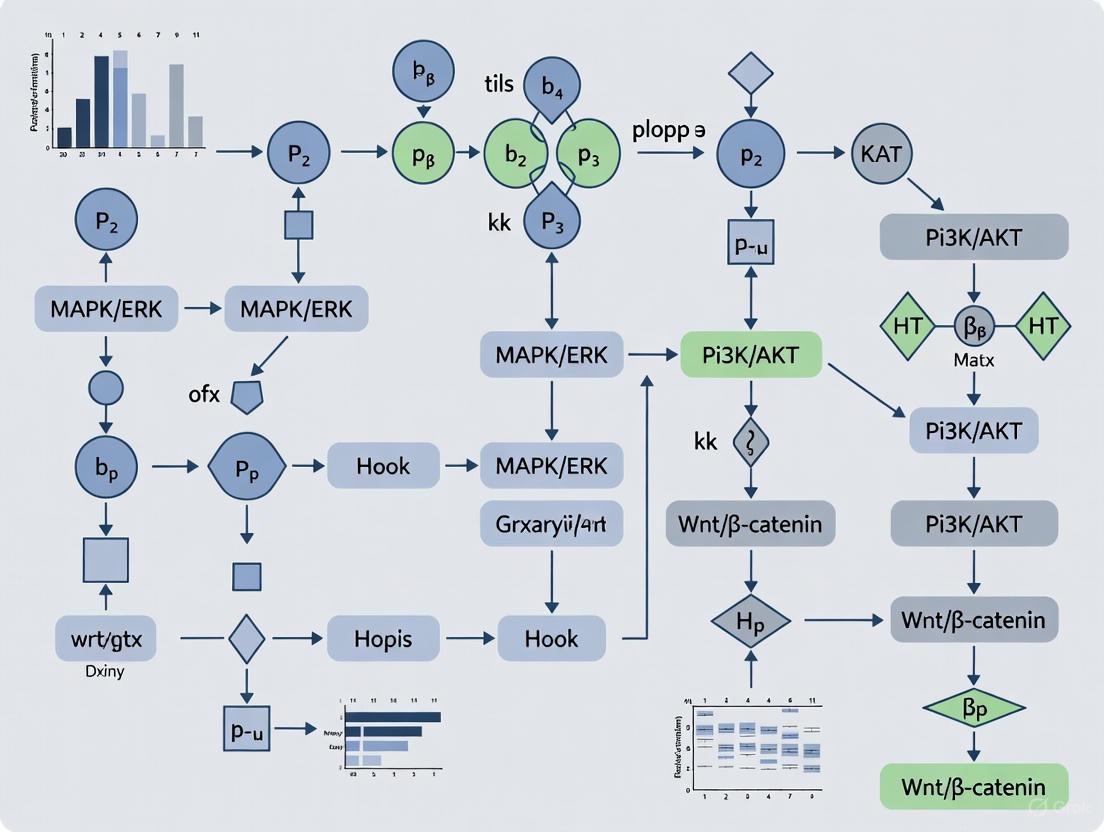
This article provides a comprehensive exploration of phosphoproteomics and its pivotal role in dissecting the complex signaling networks that orchestrate gastrulation.
Mapping the Phosphoproteome: Decoding Signaling Networks in Gastrulation and Beyond
Abstract
This article provides a comprehensive exploration of phosphoproteomics and its pivotal role in dissecting the complex signaling networks that orchestrate gastrulation. We cover the foundational principles of phosphorylation dynamics during early embryonic development, including the key roles of pathways like Wnt, Nodal, and BMP. The content details state-of-the-art methodological workflows, from sample preparation using endoscopic biopsies to advanced mass spectrometry techniques like TMT and DIA for deep, quantitative profiling. We also address critical troubleshooting and optimization strategies for overcoming technical challenges such as sample ischemia and low-abundance phosphopeptide detection. Finally, the article guides the validation of phosphoproteomic data through bioinformatics resources and functional assays, highlighting its direct applications in identifying novel therapeutic targets and advancing drug discovery for cancer and developmental disorders. This resource is tailored for researchers, scientists, and drug development professionals seeking to leverage phosphoproteomics in developmental biology and translational medicine.
The Signaling Blueprint of Life: How Phosphoproteomics Illuminates Gastrulation
Gastrulation is a pivotal phase in embryonic development during which the embryo transforms from a simple bilayer structure into a complex multi-layered organism with established body axes. This process involves elaborate cellular migrations and differentiation events that give rise to the three primary germ layers—ectoderm, mesoderm, and endoderm—which subsequently form all tissues and organs. Understanding the molecular drivers of gastrulation, particularly the dynamic signaling networks regulated by protein phosphorylation, provides critical insights into normal development and developmental disorders. Contemporary research has leveraged advanced mass spectrometry-based phosphoproteomics to unravel the intricate signaling landscape that orchestrates gastrulation, revealing spatially and temporally resolved phosphorylation events that direct cell fate decisions, tissue patterning, and morphogenetic movements [1] [2]. This protocol details integrated methodologies for phosphoproteomic analysis of gastrulation-stage embryos, providing a framework for investigating the phosphorylation-mediated signaling networks that establish the basic body plan.
The Role of Phosphorylation Signaling in Gastrulation
Protein phosphorylation serves as a fundamental regulatory mechanism controlling nearly all facets of cellular function, including metabolism, growth, division, and differentiation [3]. During gastrulation, phosphorylation-dependent signaling pathways mediate crucial developmental processes such as cell lineage specification, tissue patterning, and morphogenetic movements. The phosphoproteome—the complete set of protein phosphorylation sites within a cell or tissue—undergoes dramatic remodeling during gastrulation, with distinct phosphorylation patterns emerging in specific germ layers and embryonic regions.
Recent studies combining single-cell transcriptomics with phosphoproteomics have revealed how phosphorylation dynamics underlie the unique properties of specialized embryonic cell populations. For instance, analysis of the anterior visceral endoderm (AVE) has identified phosphorylation-mediated regulation of cytoskeletal proteins and modulators that control its characteristic migratory behavior [2]. Similarly, asymmetric BMP signaling activity in the right-side mesoderm during late gastrulation has been implicated in the establishment of left-right molecular asymmetry, a critical step in breaking embryonic symmetry [1]. These phosphorylation events occur predominantly on serine (approximately 86.5%), threonine (13.0%), and tyrosine (0.5%) residues, with multi-phosphorylation (multiple phosphorylation sites on a single protein) being a common regulatory mechanism [4].
Experimental Workflow for Gastrulation Phosphoproteomics
The comprehensive analysis of phosphorylation events during gastrulation requires an integrated workflow that preserves spatial and temporal information while enabling sensitive phosphopeptide detection. The following workflow outlines the key steps from embryo collection to data analysis, with particular emphasis on applications for gastrulation-stage embryos.
Figure 1: Experimental workflow for phosphoproteomic analysis of gastrulation-stage embryos, highlighting key methodological stages from sample preparation to computational analysis.
Embryo Collection and Staging
Proper embryo collection and accurate staging are critical for meaningful phosphoproteomic analysis of gastrulation. Mouse embryos should be collected at specific developmental timepoints between embryonic day (E) 6.5 and E9.5, with precise staging determined by morphological criteria such as primitive streak development and somite number [1] [5]. For spatial resolution of germ layer-specific phosphorylation events, embryos can be microdissected to isolate specific regions (e.g., epiblast, primitive streak, ectoderm, mesoderm, endoderm) using established protocols [1]. Immediate snap-freezing of collected tissues in liquid nitrogen is essential to preserve phosphorylation states and prevent artifactual phosphorylation/dephosphorylation during sample processing.
Sample Preparation and Protein Digestion
Efficient protein extraction and digestion are prerequisite for comprehensive phosphoproteome coverage. Cell lysis should be performed using strong denaturants such as 5% sodium dodecyl sulfate (SDS) in triethylammonium bicarbonate (TEAB) buffer, followed by sonication and heating to 95°C to ensure complete protein solubilization and enzyme inactivation [3]. Protein quantification should be performed using the bicinchoninic acid (BCA) method, with 300 μg of protein typically required for phosphoproteomic analysis. Protein digestion is optimally performed using the S-Trap mini kit protocol, which involves reduction with tris(2-carboxyethyl)phosphine (TCEP), alkylation with methyl methanethiosulfonate (MMTS), and overnight digestion with trypsin/Lys-C protease mix at 37°C [3]. This approach enhances protein digestion efficiency and peptide recovery, particularly for the complex protein mixtures derived from embryonic tissues.
Phosphopeptide Enrichment
Due to the low stoichiometry of protein phosphorylation, specific enrichment of phosphopeptides is necessary prior to mass spectrometric analysis. Titanium dioxide (TiO2) enrichment represents one of the most effective and widely used methods for phosphopeptide isolation, leveraging the specific affinity of TiO2 for phosphate groups [3]. The enrichment protocol involves loading acidified peptide digests onto TiO2 columns or tips, followed by sequential washes with loading buffer (containing lactic acid or glycolic acid) and washing buffer to remove non-specifically bound peptides. Phosphopeptides are then eluted using alkaline buffer (e.g., ammonium bicarbonate) or phosphate solution. As an alternative to TiO2, immobilized metal affinity chromatography (IMAC) using Fe³⺠or Ga³⺠ions can be employed, which also exhibits high specificity for phosphopeptides [6]. The enrichment efficiency should be monitored using control phosphopeptides to ensure reproducible results across multiple samples.
Liquid Chromatography and Mass Spectrometric Analysis
Enriched phosphopeptides are separated by nano-scale liquid chromatography (nanoLC) and analyzed by high-resolution tandem mass spectrometry. The nanoLC system typically employs a binary gradient with Buffer A (0.1% formic acid in water) and Buffer B (0.1% formic acid in acetonitrile), with a gradient progressing from 2% to 35% Buffer B over 60-120 minutes to achieve optimal peptide separation [3]. For phosphoproteomic analysis, two primary mass spectrometric acquisition methods are employed:
Data-Dependent Acquisition (DDA): This traditional method selects the most abundant precursor ions for fragmentation, providing high-quality MS/MS spectra but potentially undersampling lower-abundance phosphopeptides.
Data-Independent Acquisition (DIA): This alternative method fragments all ions within sequential m/z windows, providing more comprehensive and reproducible coverage of the phosphoproteome, particularly beneficial for quantifying low-abundance signaling phosphopeptides [7].
Recent advancements, such as the Spike-in Enhanced Detection in DIA (SPIED-DIA) approach, combine the sensitivity of targeted detection with the discovery potential of global phosphoproteomics, improving detection and quantification of key phosphorylation sites up to threefold [7].
Computational Analysis with PhosR
The analysis of phosphoproteomic data requires specialized computational tools for processing, normalization, and functional interpretation. PhosR, a comprehensive R package, provides an integrated suite of functions specifically designed for phosphoproteomic data analysis [8]. The key steps in PhosR analysis include:
- Data Preprocessing: Creating a PhosphoExperiment object from preprocessed data (e.g., MaxQuant output), filtering low-confidence phosphosites, and formatting site annotations (GeneSymbol, Residue, Site, Sequence).
- Imputation and Normalization: Handling missing values using PhosR's robust imputation methods and normalizing data to remove technical variations using the
medianAssayfunction or more advanced methods like RUV (Remove Unwanted Variation). - Kinase-Substrate Analysis: Inferring kinase activity through integrated analysis of phosphosite data and kinase-substrate relationships using the
kinaseSubstrateScorefunction. - Signalome Construction: Identifying coordinated phosphorylation modules across samples using the
PhosRfunction, which performs clustering and signalome construction to reveal activated signaling networks.
PhosR enables the transformation of raw phosphoproteomic data into biologically meaningful insights regarding signaling network activity during gastrulation [8].
Key Signaling Pathways in Gastrulation
Several evolutionarily conserved signaling pathways, regulated by precise phosphorylation events, orchestrate the complex morphogenetic movements and cell fate decisions during gastrulation. The following table summarizes the major pathways and their phosphorylation-mediated regulation during this critical developmental window.
Table 1: Key phosphorylation-regulated signaling pathways in gastrulation
| Signaling Pathway | Phosphorylation Role | Developmental Function | Example Phosphoproteins |
|---|---|---|---|
| MAPK/ERK | Activates kinase cascade through sequential phosphorylation | Primitive streak formation, mesoderm differentiation, cell migration | MAPK1 (T183/Y185), MAPK3 (T203/Y205) [4] |
| BMP | Regulates SMAD transcription factors and pathway modulators | Dorsal-ventral patterning, left-right asymmetry establishment | BMP receptor phosphorylation, SMAD proteins [1] |
| Semaphorin | Controls cytoskeletal dynamics and cell guidance | Anterior visceral endoderm migration, cell positioning | Cytoskeletal regulators, adhesion proteins [2] |
| Hippo | Regulates YAP/TAZ transcriptional coactivators | Lineage specification, tissue growth control | YAP phosphorylation, LATS kinases [6] |
| Wnt/β-catenin | Modulates β-catenin stability and transcriptional activity | Anterior-posterior patterning, mesoderm specification | β-catenin, APC, GSK3β [6] |
The intricate interplay between these pathways creates a robust signaling network that guides gastrulation. For instance, research has revealed enhanced BMP signaling activity specifically in the right-side mesoderm during late gastrulation, which perturbs left-right molecular asymmetry when disrupted [1]. Similarly, Semaphorin 6D-mediated signaling, regulated through phosphorylation of cytoskeletal proteins, is necessary for proper migration of the anterior visceral endoderm, a critical event in anterior-posterior axis formation [2].
Figure 2: Key phosphorylation-regulated signaling pathways in gastrulation, highlighting cross-activation mechanisms identified through phosphoproteomic analysis.
Research Reagent Solutions
Successful phosphoproteomic analysis of gastrulation requires specific reagents and materials optimized for working with embryonic tissues and phosphopeptides. The following table details essential research reagents and their applications in gastrulation phosphoproteomics.
Table 2: Essential research reagents for gastrulation phosphoproteomics
| Reagent/Material | Function | Application Notes |
|---|---|---|
| Titanium Dioxide (TiO2) | Phosphopeptide enrichment | Specific affinity for phosphate groups; higher specificity with lactic acid-containing loading buffers [3] |
| S-Trap Mini Columns | Protein digestion and cleanup | Efficient digestion and peptide recovery; effective for membrane proteins [3] |
| Trypsin/Lys-C Mix | Protein digestion | High-activity protease combination for complete digestion; reduces miscleaved peptides [3] |
| Tandem Mass Tag (TMT) | Multiplexed quantification | Enables simultaneous analysis of multiple samples; requires specific fragmentation mode [4] |
| Heavy Stable Isotope-labeled Phosphopeptides | Spike-in standards for quantification | Improves detection and quantification of endogenous phosphopeptides in DIA [7] |
| PhosR Software Package | Computational analysis | Comprehensive R-based toolkit for phosphoproteomic data processing and functional analysis [8] |
| Antibody-based Phosphosite Enrichment | Tyrosine phosphopeptide enrichment | Complementary to TiO2; improves coverage of tyrosine phosphorylation [9] |
Protocol for Integrated Analysis of Gastrulation Signaling
This section provides a detailed protocol for combining phosphoproteomics with spatial transcriptomics to investigate signaling networks during gastrulation, based on recently published methodologies [1] [2] [5].
Spatially-Resolved Tissue Collection
- Collect mouse embryos at precisely staged timepoints (E6.5-E8.5) and transfer to cold PBS.
- Using fine dissection tools and a stereomicroscope, carefully separate the embryo from extra-embryonic tissues.
- For spatial resolution, microdissect specific embryonic regions (e.g., anterior visceral endoderm, primitive streak, specific mesodermal domains) based on established morphological landmarks.
- Immediately snap-freeze dissected tissues in liquid nitrogen and store at -80°C until processing.
- For single-cell transcriptomic integration, preserve a portion of the tissue in appropriate preservation buffer for subsequent analysis.
Integrated Phosphoproteomic and Transcriptomic Analysis
- Parallel Sample Processing: Divide each tissue sample for parallel phosphoproteomic and transcriptomic analysis to enable integrated data interpretation.
- Phosphoproteomic Processing: Process samples according to the workflow described in Section 3, including protein extraction, digestion, phosphopeptide enrichment, and LC-MS/MS analysis using DIA methods for comprehensive coverage.
- Transcriptomic Analysis: For single-cell RNA sequencing, prepare single-cell suspensions from preserved tissues using established protocols [1]. Perform library preparation and sequencing to generate transcriptome profiles for individual cells.
- Spatial Mapping: For spatial context, utilize established spatial transcriptomic datasets [5] and mapping algorithms (e.g., MDSC Mapping) to infer the spatial coordinates of single cells based on population-specific signature transcripts (zipcodes) [1].
- Data Integration: Integrate phosphoproteomic and transcriptomic datasets using computational approaches such as PhosR [8] to connect phosphorylation-mediated signaling events with transcriptional outputs and cell fate decisions.
Functional Validation of Phosphosignaling
- Candidate Selection: Identify key phosphorylation sites and their host proteins from the integrated analysis for functional validation.
- Genetic Perturbation: Employ CRISPR/Cas9-mediated genome editing in embryonic stem cells to introduce phosphosite mutations (serine/threonine to alanine for loss-of-function, or to aspartate/glutamate for phosphomimetic).
- In Vitro Modeling: Differentiate genetically modified stem cells into 2D or 3D gastruloid models and assess the functional consequences of phosphosite mutations on germ layer specification, cell migration, and tissue patterning [5].
- Pathway Inhibition: Utilize specific kinase inhibitors (e.g., MEK or JNK inhibitors) in gastrulation-stage embryo cultures to validate the functional significance of identified phosphorylation pathways [7].
- Phenotypic Analysis: Evaluate phenotypic outcomes using high-resolution live imaging, immunohistochemistry, and molecular profiling to establish causal relationships between specific phosphorylation events and gastrulation phenotypes.
The integration of advanced phosphoproteomic technologies with spatial transcriptomics and functional perturbations provides unprecedented insight into the signaling networks that orchestrate gastrulation. The protocols outlined in this application note enable comprehensive mapping of phosphorylation dynamics across germ layers and embryonic stages, revealing the molecular underpinnings of body plan establishment. As these methodologies continue to evolve, particularly with enhancements in sensitivity and spatial resolution, they will undoubtedly yield deeper understanding of the phosphorylation-mediated regulation of embryonic development and provide new frameworks for investigating developmental disorders and improving stem cell-based regenerative strategies.
Phosphorylation as a Central Regulatory Switch in Development
Protein phosphorylation represents one of the most ubiquitous and biologically critical post-translational modifications (PTMs), serving as a fundamental regulatory switch that controls essential cellular activities throughout development. This reversible process, mediated by kinases and phosphatases, regulates protein function, localization, and stability across diverse developmental contexts—from early embryonic patterning to tissue-specific differentiation. The phosphoproteome, comprising the complete set of protein phosphorylation sites within a biological system, offers a dynamic readout of signaling network activity that drives morphogenetic processes. Technological advances in mass spectrometry-based proteomics have revolutionized our ability to capture these phosphorylation events systematically, enabling researchers to decipher the complex signaling networks that orchestrate development with unprecedented depth and precision. The integration of phosphoproteomics into developmental biology has provided critical insights into how phosphorylation events regulate fundamental processes including cell fate specification, gastrulation movements, and embryonic patterning, establishing phosphorylation as a central regulatory switch in development [6] [10].
Within developmental systems, phosphorylation operates as a molecular switch that controls protein activity on timescales ranging from seconds to hours, making it ideally suited for regulating the rapid signaling transitions required during embryogenesis. The importance of phosphorylation is particularly evident during gastrulation, a developmental milestone characterized by extensive cell movements and fate specifications that establish the basic body plan. During this critical period, phosphorylation-mediated signaling pathways including Wnt, BMP, and MAPK orchestrate complex morphogenetic events through spatial and temporal control of protein function. The systematic study of these phosphorylation networks through phosphoproteomics has emerged as an essential approach for unraveling the mechanistic underpinnings of development, offering potential insights into developmental disorders and regenerative medicine strategies [6] [11] [12].
Key Phosphorylation-Regulated Developmental Pathways
Core Signaling Pathways in Gastrulation
Developmental processes are governed by evolutionarily conserved signaling pathways whose activity is frequently modulated through protein phosphorylation. These phosphorylation-dependent signaling networks form interconnected systems that translate extracellular cues into precise intracellular responses, ultimately directing cell behavior during embryogenesis.
BMP/TGF-β Signaling Pathway: The Bone Morphogenetic Protein (BMP) pathway represents a paradigm of phosphorylation-mediated developmental signaling. BMP ligands initiate signaling by bringing together type I and type II serine/threonine kinase receptors, leading to phosphorylation of the type I receptor by the constitutively active type II receptor. This activated receptor complex then phosphorylates SMAD transcription factors (SMAD1/5/9), which translocate to the nucleus and direct transcriptional programs governing dorsal-ventral patterning, cell fate specification, and tissue morphogenesis. The pathway is exquisitely regulated by extracellular antagonists such as Twisted gastrulation (TWSG1), which directly binds BMP ligands through its N-terminal domain, occupying the BMP type I receptor binding site and thereby inhibiting receptor phosphorylation and subsequent signaling cascade activation. Structural studies have revealed that TWSG1 employs a two-domain architecture where the N-terminal domain binds BMP ligands while the C-terminal domain interacts with Chordin family members, creating a sophisticated regulatory mechanism for controlling BMP gradient formation during embryonic patterning [12].
EGFR-MAPK Signaling Cascade: The epidermal growth factor receptor (EGFR)-MAPK pathway exemplifies how phosphorylation transmits signals from the cell surface to the nucleus to influence developmental outcomes. Upon EGF binding, EGFR undergoes autophosphorylation at specific tyrosine residues, creating docking sites for adapter proteins that initiate a multi-tiered kinase cascade. This phosphorylation cascade involves sequential activation of RAS, RAF, MEK, and ERK kinases, with ERK phosphorylation leading to regulation of numerous nuclear transcription factors and cytoplasmic targets. Importantly, the MAPK pathway displays biphasic signaling characteristics in developmental contexts, with substrates downstream of RAS/MAPK activation showing maximal response at low EGF concentrations (<3ng/ml) while direct EGFR substrates exhibit no saturation. This nuanced response profile enables the pathway to regulate diverse processes including cell proliferation, differentiation, and migration during gastrulation and organogenesis [13].
Non-canonical Wnt/PCP Pathway: Planar cell polarity (PCP) signaling, mediated through non-canonical Wnt pathways, directs convergent extension movements during gastrulation through phosphorylation-dependent mechanisms. Core PCP proteins including Frizzled, Dishevelled, and Van Gogh form asymmetric complexes that become polarized within cells, activating downstream effectors such as RhoA and Rac to reorganize the cytoskeleton. Src family kinases, including Fyn and Yes, have been identified as key regulators of these convergence and extension movements. Phosphoproteomic analyses of Fyn/Yes knockdown zebrafish embryos revealed significant alterations in phosphorylation of cytoskeletal regulators including Adducin and PDLIM5, providing mechanistic insight into how phosphorylation controls cell polarity and migratory behavior during gastrulation [11].
Developmental Kinase Families
Specific kinase families play specialized roles in transphosphorylation signaling events during development:
- CMGC Kinase Group: Comprising CDKs, MAPKs, GSK3, and CLK kinases, this group regulates cell cycle progression, transcription, and metabolism. CDK1 phosphorylation drives cell cycle transitions essential for rapid embryonic cell divisions, while GSK3β phosphorylation participates in Wnt signaling and anterior-posterior patterning.
- AGC Kinase Family: Including PKA, PKC, and AKT kinases, these enzymes control cell survival, proliferation, and polarity. AKT phosphorylation downstream of PI3K signaling promotes cell survival during gastrulation.
- CK1 Kinase Family: Casein kinase 1 members phosphorylate components of Wnt and Hedgehog pathways, modulating signal transduction during segmental patterning.
- Src Family Kinases: Non-receptor tyrosine kinases including Src, Fyn, and Yes regulate cell adhesion and migration during gastrulation through phosphorylation of cytoskeletal proteins and adhesion components [14] [11].
Table 1: Key Kinase Families in Developmental Signaling
| Kinase Family | Representative Members | Developmental Functions | Phosphorylation Targets |
|---|---|---|---|
| CMGC | CDK1, ERK1/2, GSK3β | Cell cycle regulation, patterning, transcription | RB, SMAD, β-catenin |
| AGC | AKT, PKA, PKC | Cell survival, metabolism, polarity | BAD, CREB, LGL |
| CK1 | CK1α, CK1δ, CK1ε | Wnt signaling, circadian rhythms | DVL, β-catenin, PER |
| Src | Src, Fyn, Yes | Cell adhesion, migration, convergence-extension | Adducin, PDLIM5, Cortactin |
Experimental Approaches for Developmental Phosphoproteomics
Standardized Phosphoproteomics Workflow
The systematic analysis of phosphorylation events during development requires specialized workflows that capture the dynamic and transient nature of this modification. A standardized phosphoproteome analysis pipeline has been optimized for embryonic systems, comprising six key stages that transform biological samples into quantitative phosphorylation data:
- Sample Preparation: Developmental tissues or embryos are collected at specific developmental timepoints and lysed under denaturing conditions to preserve phosphorylation states while inhibiting phosphatase activity.
- Protein Digestion: Proteins are enzymatically cleaved, typically using trypsin, to generate peptides suitable for mass spectrometry analysis.
- Phosphopeptide Enrichment: Phosphorylated peptides are selectively isolated from complex peptide mixtures using enrichment techniques such as Immobilized Metal Affinity Chromatography (IMAC) or Titanium Dioxide (TiO2) chromatography.
- Peptide Fractionation: Enriched phosphopeptides are separated by chromatographic methods (e.g., high-pH reverse phase) to reduce sample complexity and increase proteome coverage.
- LC-MS/MS Analysis: Fractionated peptides are analyzed by high-resolution liquid chromatography coupled to tandem mass spectrometry (LC-MS/MS) to identify phosphopeptides and localize phosphorylation sites.
- Bioinformatic Analysis: Raw mass spectrometry data are processed through computational pipelines for phosphosite identification, quantification, and functional annotation [6] [10].
This integrated workflow has been successfully applied to diverse developmental models, including mouse extended pluripotent stem cell (EPSC)-derived blastoids, where it enables reproducible analysis of phospho-signaling networks active during early embryonic development [6].
Protocol: Quantitative Phosphoproteomics of Mouse EPSC-Derived Blastoids
The following detailed protocol describes the application of phosphoproteomics to analyze phosphorylation dynamics during blastoid development, providing a framework for investigating phosphorylation in embryonic model systems:
I. Blastoid Culture and Sample Preparation
- Culture mouse EPSC-derived blastoids under defined conditions, monitoring developmental progression through key milestones (Days 3 and 5 representing critical patterning stages).
- Confirm blastoid quality through morphological assessment; healthy structures should appear as intact dome-shaped colonies with smooth edges.
- For phosphorylation analysis, collect blastoids at precise developmental timepoints to capture dynamic signaling transitions.
- Lyse blastoids in denaturing buffer containing phosphatase inhibitors to preserve endogenous phosphorylation states and prevent artificial dephosphorylation during sample processing.
- Reduce and alkylate proteins using dithiothreitol and iodoacetamide, respectively, followed by overnight digestion with sequence-grade trypsin to generate peptides [6].
II. Phosphopeptide Enrichment and Fractionation
- Enrich phosphorylated peptides from the complex peptide mixture using IMAC-based methods, which selectively capture phosphopeptides through affinity between immobilized metal ions (typically Fe³⺠or Tiâ´âº) and phosphate groups.
- Alternatively, employ TiO2 microcolumns for phosphopeptide enrichment, which offers complementary selectivity and can be implemented in an automated format.
- Elute bound phosphopeptides using alkaline buffers (e.g., ammonium hydroxide) or phosphate-containing solutions.
- Fractionate enriched phosphopeptides using high-pH reverse-phase chromatography to reduce sample complexity, collecting 8-12 fractions for subsequent analysis.
- Desalt fractionated peptides using C18 StageTips or solid-phase extraction cartridges prior to LC-MS/MS analysis [6].
III. LC-MS/MS Data Acquisition and Analysis
- Reconstitute phosphopeptide fractions in LC-MS compatible solvent (typically 0.1% formic acid) and analyze by nanoflow liquid chromatography coupled to high-resolution tandem mass spectrometry.
- Employ data-dependent acquisition (DDA) methods that automatically select the most abundant precursor ions for fragmentation, with inclusion of multistage activation or neutral loss-triggered MS3 scanning to enhance phosphopeptide identification.
- For quantitative comparisons across multiple conditions, utilize isobaric labeling approaches such as Tandem Mass Tags (TMT) which enable multiplexed analysis of up to 16 samples in a single LC-MS run.
- Acquire MS data using high-resolution instruments (Orbitrap analyzers) to ensure accurate mass measurements for both precursor and fragment ions, facilitating confident phosphosite localization [6] [13].
IV. Computational Processing and Phosphosite Validation
- Process raw mass spectrometry data using computational platforms such as MaxQuant or Proteome Discoverer, searching spectra against appropriate protein sequence databases.
- Implement phosphosite localization algorithms (e.g., PTM-Score, AScore) to assign phosphorylation sites with confidence metrics, applying a false discovery rate (FDR) threshold of <1% at both peptide and protein levels.
- Perform quantitative analysis of phosphorylation changes across experimental conditions, applying statistical thresholds (typically >1.5-2-fold change with p-value <0.05) to identify differentially regulated phosphosites.
- Annotate identified phosphosites using specialized databases such as PhosphoSitePlus to extract biological context, including known kinase associations, functional consequences, and conservation across species [6] [10].
Table 2: Key Experimental Parameters for Developmental Phosphoproteomics
| Parameter | Recommended Specification | Developmental Considerations |
|---|---|---|
| Biological Material | 50-100 μg peptide material per condition | Limited material from embryonic samples may require miniaturized protocols |
| Phosphopeptide Enrichment | IMAC or TiO2, with >80% enrichment efficiency | Complement with antibody-based tyrosine phosphorylation enrichment |
| MS Resolution | >60,000 for MS1, >15,000 for MS2 | Higher resolution improves phosphosite localization |
| Quantitative Approach | TMT multiplexing or label-free quantification | Multiplexing reduces missing values across developmental time series |
| Phosphosite Localization | Apply FDR<1% and localization probability >0.75 | Stringent thresholds essential for functional follow-up |
| Data Integration | Cross-reference with phosphoproteomic databases | Contextualize findings within established signaling networks |
Visualization of Developmental Signaling Pathways
The following diagrams illustrate key phosphorylation-mediated signaling pathways that regulate gastrulation and embryonic development, generated using Graphviz DOT language with the specified color palette.
BMP Signaling Pathway and Regulation by TWSG1
Diagram 1: BMP signaling regulation. TWSG1 inhibits BMP signaling by binding ligands and blocking receptor interaction.
EGFR-MAPK Signaling Cascade
Diagram 2: EGFR-MAPK phosphorylation cascade. This multi-tiered kinase pathway transmits signals from cell surface to nucleus.
Phosphoproteomics Experimental Workflow
Diagram 3: Phosphoproteomics workflow. The standardized pipeline from biological samples to phosphorylation data.
Key Research Reagent Solutions
Successful investigation of phosphorylation in developmental systems requires specialized reagents and tools. The following table details essential research solutions for developmental phosphoproteomics:
Table 3: Essential Research Reagents for Developmental Phosphoproteomics
| Category | Specific Product/Kit | Application in Developmental Phosphoproteomics |
|---|---|---|
| Sample Preparation | Halt Phosphatase Inhibitor Cocktail | Preserves endogenous phosphorylation states during embryo/tissue lysis |
| Trypsin, Sequencing Grade | Protein digestion for mass spectrometry-compatible peptide generation | |
| Phosphopeptide Enrichment | TiO2 MagBeads | Magnetic particle-based phosphopeptide isolation for high recovery |
| IMAC Kit (Fe³⺠or Ga³âº) | Immobilized metal affinity chromatography for phosphopeptide enrichment | |
| p-Tyr-1000 Antibody Beads | Immunoaffinity purification of tyrosine-phosphorylated peptides | |
| Mass Spectrometry | Tandem Mass Tag (TMT) 16-plex | Multiplexed quantitation of phosphoproteomes across developmental timepoints |
| LC-MS Grade Solvents | High-purity solvents for nanoscale liquid chromatography separation | |
| Data Analysis | MaxQuant Software | Computational platform for LC-MS/MS data processing and phosphosite identification |
| PhosphoSitePlus Database | Knowledgebase for phosphosite annotation and functional context | |
| NetworKIN Tool | Kinase-substrate prediction integrating sequence and network context |
Specialized Databases for Phosphoproteomics
The interpretation of phosphoproteomics data requires access to comprehensive knowledge bases that catalogue phosphorylation sites and their biological significance:
PhosphoSitePlus (PSP): Developed by Cell Signaling Technology, PhosphoSitePlus represents the premier global knowledgebase for protein post-translational modifications, documenting over 547,000 experimentally verified phosphorylation sites across multiple species. The database offers detailed annotations including kinase-substrate relationships, disease associations, and functional consequences of phosphorylation, making it an indispensable resource for contextualizing developmental phosphoproteomics findings. PSP undergoes quarterly updates with manual curation by expert scientists, ensuring high data quality and current information [10].
PhosphoELM: Specializing in eukaryotic phosphorylation sites within functional linear domains, PhosphoELM catalogues 328,747 experimentally verified phosphosites across 12 species. This database provides unique insights into how phosphorylation modulates protein interaction domains including SH3, WW, and PDZ domains, which is particularly relevant for understanding signaling complex assembly during development. The database implements a tiered evidence system, with Class A sites supported by multiple independent mass spectrometry studies [10].
dbPAF: The Database of Protein Acetylation and Phosphorylation focuses on crosstalk between these two modifications, documenting 38,927 protein-specific dual-modification pairs. This resource is valuable for investigating the complex interplay between different PTMs during developmental processes, offering insights into sequential modification events and their functional integration [10].
Phosphorylation serves as a central regulatory switch throughout development, integrating extracellular signals with intracellular responses to direct embryonic patterning, cell fate decisions, and morphogenetic movements. The application of advanced phosphoproteomics technologies to developmental model systems has revealed the breathtaking complexity and dynamic nature of phosphorylation-based regulation, illuminating how coordinated signaling networks orchestrate the emergence of form and function during embryogenesis. As phosphoproteomics methodologies continue to evolve—offering greater sensitivity, throughput, and spatial resolution—they promise to unravel ever more detailed mechanisms of developmental regulation, with profound implications for understanding congenital disorders, advancing regenerative medicine, and deciphering the fundamental principles of life itself.
Gastrulation is a fundamental developmental process during which the embryonic three-layered structure is formed. Understanding the complex signaling networks that govern cell fate decisions, patterning, and morphogenesis at this stage is crucial for developmental biology and regenerative medicine. Phosphoproteomics has emerged as a powerful tool for investigating these signaling pathways, providing unprecedented insights into the post-translational modifications that regulate protein activity and downstream cellular responses. This Application Note details experimental approaches for studying the Wnt/β-catenin, Nodal, BMP, and FGF signaling pathways during gastrulation, with a specific focus on phosphoproteomic analysis to capture the dynamic signaling events that direct embryonic patterning.
The four key pathways discussed here operate in an integrated network: Wnt/β-catenin establishes axial patterning and regulates cell proliferation; Nodal controls mesendoderm induction and left-right asymmetry; BMP directs dorsoventral patterning and cell fate specification; and FGF regulates cell migration and epithelial-to-mesenchymal transition (EMT). Phosphoproteomic analysis enables researchers to simultaneously monitor activation states across these pathways, capturing the spatial and temporal dynamics that underlies successful embryogenesis.
Pathway Mechanisms and Functions
Wnt/β-catenin Signaling
The Wnt/β-catenin pathway is a highly conserved signaling cascade essential for axis specification and cell fate determination during gastrulation. Pathway activation begins when Wnt ligands bind to Frizzled receptors and LRP co-receptors, leading to the stabilization and nuclear translocation of β-catenin. Inside the nucleus, β-catenin forms complexes with TCF/LEF transcription factors to activate target gene expression.
Research using conditional β-catenin mutant embryos has identified numerous downstream targets through genome-wide expression profiling. Functional validation via RNA interference in embryonic stem cell-derived embryos has demonstrated that Wnt/β-catenin signaling regulates critical processes including axial elongation, mid/hindbrain development, and axial mesoderm specification. Key targets include Grsf1, an RNA-binding factor important for axial structures, and Fragilis2, a transmembrane protein regulating somite epithelialization and paraxial mesoderm formation [15].
Nodal Signaling
As a member of the TGF-β superfamily, Nodal functions as a primary inducer of mesendoderm during gastrulation. Nodal signaling initiation requires binding to type I and type II activin receptors along with EGF-CFC family co-receptors (Cripto, Cryptic, One-eyed pinhead). This triggers phosphorylation of Smad2 and Smad3, which form complexes with Smad4 and translocate to the nucleus where they associate with transcription factors such as FoxH1 to activate target genes [16] [17].
Nodal signaling exhibits a dose-dependent effect on cell fate specification, with the highest signaling levels promoting endoderm formation and lower levels directing mesoderm differentiation. This pathway is tightly regulated by multiple feedback mechanisms, including the induction of antagonists like Lefty and Cerberus, which limit Nodal signaling range and duration. MicroRNAs, particularly the miR-430/427/302 family, provide additional regulation by targeting Nodal ligands and antagonists for post-transcriptional repression [16] [17].
BMP Signaling
Bone Morphogenetic Protein (BMP) signaling plays a conserved role in dorsoventral patterning across bilaterian embryos. Signaling begins with BMP ligand binding to type I and type II serine/threonine kinase receptors, leading to phosphorylation of Smad1/5/8. These R-Smads form complexes with Smad4 and translocate to the nucleus to regulate transcription of target genes.
Recent research using human pluripotent stem cells (hPSCs) as a model for early human development has revealed that BMP signaling history, rather than instantaneous levels, determines cell fate outcomes. The time integral of BMP signaling activity correlates strongly with fate decisions, where both signaling level and duration contribute to the total signaling quantity received by cells. This integrated BMP signal appears to be mechanistically integrated by SOX2, which represses differentiation genes and decreases in proportion to the cumulative BMP signaling input [18].
FGF Signaling
Fibroblast Growth Factor signaling regulates multiple aspects of gastrulation, including cell movements, lineage induction, and gene expression regulation. FGF ligands signal through receptor tyrosine kinases (FGFRs) to activate downstream pathways including RAS/MAPK and PI3K, which influence cell behavior and gene expression.
A novel mechanism of FGF signaling during gastrulation involves the negative regulation of specific microRNAs. In chicken embryos, FGF signaling negatively modulates the abundance of miR-let-7b, -9, -19b, -107, -130b, and -218. This regulation occurs through both LIN28B-dependent and LIN28B-independent pathways, with LIN28B inhibiting microRNA processing. The FGF-regulated microRNAs target receptors including ACVR1, ACVR2B, PDGFRA, TGFBR1, and TGFBR3, thereby creating a signaling network that controls cell migration and embryo patterning [19] [20].
Table 1: Key Signaling Pathways in Gastrulation
| Pathway | Key Ligands | Receptors | Signal Transducers | Major Gastrulation Roles |
|---|---|---|---|---|
| Wnt/β-catenin | Wnt3, Wnt8 | Frizzled, LRP | β-catenin, TCF/LEF | Axial patterning, primitive streak formation, mesoderm specification [15] |
| Nodal | Nodal, Xnr1-6 | Activin receptors + EGF-CFC co-receptors | Smad2/3, Smad4, FoxH1 | Mesendoderm induction, primitive streak formation, left-right asymmetry [16] [17] |
| BMP | BMP2, BMP4 | BMPR-I/II | Smad1/5/8, Smad4 | Dorsoventral patterning, amnion specification, epithelial-mesenchymal transition [18] |
| FGF | FGF4, FGF8 | FGFR1-4 | RAS/MAPK, PI3K | Cell migration, EMT, microRNA regulation [19] [20] |
Experimental Approaches and Protocols
Phosphoproteomic Analysis of Gastrulation Signaling
Protocol: Multidimensional Liquid Chromatography Tandem Mass Spectrometry (MDLC-MS/MS) for Phosphoproteomics
This protocol adapts established phosphoproteomic methods for studying gastrulation signaling in model systems [21] [22].
Sample Preparation:
- Culture embryonic stem cells or isolate gastrula-stage embryos under appropriate conditions
- For time-course experiments, collect samples at multiple time points covering key gastrulation stages
- Rapidly lyse cells in urea-containing buffer with phosphatase and protease inhibitors
- Reduce and alkylate proteins, followed by digestion with trypsin/Lys-C mixture
- Desalt peptides using C18 solid-phase extraction columns
Phosphopeptide Enrichment:
- Perform strong cation exchange (SCX) chromatography for initial fractionation
- Enrich phosphopeptides using Fe³âº-immobilized metal affinity chromatography (IMAC) or titanium dioxide (TiOâ‚‚) tips
- Elute bound phosphopeptides with alkaline phosphate buffer
LC-MS/MS Analysis:
- Separate phosphopeptides using reversed-phase nano-liquid chromatography
- Analyze eluted peptides with high-resolution tandem mass spectrometry (Orbitrap platforms recommended)
- Use data-dependent acquisition methods with collision-induced dissociation (CID) or higher-energy collisional dissociation (HCD) for fragmentation
- Include multinotch MS3 methods for more accurate quantification
Data Processing:
- Search MS/MS spectra against appropriate protein databases using search engines (SEQUEST, MaxQuant)
- Apply strict false discovery rate thresholds (≤1%) for phosphopeptide identification
- Use extracted ion chromatograms for label-free quantification or employ multiplexed isobaric labeling (TMT, iTRAQ) for multiplexed experiments
- Perform statistical analysis to identify significantly regulated phosphosites
Functional Validation:
- Confirm key phosphoproteomic findings by Western blotting with phospho-specific antibodies [21]
- Validate functional significance using genetic approaches (RNAi, CRISPR) in model systems
Table 2: Quantitative Phosphoproteomic Parameters from Gastrulation Studies
| Study System | Total Phosphosites Identified | Regulated Phosphosites | Key Functional Categories | Reference |
|---|---|---|---|---|
| hESCs (BMP4 treatment) | Not specified | Multiple regulated sites | Transcriptional regulation, cell migration | [22] |
| C. elegans embryos (pig-1 mutant) | Comprehensive profile | Changes in abundance/phosphorylation | Cell cycle, asymmetric division, apoptosis, actomyosin regulation | [23] |
| hESCs (undifferentiated vs. differentiated) | 2,546 phosphorylation sites on 1,602 proteins | 389 proteins with more phosphosites in hESCs; 540 in differentiated cells | Receptor tyrosine kinase signaling, JNK pathway | [21] |
Monitoring Signaling Dynamics in Live Cells
Protocol: Live Imaging of Signaling Activity in Micropatterned hPSCs
This protocol enables tracking of signaling dynamics in individual cells during patterned differentiation [18].
Cell Line Engineering:
- Generate knock-in reporter lines expressing GFP::SMAD4 or RFP::SMAD1 at endogenous loci
- Validate reporter function and maintain pluripotency
Micropatterned Differentiation:
- Fabricate micropatterned substrates with defined geometry (typically circular islands)
- Seed hPSCs at controlled density on matrigel-coated micropatterns
- Initiate differentiation with BMP4-containing medium (e.g., 50 ng/mL)
- Maintain differentiation for 48 hours with live imaging
Live Imaging and Analysis:
- Acquire time-lapse images every 30-60 minutes for 48 hours using automated microscopy
- Quantify nuclear-to-cytoplasmic SMAD ratios as proxy for signaling activity
- Track individual cells or analyze populations based on position from colony edge
- Apply computational approaches (principal component analysis) to identify signaling history patterns
Endpoint Fate Analysis:
- After live imaging, fix cells and perform iterative immunofluorescence staining
- Use fate-specific markers (e.g., SOX2 for epiblast, TFAP2A for amnion, BRA for mesoderm)
- Correlate signaling histories with final cell fates in the same cells
Functional Validation of Pathway Components
Protocol: RNA Interference in Embryonic Systems
This protocol describes RNAi-based functional testing of candidate genes identified through phosphoproteomic or transcriptomic analyses [15].
Target Selection:
- Select candidate genes based on phosphoproteomic data, expression patterns, and bioinformatic predictions
- Design multiple shRNAs or siRNAs targeting different regions of candidate transcripts
- Include appropriate negative controls (scrambled sequences, non-targeting RNAs)
Delivery in Embryonic Systems:
- For mammalian embryos: use electroporation to introduce RNAi constructs into specific regions
- For stem cell models: employ lentiviral transduction or lipid-based transfection
- For non-mammalian models: utilize microinjection at appropriate developmental stages
Phenotypic Analysis:
- Assess morphology and patterning using whole-mount in situ hybridization for marker genes
- Analyze cell fate changes by immunofluorescence and quantitative PCR
- Evaluate cell movements and lineage contributions using lineage tracing
- Quantify phenotypes using image analysis and statistical methods
Pathway Integration and Cross-Talk
During gastrulation, the four major signaling pathways do not function in isolation but form an integrated network with extensive cross-talk. Understanding these interactions is essential for comprehending how complex embryonic patterns emerge from seemingly simple initial conditions.
The transcriptional hierarchy observed in micropatterned hPSCs reveals that BMP, Wnt, and Nodal function in a coordinated manner, with Wnt and Nodal required for primitive streak-like differentiation, while BMP alone directs amnion-like differentiation [18]. Single-cell analysis of signaling histories shows that combined BMP and Nodal signaling dynamics strongly predict final cell fate patterns, with sustained BMP signaling correlating with amnion-like fate, while transient BMP followed by Nodal signaling correlates with primitive streak-like fates [18].
Multiple integration points exist between these pathways. The Nodal pathway is regulated by Wnt signaling, as inhibition of Wnt secretion leads to loss of Nodal signaling waves in patterned colonies [18]. Similarly, FGF signaling regulates microRNAs that target components of other pathways, including ACVR1, ACVR2B, PDGFRA, TGFBR1, and TGFBR3, creating an interconnected regulatory network [19] [20].
Diagram 1: Signaling Pathway Integration and Cross-Talk during Gastrulation
The Scientist's Toolkit: Essential Research Reagents
Table 3: Key Research Reagent Solutions for Gastrulation Signaling Studies
| Reagent Category | Specific Examples | Research Applications | Key Functions |
|---|---|---|---|
| Pathway Reporters | GFP::SMAD4, RFP::SMAD1 knock-in cells [18] | Live imaging of signaling dynamics | Real-time tracking of BMP and Activin/Nodal signaling activity |
| Pathway Agonists | Recombinant BMP4, FGF4, Wnt3a, Nodal | Directed differentiation; pathway activation | Specific induction of signaling pathways in controlled experiments |
| Pathway Antagonists | SU5402 (FGF inhibitor), DKK1 (Wnt inhibitor), SB431542 (Nodal inhibitor), LDN193189 (BMP inhibitor) | Pathway inhibition studies; testing pathway necessity | Chemical inhibition to determine functional requirements |
| Phosphoproteomics Tools | Fe³âº-IMAC, TiOâ‚‚ phosphopeptide enrichment; TMT labeling reagents [23] [21] [22] | Global phosphorylation analysis | Comprehensive identification and quantification of phosphorylation events |
| Cell Culture Platforms | Micropatterned substrates [18] | Controlled geometric patterning | Standardized environment for studying self-organized patterning |
| Functional Genomics Tools | RNAi constructs, CRISPR/Cas9 systems [15] | Gene function validation | Targeted perturbation of pathway components |
| AzddMeC | AzddMeC, CAS:87190-79-2, MF:C10H14N6O3, MW:266.26 g/mol | Chemical Reagent | Bench Chemicals |
| Antibiotic A-33853 | Antibiotic A-33853, CAS:80148-45-4, MF:C20H13N3O6, MW:391.3 g/mol | Chemical Reagent | Bench Chemicals |
Data Analysis and Interpretation
Analytical Approaches for Phosphoproteomic Data
Analysis of phosphoproteomic data from gastrulation studies requires specialized computational approaches. Following database searching and quantification, several analytical steps are critical for biological insight:
Pathway Enrichment Analysis:
- Map regulated phosphoproteins to signaling pathways using annotation databases (KEGG, Reactome)
- Identify overrepresented pathways using statistical tests (Fisher's exact test, GSEA)
- Consider both canonical pathways and protein complexes
Network Analysis:
- Construct protein-protein interaction networks centered on regulated phosphoproteins
- Identify network hubs and bottlenecks that may represent key regulatory nodes
- Visualize networks to identify functional modules
Temporal Pattern Analysis:
- Cluster phosphosites based on temporal profiles during gastrulation
- Identify early, middle, and late response phosphosites
- Correlate phosphorylation dynamics with transcriptional changes
Integration with Complementary Data:
- Combine phosphoproteomic data with transcriptomic profiles [22]
- Identify points of convergence and divergence between regulation levels
- Build integrated models of pathway regulation
Interpretation of Signaling Dynamics
The relationship between signaling dynamics and cell fate outcomes represents a key consideration when interpreting gastrulation data. Recent work demonstrates that the time integral of BMP signaling, rather than instantaneous levels, determines cell fate decisions [18]. This finding has important implications for experimental design and data interpretation:
- Signaling History Matters: Single timepoint measurements may be insufficient to predict outcomes; longitudinal tracking provides more meaningful data
- Level-Duration Equivalence: Lower signaling levels over longer durations can produce equivalent outcomes to higher levels over shorter periods
- Cellular Memory: Cells integrate signals over time, potentially through mechanisms like SOX2 degradation in response to cumulative BMP signaling
These principles likely apply beyond BMP signaling to other pathways involved in gastrulation, suggesting that comprehensive understanding requires monitoring signaling dynamics throughout critical developmental windows.
Troubleshooting and Technical Considerations
Phosphoproteomics Challenges:
- Stoichiometry Issues: Phosphorylation is often sub-stoichiometric, requiring enrichment strategies [21]
- Dynamic Range: Low-abundance signaling proteins may be challenging to detect beside abundant structural proteins
- Phosphosite Localization: Confidently assigning phosphorylation to specific residues requires high-quality MS/MS spectra
Biological Variability:
- Embryo-to-Embryo Variation: Natural biological variability may require increased replication
- Synchronization Challenges: Precise developmental staging is critical for reproducible results
- Culture System Limitations: In vitro models may not fully recapitulate in vivo contexts
Technical Optimization:
- Sample Preparation: Rapid processing and effective phosphatase inhibition are essential for preserving phosphorylation states
- Enrichment Efficiency: Optimization of IMAC/TiOâ‚‚ protocols is needed for comprehensive phosphopeptide coverage
- LC-MS/MS Parameters: Method development should balance depth of coverage with analytical throughput
The application of phosphoproteomic approaches to study Wnt/β-catenin, Nodal, BMP, and FGF signaling during gastrulation provides unprecedented insights into the post-translational regulation of embryonic development. The protocols and methodologies described here enable researchers to capture the dynamic nature of these signaling pathways and their integration during pattern formation. As these techniques continue to evolve, particularly with improvements in spatial proteomics and single-cell phosphoproteomics, they will undoubtedly yield further discoveries about the exquisite regulatory mechanisms that orchestrate gastrulation. The combination of precise experimental models, advanced proteomic technologies, and computational analysis methods positions the field to make significant advances in understanding this fundamental developmental process.
Linking Phosphosignaling to Cell Fate Specification and Morphogenetic Movements
This application note details how advanced phosphoproteomic workflows are revolutionizing our understanding of gastrulation, the fundamental developmental process where coordinated phosphosignaling directs both cell fate specification and morphogenetic movements. We present optimized experimental protocols that enable high-sensitivity, high-throughput phosphorylation analysis, allowing researchers to capture dynamic signaling networks in developmentally relevant contexts. By integrating these cutting-edge phosphoproteomics methods with functional studies, scientists can now decipher the precise molecular mechanisms coordinating pattern formation and tissue morphogenesis during embryonic development.
The formation of the embryonic body plan during gastrulation represents a critical period in development, characterized by the precise interplay of signaling pathways that direct both cell fate specification and morphogenetic movements. Protein phosphorylation serves as a central regulatory mechanism coordinating these processes, with phosphorylation-dependent signaling networks translating extracellular cues into intracellular responses that determine developmental outcomes [24] [25]. Until recently, technical limitations in phosphoproteomics have hindered comprehensive analysis of these dynamic signaling events, particularly in developmentally relevant systems with limited cell numbers.
Traditional phosphoproteomic workflows have been hampered by lengthy processing times, poor reproducibility, and limited sensitivity, making them ill-suited for studying rare cell populations or fine temporal dynamics during gastrulation [24]. Recent methodological advances have overcome many of these limitations through streamlined workflows, enhanced enrichment strategies, and improved mass spectrometry sensitivity, now enabling researchers to capture phosphorylation dynamics with unprecedented spatial and temporal resolution [24] [25] [26]. These technical innovations provide new opportunities to dissect the complex signaling networks that coordinate developmental processes.
Technical Advances in Phosphoproteomic Workflows
Streamlined Sample Preparation Methods
Recent innovations in phosphoproteomic sample preparation have dramatically improved throughput and sensitivity while reducing sample requirements:
Table 1: Comparison of Phosphoproteomics Workflow Performance Characteristics
| Workflow | Processing Time | Sample Input | Phosphopeptides Identified | Key Innovations |
|---|---|---|---|---|
| FEAS-Phospho [24] | 2.5 hours | 200 μg protein | 6,247 phosphopeptides (DDA, 15-min gradient) | All-in-one single-tube workflow; TFA extraction; Ti4+-IMAC microspheres |
| Dual-Enrichment Neuronal Protocol [26] | ~2 days | Limited tissue (e.g., 0.1g trigeminal ganglion) | Protocol optimized for low-input samples | Fe-NTA + TiO2 sequential enrichment; 5% SDS lysis; S-Trap digestion |
| microPhos Platform [25] | Not specified | 1 μg protein | >10,000 phosphopeptides (DIA) | Microscale sample preparation; DIA mass spectrometry |
The FEAS-Phospho (Fast and Effective All-in-one Single-tube) workflow represents a significant advancement for high-throughput applications, integrating protein extraction, digestion, and phosphopeptide enrichment into a single tube. This method utilizes trifluoroacetic acid (TFA) for rapid protein extraction within 3 minutes without mechanical disruption, followed by a 15-minute protein digestion using a high dose of TPCK-treated trypsin. The subsequent use of Ti4+-IMAC microspheres enables in-situ phosphopeptide enrichment without desalting, significantly simplifying the workflow and reducing processing time from typically days to just 2.5 hours [24].
For limited biological samples such as specific embryonic tissues or rare cell populations, optimized protocols incorporating sequential enrichment strategies have demonstrated improved phosphopeptide recovery. The dual-enrichment approach using Fe-NTA magnetic beads followed by TiO2 enrichment provides both specificity and broad phosphopeptide coverage, making it particularly suitable for small tissue samples like the trigeminal ganglion [26]. This method employs high-concentration SDS lysis (5%) for efficient protein extraction from challenging tissues, followed by S-Trap-based digestion and clean-up to minimize sample loss.
Experimental Protocol: FEAS-Phospho Workflow for High-Throughput Phosphoproteomics
Materials Required:
- Cell or tissue samples (e.g., MCF-7 cells or mouse tissues)
- 100% Trifluoroacetic acid (TFA)
- TPCK-treated trypsin
- Ti4+-IMAC microspheres
- 2M Tris-HCl buffer (pH ~8.5)
- Microcentrifuge tubes
- Micro-flow LC-MS/MS system
Procedure:
- Protein Extraction: Add 100% TFA directly to cell pellets or tissue samples (approximately 200 μg protein equivalent). Vortex thoroughly and incubate for 3 minutes at room temperature. The TFA efficiently denatures proteins and extracts them without need for additional homogenization or sonication.
Neutralization (if required): For some samples, carefully neutralize the TFA lysate with 9 volumes of 2M Tris-HCl buffer. Note: This step may be omitted when using Ti4+-IMAC microspheres for SP3-like digestion.
Protein Digestion: Add a high concentration of TPCK-treated trypsin (enzyme-to-protein ratio typically 1:10 to 1:20) to the lysate. Incubate for 15 minutes at 37°C with agitation. The high enzyme concentration enables rapid complete digestion.
Phosphopeptide Enrichment: Add Ti4+-IMAC microspheres directly to the digestion mixture. Incubate with agitation for 60 minutes at room temperature to allow phosphopeptide binding.
Washing and Elution: Pellet the microspheres using a magnet or centrifugation. Remove supernatant and wash twice with appropriate washing buffers (typically containing acetonitrile and weak acids). Elute phosphopeptides using ammonium hydroxide or phosphate solution.
LC-MS/MS Analysis: Reconstitute phosphopeptides in MS loading solvent and analyze using micro-flow LC-MS/MS with a 15-minute gradient for rapid analysis. Employ either Data-Dependent Acquisition (DDA) or Data-Independent Acquisition (DIA) modes, with DIA providing higher identification rates (>8,400 phosphopeptides from 200 μg input) [24].
Troubleshooting Notes:
- For difficult tissues, a brief homogenization step may be incorporated after TFA addition.
- Optimize trypsin-to-protein ratio for different sample types to ensure complete digestion.
- Ti4+-IMAC microspheres show compatibility with high denaturant concentrations, minimizing need for clean-up before enrichment.
Key Signaling Pathways Integrating Cell Fate and Morphogenesis
During gastrulation, multiple conserved signaling pathways function dually to specify cell fates while concurrently regulating morphogenetic behaviors. The following pathways represent key regulators that exemplify this coordination:
BMP Signaling
The Bone Morphogenetic Protein (BMP) pathway establishes a ventral-to-dorsal signaling gradient that patterns all germ layers while simultaneously regulating cell movements. Lower BMP activity laterally and dorsally promotes convergence and extension movements by allowing mediolateral cell elongation, whereas high ventral BMP activity promotes epibolic migration into the tailbud [27]. BMP signaling appears to regulate these morphogenetic behaviors both indirectly through fate specification and directly by modulating the expression of Wnt/PCP pathway components and cadherin-mediated adhesion [27].
Wnt Signaling
The Wnt signaling pathway bifurcates into canonical (β-catenin-dependent) and non-canonical (PCP) branches that coordinately regulate fate specification and morphogenesis. Canonical Wnt/β-catenin signaling establishes the dorsal organizer and patterns the embryo by regulating BMP antagonists and enhancing Nodal signaling, while independently promoting Stat3 phosphorylation required for convergence and extension movements [27]. Non-canonical Wnt/PCP signaling directly controls mediolateral cell polarization and intercalation behaviors essential for tissue elongation [27].
Nodal Signaling
The Nodal/TGFβ signaling pathway induces mesendoderm formation while simultaneously regulating cell polarization and intercalation behaviors. Different signaling thresholds along the anteroposterior axis not only induce distinct mesendodermal fates but also control mediolateral polarization of mesoderm progenitors [27]. Nodal signaling modulates these morphogenetic behaviors through regulation of adhesion molecule endocytosis/recycling and actomyosin-dependent cortex tension [27].
FGF Signaling
Fibroblast Growth Factor (FGF) signaling regulates both specification and movement of mesendodermal precursors, particularly during epithelial-to-mesenchymal transition (EMT). In mouse gastrulation, FGF signaling activates Snail to downregulate E-cadherin, promoting ingression and migration away from the primitive streak [27]. FGF may also function as a chemoattractant or chemorepellant guiding cell migration during later gastrulation stages [27].
Integrated Analytical Framework for Gastrulation Research
Experimental Design Considerations
When designing phosphoproteomic studies of gastrulation signaling, several key considerations ensure biologically meaningful results:
Temporal Resolution: Gastrulation involves rapid, coordinated signaling events. Implement high-temporal-resolution sampling (60-minute intervals or less) to capture phosphorylation dynamics during critical transitions such as EMT, mesoderm specification, and tissue folding [28] [27]. The FEAS-Phospho workflow's rapid processing (2.5 hours) enables such high-resolution time-course studies.
Spatial Resolution: Signaling gradients across the embryo create distinct microenvironments. For whole embryo studies, consider microdissection of specific regions (e.g., primitive streak, ventral furrow). Alternatively, adapt low-input protocols (e.g., microPhos platform) for isolated cell populations obtained via fluorescence-activated cell sorting (FACS) or laser capture microdissection [25].
Multiplexing Strategies: Incorporate isobaric labeling (TMT, iTRAQ) to simultaneously analyze multiple conditions or time points, reducing technical variability and increasing throughput. This is particularly valuable for comparing signaling across embryonic regions or testing perturbation effects [26].
Data Integration and Pathway Analysis
Pathway Mapping Tools: Utilize established pathway resources including KEGG, Reactome, WikiPathways, and PANTHER to map phosphoproteomic data onto known signaling networks [29]. These databases provide curated information on phosphorylation-dependent signaling events relevant to gastrulation, including mTOR, BMP, Wnt, and FGF pathways [29] [30].
Network Visualization and Analysis: Implement specialized software such as Cytoscape with plugins (WikiPathways App, Reactome FI) or web-based tools (Pathway Projector, Pathview) to visualize phosphorylation dynamics within signaling networks [29]. These tools enable identification of coordinated phosphorylation changes across pathway modules and help prioritize functionally important phosphorylation events.
Cross-omics Integration: Correlate phosphoproteomic data with transcriptomic and proteomic datasets to distinguish transcriptional from post-translational regulatory mechanisms. This integrated approach is particularly powerful for identifying phosphorylation events that modulate transcription factor activity or protein stability during cell fate transitions [25].
Essential Research Reagent Solutions
Table 2: Key Research Reagents for Phosphoproteomic Analysis of Gastrulation Signaling
| Reagent Category | Specific Products | Application Notes | Key References |
|---|---|---|---|
| Protein Extraction | 100% Trifluoroacetic acid (TFA); 5% SDS lysis buffer | TFA for rapid extraction (3 min); SDS for difficult tissues | [24] [26] |
| Digestion Enzymes | TPCK-treated trypsin (high ratio) | Enables 15-min digestion at 1:10-1:20 enzyme:protein ratio | [24] |
| Phosphopeptide Enrichment | Ti4+-IMAC microspheres; Fe-NTA magnetic beads; TiO2 beads | Ti4+-IMAC for all-in-one workflow; Sequential Fe-NTA+TiO2 for sensitivity | [24] [26] |
| Chromatography | Micro-flow LC systems; 15-30 min gradients | Balance between throughput and proteome coverage | [24] |
| Mass Spectrometry | DDA and DIA modes | DIA identifies >8,400 phosphopeptides with 15-min gradient | [24] [25] |
| Pathway Analysis | KEGG, Reactome, WikiPathways | Curated signaling pathways for data interpretation | [29] [30] |
| Visualization Tools | Cytoscape, PathVisio, Pathview | Network visualization and data integration | [29] |
The integration of advanced phosphoproteomic workflows with functional studies provides unprecedented opportunities to decipher the signaling networks coordinating cell fate specification and morphogenetic movements during gastrulation. The methodologies detailed in this application note—from rapid all-in-one sample processing to sensitive low-input protocols—enable researchers to capture phosphorylation dynamics with the spatial and temporal resolution necessary to understand developmental signaling. By applying these tools to model systems of gastrulation, researchers can now address fundamental questions about how phosphorylation-dependent signaling networks integrate positional information, determine cell fates, and direct tissue morphogenesis to shape the embryonic body plan.
The Critical Need for Dynamic Profiling in Developmental Biology
Gastrulation is a fundamental developmental process during which the embryonic embryo is transformed from a single layer of cells into a complex, multi-layered structure, giving rise to the three primary germ layers: ectoderm, mesoderm, and endoderm. This intricate cellular reprogramming and massive tissue reorganization are orchestrated by highly dynamic and coordinated cell signaling events. Protein phosphorylation, as a key regulatory mechanism, controls the activity, localization, and interaction of countless proteins involved in these processes. Static snapshots of signaling networks fail to capture the rapid, transient phosphorylation events that drive developmental transitions. Consequently, dynamic profiling of the phosphoproteome—the systematic quantification of phosphorylation changes over time—has emerged as a critical methodological approach for deciphering the precise signaling logic that governs gastrulation and other key developmental events.
The Case for Dynamic Phosphoproteomics in Developmental Signaling
Traditional molecular biology approaches have identified core signaling pathways—such as Wnt, BMP, Nodal, and FGF—as essential regulators of germ layer specification and axial patterning. However, these pathways do not operate in isolation; they form a complex, interconnected network. Dynamic phosphoproteomics provides a powerful, unbiased strategy to monitor these signaling conversations at systems level.
A seminal study employing dynamic phosphoproteomics to investigate sphingolipid-mediated signaling in cancer cells exemplifies the power of this approach. The research profiled temporal changes in protein phosphorylation following treatment with specific compounds, enabling the identification of 958 dynamically regulated phosphorylation sites on 644 proteins and the delineation of 114 putative substrates of the protein phosphatase PP2A [31]. This depth of analysis, which quantified over 15,000 phosphorylation sites, was instrumental in correlating specific signaling events with phenotypic outcomes, such as cytoplasmic vacuolation [31]. Similarly, in developmental biology, applying such temporal resolution can resolve how signaling inputs are integrated to specify distinct cell fates.
Table 1: Key Quantitative Insights from a Dynamic Phosphoproteomics Study
| Metric | Quantitative Outcome | Biological Insight |
|---|---|---|
| Profiling Depth | >15,000 phosphorylation sites profiled | Comprehensive coverage of signaling networks [31] |
| Dynamically Regulated Sites | 958 sites on 644 proteins | Identifies core components of active pathways [31] |
| Putative PP2A Substrates | 114 substrates identified | Uncovers key regulatory phosphatase activity [31] |
| Phenotype-Specific Signaling | Differential Akt & Gsk3β regulation | Explains vacuolation phenotype [31] |
Beyond identifying individual sites, dynamic data enables the construction of signalomes—clusters of phosphorylation sites that exhibit coordinated regulation. This helps researchers move from a list of regulated phosphosites to a functional map of activated signaling modules, a capability directly applicable to understanding how various morphogen gradients during gastrulation are interpreted into discrete transcriptional and morphological responses.
Advanced Methodologies for Dynamic Profiling
State-of-the-Art Mass Spectrometry and Enrichment
The resolution and depth of any phosphoproteomic study are fundamentally determined by the sensitivity and speed of mass spectrometry (MS) instrumentation. Recent technological breakthroughs have dramatically improved these capabilities. The Orbitrap Astral mass spectrometer represents a significant leap forward, combining a conventional quadrupole-Orbitrap with a high-speed, high-sensitivity Astral analyzer [32].
This platform's performance is transformative for capturing rapid signaling dynamics. In a benchmark experiment, a 30-minute single-run analysis of human cell phosphopeptides enabled the mapping of approximately 30,000 unique phosphorylation sites [32]. The system's exceptional speed also facilitates the use of data-independent acquisition (DIA) with narrow isolation windows (2 m/z), improving quantification accuracy and reproducibility across multiple samples [32]. For developmental biologists studying time-sensitive processes, this technology enables the design of dense time-course experiments with high phosphoproteomic depth, revealing transient signaling events that were previously undetectable.
Table 2: Performance Benchmarking of Modern Phosphoproteomics Platforms
| Platform/Method | Gradient Length | Phosphosites Identified | Key Advantage |
|---|---|---|---|
| Orbitrap Astral (DIA) | 30 min | ~30,000 (Human) | Unprecedented speed and depth for dynamic sampling [32] |
| Orbitrap Astral (DIA) | 7 min | ~23,400 (Human) | High throughput for dense time-courses [32] |
| Orbitrap Tribrid (DDA) | 120 min | ~9,500 (Human) | Historical benchmark for deep profiling [32] |
| Orbitrap Astral (Mouse Atlas) | 12 hr total | 81,120 (Mouse) | Generates a comprehensive tissue phospho-atlas [32] |
Successful phosphoproteomics also hinges on rigorous sample preparation to preserve the native phosphorylation state. Adherence to several core principles is mandatory:
- Speed and Low Temperature: All equipment and reagents must be pre-cooled. Processing should occur on ice or at 4°C to inhibit phosphatase and protease activity [33].
- Comprehensive Inhibition: Lysis buffers must include broad-spectrum phosphatase inhibitors (e.g., sodium fluoride, sodium orthovanadate) and protease inhibitors (e.g., PMSF, EDTA-free cocktails) [33].
- Efficient Enrichment: Due to the low stoichiometry of phosphorylation, specific enrichment techniques are required. TiOâ‚‚ (titanium dioxide) chromatography is a widely used, cost-effective method with broad compatibility. Immobilized metal affinity chromatography (IMAC), particularly with modern Ti-IMAC materials, offers high specificity and affinity for multiphosphorylated peptides [33].
A Protocol for Dynamic Phosphoproteomic Analysis in Developmental Models
The following protocol is adapted for a typical time-course experiment using embryonic stem cells (ESCs) undergoing directed differentiation toward a gastrulation-like state.
Step 1: Experimental Design and Sample Collection
- Differentiate ESCs in biological replicates.
- Collect cells at critical time points (e.g., 0, 15, 30, 60, 120, 240 minutes post-induction) by rapid aspiration of medium and immediate flash-freezing cell pellets in liquid nitrogen. Store at -80°C.
Step 2: Lysis and Protein Extraction
- Resuspend frozen pellets in pre-cooled lysis buffer (8M Urea, 50mM Tris-HCl pH 8.0, 75mM NaCl, supplemented with phosphatase and protease inhibitors) [33].
- Lyse cells by sonication on ice. Clarify lysates by centrifugation (14,000-16,000 g, 4°C, 15-20 min).
Step 3: Protein Processing and Digestion
- Quantify protein concentration using a BCA assay.
- Reduce disulfide bonds with 10mM DTT (30 min, room temperature) and alkylate with 20mM iodoacetamide (30 min, room temperature in the dark) [33].
- Dilute urea concentration to <2M with 50mM TEAB and digest with sequencing-grade trypsin (1:50 w/w, 37°C, 16-18 hours) [33].
Step 4: Phosphopeptide Enrichment
- Acidify digested peptides to pH < 3 with trifluoroacetic acid (TFA).
- Enrich phosphopeptides using a TiOâ‚‚ or Ti-IMAC protocol. For TiOâ‚‚, use a loading buffer containing 80% acetonitrile and 1-6% TFA (or lactic/2-hydroxybenzoic acid) to maximize specificity [33].
- Elute phosphopeptides and desalt using C18 StageTips before MS analysis.
Step 5: LC-MS/MS Analysis and Data Processing
- Analyze enriched phosphopeptides on a state-of-the-art platform like the Orbitrap Astral using a DIA method with a 30-60 minute gradient [32].
- Process the raw data using a computational pipeline such as PhosR [8]. PhosR performs essential steps including:
- Filtering, Imputation, and Normalization to handle missing data and batch effects.
- Signalome Construction to group coordinately regulated phosphosites into functional units.
- Kinase-Substrate Prediction to infer the activity of upstream regulatory kinases from the phosphorylation data.
Diagram 1: Dynamic phosphoproteomics workflow for gastrulation signaling.
The Scientist's Toolkit: Essential Reagents and Computational Tools
Table 3: Key Research Reagent Solutions for Dynamic Phosphoproteomics
| Item/Category | Specific Examples | Function in Workflow |
|---|---|---|
| Phosphatase Inhibitors | Sodium fluoride, Sodium orthovanadate, PhosSTOP | Preserves the native phosphoproteome by blocking phosphatase activity during sample prep [33]. |
| Enrichment Resins | TiOâ‚‚, Fe³âº-IMAC, Ti-IMAC | Selectively binds and isolates low-abundance phosphopeptides from complex peptide mixtures [33]. |
| Mass Spectrometer | Orbitrap Astral MS | Provides high-speed, sensitive analysis for deep coverage of phosphopeptides, enabling high-temporal resolution [32]. |
| Digestion Enzyme | Sequencing-grade Trypsin | Cleaves proteins into peptides suitable for LC-MS/MS analysis [33]. |
| Computational Package | PhosR (R package) | Performs critical data analysis steps: normalization, imputation, signalome construction, and kinase inference [8]. |
| Azosulfamide | Azosulfamide, CAS:133-60-8, MF:C18H16N4Na2O10S3, MW:590.5 g/mol | Chemical Reagent |
| Aklavin | Aklavin|Research Use Only|[Your Company] | Aklavin is For Research Use Only. Explore its properties and applications. Not for human or veterinary diagnostic or therapeutic use. |
Data Analysis: From Spectra to Biological Insight
The raw output of a dynamic phosphoproteomics experiment is vast. Transforming this data into biological knowledge requires a robust computational workflow. The PhosR package for R provides a comprehensive suite of tools for this purpose [8].
The initial step involves data cleaning and normalization to handle technical noise and missing values, a common challenge in phosphoproteomics where many signals are low-intensity. PhosR employs methods like RUV (Remove Unwanted Variation) to normalize data across replicates and time points [8]. Following normalization, the construction of a signalome is a key functional step. This process uses clustering algorithms to group phosphosites with similar temporal profiles, effectively reducing the complexity of the dataset from thousands of individual sites to a few dozen coordinated signaling trajectories. These trajectories often represent the activity of specific pathways or protein complexes. Finally, by integrating databases of known kinase-substrate relationships, PhosR can predict which upstream kinases are likely activated or suppressed during the time course, providing direct mechanistic hypotheses about the regulators driving gastrulation [8].
Diagram 2: Computational analysis transforms raw data into biological insight.
Gastrulation represents a paradigm of complex signaling regulation, where dynamic and transient phosphorylation events direct cell fate decisions. Static analytical approaches are insufficient to decode this temporal logic. The integration of advanced mass spectrometry like the Orbitrap Astral, rigorous biochemical protocols, and sophisticated computational tools like PhosR empowers researchers to implement dynamic phosphoproteomics. This systems-level approach provides an unparalleled view of the signaling dynamics that orchestrate development, moving beyond a static parts list to a cinematic understanding of molecular control. The application of these methodologies in developmental biology promises to unravel the precise phospho-signaling codes that guide the formation of a new organism.
From Cell to Data: Cutting-Edge Phosphoproteomics Workflows for Complex Samples
The analysis of gastrulation signaling and cancer biology through phosphoproteomics demands an unprecedented level of sample integrity. Protein phosphorylation is a dynamic process that changes rapidly upon tissue removal, making standardized protocols for sample acquisition and stabilization paramount for meaningful data generation. Endoscopic biopsies offer a minimally invasive means to access gastrointestinal tissues, but their value is entirely dependent on immediate cryopreservation to preserve the native phosphoproteomic state [34]. This application note details optimized protocols for leveraging rapid cryopreservation of endoscopic biopsies to ensure the highest data quality in phosphoproteomic studies of gastrulation signaling and gastric cancer research.
The principal advantage of endoscopic biopsies lies in the speed of preservation. Unlike surgical specimens, which can experience significant ischemia during extended resection procedures, endoscopic biopsies can be snap-frozen within 20 seconds of collection [35] [34]. This rapid processing prevents artifactual changes in phosphorylation status, ensuring that the resulting data accurately reflects the in vivo signaling landscape. Research has demonstrated that this approach enables the identification of over 10,000 high-confidence phosphosites from minute biopsy specimens, providing a robust foundation for discovering novel biological insights and therapeutic targets [34] [36].
Optimized Protocol for Sample Acquisition and Cryopreservation
Pre-Endoscopy Preparation
- Reagent Preparation: Pre-cool a vacuum flask of liquid nitrogen and allocate labeled cryogenic vials. Prepare chilled HypoThermosol FRS preservation solution or CryoStor CS10 cryopreservation media on ice [37].
- Equipment Checklist: Ensure the availability of single-use biopsy forceps, a PowerMasher II tissue homogenizer, a timer, and a Mr. Frosty freezing container or equivalent controlled-rate freezing device [37] [34].
Step-by-Step Biopsy Collection and Cryopreservation
The following protocol is critical for preserving the phosphoproteomic state for gastrulation signaling research.
- Biopsy Extraction: Obtain mucosal biopsies using standard endoscopic forceps. For phosphoproteomics, a minimum of 3-5 biopsy tissues is recommended to yield sufficient protein (300-500 μg) [34] [38].
- Immediate Transfer: Immediately upon retrieval, place the biopsy specimen into a pre-labeled cryogenic vial. The process from extraction to vial placement should be completed within 20 seconds to minimize post-excision phosphorylation changes [34].
- Rapid Cryopreservation:
- Option A (Snap-Freezing): Directly immerse the cryogenic vial containing the tissue into liquid nitrogen. Store at -80°C until processing [34].
- Option B (Cryoprotectant Media): Add 1 mL of CryoStor CS10 media to the vial, incubate for 10 minutes at room temperature, then place the vial in a Mr. Frosty freezing container. Store at -80°C for 24 hours before transferring to liquid nitrogen for long-term storage [37].
- Documentation: Record the time from biopsy to freezing for each sample. Any deviation beyond 60 seconds should be noted, as it may impact data interpretation.
Tissue Processing for Phosphoproteomic Analysis
- Homogenization: Transfer the frozen biopsy to a 1.5-mL tube and add Phase Transfer Surfactant (PTS) buffer supplemented with protease and phosphatase inhibitors. Homogenize immediately using a PowerMasher II for 30 seconds [34].
- Protein Extraction: Boil the homogenate at 95°C for 5 minutes to denature proteins and inactivate phosphatases, then sonicate using a Bioruptor sonicator (3 cycles of 15 minutes each) to ensure complete lysis [34].
- Protein Digestion: Subject 300-500 μg of protein lysate to reduction, alkylation, and digestion with trypsin/Lys-C [34].
- Phosphopeptide Enrichment: Desalt the resulting peptides and enrich for phosphopeptides using immobilized metal affinity chromatography (IMAC) or TiO2 kits prior to TMT labeling and LC-MS/MS analysis [39] [34].
The following workflow diagram summarizes the complete protocol from biopsy to data analysis:
Quantitative Benefits and Experimental Evidence
Performance Metrics of Optimized Protocol
The implementation of rapid cryopreservation protocols for endoscopic biopsies has demonstrated significant quantitative advantages in phosphoproteomic studies, as summarized in the table below.
Table 1: Quantitative Outcomes of Phosphoproteomic Studies Using Rapidly Cryopreserved Endoscopic Biopsies
| Study Focus | Phosphosites Identified | Key Findings | Clinical/Biological Impact |
|---|---|---|---|
| Gastric Cancer Subtyping [35] | Not Specified | Defined 3 GC subtypes based on signaling status; revealed dynamic EMT progression during treatment. | Identified AXL as a therapeutic target for late-stage patients. |
| GC vs. Normal Mucosa [34] | >10,000 class 1 phosphosites | Revealed cancer-specific activation of DNA damage response (DDR) signaling pathways. | Provides insights for targeting DDR-related kinases. |
| HER2+ GC Dynamics [36] | 14,622 class 1 phosphosites (12,749 quantified) | Captured inhibitory signature of ErbB signaling post-trastuzumab; identified therapy-resistant kinases. | Enables monitoring of drug response and discovery of resistance biomarkers. |
Impact on Cell Viability and Composition for Single-Cell Analyses
While the primary focus is phosphoproteomics, the cryopreservation method also benefits other downstream applications. Research on gut mucosal biopsies for single-cell RNA sequencing shows that cryopreservation, when paired with an optimized one-step collagenase dissociation protocol, yields cell viabilities exceeding 80% and preserves a representative distribution of major cell types, including epithelial, immune, and stromal cells [40]. This demonstrates the broad utility of the cryopreservation approach for multi-omics studies.
The Scientist's Toolkit: Essential Research Reagents and Materials
Successful implementation of the protocol relies on specific, high-quality reagents and materials. The following table details the essential components.
Table 2: Essential Research Reagents and Materials for optimized sample processing
| Item | Function/Application | Specific Examples/Notes |
|---|---|---|
| Cryopreservation Media | Preserves cell viability and integrity during freezing. | CryoStor CS10 [37] or HypoThermosol FRS [37]. |
| Phosphatase Inhibitors | Prevents artifactual dephosphorylation during processing. | PhosSTOP tablets, added to lysis buffer [34]. |
| Protease Inhibitors | Prevents protein degradation. | cOmplete tablets, added to lysis buffer [34]. |
| Lysis Buffer | Efficiently extracts proteins while maintaining solubility. | Phase Transfer Surfactant (PTS) buffer [34]. |
| Enrichment Kits | Isolates phosphopeptides from complex digests. | Immobilized Metal Affinity Chromatography (IMAC) or High-Select TiO2 Phosphopeptide Enrichment Kits [39] [34]. |
| Isobaric Labels | Enables multiplexed quantitative MS analysis. | Tandem Mass Tag (TMT) 10-plex or 16-plex reagent sets [39] [34]. |
| Controlled-Rate Freezer | Ensures consistent, viable freezing of samples. | Mr. Frosty Freezing Container [37]. |
| AG-7404 | AG-7404, CAS:343565-99-1, MF:C26H29N5O7, MW:523.5 g/mol | Chemical Reagent |
| Aklavin | Aklavin, CAS:60504-57-6, MF:C30H35NO10, MW:569.6 g/mol | Chemical Reagent |
Data Analysis and Visualization Tools for Phosphoproteomics
Following data acquisition, specialized bioinformatics tools are required to interpret the complex phosphoproteomic datasets.
- ProteoViz: An R-based tool that performs differential expression analysis, identifies sequence motifs, predicts kinase activities, and performs pathway enrichment. It generates interactive visualization plots for exploratory data analysis [39].
- PhosNetVis: A web-based application designed for fast kinase-substrate enrichment analysis (KSEA) and interactive 2D/3D network visualizations. It allows researchers to quickly generate and explore kinase-substrate interaction networks from phosphoproteomics data [41].
- Custom R Pipelines: Utilizing packages like
limmafor differential analysis,PhosRfor data integration and KSEA, andclusterProfilerfor functional annotation, researchers can build reproducible analysis workflows [42].
The relationship between sample quality, analytical processing, and biological insight can be visualized as a cyclic workflow that drives discovery:
The integration of rapid cryopreservation into the acquisition of endoscopic biopsies is a foundational practice for reliable phosphoproteomics. By arresting cellular signaling within seconds, this method preserves the authentic in vivo phosphoproteomic landscape, enabling the accurate characterization of gastrulation signaling pathways, gastric cancer subtypes, and dynamic responses to therapy. The detailed protocols, essential reagents, and analytical tools outlined in this document provide a comprehensive framework for researchers to implement this powerful approach, ultimately accelerating the discovery of novel biological mechanisms and therapeutic targets in precision medicine.
In phosphoproteomic analyses of dynamic biological processes such as gastrulation signaling, the selective isolation of phosphopeptides from complex peptide mixtures is a critical prerequisite for successful mass spectrometry (MS) identification. The low stoichiometry of protein phosphorylation, where phosphopeptides can comprise less than 2–3% of a typical tryptic digest, makes enrichment essential to reduce sample complexity and overcome ionization suppression from non-phosphorylated peptides [43] [44]. Among the most prevalent techniques are Immobilized Metal Affinity Chromatography (IMAC) and Metal Oxide Affinity Chromatography (MOAC), with titanium dioxide (TiOâ‚‚) being the most common MOAC material [45] [46]. Fe³âº-nitrilotriacetic acid (Fe³âº-NTA), a specific type of IMAC chemistry, has also been refined into robust commercial kits [47] [43]. This Application Note delineates the core principles, compares the performance, and provides detailed protocols for these techniques, contextualized within the framework of phosphoproteomic investigation of gastrulation signaling pathways.
Principle and Mechanism of Core Enrichment Techniques
The fundamental mechanism common to all these techniques is the affinity interaction between a solid-phase material and the phosphate group on a peptide.
- IMAC/Fe³âº-NTA: Traditional IMAC utilizes trivalent metal ions (e.g., Fe³âº, Ga³âº) immobilized on a resin to coordinate the negatively charged phosphate groups under acidic loading conditions [46]. Fe³âº-NTA is a specific implementation where Fe³⺠ions are chelated via NTA groups bound to agarose or magnetic beads, providing a stable interaction platform [43] [44].
- TiOâ‚‚: This MOAC method relies on the affinity between the surface of titanium dioxide and the oxygen atoms of phosphate groups. Loading buffers are often acidified and supplemented with additives like glutamic acid or 2,5-dihydroxybenzoic acid (DHB) to minimize non-specific binding of acidic non-phosphorylated peptides by competing for binding sites [45] [48].
Comparative Performance of Enrichment Techniques
The selection of an enrichment strategy involves trade-offs between specificity, recovery, and the physicochemical characteristics of the target phosphopeptides. Research indicates that while both IMAC and TiOâ‚‚ show high efficiency, they exhibit complementary preferences.
Table 1: Comparative Analysis of Phosphopeptide Enrichment Techniques
| Feature | IMAC/Fe³âº-NTA | TiOâ‚‚ |
|---|---|---|
| Basic Principle | Coordination of phosphate groups by immobilized Fe³⺠ions [46] | Bidentate binding to titanium dioxide surface [45] |
| Typical Selectivity | >90% selectivity reported for commercial kits [47] | >90% selectivity reported for commercial kits [47] |
| Preferred Peptide Characteristics | More efficient for peptides with acidic amino acid content; higher recovery of multiply phosphorylated peptides [49] [45] | Enriches a complementary set of phosphopeptides; can be biased against multiply phosphorylated peptides if used after IMAC [47] [45] |
| Impact of Peptide Physicochemistry | Higher recovery of longer, more basic, and hydrophilic phosphopeptides [45] | N/A (Information not covered in search results) |
| Key Considerations | Susceptible to interference from acidic non-phosphopeptides; performance can be enhanced with 1,1,1,3,3,3-hexafluoroisopropanol (HFIP) in loading buffer [49] | Requires specific loading buffers with competing acids (e.g., glutamic acid, DHB) to achieve high specificity [45] |
| Enrichment Protocol Duration | <45 minutes with streamlined commercial kits [47] | N/A (Information not covered in search results) |
This complementary nature is strategically leveraged in sequential enrichment protocols. The Thermo Scientific High-Select kits, for example, specify a Sequential Enrichment of Metal Oxide Affinity Chromatography (SMOAC) protocol where the sample is first enriched with TiOâ‚‚, and the flow-through is subsequently processed with Fe-NTA. Reversing this order is not recommended, as it results in the loss of multiply phosphorylated peptides without significant additional recovery [47].
Detailed Experimental Protocols
Protocol A: Fe³âº-NTA Magnetic Bead Enrichment
This protocol is adapted from the literature [43] and is designed for high-throughput and automation-friendly processing.
Research Reagent Solutions:
- Lysis Buffer: 8 M Urea, 200 mM EPPS (pH 8.5), supplemented with protease and phosphatase inhibitors.
- Binding/Wash Buffer: 80% Methanol, 0.1% Trifluoroacetic Acid (TFA).
- Elution Buffer: 5% Ammonium Hydroxide (pH ~11-12).
- Neutralization Solution: 10% Formic Acid.
- Beads: High-Select Fe³âº-NTA Magnetic Beads (e.g., Thermo Fisher A52283/A52284).
Procedure:
- Peptide Sample Preparation: Digest proteins using your standard protocol (e.g., with trypsin/LysC). Desalt the resulting peptides and dry completely. Critical: Desalting is recommended to remove detergents and salts that interfere with enrichment [47].
- Bead Preparation: Resuspend the magnetic bead slurry by vortexing. For every 100 μg of peptide, transfer 2 μL of bead slurry (in a 50% suspension) to a new tube. Place the tube on a magnetic stand, remove the storage buffer, and wash the beads twice with 10x bead volume of 80% Acetonitrile (ACN)/0.1% TFA.
- Peptide Binding: Resuspend the dried peptide pellet in Binding Buffer (80% Methanol/0.1% TFA) at a concentration of 1 mg/mL. Add the peptide solution to the washed beads. Incubate for 30 minutes at room temperature with rotation.
- Washing: Place the tube on a magnetic stand and discard the flow-through. Wash the beads three times with 10x bead volume of 80% Methanol/0.1% TFA, followed by one wash with 10x bead volume of water. Ensure the beads are fully resuspended during each wash.
- Elution: Elute the bound phosphopeptides by adding 10x bead volume of 5% Ammonium Hydroxide and incubating for 30-60 seconds. Collect the eluate and repeat the elution once. Combine the eluates.
- Sample Cleanup: Immediately acidify the combined eluates with 100 μL of 10% Formic Acid to neutralize the pH. Concentrate the eluate to near-dryness in a vacuum centrifuge and desalt using a C18 StageTip or column prior to LC-MS/MS analysis [43].
Protocol B: TiOâ‚‚ Spin-Tip Enrichment
This protocol is based on commercial kit instructions and published methods [47] [45].
Research Reagent Solutions:
- Loading Buffer: 65% ACN, 2% TFA, saturated with glutamic acid [45] (or a proprietary equivalent provided in kits).
- Wash Buffer I: 65% ACN, 0.5% TFA.
- Wash Buffer II: 65% ACN, 0.1% TFA.
- Elution Buffer: 300-500 mM Ammonium Hydroxide, 50% ACN [45] (or a proprietary kit buffer).
- Spin Tips: TiOâ‚‚-coated spin tips or bulk TiOâ‚‚ beads.
Procedure:
- Peptide Sample Preparation: Prepare and desalt peptides as described in Protocol A.
- Tip Equilibration: Condition the TiOâ‚‚ spin tip by centrifuging the provided binding/equilibration buffer through the tip.
- Peptide Binding: Dissolve the dried peptide sample in Loading Buffer. Load the sample onto the conditioned TiOâ‚‚ tip slowly by centrifugation.
- Washing: Wash the tip sequentially with Loading Buffer, followed by Wash Buffer I and Wash Buffer II to remove non-specifically bound peptides.
- Elution: Pass Phosphopeptide Elution Buffer through the tip to collect the enriched phosphopeptides. As in Protocol A, the basic eluate should be acidified immediately.
- Sample Cleanup: Desalt the acidified eluate using a C18 StageTip or graphite spin column before MS analysis [47] [45].
The following workflow diagram illustrates the parallel and sequential application of these protocols for a comprehensive phosphoproteomic analysis.
Application in Gastrulation Signaling Research
Applying these techniques to a specific biological context, such as gastrulation signaling, requires careful experimental planning. Gastrulation involves dynamic signaling pathways like TGF-β signaling, which is central to cell fate determination and morphogenetic movements [50]. Phosphoproteomic analysis can reveal key phosphorylation events driving these processes.
A recommended strategy for an in-depth investigation is the SMOAC protocol, which combines the strengths of both TiOâ‚‚ and Fe³âº-NTA to maximize phosphoproteome coverage from limited embryonic material [47]. Furthermore, to address the challenge of detecting low-abundance, critically informative phosphorylation sites within these pathways, advanced MS acquisition methods like Spike-in enhanced detection in DIA (SPIED-DIA) can be employed. This method uses heavy stable isotope-labeled synthetic phosphopeptides spiked into the sample to act as internal references, improving both the detection and quantitative accuracy of target phosphopeptides [7].
The diagram below outlines how these advanced techniques integrate into a cohesive research strategy for studying gastrulation.
The Scientist's Toolkit: Essential Research Reagents
Table 2: Key Reagent Solutions for Phosphopeptide Enrichment
| Item | Function/Description | Example Catalog Numbers |
|---|---|---|
| High-Select Fe-NTA Kit | Complete kit for spin-column or magnetic-based IMAC enrichment. Offers >90% selectivity and a <45 min protocol. | A32992 (Spin Column), A52283 (Magnetic Beads) [47] [43] |
| High-Select TiOâ‚‚ Kit | Complete kit for TiOâ‚‚-based MOAC enrichment. Designed for use in sequential protocols with Fe-NTA. | A32993 (Spin Tips) [47] |
| Magnetic Bead Separator | Magnet stand for processing magnetic bead-based enrichment in tubes or plates. Essential for Protocol A. | N/A (Equipment) |
| C18 Desalting Columns | For sample clean-up prior to enrichment and before final LC-MS analysis. Removes salts and detergents. | Graphite Spin Columns (88302) [47] |
| StageTips | Low-cost, in-house packed micro-columns for efficient desalting and clean-up of eluted phosphopeptides. | N/A (Commonly used) [43] |
| Heavy Labeled Phosphopeptides | Synthetic stable isotope-labeled peptides for spike-in enhanced detection (SPIED-DIA) to improve quantification. | Custom synthesized [7] |
| AKT inhibitor IV | AKT inhibitor IV, CAS:681281-88-9, MF:C31H27IN4S, MW:614.5 g/mol | Chemical Reagent |
| BF-1 | BF-1, CAS:518980-66-0, MF:C22H25NO2S, MW:367.5 g/mol | Chemical Reagent |
The comprehensive analysis of protein phosphorylation, or phosphoproteomics, is an indispensable tool for deciphering cellular signaling networks that govern critical biological processes, including gastrulation during embryonic development. Gastrulation involves precisely coordinated cell signaling events, many of which are regulated by reversible phosphorylation. Mass spectrometry (MS)-based quantitative phosphoproteomics enables the systematic identification and quantification of thousands of phosphorylation sites, providing unprecedented insights into these dynamic signaling circuits. The stoichiometry of tyrosine phosphorylation is particularly low, necessitating specialized enrichment strategies prior to LC-MS/MS analysis to overcome dynamic range challenges [51] [52].
Three principal quantification platforms have been established for large-scale phosphoproteomics: Tandem Mass Tag (TMT) multiplexing, Stable Isotope Labeling by Amino acids in Cell culture (SILAC), and Label-Free Quantification (LFQ). Each approach offers distinct advantages and limitations in accuracy, precision, multiplexing capacity, and applicability to different biological systems. The selection of an appropriate platform is therefore critical for experimental success, particularly in complex studies such as unraveling gastrulation signaling where material may be limited and dynamics are rapid. This application note provides a detailed comparison of these platforms, followed by robust protocols tailored for phosphoproteomics analysis in developmental signaling research.
Comparative Platform Analysis
Technical Performance and Application Fit
The choice between TMT, SILAC, and LFQ involves trade-offs between quantification accuracy, sample throughput, and practical feasibility. A systematic benchmark study using a controlled phosphoproteome mixture with defined ratios revealed fundamental performance characteristics of each method [53]. LFQ and SILAC demonstrated the highest accuracy in quantifying expected phosphopeptide ratios, while MS2-based TMT showed the highest precision but suffered from ratio compression, leading to reduced accuracy. MS3-based TMT methods can partly rescue this compression [53].
Table 1: Comparison of Quantitative Phosphoproteomics Platforms
| Feature | TMT (Isobaric Multiplexing) | SILAC (Metabolic Labeling) | Label-Free (LFQ) |
|---|---|---|---|
| Quantification Basis | MS2/MS3 reporter ions | MS1 precursor intensity | MS1 precursor intensity / spectral counting |
| Multiplexing Capacity | High (up to 11-18 samples) | Low (typically 2-3 samples) | Virtually unlimited |
| Sample Requirements | Compatible with low-input protocols (e.g., TMTcalibrator) [51] | Requires viable, proliferating cells | Most flexible; suitable for tissues, primary cells |
| Accuracy & Precision | High precision; MS2 has ratio compression, MS3 is more accurate [53] | High accuracy, comparable to LFQ [53] | Most accurate in benchmark studies [53] |
| Key Advantages | Reduces MS run time; internal handling minimizes variance | Early sample pooling improves accuracy | No labeling cost or limitation; ideal for large cohorts |
| Key Limitations | Ratio compression (MS2); reduced identification numbers (MS3) [53] | Limited to cell culture; expensive labeling; limited multiplexing | Requires more instrument time; higher missing values |
| Ideal Use Cases | Medium-scale time courses; multi-condition comparisons | Comparison of 2-3 cell states; hypothesis-driven work | Large cohort studies; clinical samples; any sample type |
Practical Considerations for Gastrulation Signaling Research
Investigating gastrulation signaling introduces specific challenges, such as potentially limited biological material and rapid, dynamic phosphorylation changes. The TMT calibrator approach, which uses a material-rich reference channel to boost identification in low-input samples, can reduce protein input requirements tenfold (to ~1 mg total protein) while maintaining proteome depth [51]. This makes TMT particularly attractive for studies where sample is a limiting factor.
For studies requiring the highest quantification accuracy and the ability to process many samples—such as profiling multiple embryonic stages or genetic perturbations—LFQ is often the preferred method. Its main drawback, a higher rate of missing values, can be mitigated by the "match-between-runs" (MBR) feature in software like MaxQuant, which transfers identifications across runs [53]. SILAC is a robust choice for well-controlled experiments comparing two or three conditions in cell lines, as demonstrated in studies of chimeric antigen receptor (CAR) T-cell signaling [54] and thymic stromal lymphopoietin (TSLP) signaling [55].
Detailed Experimental Protocols
Protocol 1: TMT Multiplexing with a Calibrator for Low-Input Samples
This protocol is optimized for situations with limited starting material, such as the isolation of specific cell populations from gastrulating embryos [51].
Reagents & Materials:
- Lysis Buffer: 1% Triton X-100, 150 mM NaCl, 50 mM Tris-HCl (pH 7.8), supplemented with protease and phosphatase inhibitors [56].
- P-Tyr-1000 Antibody Beads (Cell Signaling Technology) or similar anti-phosphotyrosine resin.
- TMT 11-plex Reagents (Thermo Fisher Scientific).
- Immobilized Metal Affinity Chromatography (IMAC) Resin (e.g., Fe-IMAC or commercial kits).
- Strong Anion Exchange (SAX) Cartridges.
Procedure:
- Sample Preparation:
- Lyse cells or tissues in the provided buffer. For the calibrator channel, pool a portion of all samples or use a dedicated control to create a bulk reference (e.g., 10 mg total protein).
- Reduce and alkylate proteins using standard methods (e.g., DTT and iodoacetamide).
- Digest proteins into peptides using trypsin/Lys-C (1:30-50 enzyme-to-protein ratio) at 37°C for 14-16 hours [51] [57].
- Desalt peptides using Oasis HLB or similar C18 cartridges.
Phosphopeptide Enrichment:
- Reconstitute peptides in Immunoaffinity Purification (IAP) buffer.
- Enrich for phosphotyrosine-containing peptides using P-Tyr-1000 antibody beads according to the manufacturer's protocol [51] [54].
- Alternatively, for global phosphoproteomics, use Fe-IMAC or TiO2-based enrichment. For higher coverage, fractionate the enriched phosphopeptides using SAX or Porous Graphitic Carbon (PGC) chromatography [58].
TMT Labeling and Pooling:
- Label the enriched phosphopeptides from each sample (typically 1 mg input) and the calibrator (10 mg input) with different TMT channels. Use a small aliquot of the TMT reagent (e.g., 10% of provided amount) to minimize cost [51].
- Quench the reaction with 5% hydroxylamine.
- Combine all TMT-labeled samples into a single tube.
Clean-up and Fractionation:
- Perform a second phosphopeptide enrichment (e.g., with IMAC) to remove excess TMT reagent and unmodified peptides, which significantly improves identification and quantification [51].
- Fractionate the pooled sample using a high-pH reversed-phase fractionation kit into 6-12 fractions to reduce sample complexity.
LC-MS/MS Analysis and Data Processing:
- Analyze each fraction by nano-LC-MS/MS on a high-resolution instrument (e.g., Orbitrap Fusion Lumos).
- Use an MS2 method with MultiNotch MS3 scanning to mitigate ratio compression [53].
- Process raw data with MaxQuant or similar software, searching against the appropriate species-specific database. Use a phospho(STY) localization probability cutoff (>0.9) for high-confidence site assignments [51].
Protocol 2: SILAC-Based Phosphoproteomics for Dynamic Signaling
This protocol is ideal for comparing two or three cellular states, such as growth factor-stimulated versus unstimulated cells modeling gastrulation events [54] [55].
Reagents & Materials:
- SILAC RPMI 1640 Medium (Light: L-Arg0/L-Lys0; Medium: L-Arg6/L-Lys4; Heavy: L-Arg10/L-Lys8).
- Dialyzed Fetal Bovine Serum (FBS).
- Titanium Dioxide (TiO2) Resin or Src SH2 Superbinder (sSH2) for pY enrichment.
- Strong Cation Exchange (SCX) Cartridges.
Procedure:
- Metabolic Labeling:
- Culture cells in SILAC media for at least 6-7 cell doublings to achieve >99% label incorporation.
- Treat the differently labeled cell populations as required by the experimental design (e.g., stimulation with a morphogen).
Sample Mixing, Lysis, and Digestion:
- Mix the light, medium, and heavy cell populations in equal amounts based on protein or cell count immediately after treatment and before lysis. This is critical for accurate quantification.
- Lyse the pooled cells and digest the proteins as described in Protocol 1.
Multi-dimensional Phosphopeptide Enrichment:
- For deep phosphoproteome coverage, use a combination of enrichment strategies.
- First, perform phosphotyrosine enrichment using the sSH2 superbinder, which has been shown to provide superior recovery compared to traditional antibodies [54].
- Subsequently, subject the unbound flow-through to global phosphopeptide enrichment using TiO2 or IMAC [54] [55].
- Fractionate the enriched phosphopeptides using SCX or SAX to reduce complexity.
LC-MS/MS Analysis and Data Processing:
- Analyze fractions by LC-MS/MS.
- Process data with MaxQuant, specifying the SILAC doublets or triplets as the quantification mode.
- Normalize ratios and filter for high-confidence phosphosites.
Protocol 3: Label-Free Quantification for Large Sample Cohorts
LFQ is the method of choice for large-scale studies, such as analyzing multiple embryonic time points or patient-derived samples, where labeling is not feasible [58] [59].
Reagents & Materials:
- Urea-based Lysis Buffer (8 M Urea, 50 mM Tris-HCl, pH 8.0) or SDC Buffer.
- TiO2 or Fe-IMAC Resin for enrichment.
- High-pH Reversed-Phase Fractionation Kit.
Procedure:
- Individual Sample Processing:
- To preserve the in vivo phosphorylation status, snap-freeze tissues or cells in liquid nitrogen immediately after collection [58].
- Lyse each sample individually. Protein extraction with a urea-based buffer has been shown to yield more unique peptide identifications compared to SDC buffer [58].
- Digest each sample separately using trypsin (1:30-50 ratio).
Phosphopeptide Enrichment and Fractionation:
- Enrich phosphopeptides from each digest individually using Fe-IMAC or TiO2, keeping samples separate.
- Fractionate each enriched sample using a high-pH reversed-phase column to increase coverage.
LC-MS/MS Analysis:
- Analyze all fractions from all samples in a randomized order to avoid batch effects.
Data Processing and Normalization:
- Process data with Progenesis QI for Proteomics or MaxQuant.
- For experiments expecting large, unidirectional changes in phosphorylation (e.g., kinase/phosphatase perturbations), standard global centering normalization may fail. Implement a pairwise normalization strategy: spike a known amount of a phosphoprotein (e.g., bovine α-casein) into each lysate before digestion, and use the abundance of its derived phosphopeptides for normalization after enrichment [59].
- Activate the "match-between-runs" (MBR) feature to minimize missing values [53].
The Scientist's Toolkit: Essential Research Reagents
Table 2: Key Reagents for Quantitative Phosphoproteomics
| Reagent / Kit | Function / Application | Key Considerations |
|---|---|---|
| P-Tyr-1000 Beads | Immunoaffinity enrichment of phosphotyrosine peptides. | Ideal for focused tyrosine kinome profiling; may have sequence bias [51] [54]. |
| TiO2 / IMAC Resins | Global enrichment of phospho-serine, threonine, and tyrosine peptides. | IMAC (Fe3+) and TiO2 show complementary biases; combining them can increase coverage [58] [52]. |
| TMT 11-plex Kit | Isobaric chemical labeling for multiplexing up to 11 samples. | Enables high-throughput but requires MS3 for accurate quantification [51] [53]. |
| SILAC Media Kits | Metabolic incorporation of stable isotopes for accurate MS1-based quantification. | Limited to cell culture; ensures accurate mixing but has lower multiplexing capacity [54] [55]. |
| sSH2 Superbinder | High-efficiency pY enrichment using engineered SH2 domains. | Reports show ~82% increase in pY peptide recovery vs. P-Tyr-1000 [54]. |
| High-pH Fractionation Kits | Reduces sample complexity post-enrichment to increase depth of coverage. | Critical for identifying >10,000 phosphosites; can be based on reversed-phase, SAX, or SCX [58] [57]. |
| Bifluranol | Bifluranol, CAS:34633-34-6, MF:C17H18F2O2, MW:292.32 g/mol | Chemical Reagent |
Phosphoproteomics Workflow for Gastrulation Signaling
Applying these platforms to gastrulation signaling requires careful experimental design. Key signaling pathways like Wnt, Nodal, BMP, and FGF are known to be central to this process and are heavily regulated by phosphorylation. A typical experimental workflow involves perturbation of these pathways in a model system (e.g., embryonic stem cell differentiation, gastruloids, or model organisms), followed by quantitative phosphoproteomics to map the resulting signaling adaptations.
Gastrulation, a pivotal stage in embryonic development, is driven by intricate signaling networks and dynamic protein phosphorylation. Mapping these phosphorylation events is essential to understanding cell fate decisions, morphogenetic movements, and pattern formation. Mass spectrometry (MS)-based phosphoproteomics has emerged as the primary tool for comprehensively characterizing these cellular signaling states. The choice of data acquisition method—Data-Dependent Acquisition (DDA) or Data-Independent Acquisition (DIA)—fundamentally shapes the depth, reproducibility, and quantitative accuracy of phosphoproteomic studies. For researchers investigating gastrulation signaling, this choice dictates the ability to capture low-abundance phosphorylation events on key developmental regulators and to perform robust quantification across limited and complex biological samples. This Application Note delineates the operational principles, comparative performance, and tailored protocols for DDA and DIA, providing a framework for their application in phosphoproteomic analysis of gastrulation.
Foundational Principles and Workflow Comparison
The core distinction between DDA and DIA lies in their mechanism of precursor ion selection for fragmentation, leading to fundamentally different data acquisition strategies and outputs.
DDA Methodology: This method operates in a targeted, but stochastic, manner. Following a full MS1 scan to measure precursor ion intensities, the instrument dynamically selects the most abundant ions (e.g., the top 10-20) for subsequent isolation and fragmentation (MS2). This iterative cycling between MS1 and MS2 scans introduces inherent bias towards high-abundance peptides, often at the expense of lower-abundance phosphopeptides. While HCD-triggered acquisition and "multi-notch" strategies can be implemented to boost phosphopeptide sensitivity, the stochastic sampling remains a core characteristic [60].
DIA Methodology: In contrast, DIA employs a non-targeted, comprehensive acquisition strategy. The instrument partitions a defined m/z range (e.g., 400-1000) into fixed, sequential isolation windows (typically 24-32). All precursor ions within each window are synchronously fragmented without real-time selection based on intensity. This results in highly complex MS2 spectra containing fragment ions from multiple co-eluting peptides. Deconvolution of these spectra relies on sophisticated algorithms and typically requires high-quality, project-specific spectral libraries to extract quantitative information for individual peptides, though library-free approaches are advancing [60] [61].
The following diagram illustrates the fundamental operational differences between these two acquisition modes.
Performance Dimensions: A Quantitative Comparison for Phosphoproteomics
The strategic selection between DDA and DIA requires a clear understanding of their performance across key dimensions critical for phosphoproteomics, particularly in the context of gastrulation research where sample amount may be limited and signaling dynamics are rapid.
Table 1: Core Performance Comparison of DDA and DIA in Phosphoproteomics
| Performance Dimension | Data-Dependent Acquisition (DDA) | Data-Independent Acquisition (DIA) |
|---|---|---|
| Identification Coverage | 2,000 - 4,000 phosphosites per run (single-shot); depth requires extensive fractionation [60]. | 8,000 - 12,000+ phosphosites per run (single-shot); significantly deeper coverage without fractionation [60] [62]. |
| Quantitative Reproducibility | High run-to-run variability due to stochastic precursor selection; CVs often >20% [60]. | Excellent run-to-run consistency; CVs typically <15-20%, ideal for longitudinal studies [60] [63]. |
| Missing Values | Frequent missing values (>20% common), especially for low-abundance phosphosites, compromising statistical power [60] [63]. | Minimal missing values due to comprehensive data recording; preserves data integrity for cohort analysis [60] [63]. |
| Low-Abundance PTM Detection | Biased against low-abundance ions due to intensity-based selection; critical signaling peptides may be missed [60]. | Unbiased acquisition enhances signal capture for low-abundance phosphopeptides, including tyrosine phosphorylation [60] [62]. |
| Novel Phosphosite Discovery | Excels in identifying uncharacterized sites via high-quality MS/MS spectra and direct database searching [60]. | Restricted to modifications represented in spectral libraries; emerging library-free methods are improving [60]. |
| Throughput & Scalability | Lower throughput; repeated runs or fractionation needed to achieve depth, not ideal for large cohorts [60]. | High throughput; single-injection comprehensive capture superior for large-scale and clinical studies [60]. |
Advanced Integrated and Enhanced DIA Workflows
To overcome the inherent limitations of both classical DDA and standard DIA, several advanced integrated workflows have been developed. These strategies aim to synergize the strengths of both methods, offering a more powerful approach for in-depth phosphoproteomic profiling of complex biological systems like gastrulation.
The Hybrid DDA/DIA Approach: This is a widely adopted strategy that combines the discovery power of DDA with the quantitative robustness of DIA. In this workflow, a subset of pooled samples or a representative sample is subjected to deep fractionation using DDA to build a high-quality, project-specific spectral library. This library, which contains detailed information on peptide sequences, retention times, and fragmentation patterns, is then used to interrogate the data from all individual samples acquired using a fast, single-shot DIA method [60] [62]. This approach is particularly valuable for translational research, enabling initial discovery followed by large-scale, consistent quantification.
Gas-Phase Fractionation DDA (GPF-DDA) for Enhanced DIA: For samples where material is too limited for offline fractionation, the GPF-DDA hybrid DIA method provides an elegant solution. This workflow involves acquiring multiple DDA injections from the same sample aliquot post-DIA analysis, with each injection scanning a different, contiguous set of m/z windows. The data from these GPF-DDA runs are then integrated with the initial DIA data to create a hybrid spectral library, boosting phosphopeptide identification by 18-28% compared to library-free DIA alone [61]. This method fully utilizes precious samples and is ideal for applications like analyzing embryonic tissues.
Spike-In Enhanced DIA (SPIED-DIA): This innovative method addresses the challenge of detecting critically informative, low-abundance phosphorylation sites. SPIED-DIA involves spiking a custom set of heavy stable isotope-labeled synthetic phosphopeptides into the sample prior to DIA analysis. The heavy peptides act as beacons, facilitating the detection and accurate quantification of their endogenous, light counterparts by providing known retention time and fragmentation landmarks. This method improves the detection of targeted phosphopeptides up to threefold while maintaining the global discovery potential of DIA [64].
The following workflow diagram integrates these advanced methods for a comprehensive phosphoproteomic analysis.
Experimental Protocols for Gastrulation Signaling Research
Protocol 1: Hybrid DDA/DIA Phosphoproteomics for Limited Embryonic Tissue
This protocol is optimized for generating deep, quantitative phosphoproteomic data from minute amounts of embryonic tissue, such as microdissected gastrulation regions [34] [35].
Sample Preparation:
- Tissue Lysis & Protein Extraction: Homogenize frozen tissue in a suitable lysis buffer (e.g., PTS buffer: 50 mM ammonium bicarbonate, 12 mM sodium deoxycholate, 12 mM sodium lauroyl sarcosinate) supplemented with protease and phosphatase inhibitors. Use a mechanical homogenizer (e.g., PowerMasher) followed by sonication. Boil samples at 95°C for 5 minutes to ensure complete denaturation and inactivation of enzymes [34].
- Protein Digestion: Subject 300-500 µg of protein to reduction (10 mM DTT, 30 min, RT) and alkylation (25 mM IAA, 30 min, RT in the dark). Perform overnight digestion at 37°C using a combination of Lys-C and trypsin enzymes [34].
- Phosphopeptide Enrichment: Desalt the resulting peptides and enrich for phosphopeptides using immobilized metal affinity chromatography (IMAC) or titanium dioxide (TiOâ‚‚) spin tips, following manufacturer protocols. Elute phosphopeptides and lyophilize for LC-MS/MS analysis [34] [63].
Spectral Library Generation (DDA):
- Fractionation: Pool a representative subset of enriched phosphopeptide samples. Fractionate using high-pH reversed-phase (HpRP) chromatography (e.g., into 8-12 fractions) or gas-phase fractionation (GPF).
- DDA Acquisition: Analyze each fraction on the MS equipped with a nanoLC system. Use a DDA method with a 60-120 min gradient. Acquire MS1 scans (e.g., 350-1400 m/z) followed by MS2 scans of the top 20 most intense precursors.
Cohort Analysis (DIA):
- DIA Acquisition: Analyze individual, non-fractionated samples using a DIA method. Define the m/z range (e.g., 400-1000) and set 24-32 variable-width windows for optimal coverage. Use a 1-2 hour LC gradient.
- Data Processing: Process the DDA files to construct a project-specific spectral library using software like Spectronaut or DIA-NN. Use this library to mine the DIA data from all individual samples, extracting peptide identities and quantities [62].
Protocol 2: SPIED-DIA for Targeted Detection of Key Signaling Phosphosites
This protocol leverages synthetic peptides to enhance the monitoring of specific, low-abundance phosphorylation events in developmental pathways (e.g., MAPK, JNK) [64].
Heavy Spike-In Peptide Preparation:
- Synthesize a custom set of heavy stable isotope-labeled (e.g., [13]C/[15]N Arg/Lys) phosphopeptides representing key phosphorylation sites of interest in gastrulation signaling.
- Determine the optimal spike-in amount for each peptide by titration to match the endogenous levels without causing signal suppression.
Sample Processing and MS Acquisition:
- Spike the heavy phosphopeptide mixture into the enriched phosphopeptide sample derived from embryonic tissue prior to LC-MS/MS analysis.
- Acquire data using a standard DIA method as described in Protocol 1.
Data Analysis:
- Process the raw DIA file using both a global untargeted workflow and a targeted SPIED-DIA workflow.
- In the targeted workflow, use the confidently identified heavy spike-in peptides to pinpoint the retention time and ion mobility of their endogenous light counterparts. This facilitates the detection and accurate quantification (via light-to-heavy ratios) of the targeted phosphosites, even at low endogenous abundance [64].
Table 2: Key Research Reagent Solutions for Phosphoproteomics
| Item | Function / Application | Example Use Case |
|---|---|---|
| Immobilized Metal Affinity Chromatography (IMAC) | Enrichment of phosphopeptides from complex peptide mixtures via affinity of phosphate groups to immobilized metal ions (e.g., Fe³âº, Tiâ´âº). | Standard phosphopeptide enrichment prior to DDA or DIA analysis [34] [62]. |
| Tandem Mass Tag (TMT) | Isobaric labels for multiplexed quantitative analysis, allowing simultaneous processing of multiple samples to reduce variability. | Comparing phosphoproteomes across multiple time points or experimental conditions in gastrulation [34]. |
| Heavy Stable Isotope-Labeled Phosphopeptides | Synthetic internal standards for targeted detection and precise quantification; used as spike-ins in workflows like SPIED-DIA. | Enhancing detection and cross-sample quantification of key, low-abundance signaling phosphosites (e.g., JNK pathway) [64]. |
| Indexed Retention Time (iRT) Peptides | Synthetic peptide kit that elutes across the chromatographic gradient, used to normalize retention times across runs and improve inter-run alignment. | Essential for building consistent spectral libraries and for robust quantification in large-scale DIA studies [62]. |
| Phase Transfer Surfactant (PTS) Buffer | Lysis buffer containing sodium deoxycholate and lauroyl sarcosinate; efficient for protein extraction and subsequent digestion, compatible with MS. | Effective protein extraction from small, hard-to-lyse tissue samples like endoscopic biopsies or embryonic tissue [34]. |
| Phosphoproteomic Spectral Libraries | Curated collections of peptide sequences, retention times, and fragmentation spectra; required for DIA data deconvolution. | Project-specific libraries from DDA or public resources (PhosphoSitePlus) enable phosphosite identification in DIA [60] [65]. |
The evolution of MS acquisition methods from DDA to DIA and their integrated workflows represents a significant leap forward for phosphoproteomics. For gastrulation signaling research, where capturing dynamic, low-abundance phosphorylation events is paramount, DIA offers compelling advantages in quantitative reproducibility, data completeness, and coverage depth. The choice between DDA, DIA, or a hybrid approach should be guided by the specific research question, sample availability, and desired throughput. By implementing the detailed protocols and leveraging the essential tools outlined in this Application Note, researchers can robustly profile the phosphoproteome to unravel the complex signaling networks that orchestrate embryonic development.
In the field of gastrulation signaling research, comprehensive mapping of phosphorylation-driven signaling networks presents substantial technical challenges due to the dynamic nature and low stoichiometry of key regulatory phosphosites. Traditional phosphoproteomics approaches often miss critical phosphorylation events that drive embryonic patterning and cell fate decisions during gastrulation. The emerging SPIED-DIA (Spike-in enhanced detection in Data-Independent Acquisition) methodology represents a transformative advancement that combines the sensitivity of targeted phosphopeptide detection with the discovery potential of global phosphoproteomics [64]. This approach utilizes synthetic heavy stable isotope-labeled phosphopeptides as internal standards to enhance detection and quantification of low-abundance signaling molecules that orchestrate complex developmental processes.
Within developmental biology research, particularly in gastrulation signaling studies, SPIED-DIA addresses a critical technological gap. Standard global phosphoproteomics using data-dependent acquisition (DDA) can identify thousands of phosphorylation sites but often requires extensive fractionation, resulting in lengthy processing times and frequent omission of crucial phosphorylation sites [64]. In contrast, data-independent acquisition (DIA) provides greater coverage in single-shot analyses but typically identifies fewer unique phosphorylation sites than classical global DDA phosphoproteomics [64]. The SPIED-DIA workflow elegantly bridges this divide by leveraging synthetic spike-in peptides to facilitate targeted detection of informative phosphorylation sites while maintaining the unbiased discovery capability essential for identifying novel signaling components in gastrulation pathways.
Technical Foundations: The SPIED-DIA Workflow
Core Principles and Mechanism
The SPIED-DIA method operates on an elegantly simple yet powerful principle: spiking a custom set of heavy stable isotope-labeled synthetic phosphopeptides into complex proteome samples prior to mass spectrometry analysis [64]. These synthetic peptides serve as beacons that facilitate detection of corresponding endogenous phosphopeptides through several mechanisms. First, low-abundance endogenous phosphopeptides that might escape detection can be identified through their more abundant synthetic heavy peptide counterparts, which are spiked in at higher concentrations and are more readily detectable. This enables precise determination of the correct retention time and ion mobility of the corresponding light endogenous counterparts [64]. Second, the same heavy peptides spiked into different samples serve as an internal reference, significantly improving cross-sample quantification accuracy by computing the ratio of within-sample light to heavy ratios [64].
The spike-in enhanced detection approach conceptually uncouples detection and quantification, similar to requantify methods in other platforms [64]. This uncoupling provides intensity information for target channel precursors that would otherwise escape detection in standard workflows. When applied to phosphoproteomics analysis of gastrulation signaling, this capability is particularly valuable for capturing transient phosphorylation events that occur at low stoichiometry but drive critical developmental transitions.
Comparative Performance Advantages
Experimental validation of SPIED-DIA has demonstrated substantial improvements in phosphoproteome coverage and quantification reliability. In dilution series experiments using SILAC-labeled HCT116 cell lysates, SPIED-DIA greatly increased the number of quantifiable phosphopeptides in the target channel, even at high dilutions where standard approaches detected essentially no target precursors [64]. While precursors with high intensities accurately reflected expected ratios up to a dilution of 1:255, even low-intensity precursors consistently showed the correct trend despite some ratio compression at higher dilutions [64].
The table below summarizes the key performance advantages of SPIED-DIA compared to traditional phosphoproteomics approaches:
Table 1: Performance Comparison of Phosphoproteomics Methods
| Parameter | Standard DDA | Standard DIA | SPIED-DIA |
|---|---|---|---|
| Identification Depth | ~200,000 human phosphorylation sites mapped in total [64] | Typically lower than DDA [64] | Up to 3x improvement for targeted phosphosites [64] |
| Quantification Accuracy | Variable depending on fractionation | Improved with ion mobility | Enhanced via light:heavy ratios [64] |
| Detection Sensitivity | Limited for low-abundance sites | Moderate | Significantly enhanced for targeted sites [64] |
| Throughput | Low (extensive fractionation needed) | High (single-shot analysis) | High (minimal method optimization) [64] |
| Method Development | Straightforward | Straightforward | Simple and generic [64] |
Research Reagent Solutions: Essential Materials for SPIED-DIA Implementation
Successful implementation of SPIED-DIA requires carefully selected reagents and materials that ensure reproducibility and analytical robustness. The following toolkit represents essential components for establishing the SPIED-DIA workflow in gastrulation signaling research:
Table 2: Essential Research Reagents for SPIED-DIA Phosphoproteomics
| Reagent Category | Specific Examples | Function in SPIED-DIA Workflow |
|---|---|---|
| Synthetic Heavy Isotope-labeled Peptides | Custom phosphopeptide library covering signaling pathways of interest [64] | Serve as internal standards for detection and quantification; enhance sensitivity [64] |
| Mass Spectrometry System | timsTOF Pro2 with diaPASEF [64] | Enables ion mobility-based peptide fractionation in gas phase for higher sensitivity [64] |
| Chromatography Materials | Reversed-phase HPLC columns | Peptide separation prior to mass spectrometry analysis |
| Phosphopeptide Enrichment Reagents | TiOâ‚‚ beads, IMAC materials [66] | Selective enrichment of phosphopeptides from complex digests |
| Data Processing Software | DIA-NN [64], MaxQuant [42] | Spectral library generation and data analysis |
| Cell Culture Reagents | SILAC kits [64] | Metabolic labeling for quantitative experiments |
| Proteolytic Enzymes | Trypsin, Lys-C | Protein digestion to generate peptides for analysis |
Experimental Protocol: Comprehensive SPIED-DIA Methodology
Sample Preparation and Spike-in Implementation
The SPIED-DIA protocol begins with careful sample preparation optimized for phosphoproteome analysis. Cells or tissues of interest (including gastrulation stage embryos or embryonic models) are lysed using appropriate denaturing buffers containing phosphatase inhibitors to preserve phosphorylation states. Protein extracts are then reduced, alkylated, and digested using sequence-grade trypsin or Lys-C to generate peptides for analysis [66]. Following digestion, a custom-designed set of heavy stable isotope-labeled synthetic phosphopeptides is spiked into the peptide mixture at predetermined concentrations. The spike-in cocktail should encompass phosphorylation sites relevant to gastrulation signaling pathways, including MAPK components, Wnt pathway elements, and TGF-β signaling molecules.
Critical to this step is the determination of appropriate spike-in levels that balance enhanced detection without suppressing endogenous peptide signals. Experimental optimization using serial dilutions of heavy peptides is recommended to establish the optimal concentration range for each target phosphopeptide. Following spike-in addition, phosphopeptides are enriched using titanium dioxide (TiOâ‚‚) or immobilized metal affinity chromatography (IMAC) methods [66]. The enriched phosphopeptide mixture is then desalted and prepared for LC-MS/MS analysis.
Liquid Chromatography and Mass Spectrometry Parameters
For SPIED-DIA analysis, samples are typically separated using nanoflow liquid chromatography systems with C18 reversed-phase columns using gradient elution optimized for phosphopeptide separation. The timsTOF Pro2 mass spectrometer equipped with the diaPASEF method has demonstrated excellent performance for SPIED-DIA applications [64]. The diaPASEF method combines data-independent acquisition with ion mobility separation, significantly increasing sensitivity for low-abundance phosphopeptides [64].
Key mass spectrometry parameters include:
- Ion mobility separation: Enables additional dimension of separation, reducing spectral complexity
- DIA windows: Typically 25-30 variable windows covering the m/z range of 400-1000
- Collision energies: Stepped collision energy settings for comprehensive fragmentation
- Acquisition cycle: ~1.3 seconds per cycle, including both mobility and m/z dimensions
Data Processing and Analysis Workflow
Raw data files from SPIED-DIA experiments are processed using a dual-analysis approach. First, global untargeted phosphoproteomic data is extracted using standard DIA processing pipelines in software such as DIA-NN or Spectronaut [64]. Second, the spike-in enhanced targeted analysis is performed by leveraging the heavy reference peptides to facilitate detection and improved quantification of corresponding endogenous light peptides [64].
The data processing workflow involves:
- Spectral library generation: Using project-specific libraries or combining empirical data with predictive algorithms
- Peptide identification: Matching fragmentation spectra to peptide sequences with phosphosite localization
- Quantification: Extracting both label-free quantities and heavy:light ratios for spike-in enhanced targets
- Statistical analysis: Identifying differentially regulated phosphosites across experimental conditions
For gastrulation signaling applications, downstream bioinformatic analysis typically includes kinase-substrate enrichment analysis, pathway mapping, and network construction to identify key regulatory nodes in developmental signaling pathways.
Application to Signaling Research: Uncovering Synergistic Pathways
The power of SPIED-DIA for elucidating complex signaling networks is exemplified by its application to MAPK pathway analysis in colorectal cancer cells, which provides a relevant paradigm for gastrulation signaling research. When applied to investigate signaling responses to MEK inhibition in HCT116 cells, SPIED-DIA revealed a previously unappreciated synergistic activation of JNK signaling following combined MEK inhibition and growth factor stimulation [64]. This discovery was enabled by the enhanced detection of low-abundance phosphorylation sites in the JNK pathway that might have been missed using conventional phosphoproteomics approaches.
The mechanistic insight gained from these SPIED-DIA analyses directly informed combination therapy strategies. The observed synergistic JNK activation following MEK inhibition suggested that concurrent targeting of both pathways might overcome resistance mechanisms [64]. Indeed, combinatorial treatment with MEK and JNK inhibitors significantly impaired growth of HCT116 cells, demonstrating the therapeutic potential of signaling insights uncovered by enhanced phosphoproteomics [64]. This approach exemplifies how SPIED-DIA can identify effective intervention strategies that target signaling network adaptations.
In the context of gastrulation research, similar synergistic signaling relationships likely govern embryonic patterning events. The ability of SPIED-DIA to capture these nuanced signaling dynamics makes it particularly valuable for understanding how pathway crosstalk coordinates complex morphogenetic processes. The enhanced sensitivity for low-abundance regulatory phosphosites enables construction of more comprehensive signaling networks that drive cell fate decisions during embryonic development.
Visualizing the SPIED-DIA Workflow and Signaling Insights
The following diagrams illustrate key concepts and workflows discussed in this article, providing visual representations of the SPIED-DIA methodology and its applications to signaling research.
SPIED-DIA Experimental Workflow
Synergistic MEK-JNK Signaling Identified by SPIED-DIA
The SPIED-DIA methodology represents a significant advancement in phosphoproteomics that directly addresses the analytical challenges inherent to gastrulation signaling research. By combining targeted sensitivity with global discovery capabilities, this approach enables comprehensive mapping of phosphorylation-mediated signaling networks that coordinate embryonic development. The integration of synthetic heavy isotope-labeled phosphopeptides as internal standards enhances detection of low-abundance regulatory sites while improving quantitative accuracy across experimental conditions.
For researchers investigating the complex signaling landscape of gastrulation, SPIED-DIA offers a powerful tool to decipher the phosphorylation dynamics that govern pattern formation, cell fate specification, and morphogenetic movements. The ability to identify synergistic signaling relationships and pathway crosstalk provides new opportunities to understand how embryonic cells interpret positional information and execute developmental programs. As the methodology continues to evolve through expanded spike-in panels and computational innovations, SPIED-DIA promises to illuminate previously inaccessible dimensions of signaling regulation during embryonic development.
Gastrulation is a pivotal phase in embryonic development, characterized by extensive cell signaling, migration, and differentiation events that establish the fundamental body plan. These processes are predominantly regulated by dynamic and coordinated protein phosphorylation. Phosphoproteomics—the large-scale study of protein phosphorylation—provides the analytical framework to capture these transient signaling events. For researchers investigating gastrulation, mastering the bioinformatics pipeline that transforms raw mass spectrometry (MS) data into biologically meaningful phosphosite information is crucial. This application note details a comprehensive protocol for phosphosite identification and quantification, contextualized within gastrulation signaling research. The workflow enables the systematic decoding of phosphorylation-driven signaling networks that direct cell fate decisions, epithelial-mesenchymal transitions, and morphogenetic movements during this critical developmental window. By employing high-sensitivity mass spectrometry, such as the Orbitrap Astral platform which can map approximately 30,000 unique human phosphorylation sites in a mere 30 minutes of data acquisition [32], researchers can now achieve the depth and temporal resolution necessary to capture rapid signaling dynamics in developing systems.
Experimental Workflow & Design Considerations
A robust phosphoproteomics experiment requires careful planning at both wet-lab and computational stages to ensure biologically relevant outcomes. For gastrulation studies, this often involves analyzing limited embryonic material across multiple time points to capture signaling dynamics.
Sample Preparation and Data Acquisition
The foundational step involves optimized sample preparation from embryonic tissues or model cell systems. Proteins are extracted and digested, typically with trypsin, although sequential digestion with Glu-C and Lys-C enzymes prior to trypsin digestion has been shown to increase phosphosite identification by 83% and 40%, respectively [67]. Due to the sub-stoichiometric nature of phosphorylation, phosphopeptides must be enriched before MS analysis. Common enrichment methods use titanium dioxide (TiOâ‚‚) or immobilized metal affinity chromatography (Fe-IMAC); the latter was successfully used to quantify 13,196 phosphopeptides corresponding to 11,572 class I phosphosites in a recent temporal study of insulin signaling [68].
For data acquisition, two primary MS techniques are employed:
- Data-Dependent Acquisition (DDA): Suitable for discovery-based profiling, where the mass spectrometer selects the most abundant precursor ions for fragmentation. A novel quadrupole-Orbitrap-Astral hybrid instrument using DDA identified 12,327 phosphopeptides (9,537 unique sites) in a single 30-minute run [32].
- Data-Independent Acquisition (DIA): Provides more consistent coverage by cycling through and fragmenting all ions within consecutive isolation windows. The same Orbitrap Astral platform using DIA localized approximately 30,000 phosphorylation sites in 30 minutes, demonstrating superior depth and reproducibility [32]. For gastrulation studies requiring comparison across multiple time points or conditions, DIA's quantitative precision is advantageous.
Computational Pipeline for Data Processing
The computational workflow for transforming raw MS files into quantified phosphosites involves multiple, validated steps, as visualized below.
Diagram: Computational workflow from raw mass spectrometry data to functional analysis. Key steps include database searching, high-confidence phosphosite localization, quantification, normalization, and pathway enrichment analysis.
Core Bioinformatics Protocols
Protocol 1: From Raw Spectra to Phosphosite Identification
Purpose: To convert raw MS data files into a confident list of localized phosphorylation sites. Input: Raw MS files (.raw, .d) in profile mode; protein sequence database (FASTA). Software: MaxQuant [10], DIA-NN [64], Spectronaut [32], or similar.
Database Search Parameters:
- Enzyme: Trypsin/P (specific, allowing up to 2 missed cleavages).
- Modifications:
- Fixed: Carbamidomethylation (C).
- Variable: Phosphorylation (S, T, Y); Oxidation (M); Acetylation (Protein N-term).
- Mass Tolerances: Precursor: 10-20 ppm; Fragment: 0.02-0.05 Da (Orbitrap) or 20 ppm (Astral).
- False Discovery Rate (FDR): Set to <1% at both peptide and protein levels.
Phosphosite Localization: Utilize tools like MaxQuant's PTM scoring algorithm or LuciPHOR2. Apply a localization probability cutoff of ≥0.75 to define "class I" sites, as employed in rigorous studies [68]. This minimizes false positives in downstream analysis.
Output: A table of phosphopeptides with intensities, localization probabilities, and posterior error probabilities (PEPs). Normalization to corresponding protein abundance from total proteome measurements, as done by normalizing to the total proteome [68], controls for changes not due to phosphorylation.
Protocol 2: Differential Phosphorylation Analysis
Purpose: To identify phosphosites that significantly change between experimental conditions (e.g., different gastrulation stages). Input: Normalized and imputed phosphosite intensity matrix. Software: Perseus, R (limma), or Python (scipy/statsmodels).
- Filtering: Retain only class I phosphosites (localization probability ≥0.75) quantified in at least 70% of samples in at least one experimental group.
- Imputation: Use methods like k-nearest neighbors (KNN) or MinProb (from normal distribution) to handle missing values, which often arise from sub-stoichiometric phosphorylation.
- Statistical Testing: For simple group comparisons, use a moderated t-test (e.g., Welch's t-test). For complex designs (multiple time points, treatments), apply ANOVA. A threshold of |Fold Change| > 1.5 and adjusted p-value (FDR) < 0.05 is commonly used to define significance [68].
- Output: A list of significantly differential phosphosites ready for functional interpretation.
Protocol 3: Kinase Activity Inference and Pathway Analysis
Purpose: To infer activity changes in upstream kinases and place differential phosphosites into biological context. Input: List of significant phosphosites (with fold changes and p-values). Software & Resources: PTM-SEA [69], Kinase-Substrate Enrichment Analysis (KSEA) [70], benchmarKIN [70].
Kinase-Substrate Enrichment Analysis (KSEA):
- Resource: Use a high-quality, manually curated kinase-substrate library. A combination of PhosphoSitePlus (documenting over 547,000 human phosphosites) [10] and SIGNOR is recommended, as their combination demonstrates superior performance [70].
- Method: For a kinase with n measured substrates, calculate a z-score based on the aggregation of their phosphorylation fold changes relative to all other measured phosphosites. The benchmarKIN evaluation supports KSEA as a robust method [70].
PTM Signature Enrichment Analysis (PTM-SEA):
- Resource: Utilize PTMsigDB, a database of modification site-specific signatures of perturbations and pathways [69].
- Method: Apply a single-sample gene set enrichment analysis (ssGSEA) algorithm to the ranked list of phosphosite fold changes. This identifies activated or inhibited signaling pathways based on coordinated phosphorylation changes in their constituent proteins.
Output: Ranked lists of inferred kinase activities and enriched pathways pertinent to gastrulation, such as MAPK, PI3K-AKT, and Wnt signaling.
The Signaling Pathway Context: A Gastrulation Perspective
Key signaling pathways central to gastrulation, including TGF-β/BMP, Wnt, and FGF, are orchestrated via kinase cascades. The following diagram illustrates a generalized, phosphorylation-centered view of such a pathway, integrable with phosphoproteomics data.
Diagram: Generic phosphorylation-mediated signaling pathway relevant to gastrulation. Extracellular ligand binding induces receptor autophosphorylation, initiating an intracellular kinase cascade that ultimately regulates transcription factor activity and target gene expression via phosphorylation events (P).
Successful execution of the bioinformatics pipeline relies on a suite of computational tools, databases, and reagents. The following table catalogs essential resources.
Table: Key research reagents and resources for phosphoproteomics analysis.
| Category | Resource Name | Primary Function | Application Context |
|---|---|---|---|
| Mass Spectrometry Analysis | MaxQuant [10] | Identifies and quantifies peptides/proteins from raw MS data; includes phosphosite localization. | Primary analysis of DDA data. |
| DIA-NN [64] | High-throughput processing and spectral library-free analysis of DIA data. | Primary analysis of DIA data; ideal for large cohorts. | |
| Spectronaut [32] | Performs targeted and discovery analysis of DIA data using spectral libraries. | Robust, sensitive quantification in DIA. | |
| Kinase-Substrate Databases | PhosphoSitePlus [10] | Manually curated repository of >547,000 human phosphosites and kinase-substrate relationships. | Reference for known sites and KSEA. |
| SIGNOR [70] | Curated database of causal relationships between proteins, including phosphorylation events. | Modeling signaling pathways. | |
| NetworKIN [70] | Predicts kinase-substrate relationships by integrating sequence motifs with contextual network data. | Expanding coverage for kinase activity inference. | |
| Pathway & Activity Inference | PTM-SEA / PTMsigDB [69] | Enrichment analysis using a database of PTM site-specific signatures of pathways and perturbations. | Identifying activated/inhibited pathways from phosphosite data. |
| KSEA [70] | Infers kinase activity from the collective phosphorylation changes of its known substrates. | Prioritizing deregulated kinases. | |
| benchmarKIN [70] | R package to evaluate and compare different kinase activity inference methods. | Benchmarking analysis pipelines. | |
| Experimental Reagents | TiOâ‚‚ / Fe-IMAC Beads [68] | Selectively binds phosphopeptides from complex peptide digests for mass spectrometry analysis. | Phosphopeptide enrichment. |
| TMT / SILAC Reagents | Enable multiplexed relative quantification of peptides across multiple samples in a single MS run. | Quantitative phosphoproteomics. |
This application note outlines a standardized yet flexible bioinformatics pipeline for translating raw mass spectral data into mechanistic insights within phosphoproteomics studies. For gastrulation signaling research, where understanding the precise timing and coordination of kinase networks is paramount, this integrated approach—from rigorous phosphosite identification to systems-level kinase activity inference—is indispensable. The provided protocols, visualization frameworks, and curated toolkit empower researchers to reliably decode the phosphorylation codes that govern early embryonic development, with potential applications in understanding developmental disorders and improving directed differentiation protocols in regenerative medicine.
Navigating Technical Challenges: A Guide to Robust Phosphoproteomics
Phosphoproteomics provides a powerful tool for uncovering dynamic signaling networks in biological systems, including gastrulation signaling research. However, the phosphoproteome is highly susceptible to rapid and irreversible post-mortem changes induced by ischemia. These artifacts can profoundly obscure the true biological state of the tissue, potentially leading to erroneous conclusions about signaling pathway activation [71]. This Application Note details standardized protocols to minimize ischemia-induced phosphoproteomic artifacts, preserving the integrity of phosphorylation states for accurate analysis of gastrulation signaling and other time-sensitive biological processes.
The challenge is particularly pronounced in clinical and translational research settings where tissue procurement involves unavoidable ischemic intervals. During ischemia, nutrient and oxygen deprivation rapidly alters cellular energy status, triggering kinase and phosphatase activities that modify phosphorylation patterns independent of the physiological state [71]. Implementing rigorous standardized protocols is therefore essential for distinguishing true signaling events from artifactual changes, especially when studying dynamic processes like gastrulation where precise spatial and temporal signaling patterns dictate cell fate decisions.
Experimental Protocols for Artifact Prevention
Rapid Tissue Processing and Stabilization Protocol
This protocol is optimized for preserving the native phosphoproteome during tissue collection and processing.
Materials:
- Liquid nitrogen or specialized precooled devices
- Lysis buffer with phosphatase inhibitors (e.g., PhosSTOP)
- Bead-beating homogenization system (e.g., Precellys)
- Temperature-controlled centrifuge
Procedure:
- Immediate Stabilization: Upon collection, immediately submerge tissue samples in liquid nitrogen or place in specialized precooled stabilization devices. The ischemic time should be meticulously recorded and minimized—ideally under 60 seconds for gastrulation-stage tissues [71].
- Cryopreservation: Maintain samples at -80°C until processing to prevent any thawing.
- Lysis with Inhibitors: Homogenize tissue in pre-cooled lysis buffer supplemented with comprehensive phosphatase and protease inhibitors. Use bead-beating systems with zirconium oxide beads for efficient disruption [72].
- Temperature Control: Perform all steps at 4°C or on ice to minimize enzymatic activity.
- Rapid Processing: Process lysates immediately for phosphopeptide enrichment or store at -80°C to prevent degradation.
Phosphopeptide Enrichment and LC-MS/MS Analysis
This protocol describes the mass spectrometry-based workflow for phosphoproteome characterization.
Materials:
- Immobilized metal affinity chromatography (IMAC) or TiOâ‚‚ kits
- LC-MS/MS system
- TMTpro 16plex reagents
- Strong cation exchange cartridges
Procedure:
- Protein Digestion: Digest proteins using trypsin after reduction and alkylation [73].
- Isobaric Labeling: Label peptides with TMTpro 16plex reagents according to manufacturer protocols to enable multiplexed quantification [73].
- Phosphopeptide Enrichment: Enrich phosphopeptides using IMAC or TiOâ‚‚-based methods to reduce sample complexity [7].
- Fractionation: Fractionate peptides using basic reversed-phase chromatography to enhance coverage [73].
- LC-MS/MS Analysis: Analyze samples using liquid chromatography coupled to a high-resolution mass spectrometer (e.g., Orbitrap Lumos) [72].
- Data Acquisition: Employ data-independent acquisition (DIA) methods to improve quantification accuracy and reproducibility [7].
Table 1: Key Research Reagent Solutions for Phosphoproteomics
| Reagent/Kit | Function | Application Note |
|---|---|---|
| Phosphatase Inhibitor Cocktails | Preserves phosphorylation states | Essential during tissue lysis to prevent artifactual dephosphorylation [71] |
| TMTpro 16plex Reagents | Multiplexed quantitative proteomics | Enables comparison of multiple conditions simultaneously; requires basic reversed-phase fractionation [73] |
| IMAC/TiOâ‚‚ Kits | Phosphopeptide enrichment | Reduces sample complexity; critical for detecting low-abundance phosphopeptides [7] |
| Stable Isotope-labeled Spike-in Peptides | Quantitative accuracy | Improves detection and quantification in DIA phosphoproteomics [7] |
Quantitative Assessment of Ischemic Artifacts
Understanding the magnitude and kinetics of ischemia-induced phosphoproteomic changes is essential for developing effective artifact prevention strategies. Analysis of myocardial tissue samples reveals distinct temporal patterns of phosphorylation changes during ischemia.
Table 2: Temporal Dynamics of Phosphoproteomic Changes During Ischemia
| Time Point | Signaling Pathways Affected | Key Phosphorylation Changes | Potential Impact on Gastrulation Signaling |
|---|---|---|---|
| Early Ischemia (0-5 min) | Energy sensing pathways | AMPK phosphorylation increases | May mimic nutrient stress signaling during development |
| Intermediate Ischemia (5-15 min) | MAPK pathways, STAT signaling | ERK1/2 dephosphorylation, JNK activation | Could obscure true MAPK activity patterns in embryonic patterning |
| Prolonged Ischemia (>15 min) | Apoptotic pathways, Cytoskeletal remodeling | Caspase activation, Myofilament phosphorylation | May artificially trigger cell death signatures in gastrulating tissues |
| Post-Ischemic Reperfusion | Inflammatory pathways, Calcium signaling | Complement system activation, Calcium handling proteins | Could introduce inflammatory signatures not present in developmental contexts |
The data in Table 2 demonstrates that even brief ischemic intervals can significantly alter phosphorylation states of proteins involved in critical signaling pathways. For gastrulation research, where precise spatial and temporal control of signaling pathways like MAPK and STAT governs cell fate decisions, these artifacts could lead to fundamental misinterpretations of embryonic patterning mechanisms [71].
Visualization of Artifact Prevention Workflow
Diagram 1: Comprehensive Workflow for Preventing Phosphoproteomic Artifacts. This workflow outlines critical steps from tissue collection to data analysis, highlighting key prevention strategies at each stage to combat ischemia-induced artifacts. The implementation of rapid processing, temperature control, and appropriate reference standards is essential for preserving the native phosphoproteome.
Advanced Methodologies for Enhanced Fidelity
Spike-in Enhanced Phosphoproteomics (SPIED-DIA)
The SPIED-DIA methodology combines the advantages of targeted and discovery phosphoproteomics to improve detection and quantification of low-abundance phosphopeptides particularly vulnerable to ischemic artifacts [7].
Procedure:
- Spike-in Preparation: Synthesize heavy stable isotope-labeled phosphopeptides covering key signaling pathways relevant to gastrulation research.
- Sample Addition: Spike heavy peptides into complex tissue digests at known concentrations before LC-MS/MS analysis.
- Data Acquisition: Employ data-independent acquisition (DIA) on timsTOF Pro2 or similar instruments.
- Data Analysis: Use the heavy spike-in peptides as retention time and ion mobility references to facilitate detection of corresponding endogenous light phosphopeptides.
This approach improves detection rates up to three-fold and provides internal references for more accurate cross-sample quantification, enabling researchers to distinguish true biological variation from technical artifacts introduced during sample processing [7].
Bioinformatic and Visualization Tools
Advanced computational tools are essential for interpreting complex phosphoproteomic data and identifying potential residual artifacts.
Recommended Tools:
- PaDuA: A Python package optimized for processing and analysis of phosphoproteomics data within Jupyter Notebooks, enabling standardized and reproducible workflows [74].
- BioLayout Express3D: A network analysis tool for visualization of complex phosphorylation networks, supporting import of BioPAX-standardized pathway data [75].
- Cytoscape: An open-source platform for visualizing complex molecular interaction networks, with extensive plugin support for pathway analysis [76].
These tools facilitate the identification of phosphorylation patterns that may represent ischemic artifacts rather than true biological signals, particularly when integrated with pathway analysis databases.
Preventing ischemia-induced artifacts is paramount for accurate phosphoproteomic analysis in gastrulation signaling research and other sensitive biological applications. The protocols detailed in this Application Note provide a comprehensive framework for preserving the native phosphoproteome through rapid tissue processing, appropriate stabilization methods, and advanced mass spectrometry techniques. Implementation of these standardized workflows, coupled with robust bioinformatic analysis, will significantly enhance the reliability of phosphoproteomic data and ensure accurate interpretation of signaling dynamics in developing systems.
Protein phosphorylation is a fundamental post-translational modification (PTM) that acts as a critical on/off switch in cellular signaling networks, regulating processes from gastrulation to disease pathways [77]. In phosphoproteomics analysis of gastrulation signaling research, a major methodological challenge persists: the low stoichiometry and transient nature of phosphorylation events, combined with ionization suppression from more abundant non-phosphorylated peptides, significantly hamper detection [77] [33]. These challenges are particularly acute when studying limited biological material, such as stem cell-derived gastruloid models used to understand early mammalian development [78] [79]. This Application Note details integrated strategies spanning sample preparation, advanced mass spectrometry, and computational analysis to overcome these barriers, enabling comprehensive phosphoproteomic mapping from minimal input material.
Critical Challenges in Low-Abundance Phosphopeptide Analysis
The analysis of low-abundance phosphopeptides presents three primary challenges that require targeted solutions:
- Ionization Efficiency: Phosphopeptides exhibit poor relative ionization efficiencies in positive ion mode MALDI mass spectrometry, complicating their detection amidst more readily ionized non-phosphorylated peptides [77].
- Sample Loss: Traditional phosphoproteomic workflows require microgram to milligram protein amounts, suffering from significant sample loss during multi-step processing, particularly during phosphopeptide enrichment [79].
- Dynamic Range: Phosphorylation is a low-stoichiometry modification, often representing <0.1% of total peptide populations, necessitating high-efficiency enrichment strategies to detect signaling-critical phosphosites [33].
Material and Reagent Solutions
Table 1: Essential Research Reagents for Sensitive Phosphoproteomics
| Reagent Category | Specific Examples | Function and Application |
|---|---|---|
| Lysis Buffers | 8M Urea, 2% CHAPS, 4% SDS [33] | Protein denaturation and solubilization, particularly for membrane-bound proteins |
| Phosphatase Inhibitors | PhosSTOP, NaF, Na3VO4 [33] | Preservation of phosphorylation states during sample preparation |
| Protease Inhibitors | EDTA-free protease cocktails [33] | Prevention of protein degradation during lysis and processing |
| Enrichment Media | TiO2 nanoparticles, Fe³âº/Ga³âº-IMAC, Ti-IMAC [77] [33] | Selective binding and isolation of phosphopeptides from complex mixtures |
| Digestion Enzymes | Sequencing-grade trypsin [33] | Proteolytic cleavage to generate peptides suitable for MS analysis |
| Isobaric Labels | TMTpro [79] | Multiplexed quantification enabling carrier channel strategies for low-input samples |
Strategic Approaches for Enhanced Sensitivity
Sample Preparation Optimizations
SPARCE Workflow for Low Cell Numbers
The SPARCE (Streamlined Phosphoproteomic Analysis of Rare Cells) methodology enables phosphoproteomic analysis from as few as 1,000 FACS-sorted cells [79]. This protocol addresses critical sample loss points through integrated processing:
- FACS-Compatible Lysis: Cells are sorted directly into 20μL water followed by three freeze-heat cycles (5 minutes dry ice/5 minutes 90°C) and sonication, significantly enhancing peptide identifications compared to urea-based methods [79].
- Inhibitor-Free Processing: Omitting traditional protease and phosphatase inhibitors prevents digestion interference, increasing identified peptides 3.5-fold [79].
- Streamlined Chemistry: Exclusion of reduction and alkylation steps improves trypsin efficiency, increasing fully digested peptides by approximately 25% [79].
Preservation-Focused Handling
Maintaining phosphorylation states demands strict adherence to preservation protocols:
- Universal Precooling: All equipment, reagents, and work surfaces must be maintained on ice to minimize enzymatic activity [33].
- Rapid Processing: Immediate lysis following tissue isolation or cell disruption prevents phosphorylation state alterations [33].
- Temperature Control: Sustained low temperatures (4°C or ice) during lysis, precipitation, and long-term storage at -80°C preserve phosphorylation profiles [33].
Advanced Mass Spectrometry Workflows
Charge Inversion Ion/Ion Reaction
A novel workflow combining charge inversion with electron capture dissociation (ECD) enables superior phosphopeptide characterization [77]:
- Negative Mode Ionization: Phosphopeptides are initially ionized in negative ion mode MALDI, exploiting their higher ionization efficiency in this polarity [77].
- Gas-Phase Charge Inversion: Singly charged phosphopeptide anions undergo ion/ion reactions with multiply charged polyaminoamine (PAMAM) dendrimer cations, generating multiply charged phosphopeptide cations [77].
- ECD Fragmentation: Multiply charged cations undergo ECD, preserving phosphate groups and enabling precise localization of phosphorylation sites through non-ergodic fragmentation [77].
Table 2: Comparison of Phosphopeptide Enrichment Methodologies
| Method | Principle | Advantages | Optimal Context |
|---|---|---|---|
| TiOâ‚‚ | Metal oxide affinity chromatography | Broad buffer compatibility, cost-effective, reproducible | Standard abundance samples, standard instrumentation |
| IMAC | Fe³âº/Ga³⺠metal coordination chemistry | High affinity for multiphosphorylated peptides | Complex samples with multi-phosphorylated peptides |
| Ti-IMAC | Titanium-immobilized affinity | Superior specificity, enhanced interference resistance | Low-input samples requiring high specificity |
| Zr-IMAC | Zirconium-based affinity | Improved depth of phosphoproteome coverage | Comprehensive phosphoproteome mapping |
Multiplexed Carrier Strategies
SPARCE incorporates TMTpro multiplexing with on-tip labeling to enhance sensitivity [79]:
- On-Tip TMT Labeling: Performing TMT labeling on-tip rather than in-solution enhances reaction kinetics and minimizes sample loss [79].
- Carrier Proteome Integration: Including a carrier channel in multiplexed designs boosts MS1 signals, triggering more MS2 scans and significantly increasing phosphopeptide identifications from limited material [79].
Computational and Data Analysis Pipeline
PhosR Framework for Phosphoproteomic Data
The PhosR package (R/Bioconductor) provides comprehensive tools for phosphoproteomic data processing and functional analysis [8]:
- Data Preprocessing: PhosR performs filtering, imputation (random forest, KNN, or minimum value), and normalization of phosphoproteomic data, handling common challenges like missing values [8] [42].
- Kinase-Substrate Predictions: The package enables inference of kinase activity and identification of kinase-substrate relationships based on phosphosite dynamics [8].
- Signalome Construction: PhosR facilitates the mapping of phosphorylation signaling networks through integrated analysis of coordinated phosphosite regulation [8].
Functional Annotation and Network Analysis
Downstream bioinformatic analysis extracts biological insights from phosphoproteomic data:
- Kinase Activity Prediction: The
computeKinaseActivityfunction calculates kinase activity scores from phosphosite data using linear modeling approaches [42]. - Pathway Enrichment: Integration with clusterProfiler enables KEGG pathway enrichment analysis to identify signaling pathways modulated during gastrulation [42].
- Network Visualization: Construction of kinase-substrate interaction networks using igraph, with export to Cytoscape for advanced visualization and topological analysis [42].
Integrated Workflow for Gastrulation Signaling Research
Applying these sensitivity-enhancing strategies to gastrulation signaling research requires specialized adaptations:
- Gastruloid Model Systems: The low abundance of material in stem cell-derived gastruloid models (naïve ESCs, primed ESCs, early gastruloids, late gastruloids) benefits particularly from SPARCE methodology [78] [79].
- Temporal Dynamics: Multiplexed designs enable high-resolution tracking of phosphorylation changes across gastrulation stages, revealing stage-specific kinase activities [78].
- Multi-Omics Integration: Combining phosphoproteomic data with matched transcriptomics and proteomics through tools like MOFA2 identifies discordant regulation patterns and provides comprehensive signaling insights [78] [42].
Protocol: SPARCE for Gastruloid Phosphoproteomics
Sample Preparation (Day 1)
Cell Sorting and Lysis
- FACS-sort 1,000-20,000 gastruloid cells directly into 20μL ice-cold molecular grade water [79].
- Immediately freeze samples on dry ice and store at -80°C if not processing immediately.
- Perform three freeze-heat cycles: 5 minutes dry ice, 5 minutes 90°C, repeat three times.
- Sonicate samples for 15 minutes at room temperature to ensure complete lysis.
Digestion and Labeling
Phosphopeptide Enrichment
Mass Spectrometry Analysis
Chromatography
- Use nanoflow liquid chromatography with extended gradients (60-120 minutes) for complex gastruloid samples.
- Employ trap-column configurations for optimal loading and separation.
Data Acquisition
- Implement data-dependent acquisition with inclusion lists targeting known gastrulation signaling phosphosites.
- For charge inversion workflows: operate in negative ion mode for initial ionization, followed by gas-phase conversion to positive mode for ECD fragmentation [77].
Data Analysis
Primary Processing
Differential Analysis
- Perform limma-based differential analysis comparing gastrulation stages [42].
- Extract phosphosite context sequences for motif analysis.
Functional Interpretation
The synergistic application of optimized sample preparation (SPARCE), advanced mass spectrometry (charge inversion/ECD), and comprehensive computational analysis (PhosR) enables unprecedented sensitivity in phosphopeptide detection. For gastrulation signaling research, these methodologies permit the mapping of dynamic phosphorylation networks across critical developmental transitions from minimal material, revealing the signaling underpinnings of lineage specification and body plan establishment. As these protocols continue to evolve, they will undoubtedly expand our understanding of how phosphorylation-mediated signaling directs one of the most fundamental processes in embryonic development.
In mass spectrometry-based phosphoproteomics, accurate quantification is paramount for deciphering dynamic cellular signaling events. However, researchers consistently face two fundamental challenges that compromise data integrity: ratio compression and limited dynamic range [64]. Ratio compression describes the phenomenon where measured fold-changes systematically underestimate true biological differences, particularly problematic for low-abundance phosphopeptides. This issue intertwines with dynamic range limitations, where the immense concentration span of phosphopeptides in complex samples causes critical low-abundance signaling molecules to fall below detection thresholds [64]. These technical challenges are especially pertinent in gastrulation signaling research, where precise quantification of phosphorylation dynamics is essential for understanding the fundamental signaling pathways that orchestrate embryonic patterning and cell fate decisions. This application note details experimental protocols and analytical strategies to overcome these limitations, with particular emphasis on the SPIED-DIA (Spike-in Enhanced Detection in DIA) method that synergistically combines targeted sensitivity with untargeted discovery potential [64].
Understanding Ratio Compression in Phosphoproteomics
Mechanisms and Impact on Data Quality
Ratio compression arises from multiple sources during mass spectrometry analysis. Background interference from co-eluting ions contributes to signal noise, while precursor co-isolation in data-independent acquisition (DIA) methods leads to mixed spectra where targeted precursors are contaminated with non-target ions [64]. Additionally, stochastic precursor sampling in data-dependent acquisition (DDA) causes missing values that necessitate imputation, further distorting true ratios. The impact is most pronounced for low-intensity phosphopeptides, where the combination of low signal and high background creates systematic underestimation of true fold-changes [64].
Experimental data demonstrates that ratio compression follows a predictable pattern relative to peptide intensity. High-abundance phosphopeptides maintain accurate quantification across wide dilution series (up to 1:255), while low-intensity precursors begin showing significant ratio compression at modest dilutions (1:15) [64]. This intensity-dependent bias particularly affects regulatory phosphosites from signaling kinases and transcription factors, which are often low-abundance but high-impact, potentially leading to erroneous biological conclusions in gastrulation signaling studies.
Table 1: Factors Contributing to Ratio Compression in Phosphoproteomics
| Factor | Mechanism | Impact on Quantification |
|---|---|---|
| Background Interference | Chemical noise and co-eluting ions | Increases baseline noise, reducing signal-to-noise ratio |
| Precursor Co-isolation | Multiple precursors fragmented simultaneously | Creates mixed spectra, diluting true signal |
| Stochastic Sampling | Random precursor selection in DDA | Causes missing values, requiring imputation that distorts ratios |
| Low Abundance | Insufficient ion counts for accurate quantification | Magnifies effects of background interference and stochastic effects |
Dynamic Range Limitations in Signaling Studies
Cellular signaling networks operate across an immense concentration range, with critical regulatory phosphosites often present at minute quantities alongside abundant structural phosphoproteins. In gastrulation research, key morphogen signaling pathways (BMP, Wnt, Nodal) involve low-abundance transcription factors and kinases whose phosphorylation changes drive cell fate decisions. Standard global phosphoproteomics typically identifies thousands of phosphorylation sites but consistently misses particularly informative low-abundance sites due to dynamic range limitations [64]. This undersampling creates critical gaps in understanding signaling networks, as the missing phosphosites often represent regulatory nodes with outsized biological importance.
The SPIED-DIA Framework: Enhanced Detection and Quantification
Principles and Workflow
The SPIED-DIA method integrates heavy stable isotope-labeled synthetic phosphopeptides into standard DIA workflows to simultaneously enhance targeted detection while maintaining global discovery capabilities [64]. This approach leverages synthetic heavy peptides as retention time and ion mobility beacons, facilitating detection of corresponding endogenous light peptides that would otherwise escape identification. The spike-in peptides serve a dual purpose: (1) improving detection confidence by providing reference coordinates in the retention time-ion mobility plane, and (2) enabling more accurate stable isotope-based quantification through direct light-to-heavy ratios [64].
The fundamental innovation of SPIED-DIA lies in conceptually uncoupling detection and quantification. While low-abundance endogenous phosphopeptides might generate insufficient signal for standard identification, their more abundant synthetic heavy counterparts spiked in excess are readily detectable. This enables precise determination of correct retention time and ion mobility values, which then guides targeted extraction of the corresponding light endogenous signals [64].
Figure 1: SPIED-DIA Integrated Workflow. The method combines biological samples with synthetic heavy phosphopeptides before phosphopeptide enrichment and DIA-MS analysis, enabling both global discovery and targeted analysis from a single run.
Experimental Protocol: SPIED-DIA Implementation
Materials and Reagents
- HCT116 colorectal cancer cells or relevant gastrulation model system
- Custom synthetic heavy stable isotope-labeled phosphopeptides (13C/15N-labeled C-terminal lysine/arginine)
- Phosphopeptide enrichment materials: TiO2/Fe2+IMAC microspheres [80] or CAE-Ti-IMAC microspheres
- Mass spectrometer with DIA and ion mobility capability (timsTOF Pro2 used in development) [64]
- Data processing software: DIA-NN for primary data analysis [64] [80]
- PhosR package in R for downstream phosphoproteomic data analysis [81]
Step-by-Step Procedure
Step 1: Sample Preparation and Spike-in Addition
- Culture HCT116 cells or relevant gastrulation model under standardized conditions.
- Treat cells with experimental conditions (e.g., MEK inhibitors for gastrulation signaling modulation).
- Lyse cells using appropriate lysis buffer maintaining phosphatase inhibition.
- Determine total protein concentration for normalization.
- Add predetermined amount of heavy synthetic phosphopeptide mix to cell lysate (typical range: 1-10% of endogenous levels).
- Process protein samples through reduction, alkylation, and digestion [80].
Step 2: Phosphopeptide Enrichment
- Perform phosphopeptide enrichment using TiO2/Fe2+IMAC microspheres [64] or CAE-Ti-IMAC microspheres [80].
- Optimize binding and washing conditions to maximize specificity while maintaining representative coverage.
- Elute enriched phosphopeptides and desalt using C18 stage tips.
Step 3: Liquid Chromatography and Mass Spectrometry
- Separate phosphopeptides using nano-flow liquid chromatography with 60-120 minute gradients.
- Acquire data using data-independent acquisition with ion mobility separation (diaPASEF) on timsTOF Pro2 [64] [80].
- Employ DIA methods with 25-50 variable windows optimized for phosphopeptide coverage.
- Include both MS1 and MS2 scans with synchronized ion mobility information.
Step 4: Data Processing with DIA-NN
- Process raw DIA data using DIA-NN software with library-free mode enabled [64] [80].
- Generate spectral library from experimental data or use pre-existing phosphoproteome libraries.
- Configure analysis to leverage heavy spike-in signals as references for light counterpart detection.
- Apply retention time alignment and cross-run normalization using spike-in peptides.
- Export quantitative matrix for downstream analysis.
Step 5: Targeted Requantification with SPIED-DIA
- Identify confidently detected heavy spike-in peptides (FDR < 1%).
- Extract corresponding retention time and ion mobility values for each heavy peptide.
- Use these coordinates to perform targeted extraction of light endogenous counterparts.
- Apply relaxed confidence thresholds (higher FDR) for light peptide identification when supported by heavy reference.
- Compute light-to-heavy ratios for precise cross-sample quantification.
Step 6: Downstream Analysis with PhosR
- Perform data filtering, imputation, and normalization using PhosR package in R [81].
- Conduct kinase-substrate prediction and signalome construction.
- Perform functional annotation and pathway enrichment analysis.
- Generate temporal clustering for time-course experiments relevant to gastrulation dynamics.
Table 2: Research Reagent Solutions for Enhanced Phosphoproteomics
| Reagent/Resource | Function | Application in Gastrulation Studies |
|---|---|---|
| Heavy synthetic phosphopeptides | Retention time beacons and quantitative standards | Enable detection of low-abundance morphogen signaling components |
| TiO2/Fe2+IMAC microspheres | Selective phosphopeptide enrichment | Comprehensive coverage of signaling phosphoproteome |
| DIA-NN software | Spectral processing and quantification | Library-free analysis adaptable to novel phosphorylation sites |
| PhosR package | Downstream phosphoproteomic data analysis | Kinase activity inference and pathway analysis in development |
| timsTOF Pro2 with diaPASEF | High-sensitivity phosphopeptide detection | Increased coverage of low-abundance regulatory sites |
Experimental Validation and Performance Metrics
Quantification Accuracy Assessment
The performance of SPIED-DIA was rigorously validated using SILAC dilution series, where mixed heavy and light HCT116 cell lysates were combined at known ratios ranging from 1:1 to 1:63 [64]. This experimental design enabled direct measurement of quantification accuracy by comparing observed ratios to expected values. Standard DIA analysis showed rapid deterioration in quantifiable precursor ratios throughout the dilution series, with essentially no target precursors detected at 1:63 dilution or higher. In contrast, SPIED-DIA maintained quantification capability even at extreme dilutions, demonstrating substantial improvement in dynamic range [64].
When assessing ratio compression specifically, SPIED-DIA showed intensity-dependent performance. High-intensity phosphopeptides accurately reflected expected ratios up to 1:255 dilution, while low-intensity precursors began showing ratio compression at 1:15 dilutions [64]. Despite this compression at very low abundances, the observed ratios consistently showed the correct directional trend, enabling reliable detection of regulation even when the magnitude was somewhat underestimated.
Detection Sensitivity Enhancement
SPIED-DIA improved detection of targeted phosphopeptides up to three-fold compared to standard DIA analysis [64]. This enhanced sensitivity directly addresses dynamic range limitations by bringing low-abundance regulatory phosphosites into detectable range. In the context of gastrulation signaling, this could enable identification of critical phosphorylation events in pathway components like Smad proteins (BMP/TGF-β signaling), β-catenin (Wnt signaling), or downstream transcription factors that traditionally escape detection in global phosphoproteomic surveys.
The method also demonstrated robust performance across sample types, including primary human myotubes and cancer cell lines [64] [68], suggesting broad applicability to various model systems including gastrulation models. The integration with standard DIA workflows means that the enhanced targeted detection comes without sacrificing global discovery potential, maintaining comprehensive coverage of the phosphoproteome.
Figure 2: Performance Comparison Between Standard DIA and SPIED-DIA. SPIED-DIA shows enhanced detection sensitivity, improved dynamic range, and maintained quantification accuracy compared to standard DIA approaches.
Application to Gastrulation Signaling Research
Protocol for Gastrulation Signaling Studies
The dynamic and spatially regulated nature of gastrulation makes it particularly challenging for phosphoproteomic analysis. The following protocol adapts SPIED-DIA specifically for gastrulation signaling research:
Step 1: Model System Selection and Perturbation
- Select appropriate gastrulation model (human embryonic stem cells, mouse embryos, or gastruloids).
- Implement precise temporal perturbations of key morphogen pathways (BMP, Wnt, Nodal).
- Include multiple time points covering early commitment through lineage specification.
- Utilize pathway-specific inhibitors and activators to probe signaling network dynamics.
Step 2: Custom Heavy Phosphopeptide Panel Design
- Curate target list of phosphosites from gastrulation-relevant signaling pathways.
- Include phosphorylation sites from SMAD family proteins, β-catenin, MAPK components, and receptor tyrosine kinases.
- Incorporate phosphosites from transcriptional regulators (OCT4, NANOG, BRACHYURY).
- Design synthetic heavy peptides with 13C/15N-labeled C-terminal lysine/arginine.
Step 3: Sample Processing with Temporal Resolution
- Harvest samples with rapid lysis at precise developmental time points.
- Maintain phosphatase and protease inhibition throughout processing.
- Spike heavy phosphopeptide mix immediately after lysis for accurate quantification.
- Process samples through standard SPIED-DIA workflow as described in Section 3.2.2.
Step 4: Data Integration with Transcriptomic and Functional Data
- Integrate phosphoproteomic data with parallel transcriptomic profiles.
- Correlate phosphorylation dynamics with functional outcomes (lineage markers, morphology).
- Construct signaling networks using PhosR and complementary bioinformatic tools [81].
- Validate key findings using orthogonal approaches (western blot, immunofluorescence).
Addressing Gastrulation-Specific Challenges
Gastrulation signaling research presents unique challenges that SPIED-DIA is particularly well-suited to address. The limited material available from embryonic systems benefits from the enhanced sensitivity of spike-in facilitated detection. The dynamic nature of morphogen signaling requires precise quantification of temporal changes that SPIED-DIA provides through stable isotope-based ratio calculations. The complex crosstalk between pathways necessitates comprehensive coverage that the combined targeted and untargeted approach delivers.
Furthermore, the ability of SPIED-DIA to detect synergistic signaling responses [64] makes it ideal for studying the complex interactions between morphogen pathways during germ layer specification. The method's proven capability to identify effective combination treatments in cancer [64] suggests similar utility in identifying critical pathway interactions in development.
The SPIED-DIA method represents a significant advancement in phosphoproteomic quantification, directly addressing the persistent challenges of ratio compression and dynamic range limitations. By integrating heavy synthetic phosphopeptides into standard DIA workflows, it achieves enhanced detection of low-abundance regulatory sites while maintaining comprehensive global coverage. The method's validation across multiple biological systems and its application to identifying synergistic signaling responses underscores its robustness and utility [64].
For gastrulation signaling research, SPIED-DIA offers the potential to uncover previously undetectable phosphorylation events in critical developmental pathways, providing new insights into the molecular mechanisms driving embryonic patterning. The protocol detailed herein provides a roadmap for implementation, from experimental design through data analysis, enabling researchers to overcome traditional quantification challenges and explore new dimensions of signaling dynamics during this fundamental developmental process.
As phosphoproteomics continues to evolve, methods like SPIED-DIA that bridge the gap between targeted precision and global discovery will be essential for unraveling the complexity of cellular signaling in development, disease, and therapeutic intervention.
Protein phosphorylation is a fundamental regulatory mechanism that controls myriad cellular processes, and its precise characterization is crucial for understanding complex biological systems such as gastrulation signaling. During gastrulation, dynamic phosphorylation events mediate the intricate signaling pathways that coordinate symmetry breaking, germ layer formation, and body plan establishment [78]. However, accurate identification of the exact residue within a peptide that bears the phosphate group—known as phosphosite localization—presents substantial analytical challenges. Studies have revealed alarming inconsistencies in phosphosite localization, with one benchmarking study reporting only approximately 38% consensus agreement between expert groups analyzing the same dataset [82]. This ambiguity directly impacts biological interpretation, particularly in developmental contexts where specific phosphosites on regulatory proteins can dictate critical cell fate decisions. This Application Note establishes a framework of best practices to ensure confidence in phosphosite localization, with specific emphasis on applications in gastrulation signaling research.
The Phosphosite Localization Challenge: Beyond Identification
The process of phosphosite localization is distinct from and subsequent to phosphopeptide identification. A single phosphopeptide may contain multiple serine, threonine, or tyrosine residues that could potentially be modified, giving rise to different phosphoisomers that are biologically distinct but share an identical mass [82]. This ambiguity creates what is known as the "localization challenge" in phosphoproteomics.
Several factors contribute to this challenge. The lability of the phosphate group during collisional activation can lead to prominent neutral loss peaks, complicating spectral interpretation and reducing the number of informative sequence ions [82] [83]. Additionally, the frequent presence of multiple potential phosphorylation sites within a single peptide sequence, combined with sometimes incomplete fragmentation spectra, means that site-determining ions may be absent, making definitive localization difficult [83]. The sub-stoichiometric nature of phosphorylation further exacerbates these issues, as phosphopeptides are often low in abundance compared to their unmodified counterparts [32].
Computational and Statistical Frameworks for Localization
Table 1: Common Computational Tools for Phosphosite Localization and Their Characteristics
| Tool Name | Underlying Methodology | Key Output | Compatible Data Types |
|---|---|---|---|
| AScore [83] | Probability-based scoring using site-determining ions | Localization probability | DDA, HCD/CID fragmentation |
| PTM Score (MaxQuant) [83] | Andromeda-based scoring algorithm | Localization probability score | DDA, various fragmentation types |
| PhosphoRS [83] | Probability-based scoring | Localization probability | DDA, various fragmentation types |
| DeepFLR [83] | Deep learning-based MS/MS prediction with target-decoy approach | False Localization Rate (FLR) | DDA, DIA, multiple instruments |
The field has developed several statistical approaches to quantify localization confidence. Probability-based methods (e.g., AScore, PTM Score, phosphoRS) calculate the likelihood that a site is correctly localized based on the presence of site-determining ions in the fragmentation spectrum [83]. More recently, false localization rate (FLR) estimation methods have emerged, with tools like DeepFLR employing a target-decoy strategy where decoy sequences are generated by randomizing phosphorylation sites, providing a more reliable estimate of error rates [83].
Best Practices for Confident Phosphosite Localization
Sample Preparation: Foundation for Success
Proper sample preparation is critical for successful phosphoproteomics, as phosphorylation is transient and susceptible to rapid degradation. Adherence to three core principles is essential: rapid processing, sustained low temperatures, and comprehensive enzymatic inhibition [33].
Critical Procedural Guidelines:
- Universal Precooling: All equipment and reagents must be pre-cooled. Maintain centrifuge tubes, pipette tips, and work surfaces on ice to prevent temperature-induced enzyme activation [33].
- Expedited Handling: Initiate lysis immediately upon tissue isolation or cell disruption. Processing delays risk phosphorylation signal loss or alteration [33].
- Comprehensive Inhibition: Employ broad-spectrum phosphatase inhibitors (e.g., sodium molybdate, sodium fluoride) coupled with protease inhibitors (e.g., PMSF, EDTA, Leupeptin) to prevent degradation during processing [33].
- Tissue-Specific Protocols: For tissue samples, flash-freeze in liquid nitrogen within ≤30 seconds of extraction, followed by cryogenic fragmentation using pre-cooled equipment. Introduce chilled lysis buffer during disruption to immediately halt enzymatic activity [33].
Lysis Buffer Composition: A standardized lysis buffer should contain strong denaturants (8M urea or 6-8M thiourea), detergents (2% CHAPS or 4% SDS for insoluble targets), 50mM Tris-HCl (pH 8.0), and 75mM NaCl, supplemented with fresh phosphatase and protease inhibitors [33].
Phosphopeptide Enrichment Strategies
Given the sub-stoichiometric nature of phosphorylation, efficient enrichment is essential prior to LC-MS/MS analysis.
Table 2: Comparison of Phosphopeptide Enrichment Methodologies
| Method | Principle | Advantages | Limitations | Optimal Use Cases |
|---|---|---|---|---|
| TiOâ‚‚ | Metal oxide affinity chromatography | Broad buffer compatibility, cost-effective, reproducible | Requires blocking agents (lactic/2-hydroxy acids), limited capacity for complex samples | Routine analysis of moderately complex samples |
| IMAC | Fe³âº/Ga³⺠metal coordination chemistry | High affinity for multiphosphorylated peptides | Chelator sensitivity, requires desalting, technically demanding | Targeting multiphosphorylated peptides |
| Ti-IMAC | Titanium-immobilized affinity chromatography | Superior specificity, enhanced interference resistance | Elevated cost, batch-to-batch variability | Complex samples requiring high specificity |
Enrichment Optimization Framework:
- Maintain acidic conditions during loading and washing (≥80% acetonitrile with >1% TFA or alternatives like 6% DHB) [33].
- Implement rigorous desalting for SDS-containing lysates or high-salt specimens before enrichment [33].
- Use low-binding surfaces (polymer-coated tubes and tips) to minimize adsorption losses [33].
- Consider serial enrichment or high-capacity resins for complex matrices [33].
- Include phosphopeptide standards in each batch for quality control assessment [33].
Instrumental and Data Acquisition Considerations
Advanced mass spectrometry platforms have significantly improved phosphosite localization capabilities. The Orbitrap Astral mass spectrometer, for example, combines conventional quadrupole-Orbitrap technology with a high-speed Astral analyzer, enabling MS/MS scan rates up to 200 Hz while maintaining high resolution and mass accuracy [32]. This performance allows for mapping approximately 30,000 unique human phosphorylation sites within a 30-minute data collection window [32].
Data Acquisition Strategies:
- Data-Dependent Acquisition (DDA): Suitable for discovery-phase experiments, though can suffer from stochastic sampling of low-abundance precursors [32].
- Data-Independent Acquisition (DIA): Provides more comprehensive coverage and improved reproducibility, with narrow window DIA (2 m/z windows) showing particular promise for phosphoproteomics [32].
- Fragmentation Methods: Higher-energy collisional dissociation (HCD) is most common, though alternative methods like electron transfer dissociation (ETD) can provide complementary information for certain peptide classes [32].
Gradient Length Considerations: While longer LC gradients typically provide greater depth, the high speed of modern instruments like the Orbitrap Astral means that even short gradients (7-15 minutes) can identify a substantial proportion of phosphosites (approximately 80% of what a 30-minute gradient detects), offering a viable option for higher-throughput applications [32].
Data Analysis and Validation Approaches
Localization Scoring and Thresholds: Establish appropriate score thresholds based on empirical validation. For probability-based scores, a minimum threshold of 0.75 (corresponding to 95% confidence for a single site) is commonly applied, though higher thresholds (≥0.99) are recommended for critical applications [82].
False Localization Rate Control: Implement FLR estimation using target-decoy approaches. Tools like DeepFLR generate decoys by randomizing phosphorylation sites while preserving other sequence features, then use deep learning-based spectral prediction to estimate error rates [83]. This method has demonstrated accurate FLR estimation across diverse datasets from different organisms, instrument types, and acquisition methods [83].
Experimental Validation:
- Genetic manipulation: Modifying putative phosphorylation sites (e.g., serine/threonine to alanine) and assessing functional consequences.
- Pharmacological inhibition: Using kinase inhibitors to test dependence on specific signaling pathways.
- Orthogonal validation:
- Motif analysis: Checking for consistency with known kinase recognition motifs.
- Conservation analysis: Assessing evolutionary conservation of phosphorylated residues.
- Functional enrichment: Evaluating whether regulated phosphosites are enriched on proteins in relevant biological pathways.
Application to Gastrulation Signaling Research
The application of rigorous phosphosite localization is particularly relevant in gastrulation research, where signaling dynamics dictate developmental outcomes. Recent studies have demonstrated the feasibility of quantifying phosphoproteome dynamics across key stages of gastruloid differentiation, from naïve embryonic stem cells to late gastruloids [78]. These models recapitulate critical developmental transitions including symmetry breaking and anterior-posterior patterning, providing a scalable system for investigating phosphorylation-mediated signaling [78].
Case Study: Phosphoproteomic Analysis of Gastruloids
Experimental Protocol:
- Gastruloid Differentiation: Generate gastruloids from mouse or human embryonic stem cells using established protocols, collecting samples at key developmental stages (naïve ESCs, primed ESCs, early gastruloids, late gastruloids) [78].
- Sample Preparation: Rapidly lyse gastruloids in pre-cooled urea-based buffer (8M urea, 50mM Tris-HCl pH 8.0, 75mM NaCl) supplemented with phosphatase and protease inhibitors [33].
- Protein Processing: Reduce disulfide bonds with DTT (5-10 mM, 30-60 minutes), alkylate with iodoacetamide (20-40 mM, 30-45 minutes in darkness), and digest with sequencing-grade trypsin (1:25-50 w/w, 37°C, 16-18 hours) [33].
- Phosphopeptide Enrichment: Use Ti-IMAC or TiOâ‚‚-based enrichment with appropriate blocking agents [33].
- LC-MS/MS Analysis: Employ nanoflow LC separation coupled to high-resolution tandem mass spectrometry (e.g., Orbitrap Astral) using DIA methods with narrow windows (2 m/z) for comprehensive sampling [32].
- Data Analysis: Process data using pipelines that incorporate robust localization scoring (e.g., DeepFLR) to control FLR [83].
Key Insights from Gastrulation Phosphoproteomics: Integration of phosphoproteomic data with transcriptomic profiles from the same samples has revealed pathway-, stage-, and species-specific aspects of post-translational regulation during gastrulation [78]. For instance, phosphorylation of DNMT3B Ser100 (human) and Dnmt3a Thr257 (mouse) decreases in naïve ES cells, suggesting association with DNA hypomethylation in ground state pluripotency [78]. Such findings highlight how precise phosphosite localization can illuminate mechanistic details of developmental regulation.
The Scientist's Toolkit: Essential Research Reagents
Table 3: Essential Research Reagents for Phosphoproteomics in Developmental Models
| Reagent/Category | Specific Examples | Function/Purpose | Considerations for Gastrulation Models |
|---|---|---|---|
| Phosphatase Inhibitors | Sodium orthovanadate, Sodium fluoride, β-glycerophosphate, PhosSTOP | Preserve phosphorylation status by inhibiting endogenous phosphatases | Critical for preserving transient signaling events in developing systems |
| Protease Inhibitors | PMSF, EDTA, Leupeptin, Complete protease inhibitor cocktail | Prevent protein degradation during processing | Essential for maintaining integrity of low-abundance signaling proteins |
| Enrichment Resins | TiOâ‚‚, Fe-IMAC, Ti-IMAC, Zr-IMAC | Selective binding of phosphopeptides from complex mixtures | Ti-IMAC offers superior specificity for complex gastruloid lysates |
| Mass Spectrometry Standards | Synthetic phosphopeptide standards, Stable isotope-labeled standards | Quality control and quantification | Enables FLR estimation and cross-experiment normalization |
| Cell Culture Supplements | Matrigel, Retinoic acid, WNT agonists | Support gastruloid differentiation and patterning | Required for proper model system development and signaling |
Confident phosphosite localization requires an integrated approach spanning careful sample preparation, appropriate enrichment strategies, advanced instrumentation, and rigorous computational analysis. Implementation of the best practices outlined here—particularly the use of false localization rate control methods like DeepFLR and the application of high-sensitivity mass spectrometry platforms—enables researchers to generate phosphorylation data of high reliability. In the context of gastrulation signaling research, where dynamic phosphorylation events orchestrate complex developmental processes, these methodologies provide the foundation for mechanistic insights into how post-translational regulation controls cell fate decisions and tissue patterning. As phosphoproteomics technologies continue to evolve, with improvements in speed, sensitivity, and computational tools, our ability to precisely map and quantify phosphorylation dynamics in developing systems will further enhance understanding of this fundamental biological process.
Phosphoproteomics Workflow for Confident Localization
Signaling Pathways in Gastrulation Models
Gastrulation is a fundamental phase in embryonic development, characterized by extensive cell signaling, migration, and differentiation events that establish the three primary germ layers. Understanding the intricate signaling networks that govern gastrulation remains a central challenge in developmental biology. Phosphoproteomics has emerged as a powerful technological approach to systematically map these dynamic signaling pathways by quantifying site-specific phosphorylation changes across thousands of proteins simultaneously. However, the application of phosphoproteomics to gastrulation research presents unique challenges, particularly regarding sample complexity and limited material availability, given the small tissue quantities typically obtainable from model organisms at specific developmental stages.
This application note addresses these challenges by providing detailed protocols for fractionation and multiplexing strategies specifically optimized for phosphoproteomics workflows. We benchmark these methods against the constraints typical of gastrulation signaling research, where sample amounts may be severely limited. By implementing the optimized strategies outlined below, researchers can achieve comprehensive coverage of phosphorylation dynamics during critical developmental transitions, enabling new insights into the signaling mechanisms that coordinate gastrulation events.
Analytical Strategies for Phosphoproteomics: A Comparative Framework
The selection of an appropriate analytical strategy for phosphoproteomics depends critically on the amount of peptide sample available per condition. Based on systematic benchmarking, the following decision framework optimizes sensitivity and quantitative accuracy for phosphoproteomics studies [84].
Quantitative Comparison of Phosphoproteomics Strategies
Table 1: Optimal phosphoproteomics strategies based on peptide input amounts
| Peptide Input Amount | Recommended Strategy | Key Steps | Performance Characteristics |
|---|---|---|---|
| > 5 μg per sample | TMT-MF Workflow | TMT labeling → Microflow fractionation → Phospho-enrichment | Deepest phosphoproteome coverage; Optimal for comprehensive analysis |
| < 5 μg per sample | TMT-STF Workflow | TMT labeling → Phospho-enrichment → Stage-tip fractionation | Optimal for low input amounts; Maintains sensitivity with limited material |
| Variable amounts | LFQ-DIA Workflow | Single-shot analysis → Spectral library-free DIA | Label-free approach; Avoids fractionation requirements |
Experimental Protocol: TMT-Based Multiplexing with Microflow Fractionation
Principle: Isobaric labeling with Tandem Mass Tags (TMTs) enables multiplexed analysis of up to 11 samples simultaneously, significantly improving throughput and quantitative precision while reducing missing values across measurements [85]. When coupled with offline high-pH reversed-phase peptide chromatographic fractionation, this approach maximizes depth of coverage for phosphoproteome analysis.
Materials:
- TMTpro 11-plex or TMT 11-plex reagents (Thermo Fisher Scientific)
- High-pH compatible reversed-phase chromatography system
- C18 stage tips or columns for microflow fractionation
- Phosphopeptide enrichment materials (TiOâ‚‚ or IMAC)
- LC-MS/MS system equipped with Orbitrap mass analyzer
Procedure:
- Protein Digestion and TMT Labeling:
- Extract proteins from gastrulation stage tissues or embryos.
- Reduce, alkylate, and digest proteins using trypsin (1:50 enzyme-to-protein ratio) at 37°C for 16 hours.
- Desalt peptides and determine concentration by spectrophotometry.
- Label 12.5-20 μg of peptides from each sample with different TMT channels according to manufacturer's instructions.
- Quench the reaction with hydroxylamine and combine TMT-labeled samples in equal amounts.
Microflow Fractionation:
- Perform high-pH reversed-phase chromatography using a microflow system.
- Use a C18 column (1.0 mm inner diameter) with a 60-minute gradient from 5% to 35% acetonitrile in 10 mM ammonium bicarbonate, pH 10.
- Collect 48 fractions across the elution profile and concatenate to 12-16 superfractions in a zig-zag pattern to reduce analysis time.
Phosphopeptide Enrichment:
- Acidify fractions to pH < 3 with trifluoroacetic acid.
- Enrich phosphopeptides using TiOâ‚‚ or IMAC beads with appropriate loading and washing buffers.
- Elute phosphopeptides with ammonium hydroxide or phosphate solution.
LC-MS/MS Analysis:
- Analyze each fraction by low-pH nano-LC-MS/MS using a 2-hour gradient.
- Acquire data in data-dependent acquisition mode with MultiNotch MS³ scanning to minimize ratio compression.
Applications in Gastrulation Research: This protocol is ideal for comparative analysis of signaling dynamics across multiple gastrulation timepoints or experimental conditions when sufficient tissue (typically >5 μg peptide per sample) is available. The method provides the depth of coverage needed to capture low-abundance regulatory kinases and phosphatases driving germ layer specification.
Experimental Protocol: Stage-Tip Fractionation for Low-Input Samples
Principle: For limited samples, reversing the order of operations by performing phosphopeptide enrichment prior to fractionation minimizes sample losses. Stage-tip based fractionation provides a robust, low-volume approach compatible with sample-limited applications.
Materials:
- C18 Stage tips (3M Empore)
- Phosphopeptide enrichment material (TiOâ‚‚ or IMAC)
- TMT labeling reagents
- Strong cation exchange (SCX) stage tips (optional)
Procedure:
- Protein Digestion and TMT Labeling:
- Process samples as described in Section 2.2, but scale down proportionally for 1-5 μg input material.
- Perform TMT labeling with reduced reagent volumes while maintaining appropriate stoichiometry.
Phosphopeptide Enrichment:
- Combine TMT-labeled samples and desalt.
- Perform phosphopeptide enrichment directly on the pooled sample using stage-tip format.
- Use smaller bed volumes of enrichment material appropriate for the reduced sample amount.
Stage-Tip Fractionation:
- Prepare C18 stage tips with 3 layers of Empore disk material.
- Load enriched phosphopeptides and elute with a step gradient of increasing acetonitrile (5%, 10%, 15%, 20%, 25%, 30%, 50%) in 0.1% formic acid.
- Collect 7 fractions for LC-MS/MS analysis.
LC-MS/MS Analysis:
- Analyze fractions using extended LC gradients (up to 2 hours per fraction) to maximize identifications.
- Use sensitive MS acquisition methods optimized for low-input samples.
Applications in Gastrulation Research: This approach enables phosphoproteomic analysis from microdissected embryonic regions or small numbers of progenitor cells isolated during gastrulation, where material is severely limited but signaling information is critically important.
Workflow Visualization: Phosphoproteomics Strategies
Diagram 1: Phosphoproteomics workflow decision tree guiding strategy selection based on sample availability
Multiplexing Experimental Design for Gastrulation Time Courses
The analysis of gastrulation signaling dynamics requires careful experimental design to capture temporal phosphorylation changes while controlling for technical variability. The TMT-based multiplexing approach enables direct comparison of multiple timepoints within a single MS run, significantly enhancing quantitative accuracy.
TMT Experimental Design Protocol
Principle: Constructing balanced TMT plex designs that incorporate common reference samples enables precise ratio measurements across multiple experiments and batch correction.
Materials:
- TMT 11-plex reagents
- Common reference material (pooled from all samples or representative subset)
- Statistical software for experimental design balance
Procedure:
- Common Reference Preparation:
- Create a core common reference by combining peptide material from all samples in the study, with equal contribution from each biological condition [85].
- Alternatively, use a well-characterized prospective common reference from previous related studies for cross-study comparisons.
Plex Design:
- Design each TMT 11-plex to include 9 experimental samples plus the common reference in one channel, reserving one channel for a quality control sample.
- Group paired samples (e.g., consecutive gastrulation timepoints from the same embryo batch) within the same TMT plex to minimize confounding factors.
- Distribute biological replicates across different TMT plexes to account for batch effects.
Quality Control:
- Include a standard protein/phosphopeptide mixture in the quality control channel to monitor instrument performance.
- Calculate protein and phosphopeptide ratios between different common references as quality metrics.
Applications in Gastrulation Research: This design enables systematic mapping of phosphorylation dynamics across multiple gastrulation stages (e.g., pre-streak, primitive streak, early organogenesis) with high temporal resolution and quantitative precision, revealing transient signaling events that drive developmental transitions.
Research Reagent Solutions for Phosphoproteomics
Table 2: Essential research reagents for phosphoproteomics workflows
| Reagent/Category | Specific Examples | Function in Workflow | Application Notes |
|---|---|---|---|
| Isobaric Labels | TMTpro 16-plex, TMT 11-plex | Multiplexed sample labeling for quantitative comparison | Enables simultaneous analysis of multiple timepoints; Redesigned TMTpro with 13C isotopes reduces missing values |
| Fractionation | High-pH reversed-phase columns, C18 stage tips | Reduces sample complexity prior to MS analysis | Microflow systems optimal for >5μg samples; Stage-tips preferred for low inputs |
| Phospho-enrichment | TiOâ‚‚ beads, IMAC (Fe³⺠or Ga³âº) | Selective isolation of phosphopeptides | TiOâ‚‚ generally provides higher specificity; IMAC complementary for multiphosphorylated peptides |
| Chromatography | C18 nanoLC columns (75μm id) | Peptide separation prior to MS analysis | 2-hour gradients recommended for deep coverage; UHPLC systems improve resolution |
| Mass Spectrometry | Orbitrap Tribrid mass spectrometers | High-sensitivity detection and fragmentation | MS³ methods reduce ratio compression in TMT experiments |
Data Analysis and Quality Assessment Workflow
Diagram 2: Phosphoproteomics data analysis pipeline from raw data to biological interpretation
The fractionation and multiplexing strategies detailed in this application note provide a comprehensive framework for managing sample complexity in phosphoproteomics studies of gastrulation signaling. By matching the analytical approach to sample availability constraints—employing microflow fractionation for abundant samples and stage-tip methods for limited materials—researchers can maximize phosphoproteome coverage while maintaining quantitative accuracy. The implementation of careful TMT experimental designs with common references further enhances the ability to detect subtle phosphorylation changes across developmental timecourses. These optimized protocols enable the systematic investigation of signaling dynamics during gastrulation, offering new opportunities to decipher the post-translational regulatory mechanisms that orchestrate embryonic development.
From Data to Discovery: Validating Phosphoproteomic Findings and Clinical Translation
Phosphoproteomics has become an indispensable methodology for investigating cellular signaling dynamics, particularly during complex biological processes such as gastrulation. This developmental period involves precisely coordinated cell movements and fate decisions governed by intricate phosphorylation-mediated signaling networks. The transformation of raw phosphoproteomic data into biological insight, however, presents significant computational challenges that extend beyond standard proteomic analysis.
Three core bioinformatics resources have emerged as critical for meaningful phosphoproteomic investigation: PhosphoSitePlus serves as a comprehensive knowledge base of experimentally verified phosphorylation sites and kinase-substrate relationships; KinaseNET provides integrated data on kinase networks, including upstream regulators and downstream substrates; and Kinase Substrate Enrichment Analysis (KSEA) offers a computational framework to infer kinase activity from phosphoproteomic profiling data [65]. Together, these resources enable researchers to move from phosphosite identification to functional interpretation of signaling dynamics.
This application note details standardized protocols for employing these resources within gastrulation signaling research, enabling researchers to decipher the phosphorylation networks that orchestrate embryonic development and identify potential therapeutic targets when these processes go awry.
Resource Specifications and Comparative Analysis
Core Knowledgebase Characteristics
Table 1: Comparative analysis of phosphoproteomics knowledgebases
| Resource | Primary Function | Data Content | Update Status | Access Method | Key Applications |
|---|---|---|---|---|---|
| PhosphoSitePlus | Phosphosite repository & KSR database | > 500,000 manually curated sites; enzyme-substrate relationships | Actively maintained | Web interface, downloadable data | Site-specific hypothesis generation; KSR identification |
| KinaseNET | Kinase-centric network analysis | Kinase-domain info, pathways, regulators, substrates, disease associations | Actively maintained | Online resource only | Pathway context; network-based analysis |
| KSEA | Kinase activity inference | Algorithm utilizing KSR databases | Multiple implementations (R, Python, web) | Code-based or web tools | Kinase activity profiling from phosphoproteomics |
PhosphoSitePlus represents one of the most comprehensive repositories of post-translational modifications, with manual curation from thousands of publications providing high-quality phosphorylation sites and kinase-substrate relationships [65]. Its regularly updated nature and downloadable format make it particularly valuable for incorporation into custom analytical pipelines. KinaseNET provides exceptional contextual information for protein kinases, including pathway annotations, upstream regulators, and downstream substrates, though its restriction to online access may limit large-scale computational integration [65]. KSEA is not a database but an analytical method that leverages the knowledge contained within these resources to translate substrate phosphorylation patterns into inferred kinase activities [86] [70].
Several specialized resources complement these core tools. PhosNetVis enables interactive visualization of kinase-substrate networks in both 2D and 3D representations, dramatically improving interpretation of complex phosphorylation networks [41]. PTMsigDB provides a collection of phosphorylation signatures specific to perturbations, kinase activities, and signaling pathways, enabling more sophisticated enrichment analyses that maintain site-specific information [69]. benchmarKIN offers critical evaluation of kinase activity inference methods, allowing researchers to select optimal approaches for their specific experimental context [70].
Integrated Experimental Protocol for Gastrulation Signaling Analysis
Sample Preparation and Data Generation
Protocol: Phosphoproteomic Profiling of Gastrulation Model Systems
Sample Collection and Preservation
- Use embryonic model systems (mouse, zebrafish, or in vitro human models)
- Snap-freeze tissues in liquid nitrogen within 20 seconds of collection to preserve phosphorylation states [34]
- Employ lysis buffer containing 6-8M urea, protease inhibitors (EDTA-free cocktail), and phosphatase inhibitors (NaF, Na₃VO₄, β-glycerophosphate, okadaic acid) [87]
Protein Processing and Phosphopeptide Enrichment
- Perform protein reduction with 5mM TCEP (30min, 25°C) and alkylation with 10mM chloroacetamide (20min, 4°C in darkness) [87]
- Digest proteins using trypsin (1:20-1:50 enzyme-to-protein ratio) at 37°C for 4-18 hours [34]
- Enrich phosphopeptides using TiOâ‚‚ chromatography or Fe³âº-IMAC with lactic acid or DHB additives to suppress non-specific binding [86] [87]
- Desalt using Câ‚₈ StageTips or HLB cartridges prior to LC-MS/MS analysis [34]
LC-MS/MS Data Acquisition
- Utilize data-dependent acquisition (DDA) mode for comprehensive phosphosite discovery
- Implement data-independent acquisition (DIA/SWATH-MS) for enhanced reproducibility when studying multiple developmental timepoints [86]
- Include reciprocal enrichment for phosphotyrosine peptides if investigating receptor tyrosine kinase signaling pathways relevant to gastrulation [86]
Computational Analysis Workflow
Protocol: From Raw Data to Kinase Activity Inference
Data Preprocessing and Phosphosite Identification
PhosphoSitePlus Integration for Functional Annotation
- Map identified phosphosites to known modifications in PhosphoSitePlus
- Extract known kinase-substrate relationships using the downloadable database
- Identify gastrulation-relevant signaling pathways (Wnt, TGF-β, FGF, Notch) through site-specific annotations
KinaseNET Network Contextualization
- Query KinaseNET for pathway context of identified kinases
- Identify upstream regulators and downstream effectors to construct signaling networks
- Extract disease associations for kinases showing differential activity
KSEA Implementation for Kinase Activity Inference
- Utilize the PhosR package in R or kinact toolbox in Python for KSEA [8] [86]
- Calculate kinase scores using the formula: where x̄ is the mean log-fold change of a kinase's substrates, μ is the global mean log-fold change, σ is the global standard deviation, and n is the number of substrates for the kinase [86]
- Apply significance thresholds of p < 0.05 and |z-score| > 1.5 for activity changes
Table 2: Essential research reagents and computational resources for phosphoproteomic analysis of gastrulation signaling
| Category | Resource | Specific Application | Implementation Notes |
|---|---|---|---|
| Wet Lab Reagents | Phosphatase inhibitors (Na₃VO₄, okadaic acid) | Preservation of endogenous phosphorylation states | Critical for developmental tissues with rapid signaling dynamics |
| TiOâ‚‚/IMAC enrichment materials | Phosphopeptide isolation | TiOâ‚‚ preferred for Ser/Thr; IMAC better for tyrosine phosphorylation | |
| Computational Tools | PhosR (R package) | Data preprocessing, normalization, KSEA | Requires R 4.0.3+; handles imputation of missing values [8] |
| PhosNetVis | Interactive network visualization | Web-based; no installation required; 2D/3D network exploration [41] | |
| PTM-SEA | Phosphosite signature enrichment | Uses PTMsigDB; detects pathway-level changes [69] | |
| Knowledgebases | PhosphoSitePlus | Kinase-substrate relationships | Downloadable TSV format enables custom analysis [65] |
| SIGNOR | Manually curated signaling relationships | Focus on causal relationships between signaling entities [70] | |
| benchmarKIN | Method evaluation | Evaluates inference performance across perturbation datasets [70] |
Workflow Visualization and Data Interpretation
Application to Gastrulation Signaling Research
The integrated use of these resources enables deep investigation of phosphorylation networks governing gastrulation. For example, researchers can:
Map Spatiotemporal Kinase Activation Patterns
- Apply KSEA to phosphoproteomes from different embryonic regions and developmental stages
- Identify spatially restricted kinase activities (e.g., BMP receptors in dorsal-ventral patterning)
- Correlate kinase activity with cell fate specification events
Identify Novel Signaling Nodes in Gastrulation Defects
- Compare phosphoproteomes from wild-type and mutant embryos with gastrulation defects
- Use PhosphoSitePlus to identify phosphorylation changes in key developmental regulators
- Construct affected networks using KinaseNET pathway context
Benchmark Method Performance for Developmental Applications
This integrated bioinformatics approach provides a robust framework for moving from phosphoproteomic measurements to biological insights in embryonic development, potentially revealing novel regulatory mechanisms and therapeutic targets for developmental disorders.
Computational Inference of Kinase Activity from Substrate Phosphorylation
Kinases are pivotal regulators of cellular processes, catalyzing the transfer of a phosphate group to specific substrate proteins. The human genome encodes roughly 540 kinases that phosphorylate more than 350,000 sites on approximately 20,000 proteins [70]. Understanding kinase activity is essential for unraveling signaling networks in fundamental biological processes, including gastrulation, and for identifying therapeutic targets in diseases such as cancer and diabetes [70] [68]. Phosphoproteomics, enabled by advances in mass spectrometry (MS), now allows for the systematic quantification of up to 50,000 unique phosphopeptides, providing a snapshot of cellular signaling states [70]. Computational inference of kinase activity from this data relies on the fundamental principle that the regulatory state of a kinase is reflected in the phosphorylation levels of its collective substrates [70] [88]. These methods address a critical bottleneck: while phosphoproteomics can measure thousands of phosphorylation sites, only a small fraction (approximately 5%) have known upstream kinase annotations, leaving much of the signaling network unmapped [89].
Computational Methods and Benchmarking
Multiple computational methods have been developed to infer kinase activity from phosphoproteomics data. These algorithms primarily use kinase-substrate libraries to link measured phosphorylation sites to their potential upstream regulators. The methods can be broadly categorized into enrichment-based, statistical, and model-based approaches [70]. They share a common workflow: starting with phosphoproteomic data and a database of kinase-substrate relationships, they compute an activity score or statistic for each kinase, with the output being a ranked list of kinases predicted to be deregulated [70].
Table 1: Key Computational Methods for Kinase Activity Inference
| Method Name | Underlying Algorithm | Key Features | Citation |
|---|---|---|---|
| KSEA | Z-test / Enrichment | Aggregates phosphorylation changes of known kinase targets relative to background. | [70] [88] |
| PTM-SEA | Gene Set Enrichment Analysis (GSEA) | Uses a single-sample gene set enrichment algorithm to score kinase activity. | [70] |
| KSTAR | Graph-based Statistics | Uses heuristic pruning of kinase-substrate networks; robust to quantification issues and useful for single-sample analysis. | [89] |
| fgsea | Fast Gene Set Enrichment Analysis | A rapid implementation of the GSEA algorithm for kinase activity inference. | [70] |
| VIPER | Virtual Inference of Protein-activity | Uses enriched regulon analysis to infer protein activity, applicable to kinases. | [70] |
| KARP | Not Specified | Ranks kinase activity using phosphoproteomics data. | [70] |
| IKAP | Machine Learning / Linear Model | Models each phosphosite's abundance as the sum of effects from all kinases acting on it. | [88] |
Benchmarking Frameworks and Performance
The accuracy of inferred kinase activities varies across methods and is highly dependent on the choice of kinase-substrate library. To address this, the benchmarKIN R package was developed to provide a standardized evaluation framework [70]. It employs two complementary benchmarking strategies:
- Perturbation-based Evaluation: This classical approach tests a method's ability to identify kinases that were experimentally perturbed (e.g., via inhibitors or activators). The benchmark includes 230 experiments covering around 80 kinases. Performance is measured using metrics like PHit(k) (how often the perturbed kinase ranks in the top k), scaled rank, and the Area Under the Receiver Operating Characteristic Curve (AUROC) [70].
- Tumor-based Evaluation: This novel approach utilizes multi-omics data from tumor cohorts (e.g., CPTAC) to identify highly active or inactive kinases based on genomic and transcriptomic evidence, providing a more physiologically relevant benchmark in a human tumor context [70].
A comprehensive evaluation of 19 different computational methods revealed that most perform similarly overall [70]. However, the choice of kinase-substrate library has a profound impact on the inferred activities. A combination of manually curated libraries (e.g., PhosphoSitePlus, SIGNOR) demonstrates superior performance. Furthermore, adding computationally predicted targets from tools like NetworKIN can help overcome coverage limitations and boost performance, particularly in the tumor-based evaluation [70]. Earlier benchmarking efforts also found that methods like a simple Z-test (used in KSEA) and GSEA performed well (Mean AUC = 0.722), and that performance is strongly influenced by the number of known substrates per kinase and the type of evidence (in vivo, in vitro) supporting those interactions [88].
Experimental Protocols and Workflows
Protocol 1: Kinase Activity Inference with benchmarKIN
This protocol describes how to use the benchmarKIN package to infer and evaluate kinase activities from a phosphoproteomic dataset.
I. Research Reagent Solutions
- Software Environment: R programming environment with the
benchmarKINpackage installed. - Kinase-Substrate Libraries: Manually curated libraries such as PhosphoSitePlus and SIGNOR. The curated combination is superior. NetworKIN can be added for predicted interactions.
- Input Data: A phosphoproteomics data matrix where rows are phosphorylation sites and columns are samples. The data should be pre-processed and normalized.
II. Methodology
- Data Preparation: Format your phosphoproteomics data into a matrix suitable for
benchmarKIN. Ensure phosphorylation sites are correctly annotated (e.g., using UniProt IDs and residue positions). - Kinase-Substrate Library Selection: Load your chosen kinase-substrate library. The benchmark study suggests starting with a combination of manually curated resources for optimal performance [70].
- Activity Inference: Run the desired inference methods (e.g., KSEA, PTM-SEA, fgsea) available within
benchmarKINon your formatted data. The package allows for the simultaneous application of multiple methods. - Performance Evaluation (Optional): If you have a ground truth, such as perturbation data, use the built-in benchmarking functions to calculate performance metrics (PHit(k), scaled rank, AUROC) for the inference results [70].
- Result Interpretation: Analyze the output, which is a ranked list of kinases and their inferred activity scores. Focus on top-ranked kinases for further biological validation.
Protocol 2: Single-Sample Analysis with KSTAR
The KSTAR algorithm is particularly suited for patient-specific analysis, as it requires no paired samples and is less dependent on quantitative comparisons across peptides [89].
I. Research Reagent Solutions
- KSTAR Algorithm: Available as described in the Nature Communications publication [89].
- Kinase-Substrate Graph: KSTAR uses a heuristically pruned version of the NetworKIN prediction graph to avoid the pitfalls of standard thresholding and reduce overlap between homologous kinases like EGFR and ERBB2 [89].
- Input Data: A list of phosphorylation sites observed in a mass spectrometry experiment. Quantification is not required but can be used to apply a significance threshold for binarizing the data.
II. Methodology
- Input Preparation: Provide KSTAR with a set of detected phosphorylation sites. If relative quantification is available across conditions, convert the abundances to binary evidence (present/absent) using a biologically relevant threshold.
- Network Mapping: The algorithm maps the observed phosphorylation sites onto its pre-processed KinPred (NetworKIN) graph [89].
- Heuristic Pruning: KSTAR performs probabilistic edge selection from the dense prediction graph, applying constraints to ensure all kinases have the same number of edges and to prevent the emergence of "hub" substrates or kinases. This creates a refined network for inference [89].
- Score Calculation: For each kinase, KSTAR calculates a score based on the representation of its substrates in the observed data. The score increases with the number of observed substrates from the kinase's network.
- Profile Generation: The output is a kinase activity profile for the sample, which can be compared directly to other samples.
Application to Gastrulation Signaling Research
Gastrulation is a critical developmental stage driven by complex signaling networks, many of which are regulated by kinase activity. While the provided search results do not explicitly mention gastrulation studies, the principles of temporal phosphoproteomics and kinase inference are directly applicable.
Analyzing Temporal Signaling Dynamics
Insulin signaling shares features with developmental pathways active during gastrulation, such as receptor tyrosine kinase activation and complex temporal dynamics. A temporal phosphoproteomic study of insulin signaling in human myotubes quantified ~13,000 phosphopeptides over a time course, identifying distinct early, intermediate, and late phosphorylation events [68]. This workflow can be directly adapted to study gastrulation.
Table 2: Key Nodes in a Temporal Phosphoproteomics Workflow
| Step | Key Reagent/Instrument | Function in Protocol |
|---|---|---|
| Cell Stimulation & Lysis | Specific Growth Factors/Cues (e.g., EGF, FGF, Wnt) | To activate signaling pathways relevant to gastrulation in a model system. |
| Phosphopeptide Enrichment | TiO2 / Fe-IMAC beads | To selectively enrich for phosphorylated peptides from a complex protein lysate prior to MS analysis. |
| Mass Spectrometry | High-Resolution Mass Spectrometer | To identify and quantify the enriched phosphopeptides. |
| Data Analysis | Kinase Activity Inference Algorithms (e.g., KSEA, KSTAR) | To translate the quantified phosphosite data into inferred activity of upstream kinases. |
Protocol for Temporal Analysis of Gastrulation Signaling:
- Model System Selection: Use an appropriate model for gastrulation, such as human pluripotent stem cells differentiated towards mesendodermal lineages.
- Time-Course Stimulation: Apply key gastrulation signals (e.g., WNT, NODAL) and collect samples at multiple time points (e.g., 0, 5, 15, 30, 60, 120 minutes) to capture rapid phosphorylation events.
- Phosphoproteomics: Lyse cells, digest proteins, enrich for phosphopeptides using TiOâ‚‚ or immobilized metal affinity chromatography (IMAC), and analyze by high-resolution MS [68].
- Data Processing: Identify and quantify phosphosites, then normalize to total protein abundance where possible to ensure changes are due to phosphorylation [68].
- Kinase Inference: Apply inference methods like KSEA or KSTAR to the temporal data to identify kinases that are active during specific phases of the signaling response.
Integrating Inference with Gastrulation Pathways
The kinase activities inferred from phosphoproteomic data can be integrated into known gastrulation pathways. For example, growth factor receptors (e.g., FGFR, PDGFR), MAPK pathway kinases (e.g., MAP2K1, MAPK1), and regulators of cytoskeleton (e.g., ROCK1) are critical during gastrulation. Inference methods can test hypotheses about their activation status and identify novel, deregulated kinases in experimental models of disrupted gastrulation.
Orthogonal validation, the process of verifying experimental results using methods that rely on different biological or technical principles, has become a cornerstone of rigorous biomedical research. Within the specific context of phosphoproteomic analysis of gastrulation signaling, this approach is particularly critical. Gastrulation represents a fundamental developmental stage characterized by highly coordinated cellular differentiation and movement, processes governed by dynamic phosphorylation-driven signaling pathways [78]. As phosphoproteomic studies generate vast datasets of putative phosphorylation sites and regulated pathways, confirmation of these findings through independent techniques is essential to establish biological relevance and avoid technology-specific artifacts.
This application note details structured protocols for employing western blotting and functional assays as orthogonal validation methods to corroborate phosphoproteomic discoveries. Western blotting provides specific protein-level confirmation, while functional assays address the biological consequences of phosphorylation events. When used in concert, these techniques bridge the gap between large-scale phosphosite identification and functional characterization, enabling researchers to build a compelling case for the role of specific phosphosignaling pathways in gastrulation.
Western Blotting for Targeted Phosphoprotein Validation
Western blotting remains one of the most accessible and widely used methods for validating protein expression and post-translational modifications identified in discovery phosphoproteomics. Its utility lies in its ability to specifically detect individual phosphoproteins or phosphorylation events within complex biological samples, providing a direct orthogonal confirmation of mass spectrometry findings [90].
Detailed Protocol for Phosphoprotein Western Blotting
Sample Preparation from Gastruloids
- Cell Lysis: Wash gastruloid cells with cold PBS. Add ice-cold cell lysis buffer (e.g., RIPA buffer) supplemented with fresh protease and phosphatase inhibitors (e.g., 1 mM sodium orthovanadate, 10 mM β-glycerophosphate) to preserve phosphorylation states. Incubate on ice for 30 minutes [91].
- Clarification: Centrifuge lysates at 12,000 × g for 10 minutes at 4°C. Transfer supernatant to a fresh tube [91].
- Protein Quantification: Determine protein concentration using a colorimetric assay (e.g., BCA assay) with bovine serum albumin as standard. Normalize all samples to equal concentration [92] [91].
- Sample Denaturation: Mix protein extract with Laemmli sample buffer containing SDS and β-mercaptoethanol. Heat samples at 95°C for 5 minutes to denature proteins while retaining disulfide bridges [91].
Gel Electrophoresis
- Gel Preparation: Prepare a discontinuous polyacrylamide gel system consisting of:
- Stacking gel (pH 6.8, 4-5% acrylamide) to concentrate proteins.
- Separating gel (pH 8.8, 8-12% acrylamide, depending on target protein size) to resolve proteins by molecular weight [91].
- Electrophoresis: Load equal protein amounts (20-50 μg) per lane alongside pre-stained molecular weight markers. Run initially at 60-80 V through stacking gel, then increase to 100-120 V through separating gel until dye front reaches bottom [91].
Electrophoretic Transfer
- Membrane Preparation: Cut PVDF membrane to gel dimensions and activate in methanol for 30 seconds [93] [91].
- Sandwich Assembly: Assemble transfer stack in this sequence (cathode to anode): sponge, 3 filter papers, gel, PVDF membrane, 3 filter papers, sponge. Remove all air bubbles by rolling a glass tube over the stack after each layer [93] [91].
- Transfer Conditions: Perform wet transfer at 4°C for 60-90 minutes at constant current (200-300 mA) based on gel thickness [93] [91].
Blocking and Antibody Incubation
- Blocking: Incubate membrane in 5% non-fat dry milk or BSA in TBST for 1 hour at room temperature to prevent nonspecific antibody binding [93].
- Primary Antibody: Incubate with phospho-specific primary antibody diluted in 1-5% BSA in TBST overnight at 4°C with gentle agitation. Include non-phospho antibody controls for total protein assessment [90].
- Washing: Wash membrane 3 times for 5 minutes each with TBST [91].
- Secondary Antibody: Incubate with appropriate HRP-conjugated secondary antibody diluted in blocking buffer for 1 hour at room temperature. Wash again 3 times for 5 minutes each with TBST [93] [91].
Detection and Analysis
- Signal Development: Incubate membrane with enhanced chemiluminescence (ECL) substrate for 1-2 minutes [91].
- Imaging: Capture signal using digital imaging system or X-ray film. Ensure multiple exposure times to avoid saturation [93].
- Normalization: Strip membrane (optional) and re-probe with antibody against housekeeping protein (e.g., β-actin, GAPDH) for loading normalization [90].
Table 1: Troubleshooting Common Western Blotting Issues
| Problem | Potential Cause | Solution |
|---|---|---|
| High background | Inadequate blocking or overexposure | Optimize blocking conditions; reduce antibody concentration; decrease exposure time |
| No signal | Low target abundance, inefficient transfer | Validate antibody sensitivity; check transfer efficiency with reversible stain |
| Multiple bands | Non-specific antibody binding or protein degradation | Include knockout controls; check protein degradation indicators |
| Smearing | Protein aggregation or overloading | Ensure complete denaturation; reduce protein load |
Orthogonal Validation of Western Blot Results
To establish western blotting as a true orthogonal validation method for phosphoproteomic data, researchers should incorporate antibody-independent verification approaches:
- Leverage Public Data Resources: Prior to experimental work, consult databases such as the Human Protein Atlas to confirm expected expression patterns of target proteins across different cell types [90]. This provides a baseline for antibody performance validation.
- Incorporate Genetic Controls: Whenever possible, include genetic knockout or knockdown models of your target phosphoprotein to confirm antibody specificity through absence of signal [90].
- Correlate with Mass Spectrometry Data: Directly compare western blot signal intensity with spectral counts or intensity-based absolute quantification (iBAQ) values from mass spectrometry analysis to ensure consistent patterns across platforms [90].
Functional Assays for Biological Validation
While western blotting confirms molecular presence, functional assays test the biological consequence of phosphorylation events identified in phosphoproteomic studies. For gastrulation signaling research, this connection is paramount, as phosphorylation changes should ideally correlate with functional alterations in key developmental processes.
Functional Assay Strategies for Gastrulation Signaling
Cell-based Signaling Assays
- Pathway Reporter Assays: Implement luciferase-based reporter constructs for key gastrulation pathways (Wnt, BMP, FGF) to assess how manipulation of specific phosphorylation sites affects pathway activity [94].
- Co-culture Systems: Develop gastruloid co-culture models to test cell-cell signaling interactions affected by phosphorylation status of surface receptors or adhesion molecules [78].
Phenotypic Assays in Gastruloids
- Morphological Assessment: Quantify gastruloid elongation, symmetry breaking, or germ layer organization in response to perturbation of validated phosphosites [78].
- Immunofluorescence Analysis: Use multiplex immunofluorescence to quantify expression of lineage-specific markers in relation to phosphoprotein modulation [78].
Table 2: Functional Assay Readouts for Gastrulation Signaling Pathways
| Signaling Pathway | Cellular Process | Functional Readout |
|---|---|---|
| Wnt/β-catenin | Axial patterning | Axis elongation measurement; β-catenin localization |
| BMP | Dorsoventral patterning | Phospho-Smad1/5/9 intensity; ventral marker expression |
| FGF/ERK | Mesoderm differentiation | pERK levels; mesodermal marker expression |
| Notch | Cell fate specification | Cleaved Notch intracellular domain; Hes/Her gene expression |
Protocol: Gastruloid Formation and Treatment Assay
This protocol outlines a standardized approach for assessing the functional role of phosphorylation events in gastruloid development, adapted from recent phosphoproteomic studies [78].
Gastruloid Generation
- Culture Conditions: Maintain human embryonic stem cells (ESCs) in appropriate pluripotency media. For naïve ESCs, use specific media formulations supporting ground state pluripotency [78].
- Aggregation: Dissociate ESCs to single cells and aggregate 300-500 cells per well in U-bottom low-attachment 96-well plates. Centrifuge plates at 300 × g for 2 minutes to promote aggregation [78].
- Gastruloid Differentiation: At 48 hours post-aggregation, initiate differentiation by adding WNT agonist (e.g., CHIR99021) at optimized concentration. For human RA-gastruloids, add retinoic acid at specified timepoints to enhance patterning [78].
- Sample Collection: Harvest gastruloids at key developmental stages corresponding to phosphoproteomic timepoints: naïve ESCs, primed ESCs, early gastruloids (day 2-3), and late gastruloids (day 5-7) [78].
Functional Perturbation
- Genetic Manipulation: Introduce phosphosite-specific mutations (alanine for non-phosphorylatable, aspartate/glutamate for phosphomimetic) using CRISPR/Cas9 genome editing in parent ESC lines.
- Chemical Inhibition: Treat gastruloids with specific kinase inhibitors targeting kinases identified in phosphoproteomic analyses. Include DMSO vehicle controls.
- Stimulation: Activate specific pathways using recombinant ligands (e.g., Wnt3a, BMP4, FGF2) to test phosphosite responsiveness.
Quantitative Analysis
- Imaging: Acquire brightfield and fluorescence images daily using automated microscopy systems.
- Morphometric Analysis: Quantify gastruloid dimensions (length, width, circularity) using ImageJ or similar software.
- Molecular Analysis: Process parallel samples for RNA extraction (qPCR analysis) or protein extraction (western blot validation) to correlate phenotypic changes with molecular signatures.
Integrated Workflow for Orthogonal Validation
A comprehensive orthogonal validation strategy for phosphoproteomic findings in gastrulation research requires systematic integration of western blotting and functional assays within a cohesive workflow.
Experimental Design and Timeline
The following diagram illustrates the integrated orthogonal validation workflow:
Orthogonal Validation Workflow
The Scientist's Toolkit: Essential Research Reagents
Table 3: Key Research Reagents for Orthogonal Validation in Gastrulation Research
| Reagent Category | Specific Examples | Function in Validation |
|---|---|---|
| Phospho-specific Antibodies | Anti-phospho-ERK, Anti-phospho-Smad | Target-specific detection in western blot |
| Pathway Modulators | CHIR99021 (WNT agonist), LDN193189 (BMP inhibitor) | Functional perturbation of signaling pathways |
| Cell Culture Reagents | Matrigel, Essential 8 Medium, N2/B27 Supplements | Gastruloid formation and maintenance |
| Detection Reagents | HRP-conjugated secondary antibodies, ECL substrates, Alexa Fluor dyes | Signal detection and visualization |
| Proteostasis Reagents | Protease/phosphatase inhibitor cocktails, PMSF, PhoSTOP | Preservation of phosphorylation states |
| Genetic Tools | CRISPR/Cas9 systems, siRNA, expression vectors | Phosphosite manipulation |
Data Integration and Interpretation
Successful orthogonal validation requires careful integration of data from multiple platforms to build a cohesive biological narrative.
Correlation Analysis Across Platforms
- Quantitative Concordance: Compare the relative changes in phosphorylation levels between mass spectrometry data and western blot densitometry. Establish thresholds for fold-change consistency (e.g., within 30% agreement) [95].
- Temporal Dynamics: Align time-course data from phosphoproteomics with functional assay readouts to establish causal relationships between phosphorylation events and phenotypic outcomes [78].
- Pathway Enrichment Mapping: Integrate validated phosphosites into known signaling pathways and compare with functional assay results to identify key regulatory nodes in gastrulation signaling networks [78] [23].
Statistical Considerations and Quality Metrics
- Replication Strategy: Include appropriate biological replicates (n≥3) across all validation experiments to ensure statistical power.
- Normalization Approaches: Implement robust normalization methods specific to each platform (e.g., total protein normalization for western blots, cell number normalization for functional assays).
- Quality Control Metrics: Establish acceptance criteria for each orthogonal method, such as signal-to-noise ratios in western blots and Z'-factors for functional assays.
The following diagram illustrates how data from different platforms integrate to build evidence for phosphosite functionality:
Data Integration Across Platforms
Orthogonal validation through western blotting and functional assays provides an essential framework for verifying phosphoproteomic findings in gastrulation signaling research. The structured protocols outlined in this application note enable researchers to move confidently from large-scale phosphosite identification to biologically meaningful insights. By implementing this comprehensive approach, scientists can build robust evidence for the functional role of specific phosphorylation events in one of development's most critical processes, ultimately advancing our understanding of embryonic development and informing therapeutic strategies for developmental disorders.
Application Note
Phosphoproteomics has emerged as an indispensable tool for unraveling complex cellular signaling networks in cancer biology, particularly in understanding the molecular crosstalk between oncogenic signaling pathways and the DNA damage response (DDR). This interface represents a critical area for therapeutic development, as cancer cells often exploit these connections to develop resistance to conventional DNA-damaging treatments like radiotherapy. This application note presents a case study investigating a novel phosphorylation site on the MET receptor tyrosine kinase that directly links MET signaling to DDR regulation, providing a framework for understanding how growth factor receptor systems maintain genome stability and how their dysregulation contributes to tumor progression and therapy resistance.
Key Findings and Quantitative Data
Recent investigations have uncovered a previously unreported phosphorylation site on the MET receptor tyrosine kinase at Serine 1016 (S1016) that represents a direct molecular interface between MET signaling and the DNA damage response. This phosphorylation event occurs primarily in response to irradiation and is predominantly targeted by DNA-dependent protein kinase (DNA-PK), a crucial component of the DDR machinery [96].
Table 1: Quantitative Phosphoproteomics Data from MET S1016 Studies
| Experimental Condition | MET pS1016 Level | Cellular Phenotype | Technical Approach |
|---|---|---|---|
| Untreated MET-addicted cells (EBC-1, GTL-16) | Baseline detection | Normal cell cycle progression | Phosphospecific antibody validation |
| Post-irradiation | Increased | G2 arrest maintenance | Immunoblotting |
| DNA-PK inhibition (KU57788) | Strongly reduced | Bypass of G2 arrest | siRNA knockdown; Pharmacological inhibition |
| ATM/ATR inhibition | Minor reduction | Minimal phenotype | siRNA knockdown; Pharmacological inhibition |
| S1016A phosphodeficient mutation | Abrogated | Abnormal mitotic spindles; Reduced proliferation | Genetic engineering; Phenotypic analysis |
The abrogation of S1016 phosphorylation through genetic mutation (S1016A) profoundly impacts cellular response to DNA damage. Phosphoproteomic analyses reveal that this substitution disrupts long-term cell cycle regulation following irradiation, enabling cells to bypass the essential G2 arrest checkpoint. This leads to entry into mitosis despite compromised genome integrity, resulting in formation of abnormal mitotic spindles and reduced proliferation rates [96].
Table 2: Functional Consequences of MET S1016 Phosphodeficient Mutation
| Cellular Process | Wild-Type MET Response | S1016A Mutant Response |
|---|---|---|
| G2/M checkpoint maintenance | Proper G2 arrest after irradiation | Bypass of G2 arrest |
| Mitotic spindle formation | Normal bipolar spindles | Abnormal, multipolar spindles |
| Genomic integrity | Maintained despite damage | Compromised; mitotic entry with damage |
| Proliferation rate | Normal | Significantly reduced |
| Phosphoproteome profile | Coordinated cell cycle regulation | Perturbed phosphorylation of cell cycle and spindle proteins |
Experimental Protocols
Protocol 1: Identification and Validation of Novel Phosphosites in DNA Damage Response
Objective: To identify and validate novel phosphorylation sites linking receptor tyrosine kinase signaling to DNA damage response pathways.
Materials:
- MET-addicted cancer cell lines (EBC-1, GTL-16)
- DNA-PK inhibitor (KU57788/NU7441)
- ATM inhibitor (KU55933)
- ATR inhibitor (VE-821)
- Phosphospecific antibody against MET S1016
- Irradiation source (X-ray or γ-ray)
Procedure:
- Culture MET-addicted cells in appropriate media until 70-80% confluency.
- Pre-treat cells with kinase inhibitors (DNA-PK, ATM, or ATR inhibitors) for 2 hours prior to irradiation.
- Irradiate cells with 2-10 Gy using appropriate irradiation source.
- Harvest cells at various time points post-irradiation (0, 15, 30, 60, 120 minutes).
- Lyse cells in RIPA buffer supplemented with phosphatase and protease inhibitors.
- Perform immunoblotting with phosphospecific antibody against MET S1016.
- Validate phosphorylation dynamics through time-course experiments with MET and DNA-PK inhibition.
Validation:
- Confirm direct phosphorylation through in vitro kinase assays using synthetic peptides corresponding to the S1016 region.
- Test peptides with disrupted SQ motifs (SA, AQ, AAQ mutations) as negative controls.
- Use histone H2AX peptides as canonical DNA-PK substrate controls.
Protocol 2: Functional Characterization of Phosphodeficient Mutants
Objective: To assess the functional impact of phosphodeficient mutations on DNA damage response and cellular phenotype.
Materials:
- NIH 3T3 embryonic mouse fibroblast cell line
- Plasmids encoding constitutively active MET mutants (M1268T, Y1248H)
- Site-directed mutagenesis kit for S1014A (mouse homologous to human S1016) mutation
- Transfection reagents
- Clonogenic survival assay materials
- Immunofluorescence staining reagents (α-tubulin antibody, DAPI)
Procedure:
- Generate phosphodeficient MET constructs using site-directed mutagenesis to introduce S1014A mutation in constitutively active MET backgrounds (creating SAMT and SAYH mutants).
- Transfect NIH 3T3 cells with wild-type and phosphodeficient MET constructs.
- Subject transfected cells to irradiation (2-8 Gy range).
- Assess clonogenic survival through colony formation assays.
- Analyze cell cycle progression via flow cytometry at 0, 8, 16, and 24 hours post-irradiation.
- Examine mitotic spindle morphology through immunofluorescence staining of α-tubulin.
- Perform phosphoproteomic analysis to identify differentially phosphorylated proteins in S1016A mutants compared to wild-type following DNA damage.
Protocol 3: Phosphoproteomic Analysis of Signaling Networks in Cancer Models
Objective: To comprehensively map phosphorylation-mediated signaling networks in cancer models using quantitative phosphoproteomics.
Materials:
- L1CAM knockout ovarian cancer cells (OVCAR8, OVCAR4)
- CRISPR-Cas9 system for gene knockout
- TiO2/Fe2+ IMAC phosphopeptide enrichment materials
- Tandem mass tag (TMT) reagents for multiplexing
- High-resolution mass spectrometry system
- Bioinformatics software for pathway analysis (STRING, etc.)
Procedure:
- Generate L1CAM knockout cells using CRISPR-Cas9 with sgRNAs targeting extracellular, transmembrane, and intracellular domains.
- Validate knockout via Western blot and flow cytometry.
- Assess functional phenotypes through anchor-independent growth assays and clonogenic survival post-irradiation.
- Perform quantitative phosphoproteomics using multiplexed isobaric tagging (TMT).
- Enrich phosphopeptides using TiO2/Fe2+ IMAC prior to LC-MS/MS analysis.
- Identify and quantify phosphopeptides across experimental conditions.
- Integrate phosphoproteomics data with total proteome measurements for normalization.
- Conduct bioinformatics analysis to identify enriched processes and signaling networks.
- Validate key findings through Western blot analysis of candidate phosphoproteins.
Signaling Pathways and Experimental Workflows
DNA-PK-Mediated MET Phosphorylation in DNA Damage Response
Phosphoproteomics Experimental Workflow
The Scientist's Toolkit: Research Reagent Solutions
Table 3: Essential Research Reagents for Phosphoproteomics and DNA Damage Response Studies
| Reagent/Category | Specific Examples | Function/Application | Experimental Context |
|---|---|---|---|
| Kinase Inhibitors | KU57788 (NU7441, DNA-PK); KU55933 (ATM); VE-821 (ATR) | Selective kinase inhibition to establish phosphorylation mechanisms | Determine specific kinases responsible for phosphorylation events [96] |
| Phosphospecific Antibodies | Custom anti-MET pS1016; Anti-phospho-H2AX | Validation of specific phosphorylation events | Confirm phosphorylation dynamics via immunoblotting [96] |
| Cell Line Models | EBC-1 (lung); GTL-16 (gastric); OVCAR8/4 (ovarian); NIH 3T3 | MET-addicted and genetically tractable cellular systems | Study phosphorylation in relevant cancer backgrounds [96] [97] |
| Genetic Engineering Tools | CRISPR-Cas9 (L1CAM KO); Site-directed mutagenesis (S1016A) | Targeted genetic modification to study specific residues | Establish causal relationships between sites and phenotypes [96] [97] |
| Phosphopeptide Enrichment | TiO2; Fe2+ IMAC | Selective isolation of phosphopeptides prior to MS | Comprehensive phosphoproteome coverage [68] [97] |
| Quantitative Proteomics | Tandem Mass Tags (TMT); Isobaric labeling | Multiplexed quantitative phosphoproteomics | Simultaneous analysis of multiple conditions [13] |
| Bioinformatics Resources | PhosphoSitePlus; STRING; KinaseNET | Pathway analysis and kinase-substrate prediction | Data interpretation and network modeling [65] |
Discussion and Clinical Implications
The identification of MET S1016 as a DNA-PK phosphorylation site represents a significant advancement in understanding how growth factor receptor signaling interfaces with the DNA damage response. This molecular connection provides mechanistic insight into how cancer cells, particularly those addicted to oncogenic RTKs like MET, regulate genome stability and respond to genotoxic stress. The findings that abrogation of this phosphorylation site enables bypass of G2 arrest and promotes mitotic entry with damaged DNA has profound implications for therapeutic development.
Similarly, phosphoproteomic analyses in ovarian cancer models have revealed L1CAM-associated signaling networks that contribute to radioresistance through DNA repair processes and mTORC1-mediated signaling [97]. These studies collectively demonstrate the power of phosphoproteomics in uncovering novel regulatory mechanisms that underlie therapy resistance in cancer.
In gastric cancer, phosphoproteomic subtyping has revealed dynamic epithelial-mesenchymal transition (EMT) progression during standard treatment and identified AXL as a potential therapeutic target in late-stage disease [35]. The ability to track phosphorylation signaling dynamics through serial biopsies provides unprecedented insight into adaptive resistance mechanisms that emerge during therapy.
This case study exemplifies how phosphoproteomics approaches can reveal novel regulatory mechanisms at the interface of oncogenic signaling and DNA damage response. The characterization of MET S1016 phosphorylation by DNA-PK provides a template for investigating similar interfaces between growth factor signaling and genome maintenance systems. The experimental protocols outlined herein provide a framework for researchers to identify, validate, and functionally characterize phosphorylation events in cancer biology, with particular relevance to understanding therapy resistance mechanisms. As phosphoproteomics technologies continue to advance, particularly in sensitivity and throughput, their application to clinically relevant models will undoubtedly yield further insights with translational potential for cancer treatment.
Cellular signaling networks, governed by dynamic protein phosphorylation, dictate critical decisions in cell fate, proliferation, and survival. A comprehensive understanding of these networks is essential for grasping the molecular basis of gastrulation and early development. However, this precise regulatory system is often subverted in pathologies like cancer, where aberrant phosphorylation drives uncontrolled proliferation and, critically, the emergence of therapeutic resistance [98] [99]. This application note demonstrates how mass spectrometry (MS)-based phosphoproteomics serves as a powerful tool to dissect the rewiring of signaling pathways in drug-resistant states. By providing a detailed protocol and analysis framework, we empower researchers to uncover the molecular logic of resistance, identify novel therapeutic nodes and, ultimately, design more effective combination therapies to overcome treatment failure.
Key Principles of Phosphoproteomics in Resistance Studies
Phosphoproteomics provides an unbiased, systems-level view of cellular signaling. Its application to drug resistance reveals several core principles:
- Network Rewiring: Resistance is rarely mediated by a single pathway. Instead, phosphoproteomics consistently reveals extensive rewiring of signaling networks, where some pathways are attenuated while new, compensatory signaling connections emerge [100].
- Dynamic and Adaptive Signaling: The phosphoproteome is highly dynamic. Resistance mechanisms often involve rapid, adaptive changes in phosphorylation that can be detected by comparing signaling states before and after therapeutic challenge [98].
- Revealing Latent Vulnerabilities: The rewired network in resistant cells can create new dependencies, or "non-oncogene addictions". Phosphoproteomics can identify these new kinase vulnerabilities, revealing targets for synergistic drug combinations [7] [101].
Application Note: Uncovering MEK Inhibitor Resistance in Colorectal Cancer
Background and Objective
Targeted kinase inhibitors, such as those against MEK, are a cornerstone of cancer therapy. However, their efficacy is frequently limited by innate or acquired resistance, often driven by feedback mechanisms that reactivate survival pathways [7]. This study employed a novel phosphoproteomic strategy to dissect the signaling adaptations in colorectal cancer (CRC) cells following MEK inhibition, with the goal of identifying co-targetable pathways to overcome resistance.
Experimental Workflow and Protocol
The following diagram outlines the integrated targeted and discovery-based phosphoproteomics workflow used in this study:
Detailed Methodologies
1. Cell Culture and Treatment:
- Culture HCT116 colorectal cancer cells under standard conditions.
- Treat cells with a clinically relevant MEK inhibitor (e.g., Trametinib) for a predetermined time course (e.g., 2-24 hours). Include a DMSO vehicle control.
- Critical: Perform treatments in biological triplicate to ensure statistical robustness.
2. Sample Preparation for Phosphoproteomics:
- Rapid Lysis: Immediately lyse cells on ice using a urea-based lysis buffer (8M Urea, 50mM Tris-HCl pH 8.0, 75mM NaCl) supplemented with broad-spectrum phosphatase and protease inhibitors (e.g., 1mM Na₃VO₄, 10mM NaF, 1x EDTA-free protease inhibitor cocktail) [33].
- Protein Processing: Reduce proteins with 5mM DTT (30 min, room temperature), alkylate with 20mM iodoacetamide (30 min, room temperature in the dark), and quench with excess DTT.
- Digestion: Dilute urea concentration to <2M with 50mM TEAB. Digest proteins first with Lys-C (1:100 w/w, 3 hours) followed by trypsin (1:50 w/w, overnight) at 37°C [33].
- Desalting: Acidify peptides with 1% TFA and desalt using C18 solid-phase extraction cartridges.
3. Phosphopeptide Enrichment:
- Employ Titanium Dioxide (TiOâ‚‚) Chromatography for enrichment.
- Reconstitute desalted peptides in a loading buffer containing 80% Acetonitrile (ACN) and 2-6% Trifluoroacetic Acid (TFA) or 2,5-dihydroxybenzoic acid (DHB) to minimize non-specific binding [33].
- Incubate with TiOâ‚‚ beads for 30-60 minutes with rotation.
- Wash sequentially with loading buffer and 80% ACN/0.1% TFA.
- Elute phosphopeptides with a basic elution buffer (1-5% Ammonium OH) or a solution of 1% Pyrrolidine.
4. SPIED-DIA Mass Spectrometry:
- Spike-in: Add a custom set of heavy stable isotope-labeled synthetic phosphopeptides (the "SPIED" library) to the enriched phosphopeptides from each sample [7].
- LC-MS/MS Analysis: Analyze samples on a timsTOF Pro2 mass spectrometer coupled to a nanoflow LC system.
- Chromatography: Use a C18 column with a gradient of 2-30% solvent B (0.1% Formic Acid in ACN) over 60-120 minutes.
- Mass Spectrometry: Acquire data in Data-Independent Acquisition (DIA) mode with ion mobility separation (diaPASEF). The heavy spike-in peptides act as beacons to facilitate the detection and accurate quantification of their endogenous, light counterparts [7].
5. Data Processing and Analysis:
- Process raw DIA data using DIA-NN software against a spectral library, which can be generated from data-dependent acquisition (DDA) runs or in silico prediction [7].
- Quantification: Use the heavy spike-in peptides for cross-sample normalization, calculating light-to-heavy ratios for precise quantification.
- Bioinformatics:
- Identify significantly changing phosphosites (e.g., >2-fold change, p-value < 0.05).
- Perform pathway over-representation analysis using databases like KEGG and Reactome.
- Infer kinase activity using tools like Kinase-Substrate Enrichment Analysis (KSEA).
The phosphoproteomic analysis quantified over 12,000 unique phosphorylation sites, revealing profound signaling adaptations in response to MEK inhibition.
Table 1: Key Signaling Pathways Modulated by MEK Inhibition in HCT116 Cells
| Pathway | Regulation | Key Phosphoprotein Changes | Biological Implication |
|---|---|---|---|
| MAPK/ERK | Down | Decreased phosphorylation of MAPK1/3 (ERK1/2) substrates | Successful on-target inhibition of canonical pathway |
| JNK Signaling | Up (Synergistic) | Increased phosphorylation of JNK and c-JUN | Compensatory pathway activation, enhanced by growth factor stimulation |
| DNA Damage Response | Context-dependent | Changes in ATM/ATR substrates (SQ/TQ motifs) | Potential cell cycle arrest and survival signaling [99] |
| AKT/mTOR | Variable | Mixed changes in AKT and mTOR substrates | Altered metabolic and survival signaling |
A critical finding was the synergistic activation of JNK signaling when MEK-inhibited cells were co-stimulated with growth factors. This highlighted JNK not merely as a compensatory pathway, but as a co-driver of resistance [7].
Table 2: Validation of Synergistic Drug Combination In Vitro
| Cell Line | MEK Inhibitor (ICâ‚…â‚€) | JNK Inhibitor (ICâ‚…â‚€) | MEK + JNK (Combination Index) | Phenotypic Outcome |
|---|---|---|---|---|
| HCT116 | 50 nM | 1.2 µM | < 0.5 (Strong Synergy) | Significantly impaired cell growth and colony formation |
| Other CRC line | To be determined | To be determined | To be determined | To be determined |
Discussion and Clinical Implication
This application of phosphoproteomics successfully moved beyond merely cataloguing phosphorylation changes to revealing a therapeutically actionable signaling rewiring event. The discovery that MEK inhibition primed cells for growth factor-driven JNK activation provided a mechanistic basis for resistance. The subsequent validation that combined MEK and JNK inhibition yielded synergistic anti-proliferative effects demonstrates how phosphoproteomics can directly guide the rational design of effective drug combinations to overcome resistance [7].
Table 3: Key Research Reagent Solutions for Phosphoproteomics
| Item | Function | Example Products / Targets |
|---|---|---|
| Phosphatase Inhibitors | Preserve the native phosphoproteome by blocking endogenous phosphatase activity during lysis. | PhosSTOP (Roche), sodium fluoride (Ser/Thr phosphatase inhibitor), sodium orthovanadate (Tyr phosphatase inhibitor) |
| Enrichment Resins | Selectively isolate low-abundance phosphopeptides from complex peptide digests. | TiOâ‚‚ (Titanium Dioxide), Fe³âº- or Tiâ´âº-IMAC (Immobilized Metal Affinity Chromatography) |
| Heavy Labeled Spike-ins | Enable precise, multiplexed quantification and improved detection of targeted phosphopeptides. | SPIED-DIA peptide libraries [7], TMT/Isobaric Tags [101] |
| Kinase Inhibitors | Functionally validate hypotheses by perturbing specific nodes in the signaling network. | MEK inhibitors (Trametinib), JNK inhibitors (AS602801), CSNK2A1 inhibitors (Silmitasertib) [101] |
| Pathway Analysis Software | Translate phosphosite lists into biologically meaningful insights about activated pathways and kinases. | DIA-NN [7], MaxQuant [102], KEGG, Kinase-Substrate Enrichment Analysis (KSEA) |
This application note underscores that phosphoproteomics is an indispensable technology for moving from a superficial observation of drug resistance to a deep, mechanistic understanding of the underlying rewired signaling network. The detailed protocol for the SPIED-DIA approach provides a robust framework for simultaneous discovery and targeted analysis. The findings from the CRC case study, culminating in a synergistic drug combination, exemplify the translational power of this methodology. Integrating these analyses into broader research, such as gastrulation signaling studies, can reveal conserved principles of cellular decision-making and pave the way for overcoming therapeutic resistance in cancer and beyond.
Protein phosphorylation is a pivotal reversible post-translational modification that regulates intracellular signaling networks governing critical cellular functions including proliferation, migration, metabolic regulation, and apoptosis [98]. Dysregulated phosphorylation-mediated signaling represents a hallmark of numerous human pathologies, particularly cancer, where aberrant kinase or phosphatase activity drives disease progression [98]. Phosphoproteomics, the large-scale analysis of protein phosphorylation sites, has emerged as a powerful tool for defining signaling network regulation and dysregulation in both normal physiological and pathological contexts [98].
Mass spectrometry (MS)-based phosphoproteomics offers significant advantages over antibody-dependent techniques, requiring minimal a priori knowledge while providing high specificity through direct sequencing of phosphorylation sites and enabling identification and quantification of >10,000 phosphorylation sites per sample [98]. This capability positions phosphoproteomics as an essential technology for uncovering activated signaling networks, identifying novel therapeutic targets, and discovering clinically actionable biomarkers across diverse disease states.
Biomarker Discovery: From Phosphoproteomic Signatures to Clinical Assays
Phosphoproteomic Workflow for Biomarker Discovery
The standard phosphoproteomic workflow for biomarker discovery encompasses multiple critical stages, each requiring optimization for clinical translation. The process begins with sample collection from relevant biological sources (tissues, biofluids, or isolated cells), followed by protein extraction using denaturing buffers to preserve the physiological modification state [98] [103]. Proteins are then digested into peptides, typically using trypsin, before phosphopeptide enrichment via immobilized metal affinity chromatography (IMAC) or metal-oxide affinity chromatography (MOAC) techniques [98] [104]. The enriched phosphopeptides are subsequently analyzed by liquid chromatography-tandem mass spectrometry (LC-MS/MS), with data-independent acquisition (DIA) methods increasingly favored for improved reproducibility [103] [7]. The final stage involves computational bioinformatics to identify phosphorylation sites, quantify their abundance, and extract biological insights [98].
Table 1: Key Phosphoproteomic Biomarkers in Neurodegenerative Diseases and Cancer
| Disease Area | Phosphoprotein Biomarker | Biological Significance | Clinical Utility | Sample Source |
|---|---|---|---|---|
| Alzheimer's Disease (AD) | p-tau217 | Early indicator of amyloid pathology | Early diagnosis, distinction from other dementias | Plasma, CSF [103] |
| Alzheimer's Disease (AD) | p-tau181 | Correlates with disease progression | Monitoring disease severity | Plasma, CSF [103] |
| Amyotrophic Lateral Sclerosis (ALS) | p-tau217 | Associated with motor neuron dysfunction | Indicator of LMN-dominant phenotypes | Serum, muscle biopsies [103] |
| Amyotrophic Lateral Sclerosis (ALS) | p-tau181 | Linked to clinical severity | Prognostic stratification | Serum, muscle biopsies [103] |
| Prostate Cancer | Multiple phosphopeptides (6 identified) | Cancer-related signaling events | Diagnostic and prognostic assessment | Urinary extracellular vesicles [105] |
| Acute Myeloid Leukemia (AML) | PHF2 pSer705 | Response marker to PAK inhibition | Predicting therapeutic response | Primary leukemic cells [106] |
Advanced Methodologies for Biomarker Detection
Recent technological advances have significantly enhanced the sensitivity and clinical applicability of phosphoproteomic biomarker detection. The SPIED-DIA (Spike-in enhanced detection in DIA) approach integrates heavy stable isotope-labeled synthetic phosphopeptides as internal standards, improving detection and quantification of low-abundance phosphorylation sites of clinical interest [7]. This method synergizes the improved sensitivity of targeted detection with the discovery potential of global phosphoproteomics, enabling more reliable biomarker quantification [7].
For liquid biopsies, neutral loss-information dependent acquisition-enhanced product ion (NL-IDA-EPI) analysis enables direct detection of phosphopeptides in urinary extracellular vesicles (EVs) without prior enrichment, simplifying the workflow while minimizing sample loss [105]. This approach specifically monitors for a consistent mass loss of 49 Da (H3PO4, doubly charged state) in MS2 spectra, facilitating identification of phosphopeptide biomarkers in prostate cancer [105].
Figure 1: Comprehensive Workflow for Phosphoproteomic Biomarker Discovery and Validation
Kinase Inhibitor Development: Phosphoproteomics in Therapeutic Application
Evaluating Kinase Inhibitor Specificity and Mechanisms of Action
Phosphoproteomics has revolutionized the evaluation of kinase inhibitor specificity and mechanisms of action by enabling global assessment of cellular signaling responses beyond direct binding targets. Stable Isotope Labeling by Amino Acids in Cell Culture (SILAC)-based phosphoproteomics allows direct comparison of multiple treatment conditions, revealing both intended targets and off-network effects [107]. For example, analysis of dasatinib (a BCR-ABL inhibitor for chronic myelogenous leukemia) identified nearly 1,000 affected phosphopeptides, demonstrating broad effects on downstream MAPK pathways and diverse cellular functions including chromosome remodeling, RNA splicing, and cytoskeletal organization [107].
Similar comprehensive approaches applied to MEK inhibitors in colorectal cancer revealed synergistic activation of JNK signaling following treatment, highlighting potential resistance mechanisms and rational combination therapies [7]. When HCT116 cells were treated with MEK inhibitors alongside growth factor stimulation, synergistic JNK activation was observed, suggesting that combined MEK and JNK inhibition could overcome primary resistance [7].
Predicting Patient Response and Identifying Biomarkers of Sensitivity
A critical application of phosphoproteomics in precision medicine lies in predicting patient-specific responses to targeted therapies. In acute myeloid leukemia (AML), phosphoproteomic profiling of primary cells treated with PAK inhibitors (PF-3758309, FRAX-486, IPA-3) enabled machine learning models to accurately classify samples as sensitive or resistant [106]. These models identified phosphorylation of PHF2 at Ser705 as a robust response biomarker, highlighting its potential clinical utility for patient stratification [106].
Table 2: Phosphoproteomic Applications in Kinase Inhibitor Development
| Application | Technology Platform | Key Findings | Therapeutic Implications |
|---|---|---|---|
| Kinase Inhibitor Specificity Profiling | Triple-label SILAC phosphoproteomics | Dasatinib affects ~1,000 phosphopeptides beyond BCR-ABL | Reveals broader signaling network effects [107] |
| Resistance Mechanism Elucidation | SPIED-DIA phosphoproteomics | MEK inhibition synergistically activates JNK signaling | Rational combination therapy (MEK + JNK inhibitors) [7] |
| Response Biomarker Discovery | ML modeling of phosphoproteomics data | PHF2 pSer705 predicts PAK inhibitor response in AML | Enables patient stratification for targeted therapies [106] |
| Pathway Activation Mapping | Bioinformatic inference from phosphoproteomics | PAK1 activation predicts poor prognosis in AML | Identifies therapeutic targets in patient subsets [106] |
Experimental Protocols: Detailed Methodologies for Translational Phosphoproteomics
Protocol 1: Phosphoproteomic Analysis of Kinase Inhibitor Responses
Objective: To characterize global signaling responses to kinase inhibition in cancer cell models using SILAC-based quantitative phosphoproteomics.
Materials and Reagents:
- SILAC media kits (light [Arg0, Lys0], medium [Arg6, Lys4], heavy [Arg10, Lys8])
- Kinase inhibitors of interest (e.g., dasatinib, MEK inhibitors, PAK inhibitors)
- Cell culture reagents: DMEM/RPMI, dialyzed FBS, penicillin/streptomycin
- Lysis buffer: 2% SDS, 5 mM TCEP, 5.5 mM chloroacetamide, 100 mM Tris pH 8.5
- Proteolytic enzymes: Lys-C, trypsin
- Phosphopeptide enrichment: Fe³âº-IMAC or Tiâ´âº-MOAC beads
- MS analysis: LC-MS/MS system (e.g., timsTOF Pro2)
Procedure:
- SILAC Labeling: Culture cells in light, medium, and heavy SILAC media for at least 6 population doublings to ensure complete labeling [107].
- Inhibitor Treatment: Treat heavy-labeled cells with kinase inhibitor, medium-labeled cells with appropriate stimulus (if applicable), and maintain light-labeled cells as untreated controls [107].
- Cell Lysis and Protein Extraction: Harvest cells and lyse in urea-based or SDS-containing buffer. For SDS-containing buffers, utilize SP3 or S-trap clean-up strategies [98] [104].
- Protein Digestion: Perform reduction with DTT, alkylation with iodoacetamide, and sequential digestion with Lys-C and trypsin [98] [104].
- Phosphopeptide Enrichment: Enrich phosphopeptides using IMAC (Fe³âº) or MOAC (Tiâ´âº) with appropriate washing to minimize non-specific binding [98] [104].
- LC-MS/MS Analysis: Analyze enriched phosphopeptides using LC-MS/MS with DIA acquisition for comprehensive profiling [7].
- Data Processing: Process raw data using platforms like DIA-NN, MaxQuant, or Spectronaut for phosphosite identification and quantification [7].
Expected Outcomes: Identification of 5,000-12,000 phosphorylation sites with quantitative changes across conditions, enabling systems-level analysis of kinase inhibitor effects on signaling networks.
Protocol 2: Biomarker Discovery from Extracellular Vesicles Using NL-IDA-EPI
Objective: To identify phosphopeptide biomarkers from urinary extracellular vesicles without prior phosphopeptide enrichment.
Materials and Reagents:
- Urine samples (10-50 mL)
- EVtrap kit for extracellular vesicle isolation
- Lysis buffer: 2% SDS in 100 mM Tris pH 8.5
- Proteolytic enzymes: Trypsin
- SPE cartridges for desalting (C18)
- LC-MS/MS system capable of neutral loss triggering
Procedure:
- EV Isolation: Isolate extracellular vesicles from urine using EVtrap according to manufacturer's instructions [105].
- EV Lysis and Protein Digestion: Lyse EVs in SDS-containing buffer, followed by protein digestion using standard protocols [105].
- Peptide Clean-up: Desalt peptides using C18 SPE cartridges [105].
- NL-IDA-EPI Analysis: Analyze peptides using LC-MS/MS with neutral loss-triggered acquisition, monitoring for 49 Da loss (doubly charged phosphopeptides) [105].
- Data Analysis: Identify differentially expressed phosphopeptides between patient groups using label-free quantification.
Expected Outcomes: Detection of ~2,000 putative phosphopeptide signals from 10 mL urine samples, with identification of disease-specific phosphopeptide biomarkers.
Figure 2: Key Signaling Pathways and Kinase Inhibitor Targets in Cancer
The Scientist's Toolkit: Essential Research Reagent Solutions
Table 3: Essential Research Reagents for Translational Phosphoproteomics
| Reagent Category | Specific Products | Function and Application | Key Considerations |
|---|---|---|---|
| Cell Culture & Labeling | SILAC media kits (Light, Medium, Heavy) | Metabolic labeling for quantitative comparisons | Ensure complete labeling (>6 population doublings) [107] |
| Cell Culture & Labeling | Dialyzed FBS | Removal of serum proteins that interfere with SILAC | Use 10-kDa cutoff dialysis [107] |
| Cell Culture & Labeling | 3D organotypic culture reagents | Physiologically relevant human tissue models | Enables study of tissue context [104] |
| Protein Processing | Lysis buffers (Urea, SDS, Gnd-HCl) | Protein extraction and denaturation | Urea: avoid carbamylation; SDS: requires cleanup [98] |
| Protein Processing | Proteases (Trypsin, Lys-C) | Protein digestion to peptides | Trypsin most common; Lys-C for specific applications [98] [104] |
| Phosphopeptide Enrichment | IMAC resins (Fe³âº, Tiâ´âº) | Selective phosphopeptide capture | Complementary coverage; optimize binding/wash conditions [98] [104] |
| Phosphopeptide Enrichment | MOAC materials (TiOâ‚‚) | Selective phosphopeptide capture | Higher specificity with organic acid additives [98] |
| Mass Spectrometry | TMTpro 16plex kits | Multiplexed quantitative proteomics | Enables analysis of multiple conditions [104] |
| Mass Spectrometry | Heavy synthetic phosphopeptides | Internal standards for targeted detection | Improves sensitivity and quantification [7] |
| Mass Spectrometry | LC-MS columns (CSH C18) | Peptide separation prior to MS | Critical for resolution and sensitivity [104] |
Phosphoproteomics has established itself as an indispensable technology in precision medicine, providing unprecedented insights into disease-associated signaling networks and enabling both biomarker discovery and therapeutic development. The translational applications span from identifying diagnostic biomarkers like p-tau217 in Alzheimer's disease to directing kinase inhibitor therapies through patient stratification biomarkers such as PHF2 pSer705 in AML.
Future developments will focus on implementing Clinical Laboratory Improvement Amendments (CLIA)-approved methods for clinical sample analysis, further improving sensitivity to enable analysis of rare cell populations and tissue microarrays, and advancing computational methods for integrating multi-omics datasets [98]. Additionally, the growing application of machine learning to phosphoproteomic data will enhance our ability to predict therapeutic responses and identify novel biomarkers, ultimately accelerating the implementation of truly personalized medicine approaches across diverse disease contexts.
Conclusion
Phosphoproteomics has emerged as an indispensable tool, providing an unprecedented, dynamic view of the signaling networks that control fundamental processes like gastrulation. By integrating robust methodological workflows—from optimized sample handling to advanced mass spectrometry and bioinformatics—researchers can now overcome traditional technical barriers and map phosphorylation events with high sensitivity and accuracy. The insights gained extend far beyond developmental biology, offering a powerful framework for understanding the dysregulated signaling that drives diseases like cancer. The future of the field lies in the convergence of emerging technologies, including AI-driven data analysis, single-cell phosphoproteomics, and innovative spike-in methods, which promise to further deepen our understanding of cellular communication. This progress will undoubtedly accelerate the discovery of novel biomarkers and therapeutic targets, ultimately paving the way for more effective, personalized medical treatments.
References
- 1. Time space and single-cell resolved tissue lineage ... [https://www.nature.com/articles/s41467-023-41482-5]
- 2. An integrated approach identifies the molecular ... [https://www.sciencedirect.com/science/article/pii/S1534580724003320]
- 3. Comprehensive phosphoproteomic profiling of the signaling ... [https://jast-journal.springeropen.com/articles/10.1186/s40543-025-00493-1]
- 4. The global phosphorylation landscape of mouse oocytes ... [https://pmc.ncbi.nlm.nih.gov/articles/PMC11480333/]
- 5. A spatiotemporal atlas of mouse gastrulation and early ... [https://www.sciencedirect.com/science/article/pii/S2211124725008186]
- 6. Protocol to quantify protein phosphorylation in mouse ... [https://pmc.ncbi.nlm.nih.gov/articles/PMC12630328/]
- 7. Spike-in enhanced phosphoproteomics uncovers ... [https://www.nature.com/articles/s41467-025-59404-y]
- 8. Protocol for the processing and downstream analysis of ... [https://pmc.ncbi.nlm.nih.gov/articles/PMC8190506/]
- 9. Plug-and-play analysis of the human phosphoproteome by ... [https://www.nature.com/articles/nmeth.3811]
- 10. Phosphoproteomics Databases and Tools You Should Know [https://www.creative-proteomics.com/resource/phosphoproteomics-database-tools.htm]
- 11. Comparative Phosphoproteomics of Zebrafish Fyn/Yes ... [https://www.sciencedirect.com/science/article/pii/S1535947620308847]
- 12. Molecular mechanism of BMP signal control by Twisted ... [https://www.nature.com/articles/s41467-024-49065-8]
- 13. A Phosphoproteomics Data Resource for Systems-level ... [https://pmc.ncbi.nlm.nih.gov/articles/PMC10418157/]
- 14. Deciphering the phosphorylation-based regulatory ... [https://pubmed.ncbi.nlm.nih.gov/40993790/]
- 15. Dissecting Wnt/beta-catenin signaling during gastrulation ... [https://pubmed.ncbi.nlm.nih.gov/15857914/]
- 16. Nodal Signaling - an overview [https://www.sciencedirect.com/topics/neuroscience/nodal-signaling]
- 17. Nodal signaling pathway [https://en.wikipedia.org/wiki/Nodal_signaling_pathway]
- 18. Time-integrated BMP signaling determines fate in a stem ... [https://www.nature.com/articles/s41467-024-45719-9]
- 19. Fibroblast Growth Factor (FGF) Signaling during ... [https://pmc.ncbi.nlm.nih.gov/articles/PMC3493895/]
- 20. Fibroblast growth factor (FGF) signaling during gastrulation ... [https://pubmed.ncbi.nlm.nih.gov/22995917/]
- 21. Phosphoproteomic Analysis of Human Embryonic Stem Cells [https://pmc.ncbi.nlm.nih.gov/articles/PMC2726933/]
- 22. Combined transcriptomic and phosphoproteomic analysis ... [https://www.sciencedirect.com/science/article/pii/S1873506120304347]
- 23. Comparative genetic, proteomic and phosphoproteomic ... [https://www.nature.com/articles/s41598-017-04375-4]
- 24. Fast and Effective All-in-one Single-tube ... [https://www.sciencedirect.com/science/article/abs/pii/S0039914025013670]
- 25. The pursuit of ultrasensitive phosphoproteomics to unravel ... [https://www.nature.com/articles/s42003-025-09131-3]
- 26. Optimized Workflow for Proteomics and Phosphoproteomics ... [https://pmc.ncbi.nlm.nih.gov/articles/PMC11179667/]
- 27. Back and Forth between Cell Fate Specification and ... [https://pmc.ncbi.nlm.nih.gov/articles/PMC2706661/]
- 28. Signaling mechanisms that direct cell fate specification and ... [https://pubmed.ncbi.nlm.nih.gov/38087898/]
- 29. Tools for visualization and analysis of molecular networks ... [https://pmc.ncbi.nlm.nih.gov/articles/PMC4461095/]
- 30. A comprehensive map of the mTOR signaling network - PMC [https://pmc.ncbi.nlm.nih.gov/articles/PMC3018167/]
- 31. Dynamic Phosphoproteomics Uncovers Signaling ... [https://pmc.ncbi.nlm.nih.gov/articles/PMC6398214/]
- 32. Fast and deep phosphoproteome analysis with the Orbitrap ... [https://www.nature.com/articles/s41467-024-51274-0]
- 33. Sample Preparation for Phosphoproteomics: Best Practices ... [https://www.creative-proteomics.com/resource/phosphoproteomics-sample-preparation.htm]
- 34. Comprehensive characterization of the phosphoproteome ... [https://pmc.ncbi.nlm.nih.gov/articles/PMC7019165/]
- 35. Phosphoproteomic subtyping of gastric cancer reveals ... [https://www.sciencedirect.com/science/article/pii/S2211124724011252]
- 36. Temporal dynamics from phosphoproteomics using ... [https://pmc.ncbi.nlm.nih.gov/articles/PMC8956597/]
- 37. A Protocol for the Cryopreservation of Human Intestinal ... [https://pmc.ncbi.nlm.nih.gov/articles/PMC9119022/]
- 38. Sample Collection Methods in Upper Gastrointestinal ... [https://jkms.org/DOIx.php?id=10.3346/jkms.2023.38.e255]
- 39. ProteoViz: A tool for the analysis and interactive ... [https://pmc.ncbi.nlm.nih.gov/articles/PMC7423749/]
- 40. Gut mucosa dissociation protocols influence cell type ... [https://www.nature.com/articles/s41598-022-13812-y]
- 41. PhosNetVis: A web-based tool for fast kinase-substrate ... [https://www.sciencedirect.com/science/article/pii/S2666389924003209]
- 42. How to Analyze Phosphoproteomics Data with R and ... [https://www.creative-proteomics.com/resource/phosphoproteomics-analysis-r.htm]
- 43. Fe3+-NTA magnetic beads as an alternative to spin column ... [https://pmc.ncbi.nlm.nih.gov/articles/PMC9195054/]
- 44. Fe3+-NTA magnetic beads as an alternative to spin column ... [https://www.sciencedirect.com/science/article/abs/pii/S1874391922000847]
- 45. Comparing Multi-Step IMAC and Multi-Step TiO2 Methods ... [https://pmc.ncbi.nlm.nih.gov/articles/PMC4766865/]
- 46. Phosphopeptide Enrichment by Immobilized Metal Affinity Chromatography - PubMed [https://pubmed.ncbi.nlm.nih.gov/26584922/]
- 47. High Selectâ„¢ Phosphopeptide Enrichment Kits & Reagents [https://www.thermofisher.com/order/catalog/product/A32993]
- 48. Phosphopeptide Enrichment Using TiO2 - GL Sciences [https://www.glsciencesinc.com/phosphopeptide-enrichment-using-tio2?srsltid=AfmBOooe1Zm1iwjMFtsUGf1hg6YKPNDgZ2OPTmCH9a8g8SX-0_LbDUx8]
- 49. Enhanced phosphopeptide isolation by Fe(III)-IMAC using 1,1,1,3,3,3-hexafluoroisopropanol - PubMed [https://pubmed.ncbi.nlm.nih.gov/16294313/]
- 50. Gastrula-Premarked Posterior Enhancer Primes ... [https://pubmed.ncbi.nlm.nih.gov/40583223/]
- 51. Lowering Sample Requirements to Study Tyrosine Kinase Signaling ... [https://pmc.ncbi.nlm.nih.gov/articles/PMC7771371/]
- 52. Quantitative phosphoproteomics by mass spectrometry [https://pmc.ncbi.nlm.nih.gov/articles/PMC2701620/]
- 53. Benchmarking common quantification strategies for large ... [https://www.nature.com/articles/s41467-018-03309-6]
- 54. SILAC phosphoproteomics reveals unique signaling circuits in ... [https://pmc.ncbi.nlm.nih.gov/articles/PMC8830406/]
- 55. TSLP Signaling Network Revealed by SILAC-Based ... [https://www.sciencedirect.com/science/article/pii/S1535947620304400]
- 56. Protocol for Quantitative Phospho-proteomics Based on ... [https://www.creative-proteomics.com/resource/protocol-quantitative-phospho-proteomics-soluble-nanopolymers.htm]
- 57. Quantitative phosphoproteomics by mass spectrometry [https://bio-protocol.org/exchange/minidetail?id=5836857&type=30]
- 58. Label-Free Quantitative Phosphoproteomics of the Fission ... [https://pmc.ncbi.nlm.nih.gov/articles/PMC7916215/]
- 59. Label-free quantitative phosphoproteomics with novel ... [https://www.nature.com/articles/srep13099]
- 60. DIA vs DDA in Phosphoproteomics: Which One Should ... [https://www.creative-proteomics.com/resource/phosphoproteomics-dia-vs-dda.htm]
- 61. Gas-phase fractionation DDA promotes in-depth DIA ... [https://www.sciencedirect.com/science/article/pii/S2405844025003081]
- 62. A data-independent acquisition-based global ... [https://www.nature.com/articles/s41467-021-22759-z]
- 63. Data-Independent Acquisition (DIA) Is Superior for High ... - PMC [https://pmc.ncbi.nlm.nih.gov/articles/PMC9863866/]
- 64. Spike-in enhanced phosphoproteomics uncovers synergistic ... [https://pmc.ncbi.nlm.nih.gov/articles/PMC12106795/]
- 65. Using phosphoproteomics data to understand cellular signaling [https://clinicalproteomicsjournal.biomedcentral.com/articles/10.1186/s12014-020-09290-x]
- 66. Methodologies for Characterizing Phosphoproteins by ... [https://pmc.ncbi.nlm.nih.gov/articles/PMC2185548/]
- 67. Targeted Quantification of Protein Phosphorylation and Its ... [https://pmc.ncbi.nlm.nih.gov/articles/PMC9919559/]
- 68. Temporal phosphoproteomics reveals circuitry of phased ... [https://www.nature.com/articles/s41467-025-56335-6]
- 69. A Curated Resource for Phosphosite-specific Signature ... [https://www.sciencedirect.com/science/article/pii/S1535947620318600]
- 70. Comprehensive evaluation of phosphoproteomic-based ... [https://www.nature.com/articles/s41467-025-59779-y]
- 71. Proteomics/phosphoproteomics of left ventricular biopsies ... [https://www.nature.com/articles/s41598-017-07883-5]
- 72. Myocardial phosphoproteomics unveils a key role of ... [https://link.springer.com/article/10.1007/s00395-025-01125-w]
- 73. Comparison of the proteomic landscape in experimental ... [https://pmc.ncbi.nlm.nih.gov/articles/PMC11976975/]
- 74. PaDuA: A Python Library for High-Throughput (Phospho) ... [https://pmc.ncbi.nlm.nih.gov/articles/PMC6364269/]
- 75. Visualisation of BioPAX Networks using BioLayout Express ... [https://pmc.ncbi.nlm.nih.gov/articles/PMC4406191/]
- 76. Visualization of protein interaction networks: problems and ... [https://bmcbioinformatics.biomedcentral.com/articles/10.1186/1471-2105-14-S1-S1]
- 77. Sequencing of Phosphopeptides using a Sequential ... [https://pmc.ncbi.nlm.nih.gov/articles/PMC11665916/]
- 78. The proteomic landscape and temporal dynamics of ... [https://pmc.ncbi.nlm.nih.gov/articles/PMC11398484/]
- 79. Multiplexed phosphoproteomics of low cell numbers using ... [https://www.nature.com/articles/s42003-025-08068-x]
- 80. A Comprehensive Data Processing Pipeline for ... [https://pubmed.ncbi.nlm.nih.gov/40515996/]
- 81. Protocol for the processing and downstream analysis of ... [https://www.sciencedirect.com/science/article/pii/S2666166721002926]
- 82. Computational phosphoproteomics: From identification to ... [https://pmc.ncbi.nlm.nih.gov/articles/PMC4384807/]
- 83. DeepFLR facilitates false localization rate control in ... [https://www.nature.com/articles/s41467-023-38035-1]
- 84. Optimal analytical strategies for sensitive and quantitative... [https://pubmed.ncbi.nlm.nih.gov/35713889/]
- 85. Experimental design for proteomics and phosphoproteomics [https://bio-protocol.org/exchange/minidetail?id=17919580&type=30]
- 86. Phosphoproteomics-Based Profiling of Kinase Activities in ... [https://pmc.ncbi.nlm.nih.gov/articles/PMC6126574/]
- 87. Phosphoproteomics Workflow Explained: From Sample to ... [https://www.creative-proteomics.com/resource/phosphoproteomics-workflow.htm]
- 88. Benchmarking substrate-based kinase activity inference ... [https://pmc.ncbi.nlm.nih.gov/articles/PMC5870625/]
- 89. KSTAR: An algorithm to predict patient-specific kinase ... [https://www.nature.com/articles/s41467-022-32017-5]
- 90. Antibody Validation Essentials: Orthogonal Strategy - CST Blog [https://blog.cellsignal.com/hallmarks-of-validation-orthogonal-strategy]
- 91. Western Blot: Technique, Theory, and Trouble Shooting [https://pmc.ncbi.nlm.nih.gov/articles/PMC3456489/]
- 92. Orthogonal proteomics methods warrant the development ... [https://pmc.ncbi.nlm.nih.gov/articles/PMC10258980/]
- 93. Western Blotting: Products, Protocols, & Applications [https://www.thermofisher.com/us/en/home/life-science/protein-biology/protein-biology-learning-center/protein-biology-resource-library/pierce-protein-methods/overview-western-blotting.html]
- 94. Functional Assay Development Roadmap: Strategic ... [https://kcasbio.com/blogs/guiding-the-way-creating-a-roadmap-for-your-functional-assays/]
- 95. A Self-validating Quantitative Mass Spectrometry Method ... [https://www.sciencedirect.com/science/article/pii/S1535947620313797]
- 96. A DNA-PK phosphorylation site on MET regulates its ... [https://www.nature.com/articles/s41388-023-02714-6]
- 97. Phosphoproteomics Reveals L1CAM-Associated Signaling ... [https://pmc.ncbi.nlm.nih.gov/articles/PMC12111665/]
- 98. Phosphoproteomics: a valuable tool for uncovering molecular ... [https://pmc.ncbi.nlm.nih.gov/articles/PMC8628306/]
- 99. Phosphoproteomics: Unraveling the Signaling Web - PMC [https://pmc.ncbi.nlm.nih.gov/articles/PMC2754874/]
- 100. Phosphoproteomics reveals rewiring of the insulin ... [https://www.nature.com/articles/s41467-023-36549-2]
- 101. Phosphoproteomics guides low dose drug combination of ... [https://pubs.rsc.org/en/content/articlehtml/2025/mo/d4mo00147h]
- 102. Quantitative maps of protein phosphorylation sites across ... [https://pmc.ncbi.nlm.nih.gov/articles/PMC3621391/]
- 103. Phosphoproteomics-guided tau biomarker discovery in ... [https://www.frontiersin.org/journals/neuroscience/articles/10.3389/fnins.2025.1714196/full]
- 104. Analysis and Organotypic Cultures for the Study... Phosphoproteomic [https://bio-protocol.org/en/bpdetail?id=4941&type=0]
- 105. A novel strategy for biomarker discovery: Neutral loss ... [https://www.sciencedirect.com/science/article/pii/S2666831925000025]
- 106. Phosphoproteomics identifies determinants of PAK inhibitor ... [https://biosignaling.biomedcentral.com/articles/10.1186/s12964-025-02107-0]
- 107. Global Effects of Kinase Inhibitors on Signaling Networks ... [https://pmc.ncbi.nlm.nih.gov/articles/PMC2816010/]