The Blueprint of Life
Unraveling the Mysteries of Developmental Biology
From a single cell to a complex organism, developmental biology reveals the exquisite choreography of life.
Introduction: The Ultimate Transformation
Imagine a microscopic single cell—a fertilized egg—containing all the instructions needed to build an entire human being, complete with a beating heart, a thinking brain, and intricate networks of blood vessels and nerves. This miraculous transformation from simplicity to complexity represents one of nature's most profound mysteries.
Developmental biology, the scientific study of how organisms grow and develop, seeks to unravel these mysteries by examining the intricate processes that guide an organism from its earliest stages through adulthood 1 .
This field explores not only embryonic development but also regeneration, metamorphosis, and the behavior of stem cells throughout an organism's life 1 . Today, developmental biology is experiencing a new golden age, propelled by revolutionary technologies in genomics, imaging, and computational biology that allow scientists to address fundamental questions that have puzzled philosophers and scientists for millennia .
From Aristotle's first systematic investigations of generation to modern breakthroughs in stem cell research, the quest to understand development continues to reveal astonishing insights into both the blueprint of life and the potential for medical breakthroughs.
Key Insight
The transformation from a single fertilized egg to a complex organism involves precise genetic programming and environmental interactions that developmental biologists are only beginning to understand.

The intricate dance of cellular development begins with a single fertilized egg.
The Core Concepts: How Life Takes Shape
The Basic Processes of Development
Developmental biologists study several key processes that transform a uniform ball of cells into a highly organized organism with diverse tissues and organs:
Regional Specification
In early embryos, initially similar cells receive positional information that commits them to developing into specific regions or parts of the organism. This process creates spatial patterns through the action of cytoplasmic determinants and inductive signals from signaling centers in the embryo 1 .
Cell Differentiation
This is the process whereby generic cells become specialized types with specific functions, such as neurons, muscle fibers, or liver cells. Differentiation involves dramatic changes in gene expression and cellular structure, typically representing the final stage of development after cells have undergone commitment 1 3 .
Morphogenesis
Meaning "the beginning of shape," this process involves the orchestrated movements of cell sheets and individual cells to create the three-dimensional structure of the organism. Morphogenesis is responsible for forming the three germ layers of the early embryo—ectoderm, mesoderm, and endoderm—and for building complex structures during organ development 1 .
Pattern Formation
This creates the organized spatial arrangements of differentiated cells and tissues in embryos, ensuring that everything develops in the correct location with proper connections 3 .
Growth
The controlled increase in size through cell proliferation, changes in cell size, or deposition of extracellular materials. Differential growth rates between parts (allometry) significantly contribute to morphogenesis 1 .
The Language of Development: Key Terminology
To understand developmental biology, it's essential to grasp its fundamental vocabulary:
Stem Cell Potency Spectrum
Stem cells vary in their differentiation potential, from totipotent (can form all cell types) to multipotent (limited to specific lineages).
A New Golden Age: Revolutionary Technologies Reshaping the Field
After the molecular genetics revolution of the 80s and 90s, developmental biology has entered a phase where powerful technologies are providing unprecedented approaches and opening unexplored avenues .
The field has been accelerated by advances across multiple disciplines:
Genomics and Single-Cell Sequencing
Scientists can now examine gene expression in individual cells, revealing the complex conversations between developing tissues with extraordinary resolution.
Advanced Imaging Technologies
From live imaging of entire embryonic development to super-resolution microscopy, researchers can now watch developmental processes in real-time with breathtaking clarity.
Computational Biology and Modeling
Bioinformatics tools and mathematical modeling help researchers make sense of the enormous datasets generated by modern experiments and simulate developmental processes.
CRISPR and Gene Editing
These technologies allow precise manipulation of genes to test their functions during development with unprecedented ease and accuracy.
These technological advances have enabled remarkable progress in understanding classic questions in gene regulation, pattern formation, morphogenesis, organogenesis, and stem cell biology . Furthermore, they have strengthened the connections between development and other biological disciplines including evolution, self-organization, metabolism, and ecology.
Technology Impact Timeline
1980s - PresentEmerging Model Systems
While traditional models like fruit flies and frogs continue to be valuable, scientists are now studying development in diverse organisms ranging from tardigrades to organoids—three-dimensional miniature organs grown from stem cells .

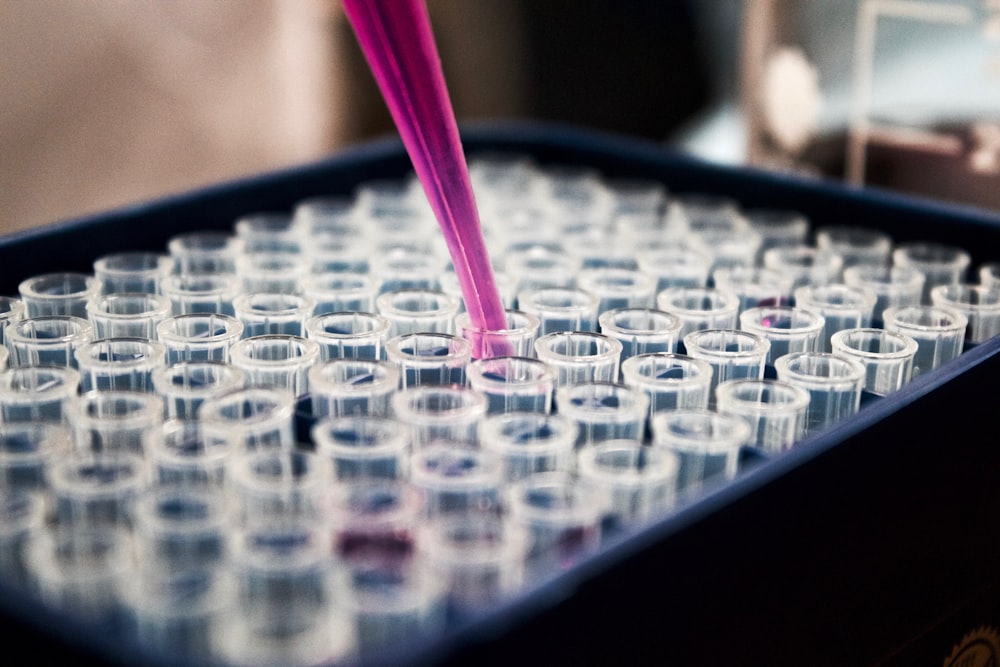
Modern laboratories employ cutting-edge technologies to unravel developmental mysteries.
Featured Experiment: Targeting the Engine of Cancer - The Karanahan Approach
One of the most compelling recent experiments in developmental biology comes from cancer research, where scientists have applied principles of developmental biology to target the root of tumors. The 'Karanahan' method (from the Russian "to cure from the root") represents a novel therapeutic approach that specifically targets tumor stem-like cells (TSCs)—the cells believed to drive tumor growth and recurrence 4 .
Methodology: A Step-by-Step Approach
The experiment proceeded through several critical stages:
1. Initial Observation
Researchers discovered that certain tumor cells could internalize extracellular double-stranded DNA (dsDNA) without transfection procedures—an unexpected property they found was shared by various undifferentiated cells with stem cell potential 4 .
2. Identification of Target Cells
The team determined that this DNA internalization capability was a general feature of tumor stem-like cells from various sources, including human glioblastoma, mouse lung tumor, and human bone marrow cells 4 .
3. Mechanism Elucidation
Through detailed cytological studies, researchers identified the multi-stage process by which dsDNA interacts with TSCs:
- Electrostatic Interaction: Negatively charged dsDNA initially contacts positively charged molecules on the TSC surface.
- Molecular Bonding: The dsDNA probe binds strongly to specific surface proteins on the tumor stem cell.
- Internalization: The DNA is internalized via caveolae-dependent or clathrin/caveolar mechanisms, depending on the cell type 4 .
4. Therapeutic Application
Based on these discoveries, researchers developed a treatment protocol using individually scheduled low-dose cyclophosphamide chemotherapy combined with a composite dsDNA preparation 4 .
Results and Analysis: A Novel Cancer Intervention
The Karanahan experiment yielded several significant findings with profound implications for both developmental biology and cancer treatment:
| Finding | Significance |
|---|---|
| Specific dsDNA internalization by TSCs | Revealed a unique property of tumor stem-like cells that distinguishes them from differentiated cells |
| Identification of three protein clusters on TSC surface | Provided potential targets for future therapeutic interventions |
| Successful targeted elimination of TSCs | Demonstrated a novel approach to cancer treatment that addresses tumor recurrence |
| Minimal side effects with low-dose chemotherapy | Suggested a potentially less toxic cancer treatment regimen |
Experimental Outcome
The experiment demonstrated that once inside TSC compartments, the DNA fragments interfere with DNA interstrand cross-link repair in such a manner that TSCs either die or lose their tumorigenic potential 4 .
This research not only advanced cancer treatment but also provided fundamental insights into the biological properties of stem and tumor stem-like cells, highlighting the surface factors that define these cells across different tumor types.
The Scientist's Toolkit: Essential Resources for Developmental Biology Research
Modern developmental biology relies on a sophisticated array of research tools and reagents. These resources enable scientists to manipulate and observe developmental processes with increasing precision.
| Reagent Type | Primary Function | Examples & Applications |
|---|---|---|
| Restriction Enzymes | Cut DNA at specific sequences | Molecular cloning, genetic engineering; Tools like NEBcutter™ help identify restriction sites 2 |
| DNA Polymerases | Amplify DNA through PCR | Gene expression studies, mutagenesis; Selection tools match polymerases to specific needs 2 |
| Cloning Systems | Assemble DNA constructs | Traditional cloning (NEBcloner®), Gibson Assembly®, Golden Gate Assembly 2 |
| Antibodies | Detect specific proteins | Immunostaining, Western blotting; Identify protein localization during development 9 |
| Next-Generation Sequencing Reagents | Prepare DNA/RNA libraries | Transcriptome analysis (RNA-Seq), epigenetic studies; NEBNext reagents facilitate these applications 2 |
| Stem Cell Culture Reagents | Maintain and differentiate stem cells | Organoid development, lineage tracing studies 9 |
Computational and Analytical Tools
In addition to wet lab reagents, modern developmental biology increasingly relies on computational tools:
Bioinformatics Databases
Resources like REBASE® (for restriction enzymes) and Polbase (for DNA polymerases) provide crucial information about molecular biology tools 2 .
Primer Design Tools
Applications such as NEBaseChanger and NEBuilder® Assembly Tool help researchers design oligonucleotides for various experimental needs 2 .
Fidelity Estimators
Tools like the PCR Fidelity Estimator calculate the percentage of correct DNA copies during amplification, important for sensitive applications 2 .
| Technology | Application in Developmental Biology | Impact |
|---|---|---|
| Single-Cell RNA Sequencing | Analyze gene expression in individual cells during development | Revealed cellular heterogeneity previously masked in bulk analyses |
| CRISPR-Cas9 Gene Editing | Precisely modify genes in model organisms | Accelerated functional studies of developmental genes | tr>
| Organoid Systems | Grow miniature organs from stem cells | Provided new models for human development and disease |
| Live Imaging with Light Sheet Microscopy | Observe development in real-time without phototoxicity | Enabled visualization of dynamic processes throughout embryogenesis |
| Computational Modeling | Simulate developmental processes | Helped identify general principles underlying diverse developmental patterns |
Conclusion: The Future of Developmental Biology
As we stand at the frontier of a new era in developmental biology, the field continues to evolve in exciting directions. The connections between development and evolution—once considered separate disciplines—are now recognized as fundamental to understanding the diversity of life forms 7 . Similarly, the links between developmental processes and areas like self-organization, metabolism, and ecology are creating a more integrated understanding of how organisms are built and maintained .
Looking ahead, developmental biology will likely be increasingly influenced by synthetic biology, which aims to engineer biological systems, and artificial intelligence, which can help decipher the complex networks that control development .
As we enhance our ability to manipulate developmental processes, we also face important ethical considerations, particularly in areas like human engineering and regenerative medicine.
The most profound insight from developmental biology may be that we are not simply preprogrammed by our genes, but emerge through a dynamic dance between genetic instructions and physical processes—a continuous dialogue between cells and their environment that shapes our form and function. As research continues to unravel these mysteries, we move closer to not only understanding the blueprint of life but also harnessing that knowledge to heal, regenerate, and perhaps even redefine what's possible in biology.
For those interested in learning more about current research, the journal Developmental Biology publishes high-quality papers providing causal insight into the cellular and molecular mechanisms that govern developmental processes 8 .
Future Directions
- Integration of developmental biology with evolutionary theory
- Advances in regenerative medicine and tissue engineering
- Ethical frameworks for human genetic engineering
- Application of AI and machine learning to developmental data
- Synthetic developmental biology and bioengineering
The double helix represents both the simplicity of genetic code and the complexity of developmental processes.