The Molecular Scissors: How ADAMTS5 Sculpts Our Body by Cutting Versican
Discover how precise enzymatic cutting of the extracellular matrix shapes our bodies, fights infections, and maintains health
Introduction: The Master Regulator of Our Cellular Landscape
Imagine the space between your cells not as an empty void, but as a complex, dynamic ecosystem known as the extracellular matrix (ECM). This network isn't just simple scaffolding; it's a living, information-rich environment that dictates how cells behave, move, and organize themselves into tissues and organs.
For years, the destruction of this matrix was viewed in a negative light, often associated with diseases like arthritis. However, groundbreaking research has unveiled a more nuanced truth: precise, enzymatic cutting of the ECM is a fundamental biological process essential for life itself.
At the heart of this story are two key players: versican, a giant, cushion-like proteoglycan that forms the bulk of the provisional ECM in developing tissues, and ADAMTS5, a metalloproteinase enzyme that acts as a molecular scissor. The carefully orchestrated processing of versican by ADAMTS5 is a critical step in embryo development, organ formation, and immune response 4 .
The Key Players: Versican and ADAMTS5
Versican: The Space-Filling Pillar
Versican is a massive molecule belonging to the "lectican" family of proteoglycans. Its structure is key to its function:
- G1 Domain: A globular region that acts as an anchor, binding to hyaluronan
- GAGβ Domain: The long central section with attachment points for chondroitin sulfate (CS) chains
- G3 Domain: A globular region that interacts with other ECM components
Think of versican as a bottle brush, where the core protein is the wire and the chondroitin sulfate chains are the bristles. This structure creates a gel-like, water-filled matrix that inhibits cell migration and proliferation by physically separating cells.
ADAMTS5: The Precision Scissor
ADAMTS5 is a secreted enzyme, part of the larger ADAMTS family of metalloproteinases. Unlike indiscriminate shredders, ADAMTS5 is a precision tool with specific domains:
- Catalytic Domain: The "blade" of the scissor, which performs the cutting (proteolysis)
- Ancillary Domain: The "handle" or "guidance system" that recognizes its specific target—versican
The primary mission of ADAMTS5 in morphogenesis is to cleave the V1 isoform of versican at a specific bond between the amino acids Glu441 and Ala442 within the GAGβ domain 1 . This single cut breaks down the large, inhibitory matrix, allowing for critical processes like cell migration and tissue remodeling.

Visual representation of molecular structures in the extracellular matrix
The Crucial Discovery: It's All About the Docking Mechanism
For years, it was assumed that ADAMTS5 simply recognized a short sequence of amino acids around the cleavage site and cut versican. However, a pivotal 2014 study revolutionized this understanding by revealing that the process is far more complex and elegant 1 2 5 .
The Central Findings
Researchers discovered that cleavage at the Glu441-Ala442 bond is not a simple one-step process. Instead, it requires a sophisticated docking mechanism:
- Chondroitin Sulfate Chains are Prerequisites: The presence of chondroitin sulfate (CS) chains on versican is absolutely essential for ADAMTS5 to make the cut 1 2 .
- Specific Docking Sites: Two specific CS attachment sites on versican—Ser507 and Ser525—were identified as critically important 1 5 .
- The Ancillary Domain is the Handle: The enzyme's C-terminal ancillary domain is required for versican cleavage and can bind to versican-V1 via the CS chains 1 2 .
The Proposed Model: Docking and Cutting
Docking
The ancillary domain of ADAMTS5 binds to the two specific N-terminal chondroitin sulfate chains attached to Ser507 and Ser525 on versican.
Positioning
This docking event positions the catalytic domain of ADAMTS5 precisely at the nearby scissile bond between Glu441 and Ala442.
An In-Depth Look at a Key Experiment
To truly appreciate the scientific journey, let's examine the core experiments that led to these conclusions.
Methodology: A Step-by-Step Approach
- Mutagenesis: Created mutated versions of the versican-V1 protein with altered cleavage sites and CS attachment sites.
- Cell Culture and Transfection: Transfected mutated versican constructs into mammalian cells to produce recombinant proteins.
- Enzymatic Assays: Incubated versican proteins with ADAMTS5 and assessed cleavage using DPEAAE neoepitope antibodies 1 2 .
- Binding Studies: Tested whether truncated ADAMTS5 could bind to versican without catalytic activity 1 .
Results and Analysis: The Evidence Piles Up
- Mutation of Glu441 abolished cleavage at the primary site 1 5 .
- Mutating Ser507 and Ser525 dramatically reduced versican processing 1 2 .
- Versican with only the first two GAG chains was cleaved efficiently 1 .
- ADAMTS5 lacking its ancillary domain was unable to cleave versican 1 2 .
These findings established that successful proteolysis requires partnership between the enzyme's active site, its ancillary domain, and specific GAG chains on its substrate.
Data and Findings
| Molecular Component | Role in Versican Processing | Experimental Outcome When Disrupted |
|---|---|---|
| Glu441-Ala442 bond | The primary scissile bond (cut site) in versican. | Cleavage is abolished or significantly reduced. |
| Chondroitin Sulfate (CS) | Essential docking platform for the enzyme. | CS-deficient versican is poorly processed. |
| Ser507 & Ser525 | Specific CS attachment sites on versican that serve as the primary docking point. | Mutation of these sites drastically reduces cleavage. |
| ADAMTS5 Catalytic Domain | Contains the active site that performs the proteolytic cut. | Enzyme is inactive without a functional catalytic domain. |
| ADAMTS5 Ancillary Domain | Acts as the "handle" or guidance system that binds to versican's CS chains. | Enzyme cannot bind to or cleave versican without this domain. |
| Biological Context | Consequence of Disrupted ADAMTS5 Activity |
|---|---|
| Embryonic Development | Defects in heart, limb, and palate formation; failure of interdigital web regression (syndactyly) 1 4 7 . |
| Skeletal Muscle Development | Impaired fusion of myoblasts into multinucleated myotubes, affecting muscle formation and regeneration 7 . |
| Viral Immunity (Influenza) | Delayed virus clearance, compromised T-cell migration to infection sites, higher viral titres 4 . |
| Research Tool | Function and Utility |
|---|---|
| Site-Directed Mutagenesis | Technique to introduce specific changes into a gene's DNA sequence. |
| Recombinant Proteins | Purified versions of the protein produced in laboratory cell lines. |
| DPEAAE Neoepitope Antibody | Antibody that specifically recognizes the new C-terminus created by ADAMTS cleavage 1 2 . |
| Chondroitinase ABC | Enzyme that digests and removes chondroitin sulfate chains 1 . |
| Expression Plasmids | Circular DNA vectors used to express a target protein in cells 2 . |
Beyond the Cut: The Biological Ripple Effect
The processing of versican is not an isolated event. It has profound and diverse biological consequences, generating fragments with new activities.
Embryonic Morphogenesis
During development, the clearance of versican by ADAMTS5 opens up physical space for neural crest cell migration, cardiac valve formation, and the regression of tissues like the webbing between fingers and toes 4 7 . Mice lacking a functional Adamts5 gene show severe developmental defects.
Myoblast Fusion
In skeletal muscle development, a versican-rich matrix surrounds myoblast cells. ADAMTS5 cleaves versican in this pericellular matrix, clearing the way for myoblasts to make contact and fuse into the long, multinucleated muscle fibers essential for movement 7 .
Viral Immunity
Recent research has uncovered a surprising role in immunity. During influenza infection, ADAMTS5-mediated versican processing in the lymph nodes and lungs is necessary for T-cells to migrate effectively to the site of infection and clear the virus 4 . Without ADAMTS5, T-cells get stuck, leading to delayed recovery.
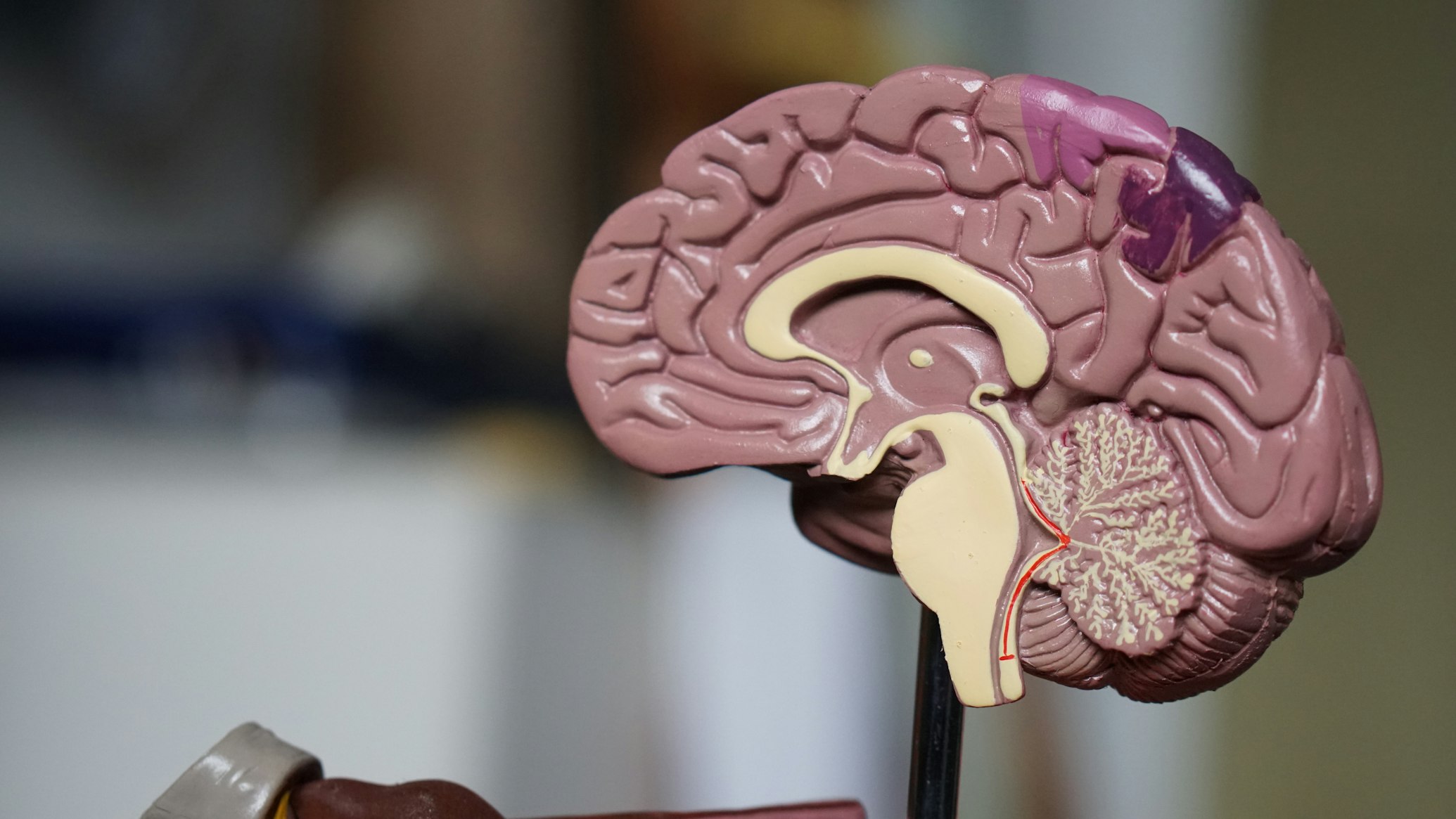
Visualization of biological processes affected by ADAMTS5 activity
Conclusion: A Single Cut with a Thousand Consequences
The intricate dance between versican and ADAMTS5 is a stunning example of biological precision. It demonstrates that our bodies rely not just on building blocks, but on strategic deconstruction to create complex structures. The discovery of the essential docking mechanism—the handshake between the enzyme's ancillary domain and the substrate's specific sugar chains—has fundamentally advanced our understanding of extracellular matrix biology.
This knowledge opens up exciting therapeutic frontiers. In cancer, where versican accumulation can promote tumor progression, strategies to enhance its clearance could be beneficial. In arthritis, where ADAMTS5's role in aggrecan destruction is harmful, specifically designed inhibitors that block the enzyme's ancillary domain without affecting its other functions could provide relief with fewer side effects.
The continuing study of this molecular scissors promises not only deeper insights into the blueprint of life but also new tools to heal its breakdowns.