Why Your Tax Dollars Are Growing Smarter Plants
The secret to future sustainable agriculture may lie in the microscopic world within every plant cell.
When you think of plant science, you might picture scientists peering through microscopes at colorful cellular structures—a field seemingly far removed from everyday life. Yet, groundbreaking discoveries in plant cell biology are quietly revolutionizing our approach to food security, sustainable agriculture, and even climate change. This isn't just abstract science; it's research that directly returns value to society and the taxpayers who fund it 1 .
The Hidden Architecture of Plants
Blueprint for Better Crops
Plant architecture—the shape, angle, and arrangement of leaves and stems—directly influences how efficiently a plant captures sunlight and resists environmental stresses. Microtubules, protein structures within cells, act as master architects by controlling how plant cells expand and where they deposit cellulose, the primary component of plant cell walls 1 .
This cellular scaffolding determines critical agricultural traits. In rice, for example, steeper leaf angles allow sunlight to penetrate deeper into the crop canopy, while shorter internodes (stem segments between leaves) increase lodging resistance—the ability to withstand being knocked over by wind and rain 1 . These seemingly subtle architectural improvements can significantly boost crop yields.
Cellular Compartments: Nature's Chemical Factories
Every plant cell contains specialized compartments that function like miniature chemical factories. Plants produce thousands of natural compounds—many with medicinal, nutritional, or protective properties—through sophisticated assembly lines partitioned between different cellular compartments 1 .
Recent research has uncovered specific transcription factors (proteins that control gene expression) that regulate the production of valuable compounds like flavonoids, glucosinolates, and lignins 1 . By understanding these natural control systems, scientists can potentially optimize plants to produce higher levels of beneficial compounds or create new varieties with enhanced nutritional profiles.
Impact of Plant Architecture Improvements on Crop Yield
Groundbreaking Experiment: Watching Plant Cells Build Their Walls in Real-Time
The Challenge of Observing Living Cells
For over three centuries, since Robert Hooke's first observation of plant cells in 1667, scientists have been limited to studying static images of cell walls. The dynamic process of how plants actually synthesize and assemble cellulose—the fundamental structural component of cell walls—remained a mystery, as conventional microscopes couldn't capture this process in living cells without damaging them 2 .
Innovative Methodology Breaks New Ground
In a groundbreaking 2025 study published in Science Advances, researchers at Rutgers University-New Brunswick overcame these technical barriers through interdisciplinary collaboration 2 . Their innovative approach combined expertise from physics, plant biology, and engineering:
Plant Material Preparation
Researchers used protoplasts—plant cells with their walls removed—from Arabidopsis, a model flowering plant. This provided a "blank slate" for observing new cell wall formation without existing cellulose interference 2 .
Fluorescent Tagging
The team developed a specialized probe using an engineered bacterial enzyme that binds specifically to cellulose. This tag allowed the emerging cellulose structures to be visualized under microscopes 2 .
Advanced Imaging
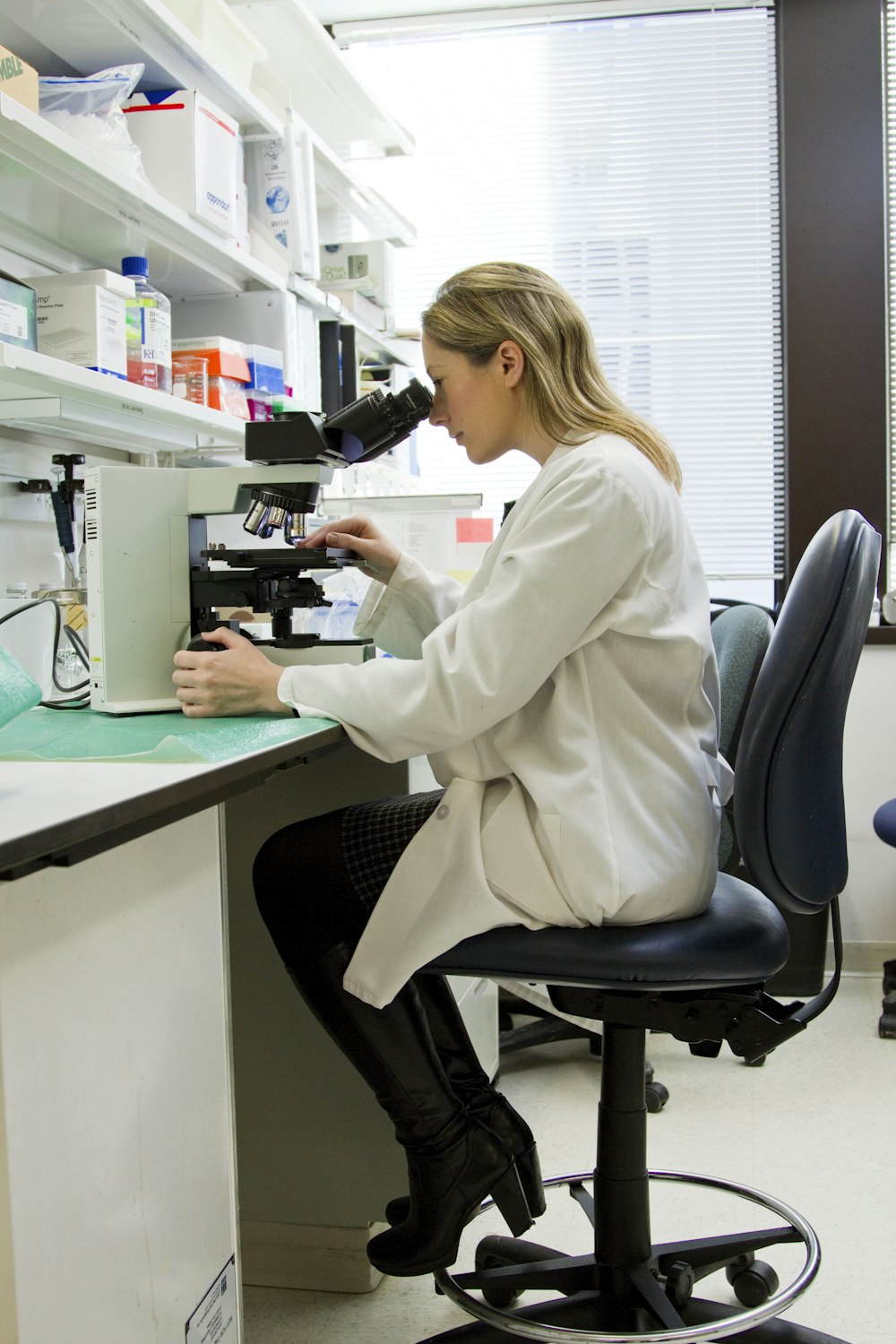
Physicists employed total internal reflection fluorescence microscopy, a super-resolution technique sensitive enough to record continuous video for 24 hours without damaging the living cells 2 .
Surprising Results and Implications
The real-time observations revealed a surprisingly dynamic and self-organizing process rather than the highly ordered assembly previously hypothesized. The videos show cellulose filaments sprouting chaotically from the cell surface before gradually organizing into complex networks 2 .
"This discovery opens the door for researchers to begin dissecting the genes that could play various roles for cellulose biosynthesis in the plant," explained Eric Lam, a Distinguished Professor in the Department of Plant Biology and study co-author 2 . The knowledge gained may lead to more robust plants for increased food production and lower-cost biofuels 2 .
Key Findings from the Cellulose Visualization Experiment
| Research Aspect | Previous Understanding | New Discovery |
|---|---|---|
| Cellulose Assembly | Ordered, predetermined process | Dynamic, self-organizing process emerging from molecular chaos |
| Observation Method | Static images of fixed cells | Continuous real-time tracking in living cells over 24 hours |
| Potential Applications | Limited by incomplete knowledge | Engineering better plants for food, biofuels, and stress tolerance |
The Scientist's Toolkit: Essential Tools for Plant Cell Research
Modern plant cell biology relies on sophisticated techniques and reagents to uncover cellular mysteries. The following toolkit enables researchers to analyze everything from genetic material to protein localization:
| Tool/Reagent | Primary Function | Application Examples |
|---|---|---|
| Plant DNA/RNA Kits | Extract genetic material from tough plant tissues | Genetic variation measurement, plant identification 6 |
| PCR/qRT-PCR Reagents | Amplify and detect specific DNA sequences; analyze gene expression | Gene expression studies under different conditions 6 |
| Next-Generation Sequencing Library Prep | Prepare genetic material for advanced sequencing | Complete genome sequencing, transcriptome analysis 6 |
| Fluorescent Proteins & Dyes | Tag and visualize cellular components in living cells | Tracking cellulose biosynthesis, monitoring compartments 2 |
| Super-Resolution Microscopy | Visualize cellular structures beyond light diffraction limits | Real-time observation of cellulose formation in living cells 2 |
| Western Blot & Immunofluorescence | Detect specific proteins; visualize cellular structures | Protein analysis, cytoskeleton organization studies 6 |
DNA/RNA Kits
PCR Reagents
Microscopy
Sequencing
From Single Cells to Whole Plants: The Promise of Totipotency
In a landmark 2025 Chinese study from Shandong Agricultural University, researchers revealed how a single plant cell can regenerate into an entire plant—a phenomenon known as totipotency 5 . This ability has long fascinated scientists but remained poorly understood at the molecular level.
The team discovered that high accumulation of auxin (a plant hormone) acts as a "switch" to reprogram somatic cells into totipotent stem cells similar to fertilized eggs 5 . Using advanced single-cell sequencing and live imaging, they mapped the complete pathway of cell fate reprogramming 5 .
"This research provides a theoretical blueprint for optimizing crop regeneration systems," noted Chong Kang, an academician at the Chinese Academy of Sciences 5 . The technology is currently being tested on wheat, corn, and soybeans, with potential to shorten breeding cycles and conserve valuable crop varieties 5 .

Totipotency Applications
- Rapid cloning of superior crops
- Conservation of rare species
- Faster crop improvement
- Preservation of genetic diversity
Practical Applications of Plant Cell Biology Research
| Research Area | Potential Applications | Impact on Society |
|---|---|---|
| Cell Wall Engineering | More robust plants, improved biofuels, biodegradable plastics | Enhanced food security, sustainable energy alternatives 2 |
| Cellular Totipotency | Rapid cloning of superior crops, conservation of rare species | Faster crop improvement, preservation of genetic diversity 5 |
| Metabolic Compartmentalization | Enhanced production of medicinal compounds, improved nutrition | Better pharmaceuticals, more nutritious food crops 1 |
| Cytoskeleton Research | Improved plant architecture, stress resistance | Higher-yielding crops requiring fewer resources 1 |
Conclusion: Investing in Our Green Future
Plant cell biology has evolved far beyond creating aesthetically pleasing microscope images. It represents a critical frontier in addressing pressing global challenges—from food security to sustainable resource management.
As we've seen through recent breakthroughs in visualizing cellulose biosynthesis and understanding cellular totipotency, fundamental research in this field provides the knowledge foundation for next-generation agricultural innovations.
The continuing exploration of plant cells promises to deliver tangible returns on research investment through improved crop varieties, more sustainable agricultural practices, and novel biological solutions to environmental problems. This research represents not just scientific progress, but a practical investment in our collective future—one where we harness the innate capabilities of plants to meet human needs while protecting our planetary resources.
Sustainable Agriculture
Developing crops that require fewer resources
Food Security
Increasing yields and nutritional value
Environmental Solutions
Creating biodegradable materials and biofuels
For further reading on these developments, the special issue "Applied Plant Cell Biology" in Protoplasma (Volume 249, Issue 2, 2012) provides foundational insights, while recent studies in Science Advances (2025) and Cell (2025) highlight cutting-edge advances.