Mastering In Situ Hybridization: A Comprehensive Guide to Gene Expression Analysis in Developmental Biology
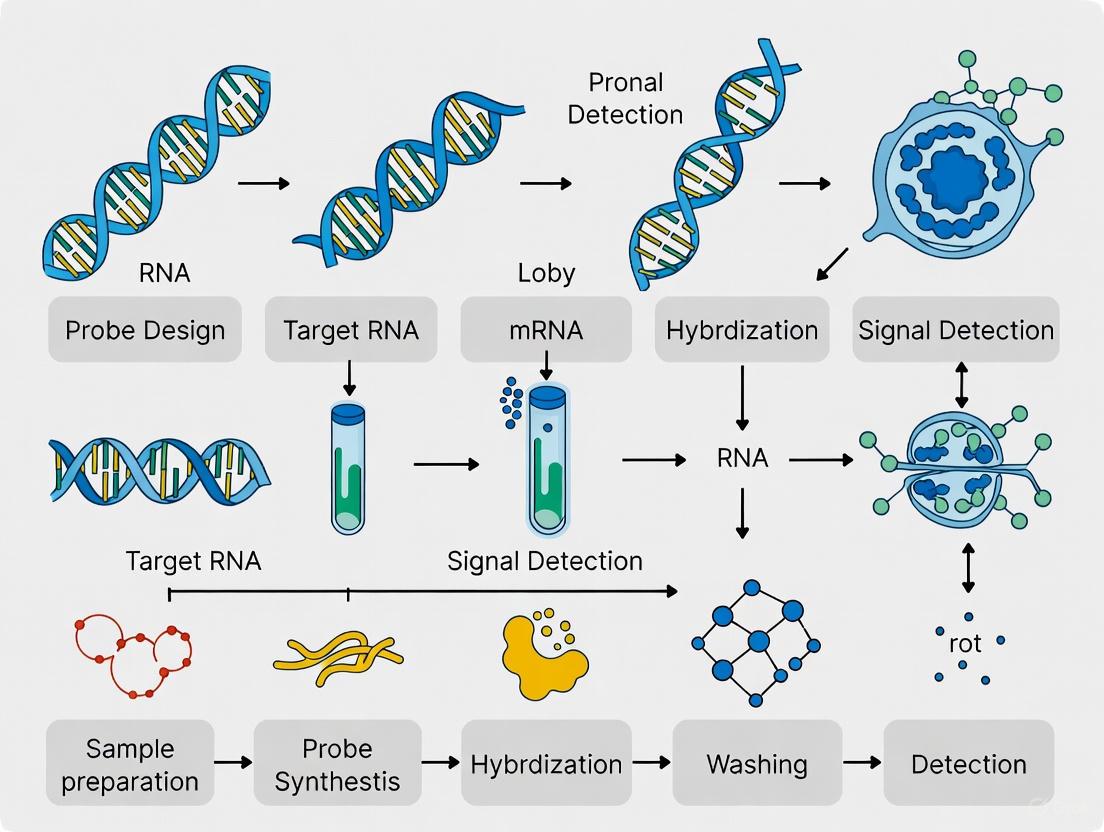
This comprehensive guide provides developmental biologists with a complete framework for implementing and optimizing in situ hybridization (ISH) to visualize spatial and temporal gene expression patterns.
Mastering In Situ Hybridization: A Comprehensive Guide to Gene Expression Analysis in Developmental Biology
Abstract
This comprehensive guide provides developmental biologists with a complete framework for implementing and optimizing in situ hybridization (ISH) to visualize spatial and temporal gene expression patterns. Covering foundational principles through advanced applications, the article details robust protocols for model organisms like zebrafish, systematic troubleshooting for common pitfalls such as weak signal and high background, and modern validation techniques including quantitative analysis and integration with single-cell RNA-seq data. Essential reading for researchers aiming to accurately map gene expression during embryonic development and tissue morphogenesis.
Understanding In Situ Hybridization: Core Principles and Applications in Developmental Biology
What is ISH? Defining the technique for spatial gene expression analysis
In situ hybridization (ISH) is a foundational technique in molecular biology that enables the detection, localization, and quantification of specific nucleic acid sequences within intact cells, tissue sections, or entire organisms. By allowing researchers to visualize where and when genes are active, ISH provides a crucial spatial context to gene expression analysis, bridging the gap between molecular biology and histology [1]. This capability is indispensable for understanding how genes function and are regulated within different biological systems, making it particularly valuable for research in developmental biology, disease pathology, and neuroscience [1] [2]. The technique has evolved significantly since its inception, with early methods relying on radioactive probes giving way to safer, more versatile non-isotopic approaches, including colorimetric and fluorescent detection methods [3]. This article explores the principles, protocols, and applications of ISH, with a specific focus on its critical role in developmental biology research.
Core Principles and Probe Design
At its core, ISH operates on the principle of nucleic acid thermodynamics, where complementary strands of DNA or RNA anneal to form stable hybrids under controlled conditions [3]. The technique involves applying a labeled, sequence-specific probe to a biological sample, where it hybridizes to its complementary DNA or RNA target. The location of this hybridization is then visualized through a detection method appropriate to the label used.
The design and choice of probe are critical factors determining the success and specificity of an ISH experiment. The table below summarizes the main probe types used in ISH.
Table 1: Common Probe Types Used in In Situ Hybridization
| Probe Type | Description | Length/Characteristics | Key Applications |
|---|---|---|---|
| RNA Probes (Riboprobes) | Single-stranded RNA synthesized via in vitro transcription from a DNA template [1]. | 250–1,500 bases; high sensitivity and specificity [1]. | Detecting mRNA expression; whole-mount ISH in embryos [4]. |
| DNA Probes | Double or single-stranded DNA, often labeled by nick translation or PCR [3]. | Variable length; strong hybridization to DNA targets [1]. | Detecting viral DNA, gene amplification (e.g., HER2) [5]. |
| Oligonucleotide Probes | Short, single-stranded DNA sequences synthesized to target specific mRNA regions [3]. | Typically 20-50 bases; designed for multiple target sites [3]. | Single-molecule FISH (smFISH); highly multiplexed experiments [3]. |
| SABER Probes | DNA probes based on Signal Amplification By Exchange Reaction; part of a unified, modular platform [6]. | Adaptable; can be amplified for high sensitivity [6]. | Multiplexed colorimetric and fluorescent ISH in various sample types [6]. |
Probes are typically labeled with a hapten (such as digoxigenin or biotin) or directly with a fluorophore. Non-radioactive digoxigenin-labeled RNA probes are widely used due to their high sensitivity [1]. The specificity of the probe is paramount; even a 5% mismatch in base pairing can lead to loose hybridization and potential loss of signal during washing steps [1].
ISH in Developmental Biology: Protocols and Workflows
In developmental biology, ISH is an irreplaceable tool for visualizing the dynamic expression patterns of genes that orchestrate embryonic patterning, organogenesis, and tissue differentiation. The following workflow, adapted from a protocol optimized for paradise fish embryos, outlines a typical whole-mount ISH procedure [7].
Diagram 1: Whole-mount ISH workflow for embryonic gene expression analysis.
Detailed Protocol: DIG-Labeled RNA ISH
This protocol describes the key steps for detecting mRNA using digoxigenin (DIG)-labeled RNA probes on paraffin-embedded tissue sections or whole-mount embryos [1] [7].
Stage 1: Tissue Preparation and Pre-treatment
- Fixation: Preserve tissue morphology and RNA integrity using 4% paraformaldehyde (PFA). For whole-mount embryos, fixation time must be optimized to allow probe penetration while preserving anatomy [7].
- Deparaffinization and Rehydration: For paraffin-embedded sections, remove wax by sequential washes in xylene and graded ethanol (100%, 95%, 70%, 50%), followed by a rinse in water. Slides must not dry out after this point [1].
- Permeabilization and Protein Digestion: Treat samples with Proteinase K (e.g., 20 µg/mL for 10-20 minutes at 37°C) to digest proteins and allow probe access to the target mRNA. Critical: Concentration and time must be optimized for each tissue type. Over-digestion damages morphology, while under-digestion reduces signal [1].
- Acetic Acid Wash and Dehydration: Immerse slides in ice-cold 20% acetic acid for 20 seconds for further permeabilization, then dehydrate through ethanol series and air dry [1].
Stage 2: Hybridization
- Pre-hybridization: Apply a pre-warmed hybridization solution to the sample and incubate for 1 hour at the desired hybridization temperature (typically 55-62°C) to block non-specific sites [1].
- Probe Hybridization: Denature the DIG-labeled RNA probe at 95°C for 2 minutes, chill on ice, and dilute in fresh hybridization solution. Apply the probe to the sample, cover with a coverslip, and incubate overnight at 65°C in a humidified chamber [1].
Table 2: Hybridization Solution Components [1]
| Reagent | Final Concentration | Function |
|---|---|---|
| Formamide | 50% | Reduces hybridization temperature and suppresses non-specific binding. |
| Salts (20x SSC) | 5x | Provides ionic strength for proper nucleic acid hybridization. |
| Dextran Sulfate | 10% | Excludes volume, increasing effective probe concentration. |
| Denhardt's Solution | 5x | Blocks non-specific probe binding to the tissue. |
| Heparin | 20 U/mL | Blocks non-specific binding, particularly to nuclear and extracellular matrix. |
| SDS | 0.1% | Detergent that reduces background. |
Stage 3: Post-Hybridization Washes and Detection
- Stringency Washes: Remove unbound and loosely hybridized probe through a series of washes. A common regimen includes:
- Wash 1: 50% formamide in 2x SSC, 3x 5 min at 37-45°C.
- Wash 2: 0.1-2x SSC, 3x 5 min at 25-75°C. The temperature and salt concentration here determine stringency and must be adjusted based on probe characteristics [1].
- Immunological Detection:
- Blocking: Incubate samples with a blocking buffer (e.g., MABT + 2% BSA or serum) for 1-2 hours at room temperature to prevent non-specific antibody binding [1].
- Antibody Incubation: Apply an alkaline phosphatase (AP)-conjugated anti-DIG antibody at the recommended dilution in blocking buffer. Incubate for 1-2 hours at room temperature [1].
- Washing: Remove excess antibody with multiple washes of MABT buffer (e.g., 5x 10 minutes) [1].
- Colorimetric Detection: Immerse samples in a staining buffer containing the AP substrates BCIP and NBT. The enzymatic reaction produces an insoluble blue/purple precipitate at the site of probe hybridization. Monitor the reaction closely and stop by washing with water or TE buffer once the desired signal-to-noise ratio is achieved [1] [2].
Analyzing Signaling Pathways in Development
ISH is routinely used to map the expression of genes within key signaling pathways that guide embryonic development. By applying the protocol above, researchers can study the effects of pathway manipulation. The following diagram illustrates the role of major pathways and how they can be perturbed with small molecule inhibitors [7].
Diagram 2: Using ISH to study signaling pathways in development.
Table 3: Small Molecules for Perturbing Key Developmental Pathways [7]
| Signaling Pathway | Small Molecule | Action | Expected Phenotype in Fish/Zebrafish Embryos | Gene Expression Changes (Visualized by ISH) |
|---|---|---|---|---|
| BMP | Dorsomorphin | Inhibitor | Dorsalized embryo: expansion of dorsal structures, reduction of ventral tissues. | Upregulation of dorsal markers (e.g., chordin). |
| Wnt/β-catenin | Lithium Chloride | Inhibitor | Defects in dorso-ventral and antero-posterior axis patterning. | Altered expression of axis patterning genes (e.g., goosecoid). |
| Sonic Hedgehog (Shh) | Cyclopamine | Inhibitor | Curved trunk, reduced horizontal myoseptum, cyclopia. | Loss of Shh-target genes in neural tube and somites. |
| Notch | DAPT (γ-secretase inhib.) | Inhibitor | Defective somite formation, curved body, neural patterning errors. | Altered expression of Notch-target genes (e.g., her genes). |
The Scientist's Toolkit: Essential Research Reagent Solutions
Successful ISH relies on a suite of specialized reagents, each serving a specific function to ensure high signal-to-noise ratio and preservation of tissue integrity.
Table 4: Essential Reagents for an ISH Laboratory
| Reagent / Material | Function / Role in Protocol | Key Considerations |
|---|---|---|
| Digoxigenin (DIG)-labeled Riboprobes | The core detection reagent; antisense RNA probe complementary to the target mRNA [1]. | Must be designed for high specificity; length optimized (~800 bases); requires linearized DNA template for synthesis [1]. |
| Proteinase K | A critical permeabilization enzyme; digests proteins to allow probe access to mRNA targets [1]. | Concentration and incubation time are highly variable and must be titrated for each tissue and fixation condition [1]. |
| Formamide | A key component of hybridization and stringency wash buffers; denatures nucleic acids and allows hybridization at lower temperatures [1]. | Reduces non-specific binding and tissue damage from high temperatures. Standardly used at 50% concentration [1]. |
| Saline Sodium Citrate (SSC) | The primary salt buffer for hybridization and washing; ionic strength controls "stringency" of hybridization [1]. | Higher concentration (e.g., 2x SSC) is less stringent; lower concentration (e.g., 0.1x SSC) is more stringent and removes mismatched probes [1]. |
| Anti-Digoxigenin-AP Antibody | Conjugate antibody that binds to the DIG hapten on the hybridized probe; alkaline phosphatase (AP) enzyme catalyzes colorimetric reaction [1]. | Must be used in a blocking buffer to minimize non-specific binding to tissue. |
| BCIP/NBT | Alkaline phosphatase substrate; produces an insoluble blue/purple precipitate at the site of probe hybridization [2]. | Reaction must be monitored to prevent high background. Stopped by washing with TE buffer or water. |
Advanced ISH Technologies and Future Directions
The field of spatial transcriptomics has seen explosive growth, with ISH techniques evolving to meet demands for higher multiplexing and quantification [8]. Advanced versions of FISH now allow for the visualization of hundreds to thousands of RNA species simultaneously within a single sample.
- Single-Molecule FISH (smFISH): This highly sensitive method uses multiple short, fluorescently labeled oligonucleotide probes targeting a single mRNA species, enabling the detection and quantification of individual mRNA transcripts as diffraction-limited spots under a microscope [3] [8].
- Multiplexed Error-Robust FISH (MERFISH): MERFISH is a massively multiplexed smFISH technique that uses a combinatorial barcoding strategy to profile the expression of hundreds to thousands of genes in individual cells while preserving their spatial context [8] [9].
- SABER and OneSABER: Signal Amplification By Exchange Reaction (SABER) is a method for signal amplification that uses concatemeric DNA probes to increase sensitivity [6]. The recently developed OneSABER platform provides a unified, open-source framework that uses a single type of DNA probe adaptable for both colorimetric and fluorescent, single and multiplexed ISH applications, increasing accessibility and reducing costs [6].
These advanced ISH technologies are pivotal for creating detailed 3D atlases of gene expression during development, such as the Mouse Organogenesis spatiotemporal Transcriptomic Atlas (MOSTA), which provides unprecedented insights into the molecular basis of cell fate specification [8] [9]. As these methods become more refined and accessible, they will continue to drive discoveries in developmental biology, cancer research, and regenerative medicine.
Analyzing Embryonic Development and Tissue Patterning
In situ hybridization (ISH) is an indispensable technique in developmental biology, enabling researchers to visualize the spatial and temporal distribution of specific RNA transcripts within intact tissues and embryos. This capability is fundamental for deciphering the complex gene expression patterns that orchestrate embryonic development and tissue patterning [10]. The protocol detailed in this application note has been optimized for robustness and accessibility, requiring no specialized instruments and maintaining extremely low economic cost, making it an excellent option for rapid screening and validation of gene expression [10]. By precisely localizing gene activity, this method provides critical insights into the function of developmental genes and the molecular basis of morphological diversity, thereby supporting foundational research with potential applications in understanding developmental abnormalities and guiding drug discovery efforts [11].
Key Applications in Model Organisms
The utility of a well-optimized whole-mount in situ hybridization (WISH) protocol extends across multiple model organisms, facilitating cross-species comparative studies that illuminate the evolutionary conservation of developmental mechanisms.
Mammalian Models: Mouse Gastrulation
In murine models, this protocol has been successfully employed to uncover crucial regulators of early embryogenesis. For instance, it was instrumental in identifying Pou3f1 as a significant regulator of mouse neuroectoderm development. The optimized WISH protocol revealed Pou3f1's enrichment in the anterior embryonic region of the mouse gastrula, signaling its potential role in embryonic ectoderm development [10]. Subsequent applications of this method have further uncovered additional lineage regulators critical during mouse gastrulation [10]. The protocol is particularly effective for early post-implantation mouse embryos and other small tissue samples, providing high-quality hybridization signals while preserving good tissue morphology [10].
Fish Models: Paradise Fish and Zebrafish
Recent research has adapted and optimized WISH protocols for the Chinese paradise fish (Macropodus opercularis), an emerging model organism with unique physiological adaptations. Initial attempts to apply standard zebrafish protocols to paradise fish were unsuccessful, highlighting the necessity for species-specific optimization [7]. The optimized protocol enabled a comparative analysis of conserved developmental gene expression between paradise fish and the established zebrafish model, focusing on key genes including:
- chordin (chd) and goosecoid (gsc): Involved in dorsal-ventral axis patterning [7]
- myogenic differentiation 1 (myod1): Critical for muscle development [7]
- T box transcription factor Ta (tbxta): Essential for mesoderm formation [7]
- paired box 2a (pax2a) and retinal homebox gene 3 (rx3): Important for eye and central nervous system development [7]
This cross-species comparison provides deeper insights into the evolutionary conservation of early developmental programs and establishes paradise fish as a complementary model system for developmental biology research [7].
Table 1: Key Developmental Genes and Their Expression Patterns
| Gene | Function in Development | Expression Patterns |
|---|---|---|
| chordin (chd) [7] | Dorsal-ventral axis patterning [7] | Dorsal organizing center [7] |
| goosecoid (gsc) [7] | Dorsal mesoderm specification [7] | Anterior embryonic region [7] |
| myoD (myod1) [7] | Myogenic differentiation [7] | Presomitic mesoderm and somites [7] |
| T box transcription factor Ta (tbxta) [7] | Mesoderm formation and differentiation [7] | Notochord and tailbud [7] |
| paired box 2a (pax2a) [7] | Central nervous system and eye development [7] | Midbrain-hindbrain boundary, optic stalk [7] |
| retinal homebox gene 3 (rx3) [7] | Eye field specification [7] | Anterior neural plate, developing eye [7] |
Investigating Signaling Pathways
Beyond gene expression localization, in situ hybridization can be powerfully combined with chemical perturbation to dissect the function of conserved signaling pathways during embryogenesis. Small molecule agonists and antagonists provide a precise method to manipulate pathway activity and observe consequent changes in gene expression patterns.
Pathway-Specific Pharmacological Manipulation
The following small molecule inhibitors are routinely used to interrogate specific signaling pathways:
- BMP Signaling: Dorsomorphin acts as a BMP antagonist, inhibiting BMP type I receptors and leading to dorsalized phenotypes characterized by expanded dorsal structures and reduced ventral tissues [7].
- Wnt Signaling: Lithium Chloride functions as a Wnt antagonist by inhibiting GSK-3β, resulting in axis patterning defects and abnormalities in neural development [7].
- Sonic Hedgehog (Shh) Signaling: Cyclopamine specifically antagonizes the Shh pathway by binding to Smoothened, often producing phenotypes with curved trunks, reduced horizontal myoseptum, and cyclopia [7].
- Notch Signaling: DAPT inhibits γ-secretase activity, preventing Notch receptor cleavage and activation, which disrupts somite formation, neurogenesis, and left-right asymmetry establishment [7].
The combination of these pharmacological tools with spatial gene expression analysis in both zebrafish and paradise fish embryos provides a powerful comparative framework for understanding the evolutionary conservation and plasticity of fundamental developmental pathways [7].
Signaling Pathway Integration in Development
The diagram below illustrates how these key signaling pathways interact to coordinate embryonic patterning.
Diagram 1: Key signaling pathways and their primary roles in embryonic patterning. BMP and Wnt coordinate dorsal-ventral (DV) and anterior-posterior (AP) axis formation, while Shh patterns the central nervous system (CNS) and left-right (LR) asymmetry. Notch signaling regulates somitogenesis and neurogenesis through lateral inhibition.
Table 2: Small Molecule Modulators of Key Developmental Pathways
| Signaling Pathway | Small Molecule | Mode of Action | Phenotypic Outcomes |
|---|---|---|---|
| BMP [7] | Dorsomorphin [7] | BMP type I receptor inhibitor [7] | Dorsalized embryos; expanded dorsal structures, reduced ventral tissues [7] |
| Wnt/β-catenin [7] | Lithium Chloride [7] | GSK-3β inhibitor [7] | Axis patterning defects; neural development abnormalities [7] |
| Sonic Hedgehog [7] | Cyclopamine [7] | Smoothened antagonist [7] | Curved trunk; reduced horizontal myoseptum; cyclopia [7] |
| Notch [7] | DAPT [7] | γ-secretase inhibitor [7] | Defective somite formation; disrupted neurogenesis [7] |
Detailed Experimental Protocol: Wholemount In Situ Hybridization
This section provides a comprehensive, step-by-step methodology for wholemount RNA in situ hybridization, optimized for early post-implantation mouse embryos but adaptable to other model organisms [10].
The experimental workflow for wholemount in situ hybridization involves several sequential phases, from sample preparation to signal detection, as illustrated below.
Diagram 2: Wholemount in situ hybridization workflow. The procedure begins with sample collection and fixation, followed by probe synthesis, tissue preparation, hybridization, and detection.
Protocol Steps
A. Embryo Collection and Fixation
- Collect tissue samples or mouse embryos carefully into a 35 mm dish or 24-well plate containing DPBS [10].
- Fix embryos in 4% PFA at 4°C overnight to preserve tissue morphology and immobilize RNA transcripts [10].
- Dehydrate embryos by transferring through a graded methanol series (25%, 50%, 75%, 100% methanol/DPBS), spending 5 minutes in each concentration at room temperature [10].
- Store dehydrated embryos in 100% methanol at -20°C for up to one week [10].
B. Digoxigenin-Labeled RNA Probe Preparation
- Design primers with a minimal T7 promoter sequence (5'-TAATACGACTCACTATAGGGAGA-3') added to the 5' terminal of the forward or reverse primer, depending on the desired transcript strand. Optimal probe length is 600-900 bases for highest sensitivity and specificity [10].
- Amplify probe DNA using a high-fidelity DNA polymerase (e.g., KOD FX Neo) with a cDNA template enriched for the target transcript. Separate the PCR product by agarose gel electrophoresis, excise the target band, and purify using a gel extraction kit [10].
- Perform in vitro transcription to synthesize DIG-labeled RNA probes using the following reaction mixture:
Incubate at 37°C for 3 hours [10].Component Volume/Amount Template DNA 1 µg 10× Transcription Buffer 3 µl DIG-Nucleotide Mix 2 µl RiboLock RNase Inhibitor 1 µl T7 RNA Polymerase 2 µl Nuclease-Free Water to 30 µl Total Volume 30 µl - Digest template DNA by adding 0.5 µl DNase I directly to the reaction mix and incubating at 37°C for 15 minutes [10].
- Purify RNA probes using the MEGAclear Kit according to the manufacturer's instructions, then dissolve in nuclease-free water [10].
C. Sample Pretreatment and Hybridization
- Rehydrate stored embryos through a reverse methanol series (75%, 50%, 25% methanol/PTW), then wash in 100% PTW buffer [10].
- Perform antigen retrieval and permeabilization by treating embryos with 6% H₂O₂/PTW for 1 hour at room temperature, followed by Proteinase K solution (10 µg/ml for mouse embryos) [10].
- Post-fix embryos in 4% PFA/0.1% glutaraldehyde for 20 minutes at room temperature to maintain tissue integrity during subsequent procedures [10].
- Pre-hybridize embryos in hybridization solution for 2-4 hours at 65-70°C [10].
- Hybridize with DIG-labeled probe by adding 0.5-2 µg/ml of RNA probe to fresh hybridization solution and incubating embryos in this solution overnight at 65-70°C [10].
D. Post-Hybridization Washes and Antibody Detection
- Remove unbound probe through a series of stringent washes:
- Block non-specific binding by incubating embryos in blocking buffer (2% Boehringer Blocking Reagent, 20% sheep serum in TBST) for 2-4 hours at room temperature [10].
- Incubate with Anti-Digoxigenin-AP Antibody diluted 1:5000 in blocking buffer overnight at 4°C [10].
- Remove unbound antibody with 8-10 washes in TBST over 6-8 hours [10].
E. Colorimetric Detection
- Equilibrate embryos in NTMT buffer (100 mM NaCl, 100 mM Tris-HCl, pH 9.5, 50 mM MgCl₂, 0.1% Tween-20) [10].
- Develop color reaction by incubating embryos in NBT/BCIP stock solution diluted in NTMT buffer in the dark. Monitor development visually and stop the reaction by washing with PTW when desired signal-to-background ratio is achieved [10].
- Post-fix developed embryos in 4% PFA/0.1% glutaraldehyde for 20 minutes at room temperature to preserve the signal [10].
- Store samples in 50% Glycerol/PBS solution at 4°C [10].
The Scientist's Toolkit: Essential Research Reagents
Successful implementation of the in situ hybridization protocol depends on critical reagents that ensure specificity, sensitivity, and reproducibility.
Table 3: Essential Research Reagents for In Situ Hybridization
| Reagent/Category | Specific Examples | Function in Protocol |
|---|---|---|
| Fixation Agents [10] | Paraformaldehyde (PFA), Glutaraldehyde [10] | Preserves tissue architecture and immobilizes RNA transcripts to maintain spatial information [10] |
| Labeling System [10] | DIG RNA Labeling Mix, Anti-Digoxigenin-AP Antibody [10] | Provides non-radioactive labeling and detection system; DIG-labeled nucleotides are incorporated into probes, detected by antibody conjugate [10] |
| Detection Substrate [10] | NBT/BCIP Stock Solution [10] | Chromogenic substrate for alkaline phosphatase; produces insoluble purple precipitate at sites of probe hybridization [10] |
| Permeabilization Agents [10] | Proteinase K, Tween-20 [10] | Enhances tissue permeability to allow probe access to target transcripts while maintaining tissue integrity [10] |
| Hybridization Components [10] | Formamide, SSC, Yeast RNA, Heparin [10] | Creates optimal stringency conditions for specific hybridization; reduces non-specific background binding [10] |
| Small Molecule Inhibitors [7] | Dorsomorphin, Cyclopamine, DAPT, LiCl [7] | Chemically perturb specific signaling pathways (BMP, Shh, Notch, Wnt) to study their role in developmental gene expression [7] |
RNA-RNA hybrids, central to techniques like fluorescence in situ hybridization (FISH), provide critical insights into spatial gene expression during development. The choice of probe is pivotal for the success of such experiments. This application note delineates the superior stability and sensitivity of riboprobes (RNA probes) over alternative DNA or oligonucleotide probes in detecting RNA-RNA hybrids. We detail the underlying biophysical mechanisms, present comparative quantitative data, and provide a validated protocol for whole-mount in situ hybridization in zebrafish embryos, a key model organism in developmental biology. The information herein is designed to guide researchers in leveraging the advantages of riboprobes for robust and precise gene expression analysis.
In developmental biology, understanding the spatial and temporal localization of mRNA is fundamental to unraveling the mechanisms of pattern formation, tissue differentiation, and morphogenesis. In situ hybridization (ISH) is a cornerstone technique for this purpose, relying on the thermodynamic principle of complementary base-pairing to visualize target mRNA transcripts within fixed cells, tissues, or whole-mount embryos [3]. When the probing molecule is also RNA, the resulting duplex is an RNA-RNA hybrid. The stability and specificity of this hybrid structure are the primary determinants of assay success. Among the available probes—including DNA and oligonucleotides—riboprobes consistently yield superior results due to the inherent stability of the RNA-RNA duplex [12]. This note elaborates on the technical foundations of this superiority and provides a practical framework for its application in protocol development.
Comparative Analysis of Probe Types
The selection of an appropriate probe is a critical first step in any ISH experiment. The three main probe types—riboprobes, DNA probes, and oligonucleotide probes—each possess distinct characteristics that influence their performance.
Table 1: Comparative Analysis of ISH Probe Types
| Probe Type | Typical Length | Sensitivity | Stability of Hybrid | Key Advantages | Key Disadvantages |
|---|---|---|---|---|---|
| Riboprobe (RNA) | 100 - 500+ bp [12] | High to Very High | Very High (RNA-RNA hybrid) | High specificity; use of RNAse to reduce background; sense strand as control [12]. | RNA is labile; requires molecular biology skills for production [12]. |
| Oligonucleotide (DNA) | 20 - 50 nt [12] | Low to Moderate | Lower (DNA-RNA hybrid) | Ease of synthesis and labeling; no requirement for molecular cloning. | Lower sensitivity due to small size; requires high target mRNA copy number [12]. |
| DNA Probe | Variable | Moderate | Moderate (DNA-RNA hybrid) | — | Largely superseded by riboprobes and oligonucleotides. |
The data in Table 1 underscores the principal advantage of riboprobes: their high sensitivity, which is a direct consequence of their length and the superior stability of the RNA-RNA hybrid. RNA-RNA hybrids are more thermally stable than DNA-RNA hybrids, allowing for the use of higher stringency conditions (e.g., higher hybridization temperatures) that minimize non-specific binding and background noise [12]. Furthermore, the ability to use RNAse A in post-hybridization washes selectively degests single-stranded, unbound RNA, further enhancing signal-to-noise ratio without affecting the protected double-stranded hybrid [12].
Mechanism of Superior Stability and Sensitivity
The enhanced performance of riboprobes can be attributed to fundamental biophysical and biochemical properties:
- Structural Stability: The RNA-RNA duplex formed between a riboprobe and its target mRNA is structurally more stable than a DNA-RNA hybrid. This stability allows the hybrid to withstand the stringent washing conditions necessary to remove mismatched or weakly bound probes, thereby enhancing the specificity and clarity of the signal.
- Probe Length and Labeling Density: Riboprobes are typically long (several hundred base pairs), enabling the incorporation of multiple labeled nucleotides per molecule [3]. This high labeling density creates a strong signal that is readily detectable. While very long probes might require hydrolysis for better tissue penetration, a target size of 300 bp is often optimal for balancing sensitivity and permeability [13].
- Robust Control Strategies: A significant advantage of riboprobes is the straightforward generation of control probes. A "sense" probe, complementary to the antisense riboprobe and identical in sequence to the target mRNA, can be synthesized from the same plasmid. The sense probe should yield no specific signal, providing a critical negative control for non-specific hybridization and background [12].
The following diagram illustrates the workflow and key advantages of using riboprobes for detecting mRNA targets.
Detailed Protocol: Whole-Mount In Situ Hybridization in Zebrafish Embryos
This protocol is adapted for qualitative chromogenic detection of mRNA in zebrafish embryos using digoxigenin (DIG)-labeled riboprobes and is compatible with downstream genotyping by PCR [14].
The Scientist's Toolkit: Essential Reagents and Materials
Table 2: Key Research Reagent Solutions
| Reagent/Material | Function/Purpose | Key Considerations |
|---|---|---|
| DIG-labeled Riboprobe | The complementary RNA molecule that binds the target mRNA. | Probes of 300-1200 bp work well. Design for high specificity [14]. |
| Paraformaldehyde (PFA) | Fixative that preserves tissue morphology and immobilizes RNA. | Over-fixation can reduce signal; standard is 4% in PBS [13]. |
| Proteinase K | Enzyme that permeabilizes tissues by digesting proteins, allowing probe entry. | Concentration and time must be empirically optimized to balance penetration and tissue integrity [13]. |
| Formamide | A denaturant used in hybridization buffer. | Lowers the effective melting temperature of hybrids, allowing high-stringency hybridization at lower, morphologically-safe temperatures [14]. |
| Dextran Sulfate | A volume-excluding agent that increases probe effective concentration. | Accelerates development and improves contrast but inhibits PCR; omit if genotyping is required [14]. |
| Anti-DIG-AP Antibody | An antibody conjugated to Alkaline Phosphatase (AP) that binds the DIG hapten. | Enables immunodetection of the hybridized probe. |
| NBT/BCIP | Chromogenic substrate for Alkaline Phosphatase. | Produces an insoluble purple-blue precipitate at the site of target mRNA localization [14]. |
Step-by-Step Methodology
Day 1: Fixation, Permeabilization, and Pre-hybridization
- Fixation: Dissect and fix tissues (e.g., zebrafish embryos, butterfly pupal wings) in fresh 4% PFA for 2 hours at room temperature. For some tissues, fixation at 4°C for up to 12 hours is acceptable, but shorter times are preferred to avoid over-fixation [13].
- Washing: Wash fixed samples 5 times for 5 minutes each in PBT (1x PBS with 0.1% Tween-20).
- Permeabilization: Incubate samples with Proteinase K (e.g., 3 minutes for fragile butterfly pupal wings [13]; concentration and time must be determined for each tissue type).
- Post-fixation & Washing: Re-fix briefly in 4% PFA for 20 minutes to maintain tissue structure after permeabilization. Wash thoroughly with PBT.
- Pre-hybridization: Gradually transition samples into hybridization buffer (50:50 PBT:Hyb, then 100% Hyb). Pre-hybridize in Hyb buffer for at least 1 hour at 55-60°C [14]. Hybridization Buffer (Hyb) recipe: 50% deionized formamide, 5x SSC, 0.1% Tween-20, 50 µg/ml Heparin, 1 mg/ml Torula RNA [14].
Day 2: Hybridization
- Probe Preparation: Denature the DIG-labeled riboprobe (20-50 ng/µl) at 80°C for 5 minutes and add to fresh, pre-warmed Hyb buffer.
- Hybridization: Replace the pre-hybridization buffer with the probe-containing Hyb buffer. Incubate at 55-60°C for 48 hours. Note: A lower temperature (55-60°C) can yield higher contrast stains compared to 70°C for highly specific probes and is more compatible with subsequent genotyping [14].
Day 4: Post-Hybridization Washes and Antibody Incubation
- Stringency Washes: Remove unbound probe with a series of stringent washes:
- Wash 4 x 5 minutes in pre-warmed (55°C) Hyb buffer.
- Wash 2 x 5 minutes in a 50:50 mixture of Hyb buffer and PBT.
- Wash 4 x 5 minutes in PBT at room temperature.
- Blocking: Incubate samples in Block Buffer (e.g., 10% normal goat serum in PBT) for 1 hour at 4°C to reduce non-specific antibody binding.
- Antibody Incubation: Incubate samples with anti-DIG-Alkaline Phosphatase (AP) antibody (e.g., 1:2000 dilution in Block Buffer) overnight at 4°C [13].
Day 5: Chromogenic Detection and Imaging
- Washing: Wash samples extensively to remove unbound antibody (e.g., 3 x 5 min, then 7 x 5 min in PBT).
- Detection Equilibration: Rinse samples 2 times in Detection Buffer (e.g., Alkaline Phosphatase buffer: 100 mM Tris-HCl pH 9.5, 100 mM NaCl, 50 mM MgCl₂, 0.1% Tween-20).
- Staining: Develop the color reaction by incubating samples in Detection Buffer containing NBT/BCIP. Wrap the container in foil to protect from light and monitor development from 5 minutes up to several hours/overnight.
- Stop Reaction: Once the desired stain intensity is achieved with acceptable background, stop the reaction by rinsing several times in Detection Stop Buffer (e.g., 1x PBS with 1 mM EDTA).
- Imaging and Genotyping: Mount samples and image using transmitted light microscopy. For genotyping, the tissue can be processed for DNA extraction. Critical: Omission of dextran sulfate from the Hyb buffer is essential for successful PCR genotyping after in situ hybridization [14].
Riboprobs remain a powerful tool for developmental biologists investigating gene expression patterns. Their superior sensitivity and the exceptional stability of the RNA-RNA hybrids they form make them the probe of choice for detecting low-abundance transcripts or when the highest resolution spatial data is required. The provided protocol and comparative data offer a clear roadmap for researchers to implement this robust technique, enabling precise mRNA localization in complex tissues and contributing to a deeper understanding of developmental processes.
The selection of an appropriate label for in situ hybridization (ISH) is a critical decision that directly influences the sensitivity, specificity, and reliability of gene expression analysis in developmental biology research. This technical choice becomes particularly significant when investigating the precise spatial and temporal patterns of gene expression that orchestrate embryonic development. While radioactive isotopes dominated early ISH methodologies, non-isotopic haptens—primarily digoxigenin and biotin—and direct fluorescent tags have become the mainstay of modern protocols due to their improved safety, stability, and resolution [15] [16].
Each labeling system possesses distinct characteristics that make it suitable for specific experimental scenarios. The optimal choice depends on multiple factors, including the target abundance, tissue type, detection method, and required sensitivity. This application note provides a structured comparison of digoxigenin, biotin, and fluorescent tags, and details protocols to guide researchers in selecting and implementing the ideal labeling strategy for their developmental studies.
Label Comparison: Properties and Applications
The table below summarizes the key characteristics of the three primary labeling systems used in modern ISH protocols.
Table 1: Comparative Analysis of Non-Isotopic ISH Labeling Systems
| Label Type | Sensitivity & Resolution | Key Advantages | Key Limitations | Ideal Use Cases in Developmental Biology |
|---|---|---|---|---|
| Digoxigenin | High sensitivity; comparable to biotin in multi-step protocols [17]. | Very low background; no endogenous interference in animal tissues [18] [15]. | Detection requires an anti-digoxigenin antibody [15]. | Gold standard for embryonic tissue sections; detecting low-abundance transcripts; multi-color FISH with other haptens [19]. |
| Biotin | High in multi-step detection systems; lower in single-step protocols [17]. | Well-established; less expensive; strong affinity for streptavidin/avidin [15]. | Endogenous biotin in tissues can cause false positives [18] [15]. | Experiments in tissues low in endogenous biotin; cost-sensitive high-throughput screens. |
| Fluorescent Tags | Varies with fluorophore and instrumentation. | Direct detection enables multi-target visualization; high spatial resolution [19] [20]. | Can be expensive; signal may photobleach; potential for autofluorescence. | Multi-color karyotyping [20]; simultaneous detection of mRNA & rRNA [16]; live imaging applications. |
Detailed Experimental Protocols
Two-Color catFISH with Digoxigenin and Biotin
This protocol, adapted for developmental biology applications, allows for the simultaneous detection of two different mRNA populations or transcriptional states within the same embryonic tissue sample, such as distinguishing nascent nuclear transcripts from mature cytoplasmic mRNA [19].
Workflow Diagram:
Materials and Reagents:
- pSPT18-c-fos_exon & intron plasmids: To generate template DNA for in vitro transcription of exon- and intron-specific RNA probes [19].
- DIG- and Biotin-Labeled UTP: For incorporation into RNA probes during in vitro transcription [19].
- Anti-Digoxigenin Antibody: Conjugated to a fluorophore (e.g., FITC, Rhodamine) [19].
- Streptavidin: Conjugated to a different fluorophore (e.g., Cy3, Cy5) [19] [20].
- Hybridization Buffer: Containing formamide, dextran sulfate, and salts to facilitate specific hybridization [16].
- RNAse-free reagents and equipment: Including water, buffers, and plasticware to preserve RNA integrity [16].
Step-by-Step Procedure:
- Probe Synthesis: Linearize plasmid DNA containing the gene of interest (e.g., c-fos). Perform in vitro transcription using T7/SP6 RNA polymerase in the presence of either DIG-11-UTP or Biotin-16-UTP to generate labeled, strand-specific RNA probes. Purify probes and quantify labeling efficiency [19].
- Tissue Preparation: Fix embryonic tissues promptly with 4% paraformaldehyde (PFA) to preserve RNA and morphology. For paraffin-embedded tissues, follow standard processing protocols. Permeabilize with a detergent (e.g., Triton X-100) and/or proteinase K to facilitate probe access [19] [16].
- Hybridization: Apply the hybridization buffer containing a mixture of the DIG-labeled (exonic) and biotin-labeled (intronic) probes to the tissue sections. Denature probe and target DNA/RNA if necessary, and incubate in a humidified chamber overnight at an optimized temperature (e.g., 55-65°C) [19].
- Post-Hybridization Washes: Perform stringent washes with saline-sodium citrate (SSC) buffer to remove non-specifically bound probe. The stringency is controlled by temperature and salt concentration [16].
- Simultaneous Immunofluorescence Detection: Incubate the tissue with a blocking solution to minimize non-specific antibody binding. Then, apply a cocktail containing the anti-digoxigenin antibody (with fluorophore A) and streptavidin (with fluorophore B). Wash thoroughly to remove unbound detection reagents [19].
- Mounting and Imaging: Mount the slides with an anti-fade mounting medium and visualize using a fluorescence microscope equipped with appropriate filter sets for the two fluorophores [19].
Optimized ISH for Embryonic Tissues
This general protocol is optimized for detecting gene expression patterns in early developing embryos, such as in zebrafish or paradise fish, and is highly effective for digoxigenin-labeled probes [21].
Workflow Diagram:
Key Considerations for Development:
- Fixation: Over-fixation can mask target mRNA and reduce signal, while under-fixation compromises tissue integrity. Optimize PFA concentration and fixation time for specific embryonic stages [21] [16].
- Permeabilization: The proteinase K concentration and incubation time are critical. Too little results in poor probe penetration; too much destroys tissue morphology. Titration is essential [21].
- Hybridization Stringency: Adjust the hybridization temperature and post-hybridization wash stringency based on the probe's GC content and required specificity to minimize cross-hybridization with related genes [16].
- Signal Amplification: For low-abundance targets, consider using Tyramide Signal Amplification (TSA) to dramatically increase sensitivity. This method uses horseradish peroxidase (HRP) to deposit multiple fluorophore- or hapten-labeled tyramide molecules at the probe site [16].
The Scientist's Toolkit: Essential Research Reagents
Table 2: Key Reagents for ISH Protocol Development
| Reagent / Solution | Function | Protocol-Specific Notes |
|---|---|---|
| Digoxigenin-11-UTP | A hapten-labeled nucleotide incorporated into RNA or DNA probes via in vitro transcription or nick translation [19] [15]. | Preferred for animal tissues to avoid endogenous biotin background [18]. |
| Biotin-16-UTP | A hapten-labeled nucleotide incorporated into nucleic acid probes [19] [15]. | Check tissue for endogenous biotin; use extra blocking if necessary [17]. |
| Anti-Digoxigenin Antibody | Primary antibody that binds specifically to the digoxigenin hapten. Conjugated to AP, HRP, or fluorophores [19] [15]. | Key for signal generation. Multi-step detection enhances sensitivity [17]. |
| Streptavidin | A protein with extremely high affinity for biotin. Conjugated to enzymes or fluorophores [15] [20]. | Forms the core of biotinylated probe detection systems. |
| Proteinase K | A broad-spectrum serine protease that digests proteins and increases tissue permeability for probe access [19] [16]. | Concentration and time must be carefully optimized for each tissue type and fixation protocol. |
| Hybridization Buffer | A solution that creates optimal conditions for specific annealing of the probe to its target [16]. | Typically contains formamide to control stringency, and dextran sulfate to increase effective probe concentration. |
| NBT/BCIP | A chromogenic substrate for Alkaline Phosphatase (AP). Produces a purple-blue precipitate at the probe binding site [19]. | Provides a permanent stain for bright-field microscopy. |
The strategic selection between digoxigenin, biotin, and fluorescent tags is fundamental to successful ISH experimentation in developmental biology. Digoxigenin emerges as the most versatile and robust label for most applications, particularly due to its absence in animal tissues, which guarantees minimal background and high-specificity detection. Biotin remains a powerful, cost-effective alternative, provided its susceptibility to endogenous background is adequately managed. Finally, direct fluorescent tags are indispensable for multi-analyte detection and high-resolution imaging, despite their cost and susceptibility to photobleaching. By leveraging the comparative data and optimized protocols detailed in this application note, researchers can make informed decisions and implement reliable ISH assays to decode the complex language of gene expression during development.
In situ hybridization (ISH) is a cornerstone technique in developmental biology, enabling the spatial visualization of gene transcripts within tissues and whole embryos. This capability is crucial for understanding gene function, tissue patterning, and the evolutionary conservation of developmental programs across species. While the fundamental principle of ISH—complementary base-pair binding of labeled nucleic acid probes to target sequences—remains consistent [22] [23], its successful application varies significantly between model organisms due to differences in embryology, tissue permeability, and fixation requirements. Research in evolutionary developmental biology (evo-devo) particularly benefits from cross-species comparisons, which rely on optimized and tailored ISH protocols to generate comparable data.
This application note details specialized ISH methodologies for key model organisms—zebrafish, paradise fish, and mouse—framed within the context of a broader thesis on developmental biology research. We provide detailed protocols, a quantitative summary of target genes and their expression, and a visual guide to critical signaling pathways, serving as an essential resource for researchers and drug development professionals.
Organism-Specific Protocol Optimizations
Zebrafish (Danio rerio)
Zebrafish is a well-established vertebrate model characterized by external fertilization, high fecundity, and embryonic transparency. A standard chromogenic whole-mount ISH protocol for zebrafish involves using digoxigenin (DIG)-labeled riboprobes detected with alkaline phosphatase-conjugated anti-DIG antibodies and NBT/BCIP chromogenic substrates [24]. A critical consideration for genotyping is the omission of dextran sulfate from the hybridization buffer, as it inhibits PCR, though this may sacrifice some signal contrast [24]. The standard hybridization temperature of 70°C ensures high stringency, but for specific probes with high complementarity, lowering the temperature to 55-60°C can yield faster-developing, higher-contrast stains [24].
For advanced, quantitative applications, a whole-mount single-molecule FISH (smFISH) protocol has been established. This method is superior for quantifying transcript levels at single-cell resolution. A key modification from cell culture protocols is the inclusion of a methanol pretreatment step, which was found to be absolutely critical for achieving a good signal-to-noise ratio and distinguishable dot-like signals in whole-mount embryos [25]. This protocol can detect transcripts as short as 720 bases and has been successfully used for both ubiquitously expressed genes (e.g., gapdh, sdha) and cell-type-specific genes (e.g., olig2, ntla) [25].
Paradise Fish (Macropodus opercularis)
The paradise fish, an obligate air-breathing species, is an emerging model for behavioral genetics and evolutionary studies. Initial attempts to apply the standard zebrafish ISH protocol to paradise fish embryos failed, underscoring the necessity for optimization, though the specific modifications are not detailed in the provided search results [21] [7]. The optimized protocol has been successfully used to compare the expression of several conserved developmental genes, such as chordin (chd), goosecoid (gsc), and myogenic differentiation 1 (myod1), with zebrafish [21] [7]. Furthermore, paradise fish share many practical advantages with zebrafish, including high fecundity, external fertilization, and transparent embryos, making them a compatible complementary model system [7].
Mouse (Mus musculus)
Mouse models require specialized ISH protocols for thicker tissues and organs. For the developing mouse retina, a whole-mount smFISH protocol has been developed to detect individual mRNAs in vascular endothelial cells [26]. This protocol presents solutions for challenges such as adequate tissue permeabilization and co-detection of mRNA and protein, which are common hurdles in mammalian tissue analysis. The ability to perform smFISH on a whole-mount tissue like the retina preserves spatial context and avoids the labor-intensive process of generating and analyzing hundreds of histological sections [25] [26].
The table below summarizes key developmental genes and the effects of signaling pathway perturbations, as investigated in the cited studies, providing a quantitative reference for cross-species experimental design.
Table 1: Summary of Gene Expression and Pathway Modulation in Model Organisms
| Gene / Pathway | Function in Development | Expression / Effect in Zebrafish | Expression / Effect in Paradise Fish | Citation |
|---|---|---|---|---|
| chordin (chd) | Dorsalizing factor, neural induction | Established expression pattern | Conserved expression pattern confirmed | [21] [7] |
| myogenic differentiation 1 (myod1) | Skeletal muscle determination | Established expression pattern | Conserved expression pattern confirmed | [21] [7] |
| egfp (transgene) | Reporter gene | ~139 transcripts/cell (hemizygous); ~214 transcripts/cell (homozygous) | Information not available | [25] |
| BMP Pathway Inhibition | Dorsal-ventral patterning | Dorsalized phenotype | Dorsalized phenotype | [7] |
| Shh Pathway Inhibition | CNS patterning, pancreas development | Curved trunk, cyclopia, reduced myoseptum | Phenotypic defects observed | [7] |
| Wnt Pathway Inhibition | Axis formation, neural patterning | Patterning defects, reduced telencephalon, lack of eyes | Patterning defects observed | [7] |
| Notch Pathway Inhibition | Somitogenesis, neurogenesis | Somitogenesis defects, curved body, neural patterning errors | Somitogenesis defects observed | [7] |
Table 2: smFISH Performance for Endogenous Genes in Zebrafish Embryos
| Gene Name | Function / Expression Domain | Transcript Length (bases) | Detectable with smFISH | Citation |
|---|---|---|---|---|
| olig2 | Motor neuron progenitors | Information not available | Yes | [25] |
| ntla | Notochord | Information not available | Yes (fits logistic distribution) | [25] |
| fli1a | Vascular endothelium | Information not available | Yes (<50 copies/cell) | [25] |
| fbp1b | Liver | Information not available | Yes | [25] |
| gapdh | Ubiquitous | 1331 | Yes | [25] |
Visualizing Key Signaling Pathways in Development
The following diagram illustrates the key signaling pathways discussed in this note, their agonists/antagonists, and their primary roles during early embryonic development.
Experimental Workflow for Protocol Optimization
The process of adapting an ISH protocol from a established model like zebrafish to a new species like paradise fish involves systematic troubleshooting. The following workflow outlines the key steps and decision points.
The Scientist's Toolkit: Essential Research Reagents
Successful implementation and troubleshooting of ISH protocols depend on a core set of reagents. The table below details key solutions and their functions.
Table 3: Key Research Reagent Solutions for In Situ Hybridization
| Reagent / Solution | Function in Protocol | Key Considerations |
|---|---|---|
| DIG-Labeled Riboprobes | Complementary RNA probes for target mRNA detection; DIG hapten is detected by antibodies. | Probe length typically 300-3200 bp; specificity is critical [24]. |
| Anti-DIG-AP Antibody | Conjugated antibody binds DIG hapten; alkaline phosphatase (AP) enzyme produces colorimetric signal. | Allows chromogenic detection with NBT/BCIP [24] [23]. |
| NBT/BCIP | Chromogenic substrate for AP; yields an insoluble purple-blue precipitate at probe sites. | Standard for chromogenic ISH; compatible with brightfield microscopy [24]. |
| Formamide | Organic solvent in hybridization buffer; lowers melting temperature of RNA duplexes. | Allows for lower, less destructive hybridization temperatures while maintaining stringency [24] [22]. |
| Dextran Sulfate | Agent in hybridization buffer; increases effective probe concentration by excluding volume. | Accelerates development and enhances contrast, but inhibits PCR for genotyping [24]. |
| Proteinase K | Proteolytic enzyme; digests proteins surrounding target nucleic acids in fixed tissues. | Improves probe accessibility and hybridization signal; requires careful titration [23]. |
| Small Molecule Agonists/Antagonists | Pharmacologically modulates specific signaling pathways (e.g., Dorsomorphin for BMP). | Used to study gene function and pathway conservation; dissolved in embryo medium [7]. |
The tailored application of ISH techniques, from classic chromogenic methods to quantitative smFISH, is fundamental to advancing our understanding of developmental biology across model organisms. The protocols and data summarized here provide a framework for researchers to investigate gene expression and evolutionary conservation in zebrafish, mouse, and emerging models like the paradise fish. As the field progresses, the continued refinement of these tools, particularly for multiplexing and single-cell analysis, will further illuminate the genetic architecture of development and disease.
Step-by-Step ISH Protocols: From Sample Preparation to Signal Detection
In developmental biology research, the accurate visualization of gene expression patterns via in situ hybridization (ISH) is fundamentally dependent on the initial steps of tissue fixation and RNA preservation. The integrity of RNA within tissue samples dictates the sensitivity, specificity, and overall success of subsequent molecular analyses. Effective preservation maintains the spatial and temporal expression patterns of specific nucleic acid sequences, providing crucial insights into where and when genes are active during development [1]. This protocol outlines standardized methodologies for tissue handling, fixation, and preservation to maintain high RNA quality, ensuring reliable and reproducible results in developmental studies.
Sample Collection and Initial Handling
The immediate post-collection period is critical for preserving RNA integrity. Rapid action is required to inhibit ubiquitous RNase enzymes and prevent transcriptional changes that occur post-collection.
- Minimize Ischemia Time: Begin fixation or preservation immediately after tissue dissection to prevent degradation from warm ischemia.
- Tissue Size Standardization: For uniform fixation, dissect tissues into small, consistent fragments. For cryopreservation without preservatives, aliquot sizes of ≤ 30 mg are recommended for optimal RNA extraction, whereas larger aliquots (250-300 mg) show significantly reduced RNA Integrity Numbers (RIN) [27].
- Preservation Medium: For short-term transport, submerge tissues in a cold, RNA-stabilizing solution like DMEM to maintain tissue viability and slow degradation [28].
Fixation Protocols
Fixation preserves tissue morphology and immobilizes nucleic acids. The choice of fixative and protocol parameters significantly impacts RNA integrity and accessibility for ISH probes.
Formaldehyde Fixation
Formalin-fixed paraffin-embedded (FFPE) samples are a mainstay for histology and ISH, allowing long-term storage at room temperature [1] [29].
- Fixative Preparation: Prepare a 4% formaldehyde solution in 1X Hank’s Balanced Salt Solution (HBSS). For better tissue penetration, add a surfactant like Silwet-L77 (0.0001% v/v) [30].
- Fixation Duration: Standard fixation time is 12-24 hours at 4°C with gentle rocking [30]. Prolonged fixation (e.g., 72 hours) can lead to increased RNA fragmentation and should be avoided [29].
- Vacuum Infiltration: For dense or complex tissues, apply vacuum infiltration (e.g., -27 inHg for 1 minute, repeated until tissue sinks) to ensure complete fixative penetration [30].
- Innovative Method - Sheet-like Fixation: A study on lung specimens demonstrated that a "sheet-like fixation" method, which reduces fixation time by increasing surface area, resulted in significantly higher RNA quality (median DV200 value of 47.5%) compared to conventional fixation (median DV200 of 21%) [31].
Table 1: Impact of Formalin Fixation Duration on RNA Quality
| Fixation Method | RNA Quality Metric (DV200) | Suitability for Multiplex Genetic Testing |
|---|---|---|
| Sheet-like Fixation | Median 47.5% (IQR: 40.3-51.5) | 100% success rate [31] |
| Conventional 24-hour Fixation | Median 21% (IQR: 5.3-29.8) | 95% success rate [31] |
| Conventional 72-hour Fixation | Significantly lower quality than 24-hour [29] | Not Recommended |
Alternative Preservation Methods for RNA Analysis
For applications requiring high-quality RNA extraction, such as RNA-seq, chemical stabilization is preferred.
- RNAlater Storage: This solution rapidly penetrates tissues to stabilize and protect RNA. It demonstrates statistically superior performance in RNA yield, purity, and integrity compared to snap-freezing alone. In dental pulp tissue, RNAlater provided an 11.5-fold higher RNA yield than snap-freezing and achieved optimal RNA quality in 75% of samples [28].
- Snap-Freezing in Liquid Nitrogen: This method instantly halts all enzymatic activity. For optimal results, rapidly wash tissue fragments in sterile DMEM, section into pieces < 3 mm, and submerge in liquid nitrogen. Store samples at -80°C or in vapor-phase liquid nitrogen to prevent freeze-thaw cycles [28] [27].
Table 2: Comparative Analysis of RNA Preservation Methods
| Preservation Method | Relative RNA Yield (ng/μL) | Mean RNA Integrity Number (RIN) | Key Advantages |
|---|---|---|---|
| RNAlater Storage | 4,425.92 ± 2,299.78 [28] | 6.0 ± 2.07 [28] | Superior yield & integrity; easy clinical use [28] |
| Snap-Freezing | 384.25 ± 160.82 [28] | 3.34 ± 2.87 [28] | Instantly halts enzymatic activity [28] |
| RNAiso Plus Reagent | ~2,400 (estimated) [28] | Not Specified | Combined preservation and lysis [28] |
Tissue Processing and Storage
Post-fixation processing must be performed carefully to avoid RNA degradation.
- Dehydration and Clearing: After formaldehyde fixation, dehydrate tissues through a graded ethanol series (e.g., 50%, 70%, 85%, 95%, 100%) [30]. Subsequently, clear tissues using a reagent like Citrisolv (d-Limonene) or xylene to prepare for paraffin infiltration [30].
- Paraffin Embedding: Infiltrate tissues with molten paraffin wax using a vacuum oven at 60°C. Embed tissues in molds for sectioning [30].
- Section Storage: For FFPE sections, do not store slides dry at room temperature. Instead, store them in 100% ethanol at -20°C or in a sealed plastic box at -80°C to preserve RNA integrity for several years [1].
- Thawing Cryopreserved Tissues: For tissues frozen without preservatives, thawing conditions are critical.
Workflow for Tissue Preservation and Fixation
The following diagram summarizes the critical decision points and steps in the tissue preservation and fixation workflow for RNA integrity.
The Scientist's Toolkit: Essential Reagents for RNA Preservation
Table 3: Key Research Reagent Solutions
| Reagent/Material | Function | Application Note |
|---|---|---|
| RNAlater Stabilization Solution | Chemical stabilizer that rapidly penetrates tissue to protect RNA from degradation. | Superior for maintaining RNA yield and integrity; ideal for clinical settings [28]. |
| 4% Formaldehyde in HBSS | Cross-linking fixative that preserves tissue architecture and immobilizes biomolecules. | Essential for FFPE samples; add Silwet-L77 for improved penetration [30]. |
| Liquid Nitrogen | Cryogenic preservative that instantly halts all biochemical activity. | Gold standard for snap-freezing; requires specialized handling and storage [28] [27]. |
| Proteinase K | Protease enzyme used to digest proteins and permeabilize tissue sections. | Critical for ISH antigen retrieval; requires concentration and time optimization [1]. |
| Diethylpyrocarbonate (DEPC) Water | RNase-inactivated water used to prepare solutions and prevent RNA degradation. | Essential for all steps post-tissue collection to inactivate RNases [29]. |
| RNAscope Hydrogen Peroxide & Protease Plus | Commercial reagents for blocking endogenous peroxidases and controlling tissue permeability. | Used in advanced branched DNA ISH assays for high-sensitivity detection [30]. |
Troubleshooting and Optimization
Even with standardized protocols, optimization for specific tissues or experimental conditions is often necessary.
- Antigen Retrieval Optimization: For FFPE-ISH, a proteinase K titration (e.g., 20 µg/mL for 10-20 min at 37°C) is crucial. Insufficient digestion reduces hybridization signal, while over-digestion damages tissue morphology [1].
- Handling Degraded RNA from FFPE: While RNA from FFPE samples is often fragmented, RT-qPCR can still be successfully performed because it can amplify short mRNA fragments [29].
- Validating Preservation Methods: Before proceeding with large studies, validate your chosen method by checking RNA quality using multiple metrics: Nanodrop for purity (A260/A280 ratio), Qubit for accurate quantification, and Bioanalyzer for integrity (RIN or DV200) [28] [29].
In situ hybridization (ISH) is a foundational technique in developmental biology research, enabling the spatial visualization of gene expression patterns directly within tissues and whole embryos. The specificity and sensitivity of this technique are fundamentally dependent on the quality of the nucleic acid probes used. Among the various labeling methods, digoxigenin (DIG)-labeled riboprobes have emerged as the gold standard for non-radioactive detection due to their high sensitivity, low background, and excellent stability [32] [14]. These antisense RNA probes are synthesized via in vitro transcription and hybridize specifically to target mRNA sequences, allowing researchers to map gene expression with cellular resolution during critical developmental stages.
The application of DIG-labeled riboprobes has been instrumental in characterizing gene function across model organisms. For instance, optimized ISH protocols using these probes have recently been applied to compare the expression of conserved developmental genes—such as chordin (chd), goosecoid (gsc), and myogenic differentiation 1 (myod1)—in zebrafish and paradise fish embryos, providing insights into the evolutionary conservation of developmental programs [7]. This protocol detail will outline the comprehensive process for generating high-quality, specific DIG-labeled riboprobes, framed within the context of a broader thesis on ISH protocol development for developmental biology research.
Probe Design Fundamentals
Sequence Selection and Specificity
The initial and most critical step in riboprobe synthesis is the careful design of the probe sequence. A well-designed probe ensures high specificity and sensitivity while minimizing background noise.
- Target Region: Select a unique region of the target mRNA that lacks significant homology with other genes. Bioinformatics tools like BLAST should be used to verify sequence uniqueness and avoid cross-hybridization [33].
- Probe Length: Optimal riboprobe length typically ranges from 250 to 1,500 bases, with probes of approximately 800 bases often demonstrating the highest sensitivity and specificity [1]. Longer probes within this range generally exhibit higher hybridization rates and form more thermally stable hybrids with the target mRNA [14].
- Sequence Composition: Maintain balanced GC content and avoid self-complementary regions or hairpin structures that could interfere with hybridization efficiency [34]. The probe must be maximally complementary to the target sequence, as even >5% base pair mismatches can significantly reduce hybridization stability and lead to signal loss during stringent washes [1].
Template Design and Vector Considerations
Riboprobes are synthesized from DNA templates that must include specific promoter elements for RNA polymerase binding.
- Vector Selection: Clone the target sequence into a plasmid vector containing opposable RNA polymerase promoters (e.g., T7, T3, or SP6) on either side of the insertion site. This arrangement enables the synthesis of both antisense (probe) and sense (negative control) RNAs from the same template [14] [1].
- Template Linearization: Before in vitro transcription, circular plasmid templates must be linearized using appropriate restriction enzymes that cleave downstream of the insert. This ensures transcription of discrete RNA fragments of defined length rather than long concatenated transcripts [35] [14].
- PCR-Generated Templates: As a faster alternative to plasmid-based templates, polymerase chain reaction (PCR) can be used to generate templates with incorporated promoter sequences. This method is particularly valuable for rapid assessment of gene expression and has been successfully applied in neuroscience research [34].
Table 1: Comparison of Template Preparation Methods for Riboprobe Synthesis
| Method | Procedure | Time Requirement | Key Applications | Advantages |
|---|---|---|---|---|
| Plasmid-Based Templates | Restriction digest of plasmid DNA, followed by purification via phenol-chloroform extraction or column purification [35] | Several days | Whole-mount in situ hybridization (WISH) in model organisms [35] [7] | High yield, stable template source, suitable for repeated use |
| PCR-Generated Templates | Two-step PCR amplification to incorporate RNA polymerase promoter sequences and target DNA [34] | 1-2 days | Rapid gene mapping, colocalization studies with immunohistochemistry [34] | Faster alternative, no cloning required, suitable for high-throughput applications |
Probe Synthesis Methods
In Vitro Transcription and DIG Labeling
The synthesis of DIG-labeled riboprobes involves the enzymatic incorporation of DIG-modified nucleotides during in vitro transcription.
- Reaction Components: A standard transcription reaction includes linearized DNA template, RNA polymerase (T7, T3, or SP6), RNase inhibitor, transcription buffer, nucleotides (ATP, CTP, GTP), and DIG-labeled UTP (DIG-11-UTP) [32] [14]. The DIG molecule is covalently linked to the UTP base, allowing its incorporation into the nascent RNA strand.
- Transcription Conditions: Incubate the reaction mixture at 37°C for 2 hours to allow for efficient RNA synthesis. The optimal incubation time may vary depending on the specific RNA polymerase and template used [14].
- Template Removal: After transcription, degrade the DNA template by adding DNase I (RNase-free) and incubating for 15-30 minutes at 37°C. This step prevents potential competition between the template DNA and target mRNA during hybridization [14].
Probe Purification and Quality Assessment
Following synthesis, purification is essential to remove unincorporated nucleotides, enzymes, and degraded template DNA that could interfere with hybridization.
- Purification Methods: Common approaches include phenol-chloroform extraction followed by ethanol precipitation [35] or purification using commercial cleanup kits (e.g., RNeasy MinElute, Qiagen) [14]. Column-based methods generally provide more consistent recovery of full-length probes.
- Quality Control: Assess probe quality and concentration using spectrophotometry and gel electrophoresis. Intact RNA should appear as a discrete band on a denaturing agarose gel, with minimal smearing indicating minimal degradation [14]. Aliquots of the purified probe should be stored at -80°C to prevent RNase-mediated degradation.
Table 2: Critical Reagents for DIG-Labeled Riboprobe Synthesis and Their Functions
| Research Reagent | Function/Application | Key Considerations |
|---|---|---|
| DIG-11-UTP | Labeled nucleotide incorporated during in vitro transcription | Serves as hapten for antibody detection; concentration must be optimized for efficient incorporation [32] [14] |
| RNA Polymerases (T7, T3, SP6) | Enzymatic synthesis of RNA from DNA template | High specificity for respective promoter sequences; selection depends on vector system [14] |
| RNase Inhibitor | Protects RNA transcripts from degradation | Essential for maintaining RNA integrity during synthesis and storage [14] |
| Proteinase K | Tissue digestion for probe accessibility | Concentration and incubation time require optimization for different tissue types [1] |
| Anti-DIG-AP Antibody | Immunological detection of hybridized probes | Conjugated to alkaline phosphatase for colorimetric (NBT/BCIP) detection [32] [14] |
Experimental Protocol: Generating Plasmid-Derived DIG-Labeled Riboprobes
Template Preparation
- Restriction Digest: Digest 5-10 µg of plasmid DNA containing the target sequence with the appropriate restriction enzyme to linearize the template. Use enzymes that generate 5' overhangs or blunt ends, as 3' overhangs can facilitate aberrant transcription initiation [35] [14].
- Purification: Purify the linearized DNA by phenol-chloroform extraction and ethanol precipitation or using a PCR purification kit. Verify complete linearization by running a small aliquot on an agarose gel [14].
- Quantification: Measure DNA concentration using a spectrophotometer and adjust to a working concentration of 0.2-0.5 µg/µL.
In Vitro Transcription
- Reaction Setup: Assemble the transcription reaction at room temperature in the following order:
- 4.0 µL Transcription buffer (5X)
- 2.0 µL DIG RNA labeling mix (10X)
- 1.0 µg Linearized template DNA
- 2.0 µL RNA polymerase (T7, T3, or SP6)
- 1.0 µL RNase inhibitor
- Nuclease-free water to 20 µL total volume [14]
- Incubation: Mix gently and incubate at 37°C for 2 hours.
- DNase Treatment: Add 2 units of DNase I (RNase-free) and incubate at 37°C for 15 minutes to remove the template DNA.
- Termination: Add 2.0 µL of 0.2 M EDTA (pH 8.0) to stop the reaction.
Probe Purification and Quantification
- Purification: Purify the transcribed RNA using a commercial RNA cleanup kit according to the manufacturer's instructions, or by ethanol precipitation [14].
- Quantification: Measure RNA concentration using a spectrophotometer. Typical yields range from 10-20 µg of labeled RNA per standard reaction.
- Quality Assessment: Analyze 100-200 ng of the purified probe on a denaturing agarose gel alongside an RNA molecular weight marker. A sharp, discrete band should be visible with minimal smearing.
- Storage: Aliquot the probe and store at -80°C to prevent freeze-thaw cycles and RNase degradation.
The following workflow diagram illustrates the complete process from probe design to synthesis:
Troubleshooting and Optimization
Even with careful execution, riboprobe synthesis can encounter challenges that affect downstream applications. The following table addresses common issues and provides evidence-based solutions.
Table 3: Troubleshooting Guide for DIG-Labeled Riboprobe Synthesis
| Problem | Potential Causes | Solutions | Preventive Measures |
|---|---|---|---|
| Low Transcription Yield | Incomplete template linearization, degraded nucleotides, suboptimal enzyme activity | Verify complete linearization by gel electrophoresis; prepare fresh reaction buffer; ensure proper enzyme storage conditions [14] | Aliquot nucleotides to avoid freeze-thaw cycles; use high-quality restriction enzymes with complete digestion verification |
| High Background in ISH | Non-specific probe binding, incomplete purification, probe degradation | Increase stringency of post-hybridization washes (adjust SSC concentration, temperature); implement pre-absorption with blocking agents [14] [1] | Optimize proteinase K concentration for tissue permeabilization; include dextran sulfate in hybridization buffer (omit if genotyping is required) [14] |
| Weak or No Signal | Insufficient probe labeling, low target abundance, over-fixation of tissues | Increase probe concentration; verify incorporation of DIG-UTP by dot blot; extend development time for chromogenic detection [14] [1] | Test probe sensitivity on positive control tissue; optimize fixation conditions to preserve RNA while maintaining tissue morphology |
| RNA Degradation | RNase contamination, improper storage, repeated freeze-thaw cycles | Use RNase-free reagents and equipment; include RNase inhibitors during synthesis; store in single-use aliquots at -80°C [14] [1] | Designate RNase-free work area; use barrier tips and gloves; avoid repeated freeze-thaw cycles by creating single-use aliquots |
Advanced Applications in Developmental Biology
The versatility of DIG-labeled riboprobes enables their application in sophisticated experimental designs that extend beyond basic gene expression mapping.
- Multiple Transcript Detection: Researchers can simultaneously visualize the expression of two or more genes by using riboprobes labeled with different haptens (e.g., DIG and fluorescein) in combination with specific antibodies conjugated to distinct enzymes [14]. This approach requires sequential hybridization and detection steps with careful optimization to prevent cross-reactivity.
- Combination with Immunohistochemistry: Riboprobe-based ISH can be effectively combined with immunohistochemistry (IHC) to correlate mRNA localization with protein expression in the same sample. This combined approach has proven valuable in neuroscience research for identifying neuronal subtypes based on both transcript and protein markers [34].
- Genotype-Phenotype Correlation: For mutant analysis in developmental studies, the ISH protocol can be modified to facilitate post-hybridization genotyping. Omission of dextran sulfate from the hybridization buffer preserves PCR compatibility, enabling correlation of expression patterns with genotype after photographic documentation [14].
The generation of specific DIG-labeled riboprobes remains an essential methodology in developmental biology research. Careful attention to probe design, template preparation, and synthesis conditions directly influences experimental success in mapping gene expression patterns. The protocols described herein provide a comprehensive framework for producing high-quality riboprobes suitable for a wide range of applications, from basic gene expression analysis to sophisticated multiplexing approaches. As spatial transcriptomics continues to evolve, the fundamental principles of probe design and hybridization optimization detailed in this protocol will continue to inform the development of next-generation in situ hybridization methodologies for developmental studies.
In the field of developmental biology research, in situ hybridization (ISH) stands as a cornerstone technique for visualizing spatial and temporal gene expression patterns, fundamentally supporting the "seeing is believing" paradigm in molecular studies [36]. The core principle of ISH relies on the thermodynamic propensity of two complementary strands of nucleic acids to anneal and form a stable duplex, a process known as hybridization [3]. Within this process, the mastery of hybridization conditions—specifically temperature, stringency, and buffer composition—is paramount to achieving highly specific results with minimal background. These parameters collectively govern the success of detecting target messenger RNA transcripts in complex samples, from whole-mount embryos to tissue sections [3] [36]. As model organisms like zebrafish, Xenopus, and paradise fish continue to illuminate the conserved programs of embryonic development and signaling pathways, optimized and reliable ISH protocols are indispensable for validating high-throughput sequencing data and providing crucial functional insights [21] [36]. This application note provides a detailed guide to optimizing these critical hybridization parameters within the context of developmental biology research.
The Critical Parameters of Hybridization
Hybridization specificity, or stringency, is the ultimate determinant of a successful ISH experiment. It ensures that signal generation originates exclusively from the perfect or near-perfect complementarity between the probe and its intended target sequence. Stringency is primarily controlled by three interdependent factors: temperature, the concentration of monovalent cations in the hybridization buffer, and the presence of denaturing agents like formamide [37].
The goal is to establish conditions that are permissive enough to allow the probe to bind to its target but stringent enough to disrupt the binding of probes to off-target sequences with partial complementarity. This balance is delicately influenced by the melting temperature (Tm) of the probe-target duplex, which differs based on the probe type. For instance, RNA-RNA hybrids (formed when using riboprobes) are more stable than RNA-DNA hybrids, which in turn are more stable than DNA-DNA hybrids [37]. This inherent stability directly influences the optimal hybridization and wash conditions for different probe choices.
Table 1: Key Parameters for Controlling Hybridization Stringency
| Parameter | Functional Role | Optimization Guidance | Effect on Stringency |
|---|---|---|---|
| Hybridization Temperature | Drives the specificity of annealing; must be close to the probe's melting temperature (Tm). | Typically ranges between 37°C and 65°C [37]. Must be determined empirically for each probe. | ↑ Temperature = ↑ Stringency |
| Formamide Concentration | Denaturing agent that lowers the effective Tm of the duplex, allowing for hybridization at lower temperatures that better preserve tissue morphology [37]. | Included in hybridization buffer. Allows for specific hybridization at lower temperatures [37]. | ↑ Formamide = ↑ Stringency |
| Salt Concentration (SSC) | Monovalent cations (e.g., Na⁺) shield the negative charges on phosphate groups of nucleic acids, stabilizing the duplex. | Post-hybridization washes with decreasing salt concentrations (e.g., from 2x SSC to 0.2x SSC) increase stringency [37]. | ↓ Salt = ↑ Stringency |
The following diagram illustrates the logical workflow and interrelationships between these core parameters for achieving optimal hybridization specificity:
Optimizing Temperature and Stringency: A Practical Protocol
This protocol outlines a systematic, empirical approach to optimizing temperature and stringency for ISH, adaptable for various sample types including whole-mount embryos and tissue sections.
Materials and Reagents
Table 2: Research Reagent Solutions for Hybridization Optimization
| Reagent / Solution | Function / Purpose | Key Considerations |
|---|---|---|
| Labeled Probes (Riboprobe, DNA, Oligo) | Complementary nucleic acid sequence for detecting target mRNA. | RNA-RNA hybrids (riboprobes) offer highest stability and sensitivity [37]. |
| Hybridization Buffer | Aqueous medium for the hybridization reaction. | Contains formamide to lower Tm, salts (SSC) to stabilize duplex, and blocking agents to reduce background. |
| Saline-Sodium Citrate (SSC) Buffer | Standard salt buffer for hybridization and washes. | Used at varying concentrations (e.g., 2x, 0.2x) to control stringency in post-hybridization washes [37]. |
| Formamide | A denaturing agent that lowers the Tm of nucleic acid duplexes. | Allows hybridization to be performed at lower, morphologically-friendly temperatures [37]. |
| Proteinase K | Enzyme that digests proteins and increases tissue permeability. | Concentration is critical; over-digestion destroys morphology, under-digestion reduces signal [37]. |
| Nuclease Solutions (RNase A, S1 Nuclease) | Enzymes that digest single-stranded, unbound RNA or DNA probes. | Used in post-hybridization to reduce background from non-specifically bound probes [37]. |
Pre-Hybridization Sample Preparation
- Fixation and Permeabilization: Fix samples (e.g., Xenopus tadpoles, zebrafish embryos) appropriately (e.g., with MEMPFA) to preserve morphology and mRNA integrity [36]. Permeabilize tissues with Proteinase K. A good starting point is 1-5 µg/mL for 10 minutes at room temperature, but this must be titrated for each sample type and fixation length [37].
- Pre-hybridization Treatments (as needed): For challenging samples like pigmented regenerating tadpole tails, additional steps such as photo-bleaching to remove melanin and careful notching of fin tissues can drastically reduce background and improve reagent penetration [36].
Hybridization and Washes Optimization Workflow
The core experimental workflow for establishing optimal hybridization conditions is depicted below, highlighting the key steps where temperature and buffer composition are actively managed.
Probe Hybridization:
- Apply the labeled probe in an appropriate hybridization buffer containing formamide and salts.
- Temperature Gradient Test: To empirically determine the optimal temperature, perform a set of identical hybridizations across a temperature gradient (e.g., 37°C, 45°C, 55°C, 65°C) [37]. This is the most critical optimization step.
Post-Hybridization Washes:
- Perform a series of washes with buffers of decreasing salt concentration (e.g., from 2x SSC down to 0.2x SSC) to dissociate imperfectly matched duplexes [37].
- The temperature of these washes can also be adjusted upward to further increase stringency if high background persists.
- Nuclease Treatment (for High Background): If non-specific background is a problem, digest unbound probe with nucleases. Use S1 nuclease for DNA probes and RNase A for RNA probes before proceeding to detection [37].
Signal Detection:
Troubleshooting and Data Interpretation
Table 3: Troubleshooting Guide for Hybridization Parameters
| Observation | Potential Cause | Recommended Optimization |
|---|---|---|
| High Background / Non-specific Staining | Stringency too low; wash conditions too permissive. | Increase temperature of post-hybridization washes. Decrease salt concentration (SSC) in wash buffers. Incorporate a nuclease digestion step (RNase A for RNA probes, S1 nuclease for DNA probes) [37]. |
| Weak or Absent Specific Signal | Stringency too high; probe concentration too low; poor probe penetration. | Lower hybridization and/or wash temperature. Increase salt concentration in hybridization buffer or washes. Optimize Proteinase K concentration and time to improve permeability without destroying morphology [37]. |
| Destroyed Tissue Morphology | Over-digestion with Proteinase K; hybridization temperature too high. | Titrate Proteinase K to find the ideal concentration that balances signal with morphology [37]. Use formamide in the hybridization buffer to allow for lower hybridization temperatures [37]. |
Mastering the interplay of temperature, stringency, and buffers is not a mere technical exercise but a fundamental requirement for generating robust, reliable, and interpretable data from in situ hybridization experiments. As developmental biology continues to leverage diverse model organisms to unravel the complexities of gene regulatory networks and signaling pathways—from paradise fish to Xenopus—the precision afforded by optimized hybridization protocols becomes ever more critical [21] [36]. By systematically applying the principles and detailed methodologies outlined in this application note, researchers can confidently refine their ISH protocols, ensuring that the resulting patterns of gene expression are a true and clear reflection of underlying biological reality.
In the field of developmental biology, visualizing gene expression patterns with cellular and subcellular resolution is paramount to understanding the complex processes of embryogenesis and tissue differentiation. Chromogenic in situ hybridization (ISH) serves as a cornerstone technique for achieving this, with the NBT/BCIP substrate system being one of the most widely employed methods for detecting alkaline phosphatase (AP)-conjugated antibodies. This application note details the protocols, data interpretation, and troubleshooting specific to using NBT/BCIP and other chromogenic substrates within the context of developmental biology research.
Chromogenic substrates are chemical compounds that yield a colored, often insoluble, precipitate upon enzymatic cleavage [38]. In the context of ISH, they enable the visualization of where specific mRNA transcripts are localized within tissue sections or whole embryos. The NBT/BCIP system is specifically designed for use with AP enzymes. The principle involves the AP enzyme dephosphorylating the BCIP (5-Bromo-4-Chloro-3-Indolyl-Phosphate) molecule, which then dimerizes and, in the presence of hydrogen ions, reduces NBT (Nitroblue Tetrazolium) to an insoluble, deeply purple-colored NBT diformazan precipitate at the site of target mRNA hybridization [39]. This precipitate is highly stable and does not diffuse, allowing for precise localization of gene expression and permanent mounting of samples [39] [40].
Core Principles and Chemistry of NBT/BCIP
The NBT/BCIP reaction is a two-step process that results in a robust, localized signal ideal for morphological analysis. The following diagram illustrates the sequence of events from probe hybridization to the formation of the visible precipitate.
The key to this system's success in developmental studies is the precipitate's insolubility and resistance to fading. This allows researchers to perform subsequent counterstains (e.g., with nuclear fast red or light hematoxylin) and to mount slides in permanent mounting media for long-term archival [41]. The sharp contrast between the purple precipitate and the light counterstain provides excellent detail of tissue morphology alongside gene expression patterns.
Experimental Protocols for Developmental Biology Applications
Standard NBT/BCIP Staining Protocol for Tissue Sections
This protocol is optimized for formalin-fixed paraffin-embedded (FFPE) or cryosections of embryonic tissues, following successful ISH with a digoxigenin (DIG)-labeled probe and application of an anti-DIG-AP conjugate [39] [41].
Materials:
- NBT/BCIP Stock Solution: Commercially available ready-to-use solution or prepared from separate stocks (e.g., Roche, Cat. No. 11681451001) [39].
- Detection Buffer: 0.1 M Tris-HCl, 0.1 M NaCl, pH 9.5 [39].
- Stopping Solution: 1x PBS with 1 mM EDTA or distilled water.
- Counterstain: Mayer's Hematoxylin or Nuclear Fast Red.
- Mounting Medium: Aqueous mounting medium (e.g., Histomount).
Method:
- Preparation: After the post-antibody wash steps, equilibrate the slides in Detection Buffer for 5 minutes.
- Substrate Application: Prepare the NBT/BCIP working solution by diluting the stock solution 1:50 in Detection Buffer. Apply enough solution to completely cover the tissue section(s). Protect from light to prevent background formation.
- Incubation: Incubate the slides at room temperature or 37°C in a humidified, dark chamber. Development can take from 10 minutes to several hours. Critical: Monitor the reaction progress microscopically every 30-60 minutes.
- Reaction Stop: Once the specific signal is strong and background is minimal, stop the reaction by removing the substrate solution and washing the slides 3 times for 2 minutes each in Stopping Solution.
- Counterstaining (Optional): Apply a light counterstain. For Mayer's Hematoxylin, a dip for 5-60 seconds is sufficient, as over-staining can mask the purple NBT/BCIP signal [41]. Rinse thoroughly in water.
- Mounting: Mount coverslips using an aqueous mounting medium. Avoid organic solvents, as they can dissolve certain chromogen precipitates (though NBT/BCIP is relatively stable).
Quantitative PISH (q2PISH) for Single-Cell Expression Analysis in Heterogeneous Cultures
Cellular heterogeneity is a fundamental aspect of developing systems. The q2PISH protocol enables quantitative gene expression analysis with single-cell resolution, combining a soluble chromogenic reaction for quantification with an insoluble one for qualitative assessment [39].
Workflow Overview: The following diagram outlines the key stages of the q2PISH protocol, highlighting its dual quantitative and qualitative nature.
Key Modifications from Standard Protocol:
- Quantitative Step with pNPP: Before adding NBT/BCIP, incubate the cells with the soluble chromogenic substrate p-Nitrophenyl Phosphate (pNPP). The AP enzyme converts pNPP to a yellow soluble product released into the supernatant [39].
- Absorbance Measurement: Transfer the supernatant to a fresh plate and measure the absorbance at 405 nm. This provides a quantitative measure of the total AP activity, and thus total target mRNA, in the sample.
- Qualitative Step with NBT/BCIP: After washing, proceed with the standard NBT/BCIP staining as described in Section 3.1. This provides the spatial distribution of gene expression at the single-cell level.
- Cell Number Normalization: Following NBT/BCIP development, stain cell nuclei with a fluorescent DNA intercalating dye like To-PRO-3. Acquire images and perform an accurate total cell count. The quantitative absorbance data from the pNPP step is then normalized to the cell count, yielding gene expression data "per cell" [39].
Data Presentation and Analysis
Quantitative Performance of Chromogenic Substrates
The choice of substrate and detection method significantly impacts the sensitivity and quantitative range of an assay. The table below summarizes key characteristics of different AP substrates based on experimental data.
Table 1: Performance Characteristics of Alkaline Phosphatase Substrates
| Substrate | Product Type | Detection Method | Optimal Readout Time | Key Application in Development | Key Advantage |
|---|---|---|---|---|---|
| NBT/BCIP | Insoluble purple precipitate | Light microscopy, absorbance (after solubilization) | 30 min - 24 hrs (monitor visually) [39] | Qualitative localization of gene expression; High-resolution morphology | Excellent spatial resolution, permanent record [39] |
| pNPP | Soluble yellow product | Absorbance (405 nm) | Up to 192 hrs (for full development) [39] | Quantitative PISH (q2PISH); Total transcript quantification | Enables easy spectrophotometric quantification [39] |
| CDP-Star | Chemiluminescent | Luminescence (475 nm) | 60-120 min post-application [39] | Highly sensitive quantification; Low-abundance transcripts | High sensitivity signal amplification |
| Fast Red | Soluble red product | Fluorescence microscopy | 5-15 min (monitor visually) [41] | Fluorescence-based ISH without specialized equipment | Compatible with fluorescence microscopy |
Advanced Detection: Bridging Chromogenic and Mass Spectrometric Methods
For ultimate sensitivity in quantifying specific DNA or RNA targets, chromogenic reactions can be coupled with mass spectrometry. This Enzyme-Linked Mass Spectrometric Assay (ELiMSA) offers a linear and Gaussian response down to the low femtomolar range, using only 100 nL of sample compared to the 100-200 μL required for standard colorimetric detection in a 96-well plate [42]. This approach is particularly useful for analyzing rare transcripts in limited samples, such as micro-dissected embryonic tissues.
Table 2: Comparison of Colorimetric and Mass Spectrometric Detection
| Parameter | Standard Colorimetric BCIP/NBT | ELiMSA (BCIP/NBT with LC-ESI-MS/MS) |
|---|---|---|
| Detection Limit | ~1 pM [42] | Low femtomolar range [42] |
| Sample Volume | 100-200 μL [42] | 0.1 μL (100 nL) [42] |
| Linearity | Semi-quantitative at lower limits | Linear and Gaussian response [42] |
| Key Benefit | Accessibility, ease of use | Extreme sensitivity and analytical precision for low-abundance targets |
The Scientist's Toolkit: Essential Reagents and Materials
Table 3: Key Research Reagent Solutions for NBT/BCIP-based ISH
| Reagent | Function | Example Product / Composition | Critical Note |
|---|---|---|---|
| DIG-Labeled RNA Probe | Binds specifically to target mRNA for detection. | In vitro transcribed antisense RNA with DIG-UTP. | Must be complementary (antisense) to the target mRNA [39]. |
| Anti-DIG-AP Antibody | Immunological link between probe and enzyme. | Monoclonal or polyclonal anti-DIG Fab fragments conjugated to AP. | Must match the label on the probe [41]. |
| NBT/BCIP Stock Solution | Chromogenic substrate for AP enzyme. | Commercial ready-to-use solution (e.g., Roche). | Protect from light; insoluble precipitate requires no oxygen for color development [39] [40]. |
| AP Detection Buffer | Optimal chemical environment for AP enzyme activity. | 0.1 M Tris-HCl, 0.1 M NaCl, pH 9.5 [39]. | pH is critical for optimal enzyme activity and low background. |
| Blocking Solution | Reduces non-specific antibody binding. | 2% Normal serum, 2-5% BSA in PBS, or commercial blends. | Minimizes background staining. |
| Stringent Wash Buffer | Removes imperfectly matched probes. | 1x SSC buffer at 75-80°C [41]. | Temperature and salt concentration are critical for specificity. |
| To-PRO-3 Iodide | Nuclear counterstain for cell counting. | Fluorescent DNA intercalating dye. | Used in q2PISH for accurate cell number normalization [39]. |
| Mayer's Hematoxylin | Nuclear counterstain for morphological context. | -- | Use lightly (5-60 sec) to avoid masking NBT/BCIP signal [41]. |
Troubleshooting Common Issues in Developmental Samples
High Background Staining:
- Cause: Inadequate stringent washing, over-digestion with protease, or endogenous AP activity.
- Solution: Ensure stringent wash is performed with 1x SSC at 75-80°C [41]. For endogenous AP, consider using an endogenous enzyme blocking step or levamisole in the substrate solution. Always include a no-probe negative control.
Weak or No Signal:
- Cause: Poor probe penetration, RNA degradation, insufficient denaturation, or inactive reagents.
- Solution: Optimize protease concentration and incubation time for your specific tissue type [41]. Ensure the target tissue was fixed promptly after dissection. Verify reagent activity by testing the conjugate with substrate in a tube [41].
Precipitate Diffusion or Crystal Formation:
- Cause: Over-development or reaction conditions leading to large crystal formation.
- Solution: Monitor the reaction microscopically at regular intervals and stop as soon as the desired intensity is achieved. Recent studies show that adding non-ionic detergents to the BCIP/NBT reaction can reduce insoluble precipitates that cause background, leading to greater sensitivity [42].
Masking of Signal by Counterstain:
- Cause: Excessive counterstaining, particularly with hematoxylin.
- Solution: Drastically reduce counterstaining time. For Mayer's hematoxylin, 5 seconds to 1 minute is often sufficient [41]. Consider using a lighter counterstain like nuclear fast red.
Double ISH and Whole-Mount Techniques for Zebrafish Embryos
In the field of developmental biology, understanding the spatial and temporal expression patterns of genes is fundamental to unraveling the mechanisms that govern embryogenesis. In situ hybridization (ISH) serves as a cornerstone technique for localizing specific nucleic acid sequences within cells, tissues, or, crucially, intact organisms [43]. The adaptation of ISH for whole-mount specimens (WMISH) allows researchers to visualize gene expression patterns across entire embryos, providing a comprehensive systems-level view of development without the need for reconstruction from tissue sections [44]. This approach is particularly powerful in model organisms like the zebrafish (Danio rerio), where transparency and external development facilitate whole-organism analysis.
Building upon single-gene detection, double in situ hybridization enables the simultaneous visualization of two distinct mRNA targets within the same embryo [45] [46]. This advanced application is invaluable for determining the overlap and relative positioning of expression domains, revealing genetic interactions, and characterizing complex patterning events at the cellular level. When combined with whole-mount techniques, double ISH provides a powerful tool for constructing detailed gene expression maps in the context of the intact three-dimensional architecture of the developing zebrafish embryo. This protocol details the methodology for double whole-mount ISH, framing it within the broader context of a research thesis aimed at elucidating gene regulatory networks in vertebrate development.
Technical Comparison of ISH Approaches
The choice between single and double ISH, and between colorimetric and fluorescent detection, depends on the research question, required resolution, and available resources. The table below summarizes the key characteristics of these different ISH approaches.
Table 1: Comparison of Single and Dual ISH Methodologies
| Feature | Single ISH (Colorimetric) | Double ISH (Colorimetric) | Double FISH (Fluorescent) |
|---|---|---|---|
| Primary Application | Qualitative analysis of a single gene's expression pattern [47] | Determining the spatial relationship between two gene expression domains [46] | High-resolution, subcellular localization of two mRNAs; co-expression analysis [45] |
| Probe Labels | Digoxigenin (DIG) [47] | DIG and Fluorescein (FLU) [46] | DIG and Fluorescein (FLU) [45] |
| Detection System | Anti-DIG-AP + NBT/BCIP (purple precipitate) [47] | Serial application of anti-DIG-AP & anti-FLU-AP with different chromogenic substrates (e.g., NBT/BCIP & Fast Red) [46] | Serial application of anti-DIG-POD & anti-FLU-POD with Tyramide Signal Amplification (TSA) using different fluorophores [45] |
| Resolution | Tissue/cellular level | Tissue/cellular level | Subcellular level (can distinguish nuclear, cytoplasmic, or nascent transcripts) [45] |
| Key Advantage | Simplicity, cost-effectiveness, ease of imaging with standard microscopy [14] | Ability to compare two gene patterns in the same embryo without specialized equipment | Extremely high sensitivity and resolution; compatible with 3D confocal reconstruction [45] |
| Key Disadvantage | Limited to one target per sample; lower resolution | Potential for signal overlap; long protocol with multiple serial steps [46] | Requires confocal microscopy; fluorescent signals can fade; more expensive [43] |
Workflow of Double Whole-Mount ISH
The following diagram illustrates the generalized experimental workflow for a double whole-mount ISH procedure, integrating key steps from both colorimetric and fluorescent protocols.
Diagram 1: Experimental workflow for double whole-mount ISH.
Research Reagent Solutions
Successful execution of double whole-mount ISH relies on a specific set of reagents and materials. The following table catalogs the essential components of the "scientist's toolkit" for this technique.
Table 2: Essential Research Reagents and Materials for Double Whole-Mount ISH
| Reagent/Material | Function/Description | Protocol Specifics |
|---|---|---|
| Riboprobe Templates | DNA templates (PCR-amplified or plasmid) for in vitro transcription of antisense RNA probes [46]. | Should be specific to target mRNA; 300-3200 bp length is typical [14]. |
| Labeled Nucleotides | Hapten-labeled UTP (e.g., DIG-11-UTP, FLU-12-UTP) incorporated into riboprobes during synthesis [46]. | Serves as the epitope for subsequent antibody detection. |
| Anti-Hapten Antibodies | Antibodies conjugated to reporter enzymes for probe detection. | Anti-DIG-POD (1:1000) and Anti-FLU-POD (1:500) for FISH [45]. Anti-DIG-AP (1:5000) and Anti-FLU-AP (1:2000) for colorimetric ISH [46]. |
| Detection Substrates | Enzymatic substrates that yield a detectable precipitate or signal. | TSA Plus Fluorophores (e.g., Fluorescein, Cy5): For high-res FISH [45]. NBT/BCIP: Yields purple precipitate [47]. Fast Red: Yields red precipitate [46]. |
| Hybridization Buffer | A solution that promotes specific probe-target hybridization. | Typically contains formamide, SSC, blocking agents (heparin, yeast tRNA) to reduce background [45] [14]. |
| Blocking Reagent | A solution (e.g., normal sheep serum, BSA, commercial blocking buffers) used to prevent non-specific antibody binding [46]. | Applied before incubation with anti-hapten antibodies. |
| Permeabilization Agents | Reagents that facilitate probe and antibody penetration into the tissue. | Proteinase K: Digests proteins to create access (e.g., 5 µg/ml for 3-12 min) [45]. Triton X-100: A detergent used for permeabilization, especially in FISH/IF combos [48]. |
Detailed Experimental Protocols
Protocol A: High-Resolution Double Fluorescent ISH (FISH) with Tyramide Signal Amplification
This protocol is optimized for maximum sensitivity and subcellular resolution, leveraging Tyramide Signal Amplification (TSA) to detect low-abundance transcripts [45] [49].
Fixation and Permeabilization
- Fix embryos overnight at 4°C in freshly prepared 4% PFA in PBS.
- Manually dechorionate embryos and dehydrate through a methanol series (25%, 50%, 75%, 100%), storing in methanol at -20°C for at least one hour (or overnight).
- Rehydrate through a reverse methanol series and wash in PBST (PBS + 0.1% Tween-20).
- Permeabilize embryos by digesting with proteinase K (e.g., 5 µg/ml for 3-12 minutes, depending on embryo age).
- Re-fix in 4% PFA for 20 minutes and wash thoroughly with PBST [45].
Hybridization and Post-Hybridization Washes
- Pre-hybridize embryos in HYB+ buffer (50% formamide, 5x SSC, 0.1% Tween-20, 5 mg/ml torula RNA, 50 µg/ml heparin) for at least 1 hour at 65°C.
- Hybridize by adding DIG- and FLU-labeled riboprobes (1-2 µl each from a synthesis reaction) directly to the pre-hybridization buffer. Incubate overnight at 65°C, protected from light.
- Remove unbound probe with a series of stringent washes: 2x 30 min in 50% formamide/2x SSC at 65°C, 15 min in 2x SSC at 65°C, and 2x 30 min in 0.2x SSC at 65°C. From this point, detergent is often omitted to improve staining, but embryos become sticky [45].
Serial Fluorescent Detection
- First Antibody (typically anti-FLU): Block embryos for 1 hour in 2% blocking reagent in maleic acid buffer. Incubate with anti-fluorescein-POD antibody (1:500 dilution) overnight at 4°C. Wash extensively with maleic acid buffer and then PBS.
- First TSA Reaction: Incubate embryos with TSA Plus Fluorescein substrate, diluted 1:50 in amplification diluent, for 30-60 minutes. The reaction cannot be monitored in real-time.
- Peroxidase Inactivation: Wash embryos through a methanol series to 100% methanol. Incubate in 1% H₂O₂ in methanol for 30 minutes to inactivate the first peroxidase. Wash back to PBS through a reverse methanol series.
- Second Antibody (typically anti-DIG): Block embryos again. Incubate with anti-DIG-POD antibody (1:1000 dilution) overnight at 4°C. Wash extensively.
- Second TSA Reaction: Incubate with a different TSA fluorophore (e.g., TSA Plus Cy5, diluted 1:50) for 30-60 minutes. Wash with PBST [45].
Nuclear Counterstaining and Mounting
- To highlight tissue architecture, stain embryos with propidium iodide (330 µg/ml in 2x SSC) for 8 minutes after RNAse A treatment to reduce cytoplasmic RNA background.
- Fix briefly in 4% PFA and wash.
- Clear embryos through a glycerol series (25%, 50%, 75% in PBST), incubating in 75% glycerol overnight at 4°C.
- Dissect and de-yolk embryos to reduce background fluorescence, then flat-mount on a microscope slide for confocal microscopy [45] [49].
Protocol B: Double Colorimetric ISH with Chromogenic Substrates
This protocol is a robust method for determining the spatial relationship between two gene expression domains using standard bright-field microscopy [46] [50].
Embryo Preparation, Hybridization, and Washes: These initial steps are largely similar to the FISH protocol (Steps A.1 and A.2), though hybridization temperatures can sometimes be lowered to 55-60°C for certain probes [14].
Serial Chromogenic Detection
- First Antibody and Stain: After post-hybridization washes and re-equilibration to room temperature, block embryos and incubate with the first antibody (e.g., anti-DIG-AP, 1:5000) overnight at 4°C. Wash extensively with PBTween. Equilibrate embryos in NTMT buffer (100 mM NaCl, 100 mM Tris pH 9.5, 50 mM MgCl₂, 0.1% Tween-20). Develop the first signal using NBT/BCIP in NTMT buffer, monitoring the reaction in real-time until the desired signal-to-background ratio is achieved (typically 2-4.5 hours) [46].
- Antibody Inactivation: Wash off the stain and inactivate the first antibody by incubating embryos in 0.1 M glycine-HCl (pH 2.2) for a period of time to strip the antibody [46]. Wash thoroughly with PBTween.
- Second Antibody and Stain: Block embryos again. Incubate with the second antibody (e.g., anti-FLU-AP, 1:2000) overnight at 4°C. Wash extensively. Equilibrate in NTMT buffer and develop the second signal using a different chromogen, such as Fast Red, which produces a red precipitate (may require 2-3 days of development) [46].
Post-Staining Processing and Mounting
- Once staining is complete, wash embryos extensively in PBTween to stop the reaction.
- Post-fix in 4% PFA if desired.
- Clear embryos in a glycerol series (as in Protocol A, Step 4) and mount in 100% glycerol for imaging with a bright-field or compound microscope [50].
Troubleshooting and Protocol Optimization
A successful double ISH experiment requires careful optimization to balance signal intensity with background staining. Several common challenges and their solutions are summarized below.
Table 3: Troubleshooting Guide for Common Double ISH Issues
| Problem | Potential Cause | Suggested Solution |
|---|---|---|
| High Background | Non-specific antibody binding or incomplete washing. | Increase the number and duration of post-antibody washes [46] [50]; ensure adequate blocking; titrate antibody concentrations downward. |
| Weak or No Signal | Probe degradation, insufficient permeabilization, or over-fixation. | Check probe integrity by gel electrophoresis; optimize proteinase K concentration and digestion time [45]; for colorimetric ISH, extend development time. |
| High Background in FISH | Non-specific Tyramide deposition or insufficient peroxidase inactivation. | Titrate TSA reagent concentration and incubation time [45]; ensure complete inactivation of the first peroxidase before adding the second antibody. |
| Signal Crossover in Colorimetric ISH | Incomplete inactivation/removal of the first antibody. | Ensure the glycine-HCl inactivation step is performed correctly and for a sufficient duration [46]. |
| Poor Tissue Morphology | Over-digestion with proteinase K. | Optimize proteinase K treatment time based on embryo age (shorter for younger embryos) [45]. |
| PCR Genotyping Failure after ISH | Dextran sulfate in hybridization buffer inhibits PCR [14]. | Omit dextran sulfate from the hybridization buffer if genotyping is required. |
In the field of developmental biology, in situ hybridization (ISH) has long been a cornerstone technique for visualizing spatial gene expression patterns, fundamentally supporting the concept of "seeing is believing" [36]. However, conventional ISH faces significant sensitivity limitations, particularly when detecting low-abundance mRNA transcripts or when working with challenging tissue samples prone to background staining [36]. Modern signal amplification methods have emerged to overcome these limitations, enabling researchers to achieve unprecedented sensitivity and multiplexing capabilities in gene expression analysis.
These advanced techniques are particularly valuable for exploring complex biological processes such as embryonic development and tissue regeneration, where understanding the precise spatial and temporal dynamics of gene expression is crucial [7] [36]. This document focuses on three powerful signal amplification methods: SABER (Signal Amplification By Exchange Reaction), HCR (Hybridization Chain Reaction), and ACE (Amplification by Cyclic Extension), providing detailed protocols and application notes for their implementation in developmental biology research.
Table 1: Overview of Modern Signal Amplification Methods
| Method | Full Name | Key Feature | Reported Signal Enhancement | Primary Applications |
|---|---|---|---|---|
| SABER | Signal Amplification by Exchange Reaction | Uses pre-synthesized DNA concatemers to recruit multiple fluorescent probes [51] [52]. | 5- to 450-fold [52] | DNA and RNA FISH in cells and tissues (FFPE and cryosections) [51]. |
| HCR | Hybridization Chain Reaction | Initiates self-assembly of fluorescent hairpin polymers upon target binding [33]. | Not specified | Whole-mount RNA FISH, often combined with immunohistochemistry [33]. |
| ACE | Amplification by Cyclic Extension | Employs thermal-cycling-based DNA concatenation and photocrosslinking for extreme stability [53]. | Over 500-fold [53] | High-sensitivity mass cytometry and imaging mass cytometry [53]. |
SABER (Signal Amplification by Exchange Reaction)
SABER is a versatile and cost-effective signal amplification method that employs long, repetitive DNA concatemers attached to in situ hybridization probes. These concatemers provide multiple binding sites for fluorescently labeled detection oligonucleotides, significantly boosting the signal compared to conventional single-probe FISH methods [51] [52]. A key advantage of SABER is its multiplexing capability, as different orthogonal concatemer sequences can be used to simultaneously visualize multiple nucleic acid targets in the same sample [51]. The method offers a rapid workflow and has been successfully applied to a wide variety of samples, including metaphase chromosome spreads, cultured cells, and formalin-fixed paraffin-embedded (FFPE) tissues [51].
HCR (Hybridization Chain Reaction)
HCR is an enzyme-free, isothermal amplification method that operates through a triggered self-assembly mechanism. In HCR, DNA probes hybridize to the target mRNA and expose a distinct initiator sequence [33]. This initiator then triggers the sequential self-assembly of two species of fluorescently labeled DNA hairpins into a amplification polymer tethered to the probe [33]. This process results in a substantial accumulation of fluorophores at the site of target expression. HCR is particularly well-suited for whole-mount samples, such as the Anopheles gambiae brain, and can be effectively combined with immunohistochemistry to enable simultaneous visualization of mRNA and protein targets within an intact tissue context [33].
ACE (Amplification by Cyclic Extension)
ACE is a recently developed technology that combines thermal-cycling-based DNA extension with a novel photocrosslinking step to achieve exceptional signal amplification and stability [53]. Originally designed for mass cytometry, ACE conjugates short DNA initiator strands to antibodies. Through repeated cycles of primer extension using a polymerase, these initiators are elongated into long DNA strands containing hundreds of copies of a specific sequence [53]. Metal-conjugated detectors are then hybridized to these repeats. A critical innovation in ACE is the use of a CNVK-based photocrosslinker, which, upon UV exposure, covalently stabilizes the hybridization complex, allowing it to withstand the high-temperature conditions of mass cytometry analysis [53]. This method enables ultra-sensitive quantification of low-abundance proteins.
ACE Amplification Workflow - Diagram illustrates the cyclic extension and stabilization process for high-sensitivity detection.
Detailed Experimental Protocols
Protocol: SABER-FISH on Tissue Samples
This protocol is adapted for formalin-fixed paraffin-embedded (FFPE) tissue sections, such as mouse lung, based on established methodologies [51].
- Step 1: Sample Preparation and Permeabilization. Deparaffinize and rehydrate FFPE tissue sections using standard xylene and ethanol series. Perform proteolytic digestion with Proteinase K to make the tissue accessible to probes. The concentration and incubation time must be optimized for your specific tissue type to avoid over-digestion or under-digestion.
- Step 2: Probe Hybridization. Apply the SABER probe mix to the sample. The probes are oligonucleotides designed against your target, which have been enzymatically elongated into concatemers prior to the experiment [51]. Incubate overnight at the appropriate hybridization temperature (e.g., 37°C) in a humidified chamber to ensure specific binding.
- Step 3: Signal Amplification and Detection. Hybridize fluorescently labeled imager strands that are complementary to the concatemeric repeats on the SABER probes. This step amplifies the signal, as each concatemer can bind multiple imager strands. Wash thoroughly to remove unbound imager strands and reduce background noise.
- Step 4: Imaging and Analysis. Mount the sample with an antifade mounting medium and image using a fluorescence microscope equipped with appropriate filter sets. The resulting data reveals the spatial distribution of the target nucleic acids.
Protocol: Multiplexed Whole-Mount HCR with Immunohistochemistry
This protocol details the steps for simultaneous detection of mRNA and protein in whole-mount Anopheles gambiae brains, a powerful approach for developmental and neurobiological studies [33].
- Step 1: Dissection and Fixation. Dissect the brain in a physiological buffer. Immediately transfer the tissue into freshly prepared 4% paraformaldehyde (PFA) in PBS. Fix for a predetermined duration (e.g., 25 minutes at room temperature) to preserve tissue morphology and biomolecules.
- Step 2: Probe Design and Hybridization. Design ~20 pairs of DNA oligonucleotide probes (e.g., 25 bp each) specific to the target mRNA(s). Each pair should carry split-initiator sequences for HCR [33]. Hybridize the probe sets to the fixed tissue overnight.
- Step 3: HCR Amplification. After washing off excess probes, apply the fluorescent DNA hairpin amplifiers (H1 and H2). Incubate for several hours (e.g., 4-6 hours) at room temperature to allow for the self-assembly of amplification polymers at the site of target binding [33].
- Step 4: Immunohistochemistry. Following HCR washes, block the tissue with a suitable blocking serum. Incubate with a primary antibody against the protein of interest, followed by a fluorophore-conjugated secondary antibody. All antibodies should be diluted in a blocking buffer optimized for your tissue.
- Step 5: Mounting and Imaging. Carefully clear the tissue and mount it in a way that preserves its 3D structure. Acquire images using a confocal or light-sheet microscope to capture the multiplexed information in three dimensions.
Protocol Tailoring for Challenging Tissues
When working with challenging samples, such as the regenerating tail of Xenopus laevis tadpoles, standard protocols require optimization to minimize background and enhance signal clarity [36]. Key adaptations include:
- Photo-bleaching: A photo-bleaching step after fixation and rehydration can effectively decolorize melanosomes and melanophores, which are abundant in pigmented tadpoles and can obscure the specific staining signal [36].
- Tail Fin Notching: Making careful incisions in the loose fin tissue in a fringe-like pattern, at a distance from the area of interest, dramatically improves the penetration of reagents and the washing out of unbound molecules, thereby reducing non-specific background staining [36].
Table 2: Research Reagent Solutions for Signal Amplification
| Reagent / Material | Function / Application | Example / Note |
|---|---|---|
| DNA Oligonucleotide Probes | Core reagent that binds specifically to the target nucleic acid sequence. | Can be custom-designed and ordered from suppliers like Thermo Fisher Scientific [33]. |
| Fluorescent DNA Hairpins (H1, H2) | The amplifying components in HCR that self-assemble into polymers. | Available from specialized companies like Molecular Instruments [33]. |
| Bst DNA Polymerase | Enzyme used in ACE for the cyclic extension of the DNA initiator strand. | Enables the creation of long, repetitive sequences for detector binding [53]. |
| CNVK (3-cyanovinylcarbazole) Photocrosslinker | Critical reagent in ACE that covalently stabilizes hybrids via UV exposure. | Prevents signal loss during high-temperature analysis steps in mass cytometry [53]. |
| Paraformaldehyde (PFA) | Cross-linking fixative used to preserve tissue architecture and immobilize targets. | Should be freshly prepared or aliquoted from frozen stocks for optimal results [33] [36]. |
| Proteinase K | Proteolytic enzyme used to digest proteins and increase tissue permeability. | Incubation time must be carefully optimized for each sample type [36]. |
Signaling Pathways in Developmental Biology
The precise regulation of conserved signaling pathways is fundamental to embryonic development. Small molecule inhibitors and agonists are invaluable tools for probing the function of these pathways. Modern signal amplification methods can be used to read out the effects of these perturbations on gene expression with high spatial resolution.
- Bone Morphogenetic Protein (BMP) Signaling: BMP signaling is a key regulator of dorsoventral patterning. Its inhibition (e.g., with dorsomorphin) leads to a dorsalized phenotype, characterized by expanded dorsal structures and reduced ventral structures [7].
- Sonic Hedgehog (Shh) Signaling: The Shh pathway is essential for patterning the central nervous system, pancreas, and left-right axis. Inhibition of Shh signaling (e.g., with cyclopamine) can result in severe phenotypes including cyclopia and a curved trunk [7].
- Wnt/β-catenin Signaling: Canonical Wnt signaling is critical for establishing the dorsoventral and anteroposterior axes. Both inhibition (e.g., with lithium chloride) and hyperactivation of this pathway can cause profound patterning defects in the nervous system and overall body plan [7].
- Notch Signaling: The Notch pathway regulates neurogenesis, somite formation, and left-right asymmetry. Impaired Notch signaling (e.g., with DAPT) often results in defective somitogenesis and abnormal neural development [7].
Pathway Inhibition & Phenotypes - Logical map connects key developmental pathway inhibitors to resulting morphological defects.
The integration of modern signal amplification methods like SABER, HCR, and ACE into developmental biology research provides a powerful toolkit for deciphering the molecular logic of embryogenesis, regeneration, and disease. SABER offers a robust and multiplexable platform for DNA and RNA detection in a wide range of sample types [51] [52]. HCR is ideal for sensitive RNA detection in whole-mount specimens and can be seamlessly combined with protein labeling [33]. ACE pushes the boundaries of sensitivity for protein detection, enabling the quantification of low-abundance targets via mass cytometry [53].
The choice of method depends on the specific research question, the type of target (RNA, DNA, or protein), the sample preparation, and the desired readout. By leveraging these techniques, researchers can validate and build upon data from high-throughput sequencing methods, ultimately achieving a more complete and spatially resolved understanding of gene regulatory networks that drive development and regeneration [36]. These protocols are designed to be adaptable, providing a solid foundation that can be optimized for specific model organisms and challenging tissue contexts.
ISH Troubleshooting Guide: Solving Common Problems and Enhancing Signal Quality
In the field of developmental biology, where the precise spatiotemporal mapping of gene expression is paramount, the failure of an in situ hybridization (ISH) experiment due to no or weak signal can significantly impede research progress. Such outcomes often stem from suboptimal probe quality and hybridization conditions, two fundamental pillars of successful ISH. This application note provides a structured, evidence-based guide to diagnose and rectify these specific issues, equipping researchers with detailed protocols and quantitative frameworks to enhance the reliability and sensitivity of their ISH assays within developmental studies. The recommendations are framed within the context of complex biological samples, such as regenerating tissue and whole-mount embryos, which are common in developmental research.
The critical role of probe quality and design
The probe is the primary reagent for detecting target nucleic acids, and its characteristics directly dictate the sensitivity and specificity of the ISH assay.
Probe type selection
The choice of probe backbone is a primary determinant of hybridization efficiency and signal stability. Different probe types offer distinct advantages and limitations [37]:
- Double-stranded DNA probes are easily prepared and labeled via nick translation or random-primed labeling, making them convenient for general use.
- Single-stranded RNA probes (riboprobes) form highly stable RNA-RNA hybrids, achieve high label incorporation, and offer uniform size. However, they require careful handling due to the labile nature of RNA and are produced via in vitro transcription [37].
- Oligonucleotide probes, which are chemically synthesized, can be labeled to high specific activity. Modified backbones, such as Locked Nucleic Acids (LNA), can be incorporated to enhance hybridization efficiency and duplex stability significantly [37].
The thermodynamic stability of the resulting hybrid follows the hierarchy: RNA-RNA > RNA-DNA > DNA-DNA [37]. Therefore, for maximum sensitivity, especially with low-abundance transcripts, RNA riboprobes are often the superior choice.
Probe labeling and detection
The label incorporated into the probe must be compatible with a sensitive and specific detection system.
- Direct vs. Indirect Detection: Fluorophores allow for direct detection and are ideal for multiplexing experiments [37]. Haptens like digoxigenin and biotin require indirect detection using conjugated antibodies (e.g., anti-digoxigenin) or streptavidin, respectively, which are then visualized with reporter enzymes like Alkaline Phosphatase (AP) or Horseradish Peroxidase (HRP) that yield a chromogenic or fluorescent precipitate [37] [54].
- Minimizing Background: For chromogenic detection, endogenous biotin can cause non-specific staining. This can be blocked with excess avidin/streptavidin prior to hybridization, or avoided altogether by using digoxigenin, which is not endogenously produced in animal tissues [37].
Table 1: Key Research Reagent Solutions for Probe-Based Detection
| Reagent | Function | Key Considerations |
|---|---|---|
| Digoxigenin-dUTP | Hapten-labeled nucleotide for probe synthesis | High specificity; minimal endogenous background; detected with anti-digoxigenin antibodies [37]. |
| Biotin-dUTP | Hapten-labeled nucleotide for probe synthesis | Requires blocking of endogenous biotin to prevent non-specific signal [37]. |
| Fluorescent dye-dUTP (e.g., Cy3, Alexa Fluor) | For direct detection of probes | Enables multiplexing; no amplification steps required [37] [3]. |
| Anti-Digoxigenin Antibodies (AP/HRP-conjugated) | Detection of digoxigenin-labeled probes | High affinity and specificity; central to indirect detection methods [37]. |
| Streptavidin (AP/HRP-conjugated) | Detection of biotinylated probes | High affinity for biotin; requires careful blocking [37]. |
| Tyramide Signal Amplification (TSA) Reagents | Enzyme-mediated signal amplification | Dramatically enhances sensitivity for low-abundance targets [55]. |
Optimizing hybridization and post-hybridization stringency
Hybridization conditions govern the initial binding of the probe to its target, while post-hybridization washes are critical for removing nonspecifically bound probe to reduce background and enhance signal-to-noise ratio.
Hybridization stringency parameters
Hybridization specificity, or stringency, is controlled by several physical and chemical factors that must be systematically optimized [37]:
- Temperature: The hybridization temperature, typically between 37°C and 65°C, is crucial. Too low a temperature permits non-specific binding, while too high a temperature can prevent specific hybridization. Temperature should be optimized for each probe-target system [37].
- Chemical Additives: Formamide is a denaturing agent that lowers the effective melting temperature of nucleic acid duplexes. This allows hybridization to be performed at lower temperatures, which helps preserve tissue morphology [37].
- Ionic Strength: The concentration of monovalent cations (e.g., Na⁺) in the hybridization buffer stabilizes nucleic acid duplexes. Its concentration is a key variable in optimizing the equilibrium between specific and non-specific binding [37].
Post-hybridization washes and background reduction
After hybridization, a series of washes of increasing stringency are applied to dissociate imperfectly matched hybrids. If high background persists, enzymatic treatments can be highly effective [37]:
- For DNA probes, a digestion with S1 nuclease (a single-strand-specific endonuclease) will cleave non-specifically bound single-stranded DNA probes.
- For RNA probes, RNase A treatment can be used to digest single-stranded RNA that is not part of a perfect RNA-RNA hybrid, leaving the specific signal intact [37].
Table 2: Troubleshooting Guide for Weak or No Signal
| Problem | Potential Cause | Recommended Optimization Experiment |
|---|---|---|
| No Signal | Inadequate tissue permeabilization | Titrate Proteinase K concentration (e.g., 1-5 µg/mL) and incubation time (e.g., 10-30 min). Assess tissue morphology to avoid over-digestion [37] [36]. |
| No Signal | Probe degradation or low quality | Check probe integrity (e.g., gel electrophoresis). Optimize labeling technique (nick translation, in vitro transcription) and ensure a good ratio of labeled:unlabeled nucleotides [37] [54]. |
| Weak Signal | Low hybridization efficiency/system too stringent | Titrate hybridization temperature (± 5°C increments) and formamide concentration. Increase probe concentration [37] [3]. |
| Weak Signal | Insensitive detection system | Switch to a more sensitive label (e.g., from biotin to digoxigenin) or incorporate Tyramide Signal Amplification (TSA). For chromogenic detection, ensure substrates (e.g., BCIP/NBT) are fresh [37] [55]. |
| High Background | Non-specific probe binding | Increase stringency of post-hybridization washes (e.g., lower salt concentration, increase temperature). Incorporate nuclease digestion step (RNase A for RNA probes, S1 nuclease for DNA probes) [37]. |
| High Background | Trapping of reagents in dense tissue | For whole-mount samples (e.g., planarians, tadpoles), implement a brief formamide-bleaching step and/or physically notch loose tissues (e.g., fin tissue) to improve reagent penetration and washing [36] [55]. |
Experimental protocols for enhanced detection
Protocol: Proteinase K titration for optimal permeabilization
Proteinase K digestion is critical for accessing the target mRNA, but requires careful optimization to balance signal strength with tissue preservation [37].
- Prepare sections on charged slides.
- Apply a dilution series of Proteinase K (e.g., 0.5, 1, 2, 5 µg/mL) in a suitable buffer to parallel sections for a fixed time (e.g., 10 minutes at room temperature).
- Stop the reaction and proceed with the standard ISH protocol using a positive control probe.
- Evaluate results by comparing the hybridization signal intensity and tissue morphology across conditions. The optimal concentration produces the strongest specific signal with the least disruption to tissue or cellular morphology [37].
Protocol: Formamide-bleaching for reduced background in whole-mount samples
This protocol modification, optimized for planarians and applicable to other pigmented or problematic tissues, significantly improves signal-to-noise ratio by enhancing tissue permeability and reducing autofluorescence [55].
- Fix and rehydrate samples according to standard protocols.
- Bleach in a solution of formamide and hydrogen peroxide (e.g., 5% formamide, 0.3% H₂O₂ in 0.5X SSC) for 1-2 hours at room temperature, protected from light. Note: Pre-bleaching in methanol can reduce the efficacy of this step [55].
- Rinse thoroughly and proceed with pre-hybridization and hybridization.
- For pigmented samples (e.g., Xenopus tadpoles), an additional photo-bleaching step after fixation and rehydration can be combined with notching of loose fin tissues to achieve clear, high-contrast images [36].
Workflow for diagnostic logic
The following diagram illustrates a systematic decision-making process for diagnosing and resolving issues related to no or weak signal, focusing on probe quality and hybridization conditions.
Pathway to signal optimization
Once the primary issue is identified through the diagnostic workflow, the following optimization pathway details specific actions to enhance signal quality.
In developmental biology research, where precise spatiotemporal localization of gene expression is crucial, in situ hybridization (ISH) remains a foundational technique. A persistent challenge that compromises data integrity is high background signal, which can obscure genuine results and lead to misinterpretation. High background often arises from non-specific probe binding or inadequate optimization of post-hybridization conditions. This application note details targeted strategies, focusing on stringent washes and advanced blocking methods, to suppress background noise, thereby enhancing the signal-to-noise ratio and reliability of ISH data for critical research and drug development applications.
Quantitative Data on Stringent Wash Conditions
Stringency washes are critical for removing imperfectly hybridized probes while retaining specific signal. The appropriate stringency is primarily controlled by the salt concentration and temperature of the wash buffers [1]. The following table summarizes optimized conditions for different probe types.
Table 1: Stringent Wash Parameters for Different Probe Types
| Probe Type | Saline-Sodium Citrate (SSC) Concentration | Temperature Range | Purpose and Rationale |
|---|---|---|---|
| Short or Complex Probes (0.5–3 kb) [1] | 1x - 2x SSC | Up to 45°C | Lower temperature and stringency prevent washing away the specific signal from shorter probes. |
| Single-Locus or Large Probes [1] | Below 0.5x SSC | Around 65°C | High temperature and low salt concentration effectively remove non-specifically bound probes. |
| Repetitive Probes (e.g., alpha-satellite repeats) [1] | Below 0.5x SSC | Highest (e.g., 65°C+) | Maximum stringency is required to dislodge probes bound to repetitive genomic elements. |
| General Post-Hybridization Wash [1] | 2x SSC with 50% Formamide | 37-45°C | Initial wash to remove excess probe and hybridization buffer without compromising specific hybrids. |
Protocol: Standardized Stringent Wash Procedure
This protocol follows established ISH methods [1].
- Post-Hybridization Rinse: Following overnight hybridization and careful cover slip removal, perform an initial rinse to remove the bulk of the hybridization mixture.
- First Stringent Wash: Immerse slides in a pre-warmed solution of 50% formamide in 2x SSC. Wash for three periods of 5 minutes each at a temperature between 37°C and 45°C [1]. Higher temperatures (up to 65°C) for short durations can be used, but over-washing can desorb specific signal.
- Second Stringent Wash: Wash the slides in a solution of 0.1x to 2x SSC (see Table 1 for guidance) for three periods of 5 minutes each. The temperature for this wash can range from 25°C to 75°C, depending on the required stringency [1]. This step is key for removing non-specific and repetitive sequence hybridization.
- Final Rinses: Wash slides twice in MABT (Maleic Acid Buffer with Tween 20) for 30 minutes each at room temperature. MABT is gentler than PBS and is more suitable for subsequent nucleic acid detection steps [1].
Figure 1: Workflow for Stringent Washes. The second wash step (blue) is critical and its parameters must be tuned based on probe type and target.
Advanced Blocking Strategies for Background Reduction
Blocking is a proactive strategy to prevent non-specific binding of probes and detection antibodies. Beyond standard blocking agents, novel methods have been developed to address persistent background.
Standard Blocking with Protein-Based Reagents
- Preparation: After stringent washes and before antibody incubation, transfer slides to a humidified chamber.
- Application: Add 200 µL of blocking buffer to each tissue section. A standard and effective blocking buffer is MABT supplemented with 2% blocking agent (e.g., Bovine Serum Albumin (BSA), milk powder, or serum) [1].
- Incubation: Block for 1–2 hours at room temperature.
Enhanced Blocking with Random Oligonucleotides
Recent research demonstrates that background in techniques like hybridization chain reaction (HCR) can be caused by single probes non-specifically binding to and opening hairpin DNAs. A universal solution is to add random oligonucleotides during pre-hybridization and hybridization steps, which can reduce background signals by approximately 3 to 90 times [56]. This method is particularly beneficial for detecting mRNAs with very low expression levels.
Table 2: Reagents for Blocking and Background Reduction
| Reagent / Solution | Composition / Example | Function and Application |
|---|---|---|
| Blocking Buffer [1] | MABT + 2% BSA, milk powder, or serum | Prevents non-specific binding of the detection antibody to the tissue. |
| Random Oligonucleotides [56] | Commercially available random-sequence DNA oligos (e.g., 20-50 nt). | Competes with non-specific binding sites for the FISH/HCR probes, dramatically reducing background. |
| COT-1 DNA [41] | Human genomic DNA enriched for repetitive sequences. | Blocks probe binding to repetitive genomic elements (e.g., Alu, LINE), reducing nonspecific signal. |
| Pre-Hybridization Buffer | Hybridization solution without probe. | Pre-saturates non-specific binding sites in the tissue sample before the probe is applied. |
| Saline-Sodium Citrate (SSC) Buffer [1] | 20x Stock: 3 M NaCl, 0.3 M sodium citrate, adjusted to pH 7.0. | The standard buffer for controlling stringency during washes; ionic strength impacts hybrid stability. |
| MABT Buffer [1] | Maleic Acid, NaCl, Tween-20, pH 7.5. | A gentle washing buffer used after hybridization and before detection; minimizes non-specific interactions. |
Figure 2: Strategies for Blocking Non-Specific Binding. Combining standard protein-based blocking with novel nucleic acid-based blocking (green) targets different sources of background.
Protocol: Incorporating Random Oligonucleotides for HCR
This protocol modification is adapted from a 2025 study [56].
- Pre-hybridization: During the pre-hybridization step, add random oligonucleotides (e.g., at a concentration of 1-10 µg/mL) to the pre-hybridization buffer. Incubate slides with this solution for 30-60 minutes at the hybridization temperature.
- Hybridization: Include the same random oligonucleotides in the hybridization solution containing the HCR probes. This ensures continuous competition for non-specific binding sites throughout the probe hybridization process.
The Scientist's Toolkit: Research Reagent Solutions
Table 3: Essential Reagents for High-Fidelity ISH
| Reagent Category | Specific Examples | Critical Function |
|---|---|---|
| Stringency Wash Buffers | 20x SSC, Formamide, MABT | Controls specificity of hybridization; removes weakly bound probes. |
| Blocking Agents | BSA, Skim Milk Powder, Normal Serum | Reduces non-specific electrostatic and hydrophobic binding of detection antibodies. |
| Nucleic Acid Blockers | COT-1 DNA, Random Oligonucleotides, Sheared Salmon Sperm DNA | Competes for repetitive and non-specific nucleic acid binding sites to lower background. |
| Detection Components | Anti-DIG Antibody, BCIP/NBT, DAB | Generates a visible (chromogenic) or fluorescent signal from the hybridized probe. |
| Permeabilization Agents | Proteinase K, Pepsin | Digests proteins to make target nucleic acids accessible to probes. |
Proteinase K (pK) digestion represents a critical step in successful in situ hybridization (ISH), fundamentally balancing target accessibility with tissue morphology preservation. Inadequate digestion diminishes hybridization signal, while over-digestion compromises cellular integrity, rendering accurate localization impossible. This application note details a standardized framework for pK titration and incubation time optimization, specifically contextualized within developmental biology research utilizing diverse model organisms. We provide definitive protocols and data-driven recommendations to empower researchers in establishing robust, reproducible ISH conditions.
In the field of developmental biology, in situ hybridization is an indispensable technique for visualizing the spatiotemporal expression patterns of genes that orchestrate embryonic development, regeneration, and signaling pathways. The efficacy of ISH is profoundly dependent on sample permeabilization, which allows labeled nucleic acid probes access to their intracellular targets. Proteinase K, a broad-spectrum serine protease, is the reagent of choice for this permeabilization, as it digests proteins and removes nucleases that could degrade either the target RNA or the probe [57] [37].
However, the enzymatic activity of pK must be precisely calibrated. The optimal digestion conditions are not universal; they are a function of multiple variables including tissue type, fixation duration, sample size, and developmental stage [57] [58]. For instance, skeletal tissues or densely packed epithelia may require more aggressive digestion than loose mesenchymal tissues. Similarly, over-fixed tissues often need heightened pK activity. A one-size-fits-all approach inevitably leads to suboptimal results, either through weak signal or loss of morphological context. Therefore, a systematic titration of pK concentration and digestion time is a non-negotiable prerequisite for high-quality ISH data, particularly in complex whole-mount specimens or challenging tissue sections like bone and cartilage [58].
The Scientist's Toolkit: Key Research Reagents
The following table catalogues essential reagents and materials critical for performing the Proteinase K optimization and subsequent in situ hybridization procedures described in this note.
Table 1: Essential Research Reagents for Proteinase K Titration and ISH
| Reagent/Material | Function in the Protocol |
|---|---|
| Proteinase K | Broad-spectrum serine protease for tissue permeabilization; digests proteins and removes nucleases [59]. |
| Antisense RNA Probes | Labeled probes (e.g., digoxigenin-UTP) for hybridizing to target endogenous mRNA [60]. |
| Proteinase K Inhibitors | Reagents like EDTA (chelates metal ions) or PMSF to halt pK activity after digestion [59]. |
| Triethanolamine/Acetic Anhydride | Used to reduce non-specific electrostatic binding of probes to tissues [57] [37]. |
| Digoxigenin-labeled LNA Probes | Locked Nucleic Acid (LNA) probes for detecting mature microRNAs; offer high hybridization affinity [61]. |
| NBT/BCIP Substrate | Chromogenic substrate for alkaline phosphatase, producing a purple precipitate for signal visualization [60]. |
| Bovine Serum Albumin (BSA) | Used in blocking and wash buffers to reduce non-specific background staining [61]. |
| Neutral Buffered Formalin (NBF) | Standard fixative for tissue preservation prior to ISH processing [57]. |
A comprehensive review of the literature reveals a range of effective pK concentrations and incubation times. The summarized data below serves as a strategic starting point for experimental design.
Table 2: Proteinase K Digestion Conditions Across Experimental Contexts
| Tissue / Experimental Model | Recommended [Proteinase K] | Recommended Digestion Time | Key Rationale & Observations |
|---|---|---|---|
| Broad Tissue Microarray Range [57] | 1–5 µg/mL | 10 min @ RT | A general starting point that provides high signal with minimal morphology disruption. |
| Rat Distal Femur (FFPE) [58] | 10 µg/mL | 30 min @ 37°C | Optimized for skeletal tissue; higher concentrations (e.g., 100 µg/mL) impaired morphology. |
| Xenopus Tadpole Regenerating Tails [36] | Not Specified | 30 min (Prolonged) | Extended time alone did not improve clarity and increased background; requires complementary treatments. |
| DNA Extraction from FFPE [62] | ~40 µL of 20 mg/mL | 24-72 hr @ 56°C | Highlights pK's stability in long incubations; context is DNA yield, not ISH morphology. |
The following workflow diagram illustrates the logical process of optimizing Proteinase K digestion, from initial setup to final analysis.
Detailed Experimental Protocol for Titration
This section provides a step-by-step methodology for determining the optimal Proteinase K digestion conditions for a new tissue or experimental setup.
Reagent Preparation
- Proteinase K Stock Solution: Resuspend pK powder in Tris-HCl or TE buffer, pH ~8.0, to a concentration of 1 mg/mL [59]. Aliquot and store at -20°C.
- PBS (pH 7.4) or TE Buffer: For diluting the stock solution to working concentrations.
- Post-digestion Wash Buffer: PBS or Tris buffer, sometimes containing glycine to inhibit residual pK activity.
Titration Experiment Setup
The core of the optimization is a matrix experiment that systematically varies pK concentration and digestion time.
- Sectioning: Cut serial sections of the fixed (e.g., formalin-fixed, paraffin-embedded) tissue of interest and mount them on silane-coated slides to ensure adhesion [58].
- Deparaffinization and Rehydration: Follow standard protocols for paraffin-embedded tissues.
- Proteinase K Digestion Matrix:
- Prepare a dilution series of pK in the appropriate buffer. A recommended range is 1 µg/mL to 20 µg/mL [57] [58].
- Apply each concentration to duplicate slides.
- For each concentration, test a range of incubation times (e.g., 5, 10, 20, and 30 minutes) at a constant temperature, typically room temperature (20-25°C) or 37°C [57] [59].
- Inactivation: Carefully remove the pK solution and rinse slides briefly with buffer. A more thorough inactivation can be achieved by washing in a buffer containing 0.1% glycine.
- Hybridization: Process all slides through the standard ISH protocol using a probe for a known, abundantly expressed target gene (e.g., a housekeeping gene or a dominant developmental marker) [57].
Analysis and Validation
- Signal Intensity: Score the hybridization signal semi-quantitatively (e.g., 0 to +++). The goal is the strongest possible specific signal.
- Morphology Preservation: Critically assess tissue architecture and cellular integrity under high magnification. Look for signs of over-digestion, such as tissue tearing, holes, or a "moth-eaten" appearance.
- Optimal Condition: The winning condition is the one that delivers the highest hybridization signal with the least disruption of tissue or cellular morphology [57] [37].
- Validation: Once a condition is selected, validate it using a sense (negative control) probe and by testing on sections with a different target gene of interest.
Advanced Considerations and Troubleshooting
- Inhibitors and Pitfalls: Be aware that pK can be inhibited by several reagents common in molecular biology. High concentrations of SDS will denature the enzyme, while EDTA can chelate calcium ions, potentially reducing activity [59]. Ensure these are absent from the digestion buffer unless being used for intentional inactivation.
- Tissue-Specific Challenges:
- Skeletal Tissues: As demonstrated in rat femur studies, these often require gentler conditions (e.g., 10 µg/mL for 30 minutes) to prevent section detachment and preserve complex cartilage and bone morphology [58].
- Whole-mount specimens: As seen in Xenopus tadpole tails, permeabilization can be uneven, and background can be high. In such cases, pK optimization alone may be insufficient. Combining optimized pK treatment with physical notching of loose tissues (e.g., fins) and photo-bleaching of pigments has proven highly effective for achieving clear signals [36].
- Alternative Enzymes: For certain applications, particularly immunohistochemistry or specialized ISH, other proteases like pepsin or trypsin can be used for antigen or epitope retrieval in a method known as Proteolytic-Induced Epitope Retrieval (PIER), which can be gentler on tissue adhesion [58].
The meticulous titration of Proteinase K is not merely a procedural step but a foundational element of rigorous developmental biology research reliant on ISH. The experimental framework provided here—from initial reagent preparation to advanced troubleshooting—empowers researchers to systematically overcome the central challenge of permeabilization: achieving maximal signal without sacrificing morphological fidelity. By adopting this data-driven approach, scientists can ensure the reliability and interpretability of their gene expression data, thereby generating robust insights into the molecular mechanisms of development and disease.
In developmental biology research, where the precise spatial localization of gene expression is paramount, in situ hybridization (ISH) is an indispensable technique. Its power to visualize gene expression patterns within the morphological context of an entire embryo or tissue makes it particularly valuable for understanding developmental processes. However, this power hinges on a critical technical balance: achieving sufficient probe penetration and signal while preserving pristine tissue architecture. Over-fixation can mask target epitopes and nucleic acids, rendering them inaccessible to probes, while over-digestion with proteases can destroy the very tissue morphology that provides essential context for gene expression analysis. This application note provides detailed protocols and quantitative guidance to help researchers navigate this balance, ensuring reliable and morphologically sound results in their ISH experiments.
Core Principles and Quantitative Guidelines
The integrity of RNA and tissue structure is foundational to successful ISH. RNase enzymes, ubiquitous in the environment, can rapidly degrade target RNA, complicating detection [1]. Meanwhile, the fixation process itself, necessary to preserve structure, creates a diffusion barrier that must be partially reversed through digestion or other permeabilization methods.
The following tables summarize the key parameters for avoiding the pitfalls of over-fixation and over-digestion.
Table 1: Optimizing Fixation for Nucleic Acid Preservation
| Parameter | Recommended Condition | Effect of Under-Performance | Effect of Over-Performance |
|---|---|---|---|
| Primary Fixative | 4% Paraformaldehyde or 10% Neutral Buffered Formalin [1] [63] | Poor tissue preservation; RNA degradation | Excessive cross-linking; reduced probe accessibility |
| Fixation Duration | Depends on tissue size; avoid >24-48 hours for optimal RNA [64] | Incomplete fixation | Increased cross-linking; significant RNA degradation [64] |
| Sample Storage | 70% Ethanol (for fixed tissue); -20°C or -80°C for slides [1] [63] | RNA degradation | N/A |
Table 2: Optimizing Permeabilization for Probe Access
| Method | Recommended Condition | Effect of Under-Performance | Effect of Over-Performance |
|---|---|---|---|
| Proteinase K Digestion | 20 µg/mL, 10-20 min at 37°C; requires titration [1] | Weak or absent hybridization signal | Loss of tissue morphology; difficult signal localization [1] |
| Microwave Pretreatment | 10 min; replaces protease digestion [65] | Weak hybridization signal | Potential tissue damage from overheating |
| Acid Treatment (NAFA) | Nitric Acid/Formic Acid; protease-free [66] | Poor probe penetration | Potential damage to acid-sensitive epitopes |
Detailed Experimental Protocols
Standard Proteinase K Digestion and Titration Protocol
A critical step in many ISH protocols, Proteinase K digestion must be empirically optimized for each tissue type and fixation condition [1].
- Deparaffinization and Rehydration: Following deparaffinization in xylene and rehydration through a graded ethanol series to water, proceed with digested tissue sections [1].
- Proteinase K Stock Solution: Prepare a stock solution at a concentration of 1 mg/mL in sterile dH₂O. Aliquot and store at -20°C.
- Working Solution and Titration: Create a working solution of 20 µg/mL Proteinase K in pre-warmed 50 mM Tris-HCl (pH 7.5). For titration, set up a series of slides with the following conditions:
- Condition A: 10 µg/mL for 10 minutes
- Condition B: 20 µg/mL for 10 minutes
- Condition C: 20 µg/mL for 15 minutes
- Condition D: 40 µg/mL for 10 minutes
- Digestion: Incubate slides in the Proteinase K working solution in a humidified chamber at 37°C for the determined time.
- Termination: Rinse slides 5 times in distilled water to stop the digestion reaction.
- Post-Fixation (Optional): A brief post-fixation in 4% PFA for 10 minutes can help stabilize morphology after digestion.
- Assessment: The optimal condition is the one that yields the strongest specific hybridization signal while maintaining intact tissue structure, as assessed by counterstaining.
Alternative Permeabilization: The NAFA Protocol for Delicate Tissues
For fragile samples like planarian blastemas or regenerating fin tissues, the NAFA (Nitric Acid/Formic Acid) protocol offers superior morphology preservation by eliminating Proteinase K digestion [66].
- Fixation: Fix samples in a suitable fixative (e.g., 4% PFA).
- Permeabilization: Incubate fixed samples in a freshly prepared NAFA solution.
- Washing: Thoroughly wash samples with a buffer containing EGTA (e.g., PBS with EGTA) to chelate calcium and inhibit nucleases [66].
- Hybridization: Proceed directly with standard ISH or FISH protocols. The acid treatment permeabilizes the tissue sufficiently for probe penetration without proteolytic damage [66].
Alternative Permeabilization: Microwave-Assisted Pretreatment
This method uses microwave heating to enhance hybridization efficiency and can replace enzymatic digestion, offering excellent reproducibility [65].
- Section Preparation: Deparaffinize and rehydrate tissue sections as standard.
- Microwave Pretreatment: Place slides in a container with a suitable buffer (e.g., citrate buffer). Microwave for 10 minutes, ensuring the slides do not dry out.
- Cooling: Allow the slides to cool to room temperature.
- Hybridization: Proceed with the hybridization step. Note that microwave incubation during hybridization can further reduce hybridization time and enhance signal [65].
The Scientist's Toolkit: Research Reagent Solutions
Table 3: Essential Reagents for Morphology-Preserving ISH
| Reagent | Function | Key Considerations |
|---|---|---|
| Neutral Buffered Formalin | Cross-linking fixative | Standard for histology; prolonged fixation (>48h) degrades RNA [64]. |
| Proteinase K | Proteolytic enzyme for permeabilization | Concentration and time are critical; must be titrated for each tissue [1]. |
| Formamide | Denaturant in hybridization buffer | Reduces hybridization temperature; standard component at 50% concentration [1]. |
| DIG-Labeled RNA Probes | Non-radioactive detection of target RNA | High sensitivity; probes ~800 bases long offer optimal sensitivity/specificity [1]. |
| Antigen Retrieval Buffers | Unmasking cross-linked epitopes | Can be used prior to ISH; methods include heat-induced and enzymatic retrieval [67]. |
| NAFA Solution | Acid-based permeabilization | Preserves delicate epitopes and morphology; ideal for whole-mounts and fragile tissues [66]. |
Workflow and Decision Pathways
The following workflow diagram outlines the key decision points for selecting the optimal permeabilization method based on sample type and research goals.
Permeabilization Method Decision Guide
In the field of developmental biology, precisely delineating gene expression patterns is fundamental to understanding embryonic development. In situ hybridization (ISH) serves as a critical technique for this purpose, allowing for the spatial localization of specific nucleic acid sequences within tissues. However, standard ISH protocols can be labor-intensive and may lack the sensitivity to detect low-abundance transcripts, which are often key regulatory molecules. The incorporation of volume exclusion agents, specifically dextran sulfate and polyvinyl alcohol (PVA), into ISH protocols presents a powerful strategy to enhance signal intensity and contrast, thereby improving the quality and reliability of gene expression data. This application note details the use of these agents, providing a foundational methodology for a thesis investigating gene expression in zebrafish, a quintessential model organism in developmental research.
Volume exclusion agents function by occupying molecular space within an aqueous solution, effectively increasing the effective concentration of reactants, such as alkaline phosphatase (AP)-conjugated antibodies and their chromogenic substrates [46]. This molecular crowding accelerates the enzymatic precipitation reaction, leading to more intense and localized staining, reduced background, and shorter development times [46] [68]. For researchers engaged in protocol development, mastering the use of these additives is instrumental in pushing the detection limits of ISH, particularly for challenging targets like weakly expressed genes or in early-stage embryos.
The Scientific Basis of Volume Exclusion Agents
Mechanism of Action
Dextran sulfate and PVA enhance chromogenic detection through distinct but complementary physicochemical mechanisms. Dextran sulfate, a high-molecular-weight, polysulfated polymer, creates a crowded molecular environment in the hybridization solution. This crowding effect excludes volume, effectively increasing the local concentration of the probe and its target mRNA, which can improve hybridization efficiency [46] [69]. Furthermore, in the detection phase, it concentrates the enzyme-labeled antibodies and their substrates, leading to a more rapid and localized deposition of precipitate.
Polyvinyl alcohol (PVA) acts primarily during the color development step. When added to the AP substrate buffer, PVA increases the viscosity of the solution. This viscosity confines the diffusion of the soluble reaction intermediates generated by the enzyme, ensuring that they precipitate at the site of enzyme localization rather than diffusing away and causing background staining [46] [68]. The synergistic use of both agents—dextran sulfate during hybridization and PVA during chromogenic development—can yield superior results, providing both enhanced signal and exceptional clarity.
Signaling Pathways and Workflow
The following diagram illustrates the logical workflow for integrating dextran sulfate and PVA into a double in situ hybridization protocol, highlighting their specific roles at each stage.
Application inIn SituHybridization: Data and Protocols
Quantitative Enhancement Data
Empirical studies consistently demonstrate the significant impact of dextran sulfate and PVA on ISH performance. The following table summarizes key quantitative findings from the literature, showcasing the enhancements in staining time and signal quality.
Table 1: Quantitative Effects of Volume Exclusion Agents on ISH Staining
| Agent | Concentration | Protocol Step | Effect on Stain Time | Effect on Background | Key Findings |
|---|---|---|---|---|---|
| PVA | 10% | Chromogenic development | Reduced by ~66% (from 6h to 2h for NBT/BCIP) [46] | Reduced | Enables detection of low-abundance transcripts 7 somite stages earlier [68]. |
| Dextran Sulfate | 5% | Hybridization | Not explicitly quantified | Reduced | Improves hybridization efficiency and signal intensity [46]. |
| NBT/BCIP + PVA | N/A | Chromogenic development | 2 - 4.5 hours [46] | Low | The most effective and reliable stain pairing in double ISH [46]. |
Recommended Reagent Solutions
A successful protocol relies on high-quality, properly prepared reagents. The table below lists the essential research reagent solutions required for implementing this enhanced ISH method.
Table 2: Research Reagent Solutions for Enhanced ISH
| Reagent | Function / Explanation | Example Formulation / Note |
|---|---|---|
| Dextran Sulfate | Volume exclusion agent that increases effective probe and substrate concentration, enhancing signal and reducing stain time [46]. | Add to prehybridization/hybridization solutions at 5% (w/v) [46]. |
| Polyvinyl Alcohol (PVA) | Viscosity agent that confines substrate precipitation to the enzyme site, boosting signal and suppressing background [46] [68]. | Add to NTMT substrate buffer at 10% (w/v). Use MW 13,000-50,000 [46] [68]. |
| NBT/BCIP | Alkaline phosphatase chromogenic substrate yielding a purple indigo precipitate. Offers strong signal and low background [46]. | Use at 4.5 μL/mL NBT and 3.5 μL/mL BCIP in NTMT buffer. The preferred substrate for double ISH [46]. |
| Fast Red | Alkaline phosphatase chromogenic substrate yielding a red precipitate. Useful as a second color in double ISH [46]. | Stain time can be long (2-3 days) without PVA enhancement [46]. |
| Anti-DIG/FLU-AP Fab Fragments | Antibodies conjugated to alkaline phosphatase for immunodetection of DIG or fluorescein-labeled riboprobes. | Used at concentrations of 1:2000 to 1:5000 in blocking buffer [46]. |
Detailed Experimental Protocols
SingleIn SituHybridization with Additives
This protocol is modified from established methods [46] for whole-mount zebrafish embryos.
Materials:
- Fixed zebrafish embryos
- DIG- or FLU-labeled riboprobes
- Prehybridization Buffer (Prehybe): 50% formamide, 1.5x SSC, 5 mM citric acid, 0.1% Tween20, 50 μg/mL yeast tRNA, 5 μg/mL heparin
- Dextran sulfate (MW 40,000)
- PVA (MW 31,000-50,000)
- NTMT Buffer: 100 mM NaCl, 100 mM Tris pH 9.5, 50 mM MgCl₂, 0.1% Tween20
- NBT/BCIP stock solution
Method:
- Rehydration & Permeabilization: Rehydrate fixed embryos stored in methanol through a graded methanol/PBTween series. Digest with 10 μg/mL proteinase K in PBTween for 5 minutes. Refix in 4% PFA for 20 minutes and wash in PBTween [46].
- Hybridization: Prehybridize embryos in Prehybe buffer for 1-2 hours at 65°C. Replace with fresh Prehybe buffer supplemented with 5% (w/v) dextran sulfate and the labeled riboprobe. Incubate overnight at 65°C [46].
- Post-Hybridization Washes: Wash embryos in a series of increasingly stringent solutions (e.g., 2x SSC, 0.2x SSC) at 65-75°C to remove unbound probe.
- Immunodetection: Block embryos in a solution of 5% normal sheep serum, 2% BSA, and 1% DMSO in PBTween. Incubate with AP-conjugated anti-DIG (or anti-FLU) Fab fragments diluted in blocking solution overnight at 4°C [46].
- Chromogenic Staining:
- Prepare the staining buffer by supplementing NTMT buffer with 10% (w/v) PVA. Preparation note: Heat Tris-NaCl solution to 90°C, then cool to 60°C before slowly adding PVA with shaking until dissolved. Cool to room temperature before adding MgCl₂ and Tween20 [46].
- Add NBT/BCIP to the PVA-NTMT buffer at the recommended concentration (4.5 μL/mL and 3.5 μL/mL, respectively).
- Incubate embryos in the staining solution in the dark. Monitor the reaction closely, stopping by washing with PBTween when the desired signal intensity is achieved and before background appears in sense controls.
DoubleIn SituHybridization Protocol
Double ISH allows for the simultaneous detection of two different mRNA targets in a single sample. The protocol builds upon the single ISH method, employing serial hybridization, antibody application, and staining steps.
Method:
- Initial Steps: Follow the single ISH protocol from rehydration through hybridization. For double ISH, hybridize with a mixture of both DIG- and FLU-labeled probes simultaneously [46].
- First Gene Detection: After post-hybridization washes, block the embryos and incubate with the first AP-conjugated antibody (e.g., anti-DIG). Wash thoroughly and develop the first color using NBT/BCIP in PVA-NTMT buffer until the signal is optimal.
- Antibody Inactivation: To prevent cross-reactivity, thoroughly wash the embryos and then incubate in 0.1 M Glycine-HCl (pH 2.2) for a short duration to dissociate the first antibody. Wash again extensively with PBTween [46].
- Second Gene Detection: Block the embryos again and incubate with the second AP-conjugated antibody (e.g., anti-FLU). After washing, develop the second color using a different substrate, such as Fast Red, again using a PVA-supplemented NTMT buffer.
- Analysis: Analyze and document the expression patterns of the two genes. The combination of NBT/BCIP (purple) and Fast Red (red) has been identified as an effective stain pairing [46].
Troubleshooting and Optimization
- High Background: Ensure that the dextran sulfate and PVA are thoroughly dissolved and the solutions are clear. Over-digestion with proteinase K can increase background by creating holes where precipitate can trap non-specifically. Titrate the proteinase K concentration and time.
- Weak or No Signal: Verify the quality and concentration of the synthesized riboprobe. Ensure that the antibodies are active and used at the correct dilution. Check that the pH of the NTMT buffer is exactly 9.5, as alkaline phosphatase activity is pH-sensitive.
- Precipitate Formation in Staining Solution: Filter the PVA-NTMT buffer through a 0.45 μm filter after preparation and before adding the NBT/BCIP substrates to remove any undissolved particulates.
- Incomplete Antibody Inactivation in Double ISH: If the first stain reappears during the second development, extend the glycine-HCl inactivation step or include a mild proteinase K treatment after the first stain is complete.
Combining in situ hybridization (ISH) with subsequent genotyping is a powerful approach in developmental biology, enabling researchers to correlate gene expression patterns with specific genetic backgrounds. However, standard ISH protocols often introduce reagents that inhibit downstream polymerase chain reaction (PCR) analysis. This Application Note details a modified ISH protocol that omits PCR-inhibitory compounds and optimizes key steps to ensure compatibility with post-hybridization genotyping, providing a robust methodology for integrated gene expression and genetic analysis.
In situ hybridization (ISH) is a cornerstone technique in developmental biology, allowing for the precise spatial localization of gene expression within tissues and embryos [70]. A critical application of ISH involves comparing mRNA expression patterns between different genotypes, such as wild-type and mutant embryos [14]. However, a significant technical challenge arises because many standard ISH protocols use reagents that compromise the integrity of genomic DNA or introduce potent inhibitors of PCR, the primary method for genotyping [14]. Consequently, researchers may be unable to determine the genotype of embryos exhibiting intriguing expression phenotypes, hindering data interpretation.
This protocol addresses this bottleneck by presenting optimized methods for sample preparation, probe hybridization, and post-hybridization processing that preserve both high-quality RNA detection and PCR-compatible genomic DNA. The procedures are adapted from established zebrafish protocols [14] and are applicable to other model organisms used in developmental studies [7].
Key Modifications for PCR Compatibility
The following table summarizes the critical changes to a standard ISH protocol that enable successful post-hybridization genotyping.
Table 1: Key Protocol Modifications for PCR Compatibility
| Protocol Step | Standard ISH Protocol | Modified ISH Protocol for PCR | Rationale |
|---|---|---|---|
| Hybridization Buffer | Often contains dextran sulfate [1]. | Omits dextran sulfate [14]. | Dextran sulfate is a known PCR inhibitor that disrupts polymerase activity. |
| Hybridization Temperature | High stringency (e.g., 70°C) [14]. | Lower stringency (e.g., 55-60°C) [14]. | Lower temperatures help preserve the integrity of genomic DNA for subsequent amplification. |
| Probe Template | Plasmid-based vectors [70]. | PCR-generated templates [70]. | PCR-based probe synthesis is faster and avoids the need for time-consuming plasmid cloning. |
| Chromogen for Detection | NBT/BCIP [14]. | NBT/BCIP (compatible) [14]. | The NBT/BCIP precipitate does not prevent DNA extraction or inhibit PCR. |
Materials and Reagents
Table 2: Research Reagent Solutions for Genotyping-Compatible ISH
| Reagent / Kit | Function / Application | Key Considerations |
|---|---|---|
| DIG Labeling Mix | Synthesis of digoxigenin-labeled RNA probes [14]. | Ensures high sensitivity and low background; compatible with antibody detection. |
| Proteinase K | Digests proteins to permeabilize tissue for probe access [1]. | Concentration and time must be optimized to balance signal with tissue morphology. |
| Anti-DIG-AP Antibody | Conjugated antibody for detecting DIG-labeled probes [14]. | Alkaline phosphatase (AP) enzyme allows chromogenic detection with NBT/BCIP. |
| NBT/BCIP | Chromogenic substrate for alkaline phosphatase [14]. | Forms an insoluble purple precipitate at the site of probe hybridization. |
| DNA Lysis Buffer | Extraction of genomic DNA from fixed samples post-ISH [71]. | Typically contains Proteinase K and detergents (e.g., Tween-20) to digest tissue. |
| Hot-Start PCR Master Mix | Robust PCR amplification from limited, fixed DNA templates [71]. | Resists inhibitors potentially present in fixed tissue lysates; provides high specificity. |
Detailed Experimental Protocol
Stage 1: PCR-Based Synthesis of DIG-Labeled RNA Probes
Traditional plasmid-based probes are time-consuming. This protocol utilizes a more rapid PCR-based method [70].
- Template Amplification: Perform the first PCR on cDNA using gene-specific primers to amplify the target sequence.
- T7 Promoter Addition: Perform a second PCR using a reverse primer that includes the T7 RNA polymerase promoter sequence at its 5' end [70]. For example:
5'-CAGTGAATTGTAATACGACTCACTATAGGGAGAGGGGCCAGGAGTTAAGGAAG-3'[70]. - In Vitro Transcription: Transcribe the purified PCR product using T7 RNA polymerase in the presence of a DIG-labeled nucleotide mix (e.g., rNTP-DIG) to synthesize the antisense RNA probe [70] [14].
- Probe Purification: Purify the synthesized RNA probe using a commercial cleanup kit (e.g., RNeasy MinElute, QIAGEN) and quantify it [14].
Stage 2: Whole-Mount In Situ Hybridization (Optimized for DNA Preservation)
This protocol is described for zebrafish embryos but can be adapted for other model organisms like paradise fish [7].
Sample Fixation and Permeabilization:
- Fix embryos in 4% paraformaldehyde (PFA) overnight at 4°C.
- Permeabilize fixed embryos with Proteinase K. Optimization is critical: insufficient digestion reduces signal, while over-digestion destroys tissue morphology [1] [37]. A starting point is 20 µg/mL for 10-20 minutes at 37°C for zebrafish embryos [1].
- Re-fix briefly to stabilize morphology after permeabilization.
Hybridization:
- Pre-hybridize embryos in hybridization buffer without dextran sulfate for 1 hour at the hybridization temperature [14].
- Replace the buffer with fresh, dextran sulfate-free hybridization buffer containing the denatured DIG-labeled RNA probe.
- Hybridize at 55-60°C overnight [14]. This lower temperature, compared to the standard 70°C, is a key modification for preserving genomic DNA.
Stringency Washes and Detection:
- Perform post-hybridization washes with decreasing salt concentrations (e.g., 50% formamide in 2x SSC, then 0.1-2x SSC) at elevated temperatures (e.g., 37-45°C) to remove non-specifically bound probe [1].
- Block embryos in MABT buffer containing 2% blocking reagent.
- Incubate with anti-DIG-AP antibody diluted in blocking buffer.
- Wash thoroughly to remove unbound antibody.
- Develop color reaction using NBT/BCIP as a substrate until the desired signal-to-noise ratio is achieved. Stop the reaction by washing with fixative or PBS.
Stage 3: Post-Hybridization Genotyping
After imaging the ISH results, genotypes of individual embryos can be determined.
DNA Extraction:
- Transfer the imaged embryo to a PCR tube.
- Add 30-100 µL of DNA Lysis Buffer (e.g., 50 mM KCl, 10 mM Tris-HCl pH 8.3, 0.3% Tween-20, 0.3% NP-40) supplemented with fresh Proteinase K (e.g., 1 mg/mL) [71].
- Incubate at 55°C for 4 hours to overnight to digest the tissue and release genomic DNA.
- Heat-inactivate the Proteinase K at 95°C for 15 minutes [71].
- The lysate can be used directly as a template for PCR or stored at -20°C.
PCR and Genotype Analysis:
- Use 1-3 µL of the genomic DNA lysate in a standard PCR reaction. A robust hot-start master mix is recommended [71].
- Genotyping can be performed using various methods:
- Gel Electrophoresis: For detecting large insertions/deletions.
- High-Resolution Melt Analysis (HRMA): A rapid, closed-tube method highly sensitive for identifying single-base changes or small indels [71].
- Sanger Sequencing.
Workflow for genotyping after ISH
Troubleshooting Guide
Table 3: Troubleshooting Common Issues
| Problem | Potential Cause | Solution |
|---|---|---|
| Weak or No ISH Signal | Over-fixation; insufficient permeabilization; low probe quality. | Optimize Proteinase K concentration and time [37]; check probe integrity and concentration. |
| High ISH Background | Incomplete washing; over-digestion; antibody non-specificity. | Increase stringency of washes (temperature, salt concentration) [1]; titrate antibody. |
| PCR Failure after ISH | Presence of PCR inhibitors (dextran sulfate); degraded genomic DNA. | Ensure dextran sulfate is omitted from hybridization buffer [14]; use a robust hot-start polymerase. |
| Poor Tissue Morphology | Excessive Proteinase K digestion; over-fixation. | Perform a Proteinase K titration experiment to find optimal conditions [1] [37]. |
Applications in Research and Drug Development
This integrated protocol enables sophisticated experimental designs in basic and applied research.
- Phenotype-Genotype Correlation: Directly link morphological or gene expression phenotypes to genetic mutations in model organisms like zebrafish and paradise fish without the need for separate breeding cohorts [14] [7].
- Validation of Genetic Models: Confirm the identity of mutant embryos, especially when the mutation does not cause clear morphological defects early in development.
- Chemical Genetics and Drug Screening: Characterize the effects of small molecule agonists or antagonists on gene expression in genetically diverse populations, aiding in the identification of candidate therapeutic targets and understanding of drug mechanisms [7].
The modified ISH protocol detailed herein, which centers on the omission of dextran sulfate and the use of lower hybridization temperatures, successfully resolves the longstanding incompatibility between sensitive in situ hybridization and downstream PCR-based genotyping. By enabling researchers to seamlessly transition from gene expression analysis to genetic validation within the same sample, this method enhances the rigor and efficiency of developmental biology research and preclinical drug development.
Validating and Correlating ISH Data: From Cross-Platform Confirmation to Clinical Translation
In situ hybridization (ISH) is a powerful technique in developmental biology research, enabling the spatial localization of specific nucleic acid sequences within cells and tissues. However, the accuracy and interpretation of ISH results are highly dependent on rigorous experimental controls. Success with any ISH assay begins with good and consistent quality control practices to distinguish true signal from artifacts caused by non-specific probe binding, sample degradation, or technical variations [72]. The incorporation of positive, negative, and sense controls provides a critical framework for validating assay specificity, ensuring that observed signals genuinely reflect target gene expression patterns. For developmental biologists studying intricate spatiotemporal gene expression patterns during embryogenesis, these controls are indispensable for generating reliable data that accurately reflect the complex molecular events shaping organismal development.
This application note outlines the essential controls required for robust ISH experiments, with particular emphasis on their application in developmental biology research. We provide detailed protocols and practical guidance for implementing these controls, enabling researchers to confidently interpret their results within the context of a broader thesis on developmental gene regulation.
The Control Probes Toolkit: Types and Applications
Positive Control Probes
Positive control probes are designed to hybridize to ubiquitously expressed "housekeeping" genes, verifying that the ISH protocol has worked correctly under the specific experimental conditions. These controls confirm that the sample preparation, hybridization, and detection steps have been performed successfully, and that the tissue RNA quality is adequate for detection [72].
Table 1: Common Positive Control Probes for Developmental Biology Research
| Target Gene | Expression Level (copies/cell)* | Recommended Application | Biological Function |
|---|---|---|---|
| PPIB (Cyclophilin B) | Medium (10-30) | Most flexible option; suitable for most tissues [72] | Peptidyl-prolyl cis-trans isomerase; often used as reference in RT-PCR |
| Polr2A (DNA-directed RNA polymerase II) | Low (3-15) | For low-expression targets; proliferating tissues & tumors [72] | Catalytic subunit of RNA polymerase II |
| UBC (Ubiquitin C) | Medium/High (>20) | High-expression targets only [72] | Protein degradation pathway; may detect signal even with suboptimal conditions |
*Expression levels are approximate and may vary by tissue type and developmental stage.
For developmental studies, the selection of an appropriate positive control is crucial. PPIB serves as an excellent general positive control due to its moderate expression level, providing a rigorous test of both sample quality and technical performance. In the vast majority of studies, if PPIB staining is positive, then target-specific probes should successfully detect your RNA of interest [72]. For investigations focusing on low-abundance transcripts, such as key developmental regulators, Polr2A offers a more stringent positive control.
Negative Control Probes
Negative control probes are essential for confirming that observed signals represent specific hybridization rather than non-specific background staining. The most widely used negative control targets the bacterial DapB gene (accession # EF191515) from Bacillus subtilis strain SMY, which should not be present in most experimental samples [72]. A clean negative control with minimal to no staining indicates appropriate stringency washing and absence of non-specific probe binding.
Alternative negative control strategies include:
- Sense probes: Probes designed in the sense direction to the target mRNA [72]
- Scrambled probes: Probes with randomized sequences [72]
- Species-mismatched probes: Using probes from unrelated species (e.g., zebrafish probes on human tissue) [72]
However, ACD recommends caution with sense probes, as occasional transcription from the opposite strand can produce ambiguous results [72]. The DapB bacterial gene probe generally provides the most reliable negative control.
Experimental and Technical Controls
Beyond probe controls, additional experimental controls are necessary for rigorous ISH experiments:
- Sample quality controls: Using positive and negative control probes on test tissues to verify high positive control signal with minimal background [72]
- Technical assay controls: Running control samples on separate slides with low-copy positive control and negative control probes to verify proper technique [72]
- Titration controls: Optimizing proteinase K concentration and digestion time to balance signal intensity with tissue morphology preservation [1]
Optimized Protocols for Control Implementation
RNAscope Control Protocol for Sample Quality Assessment
The RNAscope assay provides a standardized framework for implementing essential controls:
Technical Assay Control Check:
- Prepare cell pellet control samples on two slides
- Apply low-copy housekeeping gene positive control probe to one slide
- Apply bacterial DapB negative control probe to the second slide
- Process alongside experimental samples
- Verify strong positive control staining and clean negative control staining
- This control confirms the assay is being performed with correct technique [72]
Sample/RNA Quality Control Check:
- Apply positive and negative control probes directly to your experimental tissues
- Verify high positive control signal with no negative control background
- If signal is low or background is high, adjust pretreatment conditions (e.g., protease digestion time)
- Once optimal conditions are established, proceed with target-specific probes [72]
Whole-Mount In Situ Hybridization Control Protocol for Developmental Models
For developmental biology research using model organisms such as zebrafish or paradise fish, the following optimized control protocol is recommended:
Sample Preparation and Fixation
- Collect and fix embryos at appropriate developmental stages in 4% paraformaldehyde (PFA)
- For paradise fish embryos, which may require protocol optimization, use modified fixation conditions based on established zebrafish protocols [7]
- Store fixed samples in 100% ethanol at -20°C or in covered containers at -80°C for long-term preservation [1]
Probe Hybridization and Washes
- Deparaffinize and rehydrate tissue sections through graded ethanol series (100%, 95%, 70%, 50%) [1]
- Perform antigen retrieval with proteinase K (20 µg/mL in 50 mM Tris) for 10-20 minutes at 37°C [1]
- Acetylate tissues with 0.1-0.25% acetic anhydride in 0.1 M triethanolamine to reduce non-specific probe binding
- Hybridize with control probes diluted in hybridization buffer (50% formamide, 5x SSC, 500 µg/mL tRNA, 1x Denhardt's solution) at 55-65°C overnight [1]
- Perform stringency washes: 50% formamide in 2x SSC at 37-45°C, followed by 0.1-2x SSC at 25-75°C [1]
Signal Detection and Visualization
- Block non-specific binding with MABT (maleic acid buffer with Tween-20) containing 2% blocking reagent [1]
- Incubate with anti-digoxigenin antibody conjugated to alkaline phosphatase (1:1000-1:5000 dilution)
- Develop color reaction with NBT/BCIP substrate in staining buffer (100 mM Tris pH 9.5, 100 mM NaCl, 50 mM MgCl₂)
- Monitor development under microscope and stop reaction with TE buffer when optimal signal-to-noise is achieved
Advanced Control Strategies for Multiplex and Fluorescent ISH
For sophisticated applications such as multiplex fluorescent ISH, additional control considerations include:
- Hybridization Chain Reaction (HCR) controls: Validate each split probe pair and hairpin amplifiers separately before combined use [33]
- Multiplexing controls: Include controls for each fluorophore channel to account for potential spectral bleed-through [33]
- Signal amplification controls: For methods like TDDN-FISH, include controls without amplification components to establish baseline signal [73]
Troubleshooting Common Control Issues
Weak or Absent Positive Control Signal
- Potential causes: RNA degradation, insufficient permeabilization, improper fixation
- Solutions: Verify RNA quality, optimize proteinase K concentration and incubation time, check fixative freshness and penetration [1]
High Background with Negative Control
- Potential causes: Incomplete washing, non-specific antibody binding, probe over-concentration
- Solutions: Increase stringency of post-hybridization washes, optimize antibody dilution, titrate probe concentration [1]
Inconsistent Results Between Experiments
- Potential causes: Variation in sample preparation, reagent lot differences, environmental factors
- Solutions: Standardize protocols across experiments, aliquot and batch reagents, include controls in every experiment [72]
The Scientist's Toolkit: Essential Research Reagent Solutions
Table 2: Key Reagents for ISH Controls and Their Applications
| Reagent/Category | Specific Examples | Function in ISH Controls |
|---|---|---|
| Positive Control Probes | PPIB, Polr2A, UBC [72] | Verify technical success; assess sample RNA quality |
| Negative Control Probes | DapB gene probes [72] | Detect non-specific binding; establish background levels |
| Fixation Reagents | 4% Paraformaldehyde (PFA) [33] | Preserve tissue morphology and RNA integrity |
| Permeabilization Agents | Proteinase K, Triton X-100 [33] | Enable probe access to cellular RNA targets |
| Hybridization Components | Formamide, SSC buffer, dextran sulfate [1] | Create optimal stringency conditions for specific hybridization |
| Detection Systems | Anti-digoxigenin-AP, NBT/BCIP [1] | Visualize successful probe-target hybridization |
| Blocking Reagents | BSA, sheep serum, Denhardt's solution [1] | Reduce non-specific background signal |
The implementation of comprehensive control strategies is fundamental to generating reliable and interpretable ISH data in developmental biology research. By systematically including positive, negative, and technical controls, researchers can confidently draw conclusions about spatiotemporal gene expression patterns during embryogenesis and organ development. The optimized protocols presented here provide a framework for establishing robust ISH methodologies that support rigorous scientific investigation into the molecular mechanisms governing development. As ISH technologies continue to evolve, with advances in multiplexing, sensitivity, and quantification [73] [74], the fundamental importance of proper controls remains constant, ensuring that observed patterns reflect biological reality rather than technical artifacts.
In developmental biology research, in situ hybridization (ISH) serves as a critical tool for visualizing the spatial and temporal expression patterns of specific nucleic acid sequences within tissue samples or entire organisms [1] [75]. This technique, particularly using antisense RNA probes, provides high sensitivity and specificity for detecting target mRNA, enabling researchers to map gene activity directly in a morphological context [1]. However, the validation of findings often requires integration with high-throughput gene expression data, such as that generated by microarray technology.
Microarrays allow for the simultaneous evaluation of the expression levels of thousands of genes, providing a comprehensive molecular snapshot [76] [77]. A significant challenge in contemporary genomics is the effective combination of data from different technological platforms, such as microarray and the increasingly prevalent RNA-sequencing (RNA-seq), to leverage the advantages of both and enhance the robustness of biological discoveries [78]. This Application Note details quantitative approaches and protocols for cross-platform validation, focusing on normalization methods that enable machine learning model training on combined microarray and RNA-seq datasets, thereby strengthening the correlation with ISH-based observations in developmental studies.
Cross-Platform Normalization Methods
The inherent differences in data structure and distributions between microarray and RNA-seq platforms make direct combination challenging [78]. Effective cross-platform normalization is paramount to create a unified dataset for downstream analysis. Recent research has evaluated several normalization methods for their efficacy in supervised and unsupervised machine learning tasks when integrating these platforms [78].
The table below summarizes the performance characteristics of key normalization methods assessed for combining microarray and RNA-seq data:
Table 1: Evaluation of Cross-Platform Normalization Methods for Microarray and RNA-seq Data Integration
| Normalization Method | Acronym | Key Principle | Supervised Learning Performance | Unsupervised Learning Performance |
|---|---|---|---|---|
| Quantile Normalization [78] | QN | Forces different empirical distributions to be the same | High (with reference distribution) | Suitable |
| Training Distribution Matching [78] | TDM | Matches RNA-seq distribution to microarray training data | High | Suitable |
| Nonparanormal Normalization [78] | NPN | Semiparametric approach using Gaussian copulas | High | High (especially for pathway analysis) |
| Z-Score Standardization [78] | Z | Standardizes features to mean=0, std=1 | Variable | Suitable for some applications |
| Quantile Normalization + Z-Score [78] | QN-Z | Applies quantile then z-score normalization | Similar to QN | Suitable |
| Simple Log-Transformation [78] | LOG | Basic logarithmic transformation | Low (considered a negative control) | Not Recommended |
The following workflow diagram outlines the experimental process for evaluating and applying these normalization methods in a cross-platform study:
Recommended Normalization Protocols
Protocol: Quantile Normalization (QN) for Cross-Platform Data
Purpose: To make the empirical distributions of two platforms (microarray and RNA-seq) identical [78].
Reagents & Materials:
- Normalized gene expression matrices from both platforms (e.g., microarray signal intensities and RNA-seq read counts).
- Computational environment with statistical programming capabilities (e.g., R, Python).
Procedure:
- Data Preprocessing: Log-transform the RNA-seq count data if necessary. Ensure both datasets are filtered and contain the same set of genes.
- Reference Distribution: Form a reference distribution, typically from the larger dataset or the microarray data, which often serves as the target distribution [78].
- Rank and Replace: For each gene in each sample (across both platforms): a. Rank all expression values from lowest to highest. b. Replace the actual expression values with the mean of the corresponding ranks from the reference distribution.
- Reconstruct Datasets: Assign the new, normalized values back to their original positions, resulting in datasets where the quantile distributions are aligned.
Note: Performance is highest when a representative reference distribution (e.g., from microarray) is used. Performance may degrade if the training set consists entirely of RNA-seq data [78].
Protocol: Training Distribution Matching (TDM) Normalization
Purpose: To specifically normalize RNA-seq data to the distribution of a microarray training set for machine learning applications [78].
Reagents & Materials:
- Microarray training dataset.
- RNA-seq dataset (for training and/or testing).
- TDM software or scripts (often implemented in R).
Procedure:
- Define Training Set: Identify the microarray samples that will be used for model training.
- Calculate Transformation Parameters: Using the microarray training data, compute parameters needed to transform the RNA-seq data into a microarray-compatible distribution.
- Apply Transformation: Transform all RNA-seq data (both training and holdout sets) using the parameters derived in the previous step. This step ensures that the RNA-seq data is projected into the feature space of the microarray training data.
- Model Training and Validation: Proceed with training machine learning models on the combined, normalized dataset and validate on holdout sets from either platform.
The Scientist's Toolkit: Research Reagent Solutions
Successful cross-platform analysis and validation rely on a foundation of robust laboratory and computational reagents. The following table details essential materials and their functions.
Table 2: Essential Research Reagents and Materials for Cross-Platform Validation Studies
| Item | Function/Description | Application Context |
|---|---|---|
| Digoxigenin (DIG)-labeled RNA Probes [1] | Antisense RNA probes synthesized by in vitro transcription; DIG serves as a hapten for antibody-based detection. | In situ hybridization for spatial gene expression validation. |
| Proteinase K [1] | Proteolytic enzyme used for antigen retrieval; permeabilizes tissue to allow probe access. | Tissue pretreatment in ISH protocols; concentration requires titration. |
| Paraformaldehyde (PFA) [75] | Cross-linking fixative that preserves tissue architecture and mRNA integrity. | Fixation of embryos, larvae, or tissue sections for ISH. |
| Formamide [1] | Denaturing agent that reduces the melting temperature of nucleic acids. | Component of hybridization buffer to control stringency. |
| Saline Sodium Citrate (SSC) [1] | Buffer containing salt and citrate; determines stringency in post-hybridization washes. | Removing non-specific probe binding in ISH; concentration (e.g., 0.1-2x) is key. |
| Maleic Acid Buffer with Tween (MABT) [1] | Gentle washing buffer, more suitable than PBS for nucleic acid detection steps. | Washing steps after hybridization and before antibody detection in ISH. |
| Feature Selection Algorithms [76] [77] | Computational methods (e.g., filter, wrapper, embedded) to identify informative genes from high-dimensional microarray data. | Reducing data dimensionality, mitigating overfitting, and improving model interpretability. |
Experimental Workflow for Integrated Analysis
The diagram below illustrates a comprehensive workflow that integrates cross-platform normalization with downstream validation, bridging high-throughput data with spatial biology techniques.
Protocol: Feature Selection for Microarray Data
Purpose: To identify the most informative gene features from high-dimensional microarray data, reducing complexity, minimizing overfitting, and improving the interpretability and performance of predictive models [76] [77].
Reagents & Materials:
- Normalized gene expression matrix.
- Phenotypic labels (e.g., subtype, mutation status).
- Software for feature selection (e.g., R with
caretormlrpackages, Python withscikit-learn).
Procedure:
- Data Preparation: Ensure the microarray dataset is normalized and preprocessed. Split data into training and testing sets to avoid biased feature selection.
- Select Feature Selection Method: Choose a method based on your data and goal:
- Filter Methods: Use statistical tests (e.g., t-test, ANOVA, chi-squared) to select features independent of any machine learning algorithm. Fast and computationally efficient [76].
- Wrapper Methods: Use a predictive model (e.g., random forest, LASSO) to evaluate and select feature subsets. More computationally intensive but can yield higher performance [78] [77].
- Embedded Methods: Select features as part of the model construction process (e.g., LASSO regularization, decision tree importance) [78] [77].
- Address Class Imbalance: If working with imbalanced datasets, employ strategies such as oversampling the minority class or introducing class weights during the feature selection process to ensure representative feature sets [77].
- Perform Feature Selection: Execute the chosen method on the training set only to identify a subset of relevant genes.
- Validate Feature Set: Assess the performance of the selected feature subset using a validation set or cross-validation. The ultimate validation involves testing the model on a holdout set.
Protocol: Fluorescent Whole-Mount In Situ Hybridization (FISH) for Marine Organisms
Purpose: To visualize the spatial localization of specific mRNA transcripts in whole embryos or larvae, providing direct spatial validation of gene expression patterns predicted from omics data [75].
Reagents & Materials:
- Antisense RNA Probes: Digoxigenin (DIG)-, fluorescein-, or DNP-labeled, 250-1500 bases in length [1] [75].
- Fixative: 4% Paraformaldehyde (PFA) in MOPS Buffer.
- Hybridization Buffer: Contains formamide, salts, Denhardt's solution, dextran sulfate, heparin, and SDS [1].
- Blocking Buffer: MABT + 2% BSA, milk, or serum.
- Antibody: Anti-digoxigenin antibody conjugated with a fluorescent dye.
- Wash Buffers: MOPS Buffer, SSC buffers of varying stringency, MABT.
Procedure:
- Sample Collection and Fixation: Fix embryos/larvae in 4% PFA in MOPS buffer for 1 hour at room temperature or overnight at 4°C to preserve morphology and mRNA integrity [75].
- Dehydration and Storage: Wash samples with MOPS buffer and dehydrate gradually through an ethanol series (50%, 60%, 70%). Store in 70% ethanol at -20°C.
- Rehydration and Permeabilization: Rehydrate samples through a descending ethanol series into MOPS buffer. (Optional: Digest with Proteinase K, e.g., 20 µg/mL, for 10-20 minutes at 37°C to permeabilize tissues, optimizing time and concentration for the specific tissue.) [1] [75].
- Pre-hybridization and Hybridization: Pre-hybridize samples in hybridization buffer for 1 hour at the hybridization temperature (55-62°C). Denature the labeled RNA probe at 95°C, chill on ice, and add to the sample. Hybridize overnight at 65°C [1].
- Stringency Washes: Remove non-specifically bound probe with a series of washes: a. Wash with 50% formamide in 2x SSC, 3x5 min at 37-45°C. b. Wash with 0.1-2x SSC, 3x5 min at 25-75°C (temperature and stringency depend on probe type) [1].
- Antibody Detection and Imaging: Wash with MABT, block samples, and incubate with fluorescently-conjugated anti-DIG antibody. After further washes, mount samples and image using a fluorescence microscope.
The integration of microarray data with other platforms, such as RNA-seq, through robust quantitative normalization methods like Quantile Normalization and Training Distribution Matching, significantly enhances the reliability and scope of genomic analyses [78]. This cross-platform validation framework, when coupled with targeted spatial validation via in situ hybridization, creates a powerful pipeline for developmental biology research. By following the detailed protocols for normalization, feature selection, and FISH provided herein, researchers can confidently bridge the gap between high-throughput omics data and the spatial context of gene expression, accelerating discovery in areas such as disease mechanisms, biomarker identification, and drug development.
In developmental biology research, understanding the precise spatial and temporal patterns of gene expression is paramount to deciphering the mechanisms that govern cell fate, tissue patterning, and morphogenesis. While bulk transcriptomic methods have provided valuable insights into average gene expression levels across cell populations, they fundamentally lack the spatial context essential for understanding developmental processes. In situ hybridization (ISH) has emerged as a powerful technique that bridges this critical gap by enabling the visualization of specific nucleic acid sequences directly within intact tissue samples, preserving the native spatial architecture lost in bulk methods [1] [79]. This capability is particularly crucial for studying complex biological systems where cellular heterogeneity and positional information determine functional outcomes.
The evolution of ISH from early radioactive detection to modern fluorescence-based techniques (FISH) and highly multiplexed single-molecule imaging has transformed it into a quantitative tool capable of achieving single-cell and even subcellular resolution [3]. For developmental biologists, this technological progression means that gene expression can now be mapped with unprecedented precision within the intricate landscape of embryonic tissues, offering distinct advantages over dissociation-based sequencing methods that obscure the very spatial relationships that define developmental biology.
Comparative Advantages of ISH
In situ hybridization offers a suite of distinct advantages over bulk transcriptomic methods, making it an indispensable technique for developmental biology research. The following table summarizes the key comparative advantages:
Table 1: Key Advantages of ISH over Bulk Transcriptomic Methods
| Feature | Bulk Transcriptomics | In Situ Hybridization (ISH) | Significance for Developmental Biology |
|---|---|---|---|
| Satial Context | Lost during tissue dissociation | Preserved within intact tissue architecture | Enables mapping of gene expression to specific tissue regions, boundaries, and morphological structures [79]. |
| Cellular Heterogeneity | Averages expression across all cells | Resolves expression at single-cell/subcellular level | Identifies rare cell populations, defines transitional states, and reveals cell-to-cell variability [80]. |
| Tissue Composition Analysis | Requires inference or separate validation | Direct visualization of gene expression in situ | Correlates transcript localization with specific cell fates and lineages without dissociation artifacts [81]. |
| Sensitivity for Rare Transcripts | Limited by population averaging | High sensitivity for low-abundance mRNAs via signal amplification (e.g., RNAscope) [82] | Critical for detecting key regulatory morphogens and transcription factors often expressed at low levels. |
| Direct Visualization | Indirect, computational data representation | Direct histological correlation and imaging | Provides intuitive validation of sequencing data and reveals unexpected spatial expression patterns [1]. |
The preservation of spatial context is arguably the most significant advantage. During development, a cell's location within a tissue dictates its exposure to morphogen gradients and cell-cell signaling, which in turn determines its fate [79]. ISH allows researchers to visualize these critical spatial patterns, such as the expression of a transcription factor in a specific organizer region or the gradient of a signaling molecule across a morphogenetic field. Furthermore, techniques like single-molecule FISH (smFISH) enable the precise localization and quantification of individual mRNA transcripts within a cell, providing insights into transcriptional bursting and RNA localization that are completely inaccessible to bulk methods [83] [3].
ISH Methodologies and Protocols
The practical application of ISH requires careful attention to protocol details, from sample preparation through to final detection. The following workflow outlines the core stages of a standard ISH experiment, with variations depending on the specific sample type and probe technology.
Sample Preparation and Storage
Proper tissue handling is the foundational step for a successful ISH experiment, as it ensures the preservation of both tissue morphology and RNA integrity.
- Tissue Fixation: Immediate fixation after collection is critical. Common fixatives include 4% paraformaldehyde (PFA) or formalin, which cross-link proteins and nucleic acids, preserving tissue structure and preventing RNA degradation [1] [3].
- Storage: For long-term storage, tissues are typically processed into paraffin-embedded (FFPE) blocks or flash-frozen in optimal cutting temperature (OCT) compound. FFPE samples are stable for years, but RNA within them can be fragmented; frozen tissues generally offer better RNA preservation but present more challenging histology [1].
- Sectioning: Thin sections (5-20 µm) are cut using a microtome (for FFPE) or a cryostat (for frozen tissues) and mounted on charged glass slides to ensure adhesion during subsequent washes.
- RNase Inhibition: Throughout the process, a strict RNase-free environment must be maintained by using dedicated RNase-free reagents, disposable equipment, and gloves to prevent degradation of target RNA [1].
Probe Design and Selection
The specificity and sensitivity of ISH are largely determined by the quality of the probes used.
- Probe Types:
- RNA Probes (Riboprobes): Single-stranded RNA probes, synthesized by in vitro transcription, are the most common choice for high-sensitivity applications. Antisense RNA probes are complementary to the target mRNA, while sense strands serve as negative controls. They are typically labeled with haptens like digoxigenin (DIG) [1].
- Oligonucleotide DNA Probes: Shorter single-stranded DNA probes (e.g., 20-50 bases) offer faster diffusion into tissues. Modern smFISH employs pools of dozens of singly-labeled oligonucleotides targeting the same mRNA to amplify signal without self-quenching [3].
- Optimal Probe Length: For riboprobes, a length of 250-1500 bases is recommended, with optimal sensitivity around 800 bases [1].
- Labeling: Probes can be directly labeled with fluorophores or, more commonly, indirectly labeled with haptens (DIG, biotin, dinitrophenol) that are later detected with enzyme-conjugated or fluorescently-tagged antibodies for signal amplification.
Detailed ISH Protocol for FFPE Sections
This protocol details the steps for performing ISH on formalin-fixed paraffin-embedded (FFPE) sections using digoxigenin-labeled RNA probes.
Deparaffinization and Rehydration:
- Immerse slides in a rack through the following series:
- Xylene: 2 x 3 min
- Xylene:1:1 with 100% ethanol: 3 min
- 100% ethanol: 2 x 3 min
- 95% ethanol: 3 min
- 70% ethanol: 3 min
- 50% ethanol: 3 min
- Rinse thoroughly with nuclease-free water. Do not allow slides to dry out from this point forward [1].
- Immerse slides in a rack through the following series:
Antigen Retrieval and Permeabilization:
- Digest with 20 µg/mL Proteinase K in pre-warmed 50 mM Tris buffer for 10-20 minutes at 37°C. Note: This step is critical and must be optimized for each tissue type; over-digestion damages morphology, while under-digestion reduces signal [1].
- Rinse slides 5 times in distilled water.
- Immerse slides in ice-cold 20% (v/v) acetic acid for 20 seconds to further permeabilize cells.
- Dehydrate through an ethanol series (70%, 95%, 100%, ~1 min each) and air dry.
Hybridization:
- Prepare hybridization solution (e.g., containing 50% formamide, 5x salts, 10% dextran sulfate) [1].
- Apply ~100 µL of hybridization solution to each slide and pre-hybridize for 1 hour in a humidified chamber at the hybridization temperature (typically 55-62°C).
- Meanwhile, dilute the denatured probe (heated to 95°C for 2 min, then chilled on ice) in fresh hybridization solution.
- Drain the pre-hybridization solution from the slides and apply 50-100 µL of the probe solution. Cover with a coverslip to prevent evaporation.
- Incubate overnight (12-16 hours) in a humidified hybridization chamber at 65°C.
Post-Hybridization Stringency Washes:
- Carefully remove the coverslip.
- Wash 1: Wash with 50% formamide in 2x SSC, 3 x 5 min at 37-45°C. This removes excess probe and buffer.
- Wash 2: Wash with 0.1-2x SSC, 3 x 5 min at 25-75°C. The temperature and salt concentration here are key to controlling stringency; higher temperatures and lower salt concentrations remove non-specifically bound probe [1].
- Wash twice with MABT (Maleic Acid Buffer with Tween) for 30 min at room temperature to prepare for immunological detection.
Immunological Detection:
- Transfer slides to a humidified chamber and block with 200 µL of blocking buffer (MABT + 2% blocking reagent, e.g., BSA or serum) for 1-2 hours at room temperature.
- Drain blocking buffer and apply anti-DIG antibody conjugated to alkaline phosphatase (AP) or a fluorophore, diluted in blocking buffer. Incubate for 1-2 hours at room temperature.
- Wash slides 5 x 10 min with MABT to remove unbound antibody.
- For Colorimetric Detection (AP-based): Incubate slides with NBT/BCIP substrate in staining buffer (100 mM Tris pH 9.5, 100 mM NaCl, 10 mM MgCl₂) in the dark. Monitor color development and stop the reaction by washing with water [1].
- For Fluorescence Detection: If a fluorescent conjugate was used, slides can be counterstained (e.g., with DAPI) and mounted with an anti-fade mounting medium.
Advanced ISH Techniques in Spatial Transcriptomics
The principles of ISH have been scaled into powerful high-throughput spatial transcriptomics (ST) platforms, which can be broadly classified into imaging-based and sequencing-based approaches. Imaging-based methods are direct technological descendants of ISH and are revolutionizing developmental biology.
Table 2: Advanced Imaging-Based Spatial Transcriptomics Technologies
| Technology | Principle | Multiplexing Capacity | Resolution | Key Application in Development |
|---|---|---|---|---|
| MERFISH [82] | Multiplexed error-robust FISH using combinatorial barcoding and sequential imaging. | 10,000+ genes | Single-molecule | Mapping entire transcriptional programs in complex embryonic tissues. |
| SeqFISH+ [82] | Sequential fluorescence in situ hybridization with pseudocolor imaging. | 10,000 genes | Single-molecule | Creating comprehensive cell atlases of developing organs. |
| osmFISH [82] | Cyclic smFISH with sequential hybridization and removal of unamplified probes. | Dozens to hundreds of genes | Single-molecule | Focused studies on specific signaling pathways with minimal background. |
| RNAscope [82] [81] | Signal amplification via "double-Z" probe pairs for high specificity. | ~12-plex per channel (can be combined with cycling) | Single-molecule | Highly sensitive and specific validation of key developmental genes. |
| Xenium [82] [81] | Commercially available platform (10x Genomics) using ISS and ISH principles. | 5,000+ gene panels | Subcellular | Large-scale, high-resolution mapping of embryonic structures. |
These advanced techniques overcome the primary historical limitation of ISH—low multiplexing capacity—while retaining its high resolution and spatial context. For example, using MERFISH, researchers can now quantify the expression of thousands of genes simultaneously in an entire embryo section, identifying all cell types and their spatial positions in a single experiment [82]. This allows for the direct observation of cellular regional specification, where otherwise identical cell types (e.g., astrocytes in the brain) exhibit distinct transcriptional profiles based on their precise location within a tissue [84]. Furthermore, tools like Spotiphy have been developed to computationally enhance sequencing-based ST data to single-cell resolution, bridging the gap between imaging and sequencing methods [84].
Table 3: Key Research Reagent Solutions for ISH
| Reagent / Material | Function | Key Considerations |
|---|---|---|
| Fixatives (PFA, Formalin) | Preserves tissue architecture and immobilizes nucleic acids in situ. | Over-fixation can reduce probe accessibility; requires optimization [1] [3]. |
| Proteinase K | Digests proteins to unmask target RNA and increase tissue permeability for probes. | Concentration and time are critical; requires titration for each tissue type [1]. |
| Formamide | A denaturant included in hybridization buffer to lower the melting temperature (Tm) of hybrids. | Allows hybridization to be performed at manageable temperatures (e.g., 55-65°C) [1] [3]. |
| Dextran Sulfate | A volume excluder that increases the effective probe concentration, enhancing hybridization kinetics. | Significantly improves signal intensity [1]. |
| Saline-Sodium Citrate (SSC) Buffer | Determines ionic strength during washes; critical for controlling stringency. | Lower SSC concentration (e.g., 0.1x) increases stringency by reducing ionic bonds [1]. |
| Hapten-Labeled Nucleotides (DIG-UTP) | Incorporated into probes during synthesis for subsequent immunological detection. | DIG is a plant-derived hapten, leading to low background in animal tissues [1]. |
| Anti-Hapten Antibodies (e.g., anti-DIG-AP) | Binds to the hapten on hybridized probes for colorimetric or fluorescent detection. | Conjugate choice (AP, HRP, fluorophore) depends on desired detection method [1]. |
In situ hybridization provides an indispensable toolkit for developmental biologists, offering a direct window into the spatial and temporal dynamics of gene expression that bulk transcriptomic methods cannot replicate. Its unparalleled ability to preserve and visualize RNA within its native tissue context makes it the technique of choice for mapping gene expression patterns, validating findings from sequencing experiments, and generating hypotheses about gene function in vivo. The ongoing evolution of ISH into highly multiplexed, quantitative spatial transcriptomics technologies promises to further deepen our understanding of the complex cellular interactions and molecular pathways that orchestrate development. By combining the high-plex capability of modern ST with the rigorous, single-gene validation of traditional ISH, researchers can build a complete and accurate picture of embryogenesis and tissue formation.
In situ hybridization (ISH) has evolved from a fundamental research tool in developmental biology into an indispensable technology in clinical diagnostics. This technique enables the visualization of specific nucleic acid sequences within morphologically preserved tissue sections, single cells, or chromosome preparations. By allowing for precise spatial localization of DNA and RNA targets, ISH provides critical diagnostic and prognostic information that guides therapeutic decisions, particularly in the fields of infectious disease and oncology. The core principle of ISH–nucleic acid hybridization–remains constant, but its clinical application has diversified into multiple methodologies, including fluorescence in situ hybridization (FISH) and chromogenic in situ hybridization (CISH), each with distinct advantages for diagnostic settings [85] [3].
The transition of ISH from developmental biology research to clinical applications is rooted in its ability to provide spatial context for genetic information. While techniques like PCR can detect the presence of a pathogen or a genetic aberration, ISH reveals the infection pattern within tissues or identifies genetic amplification within specific tumor cell populations. This spatial information is crucial for understanding disease pathogenesis, determining disease burden, and in oncology, for assessing tumor heterogeneity [86]. This application note details protocols and considerations for implementing ISH in clinical diagnostics for infectious disease detection and cancer subtyping.
Clinical ISH methodologies are broadly categorized based on their detection system. The choice between them depends on the diagnostic question, available infrastructure, and required throughput.
Table 1: Comparison of Major ISH Methodologies in Clinical Diagnostics
| Methodology | Detection Principle | Key Equipment | Primary Clinical Applications | Advantages | Disadvantages |
|---|---|---|---|---|---|
| Fluorescence ISH (FISH) | Fluorescently-labeled probes detected via fluorescence microscopy [87] | Fluorescence microscope, high-resolution digital camera [87] [85] | Gene amplification (e.g., HER2), gene rearrangements (e.g., ALK), aneuploidy [88] [85] | High sensitivity and resolution; multiplexing capability [87] | Signal fading (photobleaching); expensive equipment; poor morphological context [87] [85] |
| Chromogenic ISH (CISH) | Enzyme-conjugated antibodies generate a permanent chromogenic precipitate [85] [89] | Standard bright-field microscope [85] | Gene amplification (e.g., HER2, c-MYC); infectious agents [85] [89] | Permanent slides; familiar workflow; excellent tissue morphology assessment [85] | Lower multiplexing capability; potentially lower sensitivity for low-level amplification [1] [85] |
| Silver-Enhanced ISH (SISH) | Silver precipitation catalyzed by horseradish peroxidase (HRP) [85] | Standard bright-field microscope | Gene amplification (e.g., in automated staining systems) | High contrast signal; compatible with automation | Similar limitations to CISH |
The developmental workflow for any clinical ISH assay involves careful optimization of sample preparation, probe design, hybridization conditions, and stringency washes to ensure high specificity and sensitivity [1] [90]. A general protocol is outlined in the diagram below.
Application Note I: ISH for Infectious Disease Detection
The detection and localization of infectious pathogens using ISH provide a significant diagnostic advantage over methods that homogenize tissue and lose spatial information.
Protocol: Detecting SARS-CoV-2 RNA by FISH in Clinical Samples
The following protocol is adapted from a published procedure for detecting low levels of SARS-CoV-2 RNA, which is also applicable to other RNA viruses [91]. This protocol can be combined with immunolabeling for simultaneous detection of viral RNA and protein.
Sample Preparation:
- Cell Culture Infection: Infect appropriate cell lines (e.g., Vero E6) with SARS-CoV-2. Conduct all work in a BSL-3 facility following institutional safety protocols.
- Fixation: Harvest cells and fix with 4% paraformaldehyde (PFA) for 1 hour at room temperature. Avoid RNase contamination by using RNase-free reagents and wearing gloves.
- Permeabilization: Permeabilize cells with 70% ethanol for at least 1 hour at 4°C. Alternatively, use 0.1%–0.5% Triton X-100 in PBS for 10–15 minutes.
Probe Hybridization:
- Probe Design: Use a pool of oligonucleotide probes (e.g., RNAscope probes) targeting multiple regions of the SARS-CoV-2 genome to amplify signal and enhance sensitivity [91].
- Hybridization: Resuspend fixed cells in hybridization buffer containing the labeled probe set. The final concentration of formamide in the hybridization buffer can be adjusted to control stringency (typically 50%) [1].
- Incubation: Incubate the cell suspension overnight at 40°C to allow for specific probe binding.
Signal Detection and Analysis:
- Flow Cytometry (FISH-Flow): Wash cells to remove unbound probe and resuspend in appropriate buffer for analysis by flow cytometry. This allows for quantification of the percentage of infected cells in a population [91].
- Microscopy (smFISH): For single-molecule visualization, mount cells on slides and image using a fluorescence microscope equipped with a high-sensitivity camera (e.g., CCD camera). Use a 100x oil immersion objective to resolve individual RNA transcripts [3].
Key Controls:
- Negative Control: Include a sample hybridized with a non-targeting probe (e.g., a bacterial gene not present in human cells) or a sense probe.
- Positive Control: Use a probe targeting a ubiquitous human housekeeping gene (e.g., PPIB) to confirm sample and assay integrity [90] [86].
Reagent Solutions for Viral FISH
Table 2: Essential Reagents for SARS-CoV-2 RNA FISH Detection
| Reagent/Category | Specific Examples | Function in the Protocol |
|---|---|---|
| Fixative | 4% Paraformaldehyde (PFA) | Preserves cellular morphology and immobilizes nucleic acids while maintaining probe accessibility [1]. |
| Permeabilization Agent | Ethanol, Triton X-100, Tween-20 | Creates pores in the cell membrane and nuclear envelope to allow probe entry [1] [3]. |
| Labeled Probe | Digoxigenin (DIG)-labeled, FITC-labeled oligonucleotides | Binds specifically to the target SARS-CoV-2 RNA sequence; the hapten (DIG) enables detection [1] [91]. |
| Hybridization Buffer | Formamide, Salts (SSC), Dextran Sulfate | Creates optimal chemical environment for specific nucleic acid hybridization; formamide lowers melting temperature [1]. |
| Detection Antibody | Anti-DIG-FITC, HRP-conjugated anti-fluorescein | Binds to the hapten on the probe; enzyme conjugation allows for chromogenic or fluorescent signal generation [1] [85]. |
| Chromogenic Substrate | Diaminobenzidine (DAB) | For CISH, is converted by HRP into an insoluble brown precipitate at the site of probe hybridization [85]. |
Application Note II: ISH for Cancer Subtyping and Biomarker Validation
In oncology, ISH is a critical tool for defining molecular subtypes of cancer, predicting patient prognosis, and guiding targeted therapies. It is particularly valuable for assessing gene amplification and chromosomal rearrangements.
Protocol: HER2/CEN17 DuoCISH in Breast Cancer
This protocol for HER2 testing in breast cancer is based on CAP/ASCO guidelines and allows for the simultaneous visualization of the HER2 gene and the centromere of chromosome 17 (CEN17) as a reference [88] [85].
Sample Preparation:
- Tissue Sections: Use 4-5 μm thick sections from formalin-fixed, paraffin-embedded (FFPE) tumor tissue blocks mounted on charged slides.
- Deparaffinization and Rehydration:
- Wash slides in xylene: 2 x 3 min.
- Wash in xylene/100% ethanol (1:1): 3 min.
- Wash in 100% ethanol: 2 x 3 min.
- Wash in 95% ethanol: 3 min.
- Wash in 70% ethanol: 3 min.
- Rinse in cold tap water and do not allow slides to dry hereafter [1].
- Pretreatment:
- Antigen Retrieval: Immerse slides in a target retrieval solution (e.g., citrate buffer, pH 6.0) and heat using a steamer or pressure cooker.
- Protein Digestion: Digest with proteinase K (e.g., 20 μg/mL) in pre-warmed 50 mM Tris buffer for 10–20 minutes at 37°C. The concentration and time must be optimized for each tissue type and fixation duration to balance signal and morphology [1] [86].
Probe Hybridization and Stringency Washes:
- Denaturation and Hybridization: Apply the HER2 and CEN17 probes to the target area, cover with a coverslip, and seal. Denature the probes and specimen DNA together at 95°C for 5–10 minutes. Hybridize overnight (at least 16 hours) in a humidified chamber at 37°C [85].
- Post-Hybridization Washes:
- Wash with 50% formamide in 2x SSC, 3 x 5 min at 37–45°C.
- Wash with 0.1–2x SSC, 3 x 5 min at 25–75°C. The temperature and salt concentration in this step are critical for stringency and must be optimized [1].
Signal Detection and Interpretation:
- Detection: For DuoCISH, detect the HER2 probe (e.g., labeled with digoxigenin) with an anti-digoxigenin antibody conjugated to HRP, developing with a brown chromogen (DAB). Detect the CEN17 probe (e.g., labeled with biotin) with an anti-biotin antibody conjugated to AP, developing with a red chromogen [85].
- Interpretation: Score the HER2 gene status by counting the signals in at least 20 non-overlapping interphase nuclei from the invasive tumor component.
- HER2 Positive (Amplified): HER2/CEN17 ratio ≥ 2.0, or average HER2 signals per cell ≥ 6.0.
- HER2 Negative (Not Amplified): HER2/CEN17 ratio < 2.0, with average HER2 signals per cell < 4.0.
- Equivocal: HER2/CEN17 ratio < 2.0, but average HER2 signals per cell ≥ 4.0. Requires further investigation with an alternative assay [88].
The logical decision process for HER2 status interpretation is summarized below.
Cancer Subtyping and Biomarker Validation
Beyond HER2, ISH is pivotal for detecting other clinically relevant genetic alterations. CISH has been successfully applied to detect c-MYC amplification, a marker of aggressive disease in various cancers including breast cancer and lymphoma [89]. Furthermore, ISH serves as a powerful orthogonal method for validating novel antibodies and biomarkers identified by large-scale proteomic efforts, by confirming that protein expression patterns correlate with mRNA transcript localization [86].
The integration of ISH with immunohistochemistry (IHC) is enhancing the precision of breast cancer subtyping. While IHC for ER, PR, HER2, and Ki-67 is widely used as a surrogate for molecular subtypes, studies show a discordance rate of 20-38% with the gold-standard PAM50 gene expression assay. Revised classification rules that better utilize IHC markers (rIHC4) have been shown to increase concordance with PAM50 from 68.3% to 74.7%, improving clinical management without increasing costs [92]. This demonstrates how ISH and genetic techniques inform and refine the application of more accessible IHC tests.
Research Reagent Solutions for Cancer ISH
Table 3: Essential Reagents for Cancer Diagnosis ISH (e.g., HER2 CISH)
| Reagent/Category | Specific Examples | Function in the Protocol |
|---|---|---|
| DNA Probes | HER2 probe, CEN17 probe, c-MYC probe | Gene-specific and centromeric DNA sequences labeled with haptens (biotin, digoxigenin) for targeting genomic DNA in cell nuclei [85] [89]. |
| Proteinase K | Recombinant Proteinase K | Digests proteins cross-linked by formalin fixation, enabling probe access to the target DNA; requires careful titration [1] [86]. |
| Blocking Reagent | Bovine Serum Albumin (BSA), Normal Serum, Blocking Buffer | Reduces non-specific binding of detection antibodies, thereby lowering background staining [1] [85]. |
| Detection System | HRP-Streptavidin, Anti-Digoxigenin-AP | Enzyme-conjugated molecules that bind to the probe haptens. Enzymes (HRP/AP) catalyze the color reaction [85]. |
| Chromogen Substrates | DAB (brown), Fast Red (red), NBT/BCIP (blue/ purple) | Enzyme substrates that yield an insoluble, colored precipitate at the site of hybridization, visible by bright-field microscopy [85]. |
| Counterstain | Hematoxylin | Provides a light background stain for cell nuclei, enhancing contrast and allowing for histological assessment [85]. |
ISH technologies provide an indispensable bridge between molecular biology, developmental research, and clinical diagnostics. The protocols outlined herein for detecting SARS-CoV-2 and subtyping breast cancer via HER2 amplification demonstrate the robustness, specificity, and clinical utility of these techniques. As the field advances, the development of more sensitive probes, standardized and automated protocols, and sophisticated multiplexing approaches will further solidify the role of ISH in enabling personalized medicine and improving patient outcomes. Proper validation and adherence to established guidelines, as emphasized by the CAP/ASCO, are paramount for generating reliable and actionable diagnostic results [88] [90].
In developmental biology research, the fundamental quest to visualize and understand the spatial and temporal dynamics of gene expression has long been powered by in situ hybridization (ISH). While ISH provides essential spatial context, emerging single-cell RNA sequencing (scRNA-seq) and spatial transcriptomics (ST) technologies now enable unbiased, genome-scale exploration of cellular heterogeneity and tissue organization. The integration of these methods creates a powerful synergistic framework, combining the high-resolution, spatial validation of ISH with the comprehensive, discovery-driven power of omics technologies. This integration is particularly vital for investigating complex processes such as embryonic development, tissue patterning, and regeneration, where cellular identity and function are inextricably linked to spatial location. This Application Note details the protocols and analytical frameworks required to successfully merge these technologies, enabling researchers to validate single-cell data spatially, deconvolve spatial transcriptomic spots, and generate complete spatial maps of tissue organization.
Technology Comparison and Selection
Spatial transcriptomics technologies fall into two primary categories: imaging-based methods, which include various ISH techniques, and sequencing-based methods [93] [82]. The choice of technology for integration depends on the specific research goals, required resolution, and transcriptomic coverage.
Table 1: Comparison of Key Spatial Transcriptomics Technologies
| Method | Technology Type | Spatial Resolution | Gene Detection Efficiency | Transcriptomic Coverage | Key Applications in Developmental Biology |
|---|---|---|---|---|---|
| smFISH/RNAscope [93] [82] | Imaging-based (ISH) | Subcellular | Nearly 100% (for targeted genes) | Targeted (dozens to hundreds of genes) | High-resolution validation of specific gene markers; defining cell neighborhoods and tissue architecture. |
| MERFISH [93] [82] | Imaging-based (ISH) | Subcellular | 80%-95% (for targeted genes) | Targeted (hundreds to thousands of genes) | Mapping complex cellular heterogeneity and identifying rare cell populations in developing tissues. |
| seqFISH+ [93] | Imaging-based (ISH) | Subcellular | ~49% (for targeted genes) | Targeted (up to 10,000 genes) | Detailed analysis of transcriptional states and cell heterogeneity at a larger scale. |
| STARmap [93] [82] | Imaging-based (ISS) | Subcellular | Slightly better than scRNA-seq | Targeted (over a thousand genes) | 3D organization of complex tissues; applicable to thick sections (up to 150 µm). |
| Xenium [93] | Imaging-based (ISH/ISS) | Subcellular | 1.4x higher than scRNA-seq (targeted) | Targeted | High-specificity detection in FFPE tissues; integrated analysis with histology. |
| RAEFISH [94] | Imaging-based (ISH) | Single-molecule | High efficiency for long and short transcripts | Whole transcriptome (~23,000 human genes) | Unbiased, hypothesis-free transcriptomic analyses; genome-scale spatial profiling. |
| 10x Visium [93] | Sequencing-based | Supracellular (spot-level) | Varies with platform | Whole transcriptome | Identifying spatial domains and global gene expression patterns in tissue sections. |
Integrated Experimental Protocols
Protocol 1: Spatial Validation of scRNA-seq-Derived Markers via smFISH-IHC
This protocol enables the simultaneous detection of RNA and protein in the same tissue section, allowing for robust validation of scRNA-seq findings and detailed characterization of cell states within their morphological context [95] [96]. It is ideally suited for confirming cell-type-specific markers identified through clustering of scRNA-seq data.
- Tissue Preparation: Fix dissected tissues (e.g., mouse gastroesophageal junction) in 4% PFA and process for paraffin embedding (FFPE) or prepare as cryosections. FFPE samples generally exhibit lower RNase activity, while cryosections offer higher RNA integrity.
- Pretreatment and Antigen Retrieval: Deparaffinize and rehydrate FFPE sections. Perform antigen retrieval using a targeted heating method (e.g., citrate buffer, 95–100°C, 15–20 min) to expose protein epitopes.
- Immunofluorescence (IHC):
- Apply RNase inhibitor (e.g., Invitrogen RNaseOUT) to the antibody dilution buffer to protect RNA integrity during incubation.
- Incubate with primary antibodies, then with spectrally distinct fluorescent secondary antibodies.
- Critical Step: Post-IHC, crosslink antibodies to the tissue using a crosslinking agent (e.g., BS3) to prevent antibody dissociation during subsequent ISH protease treatments.
- Single-Molecule RNA ISH:
- Perform protease treatment (e.g., RNAscope Protease IV) to permeabilize the tissue and allow probe access.
- Hybridize target-specific, enzyme-linked probes (e.g., RNAscope HiPlex or ViewRNA probes).
- Perform signal amplification via branched DNA (bDNA) or rolling circle amplification (RCA).
- Develop signal using fluorescent tyramides (e.g., Alexa Fluor dyes) or colorimetric substrates (e.g., Fast Red, DAB).
- Imaging and Analysis: Image slides using a widefield or confocal microscope with spectral imaging capabilities. Use a mounting medium with an anti-fade agent (e.g., ProLong RapidSet) to preserve signal. Co-localization of RNA signal (e.g., Fast Red) and protein signal (e.g., Alexa Fluor 488) confirms the scRNA-seq-derived cell type annotation at the spatial level.
Protocol 2: Computational Integration for ST Spot Deconvolution
Sequencing-based ST methods like 10x Visium capture gene expression within supracellular "spots." This protocol uses scRNA-seq data as a reference to deconvolve these spots, inferring the cellular composition and generating cell-type maps at single-cell resolution.
- Data Generation: Generate a high-quality scRNA-seq reference from dissociated cells of the same or a highly similar tissue. In parallel, generate a whole-transcriptome ST dataset (e.g., 10x Visium) from a consecutive tissue section.
- Preprocessing and Annotation:
- Process the scRNA-seq data using standard pipelines (Seurat, Scanpy): normalize, scale, find variable features, and perform clustering.
- Annotate cell clusters using known marker genes to establish a reference cell-type taxonomy.
- Spot Deconvolution and Integration:
- Option A (Label Transfer): Use integration algorithms (e.g., as implemented in Seurat) to transfer cell-type labels from the scRNA-seq reference to the ST data based on shared gene expression patterns. This annotates each spot with its most probable cell type.
- Option B (Inference of Cell-Type Proportions): Employ computational methods like cell2location or RCTD to estimate the relative abundance of each cell type within every individual spot of the ST data.
- Enhanced Resolution Inference (Optional):
- For higher resolution, use a platform like Thor, which employs an anti-shrinking Markov diffusion method [98]. Thor integrates spot-level ST data with high-resolution histology images.
- It segments cells from the whole-slide image (WSI), constructs a cell-cell network based on combined morphological and transcriptomic features, and uses a Markov transition matrix to infer gene expression for each segmented ("in silico") cell, effectively elevating spot-resolution data to single-cell resolution.
Protocol 3: Whole-Mount ISH for 3D Developmental Context
This optimized protocol for whole-mount ISH (WISH) in regenerating Xenopus laevis tadpole tails is designed to minimize background and enhance signal, making it ideal for visualizing gene expression patterns in complex 3D structures during development and regeneration [36].
Procedure [36]:
- Sample Fixation: Fix tadpole tails in MEMPFA fixative for 2 hours at room temperature.
- Bleaching and Permeabilization (Critical for Pigmented Tissues):
- Dehydrate samples and perform photo-bleaching under bright light in a hydrogen peroxide solution to decolorize melanosomes and melanophores that obscure signal.
- Rehydrate and partially notch the tail fin in a fringe-like pattern to dramatically improve reagent penetration and washing, thereby reducing non-specific background staining in loose tissues.
- Treat with Proteinase K (10 µg/mL) for 20–30 minutes to increase tissue permeability.
- Hybridization and Washing:
- Pre-hybridize for 4–6 hours at 65–70°C to reduce non-specific binding.
- Hybridize with digoxigenin (DIG)-labeled antisense RNA probe targeting the gene of interest (e.g., mmp9) overnight at 65–70°C.
- Perform stringent post-hybridization washes with SSC buffer and Maleic Acid Buffer with Tween (MABT) to remove unbound probe.
- Immunological Detection:
- Block samples in MABT with blocking reagent for 3–4 hours.
- Incubate with anti-DIG-AP antibody overnight at 4°C.
- Wash thoroughly to remove unbound antibody.
- Colorimetric Development:
- Develop color reaction using BM Purple substrate. Monitor development over several hours to days at room temperature, protected from light.
- Stop the reaction with fixative and preserve samples in glycerol for imaging. The result is a high-contrast, three-dimensional visualization of gene expression patterns.
The Scientist's Toolkit: Essential Reagents and Computational Tools
Successful integration of ISH with single-cell and spatial omics relies on a suite of specialized wet-lab reagents and computational tools.
Table 2: Research Reagent Solutions for Integrated Spatial Analysis
| Item Name | Function/Application | Example Products / Algorithms |
|---|---|---|
| RNase Inhibitor | Protects RNA integrity during antibody incubation steps in combined IHC-ISH protocols. | Invitrogen RNaseOUT [95] |
| Antibody Crosslinker | Stabilizes antibodies after IHC, preventing loss during subsequent ISH protease treatments. | BS3 (bis(sulfosuccinimidyl)suberate) [95] |
| Multiplexed ISH Probes | Enable simultaneous detection of multiple RNA targets in a single sample. | RNAscope HiPlex Probes, ViewRNA ISH Probes [95] [93] |
| Signal Amplification Kits | Enhance sensitivity for detecting low-abundance transcripts via bDNA or RCA. | RNAscope HD / Redundant Assay Kits, ViewRNA Tissue Assay Kits [95] [82] |
| Spectral Imaging Mountant | Prevents photobleaching and preserves signal integrity for multiplexed fluorescence imaging. | ProLong RapidSet Mountant [95] |
| cVAE Integration Tools | Corrects batch effects and integrates datasets across different technologies and species. | sysVI (VampPrior + cycle-consistency) [97] |
| Spatial Deconvolution Tools | Infers cell-type proportions within spatial spots using scRNA-seq reference data. | Cell2location, RCTD [98] |
| Morphology-Integrated Platforms | Elevates spot-resolution ST to single-cell resolution by integrating histology images. | Thor (with Markov diffusion) [98] |
The protocols outlined herein provide a robust framework for seamlessly integrating targeted ISH with discovery-driven scRNA-seq and ST. This multi-modal approach is transformative for developmental biology, enabling researchers to not only identify the full repertoire of cell types present but also to pinpoint their precise locations and dynamic gene expression programs within the native tissue architecture. As both imaging and sequencing technologies continue to advance in resolution and throughput, and as computational integration methods become more sophisticated, this synergistic paradigm will undoubtedly become a standard for achieving a holistic, high-definition understanding of development, regeneration, and disease.
Conclusion
In situ hybridization remains an indispensable technique in developmental biology, providing unparalleled spatial resolution for understanding gene expression patterns during embryogenesis and tissue formation. By mastering both foundational protocols and advanced optimization strategies—from precise tissue fixation and probe design to systematic troubleshooting—researchers can generate highly reliable data that complements and validates findings from other genomic technologies. As the field advances, the integration of ISH with emerging methods like spatial transcriptomics and highly customizable platforms such as SABER will further enhance our ability to map gene expression with cellular precision, accelerating discoveries in developmental mechanisms, disease pathogenesis, and therapeutic development.
References
- 1. In situ hybridization ( ISH ) protocol | Abcam [https://www.abcam.com/en-us/technical-resources/protocols/in-situ-hybridization]
- 2. Quantitative methods for genome-scale analysis of in situ ... [https://pmc.ncbi.nlm.nih.gov/articles/PMC2395252/]
- 3. A technical review and guide to RNA fluorescence in situ ... [https://pmc.ncbi.nlm.nih.gov/articles/PMC7085896/]
- 4. in developing embryos: in situ hybridization Gene expression analysis [https://pubmed.ncbi.nlm.nih.gov/22669681/]
- 5. Review of In Situ Hybridization (ISH) Stain Images Using ... [https://www.mdpi.com/2075-4418/14/18/2089]
- 6. One probe fits all: a highly customizable modular RNA in ... [https://pubmed.ncbi.nlm.nih.gov/40446186/]
- 7. An optimized in situ hybridization protocol to study early ... [https://link.springer.com/article/10.1007/s42977-025-00290-2]
- 8. transcriptomics could unlock new treatments for... | CAS Spatial [https://www.cas.org/resources/cas-insights/spatial-transcriptomics]
- 9. From whole-mount to single-cell spatial assessment of gene ... [https://www.nature.com/articles/s42003-020-01341-1?error=cookies_not_supported&code=74a3d20b-adf3-4d9e-b512-c80b1da17af8]
- 10. Wholemount in situ Hybridization for Spatial-temporal ... [https://pmc.ncbi.nlm.nih.gov/articles/PMC8635846/]
- 11. - Latest Developmental and news | Nature biology research [https://www.nature.com/subjects/developmental-biology?error=cookies_not_supported&code=36a0da61-b0f2-4c06-8a7b-e4509b5e6b79]
- 12. Riboprobe - an overview [https://www.sciencedirect.com/topics/agricultural-and-biological-sciences/riboprobe]
- 13. In situ Protocol for Butterfly Pupal Wings Using Riboprobes [https://pmc.ncbi.nlm.nih.gov/articles/PMC2556157/]
- 14. Detection of mRNA by Whole Mount in situ Hybridization ... [https://en.bio-protocol.org/en/bpdetail?id=3193&type=0]
- 15. Shall you use Biotin or Digoxigenin for ISH Probe Labeling? [https://www.enzo.com/note/shall-you-use-biotin-or-digoxigenin-for-ish-probe-labeling/]
- 16. Simultaneous Fluorescence In Situ Hybridization of mRNA ... [https://www.sciencedirect.com/science/article/abs/pii/S0076687905970213]
- 17. A comparison of digoxigenin and biotin labelled DNA and ... [https://pubmed.ncbi.nlm.nih.gov/7548436/]
- 18. Biotin and digoxigenin as labels for light and electron ... [https://pubmed.ncbi.nlm.nih.gov/9111227/]
- 19. OBM Genetics | New Tools in Cognitive Neurobiology... [https://www.lidsen.com/journals/genetics/genetics-03-01-065]
- 20. (FISH): Detection of Fluorescence - and... in situ hybridization biotin [https://link.springer.com/article/10.1007/BF01404834]
- 21. An optimized in situ hybridization protocol to study early ... [https://pubmed.ncbi.nlm.nih.gov/41109915/]
- 22. Selected In Situ Hybridization Methods: Principles and ... [https://pmc.ncbi.nlm.nih.gov/articles/PMC8270300/]
- 23. Tips for Successful In Situ Hybridization [https://www.biochain.com/blog/tips-for-successful-in-situ-hybridization/]
- 24. Detection of mRNA by Whole Mount in situ Hybridization ... [https://pmc.ncbi.nlm.nih.gov/articles/PMC7854236/]
- 25. Whole-mount single molecule FISH method for zebrafish ... [https://www.nature.com/articles/srep08571]
- 26. Protocol for single-molecule FISH in the developing mouse ... [https://www.sciencedirect.com/science/article/pii/S2666166724006750]
- 27. Optimizing RNA quality in cryopreserved tissues without ... [https://bmcbiotechnol.biomedcentral.com/articles/10.1186/s12896-025-01059-0]
- 28. RNA preservation in human dental pulp for transcriptomic ... [https://pmc.ncbi.nlm.nih.gov/articles/PMC12592039/]
- 29. Effect of duration of fixation with formalin on mRNA ... [https://pmc.ncbi.nlm.nih.gov/articles/PMC12283036/]
- 30. Expanded RNAscope™ In Situ Hybridization Assay [https://www.protocols.io/view/expanded-rnascope-in-situ-hybridization-assay-dp8p5rvn.html]
- 31. Examining the Formalin Fixation Method for Maintaining ... [https://pubmed.ncbi.nlm.nih.gov/39853884/]
- 32. Production of Digoxigenin-Labeled Riboprobes for In Situ ... [https://pubmed.ncbi.nlm.nih.gov/32436648/]
- 33. Protocol for multiplex whole-mount RNA fluorescence in situ ... [https://pmc.ncbi.nlm.nih.gov/articles/PMC12509983/]
- 34. A PCR-Based Method for RNA Probes and Applications in ... [https://www.frontiersin.org/journals/neuroscience/articles/10.3389/fnins.2018.00266/full]
- 35. Synthesis of RNA–Digoxigenin Probe [https://link.springer.com/protocol/10.1007/978-1-0716-4518-5_49]
- 36. An improved method for whole-mount in situ hybridization ... [https://www.frontiersin.org/journals/cell-and-developmental-biology/articles/10.3389/fcell.2024.1487644/full]
- 37. 10 Tips for Optimizing (ISH) - Enzo In Situ Hybridization [https://www.enzo.com/note/10-tips-for-optimizing-in-situ-hybridization-ish/]
- 38. What is Chromogenic Substrate? Uses, How It Works & ... [https://www.linkedin.com/pulse/what-chromogenic-substrate-uses-how-works-top-v8icf/]
- 39. A quantitative and qualitative RNA expression profiling ... [https://pmc.ncbi.nlm.nih.gov/articles/PMC5809649/]
- 40. Merck Chromogenic Media - Fast, Safe and Cost-Effective [https://www.rapidmicrobiology.com/news/merck-chromogenic-media-fast-safe-and-cost-effective]
- 41. ... | Thermo Fisher Scientific - US In Situ Hybridization [https://www.thermofisher.com/us/en/home/technical-resources/technical-reference-library/gene-expression-analysis-genotyping-support-center/in-situ-hybridization-support/ish-support-troubleshooting.html]
- 42. Ammonium bicarbonate buffer system for DNA ... [https://www.sciencedirect.com/science/article/abs/pii/S0003269725000600]
- 43. What are single and dual ISH? [https://www.enzo.com/note/what-are-single-and-dual-ish/]
- 44. Video: Whole-Mount In Situ Hybridization [https://www.jove.com/v/5330/whole-mount-in-situ-hybridization]
- 45. Zebrafish Whole Mount High-Resolution Double ... [https://pmc.ncbi.nlm.nih.gov/articles/PMC2789764/]
- 46. Comparative in situ hybridization protocols in zebrafish [https://pmc.ncbi.nlm.nih.gov/articles/PMC9490454/]
- 47. In situ hybridization on whole-mount zebrafish embryos ... [https://pubmed.ncbi.nlm.nih.gov/25218376/]
- 48. Combined whole-mount fluorescence in situ hybridization ... [https://www.nature.com/articles/s41596-020-0376-7]
- 49. Video: Zebrafish Whole Mount High-Resolution Double Fluorescent In... [https://www.jove.com/v/1229/zebrafish-whole-mount-high-resolution-double-fluorescent-situ]
- 50. Double Whole Mount In Situ Hybridization in Zebrafish [https://www.protocols.io/view/double-whole-mount-in-situ-hybridization-in-zebraf-b75frq3n.html]
- 51. Performing SABER-FISH on Chromosome Spreads in ... [https://pubmed.ncbi.nlm.nih.gov/40884639/]
- 52. SABER Method Strengthens Genetic Signals in Microscope [https://hubmapconsortium.org/saber-method-strengthens-genetic-signals-in-microscope/]
- 53. Signal amplification by cyclic extension enables high ... [https://www.nature.com/articles/s41587-024-02316-x]
- 54. Steps to Better ISH Staining [https://www.leicabiosystems.com/us/knowledge-pathway/steps-to-better-ish/]
- 55. In situ hybridization protocol for enhanced detection of gene ... [https://bmcdevbiol.biomedcentral.com/articles/10.1186/1471-213X-13-8]
- 56. Universal Improvement of In Situ Hybridization Chain ... [https://pubmed.ncbi.nlm.nih.gov/40653625/]
- 57. Ten Tips for In Situ Hybridization of Tissue Microarrays [https://www.thermofisher.com/us/en/home/references/ambion-tech-support/microrna-studies/general-articles/ten-tips-for-in-situ-hybridization-.html]
- 58. Optimized protocols for in situ hybridization ... [https://www.sciencedirect.com/science/article/abs/pii/S0065128121000696]
- 59. Guide on How to Use Proteinase K in Different Procedures [https://www.sigmaaldrich.com/US/en/technical-documents/technical-article/genomics/dna-and-rna-purification/guide-to-use-proteinase-k-procedures?srsltid=AfmBOoqI4-2ZnwJZzycDrzWWl6U1lT0QV37v1iG0Tu9I2KdNNbcCdljE]
- 60. 2.4. In Situ Hybridization Staining [https://bio-protocol.org/exchange/minidetail?id=8465101&type=30]
- 61. A methodology for the combined in situ analyses of the ... [https://pmc.ncbi.nlm.nih.gov/articles/PMC2709217/]
- 62. Effect of Different Proteinase K Digest Protocols and ... [https://pmc.ncbi.nlm.nih.gov/articles/PMC7045302/]
- 63. Protocols | Histology Service Core | IU School of Medicine [https://medicine.iu.edu/service-cores/facilities/histology/protocols]
- 64. Effect of Duration of Fixation on Quantitative Reverse ... [https://www.sciencedirect.com/science/article/pii/S0893395222048128]
- 65. A simple, reliable, and sensitive method for nonradioactive in situ... [https://pubmed.ncbi.nlm.nih.gov/8648089/]
- 66. A powerful and versatile new fixation protocol for immunostaining and... [https://bmcbiol.biomedcentral.com/articles/10.1186/s12915-024-02052-3]
- 67. Histology, Staining - StatPearls - NCBI Bookshelf [https://www.ncbi.nlm.nih.gov/books/NBK557663/]
- 68. Polyvinyl alcohol enhances detection of low abundance ... [https://pubmed.ncbi.nlm.nih.gov/7980936/]
- 69. The effect of pH, dextran sulfate and probe concentration [https://pubmed.ncbi.nlm.nih.gov/27021959/]
- 70. A PCR-Based Method for RNA Probes and Applications in ... [https://pmc.ncbi.nlm.nih.gov/articles/PMC5942160/]
- 71. Rapid and Efficient Zebrafish Genotyping Using PCR with ... [https://pmc.ncbi.nlm.nih.gov/articles/PMC4116811/]
- 72. Control Slides and Control Probes for RNAscope [https://acdbio.com/control-slides-and-control-probes-rnascope]
- 73. Tetrahedral DNA dendritic nanostructure-enhanced FISH ... [https://www.nature.com/articles/s41467-025-64294-1]
- 74. TrueProbes: Quantitative Single-Molecule RNA-FISH ... [https://elifesciences.org/reviewed-preprints/108599]
- 75. A Fast and Efficient Fluorescent In situ Hybridization (FISH) ... [https://pmc.ncbi.nlm.nih.gov/articles/PMC9062072/]
- 76. Navigating the microarray landscape: a comprehensive ... [https://www.frontiersin.org/journals/big-data/articles/10.3389/fdata.2025.1624507/full]
- 77. Navigating the microarray landscape - PubMed Central [https://pmc.ncbi.nlm.nih.gov/articles/PMC12287000/]
- 78. Cross-platform normalization enables machine learning ... [https://www.nature.com/articles/s42003-023-04588-6]
- 79. An introduction to spatial transcriptomics for biomedical research [https://genomemedicine.biomedcentral.com/articles/10.1186/s13073-022-01075-1]
- 80. Advancements in single-cell RNA sequencing and spatial ... [https://www.frontierspartnerships.org/journals/acta-biochimica-polonica/articles/10.3389/abp.2025.13922/full]
- 81. Advances in spatial transcriptomics and its application ... [https://www.nature.com/articles/s41413-025-00429-w]
- 82. Across the space: applications of spatial transcriptomic ... [https://pmc.ncbi.nlm.nih.gov/articles/PMC12583089/]
- 83. Single-cell RNA sequencing algorithms underestimate ... [https://www.sciencedirect.com/science/article/pii/S2667237524003230]
- 84. Spotiphy enables single-cell spatial whole transcriptomics ... [https://www.nature.com/articles/s41592-025-02622-5]
- 85. Chromogenic in situ hybridization [https://en.wikipedia.org/wiki/Chromogenic_in_situ_hybridization]
- 86. Scalable In Situ Hybridization on Tissue Arrays for Validation ... [https://journals.plos.org/plosone/article?id=10.1371/journal.pone.0032927]
- 87. Fluorescence in situ Hybridization [https://www.microscopyu.com/applications/fluorescence-in-situ-hybridization-fish/fluorescence-in-situ-hybridization]
- 88. HER2 Testing in Breast Cancer - 2023 Guideline Update [https://www.cap.org/protocols-and-guidelines/cap-guidelines/current-cap-guidelines/recommendations-for-human-epidermal-growth-factor-2-testing-in-breast-cancer]
- 89. Chromogenic In Situ Hybridization (CISH) as a Method for ... [https://pubmed.ncbi.nlm.nih.gov/34019299/]
- 90. Guidelines for the Optimization and Validation of In Situ ... [https://pubmed.ncbi.nlm.nih.gov/32394372/]
- 91. Protocol to detect infectious SARS-CoV-2 at low levels ... [https://pubmed.ncbi.nlm.nih.gov/37738115/]
- 92. Advancing breast cancer subtyping [https://pmc.ncbi.nlm.nih.gov/articles/PMC10695790/]
- 93. Advances in spatial transcriptomics and its application ... [https://pmc.ncbi.nlm.nih.gov/articles/PMC12084619/]
- 94. Sequencing-free whole-genome spatial transcriptomics at ... [https://www.sciencedirect.com/science/article/pii/S0092867425010372]
- 95. Spatial Omics x Neuroscience: Dual ISH-IHC Brain Mapping [https://www.thermofisher.com/blog/life-in-the-lab/spatial-omics-dual-ish-ihc-brain-mapping/]
- 96. Integrated protocol for single-cell RNA sequencing, organoid ... [https://bmcmethods.biomedcentral.com/articles/10.1186/s44330-025-00035-6]
- 97. Integrating single-cell RNA-seq datasets with substantial ... [https://pmc.ncbi.nlm.nih.gov/articles/PMC12577435/]
- 98. Thor: a platform for cell-level investigation of spatial ... [https://www.nature.com/articles/s41467-025-62593-1]