Mastering Pluripotent Stem Cell-Derived Organoid Culture: A Comprehensive Guide from Fundamentals to Clinical Translation
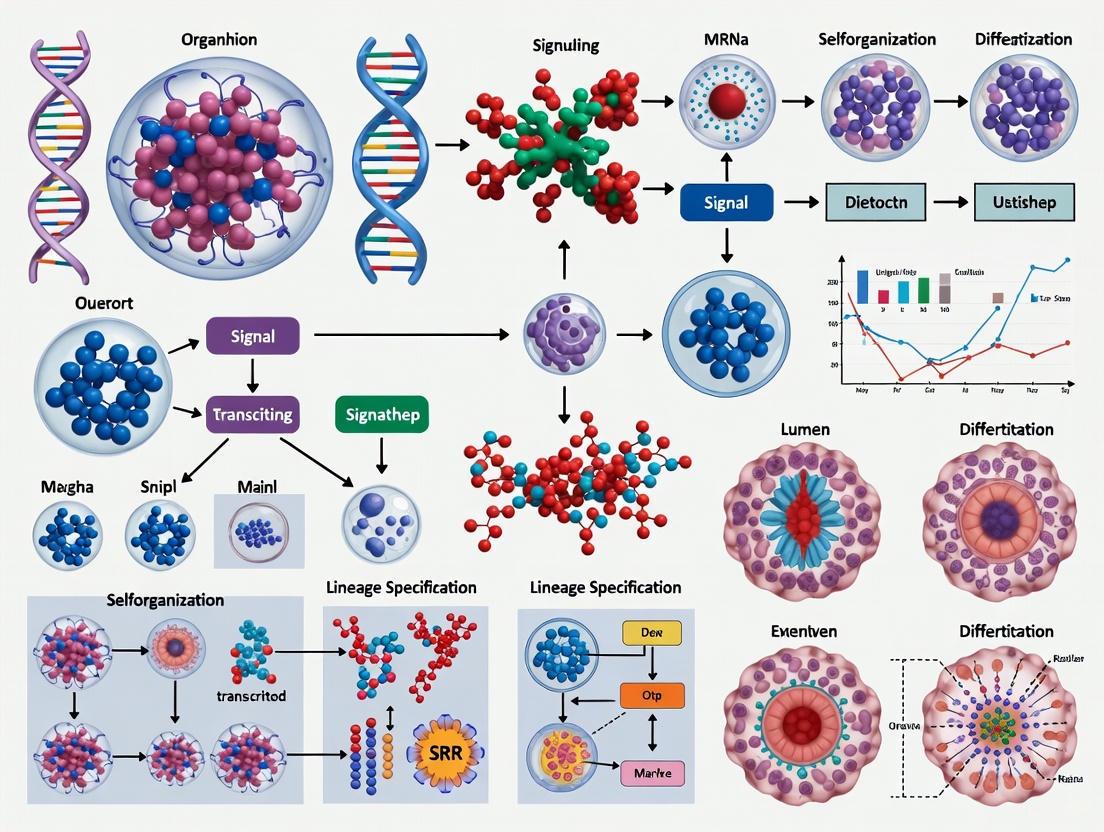
This comprehensive guide explores the entire workflow of generating and utilizing organoids from human pluripotent stem cells (hPSCs), including induced pluripotent stem cells (iPSCs) and embryonic stem cells (ESCs).
Mastering Pluripotent Stem Cell-Derived Organoid Culture: A Comprehensive Guide from Fundamentals to Clinical Translation
Abstract
This comprehensive guide explores the entire workflow of generating and utilizing organoids from human pluripotent stem cells (hPSCs), including induced pluripotent stem cells (iPSCs) and embryonic stem cells (ESCs). Tailored for researchers, scientists, and drug development professionals, it covers foundational biological principles, detailed differentiation protocols, advanced applications in disease modeling and drug screening, troubleshooting for common challenges, and validation strategies against traditional models. The article highlights how hPSC-derived organoids are transforming biomedical research by providing human-relevant, personalized models that enhance drug discovery and advance precision medicine, while also addressing current limitations and future directions in the field.
The Biological Blueprint: Understanding Pluripotent Stem Cells and Organoid Self-Organization
Human pluripotent stem cells (hPSCs) represent a cornerstone of modern regenerative medicine and biological research, characterized by their dual capabilities of unlimited self-renewal and the potential to differentiate into any adult cell type [1]. This review focuses on the two primary sources of human pluripotency: embryonic stem cells (ESCs) and induced pluripotent stem cells (iPSCs). ESCs are derived from the inner cell mass of blastocyst-stage embryos [2] [3], whereas iPSCs are generated through the reprogramming of adult somatic cells, such as skin fibroblasts, back into a pluripotent state [4] [5]. The discovery of iPSCs in 2006 by Shinya Yamanaka, who identified that four transcription factors (Oct4, Sox2, Klf4, and c-Myc) could induce pluripotency, provided a revolutionary alternative to ESCs [5].
Within the specific context of organoid culture research, both ESCs and iPSCs serve as vital starting materials for generating complex, three-dimensional (3D) tissue structures that mimic organ architecture and function [6] [7]. The choice between using ESCs or iPSCs can significantly influence the experimental outcome, as each cell type possesses distinct advantages and limitations concerning ethical considerations, genetic stability, immunological compatibility, and differentiation potential [1] [8] [9]. This article provides a detailed comparison of iPSCs and ESCs, outlining their respective advantages and providing foundational protocols for their application in organoid-based research.
Fundamental Characteristics and Comparisons
Defining Features and Derivation
- Embryonic Stem Cells (ESCs): ESCs are pluripotent cells harvested from the inner cell mass of a blastocyst, an early-stage embryo approximately 4-5 days post-fertilization [9] [2]. Their derivation necessitates the destruction of the human embryo, which is the source of ongoing ethical debate [9] [3]. ESCs are characterized by the expression of specific markers, including alkaline phosphatase, SSEA-4, Tra-1-60, Tra-1-81, and the transcription factors Oct4, Nanog, and Sox2 [9].
- Induced Pluripotent Stem Cells (iPSCs): iPSCs are artificially generated by reprogramming adult somatic cells through the forced expression of specific pluripotency factors. The original "Yamanaka factors" are Oct4, Sox2, Klf4, and c-Myc (OSKM) [4] [5]. An alternative combination uses Oct4, Sox2, Nanog, and Lin28 (OSNL) [4] [5]. This method avoids the use of embryos, thereby circumventing the major ethical concerns associated with ESCs [8] [4].
Comparative Analysis: Advantages and Disadvantages
The following tables summarize the core advantages and challenges of ESCs and iPSCs, providing a clear, structured comparison for researchers.
Table 1: Key Advantages and Disadvantages of ESCs and iPSCs
| Aspect | Embryonic Stem Cells (ESCs) | Induced Pluripotent Stem Cells (iPSCs) |
|---|---|---|
| Pluripotency | Demonstrated pluripotency; can differentiate into cells of all three germ layers [9] [3] | Demonstrated pluripotency; similar differentiation capacity to ESCs [4] |
| Ethical Status | Major ethical concerns due to destruction of human embryos [9] [3] | Avoids ethical issues as no embryos are used [8] [4] |
| Immunogenicity | Risk of immune rejection upon allogeneic transplantation [3] | Autologous cells possible, minimizing risk of immune rejection [8] [4] |
| Tumorigenicity | Risk of teratoma formation from undifferentiated cells [9] [3] | Risk of teratoma formation; additional risk from use of oncogenes (e.g., c-Myc) [4] |
| Genetic Stability | Generally genetically stable | Potential for genomic mutations acquired during reprogramming [1] |
| Disease Modeling | Limited to available genotypes; can be derived from PGD embryos [1] | Can be derived from patients with specific genetic diseases for personalized modeling [1] [5] |
Table 2: Comparative Analysis in the Context of Organoid Generation [7]
| Criteria | PSC (ESC/iPSC)-Based Organoids | Adult Stem Cell (ASC)-Based Organoids |
|---|---|---|
| Tissue Potential | Can generate organoids for any tissue type, including difficult-to-access organs (e.g., brain) [7] | Limited to tissues from which they are derived |
| Cellular Complexity | Can form organoids with heterotypic lineage cells (multiple cell types), closer to physiology [7] | Typically contain mainly epithelial cell types |
| Developmental Stage | Usually resemble fetal-stage tissues; maturation to adult stage is a challenge [7] | More consistently recapitulate original adult tissue phenotype [7] |
| Protocol & Resources | Protocols are more complex and time-consuming; resources available via iPSC banks [7] | Robust, simpler, and faster protocols for long-term culture [7] |
Despite their profound similarities, it is crucial to note that iPSCs and ESCs exhibit distinct gene expression networks [10]. These differences are linked to different epigenetic reprogramming events during their derivation and can influence their differentiation behavior [1] [10].
Detailed Experimental Protocols
Protocol for Generating iPSCs from Human Fibroblasts
The following protocol details the generation of iPSCs using non-integrating episomal vectors to deliver reprogramming factors, enhancing safety profiles for downstream applications.
Key Reagents:
- Source Cells: Human dermal fibroblasts (commercially available or isolated from biopsy).
- Reprogramming Factors: Plasmids encoding Oct4, Sox2, Klf4, c-Myc, Lin28, and shRNA for p53 (to improve efficiency) [4] [5].
- Cell Culture Media: Fibroblast medium (e.g., DMEM with 10% FBS). iPSC culture medium (e.g., mTeSR or Essential 8).
- Transfection Reagent: For example, Neon Transfection System or similar.
- Extracellular Matrix: Matrigel or Vitronectin for coating culture vessels.
Step-by-Step Workflow:
- Cell Preparation: Culture human fibroblasts in a 6-well plate until they reach 70-80% confluency.
- Transfection: Transfect fibroblasts with the reprogramming factor plasmids using the chosen transfection system according to manufacturer's instructions.
- Medium Transition: 24-48 hours post-transfection, replace the fibroblast medium with iPSC culture medium. Continue feeding the cells daily.
- Colony Picking: After 3-4 weeks, distinct iPSC colonies with sharp borders and ESC-like morphology will emerge. Manually pick and transfer individual colonies to a new Matrigel-coated plate.
- Expansion and Characterization: Expand the clonal lines and characterize them for pluripotency markers (e.g., immunocytochemistry for Oct4, Nanog, SSEA-4) and functional capacity (e.g., in vitro trilineage differentiation) [4] [5].
Figure 1: iPSC Generation Workflow. This diagram outlines the key steps for reprogramming somatic cells into induced pluripotent stem cells.
Protocol for Directing PSC Differentiation into Organoids
This general protocol can be adapted for generating various organoids from either ESCs or iPSCs, using cerebral organoids as an example.
Key Reagents:
- Base Medium: Neurobasal Medium, DMEM/F12.
- Growth Factors & Small Molecules: Noggin (BMP inhibitor), R-Spondin (Wnt agonist), EGF (proliferation factor), FGF (development factor), CHIR99021 (GSK3 inhibitor, Wnt activator), SB431542 (TGF-β inhibitor) [6] [7].
- Extracellular Matrix: Matrigel.
- Culture Equipment: Low-attachment plates for 3D suspension culture.
Step-by-Step Workflow:
- Embryoid Body (EB) Formation: Harvest PSCs and seed them into low-attachment plates in medium containing pluripotency factors to encourage aggregation into EBs.
- Neural Induction: After 5-7 days, transfer EBs to neural induction medium containing Noggin and SB431542 to direct differentiation towards neuroectoderm.
- Matrix Embedding: Embed the neuroectodermal EBs in droplets of Matrigel to provide a 3D scaffold for complex growth.
- Organoid Maturation: Culture the embedded organoids in differentiation medium containing a mix of factors like EGF, FGF, and other neural patterning molecules. Use a rotating bioreactor or orbital shaker for long-term cultures to enhance nutrient exchange.
- Analysis: After several weeks to months, analyze organoids for tissue-specific markers via immunohistochemistry, RNA sequencing, or functional assays [6] [7].
The Scientist's Toolkit: Essential Reagents for PSC and Organoid Research
Successful culture and differentiation of pluripotent stem cells rely on a carefully defined set of reagents. The table below catalogs essential components for maintaining pluripotency and directing organoid formation.
Table 3: Research Reagent Solutions for PSC and Organoid Culture
| Reagent Category | Specific Examples | Function in PSC/Organoid Culture |
|---|---|---|
| Cytokines & Growth Factors | EGF (Epidermal Growth Factor) | Stimulates proliferation of epithelial and other cell types [6] [7] |
| FGF (Fibroblast Growth Factor) | Mitogen crucial for normal development and self-renewal [6] | |
| R-Spondin-1 | Agonist of Wnt/β-catenin signaling; key for stem cell self-renewal [6] [7] | |
| Noggin | BMP inhibitor; regulates cell differentiation by promoting neural fate [6] [7] | |
| Wnt3a | Critical morphogen regulating cell development, proliferation, and polarity [6] [7] | |
| Small Molecule Inhibitors | CHIR99021 | GSK3 inhibitor that stabilizes β-catenin, activating Wnt signaling [6] [7] |
| Y27632 (Rock Inhibitor) | RHO kinase inhibitor; reduces apoptosis (anoikis) in dissociated stem cells [6] | |
| A83-01 | TGF-β receptor inhibitor; prevents differentiation and supports pluripotency [6] | |
| DAPT | Gamma-secretase inhibitor that blocks Notch signaling, inducing differentiation [6] [7] | |
| Extracellular Matrices | Matrigel | Complex basement membrane matrix providing structural and biochemical support for 3D growth [6] [7] |
| Synthetic Hydrogels | Customizable polymers offering defined and reproducible culture conditions [6] |
Application in Organoid Culture and Disease Modeling
The application of ESCs and iPSCs in generating organoids has transformed the landscape of disease modeling and drug discovery. iPSCs, in particular, offer a powerful platform for personalized medicine. They can be generated from patients with specific genetic disorders, and the derived organoids can recapitulate key pathological features of the disease, serving as a human-relevant model for drug screening and toxicity testing [6] [8]. For example, iPSC-derived cerebral organoids are used to study neurodevelopmental disorders, while intestinal organoids can model inflammatory bowel disease [6] [7].
However, a significant challenge with PSC-derived organoids is their tendency to resemble fetal-stage tissues rather than mature adult organs [7]. This limitation is attributed to the difficulty in replicating the complete temporal and spatial signaling cues of later development in vitro. Despite this, the ability to generate organoids containing multiple interacting cell types (e.g., epithelial and mesenchymal cells in PSC-derived GI organoids) makes them superior for studying complex tissue-level physiology and pathogenesis compared to simpler 2D cultures [7].
Figure 2: Organoid Generation and Applications. This workflow illustrates the process of deriving various organ types from pluripotent stem cells for key research applications.
Both ESCs and iPSCs are indispensable tools in the arsenal of modern biological research, each with a distinct profile of strengths and weaknesses. ESCs remain a gold standard for pluripotency but are encumbered by ethical and immunological constraints. iPSCs offer an ethically uncontroversial and patient-specific alternative, though concerns regarding genetic stability and tumorigenicity require careful management [1] [4]. The choice between them is not a matter of superiority but of strategic application.
For organoid culture and disease modeling, the decision hinges on the specific research question. iPSCs are unparalleled for modeling genetic diseases and developing personalized therapeutic strategies. ESCs provide a consistent and well-characterized baseline for studying fundamental developmental processes. As protocols for differentiation and organoid maturation continue to advance, the synergistic use of both cell types will undoubtedly deepen our understanding of human biology and disease, accelerating the development of novel regenerative therapies.
The ability of stem cells to self-organize into complex three-dimensional (3D) structures represents a revolutionary advance in biomedical research. This process, driven by intrinsic genetic programs and environmental cues, allows pluripotent stem cells to form organoids that mimic the cellular composition, tissue organization, and partial functionality of native organs [11]. Understanding the principles governing this self-organization is critical for advancing fundamental developmental biology and for creating sophisticated models for disease research, drug discovery, and regenerative medicine [12]. This application note explores the core principles of stem cell self-organization, provides detailed protocols for generating key organoid types, and outlines the quantitative frameworks essential for characterizing these complex 3D systems.
Core Principles of Self-Organization
Stem cell self-organization into 3D structures is governed by a set of interconnected biological principles that recapitulate aspects of embryonic development.
Symmetry Breaking and Emergent Behavior
The transition from a homogeneous cluster of cells to a structured, asymmetric tissue begins with symmetry breaking. In intestinal organoids derived from a single intestinal stem cell, for instance, initially identical cells spontaneously differentiate into Paneth cells, which then generate the stem cell niche and lead to the formation of asymmetric crypt-villus structures [13]. This process is driven by emergent behavior where cell-to-cell variability in key transcriptional regulators, such as YAP1, initiates feedback loops (e.g., Notch and DLL1 signaling) that break symmetry and establish permanent cellular heterogeneity [13].
Periodic Patterning via Short-Range Activation and Long-Range Inhibition
The formation of periodically spaced patterns, such as the hexagonal arrangement of feather primordia in chicken skin, relies on a balance of activating and inhibitory signals [14]. This Turing-type mechanism involves short-range activation (e.g., via FGFs) that promotes bud formation and long-range inhibition (e.g., via BMPs) that suppresses it in surrounding areas [14]. Furthermore, ERK-activity-dependent mesenchymal cell chemotaxis is essential for converting initial signaling centers into stable, condensed primordia, demonstrating how chemical patterns are translated into physical cell organization [14].
Multiscale Dynamics and Heterogeneity
Organoid morphogenesis involves dynamic interactions across multiple scales. At the single-cell level, behaviors such as division, migration, and polarization can be observed. At the individual-organoid level, these behaviors give rise to phenomena like lumen expansion and decline (size oscillation), rotation, and multi-organoid fusion. At the entire-culture level, significant heterogeneity in morphology and growth dynamics is evident [15]. This heterogeneity is not merely noise but a fundamental property of the system, reflecting the diverse self-organizing potential of stem cells.
Quantitative Analysis of Organoid Morphogenesis
Advanced imaging and computational modeling are essential for quantifying the dynamic and heterogeneous process of organoid development.
Table 1: Quantified Features of Organoid Morphogenesis from Multiscale Analysis
| Scale of Analysis | Measured Features | Quantitative Findings | Imaging Technique |
|---|---|---|---|
| Microscale (Single Cell) | Cell number, division rates, migration, polarization | Identification of diverse cellular behaviors and lineages | Light-sheet Fluorescence Microscopy (LSFM) |
| Mesoscale (Individual Organoid) | Organoid volume, luminal area oscillation, multi-organoid fusion | Small organoids (<400 μm) show frequent size oscillations; large organoids (>400 μm) show less | LSFM, Bright-field Microscopy |
| Macroscale (Entire Culture) | Median area increase, heterogeneity in morphology | Confirmation of core regulatory principles across populations | Bright-field Microscopy |
Mathematical models are crucial for understanding the principles behind these observations. Agent-based models have been developed to simulate the growth of intestinal organoids, incorporating biomechanical forces and signaling dynamics like Wnt and Notch to explain spatiotemporal organization [12]. For example, a 3D agent-based model showed that size oscillations in epithelial organoids arise from an interplay between internal luminal pressure, cell division dynamics, and the mechanical properties of individual cells [15].
Experimental Protocols
Detailed below are established protocols for generating self-organized 3D structures from pluripotent stem cells.
Protocol 1: Generating Kidney Organoids in Suspension from iPSCs
This protocol efficiently generates kidney organoids containing glomerular and tubular structures via intermediate mesoderm (IM) induction [16].
Key Reagents and Materials
- Human iPSCs maintained in mTeSR medium on basement membrane matrix-coated plates.
- APEL2 medium as a defined, animal component-free base.
- Small molecule agonists: CHIR99021 (a GSK-3β inhibitor and WNT agonist).
- Growth factors: Recombinant FGF9 and Heparin.
- Specialized supplements: Rho kinase inhibitor (Y-27632), Methylcellulose (MC), Polyvinylalcohol (PVA).
- Equipment: Low-adhesion plates, orbital shaker.
Step-by-Step Procedure
Induction of Posterior Primitive Streak (Day 0-4):
- Seed iPSCs at an optimized density (e.g., ( 0.6 - 2.4 \times 10^3 ) cells/cm²) in a membrane matrix-coated plate with mTeSR + 10 µM Y-27632.
- After 24 hours, switch to Stage I medium (APEL2 supplemented with 8-12 µM CHIR99021). The optimal CHIR99021 concentration must be determined for each iPSC line.
- Culture for 4 days, refreshing the medium every two days.
Induction of Nephrogenic Intermediate Mesoderm (Day 4-7):
- On Day 4, replace the medium with Stage II medium (APEL2 containing 200 ng/mL FGF9, 1 µg/mL Heparin, and 1 µM CHIR99021).
- Culture until Day 7, refreshing the medium every two days. Successful IM derivation is indicated by cell expansion and heaping without significant debris.
Suspension Culture for Organoid Formation (Day 7+):
- On Day 7, detach the IM cells and centrifuge.
- Resuspend the pellet in Stage III medium (APEL2 with FGF9, Heparin, 1 µM CHIR99021, 0.1% MC, 0.1% PVA) + 10 µM Y-27632.
- Seed the cell suspension into a low-adhesion plate and place on an orbital shaker at 60 rpm in a 37°C CO2 incubator.
- After 24 hours, replace the medium with Stage III medium without Y-27632. Continue culture with medium changes every two days.
- By Day 12, change to Stage IV medium (without growth factors) to support further maturation. Nephron structures become apparent over the following days [16].
Protocol 2: Generating Human Cerebral Organoids from 2D PSC Cultures
This protocol generates complex cerebral organoids with multiple ventricular zones and diverse cell types, bypassing the embryoid body aggregation step [17].
Key Reagents and Materials
- Human PSCs (ESCs or iPSCs) grown on MEFs or vitronectin.
- Neural Induction (NI) Medium: DMEM:F12 with N-2 supplement, and patterning factors.
- Differentiation and Maintenance Media: Neurobasal-based media with B-27 supplements.
- Small molecule inhibitors: SB-431542 (TGF-β inhibitor), Noggin (BMP inhibitor), CHIR99021 (WNT agonist).
Step-by-Step Procedure
Neural Induction from 2D Colonies:
- Grow PSCs to near confluence.
- Subject the 2D colonies to NI medium supplemented with patterning factors like Noggin and SB-431542 to direct neural fate.
- This step efficiently induces neuroepithelial structures that will form the basis of the organoid.
Organoid Development and Maturation:
- Transfer the induced neuroepithelial structures to suspension culture in differentiation medium.
- Subsequently, maintain the developing organoids in maintenance medium to support the growth of complex neural tissues, including the generation of various progenitor types, mature neurons, and glial cells like astrocytes and oligodendrocyte precursors [17].
Signaling Pathways in Self-Organization
The self-organization of stem cells is directed by coordinated signaling pathways. The diagram below illustrates the core signaling interactions that govern pattern formation and tissue polarity in organoids.
The Scientist's Toolkit: Essential Research Reagents
Successful organoid culture relies on a carefully selected set of reagents and materials designed to mimic the native stem cell niche.
Table 2: Essential Reagents for Organoid Research
| Reagent Category | Specific Examples | Function in 3D Culture |
|---|---|---|
| Stem Cell Media | mTeSR, Essential 8, APEL2 | Maintains pluripotency or supports directed differentiation in a defined, xeno-free environment. |
| Patterning Factors | CHIR99021 (WNT agonist), FGF9, BMP4, Noggin, SB-431542 | Directs stem cell fate towards specific lineages by activating or inhibiting key developmental signaling pathways. |
| Scaffold Matrices | Basement membrane matrix (e.g., Matrigel), Alginate hydrogels, Fibrin | Provides a 3D structural support that mimics the extracellular matrix, facilitating cell polarization and tissue organization. |
| Enzymatic Dissociation Agents | Trypsin-EDTA, Accutase | Gently dissociates pluripotent stem cell colonies or organoids for passaging or re-aggregation. |
| Small Molecule Inhibitors | Y-27632 (ROCK inhibitor) | Greatly improves cell survival after dissociation and single-cell seeding by inhibiting apoptosis. |
The self-organization of stem cells into 3D organoids is a powerful phenomenon driven by symmetry breaking, reaction-diffusion mechanisms, and cellular chemotaxis. The detailed protocols for kidney and cerebral organoids, supported by a defined toolkit of reagents, provide researchers with a roadmap for creating these complex models. As quantitative imaging and computational modeling continue to advance, they will further unravel the principles of self-organization, accelerating the use of organoids in modeling human development, disease, and therapeutic responses.
Key Signaling Pathways Governing Organoid Development and Patterning
Organoid culture systems, which are self-renewing three-dimensional (3D) models derived from pluripotent or adult stem cells, have emerged as powerful tools for studying human development, disease modeling, and drug discovery [18]. The successful generation of organoids relies on recapitulating the complex signaling milieu that governs embryonic development [19]. During embryogenesis, spatiotemporally controlled signaling pathways direct stem/progenitor cell fate decisions, polarity establishment, and tissue morphogenesis [19] [20]. Similarly, in organoid culture, precise manipulation of these developmental pathways through exogenous factors enables the in vitro self-organization of stem cells into complex tissue-like structures [19].
Understanding and controlling these signaling networks is crucial for generating high-fidelity organoids that accurately represent target organs. This application note provides a comprehensive overview of the key signaling pathways that orchestrate organoid development and patterning, with a specific focus on protocols derived from pluripotent stem cells. We summarize quantitative data on pathway activities, detail experimental methodologies for pathway manipulation, and visualize signaling networks to assist researchers in optimizing organoid differentiation protocols.
Key Signaling Pathways and Their Roles in Organoid Development
Major Developmental Signaling Pathways
The formation of complex organoids requires the coordinated activation and inhibition of multiple evolutionarily conserved signaling pathways. The table below summarizes the core pathways, their key components, and primary functions in organoid development and patterning.
Table 1: Key Signaling Pathways in Organoid Development and Patterning
| Pathway | Key Components | Primary Functions in Organoid Development | Sample Modulators |
|---|---|---|---|
| Wnt/β-catenin | Wnt ligands, Frizzled receptors, β-catenin, GSK-3β | Stem cell maintenance, proliferation, patterning, cell fate decisions [19] | Wnt3a, CHIR99021 (activator) [19] [18] |
| Notch | Notch receptors, Jagged/Delta ligands, Hes/Hey genes | Cell fate specification, differentiation, boundary formation [19] | DAPT (inhibitor) [19] |
| TGF-β/BMP | TGF-β, BMP ligands, SMAD proteins | Lineage specification, spatial patterning, ductal morphogenesis [19] | A83-01 (inhibitor) [19] |
| Growth Factors (GFs) | EGF, FGF, HGF | Proliferation, survival, organoid expansion and maturation [19] | EGF, FGF10 [19] |
| Hippo | YAP, TAZ, LATS1/2 | Tissue growth, cell proliferation, mechanosensing [21] | – |
| BMP | BMP ligands, SMAD1/5/8 | Patterning, differentiation gradient formation [21] | – |
Pathway Interactions in Specific Organoid Systems
Different organoid systems exhibit varying dependencies on these signaling pathways based on their embryonic origins:
Brain Organoids: Wnt and Hippo pathways play crucial roles in matrix-induced regional guidance and lumen morphogenesis. Specifically, spatially restricted induction of the WNT ligand secretion mediator (WLS) marks the earliest emergence of non-telencephalic brain regions [21]. Extracellular matrix proteins modulate these pathways through mechanosensing dynamics that influence tissue patterning [21].
Biliary Organoids: Notch signaling is particularly critical for directing hepatoblast differentiation into biliary epithelial cells (BECs) and maintaining biliary identity, while TGF-β forms concentration gradients that promote biliary fate specification near portal vein regions [19].
Retinal Organoids: Successfully recapitulate the "forebrain - optic vesicle - optic cup" developmental sequence, requiring precise temporal regulation of multiple morphogen pathways to achieve proper layered architecture and photoreceptor differentiation [22].
Quantitative Assessment of Organoid Fidelity
Computational Similarity Assessment
To address the critical challenge of quality control in organoid generation, computational methods have been developed to quantitatively evaluate organoid fidelity. The Web-based Similarity Analytics System (W-SAS) provides organ-specific similarity scores by analyzing RNA-seq data against organ-specific gene expression panels (Organ-GEPs) [23].
Table 2: Organ-Specific Gene Expression Panels for Quantitative Fidelity Assessment
| Organ System | Gene Panel | Number of Genes | Primary Application | Reference Database |
|---|---|---|---|---|
| Liver | LiGEP | Not specified | Quality control of hepatocytes and liver organoids | GTEx [23] |
| Lung | LuGEP | 149 | Assessment of lung bud organoids (LBOs) | GTEx [23] |
| Stomach | StGEP | 73 | Evaluation of gastric organoids (GOs) | GTEx [23] |
| Heart | HtGEP | 144 | Analysis of cardiomyocytes (CMs) | GTEx [23] |
| Neural System | HNOCA | 1.77 million cells | Comprehensive neural organoid evaluation | Developing human brain references [24] |
The integrated transcriptomic Human Neural Organoid Cell Atlas (HNOCA), which comprises over 1.77 million cells from 26 distinct protocols, enables systematic quantification of neural organoid fidelity compared to developing human brain references [24]. This resource allows researchers to estimate transcriptomic similarity between organoid cells and their primary counterparts, identifying both well-represented and under-represented cell types across protocols [24].
Experimental Protocols for Pathway Manipulation
General Workflow for Signaling Pathway Studies in Organoids
Protocol: Modulating Signaling Pathways in Biliary Organoid Development
Objective: To generate biliary organoids from pluripotent stem cells through controlled manipulation of key developmental signaling pathways.
Materials:
- Pluripotent stem cells (iPSCs or ESCs)
- Basal medium (DMEM/F12 with HEPES)
- Growth factor-reduced Matrigel
- Small molecule inhibitors and activators
- ROCK inhibitor (Y-27632)
Method Details:
Initial Cell Aggregation:
- Harvest pluripotent stem cells using gentle cell dissociation reagent.
- Resuspend cells at a density of 500-1000 cells/μL in medium containing 10 μM ROCK inhibitor.
- Plate 5,000-10,000 cells per well in low-attachment 96-well plates to promote embryoid body formation.
- Centrifuge plates at 100 × g for 3 min to enhance cell aggregation.
Early Patterning Phase (Days 1-5):
- At day 1, replace medium with neural induction medium containing Matrigel (2-5% v/v) to support epithelial polarization [21].
- Activate Wnt signaling using 3-5 μM CHIR99021 to promote foregut endoderm specification.
- Simultaneously inhibit TGF-β signaling using 5-10 μM A83-01 to enhance biliary commitment [19].
Biliary Specification Phase (Days 5-15):
- At day 5, switch to hepatic specification medium containing:
- At day 10, modulate Notch signaling using 5-10 μM DAPT to promote cholangiocyte differentiation from hepatoblasts [19].
Maturation Phase (Days 15-30):
- Transfer organoids to 3D Matrigel droplets for structural maturation.
- Use rotating bioreactor or air-liquid interface culture to improve nutrient exchange.
- Supplement with cAMP inducers (e.g., 10 μM Forskolin) to enhance cholangiocyte functional maturation.
Quality Control:
- Monitor organoid morphology daily using brightfield microscopy.
- At day 30, assess expression of biliary markers (SOX9, CK7, CK19) via immunofluorescence.
- Quantify biliary functionality through γ-glutamyl transferase (GGT) activity assay.
- For high-throughput quality assessment, utilize the LiGEP algorithm to calculate liver similarity scores from RNA-seq data [23].
Research Reagent Solutions
The table below summarizes essential reagents for manipulating key signaling pathways in organoid culture systems.
Table 3: Essential Research Reagents for Organoid Signaling Pathway Manipulation
| Reagent | Signaling Pathway | Function | Typical Working Concentration | Key Applications |
|---|---|---|---|---|
| CHIR99021 | Wnt/β-catenin agonist | GSK-3β inhibitor that stabilizes β-catenin | 3-10 μM | Pluripotency maintenance, progenitor expansion [19] [18] |
| DAPT | Notch inhibitor | γ-secretase inhibitor that blocks Notch cleavage | 5-25 μM | Cell fate specification, biliary differentiation [19] |
| A83-01 | TGF-β inhibitor | Inhibits TGF-β type I receptor ALK5 | 0.5-5 μM | Biliary lineage specification, fibrosis modeling [19] |
| Recombinant Wnt3a | Wnt agonist | Activates canonical Wnt signaling | 25-100 ng/mL | Stem cell maintenance, proliferation [19] [25] |
| Recombinant EGF | Growth factor signaling | Binds EGFR to promote proliferation | 20-100 ng/mL | Organoid expansion, survival [19] |
| Recombinant FGF10 | FGF signaling | Mesenchymal-epithelial signaling for branching | 50-200 ng/mL | Biliary and pulmonary organoid maturation [19] |
| Forskolin | cAMP pathway activator | Adenylate cyclase activator that increases cAMP | 5-20 μM | Cholangiocyte functional maturation, cyst expansion [19] |
| Y-27632 | ROCK inhibitor | Inhibits apoptosis in dissociated cells | 5-20 μM | Enhances cell survival after passaging [19] |
| Matrigel | Extracellular matrix | Provides basement membrane components | 2-5% v/v | 3D structural support, polarization cue [21] |
Signaling Pathway Integration in Organoid Patterning
The diagram above illustrates the sequential integration of multiple signaling pathways during organoid patterning. This coordinated signaling cascade progresses from initial progenitor expansion through progressive lineage restriction and final tissue maturation. Research has demonstrated that extrinsic matrix components can modulate this process through Hippo and WNT pathway crosstalk, particularly influencing regional patterning in neural organoids [21]. The dynamic interplay between these pathways creates a self-reinforcing signaling network that drives the self-organization process characteristic of high-fidelity organoid development.
The precise manipulation of developmental signaling pathways represents the cornerstone of successful organoid generation from pluripotent stem cells. By understanding the temporal requirements, concentration dependencies, and pathway interactions detailed in this application note, researchers can systematically optimize differentiation protocols for specific organoid systems. The quantitative assessment tools and standardized reagents described here provide a framework for generating more reproducible and physiologically relevant organoid models that will advance human developmental biology, disease modeling, and drug discovery applications. As the field progresses, continued refinement of pathway modulation strategies will undoubtedly enhance the fidelity and utility of these remarkable in vitro models.
The selection of an appropriate source cell is the most critical initial step in designing a robust organoid culture system, as it fundamentally determines the model's physiological relevance, experimental applicability, and scalability. Within the broader context of pluripotent stem cell (PSC) research, this decision dictates the trajectory of downstream applications from developmental biology to personalized medicine. Organoids, which are primary patient-derived micro-tissues grown within a 3-D extracellular matrix, better represent in vivo physiology and genetic diversity than traditional two-dimensional cell lines [26]. The strategic choice between embryonic stem cells (ESCs) and induced pluripotent stem cells (iPSCs) hinges on a clear alignment with research objectives, whether they involve disease modeling, drug discovery, or regenerative medicine. This application note provides a structured framework for this decision-making process, supported by quantitative market data, detailed protocols, and analytical workflows to guide researchers and drug development professionals.
Strategic Considerations for Source Cell Selection
The selection process requires balancing multiple factors, including cellular potency, ethical considerations, genetic background, and technical feasibility. The market analysis clearly indicates the dominant position of Embryonic Stem Cells (ESCs), which are projected to hold a 40.0% revenue share of the organoids market in 2025 [27]. This dominance is largely attributed to their pluripotent nature, which allows for the generation of diverse organ-specific organoids with high physiological relevance. The ability of ESCs to differentiate into various tissue types has positioned them as an essential foundation for modeling developmental processes and studying genetic disorders [27].
The following table summarizes the core strategic considerations when selecting between the two primary pluripotent stem cell sources:
Table 1: Strategic Comparison of Pluripotent Stem Cell Sources for Organoid Generation
| Consideration | Embryonic Stem Cells (ESCs) | Induced Pluripotent Stem Cells (iPSCs) |
|---|---|---|
| Developmental Potential | Pluripotent, proven capacity for germline contribution | Pluripotent, but may exhibit epigenetic memory |
| Genetic Background | Limited diversity, non-patient specific | Unlimited diversity, patient-specific lines possible |
| Ethical & Regulatory Landscape | Complex, involving embryo destruction | Simpler, derived from somatic tissues |
| Primary Research Applications | Developmental biology, standardized disease models, toxicology screening | Personalized medicine, patient-specific disease modeling, drug efficacy testing |
| Market Position (2025) | Leading segment (40.0% share) [27] | Growing segment within the PSC category |
Aligning Source Cell with Research Objectives
- Developmental Biology Studies: ESCs are often the preferred choice for fundamental research into organogenesis and tissue differentiation. Protocols for generating human cerebellar organoids (hCerOs) from PSCs successfully replicate the cellular diversity of the fetal cerebellum, including excitatory and inhibitory progenitor populations [28] [29]. This system is ideal for studying the molecular cues of cerebellar development.
- Disease Modeling and Drug Discovery: iPSCs excel in modeling genetic diseases and enabling personalized therapeutic approaches. Patient-derived iPSCs allow for the creation of organoids that maintain patient-specific genetic and phenotypic characteristics, making them invaluable for drug screening and studying disease mechanisms [27] [30].
- Regenerative Medicine: While both cell types have potential, iPSCs circumvent immunocompatibility issues and ethical concerns, making them a more viable candidate for developing autologous cell therapies and tissue engineering applications [27].
Experimental Protocols: Cerebellar Organoid Generation from PSCs
This section details a proven protocol for generating human cerebellar organoids (hCerOs) from pluripotent stem cells, which mirrors the cellular diversity and cytoarchitectural features of the fetal cerebellum [28] [29]. The protocol is designed to be implemented by a technician with cell culture experience and takes 1–2 months to complete, with an option for extended maturation over several months.
Key Protocol Highlights and Differentiation Strategy
Unlike other models that initiate neuralization with single SMAD inhibition, this protocol relies on dual SMAD inhibition to promote neuralization. Caudalization toward a cerebellar fate is achieved using WNT and FGF8b signaling, leading to the generation of both rhombic lip (excitatory) and ventricular zone (inhibitory) progenitor populations [28]. This strategy enables the reproducible differentiation of major cerebellar neurons, such as granule cells and Purkinje cells, within one month of culture. Remarkably, cultivating hCerOs for up to 8 months allows Purkinje cells to mature, exhibiting molecular and electrophysiological features akin to their in vivo counterparts [28] [29].
Detailed Workflow: Generation and Long-term Culture of hCerOs
Materials
- Human Pluripotent Stem Cells: (ESCs or iPSCs)
- Essential Reagents: Dual SMAD inhibitors (e.g., SB431542, LDN193189), WNT agonist (e.g., CHIR99021), FGF8b, FGF2, BDNF, GDNF
- Extracellular Matrix: Matrigel or similar Basement Membrane Extract (BME)
- Basal Medium: Advanced DMEM/F12
- Supplements: N-2 Supplement, B-27 Supplement, L-Glutamine, Ascorbic Acid, cAMP [28]
Procedure
Initial PSC Culture and Neural Induction (Days 1-5):
- Maintain PSCs in a feeder-free culture system using standard conditions.
- Begin differentiation by transitioning to a neural induction medium containing dual SMAD inhibitors to direct cells toward a neural lineage.
- Culture as 3D aggregates in low-attachment plates.
Cerebellar Patterning (Days 6-15):
- To caudalize the neural tissue and specify a cerebellar fate, switch to a medium containing WNT and FGF8b.
- This critical step promotes the formation of the isthmic organizer-like signature, leading to the co-emergence of rhombic lip and ventricular zone identities.
Embedding in ECM and Expansion (Days 16-30):
- On day 16, embed the resulting neuroepithelial aggregates into droplets of ECM (e.g., Matrigel) to provide a 3D scaffold for organoid growth.
- Culture the embedded organoids in a medium containing FGF2 to support the proliferation and expansion of cerebellar progenitor cells.
Maturation and Long-term Culture (Months 2-8+):
- For terminal maturation, transfer organoids to a differentiation medium containing neurotrophic factors like BDNF and GDNF.
- Maintain cultures in suspension on an orbital shaker to enhance nutrient and gas exchange.
- The medium should be refreshed twice weekly. Organoids can be maintained for over 8 months, during which Purkinje cells and other neurons continue to mature and develop electrophysiological activity [28] [29].
Troubleshooting Note: Batch-to-batch variation in undefined components like ECM is a known challenge in organoid culture that can impact reproducibility [26] [30]. Where possible, perform quality control tests on new lots of ECM.
Visualization of Strategic and Experimental Workflows
Source Cell Selection Decision Pathway
The following diagram outlines the logical decision-making process for selecting the optimal source cell based on research objectives.
Cerebellar Organoid Generation Protocol
This workflow diagrams the key experimental stages for generating human cerebellar organoids from pluripotent stem cells, based on the established protocol [28] [29].
The Scientist's Toolkit: Research Reagent Solutions
Successful organoid generation is dependent on a suite of critical reagents. The table below details essential materials, their functions, and application notes relevant to the featured hCerO protocol and the broader field.
Table 2: Essential Research Reagents for PSC-Derived Organoid Culture
| Reagent Category | Specific Examples | Function & Application Note |
|---|---|---|
| Stem Cell Source | Embryonic Stem Cells (ESCs), Induced Pluripotent Stem Cells (iPSCs) | Provides the foundational pluripotent cell population. Selection dictates genetic background and application scope (see Table 1). |
| Signaling Molecules | Dual SMAD Inhibitors (e.g., SB431542, LDN193189), WNT Agonist (CHIR99021), FGF8b, FGF2, BDNF, GDNF | Directs differentiation and patterning. FGF8b with WNT is critical for caudalization to cerebellar fate [28]. |
| Extracellular Matrix (ECM) | Matrigel, Geltrex, BME | Provides a 3D scaffold that mimics the native basement membrane, crucial for structural organization. Batch-to-batch variation is a key challenge [26] [30]. |
| Basal Medium & Supplements | Advanced DMEM/F12, N-2 Supplement, B-27 Supplement | Provides nutritional base and essential hormones, proteins, and lipids for cell survival and growth. |
| Specialized Additives | ROCK Inhibitor (Y-27632), Ascorbic Acid, cAMP | Enhances cell survival after passaging/thawing (ROCKi) and promotes neuronal maturation (Ascorbic Acid, cAMP) [28] [26]. |
Strategic source cell selection, guided by a clear understanding of research goals and the inherent properties of ESCs and iPSCs, is the cornerstone of generating physiologically relevant and scientifically valuable organoid models. The detailed protocol for cerebellar organoids, supported by the decision-making frameworks and reagent toolkit provided herein, offers researchers a clear pathway to implement these considerations in their experimental design. As the organoid field continues to evolve, driven by a market projected to grow at a CAGR of 10.7% [27], the principles of careful source cell selection will remain fundamental to advancing our understanding of human development, disease pathology, and therapeutic discovery.
From Stem Cells to Complex Organoids: Protocols, Differentiation Strategies, and Translational Applications
Application Notes
Organoid technology represents a transformative advancement in biomedical research, enabling the cultivation of miniature, simplified versions of organs in the lab. These three-dimensional (3D) structures are derived from pluripotent stem cells (PSCs) or tissue-resident stem cells and recapitulate the complex architecture and function of corresponding in vivo tissues [31] [32]. This document outlines the essential culture components—matrices, media, and growth factors—required for the successful generation and maintenance of PSC-derived organoids, providing a critical toolkit for researchers and drug development professionals.
The core principle of organoid culture involves creating a controlled in vitro niche that guides PSCs through self-organization and differentiation. This niche is engineered through a combination of a 3D extracellular matrix (ECM) and a medium rich in specific growth factors and small molecules [31] [30]. These components work synergistically to mimic the signaling environment of native tissue, supporting processes like proliferation, patterning, and maturation. The ability to manipulate this niche allows for the creation of organoid models for a wide range of applications, including disease modeling, drug screening, and personalized medicine [33] [34].
The Role of the Extracellular Matrix (ECM)
The ECM is not merely a physical scaffold but a bioactive component that provides crucial mechanical and chemical cues. For PSC-derived organoids, the ECM is essential for establishing 3D polarity and facilitating mechanochemical transduction, where physical forces are converted into biochemical signals [31] [30]. The composition and mechanical properties of the matrix, such as stiffness, can influence cell fate decisions by activating key signaling pathways, including those involving YAP/TAZ [30].
Media Formulations and Signaling Control
The liquid culture medium is the primary vehicle for delivering soluble factors that direct stem cell fate. For PSC-derived organoids, media formulations are designed to precisely manipulate key evolutionary conserved signaling pathways, such as Wnt, BMP, TGF-β, FGF, and EGF [31] [26]. The goal is to recreate the sequence of signaling events that occur during embryonic development, thereby steering PSCs first towards a target germ layer (e.g., definitive endoderm for liver or pancreatic organoids) and then towards specific organ lineages [32]. The use of small-molecule inhibitors provides a cost-effective and stable means to finely tune these pathways, for instance, by inhibiting BMP or TGF-β signaling to promote certain cell fates [26].
Protocols
General Workflow for PSC-Derived Organoid Culture
The following workflow describes the general process for generating organoids from pluripotent stem cells. Specific medium formulations for different organ types are provided in subsequent sections.
Diagram 1: PSC to Organoid General Workflow
This protocol is adapted from established methods for generating liver and other endodermal organoids from PSCs [32]. The process involves a stepwise differentiation.
Materials
- Pluripotent Stem Cells: Human embryonic stem cells (ESCs) or induced pluripotent stem cells (iPSCs) [32].
- Basal Medium: Advanced DMEM/F12 [26].
- Essential Supplements: HEPES, L-Glutamine, N-Acetylcysteine, B-27 supplement [26].
- Growth Factors & Small Molecules: See Table 2 for specific components and concentrations.
- Extracellular Matrix (ECM): Cultrex Basement Membrane Extract (BME) or Matrigel [30] [26].
- ROCK Inhibitor Y-27632: To enhance cell survival after passaging [26].
- Equipment: 37°C water bath, tabletop centrifuge, biosafety cabinet, humidified 37°C incubator with 5% CO₂, tissue culture-treated plates.
Procedure
Definitive Endoderm (DE) Differentiation:
- Culture PSCs until they reach 70-80% confluence.
- Switch to DE induction medium, typically containing high concentrations of Activin A, and culture for 3-5 days [32].
Posterior Foregut (PFG) Induction:
- Replace the medium with PFG induction medium. This medium often contains factors like FGF and BMP antagonists to pattern the endoderm towards a foregut fate [32].
- Culture for 3-5 days.
3D Spheroid Formation and Embedding:
- Dissociate the differentiated cell monolayer into single cells or small clusters.
- Resuspend the cell pellet in a cold, liquid ECM solution (e.g., BME or Matrigel). Keep the tube on ice to prevent premature gelling.
- Pipette small droplets (e.g., 20-30 µL) of the cell-ECM mixture onto the surface of a pre-warmed tissue culture plate.
- Incubate the plate at 37°C for 15-20 minutes to allow the ECM droplets to solidify into "domes."
Organoid Culture and Maturation:
- Gently overlay the solidified ECM domes with organoid expansion or differentiation medium. The specific formulation depends on the target organ (see Table 2).
- Culture the plate in a humidified 37°C incubator with 5% CO₂.
- Refresh the medium every 2-3 days. Organoids will become visible and mature over 1-3 weeks.
Passaging:
- To expand organoids, mechanically or enzymatically dissociate the organoids within the ECM dome.
- Wash and re-embed the fragments or single cells into fresh ECM as described in Step 3.
Key Signaling Pathways in PSC-Derived Organoid Culture
The directed differentiation of PSCs into specific organoids requires precise manipulation of key developmental signaling pathways. The diagram below illustrates the core pathways and how they are modulated by common media components.
Diagram 2: Core Signaling Pathway Control
Quantitative Data & Reagent Solutions
Example Medium Formulations for Organoid Culture
Table 1: Example medium formulations for culturing various organoid types from PSC-derived progenitors. Concentrations are final in Advanced DMEM/F12 base medium, adapted from [26] and [32].
| Component | Basal (Wash) | Hepatic | Pancreatic | Intestinal |
|---|---|---|---|---|
| HEPES | 1x | 10 mM | 10 mM | 10 mM |
| L-Glutamine | 1x | 1x | 1x | 1x |
| N-Acetylcysteine | Not included | 1.25 mM | 1.25 mM | 1 mM |
| B-27 Supplement | Not included | 1x | 1x | 1x |
| Noggin (BMP Inhibitor) | Not included | 100 ng/ml | 100 ng/ml | 100 ng/ml |
| A83-01 (TGF-β Inhibitor) | Not included | 500 nM | 500 nM | 500 nM |
| FGF-10 | Not included | 100 ng/ml | 100 ng/ml | Not included |
| EGF | Not included | 50 ng/ml | 50 ng/ml | 50 ng/ml |
| Wnt-3A CM | Not included | 50% | 50% | Not included |
| R-spondin1 CM | Not included | 10-20% | 10% | 20% |
| Gastrin | Not included | Not included | 10 nM | Not included |
| Nicotinamide | Not included | 10 mM | 10 mM | 10 mM |
The Scientist's Toolkit: Essential Research Reagent Solutions
Table 2: Essential reagents and their functions in PSC-derived organoid culture.
| Reagent Category | Example Products | Primary Function in Culture |
|---|---|---|
| Basement Membrane Extract (BME) | Matrigel, Cultrex, Geltrex | Provides a 3D scaffold that mimics the native basement membrane, supporting complex tissue architecture [30]. |
| Wnt Pathway Agonists | Recombinant Wnt-3A, R-spondin 1 (conditioned medium) | Critical for stem cell self-renewal and proliferation; essential for establishing and maintaining many organoid types [26]. |
| Growth Factors | FGF-10, FGF-7, EGF | Promote progenitor cell survival, proliferation, and direct differentiation towards specific lineages (e.g., hepatic, pancreatic) [26] [32]. |
| TGF-β/BMP Inhibitors | A83-01, Noggin, SB202190 | Promotes the expansion of epithelial progenitors by inhibiting differentiation and senescence signals [26]. |
| Cell Survival Supplement | ROCK Inhibitor (Y-27632) | Improves the survival of single cells and dissociated organoid fragments after passaging and thawing [26]. |
| Essential Supplements | B-27, N-Acetylcysteine, Nicotinamide | Provides hormones, antioxidants, and other essential nutrients for long-term cell health and growth in defined serum-free media [26]. |
Step-by-Step Differentiation Protocols for Major Organ Systems
Organoids are three-dimensional (3D) multicellular culture systems that mimic the complex multicellular, anatomical, and functional characteristics of real organs [35]. Derived from tissue explants, tumors, or stem cells—including embryonic stem cells (ESCs) and induced pluripotent stem cells (iPSCs)—these structures self-organize under controlled conditions to acquire the physiology of an organ or body structure [35]. The technology represents a significant advancement over traditional two-dimensional (2D) cultures by preserving intercellular and cell-matrix interactions critical for natural organ function [35]. For researchers and drug development professionals, organoids provide unprecedented models for studying human development, disease mechanisms, and personalized therapeutic responses, while simultaneously addressing the 3Rs (Replacement, Reduction, and Refinement) principles by minimizing reliance on animal models [36].
The fundamental process of organoid generation begins with progenitor cells that undergo differentiation and self-organization in a 3D extracellular matrix (ECM), recapitulating aspects of natural organ formation [35]. This application note provides detailed, step-by-step differentiation protocols for major organ systems, specifically framing them within the context of pluripotent stem cell research to support reproducible, high-quality organoid generation.
The Scientist's Toolkit: Essential Reagents and Materials
Successful organoid culture requires specific reagents and materials that provide the necessary structural support and biochemical cues. The table below details the core components of the organoid researcher's toolkit.
Table 1: Essential Research Reagents for Organoid Culture
| Reagent Category | Specific Examples | Function and Application |
|---|---|---|
| Basement Membrane Matrix | Matrigel [37], Cell Basement Membrane (ATCC ACS-3035) [26], STEMmatrix BME [38] | Provides a 3D extracellular matrix environment rich in laminin, collagen, and growth factors to support cell polarization and self-organization. |
| Pluripotent Stem Cell Media | TeSR-AOF 3D [38], eTeSR [38] | Defined, animal origin-free media for the maintenance and expansion of undifferentiated human PSCs, including in 3D suspension culture. |
| Differentiation Kits | STEMdiff Microglia Culture System [38], STEMdiff Cardiomyocyte Expansion Kit [38], STEMdiff-TF Forebrain Induced Neuron Differentiation Kit [38] | Serum-free, optimized media systems for the directed differentiation of PSCs into specific cell lineages like neurons, microglia, and cardiomyocytes. |
| Growth Factors & Supplements | Wnt3a, R-spondin 1 (RSPO1), Noggin, EGF, FGF-10, B-27, N-2 [26] [37] | Key signaling molecules that activate or inhibit developmental pathways to guide stem cell fate decisions toward target organ identities. |
| Cell Dissociation Reagents | Gentle cell dissociation reagent, Trypsin-EDTA [26] [35] | Enzymatic or non-enzymatic solutions used to dissociate organoids into single cells or small fragments for passaging and expansion. |
| ROCK Inhibitor | Y-27632 [26] [37] | Significantly improves cell survival after thawing cryopreserved cells or during single-cell passaging by inhibiting apoptosis. |
The following table summarizes the core medium components and key parameters for differentiating PSCs into various organoid types, providing a quick reference for researchers.
Table 2: Culture Medium Formulations and Parameters for Major Organoid Systems
| Organoid System | Critical Growth Factors & Signaling Modulators | Base Medium | Differentiation Timeline | Key Characteristic Markers |
|---|---|---|---|---|
| Forebrain Neurons [38] | NGN2 (via mRNA-LNP), Neurogenic factors | Not specified | ~6 days | Functional forebrain neurons |
| Hepatocytes / Liver [38] [37] | Wnt3a, RSPO1, FGF-10, Noggin, HGF, Oncostatin M | Advanced DMEM/F12 | Several weeks | Albumin, CYP450 activity |
| Intestinal [38] [26] | Wnt3a, RSPO1, Noggin, EGF, B-27, N-acetylcysteine | Advanced DMEM/F12 | 30-60 days | LGR5, Villin, MUC2 |
| Fallopian Tube Epithelium [37] | Wnt3a, RSPO1, Noggin, EGF, B-27, FGF-10, A83-01 | Advanced DMEM/F12 | Several weeks | PAX8, FOXJ1 |
| Microglia [38] | M-CSF, IL-34, TGF-β, CD200, CX3CL1 | Not specified | Several weeks | TMEM119, P2RY12, IBA1 |
| Cardiomyocytes [38] | Activin A, BMP4, Wnt modulators (CHIR99021, IWP2) | RPMI 1640 | 10-15 days | cTnT, α-Actinin, Spontaneous Beating |
Detailed Differentiation Protocols
Protocol 1: Rapid Generation of Forebrain Neurons from Human PSCs
This forward programming protocol enables the rapid production of highly pure forebrain neurons in just six days, bypassing the need for lengthy neuroectodermal differentiation [38].
Workflow Overview:
Step-by-Step Methodology:
- Day 0 – Cell Seeding: Harvest human PSCs (e.g., iPSCs) using a gentle cell dissociation reagent to create a single-cell suspension. Count cells and seed at a density of 1.0-1.5 x 10^5 cells per cm² in a culture vessel pre-coated with a suitable ECM, such as STEMmatrix BME or Matrigel. Include 10 µM ROCK inhibitor (Y-27632) in the seeding medium to enhance cell survival.
- Day 1 – Transduction: Prepare the differentiation medium according to the STEMdiff-TF Forebrain Induced Neuron Differentiation Kit instructions. Replace the seeding medium with this medium, which contains lipid nanoparticles (LNPs) encapsulating mRNA for the transcription factor Neurogenin 2 (NGN2). This forward programming approach directly drives neuronal fate.
- Days 1-3 – Neuronal Commitment: Refresh the STEMdiff-TF medium daily. Cells will begin to change morphology, retracting their borders and extending neurites, indicating the onset of neuronal differentiation.
- Days 4-6 – Neuronal Maturation: On day 4, replace the differentiation medium with the provided maturation medium or a standard neuronal maintenance medium containing BDNF, GDNF, and ascorbic acid. By day 6, a highly pure population of TUJ1-positive and MAP2-positive forebrain neurons is typically obtained, suitable for electrophysiological studies or disease modeling.
Protocol 2: Directed Differentiation of Intestinal Organoids from PSCs
This protocol generates 3D intestinal organoids that contain a balance of stem and differentiated cells, enhancing biological fidelity for research on development, disease, and drug absorption [38] [26] [35].
Workflow Overview:
Step-by-Step Methodology:
- Days 1-4 – Definitive Endoderm Induction: Culture PSCs to 80-90% confluence. To induce definitive endoderm, replace the maintenance medium with a serum-free base medium (e.g., RPMI 1640) supplemented with 100 ng/mL Activin A, 2% B-27 supplement, and 1% GlutaMAX. Refresh this medium daily for four days. Monitor the acquisition of a definitive endoderm identity by assessing the expression of markers SOX17 and FOXA2 via immunocytochemistry.
- Days 5-8 – Mid/Hindgut Specification: On day 5, switch to a medium that promotes posterior endoderm patterning. A common formulation is Advanced DMEM/F12 supplemented with 2% FBS, 500 ng/mL FGF4, and 200-500 ng/mL Wnt3a. Culture the cells for four days, during which they will spontaneously form 3D spheroids or "hindgut tubes" that detach from the culture plate.
- Day 9 – 3D Embedding: Collect the floating hindgut spheroids by gentle centrifugation (300-500 x g for 5 minutes). Resuspend the pellet in a cold, liquid ECM (e.g., Matrigel or BME). Plate small droplets (e.g., 30-50 µL) of the cell-ECM suspension into a pre-warmed culture plate. Incubate the plate at 37°C for 20-30 minutes to allow the ECM to polymerize into a solid gel dome.
- Days 10-30+ – Intestinal Growth and Maturation: Once the ECM is solidified, carefully overlay the dome with a complete intestinal growth medium, such as IntestiCult Plus Organoid Growth Medium [38] or a custom formulation containing Wnt3a (50% conditioned medium), RSPO1 (10-20% conditioned medium), Noggin (100 ng/mL), EGF (50 ng/mL), B-27, and N-acetylcysteine (1 mM) [26] [37]. Refresh the medium every 2-3 days. Within 1-2 weeks, complex, budding organoids with crypt-like and villus-like domains will appear. Organoids can be maintained and passaged every 1-2 weeks by mechanically breaking them up or using a dissociation reagent and re-embedding the fragments in fresh ECM.
Protocol 3: Hepatic Organoid Differentiation for Toxicity and Disease Modeling
This protocol produces functionally relevant hepatocytes and liver organoids suitable for modeling liver biology, metabolic studies, and hepatotoxicity screening [38].
Key Signaling Pathways in Liver Organoid Differentiation:
Step-by-Step Methodology:
- Days 1-3 – Definitive Endoderm Induction: Follow the same definitive endoderm induction protocol as described in the intestinal organoid protocol (Step 4.2, Part 1).
- Days 4-6 – Hepatic Specification: Switch the medium to a hepatic specification medium, such as Advanced DMEM/F12 supplemented with 1% B-27, 1% N-2, 10 ng/mL BMP4, and 10 ng/mL FGF2. This combination of signals patterns the definitive endoderm toward a hepatic foregut fate.
- Days 7-15 – Hepatoblast Expansion and Differentiation: To promote the emergence and expansion of hepatoblasts (liver progenitor cells), transition to a medium containing 20 ng/mL Hepatocyte Growth Factor (HGF) and 10 ng/mL Keratinocyte Growth Factor (KGF). Culture the cells in this medium for approximately one week.
- Days 16-30+ – Hepatocyte Maturation: For the final maturation step into functional hepatocytes, use a maturation medium containing 20 ng/mL Oncostatin M (OSM), 0.1 µM Dexamethasone, and 50 µg/mL Ascorbic Acid. For 3D liver organoid culture, embed the developing hepatoblasts in an ECM dome around day 10 and overlay with this maturation medium. Refresh the medium every 2-3 days. Mature hepatocytes and organoids should display key functions, including albumin production, glycogen storage, and inducibility of cytochrome P450 (CYP) enzymes, which are critical for toxicity testing.
Advanced Techniques and Quality Control
Monitoring and Analysis
Advanced imaging and sensing technologies are crucial for validating organoid quality and function. Two-photon microscopy enables deep-tissue, whole-mount 3D imaging at cellular resolution in large, dense organoids like gastruloids, overcoming the light-scattering limitations of confocal or light-sheet microscopy [36]. Furthermore, nanobiosensors allow for continuous, non-destructive monitoring of stem cell differentiation and organoid maturation. For example, CRISPR/Cas13a FRET beacons can track lineage-specific microRNA dynamics (e.g., miR-124 for neurons) in real-time, while solid-state nanopores can measure absolute transcription dynamics with single-molecule precision [39].
Ensuring Reproducibility and Genetic Stability
Reproducibility is a critical challenge in organoid culture. To enhance consistency, use defined matrices and media whenever possible. For long-term culture of PSCs and organoids, single-cell passaging with media like eTeSR has been shown to improve genetic stability compared to bulk passaging methods [38]. Employing automation for routine passaging can further reduce variability and improve the reliability of experimental outcomes [38]. Always routinely monitor organoids for mycoplasma contamination and validate key structural and functional markers to ensure the model's fidelity to the target organ system.
The development of physiologically relevant in vitro models is a critical frontier in biomedical research, particularly for the field of organoid culture from pluripotent stem cells. While organoids generated from pluripotent stem cells recapitulate key aspects of organ development and function, conventional culture systems often lack the immune and vascular components essential for modeling tissue-level interactions and systemic responses [40]. The integration of these elements through advanced co-culture methodologies represents a significant advancement toward creating more predictive models for drug development and disease modeling.
This protocol details the establishment of a triple-cell co-culture system incorporating vascular endothelial cells (ECs), smooth muscle cells (SMCs), and immune cells (macrophages) to simulate the complex cellular crosstalk observed in vivo, particularly in inflammatory conditions such as atherosclerosis [41] [42]. Such systems provide a more comprehensive platform for studying immune-vascular interactions in a controlled environment, bridging the gap between simple monocultures and complex in vivo models.
Key Principles and Applications
Rationale for Immune-Vascular Co-culture Systems
The physiological relevance of co-culture systems stems from their ability to mimic the multicellular environments found in native tissues. In vascular biology, the interplay between endothelial cells, smooth muscle cells, and immune cells is fundamental to both tissue homeostasis and disease progression [43]. Endothelial dysfunction initiates inflammatory responses, leading to immune cell recruitment, while smooth muscle cells undergo phenotypic modulation in response to these inflammatory signals [43] [41]. Recreating these interactions in vitro provides insights into molecular mechanisms underlying cardiovascular diseases and enables more accurate drug response profiling.
Applications in Organoid Research and Drug Development
For researchers working with pluripotent stem cell-derived organoids, incorporating immune and vascular components addresses critical limitations in current organoid technology, including the lack of standardized vascularization and immune interfaces [40]. These advanced co-culture systems enable:
- Enhanced physiological mimicry through inclusion of multiple cell types present in native tissues
- Improved predictive value for preclinical drug screening by modeling cell-cell interactions that affect drug metabolism and efficacy
- Study of complex disease processes such as atherosclerosis, where immune-vascular interactions drive pathology [41] [42]
- Personalized medicine approaches through use of patient-derived cells to create individualized disease models
The pharmaceutical industry is increasingly adopting these models to reduce clinical trial failure rates, which currently exceed 85%, partly due to limitations of animal models in capturing human-specific biology [40].
Materials and Reagents
Research Reagent Solutions
Table 1: Essential reagents and materials for establishing immune-vascular co-culture systems
| Item | Function/Application | Specifications/Alternatives |
|---|---|---|
| Human Coronary Artery Endothelial Cells (ECs) | Form the vascular endothelial layer | Primary cells, passages 6-9 [41] [42] |
| Human Coronary Artery Smooth Muscle Cells (SMCs) | Form the vascular smooth muscle layer | Primary cells, passages 6-9 [41] [42] |
| THP-1 Monocyte Cell Line | Source for macrophage differentiation | Can be replaced with primary human monocytes [41] [42] |
| Endothelial Cell Growth Medium | Maintains EC viability and function | Supplements: FCS, ECGS, EGF, bFGF, heparin, hydrocortisone [42] |
| Smooth Muscle Cell Growth Medium 2 | Maintains SMC viability and function | Supplements: FCS, EGF, FGF, insulin [42] |
| Co-culture Medium | Supports all three cell types | SMC Growth Medium 2 + ECGS [42] |
| Transwell Inserts (0.4μm or 3μm pore) | Physical support for layered co-culture | Enable separation and independent analysis of cell layers [41] |
| Geltrex | Coating for transwell membranes | Enhances cell adhesion; alternatives: Matrigel, collagen [41] |
| Phorbol 12-Myristate 13-Acetate (PMA) | Differentiates THP-1 monocytes to macrophages | 100ng/mL for 72 hours [41] [42] |
| Lipopolysaccharide (LPS) | Activates macrophages for inflammatory studies | 100ng/mL for 2 hours [42] |
Equipment
- Standard cell culture facility (Class II biosafety cabinet, CO₂ incubator, centrifuge, water bath)
- Inverted phase contrast microscope
- 6-well cell culture plates
- Zeiss Cell Observer SD or equivalent fluorescence microscope [42]
- Western blot apparatus
- qPCR system
Experimental Protocols
Establishing the Triple-Cell Co-culture System
Table 2: Step-by-step protocol for establishing the triple-cell co-culture system
| Step | Procedure | Critical Parameters |
|---|---|---|
| 1. SMC Seeding | Invert transwell insert in plate lid. Seed 3-5×10⁴ SMCs/cm² in 200μL on underside of Geltrex-coated insert. Reorient after 1h adhesion. Add media to well (2mL) and insert (1mL). Culture to confluence (2-3 days, media changes every 48h). | Ensure complete coating with Geltrex. Maintain strict sterility during inversion. |
| 2. EC Seeding | Transfer SMC-coated inserts to new plate with fresh co-culture media. Seed ECs at 4×10⁴ cells/cm² on upper surface of insert. Rest for 24h. | Confirm EC confluence before proceeding. Handle inserts gently to avoid membrane damage. |
| 3. Immune Component Preparation | Differentiate THP-1 monocytes with 100ng/mL PMA for 72h in separate tissue culture plates. Activate with 100ng/mL LPS for 2h if studying inflammatory responses. Wash thoroughly to remove residual LPS. | Optimize PMA concentration for complete differentiation without excessive cytotoxicity. |
| 4. Co-culture Assembly | Transfer inserts to wells containing prepared macrophages in co-culture media. Culture for desired experimental duration (typically 24-72h for acute studies). | Maintain careful timing to ensure all components are ready simultaneously. |
| 5. Cell Layer Isolation | Isolate ECs first by mechanical disruption with rubber syringe plunger. Remove SMCs by scraping transwell membrane. Recover macrophages by scraping culture well surface. | Keep samples on ice during processing. Use separate instruments for each cell type to prevent cross-contamination. |
Protocol Modifications for Pluripotent Stem Cell-Derived Organoids
For integration with pluripotent stem cell research, the above protocol can be adapted to incorporate stem cell-derived vascular and immune cells:
- Generate vascular progenitors from PSCs using established differentiation protocols prior to co-culture
- Differentiate PSCs to macrophages using published methods incorporating CSF1 and other cytokines
- Adapt co-culture media to support both primary vascular cells and PSC-derived elements
- Consider microfluidic approaches to enhance nutrient exchange in larger organoid structures [44]
Recent advances in microscale culture systems demonstrate that confined volumes can regulate PSC fate decisions and promote tissue patterning in organoids [44]. Incorporating these principles can enhance the relevance of co-culture systems for organoid research.
Expected Outcomes and Data Interpretation
Characterization of Cellular Responses
The triple-cell co-culture system produces distinct phenotypic and functional changes in each cellular component compared to monoculture systems:
- Endothelial cells typically show enhanced expression of adhesion molecules (VCAM-1, ICAM-1) and altered eNOS signaling [42]
- Smooth muscle cells often undergo phenotypic modulation toward a synthetic phenotype with increased proliferation and migration [43]
- Macrophages exhibit polarized activation states and altered cytokine secretion profiles [41]
Table 3: Quantitative assessment of cellular responses in triple-cell co-culture systems
| Parameter | Measurement Method | Expected Outcome | Biological Significance |
|---|---|---|---|
| Endothelial Dysfunction | eNOS expression (Western blot), NO production | Decreased eNOS expression vs. monoculture | Indicator of pro-inflammatory endothelial activation [42] |
| SMC Phenotypic Switching | α-SMA expression (Western blot/IF) | Decreased contractile markers | Transition to synthetic, proliferative phenotype [42] |
| Inflammatory Activation | Cytokine secretion (ELISA), adhesion molecule expression | Increased IL-6, IL-1β, MCP-1 | Enhanced pro-inflammatory environment [41] |
| Cellular Crosstalk | Cell-specific gene expression (qPCR) | Unique profiles not seen in double-cell cultures | Emergent properties from multicellular interactions [41] |
Comparison to In Vivo Environments
The cellular behaviors observed in this system closely mirror aspects of vascular inflammation seen in vivo, particularly in early atherosclerosis:
- Recapitulation of leukocyte adhesion and transmigration events
- SMC migration toward the endothelial layer, mimicking early neointima formation
- Enhanced cytokine production characteristic of vascular inflammation
- Distinct cellular phenotypes emerging from multicellular interactions that are not observed in reduced culture systems [41]
Troubleshooting and Technical Considerations
Common Challenges and Solutions
- Poor EC confluence: Ensure SMC layer is fully confluent before EC seeding; verify coating efficiency
- Excessive macrophage death: Titrate PMA concentration; confirm thorough washing after differentiation
- Cross-contamination during cell isolation: Practice technique with control inserts; validate purity with cell-specific markers
- High variability between replicates: Standardize cell seeding densities; use consistent culture media batches
Adaptation for Specific Research Applications
The flexibility of this system allows customization for various research needs:
- Incorporate different immune cells: Substitute T-cells, neutrophils, or dendritic cells for macrophages
- Utilize patient-derived cells: Create personalized models using cells from specific patient populations
- Integrate with organ-on-chip technologies: Combine with microfluidic platforms to introduce flow and mechanical forces [40]
- Gene editing applications: Introduce specific mutations using CRISPR/Cas9 to model genetic disorders [40]
Visualizing Signaling Pathways and Experimental Workflows
Immune-Vascular Co-Culture Workflow
Immune-Vascular Signaling in Atherosclerosis
Applications in Disease Modeling and High-Throughput Drug Screening
The rising interest in human induced pluripotent stem cell (hiPSC)-derived organoid culture has stemmed from the manipulation of various combinations of directed multi-lineage differentiation and morphogenetic processes that mimic organogenesis [45]. Organoids are three-dimensional (3D) structures comprised of multiple cell types that self-organize to recapitulate embryonic and tissue development in vitro. This model system has demonstrated superiority to conventional two-dimensional (2D) cell culture methods in mirroring the functionality, architecture, and geometric features of tissues seen in vivo [45]. Within the broader context of pluripotent stem cell research, organoid technology now enables unprecedented opportunities for studying human diseases and accelerating drug discovery. These advanced ex vivo models provide a platform for investigating complex hereditary diseases, cancer, host-microbe interactions, and personalized therapeutic responses with greater physiological relevance than previously possible [45] [46].
Key Applications in Biomedical Research
Disease Modeling
Organoids derived from hiPSCs have revolutionized disease modeling by preserving patient-specific genetic backgrounds and recapitulating tissue-level pathology. This technology has been successfully applied to model neurodevelopmental disorders, microcephaly, autism spectrum disorders, Alzheimer's disease, and various infectious diseases [45] [47]. For example, cerebral organoids have been used to model Zika virus infection, demonstrating the virus's capacity to deplete neural progenitors and impair brain growth, thereby providing mechanistic insights into virus-induced microcephaly [47]. Similarly, gastrointestinal organoids have been employed to study host-pathogen interactions with organisms such as Helicobacter pylori, Salmonella, noroviruses, and Cryptosporidium, revealing specific epithelial responses to infection [46].
Drug Screening and Personalized Medicine
The pharmaceutical applications of organoid technology represent one of its most transformative contributions. Organoids enable high-throughput drug screening campaigns using patient-specific tissues, allowing for the identification of novel therapeutic compounds and the assessment of drug efficacy and toxicity in a human-relevant system [45] [48]. Dynamic changes in individual organoid morphology, number, and size serve as important indicators of drug response [48]. The ability to generate organoids from individual patients facilitates personalized medicine approaches, where drug responses can be tested ex vivo to inform clinical treatment decisions, particularly in fields such as oncology where tumor organoids can predict patient-specific chemotherapy responses [45].
Experimental Protocols
Protocol 1: Generation of Cortical Brain Organoids
This simplified protocol enables robust and reproducible generation of brain organoids with cortical identity from feeder-independent induced pluripotent stem cells (iPSCs), minimizing batch-to-batch variability through a self-patterning approach with minimal media supplements and handling steps [49].
Key Steps:
- Maintenance of iPSCs: Culture feeder-free iPSCs in essential 8 medium on Geltrex-coated plates until 70-80% confluent.
- Embryoid Body Formation: Dissociate iPSCs with EDTA and seed into ultra-low attachment 96-well plates (10,000 cells/well) in neural induction medium.
- Neural Induction: Culture for 6 days with medium change every other day until neuroepithelial buds form.
- Matrix Embedding: On day 6, embed individual embryoid bodies in Matrigel droplets (15-20 μL per EB) and transfer to 6-well plates.
- Organoid Maturation: Culture in cerebral organoid differentiation medium for up to 3 months, with medium changes twice weekly.
Resulting Organoids Contain: Radial glial and intermediate progenitors, deep and upper layer neurons, and astrocytes, providing a model system for studying cortical development and related disorders [49].
Protocol 2: Intestinal Organoid Coculture with Microbes
This protocol comprises methods to coculture organoids with microbes, particularly focusing on human small intestinal and colon organoids exposed to individual bacterial species, enabling the study of host-microbe interactions with great experimental control [46].
Key Steps:
- Organoid Generation: Generate intestinal organoids from adult stem cells or iPSCs using established methods with Wnt3A, R-spondin, and Noggin.
- Microinjection Preparation: Transfer mature organoids to a glass-bottom dish and concentrate at the center using a pipette tip.
- Microbial Preparation: Culture bacteria (e.g., E. coli) in appropriate medium to log phase and concentrate to 10⁸-10⁹ CFU/mL.
- Microinjection: Using a microinjection system with finely pulled glass capillaries, inject 50-100 nL of bacterial suspension directly into the organoid lumen.
- Coculture: Incubate injected organoids for 1-6 hours at 37°C to allow bacterial colonization.
- Analysis: Assess bacterial and organoid cell viability, spatial relationships by fluorescence live microscopy, and transcriptional responses by RNA sequencing.
Alternative 2D Method: For some applications, organoids can be dissociated and seeded as a 2D monolayer before microbial exposure, facilitating uniform infection and simplified imaging [46].
Data Presentation and Analysis
Quantitative Analysis of Organoid Applications
Table 1: Organoid Types and Their Research Applications
| Organoid Type | Source Cells | Key Applications | Modeled Diseases/Conditions |
|---|---|---|---|
| Cerebral/Cortical | hiPSCs [49] | Neurodevelopment studies, infection models | Microcephaly, Zika virus infection, autism spectrum disorders [47] |
| Intestinal | Adult stem cells or hiPSCs [46] | Host-microbe interactions, barrier function | H. pylori infection, norovirus, Cryptosporidium [46] |
| Pancreatic | hiPSCs or primary cells [48] | Cancer modeling, drug screening | Pancreatic ductal adenocarcinoma [48] |
| Hepatic | hiPSCs [47] | Metabolic studies, genetic diseases | Genetic metabolic disorders [47] |
Table 2: Performance Metrics of OrganoID Image Analysis Platform
| Parameter | Performance Value | Comparison to Manual Analysis |
|---|---|---|
| Organoid count accuracy | 95% agreement [48] | High concordance, minimal variance |
| Organoid size accuracy | 97% agreement [48] | High concordance, minimal variance |
| Single-organoid tracking accuracy | >89% over 4 days [48] | Suitable for long-term experiments |
| Morphological analysis | Identified dose effects on circularity, solidity, eccentricity [48] | Detects subtle shape changes |
Advanced Technologies: Organoids-on-Chip
Microfluidic organ-on-chip technology addresses several limitations of conventional organoid culture by providing dynamic control over the microenvironment. These platforms enable [50]:
- Perfusable networks that mimic vasculature, overcoming diffusion limitations that restrict organoid size and viability
- Biomechanical stimulation through application of flow and pressure, promoting maturation
- Integration of tissue-tissue interactions through multi-organoid coculture
- Automated, high-throughput culture systems that reduce batch-to-batch variability
Organoids can be integrated into chip platforms through several methods: mixing pre-formed organoids with gel-based matrix before transfer, seeding directly onto pre-coated chips, or on-chip assembly from single cells [50].
Visualization of Workflows and Systems
Organoid Generation and Experimental Workflow
Organoid Generation and Application Workflow
Organoid-on-Chip Concept
Organoid-on-Chip System Benefits
The Scientist's Toolkit: Essential Research Reagents and Materials
Table 3: Essential Research Reagents for Organoid Culture and Analysis
| Reagent/Material | Function | Example Applications |
|---|---|---|
| Matrigel or BME | Extracellular matrix providing structural support and signaling cues | 3D embedding for all organoid types [46] [49] |
| R-spondin | Wnt pathway agonist essential for intestinal stem cell maintenance | Intestinal organoid culture [46] |
| Noggin | BMP inhibitor promoting epithelial growth | Intestinal and cerebral organoid culture [46] [49] |
| OrganoID Software | Automated image analysis for organoid recognition and tracking | High-throughput drug screening [48] |
| Microinjection System | Precision delivery of microbes or compounds into organoid lumen | Host-microbe interaction studies [46] |
| Microfluidic Chips | Millifluidic devices for controlled perfusion and mechanical stimuli | Organoids-on-chip platforms [50] |
Integrating Organoids with Organ-on-Chip and Microfluidic Technologies
The convergence of organoid biology and microfluidic engineering represents a transformative advance in the development of sophisticated in vitro models for biomedical research. Organoids, which are three-dimensional (3D) structures derived from pluripotent or adult stem cells, mimic the complex cellular composition and functionality of human organs [51]. However, traditional organoid cultures face significant limitations, including necrosis in core regions due to inadequate nutrient diffusion, limited maturation, and substantial batch-to-batch variability [52] [53]. Organ-on-a-chip (OoC) technology, which utilizes microfluidic devices to culture cells in a controlled, dynamic environment, addresses these challenges by providing precise microenvironmental control, including fluid shear stress, mechanical cues, and improved nutrient perfusion [54] [55]. The integration of organoids with OoC platforms creates organoids-on-a-chip (OrgOCs) systems, which combine the physiological relevance of organoids with the controlled dynamics and scalability of microfluidic devices [55] [52]. This synergy enhances organoid maturation, reduces variability, and enables the recapitulation of complex organ-level functions, making OrgOCs a powerful platform for disease modeling, drug discovery, and personalized medicine [52] [40].
Key Applications and Quantitative Comparisons
OrgOCs technology is being deployed across a wide range of tissues, enabling more physiologically accurate models of human biology and disease. The table below summarizes the key characteristics and improvements offered by OrgOCs for various organ systems.
Table 1: Application of Organoids-on-Chip Technology Across Different Organ Systems
| Organ System | Key Cell Types in Organoid | Enhanced Functions in OrgOCs | Protocol/Design Highlights |
|---|---|---|---|
| Brain | Neural progenitors, neurons, astrocytes [52] | Reduced necrotic core; Enhanced neural differentiation and structural organization [53] | Pre-formed EBs transferred to chip; Perfused culture for 30 days [53] |
| Intestine | Intestinal stem cells, enterocytes, goblet cells [52] | Improved polarization; Co-culture with microbiome and immune cells [54] [40] | Anaerobic intestine-on-a-chip for host-microbiome studies [54] |
| Liver | Hepatocytes, cholangiocytes [51] | Enhanced albumin production, bile acid secretion, and glycogen accumulation [52] | Design for convenient, safe in-situ perfusion of 3D spheroids [54] |
| Kidney | Nephron progenitors, ureteric buds, stromal cells [52] | Recapitulation of glomerular filtration and tubular reabsorption functions [54] [52] | Glomerular-capillary-wall function reconstituted with iPSC-derived podocytes [54] |
| Heart | Cardiomyocytes, cardiac fibroblasts, endothelial cells [52] | Improved contractility, action potential propagation, and formation of vascular-like structures [52] | Instrumented chip via 3D printing to measure contraction force electrically [54] |
| Lung | Basal cells, club cells, alveolar epithelial type 2 cells [52] | Recapitulation of endothelial-epithelial interface and barrier function [54] | Microchip co-culture of epithelial and endothelial cells with breathing motion [55] |
The performance of OrgOCs models is quantitatively superior to conventional static organoid cultures in key metrics, as detailed in the following table.
Table 2: Quantitative Comparison of Organoid Culture Models
| Performance Metric | Conventional Organoid Culture | Organoids-on-Chip (OrgOCs) | Significance/Reference |
|---|---|---|---|
| Culture Longevity | Limited by necrotic cores; typically weeks [52] | Extended culture possible (e.g., brain organoids up to 6-9 months for maturation) [53] | Enables study of chronic processes and later developmental stages [53] |
| Nutrient/Waste Control | Passive diffusion only, leading to gradients and hypoxia [53] | Active perfusion via microfluidics ensures uniform distribution and prevents necrosis [55] [53] | Mimics in vivo vascular function, supports larger, more complex tissues [53] |
| Marker Expression | Lower, less defined organization (e.g., neural markers TUJ1, SOX2) [53] | Higher expression and more defined structural organization of key markers [53] | Indicates enhanced differentiation and maturation on-chip [53] |
| Throughput & Scalability | Low-throughput, manual handling; high variability [51] [40] | Automated platforms enabling high-throughput screening and manipulation [53] [40] | Critical for drug discovery and industrial applications [40] |
| Physiological Cues | Lacks dynamic fluid flow, mechanical stress (e.g., breathing, peristalsis) [52] | Integrated mechanical stimuli (cyclic stretch, fluid shear stress) [54] [55] | Essential for mature tissue function and disease modeling (e.g., IBD with cessation of peristalsis) [55] |
Detailed Experimental Protocols
Protocol 1: Establishing a Perfused Brain Organoid-on-Chip
This protocol adapts the Lancaster method for unguided cerebral organoid differentiation within a microfluidic device, enhancing neural development and reducing central necrosis [53].
Materials
- Microfluidic Chip: Comprising a main culture chamber (e.g., 1-2 mm width) connected to inlet/outlet channels.
- hPSCs: Human pluripotent stem cells (e.g., H9 embryonic stem cells or patient-derived iPSCs).
- Essential Reagents: mTeSR1 medium, Matrigel or other defined ECM hydrogel, Neural Induction Medium (NIM), Cerebral Organoid Differentiation Medium (CODM).
Procedure
- EB Formation (Day -5 to 0): Harvest hPSCs and seed 9,000 cells per well in a 96-well U-bottom low-attachment plate to form embryoid bodies (EBs) in mTeSR1 supplemented with 50 µM Y-27632 (ROCK inhibitor). Culture for 5 days.
- Neuroectoderm Induction (Day 0-11): On day 5, transfer EBs to NIM. Culture statically for 6 days to induce neuroectodermal fate.
- Chip Seeding and Embedding (Day 11):
- Prepare the microfluidic chip by pre-coating the culture chamber with a thin layer of chilled Matrigel.
- Select EBs with successful neuroectoderm formation (smooth, rounded morphology).
- Mix each EB with 2 µL of Matrigel and carefully pipette the mixture into the main culture chamber of the chip. Allow the Matrigel to polymerize at 37°C for 30 minutes.
- On-Chip Perfused Culture (Day 11 onwards):
- Connect the chip to a microfluidic perfusion system.
- Initiate continuous perfusion of CODM at a low flow rate (e.g., 0.5-1 µL/min) to minimize shear stress while ensuring nutrient delivery.
- Culture the organoids on-chip for the desired period (e.g., up to 30 days or longer), with medium changes every 3-4 days.
- Monitoring and Analysis:
- Monitor organoid growth and morphology daily using bright-field microscopy within the chip.
- For endpoint analysis, retrieve organoids by mechanically dissociating the Matrigel or flushing the chamber.
- Fix and section organoids for immunohistochemistry analysis of neural markers (e.g., Nestin, SOX2, TUJ1, TBR1) to assess differentiation and structural organization [53].
Protocol 2: Generating a Vascularized Multi-Organoid System
This protocol outlines a strategy for co-culturing different organoids (e.g., liver and pancreas) in a connected chip system to model organ-organ interactions, with a focus on promoting vascularization.
Materials
- Multi-Chamber Microfluidic Chip: Featuring separate but interconnected tissue chambers with a common perfusion circuit.
- Organoid-Specific Media: Liver Organoid Medium (LOM), Pancreatic Progenitor Medium (PPM), and a common vascularization medium (e.g., EGM-2).
- Cells: Pre-formed liver and pancreatic progenitor organoids (derived from the same iPSC line for compatibility), Human Umbilical Vein Endothelial Cells (HUVECs), Human Mesenchymal Stem Cells (hMSCs).
Procedure
- Organoid Generation: Generate liver and pancreatic progenitor organoids from iPSCs using established, tissue-specific 2D or 3D differentiation protocols over 15-20 days.
- Preparation of Vascular Stroma: Mix HUVECs and hMSCs at a 4:1 ratio in EGM-2 medium on ice. Keep the cell suspension ready for loading.
- Chip Loading and Assembly:
- Embed one mature liver organoid in Matrigel within the first tissue chamber.
- Embed one pancreatic progenitor organoid in Matrigel within the second, interconnected chamber.
- Inject the HUVEC/hMSC suspension into the perfusion channels and common medium reservoir.
- On-Chip Co-Culture and Vasculogenesis:
- Initiate a continuous, unidirectional flow of the common vascularization medium at a physiological shear stress (e.g., 1-5 dyn/cm²).
- Culture the system for 7-14 days. The endothelial and stromal cells will self-organize into a perfusable vascular network that can infiltrate the individual organoids and connect between chambers.
- Functional Assessment:
- Perfusion Assay: Introduce a fluorescently labeled molecule (e.g., 70 kDa FITC-dextran) into the circulation and track its distribution through the newly formed vasculature and into the organoids.
- Functional Crosstalk: Collect effluent from the common outlet and analyze for organ-specific biomarkers (e.g., albumin from liver organoids, insulin from pancreatic organoids) to monitor functional interaction and maturation [55] [53].
The Scientist's Toolkit: Essential Research Reagents and Materials
Successful implementation of OrgOCs technology relies on a carefully selected set of reagents and equipment. The following table details the key components of a typical OrgOCs workflow.
Table 3: Essential Research Reagents and Solutions for Organoids-on-Chip
| Reagent/Material | Function/Application | Examples & Notes |
|---|---|---|
| Pluripotent Stem Cells | Starting cell source for generating patient-specific or genetically engineered organoids. | Induced Pluripotent Stem Cells (iPSCs), Embryonic Stem Cells (ESCs). Key for disease modeling and personalized medicine [51] [40]. |
| Defined Extracellular Matrix | Provides a 3D scaffold that supports organoid growth, morphogenesis, and polarization. | Matrigel is widely used but has batch variability. Defined synthetic hydrogels (e.g., PEG-based) are emerging alternatives for improved reproducibility [51] [53]. |
| Tissue-Specific Differentiation Media | Directs stem cell fate toward specific organ lineages through precise combinations of growth factors and small molecules. | Compositions are organ-specific (e.g., WNT agonists for intestine, FGFs and BMPs for liver). Serum-free, defined formulations are critical for consistency [51]. |
| Microfluidic Device | The physical platform that houses the organoids and enables perfusion and application of mechanical cues. | Fabricated via soft lithography (PDMS) or 3D printing. Contains micro-channels and culture chambers [54] [55]. |
| Perfusion System | Generates controlled fluid flow through the microfluidic device for nutrient delivery and waste removal. | Syringe pumps, peristaltic pumps, or pneumatic pressure-driven systems. Enables long-term culture and introduces fluid shear stress [53]. |
| Endothelial and Stromal Cells | Used in co-culture to induce the formation of a perfusable vascular network within the organoids. | HUVECs, iPSC-derived endothelial cells, and supporting cells like mesenchymal stem cells or pericytes [52] [53]. |
Workflow and Signaling Pathway Visualization
The following diagram illustrates the critical decision points and procedures in the integrated organoid-on-chip generation pipeline, highlighting the key advantages offered by the microfluidic platform.
Figure 1. Workflow for Generating Organoids-on-Chip from Pluripotent Stem Cells. The diagram contrasts the conventional static culture path (leading to limitations like necrosis) with the microfluidic chip integration path, which leverages perfusion and mechanical stimulation to achieve superior outcomes.
The molecular signaling within the organoid niche, which is profoundly influenced by the microfluidic environment, governs cell fate and tissue patterning. Key pathways involved in this process are mapped below.
Figure 2. Key Signaling Pathways in Organoid Morphogenesis Influenced by Chip Microenvironment. The microfluidic environment provides physical and biochemical cues that activate core signaling pathways (e.g., WNT, YAP/TAZ), which collectively orchestrate self-organization, patterning, and functional maturation within the organoid.
Solving Common Challenges: Standardization, Scalability, and Enhancing Physiological Relevance
Addressing Batch-to-Batch Variability and Reproducibility Issues
Organoid technology, derived from pluripotent stem cells (PSCs), has revolutionized the study of human development, disease modeling, and drug discovery. These three-dimensional, self-organizing structures mimic the complex architecture and functionality of native organs, offering an unprecedented window into human biology that transcends the limitations of traditional two-dimensional cultures and animal models [56] [31]. However, the transformative potential of organoid research is constrained by significant challenges in reproducibility and substantial batch-to-batch variability, which can impede experimental consistency, data interpretation, and the translation of findings to clinical applications [57] [58].
The inherent complexity of organoid systems, which rely on the self-organization and differentiation of stem cells, introduces multiple sources of variability. These range from technical inconsistencies in culture protocols to biological differences in stem cell lines and critical reagents [59] [60]. For cerebral organoids specifically, variability can manifest as differences in regional identities, cellular composition, and structural organization between batches, complicating phenotypic analysis and reducing the sensitivity for detecting the effects of genetic or environmental perturbations [57]. Addressing these challenges is therefore not merely a technical refinement but a fundamental prerequisite for realizing the full potential of organoid technology in both basic research and pharmaceutical development.
This application note provides a detailed framework of standardized protocols and quality control measures designed to minimize variability and enhance the reproducibility of cortical brain organoids generated from human induced pluripotent stem cells (iPSCs). By implementing these strategies, researchers can achieve more consistent and reliable organoid cultures, thereby strengthening the validity and impact of their research outcomes.
Quantitative Data on Variability and Solutions
Table 1: Common Sources of Variability in Organoid Culture and Proposed Solutions
| Source of Variability | Impact on Organoids | Quantitative Control Measures | Supported by |
|---|---|---|---|
| Starting Cell Population | Inconsistent embryoid body formation, differentiation efficiency, and regional specification. | Seed 9,000 single-iPSCs per V-bottom well to form uniform EBs [57]. Use high viability (>90%) single-cell suspensions from feeder-independent cultures [57] [61]. | [57] [61] |
| Extracellular Matrix (ECM) | Uncontrolled differentiation, varying growth rates, and morphological differences. | Use defined, synthetic ECM alternatives to replace Matrigel [58]. Standardize lot-testing and aliquoting for natural matrices. | [58] |
| Media & Supplements | Altered cell fate patterning, maturation, and survival due to concentration differences. | Use commercially available, pre-tested media kits [61]. Implement defined media formulations with precise small molecule concentrations (e.g., N-2, B-27 supplements) [57] [61]. | [57] [61] |
| Handling & Culture Techniques | Variable organoid size, necrosis in cores, and mechanical stress. | Culture organoids on an orbital shaker at 80-85 rpm from day 18 to improve nutrient/waste exchange [57] [61]. Standardize embedding protocols using Geltrex matrix [61]. | [57] [61] |
Table 2: Quantitative Metrics for Monitoring Organoid Quality and Reproducibility
| Parameter | Method of Assessment | Target / Acceptable Range | Application |
|---|---|---|---|
| EB Size Uniformity | Brightfield imaging and analysis with software (e.g., ImageJ) on Day 2-4 [61]. | Direct correlation with seeded cell number (e.g., ~6-9x10³ cells); low coefficient of variation between replicates [57] [61]. | Early quality control post-aggregation. |
| Organoid Growth & Viability | Real-time, label-free imaging systems (e.g., Tecan Spark Cyto) to track area and morphology over time [60]. | Consistent growth curves and absence of large necrotic cores. Donor-specific doubling times can be established [60]. | Process control during long-term culture. |
| Cell Type Composition | qPCR for neural lineage markers at set time points (e.g., Day 39) [61]. | Expression of target markers (e.g., SOX1, SOX2, PAX6 for progenitors; TBR1, FOXG1 for neurons) [61]. | Batch qualification and phenotypic validation. |
| Fragment Size Post-Splitting | Automated image analysis to quantify fragment size after passaging [60]. | Uniform fragment size; linked to subsequent growth dynamics and final organoid size [60]. | Quality control during organoid expansion. |
Standardized Protocol for Cortical Brain Organoid Generation
This protocol is adapted from established methods for generating cortical brain organoids from feeder-independent human iPSCs with minimal exogenous patterning, promoting a dorsal forebrain identity [57] [61]. The emphasis is on steps critical for reducing variability.
Materials and Reagent Solutions
Research Reagent Solutions
| Item | Function in Protocol | Example & Specification |
|---|---|---|
| Feeder-independent iPSCs | Starting cell population. Ensures a defined and consistent foundation. | WTC-11 human iPSC line (Coriell Repository, GM25256) [57]. |
| Ultra-Low Attachment Plates | Promotes uniform embryoid body (EB) aggregation. | PrimeSurface 96-well, V-bottom plates [57] or Nunclon Sphera 96-well U-bottom plates [61]. |
| StemFlex Medium | Initial culture medium for PSCs and EB formation. | Commercial, feeder-free culture medium [57] [61]. |
| RevitaCell Supplement | Improves cell survival after single-cell dissociation and enhances EB formation efficiency. | Added to culture medium during EB formation [61]. |
| Neural Induction Medium | Drives differentiation of EBs into neuroectoderm. | DMEM/F-12 with GlutaMAX, supplemented with N-2 Supplement [57] [61]. |
| Geltrex / Matrigel | ECM scaffold that supports 3D structure and polarised neuroepithelium formation. | Used for encapsulating neuralized EBs around Day 10 [57] [61]. Reduced growth factor formulations are recommended. |
| Differentiation & Maturation Media | Supports growth and layering of cortical tissue. | A 1:1 mix of DMEM/F-12 and Neurobasal Medium, supplemented with N-2, B-27 (and B-27 Minus Vitamin A for early stages) [57] [61]. |
| Orbital Shaker | Provides gentle agitation to improve nutrient access and reduce core necrosis. | Digital CO2-resistant orbital shaker, set to 80-85 rpm [57] [61]. |
Step-by-Step Workflow
Day 0: Embryoid Body (EB) Formation
- Cell Preparation: Culture feeder-free iPSCs to 70-80% confluency. Dissociate into a single-cell suspension using Accutase or TrypLE Select [61].
- Cell Counting and Viability Check: Count cells using a hemocytometer or automated cell counter with Trypan Blue. Ensure viability exceeds 90% [61].
- Seeding: Resuspend cells in StemFlex Medium supplemented with 1X RevitaCell Supplement [61]. Using a multichannel pipette, seed 9,000 viable cells in a 100 µL volume per well of a 96-well V-bottom ultra-low attachment plate [57].
- Centrifugation: Centrifuge the plate at 100 × g for 2 minutes to encourage cell aggregation at the bottom of the well.
- Incubation: Place the plate in a 37°C, 5% CO2 incubator. Uniform EBs should form within 24-48 hours [57].
Day 2 - Day 6: Neural Induction
- Media Change: On day 2, perform a 75% media change (remove 75 µL, add 75 µL) with fresh StemFlex Medium with RevitaCell. Repeat every other day until day 6 [61].
- Transition to Induction Media: Between day 6 and 8, gradually transition to neural induction medium by performing successive 75% medium changes to serially dilute the original culture medium [61].
- Monitoring: Culture EBs in neural induction medium for 8-9 days, with medium changes every other day. By day 10, successful neural induction is indicated by a bright, reflective "ring" of neuroepithelium around a darker center [61].
Day 18: Maturation in 3D Culture & Agitation
- EB Encapsulation: On approximately day 10-11, individually encapsulate each neuralized EB in a droplet of undiluted, ice-cold Geltrex matrix. Incubate at 37°C for 10-20 minutes to allow gelation [57] [61].
- Transfer to Agitated Culture: Transfer the gel-embedded organoids to a 6-well or 24-well non-adherent plate (e.g., Nunclon Sphera) containing differentiation and maturation medium [61].
- Orbital Shaking: Place the plate on an orbital shaker inside the CO2 incubator. Set the shaker to 80-85 rpm [57] [61].
- Long-term Culture: Continue culture for several weeks to months, with medium changes every 2-3 days. Organoids can reach 2-3 mm in diameter by day 35 and can be maintained for further maturation [57].
Advanced Engineering Approaches for Enhanced Reproducibility
Microfluidic Organoids-on-Chip Technology
Microfluidic chip technology provides a powerful platform to overcome major limitations of conventional organoid culture, particularly diffusion constraints and environmental variability [50]. These "organoids-on-chip" systems enable dynamic and precise control over the organoid microenvironment through continuous medium perfusion, which mimics vascular flow and ensures efficient nutrient delivery and waste removal [50]. This perfusion prevents the formation of necrotic cores and supports larger, more complex organoids. Furthermore, these platforms can incorporate biomechanical stimuli, such as fluid shear stress and cyclic strain, which are critical for proper tissue maturation and function [50]. The automated, high-throughput nature of microfluidic systems also significantly reduces handling inconsistencies, leading to improved standardization and reproducibility across batches [50].
Real-Time Imaging and Quality Control
Implementing real-time, non-invasive imaging is crucial for quantitative monitoring and quality control throughout the organoid culture process. Advanced plate readers with 3D live-cell imaging capabilities (e.g., Tecan Spark Cyto) allow for the longitudinal tracking of critical parameters such as organoid size, morphology, and growth behavior without disturbing the culture [60]. This data-driven approach enables researchers to:
- Establish Baselines: Define standard growth curves and population doubling times for specific organoid lines [60].
- Identify Variability: Detect donor-specific responses, such as the correlation between initial fragment size after splitting and subsequent proliferation rates [60].
- Qualify Batches: Objectively determine whether a given batch of organoids meets pre-defined quality metrics before proceeding to expensive downstream experiments [60].
Defined and Synthetic Extracellular Matrices
The common use of naturally derived matrices like Matrigel is a major source of batch-to-batch variability due to their complex and undefined composition [58]. Emerging solutions focus on the development of engineered synthetic or biopolymer-based matrices. These defined matrices offer precise tunability of mechanical properties (e.g., stiffness, viscoelasticity) and biochemical cues (e.g., adhesive ligand density) [58]. By providing a consistent and chemically defined scaffold, these matrices minimize a key variable in organoid culture, enhance reproducibility, and allow for the systematic study of how specific ECM components influence organoid development and function [58].
Strategies for Overcoming Vascularization Limitations and Necrotic Cores
The emergence of organoid technology, which enables the generation of three-dimensional (3D) multicellular structures from pluripotent stem cells (PSCs), has revolutionized approaches to studying human development, disease modeling, and drug screening [62]. These self-organizing tissues replicate key aspects of organ structure and function, offering unprecedented opportunities for biomedical research [63]. However, a persistent challenge in organoid science is the limited diffusion of oxygen and nutrients, which restricts organoid size and complexity and leads to the development of necrotic cores [64] [65].
In vivo, developing tissues are interpenetrated by and interact with complex vascular networks that facilitate nutrient delivery, waste removal, and biochemical exchange [64]. The absence of such networks in vitro imposes a fundamental constraint; most cells can only survive approximately 200 µm from a capillary, creating a natural diffusion limit that organoids rapidly exceed as they grow beyond a few hundred microns in diameter [65] [66]. This limitation not only promotes central necrosis but also hinders organoid maturation, leading to models that largely reflect fetal rather than adult tissue states [63] [67].
This application note outlines integrated strategies to overcome vascularization limitations in PSC-derived organoids, providing detailed protocols and analytical frameworks to enhance the physiological relevance and translational application of these powerful model systems.
Vasculogenesis in Native Development: A Template for Engineering
Successful vascularization strategies recapitulate principles of embryonic development, where coordinated signaling between developing tissues and vascular endothelial cells (ECs) guides the formation of complex, perfusable networks [65]. In neocortical development, for instance, radial glial cells interact with ECs through paracrine signaling and direct contact. Key molecular signals include:
- Wnt signaling from radial glia regulates EC activation and vessel stabilization [65]
- VEGF released by hypoxic tissues and neuronal axons acts as a master regulator of vascular growth [65]
- TGF-β1 secreted by radial glia promotes EC migration and tight junction formation [65]
This developmental crosstalk ensures that vascular and neural development proceed in a coordinated manner, with vessel density scaling with neuronal density [65]. Engineering strategies that mimic these inductive interactions offer the most promising approach for achieving functional vascularization in organoids.
Table 1: Key Developmental Signaling Pathways for Vascularization
| Signaling Pathway | Primary Sources | Effects on Vasculature | Effects on Neural Cells |
|---|---|---|---|
| Wnt/β-catenin | Radial glial cells | EC activation, vessel stabilization | Neural patterning |
| VEGF | Hypoxic cells, neuronal axons | Tip cell formation, vessel branching | Neurogenesis, neuroprotection |
| TGF-β1 | Radial glial cells, pericytes | EC migration, tight junction formation | Astrocyte differentiation |
| Angiopoietins | Vascular cells | Vessel maturation, stability | Neural stem cell regulation |
Developmental signaling in cortical vasculogenesis
Integrated Vascularization Strategies
Biological Self-Organization Approaches
Protocol 3.1.1: Co-culture with Endothelial Cells for Self-Assembling Vascular Networks
Principle: Incorporating endothelial cells during organoid formation allows spontaneous assembly of vessel-like structures through self-organization mechanisms that partially recapitulate developmental processes [65] [68].
Materials:
- Human pluripotent stem cells (PSCs)
- Endothelial cells (HUVECs or iPSC-ECs)
- Appropriate basal medium for organoid type
- VEGF (25-50 ng/mL), FGF-2 (10-20 ng/mL)
- Rho kinase inhibitor (Y-27632, 10 µM)
- Matrigel or defined synthetic hydrogel
Procedure:
- Differentiate PSCs toward target lineage: Follow established protocols for specific organoid type (cortical, kidney, liver, intestinal).
- Prepare EC suspension: Harvest HUVECs or iPSC-ECs at 80-90% confluence. For iPSC-ECs, differentiate using validated protocols.
- Generate mixed aggregates: Combine dissociated progenitor cells with ECs at 4:1 to 9:1 ratio (organoid cells:ECs) in low-adhesion plates.
- Embed in matrix: After 24-48 hours, transfer aggregates to Matrigel or synthetic hydrogel droplets.
- Culture in angiogenic medium: Supplement standard organoid medium with VEGF (25 ng/mL) and FGF-2 (10 ng/mL) for first 7-10 days.
- Maintain and mature: After initial period, transition to standard organoid medium with half-strength VEGF (12.5 ng/mL).
- Refresh medium every 2-3 days, including Rho kinase inhibitor during first week to enhance survival.
Technical Notes:
- Optimal EC ratios vary by organoid system; test 10%, 20%, and 30% EC incorporation
- HUVECs are readily available but lack tissue-specific properties; iPSC-ECs offer greater developmental potential
- Include control organoids without ECs to assess vascularization effects
Protocol 3.1.2: VEGF-Induced Vascular Patterning in Cerebral Organoids
Principle: Controlled delivery of vascular endothelial growth factor (VEGF) promotes the differentiation of vascular endothelial cells and guides the formation of blood vessel-like structures with blood-brain barrier characteristics [66].
Materials:
- iPSCs competent for neural differentiation
- Neural induction medium
- VEGF-containing medium (50 ng/mL VEGF in neural medium)
- Matrigel for embedding
- 6-well low adhesion plates
Procedure:
- Generate embryonic bodies (EBs): Aggregate 9,000 cells/well in 96-well V-bottom plates.
- Neural induction: Transfer EBs to neural induction medium for 5 days.
- VEGF treatment: Embed EBs in Matrigel and culture in VEGF-containing medium (50 ng/mL) for 10-14 days.
- Maturation: Transition to cerebral organoid differentiation medium with reduced VEGF (25 ng/mL) for 4-8 weeks.
- Assess vascular structures via immunostaining for CD31, VE-cadherin, and Claudin-5.
Bioengineering Approaches
Protocol 3.2.1: Organoid-on-a-Chip Perfusion Platform
Principle: Microfluidic devices provide controlled fluid flow, generating mechanical shear forces that promote endothelial organization and function while enhancing nutrient/waste exchange [63] [66].
Materials:
- Commercially available or custom microfluidic device
- Tubing and connectors
- Precision perfusion pump
- Endothelial growth medium-2
- Fibronectin coating solution (50 µg/mL)
Procedure:
- Device preparation: Sterilize microfluidic chip with UV light for 30 minutes.
- Channel coating: Introduce fibronectin solution (50 µg/mL) into vascular channels and incubate 2 hours at 37°C.
- Endothelial seeding: Introduce EC suspension (5-10×10^6 cells/mL) into vascular channels and allow adhesion for 4 hours.
- Organoid integration: Transfer pre-formed organoid to tissue chamber.
- Perfusion establishment: Initiate flow at 0.1-1.0 µL/minute, gradually increasing to 10-50 µL/minute over 7 days.
- Condition monitoring: Assess organoid viability and vascular network formation daily.
Table 2: Comparison of Vascularization Approaches
| Method | Technical Complexity | Time to Vascularization | Vessel Functionality | Scalability | Key Applications |
|---|---|---|---|---|---|
| EC Co-culture | Moderate | 2-4 weeks | Moderate (perfusable after implantation) | High | Developmental studies, disease modeling |
| VEGF Patterning | Low | 3-5 weeks | Low (vessel-like structures) | Moderate | BBB modeling, neurovascular studies |
| Organ-on-Chip | High | 1-2 weeks | High (perfused) | Low | Drug transport, toxicity screening |
| 3D Bioprinting | High | 1-7 days | High (immediately perfusable) | Moderate | Tissue engineering, regenerative medicine |
| In Vivo Transplantation | Moderate | 1-2 weeks | High (anastomosed with host) | Low | Maturation studies, cell therapy |
Protocol 3.2.2: 3D Bioprinting of Vascularized Organoids
Principle: Layer-by-layer deposition of bioinks containing organoid progenitors and endothelial cells enables precise spatial patterning of vascular networks within engineered tissues [64] [66].
Materials:
- 3D bioprinter with multi-printhead capability
- Bioink A: Organoid progenitor cells in tissue-specific hydrogel
- Bioink B: HUVECs or iPSC-ECs (2×10^6 cells/mL) in vascular supportive bioink
- Sacrificial bioink (if using fugitive ink approach)
- Crosslinking solution
Procedure:
- Bioink preparation: Mix organoid progenitors with tissue-specific hydrogel at 10-50×10^6 cells/mL.
- EC bioink preparation: Suspend ECs in vascular bioink at 2×10^6 cells/mL.
- Print vascular template: Deposition of fugitive ink or direct printing of EC-lined channels.
- Print parenchymal compartment: Surround vascular template with organoid progenitor bioink.
- Crosslinking: Apply appropriate crosslinking method (UV, ionic, thermal).
- Culture under perfusion: If possible, transfer to bioreactor for maturation.
Vascularization strategy selection workflow
In Vivo Transplantation
Protocol 3.3.1: Host-Mediated Vascularization Through Transplantation
Principle: Implanting organoids into immunocompromised rodent hosts enables invasion of host vasculature, which can anastomose with primitive vessel structures within the organoid [66].
Materials:
- Mature organoids (4-8 weeks)
- Immunocompromised mice (e.g., NSG strains)
- Stereotactic injection apparatus (for brain) or surgical tools
- Anesthetics and analgesics
- MRI contrast agents (optional)
Procedure:
- Organoid preparation: Culture organoids for 4-8 weeks with appropriate vascular priming.
- Host preparation: Anesthetize mouse and prepare implantation site.
- Implantation: For cortical organoids, use stereotactic injection into predetermined coordinates.
- Post-operative care: Monitor animals and administer analgesics.
- Perfusion assessment: At endpoint, inject fluorescent dextran or lectin to visualize functional vasculature.
- Analysis: Process tissue for histology and immunostaining.
The Scientist's Toolkit: Essential Research Reagents
Table 3: Key Research Reagents for Organoid Vascularization
| Reagent Category | Specific Examples | Function | Application Notes |
|---|---|---|---|
| Endothelial Cells | HUVECs, iPSC-ECs, BMECs | Form vascular networks | HUVECs readily available; iPSC-ECs offer tissue specificity |
| Growth Factors | VEGF (25-50 ng/mL), FGF-2 (10-20 ng/mL) | Induce angiogenesis, support EC survival | Critical during first 7-14 days; concentration-dependent effects |
| Extracellular Matrices | Matrigel, synthetic PEG hydrogels, collagen | Provide 3D structural support | Matrigel most common; synthetic hydrogels reduce variability |
| Small Molecule Inhibitors | Rho kinase inhibitor (Y-27632, 10 µM) | Enhance cell survival after dissociation | Particularly important during plating and passaging |
| Microfluidic Devices | Commercial chips (e.g., Emulate), custom PDMS devices | Enable perfusion, mechanical stimulation | Require specialized equipment and technical expertise |
| Bioinks | GelMA, alginate, fibrin-based bioinks | Support 3D bioprinting of vascular structures | Viscosity and crosslinking parameters must be optimized |
Assessment and Validation Methods
Protocol 5.1: Functional Analysis of Vascular Networks
Principles: Comprehensive validation of vascularization success requires multimodal assessment including perfusion capability, barrier function, and integration with host tissue systems.
Morphological Assessment:
- Immunofluorescence staining: Process organoids for CD31/PECAM-1 (endothelial cells), α-SMA (pericytes), Claudin-5/ZO-1 (tight junctions).
- Confocal imaging: Acquire z-stacks at 1-2 µm intervals to reconstruct 3D vascular networks.
- Image analysis: Quantify vessel diameter, branching density, and network connectivity using software such as ImageJ or Imaris.
Functional Assessment:
- Perfusion assay: Introduce fluorescent dextrans (10-70 kDa) or microbeads (1-10 µm) to assess solute transport.
- Barrier function: Measure transendothelial electrical resistance (TEER) or permeability to small molecules.
- Metabolic assessment: Compare lactate accumulation and oxygen consumption rates between vascularized and non-vascularized organoids.
Troubleshooting and Optimization
Table 4: Common Challenges and Solutions in Organoid Vascularization
| Challenge | Potential Causes | Solutions | Preventive Measures |
|---|---|---|---|
| Poor EC Survival | Inadequate survival factors, improper embedding | Include ROCK inhibitor (10 µM), optimize EC:organoid ratio | Pre-condition ECs, test multiple incorporation methods |
| Limited Network Formation | Insufficient angiogenic signaling, suboptimal matrix | Supplement with VEGF/FGF, test matrix stiffness | Screen multiple VEGF concentrations (10-100 ng/mL) |
| Necrotic Core Persistence | Inadequate perfusion, excessive organoid size | Implement perfusion, control organoid size (≤500 µm) | Use size exclusion filtration, optimize culture duration |
| High Heterogeneity | Stochastic self-assembly, variable EC incorporation | Standardize aggregation methods, use controlled differentiation | Implement automated culture systems, precise cell counting |
| Immature Vessels | Lack of perivascular cells, insufficient maturation time | Co-culture with pericytes, extend maturation period | Include mural cell precursors in initial aggregation |
Vascularization represents a critical frontier in organoid technology, bridging the gap between simplistic 3D models and physiologically relevant tissue constructs. The integrated strategies outlined herein—from developmental biology-inspired self-organization to cutting-edge bioengineering approaches—provide a toolkit for overcoming diffusion limitations and necrotic core formation.
Future directions will likely focus on achieving greater specificity in vascular patterning, with tissue-engineered vessels that recapitulate organ-specific vascular properties such as the blood-brain barrier [65] or glomerular filtration apparatus. The integration of immune cells and lymphatic vessels represents the next frontier in creating truly comprehensive organoid models [68]. As these technologies mature, vascularized organoids will increasingly become the platform of choice for modeling human development, disease pathogenesis, and therapeutic intervention.
Optimizing Maturation and Functional Characterization of Organoids
Organoids, which are in vitro miniaturized and simplified cellular models of organs, have emerged as transformative tools for studying organ development, disease mechanisms, and for drug screening [69]. Derived from pluripotent stem cells (PSCs) or adult stem cells, these three-dimensional structures self-organize to recapitulate key aspects of their in vivo counterparts [30]. A central challenge in this rapidly evolving field is the reproducible and standardized maturation and functional characterization of these complex tissues. This application note details integrated protocols for enhancing organoid maturation through advanced culture techniques and for comprehensive functional analysis using state-of-the-art bioelectronic interfaces, providing researchers with a robust framework for generating high-quality, physiologically relevant data.
Advanced Culture Platforms for Enhanced Maturation
The differentiation of PSCs and their subsequent self-organization into organoids are profoundly influenced by cell-cell interactions, which can be modulated by the physical microenvironment. Recent advances in micro-scale culture systems demonstrate that confinement can direct cell fate and promote tissue patterning.
Microfluidic Droplet Culture for Improved Patterning
Background: Culturing PSCs within microfluidic droplets creates a confined microenvironment that enhances cell-cell interactions through secreted molecules and direct contact, thereby regulating differentiation and promoting robust self-organization [70].
Protocol: Culture of PSCs in Microscale Droplets
- Step 1: Device Preparation. Fabricate or procure a polydimethylsiloxane (PDMS)-based microfluidic device featuring flow-focusing droplet generators.
- Step 2: Cell Preparation. Harvest PSCs at the desired stage of commitment (e.g., pluripotent, early gastruloid, or directed differentiation towards specific lineages like cardioids). Prepare a single-cell suspension at a concentration of 10–50 × 10^6 cells/mL in appropriate differentiation media.
- Step 3: Droplet Generation.
- Aqueous Phase: The cell suspension in culture medium.
- Oil Phase: A biocompatible fluorinated oil containing 2–5% surfactant (e.g., Pico-Surf).
- Process: Infuse the aqueous and oil phases into the microfluidic device at flow rates of 100–500 µL/h and 300–800 µL/h, respectively, to generate monodisperse droplets with diameters of 100–300 µm.
- Step 4: Incubation and Culture. Collect the emulsion in a sealed bioreactor or PCR tube. Incubate at 37°C, 5% CO2. Refresh the culture medium by breaking the emulsion after 3–5 days, collecting the organoids via centrifugation, and re-encapsulating them in fresh droplets.
- Step 5: Analysis. After 10–30 days in culture, extract organoids from droplets for analysis. This platform promotes tissue patterning in gastruloids through sequential induction of growth and migration of distinct cell populations and facilitates the self-organization of cardiac organoids [70].
Table 1: Key Reagents for Microfluidic Droplet Culture
| Reagent/Category | Specific Examples | Function in Protocol |
|---|---|---|
| Microfluidic Device | PDMS-based droplet generator | Creates microscale confined environments for enhanced cell-cell interactions |
| Aqueous Phase | PSC suspension in differentiation medium | Delivers cells and biochemical cues for growth and differentiation |
| Oil Phase | Fluorinated oil with 2-5% Pico-Surf | Immiscible carrier fluid that enables droplet formation and stability |
| Surfactant | Pico-Surf | Stabilizes droplets against coalescence, ensuring a stable culture environment |
Optimizing the Extracellular Matrix (ECM)
The ECM provides critical mechano-chemical cues that guide organoid development. The choice of matrix impacts baseline cellular phenotypes and responses to perturbations [30].
Table 2: Common Matrices for Organoid Culture
| Matrix Type | Examples | Advantages | Disadvantages |
|---|---|---|---|
| Basement Membrane Extract (BME) | Matrigel, Geltrex, Cultrex | Versatile, affordable, readily available; supports growth of diverse organoids [30] | Undefined composition, high batch-to-batch variability, difficult to separate chemical from mechanical cues |
| Decellularized ECM | Liver, intestinal dECM | Tissue-specific biochemical composition, higher physiological relevance | Incomplete removal of cellular material, potential immunogenic residue, variable mechanical properties |
| Defined Natural/Synthetic Hydrogels | Fibrin, PEG, peptide-based hydrogels | Defined composition, tunable mechanical properties (elasticity, degradability) | May lack specific native bio-signals; requires optimization for each organoid type |
The following workflow diagram illustrates the parallel paths for organoid maturation and the subsequent functional characterization protocol detailed in the next section:
Functional Characterization with Integrated Nanoelectronics
Understanding the complex processes governing organoid development requires methods for continuous, long-term monitoring of electrophysiological activity at single-cell resolution throughout the entire 3D structure [69]. Cyborg organoid technology, which integrates stretchable mesh nanoelectronics during organogenesis, addresses this need.
Protocol: Creation of Cyborg Organoids for Longitudinal Recording
Background: Stretchable mesh nanoelectronics with tissue-like properties (flexibility, subcellular feature size) are incorporated into organoids during their formation, enabling stable, long-term bioelectronic interfaces [69].
Part A: Fabrication of Stretchable Mesh Nanoelectronics
- Step 1: Photolithographic Patterning. Define the mesh network layout on a silicon wafer.
- Step 2: Metallization. Deposit thin-film metal electrodes (e.g., gold) and conductive lines.
- Step 3: Polymer Encapsulation. Spin-coat a biocompatible, stretchable polymer (e.g., SU-8) to insulate the device, opening electrode contact sites via reactive ion etching.
- Step 4: Release and Transfer. Release the fabricated mesh electronics from the substrate and transfer it to a temporary holder for integration.
Part B: Integration of Nanoelectronics with Organoids
- Step 1: Seeding. Transfer the mesh electronics to a culture well. Seed dissociated PSCs or progenitor cells onto the mesh at a high density (e.g., 1–5 × 10^6 cells/mL).
- Step 2: 3D Reconfiguration. As the cells proliferate and self-assemble, they pull the integrated mesh electronics from a 2D plane into a 3D organoid structure. This process is facilitated by the mesh's high porosity and flexibility, allowing unconstrained tissue development [69].
- Step 3: Maintenance. Culture the developing "cyborg organoid" in appropriate differentiation media, refreshing the medium every 2–4 days.
Part C: Functional Recording and Data Acquisition
- Step 1: Setup. Connect the contact pads of the integrated nanoelectronics to a multichannel electrophysiology recording system (e.g., a multielectrode array amplifier).
- Step 2: Recording. Acquire extracellular action potentials or field potentials from the embedded electrodes at regular intervals (e.g., daily). The system allows for continuous, long-term monitoring over weeks or months without disrupting the culture.
- Step 3: Data Processing. Analyze the recorded signals using software such as Kilosort4 for spike sorting [69] to extract metrics including firing rates, burst patterns, and network synchronization. This enables the creation of functional maps of the organoid.
Table 3: Key Reagents for Cyborg Organoid Characterization
| Reagent/Category | Specific Examples | Function in Protocol |
|---|---|---|
| Stretchable Nanoelectronics | SU-8 encapsulated gold mesh | Forms a flexible, biocompatible scaffold for integrated, long-term electrophysiological recording |
| Recording System | Multichannel electrophysiology amplifier/MaxTwo HD-MEA System [71] | Acquires high-fidelity electrical signals from the embedded electrodes |
| Data Analysis Software | Kilosort4 [69] | Performs spike sorting and initial analysis of neural activity data |
Alternative Method: High-Density Microelectrode Array (HD-MEA) Recording
For researchers requiring high-resolution functional data without integrated electronics during growth, acute recording on HD-MEAs is a powerful alternative.
Protocol: Acute Functional Recording on HD-MEAs
- Step 1: Organoid Transfer. Gently transfer a mature organoid to the recording chamber of an HD-MEA system (e.g., MaxOne or MaxTwo systems [71]).
- Step 2: Plating and Attachment. Use a specific plating protocol to ensure the organoid settles and attaches to the electrode array surface, maximizing contact.
- Step 3: Signal Acquisition. Record from all electrodes (e.g., 26,400 electrodes per well in the MaxTwo system) to capture network dynamics and single-cell activity with high spatial and temporal resolution [71].
- Step 4: Analysis. Leverage the system's software to map functional connectivity and activity across the organoid network.
The diagram below summarizes the signaling pathways involved in organoid maturation and how they can be monitored via integrated bioelectronics:
Discussion and Concluding Remarks
The integration of advanced maturation techniques, such as microfluidic confinement, with robust functional characterization technologies, including cyborg organoids and HD-MEAs, provides an unprecedented toolkit for researchers. These protocols enable the production of more physiologically relevant organoid models and the extraction of rich, quantitative functional data that is crucial for reliable disease modeling, drug toxicity and efficacy testing [27], and fundamental studies of organogenesis.
The organoid field is rapidly moving towards even more complex systems, including organ-on-a-chip platforms that integrate vascular networks and immune cells [70] [27], and the application of AI-driven high-content imaging for real-time analysis [72]. The protocols outlined herein provide a solid foundation for leveraging these current technologies, ensuring that researchers can maximize the value of their precious organoid samples [71] and generate statistically robust, reproducible data to advance human biomedical science.
Automation and Bioreactor Systems for Scalable Production
The transition from manual, low-throughput organoid culture methods to automated, bioreactor-based systems is a critical advancement for the field of pluripotent stem cell research. These technologies are enabling the standardized, large-scale production of organoids necessary for robust drug screening, disease modeling, and regenerative medicine applications. Automated bioreactor systems address key challenges in traditional organoid culture, including batch-to-batch variability, limited production scale, and labor-intensive protocols, by providing tightly controlled environmental conditions and high-throughput processing capabilities [73]. This document outlines practical applications, protocols, and resources for implementing these systems in a research setting.
Quantitative Comparison of Bioreactor Systems and Performance
The selection of an appropriate bioreactor system depends heavily on project goals, scale, and cell type. The table below summarizes key performance metrics and characteristics of different culture systems used for scalable organoid and stem cell production.
Table 1: Performance Metrics of Culture Systems for Organoid and Stem Cell Production
| System or Model | Key Feature | Reported Expansion/Performance | Primary Application |
|---|---|---|---|
| Stirred Tank Bioreactor (1L) | Optimized suspension culture for hiPSC aggregates [74] | 16.6 to 20.4-fold cell expansion; ~4 billion cells/vessel [74] | Large-scale production of wholly cellular bioinks and organoids [74] |
| ambr250 System | Automated, parallel microbial & mammalian culture [75] | Scalable; mimics bench-top bioreactors (OD, CER profiles) [75] | High-throughput process development and optimization [75] |
| 3D Ready Organoid Expansion Service Market | Commercial, standardized organoid services [76] | Market valued at USD 235.2M (2025), projected USD 698.5M (2035) [76] | Drug screening, toxicology, regenerative medicine [76] |
| ReacSight-Enhanced Bioreactors | Automated sampling & reactive control [77] | Enables real-time optogenetic control and single-cell characterization [77] | Systems & synthetic biology; dynamic control of cultures [77] |
| Traditional 2D Cell Culture | Simple, low-cost, high reproducibility [78] | N/A | Rapid mechanistic studies; high-throughput drug screening [78] |
Beyond cell yield, the quality of the cells produced is paramount. The table below summarizes critical quality control metrics for cells and organoids derived from automated bioreactor systems.
Table 2: Quality Attributes for Organoids and Stem Cells from Bioreactors
| Quality Attribute | Measurement Method | Typical Target Result | Importance |
|---|---|---|---|
| Pluripotency Marker Expression | Flow Cytometry / Immunostaining | >94% expression (e.g., Oct4, Nanog) [74] | Confirms undifferentiated state of hiPSCs for downstream differentiation [74] |
| Genetic Stability | Karyotyping / PCR | Maintained over serial passages [78] | Ensures reliability for long-term culture and clinical applications [78] |
| Multilineage Differentiation Potential | Directed differentiation & marker analysis | Efficient differentiation into derivatives of three germ layers [74] | Validates functional quality of pluripotent stem cells [74] |
| Organoid Morphology and Architecture | Histology / Microscopy | Recapitulates in vivo tissue structure [79] | Indicates correct developmental patterning and cellular organization [73] |
Detailed Protocol: Large-Scale Production of hiPSC Aggregates in Automated Stirred-Tank Bioreactors
This protocol describes the optimized suspension culture of human induced pluripotent stem cell (hiPSC) aggregates in an automated stirred-tank bioreactor system, enabling the production of billions of cells for use as bioinks or as a starting point for organoid differentiation [74].
Materials and Reagents
The Scientist's Toolkit: Essential Research Reagents
- Bioreactor System: Automated stirred-tank system (e.g., Ambr 250 modular or BioStat B-DCU) with 250 mL to 1 L working volume [74] [75].
- Basal Medium: Chemically defined, xeno-free hiPSC medium (e.g., NutriStem hPSC XF) [74].
- Passaging Reagent: Enzymatic solution suitable for hiPSCs (e.g., TrypLE Express) [74].
- Rock Inhibitor (Y-27632): A 10 µM solution added during passaging to enhance cell survival [74].
- Quality Control Assays: Pre-validated kits for flow cytometry (e.g., for Tra-1-60, SSEA-4, Oct4) and karyotyping.
Step-by-Step Procedure
Bioreactor Setup and Inoculation:
- Configure the 1 L stirred-tank bioreactor with control parameters set to 37°C, pH 7.2, and dissolved oxygen (DO) at 40% [74] [75].
- Inoculate the bioreactor with hiPSCs at a viable cell density of approximately 1 x 10^6 cells/mL [74].
- Initiate agitation with a tip speed of 0.25 m/s to maintain homogeneity while minimizing shear stress [75].
Serial Passage and Expansion:
- Culture the cells for 3-4 days. Monitor cell density and viability daily using an automated sampler or offline counts.
- At the end of each passage, harvest the aggregates by allowing them to settle by gravity or gentle centrifugation.
- Dissociate aggregates using TrypLE Express enzyme, and neutralize with complete medium.
- Re-inoculate a new bioreactor at the target seeding density. This process can be repeated for at least three serial passages while maintaining cell yield and pluripotency [74].
Harvest and Quality Control:
- After the final expansion (typically a 4-day culture), perform a final harvest.
- Take a representative sample for critical quality control (QC) checks:
- Cell Count and Viability: Determine total yield and viability (e.g., using Vi-CELL analyzer) [75].
- Pluripotency: Analyze marker expression via flow cytometry. The target is >94% positivity for pluripotency markers like Oct4 [74].
- Differentiation Potential: Perform a directed differentiation assay into cardiac, neuronal, or endodermal lineages to confirm trilineage potential [74].
Workflow Visualization: Automated Bioreactor Platform for Organoid Production
The following diagram illustrates the integrated workflow of an automated bioreactor platform, from culture initiation to final analysis, highlighting key control and monitoring points.
Advanced Applications and Integrated Quality Control
The true power of automated bioreactors is unlocked when they are integrated with advanced monitoring and control systems. The ReacSight strategy, for example, enhances standard bioreactor arrays by connecting them via a pipetting robot to sensitive measurement devices like cytometers [77]. This allows for:
- Automated Sampling and Analysis: The system automatically collects culture samples, performs treatments (e.g., dilution, staining), and loads them into a cytometer for single-cell resolution data on gene expression, cellular stress, and population composition [77].
- Reactive Experiment Control: Based on real-time cytometry data, the system can dynamically adjust culture conditions. This is exemplified by real-time optogenetic control of gene expression in yeast, where different ON-OFF light patterns resulted in predictable dynamic profiles of protein levels [77].
For organoid culture, this closed-loop approach could be adapted to control differentiation pathways by modulating growth factor delivery in response to marker expression, ensuring more homogeneous and directed organoid development.
Automation and bioreactor systems are transforming organoid technology from an artisanal, academic tool into an industrialized, robust platform for biomedical research. The protocols and data presented here provide a framework for researchers to implement scalable production methods for hiPSC-derived organoids. As the field progresses, the integration of machine learning for scale-up prediction [80] and advanced feedback control systems [77] will further enhance the reproducibility and physiological relevance of organoid models, accelerating their impact on drug discovery and regenerative medicine.
Developing Defined, Xeno-Free Culture Matrices and Media
The advancement of organoid technologies for basic, translational, and clinical research hinges on the development of robust, reproducible, and safe culture systems. Defined, xeno-free culture matrices and media are paramount for generating organoids that faithfully recapitulate in vivo physiology while eliminating the variability and safety concerns associated with animal-derived components. Xeno-free (XF) culture conditions are defined as those where the finished product does not contain, nor use in its manufacturing process, any primary raw materials derived directly from non-human animals, including recombinant materials from non-human animal DNA sequences [81]. The transition to such systems mitigates batch-to-batch variability, reduces the risk of zoonotic pathogen introduction, and is an essential step toward generating clinically applicable cell therapies and disease models [82]. For organoid culture, this involves replacing undefined components like Matrigel with synthetic, animal-origin-free hydrogels and formulating media with fully characterized, recombinant components [83]. This application note details the protocols and reagents for implementing these defined, xeno-free systems in organoid research derived from pluripotent stem cells.
Defining Culture Media and Matrix Formulations
The terminology surrounding culture media and matrices can be nuanced, and precise definitions are critical for selecting the appropriate reagents for a research or clinical application. The table below summarizes the key definitions as standardized by industry leaders.
Table 1: Definitions for Culture Media and Supplement Formulations
| Formulation | Key Characteristics | Typical Applications |
|---|---|---|
| Protein-Free | No proteins or polypeptides; may contain amino acids, dipeptides, or plant/yeast/bacterial hydrolysates [81]. | Basic research where protein interference must be minimized. |
| Chemically Defined (CD) | All components have a known chemical structure and concentration; no proteins, hydrolysates, or materials of animal origin [81]. | Reproducible process development and manufacturing; clinical applications. |
| Animal Origin-Free (AOF) | No primary or secondary raw materials derived directly from animal tissue or body fluid [81]. | Preclinical and clinical research requiring stringent safety profiles. |
| Xeno-Free (XF) | No primary raw materials from non-human animals, including recombinant versions from non-human DNA; human-derived or plant/bacterial/yeast recombinant materials are permitted [81]. | Clinical-grade organoid generation and cell therapy manufacturing. |
| Serum-Free (SF) | No serum, plasma, or hemolymph; may contain other biologicals like tissue extracts or hormones derived from blood [81]. | A common first step toward more defined conditions; basic research. |
Understanding these definitions allows researchers to make informed decisions based on their specific needs for regulatory compliance, experimental reproducibility, and safety.
Xeno-Free Culture Matrices for 3D Organoid Culture
Traditional 3D culture often relies on basement membrane extracts like Matrigel, which are undefined, murine-sourced, and exhibit significant batch variability. Xeno-free synthetic hydrogels provide a superior alternative, offering a controlled and reproducible microenvironment for organoid formation and expansion.
VitroGel ORGANOID is a ready-to-use, xeno-free hydrogel platform comprising four formulations (ORGANOID-1 to -4) with varying mechanical strengths, bio-functional ligands, and degradability to support different organoid types [83]. The neutral pH, transparent hydrogel is permeable and compatible with various imaging systems. Organoids can be easily harvested using a non-enzymatic Recovery Solution, preserving high cell viability [83].
Table 2: Performance of Xeno-Free Hydrogel in Organoid Culture
| Parameter | VitroGel ORGANOID-3 Performance | Comparative Control (Matrigel) |
|---|---|---|
| Mouse Intestinal Organoid Growth | Supports robust growth from Day 0 to Day 14, comparable to Matrigel [83]. | Standard support for organoid growth. |
| Organoid Polarity | Promotes apical-out polarity in intestinal organoids [83]. | Typically promotes apical-in polarity [83]. |
| Long-term Culture | Maintains structural and morphological integrity for over 60 days with high expression of ZO-1 (tight junctions) and β-catenin [83]. | Possible, but subject to batch variability. |
| Co-culture Capability | Enables symbiotic co-culture, e.g., intestinal organoids with OP9 feeder cells; improves immune cell (MoDC) migration [83]. | Poor migration of MoDCs observed in co-culture [83]. |
| Workflow | Simple, room-temperature operation (20-minute protocol) [83]. | Requires cold temperature handling. |
Recommended Protocol: 3D Dome Method with VitroGel ORGANOID
This protocol is ideal for generating patient-derived or stem cell-derived organoids [83].
- Preparation: Thaw VitroGel ORGANOID at room temperature or 4°C. Pre-warm cell culture medium to room temperature.
- Hydrogel-Cell Mixture: Mix the cell suspension with VitroGel ORGANOID solution at a recommended ratio (e.g., 1:3). Gently pipette to achieve a homogeneous mixture without introducing air bubbles.
- Dome Formation: Pipette 25-50 µL of the hydrogel-cell mixture onto a culture dish. Gently release the droplet to form a dome-shaped structure.
- Gelation: Carefully transfer the culture dish to a 37°C, 5% CO2 incubator for 20-30 minutes to allow for hydrogel solidification.
- Culture: After gelation, slowly add pre-warmed organoid culture medium on top of the dome, ensuring it is fully covered. Refresh the medium every 2-3 days.
- Harvesting: To retrieve organoids, aspirate the medium and add VitroGel Organoid Recovery Solution. Incubate for 5-15 minutes at 37°C. The hydrogel will dissolve, releasing the organoids, which can then be collected by gentle centrifugation.
Defined, Xeno-Free Media for Retinal Organoid Generation
The generation of complex organoids from human induced pluripotent stem cells (iPSCs) requires meticulously formulated, stage-specific media. The following protocol, adapted from a defined, xeno-free, and feeder-free system, efficiently produces retinal organoids and retinal pigmented epithelium (RPE) [84] [85].
Protocol: Generation of Human iPSC-Derived Retinal Organoids
Culture Media Preparation:
- Bi Medium: Basal, chemically defined iPSC medium without FGF2 or TGFβ [85].
- BiN2 Medium: Bi medium supplemented with 1% N2 supplement, penicillin, and streptomycin [85].
- ProN2 Medium: Proneural medium composed of DMEM/F12, 1% MEM non-essential amino acids, 1% N2 supplement, penicillin, and streptomycin [85].
- ProB27 Medium: Proneural medium composed of DMEM/F12, 1% MEM non-essential amino acids, 2% B27 supplement, penicillin, and streptomycin [85].
Procedure:
- Initiation of Differentiation (Day 0): When human iPSC colonies reach 60-70% confluence, change the maintenance medium to Bi medium. Mark this as Day 0 [85].
- Neural Induction (Day 2): Switch the culture medium to BiN2 medium. Change the medium every 2-3 days [85].
- Isolation of Retinal Structures (Day ~28): Around day 28, neuroepithelium buds (early retinal organoids) and pigmented patches (hiRPE) will become visible.
- For retinal organoids, manually isolate the neuroretinal structures using a needle to make perpendicular striations around the bud and detach it.
- Transfer 10-15 organoids to a low-attachment plate containing ProB27 medium, initially supplemented with 10 ng/mL FGF2, for floating culture.
- Change half of the medium every 2-3 days. Around day 42, switch the medium to ProN2 for further maturation [84] [85].
- Isolation and Expansion of RPE (Day ~28):
- For RPE patches, manually isolate the pigmented sheets using a needle.
- Transfer the patches to a matrix-coated plate with ProN2 medium.
- Upon confluence, passage the cells using 0.25% trypsin and replate at a density of 1.25 million cells per T25 flask in ProN2 medium for expansion [84].
This protocol leverages successive changes of defined media to mimic retinal development, enabling the simultaneous generation of self-forming neuroretinal structures and RPE cells in a reproducible manner [85].
Diagram 1: Xeno-free retinal organoid workflow.
The Scientist's Toolkit: Key Reagent Solutions
Successful implementation of defined, xeno-free organoid culture relies on a suite of specialized reagents. The following table details essential solutions for the protocols described.
Table 3: Key Research Reagent Solutions for Xeno-Free Organoid Culture
| Reagent Category | Specific Examples | Function & Application |
|---|---|---|
| Xeno-Free Hydrogels | VitroGel ORGANOID (1-4) [83] | Provides a defined, animal-origin-free 3D scaffold for organoid formation and expansion from various cell sources. |
| Chemically Defined Media | STEMdiff Cerebral Organoid Kit [86], Neuro-Pure [82], Proprietary Bi/ProN2/ProB27 formulations [85] | Supports specific stages of pluripotent stem cell maintenance, differentiation, and organoid maturation without animal components. |
| Dissociation & Passaging Reagents | Gentle Cell Dissociation Reagent [86], TrypLE [44] | Enzymatic or non-enzymatic solutions for dissociating cell aggregates into single cells or clumps for passaging with high viability. |
| Cell Culture Supplements | N2 Supplement, B27 Supplement [85], Recombinant Growth Factors (e.g., FGF2) | Chemically defined additive packages essential for cell survival, proliferation, and directed differentiation. |
| Cryopreservation Media | Proprietary, defined cryomedium [84] [85] | Enables long-term storage of organoids and progenitor cells without compromising viability or functionality upon thawing. |
The adoption of defined, xeno-free culture matrices and media is no longer a niche pursuit but a fundamental requirement for the progression of organoid technology toward standardized and clinically relevant applications. The protocols and reagents detailed in this application note provide a clear roadmap for researchers to transition away from undefined, animal-derived components. By implementing these robust and reproducible systems, scientists can generate more physiologically relevant and reliable organoid models, thereby accelerating discoveries in developmental biology, disease modeling, and regenerative medicine.
Benchmarking Success: Functional Validation, Model Fidelity, and Comparative Analysis with Traditional Systems
Assessing Genetic and Phenotypic Fidelity to Native Tissues
In the rapidly advancing field of pluripotent stem cell (PSC) research, organoids have emerged as a transformative technology, bridging the gap between traditional two-dimensional cell cultures and complex in vivo physiology. These three-dimensional, self-organizing structures are derived from PSCs—either embryonic stem cells (ESCs) or induced pluripotent stem cells (iPSCs)—and can mimic the architectural and functional properties of native organs [87]. A critical benchmark for their utility in basic research and drug development is their genetic and phenotypic fidelity to the tissues they aim to model. This application note details standardized protocols and analytical methods for the rigorous assessment of this fidelity, providing a framework for researchers to validate their organoid models, particularly within the context of a broader thesis on PSC-derived organoid culture.
Quantitative Assessment of Organoid Fidelity
The evaluation of organoid fidelity rests on a multi-parametric approach, quantifying characteristics across molecular, structural, and functional domains. The table below summarizes key metrics and the technologies used to assess them.
Table 1: Key Metrics and Methods for Assessing Organoid Fidelity
| Assessment Category | Specific Metric | Analysis Technology | Benchmark for High Fidelity |
|---|---|---|---|
| Genetic Fidelity | Genome Stability | Karyotyping, Whole-Genome Sequencing | Normal diploid karyotype, absence of major structural variants |
| Transcriptomic Profile | Single-cell RNA-sequencing (scRNA-seq) | High correlation with native tissue transcriptome; distinct clustering from non-target cell types [88] | |
| Phenotypic Fidelity | Marker Expression | Immunofluorescence (IF) for key proteins (e.g., PAX2, POU4F3) [88] | Presence of organ-specific cell type markers at correct spatial locations |
| 3D Architecture & Morphology | Confocal microscopy, Light microscopy | Formation of expected structures (e.g., crypt-villus, sensory epithelia) [89] | |
| Functional Properties | Calcium imaging, Electrophysiology | Appropriate functional responses (e.g., neurotransmitter response, electrophysiological activity) [88] [30] |
Data derived from organoid models should be directly compared to primary tissue data where available. For instance, scRNA-seq analysis has demonstrated that PSC-derived cochlear organoids show enrichment of ventral otic markers like OTX2 and NR2F1, and their derived hair cells express known cochlear hair cell markers such as GATA3 and INSM1, confirming a cochlear phenotype over a vestibular one [88]. Furthermore, global gene expression comparisons have shown that organoids can closely mimic the transcriptional profiles of their native tissue counterparts [30].
Experimental Protocols for Fidelity Assessment
Protocol 1: Ventralization of Otic Progenitors for Cochlear Organoids
This protocol is adapted from work by Moore et al. to generate cochlear-like hair cells from human PSCs, a process dependent on the precise ventralization of otic progenitors [88].
Key Materials:
- Basement Membrane Extract (BME): Matrigel, Cultrex, or Geltrex for 3D culture [30].
- Small Molecule Agonist/Antagonists:
- Purmorphamine (PUR): A Sonic Hedgehog (SHH) pathway agonist.
- IWP2: A WNT pathway inhibitor.
- Reporter hPSC Line: A multiplex reporter line (e.g., PAX2-2A-nGFP/POU4F3-2A-ntdTomato) enables real-time monitoring of otic progenitors and hair cells [88].
Workflow:
- Otic Induction (Days 0-12): Differentiate hPSCs into otic progenitors using a defined 3D culture system. The emergence of PAX2-nGFP+ cells indicates successful otic induction.
- Ventralization (Days 12-22): Treat organoids containing otic progenitors with a combination of PUR (e.g., 1-2 µM) and IWP2 (e.g., 1-2 µM).
- Maturation (Days 22-80+): Culture ventralized organoids in a defined medium without exogenous patterning molecules to allow for maturation and the emergence of POU4F3-ntdTomato+ hair cells.
Assessment:
- Day 20-25: Perform scRNA-seq on FACS-sorted PAX2-nGFP+ cells to confirm upregulation of ventral otic markers (OTX2, NR2F1) and downregulation of dorsal markers (DLX5, MSX1). Validate with immunofluorescence for NR2F1 and OTX2 [88].
- Day 80+: Use scRNA-seq on FACS-sorted POU4F3-ntdTomato+ cells to confirm expression of cochlear hair cell markers (GATA3, INSM1). Assess hair cell morphology (stereocilia bundles) via immunofluorescence and function via electrophysiology [88].
Diagram 1: Signaling pathway for cochlear organoid differentiation.
Protocol 2: Establishing Gastrointestinal (GI) Organoids for Disease Modeling
This protocol outlines the generation of GI organoids from PSCs to model native tissue physiology and disease, with a focus on the impact of the microenvironment.
Key Materials:
- Extracellular Matrix (ECM): BME (Matrigel) is standard, but consider defined hydrogels or decellularized ECM for reduced batch variation [30].
- Growth Factors & Inhibitors:
Workflow:
- Directed Differentiation: Differentiate hPSCs through definitive endoderm and mid/hindgut lineages using specific growth factor sequences (e.g., Activin A, FGF, WNT) to form 3D spheroids.
- 3D Embedding and Expansion: Embed the resulting spheroids in BME droplets and culture in IntestiCult or similar growth medium containing R-spondin-1, Noggin, and EGF [89] [87].
- Maturation and Passaging: Allow organoids to expand and develop crypt-villus structures over 7-14 days. Organoids are passaged every 1-2 weeks by mechanical or enzymatic dissociation.
Assessment:
- Histology and IF: Analyze sections for tissue-specific markers (e.g., Mucin for goblet cells, Lysozyme for Paneth cells) and polarized structure.
- Functional Assays: Treat organoids with neurotransmitters (e.g., Acetylcholine) to assess physiological responses like swelling or calcium influx [30].
- Genetic Manipulation: Introduce disease-associated mutations via CRISPR-Cas9 to model hereditary diseases and assess phenotypic consequences in a near-native context [87].
Diagram 2: Experimental workflow for GI organoid generation.
The Scientist's Toolkit: Essential Research Reagents
The following table catalogs key reagents essential for the successful generation and validation of PSC-derived organoids, as featured in the protocols above.
Table 2: Key Research Reagent Solutions for Organoid Culture
| Reagent Category | Example Product | Function in Organoid Culture |
|---|---|---|
| Extracellular Matrix | Matrigel, Geltrex, Cultrex | Provides a 3D scaffold that mimics the native basement membrane, supporting self-organization and polarization [30]. |
| Signaling Modulators | Purmorphamine (SHH Agonist), IWP2 (WNT Inhibitor) | Precisely patterns organoid fate by activating or inhibiting key developmental pathways [88]. |
| Growth Factors | R-spondin-1, Noggin, EGF | Maintains stem cell niche and promotes proliferation and differentiation in GI and other organoid systems [30] [87]. |
| Culture Media | IntestiCult Organoid Growth Medium | A defined, complete medium optimized for the establishment and long-term maintenance of specific organoid types [89]. |
| Reporter Cell Lines | PAX2-nGFP/POU4F3-ntdTomato hPSC Line | Enables real-time, non-invasive monitoring of progenitor and differentiated cell populations for protocol optimization [88]. |
The consistent generation of organoids with high genetic and phenotypic fidelity is paramount for leveraging their full potential in developmental biology, disease modeling, and drug discovery. The protocols and assessment criteria detailed herein provide a robust foundation for researchers to validate that their PSC-derived organoids faithfully recapitulate the essential characteristics of native tissues. As the field progresses, standardization of these methods will be crucial for comparing results across laboratories and translating organoid technology into reliable pre-clinical tools.
The field of preclinical research is undergoing a significant paradigm shift. For decades, biomedical research has relied on two-dimensional (2D) cell cultures and animal models to understand human disease and develop new therapeutics. However, these traditional systems have notable limitations in predicting human physiological responses [90] [91]. The staggering statistic that over 90% of drugs that appear effective in animal trials fail during human clinical testing underscores the critical need for more predictive models [91]. This has catalyzed the emergence of organoid technology as a transformative approach that bridges the gap between conventional 2D cultures and in vivo animal models.
Organoids are three-dimensional (3D), self-organizing structures grown from stem cells that mimic the micro-anatomy and functionality of human organs [92] [87]. These miniaturized organ models represent one of the most significant innovations in biomedical research, enabling the study of human development and disease in a more physiologically relevant context [92]. This application note provides a comparative analysis of these three model systems, with a specific focus on their predictive power in disease modeling and drug development, framed within the context of pluripotent stem cell research.
Comparative Analysis of Model Systems
Technical and Physiological Characteristics
Table 1: Comparison of Key Characteristics Across Model Systems
| Parameter | 2D Cell Cultures | Animal Models | 3D Organoids |
|---|---|---|---|
| Physiological Relevance | Low; lacks tissue architecture and cell-ECM interactions [93] | Moderate; whole-body system but with species differences [92] [91] | High; recapitulates micro-anatomy and function of human tissue [92] [90] |
| Cellular Complexity | Single cell type; limited heterogeneity [93] | Complete physiological system with multiple cell types [94] | Multiple cell types; preserves cellular heterogeneity [90] |
| Genetic Fidelity | Can maintain genetic manipulations | Species-specific genetics; may not recapitulate human disease [95] | Retains patient-specific genetic background; can model human diseases [90] [87] |
| Throughput | High; suitable for large-scale screening [93] | Low; time-consuming and expensive [91] | Moderate; improving with automation [90] [93] |
| Cost Efficiency | Low cost; highly scalable [93] | High cost; specialized housing and care [91] | Moderate cost; reducing with protocol optimization [90] |
| Timeline | Rapid results (days to weeks) [93] | Long duration (months to years) [91] | Intermediate (weeks to months) [96] [90] |
| Ethical Considerations | Minimal ethical concerns | Significant ethical regulations and concerns [91] | Reduced ethical concerns compared to animals [90] [91] |
Predictive Performance in Drug Development
Table 2: Predictive Power in Pharmaceutical Applications
| Application Area | 2D Cultures | Animal Models | 3D Organoids |
|---|---|---|---|
| Drug Efficacy | Poor predictive value; high false positives [93] | Moderate; 90% failure rate in human trials [91] | High; patient-derived organoids predict individual responses [90] [93] |
| Toxicity Testing | Limited; lacks metabolic competence and tissue-level responses [92] | Variable; species-specific metabolism differences [92] | Promising; demonstrates tissue-specific toxicities [92] [93] |
| Disease Modeling | Simplified; lacks pathological tissue context [87] | Good for systemic diseases but limited for human-specific pathologies [91] | Excellent; recapitulates human diseases including cancer, cystic fibrosis, neurodegenerative disorders [90] [91] [87] |
| Personalized Medicine | Limited application | Not feasible for personalized approaches | High potential; patient-derived organoids enable tailored therapeutic strategies [90] [93] |
| Mechanistic Studies | Fundamental pathways and targets | Whole-body physiology and systemic effects | Human-specific mechanisms in tissue-like context [90] |
Experimental Protocols
Protocol 1: Generation of Human Pluripotent Stem Cell-Derived Retinal Pigment Epithelium (RPE) Using 2D Culture and Purification
Background: This protocol enables rapid production of purified RPE cells within 90 days for disease modeling and therapeutic applications [96].
Materials:
- Human pluripotent stem cells (hPSCs)
- Permeable membrane supports
- Dil-AcLDL (DiI-conjugated acetylated low-density lipoproteins)
- FACS sorting system
- RPE-specific culture medium
Methodology:
- Differentiation Phase: Differentiate hPSCs into RPE using a 2D cytokine-scarce protocol for approximately 60 days [96].
- Maturation Phase: Transfer differentiating RPE cells onto permeable membranes to acquire mature RPE morphology [96].
- Functional Validation: Verify RPE differentiation through:
- Electron microscopy for structural analysis
- Polarized VEGF expression assessment
- Transepithelial electrical resistance (TEER) measurement
- Photoreceptor phagocytosis assay [96]
- Purification Phase: Incubate mixed cultures with Dil-AcLDL for 4 hours at 37°C [96].
- Cell Sorting: Perform FACS to isolate labeled cells based on lipoprotein uptake capacity [96].
- Subculture: Plate purified RPE cells to form homogeneous monolayers for downstream applications [96].
Technical Notes: This RPE PLUS (Purification by Lipoprotein Uptake-based Sorting) protocol exploits the high expression of lipoprotein receptors in functional RPE cells, enabling separation from non-RPE impurities [96].
Protocol 2: Large-Scale Production of hiPSCs in 10L Bioreactor System
Background: This protocol addresses the manufacturing challenges for industrial-scale production of hiPSCs for therapeutic applications [97].
Materials:
- hiPSC aggregates
- 10L single-use bioreactor system
- Plastic fluid medium
- ROCK inhibitor (Y-27632)
- Medium exchange system (TFF or ATF)
Methodology:
- System Setup: Assemble closed, aseptic 10L bioreactor system with specialized plastic fluid to mitigate hydrodynamic forces [97].
- Aggregate Formation: Inoculate dispersed single hiPSCs and control initial aggregate diameter to optimize proliferation potential [97].
- Culture Expansion: Maintain cultures with intermittent agitation using plastic fluid to maintain oxygen supply while minimizing aggregate coalescence [97].
- ROCK Inhibition: Add ROCK inhibitor to maintain aggregate structure and prevent apoptosis at large scale [97].
- Medium Exchange: Implement tangential flow filtration (TFF) or alternating tangential flow filtration (ATF) for efficient nutrient replenishment and waste removal without aggregate disruption [97].
- Harvesting: Culture for appropriate duration until target cell density of ~1.09 × 10^10 cells is achieved [97].
Technical Notes: The plastic fluid exhibits solid-like properties at low stress, preventing aggregate sedimentation during static phases while allowing flow during agitation phases. This system requires careful balance between hydrodynamic forces and cellular sensitivity [97].
Protocol 3: Generation of Spontaneous Blastoids from Naïve Human Pluripotent Stem Cells
Background: This protocol enables the spontaneous formation of blastocyst-like structures from naïve hPSCs in 3D suspension culture without inductive media changes [98].
Materials:
- Self-renewing human naïve pluripotent stem cells (hnPSCs)
- 5iLAF self-renewing medium
- AggreWell plates (1200 microwells)
- ROCK inhibitor (Y-27632)
- Immunofluorescence staining reagents for SOX2, OCT4, GATA3, GATA6
Methodology:
- Cell Preparation: Culture hnPSCs in 5iLAF self-renewing medium containing GSK3 signaling inhibitor IM-12 [98].
- 3D Aggregation: Seed approximately 30 cells/microwell in AggreWell plates with self-renewing medium [98].
- Spontaneous Blastoid Formation: Incubate for 3-6 days without medium changes, allowing spontaneous cavitation and lineage specification [98].
- Lineage Characterization: Monitor expression of:
- EPI markers: SOX2, OCT4, NANOG
- TE markers: GATA3, KRT18
- HYP markers: GATA6 [98]
- Functional Validation: Isolate and culture individual lineage representatives in specialized media:
- Trophoblast stem cells (TSM medium)
- Naïve extraembryonic endoderm (RACL/NACL medium)
- Naïve pluripotent stem cells (5iLAF medium) [98]
Technical Notes: The spontaneous blastoid formation is conferred by GSK3 signaling inhibition in the 5iLAF medium, which upregulates oxidative phosphorylation-associated genes underlying this capacity [98]. This system models early human embryonic development without ethical constraints of human embryo use.
Signaling Pathways and Workflows
The Scientist's Toolkit: Essential Research Reagents
Table 3: Key Reagents for Organoid Research from Pluripotent Stem Cells
| Reagent Category | Specific Examples | Function | Application Notes |
|---|---|---|---|
| Stem Cell Media Components | 5iLAF medium, PXGL medium, ROCK inhibitor (Y-27632) [98] | Maintain pluripotency and support survival after passaging | Critical for naïve pluripotent stem cell maintenance; ROCK inhibitor prevents apoptosis in dissociated cells [98] |
| Extracellular Matrices | Matrigel, Synthetic hydrogels [87] | Provide 3D scaffold for self-organization | Matrigel most commonly used; synthetic alternatives being developed for better standardization [87] |
| Growth Factors & Cytokines | R-spondin-1, Wnt3A, EGF, FGF, Noggin [87] | Direct differentiation and maintain stem cell niches | Wnt agonists essential for Lgr5+ stem cell development; Noggin inhibits BMP signaling [87] |
| Metabolic Regulators | GSK3 inhibitors (IM-12), Nicotinamide [98] | Modulate signaling pathways and cellular metabolism | GSK3 inhibition upregulates oxidative phosphorylation genes enabling spontaneous blastoid formation [98] |
| Cell Sorting Reagents | Dil-AcLDL, FACS antibodies [96] | Purification of specific cell populations | Lipoprotein uptake-based sorting enables isolation of functional RPE cells from mixed cultures [96] |
| Bioreactor Systems | Plastic fluids, Intermittent agitation systems [97] | Enable large-scale 3D culture expansion | Plastic fluids minimize hydrodynamic damage while preventing aggregate sedimentation [97] |
The comparative analysis presented in this application note demonstrates that organoid technology represents a significant advancement in preclinical modeling, offering superior predictive power for human physiological and pathological responses compared to traditional 2D cultures and animal models. While 2D systems remain valuable for high-throughput preliminary screening, and animal models continue to provide insights into systemic physiology, organoids uniquely enable the study of human-specific biology in a tissue-relevant context.
The integration of organoids into drug development pipelines addresses the critical limitation of species disparity, potentially reducing the high attrition rates in clinical trials. Furthermore, patient-derived organoid models open new avenues for personalized medicine by allowing ex vivo therapeutic testing and stratification. As protocol standardization, scalability, and complexity (through vascularization and immune component integration) continue to improve, organoids are poised to become indispensable tools in biomedical research, ultimately enhancing the efficiency and success of therapeutic development.
Validation through Multi-Omics Approaches and Functional Assays
The derivation of organoids from human pluripotent stem cells (hPSCs) represents a transformative advancement in biomedical research, enabling the in vitro modeling of human development and disease. However, the full potential of this technology can only be realized through rigorous validation that confirms these complex three-dimensional structures accurately recapitulate the physiological and molecular properties of their in vivo counterparts [99] [87]. Multi-omics approaches provide an unparalleled framework for this validation by systematically interrogating multiple molecular layers within the same biological system [100]. The integration of genomic, transcriptomic, epigenomic, proteomic, and metabolomic data creates a comprehensive validation matrix that moves beyond simple morphological assessments to functional verification at the molecular level [101].
For researchers working with hPSC-derived organoids, validation through multi-omics is particularly crucial given the inherent variability in differentiation protocols and the potential for off-target cell types [87]. Technological advances now enable the generation of massive multi-omics datasets from the same organoid cultures, providing complementary information that captures the intricate relationships between different molecular layers [100]. This integrated approach allows investigators to verify that their organoid models not only resemble target tissues structurally but also maintain appropriate gene expression patterns, epigenetic landscapes, and protein expression profiles that mirror native tissue development and function [99]. When combined with functional assays, multi-omics validation establishes hPSC-derived organoids as faithful experimental models for developmental biology, disease modeling, drug screening, and personalized medicine applications [102].
Multi-Omics Technologies for Organoid Validation
Genomic and Epigenomic Analyses
Genomic stability is a fundamental requirement for reliable organoid models, particularly for long-term cultures and disease modeling applications. Whole-genome sequencing (WGS) and targeted sequencing approaches validate the genetic integrity of hPSC-derived organoids and identify any acquired mutations during the differentiation process or extended culture [99]. Additionally, CRISPR-Cas9 genome editing in organoids enables functional validation of disease-associated genetic variants identified through computational predictions [99]. Tools such as PolyPhen-2 can predict the potential pathogenicity of mutations prior to their experimental validation in organoid models, efficiently prioritizing variants for functional studies [99].
Epigenomic analyses provide critical insights into the regulatory landscape of organoids. Chromatin immunoprecipitation sequencing (ChIP-seq) maps histone modifications and transcription factor binding sites, while DNA methylation profiling reveals the epigenetic patterns that govern gene expression during organoid development [99] [100]. Studies comparing chromatin states in human-induced pluripotent stem cell (hiPSC)-derived brain organoids with human postmortem fetal samples have demonstrated that organoids recapitulate enhancer-gene interactions relevant to early cortical development, validating their utility for studying neurodevelopmental disorders [99]. These epigenomic validations are particularly important for confirming that organoids undergo appropriate chromatin remodeling events that mirror in vivo developmental processes [99].
Table 1: Genomic and Epigenomic Validation Approaches for hPSC-Derived Organoids
| Analytical Method | Key Applications | Validation Parameters | Technical Considerations |
|---|---|---|---|
| Whole-Genome Sequencing (WGS) | Identification of acquired mutations, verification of genetic stability | Single nucleotide variants, copy number variations, structural rearrangements | Coverage >30x, comparison to parental hPSC line |
| CRISPR-Cas9 Screening | Functional validation of disease-associated variants, gene essentiality studies | Growth patterns, differentiation capacity, disease phenotype recapitulation | Requires efficient transfection/transduction methods |
| ChIP-Sequencing | Mapping histone modifications, transcription factor binding | Enhancer activation, promoter states, chromatin accessibility | Cell number requirements, antibody specificity |
| DNA Methylation Profiling | Epigenetic maturation assessment, developmental staging | Methylation patterns at regulatory elements, global methylation trends | Comparison to primary tissue reference epigenomes |
| ATAC-Sequencing | Chromatin accessibility mapping, regulatory element identification | Open chromatin regions, transcription factor occupancy | Sensitivity to cell dissociation methods |
Transcriptomic and Proteomic Profiling
Transcriptomic analyses serve as a cornerstone for organoid validation by providing comprehensive assessment of gene expression patterns. Bulk RNA sequencing reveals global expression profiles, while single-cell RNA sequencing (scRNA-seq) resolves cellular heterogeneity within organoids and enables comparison with primary reference tissues [99]. For example, retinal organoids sequenced across multiple developmental time points have demonstrated transcriptomic progression that closely mirrors human retinal development in vivo, with maturation occurring at 30-38 weeks [99]. Similarly, cerebral organoids have revealed human-specific expression patterns and slower neuronal development compared to non-human primates [99]. These transcriptomic validations are essential for confirming that organoids follow appropriate developmental trajectories and contain the expected cellular diversity.
Proteomic analyses complement transcriptomic data by verifying that mRNA expression translates to appropriate protein abundance and function. Mass spectrometry-based proteomics can identify and quantify thousands of proteins in organoid samples, providing direct evidence of functional pathway activation [101]. Integrated analyses of genomic, transcriptomic, and phosphor-proteomic data from colorectal cancer patient-derived organoids have demonstrated that these models recapitulate patients' tumors at the molecular level, validating their utility for personalized medicine applications [99]. Additionally, spatial transcriptomics and proteomics technologies now enable correlation of molecular profiles with specific histological features within organoid structures, bridging molecular validation with morphological assessment [103].
Metabolomic and Integrated Multi-Omics Approaches
Metabolomic profiling captures the functional output of cellular processes by measuring small molecule metabolites, providing direct insight into the physiological state of organoids. Liquid chromatography and tandem mass spectrometry (LC-MS/MS) platforms enable comprehensive quantification of metabolites, revealing pathway activities that may not be apparent from transcriptomic or proteomic data alone [101]. For example, metabolomic analyses of liver organoids can validate hepatic function through detection of albumin production, urea cycle activity, and drug metabolism capabilities [99].
The true power of multi-omics validation emerges from integrated analysis across multiple molecular layers. The Quartet Project has pioneered reference materials and data integration methods that enable robust cross-omics comparisons [101]. This approach uses ratio-based profiling that scales absolute feature values of study samples relative to concurrently measured common reference samples, producing reproducible and comparable data across batches, labs, and platforms [101]. Such standardized frameworks are particularly valuable for organoid research, allowing direct comparison between different organoid lines and with primary tissue references. Integrated analysis can reveal hierarchical relationships that follow the central dogma of biology—from DNA to RNA to protein—providing built-in validation of biological coherence within organoid models [101].
Table 2: Multi-Omics Integration Methods for Organoid Validation
| Integration Approach | Methodology | Validation Applications | Advantages |
|---|---|---|---|
| Vertical Integration | Combines different omics data types from the same samples | Identification of cross-omics relationships, central dogma verification | Captures biological information flow from DNA to functional molecules |
| Horizontal Integration | Integrates multiple datasets of the same omics type | Batch effect correction, reproducibility assessment across labs | Enables large-scale collaborative studies with standardized metrics |
| Ratio-Based Profiling | Scales feature values to common reference materials | Technical variability reduction, cross-platform comparability | Uses well-characterized reference materials like Quartet samples [101] |
| Network-Based Analysis | Constructs molecular interaction networks | Pathway activity validation, identification of dysregulated modules | Leverages protein-protein interaction data for functional interpretation [99] |
| Spatial Multi-Omics | Correlates molecular data with spatial localization | Tissue architecture validation, niche characterization | Technologies: 10x Visium, Xenium, PhenoCycler [103] |
Experimental Protocols for Multi-Omics Validation
Comprehensive Multi-Omics Profiling Workflow for Kidney Organoids
Introduction: This protocol describes an integrated workflow for validating kidney organoids derived from human induced pluripotent stem cells (hiPSCs) through genomic, transcriptomic, and proteomic analyses. The protocol builds upon established kidney organoid differentiation methods [16] and incorporates ratio-based multi-omics profiling approaches [101] to ensure reproducible validation across batches.
Materials:
- hiPSC-derived kidney organoids (day 12-25 of differentiation)
- Quartet reference materials for multi-omics calibration [101]
- APEL 2 medium or similar defined, animal component-free medium
- CHIR99021 (WNT agonist), FGF9, Heparin
- TRIzol reagent for RNA/DNA/protein simultaneous isolation
- RNeasy Mini Kit
- DNase I
- Proteinase K
- Mass spectrometry-grade trypsin
- LC-MS/MS system with Orbitrap mass analyzer
Procedure:
Organoid Differentiation and Sampling:
- Differentiate hiPSCs into kidney organoids using established protocols [16]. Briefly, induce posterior primitive streak with high-concentration CHIR99021 (8-12 µM) for 4 days, then pattern toward intermediate mesoderm with FGF9 (200 ng/mL), Heparin (1 µg/mL), and low-concentration CHIR99021 (1 µM) for 3 days.
- Transfer to suspension culture in low-adhesion plates on orbital shakers (60 rpm) for additional maturation (day 7-25).
- Collect organoids at multiple time points (day 12, 18, 25) for longitudinal validation. Include technical replicates of each sample (n≥3).
Sample Processing for Multi-Omics Analysis:
- For each organoid, divide into three portions for genomic, transcriptomic, and proteomic analyses.
- Isolve DNA using phenol-chloroform extraction with Phase Lock Gel tubes to prevent cross-contamination.
- Extract RNA using RNeasy Mini Kit with on-column DNase I digestion. Assess RNA integrity number (RIN > 8.0) using Bioanalyzer.
- Lyse proteins in RIPA buffer with protease and phosphatase inhibitors. Quantify using BCA assay.
Genomic Validation:
- Perform whole-genome sequencing (Illumina NovaSeq, 30x coverage) on organoid and parental hiPSC DNA.
- Process raw reads through standardized bioinformatics pipeline: quality control (FastQC), alignment to reference genome (BWA-MEM), variant calling (GATK), and copy number variation analysis (Control-FREEC).
- Compare organoid and parental hiPSC genomes to identify acquired mutations during differentiation.
Transcriptomic Validation:
- Prepare RNA-seq libraries using poly-A selection and dual index unique molecular identifiers (UMIs) to mitigate batch effects.
- Sequence on Illumina platform to depth of 30 million reads per sample.
- Process data through RNA-seq pipeline: quality control (FastQC), alignment (STAR), quantification (featureCounts), and differential expression (DESeq2).
- Apply ratio-based normalization using Quartet reference materials to enable cross-study comparisons [101].
- Compare expression profiles to human fetal kidney reference data (GTEx, Human Cell Atlas) using correlation analysis and cell type deconvolution.
Proteomic Validation:
- Digest proteins with trypsin and desalt peptides using C18 solid-phase extraction.
- Analyze by LC-MS/MS with data-independent acquisition (DIA) for comprehensive quantification.
- Process raw files using Spectronaut or DIA-NN for peptide identification and quantification.
- Map proteins to kidney development pathways (WNT, NOTCH, TGF-β) and assess pathway activation.
Data Integration and Validation Assessment:
- Perform integrative analysis using MOFA+ to identify sources of variation across omics layers.
- Calculate similarity metrics to primary kidney tissue references for each omics type.
- Validate kidney-specific functional maturation through assessment of solute transporter expression, ECM organization, and nephron patterning.
Troubleshooting:
- Low RNA quality: Reduce handling time, use fresh RNase inhibitors
- High technical variability: Implement ratio-based profiling with reference materials [101]
- Limited cell type diversity: Optimize CHIR99021 concentration for specific hiPSC line [16]
- Batch effects: Include interleaved reference samples and apply ComBat normalization
Functional Validation Through Signaling Pathway Manipulation
Introduction: Functional validation confirms that molecular features identified through multi-omics analyses translate to appropriate physiological responses. This protocol describes targeted perturbation of key signaling pathways in kidney organoids followed by multi-omics readouts to validate pathway functionality.
Materials:
- Mature kidney organoids (day 18-25)
- Small molecule inhibitors: IWP-2 (WNT inhibitor), LY364947 (TGF-β inhibitor), DAPT (NOTCH inhibitor)
- Recombinant proteins: WNT3A, BMP7, FGF9
- 4% paraformaldehyde
- Immunostaining antibodies: LTL, WT1, ECAD, SIX2
- Bulk or single-cell RNA-seq library preparation kit
Procedure:
Pathway Perturbation:
- Divide mature organoids into experimental groups (n≥5 per group):
- Group 1: WNT pathway activation (CHIR99021, 3 µM, 24h)
- Group 2: WNT pathway inhibition (IWP-2, 5 µM, 24h)
- Group 3: TGF-β pathway activation (BMP7, 50 ng/mL, 24h)
- Group 4: TGF-β pathway inhibition (LY364947, 10 µM, 24h)
- Group 5: NOTCH pathway inhibition (DAPT, 20 µM, 24h)
- Group 6: Untreated control
- Treat organoids in maturation medium with appropriate compounds.
- Divide mature organoids into experimental groups (n≥5 per group):
Multi-Omics Readout:
- For each group, process organoids for:
- Bulk RNA-seq (as described in Protocol 3.1)
- Single-cell RNA-seq (10x Genomics platform)
- Proteomic analysis (as described in Protocol 3.1)
- Include Quartet reference materials in each sequencing batch [101].
- For each group, process organoids for:
Data Analysis:
- Identify differentially expressed genes/proteins in each perturbation group compared to control.
- Map expression changes to kidney-relevant pathways (WNT signaling in progenitor maintenance, TGF-β in EMT, NOTCH in segmentation).
- Validate expected pathway activation/inhibition through known target genes:
- WNT activation: increased AXIN2, LEF1, MYC
- TGF-β inhibition: decreased SMAD7, SERPINE1
- NOTCH inhibition: decreased HES1, HEY1
Morphological Correlation:
- Fix parallel organoids from each group in 4% PFA for 2h at 4°C.
- Process for immunohistochemistry using nephron segment markers (LTL for proximal tubules, WT1 for podocytes, ECAD for distal tubules, SIX2 for nephron progenitors).
- Quantify structural changes using image analysis software (ImageJ, CellProfiler).
Validation Criteria:
- Successful organoids should show appropriate molecular responses to pathway perturbations consistent with known kidney biology.
- Multi-omics changes should correlate with expected morphological alterations.
- Expression changes should demonstrate high correlation across biological replicates (R² > 0.9).
The Scientist's Toolkit: Essential Reagents and Reference Materials
Table 3: Research Reagent Solutions for Multi-Omics Validation of hPSC-Derived Organoids
| Reagent/Resource | Function | Application Notes | Quality Control |
|---|---|---|---|
| Quartet Reference Materials [101] | Multi-omics calibration standards | Enables ratio-based profiling across DNA, RNA, protein, and metabolites | Use across batches for longitudinal studies |
| Synthetic Hydrogels [104] | Defined extracellular matrix | Reduces batch variability compared to animal-derived matrices (e.g., Matrigel) | Characterize mechanical properties and composition |
| CHIR99021 [16] | GSK-3β inhibitor, WNT agonist | Critical for mesoderm induction; concentration must be optimized for each hiPSC line | Verify activity through β-catenin nuclear localization |
| Rho Kinase Inhibitor (Y-27632) [16] | Enhances single-cell survival | Used during passage and aggregation steps to reduce apoptosis | Include in first 24h of suspension culture |
| FGF9 & Heparin [16] | Promotes intermediate mesoderm formation | Essential for kidney specification; used with low-dose CHIR99021 | Verify biological activity through relevant assays |
| 10x Visium Spatial Gene Expression [103] | Spatial transcriptomics | Correlates molecular profiles with tissue architecture | Optimize tissue permeabilization time |
| Cell DIVE/PhenoCycler [103] | Multiplexed protein imaging | Enables validation of 50+ protein markers in situ | Include controls for antibody cross-reactivity |
| LC-MS/MS Platforms [101] | Proteomic and metabolomic profiling | Quantitative analysis of proteins and metabolites | Use standard reference materials for calibration |
Data Integration and Analysis Framework
Effective data integration is paramount for meaningful validation of hPSC-derived organoids through multi-omics approaches. The FUSION platform provides a web-based framework for interactive exploration of multi-omics data alongside high-resolution histology, enabling researchers to correlate molecular profiles with morphological features [103]. This integrated visualization is particularly valuable for assessing spatial patterns of gene expression and protein localization within the complex architecture of organoids.
For quantitative integration, ratio-based profiling using common reference materials like those developed by the Quartet Project significantly improves reproducibility and cross-study comparisons [101]. This approach addresses the fundamental challenge of absolute feature quantification by scaling measurements relative to well-characterized standards, reducing technical variability that often confounds biological interpretation. When applying these methods to organoid validation, researchers should establish organoid-specific quality metrics such as correlation coefficients with in vivo reference tissues, developmental stage classification accuracy, and cellular composition fidelity compared to primary tissue benchmarks.
Network-based analysis represents another powerful integration strategy that leverages protein-protein interaction data to identify functionally coherent modules within multi-omics datasets [99]. This approach has proven particularly valuable for identifying drug response biomarkers from organoid screening data, as functionally related genes tend to form clusters within interaction networks [99]. By applying these integrative computational frameworks to multi-omics validation data, researchers can move beyond simple correlation metrics to establish functional validation of hPSC-derived organoids as faithful models of human development and disease.
Human pluripotent stem cell (hPSC)-derived organoids have emerged as transformative tools in biomedical research, providing unprecedented opportunities to model human development and disease in vitro. These three-dimensional structures recapitulate key aspects of their in vivo counterparts, including complex tissue architecture, cellular heterogeneity, and organ-specific functions [105] [106]. For researchers and drug development professionals, organoid technology offers a physiologically relevant human model system that bridges the gap between conventional 2D cell cultures and animal models, which often fail to accurately predict human physiological responses [107]. This application note details specific case studies where hPSC-derived organoids have successfully predicted clinical outcomes, with a particular focus on cardiotoxicity screening and kidney disease modeling, and provides detailed protocols for their implementation in research settings.
Case Study 1: Predicting Drug-Induced Cardiotoxicity with Heart Organoids
Background and Clinical Context
Cardiotoxicity remains a leading cause of drug attrition during pharmaceutical development, accounting for approximately 28% of all drug withdrawals from the market [106]. Traditional preclinical models, including the Comprehensive in vitro Proarrhythmia Assay (CiPA) which evaluates cardiac ion channels in non-cardiac cell lines, have demonstrated limited predictive value for human cardiac responses due to their inability to recapitulate the structural and functional complexity of human heart tissue [106]. The advent of 3D hPSC-derived heart models addresses this critical gap by providing human cardiomyocytes with relevant structural characteristics and physiological responses.
Quantitative Assessment of Predictive Performance
Table 1: Predictive Performance of Heart Organoids in Cardiotoxicity Screening
| Metric | Traditional 2D Models | hPSC-Derived Heart Organoids | Clinical Correlation |
|---|---|---|---|
| hERG Channel Blockade Detection | 70-75% accuracy | 92-95% accuracy | Direct correlation with TdP risk in patients |
| Multichannel Blockade Effects | Limited assessment | Comprehensive electrophysiological profiling | Predicts complex arrhythmogenic potential |
| Structural Cardiotoxicity | Not detectable | Detectable through structural alterations | Mirrors human myocardial damage patterns |
| Throughput Capability | High-throughput possible | Moderate throughput with complex readouts | Compatible with preclinical screening timelines |
| False Positive Rate | 25-30% | 8-12% | Reduces unnecessary drug attrition |
Experimental Protocol: Generating Physiologically Relevant Heart Organoids
Principle: This protocol generates heart organoids from hPSCs through a gastruloid-based approach that recapitulates early cardiogenesis, resulting in tissues with atrial and ventricular specific cardiomyocytes, endothelial cells, and cardiac fibroblasts [106].
Materials:
- hPSC Lines: Validated embryonic or induced pluripotent stem cell lines with normal karyotype
- Cardiac Induction Medium: Composed of RPMI 1640 supplemented with B-27 minus insulin
- Small Molecule Modulators: CHIR99021 (Wnt activator), IWP-2 (Wnt inhibitor)
- Maturation Medium: RPMI 1640 with B-27 complete supplement
- Extracellular Matrix: Growth factor-reduced Matrigel or synthetic PEG hydrogels [105]
- Culture Vessels: Ultra-low attachment 96-well round-bottom plates for embryoid body formation
Methodology:
- Mesoderm Induction (Day 0-2):
- Dissociate hPSCs to single cells using Accutase and resuspend in cardiac induction medium containing 6-12µM CHIR99021.
- Seed 5,000-10,000 cells per well in ultra-low attachment 96-well plates.
- Centrifuge at 300 × g for 3 min to promote aggregate formation.
Cardiac Specification (Day 2-5):
- At day 2, replace medium with cardiac induction medium containing 5µM IWP-2.
- At day 5, replace with fresh cardiac induction medium without small molecules.
Organoid Maturation (Day 7-30):
- At day 7, transfer emerging cardiac organoids to 24-well low attachment plates.
- Culture in cardiac maturation medium with medium changes every 2-3 days.
- Spontaneous contractions typically appear between days 8-12.
Functional Assessment:
- Conduct electrophysiological analysis using multi-electrode array (MEA) systems.
- Perform calcium imaging using Fluo-4 AM dye to assess calcium handling.
- Evaluate structural organization via immunostaining for cardiac troponin T, α-actinin, and connexin 43.
Quality Control: Assess organoid quality using the Heart-specific Gene Expression Panel (HtGEP) algorithm, which provides a quantitative similarity score (%) comparing organoid transcriptomes to human heart tissue [107].
Signaling Pathways in Cardiac Organoid Development
Diagram 1: Cardiac organoid differentiation pathway
Case Study 2: Kidney Organoids for Nephrotoxicity Prediction
Background and Clinical Context
Drug-induced nephrotoxicity represents a major challenge in drug development, particularly for chemotherapeutic agents. hPSC-derived kidney organoids model the complexity of human renal tissue, containing podocytes, proximal and distal tubule cells, and collecting duct cells, enabling detection of segment-specific toxicities that are often missed in traditional models [108]. These organoids correspond to fetal human kidney tissue, providing a developmentally relevant model for studying nephrogenesis and toxicity pathways [108].
Quantitative Assessment of Predictive Performance
Table 2: Performance Metrics of Kidney Organoids in Toxicity Screening
| Parameter | Traditional 2D Renal Models | hPSC-Derived Kidney Organoids | Clinical Relevance |
|---|---|---|---|
| Segmental Toxicity Detection | Limited to specific cell types | Identifies segment-specific injury patterns | Predicts site-specific nephrotoxicity |
| Biomarker Expression | Single biomarker analysis | Multiple renal biomarkers simultaneously | Comprehensive injury profiling |
| Structural Integrity Assessment | Not applicable | Podocyte foot process effacement detectable | Mirrors human glomerular damage |
| Throughput Potential | High | Moderate (suspension culture compatible) | Suitable for secondary screening |
| Protocol Duration | 7-10 days | 12-20 days for full maturation | Compatible with drug discovery timelines |
Experimental Protocol: Large-Scale Production of Kidney Organoids
Principle: This two-step protocol generates kidney organoids through suspension culture, enabling cost-effective bulk production suitable for large-scale drug screening applications [108].
Materials:
- hPSC Maintenance: mTeSR1 medium, Geltrex or Matrigel-coated culture dishes
- Dissociation Reagents: Gentle Cell Dissociation Reagent or Accutase
- Kidney Differentiation Medium: Advanced RPMI 1640 with KnockOut Serum Replacement
- Small Molecule: CHIR99021 (Wnt agonist)
- ROCK Inhibitor: Y-27632 (for improving cell survival after passage)
- Culture Vessels: Low attachment 6-well plates and bacterial petri dishes for suspension culture
Methodology:
- hPSC Maintenance (Pre-differentiation):
- Culture hPSCs on Geltrex-coated dishes in mTeSR1 medium.
- Passage at 70-80% confluency using Gentle Cell Dissociation Reagent (6-8 min incubation).
- Split aggregates in ratios of 1:4 to 1:8 using mTeSR1 with 5µM Y-27632 for first 24h.
Embryoid Body Formation (Day 0):
- Dissociate hPSCs to small aggregates (50-200µm) using Gentle Cell Dissociation Reagent.
- Transfer aggregates to low attachment 6-well plates at appropriate density in medium containing 8µM CHIR99021.
Kidney Organoid Differentiation (Day 3-20):
- At day 3, transfer embryoid bodies to bacterial petri dishes in kidney differentiation medium with KnockOut Serum Replacement.
- Culture in suspension with medium changes every 3-4 days.
- Nephron structures typically appear between day 12-20.
Assessment and Analysis:
- Fix and immunostain for kidney markers (CALB1 for distal tubules, LTL for proximal tubules, WT1 for podocytes).
- Process for histology to assess structural organization.
- Perform functional assays including albumin uptake and injury marker secretion.
Quality Control: Monitor organoid size and morphology throughout differentiation. At day 12-20, assess the presence of segmented nephrons with distinct glomerular and tubular compartments.
Signaling Pathways in Kidney Organoid Development
Diagram 2: Kidney organoid differentiation pathway
Advanced Imaging and Analysis Techniques for Organoid Validation
The inherent variability in organoid development necessitates robust quantification methods. Recent advances in imaging pipelines enable comprehensive 3D analysis of organoids at cellular resolution [36]. A specialized pipeline combining two-photon microscopy of immunostained and cleared organoids with computational analysis corrects optical artifacts, performs accurate 3D nuclei segmentation, and reliably quantifies gene expression patterns [36]. This approach allows researchers to extract properties at multiple scales, from single-cell gene co-expression patterns to tissue-scale organization, providing quantitative validation of organoid quality and reproducibility.
The Scientist's Toolkit: Essential Research Reagent Solutions
Table 3: Key Research Reagents for hPSC-Derived Organoid Generation
| Reagent Category | Specific Examples | Function in Organoid Culture |
|---|---|---|
| Extracellular Matrices | Geltrex, Growth Factor-Reduced Matrigel, Synthetic PEG Hydrogels | Provide 3D scaffolding and biochemical cues for morphogenesis |
| Cell Dissociation Reagents | Gentle Cell Dissociation Reagent, Accutase | Maintain cell viability during passaging and aggregate formation |
| Small Molecule Modulators | CHIR99021 (Wnt activator), IWP-2 (Wnt inhibitor), Y-27632 (ROCK inhibitor) | Direct differentiation pathways and enhance cell survival |
| Specialized Media Formulations | mTeSR1 (hPSC maintenance), STEMdiff Cerebral Organoid Kit, KnockOut Serum Replacement | Support specific stages of organoid differentiation and maturation |
| Characterization Tools | Organ-specific Gene Expression Panels (HtGEP, LuGEP, StGEP) | Quantitatively assess organ similarity through transcriptomic analysis [107] |
hPSC-derived organoids represent a paradigm shift in preclinical drug development, offering human-relevant models that successfully predict clinical outcomes in areas such as cardiotoxicity and nephrotoxicity. The case studies and protocols detailed herein provide researchers with actionable methodologies for implementing these advanced model systems. As organoid technology continues to evolve through integration with tissue engineering approaches [105] and advanced imaging modalities [36], these systems will play an increasingly vital role in de-risking drug development pipelines and advancing precision medicine initiatives. The quantitative assessment tools, particularly organ-specific gene expression panels [107], will be crucial for standardizing organoid quality across laboratories and applications.
Regulatory Considerations and Pathways for Clinical Adoption
Organoids, defined as lab-grown, self-organized three-dimensional (3D) cellular structures that mimic the structural, morphological, and functional characteristics of human organs, represent a transformative technology in biomedical research [50]. Derived from adult stem cells, embryonic stem cells (ESCs), or induced pluripotent stem cells (iPSCs), these sophisticated models offer unprecedented opportunities for studying human physiology, disease modeling, and drug development [50] [51]. The ability of pluripotent stem cell (PSC)-derived organoids to recapitulate complex multicellular environments, including vascular, immune, and nervous system components, positions them as powerful tools for advancing precision medicine and regenerative therapies [51]. However, as the field progresses from basic research to clinical applications, navigating the regulatory landscape becomes increasingly critical. The transition of organoid technology from laboratory research to clinical adoption requires careful consideration of regulatory pathways that ensure safety, efficacy, and reproducibility while fostering innovation in regenerative medicine and drug development.
Current Applications and Clinical Relevance of PSC-Derived Organoids
Disease Modeling and Drug Screening Applications
Organoid technology has demonstrated significant value across multiple biomedical applications, particularly in disease modeling and drug development. PSC-derived organoids have been successfully established to model various organs and diseases, including liver, pancreas, brain, retina, kidney, and intestine [50] [51]. These models faithfully recapitulate key aspects of human pathophysiology, providing more physiologically relevant platforms for drug testing compared to traditional two-dimensional (2D) cell cultures. In cancer research, patient-derived organoids (PDOs) have emerged as valuable tools for studying tumor biology and therapeutic efficacy. PDOs retain the genetic and phenotypic heterogeneity of the original tumors, enabling more accurate prediction of drug responses and resistance mechanisms [34] [109]. The ability to maintain genetic stability during long-term culture further enhances their utility for high-throughput drug screening and personalized medicine approaches [78].
Table 1: Current Research Applications of PSC-Derived Organoids
| Application Area | Organoid Types | Key Advantages | References |
|---|---|---|---|
| Disease Modeling | Brain, Intestinal, Cardiac, Liver | Recapitulate disease pathophysiology; Model developmental processes | [110] [51] |
| Drug Screening & Toxicity Testing | Liver, Cardiac, Intestinal | More physiologically relevant than 2D cultures; Predict drug-induced toxicity | [51] [38] |
| Personalized Medicine | Cancer Organoids (Various types) | Retain patient-specific tumor heterogeneity; Enable therapy prediction | [34] [109] |
| Host-Microbe Interactions | Intestinal Organoids | Study infectious diseases; Investigate microbiome effects | [46] |
| Regenerative Medicine | Cardiac, Liver, Pancreatic | Potential for tissue replacement; Autologous transplantation possible | [110] [51] |
Advanced Organoid Systems: Vascularization and Multi-Organ Platforms
Recent technological advancements have addressed critical limitations in organoid culture, particularly the lack of integrated vasculature, which restricts oxygen and nutrient delivery to cells beyond diffusion limits (approximately 3mm in diameter) [110]. Stanford researchers have recently achieved a significant milestone by creating the first lab-grown heart and liver organoids with their own blood vessels, potentially overcoming this size constraint and enabling the development of more mature, complex tissues [110]. These vascularized cardiac organoids contained 15-17 different cell types, comparable to a six-week-old embryonic heart, and included robust networks of branching, tubular vessels resembling cardiac capillaries [110].
Parallel developments in organ-on-chip technology have further enhanced organoid functionality by incorporating dynamic microenvironments through microfluidic systems. These platforms enable precise control over biochemical and biomechanical cues, improve nutrient perfusion, and allow for the study of multi-organ interactions through the co-culture of different organoid types [50]. The integration of organoids with microfluidic chips creates more physiologically relevant models that better mimic in vivo conditions, addressing issues of reproducibility and scalability that have hampered conventional organoid culture methods [50] [70].
Figure 1: Development Pathway from Pluripotent Stem Cells to Advanced Organoid Applications
Regulatory Considerations for Organoid Technologies
Classification and Regulatory Pathways
The regulatory classification of organoid technologies varies significantly based on their intended application, creating distinct pathways for clinical adoption. For organoids used in drug screening and toxicity testing, regulatory oversight typically falls under the guidelines for in vitro diagnostic tools or preclinical models. These applications generally face fewer regulatory hurdles compared to organoids intended for therapeutic transplantation. The U.S. Food and Drug Administration (FDA) and other regulatory bodies globally are developing frameworks to address the unique challenges posed by these complex biological products.
For organoids developed as regenerative medicine products, regulatory requirements are more stringent and align with those for cell-based therapies and tissue-engineered products. These include demonstration of safety (including tumorigenicity risk from residual undifferentiated PSCs), purity, potency, and identity through rigorous preclinical testing. The regulatory pathway typically requires Investigational New Drug (IND) application approval before clinical trials can commence, with comprehensive data on manufacturing processes, quality control, and preclinical efficacy [51].
Key Regulatory Challenges and Considerations
Several unique challenges complicate the regulatory approval process for organoid-based technologies:
Characterization and Standardization: The inherent complexity and variability of organoids pose significant challenges for quality control and batch-to-batch consistency. Regulatory agencies require robust characterization methods and release criteria to ensure product quality and reproducibility [51]. Standardized protocols for organoid generation, differentiation, and functional assessment are essential for regulatory approval but remain challenging due to the diversity of existing methods.
Tumorigenicity Risk: Organoids derived from PSCs carry potential risks of tumor formation due to residual undifferentiated cells or uncontrolled proliferation after transplantation. Regulatory evaluations require comprehensive assessment of these risks through in vitro and in vivo studies, including teratoma formation assays and long-term follow-up in animal models [51].
Functional Integration and Safety: For organoids intended for transplantation, demonstration of functional integration with host tissues and absence of adverse effects (e.g., arrhythmogenicity in cardiac organoids) is critical. Vascularized organoids that can connect to host vasculature may improve functional integration but introduce additional regulatory considerations regarding angiogenesis and potential ectopic tissue formation [110].
Manufacturing and Scalability: Translation of organoid technologies from research-scale to clinically viable manufacturing processes requires development of standardized, scalable, and cost-effective production methods under Good Manufacturing Practice (GMP) conditions. This includes standardization of starting materials (e.g., PSCs), culture components, and differentiation protocols [51] [38].
Table 2: Key Regulatory Considerations for Organoid Clinical Translation
| Regulatory Aspect | Key Requirements | Current Challenges | Potential Solutions |
|---|---|---|---|
| Safety Assessment | Tumorigenicity testing; Microbiological safety; Functional safety | Residual pluripotent cells; Long-term stability in vivo | Improved purification methods; Suicide gene strategies; Animal efficacy studies |
| Quality Control | Identity, purity, potency assays; Batch consistency | Organoid heterogeneity; Functional assessment standardization | Genomic/epigenetic characterization; Functional biomarkers; Automated quality control |
| Manufacturing | GMP-compliant processes; Scalability; Documentation | High costs; Variable differentiation efficiency; Matrix standardization | Automated culture systems; Defined culture media; Xenogeneic-free matrices |
| Preclinical Efficacy | Animal model studies; Dose-response; Delivery methods | Species-specific differences; Functional integration assessment | Humanized models; Advanced imaging techniques; Multi-center validation |
| Clinical Trial Design | Appropriate endpoints; Patient selection; Monitoring | Identifying clinically relevant endpoints; Long-term follow-up | Surrogate endpoint validation; Biomarker development; Registry studies |
Experimental Protocols for Clinically-Relevant Organoid Models
Protocol 1: Generation of Vascularized Cardiac Organoids
The following protocol adapts the methodology developed by Stanford researchers for creating vascularized heart organoids, which represents a significant advancement toward clinical applications by addressing the critical limitation of vascularization [110].
Materials and Reagents:
- Human iPSCs or ESCs
- Defined culture medium specific for cardiac differentiation
- Growth factors: VEGF, FGF2, BMP4 (concentrations optimized for vascular induction)
- ROCK inhibitor (Y-27632)
- Basement membrane extract (BME) or defined synthetic hydrogel
- 96-well round-bottom ultra-low attachment plates
Procedure:
- Stem Cell Preparation: Culture human PSCs under standard conditions until 70-80% confluent. Dissociate to single cells using enzyme-free dissociation reagent and resuspend in maintenance medium containing ROCK inhibitor.
- Cardiac Organoid Formation:
- Adjust cell density to 1,000-2,000 cells/µL in cardiac differentiation medium.
- Aliquot 50 µL cell suspension (approximately 50,000-100,000 cells) per well of 96-well ultra-low attachment plate.
- Centrifuge plates at 300 × g for 2 minutes to promote aggregate formation.
- Culture at 37°C, 5% CO2 for 4 days, with half-medium changes every other day.
- Vascular Induction:
- At day 4, switch to vascularization medium containing optimized concentrations of VEGF (50 ng/mL), FGF2 (25 ng/mL), and BMP4 (10 ng/mL).
- Transfer aggregates to BME or synthetic hydrogel droplets (20 µL per droplet) in 48-well plates.
- Culture for additional 10-14 days with medium changes every 2-3 days.
- Maturation and Characterization:
- Maintain organoids in maturation medium for up to 30 days to promote structural and functional maturation.
- Assess vascular network formation by immunostaining for CD31 (endothelial cells) and α-SMA (smooth muscle cells).
- Evaluate cardiac functionality by measuring spontaneous beating, calcium transients, and electrophysiological properties.
Quality Control Measures:
- Monitor organoid size and structure daily; discard organoids showing necrosis or irregular morphology.
- Validate trilineage differentiation (cardiomyocytes, endothelial cells, smooth muscle cells) by flow cytometry at day 14 (>80% purity for each lineage).
- Confirm vascular network formation by 3D confocal microscopy and demonstrate perfusion capability using microbead injection assays.
Protocol 2: Organoid-on-Chip Platform for Drug Screening
This protocol describes the integration of organoids into microfluidic chips to create more physiologically relevant models for preclinical drug testing, enhancing predictive accuracy and regulatory acceptance [50].
Materials and Reagents:
- Pre-formed organoids (intestinal, liver, or cardiac)
- Microfluidic organ-on-chip device (commercial or custom-fabricated)
- Extracellular matrix (ECM) hydrogel (Matrigel, BME, or collagen I)
- Cell culture medium appropriate for organoid type
- Peristaltic or syringe pump for medium perfusion
- 0.4% trypan blue for viability assessment
Procedure:
- Chip Preparation:
- Sterilize microfluidic chips by UV exposure for 30 minutes per side.
- Pre-coat chip channels with appropriate ECM solution and incubate at 37°C for 1 hour to promote gelation.
- Organoid Loading:
- Harvest pre-formed organoids (5-7 days old) and resuspend in cold liquid ECM at concentration of 50-100 organoids/µL.
- Carefully inject organoid-ECM suspension into the central gel channel of microfluidic chip.
- Incubate at 37°C for 30 minutes to allow complete gel polymerization.
- Perfusion Culture Establishment:
- Connect medium channels to perfusion system and initiate flow at low rate (0.5-1 µL/min).
- Gradually increase flow rate to optimal level (2-5 µL/min) over 24 hours.
- Maintain culture at 37°C, 5% CO2 with continuous perfusion.
- Drug Testing Applications:
- After 3-5 days of acclimation, introduce test compounds through medium perfusion.
- Apply compounds at clinically relevant concentrations for specified exposure periods.
- Include appropriate controls (vehicle-only and reference compounds).
- Endpoint Analysis:
- Assess organoid viability using live/dead staining or ATP-based assays.
- Evaluate functional endpoints: barrier integrity (TEER), metabolic activity (albumin production for liver, beating analysis for cardiac), or gene expression changes.
- Fix organoids in situ for immunohistochemical analysis or retrieve for omics studies.
Figure 2: Quality-Assured Workflow for Vascularized Cardiac Organoid Generation
Pathways to Clinical Adoption
Regulatory Strategy Development
Successful clinical translation of organoid technologies requires proactive regulatory strategy development throughout the research and development process. Early engagement with regulatory agencies through pre-IND meetings is crucial to align preclinical development plans with regulatory expectations. Key elements of an effective regulatory strategy include:
- Technology Classification: Determine the appropriate regulatory classification (e.g., device, biologic, combination product) based on intended use and mechanism of action.
- Preclinical Program: Design robust preclinical studies that adequately address safety and proof-of-concept in relevant animal models. For organoids with therapeutic intent, studies should evaluate biodistribution, persistence, functional effects, and potential immune responses.
- Chemistry, Manufacturing, and Controls (CMC): Develop comprehensive CMC documentation including cell banking strategy, manufacturing process validation, and analytical methods for characterizing critical quality attributes.
- Clinical Development Plan: Outline a phased clinical development approach with clear go/no-go decision points. For organ-based therapeutics, initial clinical trials should focus on limited applications with favorable risk-benefit profiles.
Clinical Translation Roadmap
The path to clinical adoption varies based on the specific application of organoid technology:
For Drug Screening Platforms:
- Analytical Validation: Demonstrate accuracy, precision, sensitivity, and specificity of the organoid model for predicting drug responses.
- Correlation with Clinical Outcomes: Establish correlation between organoid drug sensitivity and patient clinical responses through retrospective studies.
- Clinical Utility Studies: Prospectively validate the organoid platform's ability to improve patient outcomes or streamline drug development.
- Regulatory Approval as Diagnostic Tool: Submit for FDA approval as companion diagnostic or clinical decision support tool.
For Regenerative Medicine Applications:
- Proof-of-Concept Studies: Demonstrate functional efficacy in predictive animal models of disease.
- Safety Pharmacology: Comprehensive assessment of potential risks including tumorigenicity, immunogenicity, and ectopic tissue formation.
- Manufacturing Process Validation: Scale-up and optimize manufacturing under GMP conditions.
- Phase I/II Clinical Trials: Initial safety and feasibility studies in carefully selected patient populations.
- Pivotal Trials: Larger randomized controlled trials to establish safety and efficacy for regulatory approval.
The Scientist's Toolkit: Essential Research Reagents and Materials
Table 3: Essential Research Reagents for PSC-Derived Organoid Culture
| Reagent Category | Specific Products | Function | Considerations for Clinical Translation | |
|---|---|---|---|---|
| Stem Cell Media | TeSR-AOF 3D, eTeSR, mTeSR | Maintain pluripotency; Support 3D culture | Defined, xeno-free formulations preferred for clinical applications | [38] |
| Differentiation Kits | STEMdiff Cardiomyocyte Kit, STEMdiff Microglia Kit | Direct lineage-specific differentiation | Standardized protocols enhance reproducibility; Quality control critical | [38] |
| Extracellular Matrices | Matrigel, BME, Cultrex, synthetic hydrogels | Provide 3D scaffolding; Present biochemical cues | Lot-to-lot variability concern; Defined synthetic alternatives preferred for GMP | [78] |
| Growth Factors & Cytokines | VEGF, FGF, BMP, Wnt agonists (CHIR99021) | Direct differentiation patterning; Support tissue maturation | Recombinant human proteins required; Concentration optimization critical | [110] |
| Microfluidic Systems | OrganoPlate, Emulate chips, custom systems | Enable perfusion culture; Mechanical stimulation | Standardization challenges; Compatibility with high-throughput screening | [50] |
| Characterization Tools | Flow cytometry antibodies, PCR arrays, MEA systems | Assess differentiation efficiency; Functional characterization | Assay validation required; Standardized protocols needed for regulatory approval | [38] |
The clinical adoption of organoid technologies requires navigating a complex regulatory landscape while advancing the scientific and technical capabilities of these sophisticated models. Key enabling developments include the creation of vascularized organoids that overcome critical size limitations, integration with microfluidic systems to enhance physiological relevance, and implementation of quality control measures to ensure reproducibility and reliability. As the field progresses, continued collaboration between researchers, clinicians, regulatory experts, and industry partners will be essential to establish standardized frameworks that facilitate the translation of organoid technologies from research tools to clinical applications that benefit patients. The ongoing development of universal biobanks, automated culture systems, and defined culture components will further support the scalability and reproducibility needed for widespread clinical implementation.
Conclusion
Organoids derived from human pluripotent stem cells represent a paradigm shift in biomedical research, offering unprecedented opportunities to model human development and disease with high physiological relevance. This synthesis of the four intents demonstrates that while foundational understanding and robust methodologies have established powerful platforms, ongoing innovations in standardization, vascularization, and automation are critical for overcoming current limitations. The future of hPSC-derived organoids points toward more complex multi-tissue systems, increased integration with AI and machine learning for data analysis, and broader implementation in personalized medicine and regulatory decision-making. As these technologies mature, they are poised to significantly reduce reliance on animal models, accelerate drug development timelines, and ultimately enable more predictive, human-relevant therapeutic development, fundamentally transforming our approach to understanding human biology and treating disease.
References
- 1. and Comparing —Based Models for ESC Genetic... iPSC Human [https://pmc.ncbi.nlm.nih.gov/articles/PMC4470175/]
- 2. Embryonic Stem Cells - Definitions, Uses, and Limitations [https://bioinformant.com/embryonic-stem-cells/]
- 3. The potential and challenges of using stem cells for cardiovascular repair and regeneration - PMC [https://pmc.ncbi.nlm.nih.gov/articles/PMC4307803/]
- 4. Induced Pluripotent Stem Cells: Problems and Advantages when Applying them in Regenerative Medicine - PMC [https://pmc.ncbi.nlm.nih.gov/articles/PMC3347549/]
- 5. Frontiers | A comprehensive analysis of induced pluripotent stem cell (iPSC) production and applications [https://www.frontiersin.org/journals/cell-and-developmental-biology/articles/10.3389/fcell.2025.1593207/full]
- 6. Recent Advances in Organoid Development and Applications in... [https://pmc.ncbi.nlm.nih.gov/articles/PMC8068668/]
- 7. & stem cells - all infos - LubioScience Organoid culture [https://www.lubio.ch/blog/organoid-culture]
- 8. Advantages and disadvantages of induced pluripotent stem cells [https://blog.bccresearch.com/advantages-and-disadvantages-of-induced-pluripotent-stem-cells]
- 9. Pros and Cons of Embryonic Stem Cells in Regenerative Medicine (2023) [https://www.hscn.org/post/embryonic-stem-cells-pros-and-cons]
- 10. (PDF) iPSCs : Distinct Gene Modules Revealed vs ESCs [https://www.academia.edu/99381202/Functional_Modules_Distinguish_Human_Induced_Pluripotent_Stem_Cells_from_Embryonic_Stem_Cells]
- 11. culture: Models and applications | Abcam 3 D cell [https://www.abcam.com/en-us/knowledge-center/cell-culture/3d-cell-culture]
- 12. Mathematical Models of Organoid Cultures - PMC [https://pmc.ncbi.nlm.nih.gov/articles/PMC6761251/]
- 13. Self-organization and symmetry breaking in intestinal organoid development - PubMed [https://pubmed.ncbi.nlm.nih.gov/31019299/]
- 14. Spots and stripes: Pleomorphic patterning of stem cells via p-ERK-dependent cell-chemotaxis shown by feather morphogenesis and mathematical simulation - PMC [https://www.ncbi.nlm.nih.gov/pmc/articles/PMC2811698/]
- 15. Long-term live imaging and multiscale analysis identify heterogeneity and core principles of epithelial organoid morphogenesis | BMC Biology | Full Text [https://bmcbiol.biomedcentral.com/articles/10.1186/s12915-021-00958-w]
- 16. Generating Kidney Organoids in Suspension from Induced... [https://www.jove.com/t/65698/generating-kidney-organoids-suspension-from-induced-pluripotent-stem]
- 17. for generating human cerebral Protocol from... organoids [https://pmc.ncbi.nlm.nih.gov/articles/PMC11950768/]
- 18. Organoid protocols [https://www.nature.com/collections/ghgbhacefc]
- 19. Frontiers | Organoids in biliary research: insights into developmental ... [https://www.frontiersin.org/journals/cell-and-developmental-biology/articles/10.3389/fcell.2025.1656019/full]
- 20. in biliary research: insights into Organoids ... developmental signaling [https://pubmed.ncbi.nlm.nih.gov/40970096/]
- 21. Morphodynamics of human early brain organoid | Nature development [https://www.nature.com/articles/s41586-025-09151-3?error=cookies_not_supported&code=01087ca2-95dd-46b1-b6aa-ced00f0a7461]
- 22. Progress of iPSC-derived retinal organoids in the study of inherited retinal diseases | Orphanet Journal of Rare Diseases | Full Text [https://ojrd.biomedcentral.com/articles/10.1186/s13023-025-04059-7]
- 23. Development of a quantitative prediction algorithm for target organ-specific similarity of human pluripotent stem cell-derived organoids and cells | Nature Communications [https://www.nature.com/articles/s41467-021-24746-w]
- 24. An integrated transcriptomic cell atlas of human neural organoids | Nature [https://www.nature.com/articles/s41586-024-08172-8]
- 25. Establishment and Culture of Human Intestinal Organoids Derived from Adult Stem Cells - PubMed [https://pubmed.ncbi.nlm.nih.gov/32940424/]
- 26. Organoid Culture Guide | ATCC [https://www.atcc.org/resources/culture-guides/organoid-culture-guide]
- 27. Market | Global Market Analysis Report - 2035 Organoids [https://www.futuremarketinsights.com/reports/organoids-market]
- 28. Generation and long-term culture of human... | Nature Protocols [https://www.nature.com/articles/s41596-024-01093-w?error=cookies_not_supported&code=42010482-68cb-4aa5-971e-2a7a1ea6ebed]
- 29. Generation and long-term culture of human cerebellar organoids from... [https://pubmed.ncbi.nlm.nih.gov/39623220/]
- 30. Frontiers | Developments in gastrointestinal organoid to... cultures [https://www.frontiersin.org/journals/bioengineering-and-biotechnology/articles/10.3389/fbioe.2025.1521044/full]
- 31. Organoids | Nature Reviews Methods Primers [https://www.nature.com/articles/s43586-022-00174-y]
- 32. Liver organoid culture methods | Cell & Bioscience | Full Text [https://cellandbioscience.biomedcentral.com/articles/10.1186/s13578-023-01136-x]
- 33. Kit in the Real World: 5 Uses You'll Actually See ( Organoid ) 2025 [https://www.linkedin.com/pulse/organoid-kit-real-world-5-uses-youll-actually-see-2025-quick-rcqcf]
- 34. Frontiers | Organoids in cancer therapies: a comprehensive review [https://www.frontiersin.org/journals/bioengineering-and-biotechnology/articles/10.3389/fbioe.2025.1607488/full]
- 35. An Introduction to Organoids , Organoid Creation, Culture and... [https://www.technologynetworks.com/cell-science/articles/an-introduction-to-organoids-organoid-creation-culture-and-applications-369090]
- 36. A quantitative pipeline for whole-mount deep imaging and analysis of... [https://elifesciences.org/reviewed-preprints/107154]
- 37. of the Cost and Effect of Combined Conditioned Medium... Comparison [https://pmc.ncbi.nlm.nih.gov/articles/PMC10021093/]
- 38. ISSCR : Quality Is Our Common Language [https://www.stemcell.com/virtual-conference-exhibition/isscr]
- 39. Frontiers | Nanobiosensors for monitoring of stem - cell ... differentiation [https://www.frontiersin.org/journals/nanotechnology/articles/10.3389/fnano.2025.1652480/full]
- 40. Trends: 2025 Organoids [https://www.genengnews.com/topics/genome-editing/2025-trends-organoids/]
- 41. Frontiers | A Novel Triple-Cell Two-Dimensional Model to Study ... [https://www.frontiersin.org/articles/10.3389/fimmu.2019.00849/full]
- 42. A Novel Triple-Cell Two-Dimensional Model to Study Immune-Vascular Interplay in Atherosclerosis - PMC [https://www.ncbi.nlm.nih.gov/pmc/articles/PMC6491724/]
- 43. A Co - Culture for Studying Cellular Interactions in System ... Vascular [https://pmc.ncbi.nlm.nih.gov/articles/PMC11591305/]
- 44. of Culture in microscale droplets modulates... pluripotent stem cells [https://stemcellres.biomedcentral.com/articles/10.1186/s13287-025-04625-7]
- 45. Using 3D Disease Derived from Human Induced... Modeling Organoids [https://pubmed.ncbi.nlm.nih.gov/29561796/]
- 46. Intestinal organoid cocultures with microbes | Nature Protocols [https://www.nature.com/articles/s41596-021-00589-z?error=cookies_not_supported&code=c0e7a367-cd72-4fa9-8e74-14f6319dbc2d]
- 47. (PDF) Disease Using 3D Modeling Derived from Human... Organoids [https://www.academia.edu/58933852/Disease_Modeling_Using_3D_Organoids_Derived_from_Human_Induced_Pluripotent_Stem_Cells]
- 48. : A versatile deep learning platform for tracking and analysis... OrganoID [https://pmc.ncbi.nlm.nih.gov/articles/PMC9645660/]
- 49. A simplified protocol for the generation of cortical brain organoids - PubMed [https://pubmed.ncbi.nlm.nih.gov/37082206/]
- 50. Frontiers | Organoids -on-a-chip: microfluidic technology enables... [https://www.frontiersin.org/journals/bioengineering-and-biotechnology/articles/10.3389/fbioe.2025.1515340/full]
- 51. Trends and challenges in organoid modeling and expansion with pluripotent stem cells and somatic tissue - PMC [https://pmc.ncbi.nlm.nih.gov/articles/PMC11608026/]
- 52. From organoids to organoids -on-a- chip : Current applications and... [https://pmc.ncbi.nlm.nih.gov/articles/PMC11970821/]
- 53. -on-a-chip: Organoids technology enables microfluidic of... culture [https://pmc.ncbi.nlm.nih.gov/articles/PMC11933005/]
- 54. and Integrating - organoids -a- organ devices on chip [https://www.nature.com/articles/s44222-024-00207-z?error=cookies_not_supported&code=5a84fcff-2b68-4742-a6d4-efbefd65c0d8]
- 55. Human organoids-on-chips for biomedical research and applications - PMC [https://pmc.ncbi.nlm.nih.gov/articles/PMC10758054/]
- 56. Stem Cell Organoid Engineering - PMC [https://pmc.ncbi.nlm.nih.gov/articles/PMC4728053/]
- 57. A simplified protocol for the generation of cortical brain organoids ... [https://pmc.ncbi.nlm.nih.gov/articles/PMC10110973/]
- 58. extracellular matrices for tumor Reproducible ... organoid culture [https://translational-medicine.biomedcentral.com/articles/10.1186/s12967-025-06349-x]
- 59. How Organoids Transformed Drug Discovery Over a Decade [https://www.moleculardevices.com/newsroom/in-the-news/decade-of-transformation-how-organoids-are-redefining-drug-development]
- 60. Improving organoid reproducibility through real-time imaging - Tecan Journal - Tecan [https://www.tecan.com/tecan-journal/improving-organoid-reproducibility-through-real-time-imaging]
- 61. Differentiation of Pluripotent Into Neural Stem Cells Organoids [https://www.thermofisher.com/tw/zt/home/life-science/cell-culture/cell-culture-learning-center/cell-culture-resource-library/cell-culture-transfection-application-notes/differentiation-pluripotent-stem-cells-neural-organoids.html]
- 62. Pluripotent stem cell-derived organoids: using principles of developmental biology to grow human tissues in a dish - PMC [https://pmc.ncbi.nlm.nih.gov/articles/PMC5358106/]
- 63. to Strategies the overcome of current limitations ... organoid [https://pmc.ncbi.nlm.nih.gov/articles/PMC12033597/]
- 64. Engineering Organoid Vascularization - PMC [https://www.ncbi.nlm.nih.gov/pmc/articles/PMC6433749/]
- 65. Recent advancements and future requirements in vascularization of cortical organoids - PMC [https://pmc.ncbi.nlm.nih.gov/articles/PMC9669755/]
- 66. Frontiers | Review on the Vascularization of Organoids and... [https://www.frontiersin.org/journals/bioengineering-and-biotechnology/articles/10.3389/fbioe.2021.637048/full]
- 67. Frontiers | Limitations of human brain organoids to study neurodegenerative diseases: a manual to survive [https://www.frontiersin.org/journals/cellular-neuroscience/articles/10.3389/fncel.2024.1419526/full]
- 68. Vascular organoids : unveiling advantages, applications, challenges... [https://stemcellres.biomedcentral.com/articles/10.1186/s13287-023-03521-2]
- 69. Cyborg organoids integrated with stretchable... | Nature Protocols [https://www.nature.com/articles/s41596-025-01147-7?error=cookies_not_supported&code=65a19ec8-16dd-4070-889b-0654e6a79373]
- 70. of Culture in microscale droplets modulates... pluripotent stem cells [https://pubmed.ncbi.nlm.nih.gov/41013592/]
- 71. Organoids [https://www.mxwbio.com/applications/organoids]
- 72. Human Organoids Market by Type (Brain Organoids , Cardiac...) [https://www.researchandmarkets.com/reports/5674551/human-organoids-market-by-type-brain-organoids]
- 73. U.S. Patent for Scalable , Standardized Organoid Method Culture [https://www.moleculardevices.com/newsroom/news/us-patent-for-scalable-standardized-organoid-culture-method]
- 74. Large-Scale Production of Wholly Cellular Bioinks via the Optimization... [https://pubmed.ncbi.nlm.nih.gov/36314397/]
- 75. Automated Mini Bioreactor Technology for Microbial and Mammalian Cell Culture [https://www.bioprocessintl.com/bioreactors/automated-mini-bioreactor-technology-for-microbial-and-mammalian-cell-culture-flexible-strategy-to-optimize-early-process-development-of-biologics-and-vaccines]
- 76. 3D Ready Organoid Expansion Service Market | Global Market... [https://www.futuremarketinsights.com/reports/3d-ready-organoid-expansion-service-market]
- 77. Enhancing bioreactor arrays for automated measurements and reactive control with ReacSight | Nature Communications [https://www.nature.com/articles/s41467-022-31033-9]
- 78. Modeling methods of different tumor organoids and their application in tumor drug resistance research [https://www.oaepublish.com/articles/cdr.2025.34]
- 79. Generation of lung organoids from human pluripotent in... stem cells [https://www.nature.com/articles/s41596-018-0104-8?error=cookies_not_supported&code=eb95fc69-441d-414e-9e80-117b454cbd9d]
- 80. A perspective‐driven and technical evaluation of machine learning in bioreactor scale‐up: A case‐study for potential model developments - PMC [https://pmc.ncbi.nlm.nih.gov/articles/PMC11223373/]
- 81. : Culture - Media ... | Defined Technologies Xeno Free STEMCELL [https://www.stemcell.com/how-do-we-define-our-media.html]
- 82. Chemically defined serum-free and xeno - free for multiple media ... cell [https://atm.amegroups.org/article/view/4876/5748]
- 83. 3D ORGANOID - Cell - Culture Hydrogel | TheWell Bioscience Xeno free [https://www.thewellbio.com/product/3d-organoid-culture-hydrogel/]
- 84. Video: Defined - Xeno and Feeder- free Conditions for the... free Culture [https://www.jove.com/v/57795/defined-xeno-free-feeder-free-culture-conditions-for-generation-human]
- 85. - Defined and Feeder- Xeno Conditions for the... free free Culture [https://pmc.ncbi.nlm.nih.gov/articles/PMC6235103/]
- 86. Protocol for Cerebral Organoid Culture | STEMCELL Technologies [https://www.stemcell.com/neural-organoid-culture.html]
- 87. 3D and organoid in research: physiology, hereditary culture ... genetic [https://cellandbioscience.biomedcentral.com/articles/10.1186/s13578-022-00775-w]
- 88. Generating high- fidelity cochlear organoids from human pluripotent ... [https://pmc.ncbi.nlm.nih.gov/articles/PMC10695300/]
- 89. Mouse Intestinal Organoid Culture Protocols [https://www.stemcell.com/intestinal-epithelial-organoid-culture-with-intesticult-organoid-growth-medium-mouse-lp.html]
- 90. Stem Cells and Organoids: A Paradigm Shift in Preclinical Models Toward Personalized Medicine [https://www.mdpi.com/1424-8247/18/7/992]
- 91. Could Organoids Make Animal Obsolete in Research? Models [https://www.news-medical.net/health/Can-Organoids-Replace-Animal-Models-in-Human-Disease-Research.aspx]
- 92. (PDF) Comparative Efficacy of 3Dimensional (3D) Cell Culture ... [https://www.academia.edu/144456380/Comparative_Efficacy_of_3Dimensional_3D_Cell_Culture_Organoids_Vs_2Dimensional_2D_Cell_Cultures_Vs_Experimental_Animal_Models_In_Disease_modeling_Drug_development_And_Drug_Toxicity_Testing]
- 93. 3D Organoids Cell Lines in Drug Discovery & Disease vs 2 D Modeling [https://www.moleculardevices.com/lab-notes/3d-biology/3d-organoids-vs-2d-cell-lines-drug-discovery]
- 94. Large animal for models therapy | stem ... cell Stem Cell Research [https://stemcellres.biomedcentral.com/articles/10.1186/scrt171]
- 95. Induced Pluripotent from Stem ... | IntechOpen Cells Animal Models [https://www.intechopen.com/chapters/73739]
- 96. Rapid generation of purified human RPE from pluripotent ... stem cells [https://pubmed.ncbi.nlm.nih.gov/32014053/]
- 97. Frontiers | Development of 10 L mass culture system of human... [https://www.frontiersin.org/journals/bioengineering-and-biotechnology/articles/10.3389/fbioe.2025.1664723/full]
- 98. Self-renewing human naïve pluripotent dedifferentiate in... stem cells [https://www.nature.com/articles/s41467-024-44969-x?error=cookies_not_supported&code=32859720-0197-4ea2-97a4-65d0bd35ff0f]
- 99. Development of bioinformatics and multi - omics analyses in organoids ... [https://pmc.ncbi.nlm.nih.gov/articles/PMC9887100/]
- 100. Integrative Analysis of Multi-omics Data for Discovery and Functional Studies of Complex Human Diseases - PMC [https://pmc.ncbi.nlm.nih.gov/articles/PMC5742494/]
- 101. Multi-omics data integration using ratio-based quantitative profiling with Quartet reference materials | Nature Biotechnology [https://www.nature.com/articles/s41587-023-01934-1]
- 102. AI-enabled organoids : Construction, analysis, and application - PMC [https://pmc.ncbi.nlm.nih.gov/articles/PMC10511344/]
- 103. FUSION: a web-based application for in-depth exploration of multi-omics data with brightfield histology | Nature Communications [https://www.nature.com/articles/s41467-025-63050-9]
- 104. Rethinking organoid technology through... | Nature Materials [https://www.nature.com/articles/s41563-020-00804-4?error=cookies_not_supported&code=472d484f-cd35-4b97-8012-145e4fbac6b3]
- 105. The Case for Applying Tissue Engineering Methodologies to Instruct... [https://pmc.ncbi.nlm.nih.gov/articles/PMC8755415/]
- 106. Frontiers | Biotechnological advances and applications of human... [https://www.frontiersin.org/journals/bioengineering-and-biotechnology/articles/10.3389/fbioe.2023.1214431/full]
- 107. Development of a quantitative prediction... | Nature Communications [https://www.nature.com/articles/s41467-021-24746-w?error=cookies_not_supported&code=cc435789-58ca-4fd0-b301-e716f0152d92]
- 108. for Large-Scale Production of Kidney Protocol from... Organoids [https://pmc.ncbi.nlm.nih.gov/articles/PMC7757290/]
- 109. Frontiers | Advancements and challenges in culturing patient-derived cancer cells for personalized therapeutics [https://www.frontiersin.org/journals/lab-on-a-chip-technologies/articles/10.3389/frlct.2025.1663420/full]
- 110. Creation of vascularized mini-organs marks milestone... | Stanford Report [https://news.stanford.edu/stories/2025/06/heart-liver-organoids-research-regenerative-therapy]