Optimizing Fixation for Embryonic Tissue Immunostaining: A Complete Guide for Reliable Protein Localization
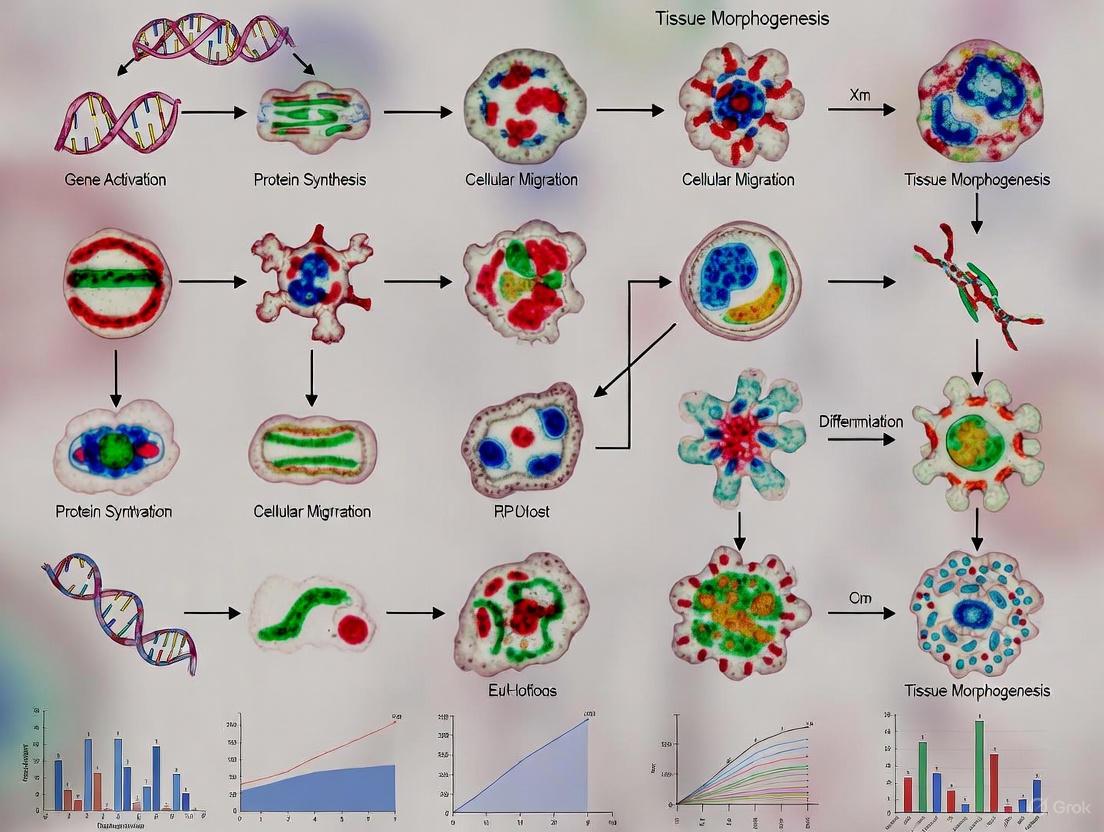
Effective fixation is the critical first step determining the success of immunostaining in embryonic tissues, which are notoriously fragile and prone to degradation.
Optimizing Fixation for Embryonic Tissue Immunostaining: A Complete Guide for Reliable Protein Localization
Abstract
Effective fixation is the critical first step determining the success of immunostaining in embryonic tissues, which are notoriously fragile and prone to degradation. This comprehensive guide synthesizes foundational principles, advanced methodological protocols, and targeted troubleshooting strategies to overcome the unique challenges of preserving antigenicity and tissue architecture in embryos. Drawing from recent studies in diverse model organisms, we provide a structured framework for researchers to select appropriate fixatives, implement permeabilization techniques, suppress background, and validate their staining results. By addressing both foundational knowledge and practical application, this article empowers scientists in developmental biology and drug discovery to generate robust, reproducible, and high-quality data for precise protein localization studies.
Why Embryonic Tissues Demand Specialized Fixation: Principles and Challenges
Frequently Asked Questions (FAQs)
Q1: What is the primary cause of tissue shrinkage and deformation in embryonic samples during preparation for imaging? Tissue shrinkage and deformation are primarily caused by the hypertonic nature of some chemical preparations. For instance, iodine-based contrast solutions used for micro-CT imaging promote dehydration, leading to moderate to severe tissue deformation. This is particularly evident in tissues with high water content, such as the brain and lung [1].
Q2: Why do some immunostaining protocols damage delicate structures like cytonemes or the epidermis? Conventional fixation and permeabilization methods can be too harsh. Aggressive treatments using mucolytic agents like N-Acetyl Cysteine (NAC) or proteinase K digestion can physically damage or destroy fragile tissues, leading to breaches in the epidermis or the shredding of delicate structures like the regeneration blastema and cytonemes [2] [3].
Q3: My whole-mount immunostaining signal is weak or uneven. What could be the reason? For whole-mount samples, weak or uneven staining is often due to insufficient antibody penetration. The thickness of intact embryos prevents reagents from reaching the center of the sample. This requires extended incubation times for fixation, blocking, and antibody steps, which must be optimized for your specific embryo size and age [4].
Q4: Can I use antigen retrieval techniques on embryonic tissues to improve antibody binding? Antigen retrieval is generally not feasible for fragile embryonic samples. The heating procedure typically involved in antigen retrieval would destroy the delicate tissue architecture of embryos. If paraformaldehyde (PFA) fixation masks your epitope, alternative fixatives like methanol should be tested during protocol optimization [4].
Q5: How can I improve antibody penetration for staining whole embryos or thick tissue sections? Several strategies can enhance penetration:
- Use of F(ab')2 fragment secondary antibodies: These smaller fragments diffuse more easily into thick tissues [3].
- Extended incubation times: Primary and secondary antibody incubations may need to be extended to 3 days at 4°C for whole embryos [3].
- Effective permeabilization: Include detergents like Triton X-100 or Tween-20 in your washing and blocking buffers [3].
- Hydrogel-based stabilization: Protocols like STABILITY use a hydrogel mesh to support tissue structure while allowing reagent penetration [1].
Troubleshooting Guide
The following table outlines common issues, their potential causes, and recommended solutions for preserving embryonic morphology.
Table 1: Troubleshooting Guide for Embryonic Tissue Morphology
| Problem | Possible Causes | Recommended Solutions |
|---|---|---|
| Tissue Shrinkage/Deformation [1] | Hypertonic staining solutions (e.g., iodine); Dehydration. | Use hydrogel stabilization (e.g., STABILITY protocol); Ensure fixation is complete before dehydration steps. |
| Damage to Delicate Structures (e.g., cytonemes, epidermis) [2] [3] | Harsh mechanical agitation; Over-permeabilization with Proteinase K or NAC. | Use gentle agitation (max 20 RPM) on a rocker [3]; Employ alternative permeabilization (e.g., NAFA protocol without Proteinase K) [2]. |
| Poor Antibody Penetration (whole-mounts) [4] | Incubation times too short; Sample too large/thick; Inadequate permeabilization. | Optimize and extend incubation times (can be several days); For larger embryos, dissect into segments; Use F(ab')2 fragment secondary antibodies [3]. |
| High Background Noise [5] [4] | Insufficient blocking; Inadequate washing; Non-specific antibody binding. | Optimize blocking serum and duration; Increase wash frequency and duration; Include detergents in wash buffers. |
| Weak or No Staining Signal [5] [6] | Epitope masked by fixative; Antibody concentration too low; Incompatible antibody. | Test alternative fixatives (e.g., Methanol instead of PFA) [4]; Titrate antibody concentrations; Validate antibodies for IHC on cryosections first [4]. |
Research Reagent Solutions
The table below details key reagents essential for successful fixation and staining of embryonic tissues.
Table 2: Essential Reagents for Embryonic Tissue Research
| Reagent | Function/Application | Specific Examples & Notes |
|---|---|---|
| Paraformaldehyde (PFA) [5] [7] [3] | Cross-linking fixative; preserves tissue architecture. | Commonly used at 4% concentration. Requires careful optimization of fixation time to balance morphology and antigenicity. |
| Hydrogel Monomers (Acrylamide/Bis-Acrylamide) [1] | Tissue stabilization; creates a supportive mesh to minimize deformation. | Key component of the STABILITY and CLARITY protocols; reduces tissue shrinkage by over 50% in iodine-based protocols [1]. |
| F(ab')2 Fragment Secondaries [3] | Enhanced penetration in thick samples; smaller size allows deeper diffusion. | Recommended for whole-mount immunostaining of embryos; used at 1:1000 dilution [3]. |
| Serum & Detergents [5] [3] | Blocking non-specific binding and permeabilization. | Use 5% goat serum in blocking buffer; 0.1% Triton X-100 or Tween-20 for permeabilization. |
| MEM-fixative [3] | Specialized fixative for preserving ultra-delicate structures. | Optimized for preserving fragile cytonemes (≤200 nm diameter) in mouse neural tube development [3]. |
| Nitric Acid/Formic Acid (NAFA) [2] | Acid-based permeabilization; an alternative to Proteinase K. | Preserves epidermis and blastema integrity in planarians; compatible with both immunofluorescence and in situ hybridization [2]. |
Experimental Workflow for Embryonic Tissue Preservation
The following diagram illustrates a generalized and optimized workflow for the fixation, staining, and imaging of embryonic tissues, integrating best practices for morphology preservation.
Workflow Comparison for Delicate Tissues
Different research goals require tailored approaches. The diagram below compares two specialized workflows: one for preserving extremely delicate structures like cytonemes, and another for achieving whole-organ/body staining.
In immunohistochemistry, the choice of fixative is a critical pre-analytical step that directly influences the success of your experiments. Fixation preserves cellular architecture and prevents degradation, but different fixatives achieve this through distinct chemical mechanisms that can mask or alter the epitopes your antibodies are designed to detect. Understanding the difference between cross-linking and precipitative fixatives is fundamental to optimizing staining protocols, especially in sensitive applications like embryonic tissue research where preserving both morphology and antigenicity is paramount.
Core Concepts: Fixative Mechanisms
What is the fundamental chemical difference between these fixative types?
Fixatives are categorized by their primary mechanism of action: cross-linking (non-coagulant) or precipitative (coagulant). The table below summarizes their core characteristics.
Table 1: Fundamental Characteristics of Fixative Types
| Characteristic | Cross-linking Fixatives | Precipitative Fixatives |
|---|---|---|
| Primary Mechanism | Create covalent chemical bonds (cross-links) between proteins and other biomolecules [8] [9]. | Disrupt hydrogen bonds and remove water, denaturing and precipitating proteins in situ [8] [9] [10]. |
| Effect on Proteins | Stabilizes soluble proteins by anchoring them to the cytoskeleton, preserving secondary and tertiary structure [9]. | Alters protein solubility, causing unfolding, denaturation, and precipitation; can disrupt tertiary structure [10]. |
| Common Examples | Formaldehyde, Paraformaldehyde, Glutaraldehyde [8] [9]. | Ethanol, Methanol, Acetone [8] [11] [9]. |
| Typical Use Cases | General histology, immunohistochemistry (IHC); the "gold standard" for morphology [8] [12]. | Frozen sections, cell smears, specific antigens requiring denaturation [11] [9]. |
How do different fixatives impact epitope integrity and antibody binding?
The mechanism of fixation directly affects the structure of protein epitopes, which in turn determines how well an antibody can bind to its target.
Cross-linking Fixatives and Epitope Masking: Aldehyde-based fixatives like formaldehyde form methylene bridges between reactive amino acid side chains (e.g., lysine, arginine) [13] [10]. While this excellently preserves structure, these cross-links can create a physical barrier that sterically blocks the antibody's access to the epitope, a phenomenon known as epitope masking [13]. This often necessitates an antigen retrieval step to reverse the cross-links and restore immunoreactivity [13].
Precipitative Fixatives and Epitope Denaturation: Alcohol-based fixatives like methanol remove water from the tissue, destabilizing the hydrophobic interactions and hydrogen bonds that give proteins their three-dimensional shape [10]. This denaturation and precipitation can destroy conformational epitopes (dependent on 3D structure). However, it may expose linear epitopes (dependent on the amino acid sequence) that were previously buried within the protein's native structure [11].
The following diagram illustrates the logical process for selecting a fixative based on the target antigen and experimental goals.
Troubleshooting Guides & FAQs
FAQ: How does fixation time affect my IHC results?
Fixation time is a critical variable, especially for cross-linking fixatives.
- Cross-linking Fixatives (Formalin): Under-fixation fails to stabilize tissue architecture, leading to poor morphology and potential degradation. Over-fixation (e.g., beyond 24-48 hours) can cause excessive cross-linking, leading to severe epitope masking and false-negative results [14] [15] [10]. The negative effects of prolonged formalin fixation on immunoreactivity have been demonstrated for targets like high molecular weight cytokeratin (HMCK) [15].
- Precipitative Fixatives: Over-fixation can cause excessive tissue shrinkage and hardening, making sectioning difficult and further compromising morphology [9].
Recommendation: Standardize fixation time carefully. For formalin, 24-48 hours is often optimal, but this should be determined for your specific tissue and target [10].
FAQ: My staining is weak or absent despite known antigen expression. What should I do?
This is a common symptom of epitope masking, particularly in formalin-fixed paraffin-embedded (FFPE) tissues.
- First, verify your antibody: Ensure it is validated for IHC and your specific fixation method.
- Employ Antigen Retrieval (AR): AR is almost always necessary for FFPE tissues. The two main methods are:
- Troubleshoot AR: If HIER fails, systematically test different buffer pH levels (e.g., pH 6 vs. pH 9) and heating durations [13] [16]. The optimal HIER condition is often epitope-specific.
FAQ: Can I combine different types of fixatives?
Yes, mixtures are sometimes used to balance morphological preservation and antigenicity. A common example is Davidson's fluid, a blend of ethanol (precipitative), acetic acid (precipitative), and formaldehyde (cross-linking), which has been shown to improve structural preservation in retinae [8]. Another historical example is Bouin's fluid, which combines picric acid and acetic acid with formaldehyde [8].
Experimental Protocols for Comparison
This is a common protocol for cultured cells, suitable for many targets, especially soluble proteins and post-translational modifications like phosphorylation.
- Fixation: Aspirate culture medium. Add 4% formaldehyde in PBS (pre-warmed to room temperature) for 10-15 minutes at room temperature.
- Quenching: (Optional) Wash out excess formaldehyde and add glycine to terminate the cross-linking reaction [10].
- Permeabilization: Incubate with 0.1% Triton X-100 in PBS for 10 minutes. Note: If your target is on the cell surface, omit this step.
- Blocking: Incubate with a blocking serum (e.g., 5% normal serum from the secondary antibody host) for 1 hour.
- Primary Antibody Incubation: Apply antibody diluted in blocking buffer overnight at 4°C.
- Secondary Antibody Incubation: Apply fluorophore-conjugated secondary antibody for 1 hour at room temperature in the dark.
- Mounting and Imaging: Mount with an anti-fade mounting medium and image.
This protocol can be superior for certain structural proteins or when epitopes are masked by aldehyde cross-linking.
- Fixation/Permeabilization: Aspirate culture medium. Add ice-cold 100% methanol and incubate at -20°C for 5-10 minutes. Note: Methanol simultaneously fixes and permeabilizes cells.
- Rehydration: Wash cells with PBS or a blocking buffer to rehydrate.
- Blocking: Incubate with a suitable blocking buffer for 1 hour.
- Primary and Secondary Antibody Incubation: Follow steps 5-7 from Protocol 1.
Table 2: Side-by-Side Comparison of Fixation Protocols
| Parameter | Formaldehyde Cross-linking Protocol | Methanol Precipitative Protocol |
|---|---|---|
| Primary Mechanism | Cross-links proteins, preserves 3D structure | Denatures and precipitates proteins |
| Morphology | Excellent preservation of fine structure | Good overall morphology, but can cause shrinkage |
| Soluble Proteins | Well preserved, trapped by cross-linking | May be leached out, less effective |
| Permeabilization | Required as a separate step | Combined with fixation step |
| Antigen Retrieval | Often required for FFPE tissues | Rarely required |
| Best For | Phospho-specific antibodies, soluble targets, fine ultrastructure | Microtubules, keratins, some nuclear antigens [11] |
The Scientist's Toolkit: Essential Research Reagents
Table 3: Key Reagents for Fixation and Epitope Recovery
| Reagent / Solution | Function | Key Considerations |
|---|---|---|
| Formaldehyde (4%) | Cross-linking fixative. The "gold standard" for morphology [12]. | Requires optimization of fixation time; often needs antigen retrieval. |
| Paraformaldehyde (PFA) | Polymer of formaldehyde; depolymerizes to formaldehyde when heated. A pure form without methanol stabilizer [9]. | Preferred for immunohistochemistry and electron microscopy. |
| Methanol / Ethanol | Precipitating fixatives. Fast-acting and require no separate permeabilization [11]. | Can destroy conformational epitopes; may cause tissue shrinkage. |
| Triton X-100 | Non-ionic detergent for permeabilization after cross-linking fixation [11]. | Creates pores in membranes allowing antibody access. Concentration must be optimized. |
| Sodium Citrate Buffer (pH 6.0) | A common buffer for Heat-Induced Epitope Retrieval (HIER) [13]. | Effective for many antigens; lower pH is less harsh on morphology. |
| Tris-EDTA Buffer (pH 9.0) | A common high-pH buffer for HIER [13]. | Can be more effective for some nuclear antigens or heavily cross-linked epitopes. |
| Glycine | Quenching agent. Used to terminate the cross-linking reaction by binding excess formaldehyde [10]. | Can reduce non-specific background staining. |
FAQs: Fixation for Immunostaining
What is the core trade-off in tissue fixation for immunostaining? The primary trade-off lies between achieving excellent tissue morphology (cellular structure) and preserving optimal antigenicity (antibody binding capability). Fixatives that best preserve structural integrity, like formalin, often achieve this by creating protein cross-links that can mask the antigen sites (epitopes) that antibodies need to bind to. Conversely, methods that perfectly preserve antigenicity can compromise the fine cellular details needed for accurate histological assessment. [17] [18]
Why is fixation particularly critical for embryonic tissues? Embryonic tissues are often more delicate and can be rich in lipids and fluid, making them susceptible to shrinkage, brittleness, and distortion. Furthermore, for whole-mount staining of embryos, the three-dimensional structure adds a layer of complexity, as fixatives and antibodies must penetrate the entire sample without damaging its architecture. Specialized handling and fixation protocols are often required to preserve delicate structures like cytonemes. [4] [3]
My immunostaining shows high background. What are the common causes related to fixation? High background can often be traced to:
- Insufficient blocking: Inadequate blocking of non-specific sites allows antibodies to bind where they shouldn't.
- Over-fixation: Excessive fixation, particularly with cross-linking fixatives like formalin, can increase non-specific binding and autofluorescence.
- Sample drying: Allowing the tissue section to dry out at any point after deparaffinization can cause irreversible, non-specific antibody binding.
- Insufficient washing: Failures to thoroughly wash out unbound antibodies or fixative between steps. [19] [20]
Can I reverse the effects of over-fixation? Yes, to a significant extent. Antigen Retrieval techniques are specifically designed to break the methylene bridges formed during formalin fixation that mask epitopes. The most common method is Heat-Induced Epitope Retrieval (HIER), which involves heating tissue sections in a buffer. However, it's a balancing act, as overly harsh retrieval can damage tissue morphology and increase background staining. [18] [21] [22]
Troubleshooting Guides
Weak or No Staining
| Possible Cause | Recommendations | Experimental Consideration |
|---|---|---|
| Epitope Masking | Perform Antigen Retrieval. For formalin-fixed tissues, use Heat-Induced Epitope Retrieval (HIER) with citrate or EDTA buffer. [21] [22] | Optimize retrieval time and buffer pH for each specific antibody. |
| Inadequate Fixation | Ensure fixation is performed immediately after tissue dissection. Follow protocol-specific fixation times and temperatures. For phospho-specific antibodies, use at least 4% formaldehyde. [19] [3] | Under-fixation leads to poor morphology and antigen degradation. |
| Insufficient Antibody Penetration | For whole-mount tissues, increase incubation times for antibodies and washing steps. Use F(ab')2 fragment secondary antibodies for deeper penetration. [4] [3] | Permeabilization with detergents like Triton X-100 is often essential. |
| Antibody Incompatibility | Validate the primary antibody for your specific application (IHC-P, frozen sections). Ensure the secondary antibody host species matches the primary antibody. [19] [20] | Always include a positive control tissue to verify protocol and antibody functionality. |
High Background Staining
| Possible Cause | Recommendations | Experimental Consideration |
|---|---|---|
| Non-specific Antibody Binding | Optimize the concentration of both primary and secondary antibodies. Use a blocking buffer with 5% normal serum from the secondary antibody species. [19] [3] | Charge-based blockers (e.g., Image-iT FX Signal Enhancer) can be effective. |
| Autofluorescence | Check an unstained control section. Use freshly prepared formaldehyde; avoid glutaraldehyde. Treat sections with Sudan Black or sodium borohydride to reduce autofluorescence. [20] | Choose longer-wavelength fluorophores (e.g., Cy5) which typically have lower autofluorescence. |
| Over-retrieval | Optimize the duration of heat-induced antigen retrieval. Over-heating can destroy tissue architecture and increase background. [18] | A combination of sub-optimal heating and enzymatic digestion can be effective. [18] |
| Incomplete Washing | Perform thorough washing between steps, with at least 3-5 changes of buffer. For whole-mounts, extend washing times to hours or days. [4] [3] | Use ample buffer volume and ensure gentle agitation during washes. |
Quantitative Data on Fixative Performance
The following table summarizes key findings from a comparative study of formalin and alcohol-based fixatives, highlighting the central trade-off. [17]
Table 1: Comparative Evaluation of Formalin vs. Alcohol-Based Fixatives
| Evaluation Parameter | Formalin Fixative (Mean Score ± SD) | Alcohol-Based Fixative (Mean Score ± SD) | p-value |
|---|---|---|---|
| Nuclear Detail | 2.7 ± 0.3 | 2.3 ± 0.4 | 0.002 |
| Cytoplasmic Clarity | 2.6 ± 0.4 | 2.2 ± 0.5 | 0.005 |
| Tissue Shrinkage | 1.1 ± 0.3 | 2.0 ± 0.4 | < 0.001 |
| Architectural Preservation | 2.6 ± 0.2 | 2.1 ± 0.3 | 0.001 |
Table 2: Immunohistochemistry Staining Intensity (Percentage of Samples) [17]
| Marker | Fixative Type | 1+ (Weak) | 2+ (Moderate) | 3+ (Strong) |
|---|---|---|---|---|
| Cytokeratin | Formalin | 10% | 26.7% | 63.3% |
| Alcohol-Based | 3.3% | 10% | 86.6% | |
| CD3 | Formalin | 6.6% | 26.6% | 66.6% |
| Alcohol-Based | 3.3% | 13.4% | 83.3% |
Experimental Protocols
Protocol 1: Fixation for Delicate Embryonic Mouse Tissue
This protocol is optimized for preserving fragile structures like cytonemes in embryonic mouse tissue. [3]
Workflow Diagram: Embryonic Tissue Fixation and Staining
Key Materials & Reagents:
- 4% Paraformaldehyde (PFA) in HBSS: A cross-linking fixative that provides a good balance of morphology and antigen preservation. [3]
- PBS with Ca2+ and Mg2+: Provides essential ions for maintaining tissue integrity.
- Triton X-100 or Tween-20: Detergent for permeabilizing cell membranes to allow antibody penetration.
- Normal Goat Serum: A blocking agent to reduce non-specific binding of antibodies.
- F(ab')2 Fragment Secondary Antibodies: Smaller fragments that penetrate deeper into tissues, crucial for whole-mounts. [3]
- Low Melting Point (LMP) Agarose: For gentle embedding of delicate stained tissues for sectioning.
Critical Steps:
- Gentle Handling: All steps must be performed with gentle agitation (max 20 RPM). Abrupt movement will destroy fragile structures.
- Fixation: Fix freshly dissected E9.5 embryos in 4% PFA for 45 minutes at room temperature with gentle rocking.
- Blocking and Permeabilization: Wash and block tissues in PBS with 0.1% Triton and 5% goat serum.
- Extended Antibody Incubation: For whole-mount staining, incubate with primary antibody for 3 days at 4°C, followed by a similar incubation with F(ab')2 secondary antibodies in the dark.
- Embedding and Sectioning: Embed the stained embryo in 4% LMP agarose, solidify quickly at -20°C, and section for confocal microscopy.
Protocol 2: Standard IHC-P for Formalin-Fixed Paraffin-Embedded (FFPE) Tissues
This is a core protocol for working with archived or robust tissue samples. [22]
Workflow Diagram: Standard IHC-P Protocol
Key Materials & Reagents:
- 10% Neutral Buffered Formalin (NBF): The gold standard fixative for morphological preservation. [17] [22]
- Ethanol Series (50%-100%): For dehydrating the fixed tissue prior to embedding.
- Xylene or Substitute: A clearing agent that removes ethanol and is miscible with paraffin.
- Paraffin Wax: For embedding tissue to provide support for thin sectioning.
- Citrate or EDTA Buffer: Common buffers used for heat-induced antigen retrieval. [22]
Critical Steps:
- Fixation: Immerse tissue in 10% NBF for 18-24 hours at 4°C. Under- or over-fixation can negatively impact results.
- Processing: Dehydrate through a graded ethanol series, clear with xylene, and infiltrate with molten paraffin using a vacuum oven or automated processor.
- Sectioning: Cut thin sections (3-10 µm) using a microtome and mount on glass slides.
- Deparaffinization and Antigen Retrieval: Remove paraffin with xylene and rehydrate through ethanol to water. Perform HIER by heating slides in retrieval buffer using a microwave or pressure cooker.
- Staining: Proceed with standard blocking, primary antibody incubation, secondary antibody incubation, and detection steps. Do not let the slides dry out after deparaffinization.
The Scientist's Toolkit: Essential Research Reagents
Table 3: Key Reagents for Fixation and Immunostaining
| Reagent Category | Specific Examples | Primary Function |
|---|---|---|
| Fixatives | 10% Neutral Buffered Formalin (NBF), 4% Paraformaldehyde (PFA), Methanol, Acetone | Preserve tissue structure and immobilize antigens by cross-linking or precipitation. |
| Permeabilization Agents | Triton X-100, Tween-20, Methanol, Acetone | Create holes in lipid membranes to allow antibody penetration into cells. |
| Blocking Agents | Normal Serum (from secondary host), BSA, Commercial Blocking Buffers | Reduce non-specific binding of antibodies to tissue, lowering background. |
| Antigen Retrieval Buffers | Citrate Buffer (pH 6.0), EDTA Buffer (pH 8.0-9.0) | Break protein cross-links formed by formalin fixation to unmask hidden epitopes. |
| Detection Systems | Enzymatic (HRP/DAB), Fluorophore-conjugated Secondaries, Tyramide Signal Amplification (TSA) | Visualize the location of the antibody-antigen binding. |
The Impact of Fixation Choice on Downstream Epitope Accessibility
Technical Support Center
Troubleshooting Guides
Guide 1: Addressing Weak or No Staining
Problem: Inadequate or absent immunofluorescence signal despite confirmed antigen presence. Solution: Implement the following troubleshooting checklist.
| Possible Cause | Verification Method | Corrective Action |
|---|---|---|
| Epitope Masking by Over-fixation [23] [24] | Review fixation duration; test with antigen retrieval. | Shorten fixation time; optimize antigen retrieval (HIER/PIER) [25]. |
| Insufficient Permeabilization [26] | Check target protein localization (nuclear, mitochondrial). | Use appropriate detergent (e.g., Triton X-100); increase concentration or incubation time [11]. |
| Incompatible Fixative [11] [22] | Consult antibody datasheet for validated protocols. | Switch fixative: formaldehyde for most proteins, methanol/acetone for large antigens [22]. |
| Antibody Incubation Issues [23] [26] | Run a positive control with a known working antibody. | Increase antibody concentration or incubation time; incubate primary antibody at 4°C overnight [23]. |
Guide 2: Resolving High Background Staining
Problem: High levels of non-specific signal obscuring specific staining. Solution: Systematic reduction of background noise.
| Possible Cause | Verification Method | Corrective Action |
|---|---|---|
| Inadequate Blocking [23] [27] | Observe if background is uniform across tissue. | Increase blocking serum concentration or incubation time; use 10% normal serum for sections [23]. |
| Endogenous Enzyme Activity [23] | Incubate substrate without primary antibody. | Quench peroxidase with H₂O₂/methanol; inhibit phosphatase with Levamisole [23]. |
| Autofluorescence [28] [27] | Image an unstained control section. | Quench with TrueBlack Lipofuscin Autofluorescence Quencher or Sudan Black B [28]. |
| Excessive Primary Antibody [23] | Titrate antibody; use negative control (no primary). | Dilute primary antibody further; perform antibody titration [23]. |
Frequently Asked Questions (FAQs)
Q1: How does my choice of fixative directly impact epitope detection? The fixative dictates the preservation of protein structure. Crosslinking fixatives like formaldehyde provide excellent structural detail but can mask epitopes by creating methylene bridges between proteins, requiring antigen retrieval for successful antibody binding [24] [25]. Precipitating fixatives like methanol denature proteins, which can sometimes expose buried epitopes but may disrupt cellular structure and are less suitable for soluble targets or phosphorylation state-specific antibodies [11]. The optimal choice is often antigen-specific [11].
Q2: My immunostaining in embryonic tissue has high red blood cell background. What can I do? This is a common issue in embryonic tissue where perfusion is not possible. Red blood cells have naturally fluorescent hemoglobin [28]. A recommended solution is to treat fixed tissues with TrueBlack Lipofuscin Autofluorescence Quencher [28]. This reagent efficiently quenches red blood cell autofluorescence across both red and green wavelengths without interfering with your specific immunofluorescent signal or introducing its own background staining, unlike some traditional dyes like Sudan Black B [28].
Q3: What is the fundamental purpose of antigen retrieval, and when is it necessary? Antigen retrieval is designed to reverse the epitope masking caused by formalin fixation [25]. Formalin creates cross-links (methylene bridges) between proteins, which alters the 3D conformation of epitopes and prevents antibody binding [24] [25]. Antigen retrieval breaks these crosslinks, restoring accessibility [25]. It is primarily necessary for formalin-fixed, paraffin-embedded (FFPE) tissues [22] [25]. Frozen tissues fixed with alcohol or fresh frozen sections typically do not require it, as alcohols do not create these crosslinks [25].
Q4: For a multiplexing experiment where my antibodies require different fixation protocols, what should I do? When multiplexing with antibodies optimized for different conditions, you must prioritize one protocol. Prioritize the antibody that is most critical to your experiment or the one with the most stringent requirements [11]. It is then essential to perform a small-scale test run to check if the other antibodies still produce acceptable results under the chosen non-ideal conditions. Testing is crucial, as some antibodies may still perform adequately, while others might fail completely [11].
Experimental Protocols & Data Presentation
This is a widely applicable protocol for many targets.
- Fixation: Incubate cells or tissues in 4% formaldehyde in PBS for 15 minutes at room temperature.
- Permeabilization: Incubate in 0.1% Triton X-100 in PBS for 10 minutes.
- Blocking: Incubate in a blocking buffer (e.g., 1-5% BSA or 10% normal serum) for 1 hour.
- Primary Antibody: Incubate with primary antibody diluted in blocking buffer overnight at 4°C.
- Washing: Wash 3-5 times with PBS.
- Secondary Antibody: Incubate with fluorescently-labeled secondary antibody diluted in blocking buffer for 1 hour at room temperature in the dark.
- Washing: Wash 3-5 times with PBS in the dark.
- Mounting: Mount slides with an antifade mounting medium, often with DAPI for nuclear counterstaining [28].
This protocol is designed for fragile tissues like planarian blastemas and improves penetration for ISH and immunofluorescence without proteinase K.
- Fixation: Fix samples in a solution containing Nitric Acid and Formic Acid (NAFA).
- Post-fixation Wash: Wash the samples with PBS.
- EGTA Treatment: Incubate in a solution containing the calcium chelator EGTA to inhibit nucleases and preserve RNA integrity.
- Dehydration & Embedding: Dehydrate the tissues through an ethanol series, clear with xylene, and embed in paraffin.
- Sectioning & Staining: Cut sections and proceed with standard immunofluorescence or in situ hybridization protocols.
Comparative Fixative Data
Table 1: Characteristics and Applications of Common Fixatives
| Fixative | Mechanism | Best For | Potential Artifacts | Antigen Retrieval Needed? |
|---|---|---|---|---|
| Formaldehyde (4%) [11] [22] | Crosslinking | Most proteins; soluble targets; fine structural detail [11]. | Epitope masking; Schiff base-induced autofluorescence [28] [24]. | Almost always for FFPE [25]. |
| Methanol (100%) [11] [22] | Precipitation/Denaturation | Large protein antigens (e.g., immunoglobulins); some cytoskeletal targets [11] [22]. | Protein loss; poor membrane preservation; tissue shrinkage [29]. | Rarely [25]. |
| Acetone (100%) [22] | Precipitation/Dehydration | Large protein antigens; frozen sections [22]. | Excessive tissue brittleness; poor morphology. | Rarely [25]. |
Table 2: Antigen Retrieval Methods Comparison
| Method | Mechanism | Typical Conditions | Advantages | Limitations |
|---|---|---|---|---|
| Heat-Induced (HIER) [25] | Heat disrupts crosslinks. | 95-100°C for 10-30 min in citrate (pH6) or Tris-EDTA (pH9) buffer. | High efficacy; broadly applicable; consistent for various fixation times [24] [25]. | Can damage tissue morphology if overheated. |
| Protease-Induced (PIER) [25] | Enzymatic digestion of crosslinks. | 37°C for 10-20 min with Trypsin, Proteinase K, or Pepsin. | Can be effective for some HIER-resistant epitopes. | Risk of over-digestion; can damage tissue morphology [24] [25]. |
Workflow Visualization
This diagram outlines the critical decision pathway for selecting a fixation method and the subsequent steps required to ensure successful epitope detection.
The Scientist's Toolkit: Essential Research Reagents
Table 3: Key Reagents for Optimizing Immunostaining
| Reagent | Function | Example Use Case |
|---|---|---|
| TrueBlack Lipofuscin Autofluorescence Quencher [28] | Reduces tissue autofluorescence, particularly from red blood cells and lipofuscin. | Quenching embryonic tissue autofluorescence before imaging [28]. |
| Normal Serum [23] | Blocks non-specific binding sites to reduce background. | Used at 10% concentration as a blocking agent for tissue sections [23]. |
| Triton X-100 [11] | Non-ionic detergent for permeabilizing cell membranes. | Creating pores in the membrane after aldehyde fixation to allow antibody entry [11]. |
| Sodium Borohydride [28] | Reduces aldehyde-induced fluorescence (Schiff bases). | Quenching autofluorescence caused by aldehyde fixation, though can be caustic [28]. |
| Proteolytic Enzymes (Trypsin, Proteinase K) [25] | Enzymatic antigen retrieval (PIER) by digesting protein crosslinks. | Unmasking epitopes in formalin-fixed tissue when HIER is ineffective [25]. |
| Citrate Buffer (pH 6.0) & Tris-EDTA Buffer (pH 9.0) [25] | Standard buffers for Heat-Induced Epitope Retrieval (HIER). | Unmasking a wide range of epitopes; testing both low and high pH is a standard optimization strategy [25]. |
FAQ: Fixation for Embryonic Tissue Immunostaining
1. How does the size and thickness of my embryonic tissue sample impact fixation? The size and thickness of your embryonic tissue are critical factors. Larger, thicker samples require significantly longer incubation times for fixatives, blocking buffers, and antibodies to ensure complete penetration to the center of the sample [4]. Inadequate incubation times can result in uneven or weak staining. For larger, older embryos, dissection into smaller segments may be necessary to facilitate effective reagent penetration and staining [4].
2. Why is the developmental stage of the embryo a key consideration? As an embryo grows, it becomes too large for reagents to permeate effectively to the center of the sample [4]. The number of cells also increases, which can make obtaining a clear image difficult. Adhering to recommended maximum developmental stages is crucial for successful staining [4].
3. What are the main types of fixatives and how do I choose? Fixatives are generally categorized as cross-linking agents or precipitating agents [30].
- Cross-linking agents (e.g., Formaldehyde, PFA): Preserve tissue architecture by creating covalent bonds between proteins. This can sometimes mask epitopes, making antigen retrieval necessary, though this is often not feasible for fragile embryos [4] [2].
- Precipitating agents (e.g., Methanol, Acetone): Precipitate proteins out of solution, which can better expose some epitopes but may not preserve morphology as well [30].
The ideal fixative achieves a balance between good morphological preservation and the preservation of antigenicity [30]. If a cross-linking fixative like PFA masks your target epitope and antigen retrieval is not an option for your delicate sample, a switch to methanol may be necessary [4].
4. My immunostaining has high background. What could have gone wrong during fixation? High background can often be traced to insufficient washing steps after fixation or inadequate blocking [4] [27]. Ensure thorough rinsing to remove all excess fixative, which can contribute to background signal and autofluorescence [31].
Troubleshooting Guide: Fixation Issues in Whole-Mount Embryonic Tissues
| Problem | Potential Cause | Recommended Solution |
|---|---|---|
| Weak or No Staining | Epitope masking by cross-linking fixative [4] [2] | Test an alternative fixative (e.g., Methanol instead of PFA) [4]. |
| Insufficient penetration due to large tissue size [4] | Increase fixation and antibody incubation times; dissect larger embryos into segments [4]. | |
| High Background Signal | Inadequate washing after fixation [27] | Implement longer and more thorough washing steps after fixation and between antibody incubations [4]. |
| Insufficient blocking of non-specific sites [27] | Optimize your blocking buffer and ensure adequate incubation time during the blocking step [27]. | |
| Poor Tissue Morphology | Over-fixation or inappropriate fixative choice [27] | Titrate fixation time and concentration; for delicate tissues, consider gentler acid-based fixation protocols [2]. |
| Physical damage from harsh permeabilization [2] | Avoid aggressive treatments like proteinase K; explore alternative permeabilization methods [2]. |
Experimental Protocol: Optimizing Fixation for Whole-Mount Embryos
The following protocol provides a generalized guideline for whole-mount embryonic tissue, based on established methods [4]. All steps should be optimized for your specific tissue and target.
1. Fixation
- Fixative: 4% Paraformaldehyde (PFA) in PBS is commonly used [4].
- Duration: Incubation times must be extended for whole-mounts. Fixation can range from 30 minutes at room temperature to overnight at 4°C [4].
- Alternative: If PFA causes epitope masking, test methanol fixation [4].
2. Permeabilization
- For whole-mount samples, permeabilization is critical and requires extended durations [4].
- Note: A new Nitric Acid/Formic Acid (NAFA) protocol has been developed for delicate tissues like planarians and killifish fins, which provides excellent permeabilization without a proteinase K digestion step, thereby better preserving antigen epitopes [2].
3. Blocking
- Incubate tissue in a blocking buffer (e.g., containing serum, BSA, or detergent) for several hours to overnight to reduce non-specific antibody binding [4] [27].
4. Primary and Secondary Antibody Incubation
- Incubations need to be much longer than for sectioned samples (often 24-48 hours or more) to allow antibodies to penetrate the entire tissue [4].
- Always include controls, such as secondary-only controls, to identify non-specific binding [31].
Table 1: Recommended Maximum Embryonic Stages for Whole-Mount Staining [4]
| Model Organism | Recommended Maximum Stage | Rationale |
|---|---|---|
| Chicken | Up to 6 days | Prevents issues with reagent penetration and image clarity. |
| Mouse | Up to 12 days | Prevents issues with reagent penetration and image clarity. |
| Zebrafish | Requires dechorionation | The chorion (egg membrane) is a physical barrier to fixatives and antibodies [4]. |
Table 2: Comparison of Common Fixatives for Embryonic Tissues
| Fixative | Mechanism | Pros | Cons |
|---|---|---|---|
| 4% PFA [4] | Cross-linking | Excellent morphological preservation. | Can mask epitopes; antigen retrieval often not possible in embryos [4]. |
| Methanol [4] | Precipitation | Can expose epitopes masked by PFA; no cross-linking. | May not preserve morphology as well as PFA. |
| NAFA Fixation [2] | Acid-based | Preserves delicate tissues; compatible with ISH and IF; no proteinase K needed. | A newer protocol that may require validation for your specific model organism. |
Experimental Workflow and Decision Pathway
Research Reagent Solutions
| Item | Function in Fixation & Immunostaining |
|---|---|
| Paraformaldehyde (PFA) | A cross-linking fixative that preserves tissue structure by creating protein bonds. The standard for morphological preservation [4]. |
| Methanol | A precipitating fixative alternative to PFA; can help expose epitopes that are masked by cross-linking agents [4]. |
| Nitric Acid/Formic Acid (NAFA) | A newer acid-based fixation and permeabilization solution that preserves delicate tissues and is compatible with both ISH and immunofluorescence without proteinase K [2]. |
| Proteinase K | A protease used for aggressive permeabilization in some protocols. Can damage delicate tissues and destroy epitopes; the NAFA protocol avoids its use [2]. |
| N-Acetyl Cysteine (NAC) | A mucolytic agent used to increase permeability. Can be harsh and cause damage to fragile epidermis and blastema tissues [2]. |
| Ethylene glycol-bis(β-aminoethyl ether)-N,N,N′,N′-tetraacetic acid (EGTA) | A calcium chelator that can be included in fixation protocols to inhibit nucleases and preserve RNA integrity for subsequent in situ hybridization [2]. |
Step-by-Step Fixation Protocols for Diverse Embryonic Systems
This technical support guide provides a standardized protocol for processing mouse embryonic inner ear tissue, from dissection to cryosectioning. The delicate nature and small size of the embryonic inner ear present unique challenges for researchers aiming to preserve tissue morphology and antigenicity for immunostaining experiments. This protocol, optimized for fixation with 4% paraformaldehyde (PFA), serves as a foundational resource within the broader context of optimizing fixation parameters for embryonic tissue immunostaining research. Proper execution of these steps is critical for generating high-quality sections that enable accurate analysis of inner ear development, function, and disease mechanisms.
Frequently Asked Questions (FAQs)
Q1: Why is the embryonic mouse inner ear particularly challenging to work with? The mouse inner ear, or cochlea, is challenging due to its small size, unique coiled structure, and delicate cellular organization [32] [33]. During embryonic development, these challenges are compounded by the tissue's softness and the need for precise dissection. Furthermore, as the tissue matures, it undergoes a process of ossification (bone formation), which, if not addressed, can complicate sectioning [33].
Q2: What is the purpose of using 4% Paraformaldehyde (PFA)? 4% PFA is a cross-linking fixative that preserves the tissue's architecture by forming chemical bonds between proteins. This process stabilizes cellular structures and prevents degradation, thereby maintaining the tissue in a life-like state. Crucially, when optimized correctly, it also preserves the antigenicity of many proteins, allowing antibodies to bind to their targets in subsequent immunostaining steps [32] [34] [35].
Q3: My immunostaining results are weak or absent. What could have gone wrong? Weak or absent staining can result from several factors related to tissue processing [23]:
- Over-fixation: Prolonged fixation in 4% PFA can mask epitopes (the antibody-binding sites), preventing antibody access.
- Inadequate Antigen Retrieval: For some antigens, the cross-linking by PFA must be reversed using heat- or enzyme-based methods.
- Antibody Incompatibility: The primary antibody may not be suitable for detecting the native protein conformation in IHC, or its concentration may be too low.
- Protein Inaccessibility: If the target protein is located in the nucleus, a permeabilization step (e.g., with Triton X-100) may be necessary for the antibody to penetrate.
Q4: I am getting high background staining. How can I reduce it? High background, or non-specific staining, is often a result of insufficient blocking or non-specific antibody binding [23]. Solutions include:
- Optimize Blocking: Increase the concentration (e.g., 10% normal serum) or duration of the blocking step.
- Titrate Antibodies: A primary or secondary antibody concentration that is too high is a common cause of background.
- Increase Washing: Implement more stringent or frequent washes between steps to remove unbound antibodies.
- Use Pre-adsorbed Secondaries: Employ secondary antibodies that have been pre-adsorbed against immunoglobulins from the species of your sample to minimize cross-reactivity.
Step-by-Step Protocol & Methodologies
Dissection of the Embryonic Inner Ear
- Objective: To isolate the embryonic head and subsequently the inner ear with minimal tissue damage.
- Materials: Fine dissection scissors and forceps, dissecting microscope, phosphate-buffered saline (PBS) on ice [33] [34].
- Procedure:
- Euthanize a pregnant mouse according to approved animal protocols.
- Dissect embryos from the uterus into ice-cold PBS [34].
- Decapitate the embryo. Using fine scissors, make a midline incision along the skull [33].
- Carefully dissect the head to expose the brain. The otic vesicle (early inner ear) is located laterally to the hindbrain [36] [37].
- Gently dissect the inner ear away from the surrounding skull mesenchyme and cartilage. For older embryos, more careful dissection is required to remove skin and adipose tissue [33] [34].
Fixation with 4% Paraformaldehyde (PFA)
- Objective: To preserve tissue morphology and antigen integrity.
- Materials: 4% PFA in PBS (pH 7.4), 12-well culture plate or vials, rocker or rotator at 4°C [32] [34].
- Procedure:
- Immediately transfer the dissected embryonic heads or isolated inner ears into a sufficient volume of 4% PFA (recommended 20x tissue volume).
- Fix the tissue at 4°C for 4 hours with gentle agitation. Note: Avoid over-fixation, as this can mask antigens [34] [23].
- After fixation, rinse the samples thoroughly in PBS at 4°C to remove all PFA. This can be done with gentle shaking for 12 hours or with several changes of PBS over a shorter period [34].
Cryoprotection and Embedding
- Objective: To protect the tissue from ice crystal formation and allow for optimal cutting temperature.
- Materials: 30% sucrose in PBS, Optimal Cutting Temperature (OCT) compound, embedding molds, dry ice [34] [35].
- Procedure:
- Transfer the fixed and rinsed tissue to a 30% sucrose solution in PBS. Incubate at 4°C until the tissue sinks to the bottom (typically overnight), indicating full cryoprotection [34].
- Briefly equilibrate the tissue in OCT compound within an embedding mold.
- Carefully orient the tissue. For the coiled cochlea, proper orientation is critical for obtaining sections that include all turns [33].
- Rapidly freeze the mold on a pre-chilled metal surface over dry ice. Store the blocks at -80°C until sectioning [34].
Cryosectioning
- Objective: To obtain thin, intact tissue sections for immunostaining.
- Materials: Cryostat, coated microscope slides [34] [35].
- Procedure:
- Equilibrate the OCT block in the cryostat (chamber temperature typically set to -18°C to -23°C) for approximately 30 minutes [34] [35].
- Trim the block until the full face of the tissue is exposed.
- Collect sections at a thickness of 5-15 µm [35].
- Thaw-mount the sections onto coated microscope slides and air-dry for 30 minutes. Slides can be stored at -80°C for several months [35].
Troubleshooting Guides
Common Issues and Solutions
Table 1: Troubleshooting common problems in inner ear processing and immunostaining.
| Problem | Possible Cause | Solution |
|---|---|---|
| Weak or No Staining [23] | Epitope masking from over-fixation | Shorten fixation time; perform antigen retrieval |
| Primary antibody is not suitable for IHC | Check antibody datasheet for IHC validation | |
| Antibody concentration is too low | Titrate antibody to find optimal concentration | |
| High Background Staining [23] | Insufficient blocking | Increase blocking serum concentration or duration |
| Primary antibody concentration too high | Titrate to lower the antibody concentration | |
| Non-specific binding by secondary antibody | Use a secondary antibody pre-adsorbed against the sample species | |
| Tissue Morphology Damage | Ice crystal formation during freezing | Ensure complete cryoprotection with sucrose before embedding |
| Poor dissection skills | Practice dissection techniques to minimize tissue damage [32] | |
| Difficulty in Sectioning | Tissue is too cold or too warm | Adjust cryostat temperature; ideal range is -18°C to -23°C [35] |
| OCT not fully infiltrated | Allow more time for OCT equilibration before freezing |
Table 2: Key parameters for processing mouse embryonic inner ear tissue.
| Process | Key Parameter | Recommended Value / Duration | Notes |
|---|---|---|---|
| Fixation [34] | Fixative | 4% PFA in PBS | Handle in a fume hood |
| Fixation Time | 4 hours | At 4°C with agitation | |
| Cryoprotection [34] | Solution | 30% Sucrose in PBS | Incubate until tissue sinks |
| Cryosectioning [35] | Section Thickness | 5-15 µm | 10 µm is standard for many applications |
| Cryostat Temperature | -18°C to -23°C | Adjust based on tissue hardness | |
| Immunostaining [35] | Primary Antibody Incubation | Overnight at 4°C | Ensures specific binding, reduces background |
| Blocking | 30-60 minutes at RT | Use 5-10% serum from secondary host |
Research Reagent Solutions
Table 3: Essential reagents for embryonic inner ear processing and immunostaining.
| Reagent | Function | Technical Notes |
|---|---|---|
| 4% Paraformaldehyde (PFA) [32] [34] | Cross-linking fixative that preserves tissue structure. | Must be fresh or properly aliquoted and stored; methanol-free is often preferred. |
| Optimal Cutting Temperature (OCT) Compound [32] [34] | Water-soluble embedding medium for frozen tissue sectioning. | Provides support for thin-sectioning in the cryostat. |
| Sucrose [34] | Cryoprotectant that displaces water to prevent ice crystal damage. | Typically used at 30% concentration in PBS for infiltration. |
| Triton X-100 [35] | Non-ionic detergent used for permeabilizing cell membranes. | Allows antibodies to access intracellular targets (e.g., at 0.3% concentration). |
| Normal Serum [38] [35] | Used in blocking buffers to reduce non-specific antibody binding. | Should be from the species in which the secondary antibody was raised. |
| Primary Antibodies | Specifically bind to the protein of interest for detection. | Must be validated for IHC; titrate for optimal signal-to-noise ratio [23]. |
Experimental Workflow Visualization
Workflow for processing mouse embryonic inner ear tissue, from dissection to ready-to-stain sections.
Immunostaining Troubleshooting Logic
A logical flowchart to guide troubleshooting of common immunostaining issues, leading to targeted solutions.
Technical Support Center: Troubleshooting Guides & FAQs
This technical support resource addresses common challenges in whole-mount immunostaining of pea aphid (Acyrthosiphon pisum) embryos. The following guides and FAQs are framed within the broader context of optimizing fixation and staining for embryonic tissue research, providing targeted solutions for researchers and drug development professionals working with challenging insect specimens.
Frequently Asked Questions (FAQs)
Q1: Why is my immunostaining signal weak or absent in mid-to-late stage aphid embryos? Weak signal penetration is a common issue in aphid embryos due to increasing tissue density as development proceeds. The solution is optimized Proteinase K treatment, which digests proteins that block antibody access without damaging tissue integrity. For embryos from germ band extension onward (stage 11+), incubation with 1 µg/ml Proteinase K for 10 minutes is essential [39] [40] [41].
Q2: How can I reduce high background staining in aphid embryonic tissues? High background typically stems from two sources: nonspecific antibody binding and endogenous peroxidase activity. Use the dual-approach solution: (1) Replace traditional blocking agents (NGS/BSA) with a specialized blocking reagent from a DIG-based buffer set, and (2) Suppress endogenous peroxidase activity with methanol incubation instead of hydrogen peroxide [39] [40] [41].
Q3: My antibodies don't penetrate properly in older embryos. What optimization strategies do you recommend? For later-stage embryos with thicker tissues, implement a graded approach to tissue permeabilization. Systematically titrate Proteinase K concentrations based on embryonic stage and tissue type. Additionally, consider extended incubation times for antibody penetration and ensure proper tissue dissection to remove physical barriers [42].
Q4: Can this protocol be adapted for other aphid tissues beyond embryos? Yes, the optimized conditions have been successfully applied to salivary glands and other somatic tissues. The key is adjusting Proteinase K treatment duration and concentration based on tissue thickness and density [42].
Troubleshooting Guide
| Problem | Possible Cause | Solution |
|---|---|---|
| Weak or no staining | Insufficient tissue permeability | Apply Proteinase K (1 µg/ml, 10 min) for mid-late stage embryos [40] [41] |
| High background staining | Non-specific antibody binding | Use DIG-based blocking reagent instead of NGS/BSA [39] [40] |
| High background staining | Endogenous peroxidase activity | Use methanol incubation instead of H₂O₂ for peroxidase suppression [39] [40] |
| Uneven staining | Inadequate penetration of reagents | Ensure proper dehydration/rehydration steps and extend incubation times [41] |
| Tissue damage | Excessive Proteinase K digestion | Precisely control PK concentration and exposure time; use gentle shaking [42] |
Experimental Protocol & Workflow
The following workflow summarizes the optimized procedure for whole-mount immunostaining of aphid embryos:
Detailed Step-by-Step Methodology
1. Aphid Culture and Ovary Dissection
- Maintain parthenogenetic viviparous pea aphids on host plants under long-day photoperiod (16hr light/8hr dark at 20°C) [39] [40].
- Dissect ovaries directly into freshly prepared 4% paraformaldehyde (PFA) in 1× PBS [40] [41].
- Fix three pairs of ovaries in 1 ml PFA for 20 minutes at room temperature with mild shaking [40].
2. Proteinase K Treatment for Enhanced Permeability
- Prepare working solution of 1 µg/ml Proteinase K by diluting stock solution (10 mg/ml) with 1× PBS [40].
- Incubate ovaries with Proteinase K solution for 10 minutes with mild shaking [40] [41].
- Critical Note: This step is essential for embryos from germ band extension onward (stage 11+); for younger embryos, it is optional [40].
- Stop reaction by washing with 2 mg/ml glycine in PBS (3 × 5 minutes) [40].
- Wash with 0.2% PBST (2 × 10 minutes) [40].
- Post-fix with PFA for 15 minutes at room temperature [40].
3. Methanol Treatment for Background Reduction
- Serially dehydrate ovaries with methanol in 0.2% PBST (v/v: 1:3, 1:1, 3:1), incubating 10 minutes at each concentration [40].
- Dehydrate with 100% methanol for 1 hour at room temperature with mild shaking [40] [41].
- Note: Tissues can be stored in 100% methanol at -20°C for up to one month without compromising staining quality [40].
- Serially rehydrate ovaries with methanol in 0.2% PBST (v/v: 3:1, 1:1, 1:3), incubating 10 minutes at each concentration [40].
4. Antibody Staining with Optimized Blocking
- Prepare 1× blocking solution from DIG-based buffer set [40].
- Incubate ovaries with blocking solution for 2.5-4 hours at room temperature or overnight at 4°C with mild shaking [40] [41].
- Replace with fresh blocking solution containing primary antibody at appropriate dilution [40].
- Stain for 4 hours at room temperature or overnight at 4°C with mild shaking [40].
- Wash with 0.2% PBST (3 × 20 minutes) with mild shaking [40].
- Incubate with secondary antibody in blocking solution for 4 hours at room temperature or overnight at 4°C [40].
- Wash with 0.2% PBST (3 × 20 minutes) with mild shaking [40].
5. Mounting and Imaging
- Transfer ovaries to cell tray with mounting medium and dissect ovarioles using insect pins [41].
- For embryos at stages 1-10: Mount directly under coverslip [41].
- For embryos at stages 11-18: Use single-sided coverslip bridge [41].
- For embryos older than stage 19: Use double-sided coverslip bridge [41].
- Seal coverslip edges with nail polish before imaging [41].
Table 1: Proteinase K Titration Guidelines for Different Aphid Tissues
| Tissue Type | Developmental Stage | Proteinase K Concentration | Incubation Time | Purpose |
|---|---|---|---|---|
| Early embryos | Stages 1-10 | Optional | Optional | Germ cell marker detection [42] |
| Mid-stage embryos | Stages 8-10 | 1 µg/ml | 10 minutes | Gastrulating embryo permeability [39] [40] |
| Late-stage embryos | Stages 13-14+ | 1 µg/ml | 10 minutes | Limb bud stage permeability [39] |
| Salivary glands | Adult | Titrate (see note) | Optimize duration | Somatic tissue penetration [42] |
Note: For salivary glands, optimal Proteinase K concentration must be determined experimentally via titration [42].
Table 2: Background Reduction Methods Comparison
| Method | Application | Effectiveness | Limitations |
|---|---|---|---|
| DIG-based blocking reagent | All embryonic stages | Significantly reduces background vs. NGS/BSA [39] [40] | Specialized reagent required |
| Methanol incubation | Embryos not requiring Phalloidin or methanol-sensitive epitopes | Superior to H₂O₂ for peroxidase suppression [39] [40] | Not compatible with all epitopes |
| Hydrogen peroxide | General use | Moderate peroxidase suppression [39] | Less effective in aphid tissues |
The Scientist's Toolkit: Essential Research Reagents
Table 3: Key Reagent Solutions for Aphid Embryo Immunostaining
| Reagent | Function | Optimization Notes |
|---|---|---|
| Proteinase K | Increases tissue permeability by digesting extracellular proteins | Critical for mid-late stage embryos; titrate for different tissues [40] [42] |
| DIG-Based Blocking Buffer | Reduces non-specific antibody binding | More effective than NGS/BSA for aphid tissues [39] [40] |
| Methanol | Suppresses endogenous peroxidase activity | Superior to H₂O₂; use serial dehydration/rehydration [40] [41] |
| 4% Paraformaldehyde | Tissue fixation and antigen preservation | Standard fixative for aphid embryos; 20 min at RT [40] [41] |
| Glycine | Stops Proteinase K reaction | Quenches enzymatic activity after permeabilization [40] |
Key Technical Innovations in Aphid Embryo Staining
This optimized protocol addresses two fundamental challenges in aphid embryo immunostaining through specific methodological advances:
Enhanced Permeability Control: Traditional immunostaining protocols often fail to account for the increasing impermeability of aphid embryonic tissues as development proceeds. The precise Proteinase K titration strategy enables effective antibody penetration even in late-stage embryos with morphologically identifiable limb buds (stages 13-14), which were previously "barely permeable to antibody" [39].
Aphid-Specific Background Suppression: The combination of DIG-based blocking reagent and methanol treatment specifically addresses the high background staining inherent to aphid tissues. This dual approach targets both nonspecific antibody binding and endogenous peroxidase activity, which were significant problems in earlier protocols where "background staining was still clearly visible in embryos stained with the secondary antibody alone" [40].
These optimizations have enabled successful detection of various protein targets in aphid embryos, including the germline marker Vasa and the segment polarity protein Engrailed/Invected, advancing the pea aphid as a model organism for genomic and developmental studies [39] [40].
NAFA Protocol Troubleshooting Guide
Q: My immunostaining signal is weak after using the NAFA protocol. What could be the cause? A: Weak signal can often be traced to antibody compatibility or concentration. Unlike protocols using proteinase K, the NAFA method better preserves antigen epitopes, but this may require re-optimizing antibody dilutions [2]. Ensure your primary antibody is validated for immunofluorescence following acid-based fixation. Try performing an antibody titration experiment to determine the optimal concentration when switching from other fixation methods.
Q: I am experiencing high background noise during fluorescent in situ hybridization (FISH). How can I reduce this? A: High background is frequently due to insufficient washing or probe concentration issues. The NAFA protocol is compatible with chromogenic and fluorescent ISH and has been shown to produce minimal background in regenerating teleost fins [2]. Implement these checks:
- Increase the number and duration of post-hybridization washes.
- Ensure the formic acid concentration is precisely prepared.
- Verify that the probe is not over-concentrated.
Q: My delicate regenerating tissues are still getting damaged. What might be wrong? A: The NAFA protocol was specifically designed to prevent the degradation of fragile structures like the regeneration blastema and epidermis [2]. Damage likely occurs during handling steps post-fixation. To preserve integrity:
- Avoid pipetting that creates strong shear forces; use wide-bore pipette tips for tissue transfer.
- Do not include a proteinase K digestion step, as this is a key advantage of NAFA and its omission prevents tissue damage [2].
- Gently agitate samples during all washing and incubation steps.
Q: Can the NAFA protocol be combined with immunostaining after FISH? A: Yes, the protocol is highly compatible with tandem FISH and immunostaining. Research has successfully detected markers like the mitotic cell marker anti-H3P (phosphorylated histone H3) following FISH, with reports of a brighter antibody signal compared to traditional NAC and Rompolas protocols [2].
Q: Is this protocol suitable for tissues other than planarians? A: Yes, the fixation strategy has been successfully adapted for other species. The original study reported its easy adaptation for regenerating killifish tail fin, which yielded better ISH signal with minimal background, suggesting broad applicability for studying wound response and regeneration in multiple species [2].
Performance Comparison of Fixation Protocols
The table below quantifies how the NAFA protocol performs against established methods for immunostaining and ISH, based on published findings [2].
| Protocol Feature | NAFA Protocol | NAC Protocol | NA (Rompolas) Protocol |
|---|---|---|---|
| Epidermis Integrity | Well-preserved | Noticeable breaches and damage | Well-preserved |
| Compatibility with ISH | Yes | Yes | No signal for internal markers |
| Compatibility with Immunostaining | Yes, high signal | Weak for some antigens | Yes |
| Proteinase K Digestion | Not required | Required | Not required |
| Anti-H3P Signal Quality | Brighter | Weaker | Weaker |
| Internal Muscle Fiber Preservation | Good preservation | Disrupted integrity, inconsistent | Qualitatively similar pattern |
Research Reagent Solutions
This table lists the essential reagents used in the featured NAFA protocol study [2].
| Reagent | Function / Target | Key Feature / Application |
|---|---|---|
| Nitric Acid / Formic Acid (NAFA) | Tissue fixation and permeabilization | Enables probe/antibody penetration without proteinase K |
| EGTA (Calcium Chelator) | Inhibits nucleases | Preserves RNA integrity during sample preparation |
| Anti-acetylated tubulin | Labels cilia | Visualizes epidermis integrity |
| Anti-H3P (phospho-Histone H3) | Labels mitotic cells | Used in tandem FISH and immunostaining |
| Anti-Smed-6G10 | Labels body wall musculature | Assesses preservation of internal structures |
| piwi-1 RNA probe | Neoblast cell population | Marker for internal cell population (WISH/FISH) |
| zpuf-6 RNA probe | Epidermal progenitors | Marker for external cell population (WISH/FISH) |
Experimental Workflow Diagram
Protocol Selection Logic
Technical Support Center
Troubleshooting Guides
Guide 1: Addressing Poor Antibody Penetration in Thick Embryonic Sections
Problem: Weak or non-uniform immunostaining in inner regions of thick embryonic CNS tissue sections.
Cause: Incomplete fixation allows tissue degradation and masks epitopes in deeper tissue layers [43].
Solution:
- For Immersion Fixation: Ensure tissue thickness does not exceed 0.5 cm and fixative volume is 15-20 times the tissue volume [44]. Agitate samples gently during fixation [44].
- For Perfusion Fixation: Confirm successful perfusion by checking for uniform tissue firmness. Always precede fixative with a saline washout to prevent blood coagulation and vascular blockage [44].
- General: Consider using F(ab')2 fragment secondary antibodies for improved penetration [3]. Optimize antigen retrieval methods (e.g., citrate buffer with a steamer at 95-100°C for 10 minutes), but test carefully as some methods can be too harsh for embryonic tissues [34].
Guide 2: Fixation Artifacts Compromising Cellular Morphology
Problem: Vacuolization, cellular shrinkage, or disruption of fine structures like cytonemes.
Cause: Physical stress from improper handling or suboptimal chemical fixation conditions [45] [3].
Solution:
- Handling: For delicate embryonic tissues, perform all washes and incubations with gentle agitation (max 20 RPM). Use perforated spoons or wide-bore pipettes to transfer samples [3].
- Fixative Parameters:
- Alternative Fixatives: For specialized structures like cytonemes, consider a modified electron microscopy fixative (MEM-fix) to better preserve fragile ultrastructure [3].
Guide 3: Inconsistent Staining Between Experimental Batches
Problem: Variability in staining intensity and quality across different experimental runs.
Cause: Inconsistent fixation times, temperatures, or post-fixation processing [9].
Solution:
- Standardize and meticulously document all fixation parameters, including postmortem interval (PMI), perfusion pressure (if applicable), and exact fixation duration [43].
- For immersion fixation, ensure the container size and fixative volume-to-tissue ratio are kept constant [44].
- Always include a control tissue of known quality in each staining batch to control for technical variability.
Frequently Asked Questions (FAQs)
Q1: Which fixation method is superior for embryonic CNS tissue? A1: The choice is application-dependent. Perfusion fixation generally provides superior and more uniform preservation throughout the entire tissue, especially for inner regions, and is often considered the gold standard [43]. However, immersion fixation is technically simpler, does not require an intact circulatory system, and can yield excellent results for surface regions and smaller embryos, provided the tissue is small and fixation protocols are meticulously optimized [45].
Q2: How long should I fix embryonic mouse heads via immersion? A2: A common and effective protocol is to fix E16.5 or younger mouse heads in 4% Paraformaldehyde (PFA) at 4°C for 4 hours, followed by a PBS rinse and cryoprotection in 30% sucrose [34]. For younger embryos (e.g., E9.5), a shorter fixation of 45 minutes may be sufficient [3]. Prolonged fixation (over 24 hours) can mask antigens and is not recommended [35].
Q3: My perfusion attempt failed. What are common pitfalls? A3: Key issues to check [44]:
- Vascular Access: Ensure the cannula is securely placed in the correct vessel (often the left ventricle).
- Washout: Always perfuse with a saline solution prior to fixative to clear blood and prevent clots.
- Pressure: Use a peristaltic pump or gravity feed to maintain physiological pressure; too high can rupture vessels, too low will not perfuse capillaries.
- Vessel Integrity: In autopsy or postmortem tissue, pre-existing vascular damage can impede perfusion [43].
Q4: Can I perform immunohistochemistry after perfusion fixation? A4: Yes. Perfusion fixation with aldehydes like paraformaldehyde is highly compatible with IHC. However, the cross-linking nature of aldehydes can sometimes mask epitopes, making antigen retrieval a critical step after perfusion fixation [9] [34].
Comparative Data Tables
Table 1: Characteristic Comparison of Fixation Methods for Embryonic CNS Tissue
| Characteristic | Perfusion Fixation | Immersion Fixation |
|---|---|---|
| Penetration Uniformity | High and homogeneous [46] | Gradients common; best in superficial 1-2 mm [46] |
| Preservation of Fine Structure | Excellent for ultrastructure and synapses [45] | Good for surface regions; variable in deeper areas [45] |
| Tissue Integrity | Maintains overall morphology well; less prone to autolysis [43] | Risk of degradation in core before fixative penetrates [43] |
| Technical Difficulty | High (requires surgical skill and equipment) [43] | Low (technically simple) |
| Suitable Tissue Size | Whole embryos or organs [9] | Small samples (<0.5-1 cm thick recommended) [44] |
| Typical Fixation Time | Relatively short (fixative delivered rapidly) [43] | Long (diffusion-limited, often 4-24 hours) [35] [34] |
| Impact on Antigenicity | Can mask antigens due to cross-linking; may require retrieval [9] | Milder cross-linking; potential for epitope damage in under-fixed areas |
Table 2: Quantitative Penetration and Fixation Metrics
| Metric | Perfusion Fixation | Immersion Fixation | Notes & Sources |
|---|---|---|---|
| Fixative Penetration Rate | Very rapid (via vascular system) [43] | Slow (approx. 0.5 cm in 9 hours in one model) [45] | Immersion rate is tissue and fixative-dependent [45]. |
| Recommended Fixative Volume | N/A (driven by system flush) | 10-20x tissue volume [44] | Critical for immersion success [44]. |
| Post-Fixation Processing (Mouse Head) | Often post-fix by immersion for 4+ hours [34] | Fix for 4 hours (e.g., in 4% PFA) [34] | Specific for embryonic mouse heads [34]. |
| Compatible Downstream Assays | IHC, IF, EM, circuit tracing, transcriptomics [43] | IHC, IF, EM (with potential artifacts in deep regions) [45] | Perfusion is preferred for high-resolution, large-volume techniques [43]. |
Experimental Protocols
Protocol 1: Perfusion Fixation for Rodent Embryos (Adapted for CNS)
This is a generalized protocol based on standard practices. Always consult institutional animal care guidelines.
Reagents:
- Phosphate-Buffered Saline (PBS), ice-cold
- 4% Paraformaldehyde (PFA) in PBS, ice-cold
Procedure:
- Anesthesia and Dissection: Deeply anesthetize the pregnant dam as per approved protocols. Open the abdominal cavity to expose the uterus.
- Vascular Access: Carefully excise the uterus and place it in ice-cold PBS. Isolate individual embryos with intact umbilical connections. Cannulate the umbilical vein or heart ventricle using a fine needle or catheter under a dissection microscope.
- Washout: Gently perfuse with ice-cold PBS to clear the embryonic circulatory system of blood cells.
- Fixation Perfusion: Switch to ice-cold 4% PFA. Perfuse at a very low, controlled pressure (gravity flow is often suitable for embryos) until the body becomes rigid.
- Dissection and Post-fixation: Dissect the embryonic CNS tissues (e.g., entire head or isolated neural tube). Immerse the tissues in fresh 4% PFA for 4 hours at 4°C for post-fixation [34].
- Cryoprotection and Storage: Transfer tissues to 30% sucrose in PBS until they sink. Embed in OCT compound, freeze, and store at -80°C [34].
Protocol 2: Immersion Fixation for Mouse Embryonic Heads
Reagents:
- 4% Paraformaldehyde (PFA) in PBS
- Phosphate-Buffered Saline (PBS)
- 30% Sucrose in PBS
- Optimal Cutting Temperature (OCT) Compound
Procedure:
- Tissue Dissection: Euthanize the pregnant dam and dissect embryos in ice-cold PBS [34]. Isolate heads using fine forceps and scissors.
- Fixation: Immediately transfer heads to a sufficient volume of 4% PFA (e.g., 2 mL/head in a 12-well plate). Fix for 4 hours at 4°C with gentle agitation [34].
- Rinsing: Remove fixative and rinse tissues in PBS at 4°C with gentle shaking for 12 hours (or 3 x 30 minute washes) to remove PFA [3] [34].
- Cryoprotection: Transfer heads to 30% sucrose in PBS and agitate gently at 4°C until they sink to the bottom of the dish [34].
- Embedding and Storage: Embed tissues in OCT compound, orienting them appropriately. Freeze the blocks on dry ice or in a -80°C freezer. Store at -80°C until sectioning [34].
Workflow and Decision Diagrams
Diagram 1: Fixation Method Selection Workflow
Diagram 2: Standard Immersion Fixation Steps
The Scientist's Toolkit: Essential Research Reagents
Table 3: Key Reagents for Embryonic CNS Fixation and Staining
| Reagent | Function | Example & Notes |
|---|---|---|
| Paraformaldehyde (PFA) | Primary fixative; cross-links proteins to preserve structure [9]. | Typically used as 4% PFA in PBS. Prepare under a fume hood [3]. |
| Glutaraldehyde | Strong cross-linker; provides superior ultrastructure for EM [9]. | Often used in combination with PFA (e.g., 2% PFA / 2.5% Glutaraldehyde). Can mask antigens for IHC [9]. |
| Sucrose | Cryoprotectant; prevents ice crystal formation during freezing [34]. | Used as 30% Sucrose in PBS. Infiltrate until tissue sinks [34]. |
| OCT Compound | Embedding medium; supports tissue for cryosectioning [34]. | Water-soluble; allows for cutting thin (5-15 µm) frozen sections [35]. |
| Triton X-100 / Tween-20 | Detergent; permeabilizes cell membranes for antibody penetration [35] [3]. | Typically used at 0.1-0.3% in incubation buffers [35]. |
| Normal Serum | Blocking agent; reduces non-specific antibody binding [35]. | Use serum from the same species as the secondary antibody (e.g., 5% donkey serum) [35]. |
| Sodium Azide | Preservative; inhibits microbial growth in antibody solutions [35]. | Use at 0.01-0.02%. Caution: Highly toxic. [35] |
| Citrate Buffer | Antigen Retrieval buffer; reverses formaldehyde cross-linking to expose epitopes [34]. | pH 6.0. Used with heat (steamer, 95-100°C, 10 min) for epitope recovery [34]. |
Permeabilization is a critical step in immunostaining protocols, particularly for research involving embryonic tissues where preserving delicate structures is paramount. This process involves treating fixed cells or tissues with agents that disrupt lipid bilayers, allowing antibodies and other probes to access intracellular targets. The choice of permeabilization strategy can significantly impact signal strength, background noise, and the overall success of an experiment. Within the context of optimizing fixation for embryonic tissue research, this guide provides troubleshooting advice and methodological details for three common permeabilization approaches: detergent-based methods (Triton X-100), enzymatic treatments (Proteinase K), and acid-based techniques.
FAQs and Troubleshooting Guides
How do I choose between different permeabilization agents?
The choice depends on your target antigen, fixation method, and tissue type. Below is a comparison of the primary agents to guide your selection.
Table 1: Permeabilization Agent Selection Guide
| Agent | Mechanism of Action | Best For | Key Considerations |
|---|---|---|---|
| Triton X-100 (Detergent) | Dissolves lipid membranes by creating pores [11]. | Intracellular proteins, cytoskeletal targets [11]. | Concentration and incubation time are critical; over-permeabilization can damage ultrastructure [27]. |
| Proteinase K (Enzyme) | Digests proteins, unmasking epitopes and breaking down membranes [47] [48]. | Retrieving epitopes masked by cross-linking fixatives; nucleic acid detection [47] [48]. | Requires precise optimization of concentration and time to avoid destroying the target antigen [49]. |
| Acid Treatment (e.g., HCl) | Denatures DNA/RNA and disrupts hydrogen bonds; may hydrolyze proteins [48]. | Enhancing nucleic acid accessibility for hybridization [48]. | Harsh treatment that can damage protein epitopes; not suitable for most protein immunodetection [48]. |
I am getting no or weak staining. What should I do?
Weak staining can often be traced to inadequate permeabilization. Here is a troubleshooting workflow and specific actions to take:
Figure 1: A troubleshooting pathway for diagnosing weak or no immunostaining results.
- Confirm your fixation method: Over-fixation with aldehydes like formaldehyde can over-crosslink proteins and mask epitopes. If you are using an antibody validated for methanol fixation, try a denaturing fixative like cold methanol, which simultaneously fixes and permeabilizes [11].
- Optimize detergent concentration and time: For Triton X-100, a concentration of 0.1-0.5% incubated for 10-30 minutes at room temperature is common [50]. Test a higher concentration or longer incubation time, ensuring you do not damage the tissue morphology.
- Try a different permeabilization agent: If Triton X-100 is ineffective, switch agents. For example, saponin is milder and can preserve membrane structures better. Alternatively, for tightly masked epitopes, a brief Proteinase K treatment might be necessary [49] [48].
- Incorporate an antigen retrieval step: For formalin-fixed paraffin-embedded (FFPE) tissues, an antigen retrieval step using heat (with a microwave or pressure cooker) and a specific buffer (e.g., citrate or EDTA) is often essential to reverse cross-linking and expose epitopes [51].
My samples have high background staining. How can I reduce it?
High background is frequently caused by non-specific antibody binding or incomplete blocking.
- Titrate your primary antibody: A high concentration of the primary antibody is a common cause of background. Perform a dilution series to find the optimal signal-to-noise ratio [51].
- Ensure adequate blocking: Block samples for at least 30-60 minutes before applying the primary antibody. Use a blocking buffer containing 5% normal serum from the same species as the secondary antibody, often supplemented with 0.1-0.3% Triton X-100 [52].
- Increase wash stringency: After primary and secondary antibody incubations, wash the samples thoroughly with PBS or a buffer containing a mild detergent like Tween-20 (0.1%) [51].
- Check secondary antibody specificity: Always include a no-primary-control (incubating with only secondary antibody) to identify if the background is caused by non-specific binding of the secondary antibody. This is particularly important when working with mouse tissues and anti-mouse secondary antibodies ("mouse-on-mouse" background) [51].
- Quench endogenous activity: If using an HRP-based detection system, quench endogenous peroxidase activity with 3% H₂O₂. For tissues with high endogenous biotin (e.g., liver, kidney), use a polymer-based detection system instead of avidin-biotin [51].
Experimental Protocols and Data
Comparative Analysis of Permeabilization Methods
A study directly compared six permeabilization methods for the flow cytometric detection of intracellular 18S rRNA in fixed HeLa cells. The results quantitatively demonstrate that the optimal method can vary, and optimization is essential [49].
Table 2: Quantitative Comparison of Permeabilization Efficacy for 18S rRNA Detection
| Permeabilization Method | Key Condition | Result (Cell Frequency & Fluorescence) |
|---|---|---|
| Tween-20 | 0.2% for 30 min | Highest performance (M1=2.1%, M2=97.9%; p=0.001) [49] |
| Saponin | 0.1-0.5% for 10-30 min | Not specified, but lower than Tween-20 [49] |
| Triton X-100 | 0.1-0.2% for 5-10 min | Not specified, but lower than Tween-20 [49] |
| NP40 | 0.1-0.2% for 5-10 min | Not specified, but lower than Tween-20 [49] |
| Proteinase K | 0.01-0.1 µg/ml for 5-15 min | Not specified, but lower than Tween-20 [49] |
| Streptolysin O (SLO) | 0.2-1 µg/ml, activated | Not specified, but lower than Tween-20 [49] |
Detailed Protocol: Triton X-100 Permeabilization for Flow Cytometry
This protocol is adapted from Cell Signaling Technology for intracellular staining in flow cytometry [50].
Solutions Required:
- 1X Phosphate Buffered Saline (PBS)
- 4% Formaldehyde, Methanol-Free
- Cell Permeabilization Buffer: Antibody Dilution Buffer with 0.1-0.5% Triton X-100
- Antibody Dilution Buffer: 0.5% BSA in PBS
Procedure:
- Fixation: Pellet 1x10⁶ cells and resuspend in 100 µL of 4% formaldehyde. Fix for 15 minutes at room temperature.
- Wash: Centrifuge and wash the cells with excess 1X PBS.
- Permeabilization: Resuspend the cell pellet in 100 µL of Cell Permeabilization Buffer (with Triton X-100). Incubate for 10 minutes at room temperature.
- Staining: Proceed with primary and secondary antibody staining steps as usual, using Antibody Dilution Buffer for all antibody preparations [50].
Detailed Protocol: Methanol Fixation and Permeabilization for Immunofluorescence
Methanol acts as both a fixative and a permeabilizing agent, which can be advantageous for certain targets, particularly those in the cytoskeleton [11] [52].
Solutions Required:
- 1X Phosphate Buffered Saline (PBS)
- Ice-cold 100% Methanol
- Blocking Buffer: 1X PBS / 5% normal serum / 0.3% Triton X-100
- Antibody Dilution Buffer: 1X PBS / 1% BSA / 0.3% Triton X-100
Procedure:
- Fixation/Permeabilization: For cultured cells or frozen sections, cover the specimen with ice-cold 100% methanol. Incubate for 10 minutes on ice or at 4°C.
- Rehydration: Rinse three times in 1X PBS.
- Blocking: Incubate the specimen in Blocking Buffer for 60 minutes.
- Antibody Incubation: Apply the primary antibody diluted in Antibody Dilution Buffer and incubate overnight at 4°C.
- Detection: Wash, incubate with fluorochrome-conjugated secondary antibody, wash again, and mount for imaging [52].
The decision to use a combined fixative/permeabilizer like methanol versus a sequential formaldehyde-Triton X-100 protocol depends on the target antigen, as shown in the workflow below.
Figure 2: A workflow for selecting an appropriate permeabilization strategy based on the initial fixation method and experimental goal.
The Scientist's Toolkit: Research Reagent Solutions
Table 3: Essential Reagents for Permeabilization and Immunostaining
| Reagent | Function | Example Use Case |
|---|---|---|
| Triton X-100 | Non-ionic detergent for permeabilizing cell membranes by creating pores [53] [50]. | Standard permeabilization after aldehyde fixation for most intracellular antigens [50] [11]. |
| Methanol | Alcohol-based fixative and permeabilizer; dehydrates and precipitates proteins [11] [52]. | Combined fixation and permeabilization; often superior for cytoskeletal antigens [11]. |
| Proteinase K | Broad-spectrum serine protease that digests proteins [47]. | Unmasking cross-linked epitopes in FFPE tissues; digesting contaminating nucleases in nucleic acid purification [49] [47]. |
| Saponin | Mild detergent that complexes with cholesterol to create pores in membranes [49]. | Permeabilization while preserving some membrane structures; often used for intracellular trafficking studies. |
| Tween-20 | Mild non-ionic detergent [49]. | Can be optimal for specific applications, such as intracellular RNA detection by flow cytometry [49]. |
| SignalStain Boost IHC Detection Reagent | Polymer-based detection system for enhanced sensitivity [51]. | Superior detection for low-abundance targets; reduces background in tissues with endogenous biotin. |
Solving Common Embryonic Immunostaining Problems: From No Signal to High Background
Why is there little or no staining on my IHC slides?
A lack of expected staining is a common challenge in immunohistochemistry (IHC) and is frequently linked to two key areas: issues with antigen retrieval, which unmask the target epitope, and problems with antibody penetration, which prevent the antibody from reaching its target [23]. The table below outlines the specific causes and solutions related to these processes.
| Possible Cause | Specific Issue | Recommended Solution |
|---|---|---|
| Inadequate Antigen Retrieval [23] [51] [54] | Epitope is masked by formalin/paraformaldehyde fixation cross-links [23] [54]. | Use different antigen retrieval methods (HIER or enzymatic) [23] [54]. Reduce fixation time [23]. |
| Antibody Cannot Penetrate | Target is a nuclear protein [23] [55]. | Add a strong permeabilizing agent (e.g., Triton X-100) to blocking and antibody dilution buffers [23] [55]. |
| Insufficient Antibody Binding [23] | Low abundance protein or antibody concentration is too low [23]. | Use a higher antibody concentration; incubate for longer (e.g., overnight at 4°C) [23]. Include a signal amplification step [23]. |
| Antibody or Protocol Issue | Antibody is not suitable for IHC or has lost activity [23] [51]. | Check antibody datasheet for IHC validation [23]. Run a positive control to confirm antibody activity and protocol [51]. Avoid repeated freeze-thaw cycles [23]. |
| Incompatible Antibodies | Primary and secondary antibodies are not compatible [23]. | Use a secondary antibody raised against the species of the primary antibody [23]. |
| Sample Preparation | Insufficient deparaffinization or tissue has dried out [23] [51]. | Increase deparaffinization time and use fresh xylene [23]. Ensure tissue sections remain covered in liquid at all times [23]. |
A Special Note for Embryonic Tissue Research
Optimizing fixation is a critical foundation for successful immunostaining, especially in embryonic tissue research. The fragile nature of embryonic tissues and delicate structures like cytonemes (signaling filopodia) requires special consideration [3]:
- Gentle Handling: All washes and incubations should be performed with gentle agitation (e.g., 20 RPM on a rocker) to prevent damage to fixed structures [3].
- Fixative Choice: The standard 4% Paraformaldehyde (PFA) is common, but researchers may explore alternatives like Trichloroacetic Acid (TCA) for specific targets. Studies in chick embryos show TCA can sometimes provide superior visualization for certain membrane-bound and cytosolic proteins compared to PFA [56].
- Enhanced Penetration: For whole-mount staining of embryos, using F(ab')2 fragment secondary antibodies can greatly enhance antibody penetration into the sample [3].
Experimental Protocols: Key Methods for Retrieval & Penetration
Protocol 1: Heat-Induced Epitope Retrieval (HIER)
Heat-mediated retrieval is a powerful method to break protein cross-links formed during fixation [54].
- Deparaffinize and Rehydrate: Process slides through xylene and graded ethanols to water [54].
- Choose and Prepare Buffer: Common buffers include 10 mM Sodium Citrate (pH 6.0) or Tris-EDTA (pH 9.0). The optimal buffer is often antigen-dependent [54].
- Apply Heat (Choose One Method):
- Pressure Cooker: Bring retrieval buffer to a boil in a pressure cooker. Add slides, secure lid, and heat at full pressure for 3 minutes [54].
- Microwave: Place slides in retrieval buffer in a microwave-safe vessel. Heat at full power to boil, then continue boiling for 20 minutes, ensuring slides do not dry out [54].
- Steamer: Pre-heat a vegetable steamer. Place a container with slides and hot retrieval buffer inside and steam for 20 minutes [54].
- Cool and Rinse: After heating, run cold tap water over the container for 10 minutes to cool the slides and allow epitopes to re-form [54].
- Continue with Staining: Proceed with the standard IHC protocol (blocking, antibody incubation, etc.) [54].
Protocol 2: Enzymatic Antigen Retrieval
Enzymatic retrieval uses proteases to digest proteins and unmask epitopes.
- Common Enzymes: Proteases like proteinase K or trypsin are typically used in this method, known as Protease-Induced Epitope Retrieval (PIER) [23] [54].
- Application: Pipette the enzyme solution directly onto the tissue section and incubate for a specified time at room temperature or 37°C [54].
- Important Consideration: Enzymatic retrieval can sometimes damage tissue morphology, so the concentration and treatment time need to be carefully tested and optimized [54].
The Scientist's Toolkit: Essential Research Reagents
The following reagents are critical for addressing antigen retrieval and antibody penetration issues.
| Reagent / Tool | Function | Example Use Case |
|---|---|---|
| Permeabilizing Agent (Triton X-100) | Creates pores in cell membranes to allow antibody entry into the cell and nucleus [23] [55]. | Essential for staining nuclear proteins or when using frozen sections [23]. |
| HIER Buffers (Citrate, Tris-EDTA) | Buffers at specific pH (6.0 or 9.0) used with heat to break methylene bridges and unmask epitopes [54]. | The first parameter to optimize when facing no or weak staining in FFPE tissues [54]. |
| Polymer-Based Detection Reagents | Provides high-sensitivity detection without using biotin, avoiding background from endogenous biotin [51]. | Superior to avidin-biotin systems for sensitive detection of low-abundance targets [51]. |
| F(ab')2 Fragment Secondary Antibodies | Smaller antibody fragments that penetrate deeper into dense tissues than whole IgG antibodies [3]. | Crucial for whole-mount immunostaining of thick embryonic tissues [3]. |
| Signal Amplification Kits | Enhances a weak primary antibody signal through multiple labeling steps. | Recommended when the target protein is present in low abundance [23]. |
Frequently Asked Questions
Q: My positive control stains well, but my experimental tissue does not. What does this mean? A: This is a key observation. It confirms that your antibody and detection system are working correctly. The issue is likely specific to your experimental tissue, most commonly due to inadequate antigen retrieval for that particular tissue type or that the protein is not present or is expressed at very low levels in your sample [23] [51].
Q: How can I improve antibody penetration for a nuclear target? A: For nuclear targets, the antibody must cross both the cell and nuclear membranes. Adding a strong permeabilizing agent like Triton X-100 (0.1-0.5%) to your blocking buffer and antibody dilution buffer is highly recommended. For very dense tissues or whole mounts, consider using F(ab')2 fragment secondary antibodies for deeper penetration [23] [3] [55].
Q: What is the first thing I should check if I get no staining at all? A: First, run a positive control to verify the entire IHC protocol is functioning. If the control works, the problem is likely sample-specific. Next, systematically optimize your antigen retrieval method (e.g., try a different buffer pH or switch between pressure cooking and microwaving). Also, confirm that your primary antibody is validated for IHC and that you are using a compatible detection system [23] [51] [54].
Workflow for Diagnosis and Resolution
This workflow provides a logical pathway to diagnose and resolve issues with little to no staining.
FAQs: Addressing Common Blocking and Quenching Challenges
1. What are the primary causes of high background staining in immunohistochemistry?
High background staining typically arises from several key issues:
- Insufficient Blocking: Inadequate blocking of non-specific binding sites allows antibodies to bind to areas other than your target antigen [57] [58].
- Endogenous Enzyme Activity: If using enzymatic detection (e.g., HRP or AP), endogenous enzymes present in the tissue can react with the substrate, creating a signal not linked to your antibody [57] [59].
- Endogenous Biotin: Tissues with high natural biotin levels (e.g., liver, kidney) will bind avidin- or streptavidin-based detection systems, causing widespread staining [57] [58].
- Non-Specific Antibody Binding: This can occur if the antibody concentration is too high, from cross-reactivity, or from binding to Fc receptors on immune cells [58] [60].
- Insufficient Washing: Residual antibodies or reagents not thoroughly washed away between steps can contribute to a high background [58].
- Over-fixation: Excessive fixation can mask the target epitope, forcing the use of higher antibody concentrations that increase non-specific binding [58].
2. How do I choose the right blocking serum for my experiment?
The choice of blocking serum is crucial for minimizing non-specific binding of your secondary antibody.
- General Rule: For best results, use a blocking serum from the same species as the host of your secondary antibody [57] [61]. For example, if your secondary antibody is raised in goat, use normal goat serum for blocking. This ensures that any remaining non-specific binding sites for goat antibodies are occupied.
- Alternative Blocking Reagents: Bovine Serum Albumin (BSA), casein, or non-fat dry milk are also common protein-blocking agents. These methods do not need to be matched to the species of the secondary antibody [57]. Pre-formulated blocking buffers are also available and are often optimized for performance [57].
3. My embryonic tissue is autofluorescent. What can I do to reduce this?
Autofluorescence can lead to false-positive signals in immunofluorescence. Common causes and solutions include:
- Aldehyde Fixatives: Fixation with paraformaldehyde or formalin can generate fluorescent products. This can be reduced by:
- Fluorescent Compounds: Endogenous compounds like flavins and porphyrins can autofluoresce. Their effect is often reduced in the processed, dehydrated sections used for paraffin embedding, but they can persist in frozen sections [57].
- Last Resort: If endogenous autofluorescence cannot be sufficiently blocked, switching to a chromogenic detection system may be preferable [57].
4. What is the "mouse-on-mouse" problem, and how can it be solved?
When using a mouse primary antibody on mouse tissue, the anti-mouse secondary antibody will bind to endogenous mouse immunoglobulins throughout the tissue, causing high background staining [57] [60]. Solutions include:
- Using F(ab) fragment secondary antibodies that lack the Fc region, which is responsible for binding to endogenous IgG and Fc receptors [57] [3].
- Using a primary antibody raised in a species other than mouse.
- Employing a commercial mouse-on-mouse (M.O.M.) blocking kit [60].
Troubleshooting Guide: Effective Blocking and Quenching Protocols
Protein Blocking for Reduced Non-Specific Binding
Objective: To block non-specific protein-binding sites in the tissue to prevent antibodies from attaching to these areas.
Detailed Protocol:
- After sample preparation, permeabilization, and washing, prepare a blocking solution.
- A common and effective blocking buffer is 1-5% serum from the same species as the host of the secondary antibody in PBS (e.g., 5% donkey serum in PBS) [61] [3] [34]. Alternatively, 1% Bovine Serum Albumin (BSA) can be used [35].
- Apply enough blocking solution to completely cover the tissue section.
- Incubate for 30-60 minutes at room temperature in a humidity chamber to prevent evaporation [35] [34]. For whole-mount embryos or challenging tissues, longer blocking times (e.g., 2 x 1 hour) or overnight incubation at 4°C may be necessary [3].
- After incubation, drain the blocking solution. Do not rinse. Proceed directly to incubation with the primary antibody diluted in blocking solution or wash buffer [34].
Table: Common Protein Blocking Reagents
| Blocking Reagent | Mechanism of Action | Advantages | Considerations |
|---|---|---|---|
| Normal Serum | Occupies non-specific binding sites via antibodies and other proteins. | Highly effective; species-matching to secondary antibody improves blocking [57]. | Must be matched to secondary antibody host; can be expensive. |
| Bovine Serum Albumin (BSA) | A generic protein that adsorbs to non-specific sites. | Versatile; does not require species matching; cost-effective [57]. | May be less effective than serum for some tissues. |
| Commercial Blocking Buffers | Often proprietary formulations of proteins and other agents. | Optimized for performance; may offer reduced background and longer shelf-life [57]. | Can be more costly than in-house prepared solutions. |
Quenching Endogenous Peroxidase Activity
Objective: To inactivate endogenous peroxidases present in tissues like liver, kidney, and red blood cells, which would otherwise react with the HRP substrate and produce background signal.
Detailed Protocol:
- Procedure 1 (For Paraffin-Embedded Sections):
- Deparaffinize and rehydrate slides.
- Prepare a peroxidase blocking solution by mixing one part 30% hydrogen peroxide with nine parts absolute methanol [59].
- Submerge the slides in this solution for 10 minutes at room temperature.
- Wash the slides three times with PBS before proceeding with the rest of the immunostaining protocol [59].
- Procedure 2 (For Frozen or Paraffin-Embedded Sections):
- Alternative General Method: A 10-15 minute incubation in 0.3% hydrogen peroxide (diluted in methanol or PBS) is also commonly used and is usually sufficient [57].
Quenching Endogenous Alkaline Phosphatase Activity
Objective: To inhibit endogenous alkaline phosphatase (AP), commonly found in kidney, intestine, and bone, when using an AP-based detection system.
Detailed Protocol:
- Determine if endogenous AP is present by incubating a control sample with the BCIP/NBT substrate solution. If the sample turns blue, endogenous AP is present and requires blocking [57].
- To block, incubate the tissue sections with an alkaline phosphatase inhibitor.
- 1-2 mM levamisole hydrochloride added to the substrate development solution is a common and effective inhibitor. It inhibits intestinal-type AP but does not affect the calf intestinal AP commonly used as a reporter enzyme [57] [60].
- Alternatively, incubate the tissue with the inhibitor in PBS before applying the substrate.
Blocking Endogenous Biotin
Objective: To block endogenous biotin in tissues with high natural levels (e.g., liver, kidney, brain) when using a biotin-streptavidin detection system.
Detailed Protocol:
- Following protein blocking, incubate the sample with an avidin solution for 10-15 minutes. This will bind to any endogenous biotin.
- Wash the slide to remove excess avidin.
- Next, incubate the sample with a biotin solution for 10-15 minutes. This will occupy the remaining binding sites on the avidin molecules just applied.
- Wash thoroughly before applying the primary or biotinylated secondary antibody [57] [59].
- Alternative for Tissues Very High in Endogenous Biotin: Consider using a polymer-based detection system instead of a biotin-based one, as polymer methods do not rely on the biotin-streptavidin interaction [57].
The Scientist's Toolkit: Key Research Reagent Solutions
Table: Essential Reagents for Blocking and Quenching
| Reagent / Kit | Primary Function | Brief Explanation |
|---|---|---|
| Normal Sera (Goat, Donkey, Horse) | Protein Blocking | Provides antibodies and proteins to occupy non-specific binding sites, reducing background [57] [35]. |
| Bovine Serum Albumin (BSA) | Protein Blocking | A generic, cost-effective protein used to block non-specific interactions [57] [61]. |
| Hydrogen Peroxide (H₂O₂) | Peroxidase Quenching | Inactivates endogenous peroxidases to prevent false-positive signals in HRP-based detection [57] [59]. |
| Levamisole | Alkaline Phosphatase Quenching | An inhibitor that blocks endogenous intestinal-type alkaline phosphatase activity [57] [60]. |
| Avidin/Biotin Blocking Kit | Endogenous Biotin Blocking | Sequentially blocks endogenous biotin and avidin binding sites to prevent non-specific signal in biotin-based systems [57] [59]. |
| F(ab')₂ Fragment Secondary Antibodies | Reducing Fc-Mediated Binding | Antibody fragments that lack the Fc region, minimizing binding to endogenous IgG and Fc receptors [57] [3]. |
| Sodium Borohydride | Reducing Autofluorescence | Treats aldehyde-fixed tissues to reduce autofluorescence caused by fixative cross-linking [57]. |
| Triton X-100 or Tween-20 | Permeabilization and Washing | Detergents used to permeabilize cell membranes for antibody entry and to wash away unbound reagents [35] [3] [58]. |
Experimental Workflow for Effective Background Reduction
The following diagram outlines a logical workflow for diagnosing and resolving high background staining issues.
Diagram 1: A logical troubleshooting workflow for identifying and resolving the causes of high background staining in immunostaining experiments.
Overcoming Autofluorescence and Non-specific Antibody Binding
Troubleshooting Guides
Weak or No Staining Signal
Q: I am following my protocol, but my signal is very weak or absent. What could be the cause and how can I fix it?
Weak or absent signal is a common challenge that can stem from numerous factors in the immunostaining workflow, many of which are particularly relevant for dense embryonic tissues.
Potential Causes and Recommendations:
| Potential Cause | Recommendations & Solutions |
|---|---|
| Inadequate Fixation | Follow validated protocols; for phospho-specific antibodies, use at least 4% formaldehyde to inhibit phosphatases [19]. |
| Antibody Concentration & Incubation | Optimize antibody dilution; for many antibodies, incubation at 4°C overnight yields optimal results [19]. |
| Low Antigenicity / Protein Expression | Use freshly prepared slides; confirm protein expression via Western blot if possible; consider signal amplification methods [19]. |
| Inefficient Permeabilization | Consult datasheets for the recommended permeabilization method (e.g., 0.1% Triton X-100) [19]. |
| Sample Storage & Handling | Use freshly prepared samples; avoid extended storage; protect fluorophores from light by storing and incubating in the dark with anti-fade mountant [19]. |
High Background Staining
Q: My staining has high background, making it difficult to distinguish a specific signal. How can I improve the signal-to-noise ratio?
High background, often due to non-specific antibody binding or autofluorescence, is a major hurdle in achieving publication-quality images.
Potential Causes and Recommendations:
| Potential Cause | Recommendations & Solutions |
|---|---|
| Insufficient Blocking | Use normal serum from the same species as the secondary antibody; consider charge-based blockers like Image-iT FX Signal Enhancer [19]. |
| Non-specific Antibody Binding | Use F(ab')2 fragment secondary antibodies to eliminate Fc receptor-mediated binding [62] [63]; optimize antibody concentrations; include isotype controls [19]. |
| Endogenous Enzymes | Quench endogenous peroxidases with 3% H2O2 in methanol or use commercial peroxidase suppressor solutions [64]. |
| Sample Autofluorescence | Identify source with unstained controls; use autofluorescence quenchers like TrueBlack or Sudan Black B; image with longer-wavelength channels [19] [28] [64]. |
| Insufficient Washing | Perform thorough washes between steps with buffers containing detergents (e.g., 0.1% Tween-20) to remove unbound antibodies [19] [65]. |
Frequently Asked Questions (FAQs)
Q: What are the most effective methods to quench autofluorescence in embryonic tissue?
Embryonic tissue is highly susceptible to autofluorescence, notably from red blood cells (RBCs) and components like lipofuscin or collagen [28].
- Chemical Quenching: Treating sections with TrueBlack Lipofuscin Autofluorescence Quencher is highly effective at reducing RBC autofluorescence across green and red wavelengths without introducing significant background, outperforming traditional Sudan Black B in some cases [28].
- Aldehyde Fixation-Induced Fluorescence: Treatment with ice-cold sodium borohydride (1 mg/mL) can reduce autofluorescence caused by aldehyde fixation [64].
- Imaging Solutions: When possible, choose fluorophores that emit in the near-infrared range (e.g., Alexa Fluor 647, 680), as these wavelengths are less affected by tissue autofluorescence [64].
Q: How can I reduce non-specific binding of my secondary antibody?
- Use F(ab')2 Fragments: These secondary antibodies lack the Fc region, preventing binding to Fc receptors on cells and drastically reducing non-specific staining [62] [63].
- Optimize Blocking: Increase the concentration of blocking serum (up to 10%) from the same species as the secondary antibody [64]. Alternatively, use high-quality protein blockers like casein, which can be more effective than BSA or gelatin in some assays [66].
- Adsorbed Antibodies: Use secondary antibodies that have been pre-adsorbed against the serum proteins of the species of your tissue sample to minimize cross-reactivity [62].
Q: My antibody doesn't penetrate deeply into my embryonic tissue sections. What can I do?
Penetration is a key challenge for whole-mount staining or thick sections.
- Thermally Accelerated Staining: A recent innovation involves using Stabilized Primary Antibody Reagents (SPEARs), which are chemically stabilized to withstand heating. The ThICK (Thermo-IHC with Optimized Kinetics) staining method uses thermocycling—first incubating at a higher temperature (e.g., 55°C) to shift the antibody-antigen equilibrium towards dissociation, allowing antibodies to diffuse deeper, then lowering the temperature to facilitate binding deep within the tissue [67].
- Physical Expansion: Expansion microscopy (ExM) techniques physically swell the specimen in a hydrogel matrix, improving antibody accessibility and resolution without requiring specialized equipment for tissue clearing [68].
- Protocol Choice: For delicate structures, using vibratome sectioning instead of cryostat sectioning can better preserve tissue architecture and improve reagent access [3] [63].
Experimental Protocol: Optimized Fixation and Staining for Embryonic Mouse Tissue
This protocol is designed to preserve fragile cellular structures like cytonemes and minimize background in embryonic tissue, synthesizing best practices from the literature [3] [63].
Fixation and Whole-Mount Staining
Tissue Isolation and Fixation:
- Isolate E9.5 mouse embryos in cold HBSS. Remove yolk sac and surrounding membranes.
- Fixation: Immerse embryos in 4% paraformaldehyde (PFA) in HBSS. Critical: Perform all subsequent steps with gentle agitation (max 20 RPM) to prevent damage to delicate structures.
- Incubate for 45 minutes at room temperature.
- Wash 3 x 30 min in PBS (with Ca²⁺ and Mg²⁺) containing 0.1% Triton X-100 (PBS-Triton).
Blocking:
- Incubate embryos in blocking solution (PBS with Ca²⁺ and Mg²⁺, 0.1% Triton, 5% goat serum) for 2 x 1 hours.
Primary Antibody Incubation:
- Prepare primary antibody in PBS (with Ca²⁺ and Mg²⁺) with 0.1% Tween-20 and 5% goat serum.
- Incubate embryos in primary antibody solution for 3 days at 4°C with gentle rotation.
Washing and Secondary Antibody Incubation:
- Wash embryos 5 x 1 hour in PBS (with Ca²⁺ and Mg²⁺) with 0.1% Tween-20 and 5% goat serum.
- Prepare F(ab')2 fragment secondary antibodies at 1:1000 dilution in the same buffer. Using fragments enhances penetration and reduces background.
- Incubate in secondary antibody for 3 days at 4°C in the dark.
Final Washes and Counterstaining:
- Wash 3 x 30 min in supplemented PBS.
- Optional: Incubate with phalloidin (for F-actin) and DAPI as needed.
- Proceed to embedding or store in PBS at 4°C in the dark.
Embedding and Sectioning for Optimal Structure Preservation
Embedding in Agarose:
- Prepare 4% Low Melting Point (LMP) Agarose in PBS/HBSS and maintain at 55°C.
- Transfer embryos to a well containing LMP agarose. Gently orient the embryo in the center of the solution.
- Solidify quickly at -20°C for 10 minutes.
Sectioning:
- Trim a rectangular agarose block around the embryo.
- Mount the block on a vibratome and submerge in cold HBSS.
- Perform serial sectioning (e.g., 100 µm thickness). Critical: Handle sections with extreme delicacy, holding only the agarose edges with forceps to prevent destruction of cytonemes and other fine structures [63].
Research Reagent Solutions
The following table lists key reagents discussed for optimizing fixation and reducing background in immunostaining.
| Research Reagent | Function / Application |
|---|---|
| F(ab')2 Fragment Secondary Antibodies | Secondary antibodies lacking the Fc region; significantly reduce non-specific binding to Fc receptors, lowering background [62] [63]. |
| TrueBlack Lipofuscin Autofluorescence Quencher | A lipophilic dye used to quench endogenous autofluorescence from red blood cells and lipofuscin across multiple wavelengths [28]. |
| SPEARs / ThICK Staining | Chemically stabilized antibodies that enable deep tissue immunostaining via thermocycling, improving antibody penetration in thick samples [67]. |
| Sodium Borohydride (NaBH₄) | A reducing agent used to treat aldehyde-fixed tissues to reduce fixative-induced autofluorescence [64]. |
| Casein-Based Blocking Buffer | A protein-based blocking agent that can be more effective than BSA or gelatin at reducing non-specific binding in certain solid-phase assays [66]. |
| ProLong Gold Antifade Mountant | An anti-fade mounting medium that retards photobleaching of fluorophores during microscopy, preserving signal intensity [19]. |
Formalin fixation is a critical step for preserving the morphology of embryonic tissues; however, it creates methylene bridges that cross-link proteins and mask the epitopes that antibodies need to bind to. This makes antigen retrieval an essential procedure for successful immunostaining. For researchers working with precious embryonic samples, choosing the right retrieval method is paramount to balancing the exposure of hidden epitopes with the preservation of delicate tissue structures. The two primary techniques are Heat-Induced Epitope Retrieval (HIER) and Proteolytic-Induced Epitope Retrieval (PIER). The optimal choice depends on the specific antigen, tissue type, and fixation conditions. This guide provides detailed troubleshooting and protocols to help you optimize antigen retrieval for your embryonic research projects.
HIER vs. PIER: Core Principles and Comparison
Heat-Induced Epitope Retrieval (HIER)
HIER uses heat, typically between 92-95°C, to break the methylene bridges formed during formalin fixation, thereby exposing the epitope and allowing antibodies to bind [69] [70]. It is a controlled and generally milder method that offers better preservation of tissue morphology, which is a key consideration for architecturally complex embryonic tissues [69] [71]. The method can be implemented using various heat sources, including microwaves, pressure cookers, steamers, or water baths [69]. The pH and composition of the buffer solution are critical variables that require optimization for each new antibody or antigen target.
Proteolytic-Induced Epitope Retrieval (PIER)
PIER, in contrast, relies on enzymes such as trypsin, proteinase K, or pepsin to digest the protein cross-links and unmask the epitopes [69] [72]. While this method can be highly effective for epitopes that are difficult to retrieve with heat, it is a harsher treatment that carries a greater risk of damaging tissue morphology, especially in delicate embryonic samples [69] [71]. The conditions for PIER, including enzyme concentration and digestion time, must be carefully controlled to avoid over-digestion.
Direct Comparison Table
The table below summarizes the key characteristics of HIER and PIER to guide your initial method selection.
| Feature | HIER | PIER |
|---|---|---|
| Basic Principle | Uses heat to break methylene bridges [69] | Uses enzymes (e.g., trypsin) to digest cross-links [69] |
| Typical Temperature | 92-95°C [70] | 37°C [69] |
| Typical Incubation Time | 10-20 minutes [72] | 5-30 minutes (commonly 10-15 min) [72] |
| Common Buffers/Reagents | Citrate buffer (pH 6.0), Tris-EDTA (pH 9.0) [69] | Trypsin, Proteinase K, Pepsin [69] |
| Tissue Morphology | Better preserved, milder on tissue [69] [71] | Can be damaged; harsher on tissue [69] [71] |
| Level of Control | High; definable parameters [69] | Useful for difficult epitopes [72] |
| Primary Challenge | Requires optimization of buffer and pH [69] | Risk of over-digestion [69] |
Antigen Retrieval Method Selection Workflow
Troubleshooting Guides & FAQs
Frequently Asked Questions
Q1: Which method should I try first for a new antigen in embryonic tissue? For most targets, begin with HIER as it is gentler and provides better preservation of the delicate morphology of embryonic structures [69] [71]. A good standard protocol is to use a citrate buffer (pH 6.0) or Tris-EDTA (pH 9.0) at 95°C for 20 minutes [69] [73]. If HIER fails to provide a signal, or if the antibody datasheet specifically recommends it, then proceed to optimize a PIER protocol.
Q2: My immunostaining has high background. Could this be related to antigen retrieval? Yes. Over-retrieval is a common cause of high background. For HIER, this can mean the temperature was too high or the heating time was too long. For PIER, it usually indicates that the digestion time was excessive or the enzyme concentration was too high [71]. Systematically reduce the incubation time while keeping other variables constant to troubleshoot this issue.
Q3: After PIER, my tissue sections are damaged or have detached from the slide. How can I prevent this? Tissue damage is a known risk of PIER, particularly for embryonic tissues [69]. To mitigate this:
- Precisely control the digestion time. Start with the minimum recommended time (e.g., 10 minutes for trypsin) and increase only if necessary [69].
- Ensure the enzyme solution is fresh and prepared at the correct pH [69].
- After digestion, avoid vigorous rinsing. Gently rinse the slides with PBS to prevent detachment [70].
Q4: I am getting weak or no signal, even with a validated antibody. What should I do? Weak or absent signal indicates insufficient epitope unmasking.
- For HIER: First, try switching the buffer pH. Some epitopes are better retrieved at a high pH (e.g., Tris-EDTA, pH 9.0) while others require a low pH (e.g., citrate, pH 6.0) [69] [73]. You can also incrementally increase the heating time in 5-minute intervals.
- For PIER: Slightly increase the digestion time or enzyme concentration. If you are using HIER and it is ineffective, consider trying PIER, as it may be necessary for particularly difficult or cross-linked epitopes [69] [72].
Troubleshooting Table
Refer to this table for a summary of common problems and their solutions.
| Problem | Possible Causes | Recommended Solutions |
|---|---|---|
| Weak or No Staining | Insufficient epitope retrieval [71] | - Optimize HIER buffer pH (test pH 6.0 vs 9.0) [69] [73].- Increase HIER incubation time [70].- Switch to or test PIER method [69]. |
| High Background | Over-retrieval [71] | - Shorten HIER heating time or PIER digestion time [69] [71].- Lower enzyme concentration for PIER [69]. |
| Damaged Tissue Morphology | Harsh retrieval conditions [69] [71] | - For PIER: Reduce digestion time and ensure correct enzyme concentration [69].- For HIER: Ensure slides cool in buffer naturally after heating; avoid thermal shock [70]. |
| Tissue Detachment from Slide | Over-digestion (PIER) or vigorous handling [69] [70] | - Use charged or adhesive slides.- Shorten PIER incubation.- Handle slides gently during rinsing steps after retrieval [70]. |
Detailed Experimental Protocols
Standard HIER Protocol
This protocol is adapted from general laboratory standards and can be applied using a water bath or pressure cooker [69] [70].
- Deparaffinization and Hydration: Process slides through xylene and a graded series of alcohols to water, as per standard IHC protocols.
- Buffer Preparation: Prepare a 1x antigen retrieval buffer. Common choices include 10 mM Sodium Citrate (pH 6.0) or 1 mM Tris-EDTA (pH 9.0). Pre-heat the buffer to 92-95°C using a water bath, pressure cooker, or microwave [70].
- Heating Incubation: Immerse the slides completely in the pre-heated buffer. Incubate for 20 minutes. If using a microwave, ensure the slides remain submerged and the buffer does not boil dry.
- Cooling: After heating, remove the container from the heat source and allow it to cool at room temperature for 30 minutes. This gradual cooling is crucial for maintaining tissue integrity [70] [73].
- Rinsing: Gently rinse the slides with deionized water, followed by a rinse in 1x PBS. Proceed to blocking and immunostaining.
Standard PIER Protocol
This protocol uses trypsin as a representative enzyme [69] [73].
- Solution Preparation: Prepare a 0.05% to 0.1% trypsin solution in a buffer adjusted to pH 7.6. Pre-warm the solution to 37°C.
- Digestion: Apply the pre-warmed trypsin solution to cover the tissue sections. Place the slides in a humidified chamber and incubate at 37°C for 15 minutes.
- Stopping Reaction: Transfer the slides to a coplin jar and rinse in running tap water for 3 minutes to stop the enzymatic reaction [73].
- Final Rinse: Rinse the slides with 1x PBS. The tissues are now ready for the next steps in your immunostaining protocol.
Optimization Experiment Design
To systematically determine the best retrieval conditions for a new antibody, set up an experiment that tests key variables side-by-side. The table below outlines a typical optimization matrix for HIER.
| Incubation Time | Acidic Buffer (pH ~6.0) | Basic Buffer (pH ~9.0) |
|---|---|---|
| 5 minutes | Slide #1 | Slide #2 |
| 10 minutes | Slide #3 | Slide #4 |
| 20 minutes | Slide #5 | Slide #6 |
Compare all results to a control slide with no antigen retrieval. A similar approach can be used to optimize PIER by varying enzyme concentration and digestion time [70].
The Scientist's Toolkit: Essential Reagents
Key Reagents and Equipment for Antigen Retrieval
| Category | Reagent/Equipment | Key Function & Notes |
|---|---|---|
| HIER Buffers | Citrate Buffer (pH 6.0) | A widely used buffer effective for many targets; a good starting point for optimization [69] [73]. |
| Tris-EDTA (pH 8.0-9.0) | Essential for retrieving a broad range of phospho-epitopes and other targets that require a higher pH [69] [72]. | |
| EDTA (pH 8.0) | Can be effective for some nuclear antigens [69]. | |
| PIER Enzymes | Trypsin (0.05%-0.1%) | A common protease; digestion is typically performed at 37°C for 10-40 minutes [69]. |
| Proteinase K (20 µg/mL) | A broad-spectrum protease; standard incubation is 20 minutes at 37°C [69] [72]. | |
| Pepsin (0.4%) | Used for longer digestions, typically 30-180 minutes at 37°C [69]. | |
| Equipment | Microwave/Pressure Cooker | Standard tools for achieving and maintaining the high temperatures required for HIER [69] [71]. |
| Water Bath | Used for precise temperature control during HIER cooling and PIER incubation [70]. | |
| 37°C Incubator | Necessary for maintaining consistent temperature during PIER digestion [69]. |
Within the broader thesis on optimizing fixation for embryonic tissue immunostaining, this technical support center addresses a critical experimental hurdle: tissue-specific background staining and antibody penetration issues. The inherent biochemical and cellular diversity of different tissues means that a standardized immunostaining protocol often yields inconsistent results, complicating data interpretation. This guide provides targeted troubleshooting strategies and validated protocols to help researchers overcome these specific challenges in kidney, liver, and neural tissues, thereby enhancing the reliability and reproducibility of their findings in developmental and drug discovery research.
FAQs and Troubleshooting Guides
Why is there high non-specific background staining in my liver and kidney tissue sections?
High background in metabolic tissues like the liver and kidney is frequently due to endogenous protein expression that cross-reacts with antibodies or inadequate blocking.
- Problem Analysis: A 2022 study specifically investigated this issue in B6 mice. It found that the CD138 (syndecan-1) marker, commonly used to identify plasmacytes, shows widespread endogenous immunostaining in healthy mouse liver and kidney tissues [74]. This non-specific staining can completely obscure target-specific signal.
- Liver: CD138 immunostaining was prominent in a sinusoidal pattern on hepatocytes and in bile duct epithelium [74].
- Kidney: CD138 immunostaining was widespread in tubules/ducts, stronger in the cortex, and also present in the glomerular Bowman's capsule [74].
- Solution:
- Validate Marker Specificity: Before commencing your study, confirm that your target antibody does not have known cross-reactivity with endogenous proteins in your tissue of interest. Consult validation data on antibody manufacturer websites [31].
- Use Alternative Markers: If available, select a different, more specific marker. In the mentioned study, Kappa light chain immunostaining was negative in liver and kidney parenchyma, providing clear contrast to detect plasmacytes without background interference [74].
- Optimize Blocking: Use a blocking solution containing 5% Bovine Serum Albumin (BSA) or serum from the same species as your secondary antibody to saturate non-specific binding sites [75].
How can I improve antibody penetration for clear imaging in thick embryonic neural tissues?
Achieving sufficient antibody penetration in thick tissues, such as those used for 3D analysis of embryonic brain or neural tube, is crucial for effective visualization.
- Problem Analysis: The mammalian neocortex and embryonic neural tissues are complex structures. Preserving this architecture often requires using thick vibratome sections (e.g., 200 μm), which standard thin-section protocols cannot adequately penetrate [76]. Furthermore, over-fixation can cause excessive protein cross-linking, blocking antibody access to epitopes [4].
- Solution:
- Extended Permeabilization and Incubation: For thick vibratome sections, significantly extend incubation times with permeabilization agents like Triton X-100 to allow reagents to diffuse fully into the tissue [76].
- Optimized Fixation Protocol: For delicate neural structures like cytonemes in the mouse neural tube, a specialized MEM-fix (modified electron microscopy fixative) protocol is recommended. This gentle fixation preserves these fragile structures while maintaining antigenicity for confocal microscopy [77].
- Validated Antibody Dilutions: Use antibody dilutions that have been optimized for thick tissue sections to reduce non-specific background while retaining a strong specific signal [76].
My target antigen is not being detected in formalin-fixed paraffin-embedded (FFPE) tissues. What should I do?
Antigen masking is a common challenge in FFPE tissues due to the cross-linking nature of formalin fixation.
- Problem Analysis: Formalin fixation creates methylene bridges between proteins that can obscure the epitope recognized by your antibody [75]. While antigen retrieval is standard for FFPE tissues, the specific conditions must be optimized.
- Solution:
- Heat-Induced Antigen Retrieval (HIER): This is a critical step. Heat slides in a citrate-based antigen retrieval solution (pH 6.0) using a pressure cooker or water bath. The pH of the retrieval buffer is crucial, as some antigens require different pH levels (from 3 to 10) for optimal unmasking [75].
- Validate Antibody for IHC-P: Ensure your primary antibody has been validated for use on paraffin-embedded (IHC-P) tissues, as its performance can differ from its suitability for frozen sections or western blotting [31].
- Control Experiments: Always include positive and negative controls to confirm that the lack of staining is due to antigen masking and not antibody failure [31].
Tissue-Specific Staining Profiles of Common Markers
Table 1: Endogenous immunostaining patterns of CD138 and Kappa light chains in B6 mouse tissues. This data helps researchers select the appropriate marker to avoid confounding background.
| Tissue | CD138 Staining Pattern | Kappa Light Chain Staining Pattern | Utility for Plasmacyte Detection |
|---|---|---|---|
| Small Intestine (Peyer's patches) | Positive in plasmacyte aggregates [74] | Positive in plasmacyte aggregates [74] | High utility with both markers |
| Small Intestine (Epithelium) | Regional variability; stronger in crypts [74] | Negative [74] | Kappa is superior |
| Liver | Widespread sinusoidal, hepatocyte, and bile duct staining [74] | Negative [74] | Use Kappa light chains |
| Kidney | Widespread in tubules/ducts and Bowman's capsule [74] | Largely negative; rare focal glomerular staining in some animals [74] | Use Kappa light chains |
| Skin | Epidermis and follicular epithelium [74] | Negative [74] | Use Kappa light chains |
| Lung | Airway and alveolar epithelium [74] | Negative [74] | Use Kappa light chains |
| MPNST (Cancer) | Widespread in cancer cells [74] | Negative [74] | Use Kappa light chains |
Table 2: Recommended fixation and processing methods for different tissue types and research goals.
| Tissue Type | Research Goal | Recommended Fixation | Sectioning Method | Key Considerations |
|---|---|---|---|---|
| Embryonic Neural Tissues | 3D architecture analysis (e.g., cytoneme visualization) | 4% PFA or specialized MEM-fix [77] | Thick Vibratome (200μm) [76] [77] | Preserves delicate structures; requires extended permeabilization |
| Adult Organs (e.g., Kidney, Liver) | High-resolution morphology and biomarker colocalization | Formalin [74] | Paraffin-embedded thin sections (4-5μm) [75] [74] | Excellent morphology; requires antigen retrieval |
| Whole-Mount Embryos | Comprehensive spatial analysis without sectioning | 4% PFA or Methanol [4] | Whole-mount staining [4] | Limited by embryo size/age; no antigen retrieval possible |
Experimental Workflow for Tissue-Specific Immunostaining
The following diagram outlines a generalized decision-making workflow for planning an immunostaining experiment, incorporating tissue-specific considerations.
The Scientist's Toolkit: Essential Research Reagent Solutions
Table 3: Key reagents and materials for successful immunostaining, with a focus on troubleshooting challenging tissues.
| Reagent/Material | Function | Technical Notes & Troubleshooting Role |
|---|---|---|
| Paraformaldehyde (PFA) | Cross-linking fixative. Preserves tissue architecture and antigenicity [76] [77]. | Standard concentration is 4%. Over-fixation can mask epitopes; optimize fixation time for each tissue and antibody [4] [75]. |
| Triton X-100 | Non-ionic detergent for permeabilization. Allows antibodies to access intracellular targets. | Critical for thick sections; concentration (e.g., 0.25%-0.5%) and incubation time must be optimized for full penetration [76] [75]. |
| Heat-Induced Antigen Retrieval Buffers (Citrate, Tris-EDTA) | Reverses formaldehyde-induced cross-links, "unmasking" epitopes in FFPE tissues [75]. | pH is critical (commonly pH 6.0 or 9.0). The optimal pH and buffer type must be determined empirically for each antibody [75]. |
| Blocking Serum (BSA, Goat Serum) | Reduces non-specific background by binding to reactive sites not occupied by target antigen [76] [75]. | Use 5% BSA or serum from the host species of the secondary antibody. Essential for tissues with high endogenous protein levels like liver [75] [74]. |
| Validated Primary Antibodies | Provides specific recognition of the target antigen. | The most critical reagent. Always use antibodies validated for your specific application (IHC-P, IHC-Fr) [31]. Be aware of endogenous expression patterns to avoid misinterpretation [74]. |
| Fluorophore-Conjugated Secondary Antibodies | Binds to the primary antibody for detection. | Allows for signal amplification (indirect staining). For multiplexing, use species/isotype-specific secondaries to avoid cross-reactivity [31]. |
Ensuring Specificity and Reproducibility: Controls, Validation, and Protocol Comparison
A guide to building conviction in your immunostaining results
FAQs on Control Experiment Design
What are the essential controls for a standard immunostaining experiment?
For any immunostaining experiment, you should run these core controls to validate your results:
- Positive Control: A specimen with a known location of your target protein. This confirms your antibody and protocol are working. The most rigorous form is an anatomical control—a known site of expression within your sample or a separate control specimen [78].
- Negative Control (Secondary Antibody Only): This control involves omitting the primary antibody and applying only the secondary antibody and detection system. It identifies nonspecific binding of your secondary antibody or background from the detection chemistry [78] [79].
- Biological Negative Control (Knockout): A specimen where the gene for your target protein has been deleted or knocked down (e.g., via CRISPR, siRNA). This is the gold standard for confirming the primary antibody's specificity, as it should show no staining [31] [78].
It is a profound error to use the "secondary-only" control as evidence for the primary antibody's specificity. That control only tests the secondary antibody. The proper control for primary antibody specificity is the use of a knockout specimen or, alternatively, an isotype control (using a non-immune immunoglobulin from the same host species at the same concentration as your primary antibody) [78].
Why is my secondary-only control showing staining, and how can I fix it?
Staining in your secondary-only control indicates that your secondary antibody is binding nonspecifically to your tissue. The table below outlines common causes and their solutions.
| Possible Cause | Solution |
|---|---|
| Insufficient Blocking | Increase the blocking incubation time or change the blocking reagent (e.g., use 10% normal serum for sections) [23]. |
| Species Incompatibility | Use a secondary antibody that has been pre-adsorbed against the immunoglobulins of the species from which your sample was obtained [23]. |
| Endogenous Biotin Activity | For biotin-based detection systems, use a biotin block or switch to a polymer-based detection system, especially for tissues like liver and kidney [51]. |
| Secondary Antibody Binding Endogenous IgG | If working with mouse tissue and an anti-mouse secondary, this "mouse-on-mouse" background can occur. Use Fab fragment antibodies or validate with a secondary-only control to identify the issue [51]. |
How do I properly validate an antibody using knockout models?
Using knockout models is one of the most powerful ways to confirm an antibody's specificity. A well-designed knockout validation follows a clear logic, as shown below.
Beyond the experiment above, you should also:
- Correlate with Western Blot: The antibody should detect a single band of the expected molecular weight in wild-type lysates, and this band should be absent or strongly reduced in knockout lysates [78].
- Use a Validated Positive Control: Always include a positive control to ensure the experimental conditions are correct. For phospho-specific antibodies, you can treat samples with phosphatase to confirm the signal disappears, or use a cell line with known expression [31] [51].
What biological controls are most relevant for embryonic or delicate tissues?
When working with delicate samples like embryos, the choice of biological controls must account for tissue fragility. The positive anatomical control is highly valuable here. This is a region within your own embryonic sample that is known to express the target and is not the primary focus of your experimental manipulation. Its integrity demonstrates successful staining, while its known localization confirms antibody specificity [78].
Furthermore, fixation and processing methods are critical. For embryonic tissues, gentle fixation protocols that avoid harsh chemical treatments or prolonged proteinase K digestion can better preserve tissue morphology and antigen integrity. A 2024 study introduced a Nitric Acid/Formic Acid (NAFA) fixation protocol for planarian and fish fin regeneration, which preserved delicate tissues like the epidermis and blastema while allowing excellent probe and antibody penetration, making it compatible with both immunofluorescence and in situ hybridization [2].
My positive control works, but my experimental sample has no signal. What should I check?
A working positive control but a failed experimental sample points to issues with the sample itself or how it was processed. Consult the following troubleshooting guide.
| Possible Cause | Solution |
|---|---|
| Fixation Masked the Epitope | The fixative may have over-crosslinked the target. Try a different antigen retrieval method (HIER or PIER) or shorten the fixation time [23] [2]. |
| Target Not Expressed | Verify the protein is present in your specific tissue/cell type and at the developmental stage you are testing. |
| Insufficient Antibody Penetration | For nuclear or internal targets, add a permeabilizing agent (e.g., Triton X-100) to your blocking and antibody dilution buffers [23]. |
| Improper Sample Storage | Slides can lose signal over time. Use freshly cut sections and store them at 4°C. Do not bake slides before storage [23] [51]. |
| Inadequate Antigen Retrieval | Optimize the antigen retrieval method. For formalin-fixed tissues, a microwave oven or pressure cooker is often more effective than a water bath [51]. |
The Scientist's Toolkit: Key Research Reagent Solutions
The table below lists essential reagents and their functions for setting up robust control experiments.
| Reagent / Material | Function in Control Experiments |
|---|---|
| Validated Primary Antibody | Provides specific recognition of the target antigen. Must be validated for the application (e.g., IHC) and sample type (e.g., frozen section, FFPE) you are using [31]. |
| Species-Matched Preimmune IgG | Serves as an isotype control to distinguish specific signal from non-specific binding of immunoglobulins to tissue components [78] [79]. |
| Phosphatase (e.g., Lambda Phos.) | Used to treat samples for phospho-specific antibody validation. Removal of the signal confirms antibody specificity [31]. |
| Blocking Serum | Reduces background by saturating non-specific protein-binding sites. Use serum from the species in which the secondary antibody was raised [61] [51]. |
| Polymer-Based Detection Reagent | A sensitive detection system that avoids background from endogenous biotin, which is common in tissues like liver and kidney [51]. |
| Knockout Tissue Lysate or Cell Line | The gold-standard negative control material for confirming antibody specificity via western blot or immunostaining [31] [78]. |
| Target Antigen Peptide | Used for absorption/pre-absorption control. Pre-incubating the antibody with the peptide should block staining, though this is a weaker control than a knockout [78] [79]. |
Experimental Protocols for Key Controls
Protocol 1: Secondary Antibody-Only Control
This protocol runs parallel to your main immunostaining experiment but excludes the primary antibody.
- Sample Preparation: After fixation, embedding, sectioning, and any required antigen retrieval steps, bring your sample slides to the staining stage.
- Blocking: Apply your standard blocking solution (e.g., 1X PBS with 1.2% BSA and 5-10% normal serum) for 30-60 minutes at room temperature [61] [51].
- "Primary" Incubation: Do not apply the primary antibody. Instead, cover the tissue with the antibody diluent buffer alone or with an irrelevant, non-immune immunoglobulin at the same concentration as your primary antibody. Incubate for the same duration and temperature as your primary antibody step.
- Secondary Antibody Incubation: Apply the fluorophore- or enzyme-conjugated secondary antibody, using the same dilution and incubation time as your main experiment.
- Detection and Imaging: Proceed with signal detection (e.g., apply DAB substrate for chromogenic detection or add mounting medium for fluorescence). Image using the same settings as your experimental samples.
Interpretation: Any staining observed in this control indicates nonspecific binding of the secondary antibody or activity of the detection system. Your experimental staining must be distinctly stronger than this background to be considered specific [78] [79].
Protocol 2: Knockout Validation by Immunostaining
This protocol directly tests antibody specificity by comparing wild-type and genetically modified tissue.
- Sample Collection: Obtain wild-type (WT) and knockout (KO) tissues. For embryonic studies, this may require genotyping embryos from a heterozygous cross.
- Parallel Processing: Fix, embed, and section WT and KO samples identically and in parallel. This is critical to ensure any differences are due to the genotype and not processing variability.
- Parallel Staining: Process the WT and KO sections on the same slide, or at the same time under identical conditions, using your optimized immunostaining protocol.
- Imaging and Analysis: Image the WT and KO sections using identical microscope and camera settings. The expected result is a clear signal in the WT tissue and a complete absence of that specific signal in the KO tissue. The overall morphology and any internal positive controls (e.g., staining of other cell types) should remain visible in the KO, confirming tissue integrity [31] [78].
The workflow for this validation is systematic, as shown below.
Frequently Asked Questions (FAQs)
Q1: Why is the choice of fixative so critical for studying subcellular structures like mitochondria and dendritic spines? The choice of fixative is fundamental because different fixation methods physically and chemically preserve cellular components in distinct ways. Cross-linking fixatives like paraformaldehyde (PFA) create covalent bonds between proteins, while precipitating fixatives like trichloroacetic acid (TCA) or organic solvents denature and aggregate proteins. The specific method can dramatically alter the observed morphology of delicate structures. For instance, fixation with PFA alone has been shown to induce significant fragmentation of mitochondria, obscuring their true native morphology and potentially leading to incorrect experimental conclusions [80]. Similarly, chemical fixation can cause shrinkage of the extracellular space and alter the geometry of dendritic spines compared to cryo-fixation methods [81].
Q2: My immunostaining for a nuclear transcription factor in embryonic tissue is weak. Could my fixation method be the issue? Yes, this is a common issue. Research comparing PFA and TCA fixation has demonstrated that fixation efficacy is highly dependent on the subcellular localization of the target antigen. TCA fixation, in particular, has been found to be suboptimal for visualizing nuclear-localized transcription factors and for mRNA visualization via in situ hybridization chain reaction (HCR). For such targets, PFA fixation generally provides superior signal strength [82]. Ensuring you are using the correct fixative for your specific antigen is the first step in troubleshooting weak staining.
Q3: How does fixation affect the visualization of very delicate structures like cytonemes or axons? Delicate, nanoscale structures like cytonemes (signaling filopodia) and fine axons are exceptionally susceptible to damage from conventional fixation protocols. Abrupt handling or movement during fixation can destroy these structures. An optimized protocol for preserving cytonemes in mouse embryos emphasizes gentle agitation throughout fixation and staining, and the use of F(ab')2 fragment secondary antibodies to enhance penetration without damaging these fragile extensions [3]. The inherent fragility of these structures necessitates protocols specifically designed for their preservation.
Q4: I need to perform combined RNA in situ hybridization and immunostaining on a fragile embryonic tissue. What fixation should I consider? Standard protocols often use aggressive treatments like proteinase K to permeabilize tissues for RNA probe penetration, but this can damage delicate tissues and destroy protein epitopes for immunostaining. A newer fixation protocol using a Nitric Acid/Formic Acid (NAFA) combination has been developed for planarian and killifish tissues. This method permeabilizes tissues effectively without proteinase K digestion, thereby preserving the integrity of fragile epitopes and tissue architecture while allowing successful probe penetration for both assays [2].
Troubleshooting Guides
Common Fixation Problems and Solutions
| Problem | Potential Cause | Recommended Solution |
|---|---|---|
| Weak or No Signal for Nuclear Proteins | Use of TCA fixation, which is suboptimal for nuclear antigens [82]. | Switch to 4% PFA fixation. Consider including an antigen retrieval step post-fixation. |
| Mitochondrial Fragmentation | Fixation with PFA alone, which can induce fragmentation and not preserve true morphology [80]. | Use a combination fixative of 2% PFA and 0.075% Glutaraldehyde (GA). Ensure oxygenation during the fixation process. |
| Poor Tissue Morphology & Damaged Delicate Structures | Over-fixation; harsh mechanical agitation; inappropriate fixative for tissue type [3] [2]. | Standardize fixation time; use gentle agitation/rocking during all steps; consider specialized protocols (e.g., NAFA [2] or MEM-fix [3]) for fragile tissues. |
| High Background Staining | Over-fixation can mask epitopes, leading to non-specific antibody binding during forced antigen retrieval [83] [84]. | Optimize fixation time; titrate antigen retrieval conditions (time, enzyme concentration); include appropriate blocking steps. |
| Altered Dendritic Spine Neck Geometry | Use of standard chemical fixation (PFA), which can swell spine necks compared to their native state [81]. | For ultrastructural analysis of spines, consider high-pressure freezing/cryo-fixation for a truer representation of native geometry. |
Optimization Strategy for Novel Targets
When establishing a fixation protocol for a new antigen or tissue type, a systematic approach is required. It is recommended to test multiple fixation and unmasking conditions in parallel. A basic optimization scheme should include:
- Organic solvent fixation (e.g., cold acetone/methanol) without unmasking.
- Cross-linking fixation (e.g., 4% PFA) without unmasking.
- Cross-linking fixation followed by heat-induced epitope retrieval (HIER).
- Cross-linking fixation followed by proteolytic-induced epitope retrieval (PIER) [84]. Each condition must include positive (with primary antibody) and negative (without primary antibody) staining controls to distinguish specific signal from background and evaluate tissue preservation [84].
Impact of Fixation on Mitochondrial Morphology
Table 1: Quantitative effects of fixation on mitochondrial morphology in neurons.
| Fixation Condition | Mitochondrial Morphology Outcome | Significance / Note |
|---|---|---|
| 4% PFA alone | Induced dramatic fragmentation in vitro and in vivo [80]. | Obscures true morphology; not suitable for studying mitochondrial remodeling. |
| 2% PFA / 0.075% GA | Preserved native elongated morphology in dendrites and small circular morphology in axons [80]. | Essential for accurate assessment of mitochondrial shape and function. |
| Hypoxic conditions during fixation | Induced fragmentation [80]. | Highlights the need for oxygenated conditions during the fixation process. |
Impact of Fixation on Dendritic Spine Morphology
Table 2: Quantitative comparison of dendritic spine geometry after cryo-fixation vs. chemical fixation.
| Spine Geometry Parameter | Cryo-Fixation | Chemical Fixation (Standard) | Statistical Significance |
|---|---|---|---|
| Mean Spine Neck Diameter | 128.0 ± 62.8 nm [81] | 182.4 ± 54.5 nm [81] | p < 0.0001 |
| Minimum Spine Neck Diameter | 70 ± 57 nm [81] | 107 ± 37 nm [81] | p < 0.0001 |
| Spine Head Volume | 0.069 ± 0.062 µm³ [81] | 0.081 ± 0.087 µm³ [81] | Not Significant (p=0.65) |
| Spine Length | 0.770 ± 0.550 µm [81] | 0.836 ± 0.569 µm [81] | Not Significant (p=0.53) |
| Correlation: Head Volume vs. Neck Diameter | Not Observed (r=0.14, p=0.12) [81] | Weak Correlation (r=0.36, p<0.0001) [81] | Suggests chemical fixation may introduce artifactual relationships. |
Comparative Performance of PFA vs. TCA Fixation
Table 3: Performance of PFA and TCA fixation for different target types in chicken embryos.
| Target / Application | PFA Fixation Performance | TCA Fixation Performance |
|---|---|---|
| Nuclear Proteins (Transcription Factors) | Optimal for maximal signal strength [82]. | Subpar performance [82]. |
| Cytoskeletal Proteins (e.g., Tubulin) | Adequate signal strength [82]. | Optimal; revealed signals potentially inaccessible with PFA [82]. |
| Membrane-Bound Proteins (e.g., Cadherins) | Adequate signal strength [82]. | Optimal [82]. |
| mRNA Visualization (HCR) | Effective and optimal [82]. | Ineffective [82]. |
| Overall Tissue Morphology | Standard preservation [82]. | Resulted in larger, more circular nuclei and neural tubes [82]. |
Experimental Protocols
Protocol for Mitochondrial Morphology Preservation in Neurons
This protocol is optimized for preserving the native, elongated morphology of dendritic mitochondria and the small, circular morphology of axonal mitochondria [80].
- Fixative Solution: Prepare a fresh mixture of 2% Paraformaldehyde (PFA) and 0.075% Glutaraldehyde (GA) in 1X Phosphate Buffered Saline (PBS).
- In Vitro Fixation:
- For primary neuronal cultures, remove culture media and gently add the pre-warmed (37°C) 2% PFA/0.075% GA fixative.
- Incubate for 10 minutes at room temperature.
- Aspirate the fixative and wash the cells three times with 1X PBS for 10 minutes each.
- In Vivo Perfusion Fixation:
- Deeply anesthetize the animal and perform intracardial perfusion.
- First, perfuse with 10 mL of ice-cold 1X PBS to flush out blood.
- Immediately follow with 30 mL of ice-cold 2% PFA/0.075% GA fixative.
- Dissect out the brain or target tissue and post-fix by immersion in the same fixative for 2-4 hours at 4°C.
- Critical Note: Maintain oxygenated conditions throughout the procedure to prevent hypoxic-induced mitochondrial fragmentation.
Protocol for Preserving Cytonemes in Mouse Embryonic Tissue
This protocol is designed for the delicate handling required to preserve fragile signaling filopodia [3].
- Fixation:
- Isolate E9.5 mouse embryos in complete growth medium.
- Rinse embryos in Hank's Balanced Salt Solution (HBSS).
- Fix embryos in 4% PFA in HBSS for 45 minutes at room temperature with gentle agitation on a rocker (max 20 RPM).
- Immunostaining:
- Wash embryos 3 times for 30 minutes in PBS with Ca²⁺/Mg²⁺ and 0.1% Triton.
- Block in blocking solution (PBS with Ca²⁺/Mg²⁺, 0.1% Triton, 5% goat serum) for 2 x 1 hours with gentle agitation.
- Incubate with primary antibody diluted in blocking solution (replace Triton with 0.1% Tween-20) for 3 days at 4°C with gentle rotation.
- Wash embryos 5 x 1 hour in wash buffer.
- Incubate with F(ab')2 fragment secondary antibodies (diluted 1:1000 in antibody solution) for 3 days at 4°C in the dark.
- Wash 3 x 30 minutes before mounting or embedding.
- Critical Note: All solution changes must be done carefully by pipetting. Abrupt handling will destroy cytonemes.
Workflow for Embryonic Tissue Fixation and Staining
The diagram below summarizes the key decision points and steps for a successful fixation and staining protocol for embryonic tissues.
Research Reagent Solutions
Table 4: Essential reagents for fixation protocol optimization in embryonic tissue research.
| Reagent | Function / Application | Example / Note |
|---|---|---|
| Paraformaldehyde (PFA) | Cross-linking fixative; general purpose preservation of tissue architecture and protein epitopes [82] [84]. | Typically used at 4% concentration. Optimal for nuclear proteins and mRNA detection [82]. |
| Trichloroacetic Acid (TCA) | Precipitating fixative; can enhance detection of certain cytoskeletal and membrane-bound proteins [82]. | Used at 2% concentration. Ineffective for mRNA visualization [82]. |
| Glutaraldehyde (GA) | Strong cross-linker; often used in combination with PFA for superior preservation of ultrastructure, e.g., mitochondria [80]. | Used at low concentration (e.g., 0.075%) with PFA. Can increase background; may require sample etching for immunostaining. |
| Formic Acid / Nitric Acid (NAFA) | Component of a specialized fixation protocol that permeabilizes tissue without proteinase K, preserving delicate structures for ISH/IF [2]. | Key component of the NAFA protocol for fragile regenerating tissues. |
| Saponin | Permeabilization agent; extracts cholesterol from membranes without destroying surface epitopes [85]. | Ideal for intracellular staining when subsequent surface marker staining is needed. |
| Methanol | Organic solvent fixative and permeabilization agent; precipitates proteins. Good for many intracellular antigens [83] [85]. | Note: Methanol is not compatible with all fluorescent proteins (e.g., sensitive to FITC, eFluor 450) [85]. |
| F(ab')2 Fragment Secondary Antibodies | Smaller antibody fragments that improve penetration into thick tissues like whole-mount embryos, reducing damage [3]. | Recommended for staining dense embryonic tissues or delicate structures like cytonemes. |
Core Principles of Antibody Validation for Embryonic Tissue
Why is antibody validation particularly challenging in embryonic tissues? Antibody validation in embryonic tissues is challenging due to the delicate nature of the samples, the dynamic and often transient expression of proteins during development, and the need to balance excellent tissue morphology with optimal antigen preservation. The fixation process itself, while necessary to preserve structure, can mask epitopes or alter protein conformation, leading to false-negative results or high background staining. Furthermore, the small size and three-dimensional structure of whole-mount embryos require extended incubation and permeabilization steps, which can introduce additional artifacts [82] [38] [86]. Proper validation is therefore not a single step but an integrated process, from sample preparation through to imaging, ensuring that the observed signal is specific and accurately represents the target's localization.
What are the essential application-specific checks? For embryonic tissue, key validation checks go beyond standard protocols. These include:
- Positive/Negative Expression Controls: Using tissues or cell lines with known expression and, ideally, knockout models (e.g., via CRISPR or RNAi) to confirm the absence of signal where the target is not present [31].
- Fixation Compatibility Testing: Verifying that the antibody recognizes its target after the specific fixation method used (e.g., PFA, TCA, or methanol), as epitope accessibility can vary dramatically [82] [83].
- Subcellular Localization Verification: Comparing the staining pattern to established markers for organelles (e.g., nucleus, membrane) to ensure it matches the expected biology of the target protein [31].
- Biological Plausibility: Ensuring the staining pattern is consistent with the developmental stage and known gene expression patterns for the target [38].
Troubleshooting Common Immunostaining Issues in Embryos
FAQ: I have weak or no signal in my embryonic tissue sample. What should I check? A weak or absent signal is a common frustration. Your troubleshooting should follow a logical path from sample preparation to detection.
- Antibody and Dilution: First, confirm the antibody is validated for immunostaining (IHC/IF) in your species. Check the datasheet for recommended starting dilutions and try a higher antibody concentration [31] [86].
- Fixation and Permeabilization: This is a critical step for embryos. Over-fixation with PFA can over-crosslink and mask epitopes, while under-fixation fails to preserve the tissue. Consider trying a different fixative like methanol or TCA, which can be optimal for certain proteins like cytoskeletal components or membrane-bound cadherins [82] [83]. Ensure permeabilization with detergents like Triton X-100 is sufficient for antibody penetration, especially in thicker whole-mount samples [38] [86].
- Antigen Retrieval: For sectioned tissues, perform Heat-Induced Epitope Retrieval (HIER) to break cross-links and reveal hidden epitopes. Note that this is typically not feasible for fragile whole-mount embryos [87] [86].
- Detection System: If using an indirect method, ensure the secondary antibody is specific to the host species of your primary and is functioning correctly. Consider using a signal amplification method (e.g., tyramide) for low-abundance targets [31].
FAQ: How can I reduce high background staining in my embryo images? High background can obscure specific signal and make interpretation difficult.
- Blocking: Increase the concentration of blocking agent (e.g., serum, BSA) or extend the blocking time. For challenging tissues, try different blocking reagents [38].
- Antibody Specificity: Run a secondary-only control (omitting the primary antibody) to identify nonspecific binding of your secondary antibody [31].
- Washes: Increase the duration, volume, and number of washes between steps, and consider adding a mild detergent like Tween-20 to the wash buffer [86].
- Antibody Concentration: A too-high concentration of your primary or secondary antibody is a common cause of background. Titrate to find the optimal dilution [86].
- Fixation Artifacts: Autofluorescence can be induced by aldehyde-based fixatives. Using TCA fixation can help reduce this type of background, and treating samples with reducing agents like sodium borohydride can also mitigate the issue [82] [88].
FAQ: My staining shows an unexpected localization pattern. How do I verify it is real? An unexpected pattern requires careful controls to rule out artifact.
- Confirm with a Second Antibody: Use a different antibody that recognizes a separate epitope on the same target protein. A congruent staining pattern strongly supports specificity [31].
- Genetic Controls: The gold standard is to compare staining in wild-type embryos to knockout or knockdown embryos. The signal of interest should be absent or drastically reduced in the mutant [31].
- Orthogonal Validation: Correlate your protein localization data with an alternative method. mRNA in situ hybridization (e.g., HCR) can show where the gene is transcribed, and Western blotting can confirm the antibody recognizes a protein of the correct molecular weight [82] [89].
- Biological Context: Consult the literature to see if your "unexpected" pattern has been previously reported or is biologically plausible given the protein's known function.
Experimental Protocols for Antibody Validation
Comparative Fixation Protocol for Embryonic Tissues
This protocol is designed to systematically test the impact of different fixatives on antibody performance in embryonic tissues, based on methodologies from recent literature [82].
1. Sample Preparation:
- Harvest and stage embryos according to standard guidelines (e.g., Hamburger and Hamilton for chicken).
- Divide embryos randomly into experimental groups for different fixation conditions.
2. Fixation:
- Paraformaldehyde (PFA) Fixation: Fix embryos in 4% PFA in 0.2M phosphate buffer (pH 7.4) for 20 minutes at room temperature. Wash with PBST (PBS with 0.1% Triton X-100) [82].
- Trichloroacetic Acid (TCA) Fixation: Fix embryos in 2% TCA in 1X PBS for 1 hour at room temperature. Wash with PBST [82].
- Methanol Fixation: Fix embryos in 100% ice-cold methanol for 15-20 minutes at -20°C. Rehydrate through a graded methanol series (90%, 70%, 50% in PBS) before washing with PBST [88] [86].
3. Immunostaining:
- Process all samples with an identical immunostaining protocol.
- Use a standardized blocking step (e.g., 10% serum in PBST for 1 hour).
- Incubate with primary and secondary antibodies under the same conditions (time, temperature, dilution).
- Include a counterstain like DAPI for nuclei.
4. Imaging and Analysis:
- Image all samples using identical microscope settings (exposure time, laser power, gain).
- Compare signal intensity, background levels, and preservation of tissue morphology and subcellular structures.
Table 1: Quantitative Comparison of Fixative Impact on Signal Detection
| Fixative | Nuclear Protein Signal | Cytosolic Protein Signal | Membrane Protein Signal | mRNA HCR Signal | Tissue Morphology |
|---|---|---|---|---|---|
| 4% PFA | Strong | Adequate | Adequate | Strong | Good |
| 2% TCA | Weaker | Strong | Strong | Ineffective | Altered (more circular nuclei) |
| Methanol | Variable | Variable | Poor | Not Recommended | Poor (shrinking) |
Western Blot Validation for Antibody Specificity
Using Western blotting as a confirmatory tool is a cornerstone of antibody validation.
1. Sample Lysis:
- Lyse embryonic tissue or control cells in RIPA buffer supplemented with protease and phosphatase inhibitors.
2. Gel Electrophoresis and Transfer:
- Separate proteins by SDS-PAGE on a polyacrylamide gel.
- Transfer proteins from the gel to a nitrocellulose or PVDF membrane.
3. Immunoblotting:
- Block the membrane with 5% non-fat milk or BSA in TBST.
- Incubate with the primary antibody (the same one used for immunostaining) overnight at 4°C.
- Wash and incubate with an HRP-conjugated secondary antibody.
- Detect using a chemiluminescent substrate and image.
4. Analysis:
- A valid antibody should produce a single band at the expected molecular weight. Multiple bands or a band at the wrong size suggest non-specific binding and warrant caution in interpreting immunostaining results [90] [89].
Workflow Visualization: Antibody Validation Pathway
The following diagram outlines the critical decision points and steps in a comprehensive antibody validation workflow for embryonic tissue.
The Scientist's Toolkit: Key Reagents for Embryonic Immunostaining
Table 2: Essential Research Reagent Solutions for Embryonic Tissue Immunostaining
| Reagent Category | Specific Examples | Function & Application Note |
|---|---|---|
| Fixatives | 4% Paraformaldehyde (PFA), 2% Trichloroacetic Acid (TCA), Methanol | Preserves tissue architecture and antigenicity. PFA cross-links; TCA and methanol precipitate proteins. Choice depends on target antigen [82] [88] [83]. |
| Permeabilization Agents | Triton X-100, Tween-20, Saponin, Proteinase K | Disrupts membranes to allow antibody penetration. Concentration and type must be optimized for tissue size and density [38] [86] [91]. |
| Blocking Reagents | Normal Serum (Goat, Donkey), Bovine Serum Albumin (BSA) | Reduces nonspecific binding of antibodies to the tissue, thereby lowering background staining [38] [31]. |
| Validated Primary Antibodies | Target-specific antibodies from validated suppliers | The core reagent for specific detection. Must be validated for the application (IHC/IF) and species. Knockout-validated antibodies are ideal [31]. |
| Fluorophore-Conjugated Secondary Antibodies | Species-specific antibodies conjugated to Alexa Fluor dyes | Enables detection of the primary antibody. Multiple secondaries can bind to a single primary, providing signal amplification [31]. |
| Mounting Media | Mowiol/DABCO, Antifade Glycerol | Preserves fluorescence and prepares the sample for microscopy. Often includes antifading agents to slow photobleaching [38]. |
| Counterstains | DAPI, Hoechst, Phalloidin (for F-actin) | Labels nuclei or other structures to provide cellular context and assess tissue morphology [38] [31]. |
Quantitative Assessment of Tissue Quality and Staining Reproducibility
In the field of developmental biology, particularly in research utilizing embryonic mouse tissue, the integrity of tissue morphology and the reproducibility of immunostaining are paramount for generating biologically relevant data. This is especially true when studying delicate structures such as signaling filopodia (cytonemes) or performing whole-mount analyses where three-dimensional architecture must be preserved. This technical support center provides a comprehensive troubleshooting guide and detailed methodologies to address the specific challenges researchers face in optimizing fixation and immunostaining protocols for embryonic tissues, ensuring rigorous and reproducible results for scientific and drug development applications.
Troubleshooting Guide: Common Immunostaining Issues
The following tables outline frequent problems, their potential causes, and recommended solutions to assist in troubleshooting immunostaining experiments.
Table 1: Troubleshooting Lack of Staining
| Possible Cause | Test or Action |
|---|---|
| Inadequate or Over-fixation | Increase fixation time or reduce duration of immersion. For over-fixation, employ antigen retrieval techniques [92]. |
| Inactive Antibodies | Test antibody viability; aliquot and store according to manufacturer's datasheet to avoid repeated freeze-thaw cycles [92]. |
| Incompatible Secondary Antibody | Ensure the secondary antibody is raised against the species of the primary antibody (e.g., use anti-rabbit secondary for a rabbit primary) [92]. |
| Ineffective Antigen Retrieval | Increase retrieval treatment time or change the retrieval solution (e.g., citrate vs. EDTA buffer). A microwave oven is often preferred over a water bath [51]. |
| Epitope Masking | Try a different fixative. Methanol can be an alternative to paraformaldehyde (PFA) if cross-linking masks the epitope, particularly in whole-mount samples [4]. |
| Antigen Degradation | For stored slides, use freshly cut sections. If sections must be stored, keep them at 4°C and not at room temperature [51]. |
Table 2: Troubleshooting High Background Staining
| Possible Cause | Test or Action |
|---|---|
| High Antibody Concentration | Titrate both primary and secondary antibodies to determine the optimal dilution that minimizes non-specific binding [92]. |
| Inadequate Blocking | Use a blocking step prior to primary antibody incubation with 5% normal serum from the secondary antibody host or 1% BSA [51] [3]. |
| Non-specific Secondary Antibody | Use a secondary antibody that has been cross-absorbed against the immunoglobulins of the sample species to reduce background [92]. |
| Endogenous Peroxidase Activity (HRP systems) | Quench slides in a 3% H2O2 solution for 10 minutes prior to primary antibody incubation [51]. |
| Endogenous Biotin (Biotin systems) | Use a biotin block step or switch to a polymer-based detection system for tissues with high endogenous biotin (e.g., liver, kidney) [51]. |
| Inadequate Washing | Ensure thorough washing after primary and secondary antibody incubations (e.g., 3 x 5 minutes with gentle agitation) [51]. |
Table 3: Troubleshooting Poor Tissue Morphology
| Possible Cause | Test or Action |
|---|---|
| Harsh Antigen Retrieval | Empirically determine retrieval conditions that balance antigen immunoreactivity with tissue preservation [92]. |
| Tissue Autolysis | Increase fixation time and ensure a fixative volume ~20 times the tissue volume. Fix tissue promptly after dissection to prevent self-degradation [93]. |
| Physical Damage During Handling | For delicate embryos and tissues, all washes and incubations must be done with gentle agitation (e.g., ≤20 RPM). Use perforated spoons or wide-bore pipettes for transfers [3]. |
| Underfixation | Increase fixation time and/or use a cross-linking fixative. Ensure tissue is sectioned thinly (<0.5 cm) to allow adequate fixative penetration [93] [92]. |
| Sectioning Artifacts | Ensure sections are of consistent thickness (e.g., 3-5 µm) and use sharp blades to avoid chatter, rips, or folds [93]. |
Experimental Protocols for Embryonic Tissue
Optimized Fixation and Immunostaining for Mouse Embryonic Sections
This protocol is specifically optimized for preserving delicate structures like cytonemes in embryonic mouse tissue [3].
Workflow: Mouse Embryo Fixation and Staining
Materials and Reagents:
- Fixative: 4% Paraformaldehyde (PFA) in Hank's Balanced Salt Solution (HBSS). Caution: Prepare under a fume hood. [3]
- Wash Buffer: Phosphate-Buffered Saline (PBS) with Ca2+ and Mg2+ with 0.1% Triton X-100 [3].
- Blocking Solution: PBS with Ca2+ and Mg2+, 0.1% Triton, and 5% normal goat serum [3].
- Antibody Diluent: PBS with Ca2+ and Mg2+, 0.1% Tween-20, and 5% goat serum [3].
- Secondary Antibodies: F(ab')2 fragments are recommended for enhanced penetration [3].
- Embedding Medium: 4% Low Melting Point (LMP) Agarose in HBSS or PBS [3].
Detailed Procedure:
- Dissection: Isolate embryos in complete growth medium. Remove yolk sac and surrounding membranes meticulously [3].
- Fixation: Transfer embryos to a 24-well plate containing 4% PFA. Incubate for 45 minutes with gentle agitation on a rocker (max 20 RPM). Critical: Abrupt handling will destroy cytonemes. [3]
- Washing: Remove fixative and wash embryos 3 times for 30 minutes each in PBS with 0.1% Triton.
- Blocking: Incubate embryos in blocking solution for two 1-hour periods.
- Primary Antibody: Incubate embryos with primary antibody diluted in antibody diluent for 3 days at 4°C with gentle rotation.
- Washing: Wash embryos 5 times for 1 hour each in wash buffer.
- Secondary Antibody: Incubate with fluorophore-conjugated F(ab')2 fragment secondary antibodies (e.g., 1:1000 dilution) for 3 days at 4°C in the dark.
- Final Washes: Wash embryos 3 times for 30 minutes in wash buffer.
- Embedding and Sectioning: Embed oriented embryos in 4% LMP agarose. Once solidified, section thick slices (e.g., 100-200 µm) using a vibratome for confocal microscopy [76] [3].
Whole-Mount Immunostaining Protocol
This protocol is designed for staining intact embryos, preserving 3D architecture for developmental studies [4].
Workflow: Whole-Mount Staining
Materials and Reagents:
- Fixatives: 4% PFA or Methanol (if PFA causes epitope masking) [4].
- Permeabilization Agents: PBT (PBS with 0.1% Triton X-100) or Dent's Bleach (for whole embryos) [94].
- Blocking Solution: 3% Bovine Serum Albumin (BSA) in PBT [94].
- Mounting/Clearing Medium: Glycerol-based mounting media or BABB (Benzyl Alcohol:Benzyl Benzoate) for clearing [94]. Caution: BABB is a powerful organic solvent. [94]
Detailed Procedure:
- Fixation: Fix intact embryos in 4% PFA at 4°C overnight or at room temperature for 30 minutes. For zebrafish, a dechorionation step is required prior to fixation [4].
- Permeabilization: For whole embryos, incubate in Dent's bleach (100% MeOH:DMSO:30% H2O2, 4:1:1) for 2 hours at room temperature to promote antibody penetration and quench autofluorescence [94].
- Blocking: Incubate samples in 3% BSA in PBT for 2 hours at room temperature [94].
- Primary Antibody: Apply primary antibody diluted in 3% BSA and incubate overnight at 4°C with gentle rocking [94].
- Washing: Wash samples five times for 1 hour each with PBT [94].
- Secondary Antibody: Apply fluorescent secondary antibody diluted in 3% BSA and incubate overnight at 4°C in the dark [94].
- Washing and Clearing: Wash three times for 20 minutes with PBT. For larger embryos, clear using BABB (incubate for 10 minutes) to visualize internal structures [94].
- Imaging: Image using a confocal microscope to scan through the entire sample [4].
The Scientist's Toolkit: Essential Research Reagents
Table 4: Key Reagent Solutions for Embryonic Immunostaining
| Reagent | Function & Rationale |
|---|---|
| Paraformaldehyde (PFA) | A cross-linking fixative that preserves tissue architecture and antigenicity by creating protein cross-links. The most common fixative for IHC [93] [4]. |
| Methanol | A precipitating fixative. An alternative to PFA when cross-linking masks the target epitope, particularly useful in whole-mount staining [4]. |
| Normal Serum (e.g., Goat) | Used in blocking buffers to prevent non-specific binding of secondary antibodies by occupying hydrophobic or charged sites on the tissue [51] [3]. |
| Triton X-100 / Tween-20 | Detergents used for permeabilization. They dissolve cell membranes, allowing antibodies to access intracellular epitopes [94] [3]. |
| F(ab')2 Fragment Secondaries | Antibody fragments lacking the Fc region. They reduce non-specific binding and improve penetration into thick tissues and embryos [3]. |
| Low Melting Point (LMP) Agarose | Used for embedding delicate tissues prior to sectioning. It provides support without damaging fine cellular structures [3]. |
| Sodium Azide | A preservative added to antibody solutions (e.g., 0.2%) to inhibit microbial growth during long-term storage or multi-day incubations [3]. |
| BABB (Benzyl Alcohol Benzyl Benzoate) | A powerful organic clearing agent that renders whole-mount tissues transparent for deep imaging. Handle with care in glass containers. [94] |
FAQs: Addressing Specific User Questions
Q1: My embryonic tissue falls apart or morphology is destroyed during processing. What can I do? A1: This is often due to underfixation or harsh handling.
- Ensure Adequate Fixation: The fixative volume should be ~20 times the tissue volume. For embryos, fixation in 4% PFA for 45 minutes to overnight is typical, but may require optimization [93] [3].
- Gentle Handling: Use gentle agitation (≤20 RPM) on a rocker for all steps. Use perforated spoons or wide-bore pipettes for transfers to avoid physical damage [3].
- Embedding: Properly embed tissue in supporting media like LMP agarose before sectioning to maintain structural integrity [3].
Q2: I get no staining in my internal cells during whole-mount immunostaining. How can I improve penetration? A2: Antibody penetration is a major hurdle for thick samples.
- Increase Incubation Times: For whole-mount samples, extend incubations for fixation, blocking, antibodies, and washing to 1-3 days to allow diffusion into the center [4].
- Use Permeabilization Agents: Incorporate detergents like Triton X-100 throughout the protocol. For whole embryos, treatment with Dent's bleach can significantly enhance permeability [94].
- Use F(ab')2 Fragments: These smaller secondary antibodies penetrate much more effectively than whole IgG molecules [3].
- Consider Dissection: For larger embryos (>12 days mouse, >6 days chick), dissecting the tissue into smaller segments may be necessary for effective staining [4].
Q3: How can I quantitatively assess and ensure staining reproducibility between experiments and labs? A3: Moving from qualitative to quantitative assessment is key for rigor and reproducibility.
- Use Automated Image Analysis: Algorithm-based analysis of digital slide images can provide objective, quantifiable measurements of staining intensity and percentage of positive cells, reducing subjectivity. This allows for tracking inter-run and inter-site variability [95].
- Employ Strict Controls: Always include positive and negative control tissues (e.g., formalin-fixed, paraffin-embedded cell pellets) with known expression levels in every staining run to control for technique and reagent variability [51].
- Standardize Protocols: Use standardized, validated protocols for all steps, from tissue fixation and processing to antigen retrieval and detection. Reagents from single lots should be used for comparative studies [93] [95].
Q4: My staining has high background. What are the most effective ways to reduce it? A4: High background is often due to non-specific antibody binding.
- Titer Antibodies: The most common cause is excessive antibody concentration. Systematically titrate both primary and secondary antibodies to find the optimal dilution [92].
- Optimize Blocking: Ensure adequate blocking with 5% normal serum from the host species of the secondary antibody for 30-60 minutes [51].
- Increase Washing Stringency: Ensure thorough washing after primary and secondary antibody incubations (e.g., 3-5 washes for 5 minutes to 1 hour each with gentle agitation) [51] [94].
- Choose the Right Detection System: For tissues with high endogenous biotin (e.g., liver, kidney), avoid avidin-biotin systems and use polymer-based detection instead [51].
Technical Support Center
Fixation and Tissue Processing Fundamentals
FAQ: Why does fixation choice critically impact the success of multi-target immunofluorescence and FISH? Fixation is the cornerstone of all histological preparations, creating a delicate balance between preserving tissue morphology and maintaining antigen/epitope integrity for detection. The primary challenge in multiplexing arises from antigen masking, where aldehyde-based fixatives like formalin create cross-linkages that bury protein epitopes and make RNA targets inaccessible to probes and antibodies. This is especially critical in embryonic tissue, where delicate structures and high lipid content require optimized preservation [96].
FAQ: What are the primary fixation-related causes of failed immunostaining in embryonic tissues? Failed immunostaining typically stems from several fixation and processing errors:
- Inadequate Fixation Duration: Under-fixing leads to poor antigen preservation, while over-fixing can excessively cross-link tissues, making antigen retrieval difficult. For example, false-negative estrogen receptor results can occur in breast biopsies fixed for less than 6-8 hours [96].
- Poor Tissue Processing: Inadequately fixed tissues do not process to paraffin well. Alcohol used in dehydration steps can act as a fixative, but if the primary fixation is poor, it fails at both tasks, resulting in a block that is poorly impregnated with wax [96].
- Improper Fixative Volume: The volume of fixative should be 15-20 times the bulk of the tissue to be fixed for effective preservation [96].
Compatibility of Fixation with Multiplexed FISH
FAQ: How does fixation affect the combination of FISH with immunofluorescence? The success of combining Fluorescence In Situ Hybridization (FISH) with immunofluorescence (IHC) is highly dependent on the fixation method and the subcellular localization of the target protein. A key challenge is that the protease digestion step often required for FISH probe penetration can be detrimental to subsequent protein antigen detection. Proteases facilitate probe entry but can also digest the target protein, causing off-target binding in the IHC test [97]. Research shows that:
- Membrane-associated proteins are generally more resilient, and IHC for these targets is consistently successful after FISH protocols [97].
- Cytoplasmic proteins are more susceptible to damage from FISH pre-treatment steps and often require extensive troubleshooting to preserve antigenicity [97].
FAQ: What FISH techniques are available for highly multiplexed RNA imaging? For transcriptome-scale imaging, advanced FISH variants have been developed that are compatible with standard fixation methods:
- MERFISH (Multiplexed Error-Robust FISH): This is a massively parallelized form of single-molecule FISH (smFISH) that can image hundreds to thousands of RNA species simultaneously. It uses combinatorial barcoding and sequential rounds of hybridization and imaging to identify individual RNA molecules with high accuracy [98].
- RNAscope: A highly sensitive FISH method that allows for multiplexed labeling of several RNA targets simultaneously using different fluorophores. It is compatible with both freshly frozen and fixed frozen brain preparations [97].
Optimizing for Embryonic Tissues
FAQ: What are the special considerations for fixing embryonic tissue for 3D imaging? Preserving the 3D architecture of embryonic tissues and delicate structures like cytonemes (signaling filopodia) requires special care. Their thin diameter (≤200 nm) and long length make them susceptible to damage from conventional fixation [3]. An optimized protocol for mouse embryos includes:
- Gentle Agitation: All washes and incubations must be done with gentle agitation (maximum 20 RPM). Abrupt handling will destroy fixed cytonemes [3].
- Optimized Fixative: Using a modified electron microscopy fixative (MEM-fix) can better preserve these fragile structures for confocal microscopy [3].
- Penetration-Enhancing Reagents: Using F(ab')₂ fragment secondary antibodies greatly enhances penetration into the whole-mount sample [3].
FAQ: My whole-mount embryonic sample shows weak or no staining. What should I check? For whole-mount IHC, where reagents must penetrate the entire sample, consider these factors:
- Permeabilization: The sample is much thicker than a section, requiring much longer incubation times for fixative, blocking buffer, and antibodies to permeate the center. Optimization of timing is essential [4].
- Fixative Choice: While 4% Paraformaldehyde (PFA) is common, it can cause epitope masking via cross-linking. Since antigen retrieval is not feasible for heat-sensitive embryos, switching to methanol can be a successful alternative [4].
- Sample Age and Size: As embryos grow, they become too large to stain effectively. For larger embryos, dissection into segments or removal of surrounding muscle and skin may be necessary [4].
Experimental Protocols & Workflows
Protocol 1: Optimized Fixation and Immunostaining for Mouse Embryonic Tissue
This protocol is designed for preserving delicate structures like cytonemes in mouse embryonic neural tube development [3].
Materials:
- Freshly dissected mouse embryos (e.g., E9.5)
- 4% Paraformaldehyde (PFA) in HBSS
- PBS with Ca²⁺ and Mg²⁺
- Blocking solution: PBS with Ca²⁺ and Mg²⁺, 0.1% Triton, 5% goat serum
- Primary and secondary (F(ab')₂ fragment) antibodies
- Low Melting Point (LMP) Agarose
Procedure:
- Fixation: Isolate embryos and place in 4% PFA for 45 minutes with gentle agitation on a rocker (max 20 RPM).
- Washing: Wash embryos 3 times for 30 minutes each in PBS with 0.1% Triton.
- Blocking: Incubate in blocking solution for 2 hours (two changes).
- Primary Antibody: Incubate in primary antibody solution at 4°C for 3 days with gentle rotation.
- Washing: Wash embryos 5 times for 1 hour each in PBS with 0.1% Tween-20 and 5% goat serum.
- Secondary Antibody: Incubate in F(ab')₂ fragment secondary antibody solution at 4°C in the dark for 3 days.
- Embedding: Embed oriented embryos in 4% LMP agarose. Solidify quickly at -20°C for 10 minutes.
- Sectioning: Section the agarose block at 10-12 µm thickness using a cryostat or vibratome.
Protocol 2: Combined Multiplex FISH and Immunofluorescence on Brain Sections
This protocol describes the combination of RNAscope FISH with fluorescent IHC on both freshly frozen and fixed frozen mouse brain sections [97].
Materials:
- Freshly frozen or fixed frozen mouse brain sections
- RNAscope multiplex FISH reagent kit
- Target probes (e.g., for GalR1, GlyT2 mRNA)
- Primary antibodies for protein targets (e.g., vAChT, Phox2b)
- Protease solution (provided in RNAscope kit)
- Appropriate blocking serum
Procedure:
- Tissue Preparation: Prepare fresh-frozen sections or fixed frozen sections. Fixed tissue often provides better IHC quality after RNAscope [97].
- FISH Procedure: Perform the RNAscope multiplex FISH assay according to the manufacturer's instructions. This includes a protease digestion step.
- Post-FISH Immunofluorescence:
- After the final FISH wash, gently rinse sections in PBS.
- Apply blocking solution for 60 minutes at room temperature.
- Incubate with primary antibody diluted in blocking solution overnight at 4°C.
- Wash and apply fluorophore-conjugated secondary antibody.
- Counterstain (e.g., DAPI) and mount.
Critical Note: The pre-treatment protease step is a key point of optimization. Over-digestion can destroy protein antigens, particularly cytoplasmic ones, while under-digestion reduces FISH signal [97].
Troubleshooting Guides
Troubleshooting Table: Fixation and Multiplexing Issues
| Problem | Possible Cause | Solution |
|---|---|---|
| Weak or no IHC signal after FISH | Protease step digested the protein antigen. | Titrate protease concentration/duration. Use antibodies against more resilient, membrane-bound targets. Perform IHC before FISH if possible [97]. |
| High background in whole-mount IHC | Inadequate blocking or washing; insufficient permeabilization. | Increase blocking time; use serum from the species of the secondary antibody; add Triton X-100 to washes; extend washing durations [3] [4]. |
| Poor FISH signal in fixed tissue | Over-fixation causing excessive cross-linking and probe inaccessibility. | Standardize and limit formalin fixation time. Use Heat-Induced Epitope Retrieval (HIER) or Enzyme-Induced Epitope Retrieval (EIER) methods designed for FISH [96] [97]. |
| Loss of morphological detail | Over-digestion with protease; poor initial fixation. | Optimize enzyme concentration and digestion time. Ensure adequate and timely fixation with correct fixative volume (15-20x tissue volume) [96]. |
| Uneven staining in whole-mounts | Incomplete penetration of antibodies or reagents. | Extend incubation times for all steps; consider methanol re-fixation to improve permeability; for large samples, dissect into smaller segments [4]. |
Data Presentation
Table 1: Comparison of Tissue Preparation Methods for Combined FISH and IHC
| Preparation Method | Morphology Preservation | IHC Quality after FISH | FISH Quality | Key Applications |
|---|---|---|---|---|
| Fresh Frozen Sections | Good | Variable; can be lower for cytoplasmic proteins [97] | High; recommended by RNAscope [97] | Preserving RNA integrity; sensitive RNA detection [97]. |
| Fixed Frozen Sections | Very Good | Generally better; improved for membrane proteins [97] | High | Maintaining tissue architecture while allowing good probe access [97]. |
| Formalin-Fixed Paraffin-Embedded (FFPE) | Excellent | Requires antigen retrieval; can be excellent after optimization [96] | High with retrieval | Long-term storage; high-resolution morphology; clinical archives [96] [97]. |
| Whole-Mount Embryos | 3D architecture preserved | Challenging; requires long optimization for penetration [4] | Limited by probe penetration | 3D spatial analysis of gene expression in development [4]. |
The Scientist's Toolkit: Essential Research Reagents
| Reagent / Material | Function in Experiment | Key Considerations |
|---|---|---|
| Paraformaldehyde (PFA) | Cross-linking fixative. Preserves tissue structure by creating covalent bonds between proteins. | Concentration and fixation time are critical. Standard is 4%. Over-fixation can mask epitopes [3] [96]. |
| Methanol | Precipitating fixative. Preserves tissue by dehydrating it and precipitating proteins. | An alternative to PFA when epitope masking is an issue. Commonly used for whole-mount optimization [4]. |
| Triton X-100 / Tween-20 | Detergents for permeabilization. Dissolve lipid membranes to allow entry of antibodies and probes. | Concentration must be optimized to balance access with preservation of cellular structures [3] [99]. |
| Heat-Inactivated Serum | Blocking agent. Reduces non-specific background binding of antibodies. | Should match the host species of the secondary antibody for most effective blocking [3] [61]. |
| F(ab')₂ Fragment Antibodies | Secondary antibodies with Fc region removed. | Smaller size improves penetration into thick and whole-mount samples [3]. |
| Protease (e.g., Pepsin, Trypsin) | Enzyme for antigen retrieval. Digests proteins to unmask epitopes cross-linked by fixatives. | Critical yet risky. Digestion time must be empirically optimized for each fixation protocol [96] [97]. |
| Low Melting Point (LMP) Agarose | Embedding medium for delicate tissues. | Allows for gentle orientation and embedding of embryos without damaging fixed structures [3]. |
| RNase Inhibitors | Protect RNA from degradation during nuclear or cell sorting protocols. | Essential for any procedure where RNA integrity is paramount, such as FACS for RNA-seq [99]. |
Workflow and Pathway Visualizations
Decision Workflow for Multiplex FISH-IHC Experiments
MERFISH Multiplexed RNA Imaging Workflow
Conclusion
Mastering embryonic tissue fixation is not a one-protocol-fits-all endeavor but requires a nuanced understanding of the interplay between fixative chemistry, tissue biology, and target antigen properties. The key synthesis from foundational principles to advanced troubleshooting is that successful immunostaining hinges on customizing the fixation approach to the specific embryonic system—whether employing proteinase K for permeability in insect embryos, the NAFA protocol for planarian blastemas, or optimized perfusion for neural tissues. As the field advances, future directions will likely see increased adoption of multiplexed imaging and spatial transcriptomics, placing even greater emphasis on fixation protocols that simultaneously preserve protein epitopes, RNA integrity, and delicate tissue architecture. By systematically applying the principles and validations outlined in this guide, researchers can significantly enhance the reliability and interpretability of their data, accelerating discoveries in developmental biology and the screening of therapeutic compounds.
References
- 1. Structural Stabilization of Tissue for Embryo Phenotyping Using Micro-CT with Iodine Staining - PMC [https://www.ncbi.nlm.nih.gov/pmc/articles/PMC3875560/]
- 2. A powerful and versatile new fixation protocol for immunostaining ... [https://bmcbiol.biomedcentral.com/articles/10.1186/s12915-024-02052-3]
- 3. Fixation of Embryonic Mouse Tissue for Cytoneme Analysis [https://www.jove.com/t/64100/fixation-of-embryonic-mouse-tissue-for-cytoneme-analysis]
- 4. IHC staining protocol for whole mount samples | Abcam [https://www.abcam.com/en-us/technical-resources/protocols/wholemount-staining-for-ihc]
- 5. of Optimized and Early Postnatal Mouse... Immunostaining Embryonic [https://pmc.ncbi.nlm.nih.gov/articles/PMC7952938/]
- 6. RNAscope Troubleshooting Guide and FAQ | In Situ Hybridization, RNA-ISH | ACDBio [https://acdbio.com/technical-support/solutions/faq]
- 7. Fixation Protocols [https://medicine.yale.edu/compmed/mrp/fixationprotocols/]
- 8. Strategies For Retinal Immunohistochemistry - PMC Fixation [https://pmc.ncbi.nlm.nih.gov/articles/PMC4543575/]
- 9. (histology) - Wikipedia Fixation [https://en.wikipedia.org/wiki/Fixation_(histology)]
- 10. Use of fixatives for immunohistochemistry and their application for detection of retinoic acid synthesizing enzymes in the central nervous system - ScienceDirect [https://www.sciencedirect.com/science/article/abs/pii/S0076687920301221]
- 11. Successful Immunofluorescence: Fixation & Permeabilization | CST Blog [https://blog.cellsignal.com/successful-immunofluorescence-fixation-and-permeabilization]
- 12. Immunohistochemistry Basis(Continued) - Tissue Preparation... [https://www.fn-test.com/knowledge-share/immunohistochemistry-basis2-tissue-preparation/]
- 13. The impact of crosslinking and non-crosslinking fixatives on antigen retrieval and immunohistochemistry - ScienceDirect [https://www.sciencedirect.com/science/article/abs/pii/S1871678419300792]
- 14. A focus on fixation [https://pubmed.ncbi.nlm.nih.gov/17852085/]
- 15. Effect of formalin fixation and epitope retrieval techniques on antibody... [https://pubmed.ncbi.nlm.nih.gov/10349984/]
- 16. The impact of crosslinking and non-crosslinking fixatives on antigen retrieval and immunohistochemistry - PubMed [https://pubmed.ncbi.nlm.nih.gov/31082574/]
- 17. Comparative Evaluation of Formalin and Alcohol-Based Fixatives on... [https://icr-heart.com/article/comparative-evaluation-of-formalin-and-alcohol-based-fixatives-on-tissue-morphology-and-immunostaining-in-routine-histopathology-2432/]
- 18. [Antigen retrieval: its significance and drawbacks in immunohistochemistry] - PubMed [https://pubmed.ncbi.nlm.nih.gov/9038004/]
- 19. Immunofluorescence (IF) Troubleshooting Guide | Cell Signaling Technology [https://www.cellsignal.com/learn-and-support/troubleshooting/if-troubleshooting-guide]
- 20. Immunofluorescence Troubleshooting | Tips & Tricks [https://www.stressmarq.com/support/technical-support/troubleshooting/immunofluorescence-troubleshooting/]
- 21. Techniques for FFPE Optimizing Immunostaining Tissue [https://superiorbiodx.com/blog/immunostaining-ffpe/]
- 22. IHC-P protocols | Abcam [https://www.abcam.com/en-us/technical-resources/protocols/ihc-with-samples-in-paraffin]
- 23. IHC Troubleshooting Guide | Common Issues & Fixes | Boster Bio [https://www.bosterbio.com/protocol-and-troubleshooting/ihc-troubleshooting]
- 24. Effects of Fixation and Tissue Processing on Immunocytochemistry [https://www.leicabiosystems.com/knowledge-pathway/effects-of-fixation-and-tissue-processing-on-immunocytochemistry/]
- 25. Antigen Retrieval in IHC: Why It Matters and How to Get It Right [https://www.atlasantibodies.com/knowledge-hub/blog/antigen-retrieval-in-ihc-why-it-matters-and-how-to-get-it-right/]
- 26. Immunocytochemistry Troubleshooting: ICC Help & Common Problems | Bio-Techne [https://www.bio-techne.com/applications/imaging/immunocytochemistry/troubleshooting]
- 27. Ten Approaches That Improve Immunostaining : A Review of the... [https://pmc.ncbi.nlm.nih.gov/articles/PMC8836139/]
- 28. Suppression of Red Blood Cell Autofluorescence for... [https://pmc.ncbi.nlm.nih.gov/articles/PMC5657453/]
- 29. Immunolabeling artifacts and the need for live-cell... | Nature Methods [https://www.nature.com/articles/nmeth.1855?error=cookies_not_supported]
- 30. Cell fixatives for immunostaining [https://pubmed.ncbi.nlm.nih.gov/20012819/]
- 31. Overview of Immunostaining | Cell Signaling Technology [https://www.cellsignal.com/applications/immunofluorescence/overview-immunofluorescence-techniques]
- 32. and Immunostaining Cryosectioning Tissue: From... Mouse Inner Ear [https://pubmed.ncbi.nlm.nih.gov/40293962/]
- 33. Cryosectioning and Immunostaining Mouse Inner Tissue: From... Ear [https://www.jove.com/pl/t/67647/cryosectioning-immunostaining-mouse-inner-ear-tissue-from-embryonic]
- 34. Tissue Preparation and Immunostaining of Mouse Craniofacial Tissues and Undecalcified Bone - PMC [https://pmc.ncbi.nlm.nih.gov/articles/PMC6996940/]
- 35. Protocol for the Preparation and Fluorescent IHC Staining of Frozen Tissue Sections [https://www.rndsystems.com/resources/protocols/protocol-preparation-and-fluorescent-ihc-staining-frozen-tissue-sections]
- 36. Dissection of the Auditory Bulla in Postnatal Mice: Isolation of the Middle Ear Bones and Histological Analysis - PMC [https://pmc.ncbi.nlm.nih.gov/articles/PMC5408703/]
- 37. Hearing - Inner Development - Ear Embryology [https://embryology.med.unsw.edu.au/embryology/index.php/Hearing_-_Inner_Ear_Development]
- 38. Immunolabelling of embryos - PMC [https://pmc.ncbi.nlm.nih.gov/articles/PMC3513711/]
- 39. Identification of Critical Conditions for Immunostaining in the Pea... [https://www.jove.com/pl/t/53883/identification-critical-conditions-for-immunostaining-pea-aphid]
- 40. Identification of Critical Conditions for Immunostaining in the Pea Aphid Embryos: Increasing Tissue Permeability and Decreasing Background Staining - PMC [https://www.ncbi.nlm.nih.gov/pmc/articles/PMC4781714/]
- 41. Identification of Critical Conditions for Immunostaining in the Pea Aphid Embryos: Increasing Tissue Permeability and Decreasing Background Staining [https://app.jove.com/v/53883/identification-of-critical-conditions-for-immunostaining-in-the-pea-aphid-embryos-increasing-tissue-permeability-and-decreasing-background-staining]
- 42. Enhancing protein signal detection in asexual and viviparous pea... [https://pubmed.ncbi.nlm.nih.gov/39430779/]
- 43. Perfusion fixation in brain banking: a systematic review | Acta Neuropathologica Communications | Full Text [https://actaneurocomms.biomedcentral.com/articles/10.1186/s40478-019-0799-y]
- 44. Histological techniques. 2. Fixation methods. Atlas of plant and animal... [https://mmegias.webs.uvigo.es/02-english/6-tecnicas/2-metodos-fijacion.php]
- 45. Preservation of cellular structure via immersion fixation in brain banking - PMC [https://pmc.ncbi.nlm.nih.gov/articles/PMC11795511/]
- 46. - Perfusion of the human brain for immunohistochemistry... fixation [https://pubmed.ncbi.nlm.nih.gov/2437408/]
- 47. Proteinase K - Wikipedia [https://en.wikipedia.org/wiki/Proteinase_K]
- 48. What are the main reagents used for the permeabilization procedures? [https://www.aatbio.com/resources/faq-frequently-asked-questions/what-are-the-main-reagents-used-for-the-permeabilization-procedures]
- 49. Assessment of Different Permeabilization Methods of Minimizing... [https://pmc.ncbi.nlm.nih.gov/articles/PMC3895578/]
- 50. Flow Cytometry, Triton - X Protocol 100 Permeabilization [https://www.cellsignal.com/learn-and-support/protocols/protocol-flow-triton-x100]
- 51. Immunohistochemistry (IHC) Troubleshooting & the... Guide [https://www.cellsignal.com/learn-and-support/troubleshooting/ihc-troubleshooting-guide]
- 52. IF Protocol with Methanol Permeabilization | Cell Signaling Technology [https://www.cellsignal.com/learn-and-support/protocols/protocol-if-methanol]
- 53. Triton X-100 - an overview | ScienceDirect Topics [https://www.sciencedirect.com/topics/agricultural-and-biological-sciences/triton-x-100]
- 54. IHC antigen protocol | Abcam retrieval [https://www.abcam.com/en-us/technical-resources/protocols/ihc-antigen-retrieval]
- 55. No staining | Abcam in immunohistochemistry [https://www.abcam.com/en-us/technical-resources/troubleshooting/no-staining-in-immunohistochemistry]
- 56. Effectiveness of fixation methods for wholemount immunohistochemistry across cellular compartments in chick embryos - PMC [https://pmc.ncbi.nlm.nih.gov/articles/PMC10996528/]
- 57. in IHC | Abcam Blocking [https://www.abcam.com/en-us/technical-resources/guides/ihc-guide/blocking-in-ihc]
- 58. Immunohistochemistry Troubleshooting | Tips & Tricks [https://www.stressmarq.com/support/technical-support/troubleshooting/immunohistochemistry-troubleshooting/]
- 59. Immunohistochemistry Protocols | Thermo Fisher Scientific - UK [https://www.thermofisher.com/uk/en/home/life-science/cell-analysis/cellular-imaging/ihc/immunohistochemistry-protocols.html]
- 60. Non Specific Blocking [https://diyhpl.us/~bryan/irc/protocol-online/protocol-cache/NonSpecificBlocking.html]
- 61. Cryosectioning and Immunostaining of Xenopus embryonic ... tissues [https://pmc.ncbi.nlm.nih.gov/articles/PMC8527664/]
- 62. How to reduce - non reactions | MBL Life Science -JAPAN specific [https://ruo.mbl.co.jp/bio/e/support/method/nonspecific-reaction-reduction.html]
- 63. Video: Fixation of Embryonic Mouse Tissue for Cytoneme Analysis [https://www.jove.com/v/64100/fixation-of-embryonic-mouse-tissue-for-cytoneme-analysis]
- 64. IHC Troubleshooting | Thermo Fisher Scientific - DE Guide [https://www.thermofisher.com/de/de/home/life-science/protein-biology/protein-biology-learning-center/protein-biology-resource-library/pierce-protein-methods/ihc-troubleshooting-guide.html]
- 65. Brief guide to immunostaining - PMC [https://pmc.ncbi.nlm.nih.gov/articles/PMC11699723/]
- 66. for Methods - reducing in... non specific antibody binding [https://pubmed.ncbi.nlm.nih.gov/4078319/]
- 67. Antibody stabilization for thermally accelerated deep immunostaining | Nature Methods [https://www.nature.com/articles/s41592-022-01569-1]
- 68. Transcriptional Activation of Arabidopsis Zygotes Is Required for Initial Cell Divisions | Scientific Reports [https://www.nature.com/articles/s41598-019-53704-2]
- 69. Optimize Antigen Retrieval: HIER vs. PIER | Boster Bio [https://www.bosterbio.com/blog/post/optimizing-your-antigen-retrieval-method-hier-vs-pier]
- 70. Protocol for Heat-Induced Epitope Retrieval (HIER): R&D Systems [https://www.rndsystems.com/resources/protocols/protocol-heat-induced-epitope-retrieval-hier]
- 71. Tips and Techniques for Troubleshooting Immunohistochemistry (IHC) [https://www.sigmaaldrich.com/US/en/technical-documents/protocol/protein-biology/immunohistochemistry/antibody-immunohistochemistry-expert-tips-and-techniques]
- 72. Antigen retrieval and permeabilization for IHC | Abcam [https://www.abcam.com/en-us/technical-resources/guides/ihc-guide/antigen-retrieval-and-permeabilization]
- 73. IHC Antigen Retrieval | Proteintech Group [https://www.ptglab.com/support/immunohistochemistry-protocol/ihc-antigen-retrieval/]
- 74. Utility of CD138/syndecan-1 immunohistochemistry for localization of... [https://bmcresnotes.biomedcentral.com/articles/10.1186/s13104-022-06100-5]
- 75. Frontiers | Immunofluorescence Staining of Paraffin Sections Step by Step [https://www.frontiersin.org/journals/neuroanatomy/articles/10.3389/fnana.2020.582218/full]
- 76. of Optimized and Early Postnatal Mouse... Immunostaining Embryonic [https://bio-protocol.org/en/bpdetail?id=3868&type=0]
- 77. of Fixation Mouse Embryonic for Cytoneme Analysis Tissue [https://www.jove.com/pl/t/64100/fixation-of-embryonic-mouse-tissue-for-cytoneme-analysis]
- 78. Controls for Immunohistochemistry: The Histochemical Society’s Standards of Practice for Validation of Immunohistochemical Assays - PMC [https://pmc.ncbi.nlm.nih.gov/articles/PMC4212362/]
- 79. Specificity of Immunostaining methods: How to choose a control? [https://info.gbiosciences.com/blog/specificity-of-immunostaining-methods-how-to-choose-a-control]
- 80. Neuronal mitochondrial is significantly affected by both... morphology [https://pmc.ncbi.nlm.nih.gov/articles/PMC9667081/]
- 81. Ultrastructural comparison of dendritic spine morphology preserved... [https://elifesciences.org/articles/56384]
- 82. of Comparative techniques for signal detection in... analysis fixation [https://pmc.ncbi.nlm.nih.gov/articles/PMC11631674/]
- 83. IHC Fixation Optimization [https://www.bosterbio.com/protocol-and-troubleshooting/ihc-optimization/fixation]
- 84. Cell and Tissue Fixation 101- Top Tips For Protocol Optimization [https://bitesizebio.com/13459/cell-fixation-101-top-tips-for-protocol-optimization/]
- 85. Flow Cytometry Perm Fixation Method: Intracellular Staining Guide | Boster Bio [https://www.bosterbio.com/protocol-and-troubleshooting/flow-cytometry-optimization/perm-fixation-method]
- 86. IHC staining protocol for whole mount samples | Abcam [https://www.abcam.com/protocols/whole-mount-staining-protocol]
- 87. Immunohistochemistry (IHC) Optimization Tips [https://www.bosterbio.com/protocol-and-troubleshooting/ihc-optimization]
- 88. Histology Fixatives - Embryology [https://embryology.med.unsw.edu.au/embryology/index.php/Histology_Fixatives]
- 89. vs ELISA : When to Use Each Immunoassay Technique Western Blot [https://www.thermofisher.com/blog/life-in-the-lab/western-blot-or-elisa/]
- 90. vs. Western | Abcam blotting ELISA [https://www.abcam.com/en-us/knowledge-center/western-blot/elisa-vs-western-blot]
- 91. Video: Identification of Critical Conditions for Immunostaining in the... [https://www.jove.com/pl/v/53883/identification-critical-conditions-for-immunostaining-pea-aphid]
- 92. Troubleshooting Guide: Immunohistochemistry [https://www.rndsystems.com/resources/technical/troubleshooting-guide-immunohistochemistry]
- 93. Principles and approaches for reproducible scoring of tissue in... stains [https://www.nature.com/articles/s41374-018-0057-0?error=cookies_not_supported&code=5a165150-93d2-4f03-bbdd-bb67cfd593cb]
- 94. Immunostaining - an overview | ScienceDirect Topics [https://www.sciencedirect.com/topics/agricultural-and-biological-sciences/immunostaining]
- 95. An Image Analysis Solution For Quantification and Determination of... [https://pmc.ncbi.nlm.nih.gov/articles/PMC7368846/]
- 96. Effects of Fixation and Tissue Processing on Immunocytochemistry [https://www.leicabiosystems.com/us/knowledge-pathway/effects-of-fixation-and-tissue-processing-on-immunocytochemistry/]
- 97. Combining Multiplex Fluorescence In Situ Hybridization with... [https://www.jove.com/pl/t/61709/combining-multiplex-fluorescence-situ-hybridization-with-fluorescent]
- 98. RNA Imaging with Multiplexed Error Robust Fluorescence in situ Hybridization - PMC [https://pmc.ncbi.nlm.nih.gov/articles/PMC5023431/]
- 99. Intranuclear immunostaining-based FACS protocol from embryonic cortical tissue - PMC [https://pmc.ncbi.nlm.nih.gov/articles/PMC7859298/]