Strategies for Preventing Phototoxicity in Live Embryo Imaging: A Comprehensive Guide for Researchers
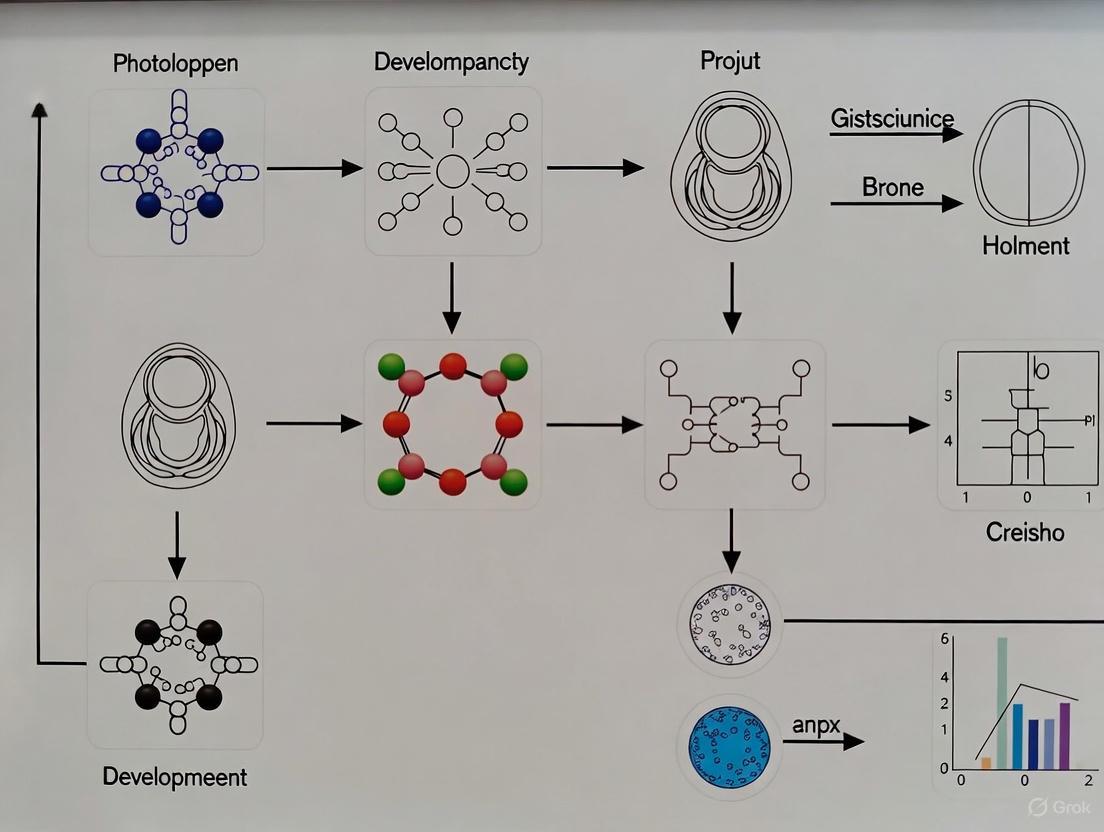
This article provides a comprehensive framework for researchers and drug development professionals to understand, prevent, and mitigate phototoxicity during live embryo imaging.
Strategies for Preventing Phototoxicity in Live Embryo Imaging: A Comprehensive Guide for Researchers
Abstract
This article provides a comprehensive framework for researchers and drug development professionals to understand, prevent, and mitigate phototoxicity during live embryo imaging. Covering foundational mechanisms of photodamage through reactive oxygen species (ROS), the content details practical methodological approaches including optimized culture media, antioxidant supplementation, and imaging parameter adjustments. It further offers troubleshooting protocols for identifying phototoxicity and presents comparative validation strategies for different imaging setups. By synthesizing current research, this guide aims to empower scientists to capture accurate, physiologically relevant data from long-term embryonic development studies.
Understanding Phototoxicity: Mechanisms and Impact on Embryonic Development
Phototoxicity, the light-induced damage to cells and tissues, represents a significant challenge in live-cell imaging, particularly for long-term studies of dynamic processes like embryonic development. While catastrophic cell death is an obvious consequence, this technical support guide emphasizes that the more insidious threats are the subtle physiological disruptions that can occur under illumination conditions that leave no immediate visible trace [1]. These alterations can fundamentally change experimental outcomes, leading to non-physiological conclusions. This resource provides researchers, scientists, and drug development professionals with a practical framework for identifying, troubleshooting, and mitigating phototoxicity to ensure the integrity of live-cell imaging data.
What is Phototoxicity? A Deeper Look
In live-cell microscopy, phototoxicity is defined as a toxic response elicited or increased after exposure to light, often following the application of a fluorescent probe or occurring after systemic administration of a photoactive substance [2]. The core mechanisms involve photochemical reactions initiated when photons energize molecules within the cell.
The primary pathways to damage are:
- Direct Damage: Photoexcited molecules (e.g., fluorophores) directly react with and damage essential cellular components like proteins, lipids, and DNA [2].
- Indirect Damage via ROS: Photoexcited molecules transfer energy to molecular oxygen, generating reactive oxygen species (ROS) [1] [3]. ROS are highly reactive and cause widespread oxidative damage, disrupting normal cellular homeostasis and signaling pathways [4].
It is critical to understand that physiological changes can be triggered by light doses that cause minimal photobleaching, and their manifestations may be delayed, only becoming apparent when the cell reaches a critical transition point, such as mitosis [3].
The Phototoxicity Pathway
The following diagram illustrates the key cellular processes and consequences of phototoxicity, from initial light absorption to functional outcomes.
Troubleshooting Guide: Identifying Phototoxicity in Your Experiments
Use this guide to diagnose phototoxic stress in your live-cell assays.
Symptom: Catastrophic Cell Failure
- Observed Effect: Cells detach from the substrate, undergo necrosis, or show immediate and widespread death [5].
- Primary Cause: Extreme illumination intensity or dose. This is often a result of using laser powers or exposure times far exceeding what is required for adequate image quality.
- Corrective Actions:
- Dramatically reduce excitation light intensity.
- Shorten exposure time.
- Increase the interval between image acquisitions for time-lapse experiments.
- Verify that the light path of your microscope is optimally efficient.
Symptom: Morphological Changes
- Observed Effect: Plasma membrane blebbing, cell rounding, enlarged mitochondria, formation of large vacuoles, or general shrinking of the cell body [5] [4].
- Primary Cause: High, sustained light dose leading to severe metabolic stress and cytoskeletal damage.
- Corrective Actions:
- Reduce illumination power and exposure time.
- Use lower magnification objectives or bin pixels on the camera to collect more signal with less spatial resolution.
- Ensure optimal health of cells prior to imaging (correct media, pH, temperature).
Symptom: Altered Cell Cycle and Division
- Observed Effect: Delayed progression through mitosis, permanent cell cycle arrest (often in G2), or reversion from mitosis back to interphase after chromosome condensation has begun [3].
- Primary Cause: Cumulative light stress that triggers DNA damage checkpoints and stress-response pathways. This is a particularly sensitive indicator of sub-lethal phototoxicity.
- Corrective Actions:
- Implement dose-control strategies (see mitigation section below).
- Use the lowest possible light dose to track the process of interest.
- Monitor cell division in non-illuminated control cells from the same population for comparison.
Symptom: Subtle Physiological Disruption
- Observed Effect: Changes in mitochondrial membrane potential, disruptions in intracellular calcium concentration, slowing of microtubule dynamics, or reduced growth/movement (e.g., failure to close a scratch wound) [3] [4].
- Primary Cause: Moderate light doses that generate sufficient ROS to disrupt signaling and homeostasis without causing immediate morphological catastrophe.
- Corrective Actions:
- This requires careful optimization. Systematically lower light levels until the biological process of interest proceeds at the same rate as in non-imaged controls.
- Consider using red-shifted fluorophores and probes.
- Employ imaging modalities that minimize out-of-focus light exposure, such as light-sheet fluorescence microscopy.
Frequently Asked Questions (FAQs)
Q1: My cells look fine morphologically after imaging. Can I assume they are healthy and my data is valid? No. This is a common and dangerous assumption. Physiological changes can occur well before morphological damage becomes apparent [1]. Cells may appear normal but have disrupted cell cycle progression, altered metabolism, or aberrant signaling. Always use functional assays (e.g., post-imaging proliferation, metabolic activity) to confirm health.
Q2: Is photobleaching a good indicator of phototoxicity? Not reliably. While photobleaching and phototoxicity often occur together because they share a common origin (photon absorption), they are distinct processes [4]. Significant phototoxicity can commence with minimal photobleaching, as ROS can be generated independently of the fluorophore's destruction pathway.
Q3: Are some cell types more susceptible than others? Yes. There is wide variability in light tolerance. For example, Drosophila and C. elegans embryos are generally more resilient than mammalian cells [3]. Furthermore, transformed cell lines often handle light stress better than untransformed lines. Critically, any pre-existing stress (e.g., from transfection, drug treatment, or suboptimal culture conditions) can dramatically increase a cell's sensitivity to light [3].
Q4: What is the single most effective change I can make to reduce phototoxicity? The most universally effective strategy is to reduce the total light dose delivered to the sample. This can be achieved by lowering intensity, shortening exposure time, reducing frame rate, and minimizing Z-stack sections. Every photon that does not contribute to your final image quality is a potential source of damage.
Q5: How can I objectively measure phototoxicity in my system? Several methods can be used:
- Cell Division Assay: The most robust and label-free method. Monitor the time for imaged cells to complete mitosis and form colonies compared to non-imaged controls [3] [4].
- Metabolic Assays: Use assays like MTT or Calcein AM to assess viability post-imaging.
- Morphological Scoring: Use transmitted light to score for blebbing, vacuolization, and detachment, potentially aided by automated image analysis [4].
- Functional Probes: Use fluorescent probes for ROS, mitochondrial membrane potential, or cytosolic calcium to detect early signs of stress [4].
Optimizing Experimental Protocols: A Quantitative Guide
The table below summarizes key parameters you can adjust to minimize photodamage, based on experimental evidence.
Table 1: Optimization Strategies for Minimizing Phototoxicity
| Parameter | Recommendation | Rationale & Experimental Basis |
|---|---|---|
| Light Dose | Use the lowest possible dose for sufficient SNR. | Phototoxicity is a function of cumulative dose; reducing it is the primary defense [1] [3]. |
| Wavelength | Prefer red-shifted (>600 nm) excitation. | Shorter wavelengths (UV, blue) are higher energy and generate more ROS [4] [2]. |
| Exposure Time vs. Intensity | For wide-field/spinning-disk microscopy, prefer longer exposure with lower intensity. | Lower intensity reduces the probability of generating long-lived, reactive triplet states in fluorophores [3]. |
| Imaging Modality | Consider light-sheet fluorescence microscopy (LSFM) or multiphoton microscopy. | LSFM illuminates only the imaged plane, drastically reducing out-of-focus exposure [1]. Multiphoton excitation is confined to the focal volume. |
| Fluorophores | Choose bright, photostable, red-shifted fluorophores. | Brighter probes require less light; red-shifted light is less damaging and penetrates deeper [5]. |
Experimental Workflow for Protocol Optimization
Establishing a safe imaging protocol requires a systematic approach. The following diagram outlines a logical workflow for optimizing your experiments to prevent phototoxicity.
The Scientist's Toolkit: Key Reagents and Materials
Table 2: Research Reagent Solutions for Phototoxicity Management
| Item / Reagent | Function / Application |
|---|---|
| Red-Shifted Fluorescent Proteins & Dyes (e.g., mCherry, Cy5) | Emission in the red spectrum allows for use of longer, less damaging wavelengths for excitation, which also penetrate tissue more effectively [5] [4]. |
| ROS Scavengers (e.g., Trolox, Ascorbic Acid, N-Acetylcysteine) | Chemical additives to imaging media that neutralize reactive oxygen species, thereby mitigating indirect phototoxic damage [3]. Use with caution as they may alter cell physiology. |
| Oxygen Scavenging Systems (e.g., Oxyrase) | Enzymatically reduce local oxygen concentration, limiting the substrate available for ROS generation. More applicable to short-term recordings [3]. |
| Phenol Red-Free Media | Phenol red can act as a weak photosensitizer; removing it eliminates a potential source of background and phototoxicity. |
| Buffered Saline Solutions (e.g., HBSS) | Suitable for many short-term live-cell imaging experiments, often producing lower background fluorescence than complete media. |
| 3T3 Neutral Red Uptake (NRU) Assay | A standardized in vitro phototoxicity test (OECD TG 432) used in toxicology and drug development to quantify the phototoxic potential of chemicals [2]. |
| Advanced In Vitro Models (3D Human Epidermis Models) | Provide a more physiologically relevant system for assessing phototoxic effects in pre-clinical testing, bridging the gap between 2D cell culture and in vivo models [2]. |
The Central Role of Reactive Oxygen Species (ROS) in Photodamage
Scientific Foundation: Understanding ROS in Photodamage
What are the primary reactive oxygen species involved in photodamage?
Photodamage in biological systems primarily involves the generation of several types of Reactive Oxygen Species (ROS). The main ROS produced include singlet oxygen (¹O₂), superoxide anion (O₂•⁻), hydrogen peroxide (H₂O₂), and the highly reactive hydroxyl radical (•OH) [6] [7] [8]. These species are generated when light interacts with endogenous or exogenous photosensitizers within cells, leading to a cascade of oxidative events that damage cellular components.
What is the molecular mechanism by which ROS cause cellular damage?
ROS induce cellular damage through multiple mechanisms. They can directly cause DNA strand breakage and liberation of DNA bases, as well as chemical alterations of bases like the oxidation of guanine to form 8-hydroxy-7,8-dihydroguanine (8-OHdG) [6] [8]. In proteins, ROS oxidation can alter structure and function. Additionally, ROS activate cell surface receptors that initiate signal transduction cascades, leading to the upregulation of matrix metalloproteinases (MMPs) that degrade collagen and other connective tissue components, a hallmark of photoaging in skin tissues [8].
Table 1: Primary Reactive Oxygen Species in Photodamage
| ROS Species | Symbol | Key Characteristics | Primary Damage Mechanisms |
|---|---|---|---|
| Singlet oxygen | ¹O₂ | Major contributor to phototoxicity of some drugs [7] | DNA strand breaks, lipid peroxidation |
| Superoxide anion | O₂•⁻ | Produced via Type I photodynamic reactions [6] | Single-strand DNA scissions, initiates ROS cascade |
| Hydrogen peroxide | H₂O₂ | More stable, can diffuse across membranes [9] | Signal transduction, oxidative stress signaling |
| Hydroxyl radical | •OH | Most reactive, generated via Fenton reaction [6] [8] | DNA strand breakage, base modifications |
Troubleshooting Experimental Photodamage
How can I minimize phototoxicity during live-cell imaging?
Minimizing phototoxicity requires optimizing multiple imaging parameters. Use the lowest possible light intensity and shortest exposure times necessary to obtain sufficient image quality [3]. Consider using multiphoton microscopy instead of confocal microscopy for live embryos, as it uses near-infrared wavelengths that are less damaging and provides better penetration depth [10] [11]. Implement intelligent illumination systems that only expose areas being imaged, and adjust pulse duration and imaging rates to find the optimal signal-to-damage ratio [10] [3].
Why do my samples show variable sensitivity to photodamage?
Variable sensitivity to photodamage is common and depends on several factors. Cell type and origin significantly influence light tolerance, with transformed cells often being more resilient than untransformed cells [3]. Developmental stage also matters, as Drosophila and C. elegans embryos are generally more resilient than mammalian cells [3]. Additionally, cells stressed by other factors (e.g., drug treatments, siRNA, or environmental insults) become sensitized to photodamage [3]. This variability follows the "Anna Karenina principle," where suboptimal conditions cause extreme heterogeneity in cell responses [3].
What are the indicators of photodamage in live embryos?
Photodamage manifests through various physiological changes. In developing embryos, look for developmental arrest or delays, abnormal mitotic progression (including prolonged mitosis or cell cycle reversion), and morphological abnormalities [10] [3]. At the cellular level, indicators include mitochondrial dysfunction, activation of stress-response pathways, and ultimately cell death [10] [3]. Note that some effects may be delayed and not immediately apparent during imaging [3].
Quantitative Assessment of Photodamage
How do imaging parameters quantitatively affect photodamage?
Photodamage depends nonlinearly on imaging parameters. In multiphoton microscopy of live Drosophila embryos, photodamage arises through 2- and/or 3-photon absorption processes in a cumulative manner [10]. The relationship between illumination and damage is supra-quadratic (exponent greater than 2), meaning that small increases in intensity can cause disproportionately large increases in damage [10]. The table below summarizes key parameter relationships identified in experimental studies.
Table 2: Quantitative Effects of Imaging Parameters on Photodamage
| Parameter | Effect on Photodamage | Experimental System | Safe Imaging Guidelines |
|---|---|---|---|
| Light Intensity | Supra-quadratic dependence (exponent >2) [10] | Live Drosophila embryos | Use lowest intensity providing sufficient signal |
| Wavelength (1.0-1.2 µm) | 2- and/or 3-photon absorption processes [10] | Multiphoton microscopy | Optimize for specific tissue type |
| Pulse Duration | Shorter pulses reduce photobleaching [3] | Single-spot scanning confocal | 50 ns dwell times show improvement |
| Imaging Rate | Cumulative damage with frequent imaging [10] | Long-term time-lapse | Balance temporal resolution with viability |
Experimental Protocols
Protocol: Assessing Phototoxicity in Live Embryo Imaging
This protocol outlines a systematic approach to evaluate and mitigate phototoxicity during live imaging of embryos, based on methodologies successfully used in Drosophila and mammalian embryo studies [10] [11].
Materials:
- Healthy, developmentally staged embryos
- Multiphoton or light-sheet microscope system
- Environmental chamber maintaining appropriate temperature and humidity
- Viability assessment tools (developmental scoring, heart rate monitoring for zebrafish)
Procedure:
- Establish viability baselines: Record normal development rates, cell cycle timing, and morphology without illumination.
- Systematically test imaging parameters: Begin with low laser power (e.g., 10-20% of maximum) and short exposure times, gradually increasing until acceptable image quality is achieved.
- Monitor short-term and long-term effects: Assess immediate morphological changes as well as developmental progression over time.
- Use internal physiological indicators: For zebrafish embryos, heart beat rate serves as a sensitive probe of photoperturbations [10].
- Compare imaging modalities: When possible, test both point-scanning and light-sheet illumination on similar samples.
- Validate with functional assays: Post-imaging, assess developmental competence to key stages or full term.
Troubleshooting:
- If development arrests, reduce illumination intensity and increase time between image acquisitions.
- For excessive bleaching, consider pulsed illumination with appropriate intervals to allow triplet state decay [3].
- If cells show abnormal mitotic progression, optimize wavelength and pulse duration [10].
Signaling Pathways in Photodamage
The following diagram illustrates the key cellular signaling pathways involved in photodamage, integrating processes from multiple biological systems:
Research Reagent Solutions
Table 3: Essential Reagents for Studying ROS in Photodamage
| Reagent Category | Specific Examples | Function/Application | Experimental Notes |
|---|---|---|---|
| ROS Scavengers | N-acetylcysteine, Vitamin C, Trolox | Neutralize specific ROS species | Test multiple scavengers to identify primary ROS involved |
| ROS Detection Probes | H2DCFDA, DHE, MitoSOX | Detect and quantify intracellular ROS | Use specific probes for different ROS types |
| Genetically Encoded Sensors | roGFP, HyPer | Spatially-resolved ROS monitoring in live cells | Enables real-time tracking in specific compartments |
| DNA Damage Markers | Antibodies to 8-OHdG, γH2AX | Assess oxidative DNA damage | Post-imaging fixation and staining required |
| Mitochondrial Function Probes | TMRE, JC-1 | Monitor mitochondrial membrane potential | Early indicator of photodamage |
| Antioxidant Enzymes | Superoxide dismutase, Catalase | Experimental augmentation of endogenous defenses | Can be applied extracellularly or expressed genetically |
FAQ: Addressing Common Researcher Questions
Q: Can antioxidant treatments completely prevent photodamage during imaging?
While antioxidants can mitigate photodamage, they rarely prevent it completely. Antioxidant systems in cells include both enzymatic (SOD, catalase) and non-enzymatic (glutathione, vitamins) components that work synergistically [8] [9]. However, the photon fluxes required for fluorescence imaging often overwhelm endogenous protective mechanisms [3]. Combining antioxidant treatment with optimized imaging parameters provides the best protection.
Q: How does photodamage from multiphoton microscopy compare to confocal microscopy?
Multiphoton microscopy typically causes less photodamage than confocal microscopy for deep-tissue imaging. This is because multiphoton excitation uses near-infrared wavelengths that scatter less and are absorbed less by cellular components, and excitation is confined to the focal plane, reducing out-of-focus damage [10] [11]. Light-sheet microscopy offers further advantages by illuminating only the plane being imaged [11].
Q: Are there specific wavelengths that minimize ROS generation?
Longer wavelengths generally cause less photodamage. In the 1.0-1.2 µm range used for multiphoton imaging, photodamage occurs primarily through multiphoton absorption processes rather than single-photon absorption [10]. However, the optimal wavelength depends on the specific sample and its absorption properties. Systematic testing at different wavelengths is recommended for each experimental system.
Q: How can I distinguish direct phototoxic effects from secondary oxidative stress?
Temporal analysis and scavenger experiments can help distinguish these effects. Direct phototoxic effects (e.g., plasma formation, direct macromolecular damage) occur immediately during illumination, while ROS-mediated damage may develop over minutes to hours after exposure [10] [3]. Using specific ROS scavengers and comparing effects in anoxic vs. oxygenated conditions can help identify the contribution of oxidative stress [7].
Why Embryos are Particularly Vulnerable to Light-Induced Stress
Live imaging is an indispensable tool for studying dynamic developmental processes in embryos. However, light exposure during these experiments can induce significant stress and damage, compromising both sample viability and data integrity. This technical support article explores the fundamental reasons behind the heightened vulnerability of embryos to light-induced stress and provides actionable guidelines for mitigating these effects in your research.
FAQs: Understanding Embryo Vulnerability
1. Why are embryos more sensitive to light than other biological samples? Embryos are highly sensitive to light due to their rapid cell division, dynamic developmental programming, and limited defense mechanisms. Key reasons include:
- High Metabolic Activity: Embryonic cells are characterized by intense metabolic activity and proliferation, processes that are highly susceptible to disruption by reactive oxygen species (ROS) generated by light [12].
- Primitive Defense Systems: Embryonic cells often have lower levels of endogenous antioxidants, such as glutathione, making them less capable of neutralizing light-induced ROS compared to mature cell types like microglia [12].
- Critical Developmental Windows: Light-induced perturbations can disrupt precisely timed morphogenetic events, leading to significant developmental defects, as even minor photo-perturbation can alter normal development [10].
2. What are the primary mechanisms of photodamage during microscopy? Photodamage during live imaging arises primarily from photochemical effects. While thermal damage and optical breakdown are possible under extreme illumination, they are not typically relevant for standard microscopy conditions [10]. The main pathway involves:
- The absorption of light by intracellular molecules ( endogenous chromophores) or media components, leading to the generation of reactive oxygen species (ROS) [10].
- These ROS then cause oxidative damage to cellular macromolecules including proteins, lipids, and DNA [1].
- This damage can manifest as impaired physiology, altered cell morphology, and even cell death [12] [1].
3. Does the type of culture media used affect phototoxicity? Yes, the culture media is a major contributor to phototoxicity. Standard culture media like DMEM contain photo-reactive components, with riboflavin (vitamin B2) being a principal culprit [12].
- When exposed to light, these components generate toxic by-products that are lethal to sensitive cells like oligodendrocyte progenitor cells (OPCs) [12].
- Simply placing cells into pre-irradiated media causes the same level of cell death as directly illuminating the cells themselves [12].
- Using specially formulated, photo-inert media such as MEMO (Modified Eagle’s Medium for Optogenetics) and antioxidant-rich supplements like SOS (Supplements for Optogenetic Survival) can dramatically improve cell viability under illumination [12].
Troubleshooting Guides
Problem: Rapid Cell Death or Morphological Changes in Embryos During Imaging
Potential Causes and Solutions:
| Cause | Diagnostic Check | Solution |
|---|---|---|
| Toxic Culture Media | Check if media contains riboflavin or other photo-reactants. | Switch to photo-inert media (e.g., MEMO, NEUMO) and antioxidant supplements (e.g., SOS) [12]. |
| Excessive Light Dose | Calculate and review light dose (irradiance × exposure time). | Reduce irradiance, shorten exposure time, use dimmer light sources, and increase imaging intervals [10]. |
| Sensitive Cell Types | Identify if specific cells (e.g., progenitors, neurons) are primarily affected. | Use the lowest possible light levels and optimize media specifically for the most sensitive cell type in the culture [12]. |
Problem: Sublethal Phototoxicity Altering Experimental Outcomes
Potential Causes and Solutions:
| Cause | Diagnostic Check | Solution |
|---|---|---|
| Cumulative Light Exposure | Review time-lapse settings for high-frequency or long-duration imaging. | Lower the imaging rate and minimize the number of z-stacks acquired over time [10]. |
| Inadequate ROS Scavenging | Assess endogenous antioxidant levels of the embryonic cells. | Consider adding approved antioxidants to the culture medium, provided they do not interfere with developmental processes. |
| Suboptimal Imaging Parameters | Verify microscope settings (wavelength, pulse duration). | Use longer wavelength illumination (e.g., near-infrared for multiphoton) and adjust pulse duration for nonlinear microscopy [10]. |
Quantitative Data on Light Effects
Table 1: Sensitivity of Different Primary Rat CNS Cell Types to Blue Light (470 nm) This table summarizes the varying vulnerabilities of central nervous system cells, demonstrating that immature neurons and progenitor cells are among the most susceptible [12].
| Cell Type | Light Dose (kJ/m²) | Observed Effect |
|---|---|---|
| Immature Neurons (7 d.i.v.) | 360 | Significant cell death |
| Mature Neurons (21 d.i.v.) | 360 | Significant cell death |
| Oligodendrocyte Progenitor Cells (OPCs) | 108 | Significant cell death |
| Astrocytes | 360 | Morphological changes, reduced ramification |
| Microglia | 792 | Increased cell volume, no cell death |
Table 2: Efficacy of Photo-Protective Media in Rescuing OPC Viability Reformulating culture media to remove photo-reactive components and adding protective supplements can drastically improve cell survival under light stress [12].
| Culture Condition | Light Dose (kJ/m²) | OPC Viability |
|---|---|---|
| Standard DMEM + SATO | 180 | ~5% |
| Photo-inert MEMO | 180 | ~69% |
| MEMO + SOS Supplement | 360 | No significant cell death |
Experimental Protocols for Mitigating Phototoxicity
Protocol 1: Assessing and Controlling for Media-Driven Phototoxicity
This protocol helps determine if your culture medium is a primary source of phototoxicity.
- Pre-irradiate Media: Expose your standard culture medium to the same light dose and wavelength you plan to use in your experiment. Keep another aliquot of the same medium in the dark as a control [12].
- Culture Cells: Take a batch of healthy, un-irradiated embryonic cells and place them into the pre-irradiated media and the control media [12].
- Incubate and Assess: Culture the cells for 24 hours under normal (dark) conditions. After incubation, assess cell viability using a standard assay (e.g., propidium iodide exclusion) [12].
- Interpret Results: If viability is significantly lower in the pre-irradiated media, your medium is generating toxic by-products. Transition to a photo-inert medium like MEMO is recommended [12].
Protocol 2: Optimizing Multiphoton Microscopy Parameters for Live Embryo Imaging
This protocol provides guidelines for setting up safe long-term imaging of live Drosophila embryos, with principles applicable to other model systems.
- Select Wavelength: Use excitation wavelengths in the 1.0-1.2 µm range for third-harmonic generation (THG) or two-photon microscopy to reduce photoperturbation [10].
- Adjust Pulse Duration: Widen the laser pulse duration to the hundreds of femtoseconds range (e.g., 300-500 fs) to improve the signal-to-damage ratio [10].
- Set Imaging Rate: Limit the rate of 3D image acquisition. For visualizing morphogenetic movements in Drosophila gastrulation, a frame interval of 60-90 seconds is appropriate to avoid developmental perturbations [10].
- Calibrate Power: Use the lowest laser power that provides a sufficient signal-to-noise ratio. Perform pilot experiments to establish the threshold for safe imaging [10].
Pathways of Photodamage and Protection
The following diagram illustrates the key mechanisms through which light induces stress in embryos and the corresponding cellular defense strategies.
The Scientist's Toolkit: Key Research Reagents & Materials
Table 3: Essential Reagents for Mitigating Phototoxicity in Live Embryo Research
| Reagent/Material | Function | Example & Notes |
|---|---|---|
| Photo-inert Media | Cell culture medium formulated without photo-reactive components to prevent generation of toxic by-products. | MEMO (Modified Eagle’s Medium for Optogenetics), NEUMO; DMEM reformulated by removing riboflavin [12]. |
| Antioxidant Supplements | Additives that enhance the cellular capacity to neutralize reactive oxygen species (ROS). | SOS (Supplements for Optogenetic Survival); a serum-free, antioxidant-rich supplement [12]. |
| Genetically Encoded Fluorescent Reporters | Proteins used to label and visualize specific cells, structures, or proteins in living samples. | EGFP, mCherry; use bright, stable monomers. Prefer red-shifted FPs for deeper penetration and reduced toxicity [13] [14]. |
| Ex Utero Culture Systems | Protocols and equipment that support normal embryonic development outside the native uterine environment for imaging. | Rat serum-based media (e.g., DR50, DR75); requires precise gas control (CO2/O2/N2) and temperature stability [14]. |
| Two-Photon/Multiphoton Microscope | Imaging system that uses near-infrared light for deeper tissue penetration and reduced out-of-focus light absorption. | Prefer systems with tunable wavelengths (1.0-1.2 µm) and adjustable pulse duration for optimizing signal-to-damage ratio [10]. |
Phototoxicity is a significant challenge in live-cell imaging, particularly in sensitive applications like embryo research. Unintended light-induced damage can disrupt fundamental biological processes, leading to experimental artifacts and inaccurate conclusions. This guide helps you identify, troubleshoot, and prevent the key manifestations of phototoxicity in your experiments.
Troubleshooting Guide: Identifying and Resolving Phototoxicity
FAQ 1: How can I determine if my live imaging is causing mitotic delays?
Problem: You observe that cells are taking longer to complete mitosis than expected under your imaging conditions.
Solutions:
- Quantify Mitotic Timelines: Use nuclear markers (e.g., H2B-GFP/mCherry) to precisely time mitotic phases from nuclear envelope breakdown (NEBD) to anaphase onset. Compare durations between imaged and non-imaged control cells.
- Reduce Blue Light Exposure: Mitotic progression is particularly sensitive to 488 nm illumination [15]. Use the lowest laser power and shortest exposure times possible. Consider using longer-wavelength fluorescent proteins when feasible.
- Add Antioxidants: Incorporate 1-2 mM ascorbic acid (Vitamin C) into your imaging medium. This antioxidant has been shown to significantly reduce light-induced mitotic prolongation without cytotoxic effects [15].
Experimental Validation Protocol:
- Transfer cells or embryos into imaging medium with and without ascorbic acid supplementation.
- Perform time-lapse imaging using identical parameters except for the variable being tested (e.g., laser power, imaging frequency).
- Measure the time from NEBD to anaphase onset for at least 20 cells per condition.
- Statistically compare mitotic durations using Student's t-test or ANOVA.
FAQ 2: What are the subtle signs of phototoxicity I might be missing?
Problem: Cells appear normal morphologically, but experimental results show inconsistencies or reduced viability.
Solutions:
- Monitor Comprehensive Gene Expression: Even low-dose illumination can alter mRNA expression for genes involved in ROS response, metabolism, and immune function before morphological changes appear [16]. Consider targeted RNA-seq analysis if phototoxicity is suspected.
- Check for Organelle-Specific Defects: Mitochondria are primary targets of photodamage. Use specific dyes (e.g., MitoTracker) to monitor mitochondrial morphology and membrane potential in control vs. imaged samples.
- Implement Tiered Illumination Testing: Establish a "dose-response" curve for your sample type by testing a range of illumination intensities and durations to find the minimum sufficient exposure.
FAQ 3: My embryos develop normally initially but show later defects. Could this be phototoxicity?
Problem: Embryos appear healthy during imaging but exhibit developmental abnormalities or arrested development after several hours.
Solutions:
- Optimize Imaging Frequency: For long-term time-lapse imaging, increase intervals between 3D image acquisitions. For Drosophila embryos imaged with 1.0-1.2 µm wavelength range, damage accumulates cumulatively with imaging frequency [17] [18] [10].
- Use Light-Sheet Microscopy: When available, transition from confocal to light-sheet microscopy. This technology has been successfully used for 46-hour imaging of human blastocysts without compromising development, whereas confocal microscopy causes significant photodamage [11].
- Validate Developmental Competence: Always include non-imaged control embryos cultured under identical conditions to confirm normal development rates in your system.
Quantitative Phototoxicity Effects
Table 1: Documented Phototoxicity Effects on Mitotic Progression in RPE1 Cells
| Illumination Condition | Mitotic Duration (NEBD to Anaphase) | Time to Chromosome Alignment | Centrosome Separation Timing (relative to NEBD) |
|---|---|---|---|
| Low light (control) | ~20 minutes | Normal progression | -29.7 minutes |
| High 488-nm light | Significantly prolonged | Delayed | -21.8 minutes |
Source: Adapted from Communications Biology 6, 1107 (2023) [15]
Table 2: Gene Expression Changes Under Different Light Illumination Doses in Enteroids
| Biological Process Affected | Low-Dose Light Effect | High-Dose Light Effect |
|---|---|---|
| ROS Scavenging | mRNA expression changes | Severe disruption |
| Metabolic Pathways | mRNA expression changes | Severe disruption |
| Mitochondrial Function | Moderate changes | Significant disruption |
| Cell Division | Minor changes | Severe disruption |
| Cell Death Pathways | Minimal effect | Significant activation |
| Epithelial Function | Largely intact | Impaired structure formation |
Source: Adapted from PLOS ONE 19, e0313213 (2024) [16]
The Scientist's Toolkit: Research Reagent Solutions
Table 3: Essential Reagents for Mitigating Phototoxicity in Live Imaging
| Reagent/Category | Specific Examples | Function & Application |
|---|---|---|
| Antioxidants | Ascorbic Acid (Vitamin C) | Significantly reduces mitotic prolongation; effective at 1-2 mM concentration [15] |
| Sodium Pyruvate, Trolox | Alternative antioxidants that protect from light-induced cell death and G2 arrest [15] | |
| Microscopy Systems | Light-sheet microscopy | Enables long-term (46+ hours) imaging of human embryos with minimal phototoxicity [11] |
| Multiphoton microscopy with 1.0-1.2 µm wavelength | Reduces perturbation compared to confocal microscopy; requires pulse duration optimization [17] | |
| Nuclear Labels | mRNA electroporation (H2B-GFP/mCherry) | Higher efficiency, less DNA damage than vital dyes; suitable for blastocyst-stage embryos [11] |
| SPY650-DNA dye | Specific for trophectoderm cells in blastocysts [11] | |
| Membrane & Organelle Markers | Zinpyr-1 (Paneth cell granules) | For specialized cell type visualization [16] |
| CellMask Deep Red Plasma Membrane Stain | Membrane structure visualization [16] |
Experimental Protocols for Validation
Protocol 1: Ascorbic Acid Efficacy Testing for Mitotic Imaging
Purpose: Validate the protective effect of ascorbic acid against mitotic prolongation in your experimental system.
Materials:
- Ascorbic acid stock solution (100 mM in PBS, filter-sterilized)
- Appropriate imaging medium
- Cells or embryos expressing nuclear marker (H2B-FP)
- Control imaging medium without antioxidant
Procedure:
- Prepare imaging medium supplemented with 1-2 mM ascorbic acid fresh before each experiment.
- Split samples into two groups: experimental (with antioxidant) and control (without antioxidant).
- Image both groups under identical illumination conditions that are known to cause mild mitotic delay.
- Capture time-lapse images at 2-3 minute intervals to adequately track mitotic progression.
- Analyze the time from nuclear envelope breakdown to anaphase onset for a minimum of 20 cells per condition.
- Compare results using appropriate statistical tests (e.g., unpaired t-test).
Protocol 2: Comprehensive Phototoxicity Assessment in 3D Cultures
Purpose: Systematically evaluate phototoxicity effects beyond simple morphology in complex samples like organoids.
Materials:
- Established 3D culture system (enteroids, organoids, spheroids)
- RNA extraction and sequencing capabilities
- Functional assay reagents (e.g., secretion assays, viability stains)
Procedure:
- Divide samples into three groups: non-imaged control, low-dose illumination, high-dose illumination.
- For illumination groups, use parameters relevant to your typical imaging protocol.
- Post-imaging, process samples for:
- RNA-seq analysis to assess genome-wide expression changes [16]
- Functional assays specific to your model system (e.g., secretory function, barrier integrity)
- Structural analysis using non-perturbing imaging methods
- Compare results across conditions to establish safe imaging parameters for your specific application.
Phototoxicity Mechanisms and Mitigation Pathways
Phototoxicity Mechanisms and Mitigation Pathways: This diagram illustrates the primary pathways through which phototoxicity manifests in live imaging experiments, from initial light exposure to observable biological effects, and the key intervention points for mitigation.
Experimental Workflow for Safe Live Imaging
Optimized Experimental Workflow: This workflow outlines a systematic approach for establishing live imaging parameters that minimize phototoxicity while maintaining experimental integrity.
Phototoxicity, the light-induced damage to living cells, is a significant and often overlooked confounder in live-cell imaging. It compromises the very data integrity upon which scientific conclusions are built. For researchers working with sensitive samples like live embryos, understanding and mitigating phototoxicity is not merely a technical detail but a fundamental requirement for producing valid, reproducible research. This guide provides troubleshooting and foundational knowledge to help you identify, assess, and prevent phototoxicity in your experiments.
Troubleshooting Guide: Identifying Phototoxicity in Your Experiments
| Observed Symptom | Potential Underlying Compromise | Recommended Action |
|---|---|---|
| Mitochondrial Transformation [19]: Tubular to spherical shape, reduction in cristae. | Altered cellular energetics, initiation of stress-response pathways, skewed data on metabolism and organelle dynamics. | Verify effect with multiple dyes; optimize illumination intensity and duration. |
| Loss of Membrane Integrity [5]: Cell rounding, detachment, plasma membrane blebbing. | Compromised cell viability, abnormal signaling, and disrupted cell-cell interactions. | Reduce light exposure; use brighter fluorophores or more sensitive detectors. |
| Catastrophic Developmental Defects [10]: Arrest of embryo development, failed gastrulation. | Data from perturbed systems does not reflect normal biology, leading to incorrect conclusions. | Use longer wavelength (NIR) excitation; reduce imaging frequency and laser power. |
| Inhibition of Cell Migration [20]: Shortened cell trajectories in motility assays. | Disruption of physiological processes like immune response and wound healing. | Implement NIR co-illumination if available; otherwise, minimize light dose. |
| Reduced Cell Proliferation [20]: Slower growth rates or division arrest in illuminated cells. | Misinterpretation of drug effects or genetic manipulations on cell fitness and cycle. | Use low-illumination control groups to establish baseline growth rates. |
Frequently Asked Questions (FAQs)
Q1: What is the difference between photobleaching and phototoxicity?
Photobleaching is the photochemical destruction of a fluorophore, leading to a loss of fluorescence signal [19]. Phototoxicity refers to the light-induced damage to the living cell itself. Critically, phototoxicity can occur even before a noticeable decrease in fluorescence is observed, making it a more insidious problem [19]. While distinct, the processes are often linked, as the reactions that lead to photobleaching can also generate reactive oxygen species (ROS) that cause phototoxicity [20].
Q2: Are some fluorescent dyes more phototoxic than others?
Yes, the choice of fluorophore is a major factor. For example, in super-resolution imaging of mitochondria, the dye 10-N-nonyl acridine orange (NAO) was found to be significantly more phototoxic than MitoTracker Green (MTG) or the voltage dye TMRE [19]. This was evidenced by NAO causing a more rapid transformation of mitochondria to a spherical shape and a loss of membrane potential upon illumination.
Q3: How can I adjust my microscope to reduce phototoxicity?
The primary goal is to maximize signal while minimizing the total light dose delivered to the sample. Key strategies include [5]:
- Lower Intensity & Shorter Exposure: Use the lowest laser power and shortest exposure time that provides a usable signal.
- Increase Detector Sensitivity: Use the most sensitive cameras (e.g., EM-CCD, sCMOS) to collect light more efficiently.
- Optimize Light Path: Ensure your microscope is well-aligned and uses high-efficiency filters to capture the maximum emitted light.
- Red-Shifted Fluorophores: Use dyes and fluorescent proteins excited by longer-wavelength light, which is less energetic and penetrates tissue more easily.
Q4: What are the latest technological advances for mitigating phototoxicity?
A promising new method is Near-Infrared (NIR) co-illumination. This technique uses a second laser (~900 nm) alongside the standard excitation light to drive a photophysical process called reverse intersystem crossing (RISC) in fluorescent proteins [20]. This reduces the time the fluorophore spends in the triplet state, a key source of ROS, thereby reducing both photobleaching and phototoxicity and leading to healthier cells and longer imaging times [20].
Experimental Assessment Protocols
Protocol 1: Assessing Mitochondrial Health as a Phototoxicity Sensor
Mitochondria are highly sensitive indicators of cellular stress, making them excellent reporters for phototoxicity.
1. Key Materials:
- Live cells or embryos (e.g., HeLa cells, Drosophila embryos)
- Mitochondrial structure dye (e.g., MitoTracker Green, 10-N-Nonyl Acridine Orange (NAO)) [19]
- Mitochondrial membrane potential dye (e.g., TMRE, TMRM) [19]
- Confocal or super-resolution microscope (e.g., Airyscan) [19]
2. Staining Procedure:
- Incubate cells with the structure dye (e.g., MTG or NAO) and the voltage-sensitive dye (e.g., TMRE) according to manufacturer-recommended protocols [19].
- After staining, replace the dye-containing medium with fresh culture medium to reduce background fluorescence.
3. Imaging and Analysis:
- Acquire time-lapse images of the stained cells under the experimental illumination conditions.
- Quantify Morphology: Analyze mitochondrial morphology over time. A shift from a tubular to a spherical shape is a key indicator of phototoxic damage [19].
- Quantify Membrane Potential: Monitor the fluorescence intensity of TMRE. A rapid decrease not attributable to photobleaching indicates a loss of mitochondrial membrane potential, a direct consequence of phototoxicity [19].
- Compare Dyes: Use this protocol to test and compare the relative phototoxicity of different dye-illumination combinations [19].
Protocol 2: Evaluating Phototoxicity via Cell Phenotype Assays
This protocol uses broader cellular behaviors as sensitive readouts of health.
1. Key Materials:
- Primary cells or developing embryos (e.g., mouse neutrophils, Drosophila embryos) [20] [10]
- Appropriate culture chambers and medium
2. Procedure for Migration Assay (e.g., in Neutrophils):
- Express a fluorescent label like LifeAct-GFP in the cells [20].
- Image the cells under the experimental conditions and a minimal-illumination control.
- Use tracking software to analyze cell migration paths and speeds. Shorter, aberrant trajectories in the illuminated group indicate phototoxicity that impairs normal cellular function [20].
3. Procedure for Proliferation/Development Assay:
- For single cells (e.g., bacteria), monitor the growth rate of microcolonies under illumination versus control conditions. A reduced growth rate is a clear sign of phototoxicity [20].
- For embryos (e.g., Drosophila), perform long-term imaging and assess developmental milestones such as successful gastrulation and hatching. Developmental arrest is a severe indicator of photodamage [10].
Phototoxicity Signaling Pathways
The following diagram summarizes the key cellular pathways activated by phototoxic damage, connecting the initial light absorption to the observable experimental endpoints.
Research Reagent Solutions
| Reagent / Material | Function / Application | Key Considerations |
|---|---|---|
| MitoTracker Green (MTG) [19] | A fluorescent dye that labels mitochondria, primarily for structural analysis. | Less phototoxic than NAO in some super-resolution studies; a common choice for general morphology. |
| Tetramethylrhodamine, Ethyl Ester (TMRE) [19] | A cationic, voltage-sensitive dye that accumulates in active mitochondria. | Loss of signal can indicate either photobleaching or a true loss of membrane potential, requiring careful interpretation [19]. |
| 10-N-Nonyl Acridine Orange (NAO) [19] | A dye that binds to cardiolipin in the mitochondrial inner membrane, revealing cristae structure. | Can be highly phototoxic, causing rapid morphology changes and loss of membrane potential; use with caution [19]. |
| Near-Infrared (NIR) Light Source [20] | A second laser (~885-900 nm) used for co-illumination to reduce photobleaching and phototoxicity. | Prompts Reverse Intersystem Crossing (RISC) in fluorescent proteins; easily implemented on commercial microscopes [20]. |
| Anti-fading Media [20] | Specialized imaging media containing antioxidants or oxygen scavengers. | Can reduce photobleaching but may perturb cellular physiology; NIR co-illumination works in standard media [20]. |
Proactive Strategies: Building a Photoprotective Imaging Workflow
Frequently Asked Questions (FAQs)
FAQ 1: How does culture media composition influence embryo development? Culture media composition significantly influences embryonic gene expression, developmental pathways, and metabolic processes. Studies using single-embryo RNA-sequencing have revealed that different commercially available media can cause medium-specific differences in gene expression in human pre-implantation embryos [21]. These differences are most pronounced at the early cleavage stages (e.g., day 2), affecting hundreds of genes involved in essential developmental pathways [21]. The embryo's microenvironment, including the concentrations of energy substrates like glucose, lactate, and pyruvate, as well as amino acids and growth factors, must support its changing metabolic needs from fertilization to the blastocyst stage [22].
FAQ 2: What is the impact of phototoxicity on live embryo imaging, and how can it be mitigated? Phototoxicity causes ultrastructural damage to cells by disrupting mitochondrial function, lysosomal membrane stability, and producing reactive oxygen species (ROS) [23]. This is a major constraint in long-term fluorescent imaging. Mitigation can be achieved by optimizing the in vitro cell microenvironment [23]. Using specialized, photo-inert culture media with a rich antioxidant profile and omitting reactive components like riboflavin can actively curtail ROS production [23]. Additionally, methods that minimize light exposure, such as light-sheet fluorescence microscopy, are crucial as they offer an important improvement in illumination and detection, which minimizes the extent of light exposure and enables long-term imaging [24].
FAQ 3: What are the key differences between sequential and single-step culture media? The choice between sequential and single-step media is a fundamental consideration in designing culture conditions [22].
- Sequential Media System: This system uses one type of medium from fertilization until day 3 of development, then replaces it with a second medium with a different composition until day 5-6. This approach is based on the "back-to-nature" concept, aiming to imitate the changing concentration of molecules and energy substrates found in the female reproductive tract as the embryo travels from the oviduct to the uterus [22].
- Single Culture System: This system uses only one type of medium throughout the entire culture process from fertilization to blastocyst stage. Its reputed advantage is that it allows embryos to regulate their own microenvironment and removes an extra handling step on day 3, which could be stressful to embryos [22].
Troubleshooting Guides
Problem 1: Poor Embryo Viability During Long-Term Live Imaging
Potential Causes and Solutions:
- Cause: High levels of Reactive Oxygen Species (ROS) generated by fluorescent illumination.
- Solution: Replace standard culture media with a specialized imaging medium formulated to mitigate phototoxicity. For example, Brainphys Imaging medium (BPI) has been shown to protect mitochondrial health of neurons following light irradiation and exogenous hydrogen peroxide exposure due to its rich antioxidant profile and the omission of reactive components like riboflavin [23].
- Cause: Excessive light exposure from the microscope system.
- Solution: Implement light-sheet fluorescence microscopy. This technology uses dual illumination and double detection to capture a dual view of samples while minimizing light exposure, making it suitable for long-term imaging of sensitive samples like human embryos without significantly impacting developmental timing [24].
Problem 2: Suboptimal Embryo Development and Gene Expression
Potential Causes and Solutions:
- Cause: Use of a culture medium that is suboptimal for the specific developmental stage.
- Solution: If using a sequential media system, ensure the medium is changed on day 3 to match the embryo's metabolic switch. Evidence suggests that the pre-compaction period (until day 2/3) is a time of particular sensitivity to the culture environment, and the medium used during this phase can have lasting effects on the transcriptome [21].
- Solution: Consider the composition of the medium. Media rich in essential amino acids are generally considered more suitable for supporting development after compaction [21]. Be aware that different commercial media have distinct compositions, and no two are exactly the same [25].
- Cause: Inadequate extracellular matrix (ECM) support.
- Solution: Optimize the substrate coating. The combination of synthetic polymers like Poly-D-Lysine (PDL) with biological ECM proteins like laminin synergistically promotes neuron (and by extension, embryonic cell) adherence and motile self-organisation [23]. The specific laminin isoform is also important; for example, LN511 has been implicated in driving morphological and functional maturation of differentiated neurons [23].
Table 1: Comparison of Key Media Components Across Development Stages
Component analysis based on a study of 47 different human embryo culture media. [25]
| Component | Fertilization Media | Cleavage Stage Media | Blastocyst Stage Media | Notes / Function |
|---|---|---|---|---|
| Glucose | 2.5 - 3.0 mM | ≤ 0.5 mM | 2.5 - 3.3 mM | Energy substrate; displays a high-low-high pattern in sequential systems. |
| Lactate | Information Missing | Information Missing | Information Missing | Energy substrate; concentrations show clear differences across brands. |
| Pyruvate | Information Missing | Information Missing | Information Missing | Energy substrate; preferred in early cleavage stages. |
| Amino Acids | Information Missing | Information Missing | Information Missing | Support development; concentrations of glycine vary across brands. |
| Potassium | Information Missing | Information Missing | Information Missing | Electrolyte; differences in concentration observed across brands. |
Table 2: Mitotic and Interphase Duration in Blastocyst-Stage Embryos
Data from light-sheet live imaging of mouse and human embryos. [24]
| Species | Cell Location | Mitotic Duration (Mean ± SD) | Interphase Duration (Mean ± SD) |
|---|---|---|---|
| Human | Mural | 51.09 ± 11.11 min | 18.10 ± 3.82 h |
| Human | Polar | 52.64 ± 9.13 min | 18.96 ± 4.15 h |
| Mouse | Mural | 49.95 ± 8.68 min | 11.33 ± 3.14 h |
| Mouse | Polar | 49.90 ± 8.32 min | 10.51 ± 2.03 h |
Experimental Protocols
Protocol 1: Optimizing Culture Conditions for Live Imaging of Sensitive Cells
This protocol is adapted from a study on mitigating phototoxicity in neuronal cultures, with principles applicable to embryo imaging [23].
Methodology:
- Cell Preparation: Differentiate your cell line (e.g., cortical neurons from human embryonic stem cells) using transcription factor overexpression (e.g., Neurogenin-2).
- Experimental Design: Plate cells in a full-factorial design to test the following variables:
- Culture Media: Compare a standard medium (e.g., Neurobasal) against a specialized imaging medium (e.g., Brainphys Imaging medium).
- Extracellular Matrix: Compare different ECM coatings (e.g., human-derived laminin vs. murine-derived laminin).
- Seeding Density: Test two densities (e.g., 1 × 10⁵ vs. 2 × 10⁵ cells/cm²).
- Live-Cell Imaging: Differentiate a reporter line (e.g., GFP-positive) and image daily for an extended period (e.g., 33 days) using a standardized fluorescence microscope setting.
- Analysis:
- Viability: Use assays like PrestoBlue to quantify cell metabolism and survival.
- Morphology: Develop an automated image analysis pipeline to characterize network formation, somata clustering, and neurite outgrowth over time.
- Gene Expression: Use digital PCR to quantify key genetic markers.
Key Findings from this Protocol [23]:
- Brainphys Imaging medium supported neuron viability, outgrowth, and self-organisation to a greater extent than Neurobasal medium.
- A synergistic relationship was observed between species-specific laminin and culture media in phototoxic environments.
- Higher seeding density fostered somata clustering but did not significantly extend viability compared to low density.
Protocol 2: mRNA Electroporation for Nuclear Labeling of Blastocysts
This protocol is for introducing fluorescent reporters into late-stage embryos for live imaging, optimized to reduce DNA damage responses associated with live dyes [24].
Methodology:
- Embryo Source: Use cryopreserved human blastocysts (e.g., thawed at 5 days post-fertilization).
- Electroporation Solution: Prepare mRNA (e.g., H2B-mCherry) at a concentration of 700-800 ng/µl.
- Electroporation: Electroporate blastocysts using the optimized parameters. This method achieved a 41% efficiency in human embryos.
- Validation: Confirm that electroporation does not adversely impact total cell number or the proportion of trophectoderm and inner cell mass cells compared to controls.
- Live Imaging: Culture the electroporated embryos and image using light-sheet microscopy for up to 46 hours to track cell divisions and chromosome dynamics.
The Scientist's Toolkit: Research Reagent Solutions
| Item | Function / Explanation |
|---|---|
| Brainphys Imaging Medium (BPI) | A specialized, photo-inert culture medium designed to actively curtail ROS production with a rich antioxidant profile. It protects mitochondrial health and supports cell viability under fluorescent illumination [23]. |
| Laminin Isoforms (e.g., LN511) | A biological extracellular matrix protein that provides anchorage and bioactive cues for cell migration, behaviour, and differentiation. LN511, in particular, drives morphological and functional maturation [23]. |
| Poly-D-Lysine (PDL) | A synthetic polymer used as a coating to promote cell adherence. Used synergistically with laminin to allow motile self-organisation [23]. |
| H2B-mCherry mRNA | A messenger RNA encoding a histone protein (H2B) fused to a red fluorescent protein (mCherry). Used for non-disruptive nuclear DNA labeling via electroporation, enabling long-term chromosome tracking without the DNA damage associated with some live dyes [24]. |
| Light-Sheet Fluorescence Microscope | An imaging system with dual illumination and detection that minimizes light exposure to the sample. It is critical for long-term live imaging of light-sensitive specimens like embryos, as it reduces phototoxicity and photobleaching [24]. |
Protective Mechanisms Against Phototoxicity
(Diagram illustrating the primary cause of phototoxicity in live imaging and the multi-faceted strategies to mitigate it.)
Experimental Workflow for Media Optimization
(Diagram outlining a systematic workflow for testing and identifying the best culture conditions for live imaging experiments.)
Troubleshooting Guide: FAQs on Antioxidants for Live Imaging
FAQ 1: What are the primary signs of phototoxicity in my live-cell imaging experiments?
Phototoxicity manifests through specific morphological changes in your samples. Key indicators to watch for include:
- Plasma membrane blebbing: The appearance of bulges or "blebs" on the cell surface [5].
- Catastrophic vacuolization: Large, clear vacuoles forming within the cytoplasm [5].
- Altered mitochondrial morphology: Enlarged or swollen mitochondria [5].
- Cell detachment: Cells rounding up and detaching from the culture vessel [5].
- Prolonged mitosis: In the context of mitotic studies, a significant delay in mitotic progression, specifically in chromosome alignment and centrosome separation, is a sensitive indicator of photodamage [26] [27].
FAQ 2: How does ascorbic acid (vitamin C) specifically help in live embryo imaging?
Ascorbic acid acts as a potent antioxidant that scavenges reactive oxygen species (ROS) generated by excitation light during fluorescence imaging. A 2023 screen identified it as particularly effective for mitigating phototoxicity in light-sensitive processes like mitosis. It significantly alleviates light-induced mitotic prolongation and delays in chromosome alignment and centrosome separation, enabling high-temporal-resolution 3D imaging without obvious photodamage [26] [27].
FAQ 3: Beyond adding antioxidants, what are other effective strategies to minimize phototoxicity?
A multi-pronged approach is most effective. Key strategies include:
- Microscope Optimization: Design your imaging system for high sensitivity to capture most emitted light using low illumination. Use the most sensitive detectors available (e.g., high-quantum-efficiency cameras) [5].
- Imaging Parameters: Use the lowest light intensity and shortest exposure times possible. Sacrificing some resolution for healthier cells over long-term experiments is often advisable [5].
- Red-Shifted Fluorophores: Whenever possible, use fluorescent proteins or dyes excited by longer-wavelength (red) light, which is less energetic and causes less damage than blue or UV light [5] [28].
- Specialized Media: Use imaging media specifically formulated to be "photo-inert." These media are rich in antioxidants and omit reactive components like riboflavin, which can generate ROS upon light exposure [23].
FAQ 4: Are there any pitfalls or misconceptions about using antioxidants in research?
Yes, antioxidant research has several challenges. A common pitfall is relying on a limited number of poorly validated assays to characterize antioxidant activity, which can lead to incorrect conclusions. It is crucial to use a panel of different in vitro assays and to complement these with in vivo studies where possible, as these account for real-world factors like absorption, distribution, and metabolism [29]. Furthermore, the effects of antioxidants can be complex and context-dependent, sometimes leading to polarized views on their utility that lack sufficient scientific support [30].
Experimental Protocols & Data
Protocol 1: Screening Antioxidants for Mitotic Phototoxicity Reduction
This protocol is adapted from a 2023 screen that identified ascorbic acid as a highly effective agent [26] [27].
1. Cell Preparation:
- Use human RPE1 cells stably expressing fluorescent markers for chromosomes (e.g., mNeonGreen-H2B) and centrosomes (e.g., mRuby2-γ-tubulin).
- Culture cells in appropriate medium under standard conditions.
2. Antioxidant Treatment:
- Prepare imaging medium supplemented with the antioxidant to be tested. The screen evaluated several agents, including ascorbic acid, Trolox, and sodium pyruvate.
- For ascorbic acid, specific effective concentrations should be determined empirically, but the study demonstrated efficacy at levels that did not show cytotoxic side-effects.
- A negative control (no antioxidant) must be included in every experiment.
3. Live-Cell Imaging Setup:
- Use a spinning disk confocal microscope system.
- Set up two illumination conditions to contrast phototoxic effects:
- Low Condition: Low laser power and short exposure time (e.g., for 488 nm channel).
- High Condition: High laser power and long exposure time (e.g., >6x power and 4x exposure time vs. low condition).
- Acquire 3D z-stack images (e.g., 21 planes with 1 µm z-steps) at regular intervals (e.g., every 3 minutes) over a prolonged period (e.g., 12 hours).
4. Quantitative Analysis:
- Track individual cells and record the timing of key mitotic events:
- Nuclear Envelope Breakdown (NEBD)
- Chromosome Alignment
- Chromosome Segregation
- Centrosome Separation (relative to NEBD)
- Compare the duration of mitosis (NEBD to anaphase) and the timing of sub-events between the high and low light conditions, with and without antioxidant treatment.
Protocol 2: Assessing General Cell Health During Imaging
This protocol uses robust assays to quantify phototoxic stress and the protective effect of interventions [28] [23].
1. Short-Term Stress Assay:
- Image your sample (e.g., embryos, cultured cells) according to your experimental plan.
- Immediately after the imaging session, assess markers of acute stress. These can include:
- Morphological inspection for blebbing, vacuolization, or detachment.
- Viability staining using dyes like propidium iodide or PrestoBlue assay [23].
- Measurement of intracellular ROS levels using specific fluorescent probes.
2. Long-Term Viability Assay:
- After the imaging session, return the sample to a standard incubator and maintain under normal culture conditions.
- Monitor the samples for 24-48 hours post-imaging.
- Quantify cell survival, proliferation rates, or, for embryos, continued normal development, and compare these metrics to non-imaged control samples [28].
Data Presentation: Antioxidant Efficacy
Table 1: Quantitative Effects of High-Light Illumination on Mitotic Progression in RPE1 Cells (Adapted from [27])
| Mitotic Event | Low Light Condition | High Light Condition | Effect of High Light |
|---|---|---|---|
| Mitotic Duration (NEBD to Anaphase) | ~20 minutes | Significantly prolonged | Mitosis is delayed [27] |
| Chromosome Alignment (NEBD to Metaphase) | Normal timing | Significantly prolonged | Congressi>n is specifically sensitive [27] |
| Centrosome Separation (Time before NEBD) | -29.7 minutes | -21.8 minutes | Separation timing is delayed [27] |
Table 2: Research Reagent Solutions for Mitigating Imaging Phototoxicity
| Reagent / Material | Function in Prevention of Phototoxicity | Key Considerations |
|---|---|---|
| Ascorbic Acid (Vitamin C) | Potent antioxidant; scavenges ROS generated by illumination, significantly reduces mitotic prolongation [26] [27]. | Effective concentrations must be determined to avoid cytotoxicity. |
| Trolox | Water-soluble vitamin E analog; general antioxidant used to protect from light-induced cell cycle arrest [27]. | A commonly used, well-characterized antioxidant for live-cell imaging. |
| Sodium Pyruvate | Scavenges hydrogen peroxide; shown to protect cells from light-induced cell death [27]. | Acts as both an antioxidant and a metabolic substrate. |
| Brainphys Imaging Medium | Specialty medium with a rich antioxidant profile; omits ROS-generating components like riboflavin to protect mitochondrial health [23]. | Superior to classic media like Neurobasal in supporting neuron viability under imaging stress [23]. |
| Red-Shifted Fluorophores | Fluorophores excited by longer-wavelength, less energetic light; reduce the initial generation of ROS [5] [28]. | Crucial for long-term or high-resolution imaging; includes dyes and proteins like mRuby2, iRFP. |
| Murine or Human Laminin | Extracellular matrix component; provides structural and bioactive support, synergizing with media to enhance cell health under phototoxic stress [23]. | Human-derived laminin may offer superior functional support for some neuronal cells [23]. |
Visualization of Concepts and Workflows
A technical guide for maintaining specimen viability in live-cell imaging
Modern research into live embryo development relies heavily on advanced microscopy, yet the light required for imaging can itself disrupt the very biological processes under observation. This technical support center provides targeted guidance to help you optimize your microscope hardware, minimizing phototoxicity while acquiring high-quality data.
Troubleshooting Guides and FAQs
Fundamentals of Phototoxicity
Q: What are the primary mechanisms of phototoxicity that I should be concerned with during live embryo imaging?
Phototoxicity, or light-induced damage, in biological samples arises from several physical mechanisms, often acting in concert. Under the illumination conditions typical of multiphoton and confocal microscopy, the primary culprits are photochemical effects rather than thermal damage or outright optical breakdown [10].
The following table summarizes the key photodamage pathways:
| Mechanism | Description | Primary Cause in Live-Cell Imaging |
|---|---|---|
| Reactive Oxygen Species (ROS) Generation | Excited molecules transfer energy to oxygen, creating highly reactive species that damage lipids, proteins, and DNA [10]. | Multi-photon absorption processes, often mediated by endogenous chromophores [10]. |
| Direct Photochemical Damage | Light absorption directly causes dissociation or changes the redox state of key cellular molecules [10]. | Typically 2- or 3-photon absorption events, especially under high-intensity pulsed illumination [10]. |
| Cumulative Low-Dose Effects | Damage accumulates over time from repeated or prolonged exposure, even at low light levels [31]. | High imaging rates, long exposure times, and the total light dose delivered during time-lapse experiments [10] [31]. |
Key Takeaway: In live Drosophila embryos imaged with near-infrared light (1.0–1.2 µm), studies have confirmed that photodamage arises through 2- and/or 3-photon absorption processes and occurs in a cumulative manner [10] [17] [32]. This means that your total experiment light budget is a critical parameter.
Detector and Signal Path Optimization
Q: My images are noisy, forcing me to increase laser power. How can I optimize my detector system to reduce phototoxicity?
A noisy detector is a major driver of excessive illumination. Optimizing signal detection is therefore one of the most effective ways to reduce the light dose required. The core principle is to maximize the Signal-to-Noise Ratio (SNR).
| Strategy | Technical Implementation | Impact on Phototoxicity |
|---|---|---|
| Increase Detector Quantum Efficiency (QE) | Use modern, high-QE detectors such as back-illuminated sCMOS or EMCCD cameras (with QE up to 95% in some models) [31] [33]. | High QE captures more signal photons, allowing for lower excitation light intensity. |
| Utilize Signal Binning | Combine the signal from adjacent pixels (e.g., 2x2 binning) on the camera sensor [34]. | Binning increases signal and improves SNR at the cost of spatial resolution, allowing for lower light levels. |
| Minimize Read Noise | Use slower CCD readout speeds where possible (e.g., 1.25 MHz vs. 10 MHz) for low-light imaging [34]. | Reduced read noise provides a cleaner background, revealing faint signals without increasing light. |
| Ensure Proper Pinhole Alignment | Regularly check that the confocal pinhole is centered on the optical axis [35]. | Misalignment drastically reduces light throughput to the detector, necessitating higher laser power. |
Experimental Protocol: Verifying Detection Sensitivity Regular performance checks are essential for quantitative imaging. You can use a standardized protocol [35]:
- Insert a stable, uniform light source (e.g., a corner cube reflector) into the light path.
- For each detector (PMT or camera), record the median signal value from the resulting image.
- Compare this value to the baseline sensitivity measured at the time of the microscope's installation.
- A significant drop in relative sensitivity indicates issues such as misaligned optics, a dirty lens, or a misaligned pinhole, which should be serviced by a qualified technician [35].
Illumination Path Optimization
Q: How can I adjust the illumination path to minimize photodamage without losing necessary signal?
The goal is to deliver only the photons you need and to use the least damaging ones. This involves optimizing the light source, its delivery, and its interaction with the sample.
| Strategy | Technical Implementation | Impact on Phototoxicity |
|---|---|---|
| Use Longer Wavelengths | Shift excitation light to the Near-Infrared (NIR) range (e.g., 1000-1300 nm) for multiphoton microscopy or use NIR probes with widefield systems [10] [31]. | NIR light is less energetic, reducing one-photon absorption and ROS generation, thereby increasing cell viability [10] [31]. |
| Control Laser Power Stability | Implement a built-in laser power monitor (LPM) and correct for fluctuations before each acquisition [35]. | Ensures consistent and predictable illumination, preventing accidental over-exposure due to power drift. |
| Optimize Pulse Duration (Multiphoton) | For multiphoton microscopy, adjust the pulse duration of the femtosecond laser at the sample plane [10]. | Can improve the signal-to-damage ratio by fine-tuning the nonlinear excitation process [10]. |
| Employ Uniform Illumination | Use a liquid light guide or optical fiber to homogenize the output from arc lamps, and apply flat-field correction algorithms [34]. | Eliminates hot spots in the field of view that can cause localized photodamage. |
Experimental Protocol: Monitoring Laser Power Stability Laser output can fluctuate with ambient temperature and warm-up time [35]. To ensure consistency:
- Warm-up: Turn on all system lasers for at least 60 minutes before starting critical experiments [35].
- Calibration: Use the microscope's built-in power monitor or an external tool like the IntensityCheck sensor [36] to measure laser power output.
- Correction: Activate the system's automatic laser power correction function to compensate for any drift, ensuring the power setpoint is accurate [35].
- Validation: For confocal systems, track the power emitted from the objective lens with a power meter periodically to confirm the internal monitor's accuracy [35].
Microscope Hardware Selection and Configuration
Q: I am setting up a new system for long-term live embryo imaging. What hardware configurations are best suited to limit phototoxicity?
The choice of microscope platform and its core components has a profound impact on your ability to perform gentle, long-term imaging.
| Microscope Modality | Key Hardware Features | Advantages for Live Embryo Imaging |
|---|---|---|
| Multiphoton Microscopy | Pulsed NIR lasers (e.g., 1000-1300 nm), high-sensitivity non-descanned detectors [10]. | Superior penetration in thick tissues; excitation is confined to the focal plane, reducing out-of-focus phototoxicity [10]. |
| Spinning Disk Confocal | Multi-point scanning via a Nipkow disk or microlens-enhanced disk, coupled with high-QE EMCCD or sCMOS cameras [31] [37]. | Very high imaging speeds with low light dose per plane; significantly reduces photobleaching and phototoxicity compared to point-scanning confocals [31]. |
| Light-Sheet Microscopy | Separate, orthogonal illumination and detection objectives, thin sheet of light [10]. | Illuminates only the imaged plane, providing extreme speed and minimal total light exposure, making it ideal for sensitive live embryos [10]. |
| Spectral Imaging Confocal | Multianode PMT with 32 channels, capable of parallel spectral detection in a single scan [38]. | Limits the number of scans needed to separate multiple fluorophores, thereby reducing total light exposure and phototoxicity [38]. |
Diagram: Hardware Decision Path for Minimizing Phototoxicity
The following flowchart outlines a logical workflow for selecting and optimizing your microscope hardware with the goal of preserving specimen viability.
Experimental Design and Best Practices
Q: What are the key experimental parameters I should adjust in my imaging protocol to directly balance image quality with embryo health?
Beyond hardware, your software and protocol settings are levers for control. The most critical principle is that photodamage is often cumulative [10].
| Parameter | Guideline | Rationale |
|---|---|---|
| Imaging Rate / Time-Interval | Use the slowest acceptable frame rate for your biological process. | Reduces the total number of exposures and cumulative light dose over the experiment [10] [34]. |
| Laser Power / Intensity | Use the lowest possible power that yields a usable SNR. Perform a power series to find this minimum. | Power has a supra-linear relationship with photodamage; small reductions can massively improve viability [10] [31]. |
| Exposure Time / Pixel Dwell Time | Minimize exposure time, compensating with higher detector gain or binning. | Limits the total energy deposited per pixel per scan [34] [31]. |
| Z-Stack Sections | Collect only the number of optical sections necessary. | Eliminates unnecessary exposure to out-of-focus planes, which still contribute to cumulative damage. |
The Scientist's Toolkit: Key Research Reagent Solutions
This table details essential hardware and materials crucial for optimizing microscope systems for live-cell imaging, as discussed in this guide.
| Item | Function in Live-Cell Imaging | Technical Notes |
|---|---|---|
| High-QE EMCCD/sCMOS Camera | Maximizes signal capture from faint fluorescence, enabling lower excitation light. | Look for QE > 80-90%; EMCCD excels at ultra-low-light, while sCMOS offers high speed and large field of view [34] [31] [33]. |
| NIR Pulsed Laser | Provides excitation light for multiphoton microscopy, improving penetration and reducing scattering. | Wavelengths in the 1.0-1.3 µm range are optimal for deep-tissue imaging with lower phototoxicity [10]. |
| Borealis Illumination System | A fiber-based system that provides exceptionally uniform and stable illumination across a broad spectrum (400-800 nm) [31]. | Enables the use of NIR fluorescent probes and ensures consistent exposure across the entire field of view [31]. |
| Laser Power Meter / IntensityCheck Sensor | Measures the actual light intensity at the sample plane to ensure consistent and accurate illumination [36]. | Critical for quantitative imaging and for tracking laser stability over time. A low-cost, Arduino-based solution is available [36]. |
| Microscope Performance Monitor | Integrated system that automatically tracks laser power stability, detection sensitivity, and imaging performance [35]. | Allows for proactive maintenance and correction of instrument drift, ensuring data reproducibility and optimal system health [35]. |
By integrating these hardware optimization strategies, troubleshooting protocols, and best practices into your workflow, you can significantly reduce the impact of phototoxicity, enabling longer, more physiologically relevant imaging of delicate live embryos.
In live-cell and live-embryo imaging, light-induced damage, or phototoxicity, is a major factor that can compromise the validity of experimental data. A primary strategy to mitigate this damage is the implementation of red-shifted imaging, which involves using fluorescent probes that are excited by and emit longer wavelength light. This guide provides a detailed framework for selecting and implementing these fluorophores to safeguard cell health during time-lapse experiments.
Why Does Red-Shifted Imaging Reduce Phototoxicity?
Using longer wavelengths of light, typically in the far-red and near-infrared spectrum, reduces phototoxicity through several key mechanisms [39] [40]:
- Reduced Energy: Longer wavelength photons carry less energy than their blue or green counterparts. This lower energy causes less direct damage to cellular components like DNA and proteins.
- Decreased Scattering and Absorption: Biological tissues and molecules (such as hemoglobin) absorb and scatter shorter wavelength light more strongly. Far-red light penetrates deeper with less interaction, minimizing the absorption of light by cellular components that could lead to heat generation and damage.
- Lower Autofluorescence: Cellular components like NADH and flavins naturally fluoresce when excited with shorter wavelengths. Using far-red light avoids exciting this background autofluorescence, leading to a cleaner signal and allowing for lower illumination intensities.
- Mitigated Reactive Oxygen Species (ROS) Generation: The excitation of fluorophores can lead to the generation of highly reactive ROS. The lower energy of far-red light is less likely to trigger these photochemical reactions.
Troubleshooting Guide & FAQs
FAQ: My cells are still showing signs of phototoxicity (e.g., membrane blebbing, vacuolization) even though I've switched to a red fluorescent protein. What else can I optimize? [39]
- Problem: Phototoxicity persists with red fluorophores.
- Solution: The fluorophore color is only one parameter. A comprehensive approach is needed.
- Verify Illumination Intensity: Systematically reduce the intensity of your light source and the exposure time. The goal is to use the lowest possible dose that still provides an acceptable signal-to-noise ratio.
- Check for Spectral Crosstalk: If performing multi-color imaging with a classic green probe (e.g., GFP) and a red probe, ensure your imaging system's filters are appropriate. Bleed-through of green excitation light onto the red channel can still cause significant phototoxicity.
- Optimize Your Light Path: Ensure your microscope is configured for maximum sensitivity. Use high-numerical aperture objectives and highly sensitive detectors (like sCMOS cameras) to collect as much emitted light as possible, thereby reducing the required excitation light.
FAQ: I need to image calcium dynamics alongside an optogenetic actuator. What type of red-shifted indicator should I use? [41]
- Problem: Need for a red-shifted biosensor compatible with optogenetics.
- Solution: Utilize the latest generation of far-red genetically encoded calcium indicators (GECIs).
- Reasoning: Blue or cyan light used to excite many optogenetic tools (e.g., channelrhodopsins) will also excite green calcium indicators, causing interference and photostress. Far-red GECIs, such as the FR-GECO series (excitation/emission maxima ~596/646 nm), are spectrally separated from these tools.
- Protocol for FR-GECO1 Imaging:
- Transduction: Introduce the FR-GECO1 plasmid into your cells via an appropriate method (e.g., lentiviral transduction, lipofection, electroporation).
- Expression: Allow 24-48 hours for sufficient protein expression and chromophore maturation.
- Imaging: Illuminate with a 560-600 nm laser line and collect emission light above 640 nm. The fluorescence intensity increases dramatically upon calcium binding.
FAQ: For simple nuclear staining in live embryos, is there a far-red dye that is effective and has low background? [42]
- Problem: Need for a high-contrast, far-red DNA stain for live-cell nanoscopy.
- Solution: Use a spontaneously blinking, far-red probe like 5-HMSiR-Hoechst.
- Reasoning: This probe is based on the classic DNA binder Hoechst, conjugated to a far-red silicon-rhodamine dye (HMSiR). Its key feature is an "OFF-ON" switch; it is virtually non-fluorescent until bound to DNA, where its fluorescence increases over 400-fold. This allows for no-wash, low-background imaging and is compatible with super-resolution techniques in living cells.
- Protocol for Live-Cell DNA Staining with 5-HMSiR-Hoechst:
- Preparation: Prepare a 100 nM solution of the probe in your standard cell culture medium (e.g., DMEM).
- Staining: Add the solution to your live cells or embryos and incubate for 1 hour at 37°C in a humidified CO₂ incubator.
- Imaging: Image directly without a washing step. Excite with a ~665 nm laser and collect emission at ~675 nm.
Quantitative Comparison of Red-Shifted Fluorophores
Selecting the right fluorophore requires comparing key photophysical properties. The tables below summarize critical parameters for far-red fluorescent proteins and synthetic dyes.
Table 1: Comparison of Selected Far-Red Fluorescent Proteins [41] [40]
| Fluorescent Protein | Excitation Max (nm) | Emission Max (nm) | Molecular Brightness* | Maturation Half-time (37°C) | Primary Structure |
|---|---|---|---|---|---|
| mCherry | 587 | 610 | 15.8 | 15 minutes | Monomer |
| mPlum | 590 | 649 | 4.1 | 1.6 hours | Monomer |
| E2-Crimson | 611 | 646 | 29.0 | 26 minutes | Tetramer |
| FR-GECO1c | 596 | 646 | High (18-fold ΔF/F₀) | Data not specified | Monomer |
| mCardinal | 604 | 659 | Data not specified | Data not specified | Monomer |
*Brightness is a product of extinction coefficient and quantum yield, often reported relative to a standard.
Table 2: Comparison of Selected Synthetic Far-Red Calcium Indicators [43]
| Synthetic Ca²⁺ Indicator | Excitation Max (nm) | Emission Max (nm) | ΔF/F₀ (% Increase) | Affinity (Kd, nM) | Primary Subcellular Localization |
|---|---|---|---|---|---|
| Rhod-4 | ~550 | ~575 | ~200 | ~500 | Cytosolic |
| Asante Calcium Red (ACR) | ~575 | ~600 | ~100 | ~100 | Cytosolic |
| X-Rhod-1 | ~580 | ~600 | ~60 | ~700 | Mitochondrial |
Experimental Workflow for Transitioning to Red-Shifted Imaging
The following diagram outlines a logical pathway for implementing a red-shifted imaging strategy in your research to prevent phototoxicity.
The Scientist's Toolkit: Key Research Reagents
This table lists essential materials and reagents for implementing red-shifted imaging protocols.
Table 3: Essential Reagents for Red-Shifted Live-Cell Imaging
| Reagent | Function/Description | Example Use Case |
|---|---|---|
| Far-Red GECIs (e.g., FR-GECO1) | Genetically encoded calcium indicators excitable with ~600 nm light. [41] | Monitoring neuronal or cardiac activity in combination with blue-light optogenetic actuators. |
| Monomeric Far-Red FPs (e.g., mCherry, mCardinal) | Bright, monomeric fluorescent proteins for tagging proteins of interest. [40] [44] | Creating fusion constructs to track protein localization and dynamics over long time-lapses. |
| OFF-ON DNA Probes (e.g., 5-HMSiR-Hoechst) | Synthetic far-red probes that fluoresce only upon binding DNA. [42] | Labeling chromatin for super-resolution imaging (SMLM) in live embryos with minimal background. |
| Red-Shifted Synthetic Dyes (e.g., Rhod-4) | Cell-permeant dyes for reporting ion concentrations or labeling structures. [43] | Visualizing cytosolic calcium puffs and waves with reduced phototoxicity compared to green dyes. |
| Highly Sensitive Camera (sCMOS/EMCCD) | Detector capable of capturing low-light signals with high quantum efficiency. [39] | Essential for capturing the faint signal from dim fluorophores or under low illumination. |
Phototoxicity, the light-induced damage to live samples, represents a fundamental bottleneck in microscopic imaging of live embryos. It can impair sample physiology, alter experimental outcomes, and even lead to sample death, with consequences that are often subtle and underestimated [1]. For researchers and drug development professionals aiming to obtain reproducible, quantitative biological data, mitigating phototoxicity is not merely an optimization step but a critical prerequisite. This guide provides targeted strategies, focusing on the balance between illumination intensity and exposure time, to preserve sample viability during live-cell and live-embryo imaging.
FAQs: Understanding and Avoiding Phototoxicity
What is phototoxicity and how do I recognize it in my samples?
Phototoxicity is the damage inflicted upon cellular macromolecules when the excitation light used in microscopy interacts with the sample. This can occur through several mechanisms, including the generation of reactive oxygen species (ROS) which damage nearby cellular structures [39].
Signs of phototoxicity in your samples include:
- Catastrophic blebbing of the plasma membrane [39].
- Cell shrinking, rounding, or detaching from the culture vessel [39].
- Enlarged mitochondria or the appearance of large vacuoles [39].
- Dimming and loss of fluorescence signal over time [39].
- Failure of cells to proliferate or migrate normally, for instance, in a wound-healing assay [39].
Why are lower intensity and shorter exposure times so effective?
Using the lowest possible illumination intensity and the shortest possible exposure times directly reduces the total number of photons the sample is exposed to. This minimizes the primary events that lead to photodamage, namely the photoexcitation of fluorophores and endogenous cellular molecules [39]. In multiphoton microscopy, for example, photodamage has been shown to arise through 2- and/or 3-photon absorption processes and occurs in a cumulative manner [17] [10]. Reducing the total light dose is therefore the most direct way to preserve sample health.
Besides light dose, what other key factors influence phototoxicity?
- Wavelength: Using longer, red-shifted wavelengths for excitation is less phototoxic, as cellular components absorb less energy in the near-infrared range (e.g., 1.0–1.2 µm) compared to shorter wavelengths [10] [39].
- Imaging Rate: For time-lapse experiments, reducing the frequency of image acquisition gives cells more time to recover between illumination events, mitigating cumulative damage [17] [10].
- Microscope Setup: An optimized and highly sensitive light path, coupled with a high-quality detector, allows you to capture a clear signal with less excitation light [39].
Troubleshooting Guide: Optimizing Your Imaging Experiment
Problem: Cells show blebbing and die during long-term time-lapse imaging.
Solution: Systematically reduce the light dose and adjust imaging parameters.
- Lower Light Intensity: Begin by reducing the power of your excitation light source to the minimum level that still provides a usable signal-to-noise ratio.
- Shorten Exposure Time: Decrease the pixel dwell time (for laser scanning microscopes) or the camera exposure time.
- Reduce Imaging Frequency: Increase the time interval between successive image captures in your time-lapse series. This is critical for allowing cellular repair mechanisms to operate [17] [10].
- Sacrifice Resolution for Health: If sample health is still compromised, consider binning your camera or using a lower magnification to collect light more efficiently, allowing for further reductions in illumination [39].
Problem: My image is too noisy after reducing intensity and exposure.
Solution: Maximize detection efficiency and consider your fluorophores.
- Optimize Your Microscope: Ensure your microscope's light path is clean and aligned. Use the most sensitive detector available (e.g., a high-quantum-efficiency camera or sensitive PMTs) to capture as much emitted light as possible [39].
- Use Brighter or Red-Shifted Probes: Switch to fluorophores that are brighter or that can be excited with longer wavelengths. Red-shifted fluorophores are generally less phototoxic because they carry less energy and are absorbed less by cellular components [39].
Experimental Protocols & Data
Protocol: Assessing Phototoxicity in a Live Drosophila Embryo Model
This protocol, adapted from Débarre et al. (2014), uses Third-Harmonic Generation (THG) imaging to assess photodamage in a label-free system [10].
1. Key Research Reagent Solutions
| Item | Function in the Experiment |
|---|---|
| Live Drosophila embryos | A well-established model system for studying development and phototoxicity. |
| Multiphoton Microscope | Equipped with a tunable pulsed infrared laser (1.0-1.2 µm range). |
| THG Detection Module | For collecting the third-harmonic signal generated at the focal volume. |
2. Methodology
- Sample Preparation: Mount live Drosophila embryos appropriately for imaging under conditions that maintain viability.
- Parameter Variation: Image embryos using a range of illumination conditions, systematically varying:
- Excitation Wavelength (e.g., 1.0 µm, 1.1 µm, 1.2 µm).
- Pulse Duration (e.g., 50 fs to 500 fs).
- Average Power at the sample.
- Image Acquisition Rate (time between 3D volumes).
- Viability Assessment: Monitor the embryos for both short-term and long-term indicators of photoperturbation. This includes immediate developmental arrest as well as the ability to continue development and hatch successfully.
3. Quantitative Safety Guidelines
The following table summarizes key quantitative findings from the study, providing criteria for safe imaging parameters [10].
| Parameter | Condition Leading to Damage | Safe Imaging Guideline | Notes |
|---|---|---|---|
| Laser Wavelength | Shorter wavelengths (e.g., 1.0 µm) | Use longest wavelength compatible with signal (e.g., 1.1-1.2 µm) | Longer wavelengths penetrate deeper and are less absorbed. |
| Pulse Duration | Shorter pulses (e.g., 50 fs) at same avg. power | Use longer pulses (e.g., 150-200 fs) | Longer pulses reduce peak intensity, lowering nonlinear photodamage risk. |
| Imaging Rate | High-frequency 3D sampling | Reduce time-lapse frequency; allow recovery between scans | Cumulative damage is a key factor [17]. |
| Damage Mechanism | 2- and 3-photon absorption | Minimize total photon flux (intensity x time) | Damage has a supra-quadratic dependence on intensity [10]. |
Signaling Pathways in Phototoxicity
The following diagram visualizes the primary mechanisms of photodamage discussed in the research, linking the initial light absorption to the eventual cellular outcomes [10].
Workflow for Minimizing Phototoxicity
This workflow provides a logical, step-by-step procedure for optimizing your imaging experiments to maintain sample health [39] [10].
Troubleshooting Live Imaging: Identifying and Correcting Photodamage
Frequently Asked Questions (FAQs)
Q1: What are the immediate, observable signs that my live embryo sample is experiencing phototoxicity during imaging?
During time-lapse imaging, if you observe cells detaching from their culturing vessel, showing plasma membrane blebbing, forming large vacuoles, or exhibiting enlarged mitochondria, these are clear morphological indicators of stressed, unhealthy cells [5]. In the context of entire embryos, phototoxicity can manifest as a catastrophic failure to continue normal developmental processes, such as the arrest of gastrulation movements or a failure to progress through key developmental stages [17] [10].
Q2: Does using near-infrared (NIR) light completely eliminate the risk of phototoxicity?
No. While multiphoton microscopy using NIR wavelengths (e.g., 1.0–1.2 µm) is attractive for live embryo studies due to reduced one-photon absorption and better penetration depth, it does not eliminate phototoxicity [18] [10]. The high peak intensities of the femtosecond laser pulses required can still cause photodamage through two- or three-photon absorption processes [17] [18]. One study on embryonic stem cells even noted that longer wavelengths (e.g., red laser) did not necessarily mean lower toxicity and could sometimes induce more damage than green lasers [45].
Q3: What is the primary mechanism behind phototoxicity in unstained live embryos?
The primary mechanism is often photochemical damage leading to the creation of reactive oxygen species (ROS) [18] [10] [45]. Except in cases with direct UV light damage to DNA, most studies report a perturbation of mitochondria and the respiratory chain [18] [10]. This initial stress can trigger a cascade of events, including an increase in intracellular calcium concentration, membrane depolarization, and ultimately, apoptotic cell death [18] [10].
Troubleshooting Guide: Identifying and Mitigating Phototoxicity
Problem: Embryonic Development Arrests or Appears Abnormal During Long-Term Imaging
This is a common sign of cumulative photodamage. The following workflow helps diagnose and address the issue.
Diagnostic Steps:
- Check for Gross Morphological Defects: Look for the hallmarks mentioned in the FAQ, such as widespread membrane blebbing, cell rounding, or the appearance of large vacuoles. In developing embryos, this may also translate to a failure to complete key morphogenetic movements like gastrulation [17] [10].
- Assess Cell Viability and Behavior: Monitor for signs of apoptosis. In a research context, this could be done with viability dyes (e.g., propidium iodide) in post-imaging analysis [45]. Also, note if cells stop dividing or migrating as expected.
Corrective Actions:
- If the issue is high cumulative light dose: Reduce the laser power or the exposure time to the absolute minimum. Use the most sensitive detectors available to capture light efficiently with less excitation [5] [31].
- If the issue is excessive peak intensity: For multiphoton microscopy, consider lengthening the pulse duration at the sample, which can improve the signal-to-damage ratio [17] [18].
- If the issue is high imaging frequency: Reduce the frame rate for time-lapse imaging. Sacrifice temporal resolution for long-term cell health, or use intermittent imaging where you take images at longer intervals [17] [18].
The Underlying Signaling Pathways of Phototoxicity
The following diagram summarizes the key cellular pathways activated by excessive light exposure during imaging, leading to the morphological hallmarks of phototoxicity.
Quantitative Assessment of Phototoxicity
The table below summarizes key parameters from published studies that have systematically quantified phototoxicity in live embryo imaging. This provides a benchmark for your own experimental setups.
| Embryo Model | Imaging Modality | Key Phototoxicity Indicator | Safe Imaging Parameters (Reference) | Primary Citation |
|---|---|---|---|---|
| Drosophila (Fruit Fly) | Multiphoton (THG) with NIR (1.0-1.2 µm) | Perturbation of gastrulation movements; failure to hatch | Damage arises from 2-/3-photon absorption. Guideline: Adjust pulse duration and imaging rate to improve signal-to-damage ratio. | [17] [18] [10] |
| Mouse (E5.5) | Multidirectional Selective Plane Illumination Microscopy (mSPIM/ diSPIM) | Arrest in embryonic growth and development; failure to maintain normal morphology | Key finding: Scan speed during light-sheet formation is critical for reducing phototoxicity, more so than irradiation intensity or frame interval. | [45] |
| Mammalian Cell Cultures (e.g., HeLa, HDFn) | Widefield/Confocal Fluorescence | Plasma membrane blebbing; cell rounding; mitochondrial enlargement; loss of cell confluence in wound healing | Guideline: Use lowest intensity and shortest exposure times possible. Use red-shifted fluorophores and highly sensitive detectors. | [5] |
Experimental Protocol: Assessing Phototoxicity in Embryo Imaging
This protocol is adapted from studies on Drosophila and mouse embryos and provides a methodology to empirically determine safe imaging limits for your specific system [17] [45].
Objective: To establish the maximum permissible light dose for long-term live imaging of an embryo without inducing morphological or developmental abnormalities.
Materials:
- Healthy, age-matched live embryos.
- Imaging system with precise control over laser power, exposure time, scan speed, and frame interval.
- A chamber for maintaining embryo viability (temperature, CO₂, humidity).
- (Optional) Viability stain (e.g., propidium iodide) for post-imaging analysis.
Method:
- Control Group: Maintain a set of embryos under identical culture conditions on the microscope stage but without any laser illumination.
- Test Groups: Image separate groups of embryos using a range of illumination parameters. Key variables to test include:
- Laser Power: A series from low to high (e.g., 10%, 30%, 50%, 100% of laser output).
- Temporal Sampling: Different time intervals between 3D image stacks (e.g., every 1, 5, 10, or 30 minutes).
- Spatial Sampling: Different pixel sizes (binning) or spatial resolutions.
- Assessment:
- Short-term (0-12 hours): Monitor for immediate morphological changes like membrane blebbing or cell rounding [5].
- Long-term (12 hours to completion): Track the progression of development compared to controls. Note the timing of key developmental milestones (e.g., gastrulation, axis formation, heartbeats, hatching) and the overall survival rate [17] [45].
- Analysis: Quantify the percentage of embryos that develop normally under each set of imaging parameters. The goal is to find the most intensive imaging regimen that does not cause a statistically significant deviation from the control group's development and survival.
Research Reagent Solutions for Mitigating Phototoxicity
The following table lists key reagents and tools cited in the literature for reducing phototoxicity in live-cell and embryo imaging.
| Reagent / Tool | Function / Description | Application in Phototoxicity Mitigation | Citation |
|---|---|---|---|
| Brainphys Imaging Medium | A culture medium optimized for neuronal function and imaging. | Contains light-protective compounds that support neuron viability and outgrowth during long-term imaging, reducing the impact of phototoxic stress. | [46] |
| Laminin (Murine-derived) | An extracellular matrix protein for cell attachment. | The species-specific source of laminin (murine vs. human) can interact with culture media to differentially influence cell survival under phototoxic stress. | [46] |
| Reactive Oxygen Species (ROS) Scavengers | Chemical compounds that neutralize reactive oxygen species. | Not explicitly named in results, but their use is implied by the ROS phototoxicity mechanism. Adding them to culture media can mitigate a primary cause of photodamage. | [18] [45] |
| Red-Shifted Fluorophores | Fluorescent probes or proteins excited by longer wavelength light. | Using fluorophores excited by red or NIR light reduces the energy delivered to the sample, thereby decreasing phototoxicity and allowing for deeper penetration. | [5] [31] |
| Highly Sensitive Detectors (sCMOS, EMCCD) | Cameras with high Quantum Efficiency (QE). | Enable the detection of weak fluorescence signals with low laser power and short exposure times, drastically reducing the total light dose on the embryo. | [31] |
FAQs and Troubleshooting Guides
FAQ 1: What are the most biologically relevant quantitative assays for measuring phototoxicity in live cells?
Answer: The most biologically relevant assays measure direct impacts on fundamental cellular processes rather than just fluorescence loss. Key quantitative assays include:
- Mitotic Timing and Cell Division: This is a highly sensitive read-out, as the cell cycle is easily perturbed by light. You can quantify the time from cell rounding to division, the rate of colony formation, or the number of cell divisions post-illumination. Delays or arrests indicate phototoxic stress [4] [47].
- Metabolic Activity and Cell Motility: Measures of overall cell health, such as metabolic assays (e.g., PrestoBlue) or the migration distance of motile cells like neutrophils, are excellent indicators. Phototoxicity manifests as reduced metabolic activity and shortened migration trajectories [20] [23].
- Intracellular Calcium Flux: Sudden changes in cytosolic calcium concentration, measured with calcium-sensitive fluorescent probes, are a rapid and sensitive indicator of cell damage, particularly with shorter illumination wavelengths [4].
- Morphological Changes: Identifying stress-induced morphology, such as membrane blebbing, vacuole formation, or cell rounding, using transmitted light imaging and automated analysis (e.g., deep learning networks like "DeadNet") [4] [31].
Table: Comparison of Key Quantitative Phototoxicity Assays
| Assay Type | What It Measures | Key Read-Outs | Advantages |
|---|---|---|---|
| Mitotic Monitoring [4] [47] | Perturbation of the cell cycle | Time to complete division; rate of colony formation | Highly sensitive; can be done label-free |
| Metabolic Activity [23] | Overall cellular health and viability | Signal output from assays like PrestoBlue | Inexpensive; simple viability evaluation |
| Cell Motility [20] | Capacity for migration | Trajectory length and speed | Sensitive to subtle physiological changes |
| Calcium Flux [4] | Rapid stress response and membrane damage | Changes in intracellular calcium concentration | Fast, dynamic read-out of acute damage |
FAQ 2: How do I implement the PhotoFiTT framework to optimize my imaging protocol?
Answer: The Phototoxicity Fitness Time Trial (PhotoFiTT) is a standardized framework that uses cell cycle dynamics to quantify light-induced stress. Follow this detailed protocol [47]:
Step-by-Step Protocol:
- Cell Preparation: Use adherent cells (e.g., CHO or stem cell-derived neurons). For increased sensitivity, synchronize the cell cycle using a chemical that temporarily halts division, allowing you to track a coordinated population.
- Light Exposure: Expose cells to controlled light patterns that precisely mimic the illumination conditions (wavelength, intensity, duration) of your planned live-cell imaging experiment.
- Low-Light Imaging: After exposure, use low-light, label-free transmitted light microscopy to monitor the cell populations over time.
- Automated Image Analysis: Employ the recommended computational algorithms or machine learning software to analyze the recorded images. The analysis focuses on three key parameters:
- Mitotic Timing: Track the duration from cell rounding to the appearance of daughter cells.
- Cell Size Dynamics: Measure changes in cell size to distinguish normal division from a cell cycle halt.
- Cellular Activity: Quantify overall movement and changes in the cells over a period of several hours (e.g., 7 hours).
- Data Interpretation: Identify the illumination conditions that cause significant mitotic delays, reduced division rates, or decreased cellular activity. The goal is to find the maximum light dose that does not induce these phototoxic effects.
The workflow for this framework is illustrated below:
FAQ 3: My imaging requires high light intensities. What hardware and illumination strategies can reduce phototoxicity?
Answer: For techniques like super-resolution microscopy that require high illumination, leverage these hardware and illumination engineering strategies:
- Use Long-Wavelength Light: Red-shifted and Near-Infrared (NIR) light is significantly less phototoxic than UV, blue, or green light. Whenever possible, choose fluorescent probes excited by longer wavelengths [4] [31].
- Implement NIR Co-illumination: A novel method involves adding a second NIR laser (~885-900 nm) alongside your standard excitation light. This NIR light promotes a photophysical process called Reverse Intersystem Crossing (RISC), which reduces the time fluorophores spend in a damaging triplet state, thereby reducing photobleaching and phototoxicity [20].
- Optimize Light Delivery with Pulsing: Instead of continuous illumination, use microsecond-scale pulsed light. This provides a "dark recovery" period for fluorophores to relax from the triplet state, lowering the probability of generating reactive oxygen species. This can be achieved on many commercial confocal microscopes by using rapid laser scanning settings [48].
- Choose Sensitive Detectors: Use cameras with high quantum efficiency (e.g., back-illuminated sCMOS or EMCCD). This allows you to use lower excitation light intensities while still capturing a strong signal [31].
The following diagram summarizes how NIR co-illumination protects against phototoxicity:
FAQ 4: How can I engineer the light dose in my experiment to minimize damage?
Answer: Light dose engineering focuses on delivering the minimal number of photons required for a usable image. Key parameters to adjust are summarized in the table below [49] [48]:
Table: Key Parameters for Light Dose Engineering
| Parameter | Effect on Phototoxicity | Engineering Strategy |
|---|---|---|
| Wavelength | Shorter wavelengths (UV, blue) carry more energy and cause more damage. | Use the longest wavelength compatible with your fluorophore [4]. |
| Intensity | Higher intensity causes more rapid photodamage. | Use the lowest laser power that provides sufficient signal-to-noise [49]. |
| Illumination Time | Longer exposure increases the cumulative dose and damage. | Use the shortest exposure time and fastest scanning mode possible [48]. |
| Pulsing Regime | Continuous illumination is more damaging than pulsed light with recovery periods. | Use microsecond pulsed illumination or resonant scanning to allow triplet state relaxation [48]. |
| Illuminated Area | Concentrating light on a smaller area increases localized damage. | Illuminate only the specific field of view and focal plane needed [49]. |
A critical practice is to determine the maximum acceptable irradiance for your specific cell type and experiment. This is done by exposing cells continuously to a defined irradiance and observing them over several hours for signs of phototoxicity. If no damage occurs, gradually increase the irradiance to find the maximum stress-free level [49].
The Scientist's Toolkit: Research Reagent Solutions
Table: Essential Reagents and Materials for Mitigating Phototoxicity
| Item | Function/Benefit | Example Use Case |
|---|---|---|
| Specialized Imaging Media | Contains antioxidants and omits reactive components like riboflavin to reduce ROS production. | Brainphys Imaging Medium was shown to better support neuron viability under light exposure compared to standard Neurobasal medium [23]. |
| Oxygen Scavenging Systems | Removes dissolved oxygen from the medium, reducing the generation of reactive oxygen species (ROS). | Useful for fixed samples or short-term live imaging of anaerobic organisms; not ideal for long-term mammalian cell culture [48]. |
| Human-Derived Laminin | Provides an optimized extracellular matrix (ECM) for cell adhesion and health. | Human-derived laminin, in combination with specialized media, showed a synergistic effect in promoting neuron survival during longitudinal imaging [23]. |
| Red/Far-Red Fluorescent Proteins | Genetically encoded probes excited by longer, less phototoxic wavelengths. | Using proteins like mCherry or TagRFP instead of GFP/EGFP variants allows imaging with reduced energy impact on cells [4]. |
Technical Support Center: Troubleshooting Phototoxicity in Live Imaging
This technical support center provides targeted guidance to help researchers identify and mitigate phototoxicity during live-cell and live-embryo imaging experiments. The following FAQs and troubleshooting guides are framed within the broader thesis of preventing phototoxicity to ensure the physiological relevance and long-term viability of your samples.
Frequently Asked Questions (FAQs)
Q1: What are the subtle, non-lethal signs of phototoxicity I should monitor for? Subtle phototoxicity may not cause immediate cell death but can impair sample physiology. Key indicators to monitor include: aberrant embryonic development rates, changes in mitochondrial morphology and function, reduced cell division rates, and abnormal intracellular signaling or trafficking events [1]. These effects can alter the biological process you are studying without any obvious morphological damage.
Q2: Why is Light-Sheet Fluorescence Microscopy (LSFM) considered superior to confocal for live imaging? LSFM uses a separate, orthogonal lens to illuminate only the thin plane being imaged, dramatically reducing the total light exposure to the sample. This design significantly minimizes out-of-focus light absorption, thereby reducing photobleaching and phototoxicity compared to point-scanning techniques like confocal or multiphoton microscopy. This allows for far more volumetric scans over longer durations without compromising viability [50] [51] [52].
Q3: How does lattice light-sheet microscopy (LLSM) improve upon conventional LSFM? LLSM employs a lattice pattern of exceptionally thin light beams. This creates an even thinner light sheet, further concentrating illumination and reducing the total photon dose delivered to the sample. Studies have reported that LLSM can reduce photobleaching and phototoxicity by up to two orders of magnitude compared to previous techniques, enabling continuous, high-resolution movies of highly light-sensitive processes like embryogenesis [52].
Q4: What are the primary molecular mechanisms of photodamage I need to mitigate? The core mechanisms are:
- Generation of Reactive Oxygen Species (ROS): Excitation light can cause fluorophores to generate ROS, which damage lipids, proteins, and DNA [1] [10].
- Multiphoton Absorption: In multiphoton microscopy, high peak-intensity pulsed light can cause localized damage through 2- or 3-photon absorption events, even when using near-infrared wavelengths [17] [10].
- Thermal Effects: Although less common in typical imaging, excessive light absorption can lead to local heating and thermal damage [10].
Troubleshooting Guides
Problem 1: Rapid Developmental Arrest in Embryos During Time-Lapse Imaging
This is a classic sign of severe phototoxicity, where the imaged embryo fails to develop normally while control embryos thrive.
- Checklist & Mitigation Strategies:
- Switch to Light-Sheet Microscopy: If available, transition from confocal to LSFM to limit light exposure to the immediate imaging plane [50] [51].
- Reduce Illumination Intensity: Use the lowest laser power that provides an acceptable signal-to-noise ratio.
- Optimize Temporal Sampling: Increase the time interval between acquired 3D volumes (z-stacks) to the maximum your biological question allows. Avoid oversampling in time [17].
- Use Long-Wavelength Probes: Where possible, use fluorescent proteins or dyes excited by longer wavelengths (e.g., red/far-red), which are less energetic and cause less damage [1].
- Employ Environmental Control: Maintain the sample at the correct temperature and pH, and consider using antioxidant supplements in the imaging medium (e.g., ascorbic acid, Trolox) to scavenge ROS [1].
Problem 2: Excessive Photobleaching Compromising Long-Term Experiments
Rapid loss of fluorescence signal indicates high rates of fluorophore photobleaching, which is often linked to phototoxic stress.
- Checklist & Mitigation Strategies:
- Confirm Microscope Alignment: Ensure the detection path and, for LSFM, the illumination light sheet are perfectly aligned and focused.
- Use a Photostable Mounting Medium: For fixed samples, use antifade reagents. For live samples, ensure the imaging medium is free of contaminants that might generate ROS.
- Implement Adaptive Illumination: Use techniques that only illuminate parts of the sample that contain features of interest, or that increase illumination only when signal is detected (e.g., light-painting schemes).
- Optimize Detection: Use highly sensitive detectors (e.g., sCMOS cameras with high quantum efficiency) to allow for lower excitation light doses [50].
- Leverage AI-Driven Processing: Utilize modern computational methods to denoise images, allowing you to acquire data with lower light levels and then restore clarity in post-processing [50].
Problem 3: Subcellular Morphological Damage (e.g., Vacuolization, Mitochondrial Fragmentation)
These are signs of acute photodamage at the cellular level, often linked to ROS production.
- Checklist & Mitigation Strategies:
- Validate with Control Experiments: Always include a non-imaged control and a "light-only" control (sample illuminated but not detected) to distinguish biological effects from light-induced artifacts [1].
- Tune Multiphoton Parameters: If using multiphoton microscopy, lengthen the pulse duration if your laser system allows it. Studies show that increasing pulse duration from <50fs to 200-400fs can improve the signal-to-damage ratio [17] [10].
- Assess Antioxidant Efficacy: Test different concentrations of antioxidants in your medium. Be cautious, as some antioxidants can themselves be biologically active.
- Shorten Overall Experiment Duration: If damage is inevitable, design your experiment to capture the key biological event in the shortest possible time window.
Experimental Parameters for Safe Imaging
The table below summarizes key parameters to optimize for minimizing phototoxicity, drawing from studies on Drosophila embryos and general live-cell imaging principles [17] [1] [10].
| Parameter | Typical Safe Range / Condition | Biological Impact & Rationale |
|---|---|---|
| LSFM Light-Sheet Thickness | As thin as possible (e.g., using Bessel beams)1-5 µm for large embryos [50] [52] | Thinner sheets illuminate less out-of-plane volume, reducing total light dose and out-of-focus background. |
| Multiphoton Pulse Duration | 200 - 400 fs (for ~1040 nm excitation) [10] | Longer pulses reduce peak intensity, decreasing the probability of nonlinear photodamage (e.g., 3-photon absorption) while largely preserving 2-photon excitation signal. |
| Volumetric Imaging Rate | As slow as biologically permissible; <1-2 min/volume for many developmental processes [17] | Lower imaging rates reduce the cumulative light dose and give cellular repair mechanisms time to operate between acquisitions. |
| Excitation Wavelength | Longer is generally better (NIR: 1000-1100 nm for multiphoton) [17] | Longer wavelengths carry less energy per photon, leading to reduced one-photon absorption and lower scattering in tissue. |
| Environmental Control | Precise temperature (e.g., 28°C for Drosophila) & 5% CO₂ (if using bicarbonate buffers) [1] | Maintains normal physiology, making samples more resilient to stress. Antioxidants can be added to medium to scavenge ROS. |
Detailed Experimental Protocol: Mitigating Phototoxicity in LiveDrosophilaEmbryo Imaging
This protocol is adapted from studies that established guidelines for safe, long-term multiphoton imaging [17] [10].
1. Sample Preparation:
- Embryo Collection: Collect Drosophila embryos and dechorionate them using standard procedures.
- Mounting: Embed embryos in a low-melting-point agarose or a specialized mounting medium within a glass capillary or on a sample holder compatible with your LSFM. Ensure the medium is free of photosensitizers.
- Imaging Medium: Use a physiological buffer appropriate for your specimen. Consider supplementing with 0.5-1.0 mM Trolox (a vitamin E analog) or Ascorbic Acid (Vitamin C) as an antioxidant to mitigate ROS-induced damage.
2. Microscope Setup & Calibration:
- Light-Sheet Generation: Align the illumination objective to generate a thin, uniform light sheet at the focal plane of the detection objective. For lattice light-sheet systems, ensure the lattice pattern is properly configured [52].
- Detection Path: Use a high-numerical-aperture (NA) water-dipping or water-immersion detection objective. Set the sCMOS camera to a mid-range gain setting to balance sensitivity and noise.
- Wavelength Selection: If using a tunable laser, set the excitation wavelength to the longest value that efficiently excites your fluorophore (e.g., 1040-1100 nm for GFP in multiphoton mode) [10].
3. Image Acquisition Parameters:
- Laser Power: Begin with the lowest possible laser power (e.g., <5 mW at the sample for LSFM) and increase only until a usable signal is achieved.
- Exposure Time: Set the camera exposure time per plane to the minimum that does not result in a dim, noisy image. A good starting point is 10-50 ms.
- Z-stack and Timelapse: Define a z-stack that covers the entire volume of interest. Set the time interval between volumes based on the dynamics of your process. For early Drosophila development, an interval of 60-120 seconds is often sufficient to track morphogenetic movements [17] [10].
4. Viability Assessment and Controls:
- Positive Control: Include a non-imaged embryo from the same collection as a viability control. It should develop and hatch normally.
- "Light-Only" Control: Expose an embryo to the same light regimen but without detecting the signal, to check for effects from illumination alone [1].
- Viability Metrics: After imaging, monitor the embryos for key developmental milestones (e.g., gastrulation, organogenesis, hatching rate). Any significant deviation from the control indicates phototoxic perturbation.
The Scientist's Toolkit: Research Reagent Solutions
| Item | Function / Application |
|---|---|
| Trolox | A water-soluble vitamin E analog used as a potent antioxidant in imaging media to scavenge reactive oxygen species (ROS) and reduce oxidative photodamage [1]. |
| Ascorbic Acid (Vitamin C) | A natural antioxidant that can be added to cell culture or embryo medium to mitigate ROS generated during fluorescence illumination [1]. |
| Low-Melting-Point Agarose | Used for embedding and immobilizing live embryos (e.g., zebrafish, Drosophila) in a physiological-compatible matrix for stable imaging, particularly in light-sheet microscopes [17]. |
| Reactive Oxygen Species (ROS) Indicators | Chemical probes (e.g., CellROX, H2DCFDA) used in control experiments to directly detect and quantify ROS production as a measure of phototoxic stress in illuminated samples [1]. |
| Genetically Encoded Fluorescent Proteins (e.g., GFP, RFP) | Tools for labeling specific proteins or structures. Recommendation: Use red-shifted variants (e.g., mCherry, tdTomato) when possible, as they are excited by less energetic light, reducing phototoxicity [1]. |
| Mycosporine-like Amino Acids (MAAs) | Nature-inspired UV-absorbing compounds, such as Porphyra-334 derived from algae, being investigated for their potent photoprotective and antioxidant properties, potentially useful as medium additives [53] [54]. |
Phototoxicity Mechanisms and Mitigation Pathways
This diagram maps the primary causes of phototoxicity in live imaging and the corresponding mitigation strategies, with a focus on light-sheet microscopy.
Experimental Workflow for Phototoxicity Assessment
This workflow outlines the key steps for setting up a robust live-cell imaging experiment with built-in phototoxicity controls.
Protocol Adaptation for Long-Term Time-Lapse Experiments
Frequently Asked Questions (FAQs)
1. What is phototoxicity and why is it a critical concern in live-cell imaging? Phototoxicity occurs when exposure to illumination light, particularly in fluorescence microscopy, damages cellular macromolecules. This can impair sample physiology, introduce experimental artifacts, and even lead to cell death. Its effects can be subtle and not always apparent through morphology alone, potentially compromising the validity of experimental data [1] [5].
2. What are the visible signs of phototoxicity in my cells? Common indicators include cells detaching from the culture vessel, plasma membrane blebbing, the appearance of large vacuoles, enlarged mitochondria, and fluorescent protein aggregation. In severe cases, cells may show a "balled-up" morphology, shrink, or round up [55] [5].
3. Which imaging technique is most suitable for long-term observation of delicate samples? Light-sheet fluorescence microscopy is highly recommended for long-term imaging. It illuminates only the single plane being imaged at a time, drastically reducing the overall light exposure and minimizing phototoxicity and photobleaching compared to conventional widefield or confocal microscopy [56] [57] [24].
4. How can I maintain a physiological environment for cells during long-term imaging on a microscope stage? It is essential to use an environmental chamber that precisely controls temperature (e.g., 37°C ± 0.1°C), humidity (~80%), and atmospheric gases (e.g., 5% CO2). For shorter experiments outside a chamber, use an optically clear, CO2-independent imaging solution to maintain physiological pH and osmolarity [58] [55].
Troubleshooting Guide: Mitigating Phototoxicity
Problem: Cells Appear Unhealthy or Die During Time-Lapse Imaging
| Potential Cause | Diagnostic Signs | Recommended Solution |
|---|---|---|
| Excessive light exposure | Cell blebbing, rounding, vacuoles, photobleaching [5]. | Minimize exposure time and light intensity; increase camera gain; use lower magnification or binning [55] [5]. |
| Suboptimal fluorescent labeling | High background, non-specific staining, physiological artifacts [55]. | Optimize probe concentration for target abundance; use bright, photostable fluorophores; prefer red-shifted dyes [55]. |
| Incorrect environmental control | Slowed growth, death in control cells, pH change (media color shift) [55]. | Use a stage-top incubator; verify temperature and CO2 stability; employ pre-mixed gas [58] [55]. |
| Over-sampling | Rapid loss of viability despite good single images. | Align imaging interval with the biological process under study; avoid unnecessarily frequent time-points [55]. |
Experimental Protocol: Optimizing Imaging Conditions to Prevent Phototoxicity
The following protocol provides a methodology for establishing long-term time-lapse imaging with minimal phototoxic impact, adaptable for various sample types including embryos and primary cells.
1. Sample Preparation and Labeling
- Cell Plating: Plate cells at an optimized density to achieve ~60% confluence at the start of imaging. High density can induce stress, while low density may not support healthy growth. Count cells for consistency [58] [46].
- Substrate: Use #1.5 glass-bottom dishes for optimal image quality with most objectives. If cells adhere poorly, coat glass with poly-lysine or collagen [58].
- Fluorescent Labeling: Choose the least invasive labeling method. For embryos, mRNA electroporation at the blastocyst stage enables efficient labeling without the toxicity associated with prolonged dye exposure [57] [24]. Avoid excessive probe concentration to prevent background and artifacts [55].
2. Environmental Control Setup
- Chamber Calibration: Prior to experimentation, calibrate the stage-top environmental chamber to maintain 37°C, ~80% humidity, and 5% CO2. Use a water reservoir to maintain humidity [58].
- Imaging Media: Select media carefully. For example, Brainphys Imaging medium has been shown to support neuron viability and outgrowth better than Neurobasal medium under light exposure. Use phenol-red free or specialized low-fluorescence media to reduce background [46] [55].
3. Microscope and Acquisition Parameter Configuration
- Microscope Selection: Whenever possible, use a light-sheet microscope. If using widefield/epifluorescence, ensure the system is highly sensitive to require minimal light [56] [57] [24].
- Minimizing Light Dose:
- Intensity & Exposure: Use the lowest light intensity and shortest exposure time that yield an acceptable signal-to-noise ratio [55] [5].
- Autofocus: Avoid using laser-based autofocus for every time-point, as it can increase light exposure by up to 10 times. Use focus "beacons" instead [55].
- Channels: Limit the number of fluorescent channels acquired to only those absolutely necessary [55].
- Synchronization for Moving Samples: For beating hearts or other rhythmic samples, use adaptive prospective optical gating algorithms. This "freezes" motion computationally by acquiring data at a specific phase of the cycle, eliminating the need for high frame rates or anesthetic agents that can cause phototoxicity and physiological perturbations [56].
4. Image Analysis and Validation
- Viability Controls: Always include control groups that are not subjected to imaging illumination to confirm that observed phenotypes are biological and not induced by phototoxicity [1].
- Automated Tracking: Use commercially available software or open-source solutions like ImageJ and custom deep learning models for semi-automated segmentation and tracking of cells and structures over time [58] [57] [24].
Table 1: Comparison of Culture Media for Long-Term Neuronal Imaging
| Culture Media | Viability | Outgrowth | Self-Organisation | Notes |
|---|---|---|---|---|
| Brainphys Imaging Medium | High | High | High | Contains light-protective compounds [46]. |
| Neurobasal Medium | Reduced | Lower | Lower | Reduced cell survival, especially with human laminin [46]. |
Table 2: Tolerated Mitotic Errors in Human Blastocysts
| Species | Embryonic Stage | Mitotic Duration (Mean ± SD) | Interphase Duration (Mean ± SD) | Frequency of Chromosome Misalignment |
|---|---|---|---|---|
| Human | Blastocyst (5-7 dpf) | ~52 minutes | ~18.5 hours | ~8% [57] |
| Mouse | Blastocyst | ~50 minutes | ~11 hours | ~4% [57] |
Experimental Workflow and Signaling Pathways
The following diagram illustrates the logical workflow for optimizing a long-term time-lapse experiment to prevent phototoxicity.
Workflow for Phototoxicity Prevention
The diagram below visualizes the strategy for controlling light exposure in a fluorescence microscope to minimize phototoxicity.
Controlling Light Exposure
The Scientist's Toolkit: Key Research Reagent Solutions
Table 3: Essential Materials for Long-Term Live-Cell Imaging
| Item | Function | Example/Note |
|---|---|---|
| Stage-Top Incubator | Maintains temperature, CO2, and humidity during imaging [58] [55]. | EVOS Onstage Incubator; precision of ±0.1°C [55]. |
| Specialized Imaging Media | Maintains pH without CO2; low autofluorescence. | Gibco FluoroBrite DMEM; Brainphys Imaging medium [46] [55]. |
| Low Phototoxicity Microscope | Limits light exposure to the plane of focus. | Light-sheet fluorescence microscopes (e.g., LS2) [56] [57] [24]. |
| Electroporation System | Introduces nucleic acids (e.g., mRNA for H2B-fluorescent protein) into delicate samples like blastocysts without microinjection [57] [24]. | Enables labeling of late-stage human embryos. |
| Red-Shifted Fluorophores | Lower energy light causes less cellular damage and penetrates deeper [55] [5]. | CellTracker Deep Red; SPY650-DNA dye. |
| Glass-Bottom Dishes (#1.5) | Optimal for high-resolution imaging with most objective lenses [58]. | Coating (e.g., laminin) may be needed for adherence. |
In live fluorescence microscopy, blue light illumination is a significant yet often underestimated source of phototoxicity that can specifically impair mitotic progression and compromise experimental integrity. This case study examines the mechanisms through which blue light induces mitotic defects and provides validated troubleshooting solutions for researchers seeking to minimize these artifacts. Blue light between 415-455 nm is particularly damaging, inducing reactive oxygen species (ROS) that disrupt normal cell division processes [59]. For researchers studying embryonic development, drug responses, or dynamic cellular processes, these effects can lead to erroneous conclusions by altering the very biological systems under observation [1] [60]. Understanding and mitigating these effects is therefore essential for obtaining physiologically relevant data.
Troubleshooting Guides & FAQs
Frequently Asked Questions
Q1: What specific mitotic defects are caused by blue light illumination? Blue light exposure during live imaging can induce multiple mitotic defects, primarily through ROS generation. Studies demonstrate that irradiation of mitotic cells (prophase and prometaphase) using blue light wavelengths between 423-488 nm can: postpone or inhibit anaphase onset; cause delayed metaphase followed by incomplete cytokinesis; trigger exit into interphase without chromosome separation; and induce complete mitotic blockage [61]. These effects occur because blue light likely induces free radicals and peroxides that perturb the checkpoint system responsible for anaphase onset.
Q2: How does blue light exposure affect cell motility and behavior? Blue light exerts biphasic effects on cell motility that depend on intensity rather than total light dose. At moderate intensities (27-56 mW/cm²), PC3 cell motility increases, while higher intensities (≥112 mW/cm²) significantly reduce median cell speeds [60]. This intensity-dependent effect underscores the importance of using the minimal illumination necessary for imaging, as even subtle phototoxic effects can alter experimental outcomes.
Q3: What molecular pathways are activated by blue light exposure? Blue light triggers oxidative stress pathways through ROS generation, which subsequently activates inflammatory and damage response mechanisms. Specifically, blue light increases ROS production in corneal epithelial cells, activating the ROS-NLRP3-IL-1β signaling pathway and triggering inflammation [59]. In skin models, fluorescent light exposure downregulates genes involved with mitotic progression (e.g., cdc20, cdk1, plk1) and chromosome segregation (e.g., cenpe, cenpf, mcm2) [62].
Q4: Which imaging modality minimizes DNA damage in live embryos? Light sheet microscopy significantly reduces DNA damage compared to confocal microscopy when imaging at equivalent signal-to-noise ratios. Studies quantifying DNA damage via γH2AX staining found that light sheet imaging did not induce detectable DNA damage in mammalian embryos, while confocal microscopy led to significantly higher DNA damage levels [63]. Light sheet imaging also reduces acquisition time by approximately ten-fold for equivalent volumetric imaging [63].
Troubleshooting Guide: Mitotic Defects
Problem: Inhibited or Delayed Mitotic Progression
- Potential Cause: High-intensity blue light illumination causing ROS-mediated checkpoint activation.
- Solution: Reduce illumination intensity to the minimum necessary and consider using longer wavelength fluorophores. Implement hardware-based solutions such as adaptive illumination or selective plane illumination microscopy [61] [63].
Problem: Abnormal Chromosome Segregation
- Potential Cause: Blue light-induced downregulation of chromosome segregation genes (cenpe, cenpf, cenpi).
- Solution: Limit cumulative light exposure time and implement intermittent imaging protocols rather than continuous illumination [62].
Problem: Reduced Cell Viability Post-Imaging
- Potential Cause: Excessive ROS generation leading to oxidative damage of cellular components.
- Solution: Supplement culture media with antioxidants such as lutein and zeaxanthin, which have been shown to protect lens proteins, lipids, and DNA from blue light-induced oxidative damage [59].
Problem: Altered Cellular Motility and Behavior
- Potential Cause: Intensity-dependent effects of blue light on motility pathways.
- Solution: Establish dose-response curves for your specific cell line to identify optimal imaging parameters that minimize behavioral artifacts [60].
Table 1: Blue Light Effects on Cellular Processes
| Biological Process | Blue Light Parameters | Observed Effects | Recommended Thresholds |
|---|---|---|---|
| Mitotic Progression | 423-488 nm [61] | Anaphase delay/inhibition; abnormal cytokinesis | Use intensities <14 mW/cm² [60] |
| Cell Motility | 480±30 nm, 56 mW/cm² [60] | Increased motility (positive effect) | Limit to moderate intensities |
| Cell Motility | 480±30 nm, ≥112 mW/cm² [60] | Significantly reduced motility | Avoid sustained exposure |
| ROS Production | 77 mW/cm² for 5 min [60] | Immediate hydrogen peroxide detection | Use antioxidant supplements |
| Gene Expression | Cool white fluorescent light [62] | Downregulation of cell cycle genes | Filter blue spectrum |
Table 2: Imaging Modality Comparison for Live Embryos
| Parameter | Confocal Microscopy | Light Sheet Microscopy |
|---|---|---|
| Volumetric Acquisition Time | ~30 minutes [63] | ~3 minutes [63] |
| DNA Damage (γH2AX) | Significantly higher [63] | Not detectable above controls [63] |
| Photobleaching Rate | Higher [63] | Reduced [63] |
| Illumination Geometry | Full sample volume [63] | Selective plane only [63] |
| Recommended Use | Fixed samples; short-term imaging | Long-term live imaging; sensitive samples |
Experimental Protocols
Protocol 1: Assessing Phototoxicity via Cell Motility
Purpose: To establish dose-response curves for blue light phototoxicity using cell motility as a sensitive biological readout [60].
Materials:
- Motile mammalian cell line (e.g., PC3-GFP)
- Live cell imaging system with controlled illumination
- Image analysis software with tracking capabilities
Method:
- Culture PC3-GFP cells under standard conditions.
- Acquire large field-of-view images over 24 hours at different blue light (480±30 nm) intensities (e.g., 0.2, 14, 27, 56, 112, 163, 230, 662 mW/cm²).
- Use automated tracking software to monitor individual cell movements.
- Calculate median speeds of at least 500 cells per experimental condition.
- Generate box plots of cell motility and calculate relative effect sizes between conditions.
- Establish biphasic response curve to identify optimal imaging parameters.
Validation: The positive effect on motility at moderate intensities (27-56 mW/cm²) and negative effects at higher intensities (≥112 mW/cm²) should be clearly demonstrated [60].
Protocol 2: Detecting DNA Damage Post-Imaging
Purpose: To quantify DNA damage in mammalian embryos following blue light illumination using γH2AX immunohistochemistry [63].
Materials:
- Mammalian embryos at blastocyst stage
- Light sheet and confocal microscopy systems (405 nm excitation)
- Immunohistochemistry supplies for γH2AX detection
- Imaging software for quantitative analysis
Method:
- Divide embryos into three groups: non-imaged controls, light sheet-imaged, and confocal-imaged.
- For imaging groups, acquire 3D volumetric images of embryo autofluorescence at equivalent signal-to-noise ratios (SNR ~15.5).
- Fix embryos immediately after imaging and perform γH2AX immunohistochemistry.
- Image and quantify γH2AX foci formation as a marker of DNA double-strand breaks.
- Compare DNA damage levels between groups using appropriate statistical tests.
Validation: Confocal microscopy should show significantly higher γH2AX foci compared to both light sheet-imaged and control embryos [63].
Signaling Pathways in Blue Light Phototoxicity
Blue Light Phototoxicity Pathway
The Scientist's Toolkit: Research Reagent Solutions
Table 3: Essential Reagents for Mitigating Blue Light Phototoxicity
| Reagent/Category | Specific Examples | Function/Application |
|---|---|---|
| Antioxidant Supplements | Lutein (L), Zeaxanthin (Z) [59] | Protect lens proteins, lipids, and DNA from blue light-induced oxidative damage |
| ROS Biosensors | HyPer sensor [60] | Ratiometric detection of hydrogen peroxide generation in live cells |
| Long-Wavelength Fluorophores | mCherry, tdTomato, mRFP1 [13] | Reduce phototoxicity through longer excitation wavelengths than blue |
| DNA Damage Detection | γH2AX immunohistochemistry [63] | Sensitive detection of DNA double-strand breaks post-imaging |
| Cell Tracking Tools | Automated motility analysis software [60] | Quantitative assessment of subtle phototoxicity effects on cell behavior |
| Gene Expression Analysis | RNA-Seq for mitotic genes [62] | Detection of downregulation in cell cycle progression genes |
Validation and Comparison: Ensuring Data Integrity Across Platforms
Establishing Rigorous Controls for Phototoxicity in Experimental Design
Phototoxicity, the light-induced damage to living cells and tissues, represents a significant bottleneck in live-cell and live-embryo imaging. It can trigger a cascade of cellular stress responses, alter physiology, and ultimately compromise the validity of experimental data. For researchers working with sensitive samples like live embryos, establishing rigorous controls is not merely a best practice—it is a fundamental requirement for producing reliable, interpretable results. This guide provides a structured framework, including troubleshooting guides, FAQs, and standardized protocols, to help researchers systematically identify, mitigate, and control for phototoxicity in their experimental designs.
Understanding Phototoxicity: Mechanisms and Key Concepts
What is Phototoxicity and Why Does it Matter?
Phototoxicity occurs when the absorption of light by cellular components leads to destructive chemical reactions. The primary mechanism involves the generation of Reactive Oxygen Species (ROS) [3]. When fluorophores or endogenous molecules absorb light, they can enter a long-lived "triplet state" and transfer energy to oxygen, creating highly reactive singlet oxygen and other free radicals [3]. These ROS then damage lipids, proteins, and DNA, disrupting vital cellular functions.
The manifestations of phototoxicity can be subtle yet profound, including:
- Prolonged mitosis and cell cycle delays [64].
- Abnormal organelle dynamics (e.g., delayed centrosome separation) [64].
- Changes in cellular metabolism and homeostasis [3].
- Ultimate cell death [3].
Crucially, phototoxicity is cumulative; both the total light dose and the timing of exposure are critical. Cells stressed by other factors (e.g., drug treatments, transfection) can be more susceptible, a phenomenon aligning with the "Anna Karenina principle" where stressed cells fail in diverse and unpredictable ways [3].
The Phototoxicity Pathway
The following diagram summarizes the key mechanisms through which light illumination leads to cellular damage.
Troubleshooting Guide: Identifying and Mitigating Phototoxicity
FAQ: Common Phototoxicity Challenges
Q: My cells look normal during imaging but fail to divide afterwards. What could be wrong? A: This indicates delayed or cumulative phototoxicity [3]. The damage may not be immediately visible but manifests at critical transition points, like cell division. Mitigate this by reducing the illumination dose (power and exposure time) and increasing the interval between image acquisitions.
Q: I am using low light levels, but my embryo development is still perturbed. Why? A: Phototoxicity is not solely dependent on power. Key factors to check [49]:
- Wavelength: Shorter wavelengths (e.g., 488 nm blue light) are higher energy and generally more damaging [64]. Use the longest wavelength compatible with your fluorophores.
- Illumination scheme: Frequent, short pulses can be more damaging than less frequent exposure [49]. Review your temporal acquisition scheme.
Q: How can I objectively test if my imaging setup is causing phototoxicity? A: Establish a control assay. For example, image wild-type embryos and quantitatively monitor established developmental milestones (e.g., time between developmental stages, heart rate in zebrafish, mitotic duration in mammalian cells [64]). Compare these metrics between imaged and non-imaged control embryos.
Step-by-Step Protocol: Establishing a Safe Irradiance Baseline
This protocol helps determine the maximum permissible light exposure for your sample [49].
- Prepare Samples: Use a standardized, healthy sample (e.g., wild-type embryos).
- Set Initial Conditions: Choose a low irradiance (e.g., 0.1-1 mW at the objective) and a long interval (e.g., 10 minutes).
- Continuous Exposure: Expose a defined field of view continuously for a duration matching your planned experiment.
- Monitor Viability: Observe the samples over several hours post-exposure for signs of phototoxicity (cell division arrest, developmental delays, morphological changes).
- Iterate and Escalate: If no phototoxicity is observed, gradually increase the irradiance and repeat the process.
- Establish Threshold: The highest irradiance that causes no detectable adverse effects is your baseline for safe continuous exposure. For time-lapse experiments, you may briefly exceed this, but the cumulative dose should be considered.
Experimental Controls and Reagent Solutions
Research Reagent Solutions
The following table lists key reagents that can be used to mitigate phototoxicity in live-cell imaging experiments.
| Reagent Name | Function/Brief Explanation | Example Use Case/Concentration |
|---|---|---|
| Ascorbic Acid (Vitamin C) | A potent antioxidant that scavenges ROS, directly reducing oxidative photodamage [64]. | Added to imaging media at 0.5-1 mM for high-resolution mitosis imaging [64]. |
| Trolox | A water-soluble vitamin E analog that quenches ROS and reduces photobleaching [3]. | Commonly used at 1-2 mM in imaging buffers to improve cell viability. |
| Sodium Pyruvate | Acts as an antioxidant by metabolizing hydrogen peroxide [64]. | Can be included in culture media (e.g., 1-10 mM) to protect from light-induced cell death. |
| Low-Fluorescence Media | Media formulations without riboflavin and tryptophan, which can act as endogenous photosensitizers [65]. | Use as the base for all live imaging experiments to reduce background and media-derived ROS. |
Quantitative Guidelines for Multiphoton Microscopy
Based on studies in Drosophila embryos, the following table summarizes how key imaging parameters influence phototoxicity and provides actionable guidelines for optimization [10].
| Imaging Parameter | Influence on Phototoxicity | Practical Guideline for Mitigation |
|---|---|---|
| Wavelength | In the 1.0–1.2 µm range, damage arises from 2- and 3-photon absorption processes [10]. | Test wavelengths within this range for your specific sample; a longer wavelength within the fluorophore's excitation curve may be safer. |
| Pulse Duration | Shorter pulses (e.g., femtosecond) at a given average power have higher peak intensity, increasing the risk of nonlinear photodamage [10]. | For a fixed signal level, slightly increasing pulse duration (e.g., to picoseconds) can lower peak power and improve the signal-to-damage ratio [10]. |
| Imaging Rate / Dose | Photodamage is cumulative. Higher frame rates and longer exposures deliver more total energy [10] [64]. | Use the slowest acceptable frame rate and the shortest exposure time. "Intelligent illumination" (illuminating only during acquisition) is critical [3]. |
| Light Delivery Method | Point-scanning vs. light-sheet illumination. Light-sheet microscopy illuminates only the imaged plane, drastically reducing out-of-focus exposure [32]. | When feasible, use light-sheet microscopy for long-term, high-resolution 3D imaging of embryos [32]. |
Advanced Methodologies: A Protocol for Quantifying Mitotic Phototoxicity
This detailed protocol is adapted from a screen that identified ascorbic acid as an effective agent against mitotic phototoxicity [64].
Objective: To quantitatively assess the impact of imaging parameters and the efficacy of antioxidant supplements on mitotic progression in live cells.
Cell Line: RPE1 cells stably expressing mNeonGreen-Histone H2B and mRuby2-γ-tubulin [64].
Experimental Workflow:
Key Steps and Metrics:
- Sample Preparation: Plate the cells in glass-bottom dishes. For antioxidant tests, supplement the imaging medium with the compound of interest (e.g., 1 mM Ascorbic Acid) [64].
- Define Conditions: Establish "Low" and "High" light conditions. The "High" condition should use significantly higher laser power (e.g., >6x for 488 nm) and longer exposure times (e.g., 4x) than the "Low" condition [64].
- Data Acquisition: Perform 3D time-lapse imaging using a spinning disk confocal microscope. Acquire z-stacks at regular intervals (e.g., 3 minutes) over a period sufficient to capture multiple cell divisions (e.g., 12 hours) [64].
- Quantitative Analysis: Precisely measure the following from the time-lapse data:
- Mitotic Duration: Time from Nuclear Envelope Breakdown (NEBD) to anaphase onset (chromosome segregation).
- Chromosome Congression: Time from NEBD to the point of complete alignment at the metaphase plate.
- Centrosome Separation: Timing of centrosome separation relative to NEBD [64].
Interpretation: A significant prolongation of mitosis, delayed chromosome alignment, or delayed centrosome separation in the "High" condition compared to the "Low" condition is a quantitative indicator of phototoxicity. The efficacy of an antioxidant is demonstrated by its ability to restore these timings to near-normal ("Low" condition) levels, even under "High" illumination [64].
What are the core functional differences between BrainPhys and Neurobasal media in the context of live-cell imaging?
BrainPhys Imaging Medium (BPI) and Neurobasal Medium represent two different design philosophies for neuronal culture. BrainPhys is specifically engineered to mimic the brain's extracellular environment, supporting physiological neuronal activity and synaptic function, while also being optimized for imaging applications through the reduction of phototoxic compounds [66] [67] [68]. Neurobasal is a basal medium designed primarily for the long-term maintenance and maturation of neuronal populations without requiring an astrocyte feeder layer when supplemented with B-27 [69].
The critical distinction for live imaging research is that BPI has been systematically modified by removing light-reactive components like phenol red and adjusting vitamin concentrations (particularly riboflavin) and pH buffers to minimize phototoxicity and background autofluorescence [67]. These modifications make BPI particularly suitable for extended live-cell imaging, optogenetics, and calcium imaging experiments where phototoxicity would otherwise compromise results [46] [67].
Quantitative Performance Data
What quantitative evidence supports the claim that BrainPhys Imaging Medium reduces phototoxicity?
Multiple studies have provided quantitative measurements demonstrating BPI's advantages for live imaging applications. The following table summarizes key comparative findings:
Table 1: Quantitative Comparison of Media Performance in Neuronal Cultures
| Parameter | BrainPhys Imaging | Neurobasal | Experimental Context |
|---|---|---|---|
| Neuron Viability | Supported for up to 33 days in imaging conditions [46] | Reduced cell survival in phototoxic environments [46] | Human cortical neurons imaged daily for 33 days |
| Autofluorescence | As low as PBS across visible spectrum [67] | Significantly higher, especially at ≤500 nm [67] | Emission spectra measurement (400-700 nm) |
| Phototoxicity | Healthy morphology maintained after 12h blue light [66] | Disintegrated cell bodies and neurites [66] | Primary rat cortical neurons exposed to blue LED |
| Neuronal Activity | Supports consistent network bursting [68] | Suboptimal for electrical/synaptic activity [67] | MEA recordings over 8 weeks |
The enhanced performance of BPI is particularly evident in its dramatically reduced autofluorescence. Studies measuring emission spectra across the light spectrum found that BPI showed autofluorescence intensities similar to PBS and far lower than standard neural media, especially at excitation wavelengths below 500 nm (violet to blue) [66] [67]. This reduction directly translates to improved signal-to-background ratios during fluorescent imaging [67].
Troubleshooting Guides
FAQ 1: My neurons show poor survival during extended live-cell imaging sessions. How can I improve viability?
Issue: Neuronal viability decreases significantly during long-term imaging experiments.
Solution:
- Switch to BrainPhys Imaging Medium: A 2025 study demonstrated that BrainPhys Imaging medium supported neuron viability, outgrowth, and self-organization to a greater extent than Neurobasal medium during daily imaging over 33 days [46].
- Optimize Extracellular Matrix: The same study found a synergistic relationship between culture media and laminin type. Avoid the combination of Neurobasal medium with human-derived laminin, which was shown to reduce cell survival [46] [70].
- Consider Seeding Density: While higher seeding density (2 × 10⁵ cells/cm²) fostered somata clustering, it did not significantly extend viability compared to lower density (1 × 10⁵ cells/cm²) [46].
FAQ 2: I'm getting high background fluorescence in my live-cell imaging. What media components contribute to this?
Issue: Excessive background autofluorescence interferes with signal detection.
Solution:
- Use Phenol Red-Free Formulations: BrainPhys Imaging removes phenol red, a known contributor to background fluorescence [67].
- Reduce Vitamin Content: The vitamin content, particularly riboflavin, in traditional media is a major factor responsible for autofluorescence interference at excitation wavelengths less than 500 nm [67] [12]. BPI has optimized vitamin concentrations to minimize this effect.
- Validate with Control Measurements: Measure background fluorescence of your media alone before adding cells. Studies show BPI maintains autofluorescence levels equivalent to PBS across most of the visible spectrum [67].
FAQ 3: How does culture media affect functional neuronal activity in vitro?
Issue: Neurons survive but show inadequate synaptic activity or physiological responses.
Solution:
- Select Physiologically-Relevant Media: BrainPhys is specifically formulated to mimic the chemical environment of the brain's extracellular space, leading to improved neuronal function and a higher proportion of synaptically active neurons [68].
- Maintain Consistent Conditions: BrainPhys allows you to perform functional assays like calcium imaging or microelectrode array recordings without changing media and "shocking" cells [66] [68].
- Verify Electrical Activity: Multielectrode array recordings demonstrate that neurons cultured in BrainPhys show consistent network bursting and maintained mean firing rates over long-term culture (8+ weeks) [68].
Experimental Protocols
Protocol 1: Transitioning Neuronal Cultures to Imaging-Optimized Conditions
This protocol is adapted from the 2025 study that quantitatively analyzed culturing conditions to mitigate phototoxicity [46] and manufacturer recommendations [66].
Workflow: Transitioning to Imaging-Optimized Conditions
Key Reagents:
- BrainPhys Imaging Optimized Medium (STEMCELL Technologies, #05796) [66]
- Appropriate serum-free supplements (e.g., NeuroCult SM1 Neuronal Supplement, N2 Supplement-A) [68]
- Laminin coating substrate (species-specific optimization recommended) [46]
Procedure:
- Preparation: Differentiate cortical neurons from human pluripotent stem cells using Neurogenin-2 transduction [46] [70].
- Transition: Gradually introduce BrainPhys Imaging medium through partial medium changes over 3-4 days to avoid shocking cells [66] [68].
- Coating Optimization: Test both human- and murine-derived laminin substrates, as the synergistic relationship with culture media affects survival in phototoxic environments [46].
- Density Considerations: Plate at densities between 1-2 × 10⁵ cells/cm², noting that higher density fosters somata clustering but may not extend viability [46].
- Quality Control: Perform viability assessment using PrestoBlue assay or similar methods before commencing long-term imaging [46].
Protocol 2: Phototoxicity Assessment in Neuronal Cultures
This protocol is based on methodologies from multiple studies that quantified phototoxicity [46] [66] [12].
Objective: Systematically evaluate and compare phototoxic effects between culture media conditions.
Experimental Design:
- Test Groups: Include at least BrainPhys Imaging and Neurobasal + B-27 supplement conditions [46].
- Control: Maintain identical cultures in each medium without light exposure.
- Light Exposure: Apply controlled light exposure regimens matching planned experimental parameters.
- Assessment Timepoints: Evaluate immediately after exposure and at 24-hour intervals for several days.
Assessment Methods:
- Morphological Analysis: Use automated image analysis pipelines to characterize network morphology and organization over time [46].
- Viability Quantification: Perform PrestoBlue assay or similar metabolic activity measurements [46].
- Functional Assessment: For longer-term cultures, monitor electrophysiological activity using microelectrode arrays when possible [68].
Research Reagent Solutions
Table 2: Essential Reagents for Phototoxicity-Mitigated Neuronal Imaging
| Reagent | Function | Example Products |
|---|---|---|
| Imaging-Optimized Medium | Supports neuronal function while minimizing phototoxicity and autofluorescence | BrainPhys Imaging Optimized Medium [66] |
| Serum-Free Supplements | Provides essential growth factors without light-reactive components | NeuroCult SM1, N2 Supplement-A [68] |
| Extracellular Matrix | Provides substrate for neuronal attachment and growth; species-specific effects | Human- or murine-derived laminin [46] |
| Viability Assay Kits | Quantitatively measure cell health after light exposure | PrestoBlue assay [46] |
| Fluorescent Reporters | Enable visualization of neuronal morphology and activity | GFP under synapsin promoter [67] |
| Activity Monitoring Systems | Assess functional neuronal network properties | Microelectrode arrays (MEAs) [68] |
Media Selection Decision Framework
The following workflow provides a systematic approach for selecting the appropriate neuronal culture medium based on specific research requirements:
Decision Framework: Media Selection for Experimental Needs
In live embryo imaging research, phototoxicity is a fundamental bottleneck. It arises from the interaction of high-intensity illumination, necessary for techniques like multiphoton microscopy, with cellular components, leading to the production of reactive oxygen species (ROS) and subsequent cellular damage, impaired development, and distorted biological phenomena [17] [4]. A critical strategy to mitigate these effects is the use of antioxidants. This technical support center provides a foundational guide for researchers benchmarking the efficacy of common antioxidants—Ascorbic Acid, Trolox, and Glutathione—within this specific context, offering standardized protocols, troubleshooting advice, and data interpretation support.
Experimental Design & Core Concepts
Understanding Phototoxicity and Antioxidant Function
Phototoxicity in microscopy is primarily driven by the generation of ROS, such as singlet oxygen and superoxide anions, which can oxidize proteins, lipids, and DNA, disrupting redox homeostasis and cell signaling [71] [4]. Antioxidants function by donating electrons to neutralize these ROS and free radicals, thereby protecting cellular integrity.
When designing your benchmark, consider these core principles:
- Direct vs. Indirect Stressors: You can induce oxidative stress directly with compounds like hydrogen peroxide (H₂O₂) or indirectly with agents like diethyl maleate (DEM), which depletes the native antioxidant glutathione (GSH) [72].
- Critical Parameters for Live Imaging: For live embryo imaging, key parameters include illumination wavelength (longer, red-shifted wavelengths are less damaging), intensity, duration, and imaging rate [17] [4]. The choice of biological model and its inherent sensitivity also greatly influences outcomes [4].
- Measuring Efficacy: Antioxidant efficacy is not a single metric. A comprehensive benchmark should assess:
- Reduction of Intracellular ROS
- Preservation of Cellular Viability
- Protection of Barrier Integrity and Function
- Promotion of Regenerative Capacity (e.g., wound healing)
The Scientist's Toolkit: Key Reagent Solutions
The table below details essential reagents and their functions in a typical antioxidant efficacy assay.
Table 1: Essential Research Reagents for Antioxidant Benchmarking
| Reagent | Function/Biological Role | Application in Benchmarking |
|---|---|---|
| Ascorbic Acid (Vitamin C) | A water-soluble antioxidant that directly scavenges free radicals and ROS [72]. | Used to test protection against direct oxidative stress; often compared to Trolox [72]. |
| Trolox | A water-soluble analog of vitamin E. It acts as a chain-breaking antioxidant, protecting membranes from lipid peroxidation [72]. | A common standard for comparing the potency of other antioxidants [72]. |
| Glutathione (GSH) | A tripeptide containing a critical cysteine thiol group. It is a central cellular redox buffer and the substrate for antioxidant enzymes like glutathione reductase [73]. | Its depletion is a key indicator of oxidative stress and apoptosis. The GSH:GSSG ratio is a sensitive marker of redox state [73] [72]. |
| Glutathione Monoethyl Ester (GSH-MEE) | A cell-permeable form of glutathione used to augment intracellular GSH levels [72]. | Used to test if bolstering the native glutathione system rescues cells from stress, particularly that induced by GSH-depleting agents like DEM [72]. |
| Hydrogen Peroxide (H₂O₂) | A reactive oxygen species used to induce direct oxidative stress [72]. | A standard stressor to challenge the antioxidant defense system directly. |
| Diethyl Maleate (DEM) | An agent that conjugates with and depletes intracellular glutathione [72]. | Used to induce indirect oxidative stress by compromising the endogenous antioxidant system. |
| CM-H2DCFDA | A cell-permeable, ROS-sensitive fluorescent probe. It becomes fluorescent upon oxidation by intracellular ROS [72]. | Measures the level of intracellular oxidative stress. A reduction in fluorescence with antioxidant treatment indicates efficacy. |
Frequently Asked Questions (FAQs)
Q1: What are the most relevant and reliable assays for quantifying phototoxicity and antioxidant protection in a live-cell context? The most biologically relevant assays monitor changes in sample health and function, not just fluorescence.
- Cell Division Tracking: Monitor the progression of mitosis and the rate of cell division post-illumination. Delays or arrest are highly sensitive indicators of photodamage [4].
- Metabolic Activity Assays: Use assays like Neutral Red uptake to measure cell viability. A significant drop indicates toxicity [72].
- Barrier Integrity Tests: Measure Transepithelial Electrical Resistance (TEER) and permeability to fluorescent tracers (e.g., FD-4). Antioxidants like Trolox and ascorbic acid have been shown to protect monolayer integrity under oxidative stress [72].
- Functional Assays: A "scratch" or wound healing assay can assess if antioxidants help maintain the cell's regenerative capacity after phototoxic insult [72].
Q2: Why should I measure both reduced (GSH) and oxidized (GSSG) glutathione, rather than just total glutathione? The GSH:GSSG ratio is a dynamic and sensitive indicator of cellular oxidative stress. Over 90% of cellular glutathione is typically in the reduced (GSH) form. During significant oxidative stress, GSH is converted to GSSG, lowering this ratio. Measuring only total glutathione can mask this critical shift in redox state. A true assessment requires measuring both forms to calculate the ratio [73].
Q3: I'm getting inconsistent results between experiments when using H₂O₂ as a stressor. What could be the cause? H₂O₂ is highly reactive and can decompose rapidly upon contact with media components or if not handled properly. To ensure consistency:
- Fresh Preparation: Always prepare a fresh stock solution immediately before use.
- Accurate Concentration: Validate the concentration of your stock solution spectrophotometrically if possible.
- Control Temperature: The reaction rate of H₂O₂ is temperature-sensitive, so maintain consistent incubation temperatures across experiments [74].
Q4: My fluorescent probe for ROS (like CM-H2DCFDA) is giving a high background signal. How can I reduce this? High background is often due to probe oxidation or insufficient removal of excess dye.
- Minimize Light Exposure: Keep the probe and probe-loaded cells in darkness as much as possible to prevent photo-oxidation.
- Thorough Washing: After the loading incubation, wash the cells multiple times with a buffer free of serum and other reactive components to ensure all non-internalized probe is removed.
- Optimize Loading Time: An incubation time that is too long can lead to probe ester hydrolysis and compartmentalization, increasing background.
Troubleshooting Guides
Problem: Antioxidant Treatment Shows No Protective Effect
| Possible Cause | Investigation & Solution |
|---|---|
| Insufficient Antioxidant Concentration | Create a dose-response curve. Test a range of concentrations (e.g., 0.1 mM to 5 mM for Trolox and ascorbic acid) to find the minimally effective dose [72]. |
| Incorrect Timing of Administration | The antioxidant may be added too late. Implement a pre-treatment strategy (e.g., 18 hours prior to stress induction) to allow for adequate cellular uptake and system priming [72]. |
| Wrong Antioxidant for the Stressor | Glutathione (or GSH-MEE) is particularly effective against stress that depletes the endogenous glutathione pool (e.g., DEM). For direct oxidants like H₂O₂, Trolox or ascorbic acid may be more effective. Match the antioxidant mechanism to the stress type [72]. |
| Overwhelming Oxidative Stress | The dose of the stressor (e.g., H₂O₂ concentration or light intensity) may be too high, causing irreversible damage that no antioxidant can mitigate. Titrate the stressor to a sub-lethal level that allows for differentiation between treatments. |
Problem: High Variability in Viability or ROS Measurements Between Replicates
| Possible Cause | Investigation & Solution |
|---|---|
| Inconsistent Cell Seeding Density | Ensure a uniform, confluent monolayer by standardizing seeding protocols, including cell count, volume, and distribution across the well. |
| Uncontrolled Light Exposure | Strictly control all light exposure from the ROS probe. Perform all loading and washing steps in the dark and standardize the imaging parameters. |
| Instability of Antioxidant Solutions | Some antioxidants, like ascorbic acid, are unstable in solution over time. Prepare fresh stock solutions for each experiment and store them appropriately (e.g., protected from light, at -20°C). |
| Edge Effects in Microplates | Cells in outer wells can experience higher evaporation, affecting their health. Use inner wells for test samples and fill outer wells with PBS or water to maintain humidity. |
Standardized Experimental Protocols
Protocol 1: Benchmarking Antioxidants Using an Intestinal Epithelium (IPEC-J2) Model
This protocol, adapted from Vergauwen et al. (2015), provides a robust framework for assessing antioxidant effects on barrier integrity, viability, and intracellular ROS [72].
Workflow: Antioxidant Benchmarking in a Cell Model
Methodology:
- Cell Culture: Seed IPEC-J2 cells (or your relevant cell line) at confluence in appropriate plates (e.g., 12-well or 96-well). For integrity studies, use Boyden chamber inserts.
- Antioxidant Pre-treatment: Incubate cells overnight (18 hours) with your chosen antioxidants. Example concentrations from literature:
- Oxidative Stress Induction: The following day, expose cells to a stressor for 1 hour.
- Direct Stress: H₂O₂ (e.g., 0.5-4 mM, requires titration).
- Indirect Stress: DEM (e.g., 0.5-4 mM, requires titration).
- Wash and Assay: Remove the stressor by washing twice with buffer and proceed with your chosen assays as outlined in the workflow above.
Protocol 2: Assessing Photoreactivity of Compounds
For any compound, including antioxidants, that you plan to use in live imaging, it is crucial to assess its inherent photoreactivity, as chromophores can absorb light and become toxic [71].
Methodology (based on in vitro ROS assay):
- UV-Vis Spectrometry: Determine if the compound absorbs light between 290-700 nm. A molar extinction coefficient (MEC) > 1000 L mol⁻¹ cm⁻¹ indicates potential photoreactivity [71].
- Reactive Oxygen Species (ROS) Assay: Use a standardized chemical assay to measure the compound's ability to generate singlet oxygen or superoxide anions upon irradiation with a solar simulator.
- Phototoxicity Test: Use a cell-based assay, such as the 3T3 Neutral Red Uptake test or a modified version using human keratinocytes (HaCaT), to determine if the compound causes cytotoxicity upon irradiation [71]. A compound like DOPAC can be photoreactive (generate singlet oxygen) but not necessarily phototoxic to cells, highlighting the need for both tests [71].
Data Presentation & Analysis
The following table synthesizes example data from the literature to illustrate how the efficacy of different antioxidants can be compared across various metrics. Note: Actual results are highly dependent on your specific experimental system and must be empirically determined.
Table 2: Comparative Efficacy of Antioxidants Against Oxidative Stress
| Antioxidant | Recommended Benchmarking Concentration | Effect on Intracellular ROS (CM-H2DCFDA) | Effect on Viability (Neutral Red) | Effect on Barrier Integrity (TEER) | Key Contextual Findings |
|---|---|---|---|---|---|
| Trolox | 2 mM | Significant reduction in H₂O₂ & DEM-induced ROS [72] | Increased viability in DEM-treated cells [72] | Increased TEER in DEM-treated cells [72] | Effective in reducing permeability and increasing wound healing capacity [72]. |
| Ascorbic Acid | 1 mM | Significant reduction in H₂O₂ & DEM-induced ROS [72] | Increased viability in DEM-treated cells [72] | Increased TEER in DEM-treated cells [72] | Similar to Trolox, effective for barrier function and wound healing [72]. |
| Glutathione (GSH-MEE) | 10 mM | Significant reduction in DEM-induced ROS only [72] | Increased viability in DEM-treated cells [72] | Increased TEER in DEM-treated cells [72] | Efficacy is strongly dependent on stressor type; most effective against GSH-depleting agents [72]. |
| DOPAC | (Varies) | (Not directly comparable) | No phototoxicity observed in keratinocytes after irradiation [71] | (Not reported) | Can be photoreactive (generates singlet oxygen) but not necessarily phototoxic, highlighting the need for cell-based testing [71]. |
Key Performance Indicators (KPIs) for Your Benchmark
To systematically evaluate your results, define and calculate the following KPIs for each antioxidant condition relative to a stressed, untreated control:
- % Reduction in ROS:
[1 - (Mean Fluorescence Antioxidant / Mean Fluorescence Stress Control)] * 100 - % Protection of Viability:
[(Mean Viability Antioxidant - Mean Viability Stress Control) / (Mean Viability Healthy Control - Mean Viability Stress Control)] * 100 - Fold-Change in GSH:GSSG Ratio:
(GSH:GSSG Ratio Antioxidant) / (GSH:GSSG Ratio Stress Control)
Evaluating the Photoprotective Potential of Different Extracellular Matrices
A technical support center for researchers combating phototoxicity
Frequently Asked Questions
Q1: What are the primary indicators of phototoxicity I should monitor in live embryo imaging?
Phototoxicity manifests through several observable biological perturbations. You should monitor for delays in mitotic progression, changes in cell morphology like blebbing or rounding (early apoptotic indicators), and increased levels of intracellular calcium. For long-term assessment, track reductions in cell division rates and embryo developmental arrest. Research shows that cell division is a highly sensitive read-out, as it's easily identifiable and highly regulated, making it an excellent indicator for illumination-induced stress [4].
Q2: Which illumination wavelengths are least likely to cause photodamage during extended live imaging?
Red-shifted wavelengths (>600 nm) are significantly less phototoxic than shorter wavelengths. Ultraviolet (UV) light should be avoided whenever possible, as it directly damages DNA by causing strand breaks and thymidine dimerizations [4]. Near-infrared (NIR) wavelengths in the 1.0-1.2 µm range used in multiphoton microscopy offer deeper penetration with limited developmental perturbation compared to visible or UV light [10] [18].
Q3: How can I test the photoprotective efficacy of a substance or matrix in my experimental setup?
A standardized approach involves multiple complementary assays:
- 3T3 Neutral Red Uptake (NRU) Test: The OECD-approved in vitro phototoxicity test [75] [76]
- Fish Embryo Toxicity Test: Uses zebrafish (Danio rerio) to assess embryotoxicity per OECD Test Guideline 236 [75]
- Cell Viability Assays: WST-1 and LDH assays in both monolayer and 3D cell cultures [75]
- Sun Protection Factor Measurement: Spectrophotometric determination of UV absorption capacity [75]
Q4: My embryos show developmental arrest after imaging - what illumination parameters should I adjust first?
First, reduce your illumination intensity and increase the time between successive images. Phototoxicity often depends on illumination intensity in a supra-quadratic manner, meaning small reductions can yield significant benefits [10] [18]. Also consider extending your pulse duration if using multiphoton microscopy, as this can improve the signal-to-damage ratio. Finally, ensure you're using the longest wavelengths compatible with your imaging needs [4] [10].
Quantitative Phototoxicity Assessment Data
Table 1: Cell Viability Assessment of a Photoprotective Aqueous Fraction (AF) from Antarctic Moss (Sanionia uncinata) in HaCaT Keratinocytes [75]
| Assay Method | Culture Type | Exposure Time | Non-Toxic Concentration | Cell Viability |
|---|---|---|---|---|
| WST-1 | Monolayer | 24 hours | ≤1 mg/mL | >70% |
| WST-1 | Monolayer | 48-72 hours | ≤0.4 mg/mL | >70% |
| LDH | Monolayer | 24-48 hours | ≤1 mg/mL | >70% |
| LDH | Monolayer | 72 hours | ≤0.4 mg/mL | >70% |
| WST-1 | 3D Culture | Not specified | ≤1 mg/mL | ~90% |
| LDH | 3D Culture | Not specified | ≤4 mg/mL | ~90% |
Table 2: Photoprotective Enhancement of Conventional UV Filters by Natural Aqueous Fraction (AF) [75]
| UV Filter | Concentration | SPF Without AF | SPF With AF | Enhancement Factor |
|---|---|---|---|---|
| Benzophenone-3 (BP-3) | 50 μg/mL | Not specified | Not specified | ~3x increase |
| Octyl-methoxycinnamate (OMC) | 0.01 μL/mL | Not specified | Not specified | ~4x increase |
| Aqueous Fraction (AF) alone | 1 mg/mL | 2.5 ± 0.3 | - | - |
Table 3: Comparative Mitotic Timing in Mouse vs. Human Blastocyst-Stage Embryos Under Imaging Conditions [11]
| Species | Cell Type | Mitotic Duration (minutes) | Interphase Duration (hours) |
|---|---|---|---|
| Mouse | Mural | 49.95 ± 8.68 | 11.33 ± 3.14 |
| Mouse | Polar | 49.90 ± 8.32 | 10.51 ± 2.03 |
| Human | Mural | 51.09 ± 11.11 | 18.10 ± 3.82 |
| Human | Polar | 52.64 ± 9.13 | 18.96 ± 4.15 |
Experimental Protocols
Protocol 1: 3T3 Neutral Red Uptake Phototoxicity Test
Purpose: To evaluate the phototoxic potential of test substances according to OECD Guideline 432 [75].
Materials:
- Balb/c 3T3 mouse fibroblast cell line
- Neutral red solution
- Test substances and controls
- UV/visible light source
- Multiwell plates
- Spectrophotometer
Procedure:
- Seed 3T3 cells in multiwell plates and incubate for 24 hours
- Expose cells to various concentrations of test substance for 1 hour
- Remove test substance and rinse cells
- Expose to non-cytotoxic light dose (5 J/cm² UVA)
- Incubate with neutral red for 3 hours
- Extract dye and measure absorbance at 540 nm
- Calculate cell viability relative to non-irradiated controls
Interpretation: A substance is considered phototoxic if viability in irradiated cells is reduced by more than 30% compared to non-irradiated controls [75].
Protocol 2: Fish Embryo Acute Toxicity (FET) Test
Purpose: To assess embryotoxicity using zebrafish (Danio rerio) according to OECD Test Guideline 236 [75].
Materials:
- Adult zebrafish (males and females)
- Embryo culture medium
- Stereo microscope
- 96-well plates
- Test substances
Procedure:
- Collect zebrafish eggs within 30 minutes post-fertilization
- Examine under stereo microscope and discard unfertilized or injured eggs
- Distribute one egg per well in 96-well plates with 200 μL solution
- Expose to test substance concentrations for 96 hours
- Record lethal and sublethal effects daily:
- Coagulation of embryos
- Lack of somite formation
- Lack of detachment of tail-bud from yolk sac
- Lack of heartbeat
Interpretation: Determine the LC50 value and observe sublethal effects at non-lethal concentrations [75].
Protocol 3: In Vitro Sun Protection Factor (SPF) Determination
Purpose: To quantify the UV protection capacity of test substances [75].
Materials:
- Spectrophotometer with integrating sphere
- Quartz cuvettes
- Solvent (e.g., isopropanol)
- Standard UV filters (controls)
Procedure:
- Prepare test substance solutions at appropriate concentrations
- Transfer 200 μL to 96-well microplate or quartz cuvette
- Perform spectrophotometric scanning from 290-320 nm at 5 nm intervals
- Record absorbance values at each wavelength
- Calculate SPF using the Mansur equation:
Where:
- CF = correction factor (10)
- E(λ) = erythematogenic effect of radiation at wavelength λ
- I(λ) = solar intensity at wavelength λ
- AU(λ) = absorbance of test product at wavelength λ [75]
Experimental Workflows and Pathways
Phototoxicity Pathway and Workflow
This diagram illustrates the complete pathway from light exposure during imaging to mitigation strategies, showing the key mechanisms, observable effects, assessment methods, and potential solutions for phototoxicity in live embryo research.
The Scientist's Toolkit: Research Reagent Solutions
Table 4: Essential Reagents for Phototoxicity and Photoprotection Research
| Reagent/Material | Application | Function | Example Usage |
|---|---|---|---|
| Zebrafish (Danio rerio) | Embryotoxicity testing | Model organism for developmental toxicity | Fish Embryo Toxicity Test (OECD 236) [75] |
| HaCaT Keratinocyte Cell Line | Cytotoxicity screening | Human skin model for photoprotection studies | WST-1 and LDH viability assays [75] |
| 3T3 Mouse Fibroblasts | Phototoxicity assessment | Standard cell line for NRU phototoxicity test | OECD TG 432 compliance testing [75] |
| SPY650-DNA Dye | Nuclear labeling | Live-cell DNA staining for imaging | Tracking cell divisions in live embryos [11] |
| H2B-mCherry mRNA | Nuclear labeling | Electroporation-based chromosome labeling | Live imaging of mitosis in blastocysts [11] |
| Natural Antioxidant Extracts | Photoprotection testing | Source of UV-absorbing compounds | SPF enhancement studies [75] [76] |
| Neutral Red Solution | Viability staining | Dye uptake indicates lysosomal function | 3T3 NRU phototoxicity test [75] |
| WST-1 Assay Kit | Cell proliferation | Tetrazolium salt-based viability measurement | Metabolic activity assessment in 2D/3D cultures [75] |
| LDH Assay Kit | Cytotoxicity detection | Measures lactate dehydrogenase release | Membrane integrity assessment [75] |
Photoprotection Testing Workflow
This workflow outlines the key steps in evaluating the photoprotective potential of extracellular matrices or other test substances, from sample preparation through final analysis.
Advanced Troubleshooting Guide
Issue: High Background Toxicity in Control Embryos
- Potential Cause: Endogenous photosensitizers in culture media
- Solution: Test media components individually for photosensitivity; use phenol-red free media; add antioxidant supplements
- Prevention: Pre-screen all media and supplements using 3T3 NRU test before embryo exposure [4]
Issue: Inconsistent SPF Measurements Between Assays
- Potential Cause: Solvent-dependent spectrophotometric variations
- Solution: Standardize solvent system; use identical quartz cuvettes; include reference standards in each run
- Validation: Correlate in vitro SPF with in vivo models for critical applications [75]
Issue: Photoprotective Agent Interferes with Imaging
- Potential Cause: Autofluorescence or light scattering by test substance
- Solution: Test compatibility before main experiment; consider alternative imaging modalities (e.g., THG, SHG)
- Alternative Approach: Use label-free imaging techniques to avoid conflicts [10] [18]
Issue: Cumulative Phototoxicity During Long-Term Time-Lapse
- Potential Cause: Total light dose exceeds tissue tolerance
- Solution: Increase interval between time points; reduce illumination intensity; use adaptive imaging schemes
- Optimization: Determine minimum exposure needed for usable data through pilot studies [11] [10]
Technical Support Center
Troubleshooting Guides
Issue: Observable Signs of Phototoxicity in Live Embryo Imaging Cells or embryos showing damage during time-lapse imaging is a common problem. The table below outlines key symptoms, their causes, and immediate corrective actions [5].
| Observable Symptom | Potential Cause | Corrective Action |
|---|---|---|
| Cells detaching from vessel | Severe photodamage/toxicity | Immediately reduce illumination intensity and exposure time [5]. |
| Plasma membrane blebbing | Phototoxic stress affecting cell membrane integrity | Use red-shifted fluorophores and optimize the microscope's light path for efficiency [5]. |
| Appearance of large vacuoles | Disruption of normal cellular processes | Sacrifice resolution for cell health by using lower magnification or binning [5]. |
| Enlarged mitochondria | Perturbation of mitochondrial function and oxidative stress | Ensure proper use of pulsed illumination and avoid over-sampling [18]. |
| Dimming/loss of fluorescence signal | Fluorophore degradation and ROS release | Lower the imaging rate and average power; use the longest suitable wavelength [18]. |
Issue: Inconsistent Experimental Results in Replicated Studies A lack of methodological transparency and standardized reporting can lead to studies that are difficult to reproduce, even when using identical datasets. Adhering to reporting guidelines is crucial [77].
| Problem Area | Consequence | Solution |
|---|---|---|
| Inadequate reporting of data handling | Sample size variations of up to ~48% upon reanalysis [77] | Provide rigorous detail on how missing data is addressed. |
| Unclear statistical methodology | ~13% of reported results changing significance upon reanalysis [77] | Publish detailed study protocols and analytical plans before conducting research. |
| Non-standard reporting of materials | Heterogeneous results and poor comparability between studies [78] | Adopt reporting guidelines that specify essential parameters (e.g., genetic strain of organisms). |
| Insufficient description of illumination parameters | Uncontrolled and unreproducible photodamage [18] | Report key imaging parameters as outlined in the table below. |
Recommended Illumination Parameters for Safe Nonlinear Imaging
The following table summarizes quantitative parameters and safe ranges for live embryo imaging based on experimental studies with Drosophila embryos. These guidelines help mitigate phototoxicity by defining thresholds for key illumination factors [18].
| Parameter | Typical Safe Range | Notes & Rationale |
|---|---|---|
| Excitation Wavelength | 1.0–1.2 µm (NIR) | Reduced one-photon absorption in this range minimizes linear photodamage [18]. |
| Mean Power at Focal Point | Up to 120 mW | Power should be minimized to the lowest level that provides an acceptable signal [18]. |
| Pulse Duration | 100–250 fs | Adjusting pulse duration can improve the signal-to-damage ratio [18]. |
| Peak Intensity | ~7.1 GW/cm² | Must be kept well below the optical breakdown threshold to avoid mechanical tissue destruction [18]. |
| Imaging Rate / Time Between Images | Adjusted to necessary minimum | Photodamage often occurs in a cumulative manner; lower imaging rates reduce total light dose [18]. |
Frequently Asked Questions (FAQs)
Q: What are the primary mechanisms of phototoxicity during live-cell imaging? Phototoxicity arises from the interaction of light with cellular components. The main mechanisms are [18]:
- Multiphoton Absorption: High-intensity pulsed light can drive multiphoton absorption, exciting endogenous molecules.
- Reactive Oxygen Species (ROS): Photoexcited molecules can transfer energy to oxygen, generating ROS like singlet oxygen. These ROS cause oxidative damage to proteins, lipids, and DNA.
- Cellular Dysfunction: This oxidative stress can lead to a cascade of events, including mitochondrial dysfunction, intracellular calcium influx, and ultimately, apoptotic cell death.
Q: How can I optimize my microscope setup to minimize phototoxicity? The goal is to maximize signal detection while minimizing the required excitation light [5].
- Optimize the Light Path: Ensure your microscope is aligned and uses high-efficiency filters and detectors.
- Use Sensitive Detectors: Cameras with high quantum efficiency (e.g., modern sCMOS cameras) require less illumination.
- Lower Intensity and Exposure: Use the lowest light intensity and shortest exposure time that yield a usable signal-to-noise ratio.
- Choose Fluorophores Wisely: Whenever possible, use bright, photostable, and red-shifted fluorophores, as longer wavelengths are less energetic and cause less damage.
Q: Why is standardized reporting and methodological transparency critical in this field? Inconsistent reporting of methods leads to studies that cannot be reproduced or compared, hindering scientific progress. For example [77]:
- One analysis found that reanalyzing studies using the original data and described methods led to 13.43% of statistical results changing significance.
- About one in eight study conclusions changed in interpretation upon reanalysis. Detailed reporting of imaging parameters, sample preparation, and data analysis is non-negotiable for building a reliable body of knowledge.
Q: What specific information should I report regarding imaging parameters to ensure my study is reproducible? To enable replication of your work, report these key details [18]:
- Microscope and objective lens (make, model, NA)
- Excitation wavelength(s)
- Laser power at the sample
- Pulse duration and repetition rate (for multiphoton)
- Detector settings (gain, binning)
- Exposure time per image and time interval between frames
- Total duration of imaging experiment
- Any post-processing applied to images
Experimental Protocols
Detailed Methodology: Assessing Phototoxicity Thresholds in Live Drosophila Embryos
This protocol is adapted from studies that used third-harmonic generation (THG) imaging to quantify photodamage, providing a methodological approach for meaningful measurement and comparison [18] [79].
1. Sample Preparation:
- Use live Drosophila embryos at the appropriate developmental stage (e.g., gastrulation).
- Mount embryos in a suitable medium under a coverslip, ensuring viability is maintained throughout the experiment.
2. Microscope Setup:
- Microscope: A multiphoton microscope equipped with a tunable pulsed infrared laser (e.g., Ti:Sapphire laser with an optical parametric oscillator).
- Objective: A high-numerical aperture (NA) water-immersion objective (e.g., NA 0.6-0.7).
- Detection: Configure non-descanned detectors (NDDs) to collect the THG signal in forward or backward direction.
3. Image Acquisition with Varied Parameters:
- Systematically vary key parameters to establish a dose-response relationship for photodamage:
- Wavelength: Test a range (e.g., 1000-1200 nm).
- Average Power: Measure at the sample using a power meter (e.g., 20-150 mW).
- Pixel Dwell Time/Imaging Rate: Alter the scanning speed and time between successive 3D image stacks.
- Pulse Duration: If possible, modulate the pulse width (e.g., 100 fs vs. 250 fs).
4. Assessing Photodamage:
- Short-term Indicators: Monitor immediate, light-induced developmental arrest or abnormal morphogenetic movements during imaging [18].
- Long-term Indicators: Culture embryos post-imaging and record the percentage that hatch successfully or develop to the next normal larval stage [18].
5. Data Analysis:
- Plot the observed photodamage (e.g., % developmental failure) against the varied illumination parameters (e.g., power, wavelength).
- Determine the safe thresholds for each parameter that allow for observation without perturbing development.
Signaling Pathways and Workflows
Phototoxicity Mechanism Pathway
Workflow for Reproducible Research
The Scientist's Toolkit: Research Reagent Solutions
| Item or Reagent | Function / Explanation |
|---|---|
| Red-Shifted Fluorophores | Fluorophores excited by longer (red) wavelengths help preserve cell health by using less energetic light, thereby reducing phototoxicity [5]. |
| Black Soldier Fly (BSF) Larvae/Meal | A sustainable, protein-rich feed source for rearing aquatic organisms like shrimp in research aquaculture systems, used to maintain healthy experimental animals [78]. |
| Reactive Oxygen Species (ROS) Indicators | Chemical dyes or sensors (e.g., CellROX) that detect the presence of ROS in cells, allowing for direct monitoring of a key phototoxicity pathway [18]. |
| MRSinMRS Consensus Guidelines | A standardized reporting framework for magnetic resonance spectroscopy (MRS) studies. Tools like the REMY toolbox can automate compliance, improving reproducibility [80]. |
| CONSORT/STROBE Guidelines | Standardized reporting guidelines for clinical trials (CONSORT) and observational studies (STROBE). Their use provides a framework for transparent and comprehensive reporting of methods and results [81]. |
Conclusion
Preventing phototoxicity in live embryo imaging requires a holistic strategy that integrates an understanding of fundamental mechanisms with rigorous practical application. The synergistic combination of a optimized embryonic microenvironment, including specialized media like Brainphys™, strategic antioxidant supplementation with compounds such as ascorbic acid, and careful control of imaging parameters forms the cornerstone of successful long-term observation. Furthermore, the implementation of robust validation and troubleshooting protocols is non-negotiable for ensuring data integrity. As live imaging technologies continue to advance toward higher resolutions and longer durations, the development of standardized, universally applicable phototoxicity metrics and the creation of even more inert biological environments will be critical for future discoveries in developmental biology and drug development.
References
- 1. in Phototoxicity fluorescence microscopy, and how to avoid it live [https://pubmed.ncbi.nlm.nih.gov/28749075/]
- 2. Phototoxicity: Its Mechanism and Animal Alternative Test Methods - PMC [https://pmc.ncbi.nlm.nih.gov/articles/PMC4505355/]
- 3. Circumventing photodamage in live-cell microscopy - PMC [https://pmc.ncbi.nlm.nih.gov/articles/PMC3843244/]
- 4. Between life and death: strategies to reduce phototoxicity in super-resolution microscopy - PMC [https://pmc.ncbi.nlm.nih.gov/articles/PMC8114953/]
- 5. Phototoxicity in Live-Cell Imaging | Thermo Fisher Scientific - US [https://www.thermofisher.com/us/en/home/life-science/cell-analysis/cell-analysis-learning-center/molecular-probes-school-of-fluorescence/imaging-basics/protocols-troubleshooting/troubleshooting/photoxicity.html]
- 6. and Other Mediators of... | SpringerLink Reactive Oxygen Species [https://link.springer.com/chapter/10.1007/978-1-4613-0709-9_37]
- 7. Participation of reactive in oxygen induced by... species phototoxicity [https://pubmed.ncbi.nlm.nih.gov/9186488/]
- 8. Skin Photoaging and the Role of Antioxidants in Its Prevention - PMC [https://pmc.ncbi.nlm.nih.gov/articles/PMC3789494/]
- 9. Dissecting Long-Term Adjustments of Photoprotective and Photo-Oxidative Stress Acclimation Occurring in Dynamic Light Environments - PMC [https://www.ncbi.nlm.nih.gov/pmc/articles/PMC5101218/]
- 10. Mitigating Phototoxicity during Multiphoton Microscopy of Live ... [https://journals.plos.org/plosone/article?id=10.1371/journal.pone.0104250]
- 11. Live imaging of late-stage preimplantation human embryos reveals de novo mitotic errors | Nature Biotechnology [https://www.nature.com/articles/s41587-025-02851-1]
- 12. Surpassing light-induced cell damage in vitro with novel cell culture media | Scientific Reports [https://www.nature.com/articles/s41598-017-00829-x]
- 13. Live Imaging Fluorescent Proteins in Early Mouse Embryos - PMC [https://pmc.ncbi.nlm.nih.gov/articles/PMC4955835/]
- 14. Ex Utero Culture and Live Imaging of Mouse Embryos - PMC [https://pmc.ncbi.nlm.nih.gov/articles/PMC3298811/]
- 15. An antioxidant screen identifies ascorbic acid for prevention of light-induced mitotic prolongation in live cell imaging | Communications Biology [https://www.nature.com/articles/s42003-023-05479-6]
- 16. Potential consequences of phototoxicity on cell function during live imaging of intestinal organoids - PMC [https://pmc.ncbi.nlm.nih.gov/articles/PMC11567556/]
- 17. Mitigating phototoxicity during multiphoton microscopy of live ... [https://pubmed.ncbi.nlm.nih.gov/25111506/]
- 18. Mitigating Phototoxicity during Multiphoton Microscopy of Live Drosophila Embryos in the 1.0–1.2 µm Wavelength Range - PMC [https://pmc.ncbi.nlm.nih.gov/articles/PMC4128758/]
- 19. and Photobleaching of mitochondria in live cell... phototoxicity [https://pmc.ncbi.nlm.nih.gov/articles/PMC11500826/]
- 20. Near-infrared co-illumination of fluorescent... | Nature Biotechnology [https://www.nature.com/articles/s41587-023-01893-7?error=cookies_not_supported]
- 21. Frontiers | Assessing the influence of distinct culture on human... media [https://www.frontiersin.org/journals/cell-and-developmental-biology/articles/10.3389/fcell.2023.1155634/full]
- 22. Culture conditions in the IVF laboratory: state of the ART and possible new directions - PMC [https://pmc.ncbi.nlm.nih.gov/articles/PMC10643723/]
- 23. Optimizing the in vitro neuronal microenvironment to mitigate... [https://stemcellres.biomedcentral.com/articles/10.1186/s13287-025-04591-0]
- 24. of late-stage preimplantation human Live reveals de... imaging embryos [https://www.nature.com/articles/s41587-025-02851-1?error=cookies_not_supported&code=4a1c6d13-51d7-49f3-b55e-c164eb232a05]
- 25. The composition of commercially available human embryo culture media - PubMed [https://pubmed.ncbi.nlm.nih.gov/39585967/]
- 26. An antioxidant screen identifies ascorbic for acid of... prevention [https://pubmed.ncbi.nlm.nih.gov/37914777/]
- 27. An antioxidant screen identifies ascorbic for acid of... prevention [https://www.nature.com/articles/s42003-023-05479-6?error=cookies_not_supported]
- 28. Phototoxicity revisited | Nature Methods [https://www.nature.com/articles/s41592-018-0170-4]
- 29. Challenges and pitfalls in antioxidant research - PubMed [https://pubmed.ncbi.nlm.nih.gov/17305543/]
- 30. Ten misconceptions about antioxidants - PubMed [https://pubmed.ncbi.nlm.nih.gov/23806765/]
- 31. Overcoming Photobleaching and Phototoxicity in Imaging [https://www.oxinst.com/learning/view/article/how-to-overcome-photobleaching-and-phototoxicity-in-live-cell-imaging]
- 32. [PDF] Mitigating Phototoxicity during Multiphoton Microscopy of Live ... [https://www.semanticscholar.org/paper/Mitigating-Phototoxicity-during-Multiphoton-of-Live-D%C3%A9barre-Olivier/96624479115b66b81c103958874631f1d2fb0672]
- 33. Electronic Imaging Detectors [https://www.olympus-lifescience.com/en/microscope-resource/primer/techniques/confocal/detectorsintro/]
- 34. Optical System and Detector Requirements for Live-Cell Imaging | Nikon’s MicroscopyU [https://www.microscopyu.com/techniques/fluorescence/optical-system-and-detector-requirements]
- 35. Reliable Quantitative Confocal Fluorescence Imaging using the ... [https://www.olympus-lifescience.com/en/white-papers/reliable-quantitative-fluorescence-imaging-using-the-microscope-performance-monitor/]
- 36. IntensityCheck – The light measuring app for microscope performance checks and consistent fluorescence imaging | PLOS One [https://journals.plos.org/plosone/article?id=10.1371/journal.pone.0214659]
- 37. Confocal Microscopy: Principles and Modern Practices - PMC [https://pmc.ncbi.nlm.nih.gov/articles/PMC6961134/]
- 38. Nikon Diffraction Efficiency Enhancement System (DEES) | Nikon’s MicroscopyU [https://www.microscopyu.com/tutorials/nikon-diffraction-efficiency-enhancement-system-dees]
- 39. in Phototoxicity -Cell Live | Thermo Fisher Scientific - BV Imaging [https://www.thermofisher.com/bv/en/home/life-science/cell-analysis/cell-analysis-learning-center/molecular-probes-school-of-fluorescence/imaging-basics/protocols-troubleshooting/troubleshooting/photoxicity.html]
- 40. Far-Red Fluorescent Proteins: Tools for Advancing In Vivo Imaging - PMC [https://pmc.ncbi.nlm.nih.gov/articles/PMC11352758/]
- 41. Far-red fluorescent genetically encoded calcium ion indicators | Nature Communications [https://www.nature.com/articles/s41467-025-58485-z]
- 42. Far- red switching DNA probes for live cell nanoscopy - Chemical... [https://pubs.rsc.org/en/content/articlehtml/2020/cc/d0cc06759h]
- 43. A comparison of fluorescent Ca2+ indicators for imaging local Ca2+ signals in cultured cells - PMC [https://pmc.ncbi.nlm.nih.gov/articles/PMC4658286/]
- 44. Engineering of mCherry variants with long Stokes shift, red - shifted ... [https://pmc.ncbi.nlm.nih.gov/articles/PMC5328254/]
- 45. Trans-scale live- imaging of an E5.5 mouse embryo using... [https://pmc.ncbi.nlm.nih.gov/articles/PMC11735545/]
- 46. Optimizing the in vitro neuronal microenvironment to mitigate phototoxicity in live-cell imaging - PubMed [https://pubmed.ncbi.nlm.nih.gov/40999471/]
- 47. Assessing Phototoxicity in Live -Cell Imaging - Simple Science [https://scisimple.com/en/articles/2025-08-23-assessing-phototoxicity-in-live-cell-imaging--akgqoxq]
- 48. Excitation Light Dose Engineering to Reduce Photo-bleaching and Photo-toxicity | Scientific Reports [https://www.nature.com/articles/srep30892]
- 49. - Photo - Microscopie - Université de Montréal - Confluence Toxicity [https://wiki.umontreal.ca/spaces/Microscopie/blog/2021/11/04/196150738/Photo-Toxicity]
- 50. Technological innovations and high-throughput applications of... [https://www.biophysics-reports.org/article/doi/10.52601/bpr.2025.250013]
- 51. ZEISS Microscopy Online Campus | Light Sheet Microscopy References [https://zeiss-campus.magnet.fsu.edu/referencelibrary/lightsheet.html]
- 52. Live-cell Lattice Light - sheet (LLSM) Applications Microscopy [https://www.news-medical.net/life-sciences/Live-cell-Lattice-Light-sheet-Microscopy-(LLSM)-Applications.aspx]
- 53. Unravelling the Photoprotective Mechanisms of Nature-Inspired Ultraviolet Filters Using Ultrafast Spectroscopy - PMC [https://pmc.ncbi.nlm.nih.gov/articles/PMC7504748/]
- 54. Algae extract-based nanoemulsions for photoprotection against UVB radiation: an electrical impedance spectroscopy study | Scientific Reports [https://www.nature.com/articles/s41598-025-85604-z]
- 55. Image Live Cells Through Time and Space | Thermo Fisher Scientific - US [https://www.thermofisher.com/us/en/home/references/newsletters-and-journals/bioprobes-journal-of-cell-biology-applications/bioprobes-70/time-lapse-fluorescence-microscopy.html]
- 56. Adaptive prospective optical gating enables day- long 3D time - lapse ... [https://www.nature.com/articles/s41467-019-13112-6?error=cookies_not_supported&code=18970855-d588-4efd-bbc5-40e0e0530c15]
- 57. Seeing the unseen: Live of late-stage preimplantation human... imaging [https://www.progress.org.uk/seeing-the-unseen-live-imaging-of-late-stage-preimplantation-human-embryos/]
- 58. Through the Looking Glass: Time - lapse Microscopy and Longitudinal... [https://www.jove.com/t/53994/through-looking-glass-time-lapse-microscopy-longitudinal-tracking]
- 59. Research progress about the effect and prevention of blue on... light [https://pmc.ncbi.nlm.nih.gov/articles/PMC6288536/]
- 60. Frontiers | Assessing Phototoxicity in a Mammalian Cell Line: How... [https://www.frontiersin.org/journals/cell-and-developmental-biology/articles/10.3389/fcell.2021.738786/full]
- 61. Blue light inhibits mitosis in tissue culture cells - PubMed [https://pubmed.ncbi.nlm.nih.gov/9877234/]
- 62. Exposure to fluorescent light triggers down regulation of genes involved with mitotic progression in Xiphophorus skin - PubMed [https://pubmed.ncbi.nlm.nih.gov/26334372/]
- 63. Quantifying DNA damage following light sheet and confocal imaging ... [https://www.nature.com/articles/s41598-024-71443-x?error=cookies_not_supported&code=0e829585-5e69-4f5a-85dc-5f7c849befec]
- 64. An antioxidant screen identifies ascorbic acid for prevention of... [https://pmc.ncbi.nlm.nih.gov/articles/PMC10620154/]
- 65. Phototoxicity in Microscopy Literature References [https://www.microscopyu.com/references/cellular-phototoxicity]
- 66. BrainPhys™ Imaging Optimized Neuronal Medium | STEMCELL Technologies [https://www.stemcell.com/products/brainphys-imaging-optimized-medium.html]
- 67. BrainPhys neuronal medium optimized for imaging and optogenetics in vitro | Nature Communications [https://www.nature.com/articles/s41467-020-19275-x]
- 68. Culture BrainPhys | STEMCELL Technologies ™ Neuronal Medium [https://www.stemcell.com/products/brainphys-neuronal-medium.html]
- 69. Neurobasal™ Medium 500 mL | Buy Online | Gibco™ | thermofisher.com [https://www.thermofisher.com/order/catalog/product/21103049]
- 70. hPSCreg - Human Pluripotent Stem Cell Registry [https://hpscreg.eu/browse/publication/5826]
- 71. In Vitro Evaluation of the Photoreactivity and Phototoxicity of Natural Polyphenol Antioxidants - PMC [https://pmc.ncbi.nlm.nih.gov/articles/PMC8746784/]
- 72. and Trolox Reduce Direct and Indirect... | PLOS One Ascorbic Acid [https://journals.plos.org/plosone/article?id=10.1371/journal.pone.0120485]
- 73. Is Glutathione The Ultimate Antioxidant? – Arbor Assays [https://www.arborassays.com/is-glutathione-the-ultimate-antioxidant/]
- 74. Stabilizing drug molecules in biological samples [https://pubmed.ncbi.nlm.nih.gov/16175135/]
- 75. Evaluation of the acute toxicity, phototoxicity and embryotoxicity of... [https://bmcpharmacoltoxicol.biomedcentral.com/articles/10.1186/s40360-019-0353-3]
- 76. (PDF) Evaluation of the acute toxicity, phototoxicity and... [https://www.academia.edu/62038387/Evaluation_of_the_acute_toxicity_phototoxicity_and_embryotoxicity_of_a_residual_aqueous_fraction_from_extract_of_the_Antarctic_moss_Sanionia_uncinata]
- 77. Assessing the reproducibility of American College of Surgeons... [https://josr-online.biomedcentral.com/articles/10.1186/s13018-025-05538-0]
- 78. Broad acceptance of sustainable insect-based shrimp feeds requires... [https://link.springer.com/article/10.1007/s10499-024-01769-w]
- 79. A quantitative method for measuring phototoxicity of a live cell imaging microscope - PubMed [https://pubmed.ncbi.nlm.nih.gov/22341230/]
- 80. [2403.19594] Reproducibility Made Easy: A Tool for Methodological... [https://arxiv.org/abs/2403.19594]
- 81. Best Practices for Reproducible Nutrition Studies [https://www.numberanalytics.com/blog/best-practices-for-reproducible-nutrition-studies]