Tissue Engineering for Organ Development: Principles, Applications, and Future Frontiers in Regenerative Medicine
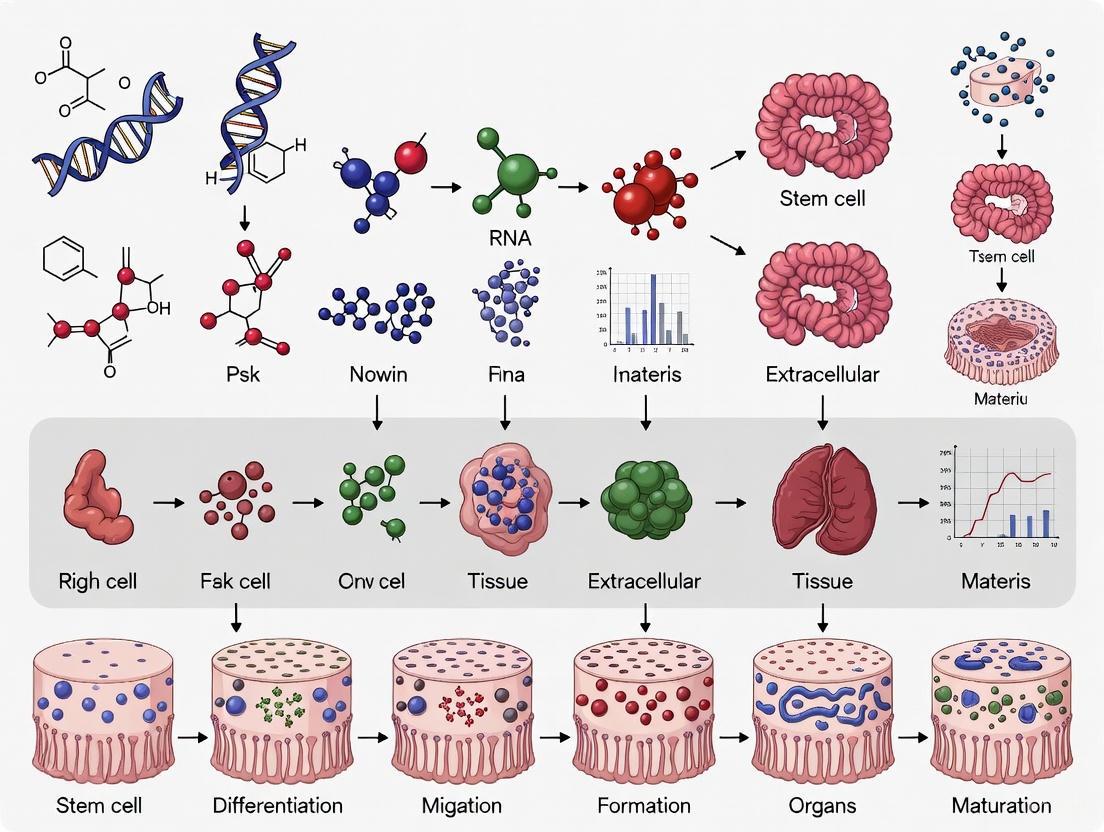
This article provides a comprehensive overview of the principles and applications of tissue engineering for organ development, tailored for researchers, scientists, and drug development professionals.
Tissue Engineering for Organ Development: Principles, Applications, and Future Frontiers in Regenerative Medicine
Abstract
This article provides a comprehensive overview of the principles and applications of tissue engineering for organ development, tailored for researchers, scientists, and drug development professionals. It explores the foundational concepts of the tissue engineering triad—cells, biomaterials, and bioactive factors—and delves into advanced methodologies like 3D bioprinting and decellularization. The content addresses critical challenges such as vascularization and scalability, while also covering validation techniques and comparative analyses of emerging technologies. By synthesizing current strategies and future directions, including the role of AI and organ-on-a-chip models, this resource aims to bridge the gap between laboratory research and clinical translation for organ replacement and disease modeling.
The Core Principles of Tissue Engineering: Building Biological Substitutes from the Ground Up
Tissue engineering is an interdisciplinary field that applies principles of engineering and life sciences toward developing biological substitutes to restore, maintain, or improve tissue function [1] [2]. Since its systematic introduction in the 1990s, this field has revolutionized strategies for tissue repair and regeneration, offering solutions for the critical shortage of donor organs and the limitations of conventional reconstructive methods [3] [4]. The tissue engineering triad—comprising cells, scaffolds, and bioactive signals—represents the fundamental framework for constructing functional engineered tissues [1]. These three components work synergistically to replicate the complex microenvironment found in native tissues, supporting cellular processes that lead to functional tissue regeneration.
This paradigm has evolved significantly, with contemporary approaches focusing on mimicking the dynamic reciprocity between cells and their extracellular matrix (ECM) [5]. The ideal scaffold no longer serves as a passive structural support but actively participates in regulating cellular behavior through integrated biomechanical and biochemical cues [4] [5]. Similarly, the understanding of appropriate cell sources and the precise delivery of bioactive signals has advanced, enabling more sophisticated approaches to regenerating complex tissues and organs [3] [6]. This technical guide examines each component of the tissue engineering triad in detail, with a specific focus on their integration for organ development research.
The Scaffold Component: Engineered Extracellular Matrix
Core Functions and Design Principles
Scaffolds serve as artificial extracellular matrices, providing the structural foundation for engineered tissues. Their functions directly mirror those of native ECM, which include providing structural support for cells, contributing to mechanical properties of the tissue, delivering bioactive cues, acting as reservoirs for growth factors, and allowing remodeling in response to tissue dynamics [1]. These analogous functions are summarized in Table 1.
Table 1: Analogous Functions of Native ECM and Engineered Scaffolds
| Functions of ECM in Native Tissues | Analogous Functions of Scaffolds in Engineered Tissues | Critical Scaffold Features |
|---|---|---|
| Provides structural support for cells to reside | Provides structural support for exogenously applied cells to attach, grow, migrate and differentiate | Biomaterials with binding sites; porous structure with interconnectivity; temporary resistance to biodegradation |
| Contributes to mechanical properties of tissues | Provides shape and mechanical stability to tissue defects | Biomaterials with sufficient mechanical properties matching native tissue |
| Provides bioactive cues for cellular response | Interacts with cells actively to facilitate proliferation and differentiation | Biological cues (e.g., cell-adhesive sites); physical cues (e.g., surface topography) |
| Acts as reservoir for growth factors | Serves as delivery vehicle for exogenously applied growth factors | Microstructures retaining bioactive agents; controlled release mechanisms |
| Allows remodeling during wound healing | Provides void volume for vascularization and new tissue formation | Porous microstructures for diffusion; controllable degradation rates |
Effective scaffold design requires careful consideration of several key properties. Architecture must include sufficient porosity and interconnectivity to enable cell migration, vascularization, and nutrient waste transport [1]. Cyto- and tissue compatibility ensures scaffolds support cell attachment, growth, and differentiation during both in vitro culture and in vivo implantation [1]. Bioactivity enables active interaction with cellular components to regulate their activities, while appropriate mechanical properties match those of the host tissue to provide mechanical stability and influence cell behavior through mechanotransduction [1] [5].
Biomaterial Classes and Selection Criteria
The selection of appropriate biomaterials represents a critical decision in scaffold design, with options spanning natural, synthetic, organic, and inorganic sources as detailed in Table 2.
Table 2: Major Scaffold Biomaterial Classes and Properties
| Material Class | Examples | Key Properties | Degradation Products | Tissue Applications |
|---|---|---|---|---|
| Natural Polymers | Collagen, Gelatin, Chitosan, Hyaluronic Acid, Alginate, Silk Fibroin [7] | High biocompatibility, low immunogenicity, inherent bioactivity | Polypeptides, oligosaccharides | Soft tissues, cartilage, skin, dental |
| Synthetic Polymers | Poly(lactic acid) (PLA), Poly(glycolic acid) (PGA), Polycaprolactone (PCL), Polyethylene glycol (PEG) [7] [2] | Tunable mechanical properties, controllable degradation rates | Lactic acid, glycolic acid, caprolactone, ethylene glycol | Bone, cartilage, load-bearing tissues |
| Natural Inorganics | Hydroxyapatite (HA), Bioglass, Magnesium-based metals [7] [8] | High compressive strength, osteoconductivity | Ca²⁺, PO₄³⁻, SiO₃²⁻, Mg²⁺ | Bone, dental, orthopedics |
| Synthetic Inorganics | Tricalcium phosphate, Calcium silicate, Graphene oxides, Carbon nanotubes [7] | Enhanced mechanical properties, electrical conductivity | Ca²⁺, PO₄³⁻, SiO₃²⁻, CO₂ | Bone, neural, cardiac tissue |
Scaffolding Approaches and Fabrication Technologies
Four major scaffolding approaches have evolved over the past decades, each with distinct advantages and limitations [1]:
- Pre-made porous scaffolds for cell seeding: This well-established approach uses degradable biomaterials processed into porous structures, offering the most diversified material choices and precise control over microstructure and architecture.
- Decellularized ECM for cell seeding: Utilizing allogenic or xenogenic tissues processed to remove cellular components, this approach provides the most natural simulation of ECM composition and mechanical properties.
- Confluent cells with secreted ECM: This method utilizes cells that secrete their own ECM, resulting in highly biocompatible structures suitable for tissues with high cellularity.
- Cell encapsulation in self-assembled hydrogels: An injectable approach offering fast, simple one-step procedures with intimate cell-material interactions, particularly suitable for soft tissues.
Advanced fabrication technologies have enabled significant progress in scaffold manufacturing. 3D bioprinting allows precise spatial control of cells, polymers, and growth factors to reproduce organ-level complexity [4] [9]. Decellularization techniques create acellular scaffolds that preserve the intrinsic 3D structure of native ECM, serving as ideal templates for whole organ regeneration [4]. Electrospinning produces nanofibrous scaffolds that closely mimic the topography of natural ECM [5], while supercritical carbon dioxide processing creates highly porous structures without organic solvents [2].
The Cell Component: Biological Building Blocks
Cells serve as the living component of engineered tissues, responsible for synthesizing new ECM and executing tissue-specific functions. Multiple cell sources are available, each with distinct characteristics and applications:
- Embryonic Stem Cells (ESCs): Derived from early-stage blastocysts, ESCs offer unlimited proliferative capacity and broad differentiation potential, enabling directed differentiation into diverse functional cell types [3] [2]. However, their clinical application faces ethical concerns and potential teratoma formation risks [2].
- Induced Pluripotent Stem Cells (iPSCs): Generated by reprogramming somatic cells using transcription factors (OCT4, SOX2, KLF4, c-MYC), iPSCs avoid ethical controversies and enable patient-specific treatments that significantly reduce immune rejection risks [3] [4].
- Mesenchymal Stem Cells (MSCs): Isolated from bone marrow, adipose tissue, or umbilical cord, MSCs represent a multipotent adult stem cell population capable of differentiating into osteogenic, chondrogenic, and adipogenic lineages [4] [2]. Their relative ease of harvest and lack of ethical concerns make them particularly attractive for clinical applications.
- Tissue-Specific Differentiated Cells: Primary cells harvested from specific tissues (e.g., chondrocytes, hepatocytes, cardiomyocytes) maintain their phenotypic characteristics and can be used for engineering their native tissue types [10] [2].
Emerging Paradigms: Organoids and Organ-Specific Cells
Organoids represent a revolutionary approach in which stem cells or tissue-resident progenitor cells self-assemble into 3D microtissues that recapitulate the structural complexity and functional heterogeneity of human organs [3]. These structures better approximate in vivo environments than traditional 2D cultures, maintaining cellular phenotypes while providing long-term proliferation capacity [3]. Organoids have been successfully applied in modeling multiple human organs, including brain, heart, intestine, liver, and retina [3].
The integration of organoid technology with traditional tissue engineering scaffolds creates a powerful synergy—while organoids provide unprecedented biological complexity, scaffolds offer mechanical support and structural guidance, particularly important for load-bearing tissues [3]. This convergence, termed Organoid-Based Tissue Engineering (OBTE), represents a sophisticated approach that relies on precise orchestration of stem cell behavior during early developmental stages, governed by a complex interplay of cellular dynamics, microenvironmental factors, scaffold architecture, and nutritional parameters [3].
Organ-specific tissue engineering requires careful consideration of unique structural and functional units. For example:
- Kidney: Engineering challenges focus on recapitulating the nephron's close proximity of vessels and tubules with appropriate cell phenotypes to ensure proper transport and recreation of renal physiology [10].
- Liver: Requires not only specialized cells (hepatocytes, Kupffer cells, stellate cells) but also biomimetic architecture that supports the liver's unique sinusoidal structure and dual blood supply [10].
- Heart: Demands highly organized layered architecture to generate contractile force efficiently and a dense vasculature to support high metabolic demands [10].
- Lung: Centers on recreating the delicate air-blood exchange interface in the alveoli, requiring extremely thin yet robust barriers between vascular and airway compartments [10].
Cell Source Differentiation Pathways
The Bioactive Signals Component: Regulatory Cues
Categories of Bioactive Signals
Bioactive signals direct cellular processes such as proliferation, migration, differentiation, and ECM synthesis, playing crucial roles in regulating tissue development and healing. These signals can be categorized based on their chemical nature and mechanisms of action:
- Growth Factors: Soluble, secreted signaling polypeptides or proteins (e.g., BMP-2, BMP-7, VEGF, FGF-2) that act locally to regulate cell proliferation, migration, differentiation, and ECM synthesis [6]. These molecules typically exhibit short-range diffusion through the ECM and bind to specific cell surface receptors to activate intracellular signaling cascades.
- Endocrine Secretions: Hormones (e.g., Parathyroid Hormone) that are transported by the circulatory system to regulate physiology and tissue development [6]. These often require specific temporal release patterns—pulsatile PTH administration promotes bone formation, whereas continuous exposure results in bone resorption [6].
- Nucleic Acids: DNA, mRNA, siRNA, and miRNA that alter cellular function at the genetic level [6]. Genes encoding for growth and differentiation factors can enable protein expression for extended periods, while non-coding RNAs regulate gene expression and cell activity.
- Physical Cues: Insoluble signals including mechanical stimulation, ECM stiffness, fluid flow, and topological patterns that significantly alter cell shape, activity, and gene expression through ECM-cell interactions [1] [6].
- Synthetic Small Molecules: Chemicals, antibiotics, and anti-inflammatory drugs that combat infection and modulate inflammation to create a conducive environment for healing [6].
Biomimetic Delivery Systems
Effective delivery of bioactive signals represents a major challenge in tissue engineering. Biomimetic delivery systems aim to provide control over location, timing, and release kinetics according to the drug's physiochemical properties and specific biological mechanisms [6]. Key strategies include:
- Scaffold-Based Delivery: Incorporation of signals within the scaffold matrix for localized release, utilizing encapsulation techniques such as covalent binding, ionic crosslinking, or physical entrapment within hydrogels [1] [6].
- Stimuli-Responsive Systems: Materials that release their payload in response to specific environmental triggers such as pH, enzyme activity, or mechanical stress [5].
- Gene-Activated Matrices: Scaffolds incorporating nucleic acids that transfect infiltrating cells to enable sustained production of therapeutic proteins [6].
- Surface Engineering: Modification of scaffold surfaces with bioactive peptides (e.g., RGD sequences) to promote specific cellular responses [2] [5].
Bioactive Signal Classification
Table 3: Major Growth Factors in Tissue Engineering
| Growth Factor | Abbreviation | Primary Functions | Tissue Applications | Delivery Challenges |
|---|---|---|---|---|
| Bone Morphogenetic Protein-2 | BMP-2 | Induces osteoblast differentiation, bone formation | Bone regeneration, spinal fusion | Heterotopic ossification, cancer risk at high doses |
| Vascular Endothelial Growth Factor | VEGF | Promotes angiogenesis, vascular permeability | Vascularization of engineered tissues | Edema, hypotension with systemic exposure |
| Fibroblast Growth Factor-2 | FGF-2 | Stimulates fibroblast proliferation, wound healing | Skin, cartilage, bone regeneration | Short half-life, requires stabilization |
| Transforming Growth Factor-β | TGF-β | Regulates immune response, ECM production | Cartilage, bone, fibrous tissue | Context-dependent pro-fibrotic effects |
Integrated Experimental Approaches
The Scientist's Toolkit: Essential Research Reagents
Successful tissue engineering research requires specialized reagents and materials. Table 4 details essential components for designing experiments based on the tissue engineering triad.
Table 4: Essential Research Reagents for Tissue Engineering
| Reagent Category | Specific Examples | Primary Functions | Application Notes |
|---|---|---|---|
| Stem Cell Sources | Human ESCs, iPSCs, BM-MSCs, UC-MSCs [3] [2] | Provide pluripotent or multipotent cells for differentiation | Select based on differentiation potential, availability, and ethical considerations |
| Cell Culture Media | StemPro, MSCGM, EGM, hepatocyte culture media [3] | Support cell growth and directed differentiation | Often requires tissue-specific supplements and growth factors |
| Natural Biomaterials | Collagen type I, Fibrin, Alginate, Chitosan, Hyaluronic acid [7] | Provide biocompatible, bioactive scaffolding | May require crosslinking for mechanical stability |
| Synthetic Polymers | PCL, PLA, PLGA, PEG [7] [2] | Offer tunable mechanical properties, degradation rates | Surface modification often enhances cell adhesion |
| Inorganic Materials | Hydroxyapatite, Tricalcium phosphate, Bioglass 45S5 [7] [8] | Provide osteoconductivity, mechanical strength | Often combined with polymers for composite scaffolds |
| Growth Factors | Recombinant BMP-2, VEGF-165, FGF-2, TGF-β3 [6] | Direct cell differentiation, tissue formation | Require controlled delivery systems for optimal activity |
| Proteases/Inhibitors | Collagenase, MMP inhibitors, serine protease inhibitors [5] | Modify ECM degradation, study remodeling | Essential for evaluating scaffold degradation |
| Decellularization Agents | SDS, Triton X-100, Triton X-200, sodium deoxycholate [4] | Remove cellular material from tissues | Concentration and exposure time critical for ECM preservation |
| Crosslinking Agents | Genipin, glutaraldehyde, EDC/NHS [7] | Enhance mechanical properties of natural materials | Cytotoxicity considerations important for cell-laden constructs |
| 3D Bioprinting Bioinks | GelMA, Alginate-Gelatin blends, PEG-based hydrogels [9] | Enable additive manufacturing of complex structures | Printability, cell compatibility, and mechanical properties must be balanced |
Methodologies for Triad Integration
Integrating cells, scaffolds, and bioactive signals requires sophisticated experimental protocols. Below are detailed methodologies for key approaches in tissue engineering research:
Protocol 1: Fabrication and Cell Seeding of 3D Porous Scaffolds
- Scaffold Fabrication: Prepare a polymer solution (e.g., 10% w/v PCL in chloroform). Utilize solvent casting/particulate leaching with sodium chloride (150-300μm particles) at 90% porosity, or employ high-pressure CO₂ foaming to create interconnected porous structures [2].
- Sterilization: Subject scaffolds to ethylene oxide treatment or UV irradiation for 24 hours per side.
- Surface Modification (Optional): Treat with oxygen plasma (100W, 5 minutes) followed by immersion in 10μg/mL fibronectin solution for 2 hours at 37°C [2].
- Cell Seeding: Prepare cell suspension at 5×10⁶ cells/mL in complete medium. Apply 100μL suspension per 50mg scaffold. Place in bioreactor or rotate continuously for 4 hours to ensure uniform cell distribution.
- Dynamic Culture: Transfer seeded constructs to bioreactor system with perfusion flow rate of 0.5mL/min, gradually increasing to 2mL/min over 7 days.
Protocol 2: Decellularization of Tissues for ECM Scaffolds
- Tissue Preparation: Obtain fresh tissue (e.g., porcine heart, liver) and rinse in PBS with 1% antibiotic-antimycotic solution.
- Decellularization Cycle:
- Freeze at -80°C for 12 hours, then thaw at room temperature.
- Agitate in 0.5% sodium dodecyl sulfate (SDS) for 24-48 hours at 4°C.
- Rinse with PBS for 24 hours with 6 solution changes.
- Treat with 1% Triton X-100 for 30 minutes.
- Incubate with DNase solution (50U/mL in 1M NaCl) for 24 hours at 37°C [4].
- Sterilization: Rinse extensively in sterile PBS and treat with 0.1% peracetic acid for 2 hours.
- Characterization: Verify decellularization through H&E staining (no nuclear material), DNA quantification (<50ng/mg dry weight), and ECM composition analysis via immunohistochemistry.
Protocol 3: Growth Factor Incorporation and Release Kinetics
- Growth Factor Loading:
- Physical Adsorption: Incubate scaffolds with 10μg/mL growth factor solution in PBS for 4 hours at 4°C.
- Encapsulation: Mix growth factors with hydrogel precursor solution (e.g., 5% GelMA) before crosslinking.
- Heparin-Binding: Pre-treat scaffolds with 1% heparin solution, then load with heparin-binding growth factors (e.g., BMP-2, FGF-2) [6].
- Release Kinetics Assessment:
- Immerse loaded scaffolds in 1mL PBS at 37°C with gentle agitation.
- Collect and replace release medium at predetermined time points (1, 3, 6, 12, 24, 48, 72 hours, then weekly).
- Quantify released growth factor using ELISA.
- Calculate cumulative release and fit to mathematical models (zero-order, first-order, Higuchi).
Tissue Engineering Workflow
Advanced Integration Strategies and Future Perspectives
Vascularization and Organ-Level Challenges
Creating tissues with adequate vascular networks represents one of the most significant challenges in organ-level tissue engineering. Several advanced strategies have emerged to address this limitation:
- Pre-vascularized Scaffolds: Incorporating sacrificial materials or channels within scaffolds that can be populated with endothelial cells to create primitive vascular networks [4].
- Microvascular Transfer: Utilizing explanted microcirculatory beds (EMBs) containing afferent arteries, capillary beds, and efferent veins that can be harvested, seeded with tissue-specific cells, and reimplanted using microsurgical techniques [4].
- Angiogenic Factor Delivery: Controlled release of VEGF and other angiogenic factors from scaffolds to promote host vessel ingrowth [6].
- 3D Bioprinting of Vascular Networks: Direct printing of hollow channels lined with endothelial cells using fugitive inks or coaxial printing techniques [9].
Emerging Technologies and Future Directions
The field of tissue engineering continues to evolve rapidly, with several emerging technologies poised to address current limitations:
- 4D and 5D Bioprinting: Advanced bioprinting techniques that incorporate temporal dimension (4D) or additional biological parameters (5D) to create dynamic tissues that evolve over time [9].
- Organ-on-a-Chip Platforms: Microfluidic systems that integrate engineered tissues with vascular perfusion to create more physiologically relevant models for drug testing and disease modeling [3] [10].
- Intelligent Biomaterials: Stimuli-responsive systems that adapt their properties or release profiles in response to local environmental cues [5].
- Gene-Editing Integration: Combining CRISPR/Cas9 technology with tissue engineering to correct genetic defects in patient-specific cells before constructing engineered tissues [9].
- Artificial Intelligence and Machine Learning: Computational approaches to optimize scaffold design, predict tissue maturation, and automate manufacturing processes [9].
The successful translation of tissue engineering strategies into clinical practice will depend on overcoming challenges related to scalability, reproducibility, vascularization, and long-term stability. Interdisciplinary collaboration among engineers, biologists, clinicians, and regulatory specialists will be essential to address these hurdles and realize the full potential of tissue engineering for organ development and regeneration.
Tissue engineering is formally defined as an interdisciplinary field that applies the principles of engineering and life sciences toward developing biological substitutes capable of restoring, maintaining, or improving tissue function [11]. Within this framework, the selection of an appropriate cell source represents one of the most fundamental decisions, as it ultimately determines the therapeutic potential, scalability, and clinical translatability of any regenerative approach. The field has evolved significantly since its inception, with physicians and scientists initially looking to new alternatives to address the critical shortage of donor organs and the complications associated with lifelong immunosuppressive medications [11].
The unifying concept behind various cell-based strategies—whether termed cell transplantation, tissue engineering, or the broader field of regenerative medicine—is the regeneration of living tissues and organs [11]. This guide examines the spectrum of available cell sources, from the clinically established use of autologous cells to the rapidly advancing field of pluripotent stem cells, framing this discussion within the core principles of tissue engineering for organ development research. Each cell type presents distinct advantages and limitations regarding availability, expansion potential, differentiation capacity, and immunogenicity, factors that must be carefully balanced against the requirements of the target tissue and clinical scenario.
Autologous Native Cells
Autologous cells, harvested from the patient's own tissue, represent the cornerstone of clinical cell-based therapies. The preferred methodology involves obtaining a tissue biopsy from the host, dissociating it into individual cells, expanding these cells in culture, and then implanting the expanded cells back into the same host—either through direct injection or attached to a supportive matrix [11] [12]. The principal advantage of this approach is the avoidance of immune rejection, thereby eliminating the need for immunosuppressive medications and their associated complications [11].
Significant advances have been made in the expansion protocols for various primary human cells. For instance, urothelial cells can now be expanded from a single specimen covering 1 cm² to an area equivalent to a football field (4,202 m²) within eight weeks [11]. However, a major limitation persists for patients with extensive end-stage organ failure, where a tissue biopsy may not yield sufficient normal cells for expansion. Furthermore, primary autologous cells from certain organs, like the pancreas, remain difficult to expand in vitro [11]. The use of native cells also typically depends on the availability of a healthy biopsy site, which may not always be feasible.
Adult Stem Cells
Adult stem cells, particularly mesenchymal stem/stromal cells (MSCs), are found in various tissues, including bone marrow, adipose tissue, and dental pulp [13]. They are defined by their self-renewal capacity and ability to differentiate into multiple specialized cell types, such as osteoblasts, chondrocytes, and adipocytes [14]. Bone marrow-derived MSCs (BMSCs) have been extensively studied for cartilage repair due to their chondrogenic capacity and relative ease of harvesting [15] [16]. Clinically, the microfracture procedure leverages the body's endogenous BMSCs by creating small holes in the subchondral bone, allowing these cells to populate and repair cartilage lesions [16].
Despite their promise, BMSCs have demonstrated significant limitations. When used for articular cartilage repair, they often generate fibrocartilage with a high ratio of collagen type I to collagen type II, resulting in inferior mechanical properties for load resistance [16]. A more critical concern is their tendency toward hypertrophic differentiation, expressing markers like RUNX2 and COL10A1 and potentially undergoing endochondral ossification, which makes them unsuitable for generating stable hyaline cartilage [16]. These limitations have spurred the investigation of alternative cell sources.
Pluripotent Stem Cells
Pluripotent stem cells are characterized by their ability to self-renew indefinitely and differentiate into any cell type of the three germ layers. This category includes human embryonic stem cells (hESCs), derived from the inner cell mass of the blastocyst, and induced pluripotent stem cells (iPSCs), which are reprogrammed from somatic cells through the overexpression of specific factors [11] [16].
iPSCs, in particular, offer a revolutionary cell source without the ethical concerns associated with hESCs and with minimal supply limitations [11] [16]. They can be generated from a patient's own cells (e.g., fibroblasts from a skin biopsy), enabling the creation of autologous pluripotent cells. A key advancement has been the differentiation of iPSCs into iPSC-derived mesenchymal stem/stromal cells (iMSCs), which exhibit greater chondrogenic differentiation capacity and cell proliferation than their bone marrow-derived counterparts, with attenuated p53/p21CIP1 activity [16]. Critically, iMSC-derived chondrocytes show a reduced tendency for hypertrophic and fibrotic phenotypes, producing more hyaline cartilage-like tissue [16]. This technology also allows for the generation of patient-specific cells for those with extensive end-stage organ failure, where a tissue biopsy from the diseased organ is not a viable option [11].
Table 1: Comparison of Major Cell Sources for Tissue Engineering
| Cell Source | Key Advantages | Major Limitations | Primary Research/Clinical Applications |
|---|---|---|---|
| Autologous Native Cells | Avoids immune rejection; No ethical concerns [11]. | Limited expansion capacity for some cell types; Requires healthy biopsy site [11]. | Bladder reconstruction [11]; Urothelial repair [11]. |
| Adult Stem Cells (e.g., MSCs) | Multilineage differentiation; Immunomodulatory properties [13]. | Tendency toward fibrocartilage or hypertrophy (BMSCs) [16]; Donor site morbidity. | Cartilage repair (microfracture) [16]; Bone regeneration [13]. |
| Induced Pluripotent Stem Cells (iPSCs) | Unlimited expansion; Patient-specific; Bypasses ethical issues [11] [16]. | Safety concerns (tumorigenicity); Complex, costly manufacturing [16]. | Disease modeling [14]; Cartilage repair (iMSCs) [16]; Drug screening. |
| Embryonic Stem Cells (ESCs) | True pluripotency; Well-characterized [11]. | Ethical controversies; Immunogenic rejection [11]. | Developmental biology research; Differentiation studies [11]. |
Experimental Models and Methodologies
Generation of Functional Organs from Single Adult Stem Cells
The potential of a single adult tissue stem cell to generate an entire organ has been demonstrated in mouse models for the mammary and prostate glands, providing a powerful paradigm for organ regeneration. The general methodology involves the isolation and purification of stem cells using specific cell-surface markers, followed by in vivo transplantation and tracing.
Generation of a Mammary Gland: Single stem cells were isolated from the mammary glands of adult mice using specific cell-surface markers (Lin-, CD29hi, CD24+) via FACSAria flow cytometry [14]. These isolated cells were then marked with a LacZ reporter transgene and transplanted into the fat pad of mouse hosts. The results demonstrated that a single transplanted cell could contribute to both myoepithelial and luminal lineages and generate functional lobuloalveolar units capable of producing milk during pregnancy [14].
Generation of a Prostate Gland: For the prostate, a new marker, CD117, was identified based on its specific expression and behavior [14]. Single stem cells expressing a combination of markers (Sca-1+CD133+CD44+CD117+) were placed into individual wells, combined with embryonic urogenital sinus mesenchymal cells (rUGM), and transplanted under the renal capsule of immunodeficient mouse hosts. After three months, the grafts were analyzed, showing that a subset of the single-cell transplants developed into epithelial structures containing luminal, basal, and neuroendocrine lineages [14].
Autologous iPSC-Derived Chondrocytes for Cartilage Repair in a Minipig Model
The following detailed protocol and results are derived from a recent preclinical study that evaluated the effectiveness of autologous iPSC-derived chondrocytes for repairing articular cartilage in a skeletally mature Yucatan minipig model, a translationally relevant large animal [16].
Detailed Experimental Protocol
Fibroblast Isolation and iPSC Generation:
- Source Tissue: Ear notch samples were collected from 6 Yucatan minipigs at 3 months of age.
- Digestion: The collected ear skin was digested in a buffer medium supplemented with collagenase/dispase for 2 hours.
- Culture: The digestion was terminated with a growth medium (low-glucose DMEM, 10% FBS, 1% antibiotics). The solution was filtered through a 70-µm cell strainer, and cells were collected via centrifugation, resuspended, and plated in a T75 flask.
- Reprogramming: Minipig fibroblasts were transfected with an episomal plasmid using a Nucleofector II. The transfected cells were seeded onto an irradiated mouse embryonic fibroblast (MEF) feeder layer in modified E8 medium (supplemented with activin A, CHIR99021, IWR-1, and LIF) for 21 days to induce iPSC colonies. G418 was added from day 2 to day 7 to enhance efficacy.
- Characterization: iPSC colonies were hand-picked, expanded, and characterized via alkaline phosphatase staining, flow cytometry for pluripotency markers, and in vitro trilineage differentiation [16].
iMSC and Chondrocyte Differentiation:
- iMSC Induction: Individual iPSC lines were differentiated into iMSCs using the STEMdiff Mesenchymal Progenitor kit. Briefly, iPSCs at 70-80% confluence were switched to Mesenchymal Induction Medium for 4 days, followed by culture in Complete MesenCult-ACF Medium.
- Chondrogenic Induction: Both iMSCs and BMSCs were seeded into fibrin glue/nanofiber constructs and cultured in chondrogenic induction media for 7 days prior to implantation [16].
Surgical Implantation and Analysis:
- Animal Model: 19 skeletally mature Yucatan minipigs.
- Defect Creation: A cylindrical defect (7 mm diameter, 0.6 mm depth) was created on the articular cartilage surface without violating the subchondral bone.
- Study Groups: Animals were randomly divided into four treatment groups: (1) microfracture control, (2) acellular scaffold, (3) iMSC-chondrocyte (iMSC-Ch) implant, and (4) BMSC-chondrocyte (BMSC-Ch) implant.
- Analysis: Joint repair was assessed histologically and via immunofluorescence for key cartilage markers (COL2A1 for hyaline cartilage, COL1A1 for fibrocartilage, and COL10A1 for hypertrophy) [16].
Key Findings
The study yielded critical comparative data:
- Enhanced Repair: Both cellular implant groups (iMSC-Ch and BMSC-Ch) showed enhanced joint repair compared to the microfracture and acellular control groups.
- Superior Cartilage Quality with iMSC-Ch: Immunofluorescence analysis revealed that the iMSC-Ch implants produced cartilage with significantly higher expression of COL2A1 and minimal to no expression of COL1A1 and COL10A1.
- Conclusion: iMSC-Ch implants generated more hyaline cartilage-like tissue, while BMSC-Ch implants were associated with fibrocartilage (COL1A1) and undesirable hypertrophic cartilage (COL10A1) [16].
Table 2: Key Reagent Solutions for iPSC and Chondrocyte Differentiation
| Research Reagent | Function in Protocol | Specific Example / Catalog Source |
|---|---|---|
| Collagenase/Dispase | Enzymatic digestion of tissue for fibroblast isolation. | MilliporeSigma [16]. |
| Episomal Plasmid | Non-integrating vector for reprogramming somatic cells to iPSCs. | Addgene #58527 [16]. |
| MEF Feeder Layer | Provides a supportive substrate and secretes factors for iPSC growth. | Irradiated Mouse Embryonic Fibroblasts (WiCell) [16]. |
| Modified E8 Medium | Defined culture medium for the maintenance and expansion of iPSCs. | E8 medium supplemented with activin A, CHIR99021, IWR-1, LIF [16]. |
| STEMdiff Mesenchymal Progenitor Kit | Directed differentiation of iPSCs into mesenchymal progenitor cells. | STEMCELL Technologies [16]. |
| Fibrin Glue/Nanofiber Construct | 3D scaffold for chondrocyte seeding and implantation. | N/A [16]. |
| Chondrogenic Induction Media | Media formulation to promote differentiation of MSCs into chondrocytes. | N/A [16]. |
Advanced Engineering Strategies and Future Directions
Blastocyst Complementation
Blastocyst complementation is an innovative strategy for generating entire organs from pluripotent stem cells (PSCs). The method involves injecting PSCs into a genetically modified blastocyst that is unable to form a specific organ. The injected PSCs integrate into the developing embryo, forming a chimeric animal in which the missing organ is entirely derived from the donor PSCs [14]. This approach has been explored in rodent species using CRISPR-Cas9 gene editing to create the host blastocysts with organogenesis deficiencies. The ultimate goal of this line of research is to generate human organs in animal hosts, such as pigs, for transplantation, though the efficiency of chimera formation is currently low and significant ethical and technical hurdles remain [14].
Recellularization of Decellularized Scaffolds
Another prominent tissue engineering strategy uses acellular tissue matrices produced by removing cellular components from donor tissues via mechanical and chemical manipulation. This process leaves behind a collagen-rich extracellular matrix (ECM) that preserves the organ's native architecture and biochemical cues [11] [14]. These decellularized scaffolds can then be recellularized with patient-specific cells, such as iPSC-derived lineages, to create a functional bioengineered organ. This approach aims to overcome the significant challenge of recreating the complex three-dimensional architecture of native organs from the ground up [14].
The landscape of cell sources for regeneration is diverse and rapidly evolving. The selection from the spectrum of autologous native cells, adult stem cells, and pluripotent stem cells must be guided by the specific requirements of the target tissue and clinical application. While autologous cells remain the gold standard for many applications due to their immunocompatibility, their limitations in expansion and availability are driving the field toward more potent sources like iPSCs. Recent advances in iPSC technology, particularly their differentiation into stable iMSC-chondrocytes that resist hypertrophy, demonstrate the potential to overcome the limitations of traditional adult stem cells. As the fields of blastocyst complementation and scaffold recellularization continue to mature, the synergy between advanced cell sourcing and innovative bioengineering strategies will be crucial for achieving the ultimate goal of tissue engineering: the creation of functional, complex organ substitutes capable of restoring health to patients with end-stage organ failure.
Diagram 1: Workflow for Autologous iPSC-Based Cartilage Repair
Diagram 2: Hierarchy of Cell Sources and Key Characteristics
The extracellular matrix (ECM) is a naturally secreted, dynamic, and complex network of structural proteins, proteoglycans, and soluble factors that defines the cellular microenvironment [17]. It provides not only physical support but also essential biochemical and biomechanical cues that regulate cell adhesion, survival, proliferation, differentiation, and migration [17] [18]. In native tissues, the ECM's composition, organization, and function are tissue-specific, relying on spatial and biochemical hierarchies to control mechanical function and cellular behavior [17].
Tissue engineering and regenerative medicine (TERM) aims to repair or replace damaged tissues and organs by harnessing biomaterials, cellular components, and biofabrication techniques [19]. A central goal is to recapitulate the native ECM's essential features within engineered scaffolds, creating a biomimetic platform that instructs cell fate and supports tissue formation [20] [18]. Consequently, the development of ECM-based or ECM-mimetic biomaterial scaffolds has emerged as a pivotal strategy for boosting tissue regeneration [17] [21] [18].
This technical guide explores the core principles of designing biomaterial scaffolds that replicate the native ECM, framed within the broader context of tissue engineering principles for organ development research. It provides an in-depth analysis of ECM composition, scaffold fabrication methodologies, bio-instructive functionalization, and detailed experimental protocols, serving as a comprehensive resource for researchers and scientists in the field.
Core Composition of the Native ECM
The backbone of the ECM matrisome includes several core components, each playing a distinct and critical role in tissue structure and function [17].
- Structural Proteins: Collagens constitute the most abundant ECM component, providing mechanical support, facilitating cell adhesion, and defining tissue architecture [17]. Different collagen subtypes are expressed according to the specific tissue and cell microenvironment. Elastin is another key structural protein that confers elasticity and resilience to tissues, allowing them to withstand repeated deformations [18].
- Proteoglycans and Glycosaminoglycans (GAGs): Proteoglycans are proteins with covalently attached GAG side chains. The four main types of GAGs are hyaluronic acid, chondroitin/dermatan sulfate, heparan sulfate, and keratan sulfate [17]. The negatively charged GAGs enable proteoglycans to sequester water, providing space-filling and lubrication functions. Furthermore, they facilitate the binding and presentation of growth factors and receptors to neighboring cells, thereby imbuing additional bioactivity to the ECM [17].
- Glycoproteins: Fibronectin and laminin are major glycoproteins in the ECM. Fibronectin is crucial for cell adhesion, migration, and growth factor signaling, while laminin is a primary component of the basement membrane, influencing cell differentiation, polarization, and survival [18].
Table 1: Core Components of the Native Extracellular Matrix and Their Functions
| ECM Component | Key Examples | Primary Functions |
|---|---|---|
| Structural Proteins | Collagens (Type I, II, etc.), Elastin | Tensile strength, mechanical integrity, tissue architecture, elasticity and recoil. |
| Proteoglycans & GAGs | Aggrecan, Decorin, Heparan Sulfate, Chondroitin Sulfate | Resistance to compression, hydration, growth factor binding and presentation, cell signaling. |
| Glycoproteins | Fibronectin, Laminin | Cell adhesion, migration, differentiation, tissue organization and cohesion. |
The interplay of these components creates a complex, dynamic environment that is challenging to fully replicate with single-protein biomaterials [17]. This understanding has motivated the development of decellularized ECM (dECM) and complex composite materials that better capture the native ECM's biochemical diversity [17].
Scaffold Fabrication Techniques and Material Systems
Conventional and Advanced Fabrication Methods
Scaffold fabrication has evolved from traditional processes to advanced additive manufacturing techniques that offer unprecedented control over scaffold architecture [22] [20].
- Decellularization: This process involves removing cellular components from native tissues or cell-secreted matrices using chemical, enzymatic, and physical methods to produce a dECM scaffold [17]. The goal is to preserve the inherent biochemical composition and ultrastructure of the native ECM while eliminating immunogenic cellular material. dECM can then be processed into hydrogels, bioinks, or porous scaffolds [17] [21].
- Electrospinning: This technique uses a high-voltage electric field to draw charged polymer solutions or melts into micro- or nanoscale fibers, creating non-woven meshes that mimic the fibrous architecture of the native ECM [20]. Variations like Melt Electrowriting (MEW) provide even greater precision in depositing these fibers [20].
- 3D Printing and Bioprinting: Extrusion-Based Printing (EBP), including Fused Deposition Modeling (FDM) and extrusion bioprinting, is a powerful technique for creating highly complex and multicomponent structures with well-defined architecture and composition [20] [23]. It allows for the fabrication of scaffolds with tailored porosity, pore size, and spatial distribution of different materials or cells, enabling the engineering of multiphasic constructs for interfaces like osteochondral tissue [23].
Key Biomaterial Systems
A wide range of natural, synthetic, and hybrid materials is used in scaffold fabrication, each with distinct advantages and limitations [24] [25].
- Natural Polymers: Materials like collagen, gelatin (denatured collagen), fibrin, and chitosan are derived from biological sources. They generally exhibit excellent biocompatibility, bioactivity, and inherent cell-binding motifs [26] [23]. However, they often suffer from batch-to-batch variability and poor mechanical properties [26]. Gelatin methacrylate (GelMA) is a widely used photocrosslinkable derivative that forms highly cell-compatible hydrogels for bioprinting [17].
- Synthetic Polymers: Materials such as polycaprolactone (PCL), polylactic acid (PLA), and poly(lactic-co-glycolic acid) (PLGA) offer superior and tunable mechanical properties, controlled degradation rates, and high reproducibility [24] [23]. Their inherent hydrophobicity and lack of bioactive sites, however, can result in poor cell adhesion, often necessitating surface modification or combination with natural polymers [26] [23].
- Bioceramics: Hydroxyapatite (HA), β-tricalcium phosphate (β-TCP), and bioactive glasses are primarily used for bone tissue engineering due to their excellent osteoconductivity and compositional similarity to the mineral phase of bone [24]. They are inherently stiff, brittle, and slow-degrading, and are often combined with polymers to form composite scaffolds with improved mechanical and biological properties [24] [23].
- Decellularized ECM (dECM): dECM biomaterials, derived from native tissues or in vitro cell cultures, represent a robust approach as they recapitulate the complex, tissue-specific biochemical composition of the native ECM [17] [18]. Challenges include poor mechanical properties, source variability, and potential immune reactions if decellularization is incomplete [17].
Diagram 1: Scaffold Fabrication Workflow for Tissue Engineering
Engineering Bio-instructive Scaffolds: Incorporating Physical and Biochemical Cues
The concept of bio-instructive materials involves designing scaffolds that provide spatio-temporal guidance for cells by incorporating specific physical and biochemical cues to direct tissue formation and function [20].
Physical Cues
Physical cues are topographical and mechanical signals that guide cell behavior.
- Architecture and Topography: Scaffold architecture (e.g., fiber alignment, pore size, and shape) directly influences cell alignment, spatial distribution, and migration. Aligned fibrous scaffolds can contact guide cells, promoting oriented tissue growth, as seen in blood vessel engineering [20].
- Mechanical Properties: Substrate stiffness and elasticity are critical mechanical cues that direct stem cell differentiation. For instance, softer substrates are known to favor neuron spreading, while stiffer substrates promote osteogenic differentiation [20].
Biochemical Cues
Biochemical cues are molecular signals that drive specific cellular responses, such as proliferation and differentiation.
- Growth Factors and Cytokines: Signaling molecules like Bone Morphogenetic Protein-2 (BMP-2), Transforming Growth Factor-beta (TGF-β), and Vascular Endothelial Growth Factor (VEGF) can be incorporated into scaffolds to promote osteogenesis, chondrogenesis, and angiogenesis, respectively [26] [24]. Scaffolds act as reservoirs for the controlled release of these factors, protecting them from degradation and reducing the high doses required for systemic administration [26] [17].
- Bioactive Peptides: Short peptide sequences, such as the RGD (Arg-Gly-Asp) motif found in fibronectin, can be grafted onto biomaterial surfaces to enhance cell adhesion [19]. Other peptides, like MMP-sensitive sequences, can be integrated to make the scaffold degradable by cell-secreted enzymes, facilitating cell-mediated remodeling [19].
- Gene-Activated Scaffolds: This approach involves delivering nucleic acids (e.g., plasmid DNA, siRNA, microRNAs) via the scaffold to transfect infiltrating cells. This enables sustained, localized expression of therapeutic proteins or silencing of disease-related genes, overcoming the short half-life of direct growth factor delivery [26]. For example, miRNAs that regulate chondrocyte signaling (e.g., miR-210, miR-26a/b) show potential for osteoarthritis treatment and cartilage regeneration [26].
Table 2: Bio-instructive Cues for Directing Cell Behavior in Scaffolds
| Cue Type | Specific Example | Biological Effect | Application Example |
|---|---|---|---|
| Physical (Topographical) | Aligned PCL nanofibers | Contact guidance, promotes cell alignment | Blood vessel engineering [20] |
| Physical (Mechanical) | Stiffness ~25 kPa | Induces osteogenic differentiation of MSCs | Bone tissue engineering [20] |
| Biochemical (Growth Factor) | BMP-2 loaded in β-TCP | Promotes bone formation | Healing of femoral defects [24] |
| Biochemical (Peptide) | RGD conjugation to alginate | Enhances integrin-mediated cell adhesion | Improving viability of encapsulated cells [19] |
| Biochemical (Nucleic Acid) | miR-26a delivery | Inhibits NF-κB signaling, reduces MMP expression | Osteochondral regeneration, OA therapy [26] |
Detailed Experimental Protocol: 3D-Printed Bilayer Osteochondral Scaffold
Osteochondral tissue, which encompasses the articular cartilage and underlying subchondral bone, presents a significant challenge due to its complex, biphasic structure. The following protocol details the fabrication and in vitro characterization of a 3D-printed bilayer composite scaffold, replicating the methodology from recent research [23].
Scaffold Design and Fabrication
- Objective: To create an integrated scaffold with a cartilage-like layer (soft, chondroconductive) and a bone-like layer (stiff, osteoconductive).
- Materials:
- Synthetic Polymer: Polycaprolactone (PCL, Mw ~80,000).
- Natural Polymers: Gelatin and human-blood extracted fibrin.
- Bioceramic: Hydroxyapatite (HA) nanoparticles.
- Solvent: Chloroform.
- CAD Design: Use Mimics 16.0 or similar software to design a 3D scaffold (e.g., 20 x 20 mm) with a defined pore size (e.g., 500 µm).
- Ink Preparation:
- Bone Layer Ink: Mix 35 wt.% PCL with 65 wt.% HA nanoparticles in chloroform at 45°C until a uniform solution is obtained.
- Cartilage Layer Ink: Dissolve 50 wt.% PCL in chloroform at 45°C. Add varying concentrations of fibrin and gelatin (e.g., 10/40, 20/30, 30/20 wt.% fibrin/gelatin) to the PCL solution.
- 3D Printing Process: Use an extrusion-based 3D printer (e.g., Abtin II). Load the two inks into separate syringes. Set the nozzle movement speed constant (e.g., 5 mm/min). Print the bone layer first, followed by the cartilage layer directly on top to form an integrated bilayer construct.
Characterization and In Vitro Evaluation
- Morphological Analysis (SEM): Image the scaffold surface and cross-section using Scanning Electron Microscopy (SEM) at 10 kV. Analyze pore size, fiber morphology, and layer integration.
- Physicochemical Characterization:
- Contact Angle Measurement: Use the dropwise method and a contact angle goniometer to assess surface hydrophilicity/hydrophobicity.
- FTIR Spectroscopy: Perform Fourier Transform Infrared Spectroscopy in the 630–4000 cm⁻¹ range to identify chemical groups and confirm the presence of all components without undesirable reactions.
- Compressive Strength Test: Perform a uniaxial compression test on cylindrical scaffold samples (e.g., 20 mm height, 5 mm diameter) at a speed of 0.058 mm/s to determine the mechanical properties of each layer and the integrated scaffold.
- Degradation Study: Immerse pre-weighed scaffolds (W₀) in phosphate-buffered saline (PBS) at 37°C. At predetermined time points (days 1, 3, 5, 7, then weekly), remove samples (n=3 per group), dry thoroughly, and weigh (Wₜ). Calculate the percentage of weight loss. Monitor the pH of the PBS.
- Bioactivity Assessment (SBF Test): Immerse scaffolds in simulated body fluid (SBF) for 4 weeks. Analyze solution chemistry via Inductively Coupled Plasma (ICP) spectroscopy. At weeks 1 and 4, use SEM, EDAX, and XRD to examine the formation of a hydroxycarbonated apatite layer on the scaffold surface, indicating bioactivity.
- Biological Evaluation:
- Sterilization: Sterilize scaffolds with 70% ethanol and UV irradiation.
- Cell Seeding and Culture: Seed scaffolds with relevant cells (e.g., blastocyst cells, mesenchymal stem cells).
- MTT Assay: At designated time points, incubate cell-scaffold constructs with MTT solution for 3-4 hours. Dissolve the formed formazan crystals in DMSO and measure the optical density at 540 nm to assess cell viability and proliferation.
- Fluorescence Staining (DAPI): Fix cells on scaffolds, stain with DAPI in the dark, and image under a fluorescence microscope to visualize cell nuclei and distribution.
- Alizarin Red Staining: For osteogenic assessment, fix cells, stain with 1% Alizarin Red solution, and observe under a microscope to detect calcium deposits, indicating matrix mineralization.
Diagram 2: Bilayer Scaffold Experimental Workflow
The Scientist's Toolkit: Key Research Reagents and Materials
Table 3: Essential Research Reagents and Materials for ECM-Mimetic Scaffold Development
| Reagent/Material | Function/Application | Key Characteristics |
|---|---|---|
| Polycaprolactone (PCL) | Synthetic polymer for extrusion printing; provides structural integrity and controlled degradation [23]. | Biodegradable polyester, good mechanical properties, hydrophobic (often blended with natural polymers). |
| Gelatin Methacrylate (GelMA) | Photocrosslinkable bioink derived from collagen; forms soft, hydrated hydrogels for cell encapsulation [17]. | Preserves cell-adhesive motifs (RGD), tunable mechanical properties via UV crosslinking. |
| Fibrin | Natural polymer from blood plasma; used in cartilage layer of osteochondral scaffolds and as a sealant [23]. | Excellent biocompatibility, promotes cell adhesion and proliferation, mechanically weak alone. |
| Hydroxyapatite (HA) Nanoparticles | Bioceramic filler for bone layer; provides osteoconductivity and enhances compressive modulus [23]. | Chemical similarity to bone mineral, improves bioactivity and mechanical strength of composites. |
| Bone Morphogenetic Protein-2 (BMP-2) | Growth factor for osteogenic induction; loaded into scaffolds for sustained release to stimulate bone formation [26] [24]. | Potent osteoinductive signal; short half-life in vivo necessitates delivery via a scaffold system. |
| RGD Peptide | Bioactive adhesive peptide; conjugated to synthetic polymers to enhance cell adhesion [19]. | Synthetic peptide mimicking fibronectin, mitigates hydrophobicity of synthetic materials like PLGA. |
| Decellularized ECM (dECM) Bioink | Gold standard for biochemical mimicry; derived from decellularized tissues to provide tissue-specific cues [17] [21]. | Contains complex mix of native ECM proteins and GAGs; challenges include standardization and mechanics. |
Replicating the native extracellular matrix through biomaterial scaffolds is a cornerstone of modern tissue engineering and organ development research. The journey from inert structural supports to sophisticated, bio-instructive 3D environments marks a paradigm shift in the field. By leveraging a deep understanding of ECM composition, employing advanced fabrication techniques like 3D printing, and strategically incorporating physical and biochemical cues, researchers can create scaffolds that actively direct cellular processes toward functional tissue regeneration.
Despite promising advances, significant challenges remain, including achieving robust vascularization within large constructs, seamlessly engineering complex tissue interfaces, and precisely controlling immune responses post-implantation. Future directions will likely involve the development of increasingly dynamic "smart" scaffolds, such as those used in 4D printing, which can change their shape or function over time in response to stimuli, and the refinement of hybrid living materials that closely emulate the continuous remodeling of native tissues. Overcoming these hurdles will be crucial for translating laboratory innovations into clinically viable therapies that can restore function and improve the quality of life for patients.
Organ-Specific Structural and Functional Requirements
The fundamental challenge in tissue engineering lies in the precise recapitulation of organ-specific structural and functional requirements to generate biologically accurate tissue and organ substitutes. Organ specificity refers to the differential expression of genes, proteins, and structural components that define the unique physiological function of each organ [27]. Success in this endeavor has profound implications for both regenerative medicine, by providing transplantable organ substitutes to replace damaged regions and restore organ function, and pharmaceutical development, by building human tissue chips that replace animal models for drug screening and disease modeling [10]. While clinical success has been achieved with simpler flat tissues like skin and bladder containing few cell types, engineering complex metabolically-demanding tissues requires higher-order organization across interacting functional compartments at molecular, cellular, and tissue scales [10]. This technical guide examines the core organ-specific requirements for four major organs—kidney, liver, heart, and lung—which represent the top candidates for organ transplantation in the United States, and provides detailed methodologies for their quantitative assessment and engineering.
Organ-Specific Structural and Functional Units
Each organ in the human body possesses unique structural components—including specialized cell types, extracellular matrix composition, and architectural organization—that directly enable its physiological function. The structure of kidneys, liver, heart, and lungs reflects their specialized functions in filtration, metabolic regulation, pumping, and gas exchange, respectively [10]. These functions are achieved either through repeating functional units, as observed in lungs, liver, and kidneys, or through adequate mass, as exemplified by the heart [10]. Understanding these basic structural units or mass requirements is essential for achieving tissue or organ-level functions in engineered constructs.
Table 1: Structural and Functional Requirements of Major Organs
| Organ | Functional Unit | Key Structural Features | Specialized Cells | Matrix Composition | Primary Function |
|---|---|---|---|---|---|
| Kidney | Nephron | Bowman's capsule, proximal tubule, loop of Henle, distal tubule, collecting ducts | Podocytes, fenestrated endothelial cells, proximal tubular epithelial cells | Collagen IV, laminin (<1 μm thick basement membrane) | Blood filtration, toxin removal, urine production |
| Liver | Hepatic lobule | Sinusoids, space of Disse, hexagonal lobules with portal triads | Hepatocytes, Kupffer cells, hepatic stellate cells | Discontinuous basement membrane, collagen framework | Metabolic regulation, chemical production and breakdown |
| Heart | Myocardial layer | Helical architecture of myocardium, coronary vasculature, valves | Cardiomyocytes, cardiac fibroblasts, endothelial cells | Dense collagen network, high capillary density | Blood pumping, unidirectional flow generation |
| Lung | Alveoli | Highly branched hierarchical airways, air-blood barrier | Alveolar epithelial cells (Type I and II), capillary endothelial cells | Elastic fibers, thin basement membrane | Gas exchange (oxygen uptake, carbon dioxide release) |
Kidney Functional Unit Requirements
The kidney's fundamental functional unit is the nephron, with each human kidney containing between 600,000 and 1,400,000 nephrons [10]. A nephron consists of multiple segments, beginning with Bowman's capsule, followed by the proximal tubule in the cortex, loop of Henle in the medulla, distal tubule in the cortex, and collecting ducts toward the ureter. These segments selectively filter, secrete, or reabsorb solutes, regulate composition and volume of extracellular fluid, and maintain blood pressure [10]. The functional structural unit at the exchange interface consists of three components: the tubular lumen, the vessel lumen, and a thin layer of basement membrane in between (<1 μm thick), rich in collagen IV and laminin [10]. Both lumen sides are lined with specialized cells: fenestrated endothelial cells with a rich glycocalyx along the capillary lumen, and epithelial cells with various signatures corresponding to different nephron segments in the tubular lumen [10]. Engineering challenges for the kidney exchange interface rely on recapitulating the close proximity of vessels and tubules with appropriate cell phenotypes and matrix to ensure proper transport and accurate recreation of renal physiology and pathology.
Liver Functional Unit Requirements
The liver exhibits a highly-organized architecture with four major structural components: the hepatocytes that perform metabolic reactions, the connective tissue stroma, the sinusoidal capillaries that deliver vascular flow to hepatocytes, and the perisinusoidal space between capillaries and hepatocytes (space of Disse) [10]. The classic hepatic lobule architecture describes a hexagonal mass of tissue surrounding a central vein, with corners at the portal canals containing the triad of hepatic portal vein, hepatic artery, and bile duct [10]. The hepatic sinusoids feature a discontinuous endothelium containing both large fenestrae without diaphragms and large gaps between adjacent endothelial cells [10]. Between the basal side of hepatocytes and sinusoids lies the perisinusoidal space that allows significant exchange between blood plasma and hepatocytes. Engineering liver-specific tissue requires not only these specialized cells but also biomimetic architecture among cells in addition to adequate mass for physiological function, which further requires a hierarchical vasculature and perfusion support.
Heart Functional Unit Requirements
The heart is a muscular pump requiring high metabolic support to drive unidirectional blood flow, with a highly organized layered architecture to generate contractile force efficiently and rhythmically [10]. Three distinct layers comprise the heart muscle: epicardium (outermost), myocardium (middle), and endocardium (innermost). The myocardium is a thick muscle layer with helical architecture such that contraction propagates asynchronously, leading to both shortening and twisting of the ventricle during pumping, maximizing contraction and pumping efficiency [10]. Nearly every myocardial cell resides within 20 μm of a perfused capillary to facilitate delivery of nutrients and oxygen and removal of waste to support high metabolic demand [10]. Heart valves represent another unique cardiac structure—thin but subjected to significant mechanical forces during normal function. Cardiac tissue engineering focuses on remuscularizing the heart via cell injection or thick myocardium transplant, and recreating live mechanically sound heart valves [10].
Lung Functional Unit Requirements
The lung's fundamental functional unit is the air-blood exchange interface in the respiratory zone, called alveoli [10]. The lungs possess highly branched hierarchical airways culminating in these microscopic sacs where gas exchange occurs. Engineering functional lung tissue requires recapitulation of this branching architecture along with the delicate blood-air barrier that permits efficient oxygen and carbon dioxide exchange while maintaining structural integrity during ventilation cycles.
Quantitative Assessment of Organ-Specific Similarity
Organ-Specific Gene Expression Panels (Organ-GEP)
A critical advancement in quality control for engineered tissues is the development of quantitative calculation systems to assess organ-specific similarity based on organ-specific gene expression panels (Organ-GEP) using public databases like GTEx (8,555 samples, 53 tissues) [28]. These panels include lung-specific (LuGEP), stomach-specific (StGEP), and heart-specific (HtGEP) gene expression panels with analytical algorithms for direct comparison to human organs. The methodology involves a three-step analytical process for selecting organ-specific genes for each tissue (heart, lung, stomach):
- Gene Selection: Comparing mean and variance between target tissues and remaining tissues using paired t-tests to identify differentially expressed genes (p-value < 0.05), defining 2,843 heart-specific genes, 1,049 lung-specific genes, and 466 stomach-specific genes [28].
- Confidence Interval Filtering: Calculating the lower bound of the 99% confidence interval (LCI) of genes from step 1 for each tissue and the upper bound of the 99% confidence interval (UCI) for remaining tissues, extracting genes with higher LCI for each tissue than the maximum UCI among other tissues, resulting in 153 heart genes, 189 lung genes, and 73 stomach genes [28].
- Quantile Comparison: Setting the top 25% RPKM value of each tissue and comparing with remaining tissues, selecting genes where target tissue values exceed 1.05 times maximum values from other tissues, defining final organ-specific expressed genes (143 heart genes, 145 lung genes, 73 stomach genes) [28].
Table 2: Organ-Specific Gene Expression Panels (Organ-GEP)
| Organ | Initial Gene Selection | After CI Filtering | Final Gene Count | Included Functional Genes | Total Panel Genes |
|---|---|---|---|---|---|
| Heart | 2,843 | 153 | 143 | 1 | 144 |
| Lung | 1,049 | 189 | 145 | 4 | 149 |
| Stomach | 466 | 73 | 73 | 0 | 73 |
| Liver | Previously established (LiGEP) | N/A | N/A | N/A | N/A |
Web-Based Similarity Analytics System (W-SAS)
The Web-based Similarity Analytics System (W-SAS; https://www.kobic.re.kr/wsas/) provides an analytical algorithm to calculate similarity (percentage) and gene expression patterns for direct comparison to human target organs (liver, lung, stomach, and heart) [28]. This platform enables researchers to obtain important information for quality control of hPSC-derived organoids and cells, addressing limitations of conventional assessment methods that rely on tissue-specific marker analysis through histology and gene expression analysis, which, while efficient for design and optimization of differentiation methods, make evaluating similarity between human tissue and differentiated cells/organoids difficult due to laborious and time-consuming experimental validation [28].
Engineering Methodologies for Organ-Specific Microenvironments
Extracellular Matrix Biomimicry
Native ECM components and organization vary significantly across different organs and undergo temporal-specific remodeling during tissue development and wound healing [29]. In mammalian systems, two main ECM types exist: interstitial connective tissue matrix for physical support (mainly collagen type I and fibronectin) and basement membrane separating epithelium from connective tissue (mainly collagen IV, laminins, and proteoglycans) [29]. Organ-specific ECM compositions include:
- Skin: Primarily collagen (77% of fat-free dry weight) with type I (80-85%) and type III (8-11%) collagens providing tensile strength, plus elastin (4%) for elasticity, and glycoproteins like fibronectin and laminin as adhesive matrix proteins [29].
- Intestine: Basement membrane composed of laminin, collagen IV, fibronectin, and proteoglycans with spatially varying composition—different laminin isoforms distributed along crypt-villus axis and different collagen IV-α chains differentially distributed throughout epithelial basement membrane [29].
Engineering extracellular microenvironments with chemically and biophysically defined features contributes to establishing more physiologically relevant organoid models containing in vivo-like levels of cell phenotype diversity [29]. Chemically-defined engineered hydrogels increase reproducibility and provide desirable properties, including topography, stiffness, degradability, and viscoelasticity that regulate cellular behaviors [29].
Organ-on-Chip Microfluidic Technology
Microfluidic chip technology addresses critical limitations in conventional organoid culture by enabling dynamic and precise control over the organoid microenvironment [30]. Organ-on-chip platforms are three-dimensional engineered micro- or millisystems used for cell culturing purposes, aiming to recreate functional units of organs in vitro through individually accessible, perfusable chambers of (sub-)millimeter dimensions that enable incorporation and culture of different cell types and dynamic control of culture environment [30]. Key advantages include:
- Perfusable Networks: Mimic in vivo vasculature-based nutrient transfer, addressing diffusion limitations that restrict organoid growth [30].
- Biomechanical Stimulation: Recapitulate in vivo mechanical forces through application of flow and pressure, important for organoid maturation [30].
- Organ-Organ Interactions: Co-culture of different organoid types in microfluidic platforms captures important aspects of complex in vivo organ-organ communication [30].
- Automated High-Throughput Culture: Platforms allowing precise control of microgeometries and medium refreshment reduce variability between experimental parameters imparted by manual manipulation [30].
Integration methods for organoids in chip platforms include: (1) mixing pre-formed organoids with gel-based matrix and transferring into culture chambers; (2) directly seeding pre-formed organoids on previously coated gel surfaces; and (3) seeding organoid-derived single cells for subsequent on-chip assembly into organoids [30].
Research Reagent Solutions for Organ-Specific Tissue Engineering
Table 3: Essential Research Reagents and Materials for Organ-Specific Tissue Engineering
| Reagent/Material | Function/Application | Organ Relevance | Key Characteristics |
|---|---|---|---|
| Matrigel | Ill-defined heterogeneous basement membrane matrix for 3D support | Multiple organs | Animal-derived, limited tunability and reproducibility but widely used due to availability [29] |
| Engineered Hydrogels | Defined 3D extracellular microenvironment with tunable properties | Multiple organs | Chemically-defined, controllable stiffness, degradability, viscoelasticity [29] |
| hPSCs (human Pluripotent Stem Cells) | Source for generating tissue-specific functional cells and organoids | Multiple organs | Capable of differentiating into various cell types by regulating developmental signaling [28] |
| Collagen IV | Basement membrane component for epithelial support | Kidney, skin, intestine | <1 μm thick membrane in kidney; sheet formation with laminin in skin [10] [29] |
| Laminin | Basement membrane component for cell adhesion and differentiation | Kidney, intestine, skin | Spatial distribution of isoforms along crypt-villus axis in intestine [29] |
| Organ-GEP Panels | Quantitative assessment of organ-specific similarity | Heart, lung, stomach, liver | 144 heart genes, 149 lung genes, 73 stomach genes for similarity calculation [28] |
| Microfluidic Chips | Dynamic microenvironment control with perfusion | Multiple organs | Millifluidic chambers enabling mechanical stimulation, vascular mimicry [30] |
Engineering organ-specific tissues requires meticulous attention to the unique structural and functional requirements of each target organ, combining biological understanding with engineering methodologies. Success depends on recapitulating organ-specific cells, matrix composition, and architecture while incorporating quantitative assessment tools like Organ-GEP and W-SAS for quality control. The integration of advanced biomaterials providing defined microenvironments, microfluidic technologies enabling physiological perfusion and mechanical stimulation, and robust analytical methods for verifying organ similarity represents the comprehensive approach needed to overcome current limitations in tissue engineering. As these technologies mature, they promise to bridge the critical gap between animal studies and human pathophysiology, advancing both regenerative medicine and pharmaceutical development through more physiologically relevant human tissue models.
Tissue engineering represents a transformative technological frontier that combines the principles of cell biology, engineering, and materials science to develop three-dimensional tissues for replacing or restoring tissue function [31]. This field has evolved from relatively simple engineered skin substitutes to complex bioartificial organs, marking a significant milestone in regenerative medicine and organ transplantation. The progression from skin to complex organs demonstrates how tissue engineering principles can be systematically applied to increasingly sophisticated biological structures, offering solutions to the critical shortage of donor organs and advancing drug development capabilities [32].
The fundamental paradigm of tissue engineering relies on the strategic combination of cells, scaffolds, and biological signals to create functional tissue constructs. This whitepaper examines the key milestones in this evolutionary pathway, with particular focus on the technical principles, experimental methodologies, and quantitative characterization techniques that have enabled this progression. For researchers and drug development professionals, understanding this developmental trajectory provides critical insights for guiding future organ development research and therapeutic applications.
The Foundation: Engineered Skin Substitutes
Historical Context and Technical Achievement
Engineered skin represents one of the most advanced tissue constructs in the field and serves as the foundational milestone from which more complex organs have emerged. The first manufactured living human organ, Apligraf by Organogenesis, emerged in 1997, marking a pivotal moment for the field [33]. This breakthrough demonstrated the feasibility of creating functional human tissues outside the body and established many core principles that would later be applied to more complex organs.
Skin substitutes initially lacked several important functions provided by native skin, including those provided by hair follicles, sebaceous glands, sweat glands, and dendritic cells [31]. Despite these limitations, they provided crucial proof-of-concept for the entire tissue engineering field and established standardized metrics for evaluating biomaterial performance in clinical applications. The relative structural simplicity of skin compared to parenchymal organs made it an ideal starting point for developing core tissue engineering methodologies that would later be refined and expanded for more complex applications.
Quantitative Market Impact and Clinical Adoption
The treatment market via cell therapy and tissue engineering constituted a $6.9 billion worldwide market, with predictions indicating growth to nearly $32 billion in less than ten years, representing a growth rate of approximately 16% annually [33]. The wound healing segment emerged as the most common initial application for regenerative medicine, with globally significant volumes including 500,000 surgeries performed to treat diabetic ulcers, 500,000 surgeries to treat venous ulcers, 45,000 burn surgeries, and 940,000 plastic surgeries performed each year [33].
Table 1: Evolution of Engineered Skin Substitutes
| Generation | Time Period | Key Characteristics | Limitations | Clinical Impact |
|---|---|---|---|---|
| First Generation | 1990s | Cellular or acellular matrices, basic barrier function | Limited functionality, no appendages | Foundation for treatment of burns and chronic wounds |
| Second Generation | 2000s | Improved biomaterials, enhanced integration | Partial recapitulation of native skin | Reduced donor tissue requirement, improved healing |
| Gene-Modified/Next Generation | 2007-present | Genetic enhancement of cellular components, improved function | Manufacturing complexity, regulatory challenges | Potential for treating systemic conditions and enhanced healing [31] |
Technical Progression to Complex Bioartificial Organs
Scaffold Design and Fabrication Technologies
The advancement from skin to complex organs required significant innovations in scaffold design and fabrication. Scaffolds serve as critical three-dimensional frameworks that allow cell attachment and migration, deliver and retain cells and biochemical factors, and enable diffusion of vital cell nutrients and expressed products [33]. Essential scaffold requirements include high porosity with adequate pore size, appropriate biodegradability where the degradation rate coincides with tissue formation rates, and injectability for minimally invasive applications [33].
Multiple fabrication methodologies have been developed to meet these requirements:
- Solvent Casting & Particulate Leaching (SCPL): This technique allows preparation of porous structures with regular porosity using polymers like polylactic acid dissolved in solvents such as dichloromethane, with porogens including sodium chloride, saccharose crystals, or paraffin spheres [33].
- Gas Foaming: This approach overcomes the need for organic solvents and solid porogens by exposing disc-shaped polymer structures to high pressure CO₂ for several days, then gradually restoring atmospheric pressure to form pores as carbon dioxide molecules abandon the polymer [33].
- Emulsification/Freeze-drying: This technique eliminates the need for solid porogens by dissolving a synthetic polymer into a suitable solvent, adding water to create an emulsion, casting the emulsion into a mold, quickly freezing it, then freeze-drying to remove dispersed water and solvent [33].
- CAD/CAM Technologies: These systems enable designing three-dimensional structures using CAD software, with porosity tailored using algorithms within the software, representing a significant advancement in precision scaffold architecture [33].
The Rise of 3D Bioprinting and Organoid Technologies
The emergence of 3D bioprinting technologies marked a critical milestone in the progression from simple tissues to complex organs. This additive manufacturing approach builds organs layer by layer with cells and biomaterials, enabling the creation of increasingly complex structures including hearts and lungs for transplantation [32]. Parallel developments in organoid technology have created new opportunities for disease modeling and drug development, with the organoid market expected to reach $15.01 billion in 2031, representing a CAGR of 22.1% over 2023's $3.03 billion [34].
Organoids exhibit various structural and functional characteristics of their in vivo counterpart organs and have led to many new cancer models [34]. These self-assembled three-dimensional structures better mimic human physiology than traditional 2D cell cultures or animal models, addressing the high failure rate of clinical trials (exceeding 85%) due to limitations in conventional drug property assessment methods [34]. The integration of organoids with organ-on-chip technologies represents a further advancement, combining the three-dimensional structure of organoids with the dynamic functionality of microfluidic systems to enhance cellular differentiation, well-polarized cell architecture, and tissue functionality [34].
Characterization and Validation Methodologies
The progression to complex bioartificial organs necessitated advanced characterization techniques to evaluate implanted biomaterials within the host. Pre-clinical animal models play a crucial role in translating biomedical technologies from bench top to bedside, requiring evaluation of host-materials interactions, quality and rate of neotissue formation, and functional outcomes of implanted biomaterials [35]. Non-invasive, quantitative, real-time techniques have become essential for this evaluation, including functional mechanical testing of implants, histological scoring systems, advanced imaging modalities, and growth factor and cell tracking in animal models [35].
Standardized evaluation protocols have been established through organizations like ASTM, with specific standards including ASTM F561 for retrieval and analysis of medical devices, ASTM F2150 for characterization and testing of biomaterial scaffolds, ASTM F2451 for in vivo assessment of implantable devices for articular cartilage repair, and ASTM F2721 for pre-clinical in vivo evaluation in critical size segmental bone defects [35]. These standardized evaluation frameworks ensure consistent assessment across the field and enable meaningful comparison between different technological approaches.
Table 2: Quantitative Market Growth in Tissue Engineering and Related Technologies
| Technology Segment | Market Size (Year) | Projected Market Size | CAGR | Key Growth Drivers |
|---|---|---|---|---|
| Tissue Engineering/Cell Therapy | $6.9 billion (2009) | $32 billion (2018) | 16% | Increasing demand for innovative products, medical tourism [33] |
| Organoid Technology | $3.03 billion (2023) | $15.01 billion (2031) | 22.1% | Drug development applications, disease modeling, personalized medicine [34] |
| Organ Transplantation Segment | 46% growth (2009-2018) | - | - | Addressing donor organ shortage [33] |
| Dental Applications | 21% growth (2009-2018) | - | - | Treatment of periodontal disease and tooth loss [33] |
Key Experimental Protocols and Methodologies
Pre-clinical Evaluation Framework
The evaluation of tissue-engineered constructs follows rigorous pre-clinical protocols to assess safety and efficacy before clinical translation. For bone and cartilage tissue engineering, the primary goals include repairing damaged tissue, restoring function of damaged articular surface or bone, and fully regenerating the morphological and functional properties of the affected region using the host biological response [35]. Standardized evaluation employs multiple complementary methodologies:
- Mechanical Testing: Functional assessment through compression testing, torsion to failure, micro-indentation, and push-out testing to evaluate integration with host tissue [35].
- Histological Scoring Systems: Standardized scoring including International Cartilage Repair Society (ICRS) scoring for cartilage repair, with specific staining protocols including Hematoxylin and Eosin (H&E), Safranin O/Fast Green (Saf O/FG), Toluidine Blue (TB), Goldner's Trichrome (GT), von Kossa (VK), and immunohistochemistry (IHC) [35].
- Advanced Imaging Modalities: Non-invasive monitoring using microCT, magnetic resonance microscopy, near infrared imaging, in vivo small animal imaging, fluorescent microscopy, bioluminescence imaging, and ultrasound [35].
Cell Tracking and Growth Factor Monitoring
Advanced monitoring techniques enable researchers to track delivered cells and growth factors and directly correlate their release with tissue growth. These methodologies include:
- Fluorescent Labeling: Using fluorescent chitosan membranes (TRITC), GFP/Luc hMSCs, and other fluorescent markers with in vivo imaging systems like the Cri Maestro2 and IVIS Imaging System [35].
- Bioluminescence Imaging: Employing luciferase-based systems (e.g., NF-kB-luc) to monitor cellular activity and integration in real-time [35].
- Radiolabeling: Using isotopes like 125I to track growth factor (e.g., PDGF) release and distribution through non-invasive and invasive gamma counting [35].
- Scintillation Probes: Monitoring growth factor release in conjunction with fluorochrome markers (calcein green and tetracycline) to correlate release with tissue formation [35].
These sophisticated tracking methodologies represent significant advancements over traditional histological techniques that were limited to discrete time points, were inherently invasive, required large animal sample sizes, and provided only indirect and qualitative information on repair mechanisms [35].
The Scientist's Toolkit: Essential Research Reagents and Materials
The advancement from engineered skin to bioartificial organs has relied on increasingly sophisticated research reagents and materials. The following table details key solutions essential for current research in this field:
Table 3: Essential Research Reagent Solutions for Bioartificial Organ Development
| Reagent Category | Specific Examples | Function/Application | Technical Considerations |
|---|---|---|---|
| Scaffold Materials | Polylactic acid (PLA), Polyglycolic acid (PGA), Carbon Nanotubes, Alginate, Chitosan, Gelatin, PLGA, PLLA | Provide 3D structure for tissue formation, cell attachment and migration | Biodegradability rate must coincide with tissue formation; requires high porosity and adequate pore size [33] |
| Cell Sources | Primary cells, Autologous cells, Allogenic cells, Xenogenic cells, iPSCs, Patient-derived organoids (PDOs) | Fundamental building blocks for tissue construction | Patient-derived cells enable personalized medicine; iPSCs avoid ethical concerns; immune compatibility considerations [33] [34] |
| Biological Signals | BMP-2, BMP-7, TGF-β1, PDGF, rhBMP-2 | Direct cell differentiation and tissue formation | Often require controlled release systems; concentration gradients critical for patterning |
| Matrix Materials | Fibrin, Collagen, Heparin-conjugated fibrin, GMP-grade extracellular matrices | Provide biochemical cues and structural support | Encapsulation technologies evolving for dynamic culture systems [34] |
| Characterization Tools | Fluorescent markers (TRITC, GFP), Luciferase reporters, Radiolabels (125I) | Track cells and factors in vitro and in vivo | Enable non-invasive, real-time monitoring of construct development [35] |
Current Challenges and Future Directions
Technical and Manufacturing Hurdles
Despite significant progress, the field faces several substantial challenges in translating bioartificial organs from research to clinical application. Technical challenges include:
- Vascularization Limitations: The lack of vascularization in tissue constructs limits organoid size and physiological relevance due to nutrient diffusion constraints and development of necrotic cores beyond certain size limits [34].
- Maturity and Functionality: Organoids often exhibit a fetal phenotype rather than mature tissue characteristics, particularly when using induced pluripotent stem cells (iPSCs), limiting their applicability for studying adult diseases [34].
- Scalability and Reproducibility: Challenges in standardization, scalability, and batch-to-batch consistency persist, with a 2023 survey revealing that nearly 40% of scientists cite reproducibility as a significant challenge [34].
Potential solutions include advanced bioreactor systems such as stirred bioreactors to improve diffusion and scale up production, co-culture with endothelial cells to promote vascularization, and the integration of automation and artificial intelligence to standardize protocols and reduce variability [34]. Microfluidic architectures that connect different tissue organoids using circulatory mechanisms mimicking the human body also represent a promising approach [34].
Ethical and Regulatory Considerations
The development of synthetic organs raises complex ethical questions that must be addressed within the framework of medical ethics [32]. Key considerations include:
- Source Materials: Ethical concerns regarding the use of xenogenic cells (crossing species boundaries) and human embryonic cells (ethical implications of using human embryos and aborted fetuses) [33].
- Equity and Access: Questions regarding fair allocation of limited resources, public funding for transplants, and prevention of organ trafficking [32] [33].
- Regulatory Frameworks: Current gaps in regulatory guidelines for 3D printing with biological materials, with variations in rules for 3D bioprinted organs worldwide creating challenges for standardized development [32].
Future regulatory directions should focus on patient safety, efficacy, and accessibility, with particular attention to clear guidelines for manufacturing and testing synthetic organs and systems for checking and approving synthetic organs [32]. The FDA Modernization 2.0 Act, which empowers researchers to use innovative non-animal methods including organoids, represents a significant step forward in regulatory adaptation to these emerging technologies [34].
The progression from engineered skin to bioartificial organs represents a remarkable scientific and technological journey that demonstrates the evolving capabilities of tissue engineering. This trajectory has been marked by key milestones including the development of functional skin substitutes, advancement in scaffold design and fabrication technologies, emergence of 3D bioprinting and organoid systems, and sophisticated characterization methodologies. The convergence of these technologies with supporting developments in automation, artificial intelligence, microfluidics, and gene editing creates a powerful foundation for future advances.
For researchers and drug development professionals, understanding this developmental pathway provides critical insights for guiding future organ development research. The field is poised for continued expansion, with ongoing efforts focused on integrating organoids and organ-on-chips for improved reproducibility and scale-up, developing microfluidic architectures that connect different tissue organoids, creating organoid cell atlases for better standardization, and establishing academia/industry partnerships for generating next-generation automated solutions [34]. As these technologies mature, they hold the potential to transform not only organ transplantation but also disease modeling, drug screening, and personalized medicine, ultimately advancing human health through engineered biological solutions.
From Bench to Bedside: Advanced Fabrication Technologies and Clinical Applications
Tissue engineering (TE) is an interdisciplinary field aimed at developing biological substitutes to restore, maintain, or improve tissue function [36]. Central to this field are scaffolds, three-dimensional structures that serve as templates for cell attachment, proliferation, and differentiation. This technical guide provides a comprehensive overview of two fundamental scaffold categories: synthetic polymers and natural matrices. It examines their material properties, fabrication methodologies, and applications within a developmental tissue engineering paradigm, which mimics embryonic morphogenetic processes to achieve superior biomorphological and biofunctional outcomes [36] [37]. The content is structured to serve researchers, scientists, and drug development professionals by summarizing quantitative data in accessible tables, detailing experimental protocols, and visualizing critical signaling pathways and workflows.
Classical tissue engineering approaches combine scaffolds, cells, and soluble factors to create constructs that mimic native tissues [36]. The scaffold performs a critical function as an artificial extracellular matrix (ECM), providing structural support and biochemical cues that guide tissue development. An ideal scaffold must possess several key characteristics: biocompatibility to avoid adverse immune reactions, biodegradability at a rate matching new tissue formation, suitable surface chemistry for cell attachment, and interconnected porosity to facilitate cell migration, nutrient diffusion, and vascularization [38] [39].
Recently, developmental tissue engineering has emerged as a novel paradigm that shifts focus from merely replicating mature tissue structures to mimicking the morphogenetic processes occurring during embryonic development [36] [37]. This approach recognizes that complex organs form through sequential interactions between epithelium and mesenchyme—a process known as secondary induction—regulated by conserved signaling molecules including Wnt, BMP, Hedgehog, and FGF families [36]. Successful replication of these interactions requires an accurate selection of cell sources, scaffolds, and culture configurations, which will be explored in subsequent sections.
Core Principles and Signaling Pathways
Developmental Tissue Engineering Paradigm
Developmental tissue engineering relies on replicating the inductive interactions between different cell populations that occur during organogenesis. Specifically for ectodermal appendages (teeth, hair follicles, glands), organ development proceeds through sequential and reciprocal interactions between adjacent layers of epithelial and mesenchymal tissues [36]. In practice, this involves coculturing a cell population with inductive capability alongside another population competent in receiving these inductive signals, thereby artificially replicating morphogenesis [36].
This approach represents a significant departure from classical TE strategies, which primarily aim for direct cell differentiation into mature phenotypes. Instead, developmental TE creates conditions whereby tissues can self-organize through cell-driven processes reminiscent of embryonic development, ultimately leading to constructs with superior biological functionality and morphological accuracy [36] [37].
Key Signaling Pathways in Morphogenesis
The following diagram illustrates the core signaling pathways and cellular interactions that underpin the developmental tissue engineering paradigm for ectodermal appendage regeneration.
The signaling pathways depicted—particularly Wnt, BMP, Hedgehog (Shh), and FGF—represent conserved families of morphogenetic molecules that regulate the epithelial-mesenchymal crosstalk essential for ectodermal organ development [36]. Successful scaffold-based strategies must facilitate this spatiotemporal signaling exchange to achieve proper biomorphology.
Natural Matrices in Tissue Engineering
Material Properties and Synthesis
Natural matrices derived from biological materials offer distinct advantages for tissue engineering applications, primarily due to their innate ability to mimic a physiological microenvironment [39]. These materials, which include collagen, chitosan, alginate, cellulose, and agarose, are characterized by their biocompatibility, bioactivity, and inherent biodegradability [38] [39].
Fabrication protocols for natural polymer scaffolds typically involve lyophilization (freeze-drying) techniques to create interconnected porous networks [38]. For example, composite scaffolds can be synthesized by combining different natural polymers such as cellulose-alginate, cellulose-agarose, cellulose-chitosan, chitosan-alginate, and chitosan-agarose. Scanning electron microscopy analyses confirm the formation of sponge-like structures with interconnected porosity following lyophilization, which is critical for cell infiltration and tissue integration [38].
Experimental Protocol: Fabrication of Natural Polymer Composite Scaffolds
Objective: To synthesize porous, three-dimensional composite scaffolds from natural polymers for tissue engineering applications [38].
Materials:
- Natural polymers (cellulose, chitosan, alginate, agarose)
- Solvent systems (appropriate for each polymer, e.g., acidic solutions for chitosan)
- Crosslinking agents (e.g., genipin, glutaraldehyde for specific composites)
- Laboratory equipment: beakers, magnetic stirrer, pH meter, freeze-dryer (lyophilizer)
- Mold containers for scaffold shaping
Methodology:
- Polymer Solution Preparation: Prepare individual polymer solutions at desired concentrations (e.g., 2% w/v) using appropriate solvents. For chitosan, dissolve in dilute acetic acid solution with stirring until transparent.
- Composite Blending: Combine polymer solutions at specific ratios to create composite mixtures (e.g., cellulose-chitosan at 70:30 ratio). Mix thoroughly using magnetic stirring for 24 hours to ensure homogeneity.
- Crosslinking: Add crosslinking agents if required for mechanical stability. Adjust pH as necessary for specific crosslinking reactions.
- Molding: Pour the polymer solution/composite mixture into designated mold containers to achieve desired scaffold dimensions.
- Lyophilization: Freeze the molded solutions at -80°C for 12 hours, then transfer to a freeze-dryer for 48 hours to remove solvent via sublimation, creating porous structures.
- Post-processing: Wash scaffolds to remove residual solvents or crosslinkers, then sterilize using gamma irradiation or ethanol immersion before cell culture.
Quality Assessment:
- Structural Analysis: Use scanning electron microscopy to verify interconnected porous network formation and pore size distribution.
- Cell Compatibility: Assess HeLa cell attachment and proliferation on scaffolds through standard cell viability assays [38].
Synthetic Polymers in Tissue Engineering
Material Classes and Fabrication Techniques
Synthetic polymers offer tunable mechanical properties, predictable degradation rates, and manufacturing reproducibility for scaffold-based strategies. Commonly used synthetic materials include poly(lactic-co-glycolic acid) (PLGA), poly-L-lactide acid (PLLA), polyglycolide acid (PGA), poly(ethylene glycol) (PEG), and polycaprolactone (PCL) [36] [40] [41].
Fabrication technologies for synthetic polymer scaffolds have evolved significantly, with advanced techniques including:
- 3D Printing/Bioprinting: Enables precise control over scaffold architecture and placement of cells/growth factors [42].
- Electrospinning: Creates nanofibrous structures that mimic native ECM topography [41].
- Phase Separation: Thermally induced phase separation (TIPS) creates porous structures by controlling polymer solution thermodynamics [40].
- Gas Foaming: Uses supercritical CO₂ (sCO₂) to generate porous structures without organic solvents [41].
Experimental Protocol: Fabrication of PLGA Foams via Phase Separation
Objective: To create macroporous, biodegradable poly(lactic-co-glycolic acid) scaffolds for cell transplantation using liquid-liquid phase separation [40].
Materials:
- PLGA (various LA:GA ratios for tunable degradation)
- Solvent (e.g., dioxane, dimethylcarbonate)
- Liquid nitrogen for rapid thermal quenching
- Freeze-dryer apparatus
- Mold containers
Methodology:
- Polymer Solution Preparation: Dissolve PLGA in an appropriate solvent (e.g., 5-10% w/v solution) at room temperature with continuous stirring until complete dissolution.
- Phase Separation: Transfer the polymer solution to mold containers and induce phase separation through one of two methods:
- Thermal Quenching: Rapidly submerge samples in liquid nitrogen (-196°C) for solid-liquid phase separation.
- Thermal Cycling: Gradually lower temperature to a predetermined quenching temperature below the polymer-solvent system's phase separation boundary.
- Solvent Removal: Maintain quenched samples at freezing temperatures and transfer to a freeze-dryer for 48-72 hours to remove solvent via sublimation under vacuum.
- Post-processing: Remove scaffolds from molds and cut to desired dimensions. Sterilize using ethylene oxide gas or ethanol treatment.
Quality Assessment:
- Porosity Analysis: Determine pore size distribution and interconnectivity through mercury porosimetry or micro-CT scanning.
- Mechanical Testing: Assess compressive modulus and yield strength under simulated physiological conditions.
- Degradation Profiling: Monitor mass loss and molecular weight changes in phosphate-buffered saline at 37°C over time.
Comparative Analysis of Scaffold Materials
Quantitative Performance Data
The table below summarizes key quantitative data for various natural and synthetic scaffold materials, highlighting their performance in different tissue engineering applications.
Table 1: Performance Metrics of Scaffold Materials in Tissue Engineering Applications
| Material Type | Specific Composition | Cell Viability/Performance | Mechanical Properties | Key Applications |
|---|---|---|---|---|
| Natural Composite | Collagen-Chitosan | Higher biomineralization vs. collagen-alginate; 25% increase in mechanical stability [41] | Increased mechanical stability | Bone regeneration [41] |
| Natural Polymer | Electrospun polymeric carbohydrates | 90% fibroblast viability; improved collagen deposition [41] | Not specified | Wound healing [41] |
| Natural Polymer | Cellulose, Chitosan, Alginate | HeLa cells attached and proliferated well [38] | Sponge-like after lyophilization | General tissue engineering [38] |
| Natural Composite | Carboxymethyl guar-gum (CMGG) hydrogel | Enhanced macrophage-mediated tissue repair; 95% reduction in burn wound healing time [41] | Good swelling capacity, moisture retention | Wound healing [41] |
| Synthetic/Natural Hybrid | Polycaprolactone nanofibers + Spider silk | 25% quicker epithelialization; wound closure within 21 days in rabbit models [41] | Not specified | Wound healing [41] |
| Natural Composite | Fibrin-based scaffolds | Insulin independence for 12 months in diabetic patients when transplanted in omentum [41] | Not specified | Pancreatic β-cell transplantation [41] |
| Natural Composite | Silk fibroin scaffolds with β-cells | Sustained insulin secretion and normoglycemia for 1 year in animal studies [41] | Not specified | Diabetes therapy [41] |
The Scientist's Toolkit: Essential Research Reagents
Table 2: Key Research Reagents and Materials for Scaffold-Based Tissue Engineering
| Reagent/Material | Function | Example Applications |
|---|---|---|
| Collagen | Provides natural ECM mimicry; supports cell adhesion | Skin, bone tissue engineering [38] [41] |
| Chitosan | Biocompatible polysaccharide; antimicrobial properties | Wound healing, composite scaffolds [38] [41] |
| Alginate | Hydrogel-forming capability; cell encapsulation | Drug delivery, soft tissue engineering [38] |
| Cellulose | Structural integrity; tunable porosity | General tissue scaffolds, composite materials [38] |
| PLGA | Tunable degradation rate; FDA-approved for certain applications | Bone engineering, drug delivery systems [36] [40] |
| PCL | Slow degradation; suitable for long-term implants | Electrospun scaffolds for wound healing [41] |
| GelMA | Photocrosslinkable; tunable mechanical properties | 3D bioprinting, organoids [36] |
| PEG | Hydrogel formation; bioinert backbone for functionalization | Drug delivery, hydrogels [36] |
| Hyaluronic Acid | Native ECM component; influences cell signaling | Cartilage regeneration, wound healing |
| Fibrin | Natural clotting protein; excellent cell adhesion | Cardiac tissue, pancreatic islet transplantation [41] |
Advanced Applications and Future Directions
Developmental TE for Ectodermal Organ Regeneration
Developmental tissue engineering strategies have shown remarkable success in regenerating ectodermal appendages including teeth, hair follicles, and salivary and lacrimal glands [36] [37]. These approaches typically employ 3D cell-seeded or cell-laden scaffolds that facilitate the necessary epithelial-mesenchymal interactions through optimized coculture configurations.
The experimental workflow for implementing a developmental TE strategy involves several critical steps, from cell source selection to functional assessment, as visualized in the following diagram.
Emerging Trends and Research Frontiers
The field of scaffold-based strategies continues to evolve with several promising research directions:
- Biomimetic Nanofiber Scaffolds: Electrospun nanofibers fabricated with polymeric carbohydrates have demonstrated 90% fibroblast viability and significantly improved collagen deposition, leading to accelerated wound healing [41].
- Bioactive Composite Materials: Hybrid composites combining bioceramics like hydroxyapatite with polymeric matrices enhance osteoconductivity and bioactivity while maintaining mechanical integrity in load-bearing applications [41].
- Decellularized ECM Scaffolds: Matrices derived from decellularized tissues and organs provide tissue-specific biological cues that support enhanced regeneration across neural, vascular, and dermal applications [39].
- Vascularization Strategies: Future developments focus on optimizing scaffold vascularization through the integration of pro-angiogenic factors and microfluidic channel designs [41].
- Smart Biomaterials: The convergence of natural design principles with stimuli-responsive materials enables creation of scaffolds that dynamically interact with their biological environment to guide tissue regeneration [41].
Scaffold-based strategies utilizing both synthetic polymers and natural matrices form the foundation of modern tissue engineering approaches. Natural matrices excel in their biocompatibility and bioactivity, closely mimicking the native extracellular microenvironment. Synthetic polymers offer superior control over mechanical properties and degradation kinetics. The emerging paradigm of developmental tissue engineering, which deliberately replicates morphogenetic processes through precise scaffold design and cell coculture configurations, represents a significant advancement toward generating tissues and organs with correct biomorphology and biofunctionality. Future progress in this field will depend on continued innovation in material design, fabrication technologies, and our understanding of developmental biology principles, ultimately enabling more effective clinical translations for organ regeneration and replacement.
The chronic shortage of donor organs for transplantation represents one of the most significant challenges in modern medicine. Within the context of tissue engineering principles for organ development, the creation of bioartificial organs through decellularization and recellularization has emerged as a promising strategy to address this critical need. This approach leverages nature's own blueprint—the extracellular matrix (ECM)—to create biocompatible scaffolds that can support the regeneration of functional tissues and organs [43] [44].
Decellularization is the process of removing all cellular components from tissues or organs while preserving the intricate three-dimensional architecture and biochemical composition of the native ECM [44]. This acellular scaffold retains tissue-specific mechanical properties, vascular networks, and bioactive molecules that are essential for guiding cellular behavior. Recellularization involves seeding appropriate cell populations onto these decellularized scaffolds with the ultimate goal of restoring organ function [44] [45]. The fundamental premise of this technology is that the ECM provides not merely structural support but also critical biochemical and biomechanical cues that direct cell adhesion, migration, proliferation, and differentiation—processes essential for functional tissue formation [5].
The ECM serves as a dynamic biological scaffold that orchestrates cellular behavior through integrated biomechanical and biochemical signals, playing a pivotal role in tissue homeostasis and repair [5]. By preserving this sophisticated microenvironment, decellularized ECM scaffolds offer significant advantages over synthetic alternatives, including enhanced biocompatibility, inherent bioactivity, and tissue-specific mechanical properties [43]. This technical guide examines the core principles, methodologies, and applications of decellularization and recellularization technologies, providing researchers and drug development professionals with a comprehensive framework for creating bioartificial organ scaffolds within the broader thesis of tissue engineering principles for organ development.
Fundamental Principles of Decellularization
The Extracellular Matrix as a Biological Scaffold
The extracellular matrix is a complex, tissue-specific network of structural and functional proteins, glycosaminoglycans (GAGs), and signaling molecules that provides both physical scaffolding and biochemical signals to resident cells [46] [5]. Beyond its role as a passive structural support system, the ECM actively regulates fundamental cellular processes including adhesion, migration, proliferation, and differentiation through integrated biomechanical and biochemical cues [5]. This regulatory capacity arises from its tissue-specific composition and architecture, making it indispensable for physiological homeostasis and a critical blueprint for biomaterial design in regenerative medicine [5].
The ECM's composition varies significantly between tissues, with key components including collagens (providing tensile strength), elastin (conferring elasticity), proteoglycans and GAGs (regulating hydration and growth factor activity), and adhesive glycoproteins such as fibronectin and laminin (facilitating cell attachment) [47]. Following injury, the ECM directs hemostasis, inflammation, proliferation, and remodeling by spatially coordinating cellular responses [5]. This intricate signaling function is mediated through multiple mechanisms, including direct integrin-mediated cell signaling, sequestration and controlled release of growth factors, and provision of mechanical cues that influence cell behavior [5].
Objectives and Key Considerations in Decellularization
The primary objective of decellularization is to remove all immunogenic cellular material—including cell membranes, cytoplasmic proteins, and nuclear components (DNA/RNA)—while maximizing preservation of the native ECM's composition, architecture, and bioactivity [43] [46]. Effective decellularization requires a balanced approach that eliminates cellular antigens that could trigger immune rejection while maintaining the structural and functional integrity of the remaining ECM [43].
Several key criteria determine decellularization efficacy:
- DNA removal: The widely accepted threshold for complete decellularization is less than 50 ng of DNA per mg of dry tissue weight [46].
- ECM composition preservation: Critical ECM components including GAGs, collagens, elastin, and growth factors must be retained in sufficient quantities and with appropriate bioactivity.
- Architectural integrity: The three-dimensional ultrastructure of the ECM, including specialized features such as vascular networks and tissue-specific topography, must be preserved.
- Cytocompatibility: The resulting scaffold must support recellularization without inducing cytotoxicity or inhibiting cellular functions.
The selection of an appropriate decellularization protocol depends on multiple factors, including tissue origin (e.g., dense versus porous tissues), dimensions, cellularity, lipid content, and the intended application of the resulting scaffold [43] [46].
Decellularization Methodologies
Most decellularization protocols employ a combination of physical, chemical, and enzymatic methods in sequence to maximize cellular removal while minimizing ECM damage [43] [46]. The specific combination and parameters must be optimized for each tissue type and application.
Physical Methods
Physical methods primarily function by disrupting cell membranes through mechanical forces or temperature-induced damage, facilitating the release and subsequent removal of cellular contents [43].
Table 1: Physical Decellularization Methods
| Method | Mechanism of Action | Advantages | Disadvantages | Common Applications |
|---|---|---|---|---|
| Freeze-Thaw Cycles | Intracellular ice crystal formation disrupts cell membranes | Simple, cost-effective, maintains mechanical properties | Incomplete decellularization alone, potential ECM damage from large crystals | Connective tissues, cardiac scaffolds, liver, nerve tissues [43] |
| High Hydrostatic Pressure (HHP) | Application of pressurized water disrupts cell membranes | Rapid, reduces detergent exposure time, retains ECM structure | Requires specialized equipment, can induce ice crystal formation | Retina, aorta, lung, liver tissues [43] |
| Supercritical Fluids | Use of CO₂ at critical temperature/pressure penetrates and removes cellular debris | Rapid, eliminates need for additional rinsing, preserves ultrastructure | Limited tissue penetration in dense tissues, specialized equipment required | Various tissues (emerging technology) [43] |
| Ultrasonic Treatment | Application of sound waves causes cavitation and cell lysis | Enhances penetration of chemical agents, reduces processing time | Potential for ECM protein denaturation, difficult to standardize | Often combined with chemical methods [48] |
| Mechanical Agitation | Physical disruption through shaking or stirring | Simple, facilitates diffusion of solutions | Primarily adjunctive, limited effectiveness alone | Used in most protocols as supporting method [46] |
Chemical and Enzymatic Methods
Chemical and enzymatic methods are primarily responsible for successful decellularization in most protocols, targeting lipid membranes, protein interactions, and nucleic acids [43] [46].
Table 2: Chemical and Enzymatic Decellularization Methods
| Category | Specific Agents | Mechanism of Action | Effects on ECM | Considerations |
|---|---|---|---|---|
| Ionic Detergents | SDS, SDC | Solubilize lipid membranes and nuclear envelopes | Effective for dense tissues but can denature proteins, remove GAGs | SDS concentration and exposure time must be carefully controlled [47] [46] |
| Non-Ionic Detergents | Triton X-100, Triton X-114 | Disrupt lipid-lipid and lipid-protein interactions | Better GAG preservation than ionic detergents | Less effective for nuclear removal in dense tissues [43] [45] |
| Acids and Bases | Peracetic acid, ammonium hydroxide | Solubilize cytoplasmic components, disrupt nucleic acids | Can damage collagen and GAGs at high concentrations | Typically used for sterilization or as adjuncts [46] |
| Hyper/Hypotonic Solutions | Distilled water, saline | Osmotic shock lyses cells through pressure differences | Gentle on ECM but leaves substantial cellular debris | Often used as initial treatment [46] |
| Biological Enzymes | Trypsin, nucleases (DNase/RNase) | Trypsin cleaves protein adhesion; nucleases degrade DNA/RNA | Trypsin can damage ECM proteins with prolonged exposure; nucleases specifically target nucleic acids | Trypsin exposure time must be limited; nucleases require specific ionic conditions [46] |
| Chelating Agents | EDTA, EGTA | Bind metal ions required for cell adhesion and protein function | Generally gentle on ECM structure | Typically used as adjuncts to enhance other methods [46] |
Tissue-Specific Decellularization Protocols
Different tissues present unique challenges for decellularization due to variations in cellular density, lipid content, and ECM composition. The following examples illustrate optimized protocols for specific tissues:
Cartilage Decellularization (Physical-Based Protocol): A study on bovine tracheal cartilage utilized a combination of 8 freeze-thaw cycles followed by ultrasonic treatment, then immersion in 0.25% trypsin for 24 hours with agitation [48]. This physical-based approach effectively removed cellular material while preserving native ECM components, as confirmed by histological assessment and cytocompatibility testing. The resulting scaffolds supported fibroblast proliferation and migration with reduced immune responses in vivo, demonstrating the efficacy of physical methods without potentially toxic chemicals [48].
Kidney Decellularization (Perfusion Protocol): An optimized protocol for porcine kidneys employed sequential perfusion through the renal artery and vein [45]:
- Perfusion with sterile deionized water at 10 mL/min for 30 minutes, increased to 25 mL/min for additional 30 minutes
- Two cycles of 1% Triton X-100: first at 25 mL/min for 120 minutes, then at 10 mL/min overnight (840 minutes)
- Perfusion with 0.1% SDS at 25 mL/min for 360 minutes
- Matrix conditioning with sterile deionized water at 10 mL/min for one week
- Final wash with 1,800 mL of sterile water containing 5% antibiotics and antimycotics This 45-hour protocol effectively removed cellular content while preserving renal ECM architecture and vascular networks [45].
Cardiopulmonary Complex Decellularization (Murine Model): A detailed protocol for decellularizing the heart and lungs as a single unit in mice demonstrates the importance of anatomical preservation [49]:
- Cannulation of the descending aorta and trachea
- Initial perfusion with deionized water at 200 μL/minute for 15 minutes
- Perfusion with 0.5% sodium deoxycholate (DOC) in deionized water overnight
- Perfusion with 0.1% SDS in deionized water for 8 hours
- Final perfusion with deionized water for 24 hours to remove residual detergents This protocol maintains the structural relationship between the heart and lungs, preserving their connected vascular networks [49].
Recellularization Strategies
Principles of Scaffold Recellularization
Recellularization involves the introduction of appropriate cell populations into decellularized scaffolds with the objective of restoring tissue-specific functions [44]. This process represents a critical challenge in bioartificial organ development, as it requires not only adequate cell seeding but also proper spatial organization, viability, proliferation, and functional differentiation of the introduced cells [44] [45].
Successful recellularization depends on multiple factors:
- Cell source: Primary cells, cell lines, or stem cells each present distinct advantages and limitations
- Seeding methodology: Static versus dynamic seeding approaches
- Cell density and distribution: Ensuring adequate and uniform cell distribution throughout the scaffold
- Biochemical and mechanical cues: Provision of appropriate signals to guide cell behavior and differentiation
- Vascularization: Establishment of functional circulation to support cell viability in thick tissues
The recellularization process must recreate the complex cellular heterogeneity of native organs, with precise spatial organization of different cell types to replicate physiological function [50]. For instance, a functional artery requires at least three major cell types arranged in specific layers: endothelial cells forming the inner tunica intima, smooth muscle cells comprising the middle tunica media, and fibroblasts in the outer tunica adventitia [50].
Table 3: Cell Sources for Recellularization
| Cell Type | Advantages | Limitations | Applications |
|---|---|---|---|
| Primary Cells | Tissue-specific functionality, mature phenotype | Limited expansion capacity, donor scarcity, rapid dedifferentiation in vitro | Organ-specific regeneration (hepatocytes, cardiomyocytes) [45] |
| Stem Cells | Self-renewal capacity, multilineage differentiation potential | Potential for incomplete differentiation, tumorigenic risk, complex differentiation protocols | Broad applications (ESCs, iPSCs, MSCs) [43] [47] |
| Cell Lines | Unlimited expansion capacity, consistent phenotype | Reduced functionality compared to primary cells, safety concerns for implantation | Research applications, drug screening [45] |
| Progenitor Cells | Committed differentiation pathway, greater expansion than primary cells | Limited availability from some tissues, potential heterogeneity | Tissue-specific regeneration (e.g., satellite cells for muscle) [47] |
Genetic modification of stem cells used for recellularization represents an emerging strategy to enhance transplant quality by enabling better control over their composition and differentiation [43]. Similarly, induction of apoptosis in stem cells during decellularization may improve efficiency without the use of harsh reagents that can disturb the mechanical and functional properties of the ECM [43].
Recellularization Techniques
Perfusion-Based Recellularization: Perfusion techniques deliver cell suspensions through the preserved vascular network of decellularized organs, promoting uniform cell distribution and enhancing cell viability through continuous nutrient delivery [45]. A kidney recellularization study demonstrated successful perfusion of primary porcine renal cells and human red blood cells through the renal artery and vein of decellularized porcine kidneys [45]. This approach achieved high cell density within the ECM, low cytotoxicity levels, and presence of kidney cell markers throughout the organ [45].
Key parameters for perfusion recellularization include:
- Flow rate and pressure optimization to ensure scaffold penetration without causing mechanical damage
- Cell concentration and viability in the perfusion medium
- Duration of perfusion and subsequent maturation period
- Use of recirculating systems to conserve cells and signaling molecules
Static Seeding Techniques: Static seeding involves direct injection or immersion of scaffolds in concentrated cell suspensions. While technically simpler than perfusion systems, this approach often results in uneven cell distribution, particularly in thick tissues, and limited penetration into the scaffold interior [44].
Bioreactor Systems: Bioreactors provide controlled environmental conditions (temperature, pH, oxygenation) and mechanical stimulation (flow, pressure, stretch) during recellularization and subsequent maturation [44]. These systems can enhance cell viability, distribution, and functional maturation through the application of physiologically relevant mechanical cues and continuous medium exchange [44].
Assessment of Recellularization Efficacy
Evaluating recellularization success requires multiple complementary approaches:
- Histological analysis: H&E staining, immunohistochemistry for specific cell markers, and Movat Pentachrome staining for ECM components [45]
- Cell viability and proliferation: Live/dead assays, Ki-67 staining for proliferating cells [45]
- Apoptosis assessment: Cleaved caspase-3 immunohistochemistry [45]
- Functional assessment: Tissue-specific functional assays (e.g., albumin production for hepatocytes, contraction for cardiomyocytes)
- Ultrastructural analysis: SEM and TEM examination of cell-matrix integration
A kidney recellularization study employed QuPath image analysis software to quantify cellular proliferation (Ki-67 positive cells) and apoptosis (cleaved caspase-3 positive cells) within recellularized tissue, providing quantitative metrics for recellularization success [45].
The Scientist's Toolkit: Essential Research Reagents and Materials
Table 4: Essential Reagents and Materials for Decellularization and Recellularization
| Category | Specific Reagents/Materials | Function | Application Notes |
|---|---|---|---|
| Detergents | Sodium dodecyl sulfate (SDS), Triton X-100, Sodium deoxycholate (SDC) | Solubilize cell membranes and nuclear envelopes | SDS effective but harsh; Triton X-100 better for GAG preservation; concentration and exposure time critical [43] [45] [49] |
| Enzymes | Trypsin, DNase, RNase, Lipase | Digest cellular components: proteins, nucleic acids, lipids | Trypsin requires limited exposure; nucleases specifically target DNA/RNA; specific buffer conditions needed [48] [46] |
| Buffers and Solutions | Phosphate-buffered saline (PBS), Deionized water, Hyper/hypotonic solutions | Maintain physiological pH and osmolarity, osmotic shock for cell lysis | Initial rinsing with PBS; deionized water for osmotic lysis; antibiotic/antimycotic solutions for sterilization [45] |
| Bioreactor Systems | Peristaltic pumps, perfusion chambers, oxygenators | Provide controlled recellularization environment with nutrient delivery and mechanical stimulation | Programmable pumps enable precise flow control; sterile connections essential; compatibility with organ size [45] [49] |
| Cell Culture Reagents | Culture media, growth factors, antibiotics/antimycotics | Support cell viability, proliferation, and differentiation during recellularization | Serum-free media often preferred; tissue-specific growth factors enhance differentiation; antibiotics prevent contamination [45] |
| Assessment Tools | DNA quantification kits, histology stains, antibodies for immunohistochemistry | Evaluate decellularization efficacy and recellularization success | DNA content <50 ng/mg dry weight indicates complete decellularization; cell-specific markers identify reseeded cells [46] [45] |
| Polymers for Hybrid Scaffolds | PLA-PCL copolymer, Polyurethane, PLGA | Provide mechanical support to decellularized scaffolds, enhance durability | PLA-PCL (70:30) combines PLA degradation rate with PCL plasticity; suitable for soft tissue replacement [51] |
Characterization and Validation of Bioartificial Scaffolds
Assessment of Decellularization Efficacy
Rigorous characterization is essential to confirm complete decellularization while preserving ECM integrity. Key assessment methods include:
DNA Quantification: Quantitative DNA analysis using kits such as the DNeasy Blood & Tissue Kit (Qiagen) provides objective measurement of residual DNA content [45]. The established threshold for complete decellularization is less than 50 ng of DNA per mg of dry tissue weight [46]. DNA removal should be confirmed through analysis of multiple tissue regions to ensure uniform decellularization throughout the scaffold [45].
Histological and Immunohistochemical Analysis: Standard histological stains provide visual confirmation of decellularization:
- Hematoxylin and eosin (H&E): Assesses nuclear and cellular material removal
- Movat Pentachrome: Visualizes multiple ECM components simultaneously [45]
- DAPI staining: Specifically highlights residual nuclear material Immunohistochemistry for ECM components (collagens I, III, IV, laminin, fibronectin) confirms preservation of key structural and adhesive proteins [45].
Biochemical Assays: Spectrophotometric or colorimetric assays quantify specific ECM components:
- Sulfated GAG content using dimethylmethylene blue assay
- Collagen content using hydroxyproline assay
- Elastin content through fastin assay or similar methods These quantitative measures allow comparison between native and decellularized tissues, indicating the extent of ECM preservation [43].
Ultrastructural Analysis: Scanning electron microscopy (SEM) reveals the three-dimensional architecture of the decellularized ECM, including porosity, fiber organization, and preservation of specialized structures such as vascular networks and basement membranes [43]. Transmission electron microscopy (TEM) provides higher resolution details of ECM ultrastructure [43].
Functional Assessment of Recellularized Constructs
Evaluation of recellularized scaffolds extends beyond morphological assessment to include functional metrics:
Cellular Viability and Proliferation: Live/dead assays determine immediate post-seeding viability, while Ki-67 immunohistochemistry identifies proliferating cells during maturation [45]. Metabolic assays (e.g., MTT, Alamar Blue) provide quantitative measures of cell viability and metabolic activity over time.
Cell-Specific Marker Expression: Immunohistochemistry and immunofluorescence for tissue-specific markers confirm appropriate phenotypic maintenance or differentiation of reseeded cells. For example, recellularized kidneys should express markers for various renal cell types including podocytes (nephrin), proximal tubule cells (aquaporin-1), and endothelial cells (CD31) [45].
Apoptosis Assessment: Cleaved caspase-3 immunohistochemistry identifies apoptotic cells, indicating potential cytotoxicity or suboptimal culture conditions [45]. Low levels of apoptosis suggest good biocompatibility of the decellularized scaffold and appropriate culture conditions.
Functional Assessments: Tissue-specific functional evaluations are critical:
- Renal constructs: Albumin reabsorption, urea production, response to diuretics
- Hepatic constructs: Albumin secretion, urea synthesis, cytochrome P450 activity
- Cardiac constructs: Contractile function, electrical activity, response to pharmacological agents
- Vascular constructs: Vasoreactivity, barrier function, anticoagulant properties
Mechanical Testing: Uniaxial tensile testing, compression testing, and burst pressure measurements evaluate whether the recellularized construct possesses appropriate mechanical properties for the target tissue [51]. For soft tissues, mechanical properties should typically fall within the 1-10 MPa range [51].
Current Challenges and Future Perspectives
Despite significant advances, several challenges remain in the clinical translation of decellularization-recellularization technologies:
Scalability and Sterilization: Scaling up from rodent and porcine models to human-scale organs presents substantial challenges in achieving uniform decellularization and recellularization throughout large tissue volumes [43]. Sterilization of decellularized scaffolds must effectively eliminate pathogens without compromising ECM integrity, with gamma irradiation and peracetic acid treatment representing common approaches [43].
Vascularization: Establishing functional vascular networks that can integrate with host circulation upon implantation remains a critical hurdle. Preservation of native vascular architecture during decellularization and subsequent endothelialization with appropriate cells is essential for nutrient delivery and waste removal in thick tissues [5] [45].
Cellular Heterogeneity and Organization: Recreating the complex cellular composition and spatial organization of native organs requires precise control over multiple cell types and their interactions [50]. Emerging strategies include sequential seeding of different cell types, use of bioprinting technologies for precise cell placement, and genetic modification of cells to enhance specific functions [43] [50].
Immunogenicity: While decellularization aims to remove immunogenic cellular components, residual DNA, lipids, or ECM alterations may still trigger immune responses [5]. Additionally, recellularization with allogeneic or xenogeneic cells introduces immunogenicity concerns that may require immunosuppression or immunomodulation strategies.
Functional Maturation: Achieving complete functional maturation of recellularized constructs often requires extended culture periods with appropriate physiological stimulation. Bioreactor systems that provide mechanical, electrical, or flow-induced stimuli can enhance functional maturation but add complexity to the process [44].
Future developments in decellularization and recellularization technologies will likely focus on combining these approaches with advanced manufacturing techniques such as 3D bioprinting to create hybrid scaffolds with enhanced properties [51]. The integration of smart biomaterials that respond to environmental cues, incorporation of nanotechnology for controlled drug delivery, and development of more sophisticated bioreactor systems will further advance the field toward clinically applicable bioartificial organs [5].
As these technologies evolve, decellularization and recellularization hold tremendous promise for addressing the critical shortage of donor organs, enabling drug screening and disease modeling, and ultimately revolutionizing the treatment of end-stage organ failure.
Three-dimensional (3D) bioprinting represents a transformative advancement in tissue engineering, employing additive manufacturing principles to create bioartificial tissue constructs with precise architectural control. This technology utilizes living cells, biomaterials, and biological molecules—collectively termed bioinks—to fabricate tissue structures layer-by-layer that mimic the complex characteristics of native tissues [52]. Unlike traditional tissue engineering approaches, bioprinting offers automated fabrication with high reproducibility and spatial precision, potentially enabling high-throughput production of tissue constructs for both therapeutic applications and pharmaceutical research [52] [53].
The fundamental principle of 3D bioprinting involves the deposition of bioinks according to computer-aided design (CAD) models, with subsequent stabilization through various cross-linking mechanisms to generate the final 3D architecture [52] [54]. This process enables researchers to create patient-specific tissue models that account for individual anatomical variations and disease states. Within the broader thesis of tissue engineering principles for organ development, bioprinting addresses critical challenges in achieving vascularization, biomechanical functionality, and biomimetic tissue organization that have limited previous approaches to creating functional organ replacements [53] [55].
For pharmaceutical research and development, 3D bioprinted tissues offer unprecedented opportunities to create human-relevant disease models and drug screening platforms. These models bridge the translational gap between animal studies and human clinical trials by providing human tissue constructs that more accurately predict drug efficacy, toxicity, and metabolism [54]. The technology continues to evolve with emerging capabilities such as 4D bioprinting (time-dependent structural evolution) and the integration of artificial intelligence to optimize biofabrication parameters, further advancing its potential for clinical impact [55].
Core Bioprinting Technologies and Methodologies
Fundamental Bioprinting Techniques
Three primary bioprinting technologies have emerged as the foundation for fabricating tissue constructs, each with distinct mechanisms, capabilities, and optimal applications. The selection of an appropriate bioprinting method depends on the target tissue's structural complexity, cellular density, vascularization requirements, and mechanical properties.
Extrusion-Based Bioprinting: This most widely used technique employs pneumatic or mechanical (piston/screw-driven) dispensing systems to continuously extrude bioink filaments through microscale nozzles. Extrusion bioprinting accommodates high cell densities and a wide range of bioink viscosities, enabling the fabrication of large tissue constructs. However, it typically offers moderate resolution (100-500 μm) and subjects cells to substantial shear stresses during deposition [55]. Recent advancements include multi-material extrusion systems that can create heterogeneous tissue interfaces and coaxial printing for generating vascular-like structures.
Digital Light Processing (DLP): This vat polymerization technique uses projected light patterns to photopolymerize entire layers of photosensitive bioinks simultaneously. DLP provides superior resolution (10-50 μm) and printing speed compared to extrusion methods, while exposing cells to minimal mechanical stress. The requirement for transparent, photo-crosslinkable bioinks and potential cytotoxicity from photoinitiators represent significant limitations [56]. Optimization involves using cytocompatible photoinitiators like lithium phenyl-2,4,6-trimethylbenzoylphosphinate (LAP) and incorporating light-absorbing nanoparticles to enhance printing fidelity.
Droplet-Based Bioprinting (Inkjet/Acoustic): These methods generate and deposit discrete bioink droplets onto a substrate using thermal, piezoelectric, or acoustic actuation mechanisms. Inkjet bioprinting offers high printing speed and resolution (50-100 μm) with low cell damage, but is limited to low-viscosity bioinks (<10 mPa·s) and can suffer from nozzle clogging. Acoustic droplet ejection circumvents nozzle clogging by using focused sound waves to eject droplets directly from an open pool of bioink [55].
Table 1: Comparative Analysis of Major 3D Bioprinting Technologies
| Parameter | Extrusion-Based | Digital Light Processing | Droplet-Based (Inkjet) |
|---|---|---|---|
| Resolution | 100-500 μm | 10-50 μm | 50-100 μm |
| Printing Speed | Medium | High | High |
| Bioink Viscosity | High (30-6×10⁷ mPa·s) | Low to Medium (5-5000 mPa·s) | Low (<10 mPa·s) |
| Cell Density | High (>10⁸ cells/mL) | Medium (<10⁷ cells/mL) | Low to Medium (<10⁷ cells/mL) |
| Cell Viability | 40-95% | 85-95% | 85-90% |
| Key Advantages | High structural integrity; Multi-material capability | High resolution and speed; Good cell viability | High precision; Scalability |
| Major Limitations | Shear stress on cells; Moderate resolution | Limited material choice; Potential UV damage | Nozzle clogging; Low viscosity materials |
Experimental Workflow for Tissue Construct Fabrication
The standard methodology for creating 3D bioprinted tissues involves a multi-stage process from digital design to post-processing maturation, with quality control checkpoints at each stage to ensure construct fidelity and functionality.
Step 1: Design Phase – The process begins with acquiring 3D anatomical data through medical imaging techniques such as computed tomography (CT) or magnetic resonance imaging (MRI). These images are processed to generate digital models, which are then converted into printable instructions using slicing software. The additive manufacturing file format (AMF) has emerged as the preferred standard for this process, replacing the older STL format due to its ability to incorporate color, texture, and material information [57].
Step 2: Bioink Preparation – Bioinks are formulated according to the target tissue requirements by combining biomaterials (natural, synthetic, or hybrid), cell populations, and biological factors. Key parameters optimized during this stage include viscosity, cross-linking mechanism, gelation time, and biocompatibility. For extrusion bioprinting, bioinks typically exhibit viscoelastic properties with shear-thinning behavior to facilitate extrusion while maintaining structural fidelity post-deposition [52] [56].
Step 3: Bioprinting Process – The bioink is deposited according to the digital design using one of the bioprinting technologies described previously. Critical parameters controlled during printing include temperature, pressure, printing speed, and nozzle diameter. For multi-material constructs, printing systems with multiple printheads or switching capabilities are employed to deposit different bioink compositions within the same construct [56].
Step 4: Cross-linking and Stabilization – Immediately following deposition, bioinks are stabilized through cross-linking mechanisms appropriate to their composition. These include photo-cross-linking (for DLP and some extrusion systems), thermal gelation, ionic cross-linking (e.g., using calcium chloride for alginate), or enzymatic cross-linking (e.g., using transglutaminase for fibrin) [52].
Step 5: In Vitro Maturation – Bioprinted constructs are transferred to bioreactor systems that provide appropriate physiological cues (mechanical stimulation, electrical stimulation, nutrient perfusion) to promote tissue maturation and functionality. This stage is critical for developing mechanically robust tissues with enhanced extracellular matrix production and cellular organization [53] [55].
Step 6: Quality Assessment – Constructs are evaluated through a combination of destructive and non-destructive methods, including histological analysis, mechanical testing, biochemical assays, and advanced imaging techniques. Emerging approaches incorporate contrast agents (e.g., gold nanoparticles, Gd₂O₃) into bioinks to enable longitudinal monitoring using spectral photon-counting CT, which allows non-invasive tracking of scaffold degradation and tissue formation [56].
Bioink Composition and Formulation Strategies
Bioink Components and Properties
Bioinks represent the fundamental building materials in bioprinting, comprising a complex mixture of biomaterials, cells, and biological factors designed to replicate the native tissue microenvironment. An ideal bioink must satisfy often conflicting requirements including printability, structural integrity, and biological functionality.
Table 2: Essential Components of Bioinks for Tissue Engineering Applications
| Component | Representative Examples | Function | Considerations |
|---|---|---|---|
| Base Biomaterial | Gelatin methacryloyl (GelMA), Alginate, Hyaluronic acid, Fibrin, Collagen, Poly(ethylene glycol) diacrylate (PEGDA) | Provides 3D microenvironment; Influences mechanical properties | Biocompatibility, degradation rate, modification potential |
| Cells | Primary cells (chondrocytes, hepatocytes), Stem cells (MSCs, iPSCs), Cell lines | Forms living component of tissue; Executes tissue-specific functions | Cell viability, proliferation capacity, phenotype maintenance |
| Biological Factors | Growth factors (VEGF, TGF-β), Chemokines, Adhesion peptides (RGD) | Directs cell behavior; Promotes tissue maturation | Stability, controlled release kinetics, concentration |
| Additives | Nanoparticles (gold, Gd₂O₃), Contrast agents, Drugs | Enhances functionality; Enables tracking; Provides therapeutic effect | Cytocompatibility, distribution homogeneity, interference with cross-linking |
Natural biomaterials like gelatin methacryloyl (GelMA) and alginate dominate bioink formulations due to their inherent biocompatibility and bioactive properties, while synthetic polymers like poly(ethylene glycol) diacrylate (PEGDA) offer precise control over mechanical properties and degradation kinetics [52] [56]. Hybrid approaches that combine natural and synthetic components have gained prominence for their ability to balance biological and mechanical requirements. Recent innovations include supramolecular bioinks that enable rapid self-assembly and conductive bioinks that support electrophysiological functionality in cardiac and neural tissues [55].
Printability Assessment and Optimization
Printability refers to a bioink's capacity to be accurately deposited and maintain its structural fidelity post-printing. Standardized assessment methods are emerging through initiatives led by organizations including ASTM International, ASME, and IEEE to establish consistent evaluation criteria across the field [58]. Key printability metrics include:
- Shape Fidelity: Quantitative analysis of printed structure conformity to the digital model, typically assessed through dimensional accuracy measurements.
- Filament Characteristics: Evaluation of filament uniformity, including diameter consistency and surface smoothness.
- Stacking Ability: Capacity to support multiple layers without deformation or collapse.
- Pore Architecture: Maintenance of designed porosity and interconnectivity throughout the construct.
Rheological properties fundamentally govern printability, with optimal bioinks demonstrating shear-thinning behavior (decreased viscosity under shear stress during extrusion) and rapid viscoelastic recovery (quick return to higher viscosity post-deposition) [52] [56]. For extrusion-based printing, storage modulus (G') should exceed loss modulus (G'') after deposition to ensure shape retention. Mathematical modeling of printability often incorporates the Ohnesorge number (Oh), which relates viscous forces to inertial and surface tension forces, to predict printing performance [55].
The Scientist's Toolkit: Essential Research Reagents and Materials
Successful implementation of 3D bioprinting protocols requires careful selection and characterization of numerous research reagents and specialized materials. The following table catalogues critical components for establishing a robust bioprinting workflow.
Table 3: Essential Research Reagents and Materials for 3D Bioprinting
| Category | Specific Reagents/Materials | Function/Purpose | Application Notes |
|---|---|---|---|
| Base Hydrogel Materials | GelMA (5-20%), Alginate (1-4%), PEGDA (10-20%), Hyaluronic acid derivatives, Fibrinogen, Collagen (type I) | Scaffold matrix providing structural support and biochemical cues | Concentration depends on printing technique; GelMA concentration varies (12% for general use, 20% with nanoparticles) [56] |
| Cross-linking Agents | Calcium chloride (alginate), LAP photoinitiator (blue light), Irgacure 2959 (UV light), Transglutaminase (fibrin) | Stabilizes deposited bioink into solid 3D structure | UV cross-linking requires optimization to minimize cell damage (e.g., 4 min, 7 mW/cm² for 12% GelMA) [56] |
| Cell Types | Primary human cells (tissue-specific), Mesenchymal stem cells (MSCs), Induced pluripotent stem cells (iPSCs), Immortalized cell lines | Living component executing tissue function | Cell density typically 1-10 million cells/mL; higher densities possible with extrusion printing [52] |
| Contrast Agents | Gold nanoparticles (Au, AuMA), Gd₂O₃ nanoparticles, Iodine-loaded liposomes | Enables non-invasive tracking via CT imaging | AuMA NPs participate in photocrosslinking; concentration critical for balance between contrast and printability [56] |
| Biological Factors | VEGF (angiogenesis), TGF-β (chondrogenesis), BMP-2 (osteogenesis), RGD peptides (cell adhesion) | Directs specific tissue formation and maturation | Often incorporated in controlled release systems; concentration gradients can be patterned |
| Standard Reference Materials | ASTM F3049-14 (metal powders), ISO/ASTM 52900 (terminology), ISO/ASTM 52915 (file format) | Ensures quality control and reproducibility | Emerging standards for bioink printability and bioprinter hardware [57] [58] |
Applications in Drug Development and Disease Modeling
3D bioprinted tissues have revolutionized pharmaceutical research by providing human-relevant models that bridge the translational gap between animal studies and clinical trials. These advanced models address the concerning statistic that over 95% of drug candidates fail during clinical development, often due to efficacy and safety issues not predicted by existing preclinical models [54].
In oral cancer research, bioprinted models replicate the complex tumor microenvironment (TME) of oral squamous cell carcinoma with its heterogeneous cellular composition and extracellular matrix organization. These models enable studying cancer progression and anti-cancer drug screening with unprecedented control and reproducibility compared to traditional 2D cultures [59]. The precise spatial control afforded by bioprinting allows incorporation of cancer cells, cancer-associated fibroblasts, endothelial cells, and immune cells in defined arrangements that mimic the in vivo architecture.
For cardiotoxicity screening, bioprinted human cardiac tissues containing cardiomyocytes, cardiac fibroblasts, and endothelial cells in physiologically relevant ratios provide predictive models for assessing drug-induced cardiac liabilities. These models detect functional changes in contractility and electrophysiology more relevant to human physiology than animal models, addressing the leading cause of drug withdrawal from the market [54].
The pharmaceutical industry is increasingly adopting medium- to high-throughput screening platforms incorporating miniature bioprinted tissues in multi-well plate formats. These systems enable parallel testing of compound libraries while maintaining the physiological relevance of 3D human tissue models [54]. The incorporation of patient-derived cells further enables personalized medicine approaches, allowing drug response profiling specific to individual genetic backgrounds or disease states.
Regulatory Landscape and Standardization Initiatives
The clinical translation of 3D bioprinted tissues faces significant regulatory challenges due to their classification as Tissue Engineered Medical Products (TEMPs) or Advanced Therapy Medicinal Products (ATMPs) [53]. These regulatory categories encompass products containing engineered cells or tissues for therapeutic applications, requiring demonstration of safety, efficacy, and quality through comprehensive preclinical and clinical evaluation.
Globally, regulatory frameworks include the FDA's regulatory pathway for HCT/Ps (Human Cells, Tissues, and Cellular and Tissue-based Products) in the United States and the European Medicines Agency's guidelines for ATMPs in the European Union. These frameworks require rigorous characterization of critical quality attributes (CQAs) including biocompatibility, sterility, potency, and stability [53]. The complex, multi-component nature of bioprinted tissues—often combining cells, biomaterials, and biological factors—creates challenges in defining appropriate CQAs and validated analytical methods.
Standardization efforts led by organizations including ASTM International, IEEE, and ASME aim to establish consistent protocols for evaluating bioink properties, bioprinter performance, and software controls [58]. Key initiatives include:
- ASTM WK72274: Standard test method for printability of bioinks in extrusion-based bioprinting
- IEEE SA P2864: Guide for software change control systems for 3D bioprinting of TEMPs
- ASME Bioprinter Hardware Standards: Specifications for bioprinting equipment and components
These standards address critical gaps in terminology, process validation, and quality control that have hampered reproducibility and scale-up of bioprinting technologies [58] [55]. Additionally, ISO/ASTM 52900 establishes uniform terminology, while ISO/ASTM 52915 defines the additive manufacturing file format (AMF) standard essential for reproducible digital design transfer [57].
The regulatory pathway for bioprinted tissues requires manufacturing in Good Manufacturing Practice (GMP) facilities using clinical-grade raw materials with defined quality attributes [53]. As the field advances toward more complex tissues and organ-like structures, regulatory science continues to evolve with emerging frameworks for evaluating the safety and efficacy of these novel therapeutic products.
3D bioprinting has established itself as a transformative technology within tissue engineering, enabling the fabrication of complex, living tissue constructs with precise architectural control. While significant progress has been made in developing advanced bioinks, multi-material printing strategies, and functional tissue models, several challenges remain before widespread clinical implementation becomes reality.
The field continues to advance through several promising research directions. 4D bioprinting incorporates time as the fourth dimension, creating structures that evolve their shape or functionality in response to environmental stimuli [55]. Microgravity bioprinting exploits space environments to create more uniform tissue structures without gravitational constraints. The integration of artificial intelligence and machine learning accelerates bioink optimization and printing parameter selection through predictive modeling [55]. Additionally, vascularization strategies continue to evolve through coaxial printing of perfusable channels and incorporation of angiogenic factors in spatially controlled patterns.
For pharmaceutical applications, the future will likely see increased adoption of patient-specific disease models for personalized drug screening and multi-organ-on-a-chip systems connected through microfluidic networks to predict systemic drug effects. These advancements will progressively reduce the reliance on animal models and improve the predictive accuracy of preclinical drug testing.
As standardization efforts mature and regulatory pathways become more defined, 3D bioprinting is poised to transition from laboratory research to clinical practice and industrial pharmaceutical applications. Meeting these challenges will require sustained collaborative efforts across disciplines—including biology, materials science, engineering, and regulatory science—to fully realize the potential of 3D bioprinting for creating functional human tissues.
Organ-on-a-Chip Systems for Drug Testing and Disease Modeling
Organ-on-a-Chip (OOC) technology represents a transformative advancement in biomedical research, leveraging microfluidic devices to create miniature, functional models of human organs. These systems replicate the complex physiological environments of human tissues, providing a more accurate and ethical platform for drug testing and disease modeling compared to traditional 2D cell cultures and animal models. This whitepaper examines the core principles of OOC technology, its integration with tissue engineering, and its growing impact on pharmaceutical development and personalized medicine. With recent regulatory shifts and technological convergence with artificial intelligence and semiconductor manufacturing, OOC systems are poised to accelerate drug discovery and improve patient-specific therapeutic outcomes.
Organ-on-a-Chip (OOC) systems are microfluidic devices that use human cells to create miniature models of human organs and their physiological functions [60]. These transparent devices, roughly the size of a USB stick or credit card, contain tiny, hair-thin channels that act as incubators for living cells [61] [62]. The technology converges three core fields: precision manufacturing using semiconductor fabrication techniques to create fluidic channels at micron-scale resolution; cell biology utilizing human-derived cells, including induced pluripotent stem cells (iPSCs); and advanced sensing and monitoring systems increasingly enhanced by artificial intelligence [62].
The fundamental innovation of OOC technology lies in its ability to mimic the dynamic microenvironment of human organs, including fluid flow, mechanical forces, and cell-cell interactions that are crucial for realistic tissue function [63]. Unlike traditional two-dimensional cell cultures on flat plastic surfaces, OOC systems provide three-dimensional environments that can incorporate multiple cell types, mechanical cues such as fluid shear stress and cyclic strain, and biochemical gradients that more accurately represent human physiology [60]. This capability addresses a critical limitation of conventional preclinical models, which often fail to predict human responses due to their inability to replicate the complexity of human organ systems.
OOC technology represents the practical application of core tissue engineering principles, which aim to reconstruct functional tissues through the strategic combination of cells, scaffolds, and biochemical cues [3]. In traditional tissue engineering, this triad forms the foundation for creating biological substitutes that restore, maintain, or improve tissue function. OOC systems adapt this approach at a microscale, using engineered microenvironments rather than macroscopic scaffolds to guide tissue development and function.
The architecture of a typical OOC device consists of a polydimethylsiloxane (PDMS) or plastic-based chip containing miniature channels and chambers where human cells are cultured [64] [65]. These microfluidic networks enable precise control over the cellular microenvironment, allowing researchers to recreate tissue-specific features such as the air-liquid interface in lung alveoli, peristalsis-like mechanical deformation in the gut, or nutrient and drug transport across endothelial barriers [65]. Advanced systems incorporate multiple cell types in spatially defined patterns that mimic the natural organization of tissues, enabling the formation of complex structures like the proximal tubule in kidney chips or the brain-blood barrier in neurovascular models [3] [60].
The convergence of OOC technology with stem cell biology has been particularly transformative for the field. Induced pluripotent stem cells (iPSCs) can be differentiated into various organ-specific cell types, enabling the creation of patient-specific tissue models that reflect individual genetic backgrounds [3]. When these iPSC-derived cells are seeded into microfluidic devices with appropriate biochemical and mechanical cues, they can self-organize into three-dimensional tissue structures that recapitulate key aspects of human organ development and function [3]. This approach provides a human-relevant platform for studying disease mechanisms and drug responses while avoiding the ethical concerns associated with animal testing.
Key Technological Shifts and Market Growth
The OOC field is experiencing rapid evolution driven by several technological advancements. The integration of artificial intelligence and machine learning for predictive modeling and data analysis represents a major shift, enabling more sophisticated interpretation of complex biological responses [63]. Additionally, the development of 3D bioprinting and advanced microfluidics has facilitated the creation of more complex and physiologically accurate models [63]. There is also a clear trend toward multi-organ systems (body-on-a-chip) that can simulate inter-organ interactions and systemic drug effects, moving beyond single-organ models [63].
The growing importance of OOC technology is reflected in market projections. The global OOC market is predicted to expand from USD 227.40 million in 2025 to approximately USD 3,448.33 million by 2034, representing a compound annual growth rate (CAGR) of 35.27% [63]. This growth is fueled by increasing demand for alternatives to animal testing, the need for more predictive drug screening tools, and rising investment in personalized medicine approaches.
Table 1: Global Organ-on-a-Chip Market Projections (2025-2034)
| Year | Market Size (USD Million) | Growth Rate (CAGR) |
|---|---|---|
| 2025 | 227.40 | 35.27% |
| 2026 | 307.61 | 35.27% |
| 2034 | 3,448.33 | 35.27% |
Source: Precedence Research, 2025 [63]
The market distribution by organ type shows liver-on-a-chip models currently dominating with approximately 33% market share in 2024, reflecting the critical role of hepatic models in drug metabolism and toxicity studies [63]. However, multi-organ systems are expected to show the most significant growth, enabling the study of complex organ-organ interactions that better represent human physiology [63].
Applications in Drug Testing and Disease Modeling
Drug Development and Safety Assessment
OOC technology is revolutionizing pharmaceutical development by providing more human-relevant platforms for evaluating drug efficacy and safety. These systems are particularly valuable for predicting drug-induced toxicity in key organs such as the liver and kidneys, which are common sites of adverse drug reactions [60]. For instance, Liver-on-Chip models have demonstrated superior capability in predicting drug-induced liver injury (DILI) compared to traditional animal models or 2D cell cultures [63] [60]. These models incorporate primary human hepatocytes or stem cell-derived hepatocyte-like cells in a microenvironment that recapitulates key aspects of liver physiology, including sinusoidal flow, tissue microstructure, and the presence of non-parenchymal cells [63].
Kidney-on-a-Chip models have similarly advanced nephrotoxicity assessment by replicating crucial renal functions such as glomerular filtration, proximal tubule transport, and drug clearance mechanisms [60]. These models typically incorporate primary human kidney proximal tubular epithelial cells and endothelial cells in a microfluidic device that subjects the cells to physiologically relevant fluid shear stress [60]. This approach has been successfully applied to study biomarker responses (KIM-1, cystatin C, NAG, and NGAL) to nephrotoxic antibiotics like polymyxin-B, providing more accurate safety assessment than conventional static 2D cultures [60].
The pharmaceutical industry is increasingly adopting OOC platforms to de-risk drug development. Companies including AbbVie, Boehringer Ingelheim, Daiichi Sankyo, and Pfizer are using various organ chip models for applications ranging from inflammatory bowel disease research to liver safety assessment and immunotoxicity testing [65]. This adoption is driven by the potential of OOC technology to reduce preclinical testing costs significantly – from an estimated $600 million to $220 million according to industry analysis [62].
Disease Modeling and Personalized Medicine
OOC technology enables the creation of sophisticated human disease models that recapitulate key pathophysiological features not achievable with traditional systems. These models are particularly valuable for studying complex, multifactorial diseases that involve multiple cell types and tissue microenvironments. For example, researchers have developed prostate cancer models that combine cancer cells with healthy human fibroblasts from the tumor microenvironment and blood vessels to simulate the tumor environment more completely [61]. Such models allow for more realistic studies of drug penetration, efficacy, and resistance mechanisms.
In personalized medicine, OOC platforms offer the unique capability to create patient-specific tissue models using iPSCs derived from individual patients [3]. This approach allows clinicians and researchers to test therapeutic responses on customized tissue models before administering treatments to patients. The technology is particularly promising for rare diseases and oncology, where patient-specific responses can vary significantly and traditional trial designs struggle to provide adequate insights [62] [66]. For instance, personalized liver-chip testing has demonstrated significant reduction in severe drug toxicities compared to standard models [62], while bone tissue chips have accelerated therapeutic development for rare conditions like fibrodysplasia ossificans progressiva [62].
Table 2: Representative Organ-on-a-Chip Applications in Disease Modeling
| Organ/Disease Model | Key Features | Applications |
|---|---|---|
| Prostate Cancer Chip [61] | Combines cancer cells with fibroblasts and vascular elements; includes healthy organ equivalents for toxicity assessment | Chemotherapy drug screening; study of tumor microenvironment |
| Inflammatory Bowel Disease (IBD) Intestine-Chip [65] | Models gut barrier integrity; includes goblet cells and immune components | Therapeutic efficacy testing; cell therapy evaluation |
| Blood-Brain Barrier (BBB) Chip [65] | Recreates neurovascular unit with endothelial cells, pericytes, and astrocytes | CNS drug penetration studies; neurotoxicity assessment |
| Bone Marrow Chip [65] | Models hematopoietic niche and marrow microenvironment | Study of blood cancers; toxicology assessment for hematopoiesis |
Multi-Organ Systems and Body-on-a-Chip
A significant advancement in OOC technology is the development of integrated multi-organ systems, often referred to as "body-on-a-chip" platforms. These systems link individual organ models through microfluidic channels that mimic blood circulation, enabling the study of inter-organ communication, systemic drug metabolism, and complex disease processes [63]. For example, a multi-organ system might connect liver, kidney, and heart models to observe how a drug is metabolized by the liver, excreted by the kidneys, and affects cardiac function [61] [63].
Multi-organ systems are particularly valuable for assessing pharmacokinetics and pharmacodynamics, as they can simulate first-pass metabolism, tissue distribution, and accumulation of metabolites that may have their own biological activities or toxicities [63]. This capability addresses a major limitation of single-organ models, which cannot capture the complex interplay between different organ systems that determines ultimate drug efficacy and safety in vivo.
The technology for multi-organ systems continues to advance, with recent platforms incorporating four or more organ models and achieving operational stability for several weeks [63]. This extended viability allows for chronic toxicity studies and repeated dosing regimens that better represent human therapeutic scenarios. While technical challenges remain in scaling these systems and maintaining the physiological relevance of each organ unit, they represent a crucial direction for the field's future development.
Experimental Protocols and Methodologies
Digital Organ-on-a-Chip for Hepatotoxicity Assessment
A novel digital OOC platform developed for liver cancer research and hepatotoxicity testing demonstrates the advanced methodologies in the field [64]. This system addresses limitations of traditional "single pot" OOC designs by incorporating a microwell array that enables parallel analysis of multiple uniform tissue constructs.
Protocol Overview:
Chip Fabrication: The digital OOC bottom layer contains 127 circular holes (300μm diameter, 200μm depth) arranged in a regular hexagonal microarray with 150μm intervals between holes [64]. The device is fabricated using PDMS through soft lithography techniques, with plasma treatment used for bonding layers and surface modification with Pluronic F-127 to prevent non-specific cell adhesion [64].
Cell Preparation and Transduction: Liver cancer cells (HepG2), human umbilical vein endothelial cells (HUVEC), and human foreskin fibroblasts (HFF-1) are transduced with fluorescent lentiviral vectors for cell tracking (mCherry, ZsGreen, and EBFP2 respectively) [64]. Cells are cultured in Dulbecco's Modified Eagle Medium with 10% fetal bovine serum prior to chip inoculation.
Microsphere Generation: The three cell types are mixed in a 4:1:4 ratio in 2% (w/v) sodium alginate solution at a total concentration of 10⁶ cells/mL [64]. Uniform cellular microspheres (200μm diameter) are generated using a high-voltage electrostatic field system (electrospray technique), with diameter controlled by adjusting electrostatic field voltage and pump rate [64].
Chip Inoculation and Culture: The cellular microspheres are immobilized in the microwell array and maintained under continuous perfusion culture. The system allows for real-time monitoring of drug responses through fluorescence imaging and effluent analysis [64].
Drug Testing: For hepatotoxicity assessment, the platform was validated using sorafenib (10μM concentration), showing clear cytotoxic effects consistent with in vivo data [64]. The system also demonstrated utility for evaluating natural killer cell-derived extracellular vesicle-based immunotherapy at 50μg/mL concentration [64].
Diagram 1: Digital OOC Workflow for Hepatotoxicity Assessment
Prostate Cancer Model Development
A specialized protocol for developing a human-specific prostate cancer OOC model illustrates the application of tissue engineering principles to oncology research [61].
Protocol Overview:
Chip Design and Fabrication: The prostate cancer OOC utilizes a microfluidic device with separate compartments for tumor modeling and healthy tissue assessment (particularly liver for metabolic studies) [61]. The device includes microchannels that permit communication between compartments while maintaining tissue specificity.
Cell Sourcing and Preparation: Primary human prostate cancer cells are combined with healthy human fibroblasts isolated from the tumor microenvironment and endothelial cells for vascularization [61]. Cells are expanded using standard tissue culture techniques before chip inoculation.
Tissue Construction: The tumor compartment is seeded with the prostate cancer cell/fibroblast/endothelial cell mixture in an appropriate extracellular matrix hydrogel [61]. The liver compartment is populated with primary human hepatocytes or iPSC-derived hepatocytes to model drug metabolism [61].
Culture Conditions: The chip is maintained under continuous perfusion with cell-type specific media, with flow rates calibrated to simulate physiological shear stress [61]. The system is validated using known chemotherapy drugs and benchmarked against existing animal data [61].
Drug Screening Applications: For drug testing, compounds are introduced through the vascular channel, and responses are monitored in both tumor and healthy tissue compartments [61]. This allows simultaneous assessment of efficacy and off-target toxicity.
Essential Research Reagents and Materials
The successful implementation of OOC technology relies on specialized reagents and materials that enable the recreation of human physiological environments at microscale. The table below details essential components for OOC research, with specific examples from the protocols discussed in this whitepaper.
Table 3: Essential Research Reagents and Materials for Organ-on-a-Chip Applications
| Category | Specific Examples | Function and Application |
|---|---|---|
| Cell Types | Primary human prostate cancer cells [61]; Human umbilical vein endothelial cells (HUVEC) [64]; Human foreskin fibroblasts (HFF-1) [64]; Induced pluripotent stem cells (iPSCs) [3] | Provide organ-specific functionality; patient-derived cells enable personalized medicine approaches |
| Biomaterials | Polydimethylsiloxane (PDMS) [64]; Sodium alginate for microsphere generation [64]; Extracellular matrix hydrogels [3]; Pluronic F-127 for surface modification [64] | Create 3D microenvironments; provide structural support; control mechanical properties; prevent non-specific adhesion |
| Molecular Tools | Lentiviral vectors (pLenti-CMV-mCherry, pHBLV-CMV-ZsGreen) [64]; Puromycin selection [64]; Growth factors (Wnt, FGF, BMP) [3] | Enable cell tracking and selection; direct stem cell differentiation; modulate signaling pathways |
| Assessment Reagents | Kidney injury biomarkers (KIM-1, cystatin C, NAG, NGAL) [60]; Viability assays; Metabolic activity probes | Evaluate tissue responses; quantify efficacy and toxicity endpoints |
Current Challenges and Future Directions
Despite significant advancements, OOC technology faces several challenges that must be addressed to realize its full potential. Technical complexity in replicating the full intricacy of human organs remains a limitation, as human organs are heterogeneous systems with multiple cell types that interact in sophisticated ways [63]. Current OOC models often lack this cellular diversity, which can limit their predictive value for complex biological processes [63]. Additional challenges include the high development costs of sophisticated microfluidic systems, lack of standardization across platforms, and limited scalability for high-throughput applications [63].
The field is rapidly evolving to address these limitations through several key technological shifts. The integration of artificial intelligence and machine learning is enhancing data analysis from complex OOC systems, with platforms like NVIDIA Clara capable of processing over one million cellular interactions per hour [62]. Semiconductor manufacturing techniques are being applied to create more precise microfluidic architectures, with companies like TSMC collaborating with OOC developers to produce chips with micron-scale resolution [62]. The emergence of modular design systems is reducing production costs, bringing advanced OOC platforms within reach of more research institutions [62].
Regulatory acceptance is another critical area of development. The FDA Modernization Act 2.0 in the United States removed the mandatory requirement for animal testing in drug development, opening the door for alternative testing methods like OOC systems [61] [60]. This was followed by an FDA guidance issued in April 2025 that specifically outlined the phasing out of animal trials in favor of organoids and OOC systems [67]. Similarly, India amended its New Drugs and Clinical Trials Rules to include alternative preclinical testing methods such as microphysiological systems [60]. These regulatory shifts are accelerating the adoption of OOC technology in pharmaceutical development.
Future directions for OOC technology include the development of more comprehensive immune-integrated models that better recapitulate human inflammatory responses and immune cell trafficking [65]. There is also growing interest in creating patient-on-a-chip systems that combine multiple organ models derived from the same individual's stem cells, enabling truly personalized therapeutic testing [62]. As these technologies mature, they are expected to substantially reduce the time and cost of drug development while improving patient safety through more accurate prediction of human responses.
Diagram 2: OOC Technology Evolution Path
Organ-on-a-Chip technology represents a paradigm shift in preclinical research, offering human-relevant systems that bridge the gap between traditional cell culture, animal models, and human clinical trials. By applying core tissue engineering principles within microscale devices, OOC platforms recreate critical aspects of human physiology and disease states with unprecedented fidelity. The technology's value is increasingly recognized across the pharmaceutical industry, with applications ranging from early drug safety assessment to patient-specific therapy optimization.
While technical challenges remain, rapid advancements in microfluidics, stem cell biology, and AI integration are accelerating the development of more sophisticated and predictive OOC systems. The recent regulatory acceptance of these platforms further reinforces their potential to transform drug development. As the field progresses toward multi-organ systems and personalized models, OOC technology is poised to reduce reliance on animal testing, decrease drug development costs, and ultimately improve patient outcomes through more accurate prediction of human responses to therapeutics.
The field of tissue engineering, defined as "an interdisciplinary field which applies the principles of engineering and life sciences toward the development of biological substitutes that restore, maintain, or improve tissue function," has made considerable strides since its inception [68] [69]. While laboratory research continues to advance, these principles have already been translated into clinical practice through sophisticated surgical grafting techniques. This whitepaper examines clinical successes in bone, cartilage, and vascular grafts, demonstrating how tissue engineering fundamentals—scaffolds, cells, and bioactive molecules—are applied in current surgical interventions [70]. The cases presented herein provide valuable insights for researchers and drug development professionals seeking to understand the transition from biological substitutes to clinical implementation, highlighting both established outcomes and future directions for organ-level tissue engineering.
Bone Graft Reconstruction in Oncological Surgery
Clinical Context and Outcomes
Limb-sparing procedures for bone tumor resection present significant reconstructive challenges, particularly for extensive defects in poorly vascularized beds. Vascularized bone grafts have emerged as a superior biological reconstruction option in these scenarios, especially for defects exceeding 12 cm where conventional non-vascularized grafts may fail [71]. A recent outcomes analysis of 25 patients at a multidisciplinary sarcoma center demonstrated the efficacy of this approach, with reconstruction methods including free vascularized fibular grafts (17 cases), iliac crest grafts (5 cases), and medial femoral condyle grafts (3 cases) [71].
Table 1: Clinical Outcomes of Vascularized Bone Grafts in Tumor Reconstruction
| Graft Type | Number of Cases | Mean Defect Size (cm) | Union Rate (%) | Time to Union (Months) | Significant Hypertrophy |
|---|---|---|---|---|---|
| Fibula | 17 | 16.0 | 86 (proximal), 64 (distal) | 5-6 (median) | 13 patients |
| Iliac Crest | 5 | 4.8 | 80 | 5 (median) | Not specified |
| Medial Femoral Condyle | 3 | 2.8 | 100 | 4 (median) | Not specified |
The study reported excellent functional results despite a notable complication rate, particularly in the fibula group. The Musculoskeletal Tumour Society (MSTS) scores indicated high patient satisfaction, with the significant hypertrophy observed in 13 patients demonstrating the biological activity and adaptive remodeling capacity of vascularized grafts [71]. These outcomes highlight how the tissue engineering principle of maintaining living, functional cells within a graft leads to superior integration and long-term viability compared to non-vital implants.
Experimental Protocol: Vascularized Fibular Graft
Preoperative Planning: Detailed imaging (CT angiography) and 3D modeling identify recipient vessels and bone defect dimensions [71]. Graft Harvest: The peroneal vessels are identified and preserved while isolating the fibula with a thin muscle cuff. The graft length is determined with osteotomies planned to match the defect [72] [71]. Recipient Site Preparation: The bone ends are prepared, and recipient vessels are dissected. Microsurgical Transfer: The graft is fixed with plates/screws, and vascular anastomoses are performed under microscopic visualization [71]. Postoperative Monitoring: Serial radiographs assess union at 6-12 week intervals, with hypertrophy index calculated as (Final diameter - Initial diameter)/Initial diameter × 100% [71].
Cartilage Repair with Costochondral Grafts
Innovative Approach for Joint Reconstruction
Cartilage repair represents a significant challenge in reconstructive surgery due to the tissue's limited self-healing capacity. Vascularized costochondral grafts have recently been applied to upper extremity reconstruction with promising results, particularly for defects involving both osseous and cartilaginous components [73]. A 2025 case series detailed three applications: metacarpal head avascular necrosis (Mauclair's disease), scaphoid proximal pole necrosis, and post-traumatic metacarpal head defect [73].
Table 2: Outcomes of Vascularized Costochondral Grafts in Upper Extremity Reconstruction
| Case | Pathology | Defect Size | Follow-up | Pain Outcome | Range of Motion | Complications |
|---|---|---|---|---|---|---|
| 1 (62-year-old male) | Metacarpal head avascular necrosis | 7×4 mm cartilage defect | 16 months | Minimal residual stiffness | 10° flexion deficit, full fist closure | None |
| 2 (38-year-old patient) | Scaphoid proximal pole necrosis | Not specified | Medium-term | Resolved | Normal | None |
| 3 (Patient details not specified) | Post-traumatic metacarpal head defect | Not specified | Medium-term | Resolved | Normal | None |
The cases demonstrated that vascularization significantly improved healing times and union rates compared to historical non-vascularized alternatives. This aligns with the tissue engineering principle that biomimetic environments—in this case, providing viable chondrocytes in their native structural arrangement with maintained blood supply—yield superior functional outcomes [73] [69].
Experimental Protocol: Vascularized Costochondral Graft Harvest
Preoperative Localization: The osseocartilaginous junction is identified via clinical palpation or ultrasound along the "milk line" from clavicle to nipple [73]. Surgical Approach: A curvilinear incision follows the selected rib (typically 5th-7th). The thoracic wall is exposed by detaching the rectus abdominis muscle [73]. Graft Isolation: The costochondral junction is exposed, preserving the periosteum and perichondrium. The rib is cut medially through cartilage, and the graft is elevated while protecting the neurovascular bundle and pleura [73]. Pedicle Dissection: The intercostal neurovascular pedicle is dissected for several centimeters to achieve sufficient length. Donor Site Management: A Valsalva maneuver checks for pleural defects, which are repaired if present. The rib defect is reconstructed with a Vicryl mesh pouch filled with diced cartilage and bone fragments [73].
Vascularized Grafts: Principles and Applications
The Vascularization Imperative in Tissue Engineering
The preservation of blood supply represents a cornerstone of successful grafting in reconstructive surgery. Free vascularized bone transfer has become an established technique with success rates exceeding 90% in most series, particularly valuable for large defects in poorly vascularized recipient beds [72]. These grafts provide immediate viability without the "creeping substitution" required by non-vascularized alternatives, where the graft must be revascularized and completely replaced by host bone over time.
The tissue engineering paradigm addresses the critical challenge of scaling up laboratory methods to produce large, complex tissues with intact vasculature [68]. Surgical grafting techniques have pioneered solutions to this challenge through microsurgical transfer of composite tissues with their native vasculature intact. The key advantage lies in the grafts' ability to hypertrophy in response to mechanical stress, a biological response impossible with non-vital implants [71]. This principle of designing constructs capable of functional adaptation mirrors ongoing research in bioreactor design for laboratory-grown tissues [69].
Figure 1: Surgical Workflow for Vascularized Grafts
The Scientist's Toolkit: Essential Research Reagents and Materials
Table 3: Essential Research Reagents and Materials for Graft Studies
| Category | Specific Examples | Research Application | Clinical Correlation |
|---|---|---|---|
| Scaffold Materials | Decellularized ECM, Synthetic polymers (PGA, PLA), Hydrogels, Bioceramics (hydroxyapatite) | Provide 3D structure for tissue development; mimic native ECM [70] [69] | Natural scaffolds in autografts; synthetic in bone void fillers |
| Cell Sources | Adipose-derived stromal cells (ASCs), Mesenchymal stem cells (MSCs), Differentiated specialized cells | Tissue-forming components; stem cells offer differentiation potential [68] [70] | Autografts provide living cells; allografts may contain non-viable cells |
| Bioactive Molecules | Growth factors (BMP-2, VEGF, TGF-β), Osteoinductive materials, PRP (platelet-rich plasma) | Enhance cell recruitment, differentiation, and tissue formation [74] [68] | Used in adjunctive therapies to enhance graft incorporation |
| Analysis Tools | Micro-CT, Histomorphometry, Mechanical testing, MSTS Score | Quantify structural and functional outcomes of grafting [71] [69] | Clinical imaging and functional scores assess surgical outcomes |
These case studies demonstrate that current surgical grafting techniques successfully apply fundamental tissue engineering principles to clinical challenges. The key lessons from clinical experience include: (1) Vascularization is critical for large volume tissues and those in poorly vascularized beds; (2) Structural and biological mimicry of native tissue architecture yields superior functional outcomes; and (3) Living, adaptive grafts provide long-term durability unmatched by static implants. For researchers pursuing organ-level tissue engineering, these clinical successes validate ongoing work in vascularization strategies, biomimetic scaffold design, and the maintenance of cell viability in engineered constructs. The "scale-up" challenge identified in tissue engineering research [68] finds partial solution in these sophisticated microsurgical techniques, providing both inspiration and clinical validation for continued innovation in the field.
Figure 2: Tissue Engineering Principles in Graft Development
Overcoming Critical Hurdles: Vascularization, Integration, and Scalability
A paramount challenge in tissue engineering is the inability to adequately vascularize tissues in vitro or in vivo, which restricts the development of constructs to dimensions smaller than those clinically relevant [75]. Within the human body, the majority of cells reside within 100–200 micrometers of the nearest capillary, a distance that defines the effective diffusion limit for oxygen and nutrients [75]. Engineered tissues that exceed this critical thickness face severe mass transfer limitations, leading to the formation of nutrient and oxygen gradients that result in core cell death, loss of phenotype, and ultimately, graft failure upon implantation [75] [76]. This article delineates the core principles, current advanced strategies, and experimental methodologies for overcoming the vascularization challenge, providing a technical guide for organ development research.
The necessity for pre-vascularization stems from the slow pace of host-derived vascular ingrowth, which can take weeks for an implant of several millimeters—far too long to sustain the viability of implanted cells [76]. An ideal engineered vascular network must meet three key criteria: (i) cells must be in close proximity to the patterned vasculature, (ii) the vascular lumen should be lined with a functional endothelium, and (iii) the network must be capable of rapid integration with the host vasculature via anastomosis upon implantation to ensure immediate functionality [76].
Core Strategies for Vascularizing Engineered Tissues
Current research approaches to address this pervasive problem are multifaceted, often falling into several overlapping categories. The table below summarizes the primary strategies, their core principles, and key strengths and weaknesses.
Table 1: Core Vascularization Strategies in Tissue Engineering
| Strategy | Fundamental Principle | Key Advantages | Major Challenges |
|---|---|---|---|
| Scaffold Functionalization [75] | Incorporation of pro-angiogenic growth factors (e.g., VEGF, bFGF) into scaffold materials to encourage host angiogenesis. | Mimics native ECM sequestration of signals; can use controlled-release systems for sustained signaling. | Controlling spatiotemporal release profiles; ensuring proper vessel maturation and stability. |
| Cell-Based Techniques & Coculture [75] [76] | Coculturing endothelial cells (ECs) with target tissue cells and supportive perivascular cells (e.g., MSCs, pericytes). | Promotes self-assembly of intrinsic, biologically relevant capillary networks. | Requires robust, clinically viable cell sources; ensuring long-term stability of formed vessels. |
| Advanced Biofabrication [77] [78] | Using 3D bioprinting and microfluidics to pattern hierarchical, perfusable vascular channels directly into constructs. | Offers top-down control over architecture; enables creation of large, scalable constructs. | Technological complexity; difficulty in recapitulating the entire capillary network down to the smallest scale. |
| Modular Assembly [75] [78] | Fabrication of smaller, vascularized units (e.g., spheroids, organoids) that are assembled into a larger tissue. | A bottom-up approach that inherently contains microvasculature; high cell density. | Challenges in fusing modules and integrating their disparate vascular networks into a cohesive, perfusable whole. |
| In Vivo Systems [75] | Utilizing the body's native environment and angiogenic potential (e.g., AV-loop models) to vascularize a construct. | Powerful, natural vascularization signals and cell recruitment. | Requires multiple surgeries; limited control over the final vascular architecture within the graft. |
A leading innovative approach combines top-down and bottom-up methods within a single construct. For instance, recent research has successfully blended novel granular hydrogel materials with suspension bath bioprinting to create scalable, hierarchical vasculature [77]. This platform technology leverages a supportive microgel biomaterial that allows for the printing of larger perfusable channels while simultaneously supporting the self-assembly of microvascular networks by encapsulated cells—a marriage of fabrication and biology [77].
Experimental Models and Methodologies for Analysis
The selection of appropriate in vitro and in vivo models is critical for investigating the mechanisms of vessel growth and for the preclinical development of therapeutic strategies [79]. The following section outlines established experimental protocols and methods for quantifying vascularization outcomes.
Key In Vitro Assays
Table 2: Standardized In Vitro Assays for Assessing Angiogenesis
| Assay Name | Experimental Protocol Summary | Key Readouts & Utility |
|---|---|---|
| EC Tubulogenesis in 3D Matrix [79] | 1. Seed endothelial cells (ECs) within a 3D collagen or fibrin gel under serum-free, defined conditions. 2. Culture for 1-7 days, with medium changes as required. 3. Fix and stain for EC markers (e.g., CD31) and image via confocal microscopy. | - Quantification: Tube length, branch points, number of loops. - Utility: Fundamental test for EC functionality and lumen formation ability. |
| EC Sprouting Assay [79] | 1. Form EC spheroids or coat beads with ECs. 2. Embed these focal aggregates into a 3D collagen or fibrin matrix. 3. Culture with pro-angiogenic factors (VEGF, bFGF). 4. Fix and image after 24-48 hours. | - Quantification: Sprout length, number of sprouts per spheroid. - Utility: Models the sprouting angiogenesis process from existing vessel structures. |
| Aortic Ring Assay [79] | 1. Iscribe aortic rings from mice or rats. 2. Embed rings in a 3D collagen or fibrin gel. 3. Culture with appropriate media. 4. Monitor and quantify sprouting over 5-14 days. | - Quantification: Sprout length, area, and number. - Utility: Ex vivo model that contains native ECs, pericytes, and fibroblasts; useful for genetic models. |
| EC-Pericyte Coculture Assay [79] | 1. Seed ECs within a 3D fibrin or collagen matrix as in the tubulogenesis assay. 2. After EC tubes begin to form (e.g., day 3), add pericytes to the culture. 3. Continue co-culture, then fix and stain for EC and pericyte markers (e.g., NG2, α-SMA). | - Quantification: Degree of pericyte coverage on EC tubes, vessel stability over time. - Utility: Critical for studying vessel maturation and stability, including basement membrane deposition. |
Quantitative Measurement and Modeling
Quantitative methods are indispensable for evaluating the success of vascularization strategies. Direct measurement of oxygen concentration within scaffolds using oxygen-sensitive probes or dyes provides critical data on nutrient diffusion and consumption [75]. This data feeds into mathematical models that combine Fick's law of diffusion, Michaelis-Menten kinetics, and Navier-Stokes equations (for perfused systems) to predict oxygen distribution throughout a construct [75]. These models help optimize parameters like vessel density and spacing during the design phase to prevent the formation of hypoxic regions [75].
Molecular Signaling Pathways in Vascular Morphogenesis
The formation of blood vessels is a finely orchestrated process governed by complex molecular cross-talk. Understanding these pathways is essential for designing pro-angiogenic strategies. The following diagram illustrates the core VEGF/Notch signaling axis that regulates angiogenic sprouting and tip-stalk cell specification.
Figure 1: VEGF/Notch Signaling in Angiogenic Sprouting. This pathway governs the specification of leading Tip Cells and trailing Stalk Cells during capillary sprout formation. Activation of VEGFR2 by VEGF promotes a Tip Cell phenotype and upregulates the Notch ligand Dll4. Notch activation in adjacent cells suppresses VEGFR2, promoting a Stalk Cell fate [76].
The Scientist's Toolkit: Essential Research Reagents and Materials
The following table catalogs key materials and reagents essential for conducting research in vascularized tissue engineering, as featured in the cited literature.
Table 3: Research Reagent Solutions for Vascular Tissue Engineering
| Reagent/Material | Function and Application in VTE | Example Use-Case |
|---|---|---|
| Poly(ethylene glycol) (PEG) Microgels [77] | A synthetic, supportive biomaterial for suspension bath bioprinting. Provides a scaffold that allows 3D printing of structures and subsequent cellular self-assembly. | Used as a granular hydrogel support bath for embedding bioprinting of hierarchical vascular constructs. [77] |
| Pro-Angiogenic Growth Factors (VEGF, bFGF, PDGF) [75] | Soluble signaling proteins that directly stimulate endothelial cell migration, proliferation, and tube formation. Critical for initiating angiogenesis. | Incorporated into scaffolds via bulk loading, covalent coupling, or encapsulated microspheres to create a pro-angiogenic microenvironment. [75] |
| Fibrin & Type I Collagen Gels [79] | Natural, physiologically relevant 3D extracellular matrix (ECM) environments that support EC tubulogenesis, sprouting, and pericyte interactions. | Standard matrices for in vitro 3D lumen formation and sprouting assays with human endothelial cells. [79] |
| Endothelial Cells (ECs) & Pericytes [79] [76] | The primary cellular components of blood vessels. ECs form the lining of the tube; pericytes provide stability and maturation signals. | Used in coculture assays within 3D matrices to study and promote the formation of stable, mature microvessels. [79] |
| Induced Pluripotent Stem Cells (iPSCs) [76] | A versatile, autologous cell source that can be differentiated into both endothelial cells and perivascular cells, overcoming sourcing limitations. | Differentiated into ECs and used to form self-assembled human vascular networks in engineered tissues and organoids. [76] |
Integrated Workflow for Constructing a Vascularized Tissue
Building a viable, thick tissue construct requires the integration of multiple components and processes. The following diagram outlines a generalized experimental workflow that combines the strategies and tools discussed.
Figure 2: Integrated Workflow for Vascularized Tissue Engineering. This protocol outlines key stages from cell preparation to in vivo validation, highlighting the integration of cellular components with advanced biomaterials and fabrication techniques.
The field of vascular tissue engineering is advancing rapidly, moving from foundational discoveries to the integration of complex, multi-scale strategies. Promising future directions include the continued refinement of multi-material bioprinting to create constructs with mechanically and biologically distinct regions, and the increased use of patient-specific iPSCs to generate autologous, immunocompatible vascular networks [77] [76]. Furthermore, the application of microfluidic devices and organ-on-a-chip technologies containing engineered vasculature presents a powerful platform for high-throughput drug screening and disease modeling [76].
While challenges remain, particularly in achieving immediate, perfusable anastomosis with host vasculature and scaling up to human organ sizes, the convergence of novel biomaterials, advanced biofabrication, and developmental biology insights is paving the way for a new era in regenerative medicine. The clinical translation of these technologies, potentially within the next five to ten years for applications like ischemic disease treatment, holds the promise of finally overcoming the critical vascularization barrier [77].
In the field of tissue engineering and regenerative medicine, the successful development of implantable biological substitutes hinges on navigating two fundamental biological concepts: immunogenicity and biocompatibility. Immunogenicity refers to the ability of a material to provoke an undesirable immune response, while biocompatibility is the evaluation of a material's ability to perform with an appropriate host response in a specific application [80]. For organ development research, these concepts are particularly critical when working with decellularized extracellular matrix (ECM) scaffolds, which hold great potential to address donor organ shortage and the immunologic rejection attributed to cells in conventional transplantation [81]. Despite advances in decellularization techniques that remove immunogenic cellular material, the application of these bioscaffolds still confronts major immunologic challenges that can ultimately lead to rejection [81]. This technical guide examines the current understanding of immune responses to biological scaffolds, standardized evaluation methodologies, and practical strategies to enhance compatibility for clinical translation.
Immunogenicity of Decellularized Scaffolds
Key Inducers of Immune Responses
The immunogenic potential of decellularized ECM scaffolds is influenced by multiple factors that can trigger both innate and adaptive immune responses:
Damage-Associated Molecular Patterns (DAMPs): These molecules are released or exposed following tissue damage during decellularization and serve as the main inducers of innate immunity. They interact with pattern recognition receptors on immune cells to initiate inflammatory responses [81].
Residual Cellular Antigens: Incomplete removal of cellular material, particularly nuclear components, can provide antigens that activate the adaptive immune system. The recommended threshold is <50 ng dsDNA/mg tissue dry weight with DNA fragment lengths <200 bp to minimize immunogenicity [82].
ECM Alterations: The decellularization process itself can modify ECM composition and structure, creating neoantigens or exposing cryptic epitopes that were previously hidden from immune surveillance [81].
Impact of Decellularization Methodologies
The choice of decellularization technique significantly influences the immunogenic profile of the resulting scaffold:
Detergent-Based Methods: Protocols utilizing SDS provide effective cell removal but may damage ECM components and increase immunogenicity, while Triton X-100 often better preserves ECM proteins but may leave residual cellular material [82].
Apoptosis-Assisted Techniques: Emerging approaches that induce programmed cell death before material removal may reduce DAMPs and subsequent immune activation [81].
Graft Sourcing: Xenogeneic scaffolds (particularly from pigs) present greater immunogenic challenges than allogeneic sources due to species-specific ECM epitopes [81].
Table 1: Quantitative Standards for Scaffold Decellularization
| Parameter | Target Value | Measurement Method | Significance |
|---|---|---|---|
| Residual DNA | <50 ng/mg dry weight | Fluorometric quantification | Reduces adaptive immune activation |
| DNA Fragment Size | <200 bp | Gel electrophoresis | Minimizes nucleic acid immunogenicity |
| ECM Collagen Retention | Maximized preservation | Hydroxyproline assay | Maintains structural integrity |
| Sulfated GAG Content | Maximized preservation | DMMB assay | Preserves bioactivity |
Biocompatibility Evaluation Framework
The "Big Three" Tests
Biocompatibility assessment for medical devices and biological scaffolds centers on three primary evaluations required for nearly all implants, known as the "Big Three" [83]:
Cytotoxicity Testing: Assesses whether materials or their extracts cause damage to living cells, evaluating cell viability, morphological changes, detachment, and lysis.
Irritation Testing: Determines the potential of a material to cause localized inflammatory responses at the implantation site.
Sensitization Assessment: Evaluates the potential for materials to cause allergic reactions or hypersensitivities.
These tests are typically performed on device extracts prepared by immersing the material in extraction solvents like physiological saline, vegetable oil, or cell culture medium under specified conditions [83].
Standardized Methodologies
Cytotoxicity Testing (ISO 10993-5)
Purpose: To determine if a medical device's materials and components release substances potentially harmful to living cells.
In Vitro Protocol:
- Cell Lines: Balb 3T3 fibroblasts, L929 fibroblasts, or Vero kidney-derived epithelial cells
- Exposure Period: Approximately 24 hours to device extracts
- Assessment Endpoints:
- Cell viability measured via MTT, XTT, or neutral red uptake assays
- Morphological changes observed microscopically
- Cell detachment and lysis quantification
Acceptance Criteria: While ISO 10993-5 doesn't define strict criteria, ≥70% cell viability (especially when testing neat extract) is generally considered favorable [83].
Sensitization Testing
Guinea Pig Maximization Test (GPMT):
- Animals are initially exposed to the test material intradermally with Freund's Complete Adjuvant
- After 10-14 days, a challenge dose is applied topically
- Skin reactions are evaluated for erythema and edema
Local Lymph Node Assay (LLNA):
- Measures lymphocyte proliferation in draining lymph nodes following topical exposure
- Quantified via radioactive thymidine incorporation or other proliferation markers
- Considered more humane and quantitative than GPMT
Table 2: Biocompatibility Testing Matrix for Tissue-Engineered Constructs
| Test Category | Standard Methods | Key Metrics | Application to ECM Scaffolds |
|---|---|---|---|
| Cytotoxicity | ISO 10993-5 | Cell viability ≥70%, morphological analysis | Critical for assessing residual detergent toxicity |
| Sensitization | GPMT, LLNA | Incidence of hypersensitivity reactions | Evaluates potential for allergic responses to ECM components |
| Irritation | ISO 10993-10 | Erythema, edema, histopathological scoring | Determines local inflammatory potential at implantation site |
| Systemic Toxicity | ISO 10993-11 | Clinical observations, hematology, clinical chemistry | Required for scaffolds with systemic exposure |
| Genotoxicity | ISO 10993-3 | Ames test, chromosomal aberration assay | Assesses potential DNA damage from residual chemicals |
Practical Solutions to Overcome Immunogenicity
Antigen Reduction Strategies
Selective Antigen Removal: Targeted approaches to remove specific immunogenic components while preserving functional ECM structure [81].
Sequential Antigen Solubilization: Fractionation techniques that separate immunogenic elements from beneficial ECM components [81].
Crosslinking: Treatments such as genipin or carbodiimide can mask antigens by creating molecular bridges that shield epitopes from immune recognition [81].
Sterilization Optimization
Sterilization methods must be carefully selected to minimize additional ECM damage that could increase immunogenicity. Ethylene oxide, gamma irradiation, and electron beam irradiation each present distinct advantages and challenges for ECM scaffolds.
Immunomodulatory Approaches
Regulatory T Cell Recruitment: Designing scaffolds that promote anti-inflammatory immune cell populations.
DAMP Neutralization: Strategies to sequester or inhibit damage-associated molecular patterns.
Vascularization Enhancement: Promoting rapid and functional blood vessel integration to prevent hypoxic tissue damage and subsequent inflammation.
Experimental Workflows and Signaling Pathways
Immune Recognition and Activation Pathway
The following diagram illustrates the key signaling pathways involved in immune recognition of biological scaffolds:
Comprehensive Biocompatibility Assessment Workflow
The following workflow outlines a systematic approach for evaluating scaffold biocompatibility:
The Scientist's Toolkit: Essential Research Reagents
Table 3: Key Reagents for Immunogenicity and Biocompatibility Research
| Reagent/Category | Specific Examples | Function/Application | Considerations |
|---|---|---|---|
| Decellularization Agents | SDS, Triton X-100, CHAPS | Cellular material removal from tissues | Balance efficacy with ECM preservation |
| Crosslinkers | Genipin, EDC-NHS, Glutaraldehyde | Enhance mechanical properties, reduce antigenicity | Potential cytotoxicity at high concentrations |
| Cell Culture Assays | MTT, XTT, Neutral Red, Resazurin | Quantify cell viability and proliferation | Different mechanisms and detection methods |
| Immunoassay Kits | ELISA, Multiplex Cytokine Panels | Quantify immune markers (IL-1β, IL-6, TNF-α) | Sensitivity, dynamic range, and species reactivity |
| Animal Models | Rodents, Porcine, Primate | In vivo biocompatibility assessment | Species-specific immune responses |
| DNA Quantification | PicoGreen, Hoechst dyes | Measure residual DNA in decellularized scaffolds | Fluorescence interference from residual detergents |
| ECM Composition | Hydroxyproline, GAG, Elastin assays | Evaluate ECM preservation after processing | Standard curves and normalization critical |
Navigating host responses in tissue engineering requires a multifaceted approach that addresses both immunogenicity and biocompatibility through standardized testing and innovative engineering strategies. The field continues to evolve with improved decellularization techniques, more sophisticated biocompatibility assessments, and novel immunomodulatory approaches. As research advances, the integration of comprehensive immune profiling with scaffold design will enable the development of more compatible tissue-engineered constructs that successfully integrate with the host while minimizing adverse immune reactions. This progression is essential for translating laboratory innovations into clinically viable organ replacement therapies.
Biomaterial Degradation and Mechanical Property Matching
The success of tissue-engineered constructs hinges on the dynamic relationship between the degradation of a biomaterial scaffold and the development of new functional tissue. An ideal scaffold provides temporary mechanical support and biochemical cues, degrading at a rate that precisely matches the pace of tissue regeneration [84]. This synchrony ensures that the load is gradually transferred to the neotissue as it matures, preventing structural failure or impediment of healing [85]. A mismatch, where degradation is either too rapid or too slow, can lead to construct failure, inflammatory responses, or compromised tissue function [86]. This whitepaper provides an in-depth technical examination of the principles of biomaterial degradation and mechanical property matching, serving as a guide for researchers and scientists in the field of organ development and regenerative medicine.
Classes of Biomaterials and Their Degradation Profiles
Biomaterials are broadly categorized based on their origin and synthesis, each class exhibiting distinct degradation behaviors and mechanical properties that make them suitable for specific tissue engineering applications [87] [85].
Natural biomaterials, such as collagen, hyaluronic acid, fibrin, chitosan, and alginate, are derived from biological sources [87] [84]. Their primary advantage is inherent bioactivity, which promotes excellent cell adhesion, proliferation, and differentiation. However, they often suffer from batch-to-batch variability, limited mechanical strength, and unpredictable degradation rates [87]. Their degradation is typically enzymatically driven. For instance, collagen-based scaffolds are degraded by collagenases, while hyaluronic acid is broken down by hyaluronidases [88].
Synthetic biomaterials include polymers like poly(lactic acid) (PLA), poly(glycolic acid) (PGA), polycaprolactone (PCL), and their copolymers (e.g., PLGA) [87] [84]. A key advantage is the high degree of control over their mechanical properties, architecture, and degradation kinetics. Degradation occurs primarily through hydrolysis of ester bonds in the polymer backbone [87]. A significant consideration is that the degradation of materials like PLA and PGA can produce acidic byproducts (e.g., lactic acid, glycolic acid), which may cause a localized drop in pH and provoke an inflammatory response if not cleared effectively [84].
Composite biomaterials are engineered to combine the advantages of different material classes. For example, hydroxyapatite-polymer composites are designed for bone regeneration, as the ceramic component enhances osteoconductivity and compressive strength, while the polymer provides toughness [87]. Similarly, silk fibroin-carbon nanotube composites have been developed for neural regeneration, leveraging the electrical conductivity of nanotubes alongside the biocompatibility of silk [87].
Table 1: Key Characteristics of Major Biomaterial Classes
| Material Class | Examples | Degradation Mechanism | Key Advantages | Key Limitations |
|---|---|---|---|---|
| Natural Polymers | Collagen, Hyaluronic Acid, Chitosan, Alginate | Enzymatic cleavage [88] | Innate bioactivity, excellent cellular recognition [84] | Poor mechanical strength, batch variability [87] |
| Synthetic Polymers | PLA, PGA, PCL, PLGA | Hydrolysis of ester bonds [87] | Tunable properties, high reproducibility [84] | Acidic degradation products, lack of bioactivity [84] |
| Bioceramics | Hydroxyapatite, 45S5 Bioglass | Dissolution and cell-mediated erosion [84] | High compressive strength, osteoconductivity [84] | Brittleness, slow degradation [84] |
| Biodegradable Metals | Magnesium (Mg) alloys, Zinc (Zn) | Corrosion in physiological fluids [85] | High mechanical strength, osteogenic potential (Mg) [85] | Hydrogen gas evolution (Mg), potential toxicity from ions [85] |
Quantitative Assessment of Biomaterial Degradation
Rigorous assessment of biodegradation is critical for predicting in vivo performance. The American Society for Testing and Materials (ASTM) provides guidelines (e.g., ASTM F1635-11), which recommend monitoring mass loss, changes in molar mass, and mechanical properties [89]. The following table summarizes the core techniques employed.
Table 2: Techniques for Assessing Biomaterial Degradation
| Assessment Approach | Specific Techniques | Measured Parameters | Key Insights Provided |
|---|---|---|---|
| Physical | Gravimetric Analysis [89] | Mass loss over time | Infers bulk degradation rate; must distinguish from solubility [89]. |
| Scanning Electron Microscopy (SEM) [89] | Surface morphology, pore structure, cracks | Visualizes surface erosion and structural changes [89]. | |
| Chemical | Size Exclusion Chromatography (SEC) [89] | Molecular weight distribution | Tracks polymer chain scission and breakdown [89]. |
| Fourier-Transform Infrared Spectroscopy (FTIR) [89] | Chemical bond breakage, new group formation | Identifies chemical changes and degradation mechanisms [89]. | |
| Nuclear Magnetic Resonance (NMR) [89] | Molecular structure of degradation products | Elucidates the structure of fragmented molecules and by-products [89]. | |
| Mechanical | Tensile/Compressive Testing [89] [9] | Young's modulus, ultimate tensile strength, strain at failure | Quantifies the functional loss of mechanical integrity [89]. |
| Advanced / Non-Invasive | Fluorescence Imaging (with labeled materials) [88] | Loss of fluorescent signal in vitro and in vivo | Enables real-time, longitudinal tracking of degradation without sacrifice [88]. |
| Micro-Computed Tomography (μ-CT) [88] | 3D volumetric changes | Monitors structural erosion and density changes in scaffolds [88]. | |
| Accelerator Mass Spectrometry (with 14C labeling) [90] | Concentration of isotopic tracer | Extremely sensitive tracking of degradation products and their fate in vivo [90]. |
A critical limitation of many conventional techniques like gravimetry is that they are invasive and require sample destruction, preventing longitudinal monitoring of the same sample [89] [88]. This has driven the development of non-invasive methods. For instance, one study used hyaluronan hydrogels fluorescently labeled with IRDye 800CW maleimide, allowing for real-time in vivo monitoring of degradation using a fluorescence imaging system [88]. This approach facilitated a quantitative correlation between the hydrogel's initial mechanical properties and its degradation rate in vivo.
Diagram 1: A multi-faceted approach to degradation assessment, combining physical, chemical, mechanical, and advanced non-invasive techniques, is crucial for a comprehensive understanding [89] [88].
Principles of Mechanical Property Matching
The core principle of mechanical property matching is to ensure that the scaffold's initial mechanical properties (e.g., elastic modulus, tensile strength, compressive strength) are similar to the native tissue at the implantation site [9] [84]. This compatibility minimizes stress shielding, promotes physiological mechanical signaling to cells (mechanotransduction), and provides immediate functional support.
However, the static properties of the scaffold are insufficient. The dynamic evolution of these properties during degradation is equally critical. As the scaffold degrades, its load-bearing capacity decreases. Simultaneously, the newly forming tissue should be increasing its mechanical integrity. The goal is for the rate of mechanical property loss in the scaffold to be offset by the rate of mechanical property gain in the neotissue, maintaining overall structural integrity throughout the healing process [85].
This process is complex and influenced by several factors:
- Tissue Anisotropy and Heterogeneity: Native tissues often have direction-dependent (anisotropic) and location-dependent (heterogeneous) mechanical properties due to collagen alignment and ECM composition [9]. Engineered scaffolds should ideally replicate this complexity.
- Hydration: Water content significantly affects the deformation behavior of both native tissues and hydrogels, making testing under physiologically relevant hydration conditions essential [9].
- Testing Conditions: Sample geometry, clamping methods, and load rates significantly influence measured mechanical data. The use of tapered samples and advanced clamping technologies is recommended to improve accuracy and reproducibility [9].
Diagram 2: The ideal scenario of mechanical property matching, where the rates of scaffold degradation and tissue regeneration are synchronized to maintain structural integrity during healing [85].
Experimental Protocols for Degradation and Mechanical Analysis
Protocol: In Vitro Degradation Monitoring via Gravimetric Analysis and SEM
This is a standard protocol based on ASTM guidelines and common laboratory practice [89].
Objective: To quantitatively and qualitatively assess the degradation of a solid biomaterial scaffold in simulated physiological conditions over time.
Reagents and Materials:
- Phosphate Buffered Saline (PBS), pH 7.4, or simulated body fluid (SBF).
- Enzymatic solutions (e.g., collagenase for collagen, lysozyme for polyesters) if studying enzymatic degradation.
- Pre-weighed sterile specimen containers.
- Freeze dryer or critical point dryer.
- Scanning Electron Microscope (SEM).
Procedure:
- Sample Preparation: Fabricate scaffold samples (e.g., n=5 per time point) with precise dimensions (e.g., discs 10mm diameter x 2mm thickness). Record the initial dry mass (M₀) for each sample after drying to a constant weight.
- Immersion: Immerse each sample in a sufficient volume of degradation medium (PBS/SBF ± enzymes) in sealed containers. Maintain containers at 37°C in an incubator or shaking water bath.
- Sampling and Mass Loss Analysis: At predetermined time points (e.g., 1, 3, 7, 14, 28 days):
- Remove samples from the medium and rinse gently with deionized water.
- Dry the samples to a constant weight (e.g., freeze-drying).
- Record the dry mass (Mₜ) at time t.
- Calculate the mass remaining percentage: Mass Remaining (%) = (Mₜ / M₀) × 100.
- Morphological Analysis (SEM): At selected time points, take additional samples, dry them, and sputter-coat with gold/palladium. Image using SEM to observe surface erosion, pore structure changes, and crack formation.
Protocol: Non-Invasive In Vivo Degradation Monitoring via Fluorescent Labeling
This protocol is adapted from a study on hyaluronan hydrogels [88].
Objective: To track the degradation of a hydrogel scaffold in a live animal model longitudinally and non-invasively.
Reagents and Materials:
- Chemically modified polymer (e.g., thiol-modified hyaluronic acid, HA-SH) [88].
- Fluorescent dye with a reactive group (e.g., IRDye 800CW maleimide) [88].
- Cross-linker for in situ gelation (e.g., 2-dithiopyridyl functionalized HA derivative for disulfide exchange) [88].
- Small animal fluorescence imaging system (e.g., LI-COR Biosciences).
Procedure:
- Synthesis of Labeled Hydrogel:
- Functionalize the polymer backbone with reactive groups (e.g., thiols).
- Conjugate the fluorescent dye to a portion of the polymer chains via a chemoselective reaction (e.g., maleimide-thiol click chemistry).
- Mix the labeled polymer with the cross-linker and unlabeled polymer to form a fluorescently tagged hydrogel.
- Implantation: Implant the hydrogel subcutaneously or at the site of interest in the animal model.
- Image Acquisition: At regular intervals, anesthetize the animal and acquire fluorescence images using the imaging system at the appropriate wavelength (e.g., 800 nm channel). Maintain consistent imaging parameters (exposure time, resolution, focal distance) for all sessions.
- Data Analysis: Quantify the fluorescence intensity within a region of interest (ROI) at the implant site. Normalize the signal to the value obtained immediately post-implantation (Day 0). The decrease in normalized fluorescence intensity over time correlates with the degradation and clearance of the hydrogel.
The Scientist's Toolkit: Research Reagent Solutions
Table 3: Essential Reagents and Materials for Biomaterial Degradation and Mechanical Studies
| Reagent / Material | Function / Application | Key Considerations |
|---|---|---|
| Poly(lactic-co-glycolic acid) (PLGA) | A versatile, synthetic copolymer used for scaffolds and drug delivery; degradation rate is tunable by the LA:GA ratio [87] [84]. | Acidic degradation products may cause inflammation; requires careful monitoring of local pH [84]. |
| Hyaluronic Acid (HA) | A natural polysaccharide component of ECM; used in hydrogels for cartilage repair, spinal cord injury, and drug delivery [88] [84]. | Degradation is highly dependent on hyaluronidase activity; can be modified for mechanical stability [88]. |
| IRDye 800CW Maleimide | A near-infrared fluorescent dye used for covalent labeling of thiol-functionalized polymers for non-invasive in vivo imaging [88]. | Reduces tissue autofluorescence interference, enabling accurate longitudinal tracking in live animals [88]. |
| Collagenase (Enzyme) | Used in in vitro degradation media to simulate enzymatic breakdown of collagen-based and other natural polymer scaffolds [89]. | Enzyme concentration and activity must be standardized to ensure reproducible degradation conditions [89]. |
| Simulated Body Fluid (SBF) | A buffer solution with ion concentrations similar to human blood plasma, used for in vitro degradation and bioactivity studies [89]. | Provides a more physiologically relevant environment for degradation testing compared to simple PBS [89]. |
| 3D-Printed Clamping Fixtures | Custom grips for tensile testing of soft biological tissues and hydrogel scaffolds to prevent slippage and damage [9]. | Improves the accuracy and reproducibility of uniaxial mechanical testing data [9]. |
The field is advancing towards more predictive and personalized approaches. Smart biomaterials that respond to environmental stimuli (e.g., pH, enzyme activity) are being developed to achieve more precise, site-specific degradation [87] [89]. The integration of Artificial Intelligence (AI) and Machine Learning (ML) is poised to accelerate biomaterial design by predicting degradation behavior and mechanical performance from material composition and processing parameters [87] [9]. Furthermore, 4D bioprinting, which creates structures that can change shape over time under physiological conditions, represents the next frontier in creating dynamic scaffolds that can better mimic the complex process of tissue morphogenesis [9].
In conclusion, mastering the interplay between biomaterial degradation and mechanical property matching is a fundamental pillar of tissue engineering. This requires a multidisciplinary approach combining materials science, biology, and mechanical engineering. By leveraging advanced characterization techniques, sophisticated material design, and computational tools, researchers can develop next-generation scaffolds that seamlessly integrate with the body's own regenerative processes, ultimately bringing the goal of engineering functional human organs closer to reality.
A fundamental challenge in tissue engineering is bridging the massive gap between small-scale laboratory constructs and full-sized, implantable organs. While scientists have successfully engineered thin or simple tissues like skin and bladder, creating thick, complex, metabolically active organs has been hampered by the obstacles of scale. The human body contains levels of organization that build on each other, from cells and matrices to tissues, organs, and ultimately systems [10]. Recapitulating this hierarchical organization at clinically relevant sizes requires overcoming critical physiological and technological barriers. The principal challenge to clinical translation remains the difficulty of recreating the complexity and scale of human-sized, clinically effective tissues and organs [4]. This whitepaper examines the core challenges, current strategies, and future directions for scaling tissue-engineered constructs from benchtop prototypes to clinical applications.
Core Challenges in Scaling Tissues and Organs
The Vascularization Challenge
Without a robust vascular network, cells in the center of a large construct die from nutrient and oxygen deprivation. The development of a functional microvascular network is a prerequisite for the integration and formation of surrounding stromal tissue [4]. This challenge becomes exponentially more difficult as size increases. In native tissues, nearly every myocardial cell, for instance, lies within 20 μm of a perfused capillary to support high metabolic demands [10]. Engineering such pervasive, hierarchical vasculature that can surgically connect to the host's circulatory system remains one of the greatest unsolved yet intensely investigated areas in the field [4].
Structural and Mechanical Complexity
Organs possess unique, complex architectures that are essential to their function. The kidney contains approximately 600,000 to 1.4 million nephrons per human kidney, each with multiple specialized segments [10]. The liver features a highly organized hexagonal lobule structure with opposing fluid flows [10]. The myocardium has a helical muscle architecture that enables efficient pumping [10]. These organ-specific functional units are not merely structural—they are intimately tied to physiological function. Scaling up requires recreating these intricate geometries and their associated mechanical properties, which include accounting for tissue anisotropy, heterogeneity, and hydration, all of which significantly influence biomechanical behavior [9].
Diffusion Limitations and Mass Transport
As constructs increase in thickness, diffusion distances become limiting. While small cell aggregates and thin tissues can rely on simple diffusion, this becomes insufficient for constructs exceeding 100-200 μm in thickness [91]. The extended diffusion pathways in larger structures significantly impact critical processes like cryoprotectant loading and unloading during cryopreservation, creating non-uniform responses throughout the tissue [92]. Cells in deeper regions experience delayed exposure to chemical gradients, creating risks of insufficient protection or damaging toxicity levels during protocol applications [92].
Table 1: Key Scaling Challenges and Their Impact on Tissue Function
| Challenge | Impact on Scaled Constructs | Physiological Benchmark |
|---|---|---|
| Vascularization | Necrotic core formation beyond diffusion limits (∼200 μm) | Every cell within ∼20 μm of a capillary (heart) [10] |
| Architectural Complexity | Loss of organ-specific function | 6×10⁵-1.4×10⁶ nephrons/kidney with specialized segments [10] |
| Mechanical Integrity | Inadequate load-bearing capacity | Hierarchical collagen alignment for tensile strength [9] |
| Mass Transport | Non-uniform nutrient/waste distribution | Dual opposing fluid flows in liver lobules [10] |
Strategic Approaches to Scaling
Advanced 3D Bioprinting and Vascularization
Three-dimensional bioprinting has emerged as a powerful approach for creating complex tissue architectures with embedded vasculature. A groundbreaking technique developed at the Wyss Institute demonstrates 3D bioprinting of centimeter-thick vascularized tissues composed of human stem cells, extracellular matrix, and endothelial-lined circulatory channels [91]. This method increased the tissue thickness threshold by nearly tenfold compared to previous limitations. The approach involves:
- Printing a foundational vascular grid of channels using a customizable silicone mold
- Depositing stem cell-laden inks over the vascular template in self-supporting, layer-by-layer fashion
- Printing vertical vascular pillars at intersections to create a pervasive, interconnected network
- Perfusing the structure via a single inlet and outlet to ensure cell survival throughout the thick tissue [91]
This bioprinting strategy allows immediate perfusion of nutrients, growth factors, and other substances throughout the entire construct, enabling sustained tissue viability for upwards of six weeks and supporting stem cell differentiation into target lineages like bone [91].
Decellularization and Recellularization
Decellularization of donor organs provides a promising alternative pathway to scaling by preserving the intrinsic three-dimensional architecture of the extracellular matrix (ECM) as a template for whole organ regeneration [4]. By removing cellular components, these scaffolds eliminate human antigens, creating immunocompatible constructs that don't require immunosuppression after transplantation. Researchers have successfully decellularized entire cadaveric rat hearts, reseeded them with neonatal cardiac cells, and observed contractile activity after eight days in perfusion bioreactors [4]. This approach has been scaled to larger organs including liver, kidney, pancreas, and intestine up to 30 cm in size [4], maintaining functional architecture while providing the natural biomechanical and biochemical cues of native ECM.
Microcirculatory Bed Exploitation
An innovative approach to solving the vascularization challenge involves harnessing the body's existing microvascular networks. The use of explanted microcirculatory beds (EMBs) provides autologous vascular platforms that can be seeded with therapeutic cells and reimplanted [4]. These EMBs—consisting of an afferent artery, capillary beds, and a single efferent vein—can be harvested from expendable donor sites routinely used in microsurgical free flaps. The technique offers the advantage of providing immediately functional vasculature that can be surgically connected to the host circulation, bypassing the need for de novo vessel formation. When combined with traditional biomaterials, this strategy shows significant promise for organ-level tissue engineering applications [4].
Table 2: Scaling Strategy Comparison
| Strategy | Key Advantage | Current Scale Achievement | Limitations |
|---|---|---|---|
| 3D Bioprinting with Embedded Vasculature | Pre-fabricated, perfusable networks | 1 cm-thick viable tissues [91] | Resolution limits for microvasculature |
| Decellularization/ Recellularization | Preserves native ECM architecture and vasculature | Organs up to 30 cm [4] | Cell seeding efficiency, donor organ availability |
| Microcirculatory Bed Exploitation | Immediate surgical connection to host circulation | Clinically established in flap surgery [4] | Limited to available donor sites, size constraints |
| Modular Tissue Assembly | Bottom-up control of microtissue units | Macroscale constructs from microtissues [4] | Integration between modules, vascular anastomosis |
Enabling Technologies and Methodologies
The Scientist's Toolkit: Essential Research Reagents and Materials
Table 3: Essential Research Reagents and Materials for Scaling Tissue Constructs
| Material/Reagent | Function | Application Notes |
|---|---|---|
| Human Stem Cells (incl. iPSCs) | Primary cell source with differentiation potential | Patient-specific, avoid ethical concerns of ES cells [4] |
| Bioinks | Printable hydrogels containing cells and biomaterials | Must be self-supporting for layer-by-layer deposition [91] |
| Decellularized ECM Scaffolds | Natural 3D template with native architecture | Low antigenicity, preserves intrinsic tissue structure [9] |
| Perfusion Bioreactors | Provide dynamic nutrient/waste exchange | Enable long-term culture (6+ weeks) of thick tissues [91] |
| Cryoprotectants (e.g., Me₂SO) | Enable cryopreservation of constructs | Concentration and exposure time critical for larger tissues [92] |
| Growth Factor Cocktails | Direct cell differentiation and tissue maturation | Can be perfused through vascular networks [91] |
| Silicone Molding Systems | Customizable support for 3D bioprinting | Allows creation of complex perfusion architectures [91] |
Experimental Workflow for Scaling 3D Bioprinted Tissues
The following workflow details the methodology for creating thick, vascularized tissues through 3D bioprinting, based on the approach pioneered by Lewis et al. at the Wyss Institute [91]:
Detailed Protocol:
- Mold Fabrication: Create a customizable silicone mold with integrated inlet and outlet ports for perfusion. The mold dimensions define the final tissue size and shape.
- Vascular Channel Printing: Using a multi-material bioprinter, deposit a grid pattern of fugitive vascular ink to form the foundational circulatory network.
- Stem Cell Deposition: Print stem cell-laden matrix inks layer-by-layer over the vascular template. Inks must be self-supporting to maintain structure during printing.
- Vertical Pillar Creation: At intersections within the vascular grid, print vertical pillars to interconnect the network throughout all three dimensions of the construct.
- Matrix Encapsulation: Introduce a liquid suspension of fibroblasts and extracellular matrix components to fill open regions, then crosslink to form a continuous, cohesive tissue structure.
- Perfusion Culture: Connect the inlet and outlet ports to a perfusion bioreactor system immediately after printing to deliver nutrients and oxygen throughout the thick tissue.
- Tissue Maturation: Maintain in perfusion culture for up to six weeks, delivering specific growth factors (e.g., bone morphogenetic proteins for osteogenesis) to direct tissue-specific differentiation [91].
Scaling and Vascularization Relationship
The relationship between tissue scale and vascularization requirements follows fundamental biophysical principles, as visualized below:
The future of scaling tissue-engineered constructs lies in converging emerging technologies. Artificial intelligence and machine learning are expected to accelerate progress by optimizing biomaterial design, predicting patient-specific outcomes, and refining bioprinting techniques [9]. Gene-editing tools may unlock new treatment opportunities for genetic disorders, thereby enhancing tissue functionality [9]. The ongoing development of 4D and 5D bioprinting will soon allow for the precise fabrication of more complex tissue structures that evolve over time and integrate multiple dimensions of functionality [9].
Successful translation of tissue-engineered constructs into clinical practice will ultimately depend on the ability to "scale up" every aspect of the research and development process [4]. This requires not only technological innovation but also effective interdisciplinary collaboration among engineers, biologists, and clinicians to ensure that technological advancements translate into safe, effective, and accessible therapies [9]. By addressing the fundamental challenges of vascularization, architectural complexity, and mass transport, the field moves closer to realizing the promise of engineered tissues and organs that can truly address the critical shortage of donor organs and revolutionize patient care.
The development of robust microvascular beds and pre-vascularized networks represents a pivotal challenge in tissue engineering and regenerative medicine. Successful recreation of hierarchical, functional vascular networks is essential for supporting metabolically active tissues in engineered constructs larger than the diffusion limit of approximately 200 µm [93]. This whitepaper examines cutting-edge biofabrication strategies, including 3D bioprinting, microfluidic systems, and hybrid scaffold approaches, that enable the formation of lumenized, perfusable microvessels. We detail specific methodologies for creating these networks and provide quantitative analyses of their performance. Furthermore, we explore their application across various tissue contexts and their growing impact on drug development and disease modeling, framing these advances within the core principles of tissue engineering for organ development research.
The fundamental principle governing tissue engineering is the recreation of native tissue structure and function, with vascularization standing as a central priority in regenerative medicine [93]. Without adequate vascular networks, engineered tissues exceeding the critical diffusion limit of 100-200 µm suffer from hypoxia, nutrient deficiency, and eventual necrosis, ultimately leading to graft failure [93] [94]. This limitation is particularly crucial for organ development research, where three-dimensional, clinically relevant tissue constructs require innate microvascularization for survival and integration [93] [95].
Microvascular beds and pre-vascularized networks offer innovative solutions to this challenge. These systems aim to mimic the body's smallest and most numerous blood vessels—the capillaries—which are specialized for efficient mass exchange, having walls normally only one cell thick [93]. The engineering complexity stems from the need to replicate not only the structure but also the cellular heterogeneity and dynamic microenvironment of native vasculature, including appropriate mechanical forces and biochemical signaling [95].
Core Principles and Strategies for Microvascular Engineering
Structural and Cellular Hierarchy of Native Vasculature
A comprehensive understanding of the cardiovascular system is essential for effective engineering. Blood vessels exhibit distinct hierarchical structures and cellular compositions:
- Large vessels (arteries/veins): Feature three main layers - tunica intima (endothelial cells), media (smooth muscle cells, elastic tissue), and adventitia (collagen fibers) [93] [95].
- Small vessels (arterioles/venules): Composed of thinner walls with fibrous tissue and smooth muscle [93].
- Capillaries: The smallest vessels (5-10 µm diameter), comprised of a single layer of endothelial cells with occasional pericytes, specializing in nutrient/waste exchange [93] [95].
This structural hierarchy necessitates different engineering approaches for each vessel type, with capillaries being the primary focus for microvascular bed creation.
Key Engineering Strategies
Current approaches to engineering microvascular networks can be broadly categorized into two paradigms:
Pre-patterned Patterning: This top-down approach pre-defines vascular architecture using fabrication techniques like 3D bioprinting and microfluidics to create microchannels that are subsequently endothelialized [95]. This method offers precise control over geometry and placement, facilitating the integration of mechanical and biochemical stimuli.
Self-Assembly: This bottom-up approach leverages biologically driven morphogenesis, where endothelial cells spontaneously form tubular structures through vasculogenesis or angiogenesis [95]. While potentially generating more natural, intricate networks, this method offers less spatiotemporal control.
Table 1: Comparison of Microvascular Engineering Strategies
| Engineering Strategy | Key Features | Advantages | Limitations |
|---|---|---|---|
| Pre-patterned Patterning | Pre-defined channels via 3D bioprinting, microfluidics | High spatial control, predictable flow dynamics | May lack biological complexity |
| Self-Assembly | Spontaneous tubulogenesis via vasculogenesis/angiogenesis | Biologically relevant, complex network formation | Limited control over network architecture |
| Hybrid Approaches | Combines patterned scaffolds with self-assembly | Balances control with biological fidelity | Increased technical complexity |
Quantitative Data and Experimental Outcomes
The efficacy of various pre-vascularization strategies can be evaluated through multiple quantitative metrics, including vessel dimensions, stability, and functional parameters.
Table 2: Quantitative Performance Metrics of Pre-vascularization Approaches
| Engineering Approach | Vessel Diameter (µm) | Network Persistence | Key Functional Outcomes |
|---|---|---|---|
| Hybrid 3D System (PEOT/PBT + pectin) [94] | Not specified | 28 days in vitro | Lumenized vessels with basement membrane; host vessel infiltration in vivo |
| Microfluidic Vascular Bed [96] | Formed via angiogenesis | 7 days co-culture | Perfusable networks; Space of Disse-like architecture |
| 3D Bioprinted Models [93] | Capillaries: 5-10 [95] | Varies by bioink & growth factors | Enhanced metabolic activity of co-cultured cells (e.g., hepatocytes) |
| Microsphere-based GF Delivery [93] | Dependent on cell response | Sustained release over 28 days | Improved endothelial cell proliferation & capillary formation in vivo |
Detailed Experimental Protocols
Protocol 1: Creating a Hybrid 3D System with Oriented Microvessels
This protocol combines poly(ethylene oxide terephthalate)/poly(butylene terephthalate) (PEOT/PBT) fibrous scaffolds with pectin hydrogels to direct microvascular network formation [94].
Materials Fabrication
- PEOT/PBT Scaffold Production: Dissolve PEOT/PBT (300PEOT55PBT45) at 20% w/v in chloroform. Use a 3D plotting system with a G27 needle (210 µm inner diameter) to extrude filaments into an isopropanol precipitation bath at 1.5 mL/h flow rate. Create scaffolds with a 0-90° lay-down pattern (500 µm filament spacing in x/y, 100 µm in z-axes). Core punch cylindrical scaffolds (Ø4mm, height 0.5mm) [94].
- Pectin Hydrogel Preparation: Purify low methoxyl citrus pectin via charcoal treatment and filtration. Modify with G₄RGDSP peptide (150 µM final concentration) via carbodiimide chemistry. Create hydrogels (1.5% w/v) through ionic crosslinking using CaCO₃/glucono-δ-lactone (GDL) [94].
Cell Seeding and Culture
The sequence of cell seeding significantly impacts microvessel formation. The optimal protocol is:
- Pre-coat PEOT/PBT scaffolds with fibronectin (10 µg/mL in PBS, overnight incubation).
- Directly seed human endothelial cells (ECs) onto the fibrous scaffold.
- Embed mesenchymal stromal cells (MSCs) within the pectin hydrogel precursor solution.
- Pipette the cell-carrying pectin solution over the EC-seeded scaffold.
- Culture in appropriate medium (e.g., MV2 for endothelial cells) with regular refreshment every 2-3 days [94].
This sequential seeding method facilitates the development of highly oriented, lumenized microvascular networks along the fiber direction that persist for at least 28 days in vitro [94].
Protocol 2: Grafting Organoids on a Microfluidic Vascular Bed
This protocol describes using the OrganoPlate Graft platform to vascularize hepatic spheroids and organoids [96].
Microfluidic Platform Setup
- Chip Preparation: The platform consists of 64 microfluidic chips patterned under a 384-well plate. Each chip contains open-top microfluidic chambers for tissue placement [96].
- Gel Loading: Dispense 2.5 µL of collagen I gel (4 mg/mL) into the gel inlet and incubate for 15 minutes at 37°C for polymerization [96].
- Endothelial Channel Seeding: Seed RFP-labeled HUVECs at 1×10⁷ cells/mL (2 µL volume) into the perfusion channel inlets. Add 50 µL of MV2 medium to the same inlets and incubate for ≥1 hour for cell attachment [96].
Vascular Bed Formation and Tissue Grafting
- Angiogenic Induction: After 2-3 days of endothelial culture, induce sprouting by adding MV2 medium containing 50 ng/mL VEGF, 20 ng/mL bFGF, and 2 ng/mL Phorbol 12-myristate 13-acetate (PMA) to the graft chambers [96].
- Microvascular Bed Formation: Culture the system for an additional 3-4 days on an interval rocker (switching between +14° and -14° every 8 minutes) to establish a capillary network between the two main lateral vessels [96].
- Tissue Grafting: Transfer pre-formed hepatic spheroids or organoids (approximately 100-200 µm diameter) onto the established microvascular bed using manual or robotic pipetting [96].
- Co-culture and Anastomosis: Culture the grafted system for up to 7 days with regular medium changes. During this period, the microvascular bed undergoes anastomosis with the grafted tissue, resulting in a stable, perfusable vascular network [96].
Visualization of Key Concepts
Signaling Pathways in Microvascular Development
Microvascular Signaling Pathway
Hybrid 3D System Workflow
Hybrid Construct Fabrication
Microfluidic Grafting Platform
Microfluidic Grafting Process
The Scientist's Toolkit: Essential Research Reagents and Materials
Successful engineering of microvascular beds requires specific materials and reagents, each serving distinct functions in supporting vascular network formation.
Table 3: Essential Research Reagents for Microvascular Engineering
| Reagent/Material | Function/Application | Example Specifications |
|---|---|---|
| PEOT/PBT Copolymer [94] | Fibrous scaffold material providing structural anisotropy and contact guidance | 300PEOT55PBT45; long resorption time (>6 months) [94] |
| RGD-Modified Pectin [94] | Hydrogel component mimicking ECM; RGD peptides enhance cell adhesion | 1.5% w/v hydrogel; 150 µM RGD concentration [94] |
| Collagen I [96] | Primary hydrogel material for 3D cell culture and microfluidic systems | 4 mg/mL for microvascular beds [96] |
| Vascular Endothelial Growth Factor (VEGF) [93] [96] | Key pro-angiogenic growth factor stimulating endothelial sprouting | 50 ng/mL for angiogenic induction [96] |
| Basic Fibroblast Growth Factor (bFGF) [96] | Promotes endothelial cell proliferation and network formation | 20 ng/mL for angiogenic induction [96] |
| Phorbol 12-myristate 13-acetate (PMA) [96] | Induces endothelial sprouting in microfluidic systems | 2 ng/mL for angiogenic induction [96] |
| Human Umbilical Vein Endothelial Cells (HUVECs) [96] | Primary endothelial cell source for forming microvascular networks | Culture in MV2 medium; passages 4-8 [96] |
| Mesenchymal Stromal Cells (MSCs) [94] | Supportive stromal cells that stabilize vessels and differentiate into pericytes | Co-cultured with ECs in hybrid systems [94] |
Applications in Research and Drug Development
Pre-vascularized microsystems have transformed biomedical research by enabling more physiologically relevant models for studying human biology and disease.
Disease Modeling: Vascularized liver platforms have successfully modeled veno-occlusive disease (VOD) upon exposure to azathioprine, demonstrating impeded perfusion of vascularized spheroids [96]. This provides human-relevant models for studying endothelial damage-associated pathologies.
Drug Screening and Toxicity Testing: These systems allow for high-content screening of drug effects on vascular function and tissue-level responses in a human-specific context, reducing reliance on animal models [95] [96].
Personalized Medicine: Patient-derived cells can be incorporated into these platforms to create individualized tissue models for predicting treatment responses and studying patient-specific disease mechanisms [96].
Microvascular beds and pre-vascularized networks represent a transformative advancement in tissue engineering principles for organ development research. By integrating innovative biomaterials, advanced biofabrication techniques, and precise control of biochemical signaling, researchers can now create increasingly sophisticated vascularized constructs that better mimic native tissue complexity. The continued refinement of these systems—particularly through enhanced spatial control, incorporation of immune components, and improved scalability—will further bridge the gap between in vitro models and in vivo functionality. As these technologies mature, they promise to accelerate drug development, enable more accurate disease modeling, and ultimately pave the way for functional engineered tissues and organs for therapeutic applications.
Assessing Function and Efficacy: Models, Metrics, and Comparative Analyses
In the paradigm of tissue engineering, the development of biological substitutes that restore, maintain, or improve tissue function necessitates rigorous functional validation [97] [69]. This process is critical for ensuring that engineered tissues not only mimic the structural aspects of native tissues but also replicate their essential biochemical and biomechanical functions. Functional validation serves as the cornerstone for translating tissue-engineered constructs from laboratory settings to applications in regenerative medicine, pharmaceutical testing, and disease modeling [69]. Within the context of a broader thesis on tissue engineering principles for organ development research, this guide provides an in-depth technical framework for assessing two fundamental aspects of tissue functionality: metabolic performance and mechanical performance. These assessments are vital for evaluating whether engineered tissues can withstand physiological loads and maintain homeostatic metabolic processes required for long-term functionality in vivo.
The principle of "functional tissue engineering" (FTE) emphasizes that repairs and replacements for load-bearing structures must meet specific mechanical thresholds encountered after implantation [97]. This extends to metabolic performance, as cells within three-dimensional (3D) constructs must receive adequate nutrient supply, waste removal, and appropriate biochemical signaling to maintain viability and tissue-specific functions [69]. The complexity of the native 3D microenvironment—where cells interact with each other and with the extracellular matrix (ECM)—demands validation approaches that go beyond simple cellular viability assessments to evaluate integrated tissue-level functions [69].
Core Principles of Functional Performance
Functional performance of engineered tissues encompasses multiple integrated aspects of tissue behavior that must be validated prior to in vivo implantation or utilization in research applications.
Mechanical Performance Requirements
Mechanical validation ensures that tissue-engineered constructs can withstand the physiological stresses and strains they will encounter in their target environment. According to FTE principles, this requires understanding in vivo stress/strain histories across various activities to establish mechanical thresholds [97]. These thresholds provide critical design specifications for tissue repairs and replacements. Additionally, establishing baseline mechanical properties of native tissues under both subfailure and failure conditions provides reference parameters for evaluating engineered constructs [97]. Key mechanical properties must be prioritized for assessment, recognizing that engineered tissues may not completely duplicate all properties of native tissues [97].
Metabolic Performance Requirements
Metabolic validation focuses on the biochemical functionality of engineered tissues, ensuring that cells within constructs maintain appropriate metabolic activity, nutrient utilization, and tissue-specific functions. The 3D environment significantly influences cellular metabolism, as diffusion limitations can create nutrient and oxygen gradients that affect cell viability and function [69]. Unlike traditional two-dimensional (2D) cultures, 3D engineered models must demonstrate capacity for metabolic waste product removal, adequate nutrient supply, and appropriate response to biochemical cues [69]. Furthermore, engineered tissues should exhibit tissue-specific metabolic functions, such as albumin production in liver models or contractile function in cardiac tissues [69].
The Role of Biomimetic Scaffolds
Both mechanical and metabolic performance are heavily influenced by scaffold design and composition. Biomimetic natural biomaterials (BNBMs) provide an ideal foundation for functional tissues due to their ability to mimic the in vivo extracellular matrix (ECM) [98]. These materials offer a broad spectrum of biochemical and biophysical cues that support cell attachment, proliferation, and differentiation while providing mechanical adaptability and microstructure interconnectivity [98]. The selection of appropriate biomaterials—including biopolyesters (PLA, PHA), polysaccharides (hyaluronic acid, alginate, chitosan), and polypeptides (collagen, gelatin)—must align with the mechanical and metabolic requirements of the target tissue [98].
Table 1: Key Mechanical Properties for Functional Validation of Common Tissues
| Tissue Type | Target Mechanical Properties | Measurement Techniques | Functional Significance |
|---|---|---|---|
| Bone | Elastic modulus: 0.1-20 GPa; Compressive strength: 100-200 MPa [97] [98] | Uniaxial compression testing, nanoindentation | Withstands physiological loading without fracture |
| Cardiac Muscle | Passive tensile modulus: 10-50 kPa; Active stress: 10-50 kPa [69] | Biaxial testing, tissue strip assays | Maintains structural integrity during contraction cycles |
| Articular Cartilage | Compressive modulus: 0.1-1 MPa; Tensile modulus: 5-25 MPa [97] | Confined compression, tensile testing | Supports joint loading while providing low-friction surface |
| Blood Vessels | Burst pressure: >2000 mmHg; Compliance: 5-10%/100 mmHg [97] | Pressure-diameter testing, ring assays | Withstands pulsatile pressure without rupture |
Table 2: Metabolic Parameters for Functional Validation of Engineered Tissues
| Metabolic Parameter | Analytical Methods | Interpretation Guidelines |
|---|---|---|
| Glucose Consumption/Lactate Production | Biochemical assays (colorimetric, fluorometric) | Lactate/glucose ratio indicates glycolytic flux; should approach native tissue values |
| Oxygen Consumption Rate (OCR) | Seahorse XF Analyzer, microsensors | Higher OCR indicates active oxidative phosphorylation; zone-specific measurements in 3D constructs |
| Albumin Production (Liver) | ELISA | Marker of hepatocyte functionality; should increase with culture time in mature constructs |
| Urea Synthesis (Liver) | Colorimetric assays (diacetylmonoxime method) | Detoxification capacity; correlates with metabolic maturity |
| Calcium Transients (Cardiac) | Fluorescence imaging (Fluo-4, Fura-2) | Electromechanical coupling; frequency and synchronicity indicate functional maturation |
Quantitative Methodologies for Mechanical Assessment
Mechanical assessment of engineered tissues requires specialized methodologies that capture both static and dynamic properties under conditions simulating the physiological environment.
Biomechanical Testing Modalities
Uniaxial and biaxial tensile testing provides fundamental information about tissue strength and elastic properties. These tests should be conducted under physiological conditions (temperature, pH, hydration) to obtain clinically relevant data [97]. The resulting stress-strain curves yield crucial parameters including elastic modulus, ultimate tensile strength, and strain-to-failure. For load-bearing tissues like bone and cartilage, compressive testing determines the compressive modulus and crush resistance, which are critical for predicting in vivo performance [97]. Dynamic mechanical analysis (DMA) evaluates viscoelastic properties through frequency sweeps and measures properties such as storage modulus (G'), loss modulus (G''), and tan δ, which describe the solid-like and fluid-like behavior of tissues [69].
The following workflow outlines the standard approach for comprehensive mechanical validation:
Protocol: Uniaxial Tensile Testing of Engineered Tissue Constructs
Purpose: To determine the tensile mechanical properties of engineered tissue constructs and compare them to native tissue benchmarks.
Materials and Equipment:
- Bioreactor-cultured tissue constructs (minimum n=5)
- Universal mechanical testing system with environmental chamber
- Physiological bath solution (PBS or culture medium at 37°C)
- Custom-designed soft tissue grips (to prevent slipping and stress concentration)
- Calibration standards for force and displacement
- Digital calipers for dimensional measurements
Procedure:
- Sample Preparation: Carefully harvest engineered tissues from culture conditions, maintaining hydration in physiological solution. Measure cross-sectional dimensions at multiple locations using digital calipers.
- System Configuration: Mount samples in soft tissue grips, ensuring proper alignment without pre-tension. Fill environmental chamber with pre-warmed (37°C) physiological solution.
- Preconditioning: Apply 10 cycles of 0-5% strain to establish consistent mechanical response and seating.
- Testing Protocol: Apply uniaxial tension at a constant strain rate (typically 0.1-1% per second) until failure while recording force and displacement data.
- Data Processing: Convert force-displacement data to engineering stress (force/original cross-sectional area) and engineering strain (change in length/original length).
- Analysis: Calculate elastic modulus from the linear region of the stress-strain curve, ultimate tensile strength (maximum stress), and strain at failure.
Quality Control: Include native tissue controls in each testing session. Validate testing system calibration monthly using standard reference materials.
Quantitative Methodologies for Metabolic Assessment
Metabolic assessment evaluates the biochemical functionality and viability of cells within engineered constructs, providing critical information about tissue health and functionality.
Metabolic Profiling Techniques
Metabolic flux analysis measures nutrient consumption and waste product accumulation in culture media, providing insights into global metabolic activity [69]. This includes monitoring glucose consumption, lactate production, oxygen uptake, and tissue-specific metabolic markers. Respirometry assays, particularly using instruments like the Seahorse XF Analyzer, enable real-time monitoring of oxygen consumption rate (OCR) and extracellular acidification rate (ECAR), which report on oxidative phosphorylation and glycolysis, respectively [69]. For 3D constructs, spatial mapping of metabolic activity is essential, as core regions may experience diffusion limitations. Techniques such as microelectrode arrays, fluorescence-based oxygen sensors, and multiphoton microscopy can reveal metabolic gradients within constructs [69]. Tissue-specific functional assays evaluate specialized metabolic activities, such as albumin and urea production for liver models, neurotransmitter synthesis for neural tissues, or contractile protein expression for muscle constructs [69].
The relationship between metabolic assessment techniques and the information they provide can be visualized as follows:
Protocol: Metabolic Flux Analysis of 3D Engineered Tissues
Purpose: To quantify nutrient consumption and metabolic waste production in 3D engineered tissues as indicators of global metabolic activity.
Materials and Equipment:
- Mature 3D engineered tissue constructs
- Standard culture medium with known initial metabolite concentrations
- Automated biochemical analyzer or specific assay kits for metabolites (glucose, lactate, ammonia)
- 24-well culture plates
- Sterile conditioning medium (without metabolites to be measured)
- Microplate reader for colorimetric/fluorometric assays
Procedure:
- Sample Preparation: Transfer mature engineered tissues to individual wells of 24-well plates. Wash twice with sterile conditioning medium to remove residual metabolites.
- Incubation: Add precisely measured volumes (typically 1-2 mL) of fresh culture medium to each construct. Record exact initial volumes.
- Conditioning Period: Incubate constructs for a defined period (typically 4-24 hours, depending on metabolic rate) under standard culture conditions (37°C, 5% CO₂).
- Media Collection: After conditioning, collect media samples and store at -80°C if not analyzing immediately.
- Analysis: Quantify metabolite concentrations in conditioned media using appropriate assays:
- Glucose: Hexokinase-based colorimetric assay
- Lactate: Lactate oxidase-based assay
- Ammonia: Glutamate dehydrogenase-based assay
- Normalization: Normalize consumption/production rates to construct DNA content, wet weight, or total protein.
Calculations:
- Nutrient Consumption Rate = (Initial concentration - Final concentration) × Volume / (Time × Normalization factor)
- Waste Production Rate = (Final concentration - Initial concentration) × Volume / (Time × Normalization factor)
- Metabolic Ratio = Lactate Production Rate / Glucose Consumption Rate (indicative of glycolytic flux)
Interpretation: Compare rates to those of native tissue controls. Higher metabolic ratios may indicate predominant glycolysis, potentially signaling oxygen limitations in construct cores.
Integrated Validation Strategies
Comprehensive functional validation requires integration of mechanical and metabolic assessments to obtain a complete picture of tissue functionality.
Biomechanical Stimulation and Metabolic Response
Advanced bioreactor systems enable simultaneous application of mechanical stimuli and monitoring of metabolic responses, providing insights into mechanobiological coupling [97] [69]. For example, cardiovascular tissues may be subjected to cyclic stretching while monitoring oxygen consumption and glucose utilization, revealing how mechanical loading influences metabolic activity [69]. Similarly, cartilage constructs can be tested under dynamic compression while assessing glycosaminoglycan synthesis and lactic acid production [97]. These integrated approaches validate that engineered tissues not only withstand mechanical forces but also respond appropriately at the metabolic level, mimicking the adaptive capacities of native tissues.
Multi-scale Validation Framework
Functional validation should occur across multiple scales, from molecular and cellular levels to tissue-level and organ-level functions. Molecular assessments include analysis of mechanosensitive gene expression (e.g., collagen types, actin isoforms) in response to loading [97]. Cellular-level validation examines changes in morphology, alignment, and intracellular signaling in response to mechanical and metabolic stimuli [69]. Tissue-level analyses integrate structural composition (ECM content and organization) with functional capacity (strength, metabolic output) [69]. Organ-level functionality may be assessed through connection to perfusion systems or integration with other tissue types to evaluate emergent functions [69].
Table 3: Research Reagent Solutions for Functional Validation
| Reagent/Category | Specific Examples | Function in Validation |
|---|---|---|
| Natural Biomaterials | Hyaluronic acid, Alginate, Chitosan, Collagen, Gelatin [98] | Provide biomimetic 3D microenvironment with tissue-specific mechanical and biochemical properties |
| Synthetic Biomaterials | PLA, PLGA, PHAs [98] | Offer tunable mechanical properties and degradation rates for load-bearing applications |
| Metabolic Assay Kits | Glucose assay kit, Lactate assay kit, Urea assay kit | Quantify metabolic flux parameters and tissue-specific functions |
| Viability/Function Probes | Calcein-AM/EthD-1 (Live/Dead), Fluo-4 (Calcium), TMRE (Mitochondrial membrane potential) | Assess spatial distribution of viability and functional capacity within 3D constructs |
| Mechanical Testing Systems | Bose ElectroForce, Instron systems, Atomic Force Microscopy | Apply controlled mechanical loads and measure resultant mechanical properties |
| Bioreactor Systems | Perfusion bioreactors, Strain systems, Electrical stimulation chambers | Provide physiological cues during maturation and enable real-time functional monitoring |
Functional validation of metabolic and mechanical performance represents a critical milestone in the development of engineered tissues for both research and clinical applications. The methodologies outlined in this guide provide a comprehensive framework for assessing whether tissue constructs meet the functional requirements of their native counterparts. As the field advances, functional validation protocols will increasingly incorporate multi-parametric, real-time monitoring systems that provide continuous feedback on tissue development and maturation. Furthermore, standardization of these validation approaches across laboratories will enhance comparability and accelerate clinical translation. By rigorously applying these principles of functional validation, researchers can ensure that engineered tissues not only resemble native tissues structurally but also replicate the essential mechanical and metabolic functions necessary for success in regenerative medicine, disease modeling, and drug development applications.
In Vitro vs. In Vivo Models for Evaluating Tissue Integration
Within the field of tissue engineering and regenerative medicine, evaluating how bioengineered constructs integrate with host tissues is a critical step in the development of new therapies and replacement organs [99]. This assessment relies on two fundamental methodological approaches: in vitro (conducted in an artificial, controlled environment outside a living organism) and in vivo (conducted within a living organism) models [100] [101]. The choice between these models profoundly influences the interpretation of a construct's biocompatibility, functionality, and ultimately, its translational potential.
The paradigm of modern organ development research necessitates a strategic integration of both approaches. The initial screening and mechanistic studies often utilize controlled in vitro systems, while the subsequent validation of biological complexity and therapeutic efficacy requires in vivo models [101]. This guide provides an in-depth technical comparison of these models, detailing their applications, methodologies, and how they collectively advance the principles of tissue engineering for organ development research.
Fundamental Principles and Comparative Analysis
Defining the Models
In Vitro Models: These models, Latin for "in glass," involve experiments conducted outside a living organism. Examples range from simple 2D cell monolayers to advanced 3D cultures like organoids and spheroids in controlled laboratory settings such as Petri dishes or microfluidic chips [100] [101]. They allow for the isolation of specific biological processes—such as cell-scaffold adhesion or specific cell-cell signaling—away from the systemic complexity of a whole body [102] [100].
In Vivo Models: Meaning "within the living," these studies are carried out inside a living organism, from animal models to human clinical trials [100] [101]. They are indispensable for understanding the holistic biological response to an implant, including the role of the immune system, vascularization, and long-term functional integration within the context of a complete physiological system [99].
Comparative Strengths and Limitations
A critical understanding of the advantages and limitations of each model is essential for experimental design in tissue engineering.
Table 1: Core Characteristics of In Vitro and In Vivo Models for Tissue Integration
| Feature | In Vitro Models | In Vivo Models |
|---|---|---|
| Experimental Control | High control over variables (e.g., pH, temperature, specific cell types) [100] | Limited control due to complex, interacting systemic variables [101] |
| Biological Complexity | Low; often lacks physiological tissue architecture, vascularization, and immune components [103] [104] | High; includes full physiological context (immune response, nervous system, circulation) [101] |
| Cost & Duration | Generally cost-effective and faster for high-throughput screening [100] [101] | Significantly more expensive and time-consuming [101] |
| Ethical Considerations | Reduces reliance on animal testing, aligning with 3R principles [104] | Raises ethical concerns related to animal use and welfare [101] [104] |
| Data Relevance | Provides detailed mechanistic insights but may have limited predictive power for clinical outcomes [103] [101] | Offers high clinical relevance and is essential for preclinical safety and efficacy data [100] |
| Primary Application in Tissue Engineering | Preliminary biomaterial screening, mechanistic studies of cell-material interactions, disease modeling [102] [104] | Validation of biocompatibility, functional integration, and long-term stability of constructs [99] |
Advanced In Vitro Model Systems for Tissue Integration
Moving beyond traditional 2D cultures, advanced 3D in vitro models have emerged to better mimic the native tissue microenvironment, providing more predictive data for tissue integration potential [104].
Types of Advanced 3D In Vitro Models
- Organoids: These are 3D microtissues that self-assemble from stem cells (e.g., induced pluripotent stem cells - iPSCs) or tissue-resident progenitor cells, recapitulating the structural complexity and functional heterogeneity of human organs [3]. They are powerful for modeling tissue-specific development and disease [103].
- Tumor Spheroids: Densely packed spherical aggregates of cells, often used in cancer research to model tumor biology and drug penetration [103].
- Organ-on-a-Chip (OOC) Systems: Microfluidic devices that culture living cells in continuously perfused, micrometer-sized chambers to simulate the activities, mechanics, and physiological responses of entire organs and organ systems [103]. These systems can incorporate mechanical forces such as fluid shear stress and cyclic strain.
- 3D Bioprinted Constructs: Layer-by-layer deposition of bioinks (comprising cells, biomaterials, and bioactive factors) to create precise, complex 3D tissue architectures [3] [99]. This allows for the creation of patient-specific tissue geometries and controlled multicellular environments.
- Scaffold-Based Models: Porous 3D structures made from natural or synthetic biomaterials (e.g., hydrogels, ceramics) that provide mechanical support and biochemical cues to guide tissue-like cellular growth and organization [3] [104].
Table 2: Advanced 3D In Vitro Models for Assessing Tissue-Implant Interactions
| Model Type | Key Technical Features | Applications in Tissue Integration Research | Notable Limitations |
|---|---|---|---|
| Organoids | Self-organizing; high biological fidelity; derived from patient-specific iPSCs [3] | Modeling organ development; studying host-pathogen interactions; personalized drug screening [103] [3] | Limited scalability; high variability; lack of vascularization [3] |
| Organ-on-a-Chip | Dynamic fluid flow; incorporation of mechanical forces; multi-tissue integration possible [103] | Real-time analysis of barrier function (e.g., gut, skin); studying immune cell migration; drug transport studies | Technically complex; specialized equipment required; small scale can limit analyte collection |
| 3D Bioprinting | High spatial control over cell and matrix placement; customizable architecture [3] | Creating complex, multi-tissue interfaces; fabricating vascularized constructs; high-throughput tissue model production | Bioink development challenges; ensuring long-term viability of printed cells |
| Scaffold-Based 3D Co-cultures | Can incorporate multiple relevant cell types (e.g., fibroblasts, keratinocytes, immune cells) [104] | Investigating cell-cell and cell-biomaterial interactions; modeling implant-associated infections [104] | Scaffold degradation can interfere with assays; diffusion limits may create necrotic cores |
Experimental Protocol: Establishing a 3D In Vitro Model for Implant-Associated Infection
The following protocol, adapted from a systematic review, outlines the methodology for creating a scaffold-based 3D in vitro model to study tissue integration in the context of bacterial infection—a critical challenge in implant failure [104].
Objective: To co-culture relevant human tissue cells and bacteria on a biomaterial substrate to mimic early-stage implant-associated infection and assess tissue integration and biofilm formation.
Materials:
- Biomaterial: Titanium disk (common dental/orthopedic implant material).
- Cells: Primary human gingival fibroblasts (HGFs) and immortalized human keratinocytes (HaCaTs) for a dental implant model.
- Bacteria: Staphylococcus aureus (Gram-positive, a common pathogen in implant infections).
- Scaffold: A 3D collagen-based hydrogel or a porous polymer scaffold.
- Culture Media: Appropriate media for both mammalian cells (e.g., DMEM with FBS) and bacteria (e.g., TSB).
Methodology:
- Scaffold Seeding with Mammalian Cells:
- The biomaterial (titanium disk) is placed in a transwell system.
- A collagen hydrogel containing HGFs is cast around the implant to mimic the connective tissue layer.
- After 3-5 days of culture, HaCaTs are seeded on top of the fibroblast-containing gel to form an epithelial-like layer, representing the mucosal/gingival barrier.
Bacterial Challenge:
- Once the 3D tissue model is established (e.g., after 7-10 days), the system is inoculated with a standardized suspension of S. aureus (e.g., 1x10^6 CFU/mL).
- The co-culture is incubated for a further 24-48 hours to allow for biofilm formation on the implant surface.
Outcome Analysis (Post 24-48h Co-culture):
- Viability and Cytotoxicity: Use a Live/Dead assay kit (e.g., calcein-AM/propidium iodide) followed by confocal microscopy to visualize live (green) and dead (red) mammalian cells.
- Biofilm Assessment: Perform SEM imaging to visualize the 3D architecture of the bacterial biofilm on the implant surface. Alternatively, dissociate and plate the biofilm for quantitative CFU counting.
- Cytokine Response: Collect culture supernatants and analyze pro-inflammatory cytokines (e.g., IL-6, IL-8) using ELISA to quantify the immune response of the tissue model.
- Histological Analysis: Fix the entire construct, process for histology (paraffin embedding, sectioning), and stain with Hematoxylin and Eosin (H&E) to observe tissue structure and cell morphology around the implant.
This integrated protocol allows for the dissection of complex interactions between host tissue, pathogen, and implant material in a controlled human-cell-based system, providing insights that are not possible in traditional 2D cultures [104].
Diagram 1: 3D in vitro infection model workflow.
The Role of In Vivo Models in Validation
In vivo models represent the indispensable step for validating findings from in vitro studies within the full complexity of a living system. They provide critical data on systemic responses, long-term functionality, and safety that cannot be fully replicated in a dish [101].
Key Aspects of Tissue Integration Assessed In Vivo
- Biocompatibility and Foreign Body Response: The initial and chronic inflammatory response to the implant is monitored, including the recruitment of immune cells, formation of foreign body giant cells, and the development of a fibrous capsule, which can isolate the implant and hinder integration [99].
- Functional Vascularization: A critical factor for the survival and integration of any tissue-engineered construct beyond a minimal thickness. In vivo models are used to assess the sprouting of new blood vessels (angiogenesis) from the host tissue into the implant, a process often driven by growth factors like VEGF [99].
- Innervation: The growth of nerve fibers into the implanted tissue is essential for its sensory and regulatory functions and is a key indicator of sophisticated integration, particularly for organs like the skin, muscle, and internal organs.
- Mechanical Integration: The ability of the implant to withstand physiological loads (e.g., in bone or cartilage) without loosening or failure is evaluated. This involves assessing the direct bonding of the implant to native bone (osseointegration) or the regeneration of a continuous, functional tissue interface.
- Long-Term Stability and Degradation: The fate of biodegradable scaffolds and the concomitant tissue regeneration over weeks to months can be monitored, ensuring that degradation products are non-toxic and that new tissue maintains its structure and function.
Experimental Protocol: Evaluating Orthopedic Implant Osseointegration in a Rodent Model
This protocol describes a standard procedure for assessing the integration of a bone implant in vivo.
Objective: To evaluate the bone-forming capability (osseointegration) and stability of a novel porous titanium implant in a live animal model.
Materials:
- Animals: Sprague-Dawley rats or C57BL/6 mice.
- Implant: Porous titanium alloy (Ti-6Al-4V) cylinder or pin.
- Surgical Equipment: Sterile surgical suite, drill, and surgical tools.
- Analytical Tools: Micro-Computed Tomography (micro-CT) scanner, equipment for histology.
Methodology:
- Surgical Implantation:
- Anesthetize the animal according to approved animal care protocols.
- Make a skin incision over the knee and expose the distal femur or proximal tibia.
- Drill a critical-sized defect into the bone and press-fit the test implant into the defect. A control group may receive a standard, non-porous implant.
- Close the surgical site in layers.
Post-Op and Monitoring:
- Administer post-operative analgesics and monitor animals for signs of pain, infection, or lameness for the duration of the study (e.g., 4, 8, and 12 weeks).
Outcome Analysis:
- Micro-Computed Tomography (Micro-CT): At each endpoint, euthanize the animal and harvest the bone. Scan the bone-implant construct using micro-CT to obtain high-resolution 3D images. This allows for the quantitative analysis of:
- Bone Volume/Tissue Volume (BV/TV): The fraction of the pore space within the implant that is filled with new bone.
- Trabecular Thickness (Tb.Th) and Number (Tb.N): Measures of the quality and density of the newly formed bone.
- Bone-Implant Contact (BIC): The percentage of the implant surface directly in contact with mineralized bone, a gold-standard metric for osseointegration.
- Histomorphometry:
- After micro-CT scanning, process the explants for hard-tissue histology (e.g., embed in resin, cut and grind sections).
- Stain sections with Toluidine Blue or Stevenel's Blue/Van Gieson's Picrofuchsin to distinguish mineralized bone (pink/red) from osteoid (blue) and the implant.
- Use image analysis software to quantify BIC and BV/TV from histological sections, validating the micro-CT data.
- Biomechanical Push-In Test:
- In a separate cohort of animals, a biomechanical test can be performed. The explanted bone with the implant is mounted in a mechanical testing machine, and a force is applied to push the implant out of the bone.
- The ultimate force required to cause failure of the bone-implant interface is recorded, providing a direct measure of the functional strength of the integration.
- Micro-Computed Tomography (Micro-CT): At each endpoint, euthanize the animal and harvest the bone. Scan the bone-implant construct using micro-CT to obtain high-resolution 3D images. This allows for the quantitative analysis of:
Diagram 2: In vivo osseointegration assessment workflow.
Integrated Workflow and The Scientist's Toolkit
The most powerful research strategy is not to choose between in vitro and in vivo models, but to strategically integrate them. A typical iterative workflow begins with high-throughput in vitro screening to down-select the most promising candidates, followed by rigorous in vivo validation to confirm efficacy and safety in a physiological context [100] [101]. Data from in vivo studies can then feed back to refine the in vitro models, enhancing their predictive power.
The Scientist's Toolkit: Essential Reagents and Materials
Successful execution of tissue integration studies relies on a suite of specialized research reagents and tools.
Table 3: Key Research Reagent Solutions for Tissue Integration Studies
| Reagent/Material | Function and Application | Specific Examples |
|---|---|---|
| Induced Pluripotent Stem Cells (iPSCs) | Patient-specific cell source for generating organoids and differentiated tissue cells; enables personalized disease modeling and reduces immune rejection concerns [3] [99] | Human dermal fibroblast-derived iPSCs; commercially available iPSC lines |
| Synthetic Hydrogels | Tunable 3D scaffolds for cell encapsulation and organoid culture; allow precise control over mechanical properties (stiffness) and incorporation of bioactive cues (e.g., RGD peptides) [3] | Polyethylene glycol (PEG)-based hydrogels; peptide hydrogels |
| Decellularized Extracellular Matrix (dECM) | Bioinks and scaffolds derived from native tissues; retain complex tissue-specific biochemical cues that direct cell differentiation and enhance tissue-specific integration [3] | Porcine or human-derived dECM for heart, liver, or cartilage bioinks |
| Growth Factor Cocktails | Direct stem cell differentiation and tissue morphogenesis in 3D cultures; stimulate processes like angiogenesis in vivo [3] | Wnt, FGF, BMP for endoderm differentiation; VEGF for vascularization |
| Live/Dead Viability/Cytotoxicity Assay Kit | Standardized two-color fluorescence assay to simultaneously label live (green) and dead (red) cells in 2D and 3D cultures post-implant contact or bacterial challenge [104] | Calcein-AM (live) and Propidium Iodide (dead) |
| Micro-Computed Tomography (Micro-CT) System | Non-destructive, high-resolution 3D imaging for quantitative analysis of bone growth into porous implants (osseointegration) in small animal models [99] | SkyScan (Bruker) or X-CT systems |
The journey to engineer functional tissues and organs is a multifaceted challenge that requires a synergistic application of both in vitro and in vivo models. In vitro systems offer unparalleled control and mechanistic insight, making them ideal for initial discovery and high-throughput screening. In vivo models provide the essential, non-negotiable context of whole-organism physiology, validating the safety, functionality, and integrative capacity of tissue-engineered constructs. The future of tissue engineering lies not in favoring one model over the other, but in developing more sophisticated, human-cell-based in vitro systems—such as multi-organ chips and vascularized organoids—that can better predict in vivo outcomes, thereby refining the questions asked in animal models and accelerating the translation of life-saving therapies to the clinic.
Comparative Analysis of Decellularization Techniques and Outcomes
Decellularization, the process of isolating the extracellular matrix (ECM) of a tissue from its inhabiting cells, has emerged as a cornerstone technique in tissue engineering and regenerative medicine. The resulting acellular ECM scaffold preserves the natural structural and biochemical microenvironment necessary to guide cell growth, differentiation, and ultimately, functional tissue regeneration [105]. The core principle underpinning this approach is that while cellular components trigger an immune response, the biochemical composition of the ECM is largely conserved across species, minimizing the risk of immunogenic rejection upon implantation [106] [105]. The success of any decellularization strategy is measured by its efficacy in removing immunogenic cellular material while preserving the essential structural proteins, glycosaminoglycans (GAGs), and biomechanical properties of the native ECM [106]. This review provides a comparative analysis of decellularization techniques, evaluating their outcomes against the critical standards required for advancing organ development research.
Fundamental Decellularization Methods and Their Mechanisms
Decellularization methods are broadly categorized into physical, chemical, and enzymatic techniques. In practice, these are often used in combination to leverage their synergistic effects and overcome the limitations of any single approach [107] [105].
Physical Methods
Physical techniques primarily function by lysing cell membranes through mechanical force or thermodynamic processes.
- Freeze-Thaw Cycling: This method involves rapidly freezing tissue (e.g., at -80°C) and thawing it (e.g., at 37°C). The formation of intracellular ice crystals pierces the cell membrane, leading to cell lysis [43] [105]. While it effectively kills cells and maintains the mechanical structure of the ECM, it is often insufficient for complete DNA removal on its own, leaving up to 88% of DNA content [43]. It is commonly used as an initial step for connective tissues like ligaments and tendons [107].
- High Hydrostatic Pressure (HHP): HHP applies pressurized water (e.g., 200-980 MPa) to tissues, disrupting cell membranes and altering ultrastructure. It speeds up decellularization time but can induce ice crystal damage unless temperatures are controlled [106] [43]. It is particularly effective for less compact tissues like liver and lung [43].
- Supercritical Fluids: This technique uses substances like carbon dioxide (CO₂) above its critical point of temperature and pressure. The resulting fluid has low viscosity and high diffusivity, allowing it to penetrate tissues and extract cellular components efficiently without requiring extensive rinsing [106] [107].
Chemical and Enzymatic Methods
Chemical and enzymatic agents work by solubilizing cell membranes, disrupting cell-ECM interactions, and degrading genetic material.
- Ionic Detergents: Sodium Dodecyl Sulfate (SDS) is a highly effective ionic detergent that robustly lyses cell membranes and nuclear envelopes by disarranging lipid bilayers [106]. It achieves strong decellularization but can disrupt ECM ultrastructure, denature collagen, and solubilize GAGs [107] [108]. Its cytotoxicity necessitates extensive washing post-treatment [107].
- Non-Ionic Detergents: Triton X-100 is a common non-ionic detergent that disrupts lipid-lipid and lipid-protein interactions but is gentler on protein-protein interactions, leading to better preservation of ECM structure [106] [105] [108]. However, its decellularization efficacy can be incomplete for certain cell types, particularly multilayered or strongly adherent cells [109] [107].
- Zwitterionic Detergents: CHAPS operates via a mechanism that maintains structural ECM proteins and ultrastructure better than ionic detergents, though some remnant cytoplasmic proteins may remain [106].
- Enzymes: Trypsin is a protease that cleaves peptide bonds, effectively breaking cell-matrix adhesions. It is often used with EDTA, which chelates calcium and further disrupts cell adhesion [106] [105]. Nucleases (DNase, RNase) are critical for degrading residual DNA and RNA fragments after cell lysis, preventing an immune response triggered by nucleic acids [106] [105].
Quantitative Comparison of Decellularization Outcomes
The effectiveness of various decellularization protocols can be quantitatively assessed based on key metrics: DNA removal, retention of essential ECM components, and impact on mechanical properties. The generally accepted criteria for successful decellularization are: less than 50 ng of double-stranded DNA per mg of ECM dry weight, DNA fragment lengths below 200 bp, and no visible nuclear material in tissue stains [106].
Table 1: Quantitative Outcomes of Select Decellularization Protocols Across Different Tissues
| Tissue / Study | Decellularization Method | Residual DNA | ECM Component Retention | Key Mechanical Property Findings |
|---|---|---|---|---|
| Porcine Cornea [110] | 0.3% SDS | 123.60 ± 8.92 ng/mg | 95.2% sGAG retention; 60% collagen retention | N/R |
| Porcine Cornea [110] | 1.5 M NaCl (Hypertonic) | 146.15 ± 5.49 ng/mg | 71.0% sGAG retention; 100% collagen retention | N/R |
| Porcine Annulus Fibrosus [108] | 3% Triton X-100 | Significant removal | High GAG retention; maintained collagen content | Tensile mechanical properties preserved |
| Porcine Annulus Fibrosus [108] | 0.5% SDS | Significant removal | Moderate GAG loss; maintained collagen content | Decreased tensile mechanical properties |
| Porcine Annulus Fibrosus [108] | Trypsin/EDTA | Significant removal | Significant GAG loss; maintained collagen content | Preserved tensile mechanical properties |
| Rat Diaphragm [111] | 1% or 0.1% SDS | Significant removal | Preserved broad range of core ECM proteins | Adequate biomechanical performance with gradual differences |
| Rat Diaphragm [111] | 4% Sodium Deoxycholate (SDC) | Significant removal | Preserved broad range of core ECM proteins | Adequate biomechanical performance with gradual differences |
| Cultured Cell-derived ECM [109] | Osmotic Shocks | High efficacy | Greater retention of ECM contents | N/R |
| Cultured Cell-derived ECM [109] | Chemical Methods (excl. Triton X-100) | High efficacy | Lower ECM retention vs. physical | N/R |
N/R: Not explicitly reported in the cited source.
Table 2: Advantages and Disadvantages of Core Decellularization Methods
| Method | Key Advantages | Key Disadvantages |
|---|---|---|
| SDS (Ionic Detergent) | Highly effective cell removal; widely applicable for dense tissues [106] [111]. | Can damage ECM structure, denature collagen [107]; cytotoxic, requires extensive washing [106]. |
| Triton X-100 (Non-Ionic Detergent) | Preserves ECM structure and protein interactions [108]; lower cytotoxicity [107]. | Incomplete decellularization for some tissues/cell layers [109] [107]. |
| SDC (Ionic Detergent) | Effective decellularization agent [111]. | Can cause agglutination of DNA without DNase [106]. |
| Trypsin/EDTA (Enzymatic) | Effectively severs cell-ECM adhesions. | Can damage collagen and elastin with prolonged exposure [105]; leads to significant GAG loss [108]. |
| Freeze-Thaw (Physical) | Maintains ECM mechanical properties; simple protocol [43]. | Incomplete DNA removal alone; intracellular ice can damage ECM microstructure [43]. |
| High Hydrostatic Pressure | Rapid; reduces need for prolonged chemical exposure; retains ECM immunocompatibility [43]. | Requires specialized equipment; can denature proteins at very high pressures [106]. |
Detailed Experimental Protocols
To ensure reproducibility in research, detailed methodologies for key experiments are provided below.
This protocol is noted for its balance of effective decellularization and preservation of ECM components and mechanical properties.
- Hypotonic Pre-treatment: Immerse tissue in hypotonic Tris-HCl buffer (10 mM, pH 8.0) containing 0.1% EDTA and 10 KIU/ml aprotinin at 4°C for 48 hours with continuous agitation.
- Detergent Treatment: Transfer tissue to Tris-HCl buffer containing 3% Triton X-100, 0.1% EDTA, and 10 KIU/ml aprotinin. Agitate at 4°C for 72 hours, changing the solution every 24 hours.
- Nuclease Digestion: Incubate tissue with a solution of RNase A (0.2 µg/mL) and DNase I (0.2 mg/mL) at 37°C for 24 hours.
- Washing: Rinse the decellularized scaffold with phosphate-buffered saline (PBS) for 24 hours under continuous agitation to remove residual reagents.
This protocol compares application modalities and detergent concentrations.
- Freeze-Thaw Pre-conditioning: Subject tissue to three cycles of freezing at -80°C for 3 hours and thawing at room temperature.
- Detergent Treatment: Decellularize using either:
- Orbital Shaking (OS): Agitate tissue in 10 mM Tris-HCl buffer containing 0.5% SDS, 0.1% EDTA, and 10 KIU/ml aprotinin at room temperature for 72 hours, refreshing the solution daily.
- Retrograde Perfusion (RP): Perfuse the detergent solution through the vena cava.
- Nuclease Digestion & Washing: Incubate with DNase/RNase and perform a final PBS wash, as in Protocol 1.
This protocol is optimized for sensitive transparent tissues.
- Detergent Treatment: Treat corneas with 0.3% SDS solution.
- Nuclease Digestion: Perform enzymatic nucleic acid digestion following detergent treatment.
- Analysis: The resulting scaffolds should be assessed for transparency, sulfated GAG retention, and residual DNA content to confirm efficacy.
Visualizing Decellularization Workflows
The following diagrams, generated using Graphviz DOT language, illustrate the logical workflow for decellularization and the selection process for appropriate methods.
Decellularization Workflow
Method Selection Logic
The Scientist's Toolkit: Essential Research Reagents
Table 3: Key Reagent Solutions for Decellularization Research
| Reagent / Solution | Category | Primary Function in Decellularization |
|---|---|---|
| Sodium Dodecyl Sulfate (SDS) | Ionic Detergent | Efficiently lyses cell and nuclear membranes by disarranging lipid bilayers; highly effective for cell removal [106] [105]. |
| Triton X-100 | Non-Ionic Detergent | Disrupts lipid-lipid and lipid-protein interactions while preserving protein-protein interactions; gentler on ECM structure [106] [105]. |
| Trypsin-EDTA | Enzymatic / Chelator | Trypsin cleaves cell-adhesion proteins; EDTA chelates calcium, disrupting integrin binding and enhancing cell detachment [106] [105]. |
| DNase & RNase | Enzymatic | Degrades residual DNA and RNA fragments after cell lysis, reducing immunogenicity and preventing clot-like formation in the ECM [106] [105]. |
| Peracetic Acid | Chemical Sterilant | Used for disinfection and sterilization of decellularized ECM scaffolds; can increase ECM stiffness [106]. |
| Hypo/Hypertonic Solutions | Physical / Chemical | Induce osmotic shock, lysing cells through rapid influx or efflux of water; often used as an initial treatment step [109] [105]. |
The comparative analysis presented herein underscores a fundamental tenet of decellularization: there is no universal protocol. The selection of an optimal method is a careful balance between the aggressive removal of cellular material and the gentle preservation of the intricate and bioactive ECM. While ionic detergents like SDS offer high decellularization efficacy, they often compromise ECM integrity. Conversely, non-ionic detergents and certain physical methods better preserve the native scaffold but may require combinatorial approaches to achieve complete decellularization. The ultimate success of a decellularized scaffold is determined by its performance in subsequent recellularization and in vivo implantation, where the retained biochemical and biomechanical cues guide host or seeded cells to regenerate functional tissue. Future research will continue to refine these techniques, particularly through the use of combinatory methods and novel physical approaches like supercritical CO₂, to develop off-the-shelf bioengineered organs that address the critical shortage in transplantation medicine.
Tissue engineering stands at the confluence of biology, materials science, and engineering, offering groundbreaking solutions for tissue repair and regeneration. The field has evolved from simple biomaterial implants to complex products incorporating cells, scaffolds, and signaling molecules—categorized as Tissue Engineered Medical Products (TEMPs) or Advanced Therapy Medicinal Products (ATMPs) [53]. Despite significant scientific advancements, the transition of these innovative technologies from laboratory research to clinical application remains fraught with challenges. The primary bottleneck lies not in scientific feasibility but in navigating the complex regulatory pathways designed to ensure patient safety and product efficacy [112] [113].
The regulatory landscape for TEMPs is notably more complex than for conventional drugs or medical devices due to several inherent product characteristics. These products often combine living cells, biodegradable scaffolds, and biological signaling molecules, creating unique challenges for standardization, quality control, and safety assessment [53]. Furthermore, the dynamic nature of living tissue constructs, which may continue to evolve and mature after implantation, introduces additional regulatory complexities not encountered with traditional medical products. This guide provides a comprehensive framework for researchers and product developers navigating this challenging pathway, with a specific focus on the standards and regulations governing TEMPs for organ development research.
Global Regulatory Frameworks for TEMPs
United States Food and Drug Administration (FDA) Framework
In the United States, the FDA regulates tissue-engineered products primarily under the Public Health Service Act and the Federal Food, Drug, and Cosmetic Act [113]. The regulatory classification of a TEMP determines its specific pathway to clinical translation, with three principal categories:
- Human Cells, Tissues, and Cellular and Tissue-Based Products (HCT/Ps): Regulated solely under 21 CFR Part 1271, these products must meet specific criteria, including minimal manipulation and homologous use, and are not involving combination with a drug or device [114] [113].
- Biologics: Products that do not meet the criteria for HCT/Ps alone and involve more than minimal manipulation are regulated under 21 CFR Part 600 and require premarket approval through Biologics License Applications (BLA) [113].
- Devices: TEMPs that function primarily through physical rather than metabolic means may be regulated as devices under 21 CFR Part 800, requiring either 510(k) clearance or Premarket Approval (PMA) depending on their risk classification [113].
The FDA has published numerous guidance documents to assist manufacturers in navigating these regulatory pathways, with recent drafts in 2025 focusing on reducing transmission risks of specific pathogens like HIV, Hepatitis B, Hepatitis C, and Mycobacterium tuberculosis in HCT/Ps [114].
European Union Regulatory Framework
In the European Union, tissue-engineered products fall under the Advanced Therapy Medicinal Products (ATMP) Regulation (EC) No 1394/2007 [53] [113]. This framework classifies TEMPs as medicinal products and imposes stringent requirements for marketing authorization. Key requirements include:
- Classification as a medicinal product with demonstrated quality, safety, and efficacy
- Compliance with Good Manufacturing Practice (GMP) for all manufacturing processes
- Conducting clinical trials under Good Clinical Practice (GCP) guidelines to demonstrate safety and efficacy [113]
The European Medicines Agency (EMA) provides scientific recommendations on ATMP classification to help developers determine whether their product falls under the regulation, offering a critical first step for European market entry.
International Standards and Harmonization Efforts
Beyond region-specific regulations, international standards play a crucial role in standardizing TEMP development and manufacturing. The International Organization for Standardization (ISO) has developed several relevant standards, including:
- ISO 13022:2012 - Biotechnology - Microorganisms - General requirements for characterization
- ISO 21987:2017 - Ophthalmic implants - Ocular tissue grafts
- ISO 25539-1:2017 - Cardiovascular implants - Endovascular devices - Part 1: Endovascular prostheses [113]
Additionally, the American Society for Testing and Materials (ASTM) has published consensus guides such as ASTM F3354-19 for evaluating decellularization processes, though it does not define universal thresholds for decellularization [112]. This lack of specific, universally accepted standards represents a significant challenge for the field, as researchers must often develop their own validation protocols and acceptance criteria.
Table 1: Comparison of Key Regulatory Requirements for TEMPs in Major Markets
| Regulatory Requirement | United States | European Union |
|---|---|---|
| Classification | FDA classification (HCT/P, Biologic, Device) | ATMP classification (Medicinal Product) |
| Clinical Trials | Required for Biologics and Devices | Required for ATMPs |
| GMP Compliance | Required for Biologics and Devices | Required for ATMPs |
| Quality Control & Assurance | Required for all products | Required for all products |
| Pre-Market Authorization | BLA for Biologics, PMA/510(k) for Devices | Centralized Marketing Authorization |
Quality and Safety Criteria for TEMPs
Decellularization Efficacy and Criteria
For TEMPs utilizing decellularized extracellular matrix (ECM) scaffolds, establishing robust decellularization criteria is paramount for safety and efficacy. Decellularization aims to remove all cellular and nuclear material while preserving the native ECM's structural and biochemical composition [112]. Although universal standards are still evolving, consensus is emerging around several quantitative thresholds:
- DNA Content: Less than 50 ng double-stranded DNA per mg ECM dry weight
- DNA Fragment Length: Less than 200 base pairs
- Visual Assessment: No visible nuclear material after staining with Hoechst, DAPI, or hematoxylin and eosin [112]
These criteria are critical for minimizing immunogenic responses upon implantation. Residual cellular components can trigger inflammatory reactions and compromise scaffold integration and functionality [112]. It is important to note that the decellularization method must be optimized for each tissue type, as the efficiency of cellular removal and ECM preservation varies significantly across tissues and organs.
Extracellular Matrix Composition and Architecture
Beyond cellular removal, preserving the native ECM's composition and architecture is crucial for the scaffold's regenerative potential. The ECM provides not only structural support but also critical biochemical and biomechanical cues that direct cellular behavior, including cell attachment, proliferation, migration, and differentiation [112]. Key ECM components that must be preserved include:
- Structural fibrous proteins: Collagens, fibronectin, laminins, and elastins
- Non-fibrous proteins: Glycoproteins, proteoglycans, and glycosaminoglycans (GAGs)
- Bioactive factors: Growth factors, signaling molecules, integrins, and metalloproteinases [112]
Preservation of structural proteins like collagens is particularly important for maintaining mechanical properties, as reduced collagen and GAG content result in decreased tensile strength and altered structural integrity [112]. These mechanical properties are essential for tissue functionality and must be carefully evaluated during product development.
Sterility and Bioburden Control
Ensuring sterility is a fundamental requirement for all TEMPs intended for clinical use. The complex, often porous nature of tissue engineering scaffolds presents unique challenges for sterilization, as traditional methods like gamma irradiation or ethylene oxide exposure may compromise structural integrity or bioactivity [112]. Key considerations include:
- Aseptic processing throughout decellularization and manufacturing
- Validation of sterilization methods for each specific scaffold type
- Assessment of chemical residues from decellularization reagents and sterilization processes
- Testing for bacterial, viral, and chemical contamination [112]
The sterility assurance program must be tailored to the specific product characteristics and manufacturing process, with particular attention to maintaining ECM bioactivity while ensuring patient safety.
Table 2: Essential Quality Control Parameters for Decellularized Scaffolds
| Parameter Category | Specific Metrics | Acceptance Criteria |
|---|---|---|
| Cellular Content | DNA quantity | <50 ng/mg dry weight |
| DNA fragment length | <200 base pairs | |
| Visual nuclear material | None detectable | |
| ECM Composition | Collagen content | Tissue-specific benchmarks |
| Glycosaminoglycan content | Tissue-specific benchmarks | |
| Growth factor retention | Tissue-specific benchmarks | |
| Safety Parameters | Sterility | No microbial contamination |
| Endotoxin levels | <0.5 EU/mL | |
| Chemical residues | Below toxic thresholds |
Experimental Protocols for TEMP Characterization
Protocol for Assessing Decellularization Efficacy
Objective: To quantitatively and qualitatively evaluate the efficiency of cellular removal from tissue-derived scaffolds.
Materials and Equipment:
- Decellularized tissue samples
- DNA quantification kit (e.g., PicoGreen assay)
- Gel electrophoresis system
- Histology supplies (fixatives, embedding materials, microtome)
- DNA-specific stains (Hoechst, DAPI)
- General histological stains (H&E)
- Spectrophotometer/fluorometer
Methodology:
- DNA Quantification:
- Extract DNA from precisely weighed dry scaffold samples using a commercial DNA extraction kit
- Quantify double-stranded DNA using a fluorescent DNA-binding dye (e.g., PicoGreen) according to manufacturer instructions
- Calculate DNA content per mg dry weight of ECM and compare against the 50 ng/mg threshold [112]
DNA Fragment Analysis:
- Subject extracted DNA to agarose gel electrophoresis
- Compare fragment size distribution against DNA molecular weight markers
- Confirm that the majority of DNA fragments are below 200 base pairs [112]
Histological Assessment:
- Fix scaffold samples in neutral buffered formalin
- Process, embed in paraffin, and section at 5-7μm thickness
- Stain sections with H&E and DNA-specific fluorescent stains (Hoechst or DAPI)
- Examine under brightfield and fluorescence microscopy for residual nuclear material [112]
Validation Criteria: Successful decellularization is confirmed when all three analyses meet the established criteria: <50 ng DNA/mg dry weight, fragment size <200 bp, and no visible nuclear material in histological sections.
Protocol for Evaluating ECM Composition Preservation
Objective: To assess the preservation of key ECM components following the decellularization process.
Materials and Equipment:
- Decellularized and native tissue samples
- Protein quantification assay
- Specific antibodies for immunohistochemistry (collagens, laminin, fibronectin, etc.)
- Glycosaminoglycan assay (e.g., DMMB for GAGs)
- SDS-PAGE and Western blot equipment
- Mass spectrometry system for proteomic analysis
Methodology:
- Biochemical Composition Analysis:
- Digest weighed samples of decellularized and native ECM with papain or proteinase K
- Quantify total collagen content using hydroxyproline assay
- Measure sulfated GAG content using dimethylmethylene blue (DMMB) assay
- Compare values between decellularized and native tissue to calculate retention percentages [112]
Protein Distribution Assessment:
- Perform immunohistochemistry on tissue sections using antibodies against key ECM components (collagen I, III, IV, laminin, fibronectin)
- Qualitatively and quantitatively compare staining patterns and intensity between decellularized and native tissue
- Utilize image analysis software for quantitative comparison [112]
Proteomic Analysis:
- Digest ECM samples with trypsin
- Analyze peptide mixtures using liquid chromatography-mass spectrometry (LC-MS/MS)
- Compare protein profiles between decellularized and native tissue to identify significant losses or alterations [112]
Validation Criteria: Successful ECM preservation is demonstrated by retention of >80% of major structural proteins and GAGs compared to native tissue, with maintained spatial distribution and ultrastructure.
Visualization of Regulatory Pathways
Figure 1: Regulatory Pathways for TEMPs in the US and EU. This diagram illustrates the divergent classification systems and approval processes for tissue-engineered medical products in major markets.
The Scientist's Toolkit: Essential Research Reagent Solutions
Table 3: Key Research Reagents and Materials for TEMP Development
| Reagent Category | Specific Examples | Function & Application |
|---|---|---|
| Decellularization Agents | SDS, Triton X-100, Sodium deoxycholate | Solubilize cellular membranes and remove cellular material from tissues |
| Enzymatic Treatments | DNases, RNases, Trypsin | Digest nuclear material and disrupt cell-cell and cell-matrix interactions |
| ECM Characterization Tools | PicoGreen assay, Hydroxyproline assay, DMMB assay | Quantify DNA content, collagen, and glycosaminoglycans in decellularized matrices |
| Sterilization Solutions | Peracetic acid, Ethanol, Antibiotic cocktails | Eliminate microbial contamination while preserving ECM integrity and bioactivity |
| Cell Culture Supplements | Growth factors (VEGF, FGF), Differentiation inducers | Support cell proliferation and differentiation during scaffold recellularization |
| Biomaterial Scaffolds | Natural polymers (collagen, hyaluronic acid), Synthetic polymers (PLGA, PCL) | Provide three-dimensional structure for tissue formation and regeneration |
| Characterization Antibodies | Anti-collagen I, IV, laminin, fibronectin | Assess ECM composition and distribution via immunohistochemistry |
The path to clinical translation for tissue-engineered products requires meticulous attention to evolving standards and regulations. While regulatory frameworks like those from the FDA and EMA provide essential guidance for product development and approval, significant challenges remain in standardizing characterization methods and quality control parameters across diverse TEMPs. The establishment of robust, validated experimental protocols for assessing decellularization efficacy, ECM preservation, and product safety is paramount for advancing the field.
Future developments in TEMP regulation will likely focus on creating more standardized criteria for complex products, harmonizing international standards, and developing novel approaches for evaluating the long-term performance and safety of living tissue constructs. By adhering to current best practices in product characterization and quality control while maintaining awareness of evolving regulatory expectations, researchers can significantly enhance the translational potential of their tissue engineering innovations, ultimately accelerating the delivery of transformative therapies to patients in need.
The convergence of artificial intelligence (AI) and multi-omics technologies is fundamentally reshaping the landscape of tissue engineering. These emerging tools provide an unprecedented capacity to design, construct, and validate engineered tissues with precision that mirrors native biological complexity. This technical guide details the methodologies and applications of AI-driven design and multi-omics for quality control, framing them as essential components within the broader thesis of tissue engineering principles for organ development research. For researchers and drug development professionals, mastering this integrated toolkit is becoming critical for advancing regenerative medicine, developing accurate disease models, and creating reliable drug screening platforms [102] [115].
The foundational challenge in tissue engineering lies in recapitulating the intricate cellular diversity and spatial organization of native organs. While traditional methods have relied on trial-and-error and destructive endpoint assays, the integration of AI and multi-omics enables a predictive, data-driven paradigm. AI algorithms can now rapidly optimize scaffold design and cellular composition, while multi-omics technologies—including genomics, transcriptomics, proteomics, and metabolomics—provide a comprehensive biomolecular landscape for functional validation. Together, they form a closed-loop system for developing robust, clinically relevant engineered tissues [102] [116] [117].
AI-Driven Design in Tissue Engineering
AI-driven design leverages computational models to solve complex optimization problems in tissue fabrication, from initial scaffold conception to the dynamic control of culture environments.
AI for Scaffold Design and Optimization
The design of scaffolds, which serve as the structural template for tissue development, is being revolutionized by machine learning (ML) and computational modeling.
- Generative Design and Material Discovery: Graph Neural Networks (GNNs) are employed to map the complex relationships between a biomaterial's chemical structure and its functional properties, such as biocompatibility, degradation rate, and mechanical strength. This enables the in-silico screening of novel, optimal biomaterials before synthesis [118].
- Multi-scale Modeling: AI-enhanced Finite Element Analysis (FEA) and multi-agent AI systems (MAS) simulate scaffold performance across different scales—from molecular interactions to tissue-level mechanical forces. This allows researchers to predict long-term behavior, including cell-scaffold interactions and load-bearing capacity, under physiological conditions [118].
- Reinforcement Learning (RL) for Optimization: RL algorithms autonomously iterat e scaffold design parameters (e.g., porosity, pore size, stiffness) to meet predefined biological and mechanical targets. This approach continuously improves designs based on simulated performance feedback, significantly accelerating the optimization cycle [118].
AI for Guiding Tissue Morphogenesis and Organoid Development
Beyond static scaffolds, AI directly guides the dynamic process of tissue self-assembly and organoid development.
- Predicting Differentiation from Imaging: Convolutional Neural Networks (CNNs) can analyze simple, non-invasive bright-field images of stem cell cultures or developing organoids to predict differentiation outcomes with high accuracy. For instance, a DenseNet121 model has been demonstrated to predict kidney organoid differentiation derived from human induced pluripotent stem cells (iPSCs), offering a non-destructive quality check [115].
- Adaptive Feedback Control: Integrated AI-robotic systems, such as the CellXpress.AI, use real-time imaging and data analysis to dynamically adjust culture conditions. The AI monitors cell states and modifies parameters like media composition or growth factor concentrations on the fly, guiding tissues toward desired phenotypic outcomes and ensuring reproducibility [119].
- Generative Models for Construction: The GRACE (Generative, Adaptive, Context-Aware 3D printing) system combines AI with volumetric bioprinting. The AI analyzes cell type and location to adaptively design and print tissue structures, including functional vascular networks, and can correct for errors during the printing process [120].
Table 1: AI Models and Their Applications in Tissue Engineering
| AI Technology | Primary Function | Specific Application Example |
|---|---|---|
| Convolutional Neural Networks (CNNs) | Image-based analysis and prediction | Predicting kidney organoid differentiation from bright-field images [115]. |
| Graph Neural Networks (GNNs) | Modeling complex relationships | Biomaterial property prediction and discovery [118]. |
| Reinforcement Learning (RL) | Sequential decision-making | Dynamically optimizing scaffold design parameters or culture conditions [116] [118]. |
| Multi-Agent Systems (MAS) | Distributed task management | Automating and coordinating complex tissue engineering workflows [118]. |
| Generative AI | Creating novel designs | Generating optimal scaffold architectures or vascular network patterns [120]. |
Experimental Protocol: AI-Guided Organoid Culture
Aim: To establish a robust protocol for the automated cultivation of stem cell-derived organoids using an integrated AI-robotics system.
Materials:
- CellXpress.AI or comparable automated cell culture system [119].
- Human induced Pluripotent Stem Cells (iPSCs).
- Appropriate basal media and growth factor cocktails.
- Matrigel or other defined extracellular matrix (ECM) substitutes.
- 24-well or 96-well culture plates.
Method:
- System Calibration: Calibrate the robotic liquid handlers and the high-resolution microscope of the AI system using predefined standards.
- Initial Seeding: Seed iPSCs in an ECM scaffold in the culture plates. The robotic system ensures consistent cell density and distribution across all wells.
- AI-Driven Time-Lapse Imaging: The system automatically acquires high-resolution, label-free images of the developing organoids at set intervals (e.g., every 6 hours).
- Real-Time Analysis: A pre-trained CNN model analyzes the images in real-time to assess critical attributes such as colony morphology, size, and confluency.
- Adaptive Intervention: Based on the AI's analysis, the system's control algorithm decides whether to:
- Add specific differentiation factors.
- Change the media composition.
- Adjust the feeding schedule.
- Endpoint Validation: At the end of the culture period, harvest organoids and validate their quality using multi-omics analysis (as detailed in Section 3.3) to confirm the AI's predictions.
This protocol transforms organoid culture from a manual, variable process into a closed-loop, automated, and highly reproducible pipeline [119] [115].
Diagram 1: AI-guided organoid culture workflow, showing the closed-loop feedback system for adaptive intervention.
Multi-omics for Quality Control and Validation
Multi-omics technologies provide a systems-level, quantitative framework for benchmarking engineered tissues against their native counterparts, ensuring they possess the correct molecular and functional attributes.
The Multi-omics Toolkit
A holistic quality control assessment integrates data from multiple omics layers:
- Genomics/Epigenomics: Verifies the genetic integrity of the cells used to generate the tissue. Techniques like whole-genome sequencing (WGS) identify unintended mutations, while Assay for Transposase-Accessible Chromatin using sequencing (ATAC-seq) assesses the epigenomic landscape and chromatin accessibility, which is critical for confirming correct cell lineage [102] [117].
- Transcriptomics: Single-cell RNA sequencing (scRNA-seq) deconvolves the cellular heterogeneity within an engineered tissue, identifying the presence and proportion of all desired cell types and detecting any off-target differentiation. It confirms that the transcriptional profile matches the target native tissue [102] [117].
- Proteomics: Mass spectrometry-based proteomics characterizes the protein expression and signaling pathways that are active within the tissue, providing a direct link to tissue function that is not always apparent from transcriptomic data alone [102].
- Metabolomics: Profiles the small-molecule metabolites, offering a snapshot of the cellular physiological state and metabolic activity, which is crucial for assessing the functional maturity of engineered tissues like liver organoids [102].
Spatial Multi-omics and Ecological Analysis
A significant advancement is the move from bulk or single-cell omics to spatial context. Spatial transcriptomics and proteomics retain the location of biomolecules within the tissue architecture, allowing researchers to map cellular neighborhoods and interaction networks [121] [122].
Computational frameworks like MESA (Multiomics and Ecological Spatial Analysis) leverage ecological theory to analyze this spatial data. MESA treats cell types as "species" within a tissue "ecosystem," quantifying biodiversity and spatial organization. It can identify patterns, such as the consistent co-occurrence of specific immune cells with parenchymal cells, that may be critical for function or disease progression. This method can also computationally enrich spatial data by integrating larger single-cell omics datasets from public repositories, providing deeper functional insights without additional costly experiments [122].
Table 2: Multi-omics Technologies for Quality Control in Tissue Engineering
| Omics Layer | Key Technologies | Measured Attributes for QC |
|---|---|---|
| Genomics | Whole-Genome Sequencing (WGS), Targeted Sequencing | Genetic stability, absence of pathogenic mutations [102]. |
| Epigenomics | ATAC-seq, CUT&Tag | Chromatin accessibility, histone modifications, lineage fidelity [102]. |
| Transcriptomics | scRNA-seq, Spatial Transcriptomics | Cell type diversity, transcriptional profiles, differentiation purity [102] [117]. |
| Proteomics | Mass Spectrometry, Spatial Proteomics | Protein expression, post-translational modifications, signaling activity [102]. |
| Metabolomics | Mass Spectrometry, NMR | Metabolic activity, nutrient consumption, waste production [102]. |
Experimental Protocol: Multi-omics Benchmarking of Engineered Liver Tissue
Aim: To comprehensively assess the quality and fidelity of an engineered liver organoid by comparing its multi-omics profile to a native human liver reference.
Materials:
- Engineered liver organoids and (if available) native liver biopsy or reference data from a public database (e.g., GTEx).
- Single-cell isolation kit (e.g., enzymatic dissociation kit).
- 10x Genomics Chromium platform for scRNA-seq.
- Fixation and permeabilization buffers for spatial transcriptomics (e.g., 10x Visium protocol).
- DNA/RNA extraction kits.
- Mass spectrometer for proteomics/metabolomics.
Method:
- Sample Preparation:
- Dissociate a portion of the organoids into a single-cell suspension for scRNA-seq.
- Snap-freeze another portion for bulk DNA/RNA/protein extraction.
- Embed and cryosection a third portion for spatial transcriptomics.
- Data Generation:
- Genomics: Perform WGS on extracted DNA to screen for chromosomal abnormalities.
- scRNA-seq: Generate single-cell transcriptomes for ~10,000 cells to cluster and annotate cell types (hepatocytes, cholangiocytes, Kupffer-like cells, etc.).
- Spatial Transcriptomics: Process tissue sections to obtain transcriptome data mapped to 2D spatial coordinates.
- Proteomics: Perform liquid chromatography-mass spectrometry (LC-MS/MS) on extracted proteins.
- Data Integration and Analysis:
- Use Seurat or Scanpy to analyze scRNA-seq data, identifying all cell clusters and comparing their marker gene expression to native liver cell types.
- Integrate scRNA-seq data with spatial transcriptomics data using a tool like MESA or Seurat's integration methods to map cell types to their spatial locations and identify tissue neighborhoods.
- Perform pathway analysis (e.g., with GSEA) on the proteomics and transcriptomics data to confirm the presence of key liver functions (e.g., albumin production, cytochrome P450 activity).
- Quantitatively compare the multi-omics profiles of the engineered organoid to the native reference, calculating correlation metrics for gene expression and pathway activity [102] [117] [122].
Diagram 2: Multi-omics quality control workflow, showing the integration of data layers for a comprehensive tissue assessment.
The Integrated Toolkit: Reagents and Materials
Successful implementation of these advanced tools relies on a suite of specialized research reagents and platforms.
Table 3: Essential Research Reagent Solutions for AI-Driven and Multi-omics Tissue Engineering
| Item | Function | Example Application |
|---|---|---|
| Automated Cell Culture System (e.g., CellXpress.AI) | Provides robotic handling, incubation, and AI-managed real-time imaging for fully autonomous culture. | Automated passaging and differentiation monitoring of iPSC-derived organoids [119]. |
| Defined Extracellular Matrix (ECM) Hydrogels | Serves as a reproducible, animal-free scaffold for 3D cell culture, providing mechanical and biochemical cues. | Supporting the growth and self-organization of brain or kidney organoids [115]. |
| Growth Factor Cocktails | Directs stem cell differentiation and supports tissue maturation by activating specific signaling pathways. | Inducing pancreatic lineage in iPSCs via specific growth factor sequences [116]. |
| Single-Cell RNA-seq Kit (e.g., 10x Genomics) | Enables the preparation of barcoded libraries for high-throughput single-cell transcriptomics. | Profiling cellular heterogeneity in a complex engineered tissue [117]. |
| Spatial Transcriptomics Slide (e.g., 10x Visium) | Captures location-resolved genome-wide gene expression data from tissue sections. | Mapping the spatial organization of different cell types within a cardiac organoid [121] [122]. |
| Viability/Lineage Tracking Dyes | Allows for non-invasive, long-term tracking of cell survival and lineage commitment in live cultures. | Monitoring the dynamics of co-cultured cell populations over time [116]. |
The synergy between AI-driven design and multi-omics quality control is forging a new paradigm in tissue engineering. This powerful toolkit moves the field beyond artisanal construction methods toward a rigorous, data-driven engineering discipline. For researchers focused on organ development, these tools offer a path to create in vitro models that are not only structurally accurate but also functionally faithful to human biology. As these technologies mature and become more accessible, they will undoubtedly accelerate the translation of engineered tissues from basic research into clinical therapeutics, personalized disease models, and more predictive platforms for drug discovery and development [102] [120] [115].
Conclusion
Tissue engineering has evolved from a concept to a transformative field with significant clinical potential, demonstrated by successes in engineering skin, blood vessels, and cartilage. The integration of advanced technologies such as 3D bioprinting, decellularization, and AI-driven design is rapidly addressing longstanding challenges like vascularization and scalability. Future progress hinges on interdisciplinary collaboration to further develop complex, metabolically demanding organs. The convergence of molecular tools, smart biomaterials, and predictive modeling will continue to accelerate the translation of laboratory innovations into safe and effective clinical therapies, ultimately addressing the critical shortage of donor organs and revolutionizing the treatment of organ failure.
References
- 1. in Scaffolding : general approaches and... tissue engineering [https://pmc.ncbi.nlm.nih.gov/articles/PMC2587658/]
- 2. Tissue engineering: strategies, stem cells and scaffolds - PMC [https://pmc.ncbi.nlm.nih.gov/articles/PMC2475566/]
- 3. Organoid-based tissue engineering for advanced tissue repair and reconstruction - PMC [https://pmc.ncbi.nlm.nih.gov/articles/PMC12302931/]
- 4. Strategies for organ level tissue engineering - PMC [https://pmc.ncbi.nlm.nih.gov/articles/PMC2946046/]
- 5. Frontiers | Biomaterials in tissue repair and regeneration: key insights from extracellular matrix biology [https://www.frontiersin.org/journals/medical-technology/articles/10.3389/fmedt.2025.1565810/full]
- 6. Biomimetic delivery of signals for bone tissue engineering | Bone Research [https://www.nature.com/articles/s41413-018-0025-8]
- 7. Cell–scaffold interactions in tissue engineering for oral and craniofacial reconstruction - PMC [https://pmc.ncbi.nlm.nih.gov/articles/PMC9650009/]
- 8. What is Tissue Ceramic Engineering Materials? Bioactive Scaffold [https://www.linkedin.com/pulse/what-tissue-engineering-bioactive-ceramic-scaffold-ptigc]
- 9. Frontiers | Editorial: Tissue engineering and regenerative medicine: advances, controversies, and future directions [https://www.frontiersin.org/journals/bioengineering-and-biotechnology/articles/10.3389/fbioe.2025.1568490/full]
- 10. Tissue engineering toward organ-specific regeneration and disease modeling - PMC [https://pmc.ncbi.nlm.nih.gov/articles/PMC5939579/]
- 11. : Current Strategies and Future Directions - PMC Tissue Engineering [https://pmc.ncbi.nlm.nih.gov/articles/PMC3214857/]
- 12. Text has enhanced contrast | ACT Rule | WAI | W3C [https://www.w3.org/WAI/standards-guidelines/act/rules/09o5cg/]
- 13. Cell Sources for Tissue Engineering | SpringerLink [https://link.springer.com/chapter/10.1007/978-3-031-35832-6_3]
- 14. Regeneration Through Organ and Stem ... Cells Tissue Engineering [https://pmc.ncbi.nlm.nih.gov/articles/PMC9973391/]
- 15. for Cartilage Repair-Biological and Clinical Perspective Cell Sources [https://pubmed.ncbi.nlm.nih.gov/34572145/]
- 16. iPSC- and MSC-derived chondrocyte implants for... Autologous [https://stemcellres.biomedcentral.com/articles/10.1186/s13287-025-04215-7]
- 17. Decellularized Cell‐Secreted Extracellular as Matrices ... Biomaterials [https://pmc.ncbi.nlm.nih.gov/articles/PMC11934908/]
- 18. by Design: Extracellular Fabrication and... Matrix Native Biomaterial [https://link.springer.com/article/10.1007/s40883-021-00210-5]
- 19. Biomaterials and scaffolds for tissue engineering and regenerative medicine | BMC Methods | Full Text [https://bmcmethods.biomedcentral.com/articles/10.1186/s44330-024-00002-7]
- 20. 3D printing of bio-instructive materials: Toward directing the cell - PMC [https://pmc.ncbi.nlm.nih.gov/articles/PMC9058956/]
- 21. and Applications of Design in Extracellular ... Matrix Scaffolds Tissue [https://pubmed.ncbi.nlm.nih.gov/40710329/]
- 22. 3D Fabrication of Polymeric Scaffolds for Regenerative Therapy - PubMed [https://pubmed.ncbi.nlm.nih.gov/33440508/]
- 23. A modular approach to 3D-printed bilayer composite scaffolds for... [https://link.springer.com/article/10.1007/s10856-024-06824-9]
- 24. for Biomaterials - PMC Tissue Engineering [https://pmc.ncbi.nlm.nih.gov/articles/PMC3844045/]
- 25. (PDF) Biological and synthetic : an extra cellular scaffold for... matrix [https://www.academia.edu/115446741/Biological_and_synthetic_scaffold_an_extra_cellular_matrix_for_constructive_tissue_engineering]
- 26. Frontiers | Scaffold -Based Gene Therapeutics for Osteochondral ... [https://www.frontiersin.org/journals/pharmacology/articles/10.3389/fphar.2019.01534/full]
- 27. HOMER: a human organ - specific molecular electronic repository [https://bmcbioinformatics.biomedcentral.com/articles/10.1186/1471-2105-12-S10-S4]
- 28. Development of a quantitative prediction... | Nature Communications [https://www.nature.com/articles/s41467-021-24746-w?error=cookies_not_supported&code=cc435789-58ca-4fd0-b301-e716f0152d92]
- 29. Frontiers | Biomaterials and bioengineering to guide tissue morphogenesis in epithelial organoids [https://www.frontiersin.org/journals/bioengineering-and-biotechnology/articles/10.3389/fbioe.2022.1038277/full]
- 30. Frontiers | Organoids-on-a-chip: microfluidic technology enables culture... [https://www.frontiersin.org/journals/bioengineering-and-biotechnology/articles/10.3389/fbioe.2025.1515340/full]
- 31. Gene-modified tissue - engineered : the next generation of skin ... skin [https://pubmed.ncbi.nlm.nih.gov/17195466/]
- 32. Synthetic Organs Ethics Documentation 2025 [https://editverse.com/brain-preservation-research-2025-protocol-guide-2/]
- 33. | PPTX Tissue Engineering [https://www.slideshare.net/slideshow/tissue-engineering-12323232/12323232]
- 34. Trends: Organoids [https://www.genengnews.com/topics/genome-editing/2025-trends-organoids/]
- 35. Pre-clinical characterization of tissue engineering constructs for bone and cartilage regeneration - PMC [https://pmc.ncbi.nlm.nih.gov/articles/PMC4380647/]
- 36. - Scaffold for... based developmental tissue engineering strategies [https://pmc.ncbi.nlm.nih.gov/articles/PMC8050778/]
- 37. - Scaffold for... based developmental tissue engineering strategies [https://kclpure.kcl.ac.uk/portal/en/publications/scaffold-based-developmental-tissue-engineering-strategies-for-ec/]
- 38. Novel synthesis strategies for natural polymer and composite... [https://pubmed.ncbi.nlm.nih.gov/20308112/]
- 39. Biological Matrices for Tissue Applications Engineering [https://www.frontiersin.org/research-topics/3123/biological-matrices-for-tissue-engineering-applications/magazine]
- 40. Production and Surface Modification of Polylactide-Based Polymeric ... [https://link.springer.com/protocol/10.1385/1-59259-428-X:87]
- 41. -inspired biomimetic Nature materials for scaffold ... tissue engineering [https://link.springer.com/article/10.1007/s00289-025-06016-7]
- 42. How Tissue Polymer Engineering Materials Works... Natural Scaffold [https://www.linkedin.com/pulse/how-tissue-engineering-natural-polymer-scaffold-materials-pbk1e]
- 43. Frontiers | Application of decellularization methods for scaffold production: advantages, disadvantages, biosafety and modifications [https://www.frontiersin.org/journals/bioengineering-and-biotechnology/articles/10.3389/fbioe.2025.1621641/full]
- 44. and Decellularization technologies in recellularization ... tissue [https://pubmed.ncbi.nlm.nih.gov/24816454/]
- 45. Evaluating different methods for kidney recellularization | Scientific... [https://www.nature.com/articles/s41598-024-74543-w?error=cookies_not_supported&code=31f4a489-2e5d-463d-b542-7fde5e7563e0]
- 46. ECM decellularization methods | Encyclopedia MDPI [https://encyclopedia.pub/entry/1800]
- 47. Adipose Decellularized Matrix: A Promising Skeletal Muscle Tissue Engineering Material for Volume Muscle Loss - PMC [https://pmc.ncbi.nlm.nih.gov/articles/PMC12003953/]
- 48. An update on technical method of cartilage decellularization ... [https://pubmed.ncbi.nlm.nih.gov/40161940/]
- 49. Video: Cardiopulmonary Complex Decellularization : A Technique for... [https://www.jove.com/v/30193/cardiopulmonary-complex-decellularization-technique-for]
- 50. Bioartificial Organ Manufacturing Technologies - PMC [https://pmc.ncbi.nlm.nih.gov/articles/PMC6322143/]
- 51. Frontiers | Assessment of different manufacturing techniques for the production of bioartificial scaffolds as soft organ transplant substitutes [https://www.frontiersin.org/journals/bioengineering-and-biotechnology/articles/10.3389/fbioe.2023.1186351/full]
- 52. for Bioinks : an overview 3 D bioprinting [https://pubmed.ncbi.nlm.nih.gov/29492503/]
- 53. Current standards and ethical landscape of engineered tissues—3D bioprinting perspective - PMC [https://pmc.ncbi.nlm.nih.gov/articles/PMC8330463/]
- 54. Frontiers | 3 for the construction of drug testing... D bioprinting [https://www.frontiersin.org/journals/bioengineering-and-biotechnology/articles/10.3389/fbioe.2025.1457872/full]
- 55. in 3 : D state-of-the-art and... bioprinting tissue engineering current [https://cris.maastrichtuniversity.nl/en/publications/3d-bioprinting-in-tissue-engineering-current-state-of-the-art-and]
- 56. Leveraging 3 and Photon-Counting Computed... D Bioprinting [https://pmc.ncbi.nlm.nih.gov/articles/PMC10842604/]
- 57. Additive Manufacturing Standards - The ANSI Blog [https://blog.ansi.org/ansi/additive-manufacturing-standards-iso-astm-3d/]
- 58. Project: Specification for Printability of Bioink — Standards Coordinating Body [https://www.standardscoordinatingbody.org/project-specification-printability-bioink]
- 59. 3D Bioprinting for In Vitro Models of Oral Cancer: Toward Development and Validation - PubMed [https://pubmed.ncbi.nlm.nih.gov/34368488/]
- 60. What is Organ - on - a - Chip (OOAC) technology? - The Week [https://www.theweek.in/news/health/2025/03/19/what-is-organ-on-a-chip-ooac-technology-new-method-to-aid-in-drug-testing-development.html]
- 61. Animal-free drug with ‘ tests ’ - organ - News... on a chip 2025 [https://www.bradford.ac.uk/news/archive/2025/animal-free-drug-tests-with-organ-on-a-chip.php]
- 62. Edition 27 / Organ - on - a - Chip : Where Biology Meets AI... 2025 [https://www.linkedin.com/pulse/organ-on-a-chip-2025-where-biology-meets-ai-fion-liao-qmkue]
- 63. Organ-on-a-Chip Market Size to Hit USD 3,448.33 Million by 2034 [https://www.precedenceresearch.com/organ-on-a-chip-market]
- 64. Development of digital organ-on-a-chip to assess hepatotoxicity and extracellular vesicle-based anti-liver cancer immunotherapy | Bio-Design and Manufacturing [https://link.springer.com/article/10.1007/s42242-022-00188-1]
- 65. Expanding the Frontiers of Human Biology with Organ-on-a-Chip Technology: Highlights from the 2025 MPS World Summit | Emulate [https://emulatebio.com/expanding-the-frontiers-of-human-biology-with-organ-on-a-chip-technology-highlights-from-the-2025-mps-world-summit/]
- 66. Frontiers | Innovative Approaches for Disease using... Modeling [https://www.frontiersin.org/research-topics/64705/innovative-approaches-for-disease-modeling-using-organoids-and-organ-on-a-chip]
- 67. Synergistic innovation in organ - on - a - chip and organoid technologies... [https://pubmed.ncbi.nlm.nih.gov/40653861/]
- 68. Strategies for organ level tissue engineering [https://pubmed.ncbi.nlm.nih.gov/21197216/]
- 69. Frontiers | Tissue Approaches in the Design of Healthy... Engineering [https://www.frontiersin.org/journals/bioengineering-and-biotechnology/articles/10.3389/fbioe.2017.00040/full]
- 70. : how it allows us to build Tissue in the laboratory engineering organs [https://catalyst-magazine.org/articles/tissue-engineering-how-it-allows-us-to-build-organs-in-the-laboratory/]
- 71. Reconstruction Following Vascularized Tumor... Bone Graft Bone [https://ar.iiarjournals.org/content/41/10/5015]
- 72. The current status of free vascularized bone grafts [https://pubmed.ncbi.nlm.nih.gov/6340912/]
- 73. Frontiers | Case Series: Free vascularized costochondral grafts in... [https://www.frontiersin.org/journals/surgery/articles/10.3389/fsurg.2025.1478253/full]
- 74. Surgical Grafts in the Real World: 5 Uses You'll Actually See ( 2025 ) [https://www.linkedin.com/pulse/surgical-grafts-real-world-5-uses-youll-actually-see-2025-ycjde]
- 75. Strategies for Vascularization - PMC Tissue Engineering [https://pmc.ncbi.nlm.nih.gov/articles/PMC2817665/]
- 76. : fundamentals and state-of-art... Vascularization in tissue engineering [https://pmc.ncbi.nlm.nih.gov/articles/PMC8302186/]
- 77. Advances in Vascular Constructs Address Traditional Tissue ... [https://bme.umich.edu/2025/06/24/advances-in-vascular-constructs-address-traditional-tissue-engineering-challenges/]
- 78. Advancing tissue through vascularized cell spheroids... engineering [https://pubs.rsc.org/en/content/articlelanding/2025/bm/d4bm01206b]
- 79. State-of-the-Art Methods for Evaluation of Angiogenesis and Tissue Vascularization: A Scientific Statement From the American Heart Association - PMC [https://pmc.ncbi.nlm.nih.gov/articles/PMC8077227/]
- 80. evaluation of Biocompatibility - tissue decellularized... engineered [https://pubmed.ncbi.nlm.nih.gov/27287176/]
- 81. of decellularized extracellular matrix scaffolds... Immunogenicity [https://pubmed.ncbi.nlm.nih.gov/36759929/]
- 82. Frontiers | A Review of Cellularization Strategies for Tissue ... [https://www.frontiersin.org/journals/bioengineering-and-biotechnology/articles/10.3389/fbioe.2015.00043/full]
- 83. The “Big Three” in biocompatibility testing of medical devices... [https://pmc.ncbi.nlm.nih.gov/articles/PMC10800850/]
- 84. for Biomaterials Regeneration: Key Applications Tissue [https://scientiaeducare.com/questions-with-answers-on-the-role-of-biomaterials-in-tissue-engineering/]
- 85. Biodegradable Materials for Tissue : Engineering ... Development [https://pmc.ncbi.nlm.nih.gov/articles/PMC10051288/]
- 86. Advanced testing and biocompatibility strategies for sustainable biomaterials | Biotechnology for Sustainable Materials | Full Text [https://biotechsustainablematerials.biomedcentral.com/articles/10.1186/s44316-024-00018-7]
- 87. Frontiers | Editorial: Comprehensive exploration of biomaterials and... [https://www.frontiersin.org/journals/bioengineering-and-biotechnology/articles/10.3389/fbioe.2025.1710115/full]
- 88. Non-invasive in vitro and in vivo monitoring of degradation of fluorescently labeled hyaluronan hydrogels for tissue engineering applications - ScienceDirect [https://www.sciencedirect.com/science/article/abs/pii/S1742706115302294]
- 89. A review of biomaterial degradation assessment approaches employed in the biomedical field | npj Materials Degradation [https://www.nature.com/articles/s41529-024-00487-1]
- 90. A quantitative method for evaluating the degradation of biologic scaffold materials - PubMed [https://pubmed.ncbi.nlm.nih.gov/16949150/]
- 91. Scaling up tissue engineering [https://wyss.harvard.edu/news/scaling-up-tissue-engineering/]
- 92. Cryopreservation from Cell Suspensions to Scaling ... up Tissues [https://www.intechopen.com/chapters/84457]
- 93. Prevascularized Micro-/Nano-Sized Spheroid/Bead Aggregates for... [https://pmc.ncbi.nlm.nih.gov/articles/PMC8374027/]
- 94. A hybrid construct with tailored 3D structure for directing... [https://pmc.ncbi.nlm.nih.gov/articles/PMC11492604/]
- 95. in vitro Engineering microsystems | Microsystems... vascular [https://www.nature.com/articles/s41378-025-00956-w?error=cookies_not_supported&code=b4cf59b8-6537-4f24-a330-05bc90c17e1f]
- 96. In vitro grafting of hepatic spheroids and organoids on a microfluidic... [https://link.springer.com/article/10.1007/s10456-022-09842-9]
- 97. : the role of biomechanics Functional tissue engineering [https://pubmed.ncbi.nlm.nih.gov/11192376/]
- 98. Biomimetic natural biomaterials for tissue and... engineering [https://mmrjournal.biomedcentral.com/articles/10.1186/s40779-023-00448-w]
- 99. Tissue Engineering and Regenerative Medicine: Perspectives and Challenges - PMC [https://pmc.ncbi.nlm.nih.gov/articles/PMC12022429/]
- 100. . In Trials (and Why Combining Both...) | HowStuffWorks Vivo vs In Vitro [https://science.howstuffworks.com/life/cellular-microscopic/in-vivo-vs-in-vitro.htm]
- 101. and In : Key Differences and Applications in Research Vitro Vivo [https://www.bioaccessla.com/blog/in-vitro-and-vivo-key-differences-and-applications-in-research]
- 102. Frontiers | -Omics approaches to study and model cell-cell interactions... [https://www.frontiersin.org/journals/chemical-engineering/articles/10.3389/fceng.2025.1629455/full]
- 103. Frontiers | Advancements and challenges in culturing patient-derived cancer cells for personalized therapeutics [https://www.frontiersin.org/journals/lab-on-a-chip-technologies/articles/10.3389/frlct.2025.1663420/full]
- 104. Frontiers | Better models, better treatment? a systematic review of current three dimensional (3D) in vitro models for implant-associated infections [https://www.frontiersin.org/journals/bioengineering-and-biotechnology/articles/10.3389/fbioe.2025.1569211/full]
- 105. - Wikipedia Decellularization [https://en.wikipedia.org/wiki/Decellularization]
- 106. Strategies for Regenerative Medicine: From... Decellularization [https://pmc.ncbi.nlm.nih.gov/articles/PMC5429943/]
- 107. Frontiers | Application of decellularized tissue for soft-hard interregional regeneration [https://www.frontiersin.org/journals/bioengineering-and-biotechnology/articles/10.3389/fbioe.2025.1394714/full]
- 108. Comparison of Decellularization Protocols for Preparing a Decellularized Porcine Annulus Fibrosus Scaffold - PMC [https://pmc.ncbi.nlm.nih.gov/articles/PMC3901704/]
- 109. Comparison of decellularization protocols for cultured cell-derived extracellular matrix-Effects on decellularization efficacy, extracellular matrix retention, and cell functions - PubMed [https://pubmed.ncbi.nlm.nih.gov/35852254/]
- 110. Corneal Endothelium Regeneration with Decellularized Porcine Corneal Extracellular Matrix Scaffolds | Tissue Engineering and Regenerative Medicine [https://link.springer.com/article/10.1007/s13770-025-00734-9]
- 111. Development and systematic evaluation of decellularization protocols in different application models for diaphragmatic tissue engineering - PubMed [https://pubmed.ncbi.nlm.nih.gov/37418932/]
- 112. Towards Safety and Regulation Criteria for Clinical Applications of... [https://pmc.ncbi.nlm.nih.gov/articles/PMC11851377/]
- 113. Regulatory Affairs in Tissue Engineering [https://www.numberanalytics.com/blog/regulatory-affairs-tissue-engineering]
- 114. Tissue Guidances | FDA [https://www.fda.gov/vaccines-blood-biologics/biologics-guidances/tissue-guidances]
- 115. AI-enabled organoids: Construction, analysis, and application - PMC [https://pmc.ncbi.nlm.nih.gov/articles/PMC10511344/]
- 116. AI‐Driven Quality Monitoring and Control in Stem Cell Cultures... [https://pmc.ncbi.nlm.nih.gov/articles/PMC12336434/]
- 117. 2025 Trends: Multiomics [https://www.genengnews.com/topics/omics/2025-trends-multiomics/]
- 118. Revolutionizing Tissue : Advanced Engineering - AI Innovations... driven [https://www.linkedin.com/pulse/revolutionizing-tissue-engineering-advanced-ai-driven-ramachandran-c4axc]
- 119. State-of-the-art AI and robotics device arrives at UCLA, creating major opportunities for biomedical researchers | UCLA [https://newsroom.ucla.edu/releases/state-of-the-art-ai-and-robotics-device-arrives-at-ucla-creating-major-opportunities-for-biomedical-researchers]
- 120. Innovations Tissue : 3D Bioprinting & Engineering 2025 AI [https://www.nextmsc.com/blogs/tissue-engineering-innovations-2025-3d-bioprinting-ai]
- 121. NextGen Omics , Spatial & Data US 2026 [https://oxfordglobal.com/precision-medicine/events/nextgen-omics-us]
- 122. A new computational framework illuminates the hidden ecology of diseased tissues | MIT News | Massachusetts Institute of Technology [https://news.mit.edu/2025/new-computational-framework-illuminates-hidden-ecology-diseased-tissues-0428]