Research Articles
High-Sensitivity In Situ Hybridization: Advanced Methods for Spatial Biology and Precision Research
This article provides a comprehensive overview of modern high-sensitivity in situ hybridization (ISH) methodologies, tailored for researchers and drug development professionals.
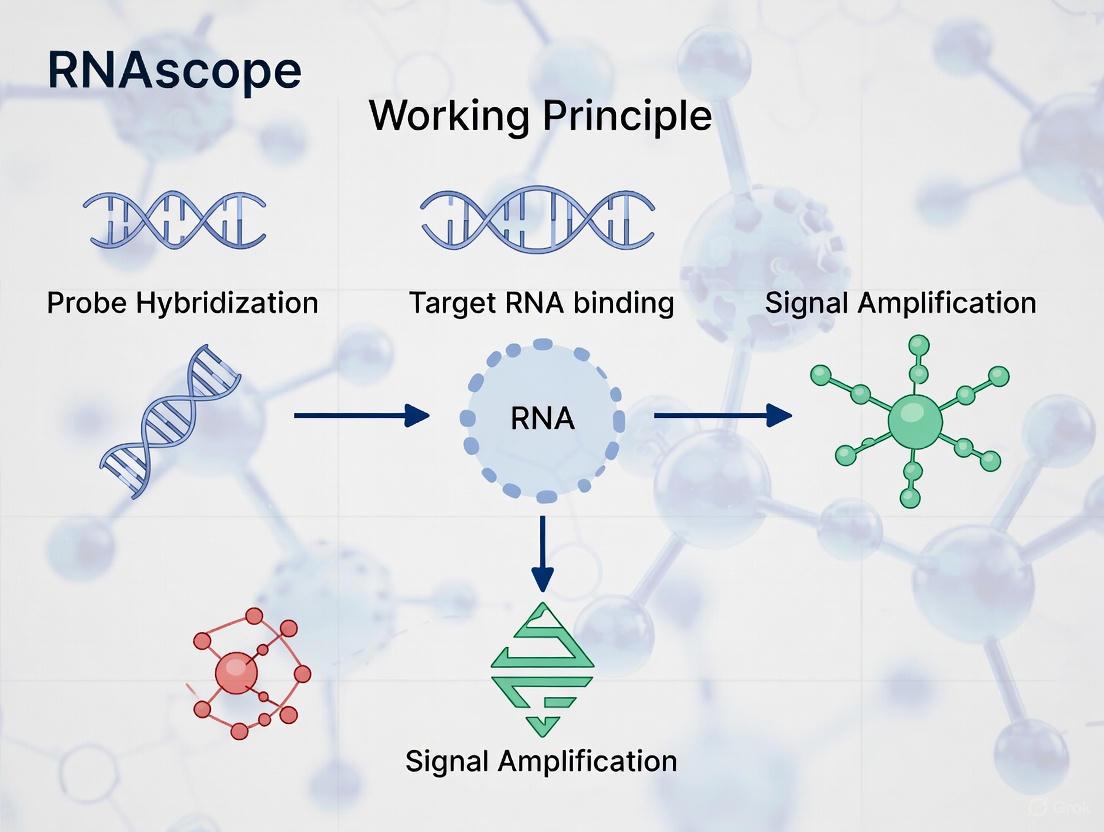
RNAscope Technology: Principles, Applications, and Troubleshooting for Spatial Genomics
This article provides a comprehensive overview of the RNAscope in situ hybridization technology, a revolutionary spatial genomics platform.
The RNAscope Hydrophobic Barrier Pen: A Critical Guide for Selection and Use in Research and Diagnostics
This article provides a comprehensive guide for researchers and drug development professionals on the selection and application of the hydrophobic barrier pen in RNAscope in situ hybridization assays.
Benchmarking Human Embryo Models: Validating Fidelity Against In Vivo References for Biomedical Research
This article provides a comprehensive framework for researchers and drug development professionals to authenticate stem cell-based human embryo models.
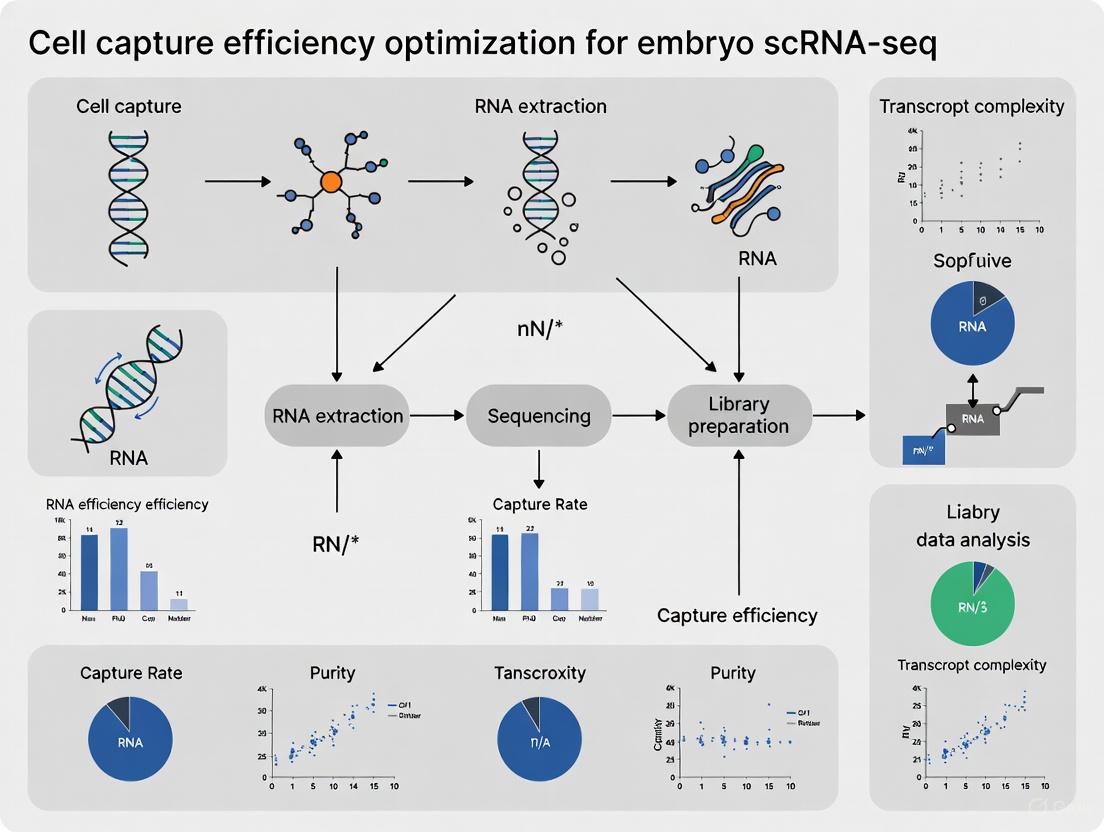
Optimizing Cell Capture Efficiency in Embryo scRNA-seq: Strategies for Sensitivity, Reproducibility, and Validation
Single-cell RNA sequencing has revolutionized the study of early embryonic development, but its application to precious embryo samples is hampered by the critical challenge of cell capture efficiency.
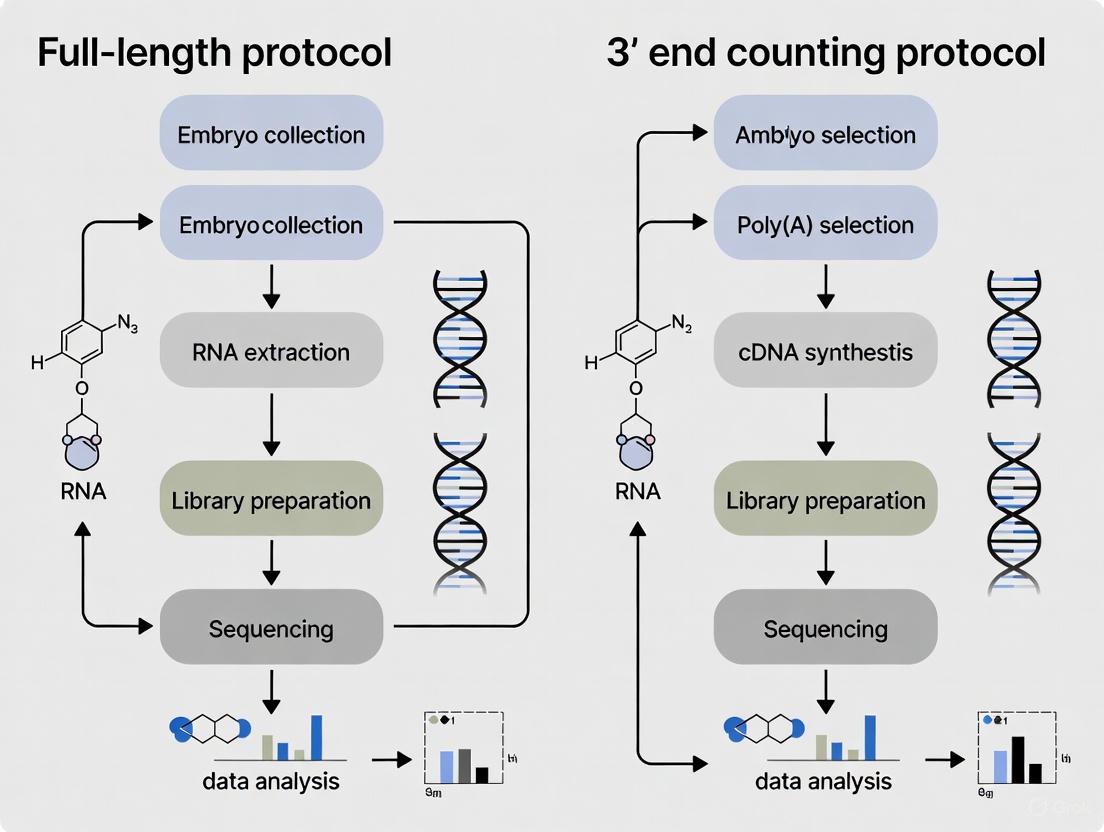
Full-Length vs 3' End Counting scRNA-seq: A Comprehensive Guide for Embryo Research and Drug Development
This article provides a detailed comparative analysis of full-length and 3' end counting single-cell RNA sequencing (scRNA-seq) protocols, with a specific focus on applications in embryo research and preclinical drug...
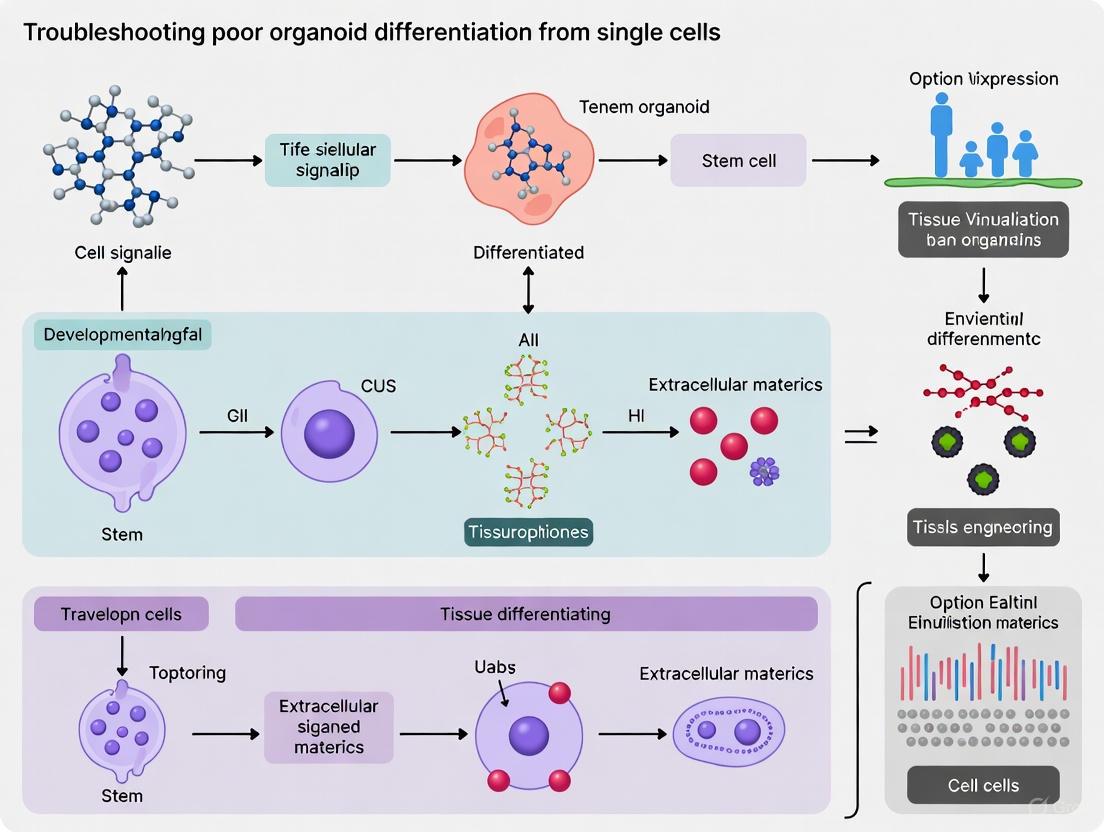
Troubleshooting Poor Organoid Differentiation from Single Cells: A Comprehensive Guide for Researchers
Achieving robust differentiation in organoids derived from single cells remains a significant challenge, impacting the reliability of disease modeling and drug screening.
Optimizing Organoid Size and Shape: Engineering Strategies for Enhanced Differentiation and Function
This article provides a comprehensive overview of advanced strategies for controlling organoid size and shape to improve differentiation efficiency, functionality, and reproducibility.
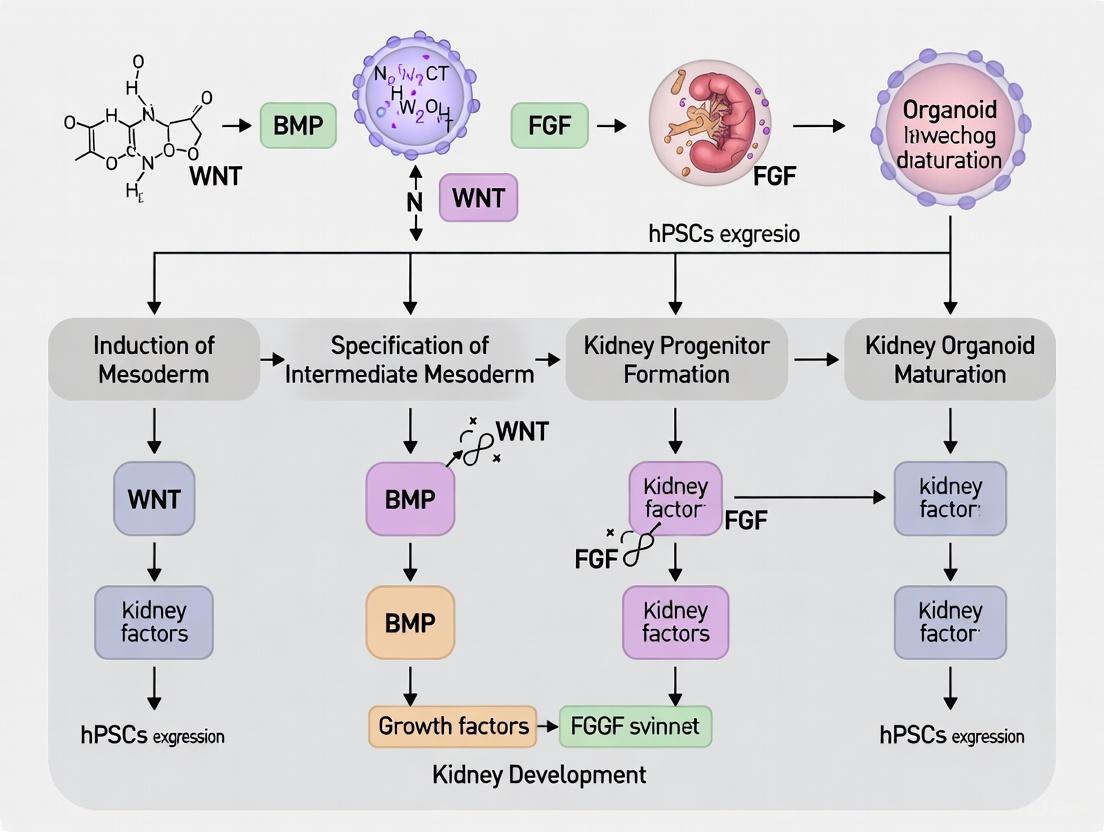
A Stepwise Monolayer Protocol for Kidney Organoid Differentiation: Applications in Disease Modeling and Drug Development
This article provides a comprehensive guide to the stepwise monolayer protocol for differentiating human pluripotent stem cells into kidney organoids.
Necrosis and Hypoxic Cores in Large Organoids: Causes, Solutions, and Clinical Translation
This article provides a comprehensive analysis of the critical challenge of necrosis and hypoxic core formation in large organoids, a major bottleneck in organoid technology.