Research Articles
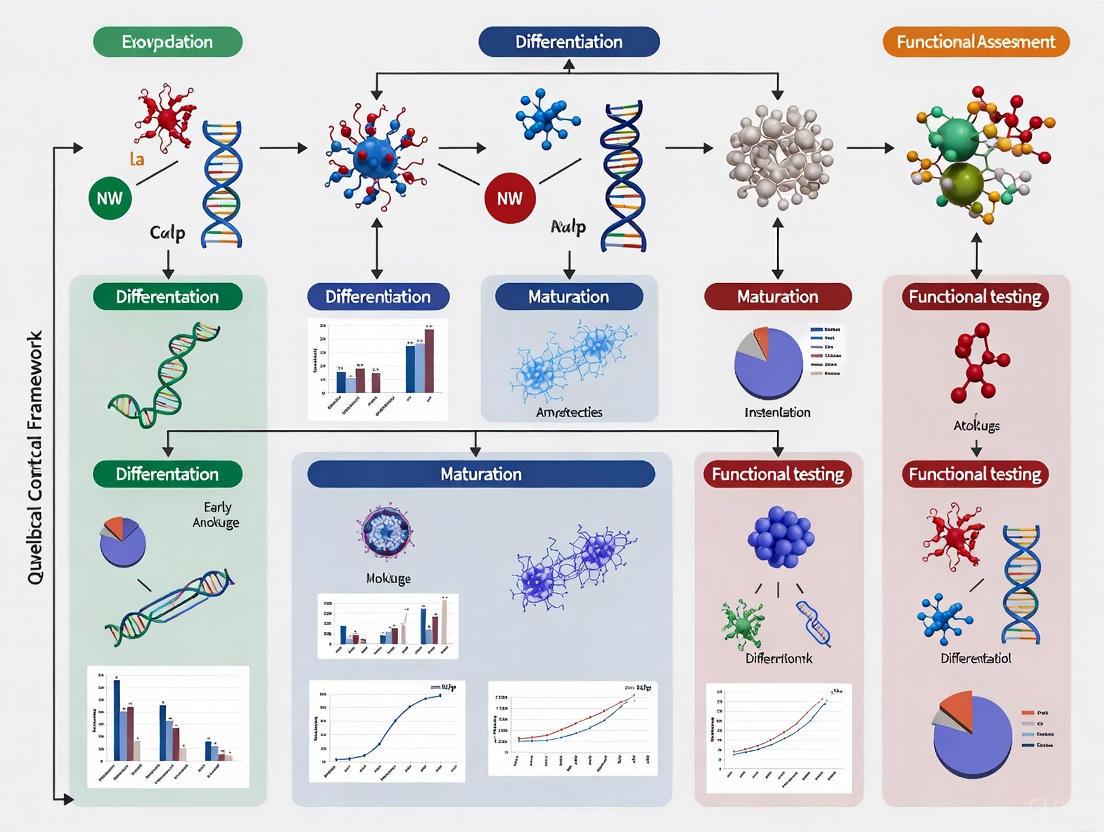
A Standardized Quality Control Framework for Cerebral Cortical Organoids: Enhancing Reproducibility in Neuroscience Research and Drug Development
Cerebral cortical organoids represent a transformative in vitro model for studying human brain development, neurological disorders, and neurotoxicity.
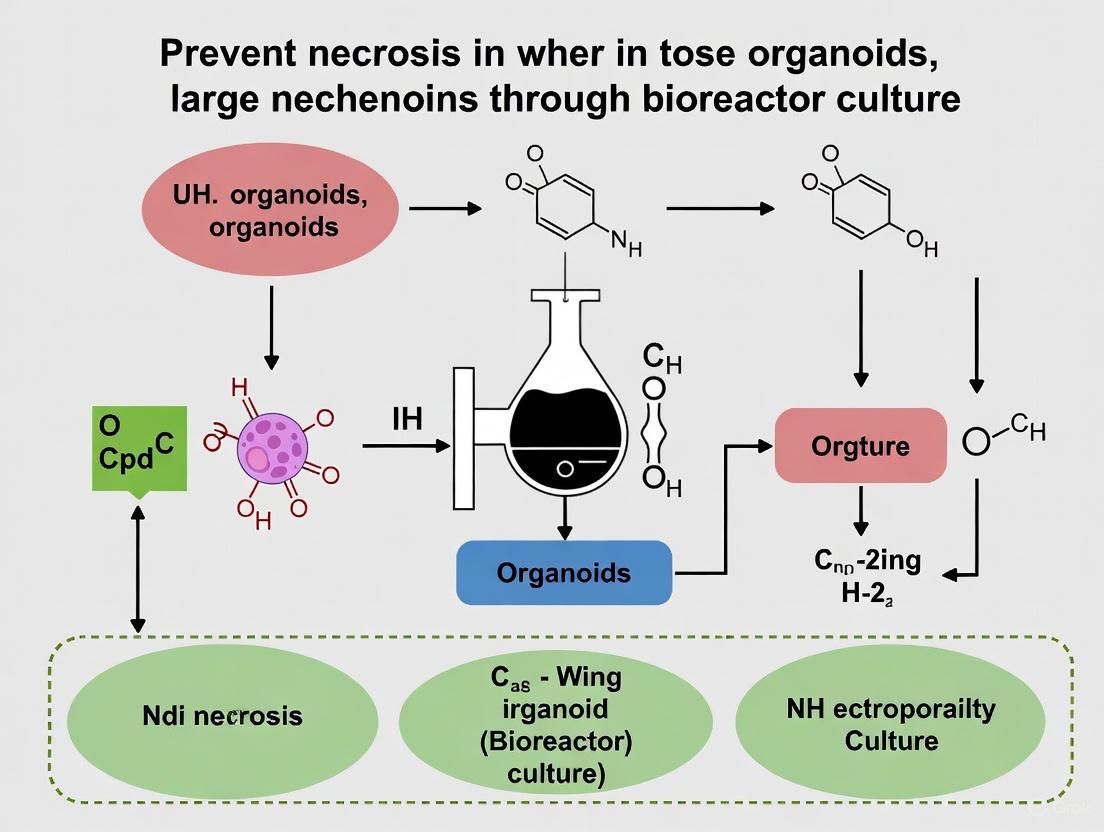
Preventing Necrosis in Large Organoids: Bioreactor Culture Strategies for Enhanced Viability and Function
This article provides a comprehensive guide for researchers and drug development professionals on leveraging bioreactor culture to overcome the critical challenge of central necrosis in large organoids.
Standardizing Organoid Differentiation Protocols: A Roadmap for Reproducible Disease Modeling and Drug Development
The lack of standardized organoid differentiation protocols remains a critical bottleneck in translating these powerful 3D models from research tools to reliable platforms for drug discovery and personalized medicine.
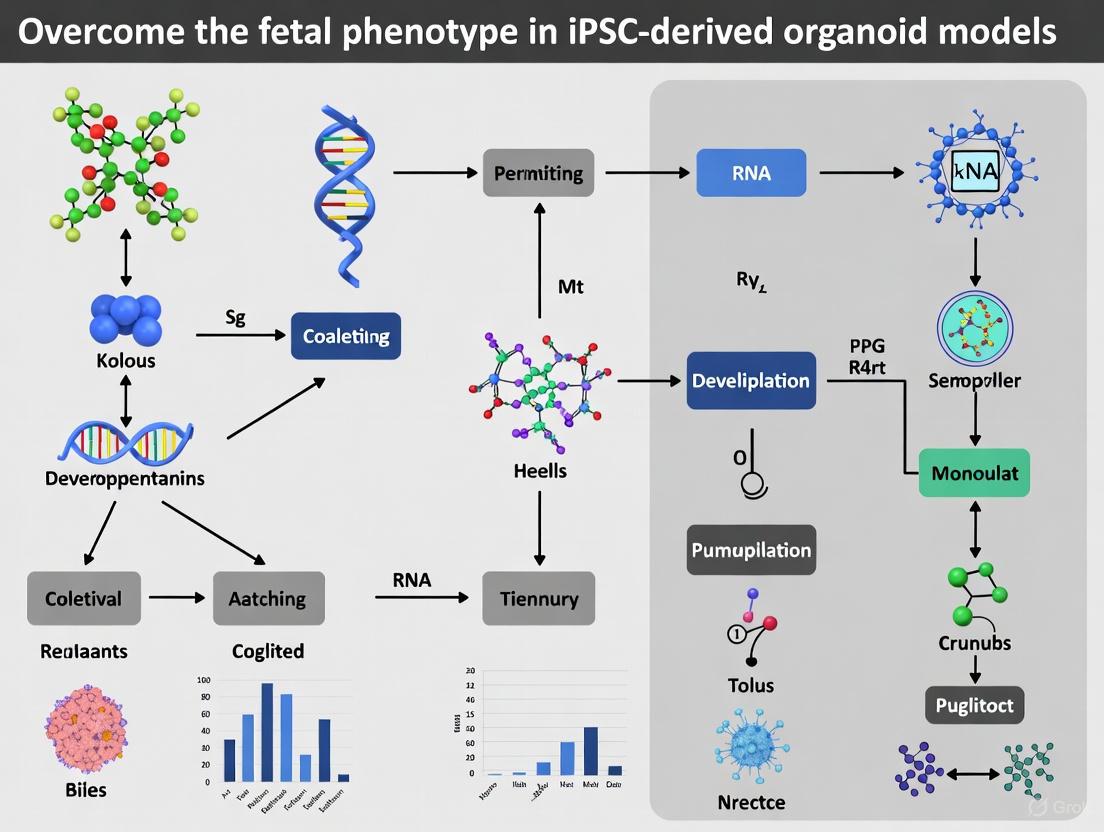
Overcoming the Fetal Phenotype: Strategies for Mature iPSC-Derived Organoids in Disease Modeling and Drug Development
Induced pluripotent stem cell (iPSC)-derived organoids have revolutionized biomedical research by providing human-specific, in vitro models for development, disease, and drug testing.
Overcoming the Cellular Diversity Gap in Organoid Models: Strategies for Enhanced Physiological Relevance
Organoid technology has revolutionized biomedical research by providing three-dimensional, self-organizing models that mimic human organs.
Boosting Kidney Organoid Differentiation: How DMSO Treatment Enhances Efficiency and Maturation
This article explores a significant methodological advancement in kidney organoid generation: the use of low-dose Dimethyl Sulfoxide (DMSO) to precondition human induced pluripotent stem cells (hiPSCs).
Strategies for Reducing Batch-to-Batch Variability in Organoid Differentiation: A Guide for Reproducible Research
This article addresses the critical challenge of batch-to-batch variability in organoid cultures, a major hurdle in academic and industrial applications.
BMP Activation in Retinal Organoid Generation: Protocols, Optimization, and Clinical Translation
This article comprehensively explores the critical role of Bone Morphogenetic Protein (BMP) signaling activation in generating high-purity, functionally mature retinal organoids from human pluripotent stem cells.
Enhancing Organoid Stemness with Small Molecules: A Strategic Guide for Robust Disease Modeling and Drug Discovery
This article provides a comprehensive overview of the strategic use of small molecule combinations to enhance stemness in organoid cultures.
A Highly Reproducible and Efficient Method for Retinal Organoid Differentiation: Protocols, Optimization, and Applications in Disease Modeling
Recent breakthroughs in retinal organoid technology have established highly reproducible and efficient differentiation methods from human pluripotent stem cells, overcoming previous limitations in variability and extended culture times.