Research Articles
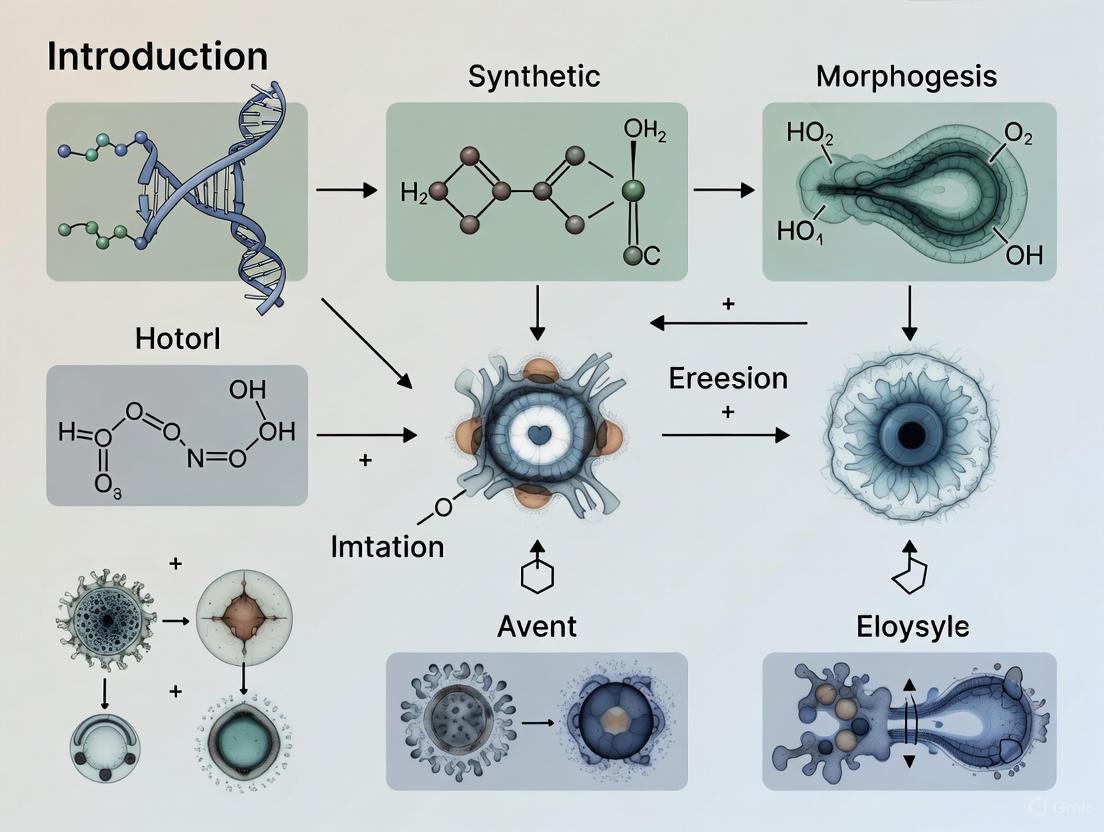
Synthetic Morphogenesis: Engineering Embryo Development for Biomedical Breakthroughs
This article provides a comprehensive introduction to synthetic morphogenesis, a revolutionary field at the intersection of synthetic biology and developmental biology that programs cells to form designed tissues and structures.
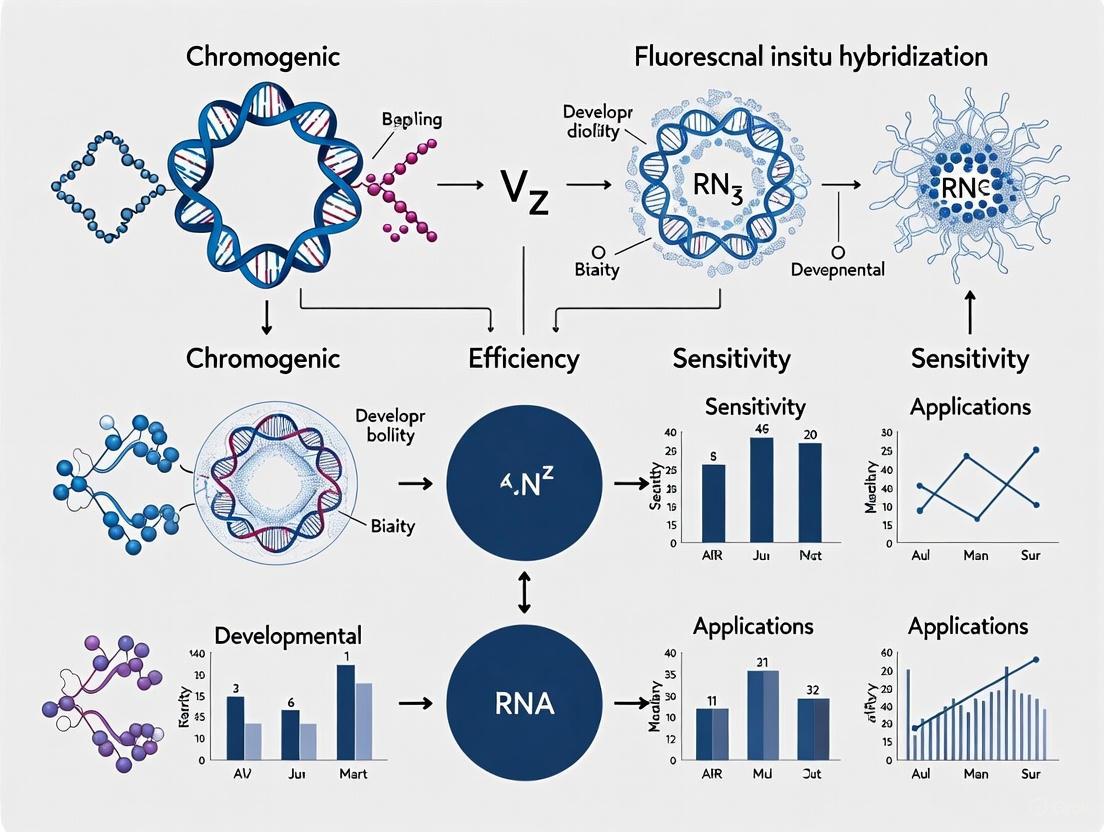
Chromogenic vs Fluorescent In Situ Hybridization: A Comprehensive Guide for Biomedical Researchers
This article provides a detailed comparison of Chromogenic (CISH) and Fluorescent In Situ Hybridization (FISH) for researchers and drug development professionals.
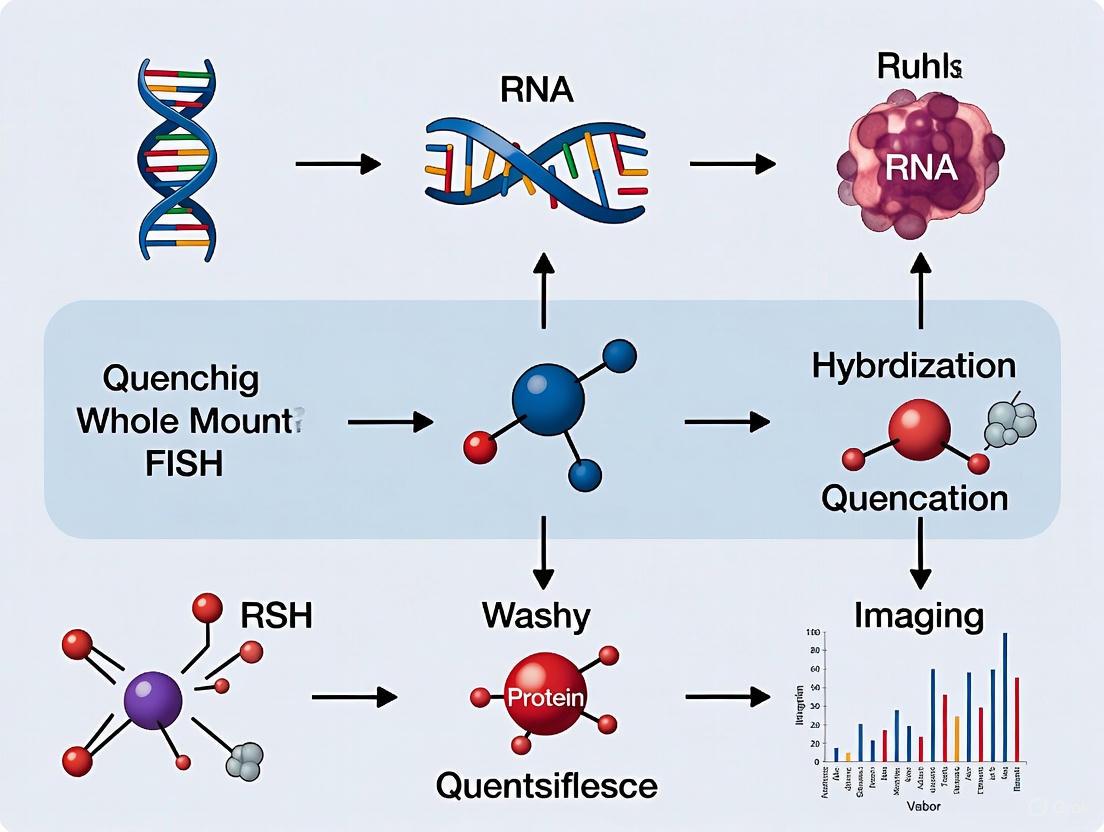
Advanced Strategies for Quenching Autofluorescence in Whole-Mount FISH: A Comprehensive Guide for Biomedical Researchers
This article provides a comprehensive guide for researchers and drug development professionals on overcoming the critical challenge of autofluorescence in whole-mount fluorescence in situ hybridization (FISH).
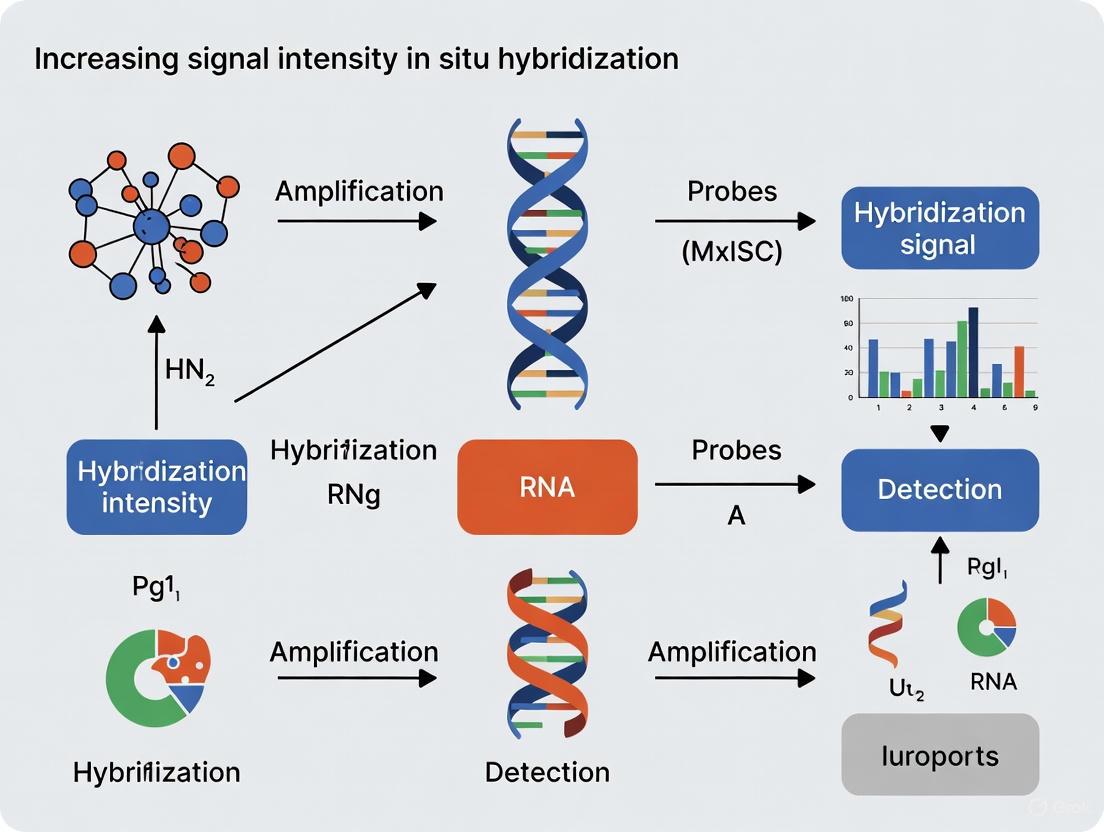
Amplifying Discovery: Advanced Strategies to Boost Signal Intensity in In Situ Hybridization
This article provides a comprehensive guide for researchers and drug development professionals seeking to enhance the sensitivity and reliability of in situ hybridization (ISH).

Double In Situ Hybridization in Zebrafish Embryos: A Comprehensive Guide from Foundational Principles to Advanced Applications
This article provides a comprehensive resource for researchers utilizing double in situ hybridization (dISH) in zebrafish embryos.
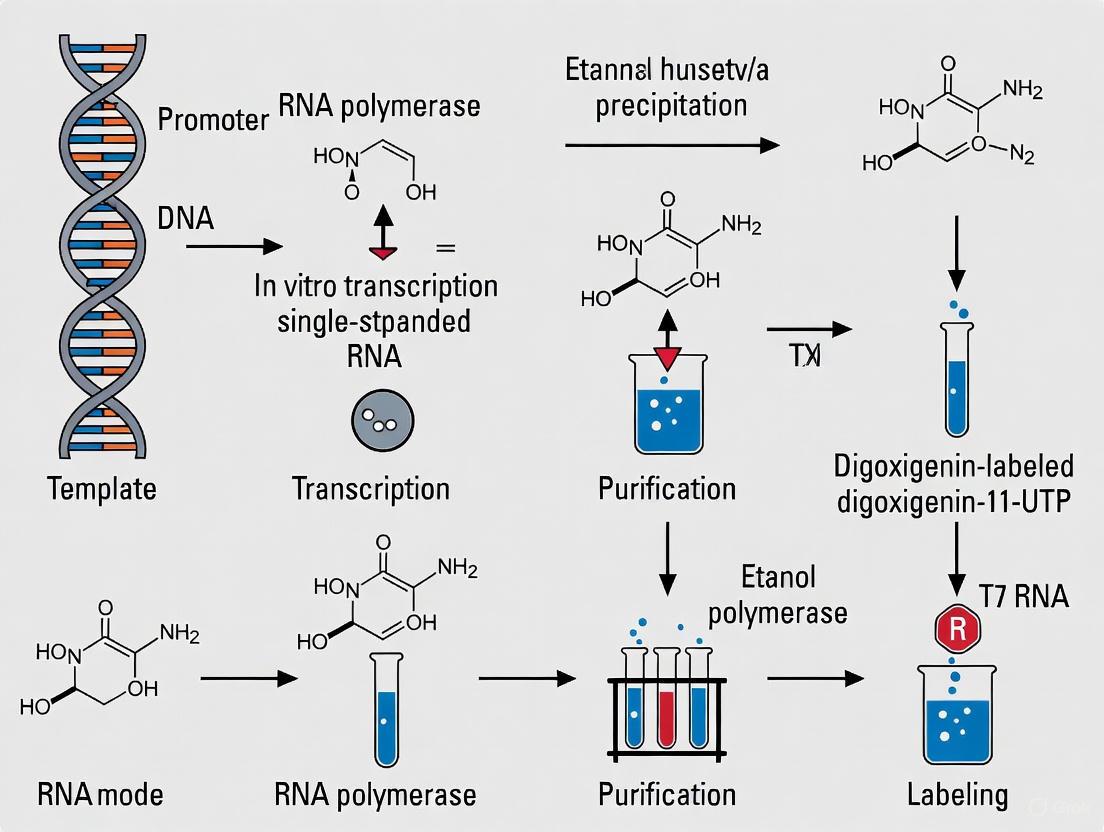
A Comprehensive Guide to Digoxigenin-Labeled RNA Probes: Protocol, Optimization, and Applications
This article provides a complete resource for researchers and drug development professionals utilizing digoxigenin (DIG)-labeled RNA probes.
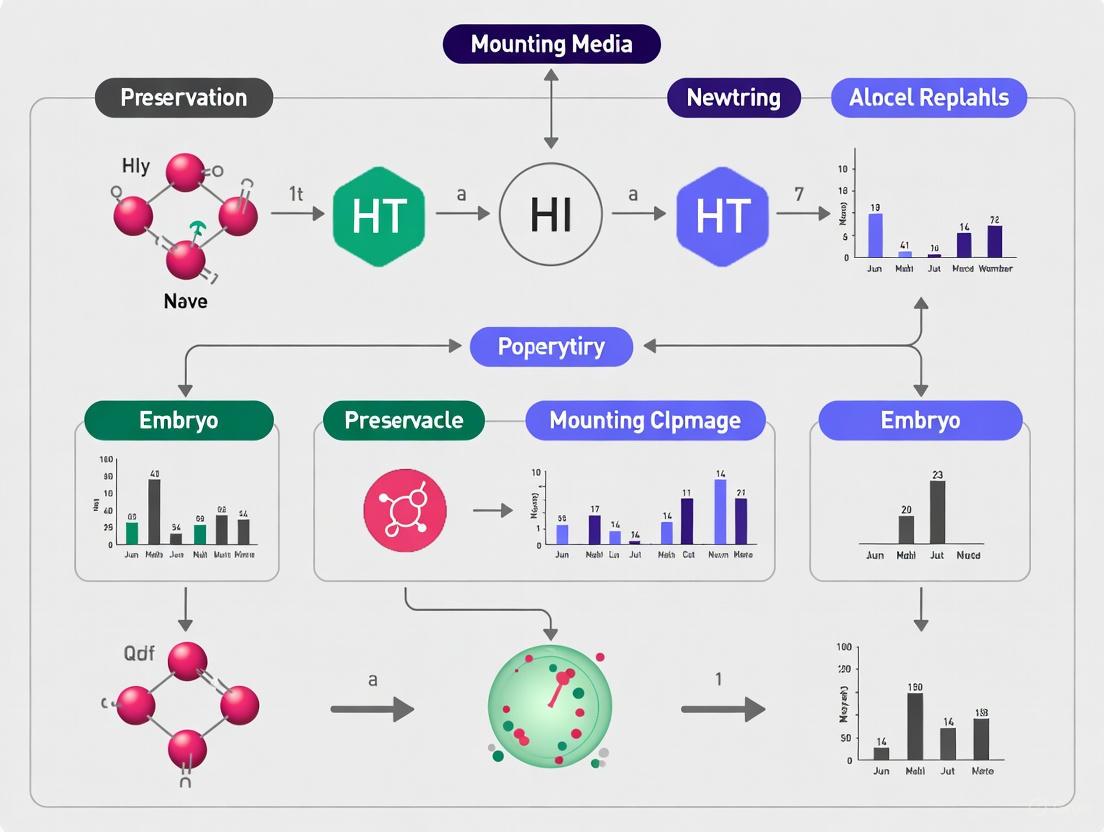
Mounting Media for Embryo Preservation: A Comprehensive Guide for Researchers and Scientists
This article provides a detailed comparative analysis of mounting media used in embryo preservation for biomedical research.
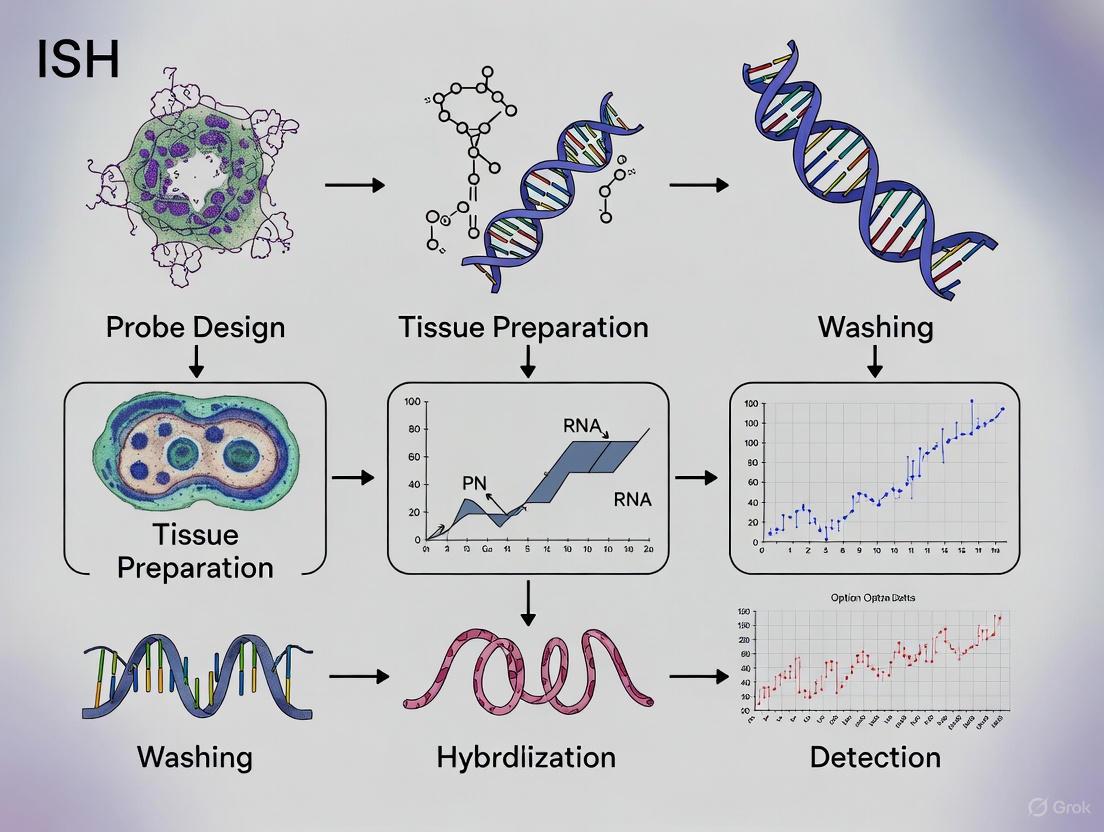
Optimized ISH Protocols for Developmental Biology: From Foundational Principles to Advanced Applications in Research and Drug Development
This article provides a comprehensive guide to in situ hybridization (ISH) tailored for developmental biology research and drug development.
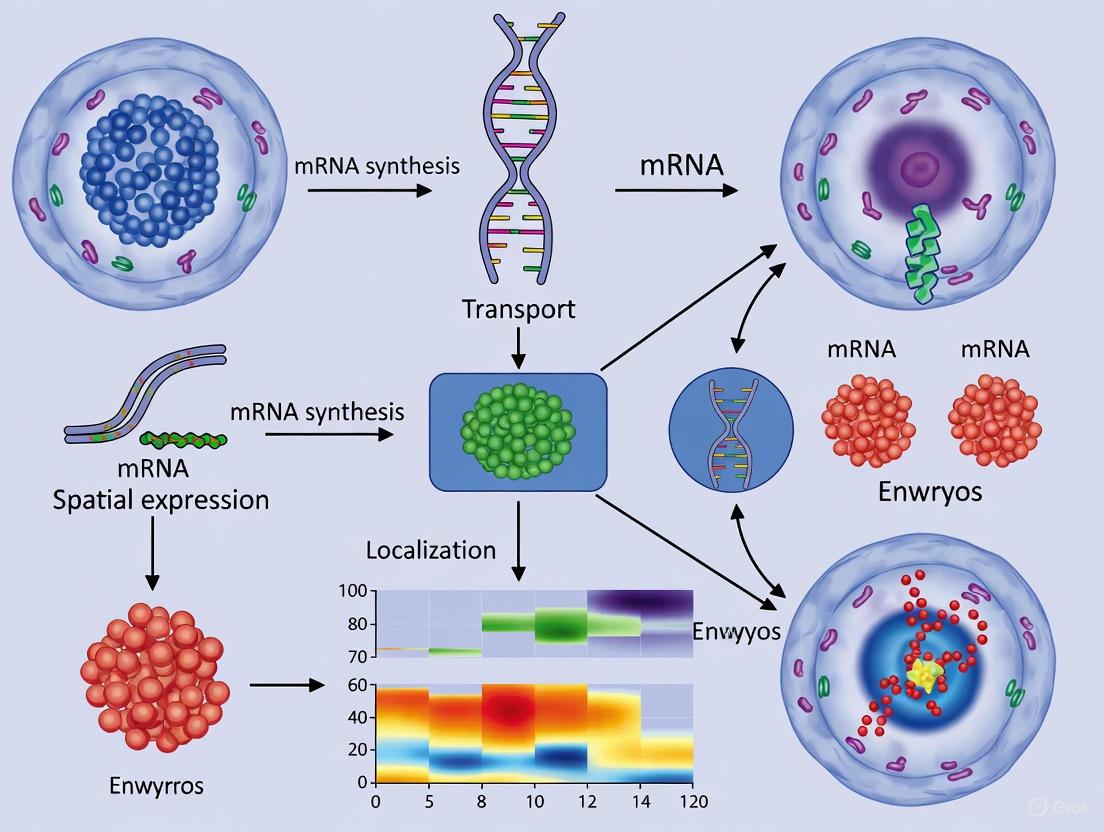
Spatial Transcriptomics in Embryonic Development: From Foundational Principles to Advanced Applications
This article provides a comprehensive overview of cutting-edge methods for detecting mRNA spatial expression in embryos, a rapidly advancing field crucial for understanding development and disease.

Whole Mount In Situ Hybridization: A Comprehensive Guide from Principles to Advanced Applications
This guide provides a thorough exploration of Whole Mount In Situ Hybridization (WISH), a cornerstone technique for visualizing spatial gene expression patterns in intact tissues and embryos.