Research Articles
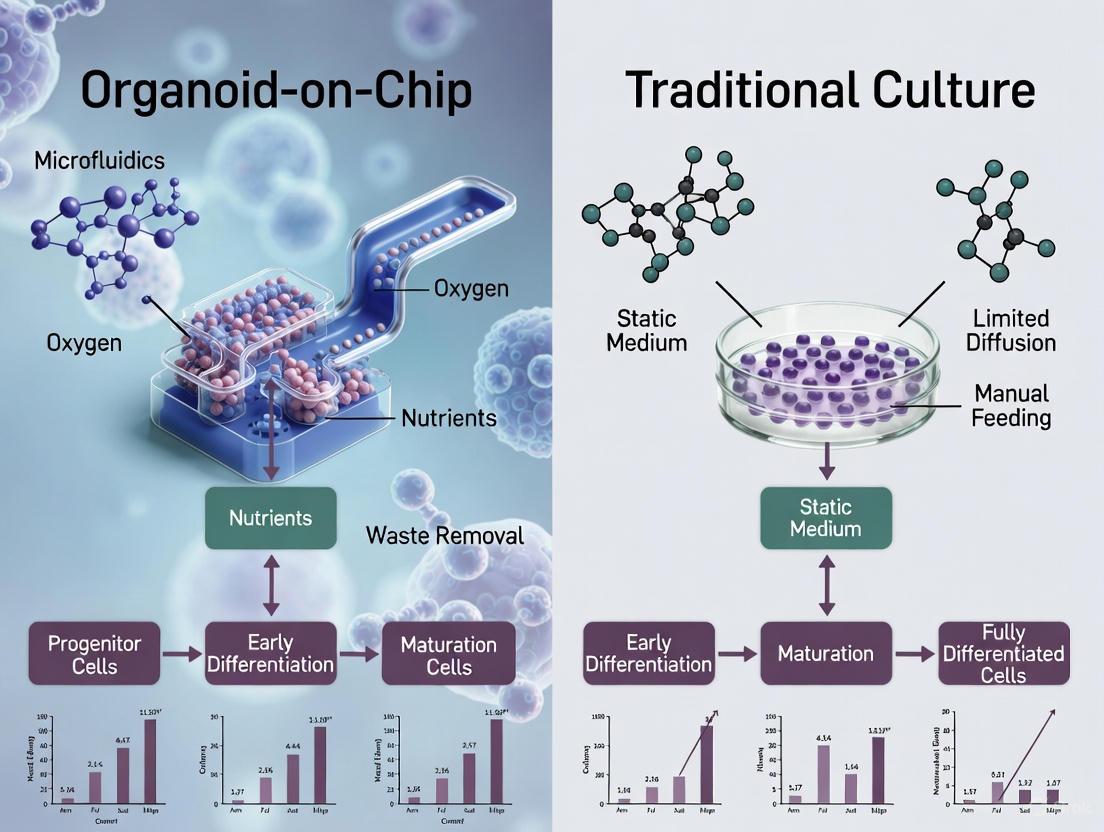
Organoid-on-a-Chip vs. Traditional Culture: A Comparative Analysis of Differentiation Efficiency
This article provides a comprehensive comparison between the novel organoid-on-a-chip technology and traditional 3D organoid cultures, with a specific focus on differentiation efficiency.
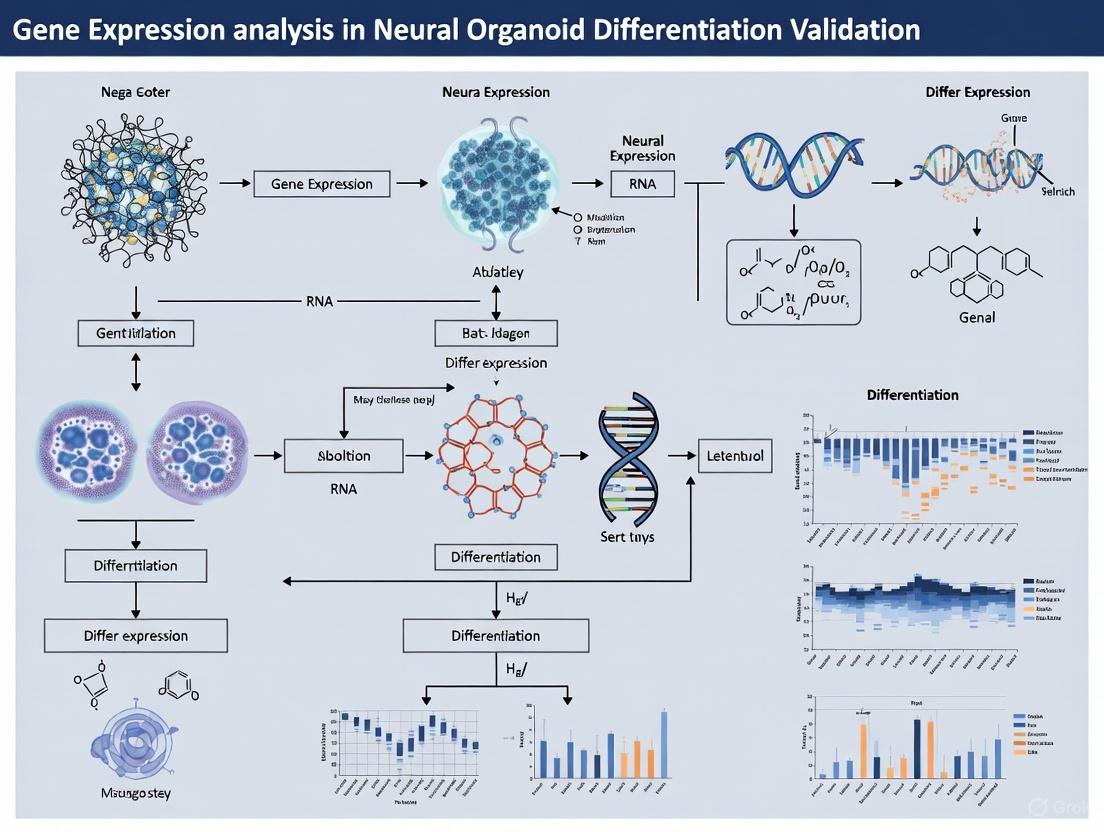
A Comprehensive Guide to Gene Expression Analysis for Validating Neural Organoid Differentiation
This article provides a comprehensive guide for researchers and drug development professionals on employing gene expression analysis to validate neural organoid differentiation.
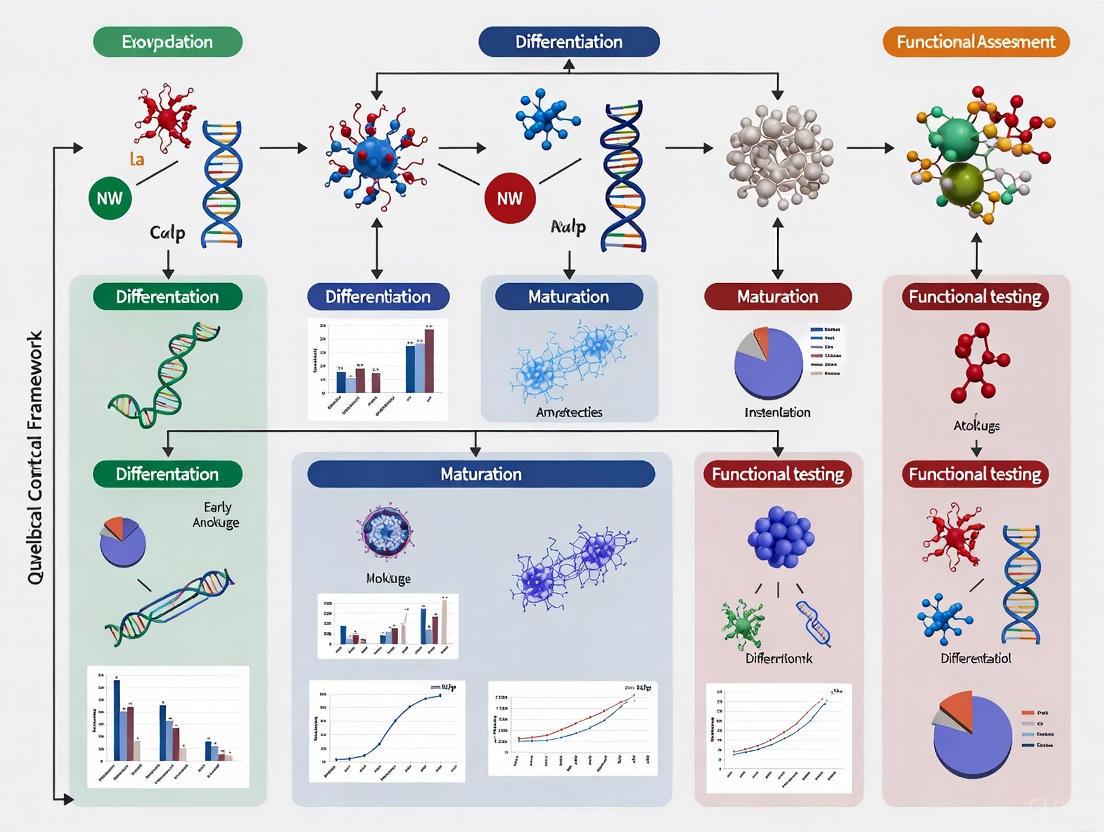
A Standardized Quality Control Framework for Cerebral Cortical Organoids: Enhancing Reproducibility in Neuroscience Research and Drug Development
Cerebral cortical organoids represent a transformative in vitro model for studying human brain development, neurological disorders, and neurotoxicity.
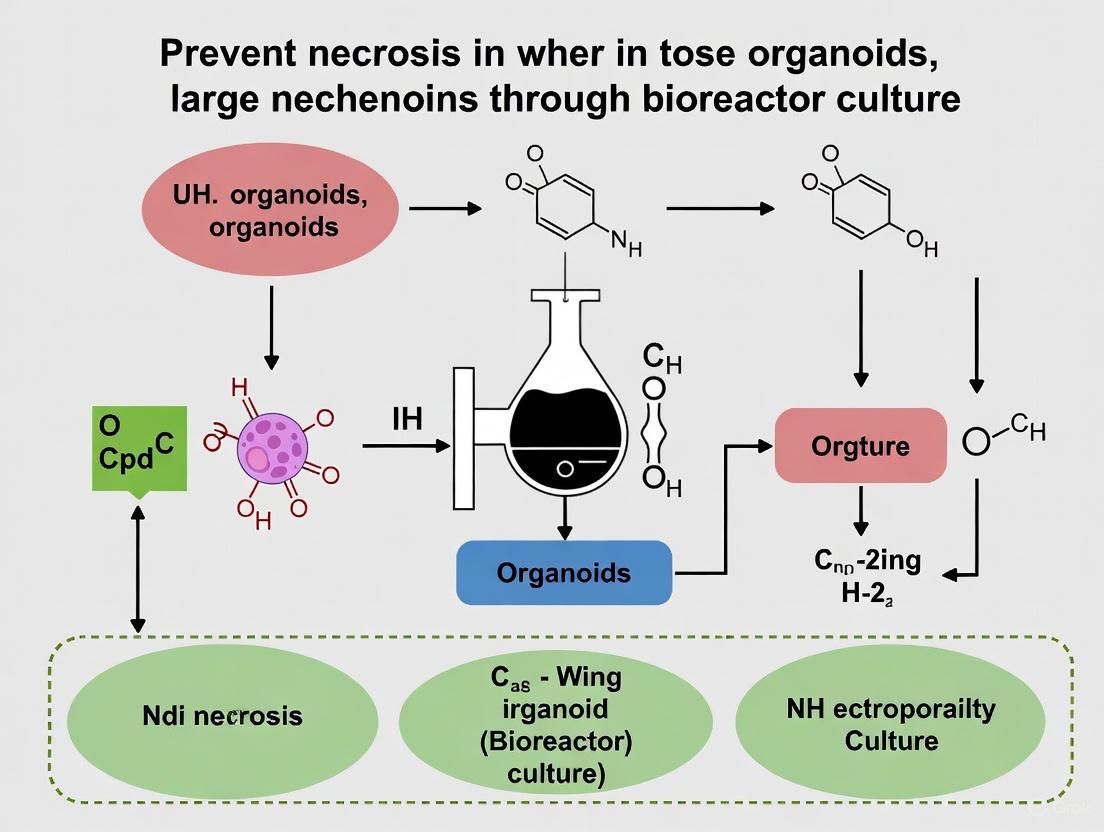
Preventing Necrosis in Large Organoids: Bioreactor Culture Strategies for Enhanced Viability and Function
This article provides a comprehensive guide for researchers and drug development professionals on leveraging bioreactor culture to overcome the critical challenge of central necrosis in large organoids.
Standardizing Organoid Differentiation Protocols: A Roadmap for Reproducible Disease Modeling and Drug Development
The lack of standardized organoid differentiation protocols remains a critical bottleneck in translating these powerful 3D models from research tools to reliable platforms for drug discovery and personalized medicine.
Overcoming the Fetal Phenotype: Strategies for Mature iPSC-Derived Organoids in Disease Modeling and Drug Development
Induced pluripotent stem cell (iPSC)-derived organoids have revolutionized biomedical research by providing human-specific, in vitro models for development, disease, and drug testing.
Overcoming the Cellular Diversity Gap in Organoid Models: Strategies for Enhanced Physiological Relevance
Organoid technology has revolutionized biomedical research by providing three-dimensional, self-organizing models that mimic human organs.
Boosting Kidney Organoid Differentiation: How DMSO Treatment Enhances Efficiency and Maturation
This article explores a significant methodological advancement in kidney organoid generation: the use of low-dose Dimethyl Sulfoxide (DMSO) to precondition human induced pluripotent stem cells (hiPSCs).
Strategies for Reducing Batch-to-Batch Variability in Organoid Differentiation: A Guide for Reproducible Research
This article addresses the critical challenge of batch-to-batch variability in organoid cultures, a major hurdle in academic and industrial applications.
BMP Activation in Retinal Organoid Generation: Protocols, Optimization, and Clinical Translation
This article comprehensively explores the critical role of Bone Morphogenetic Protein (BMP) signaling activation in generating high-purity, functionally mature retinal organoids from human pluripotent stem cells.